
Split, Croatia: unveiling the secrets of Diocletian’s Palace
Split, Croatia's second-largest city, is a timeless destination where ancient history meets vibrant coastal life. Home to the monumental Diocletian's Palace, a UNESCO World Heritage site, Split's Old Town is a maze of narrow streets, Roman ruins, and bustling markets.
As you explore, the echoes of Roman emperors and medieval knights seamlessly blend with modern-day cafes and boutiques. From the majestic Cathedral of St. Domnius to the lively Riva promenade, Split offers the perfect balance of relaxation and discovery. Whether you're immersing yourself in the city's rich history or enjoying fresh seafood by the sea, Split offers the perfect Mediterranean adventure. If you're visiting Split, check out this guide to all the highlights you can't miss in this stunning Adriatic city!
What to see in Split
Split walking tour
If you’re visiting Split for the first time, the best way to truly immerse yourself in the city’s rich 1,700-year history is to book an Old Town and Diocletian Palace Walking Tour with GetYourGuide.
Starting at the Golden Gate, this walking tour explored the remains of the Roman Emperor Diocletian’s Palace, which forms the heart of Split’s Old Town. We marveled at the grand colonnades of the Peristyle square and visited the remarkable Saint Domnius Cathedral, considered the oldest Catholic cathedral still in use in its original form. Along the way, our guide shared stories of historical figures like Gregory of Nin, whose imposing statue in Giardin Park is a must-see. The tour also took us along the scenic Riva promenade, where the sparkling Adriatic Sea and Marjan Hill provide stunning backdrops.
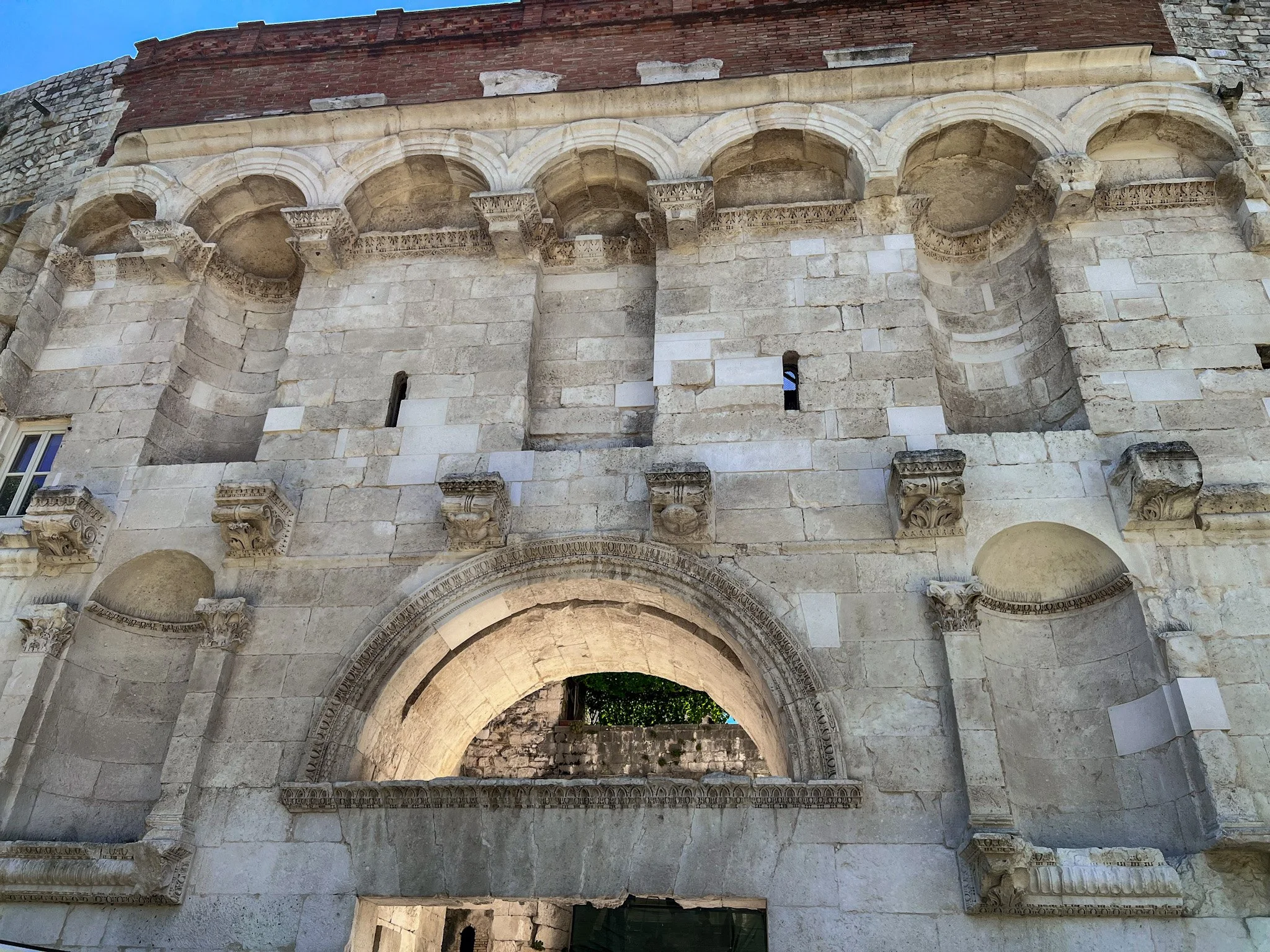
Golden Gate
Our visit started by the Golden Gate, known locally as zlatna vrata. As one of the four principal entrances to Diocletian’s Palace, this northern gate was the grandest, elaborately designed to reflect its importance. Constructed in 305 CE, it was the primary entryway for Emperor Diocletian, who likely passed through it upon retiring to the palace. The gate also marked the start of the road to Salona, his birthplace and the capital of Roman Dalmatia.
During the Middle Ages, the gate was sealed off for defensive purposes and later fell into disrepair. Modern restorations have since revived its historical grandeur, with visitors today marveling at its intricate design. The structure features a central arch surrounded by niches that once held statues of the Tetrarchs, Diocletian included, and decorative elements reflecting Syrian Roman influences.
Beyond its Roman roots, the gate houses the narrow Church of Saint Martin, built in the 6th century within the guard passage. Over the centuries, towers and columns were lost to urban changes, yet its enduring presence tells the story of Split’s layered history. Whether admiring its craftsmanship or contemplating its storied past, the Golden Gate is a gateway to Split’s ancient soul.
Statute of Gregory of Nin
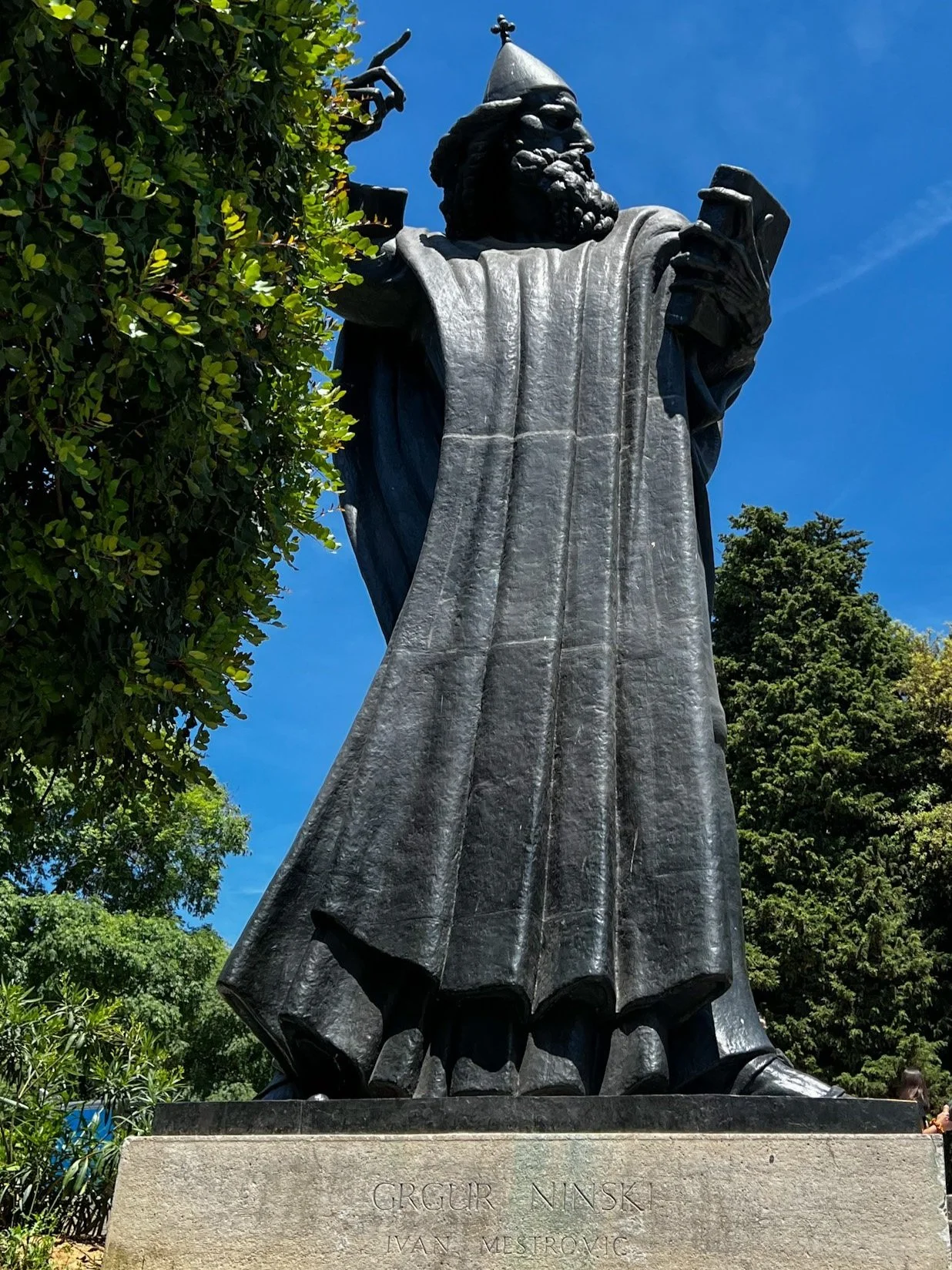
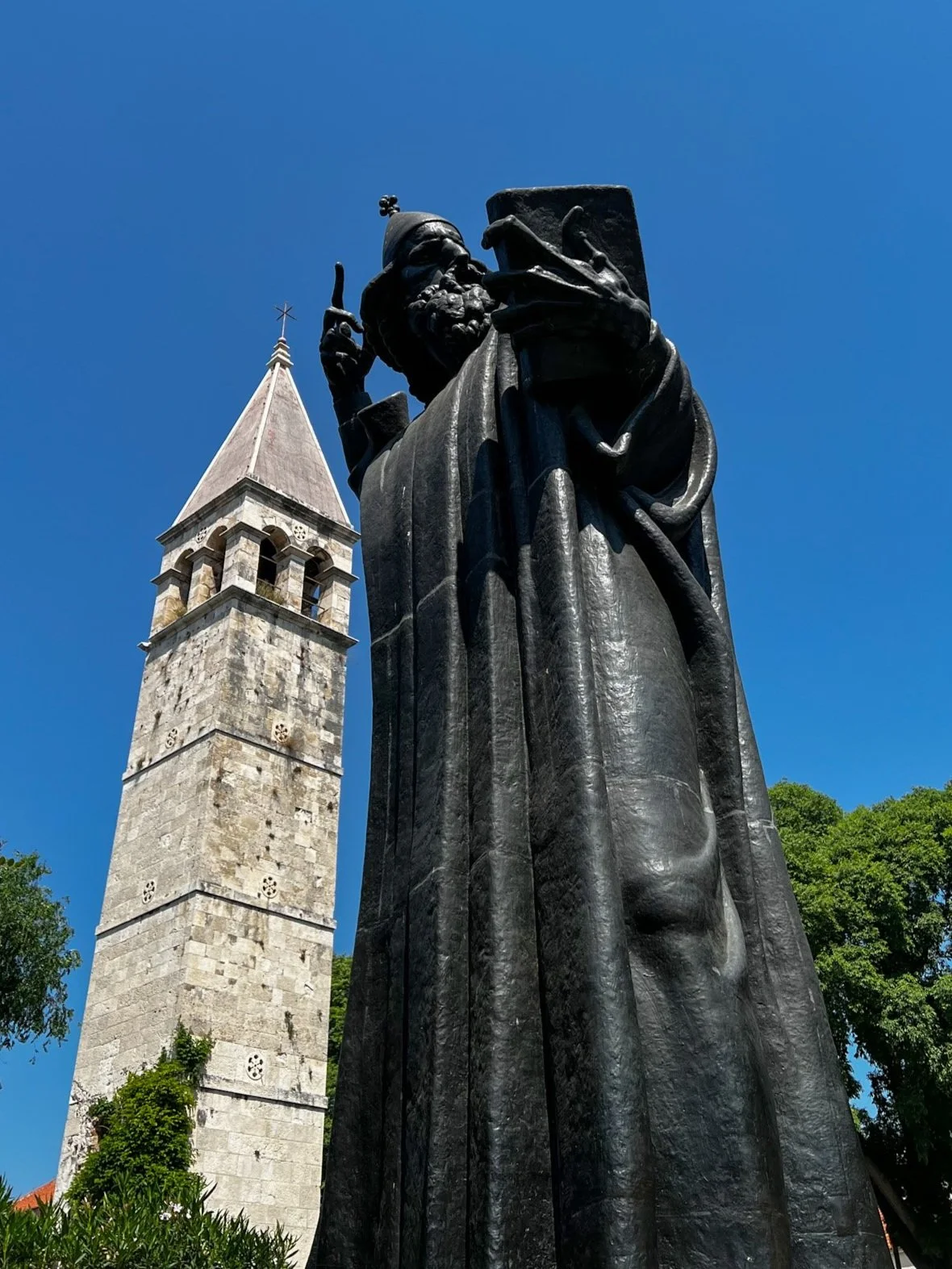
Right across the Golden Gate and crowning Giardin Park you’ll find the imposing statute of Gregory of Nin, a fascinating figure in Croatian history.
Gregory was a 10th-century Bishop of Nin who championed the use of the Croatian language in religious services, defying the Church’s insistence on Latin. This bold move not only strengthened Christianity in the region but also played a crucial role in preserving Croatian culture and identity. Although his bishopric was ultimately abolished, Gregory’s legacy endures as a symbol of cultural pride and resistance.
The 8.5-meter-tall statue of Gregory, created by renowned sculptor Ivan Meštrović, was erected in 1929, becoming a popular tourist attraction, with visitors flocking to rub the statue’s toe for good luck—a tradition that has left it smooth and shiny over the years. The statue itself has had a tumultuous history, moved during World War II and later restored to its current location in 1954.
Diocletian’s Palace
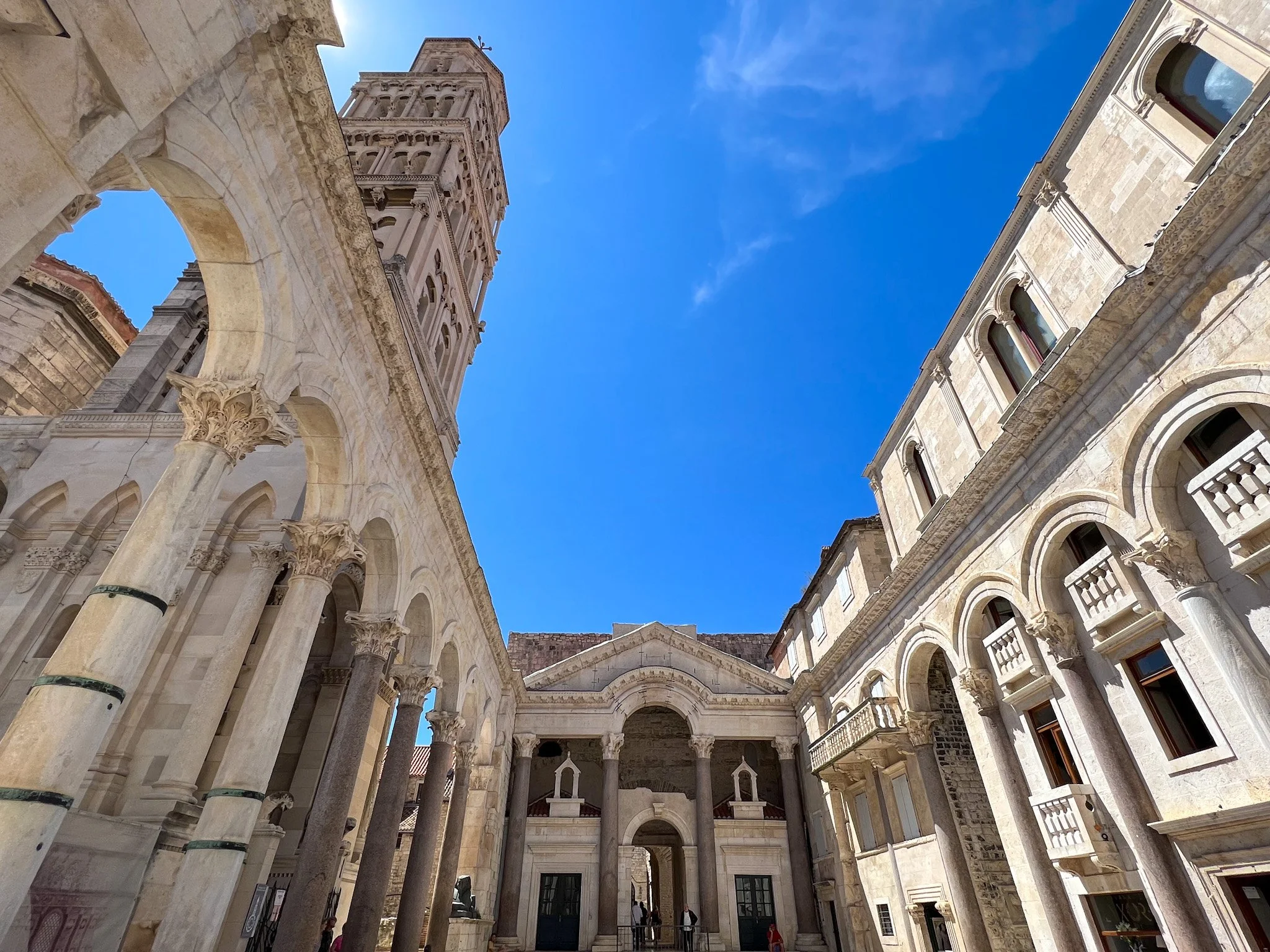
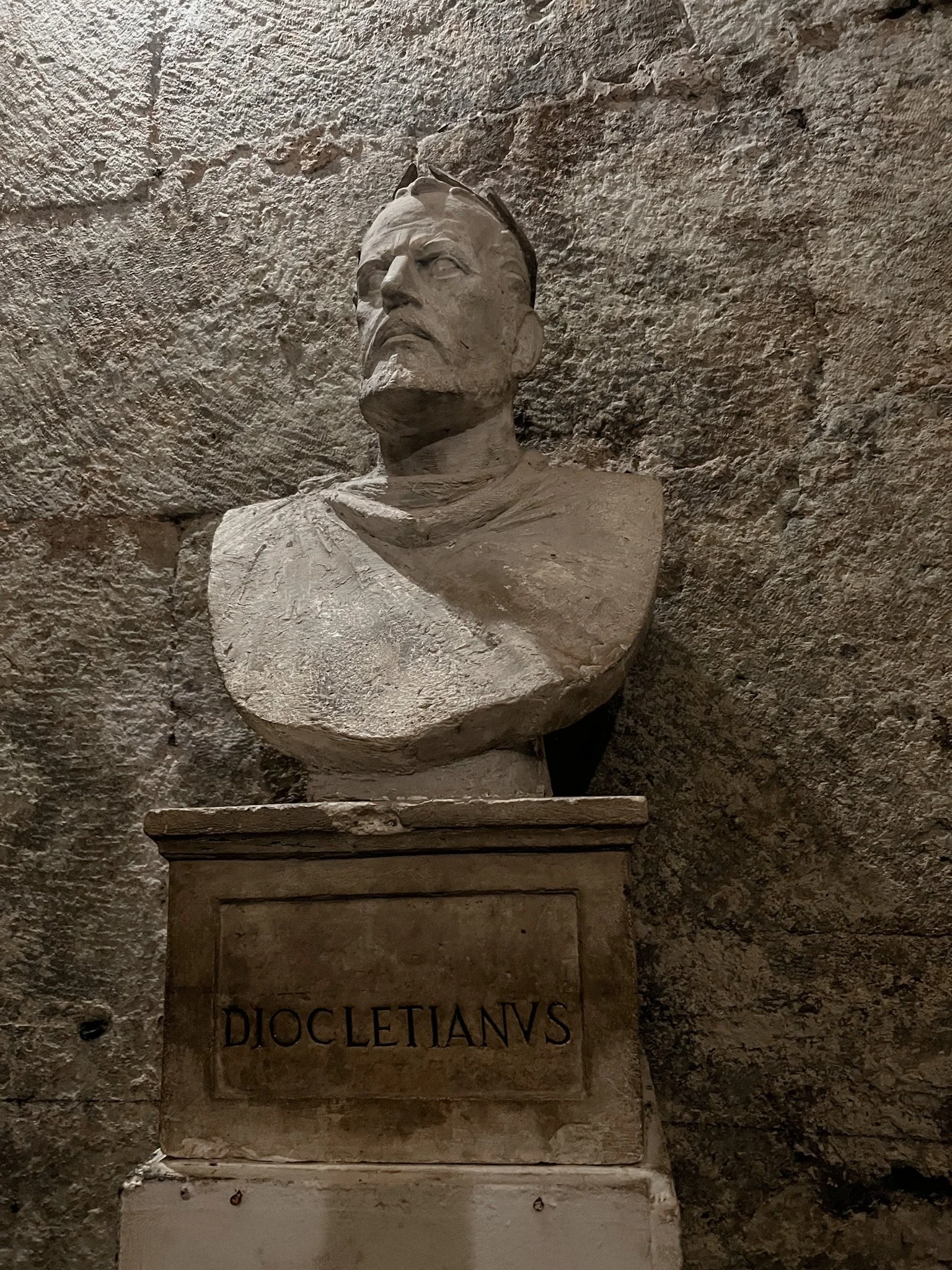
Without a doubt, the main highlight of Split is Diocletian's Palace, a stunning example of Roman architecture and one of Croatia’s most prized historical landmarks.
Built in the late 3rd century AD as a retirement residence for Emperor Diocletian, the structure resembles a fortified city more than a traditional palace. Approximately half of Split’s Old Town is encompassed by the palace, which blends ancient Roman, medieval, and modern elements.
This UNESCO World Heritage Site reflects the grandeur of its time, with walls of white limestone from nearby Brač and intricate craftsmanship by artisans from across the Roman Empire. After Diocletian’s death in 312 AD, the palace continued to serve as a residence for Roman elites and later as a refuge during invasions in the 7th century, becoming the foundation for Split’s vibrant community.
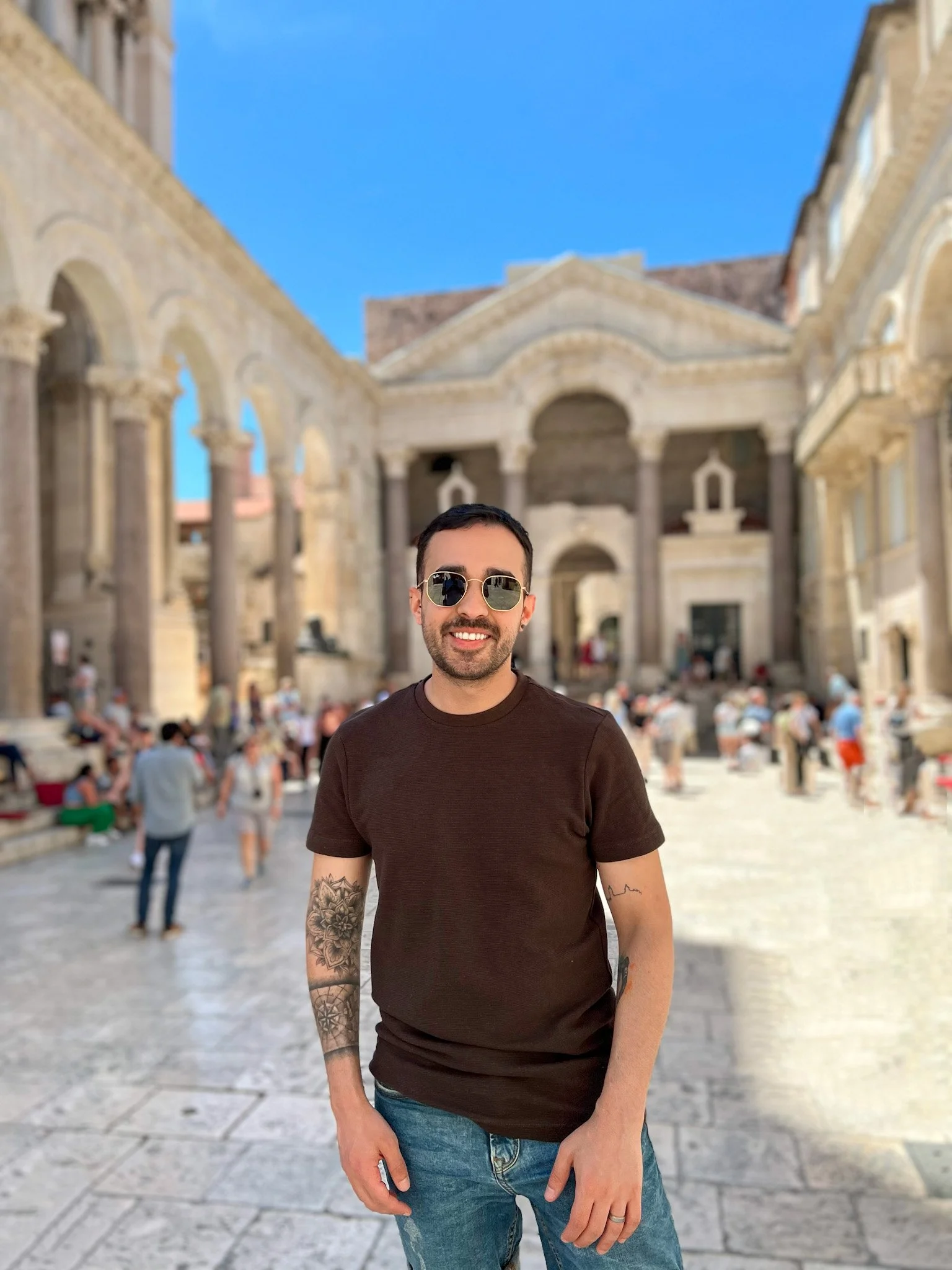
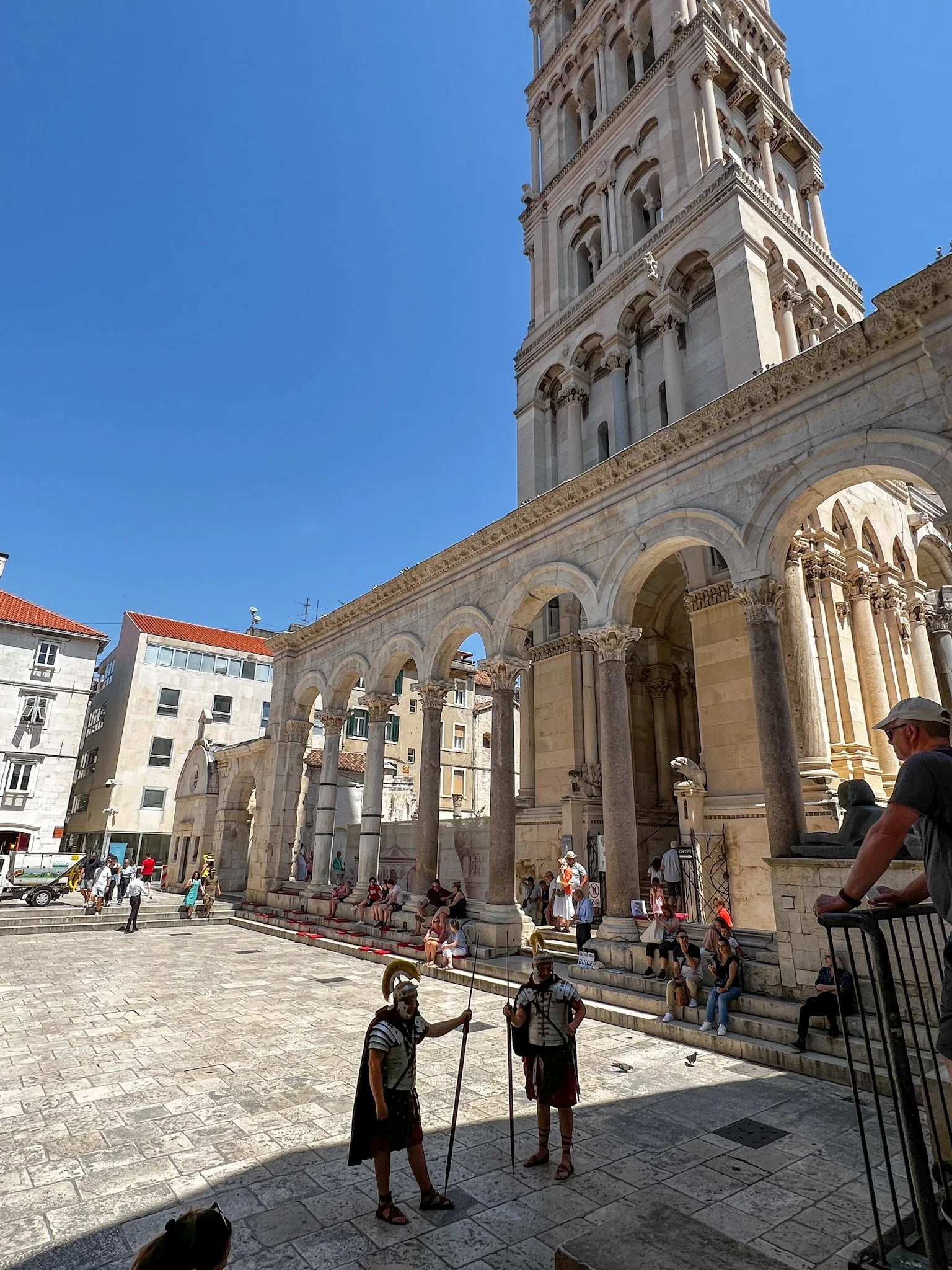
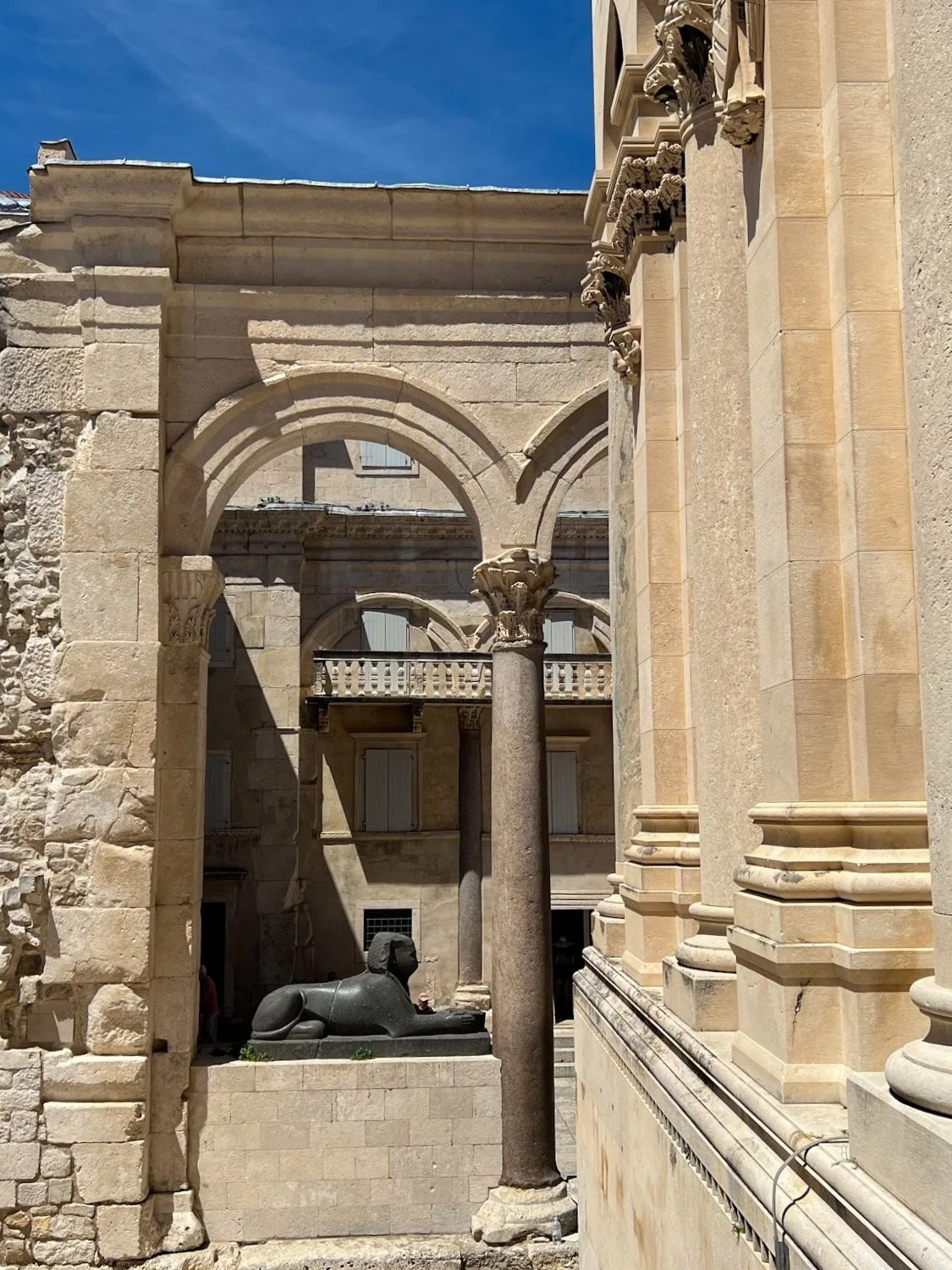
In the Peristyle, the palace's ceremonial central square, you can admire its grand columns and arches. Its remarkable preservation makes it a must-see for history enthusiasts, offering a vivid glimpse into Roman imperial life and the centuries of adaptation that followed.
Cathedral of Saint Domnius
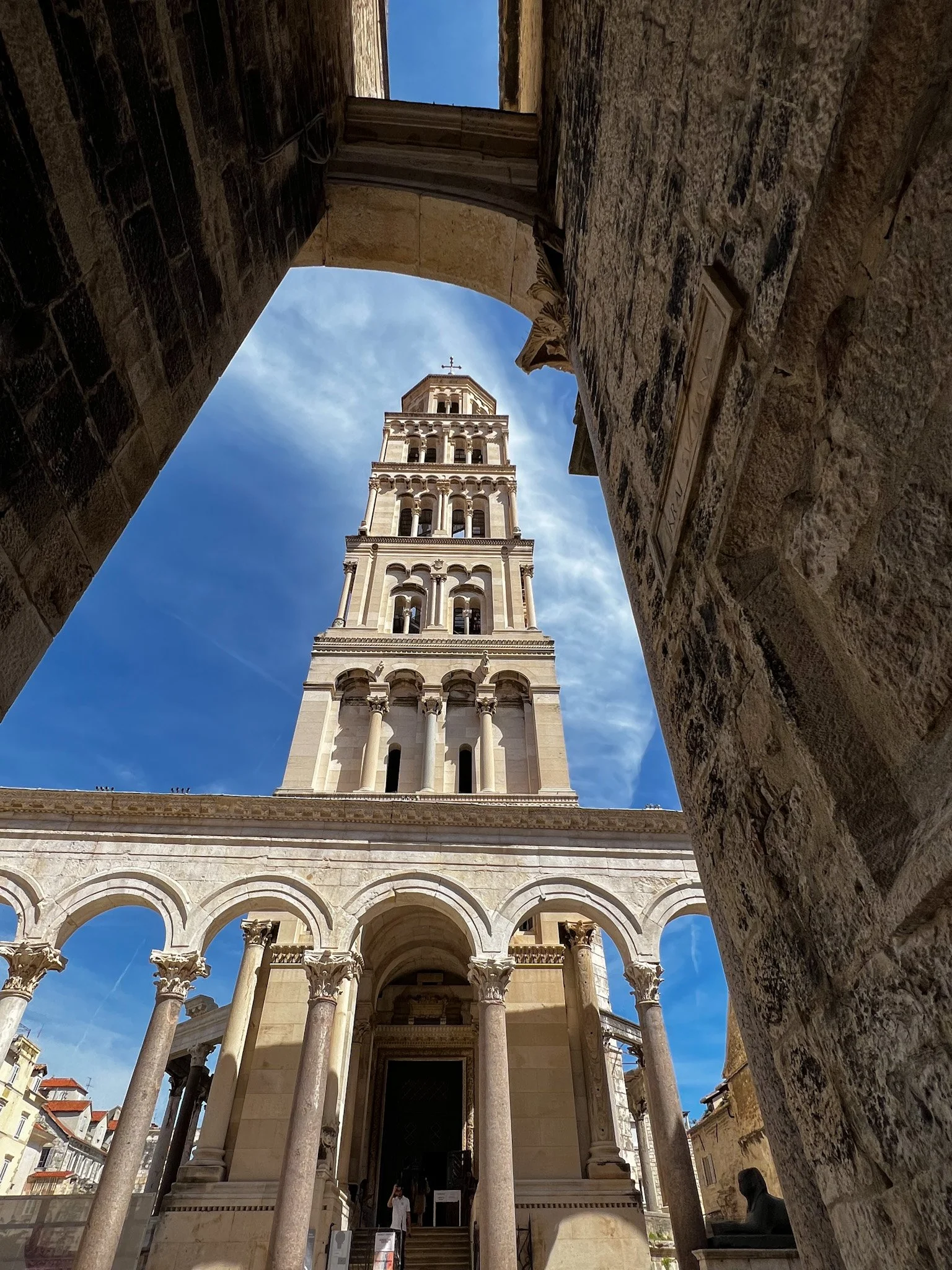
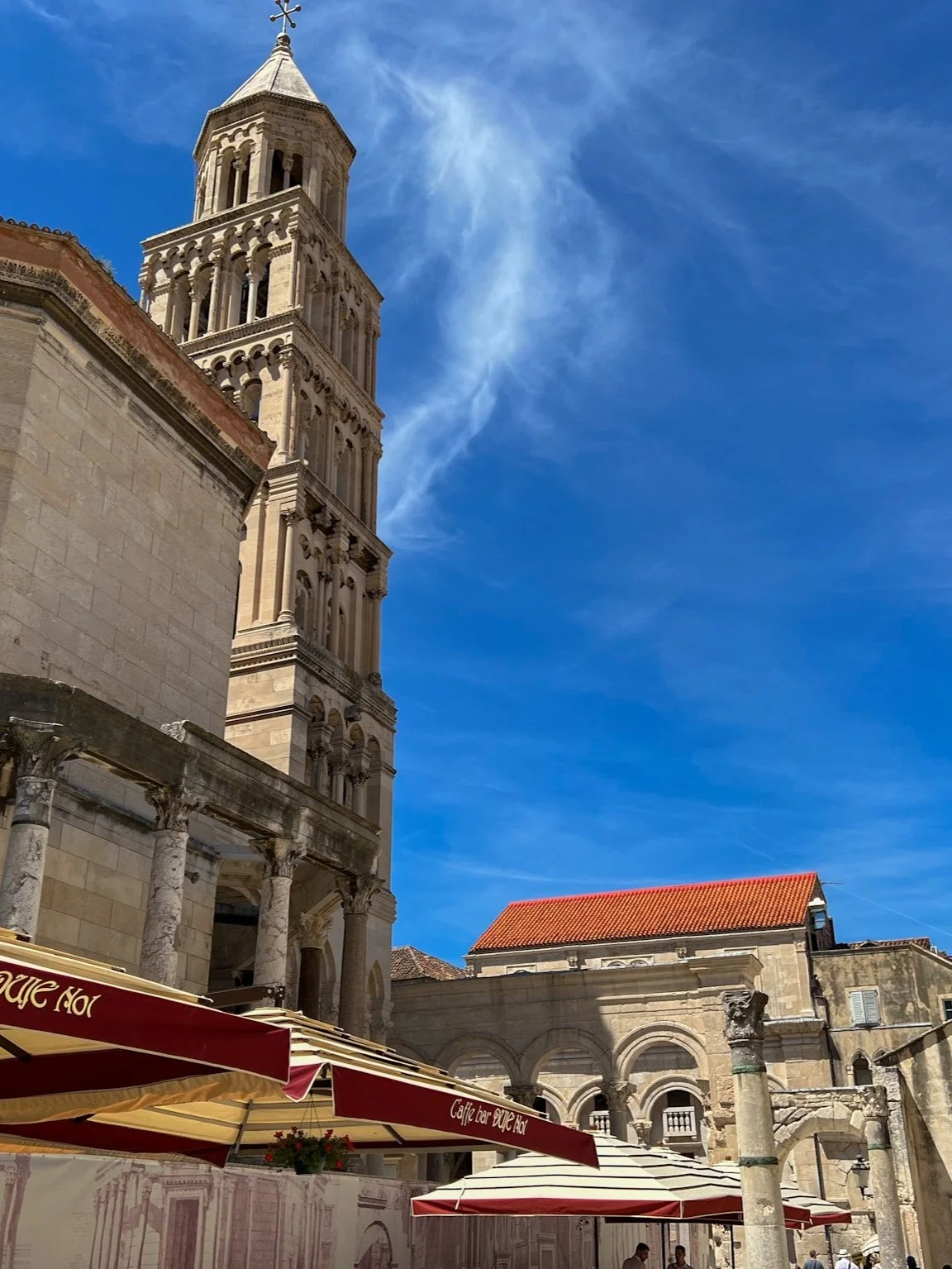
Also located in the Peristyle is the Cathedral of Saint Domnius, originally constructed in AD 305 as the Mausoleum of Emperor Diocletian.
T,he cathedral stands as the oldest Catholic cathedral in the world still in use in its original structure. Its unique architectural blend includes the mausoleum, a Romanesque bell tower, and later medieval additions, making it a centerpiece of Split’s rich history.
The cathedral was consecrated in the 7th century, following the transformation of Diocletian’s pagan mausoleum into a Christian church dedicated to the Virgin Mary, with its bell tower honoring Saint Domnius, the patron saint of Split. Saint Domnius, a 3rd-century Bishop of Salona, was martyred during Diocletian's reign.
The main structure, crafted from high-quality limestone and marble sourced locally from Brač and nearby riverbeds, showcases the enduring Roman craftsmanship. Over time, modifications such as the addition of a 17th-century choir and a Romanesque bell tower in 1100 AD have further enriched its design. The bell tower underwent extensive renovations in 1908, altering its original Romanesque features.
One of the cathedral’s most treasured features is its wooden doors, created by Croatian artist Andrija Buvina in 1214. These doors, intricately carved with 14 scenes from the life of Jesus Christ, are a masterpiece of Romanesque art.
The cathedral treasury houses relics of Saint Domnius, medieval religious artifacts, and exquisite goldsmith work spanning centuries. Highlights include the Madonna and Child panel painting from the 13th century and historical manuscripts like the Book of Gospels (6th century) and the Supetar Cartulary (11th century).
Temple of Jupiter
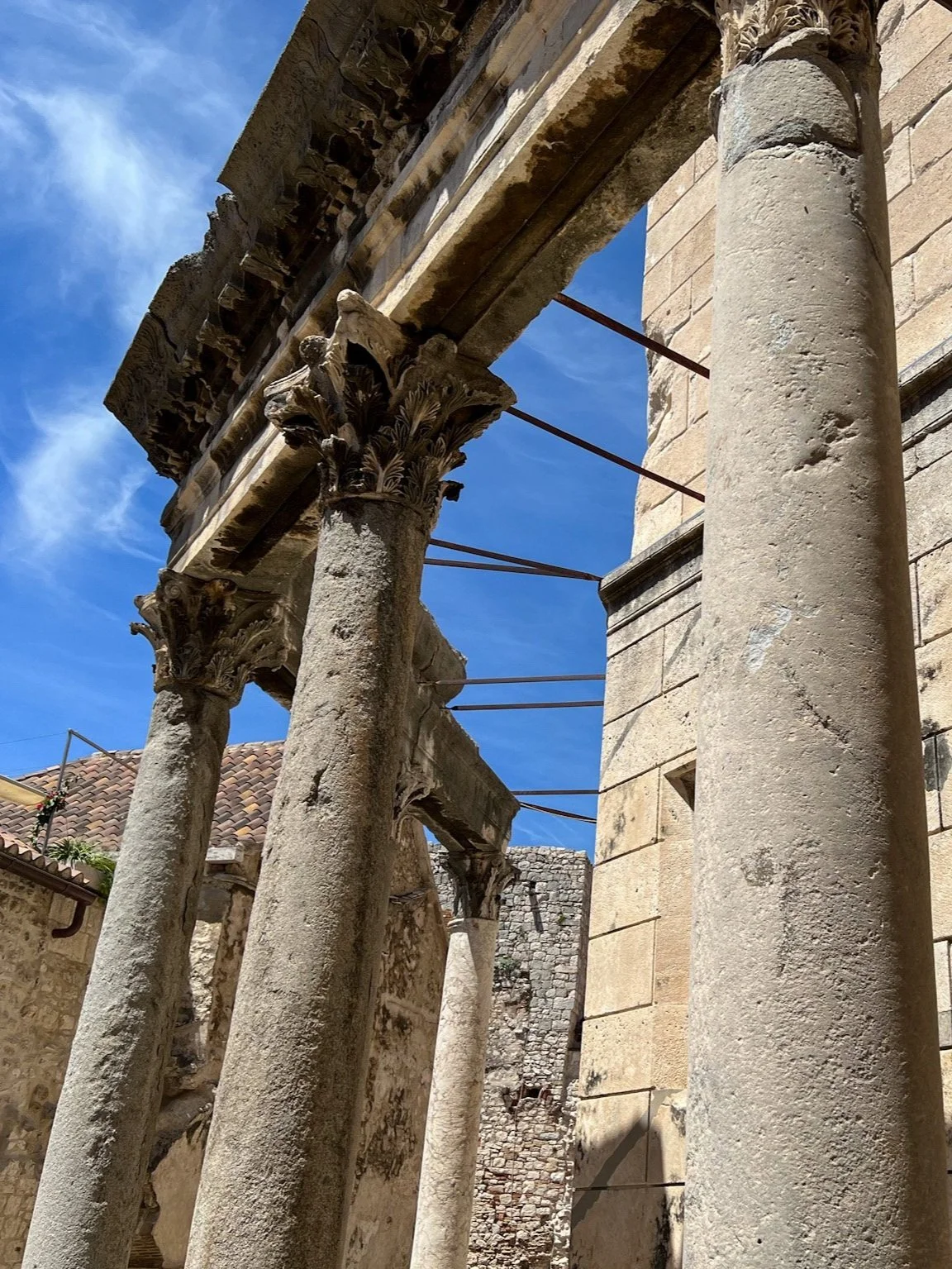
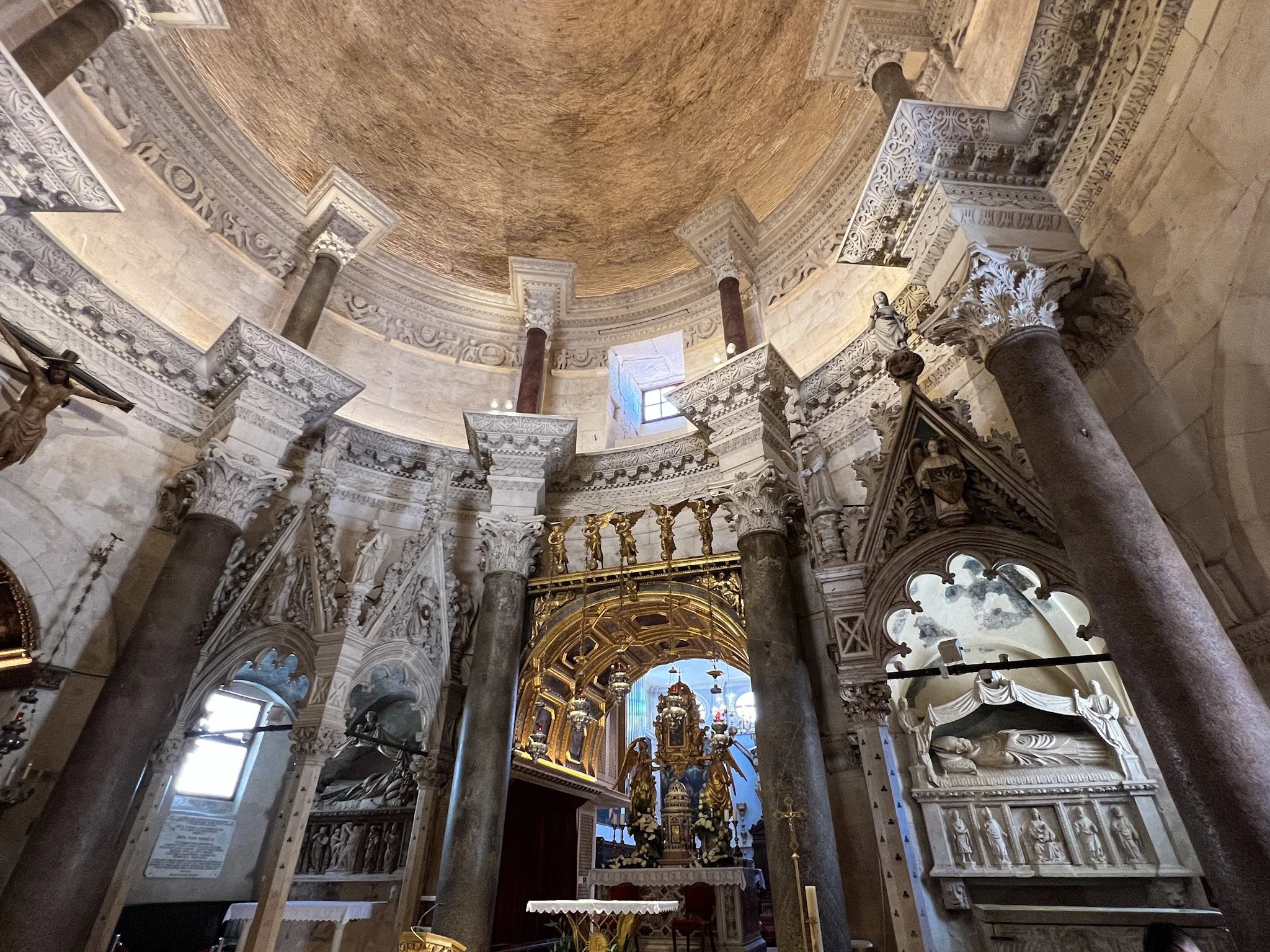
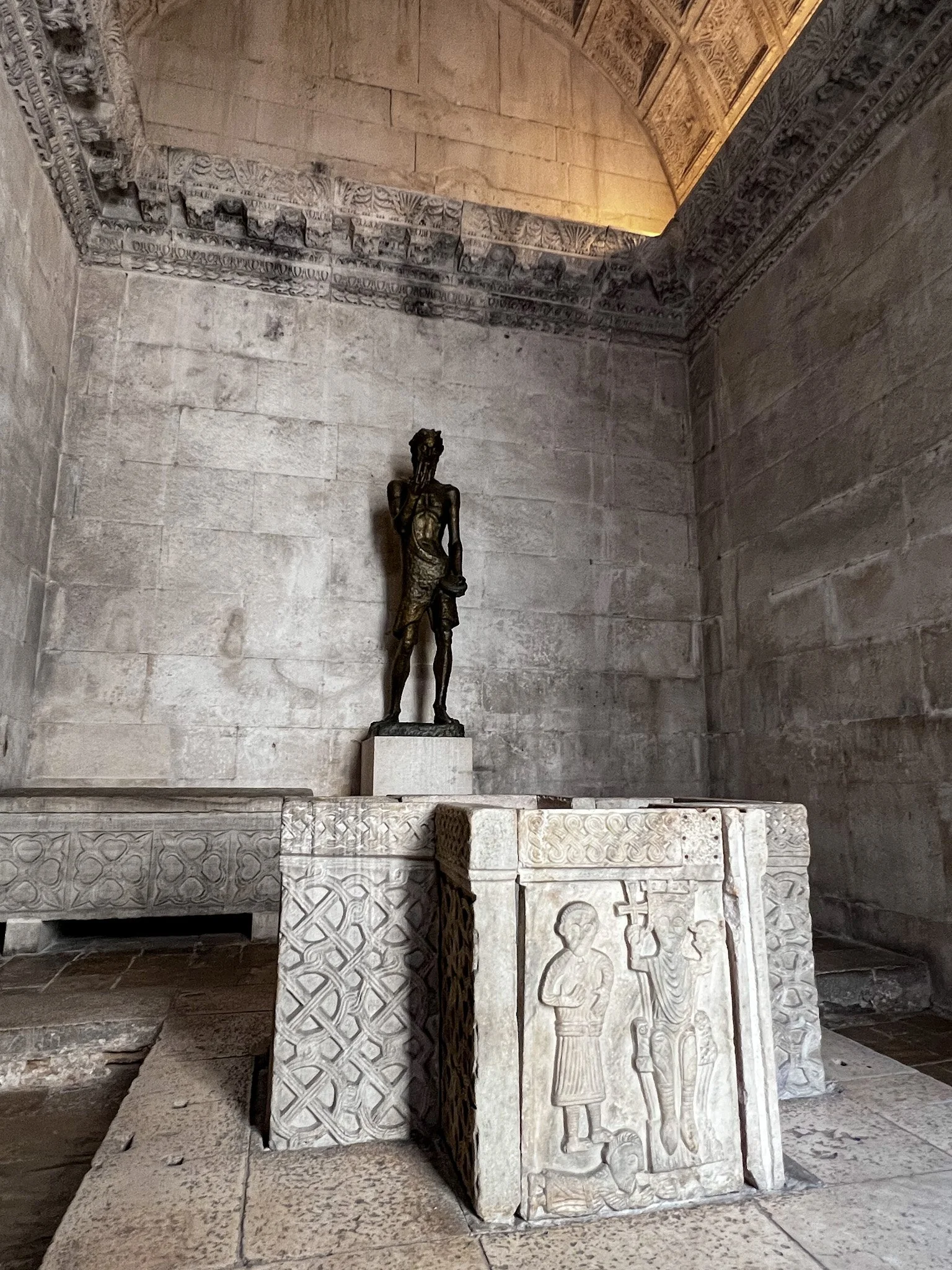
Hidden on the western side of the Perystil sands the Temple of Jupiter. Built between 295 and 305 AD, the Temple of Jupiter was part of the religious section of Diocletian’s Palace, constructed to honour Jupiter, Diocletian’s "divine father."
The building was never fully completed, as Diocletian unexpectedly abdicated the throne in 305 AD, halting the construction of the palace. The temple later became the Baptistery of St. John the Baptist during the 6th century, reflecting the Christianization of the area. This transformation continued in the Middle Ages when the crypt was dedicated to St. Thomas.
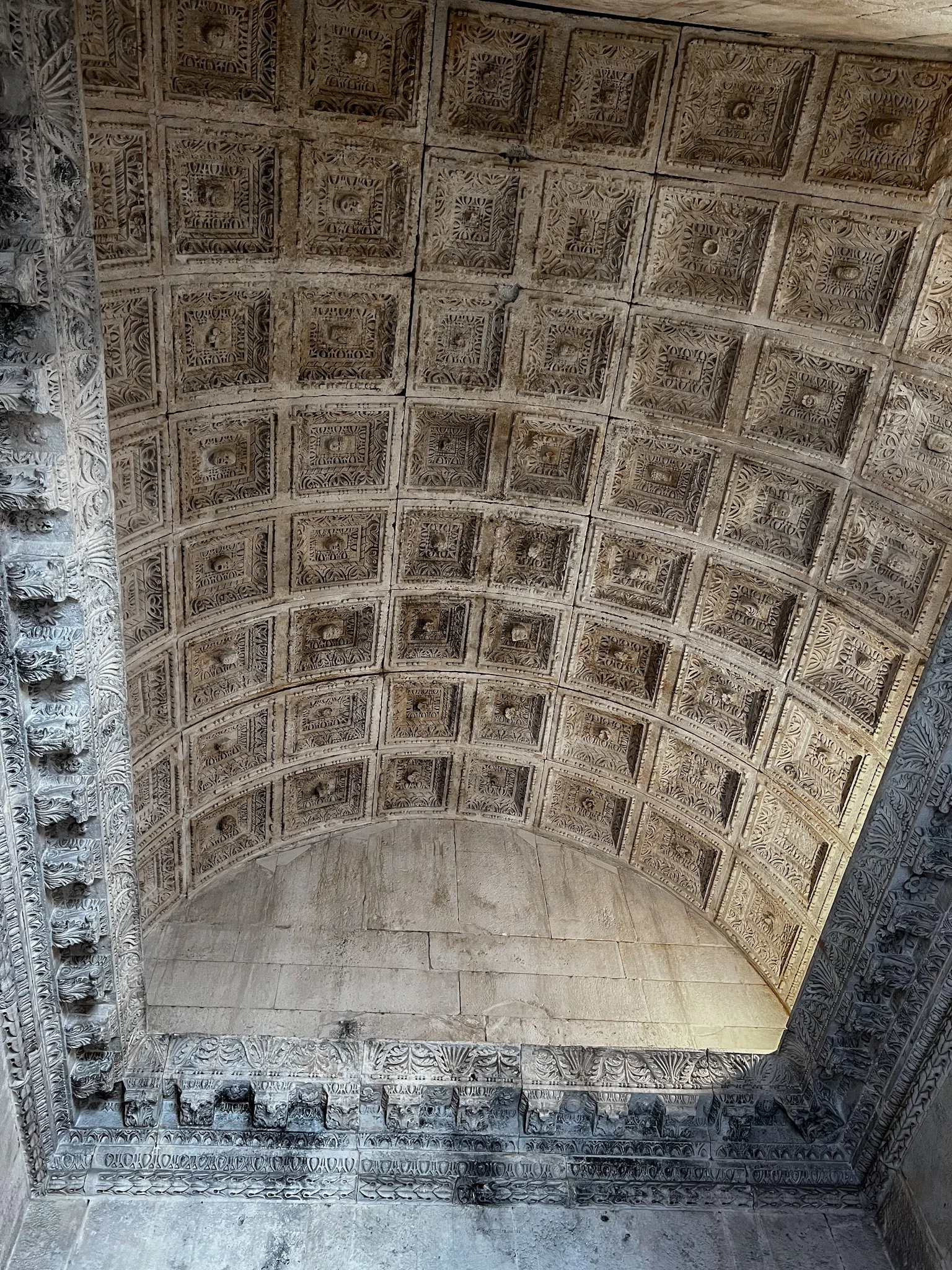
The temple features several remarkable architectural elements, including reliefs of Roman gods such as Victoria, Triton, Helios, Hercules, Jupiter, and Apollo on its facade. The barrel-vaulted ceiling is especially significant and is considered an influence on early Renaissance art in Dalmatia. The doorways and decorations are richly adorned, showcasing the high level of craftsmanship typical of Roman religious buildings.
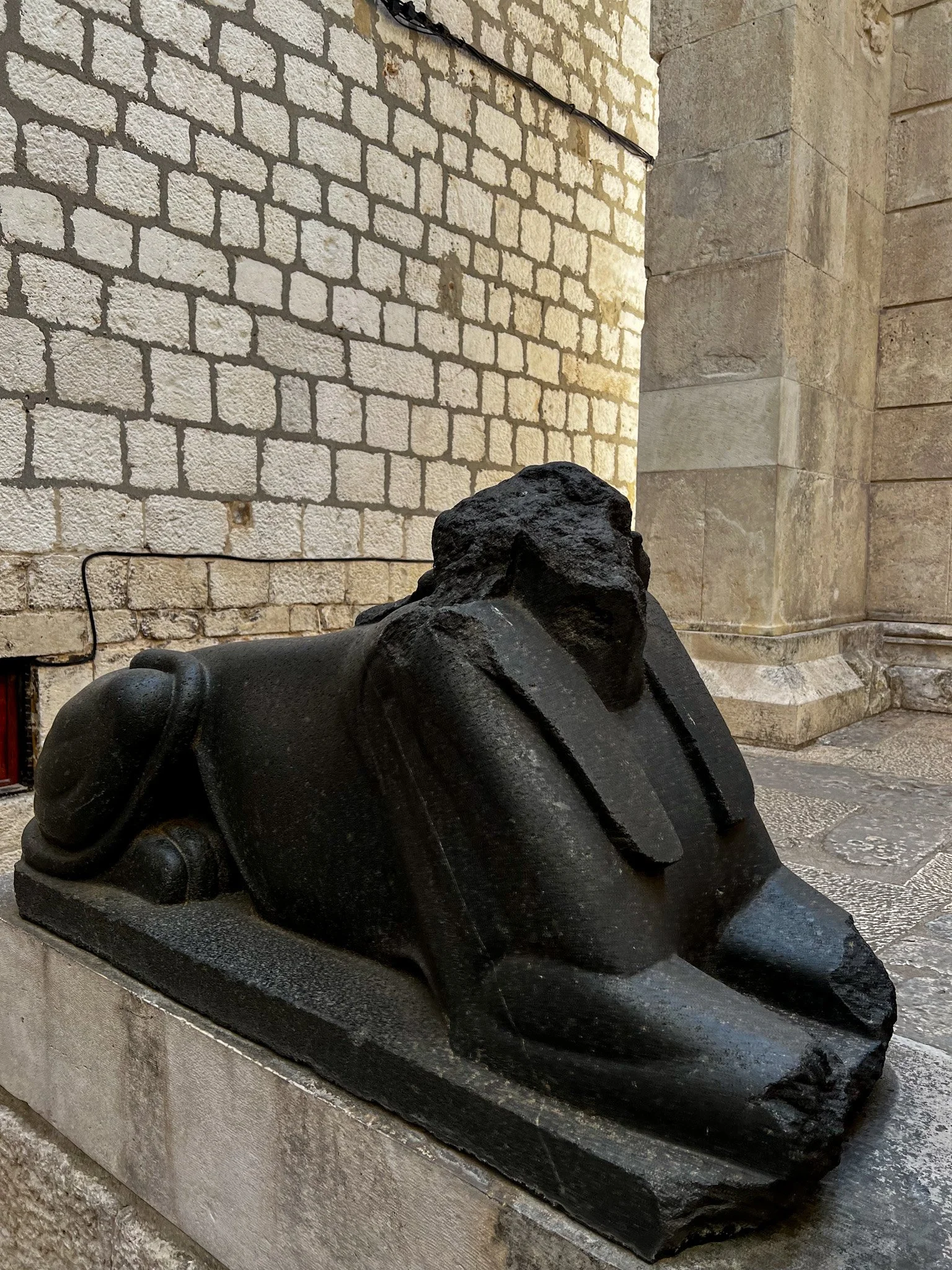
Notably, one of the twelve sphinxes brought from Egypt by Diocletian stands before the temple’s entrance. Inside the Temple, you will find sarcophagi, including those containing the remains of Archbishops of Split, such as Ivan of Ravenna (died 1059) and Lovre (died 1099). Additionally, a bronze statue of St. John the Baptist, created by renowned sculptor Ivan Meštrović, was later placed here.
The Temple also houses Renaissance and Romanesque artifacts, such as a 16th-century sarcophagus and marble rood screens depicting scenes from Croatian history. Notably, these screens feature representations of Croatian kings such as Peter Krešimir IV and Demetrius Zvonimir.

Vestibule
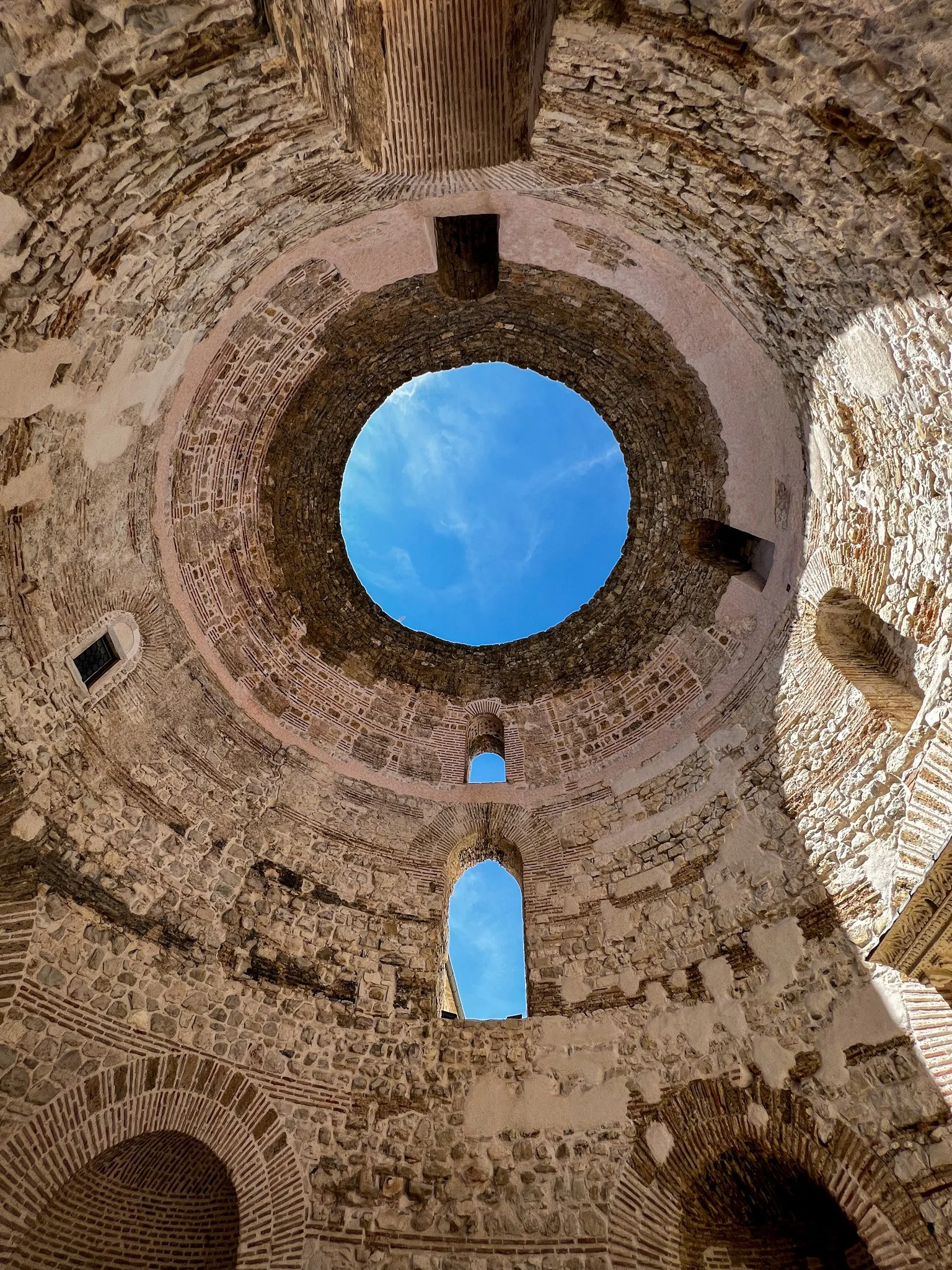
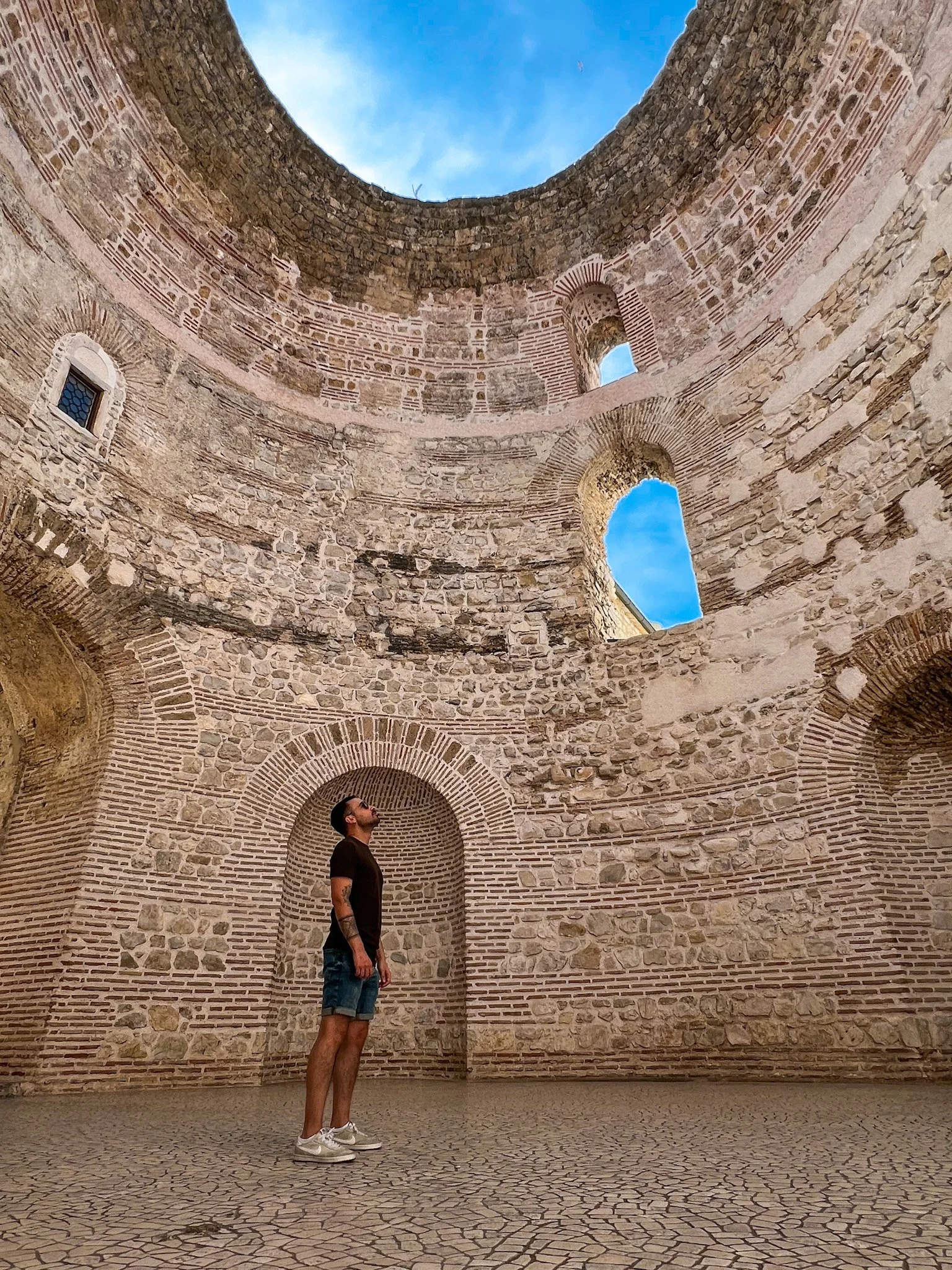
On the souther end of the Peristyl you can’t miss the imposing Vestibule, also known as The Rotonda or The Atrium. Serving as the formal entryway to the emperor’s apartments, it was designed to reflect the grandeur and exclusivity of the imperial residence.
Constructed in the early 4th century as part of the original palace, the Vestibule is a circular hall with a diameter of 12 meters and a height of 17 meters, once topped by a grand dome. This space was used for exclusive gatherings, hosting ambassadors and other high-ranking guests in the emperor’s audience chamber. Its entrance featured a large, ornately decorated door measuring 2.56 x 3.96 meters, surrounded by reliefs.
Four semicircular niches within the Vestibule were originally adorned with statues of unknown deities, enhancing its opulent atmosphere. Adjacent to this structure, the southeastern Medieval quarter includes notable historical landmarks, such as a 10th-century early Romanesque house and the Church of St. Andrija, now part of the Ethnographic Museum.
Today, the Vestibule is celebrated for its remarkable acoustics. During the summer months, traditional klapa groups perform a cappella renditions of Croatian folk songs in this space, creating an immersive cultural experience for visitors.
Diocletian's Palace basement halls
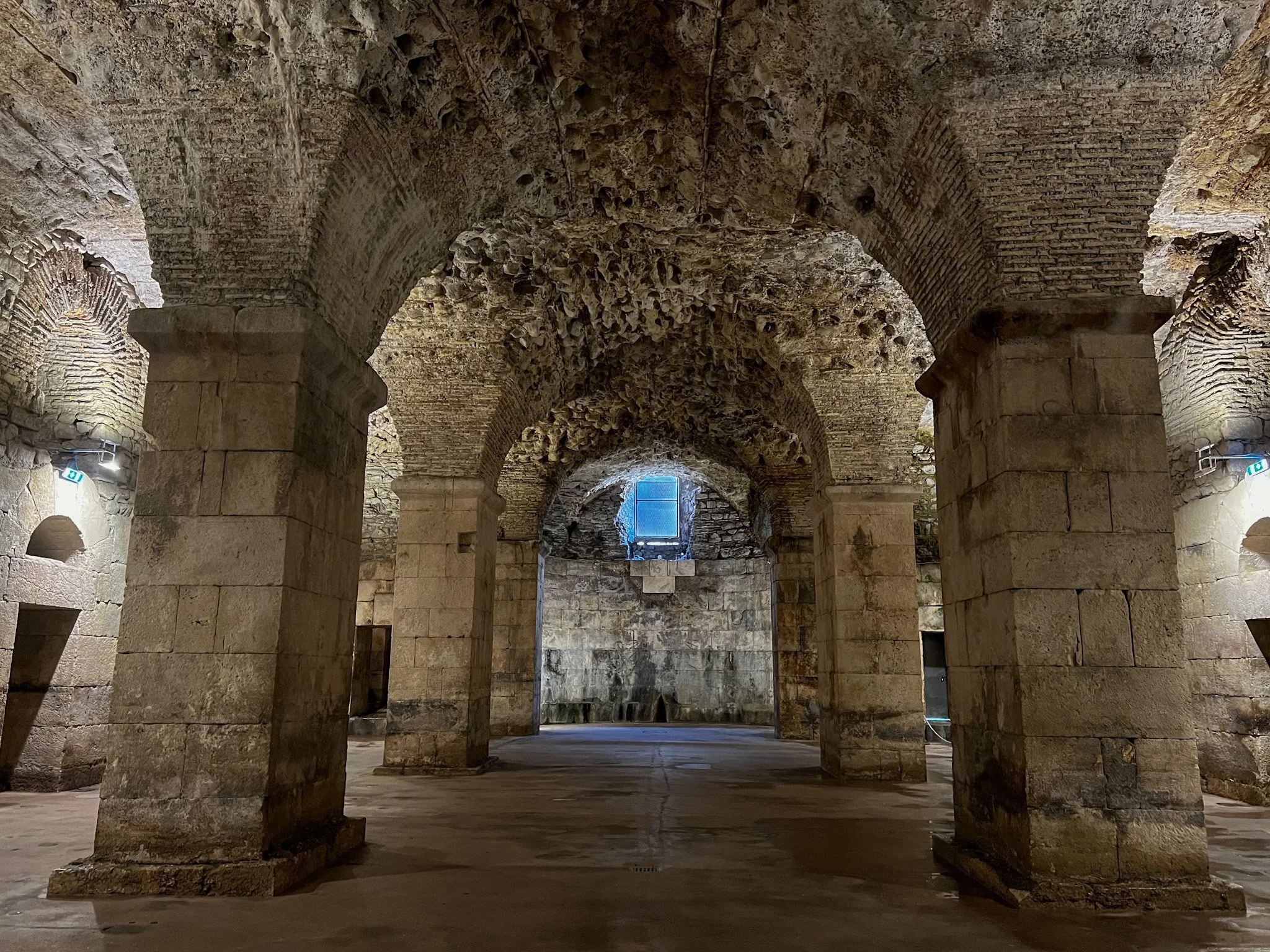
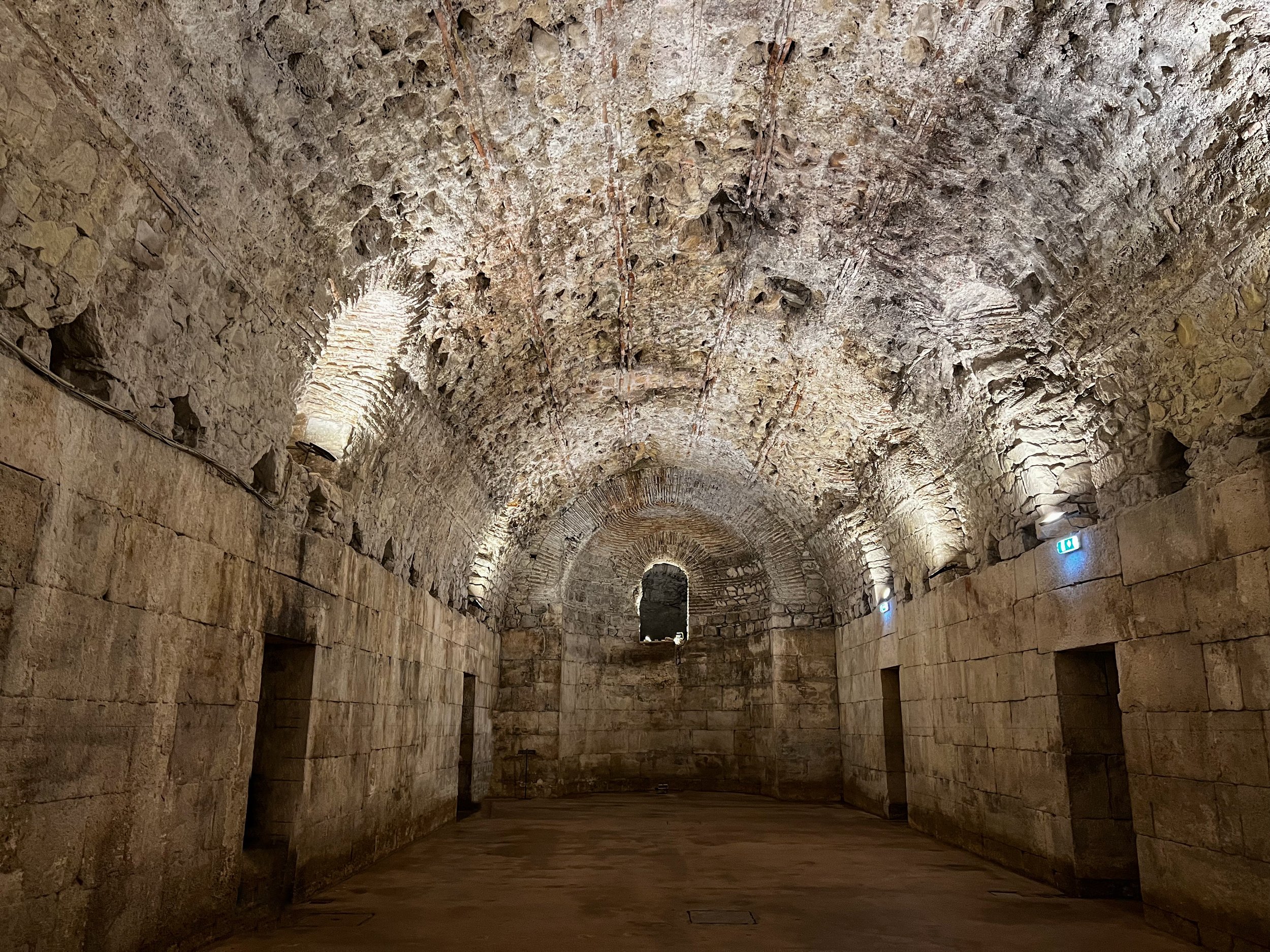
Our visit continued with the basement halls of Diocletian's Palace, also known as the cellars. You can buy in advance your entrance tickets to the cellars of Diocletian's Palace with GetYourGuide.
Constructed in Roman times, the primary purpose of these 60 halls was structural: they elevated the imperial residence above, as the palace was built on a slope. Interestingly, the substructures mirror the floor plan of the buildings above, enabling archaeologists to reconstruct the original layout of the palace’s upper levels, much of which has been lost to time and later construction.
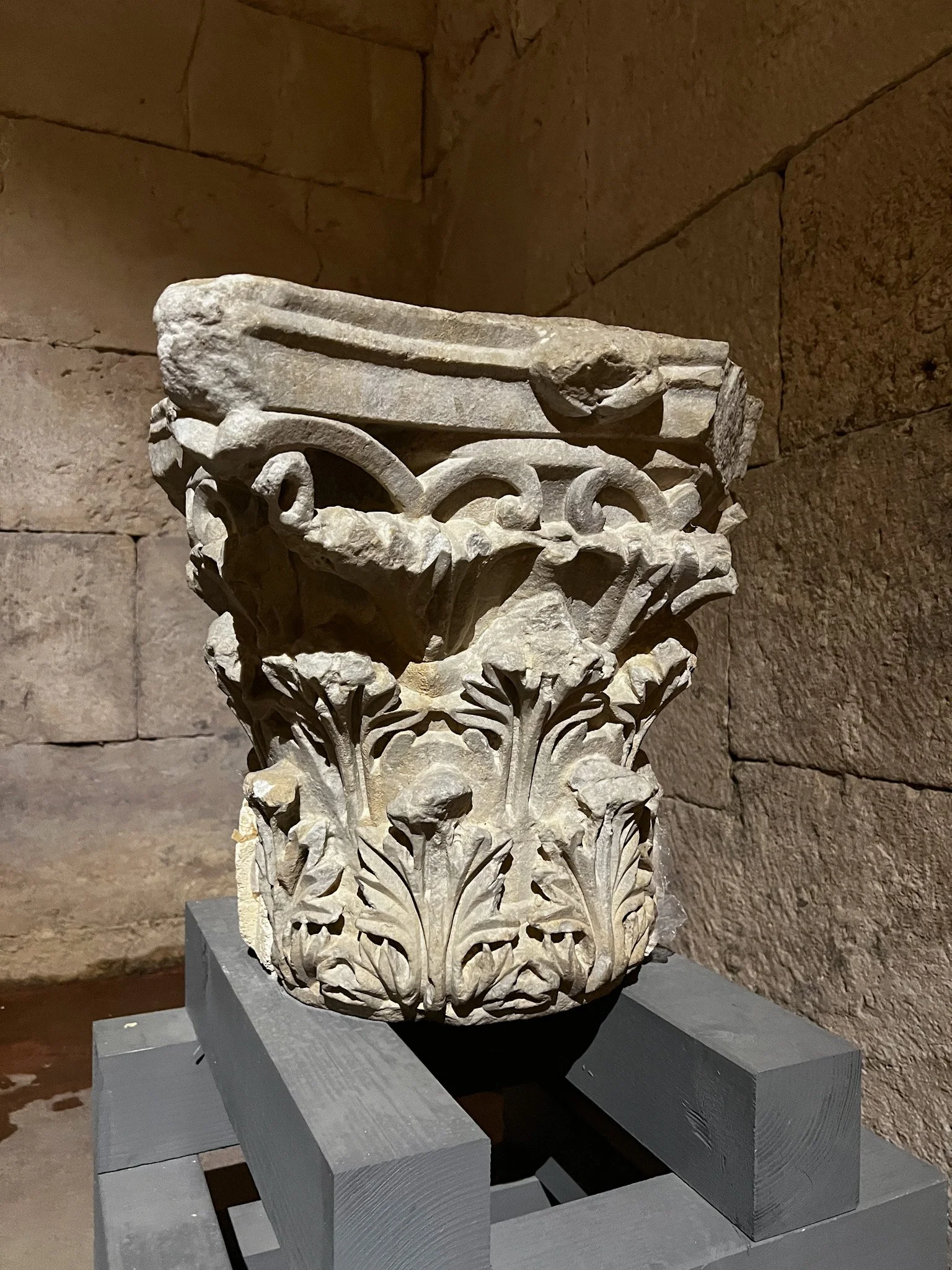
Some theories suggest the basements were used for storage during the Roman era. In the early Middle Ages, portions of the eastern wing were repurposed as residences, and artifacts such as parts of an olive oil press, now on display, suggest their varied uses over time. However, as newer residences were built within the palace walls, the basements gradually became a dumping ground for rubble and debris, accumulating over centuries.
Although the basements' existence was never forgotten, they remained largely inaccessible due to rubble accumulation. Initial efforts to clear them began in the late 19th century, but substantial restoration only took place during the 1950s and 1960s, when the western wing was cleaned and reconstructed. The eastern wing was fully restored much later, opening to the public in 1995.
Today, the basements are accessible from the Riva (seafront promenade) via the palace’s Bronze Gate or from stairs near the peristyle. They serve as a premier historical attraction, drawing thousands of visitors annually. Beyond their historical appeal, the basements host a variety of events, including art exhibitions, theater performances, and gastronomic fairs. The central hall, connecting the riva to the peristyle, is a bustling space where visitors can shop for souvenirs and local artworks.
The site’s popularity surged with the filming of Game of Thrones, as scenes set in Meereen featuring Queen Daenerys and her dragons were shot here.
Visitors can explore the central hall free of charge, but tickets are required to access the rest of the substructures. These can be purchased at the box office in the west wing and have a cost of €8.00 for adults.
Fruit Square & People’s Square
We continued exploring some of the beautiful and lively squares that surround Diocletians palace. Among them stands out the Fruit Square, known for its stunning Baroque architecture. Once a marketplace where villagers sold fruits and vegetables, it now retains a charming atmosphere with cafes and restaurants that serve fresh local produce.
One of the main highlights of Fruit Square is the impressive Milesi Palace, built by the noble Milesi family. Its triangular shape and elegant arches create a striking visual appeal, perfect for those interested in architectural beauty. The square also features the octagonal Venetian tower, a relic from the 15th century, which once served as a watchtower and now stands as a symbol of Split’s heroic history.
Adding to the square's cultural significance is the statue of Marko Marulic, the father of Croatian literature, whose works in the Croatian language marked a milestone in the nation’s literary history. Visitors can enjoy a leisurely stroll, savor delicious Adriatic seafood, shop for unique items, or simply relax with a drink while taking in the square's historic charm. Fruit Square offers a delightful mix of sights and experiences, making it a must-see spot in Split.
Only a couple minutes walk you’ll reach People’s Square, a a perfect spot to relax, people-watch, and immerse yourself in the unique Renaissance and Baroque architecture. It has been a central gathering place since the 14th century, originally emerging after the fall of Roman rule when citizens sought a more spacious place to meet than the Peristyle of Diocletian’s Palace.
The square is surrounded by impressive buildings, including the Renaissance clock tower, the 15th-century Town Hall, and the Cindro Palace, a stunning example of Baroque architecture. The square's colorful facades in shades of white, pink, and yellow add to its charm. It’s also home to a variety of boutiques offering both local and international brands, making it perfect for shopping.
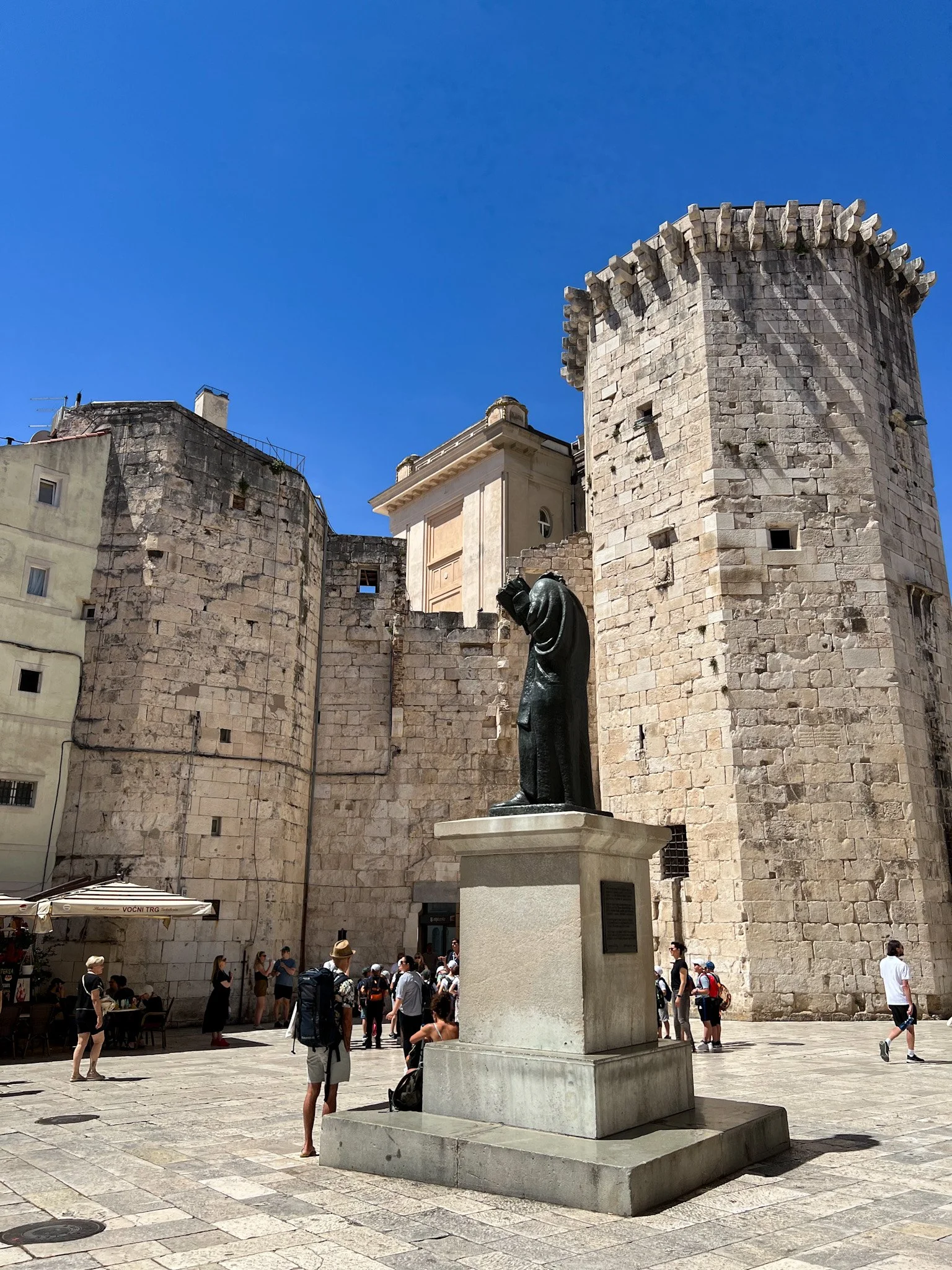
Fruit Square
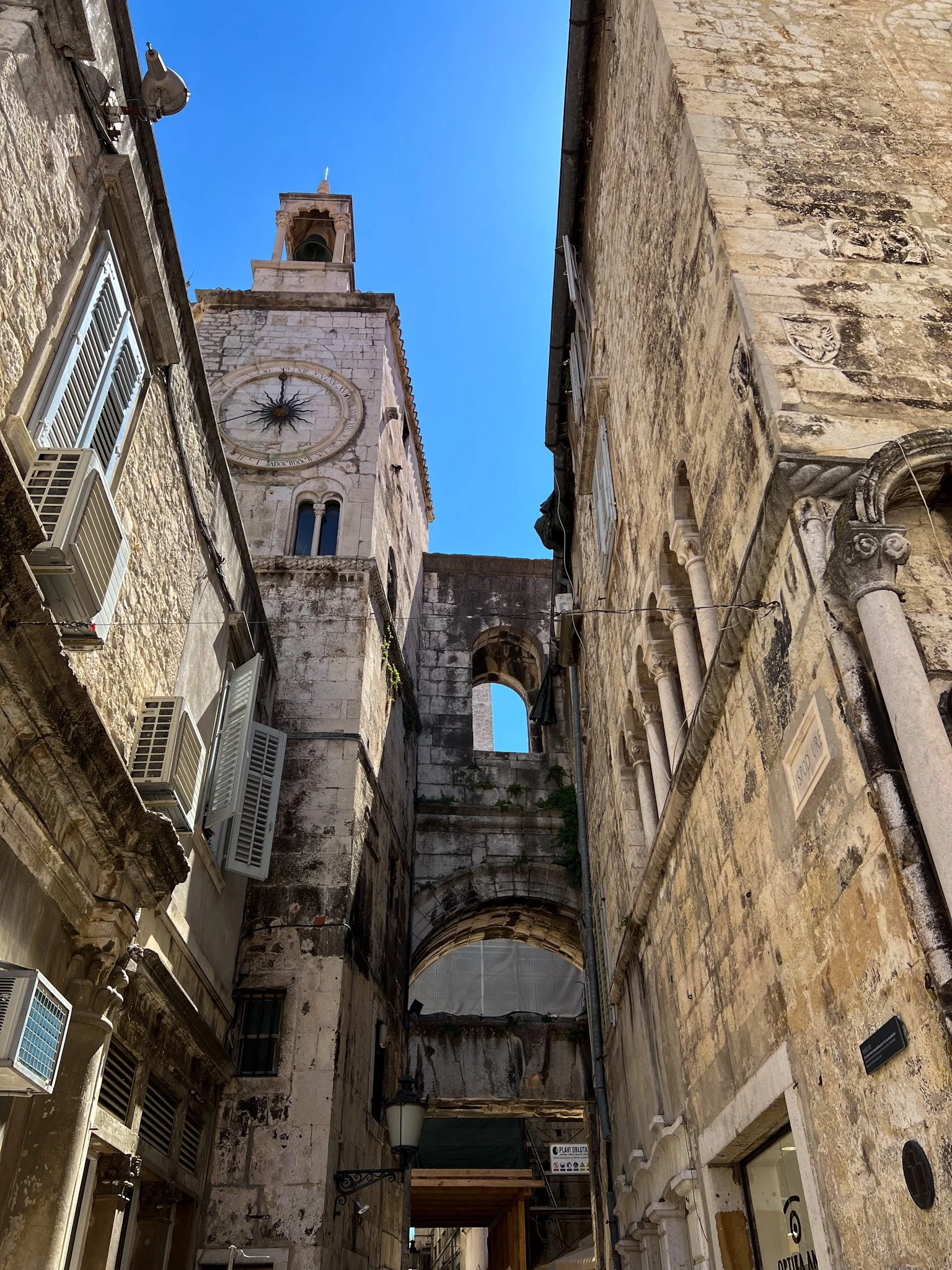
People’s Square
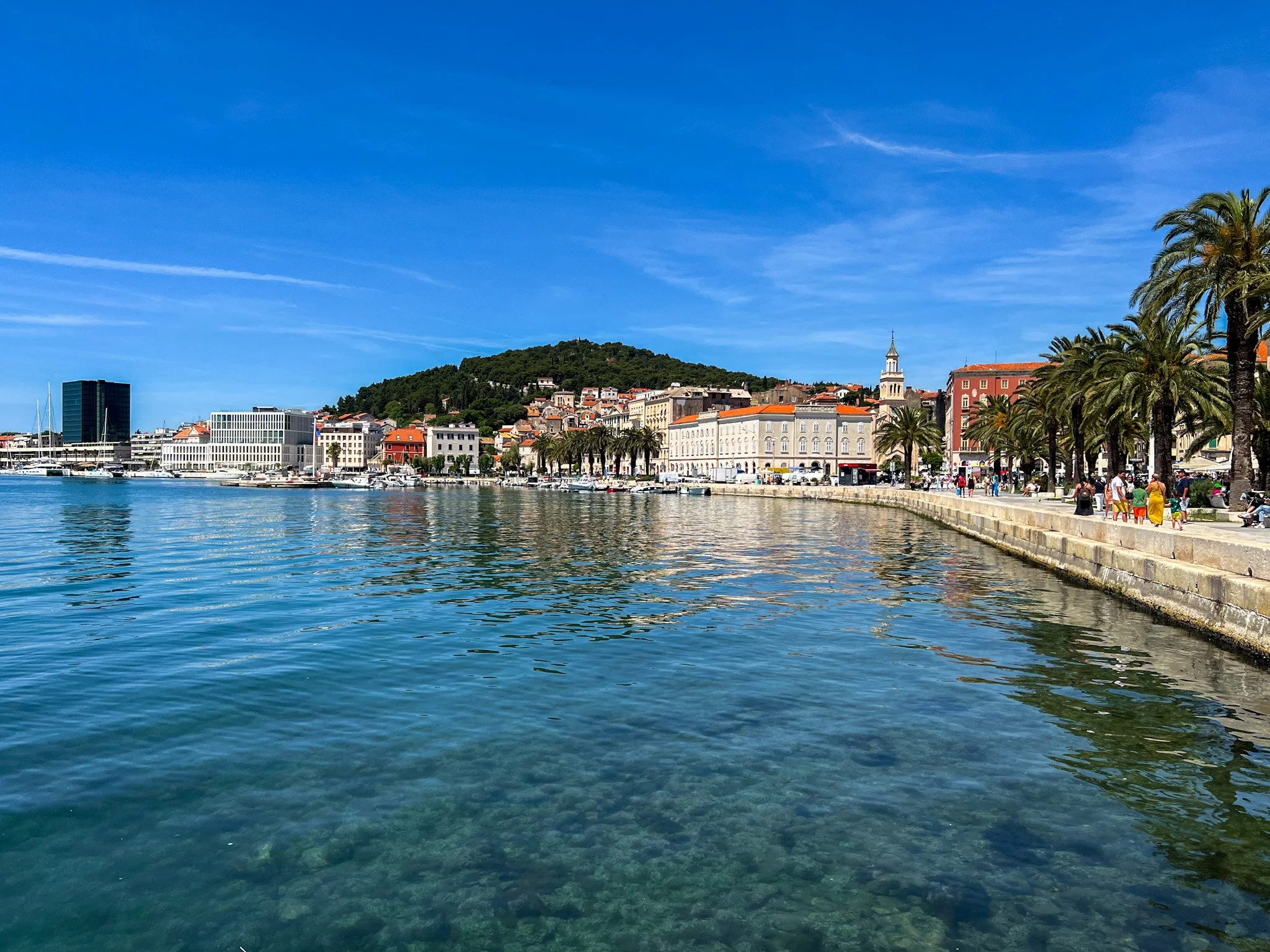
Riva
Our walking tour concluded by the Riva, Split’s iconic seafront promenade. It began to take its modern form during the early 19th century under French rule, when Marshal Marmont, a governor during Napoleon's reign, initiated its development. Over the centuries, the Riva has undergone multiple renovations and expansions, yet it remains one of Split’s most cherished public spaces.
The Riva’s charm is largely owed to its stunning backdrop. The south façade of Diocletian’s Palace, with its entrance to the substructures, anchors the eastern section of the promenade. The promenade is flanked by notable landmarks, including the Franciscan Monastery and the Church of St. Francis to the west, and the Bajamonti-Dešković Palace, a striking architectural gem.
Today, the Riva is a pedestrian paradise, bustling with cafés, restaurants, and bars. It was the ideal location to stop for lunch, but it’s also an incredible option to enjoy a morning coffee or share drinks during a vibrant evening out.
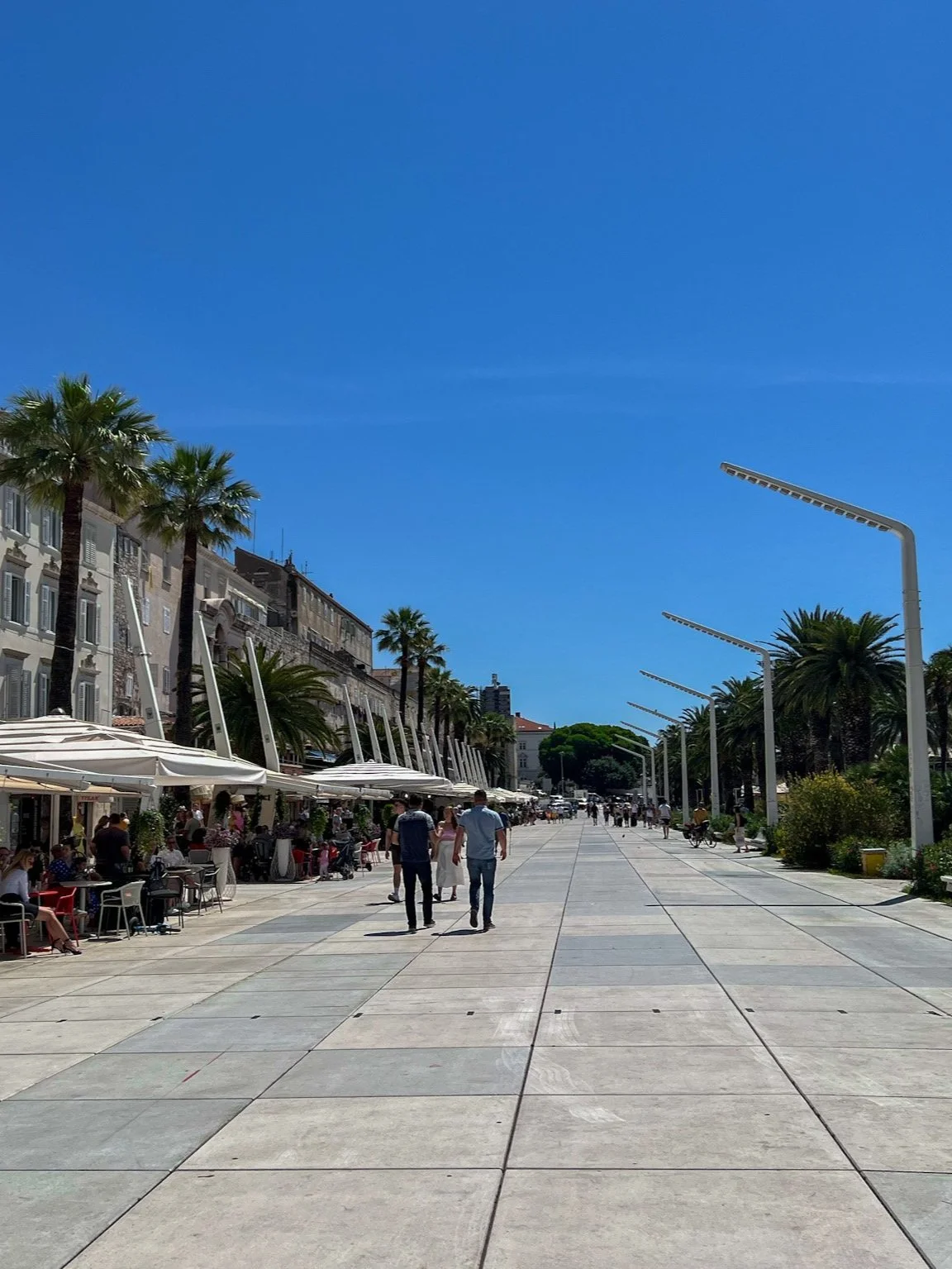
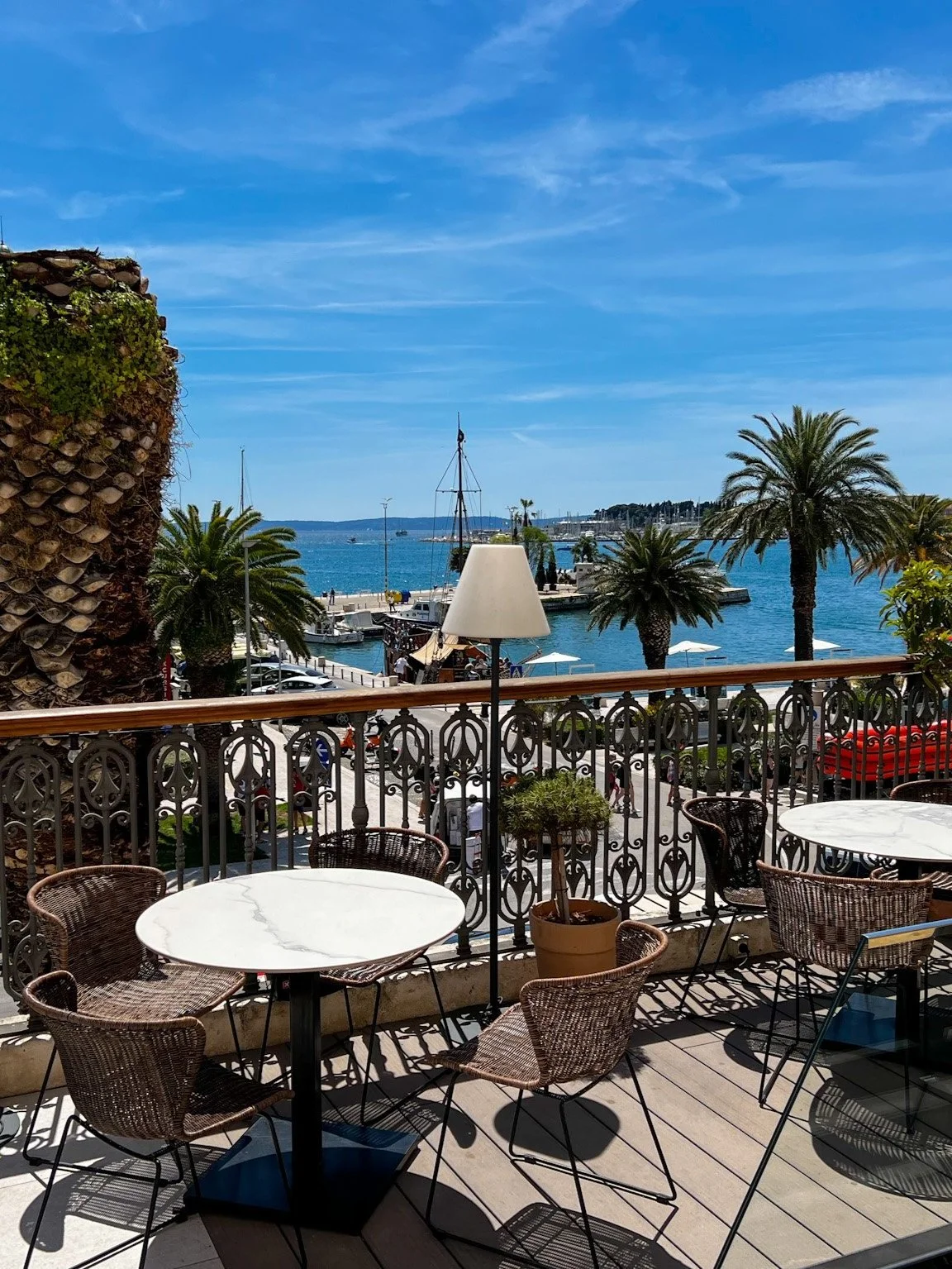
Republic Square
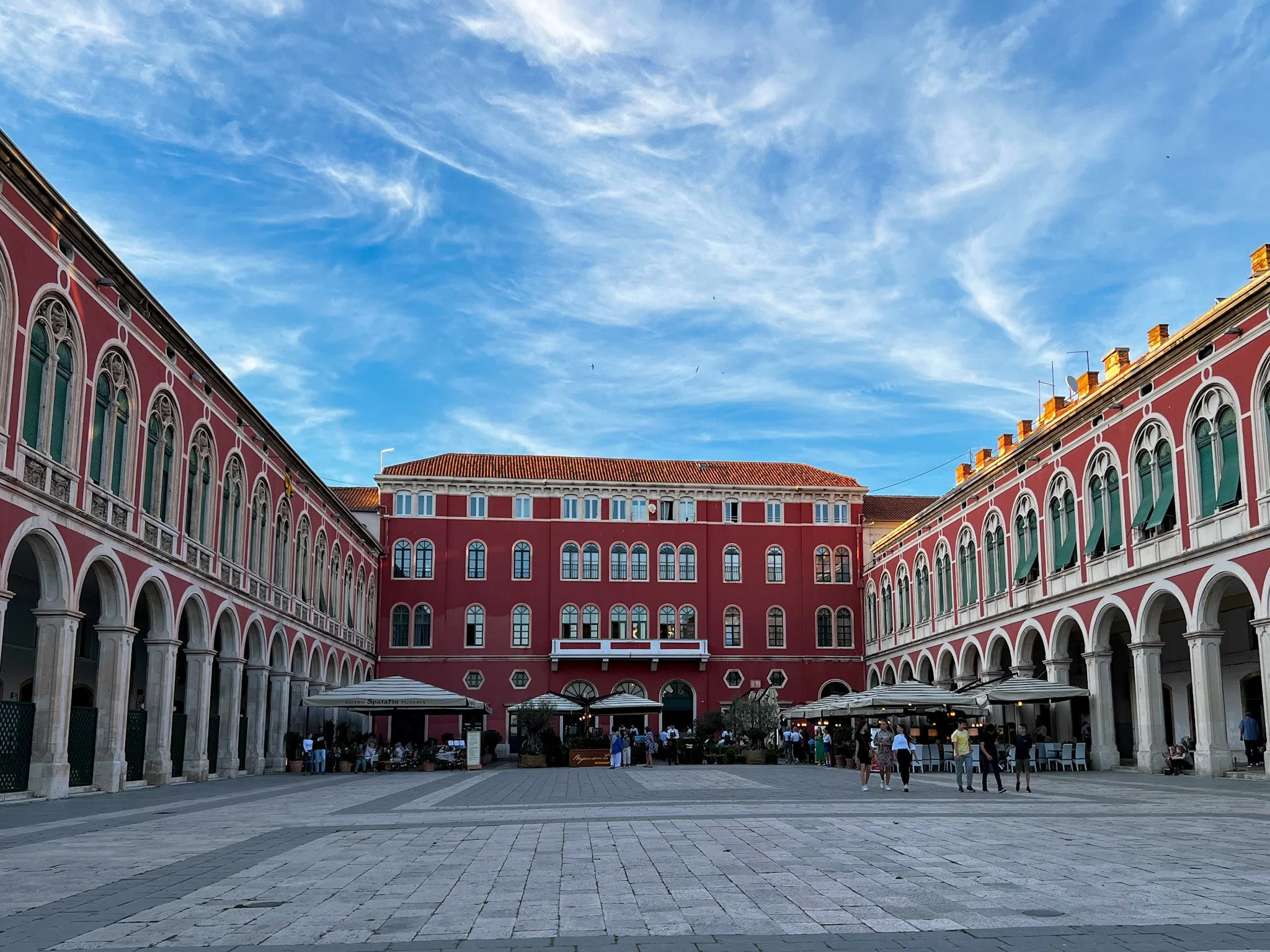
On the western end of the the Riva waterfront you’ll reach Republic Square, one of Split's most iconic public spaces. Often compared to Venice's St. Mark’s Square, Republic Square is framed by neo-Renaissance buildings with distinctive arches, which is why it’s often simply called by its local name. The square is open only on the southern side, offering a stunning view of the harbor and the Riva promenade.
The construction of was initiated by Antonio Bajamonti, a renowned mayor of Split, in the mid-19th century. Bajamonti aimed to honor Italian traditions by incorporating architectural elements reminiscent of Venice, such as the colonnades and reliefs above the windows. These features evoke both ancient and Renaissance influences, showcasing Split's connection to its Italian heritage. Bajamonti also constructed a grand theater on the square, which, sadly, was destroyed by a fire.
Game of Thrones Museum
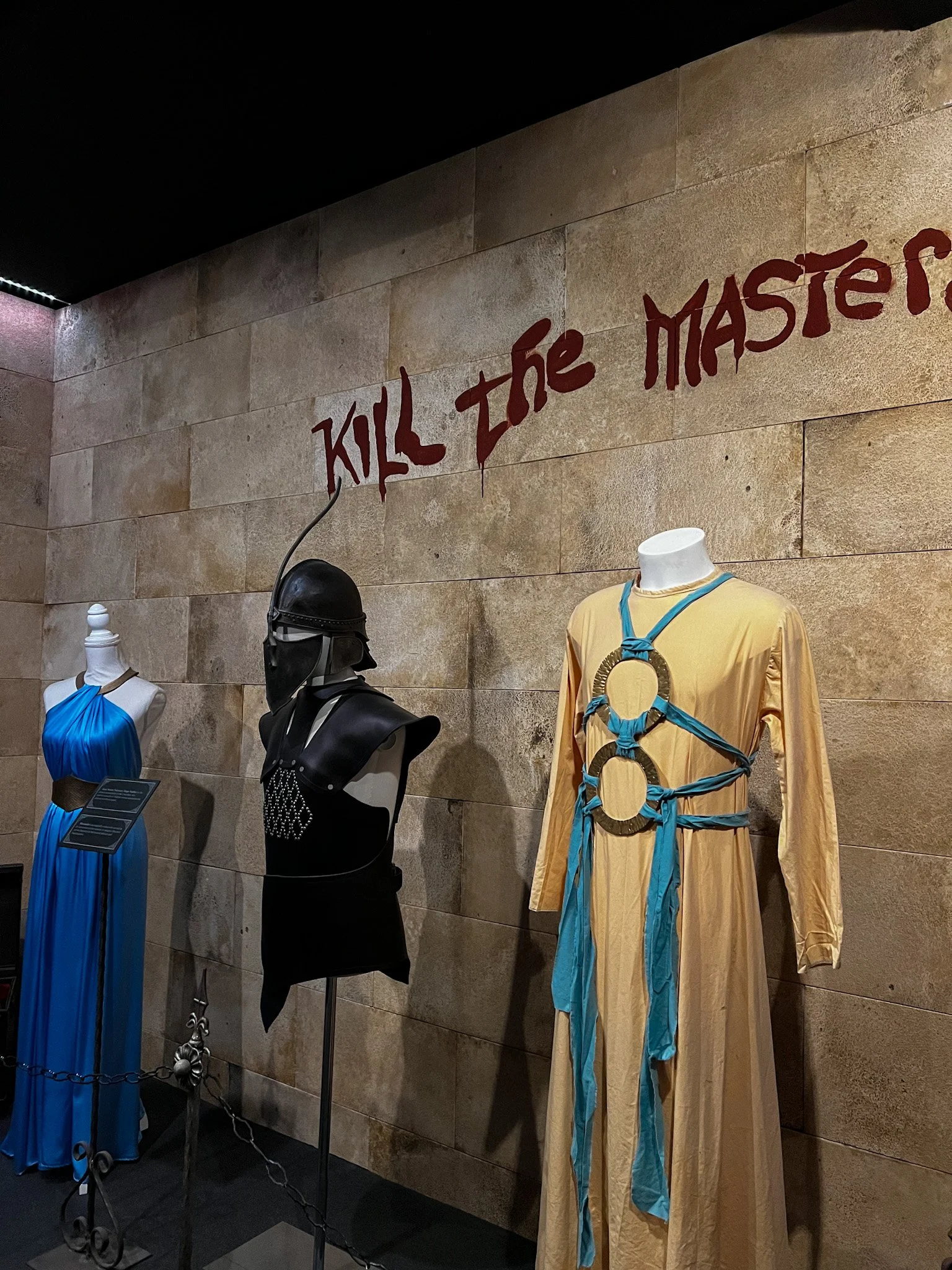
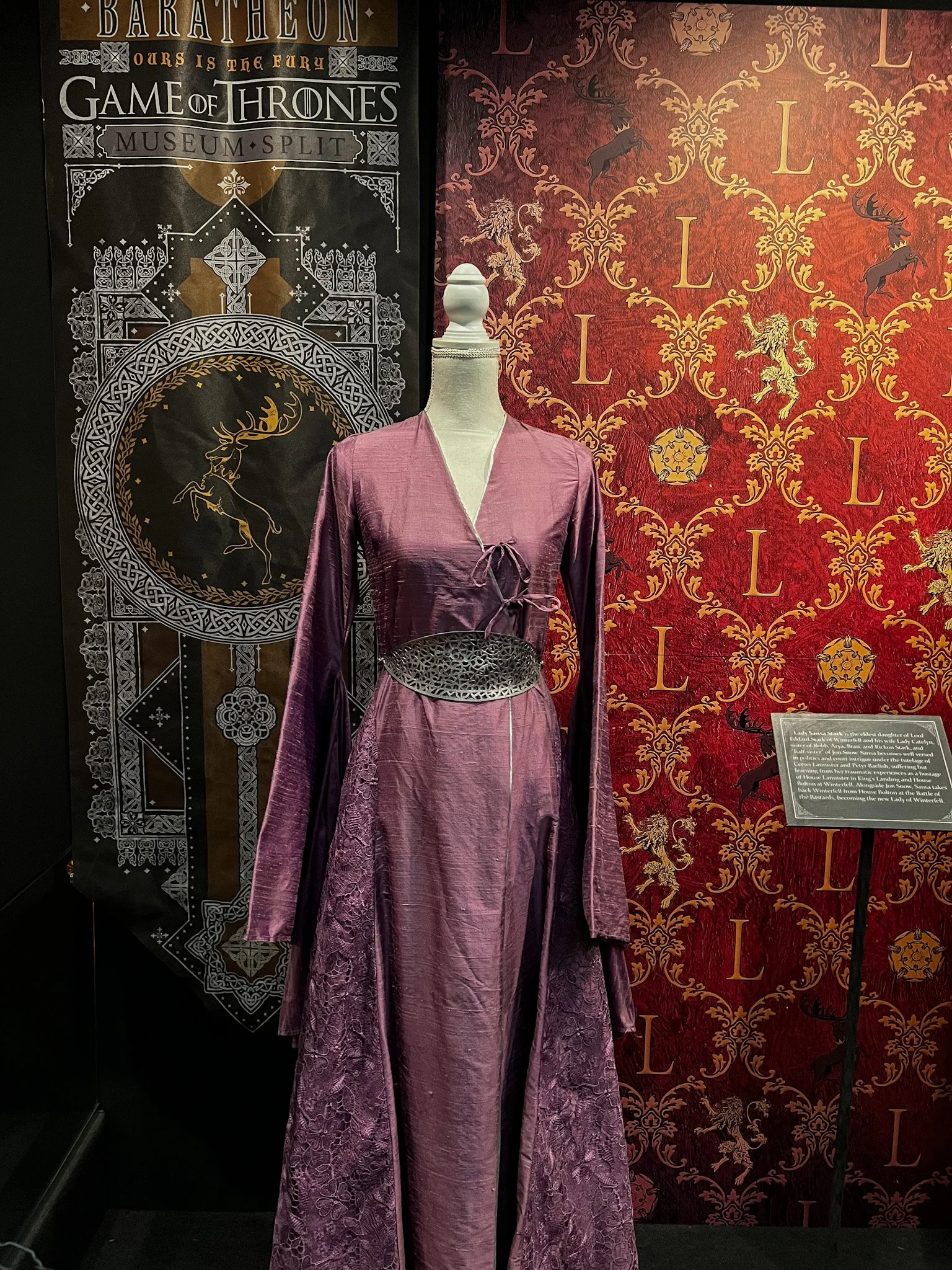
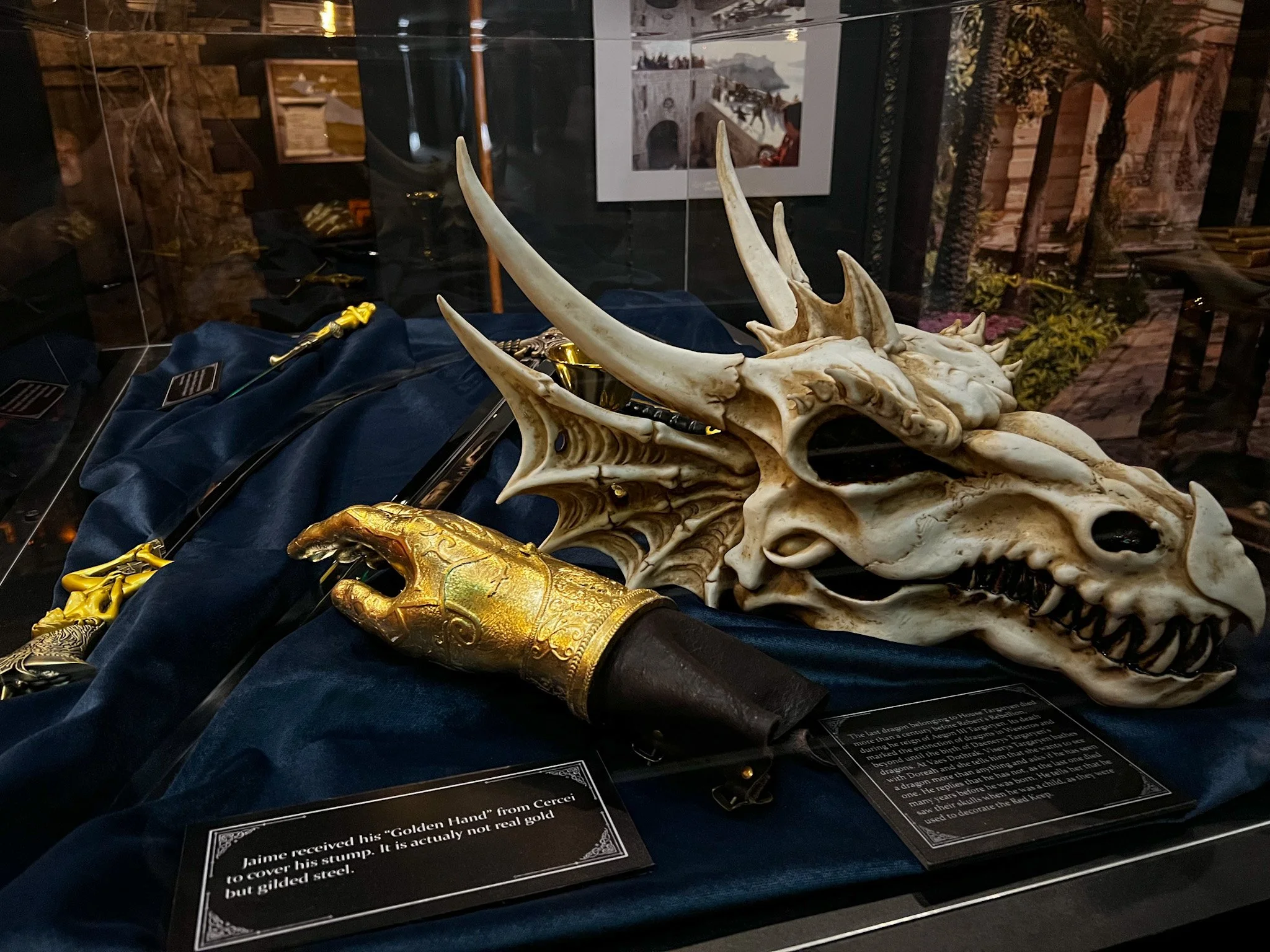
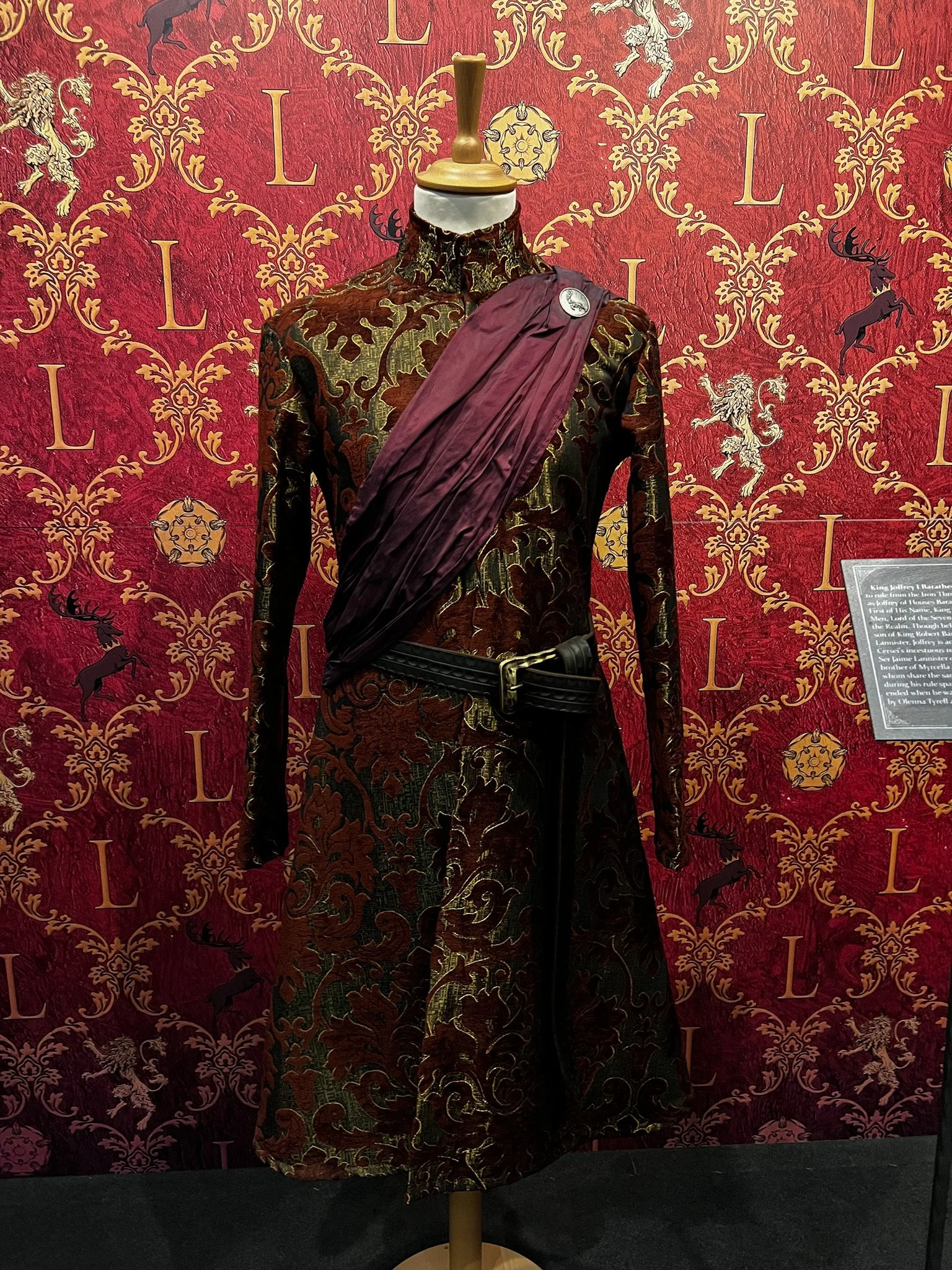
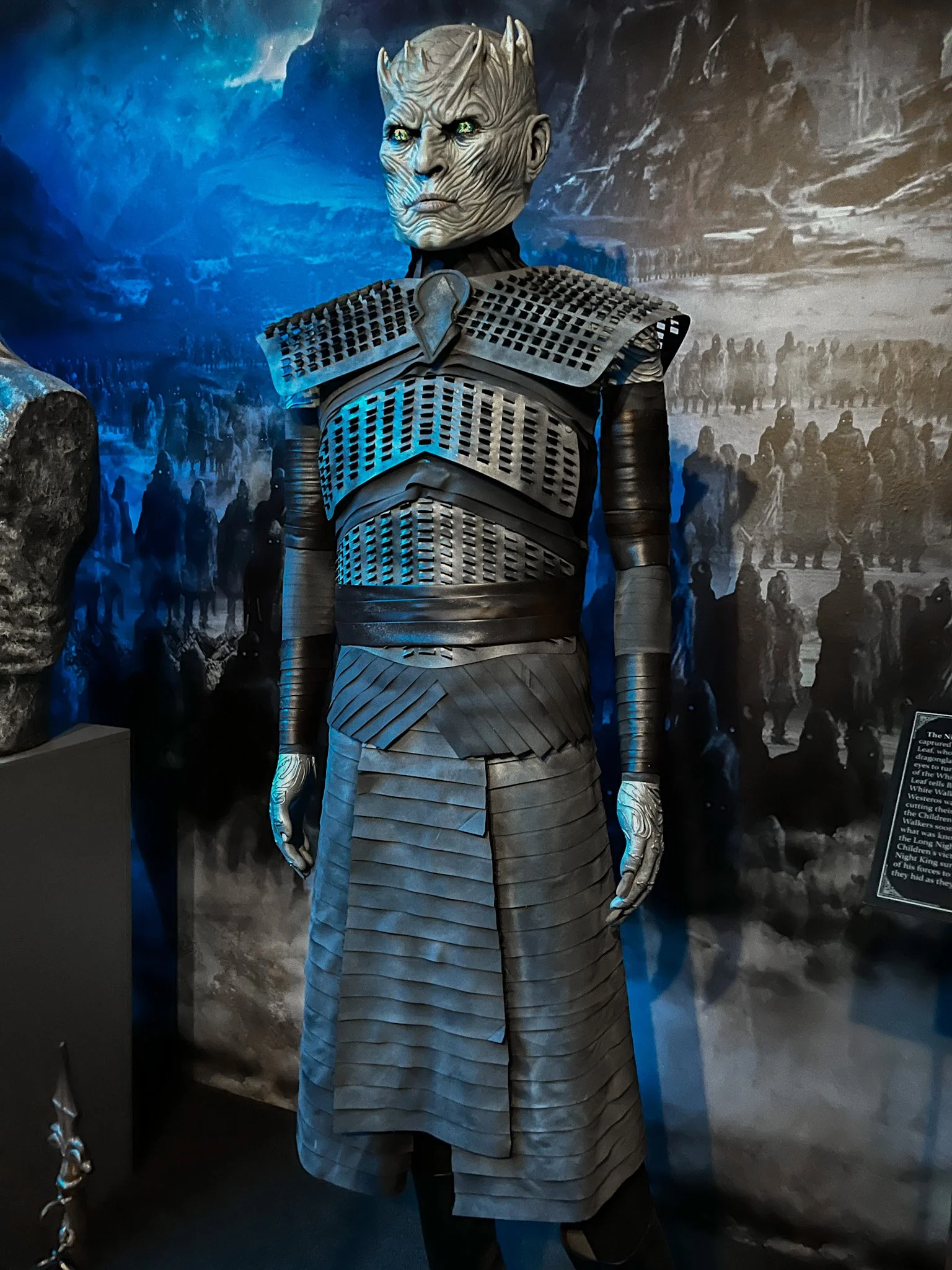
As big fans of Game of Thrones, we couldn’t miss a visit in the afternoon to the Game of Thrones Museum of Split. Located at the top of Bosanska Street in the heart of Split’s Old Town, this museum brings to life key elements of the show, many of which were filmed in Split and the nearby Klis Fortress, which stood in for Meereen, one of the three great city-states of Slaver’s Bay.
The museum features a wide array of authentic costumes, props, and real-size wax figures of some of the show’s most iconic characters. Fans can get up close to see the intricate details of weapons, armor, and diagrams inspired by the opening reel of Game of Thrones, which showcases the towns of Westeros.
Despite its many tourist attractions, Split is a relatively compact city, making it possible to explore all the main highlights on foot in a single day. However, I highly recommend staying for at least one more day to visit the beautiful historical towns, beaches, and islands surrounding the city.
If you find yourself with extra time to spare, I highly recommend taking a boat tour to experience the stunning sights of Trogir, the Blue Lagoon, and Nečujam Bay, the perfect way to extend your adventure and discover even more of this beautiful region.
Some links in this post are affiliate links, which means that if you buy through them, we’ll receive a small commission. This will never cost you more and in many cases you will receive a special discount.
As always, all opinions are mine. We appreciate your support!


f you’re visiting Dubrovnik, a day trip to Mostar and the Kravica Waterfalls offers an unforgettable journey into the heart of Bosnia and Herzegovina’s history and natural beauty.
Mostar, a city renowned for its iconic Old Bridge, is a cultural gem that blends Ottoman, Balkan, and Mediterranean influences. Stroll through its charming cobbled streets, marvel at its stunning architecture, and immerse yourself in the rich history that makes Mostar a must-visit destination.
A short drive away, the Kravica Waterfalls provide a refreshing escape into nature. These cascading falls, set against a lush green backdrop, are perfect for a swim, a boat ride, or simply relaxing by the tranquil lake at their base. This combination of historical charm and natural splendour made this day trip to Bosnia and Herzegovina an unforgettable experience!