
Dubrovnik, the pearl of the Adriatic: 2 day itinerary
Dubrovnik, often referred to as the “Pearl of the Adriatic,” is a city where history and beauty converge. Nestled along Croatia’s southern coast, this UNESCO World Heritage site enchants visitors with its medieval city walls, Baroque churches, and vibrant limestone streets. Once a powerful maritime republic, Dubrovnik offers a journey back in time, combined with breathtaking views of the Adriatic Sea.
In just two days, you can explore Dubrovnik’s rich cultural heritage and scenic wonders. From walking the iconic city walls to discovering hidden gems within the Old Town, every corner of Dubrovnik tells a story. Whether you're a history enthusiast, a Game of Thrones fan, or simply looking to soak up the coastal charm, this 2-day itinerary will guide you through the must-see landmarks and unforgettable experiences in this magical city.
What to see in Dubrovnik: 2 day itinerary
Day 1
Dubrovnik walking tour
With so much history to explore in Dubrovnik, the best way to get acquainted with the city—especially if it's your first visit—is to book a walking tour of the historic center.
For our first day in Dubrovnik, we booked the Dubrovnik Old Town walking tour with GetYourGuide. The tour lasted 1.5 hours and covered the highlights of Dubrovnik’s historic Old Town with a local guide. Starting at the iconic Pile Gate, the tour took us through the city’s most significant landmarks, including Onofrio’s Fountain, Orlando’s Column, and the Rector’s Palace, all while we learned about Dubrovnik's rise as one of the most prosperous and advanced maritime republics of its time.
This tour was a fantastic way to familiarise ourselves with the city. Our guide shared captivating stories and fascinating facts throughout, shedding light on the city’s vital role in history and its cultural, social, and economic achievements—all while we immersed ourselves in the timeless beauty of this UNESCO World Heritage site.
Pile Gate
Our tour met at Xxam outside the old city walls, right next to the Pile Gate that gives access to the historical centre. Built in 1537, Pile Gate is the grandest entrance to Dubrovnik's medieval Old Town and one of the city's most iconic landmarks.
Once guarded by a wooden drawbridge to protect the city, it now stands as a historical monument with visible mechanical counterweights and cannons above the city walls. Dubrovnik's patron saint, St. Blaise, gazes down from the arch, with his statue crafted by renowned Croatian sculptor Ivan Mestrovic.
Today, the gate is open to all visitors, who can cross the drawbridge and stroll down to Stradun, the city's main promenade. Pile Gate is also famous as a Game of Thrones filming location and offers stunning views of the harbor and nearby forts, including Lovrijenac and Bokar.
One of the charming details you'll notice in Dubrovnik is how the colour of its stone shifts with the light throughout the day, transitioning from a bright white to soft gray, and eventually glowing in warm golden tone as the day draws to a close.

Onofrio's Big Fountain & St. Saviour Church
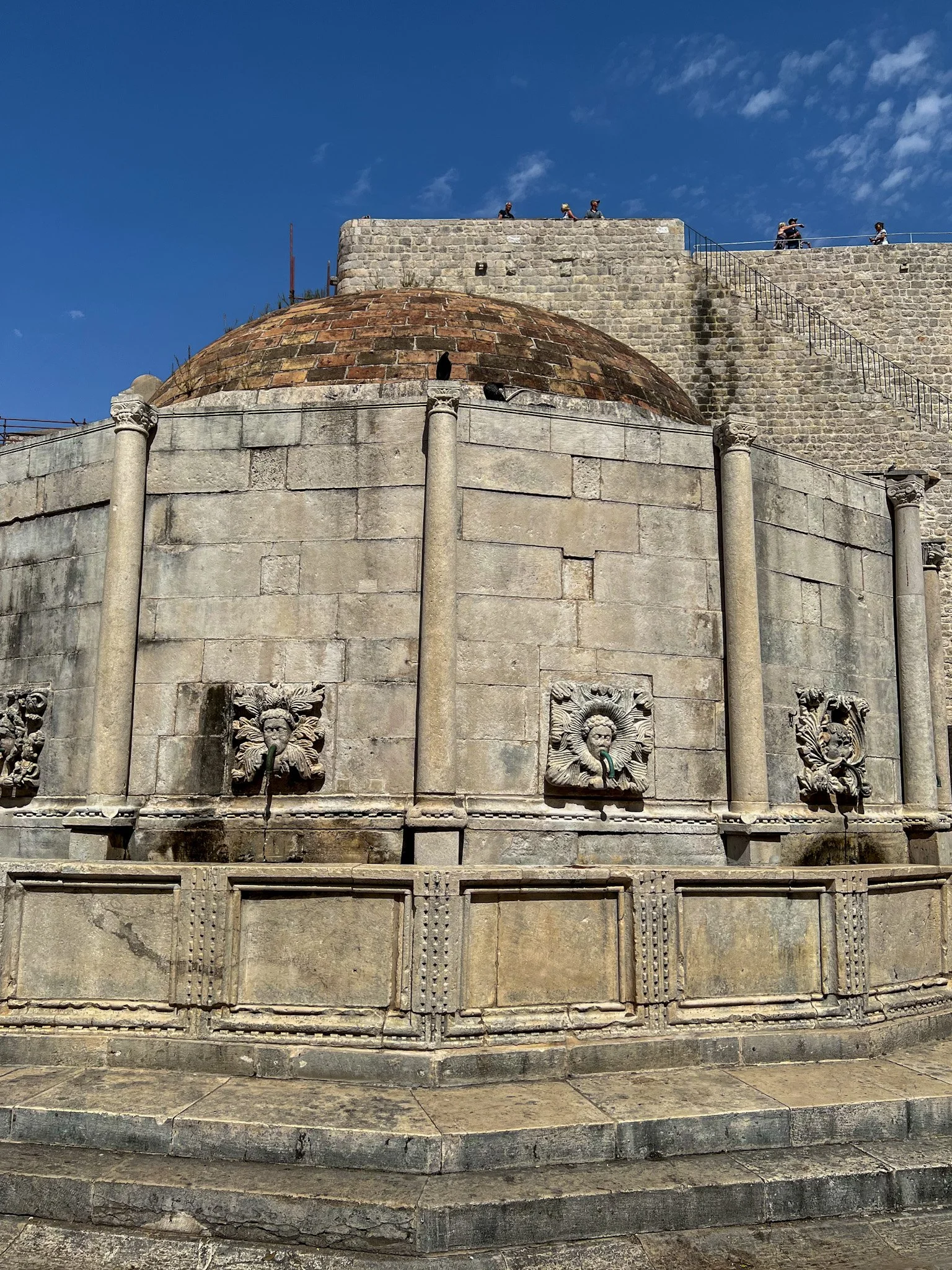
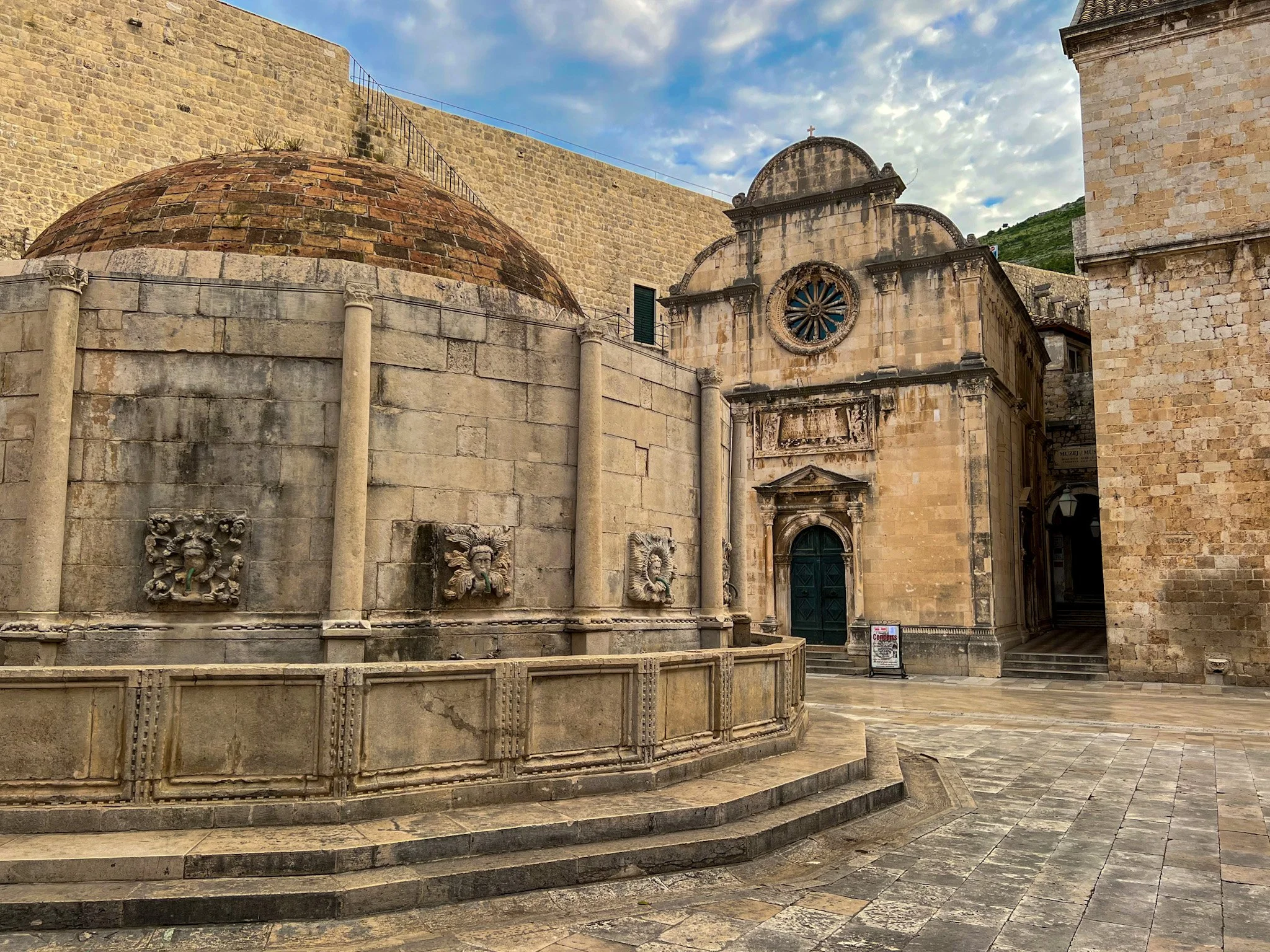
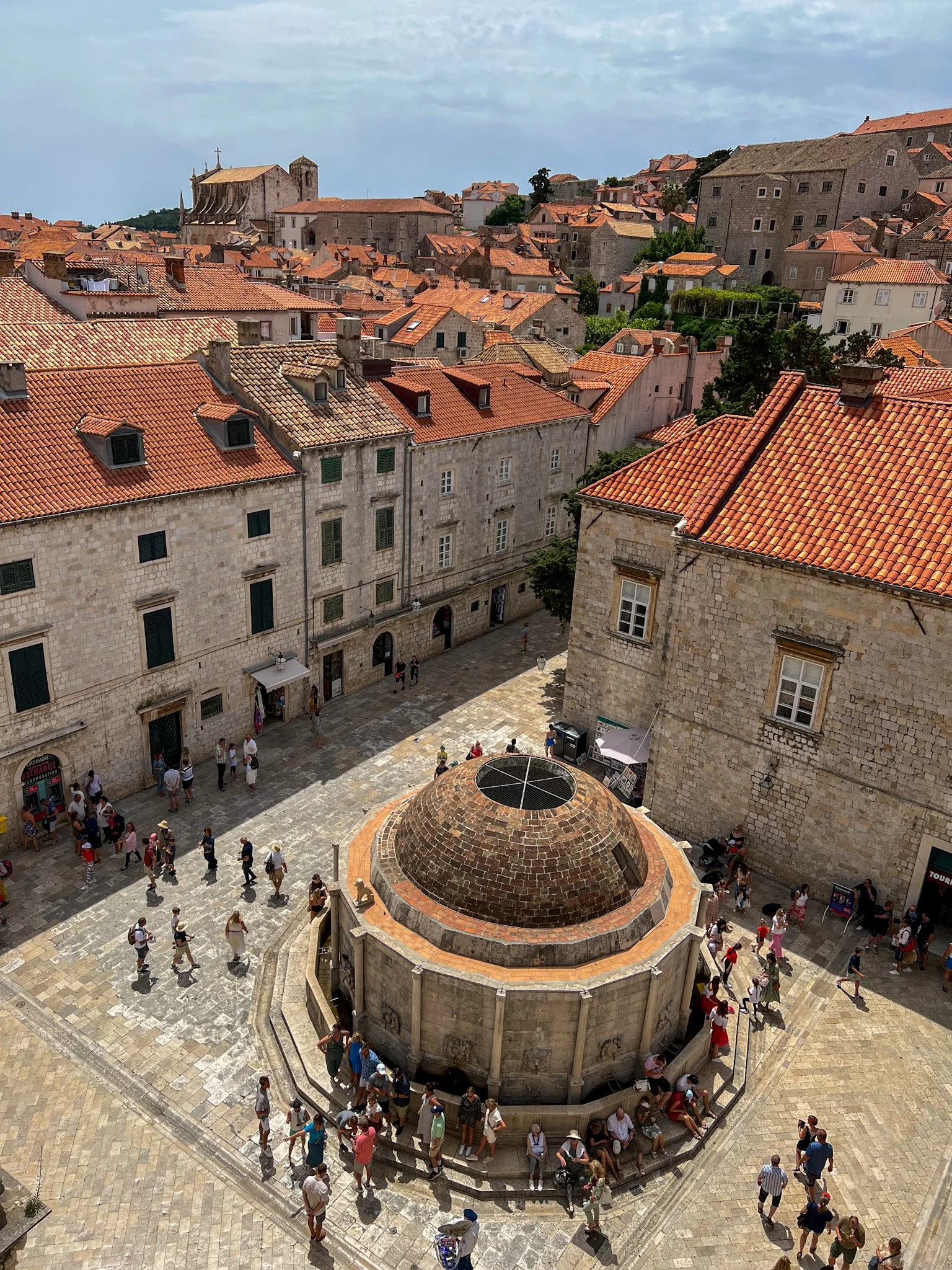
As you cross the Pile Gate, you’ll be greeted by the imposing Onofrio’s Big Fountain. During the days of the Dubrovnik Republic, great care was taken to ensure a steady supply of fresh water for the city. In 1436, the government initiated the construction of an aqueduct system from Šumet, which still provides potable water to the city today. The aqueduct, built under the guidance of Onofrio della Cava, stretched 11.7 kilometers and included water tanks, some of which were decommissioned for security reasons.
He also designed the Onofrio’s Big Fountain, which remain a significant landmark still today. Built from 1438 to 1440, the fountain known for its unique "maskeron" stone-carved faces, and the Small Fountain, built a few years later, was used to supply the market with water. Over time, the water system expanded to include the Rector's Palace and other significant buildings, ensuring the city's water supply for centuries.
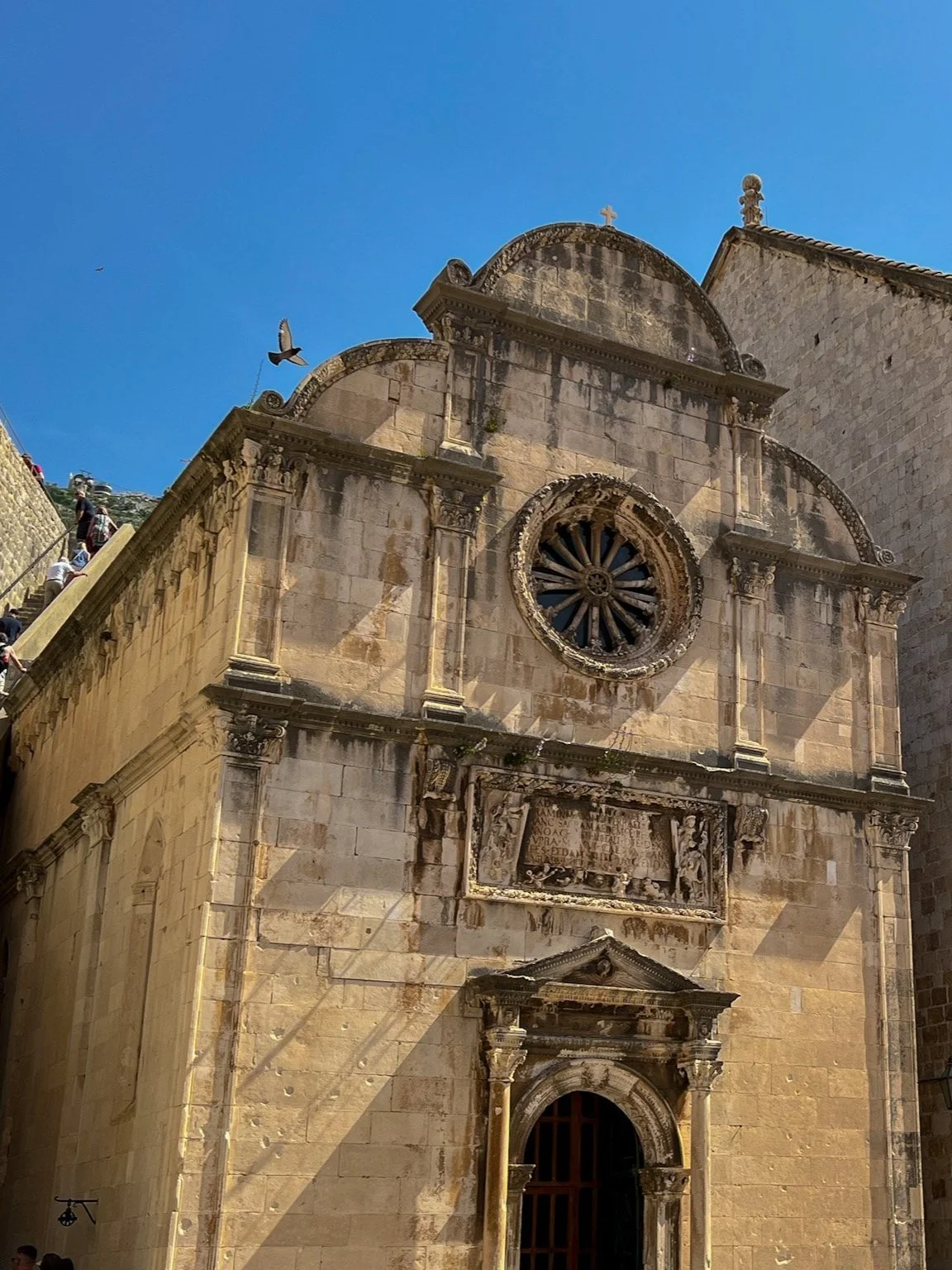
Right across the fountain stands St. Saviour Church, a small yet significant votive church dedicated to Jesus Christ. Built after the earthquake of 1520, which caused considerable damage and loss of life, the church was commissioned by the Senate of the Dubrovnik Republic as a gesture of gratitude for sparing the city from greater destruction.
Designed by Petar Andrijić of Korčula, it was completed in 1528 and features a blend of Gothic and Renaissance styles. Its Gothic elements include cross-ribbed vaulting and pointed arch windows, while the Renaissance influence is evident in the portal and semicircular apse. Remarkably, St. Saviour Church survived the devastating 1667 earthquake, remaining intact and preserving its original Renaissance architecture, making it a rare and valuable historical treasure in Dubrovnik today.
Stradun
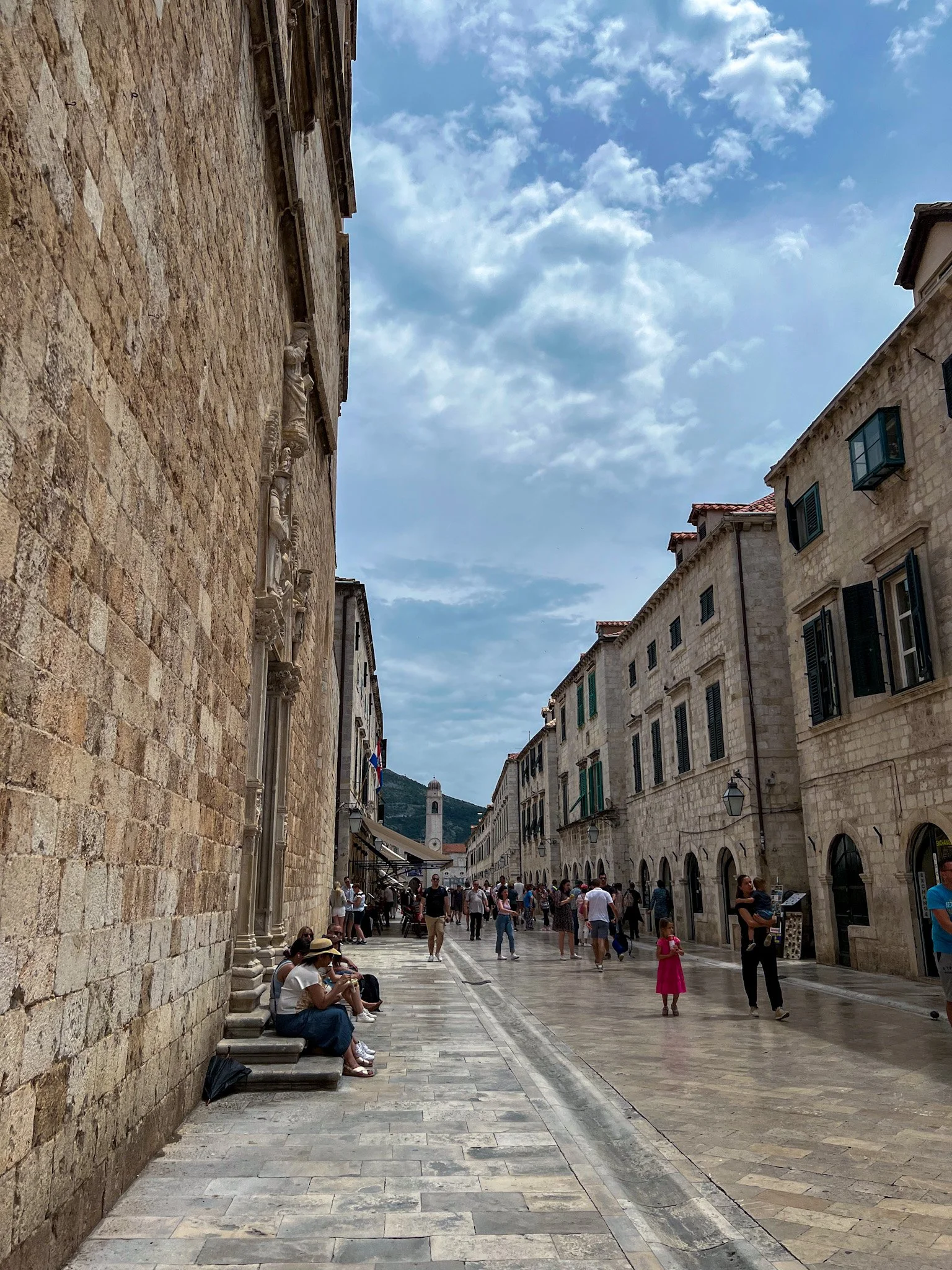
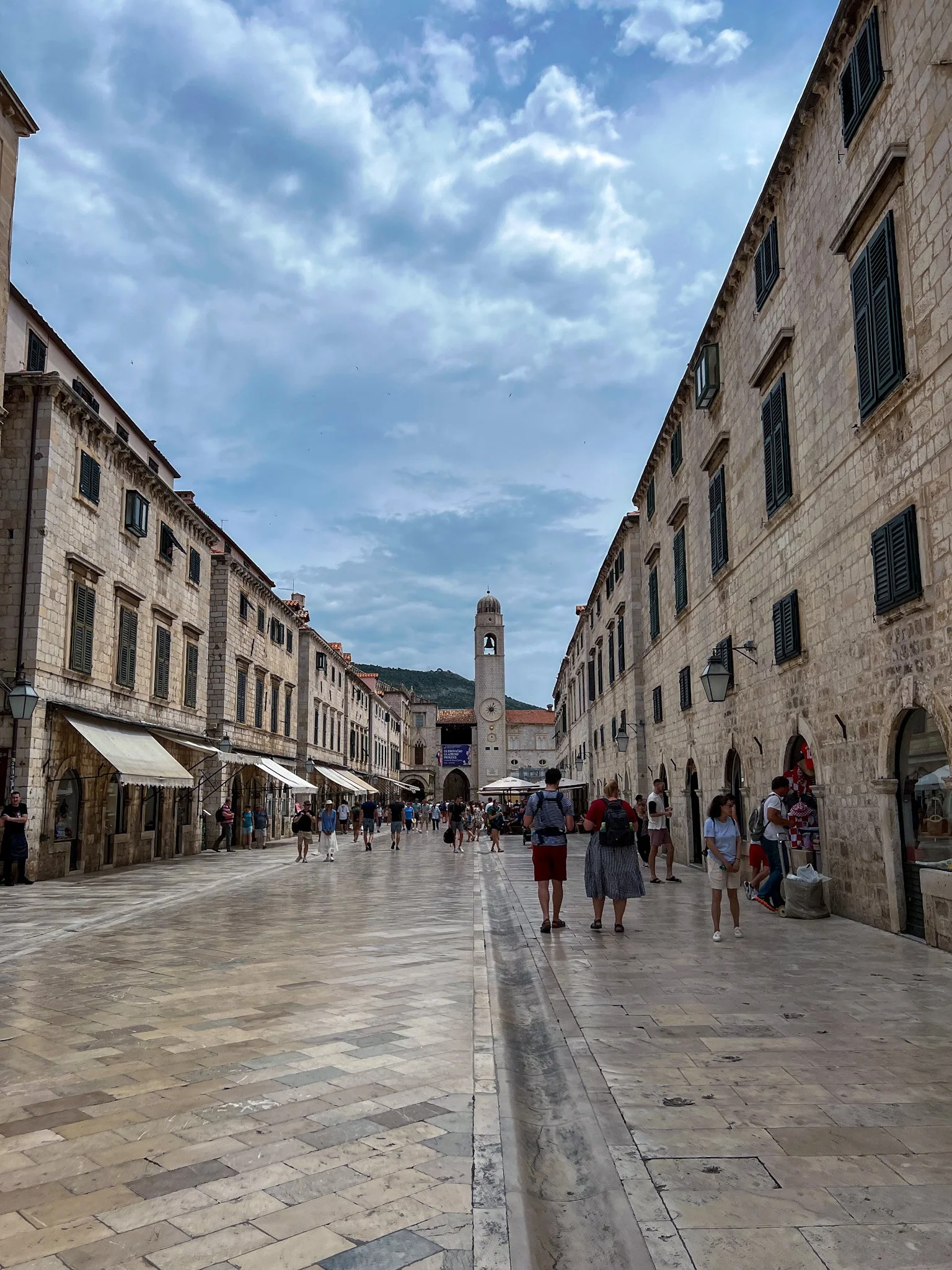
Dubrovnik is crossed by a limestone-pave pedestrian street called Stradun, stretching 300 meters from the Pile Gate in the west to the Ploče Gate in the east. This historic thoroughfare was originally a marshy channel separating Ragusa from the forest settlement of Dubrava.
Flanked by uniform 17th-century houses rebuilt after the devastating 1667 earthquake, Stradun features a distinct architectural style, with ground-floor shops, residential spaces above, and kitchens in the lofts to prevent fires. Today, Stradun serves as a vibrant esplanade lined with historic monuments, hosting cultural events like the Feast of Saint Blaise procession, concerts, and New Year’s Eve celebrations. It also endured damage during the 1991-92 Siege of Dubrovnik but has since been fully restored, retaining its role as a cherished centerpiece of the city.
Church of St. Blaise & Orlando's Column
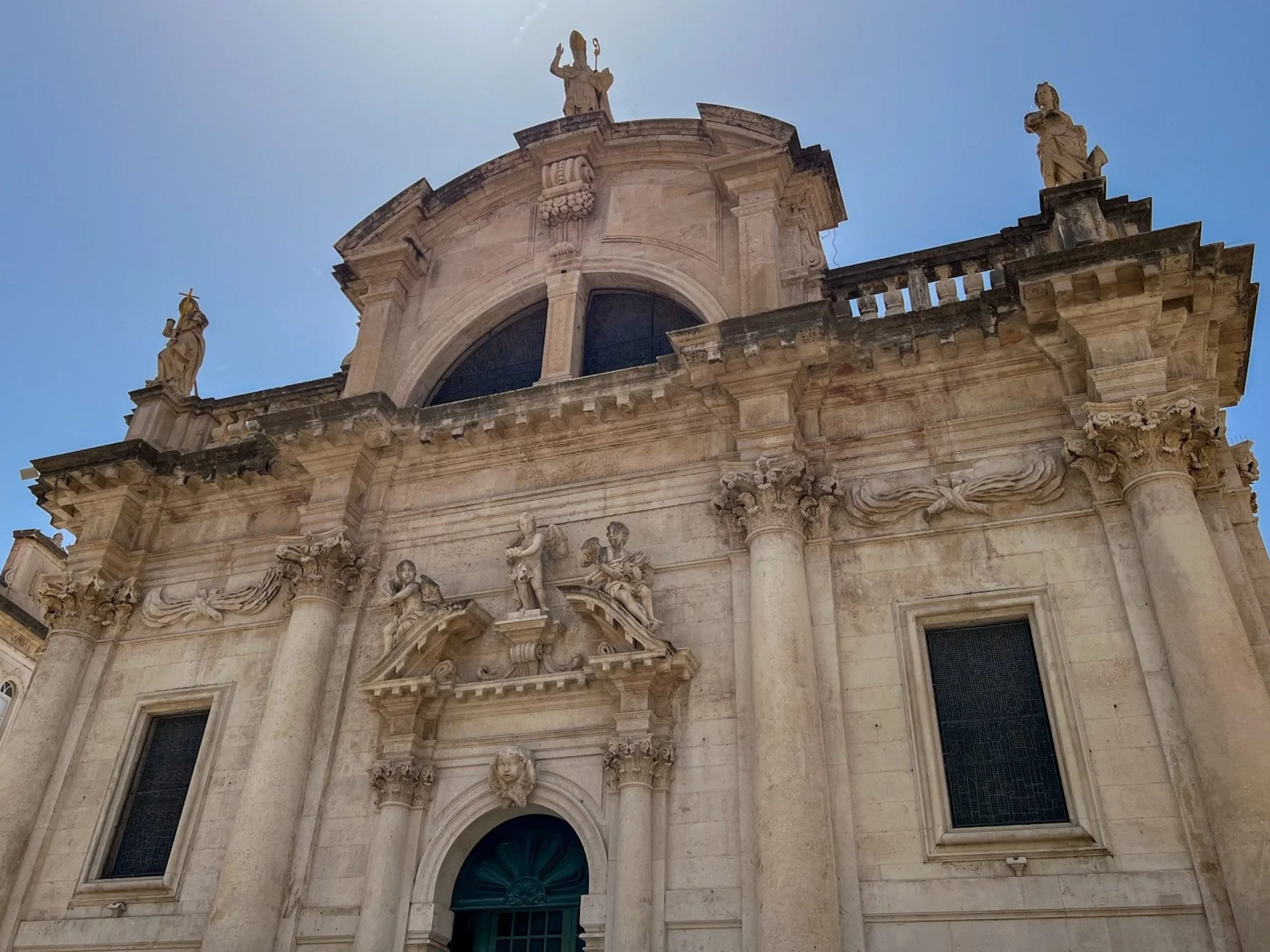
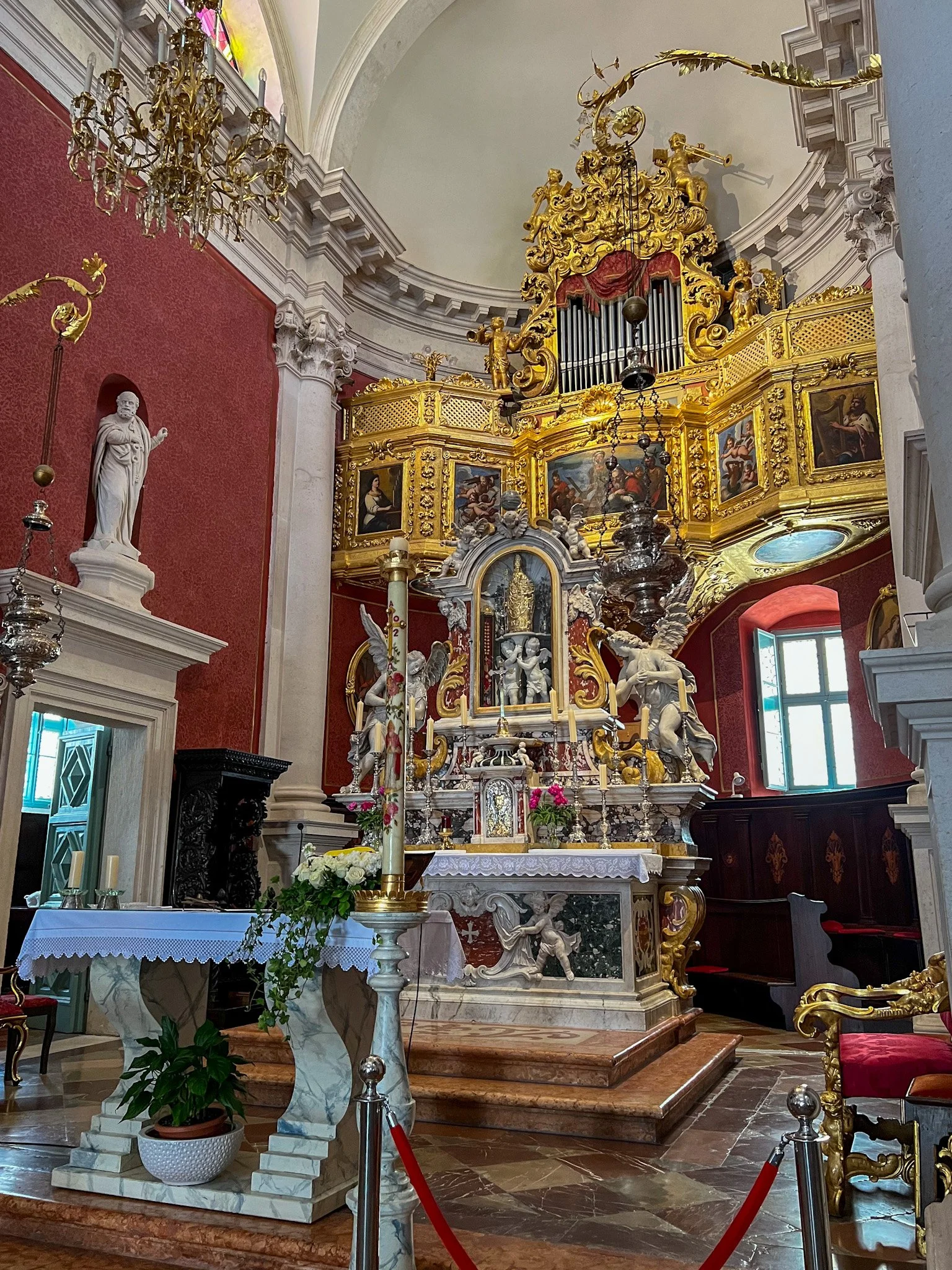
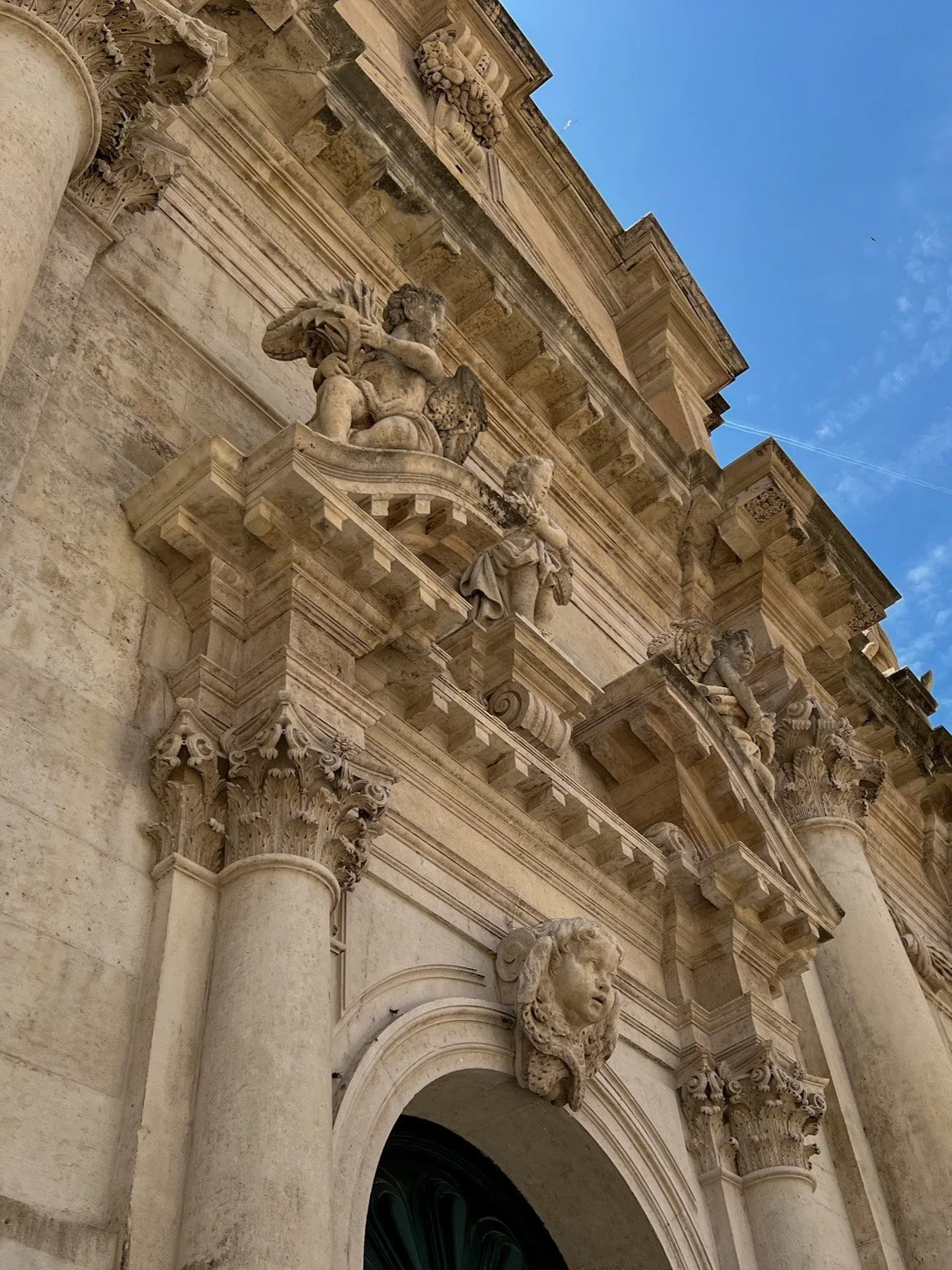
On the other end of Stradun is the Church of St. Blaise, built in honour of the city’s patron saint and protector of the former Republic of Ragusa. Originally built as a Romanesque church in 1349 after the Black Death, it was later rebuilt in 1715 by Venetian architect Marino Gropelli following a fire. The church features a single square nave with an inscribed Greek cross layout, an ornate Baroque interior, and a grand facade adorned with Corinthian columns, angelic statues, and a figure of St. Blaise holding a model of the original church. Notable relics include a 15th-century gilt silver statue of St. Blaise, which miraculously survived the 1706 fire, and the relics of Saint Silvan.
Right in front of the church we stopped by Orlando’s Column, a symbolic monument located in Luža Square right in front of St. Blaise’s Church. Erected in 1418, the column depicts the legendary knight Orlando, who is said to have aided the people of Dubrovnik (then Ragusa) in defeating invaders and preserving the city-state’s status as a free trade hub. Representing freedom, the column today carries the Libertas flag during Dubrovnik’s Summer Festival and the flag for the St. Blaise festival. Additionally, Orlando’s forearm, measuring 51.25 centimeters, served as the official standard for fabric measurement among local merchants in medieval Dubrovnik.
Bell Tower & Sponza Palace
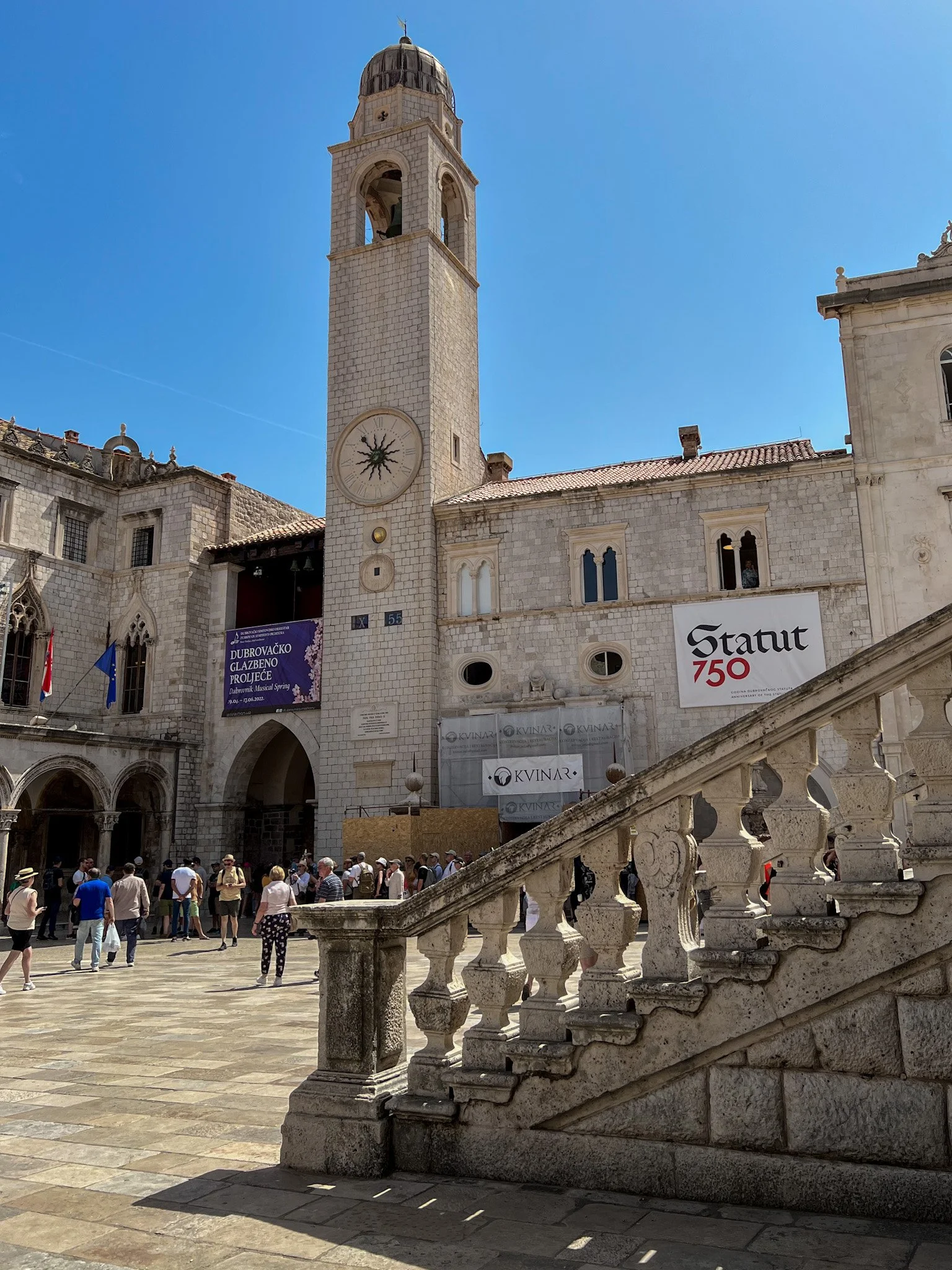
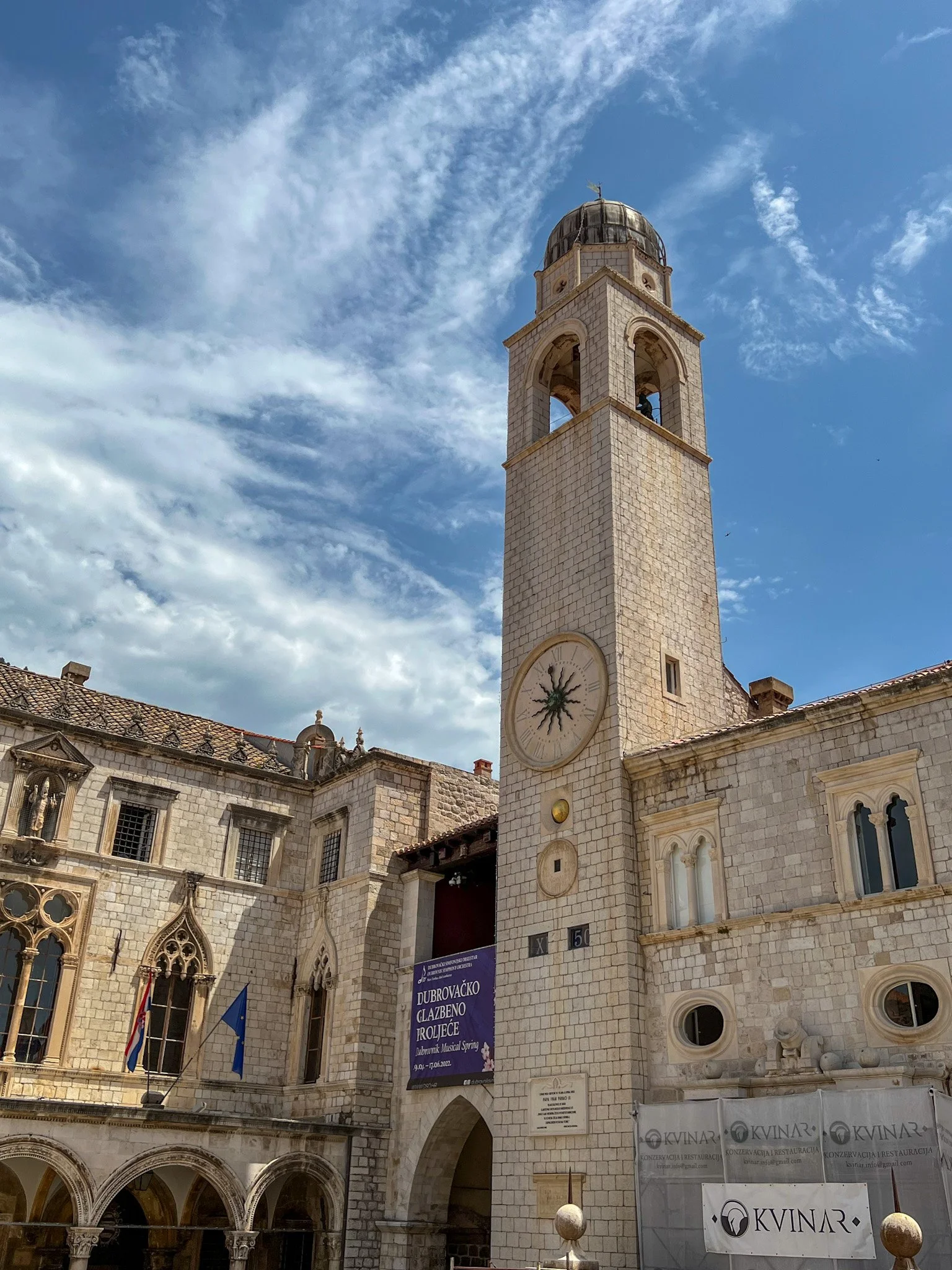
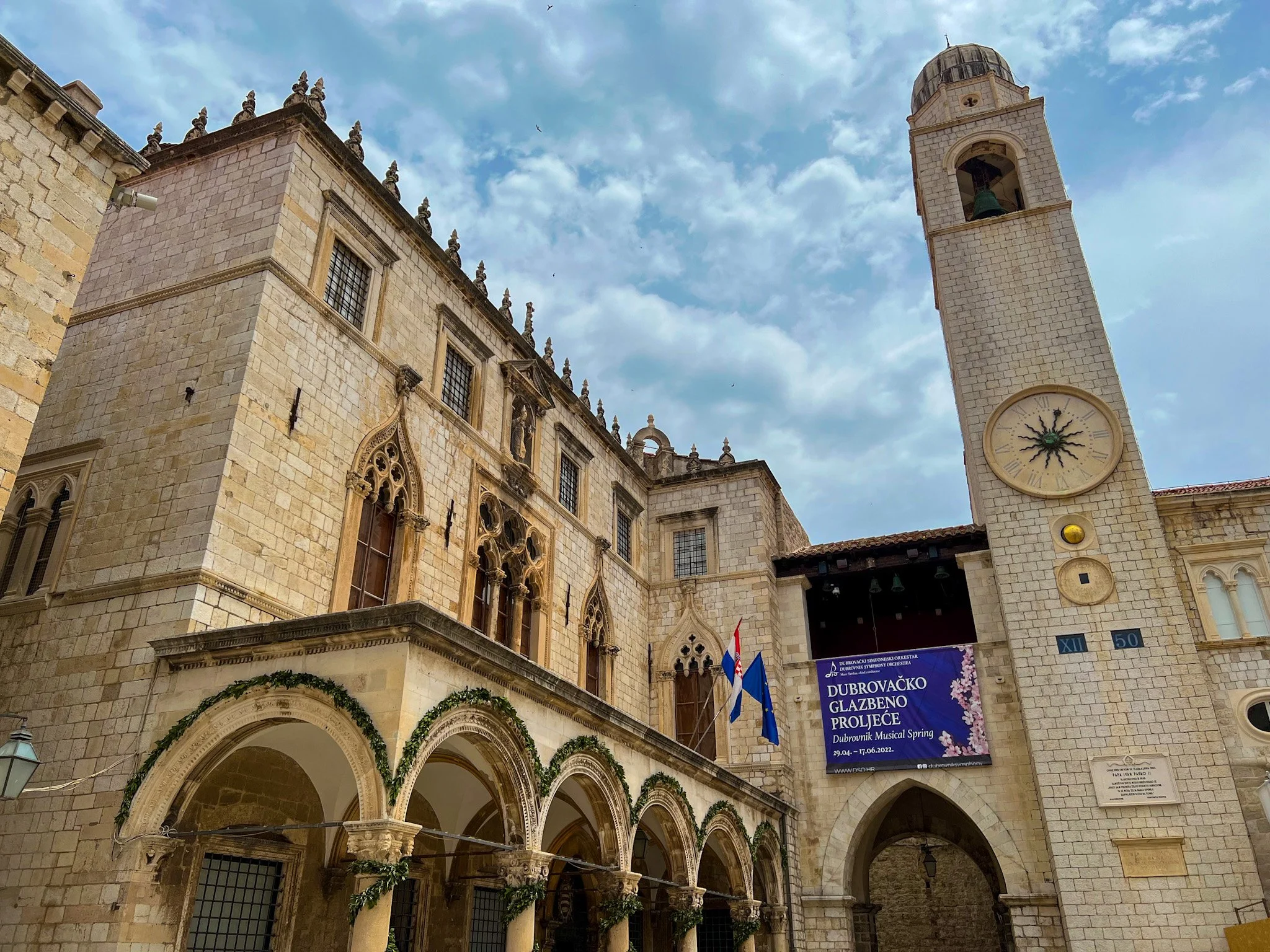
Also located in Luža Square, you won’t miss the sight of Dubrovnik’s Bell Tower with its imposing 31 metres of height. Originally constructed in 1444, the tower endured damage over the centuries, including the devastating earthquake of 1667.
By the early 19th century, structural issues caused it to lean, leading to its demolition in 1928. The tower was faithfully reconstructed in 1929, preserving its original design, and later restored after the 1979 Montenegro earthquake, with the work completed by 1988. A standout feature of the bell tower is the bronze bell crafted by Ivan Rabljanin in 1506.
At its feet you can also find the Sponza Palace. Its name originates from the Latin word spongia, referring to the area where rainwater was collected. Built between 1516 and 1522, the palace features a harmonious blend of Gothic and Renaissance styles, with the intricate loggia and sculptures crafted by the Andrijić brothers and other skilled artisans.
Over its long history, the Sponza Palace has served numerous public purposes, including as a customs house, bonded warehouse, mint, armoury, treasury, bank, and school. In the 16th century, it became the cultural heart of the Republic of Ragusa, hosting the Academia dei Concordi, a renowned literary society. Remarkably, the palace withstood the devastating 1667 earthquake without damage. Today, the palace houses the Dubrovnik State Archive, which safeguards invaluable historical documents dating back to 1022, including over 7,000 volumes and approximately 100,000 individual manuscripts.
Assumption Cathedral
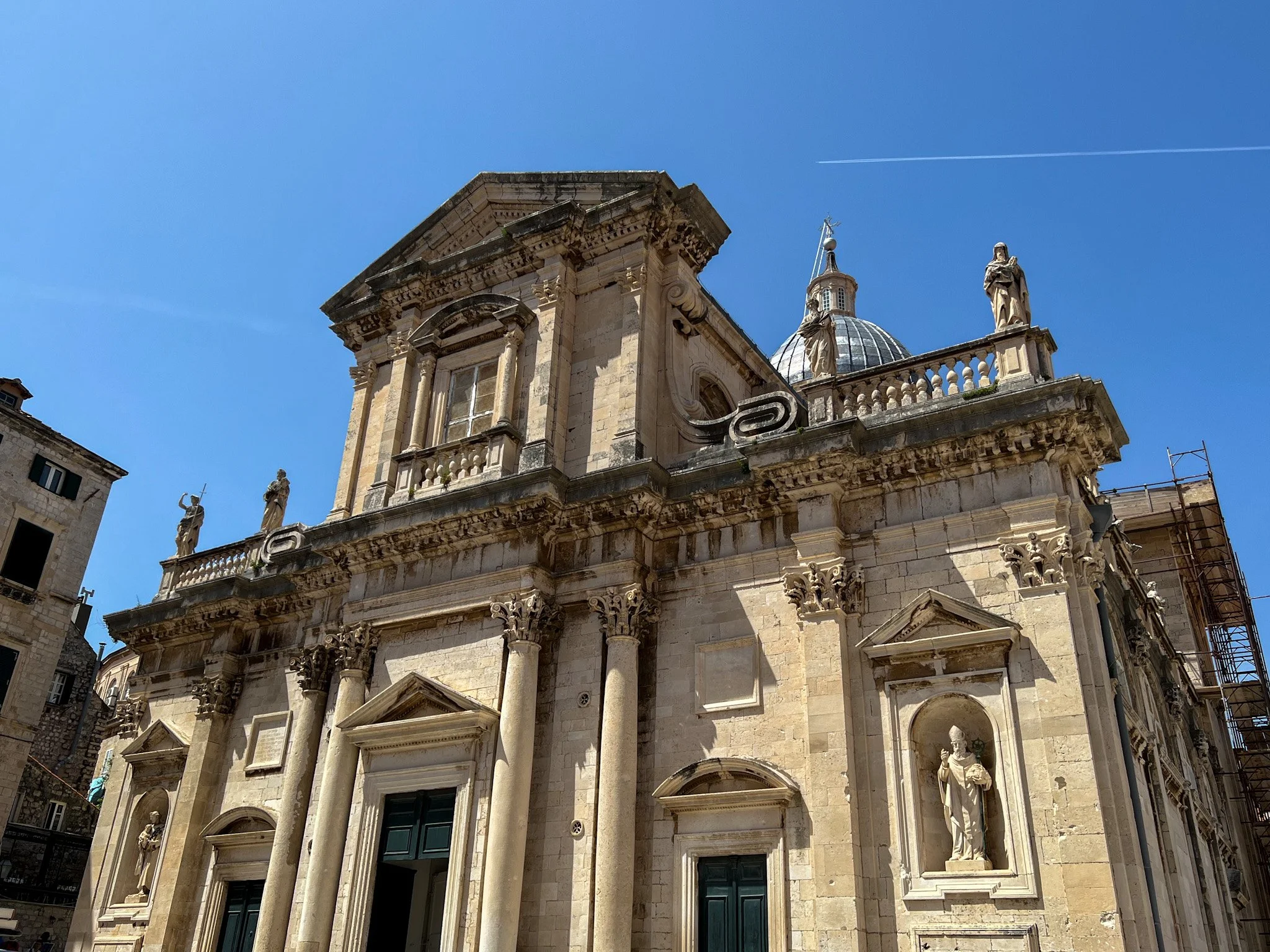
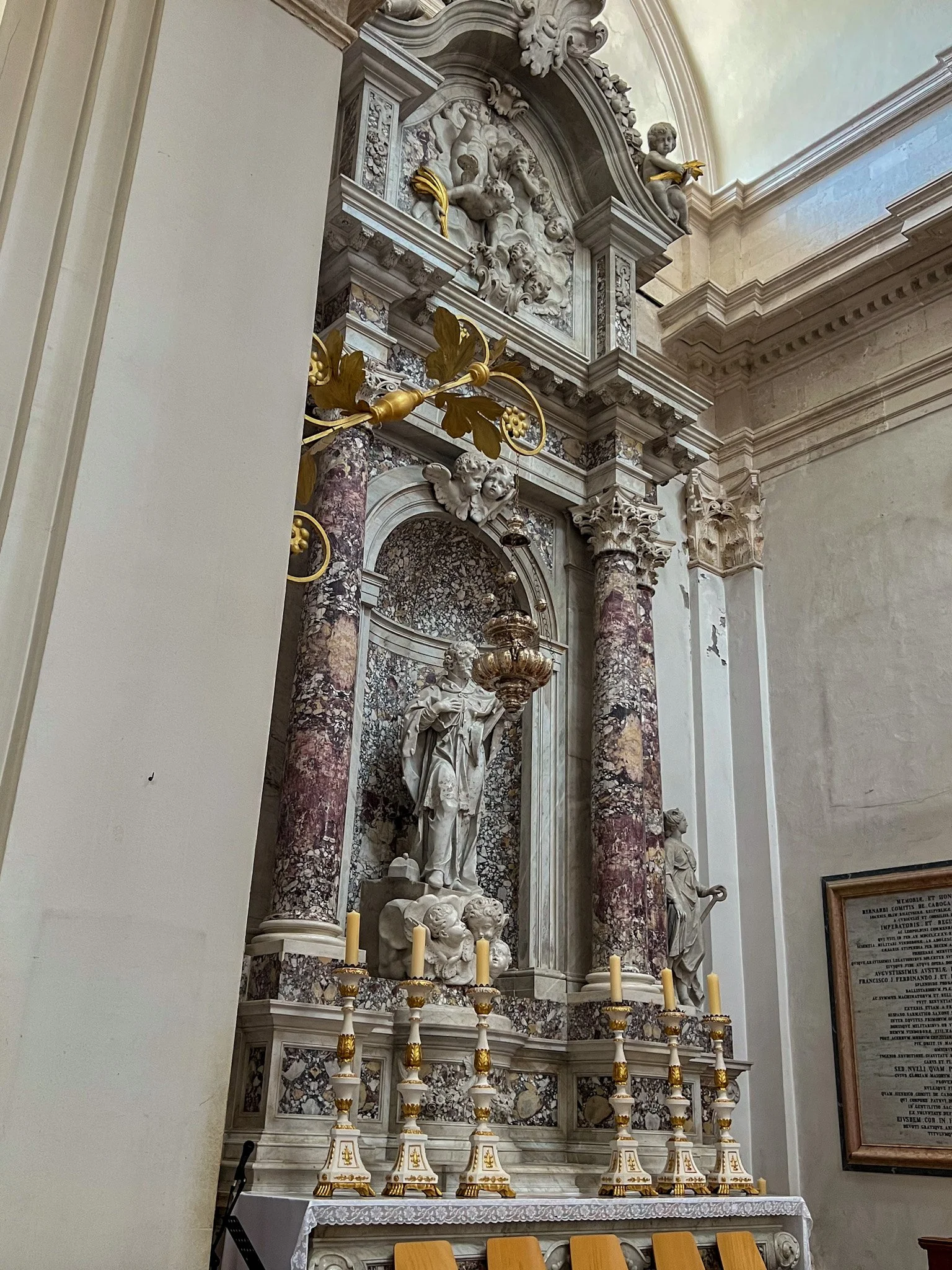
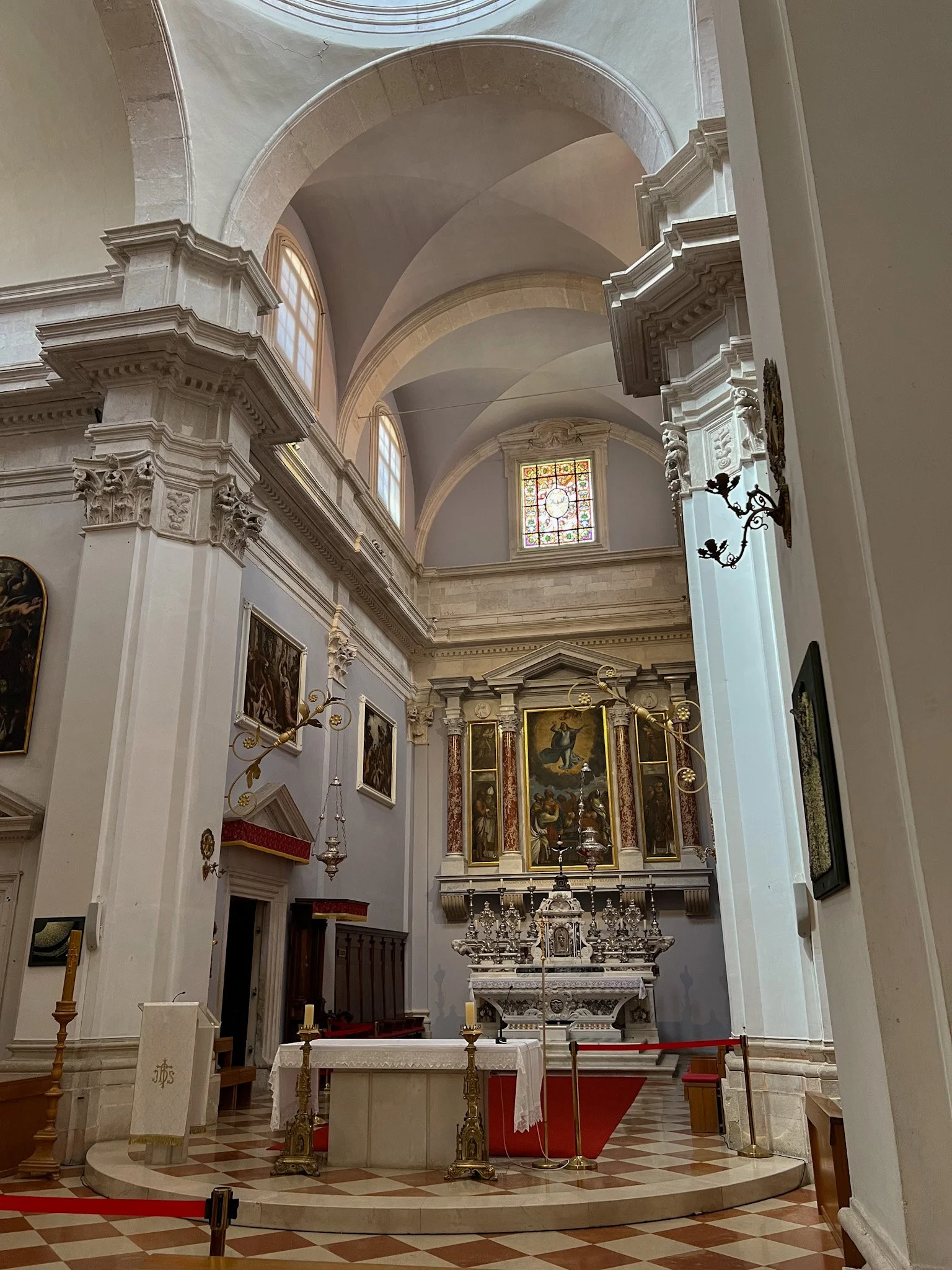
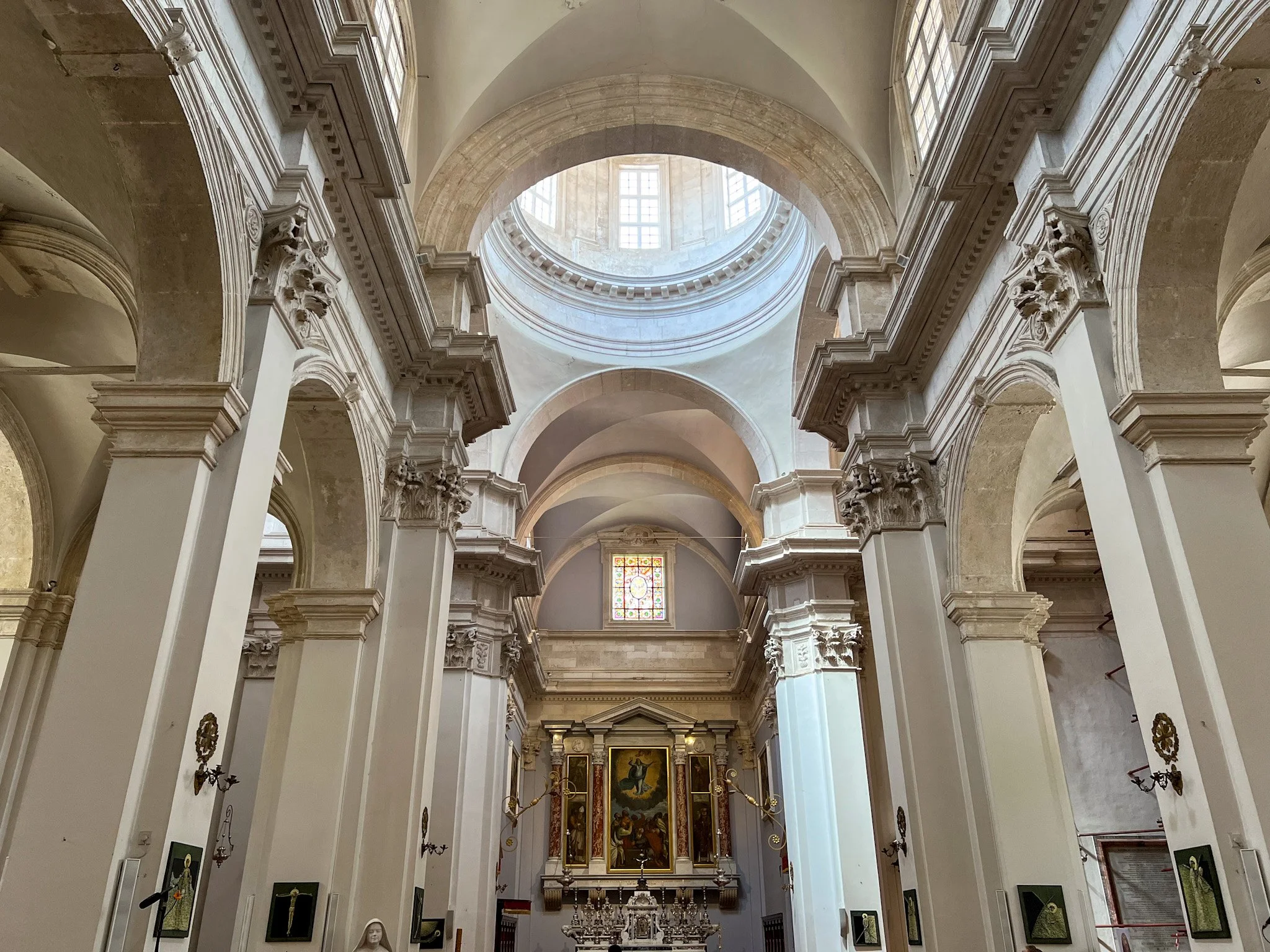
As you turn left, you’ll find in front of you the The Cathedral of the Assumption of the Virgin Mary standing as a testament to centuries of history and architecture. Built on the foundations of several earlier churches dating back to the 7th century, among its predecessors was a Romanesque basilica constructed in the 12th century, funded in part by King Richard the Lionheart after surviving a shipwreck near Lokrum in 1192. Tragically, this basilica was largely destroyed in the devastating earthquake of 1667.
Reconstruction began in 1673, guided initially by the Italian architect Andrea Bufalini, who designed a Baroque structure featuring a nave, two aisles, and a cupola. Over the following decades, various Italian architects collaborated with local artisans to complete the cathedral.
The cathedral’s facade is adorned with Corinthian columns and statues of Saint Blaise and Saint Joseph. Its high nave, separated by robust columns, leads to a grand dome at the crossing of the nave and transepts. The main altar features Titian's Assumption of the Virgin, a polyptych dating to around 1552, complemented by side altar paintings from Italian and Dalmatian artists.
Rector's Palace
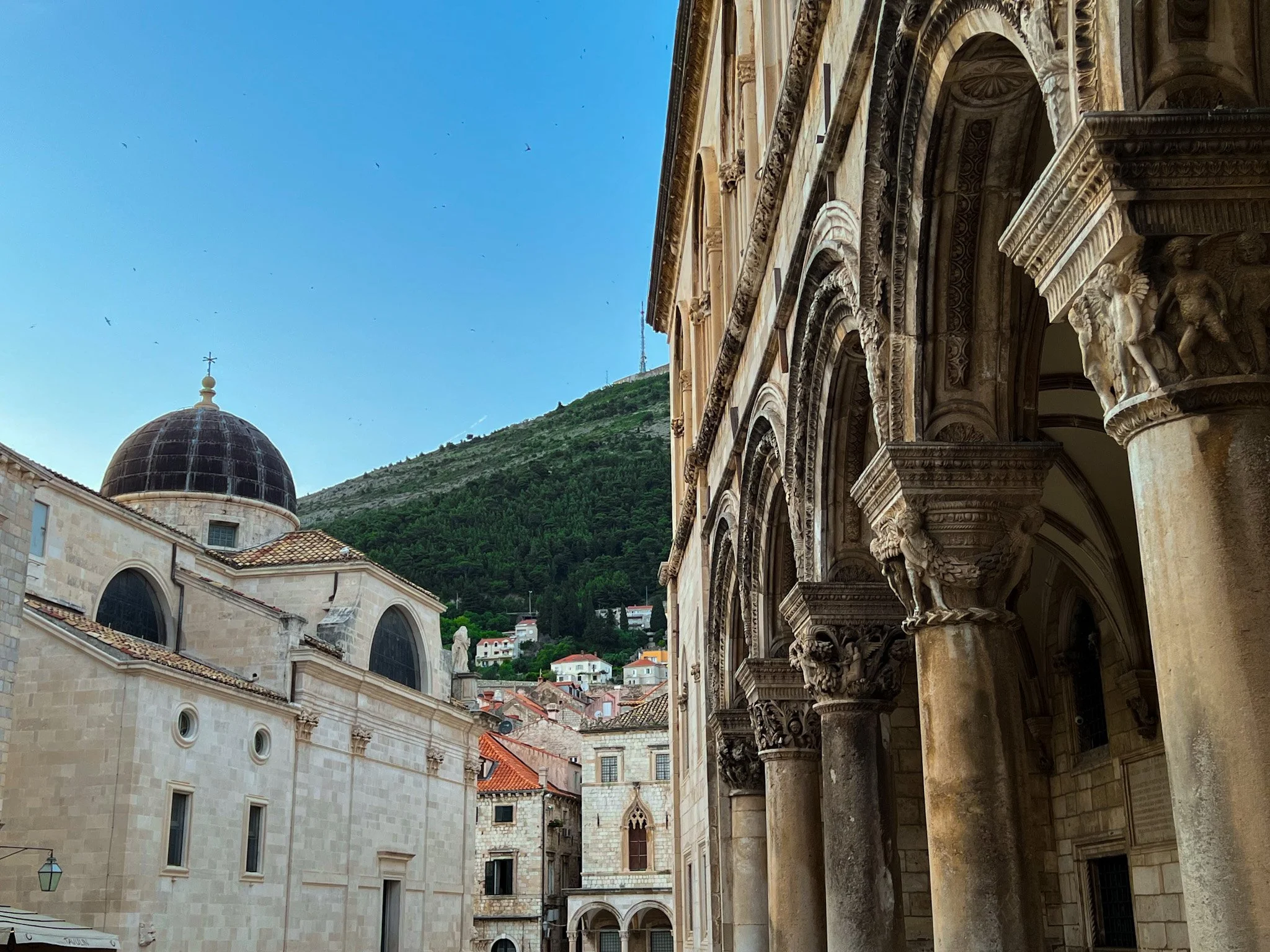
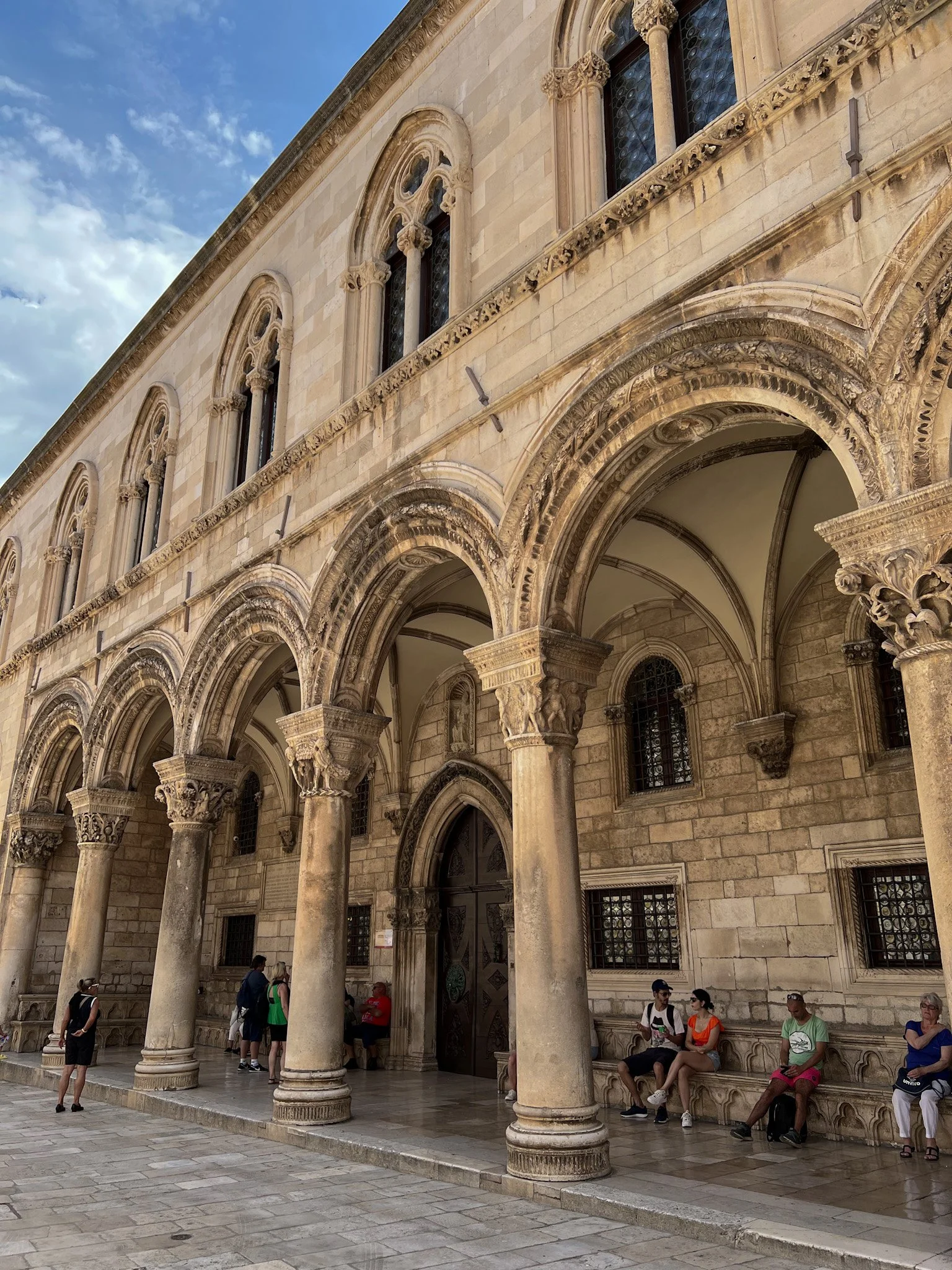
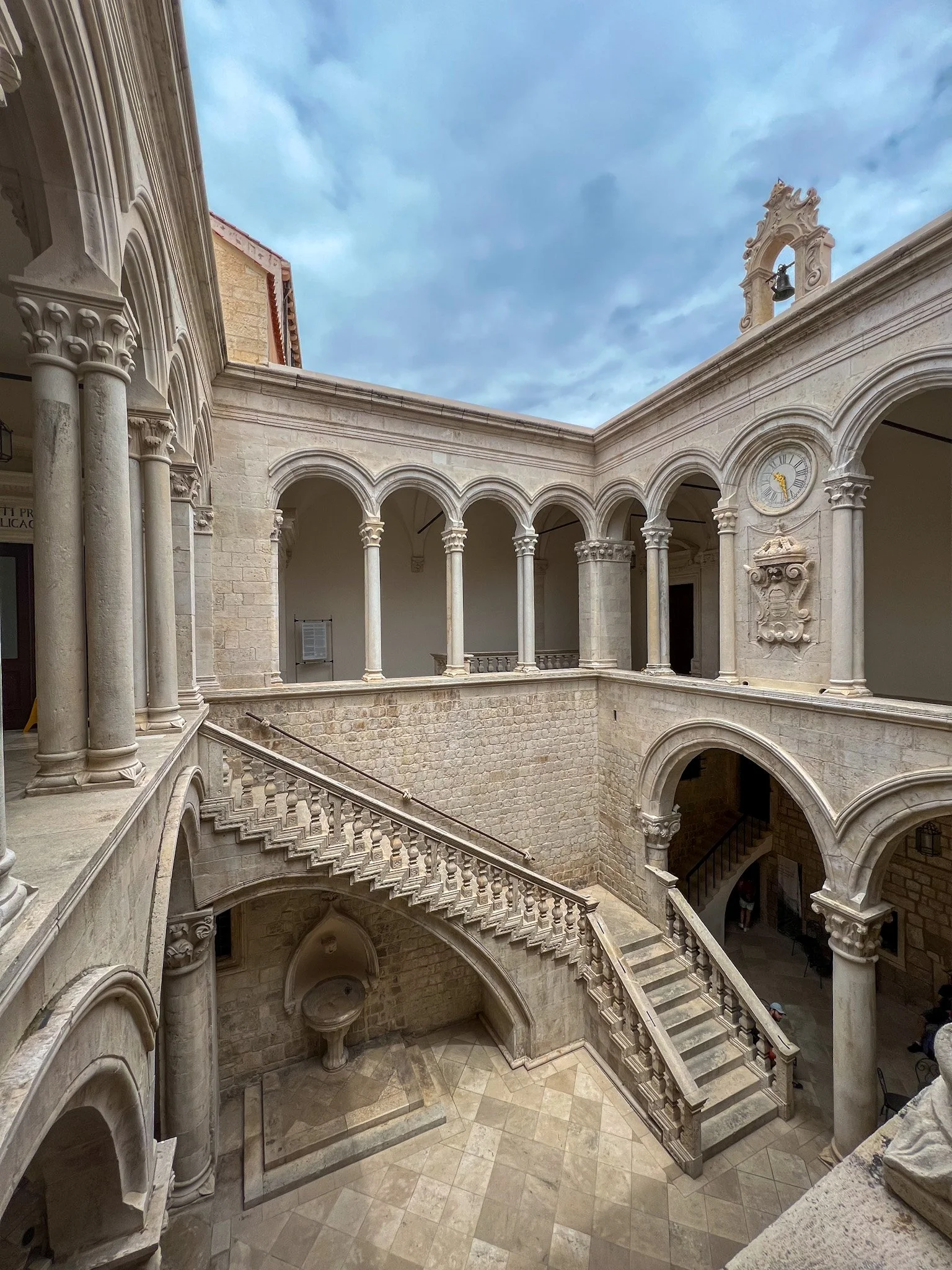
Our walking tour in Dubrovnik’s Old Town finished by the Rector’s Palace, the former political and administrative heart of the Republic of Ragusa from the 14th century until 1808. The palace not only served as the residence of the Rector but also housed the Minor Council, state administration offices, an armoury, powder magazine, watch house, and even a prison.
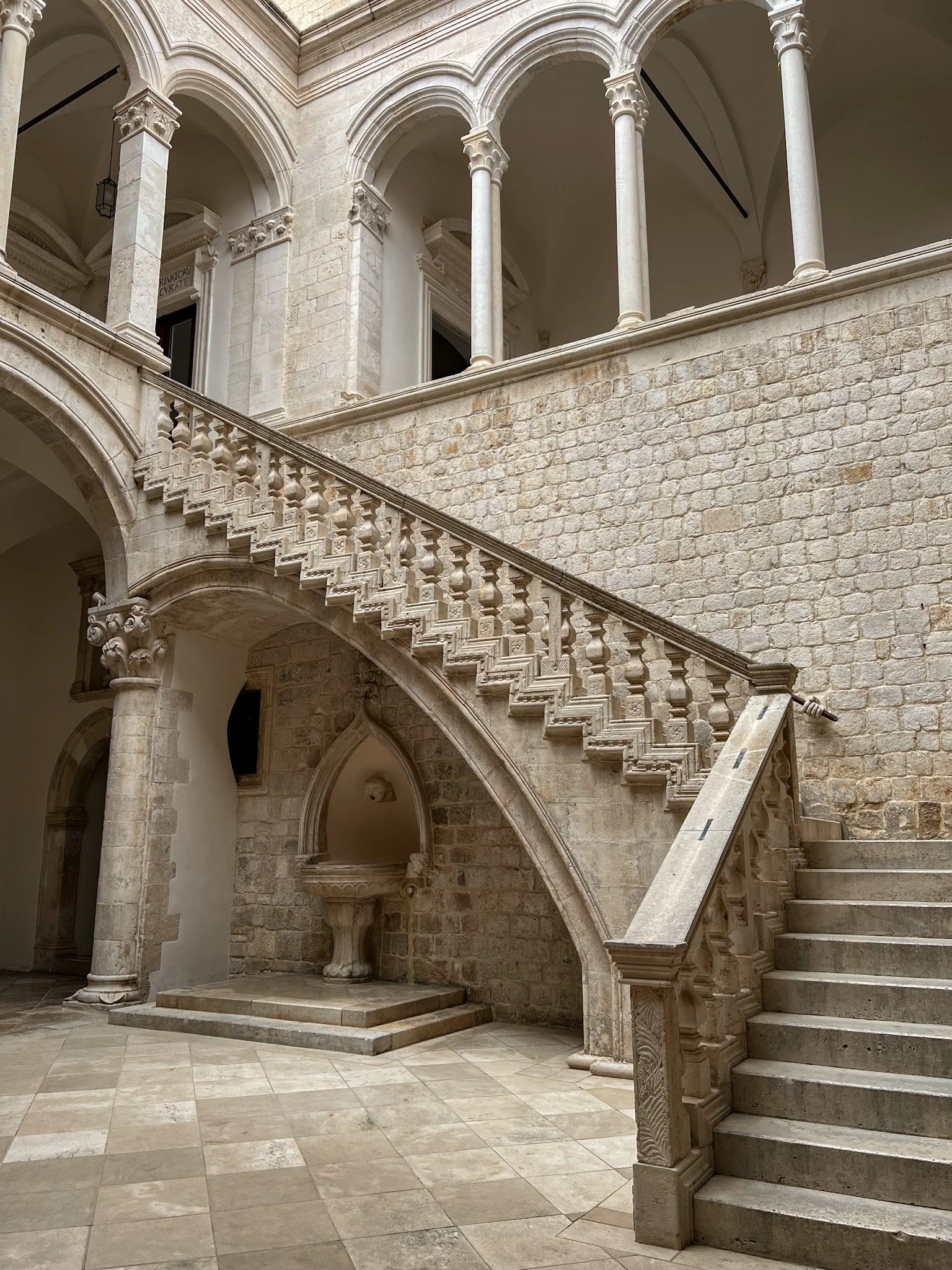
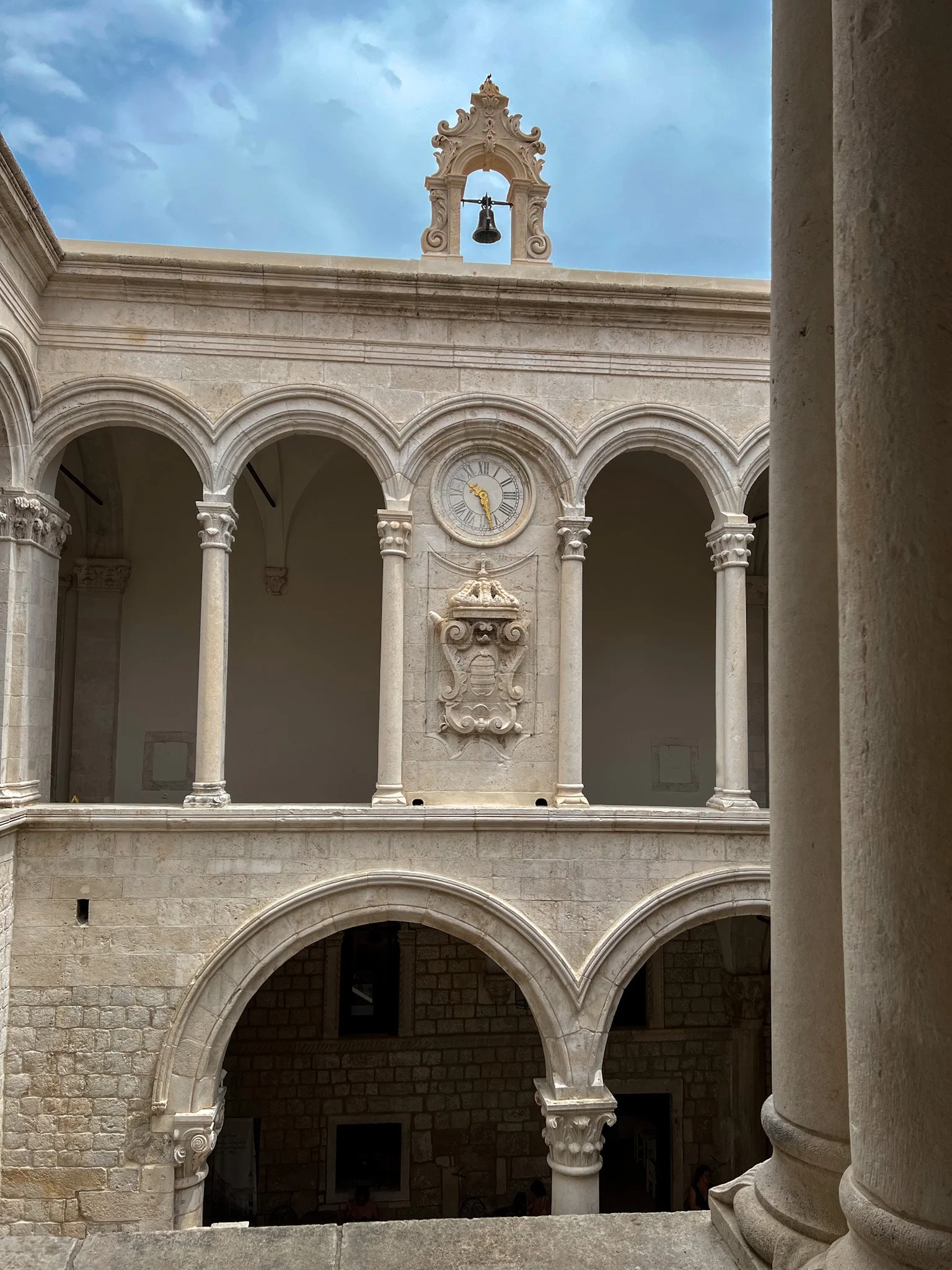
Initially built as a defense structure in the early Middle Ages, the palace has undergone numerous transformations due to fires, explosions, and earthquakes. Following a fire in 1435, the city-state commissioned Onofrio della Cava, a master builder from Naples, to construct a new Gothic-style building. Ornamentation was added by Pietro di Martino of Milan. However, a gunpowder explosion in 1463 severely damaged the structure, prompting further work by Florentine architect Michelozzo. His Renaissance-style plans were ultimately rejected, but some Renaissance features, likely crafted by Salvi di Michele, were incorporated during subsequent reconstruction efforts. Over the years, the palace also adopted Baroque elements, particularly after the destructive earthquakes of 1520 and 1667. These additions included a grand staircase and a bell in the atrium.
Since 1872, the palace has been home to the History Department of the Museum of Dubrovnik, preserving the legacy of the city-state within its architecturally rich and storied walls.
Jesuit Stairs & Church of St. Ignacius
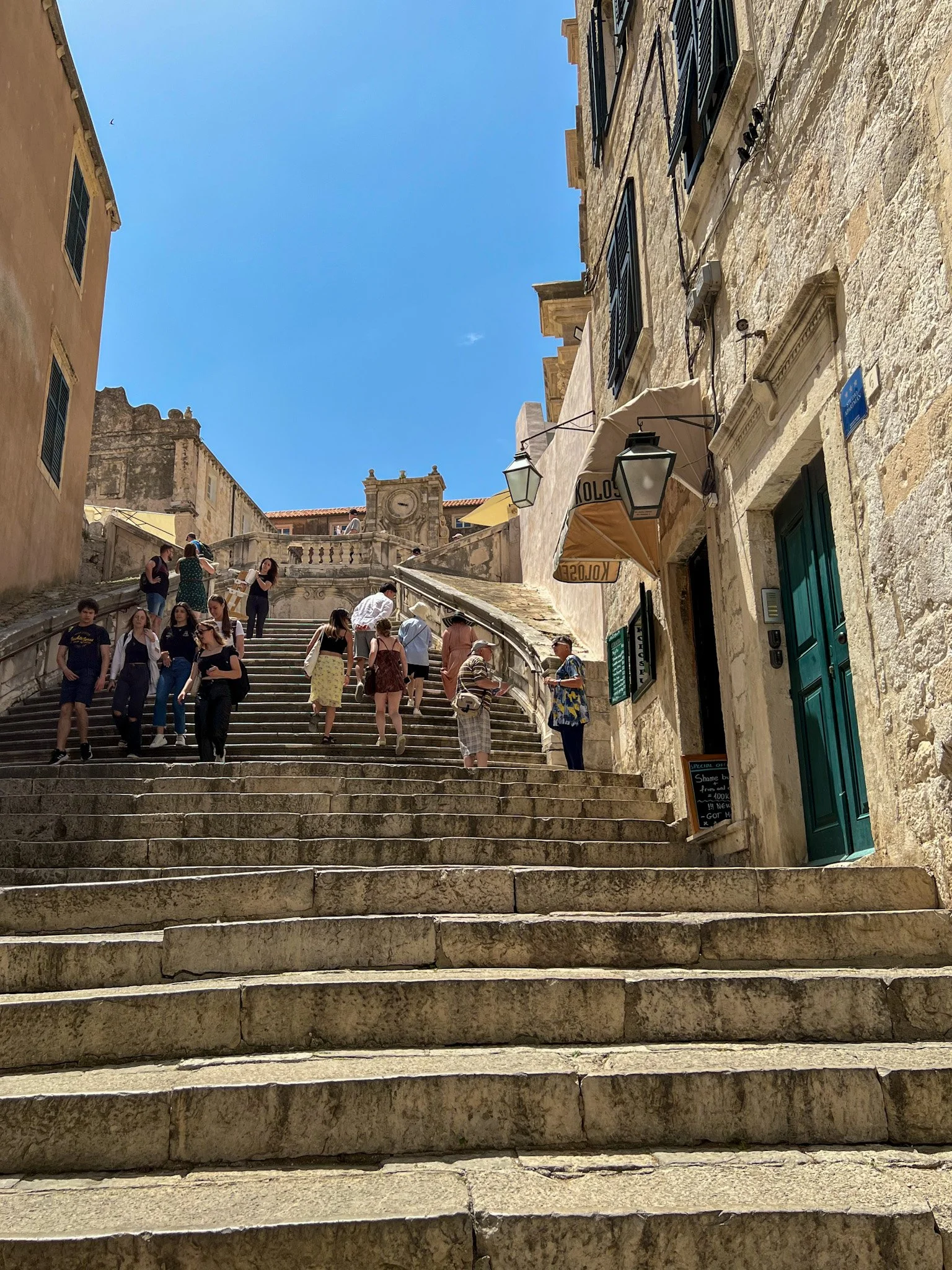
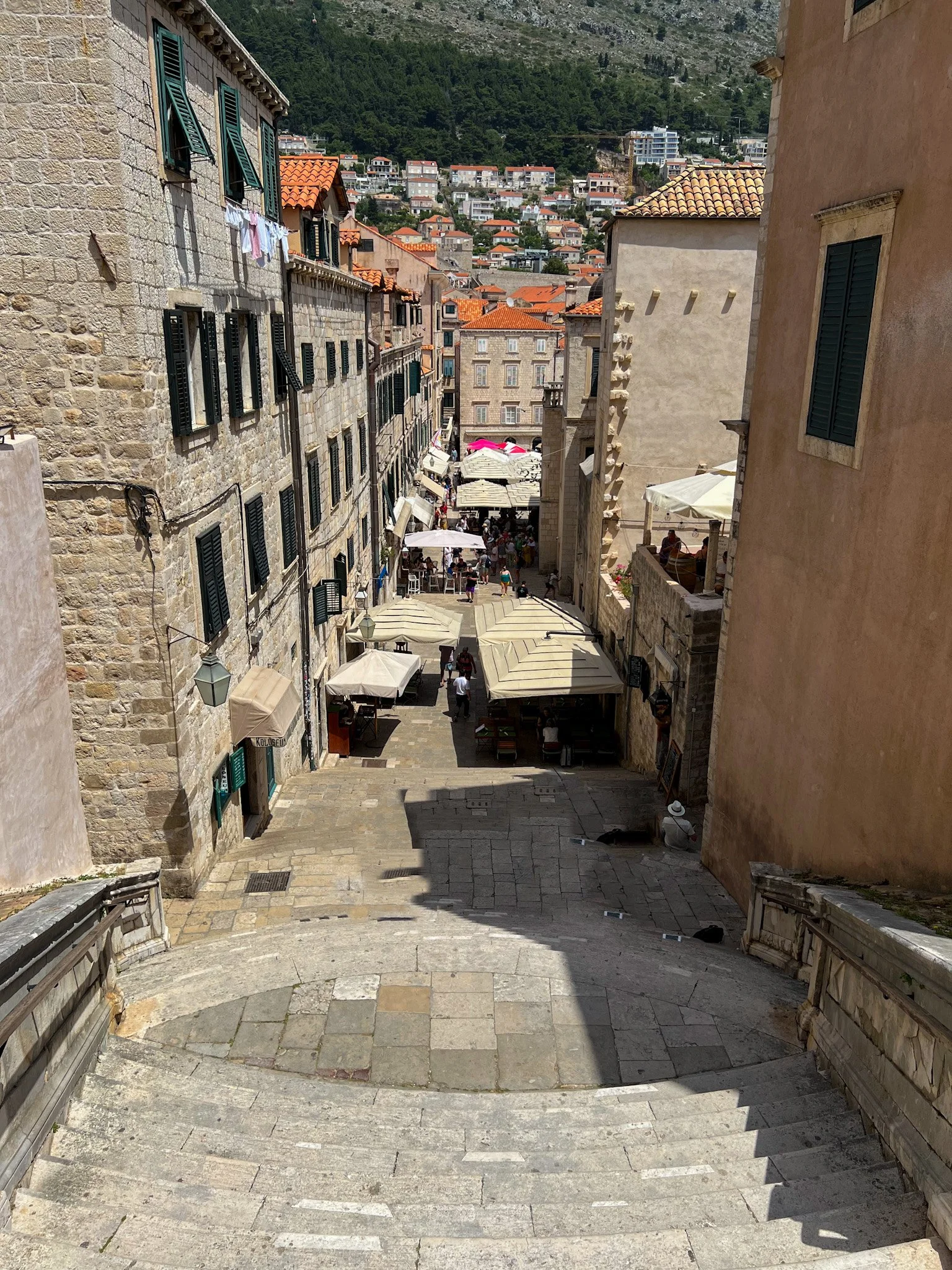
Although our morning walking tour was over, there was still plenty to explore in Dubrovnik's Old Town. We continued our visit by ascending to the Jesuit Stairs, designed in 1738 by Roman architect Pietro Passalacque echoing the iconic Spanish Steps in Rome.
The stairs have also gained international fame as a filming location for the iconic "Walk of Shame" scene from season five of Game of Thrones. Fans of the series flock daily to the site, capturing thousands of photos on these picturesque steps where Cersei Lannister’s memorable journey through King’s Landing was filmed.
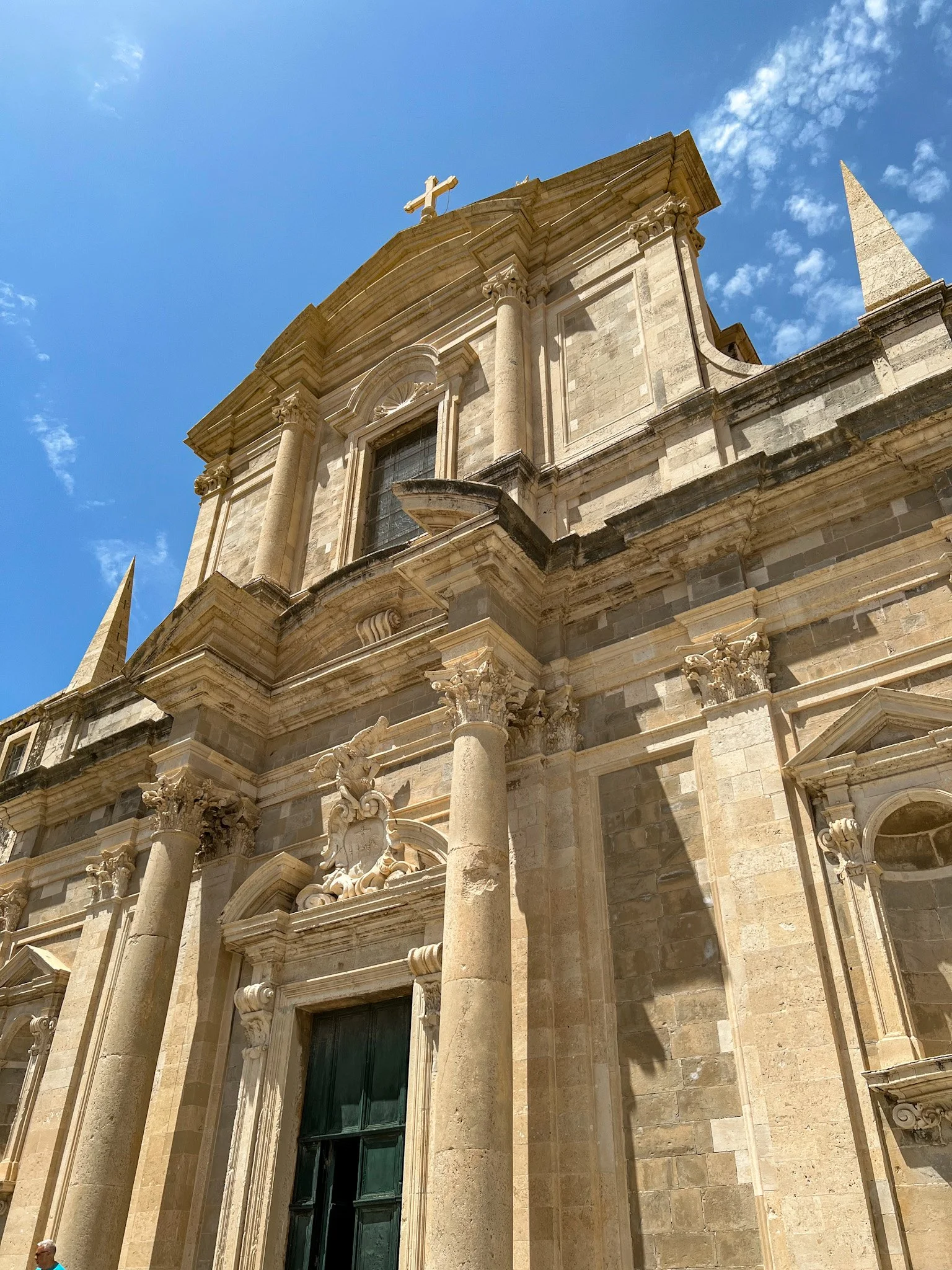
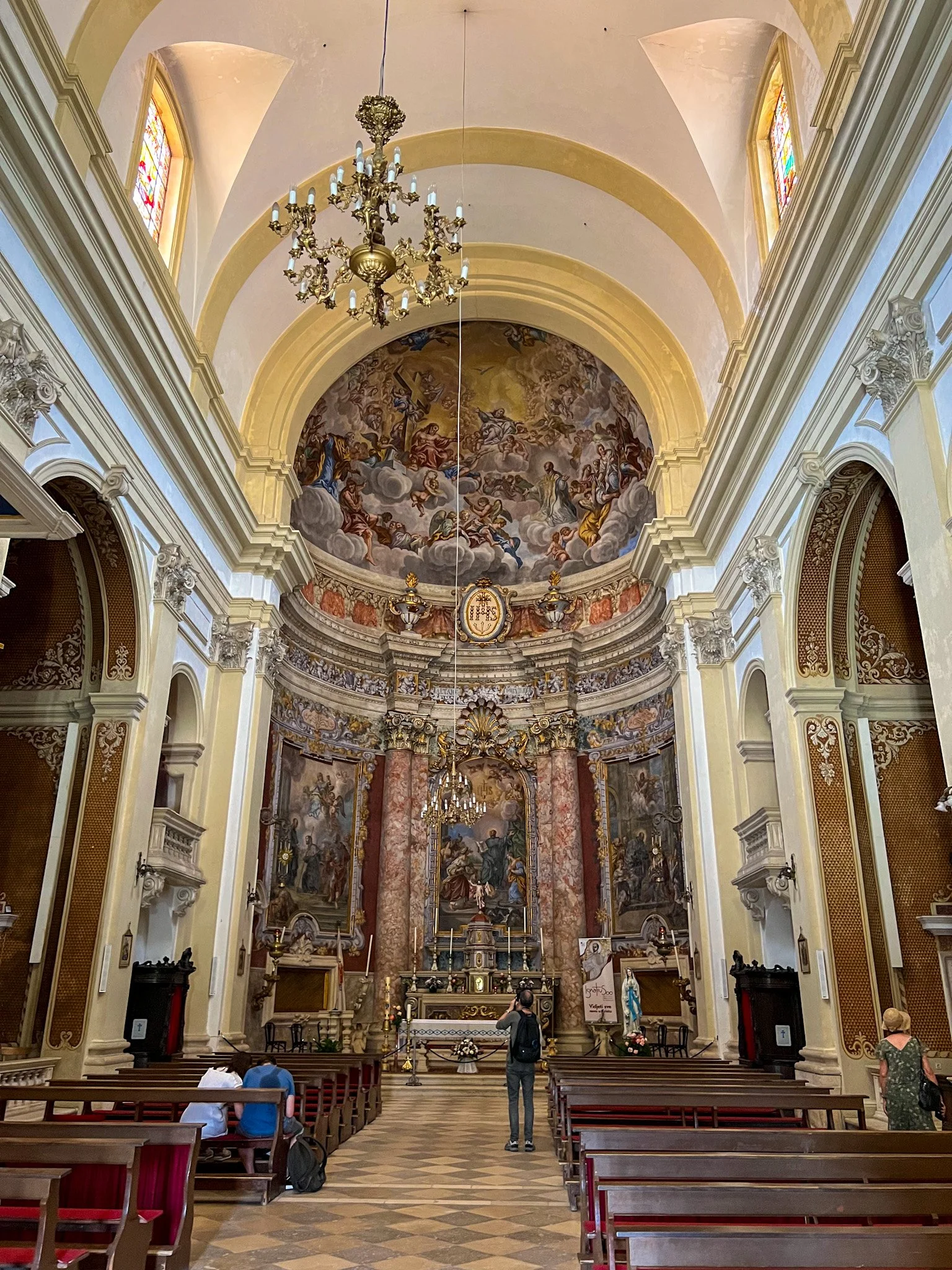
At the top of the steps stands the Church of St. Ignacius, one of the finest examples of baroque architecture in Dalmatia. The church, completed in 1725, owes its origins to the generosity of a Jesuit from the Gundulić family, and its design was masterfully executed by Ignazio Pozzo, a famed Jesuit architect.
Dubrovnik Synagogue
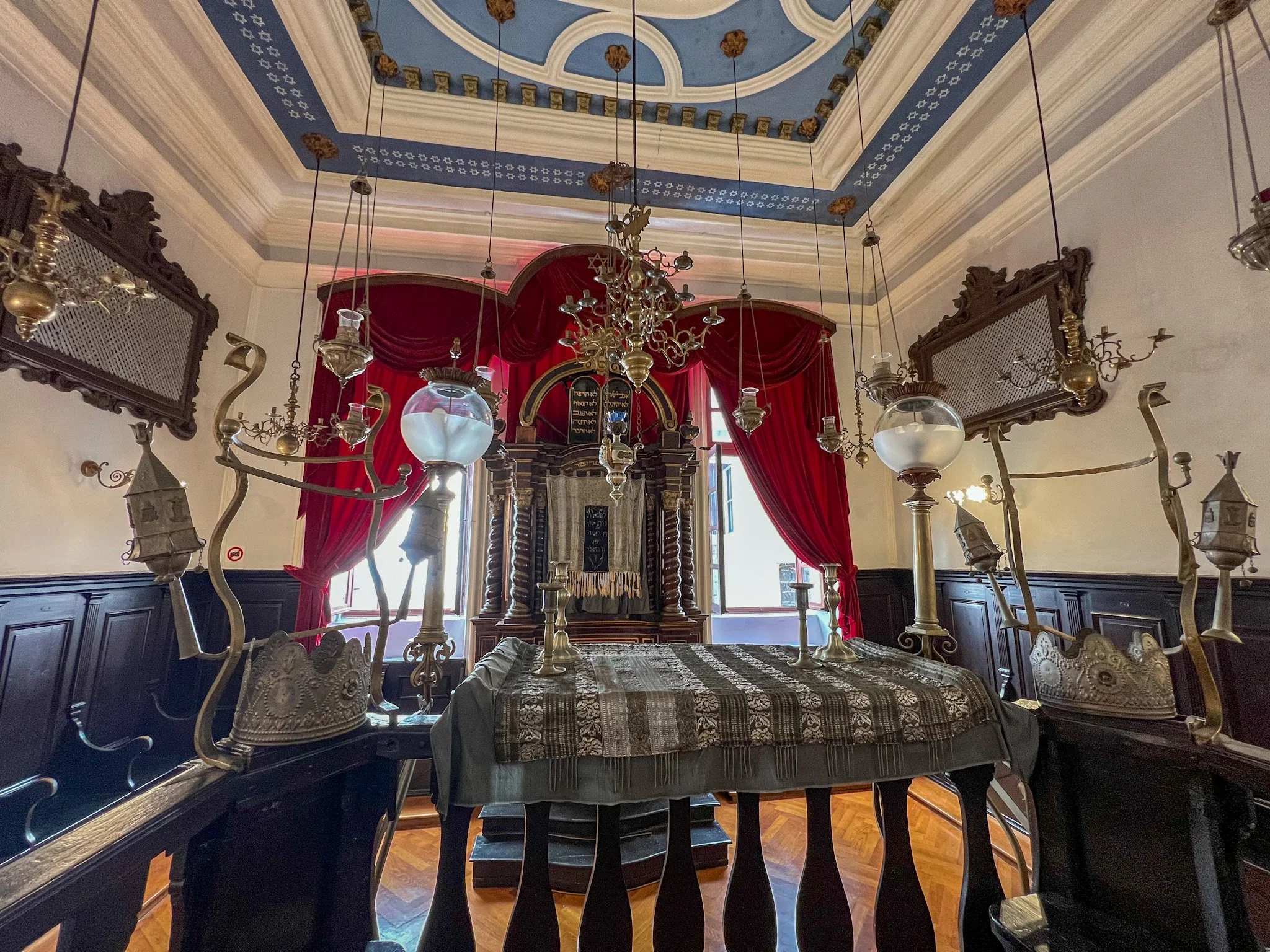
Walking back along Stradun we paid a visit to the Dubrovnik Synagogue, dating back to 1352 and considered the oldest active Sephardic synagogue in the world.
Located in the heart of Dubrovnik’s Old Town, it serves as both a place of worship and a museum, housing valuable Jewish ritual objects. Over the centuries, the synagogue has faced multiple challenges, including damage from the 1667 earthquake, World War II, and the Croatian War of Independence in the 1990s. Despite this, it has been carefully restored, and today, it continues to be a focal point for Dubrovnik’s small Jewish community, with visiting rabbis conducting services on holy days.
The Jewish presence in Dubrovnik dates back to the 15th century, with a significant number of Sephardic Jews settling in the city after their expulsion from Spain in 1492. The synagogue is located in the historic Jewish Quarter, and the building has undergone several refurbishments throughout its history. During the Siege of Dubrovnik in 1991, the synagogue was damaged by artillery, and many of its sacred items were temporarily relocated, which were eventually returned after a legal battle.
Old Port
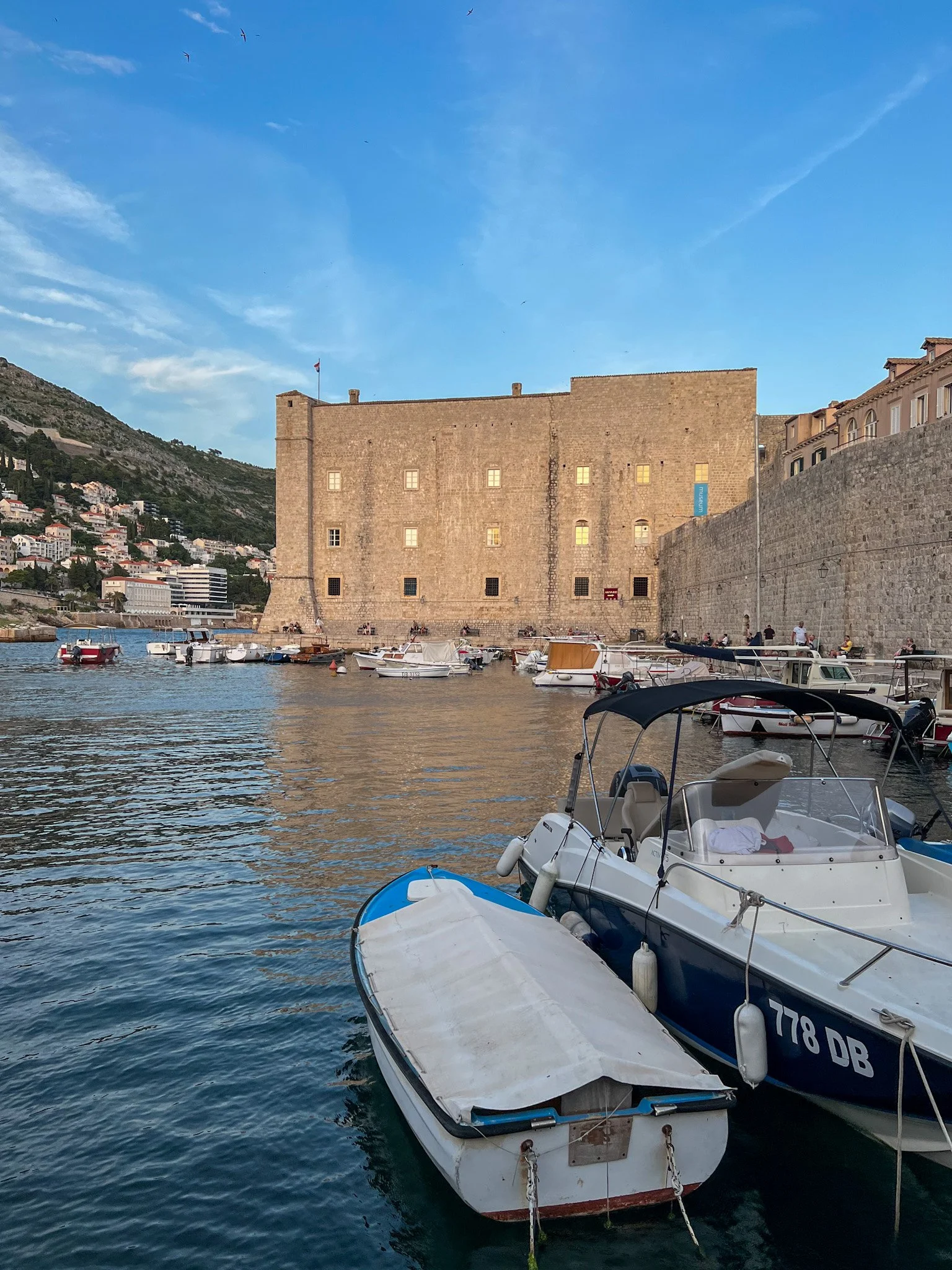
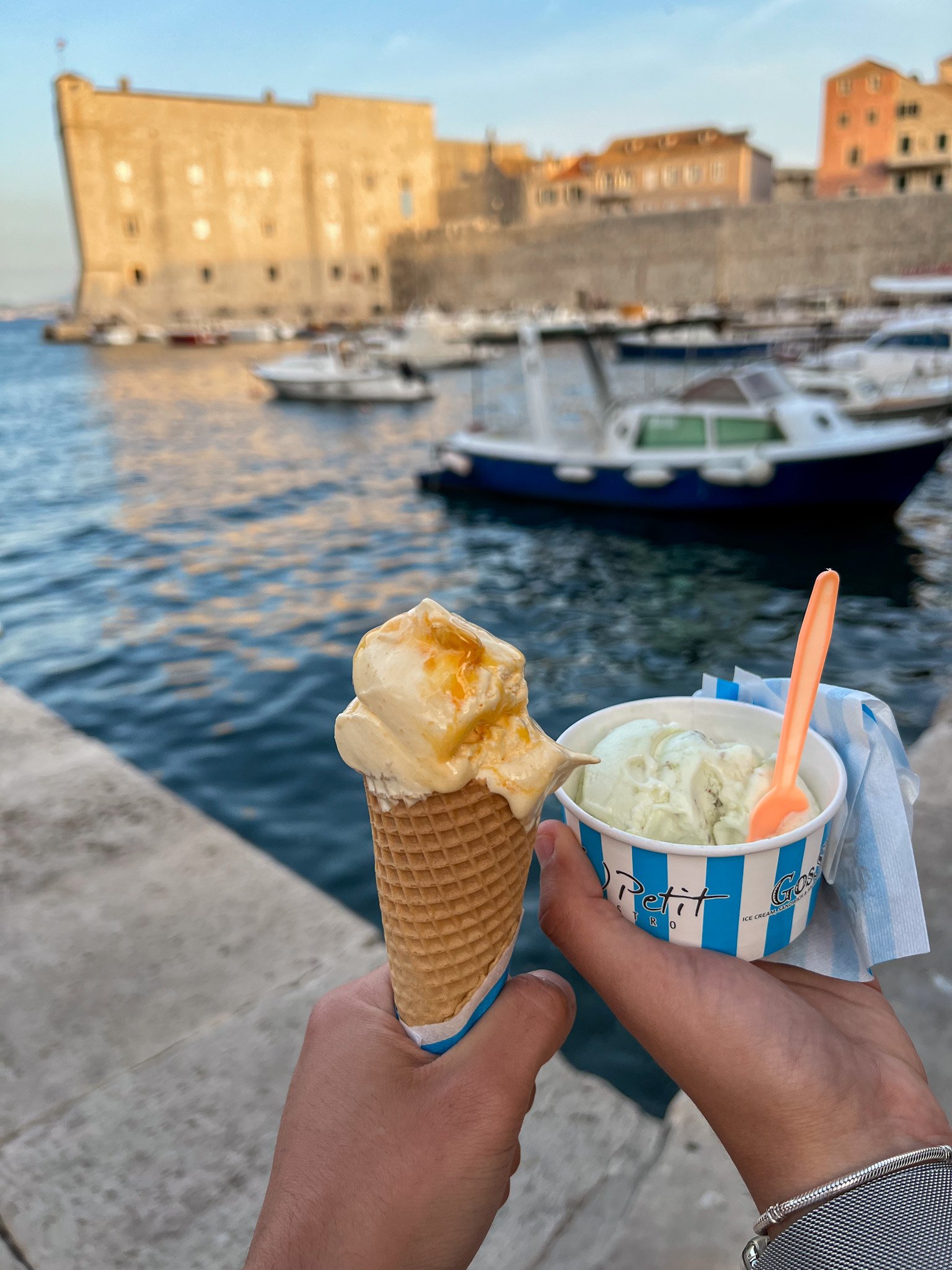
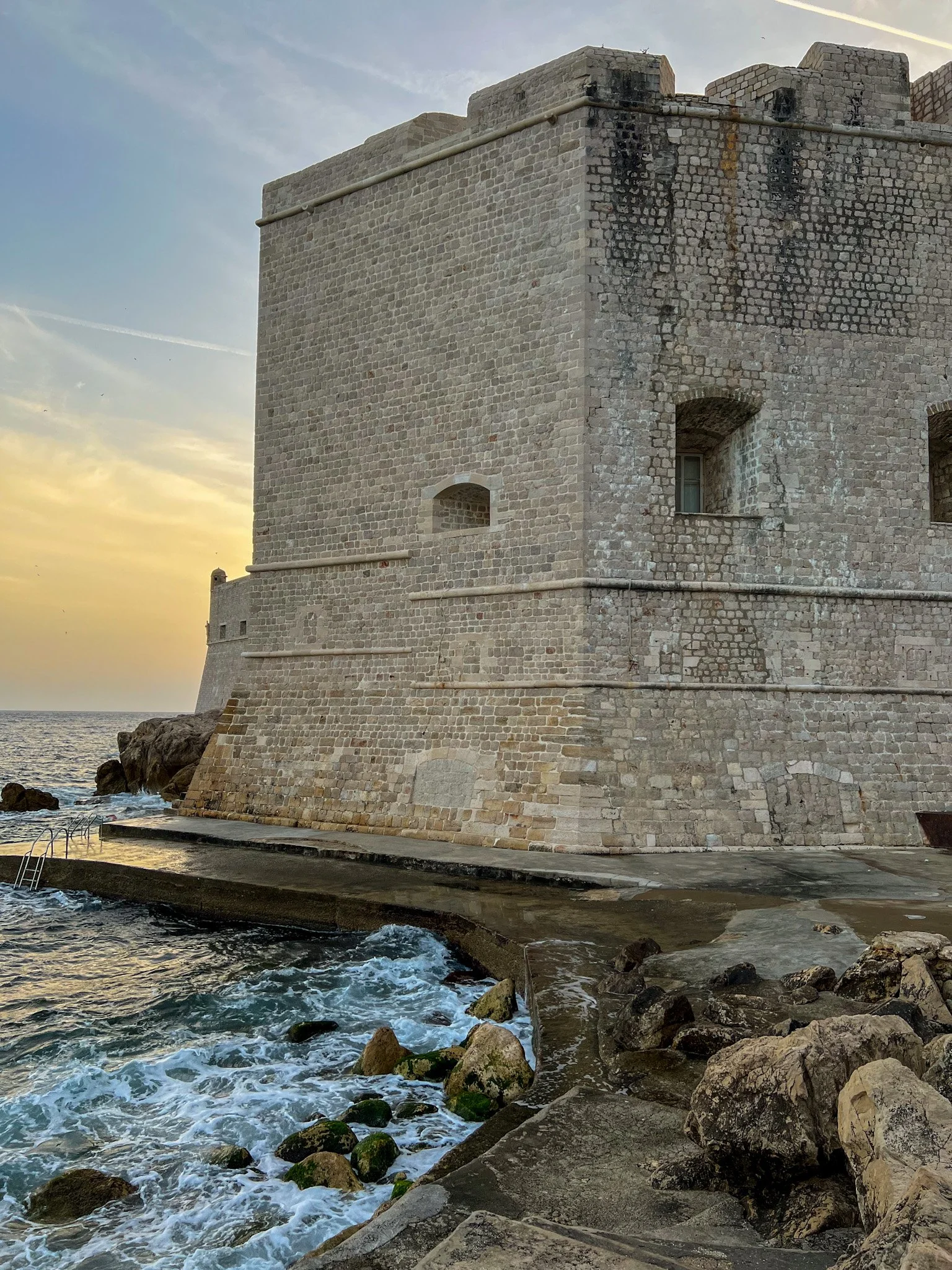
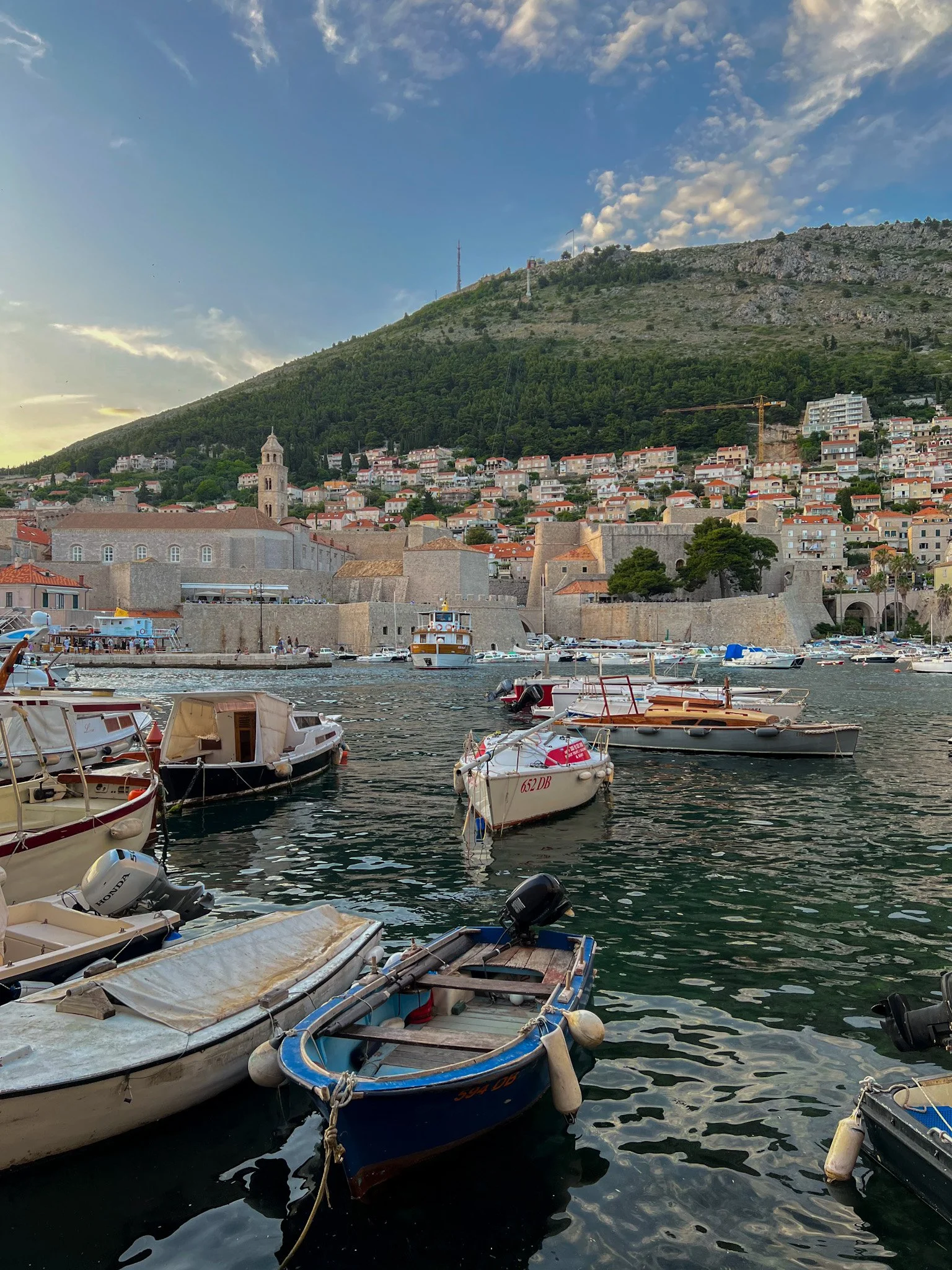
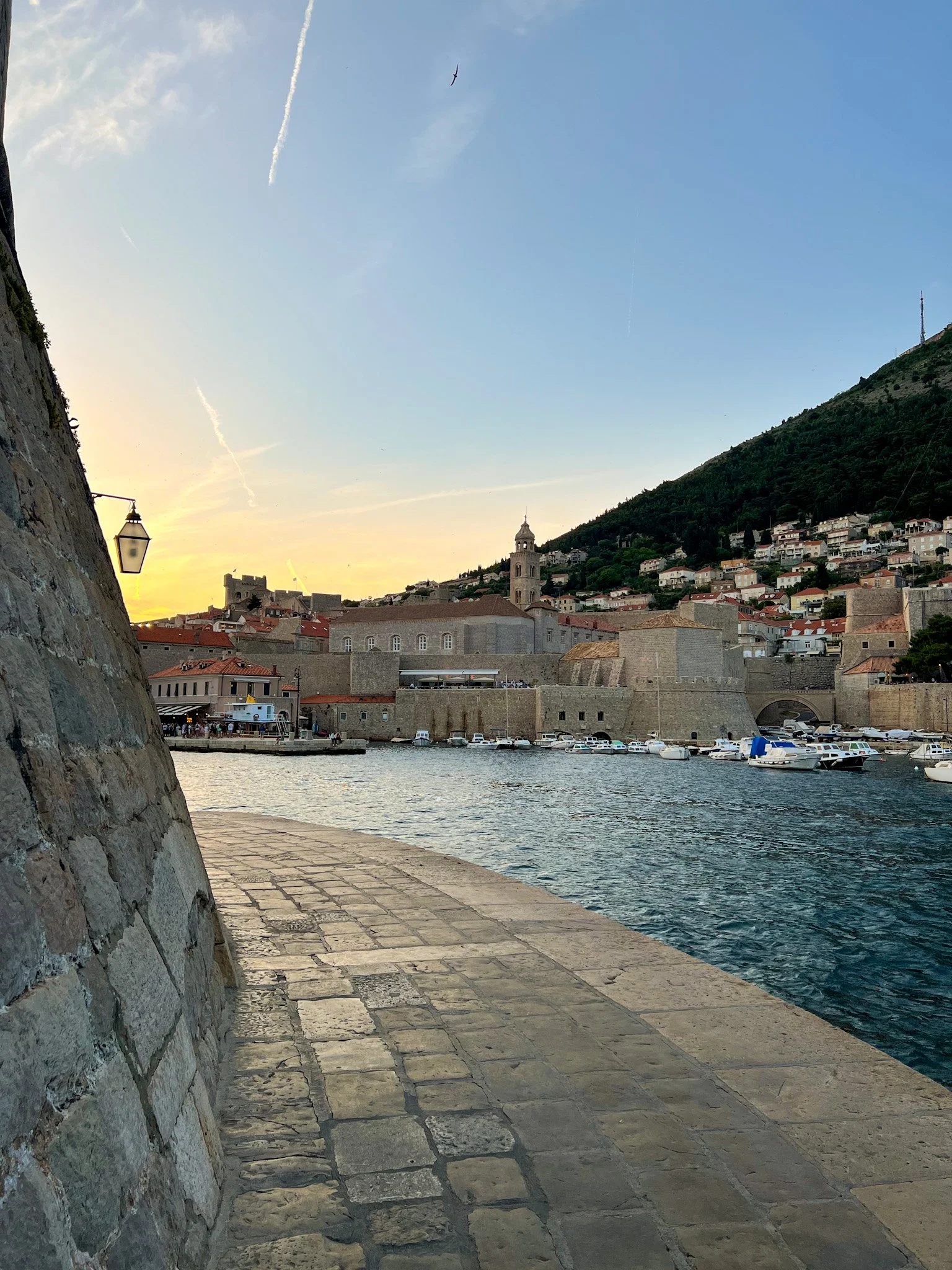
After some resting in our hotel, we headed to the historic Old Port of Dubrovnik to enjoy the wonderful views at sunset. The port is located on the eastern edge of the city and is a historic maritime hub surrounded by two protective breakwaters: the Porporela, in front of the St. John Fortress, and the Kaše breakwater, which runs perpendicular across the bay.
In the era of the Dubrovnik Republic, the port was heavily guarded by several fortifications, including St. Luke Fort, St. John Fortress, and Revelin Fortress. Today, the port serves as a refuge for local private boats and a departure point for ferries to nearby Lokrum Island, as well as various sightseeing boat tours.
The Old Port's development owes much to Paskoje Miličević, a prominent architect in the Dubrovnik Republic, who in the late 15th century helped design the port's protective infrastructure. One of the port's key features is the Arsenal, a building with three symmetrical vaults where ships were once constructed during the Dubrovnik Republic era. The Arsenal was a secretive shipyard, with brick walls built around the vaults during construction to prevent espionage. Once the ship was completed, the bricks were removed, and the vessel was launched. Today, the Arsenal functions as a restaurant, with its interior designed to reflect the shipbuilding heritage, with carved wood furniture, ship skeletons, and nautical elements throughout.
Dubrovnik’s shipbuilders were renowned for their durable and simple designs. In the 16th century, the city’s fleet was impressive, with over 180 large ships and a considerable maritime economy, including early practices in naval insurance. Although maritime trade declined in the 18th century due to the discovery of new sea routes, Dubrovnik's fleet remained substantial.

Day 2
City Walls
By the time our second day in Dubrovnik arrived, we had already ticked off many of the city's must-see sights. Our first day had been filled with a guided tour of the Old Town, followed by plenty of time to explore at our own pace. However, one experience still awaited us—the renowned walk along the City Walls, one of Dubrovnik’s top attractions that offers incredible views and a unique perspective of the city.
The entrance ticket had a cost of €15 per person at the time of our visit, and also gave access to the Lovrijenac Fortress, which we’d visit later in the day.
While it's possible to explore the City Walls on your own, booking a guided tour of Dubrovnik’s City Walls through GetYourGuide is the best way to truly experience this iconic attraction. With a local guide, you'll hear fascinating stories and legends about the city’s past, learn how the walls were constructed, and gain insights into the significance of the walls in Dubrovnik’s rich heritage. Whether you choose a shared or private tour, this experience offers the perfect balance of sightseeing and storytelling.
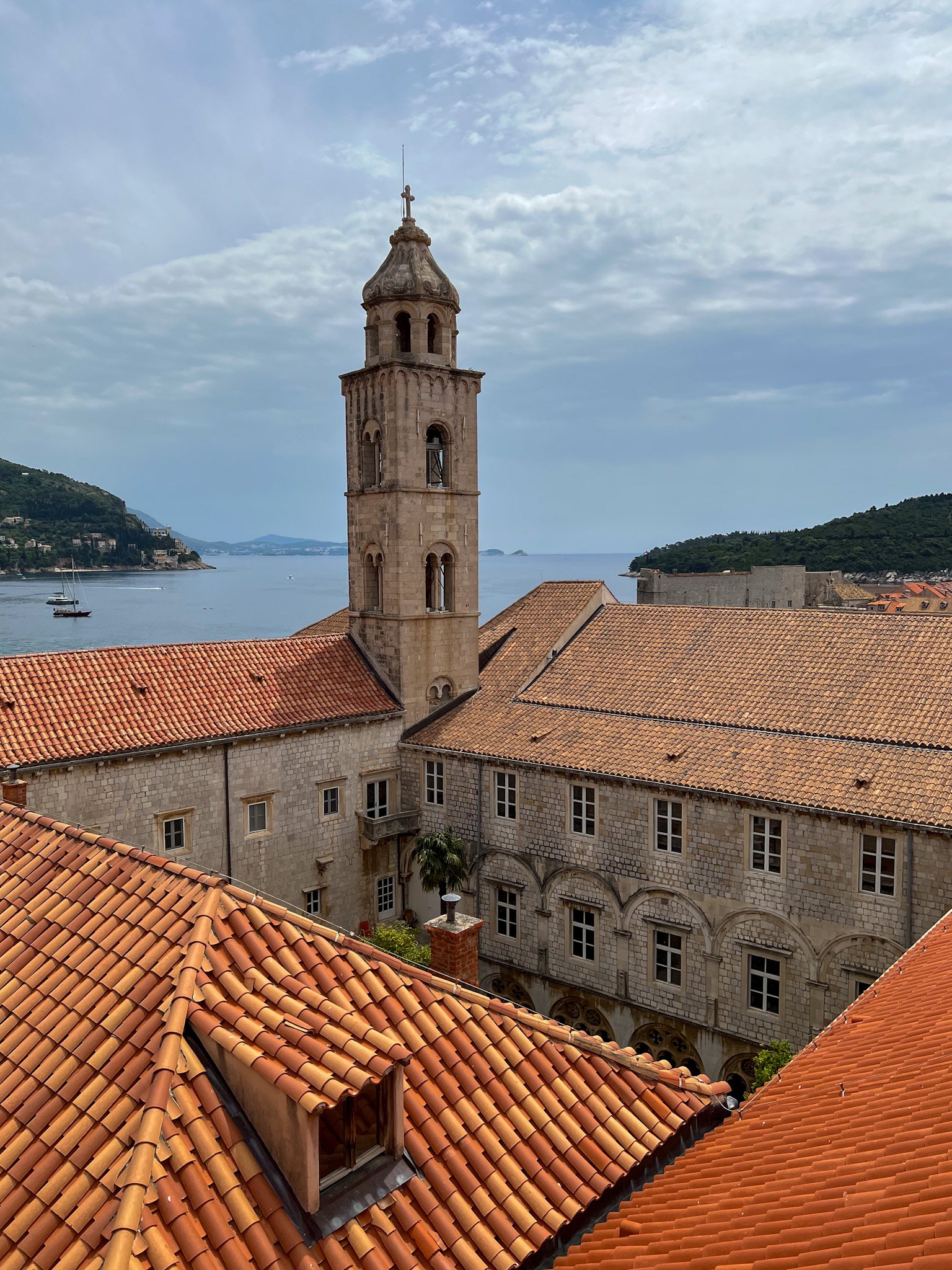
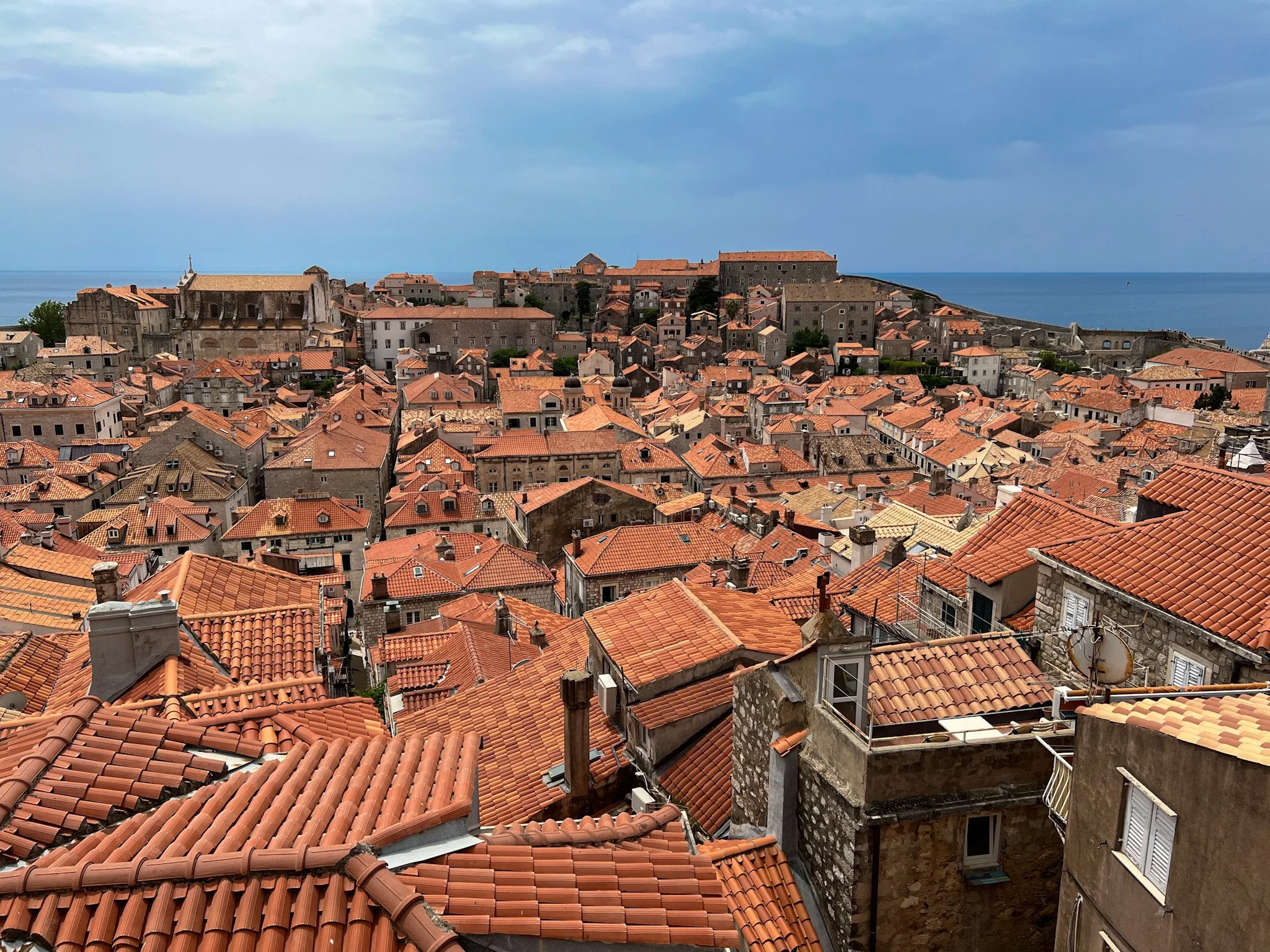
There are 3 entry and exit points to the city walls, but we entered through the most popular, which is conveniently located just to the left as you pass through Pile Gate. As soon as we began our ascent, we were immediately greeted with stunning panoramic views of Dubrovnik. The city's terracotta rooftops, the winding streets of the Old Town, and the sparkling blue of the Adriatic Sea stretched out before us, offering an unforgettable perspective of this historic gem.
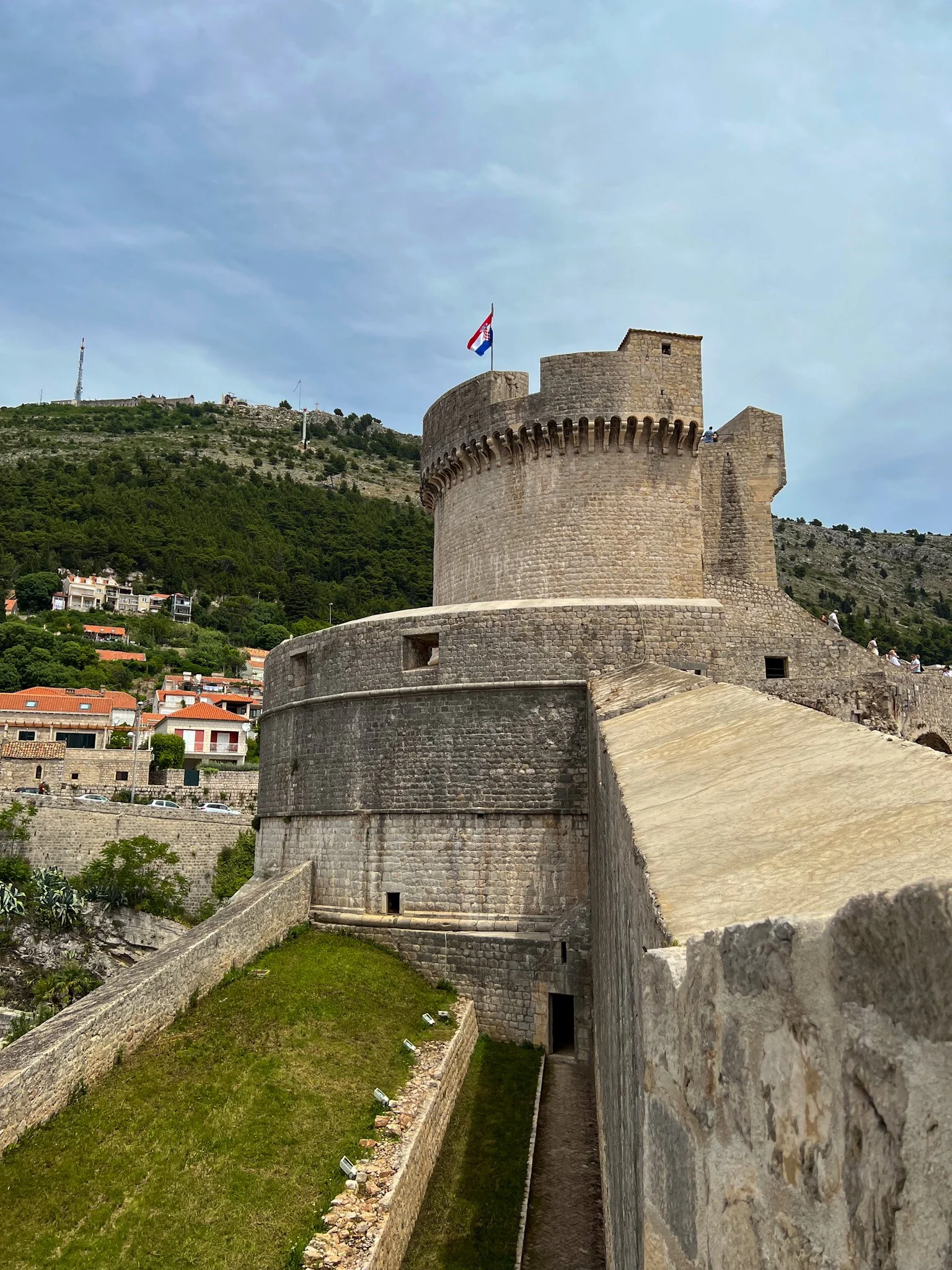
The Walls of Dubrovnik are a series of defensive structures encircling the old city. These fortifications, primarily built between the 13th and 17th centuries, stretch about 1,940 meters in length and reach heights of up to 25 meters. The walls were reinforced with numerous towers, bastions, and fortifications designed to protect the city from potential invaders. Among these are the Minčeta Tower, the St. John Fortress, and Fort Bokar, all playing key roles in the city's defense. The fortifications were also armed with over 120 cannons and surrounded by a moat, making the walls one of the strongest defense systems in medieval Europe.
The construction of the first limestone forts around the city began in the Early Middle Ages, towards the end of the 8th century. However, the earliest known walls were constructed after refugees fleeing from the destruction of nearby towns like Epidaurus found safety in what would become Dubrovnik. These initial fortifications were later expanded and fortified by the Republic of Ragusa, which ruled Dubrovnik for centuries. The city’s strategic location and skilled diplomacy allowed it to thrive despite threats from surrounding powers, including the Ottoman Empire and the Republic of Venice. As a result, the walls evolved over time, with major construction milestones occurring in the 13th and 14th centuries, and significant expansions during the 15th and 16th centuries.

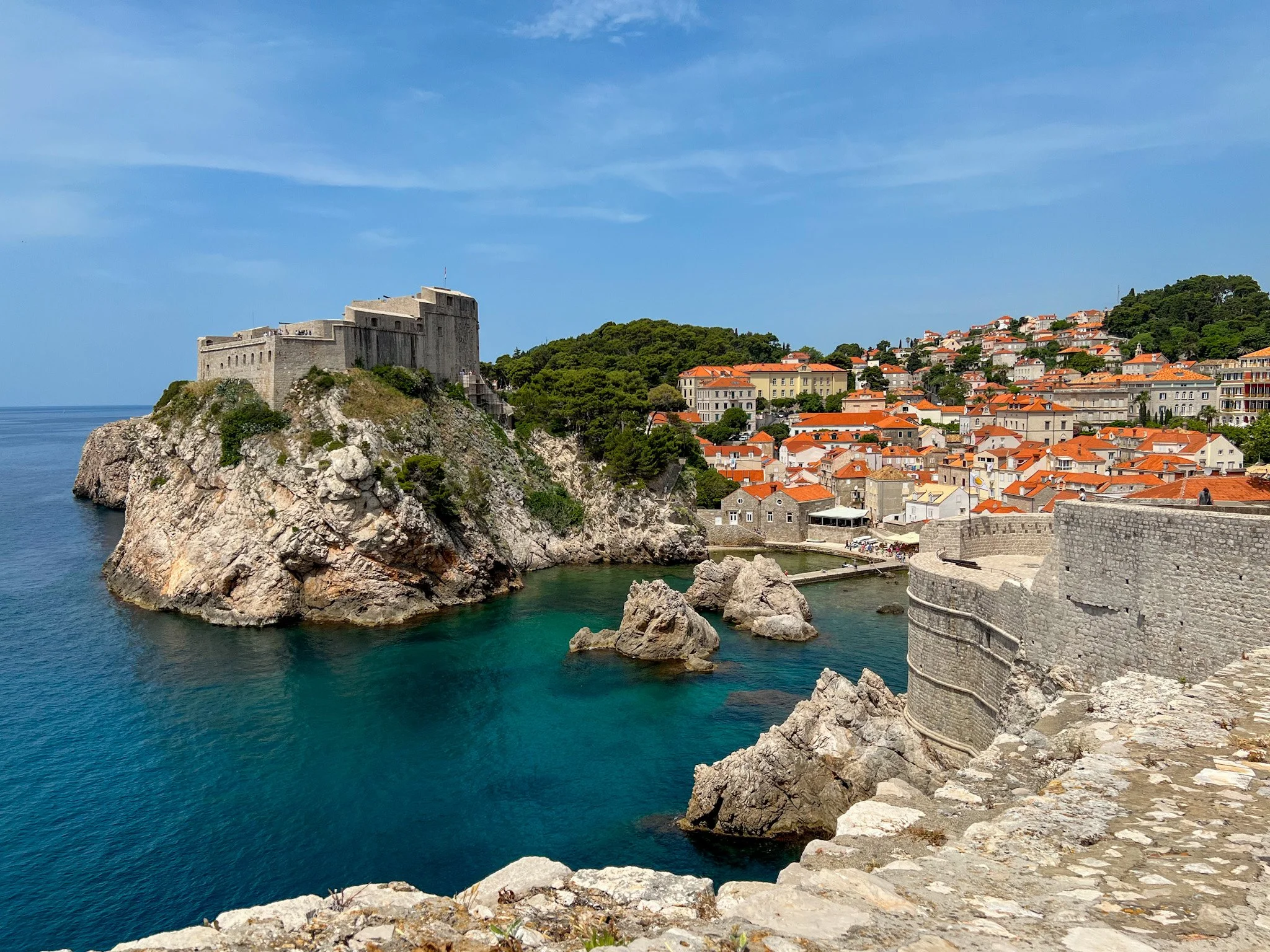
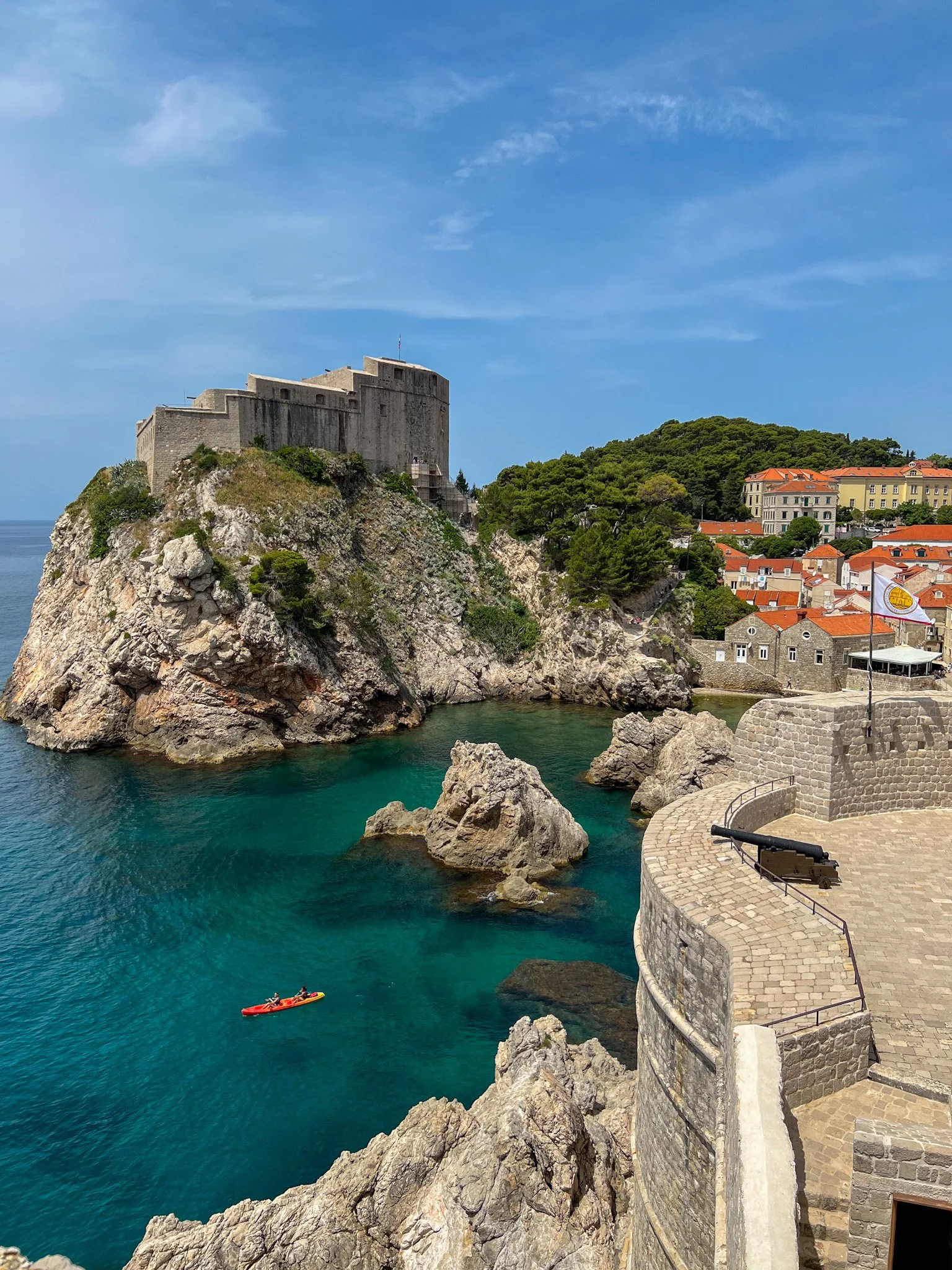
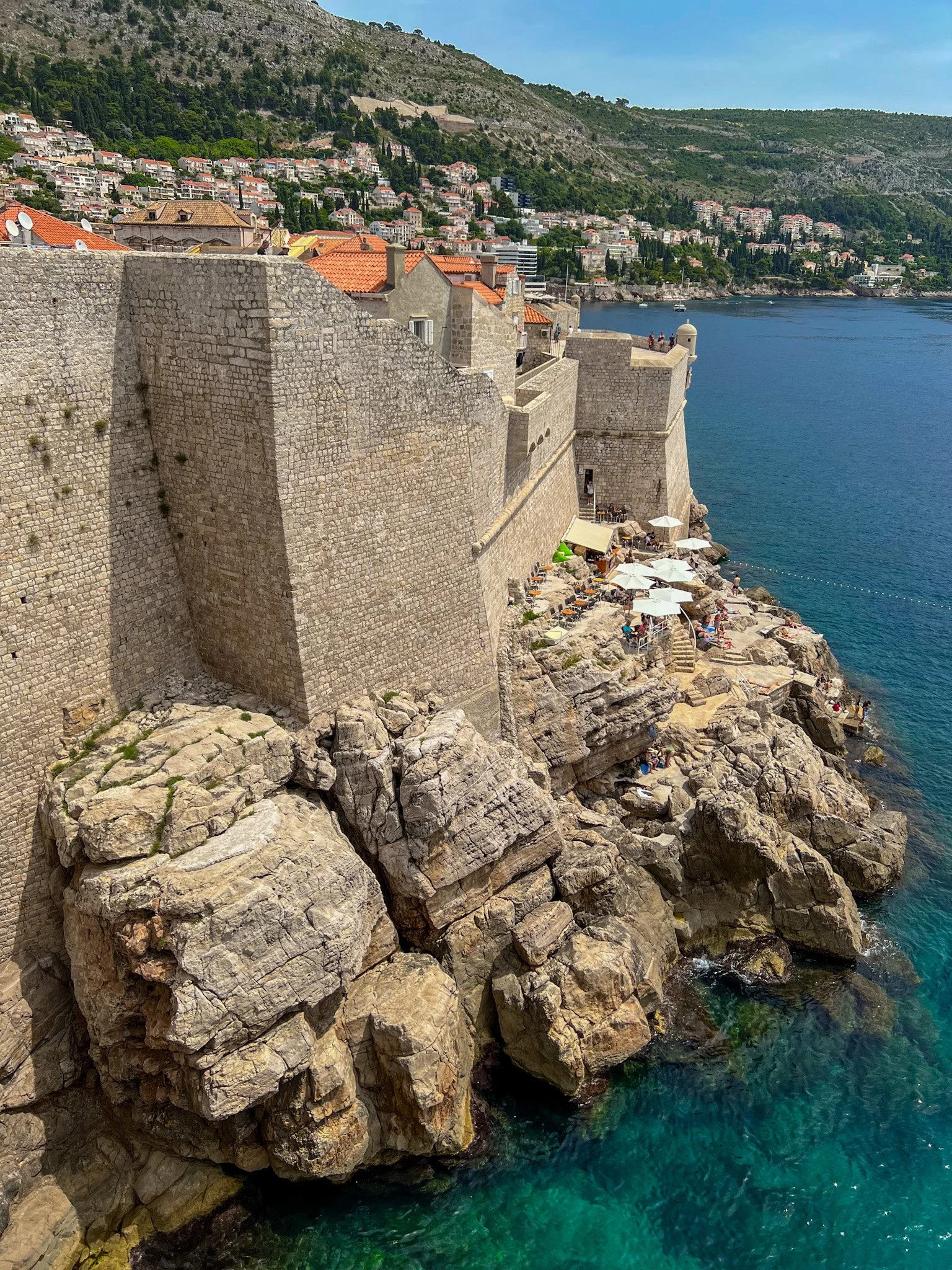
In 1979, the city, including its historic walls, was designated as a UNESCO World Heritage site. The walls remain a symbol of Dubrovnik's resilience and independence, drawing millions of tourists every year. The fortifications' preservation is due to the continuous care and restoration efforts by the city, ensuring that these structures remain largely intact. The walls are not only significant for their historical and defensive value but also for their cultural importance as they represent the enduring spirit of the Republic of Ragusa.
The city’s walls are complemented by several important gates, each with its own historical significance. The Pile Gate and the Ploče Gate are the main entrances to the city, each equipped with defensive mechanisms like drawbridges and stone bridges. The Pile Gate, built in the 15th century, connects to the city through a stone bridge, while the Ploče Gate, on the eastern side, is protected by the Revelin Fortress. These gates were strategically designed to prevent direct access to the city, with multiple doors and winding passageways. Today, the walls and gates stand as not only a reminder of Dubrovnik’s past but also as key landmarks for visitors exploring the city’s rich history.

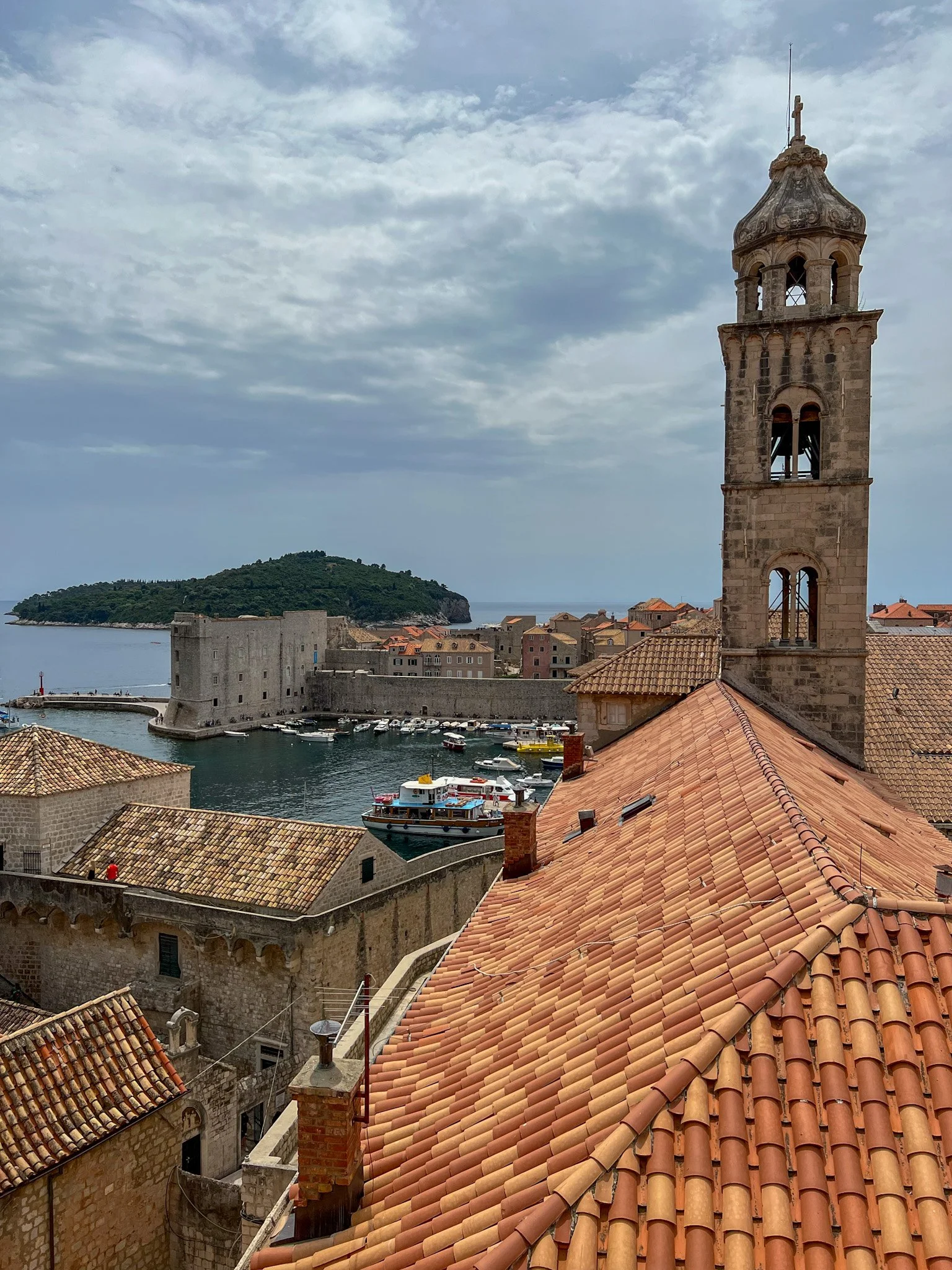
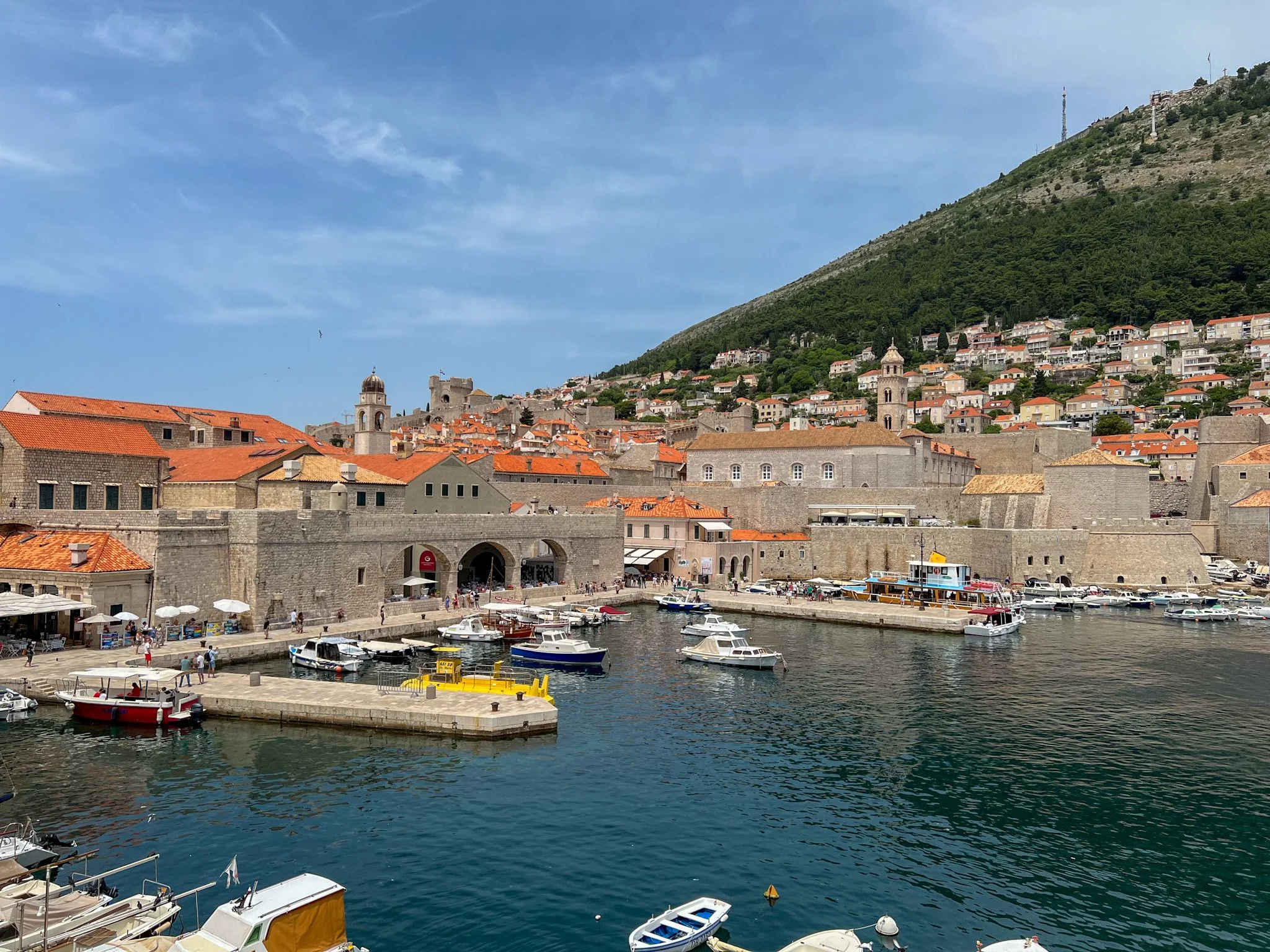
As you walk along the walls, you can experience their grandeur firsthand, with sections reaching up to 25 meters high and 6 meters thick. As one of Croatia's top attractions, the walls have become famous not only for their historical significance but also for their role in popular culture, notably as a filming location for Game of Thrones. While walking the walls is an unforgettable experience, it’s important to remember that the small entry fee goes towards maintaining this UNESCO World Heritage site, ensuring that future generations can appreciate the city’s rich past.
For the best experience, you should plan your walk carefully. The entire route takes approximately 1.5 to 2 hours to complete, so taking time to savour the views and learn about the city’s history is highly recommended. To avoid the crowds, it’s best to arrive early in the morning or later in the day, particularly during the summer months. Comfortable footwear, sunscreen, and a bottle of water are essential for making the most of your walk. Whether you choose a guided tour to deepen your understanding of the walls' historical context or simply wander at your own pace, walking the Dubrovnik Walls is an experience that offers both beauty and history in abundance.
Franciscan Church & Monastery
After spending at least two hours walking along the city walls, we descended at the same entry point at Pile Gate and headed next door to visit the Franciscan Church and Monastery.
The history of the Dubrovnik Franciscans dates back to 1235, when the first document mentioning their Monastery of St. Thomas was recorded. Originally located in the Pile suburb, this monastery was demolished in 1317 when war with King Uroš II Milutin of Serbia was declared. The current Franciscan Monastery, located near Pile Gate within the city walls, was likely constructed around this time. Over the centuries, the monastery expanded with the addition of a library in the 17th century and a theological preparatory in 1896.
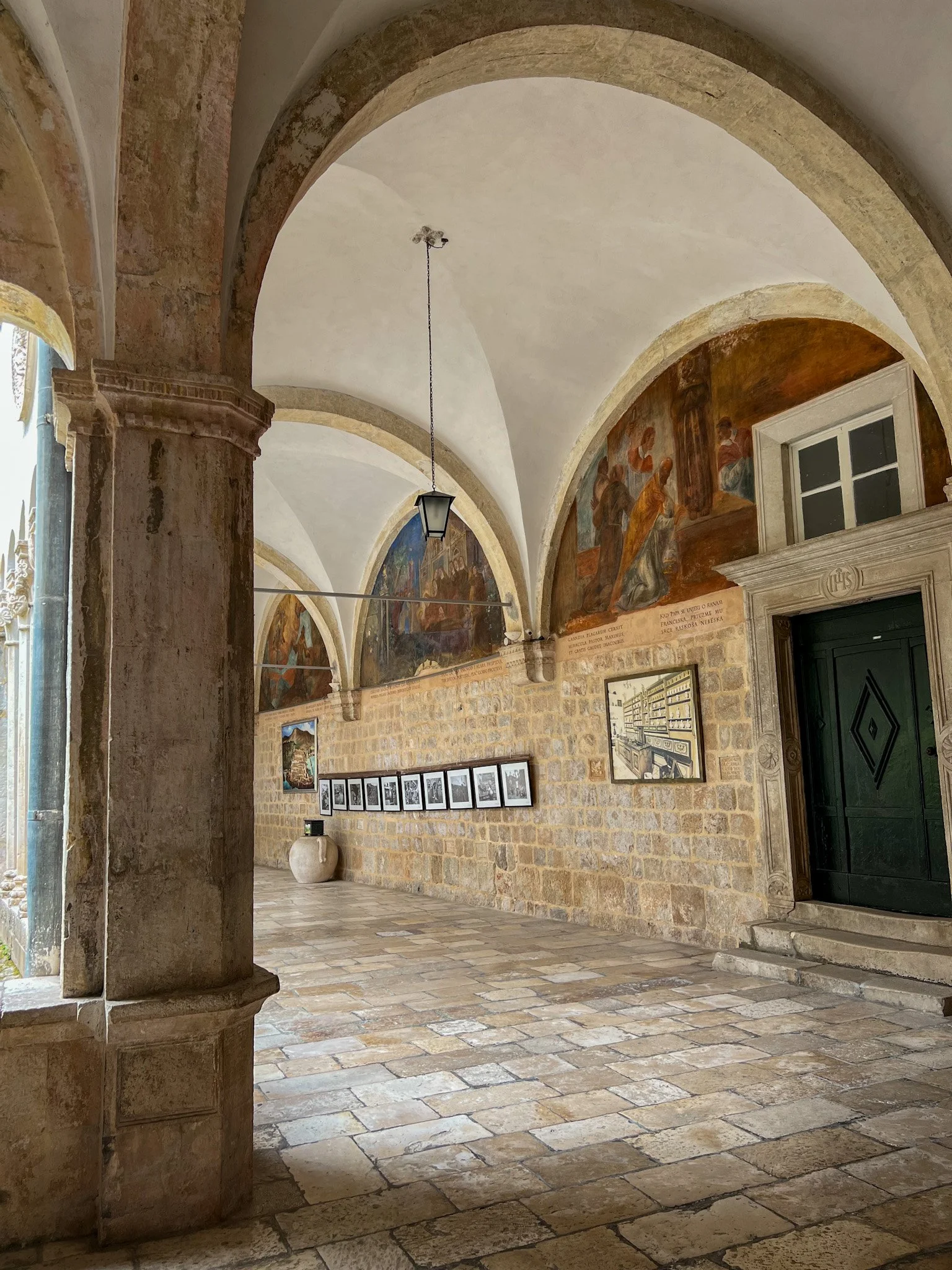
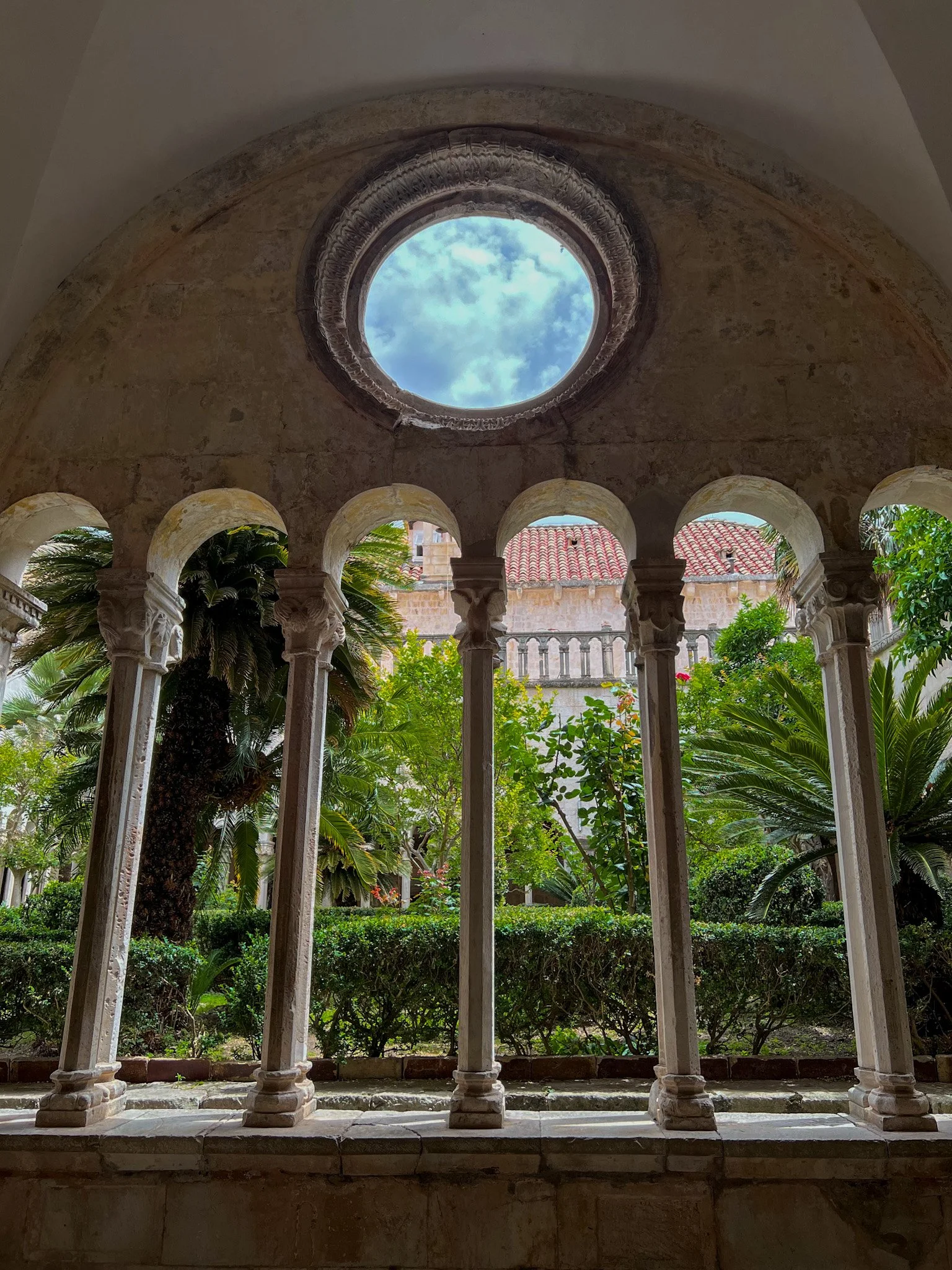
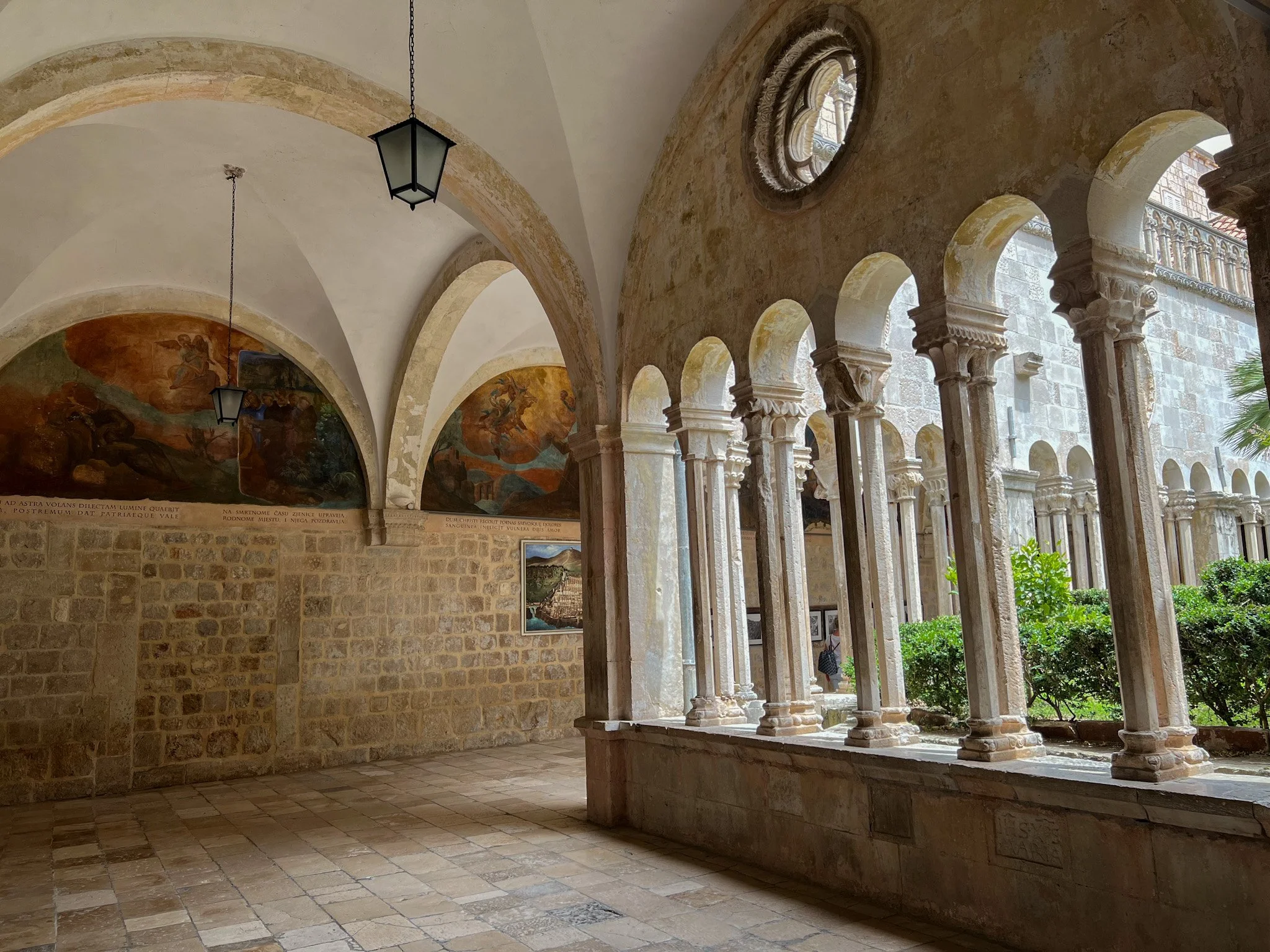
The present structure, which includes a church, friary, library, and pharmacy, was mostly built from the 14th century onward. The church itself was heavily damaged by the 1667 earthquake, but it was later rebuilt in the Baroque style. Notably, it houses the tomb of the famous poet Ivan Gundulić, and its ornate entrance portal, crafted in 1498, is a testament to its Gothic roots.
The monastery complex includes impressive architectural features, such as two cloisters. The upper cloister is designed in the Renaissance style, while the lower cloister, dating back to the Romanesque-Gothic period, is adorned with 120 columns and intricate carvings. The library, dating to the 17th century, contains over 20,000 books, including rare manuscripts and incunabula. Of particular note is the pharmacy, which dates back to 1317, making it the oldest continually operating pharmacy in Europe and the third oldest in the world. Despite suffering damage during the 1991 war, the complex remains an important cultural and historical landmark in Dubrovnik.

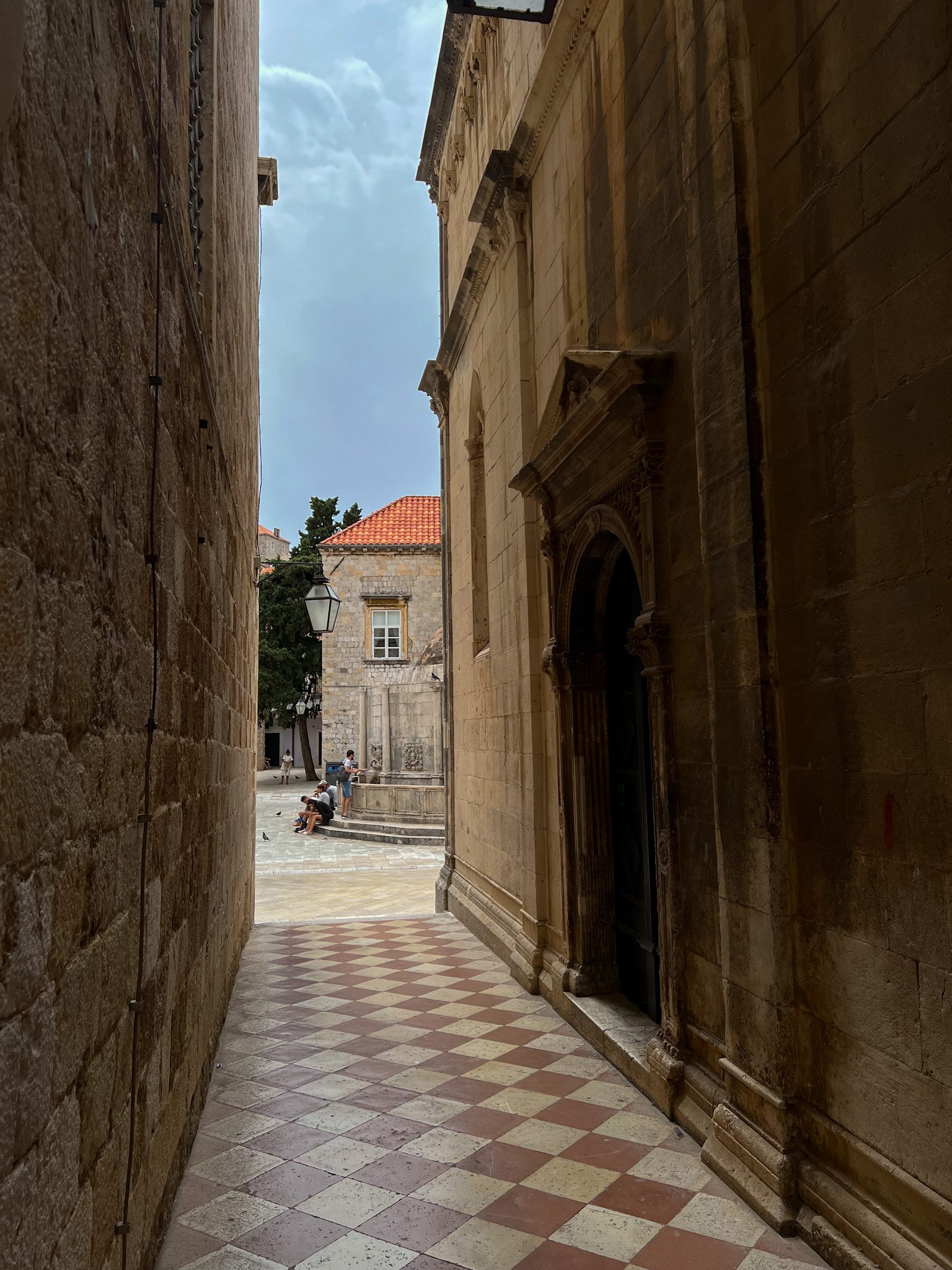
Rector's Palace & Cultural History Museum
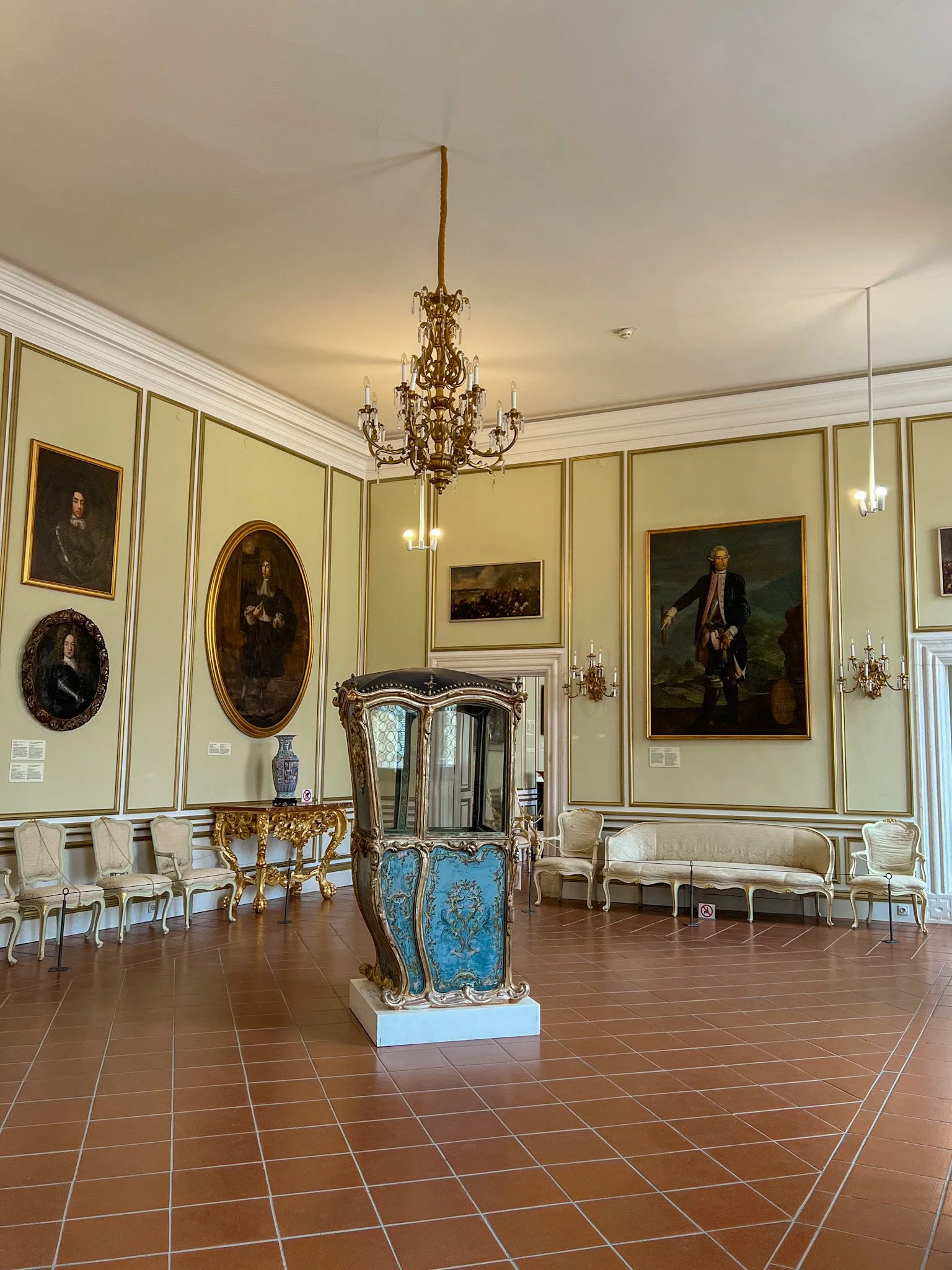
Though we had admired the Rector’s Palace from the outside the day before, we hadn’t had the chance to explore its interior or visit the museum, so we decided to return the next day. The Rector's Palace is home to the Cultural History Museum, a must-visit landmark for anyone exploring the city’s rich history.
Built in the 14th century, this palace served as the residence of the Rector, the head of the Dubrovnik Republic. It’s an architectural gem, showcasing a blend of Gothic and Renaissance styles, with notable details like its elegant courtyard and intricate design. Over the centuries, the palace has withstood multiple disasters, including earthquakes and fires, and has been meticulously restored. Visitors can explore the museum’s expansive collection of historical objects, from furniture and weaponry to paintings and coins, which offer fascinating insights into the political, social, and cultural history of Dubrovnik.
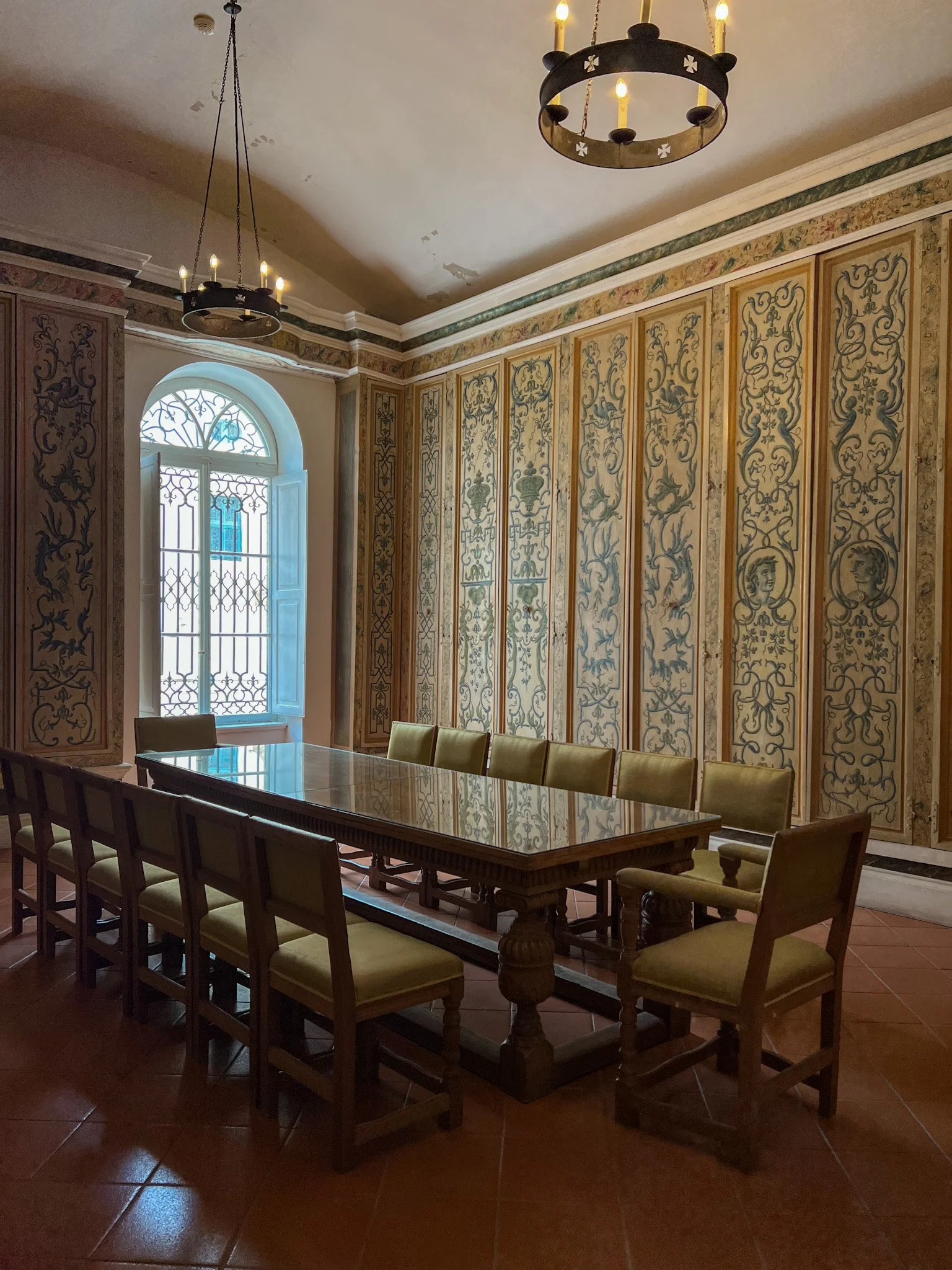
The museum is spread across multiple floors of the palace, including the ground floor, mezzanine, and first floor, as well as a dungeon and inner courtyard. Exhibits cover a wide range of items, such as old documents, photographs, and textiles, illustrating the daily life of the Dubrovnik Republic. The Rector’s rooms, including his study and bedroom, are filled with period furniture and artwork, providing a glimpse into the lifestyle of the city's rulers.
Fort Lovrijenac
For the rest of the afternoon, we explored Fort Lovrijenac, which is easily accessible from Dubrovnik's Old Town by walking along the city walls and heading west towards the fortress, just a short stroll from Pile Gate.
Fort Lovrijenac is a stunning fortress perched 37 meters above sea level. This three-level triangular stronghold was originally built to protect the western entrance to Dubrovnik’s Old Town from both sea and land invasions. Its imposing presence and unique architecture have captivated visitors for centuries, offering a glimpse into the city's storied past.
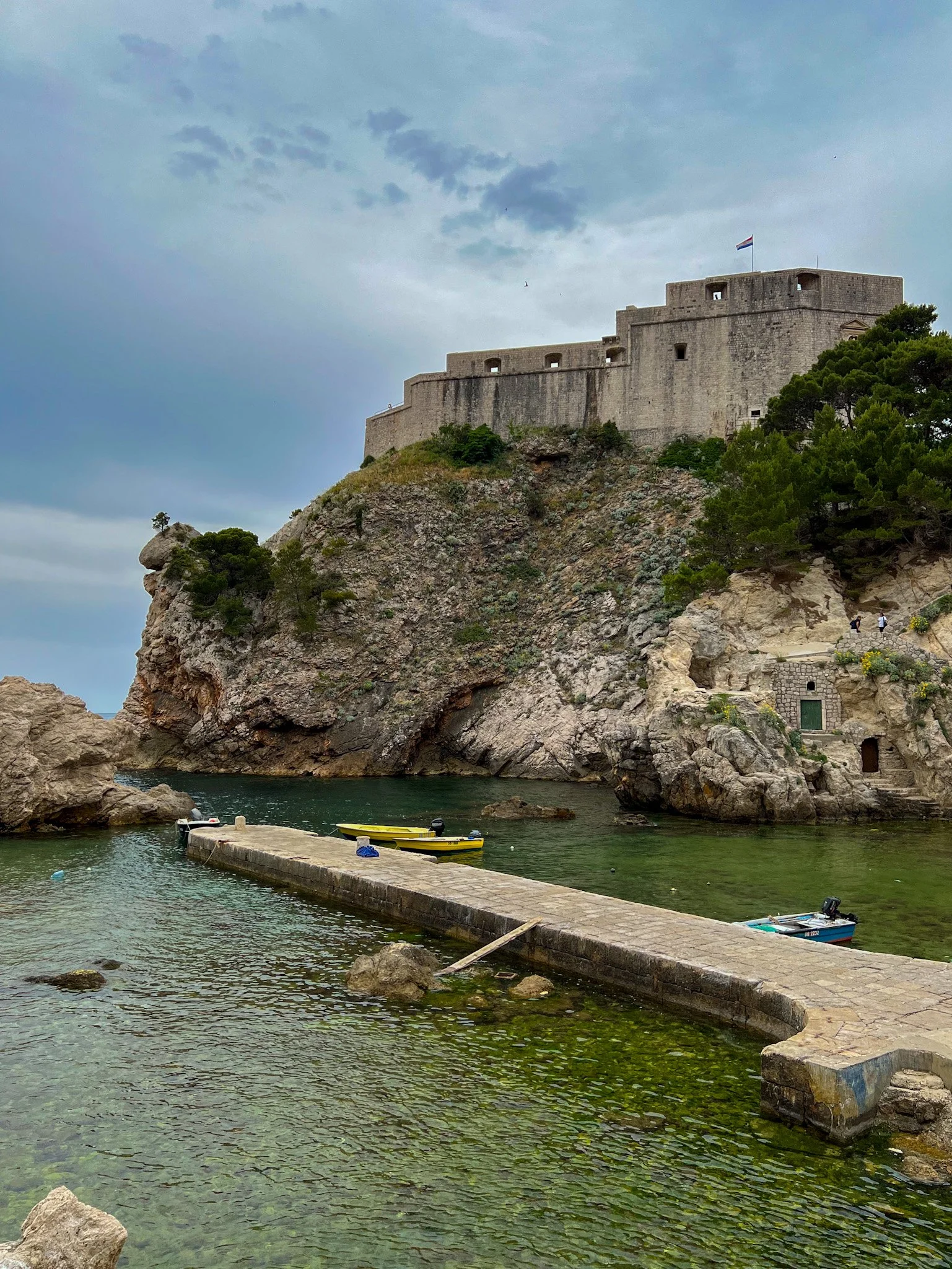
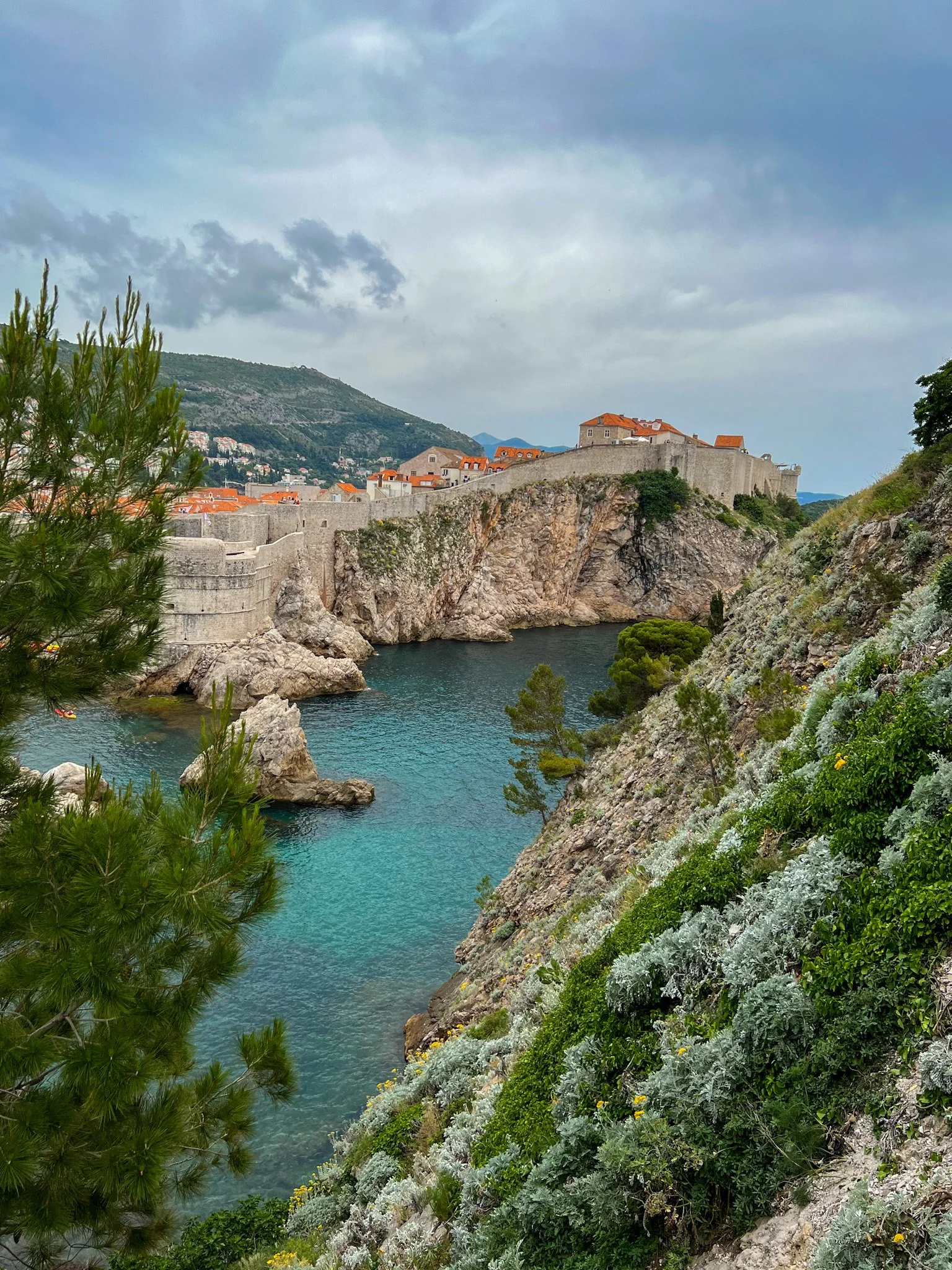
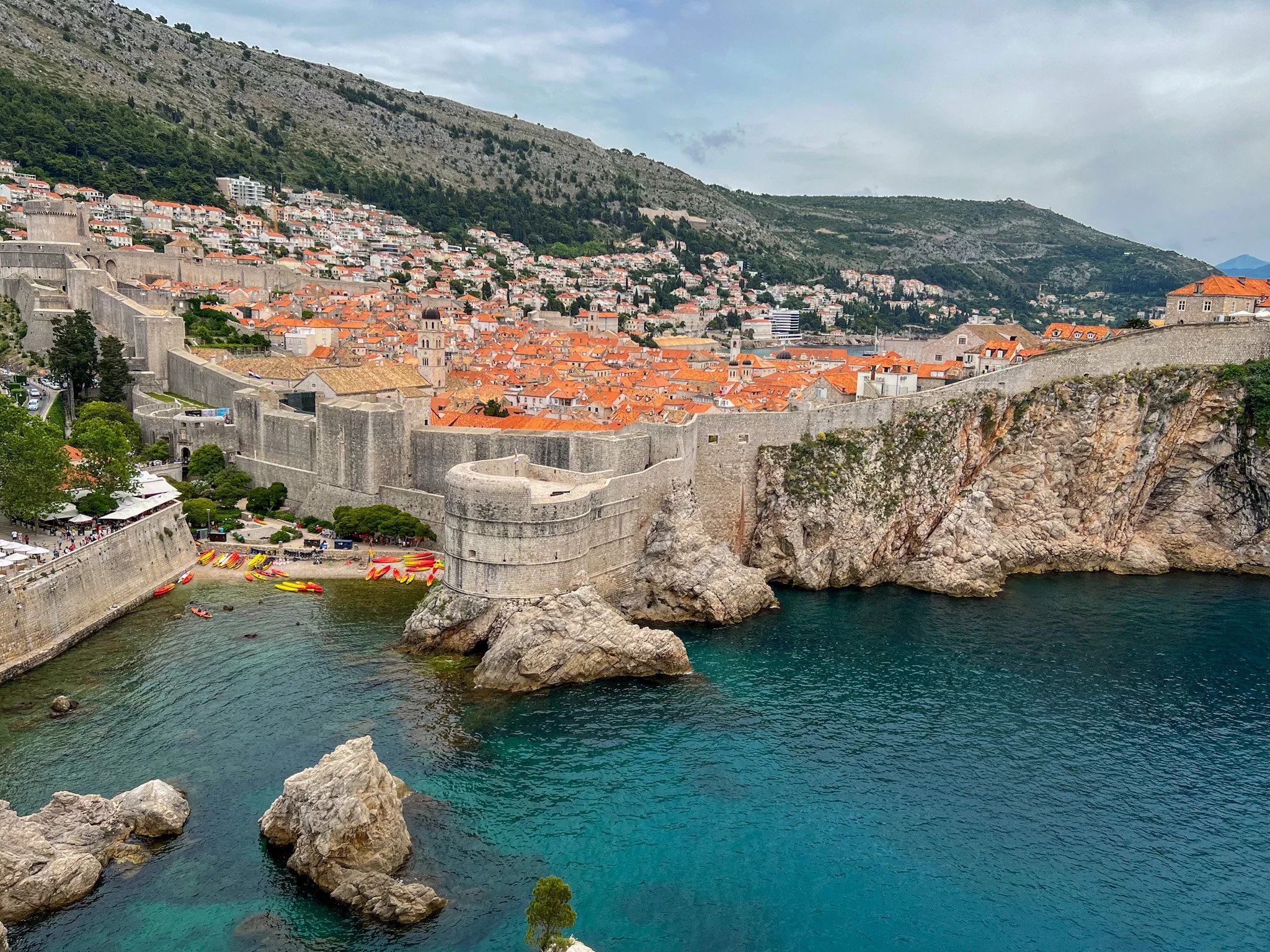
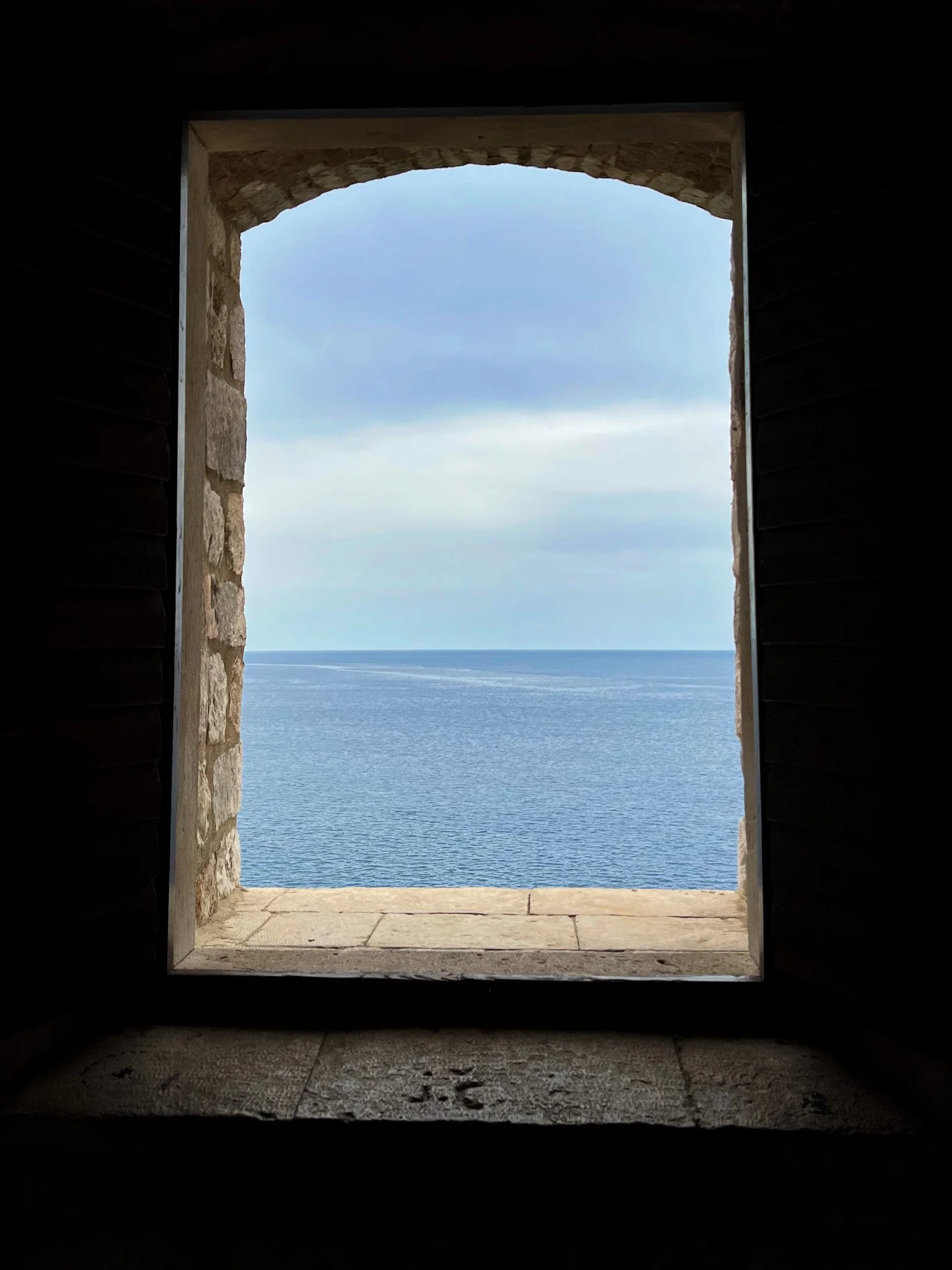
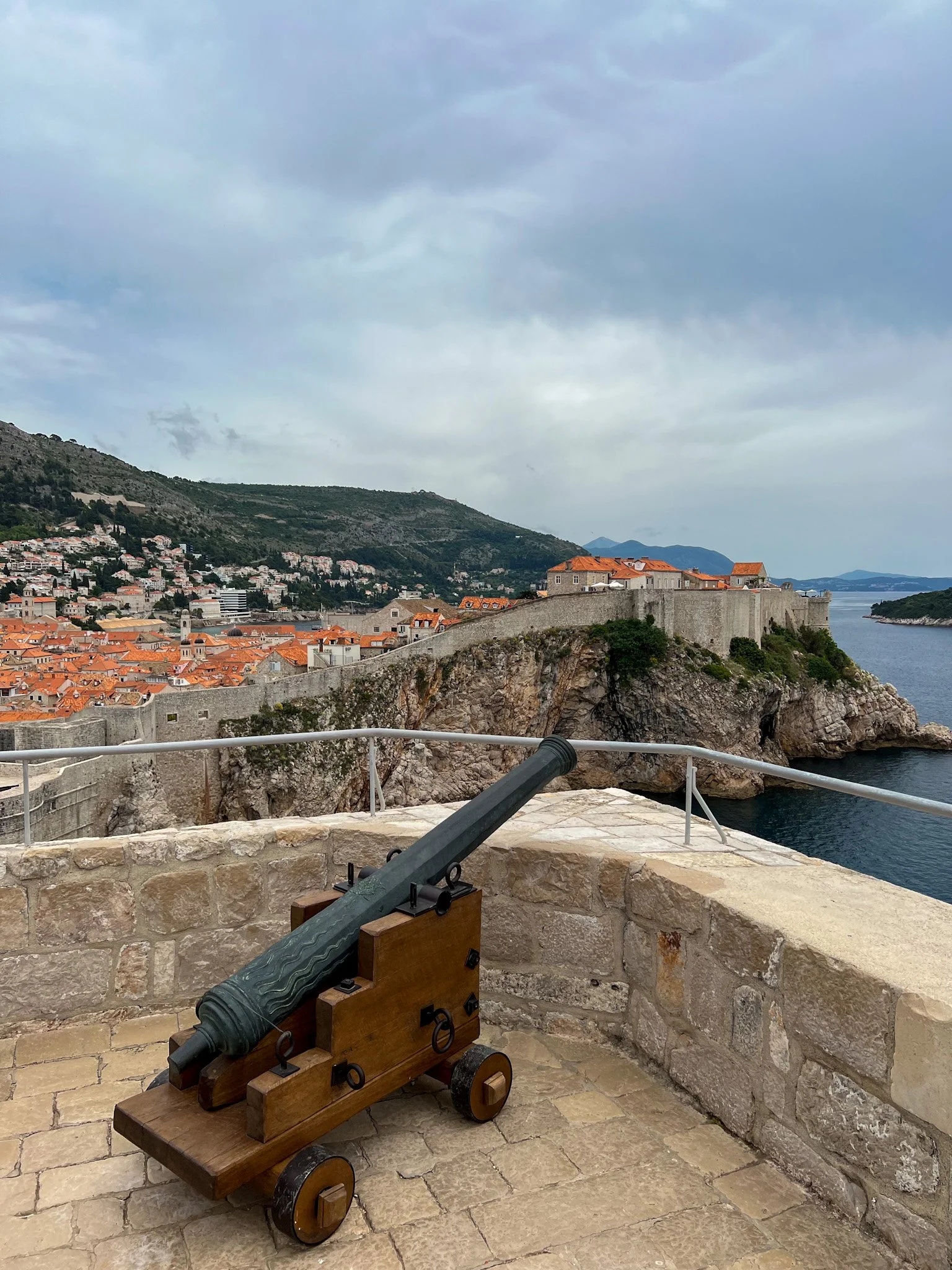
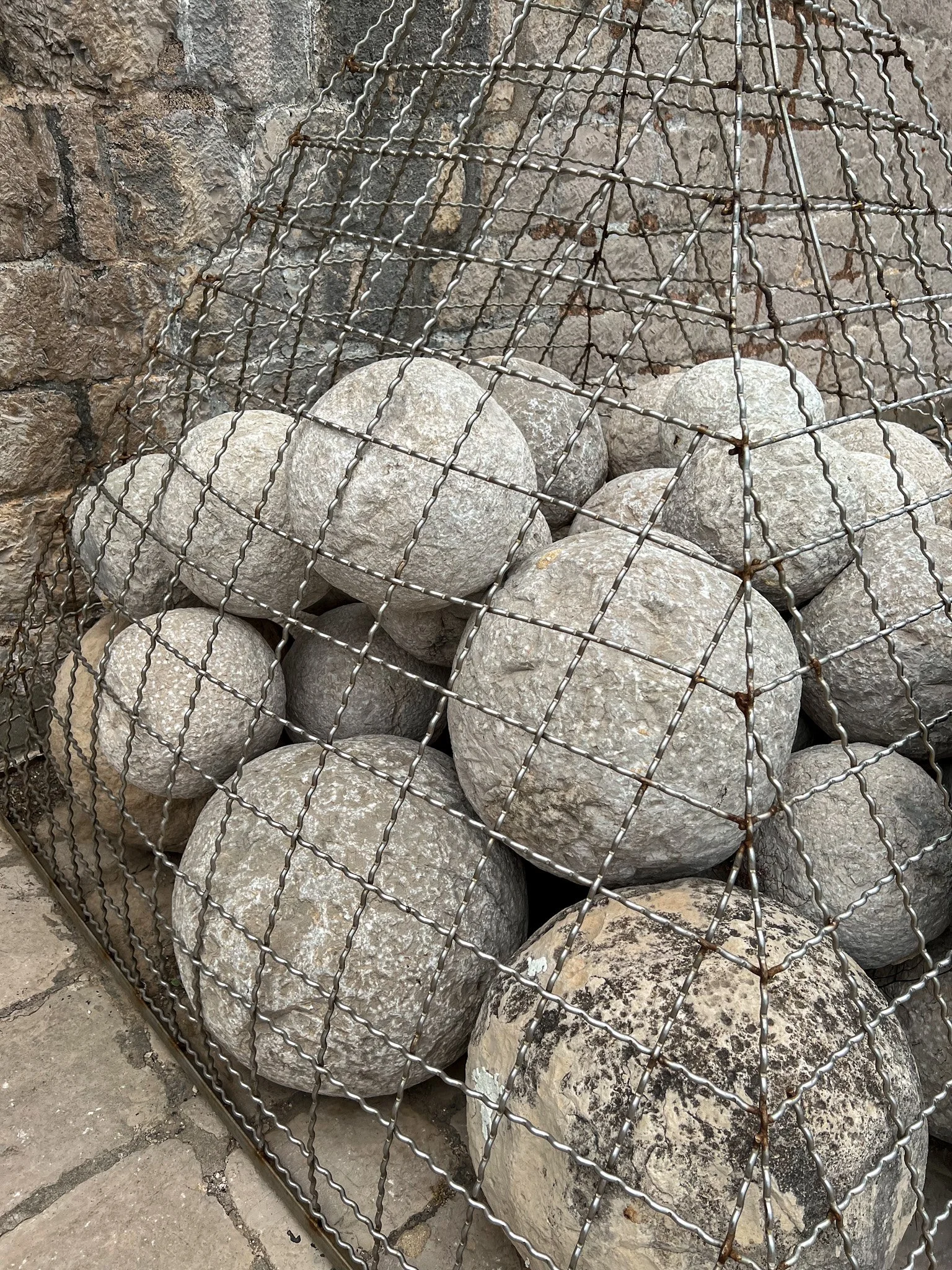
Built between the 11th and 17th centuries, Fort Lovrijenac owes much of its history to Dubrovnik’s cunning strategy against Venetian ambitions. The people of Dubrovnik quickly constructed the fortress to preempt Venetian forces, thwarting their plans to seize control. With walls up to 12 meters thick on its seaward side and a thinner eastern wall designed to counter any internal rebellion, the fortress exemplifies a thoughtful blend of defense and foresight.
Today, Fort Lovrijenac is not only a symbol of freedom, with its engraved motto, “Non bene pro toto libertas venditur auro” (“Freedom is not to be sold for all the gold in the world”), but also a vibrant cultural venue, hosting theatrical performances like Shakespeare’s Hamlet during the Dubrovnik Summer Festival.
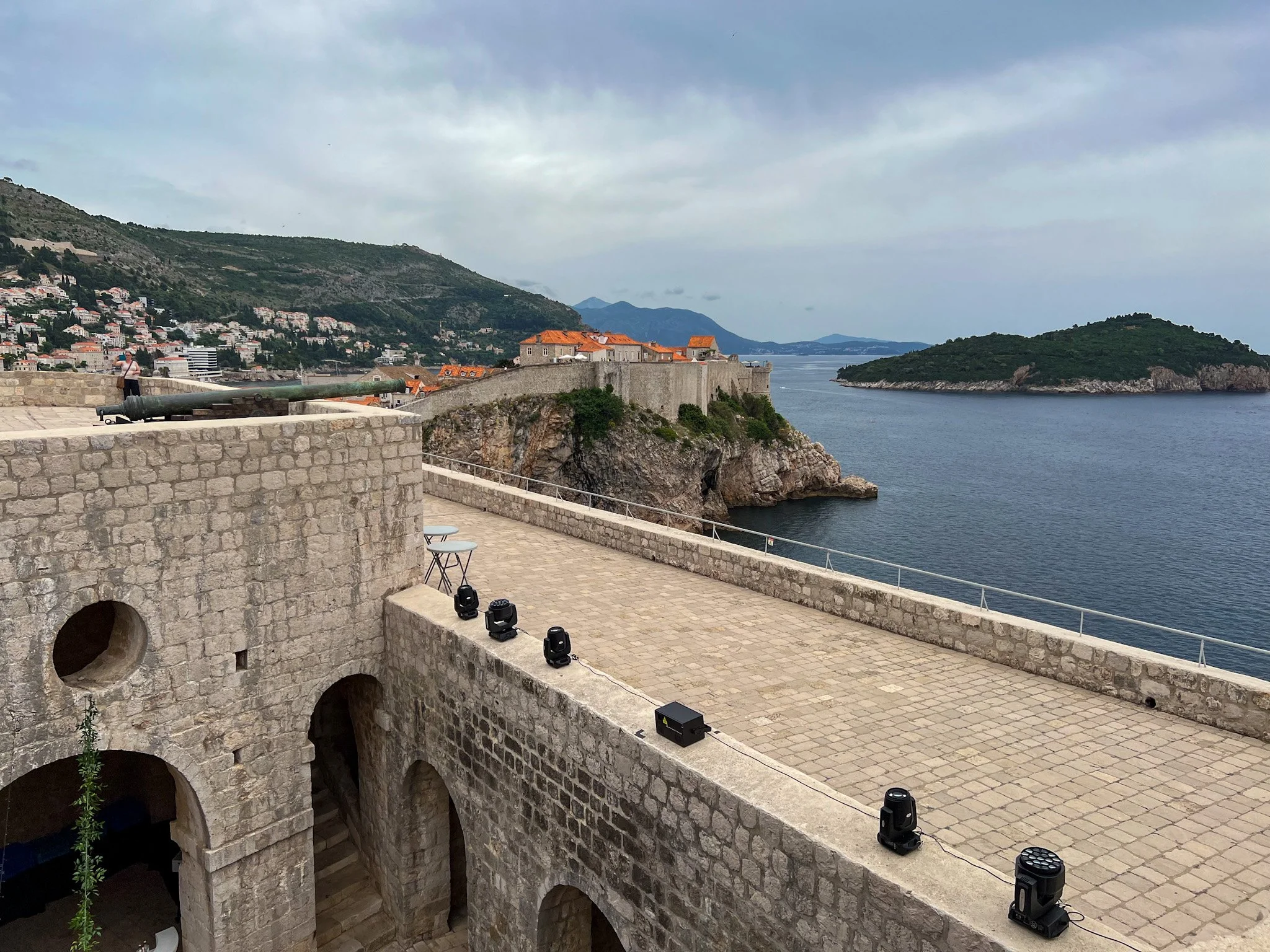
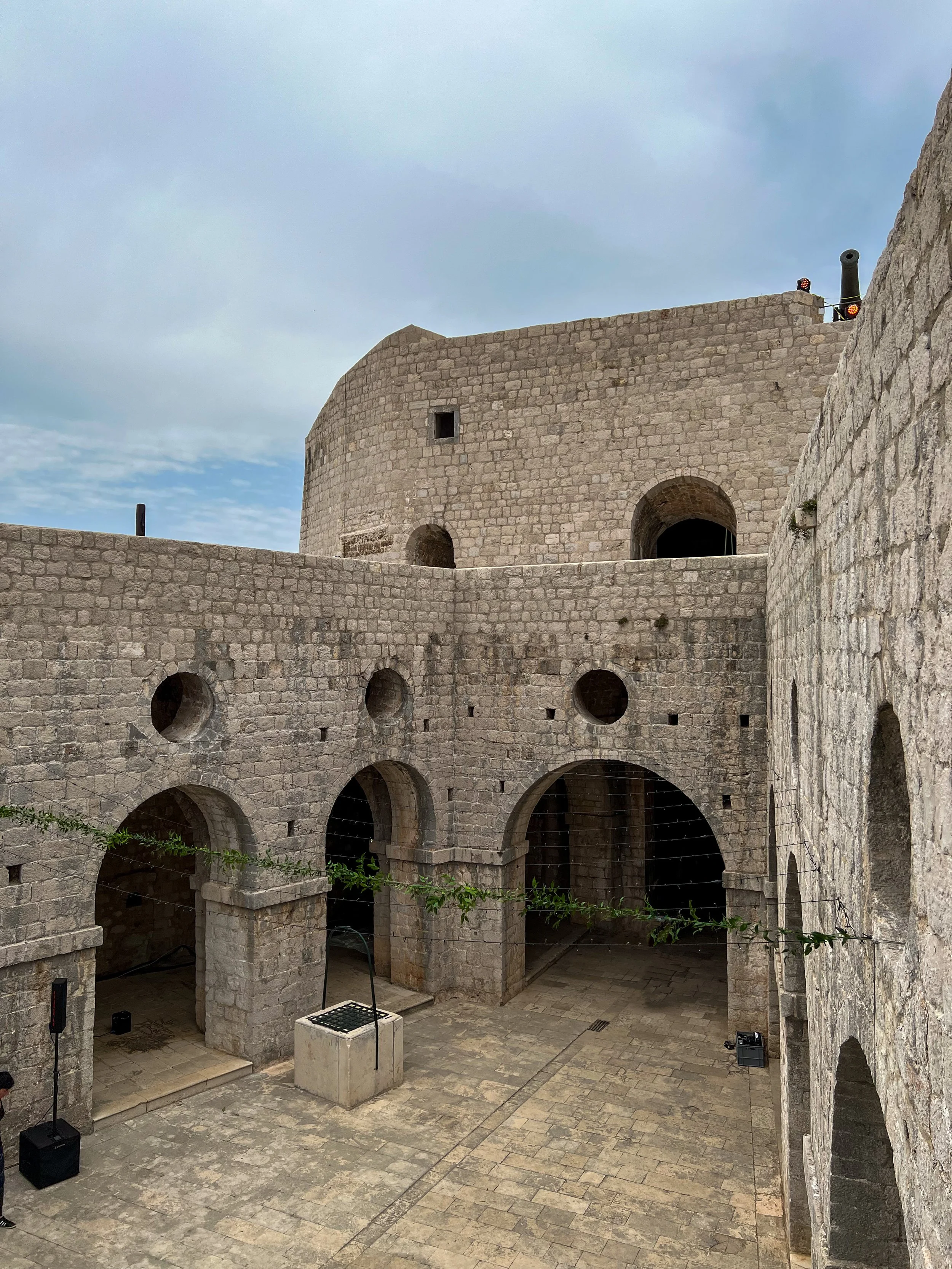
Fort Lovrijenac is also famous for being one of the filming location of Game of Thrones. The fort is called "Red Keep" in the series, and it plays a prominent role as the setting for King’s Landing's iconic royal palace.
Fans will recognise it from several key scenes, including one in the first episode of season 3, where Tyrion Lannister, Ser Podrick, and Ser Bronn stand on its walls after the Battle of Blackwater. Additionally, the fort is the backdrop for the grand tournament held in King Joffrey's name during the second season.
If you're a Game of Thrones fan visiting Dubrovnik, you'll find plenty of Game of Thrones themed tours to immerse yourself in the world of Westeros. From guided walking tours through the Old Town, where you can explore iconic locations like the Jesuit Steps (site of the infamous "Walk of Shame") to Fort Lovrijenac, known as the Red Keep, there are many options available. These tours offer a chance to see notable filming locations, such as the Pile Bay pier, the Old Town Port, and Lokrum Island, the real-life Qarth. With expert guides, you'll learn fascinating behind-the-scenes details about the production of the show and visit the famous Dubrovnik landmarks that appeared in Game of Thrones.
Spending two full days in Dubrovnik allowed us to explore the city's main highlights, including the Old Town's historic landmarks and the famous City Walls. However, we also used Dubrovnik as a base to venture beyond the city.
From here, we explored nearby attractions such as the charming town of Mostar and the Kravica waterfalls in Bosnia and Herzegovina, as well as the beautiful town of Perast and Kotor Bay in Montenegro. For those with more time, we recommend taking a ferry to the idyllic island of Korčula, the birthplace of Marco Polo, or heading further north to Split to unveil the secrets of Diocletian's Palace, making stops in the nearby Trogir the Blue Lagoon, and Kravica bay.
Some links in this post are affiliate links, which means that if you buy through them, we’ll receive a small commission. This will never cost you more and in many cases you will receive a special discount.
As always, all opinions are mine. We appreciate your support!


f you’re visiting Dubrovnik, a day trip to Mostar and the Kravica Waterfalls offers an unforgettable journey into the heart of Bosnia and Herzegovina’s history and natural beauty.
Mostar, a city renowned for its iconic Old Bridge, is a cultural gem that blends Ottoman, Balkan, and Mediterranean influences. Stroll through its charming cobbled streets, marvel at its stunning architecture, and immerse yourself in the rich history that makes Mostar a must-visit destination.
A short drive away, the Kravica Waterfalls provide a refreshing escape into nature. These cascading falls, set against a lush green backdrop, are perfect for a swim, a boat ride, or simply relaxing by the tranquil lake at their base. This combination of historical charm and natural splendour made this day trip to Bosnia and Herzegovina an unforgettable experience!