
Mostar & Kravica Waterfalls: one day trip to Bosnia & Herzegovina from Dubrovnik
If you’re visiting Dubrovnik, a day trip to Mostar and the Kravica Waterfalls offers an unforgettable journey into the heart of Bosnia and Herzegovina’s history and natural beauty.
Mostar, a city renowned for its iconic Old Bridge, is a cultural gem that blends Ottoman, Balkan, and Mediterranean influences. Stroll through its charming cobbled streets, marvel at its stunning architecture, and immerse yourself in the rich history that makes Mostar a must-visit destination.
A short drive away, the Kravica Waterfalls provide a refreshing escape into nature. These cascading falls, set against a lush green backdrop, are perfect for a swim, a boat ride, or simply relaxing by the tranquil lake at their base. This combination of historical charm and natural splendour made this day trip to Bosnia and Herzegovina an unforgettable experience!
How to visit Mostar & Kravica waterfalls
During our unforgettable stay in Dubrovnik, the Pearl of the Adriatic, we couldn’t resist the allure of venturing beyond Croatia’s borders to explore the neighboring country of Bosnia and Herzegovina. To make the most of this opportunity, we booked the Mostar and Kravica Waterfalls one-day tour from Dubrovnik with GetYourGuide, a journey rich in culture, history, and natural beauty.
If you’re staying in Split, there are also options for a day trip to Mostar and the Kravica Waterfalls from Split, as the distance is similar to that from Dubrovnik.
The tour offered a unique glimpse into a land where East and West have intertwined for centuries. Bosnia and Herzegovina, once a vital part of the Ottoman Empire for nearly 400 years, is a place of contrasts and cultural diversity. This is a country where oriental Turkish influences blend seamlessly with Balkan traditions, creating an atmosphere unlike anywhere else.
Our first destination was Mostar, a city steeped in history and known for its iconic Old Bridge. This UNESCO World Heritage Site, originally built in the 16th century, is a masterpiece of Ottoman architecture. Though destroyed during the war in the 1990s, the bridge was meticulously rebuilt and now stands as a symbol of resilience and unity.
Our tour also included a stop at the beautiful Kravica Waterfalls. Tucked away in a lush forest, this natural wonder is a sight to behold. The waterfalls cascade into a turquoise pool, creating a picturesque and tranquil setting perfect for relaxation and photography.
Our one-day tour from Dubrovnik to Bosnia and Herzegovina was an eye-opening experience. It offered a deeper understanding of the cultural and historical tapestry of the Balkans, from Mostar’s resilience to the natural splendour of Kravica Waterfalls. For anyone visiting Dubrovnik or Split, this tour is an excellent way to explore beyond Croatia and discover the rich heritage of a neighbouring country.
Croatian-bosnian Border Crossing
Our tour to Bosnia and Herzegovina started with a convenient pick-up from our hotel, which brought us directly to the Croatian-Bosnian border.
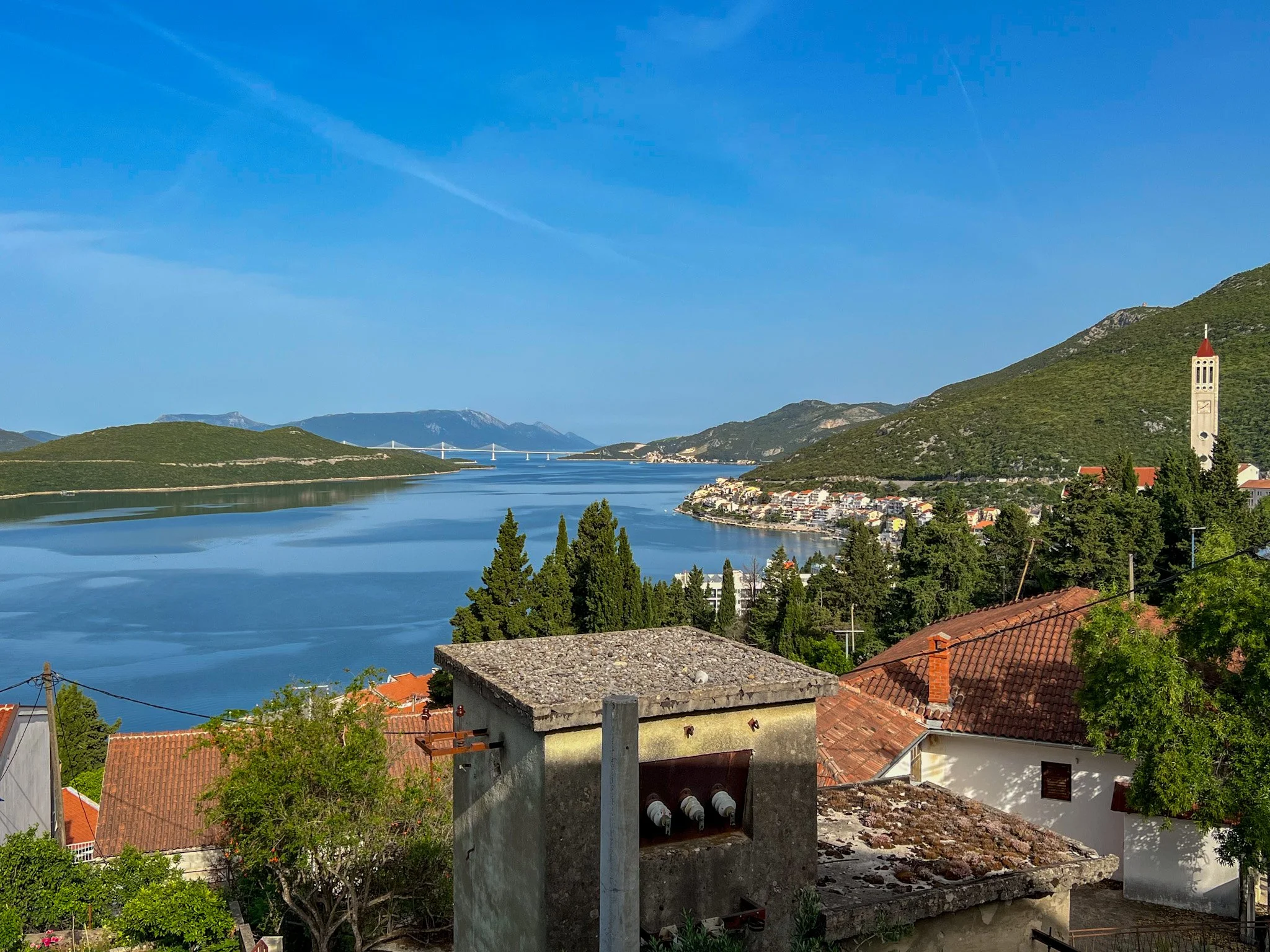
Due to the geographical quirks of this region, the drive involves navigating through multiple border crossings. Starting in Dubrovnik, we first crossed into Bosnia and Herzegovina’s small coastal strip at Neum, where we had a short coffee break before continuing our journey. We then re-entered Croatia for a short stretch before finally crossing into Bosnia and Herzegovina again to reach Mostar. The total journey takes from 2.5 to 3 hours, depending on the possible delays at the border checks.
Kravica Waterfalls
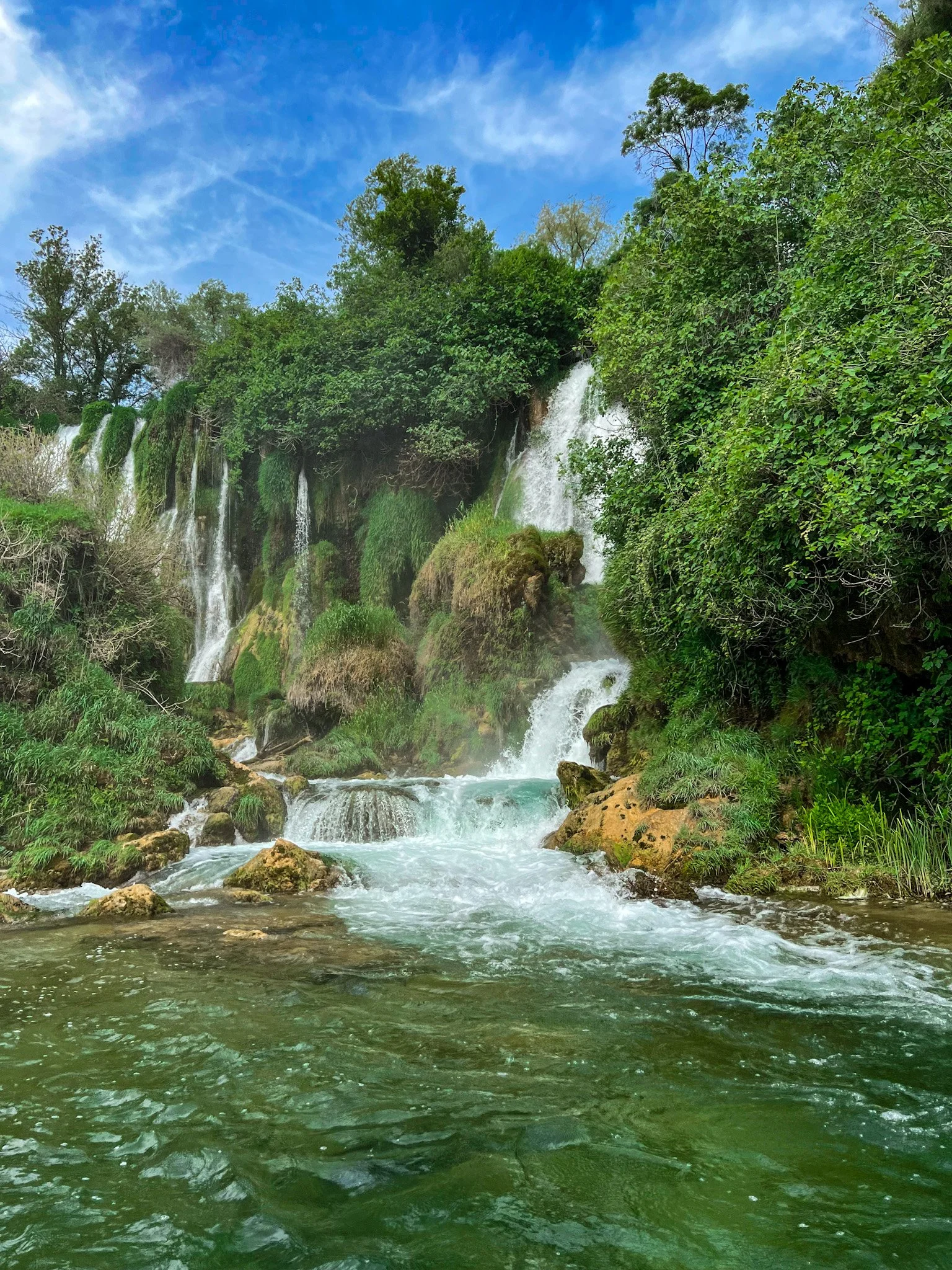
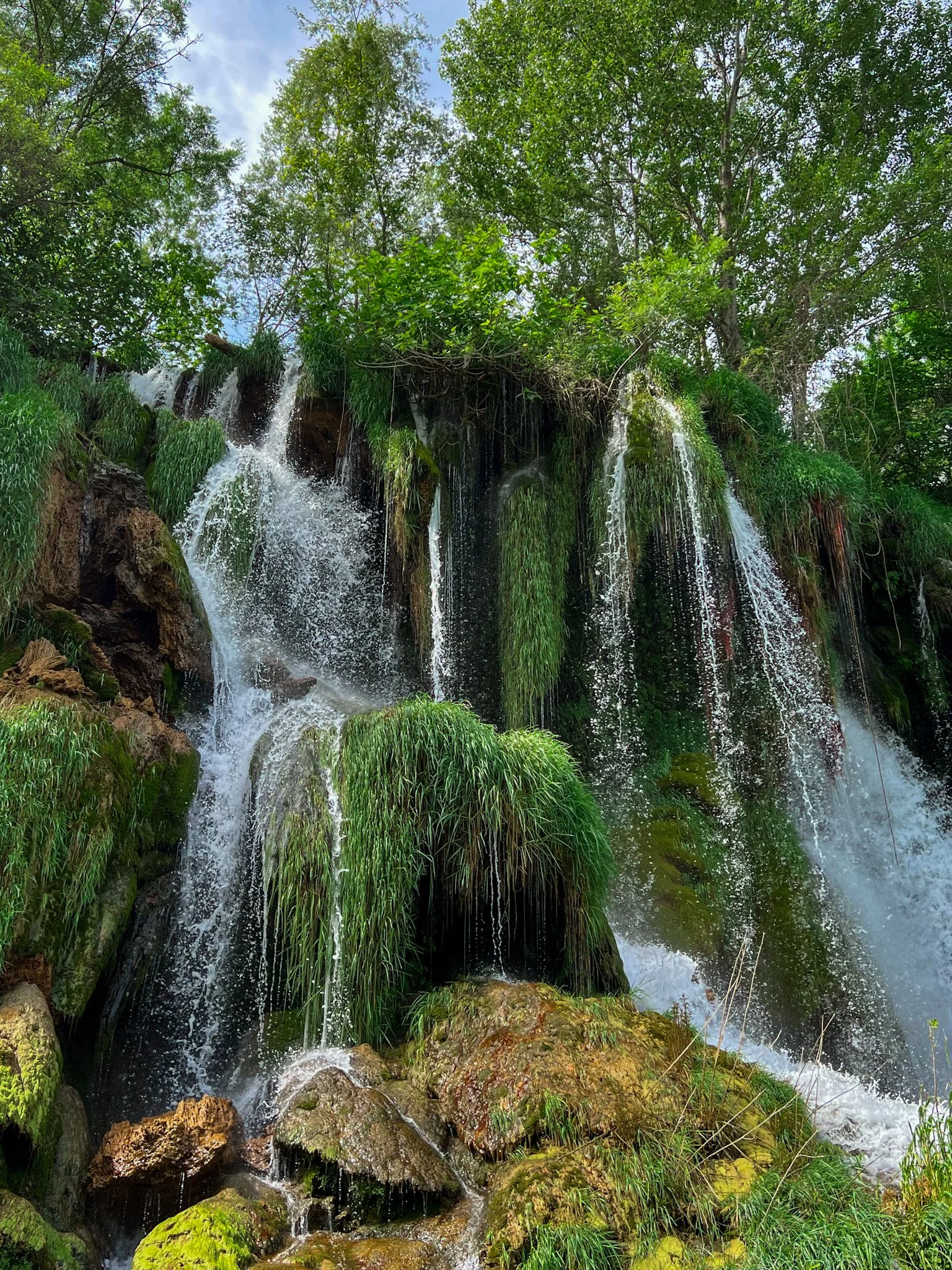
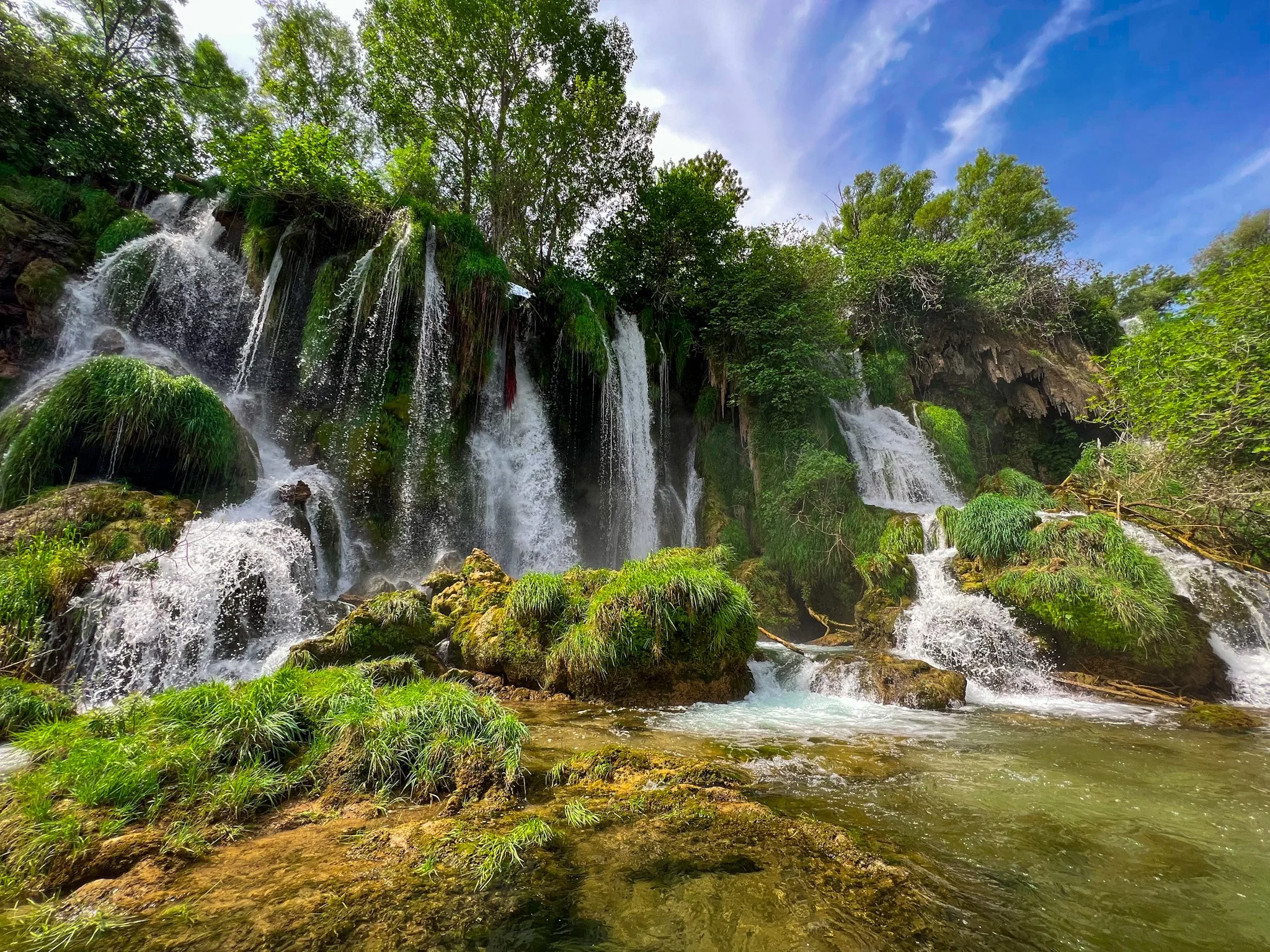
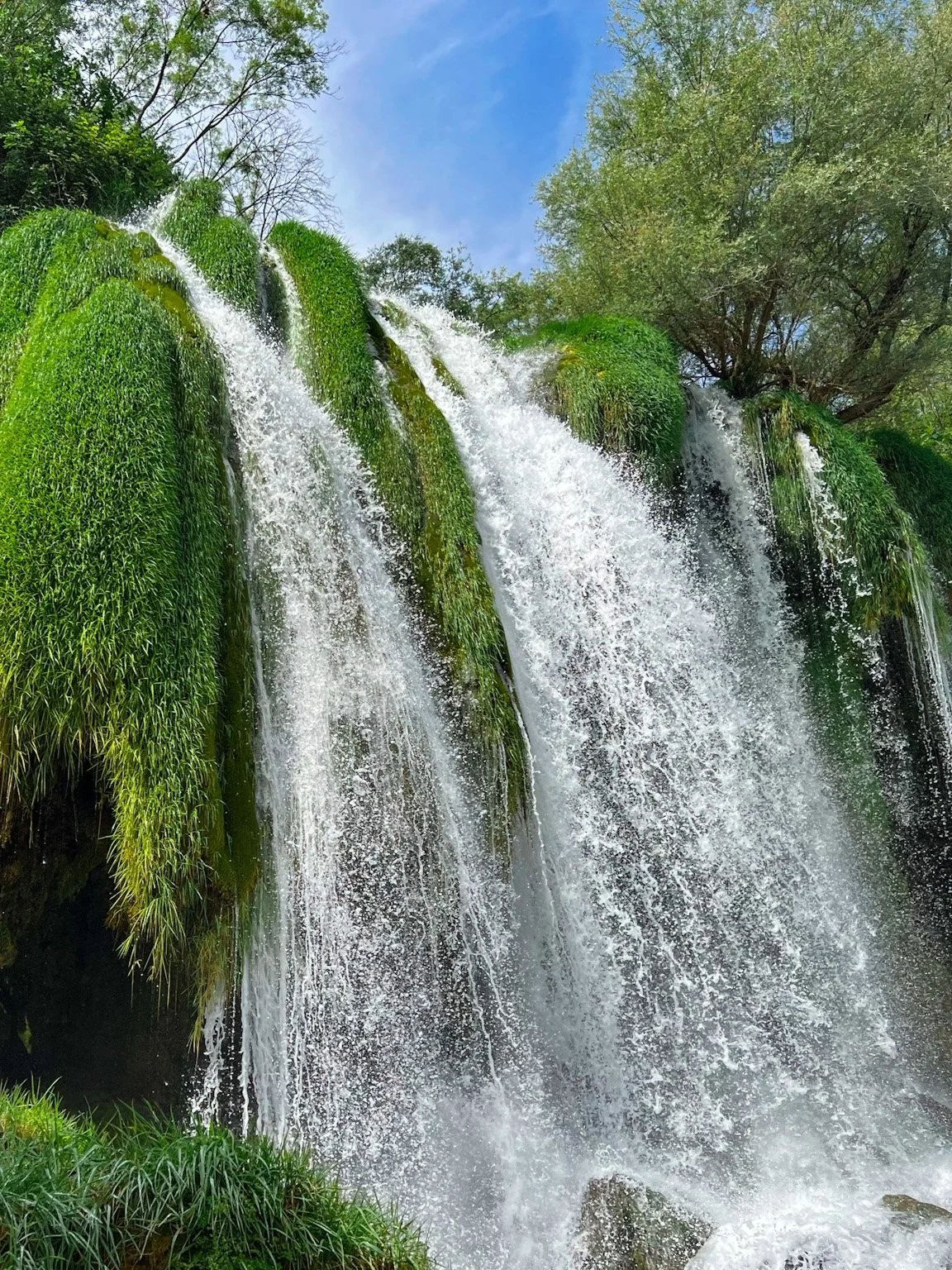
After nearly three hours of driving, we reached the first stop of our day trip: the Kravica Waterfalls. The Kravica Waterfall is a stunning tufa cascade located on the Trebižat River in the karstic region of Herzegovina. Situated 40 kilometers south of Mostar, the waterfall drops about 25 meters, with a lake at its base that spans 120 meters in radius.
Upon arrival, we learned that reaching the falls involved a bit of walking downhill, but the path was absolutely worth it. As we got closer, the sound of rushing water grew louder, and the sight of the breathtaking cascade left us in awe.
To make the experience even more special, we decided to take a boat tour that brought us up close to the falls. Feeling the cool mist and hearing the thunderous roar of the water was unforgettable—it’s a magical spot where nature truly shows off!



Mostar
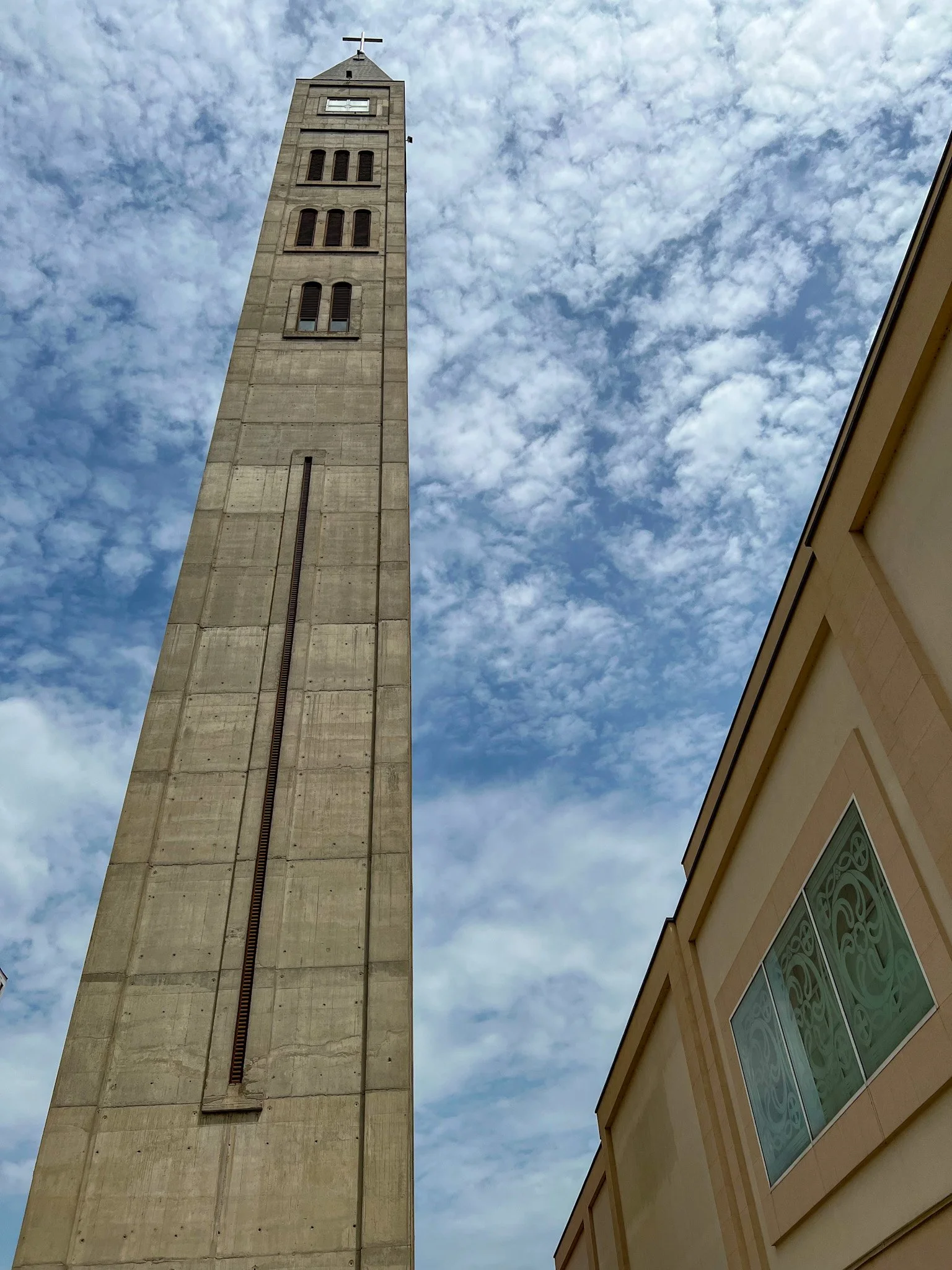
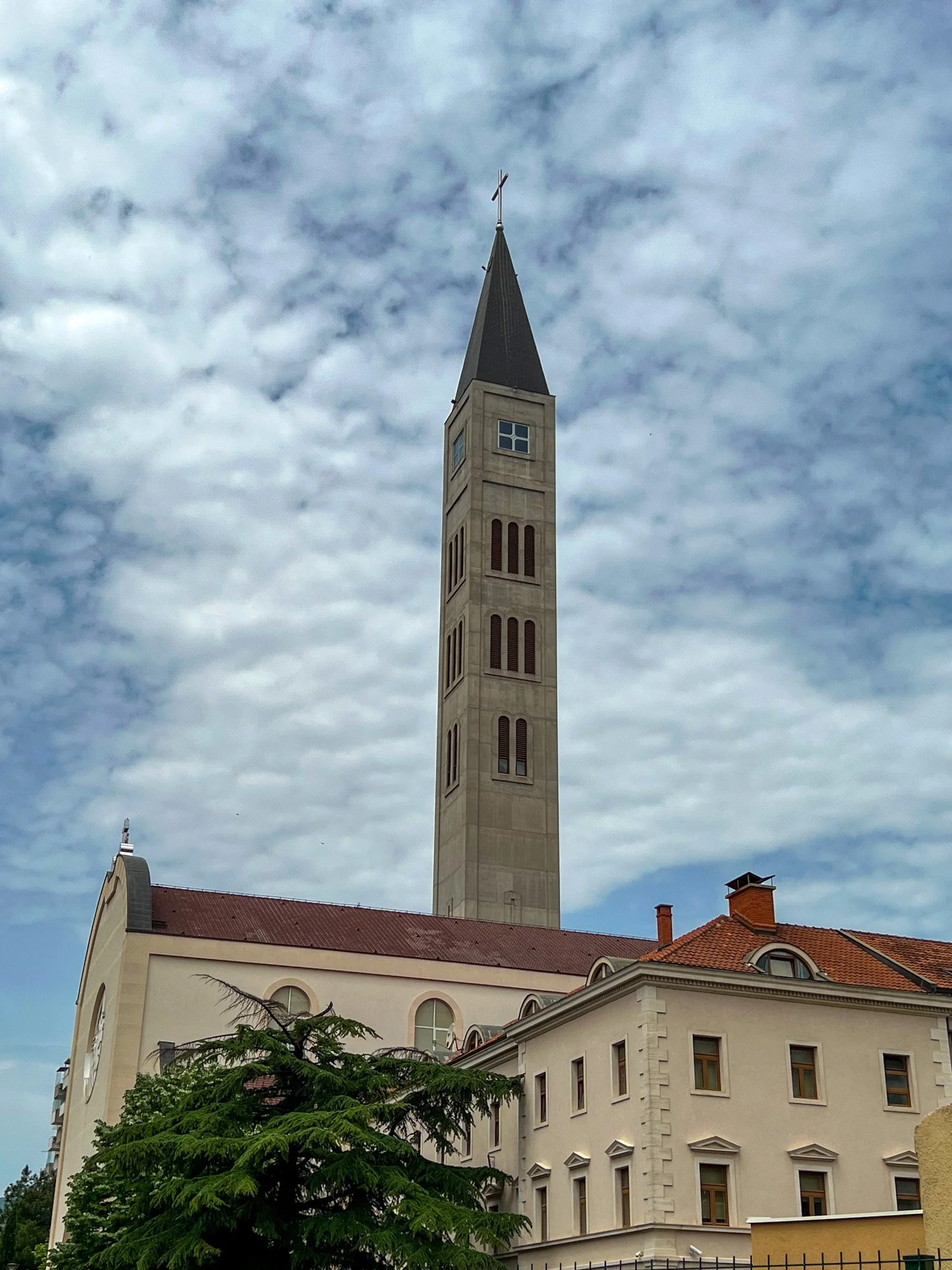
From the waterfalls, we continued our journey for another hour until we finally arrived in Mostar. Upon reaching the city, we parked our coach next to the Mostar Peace Bell Tower, which would serve as our pick-up point after our walking tour and free time in Mostar.
Standing at 75 meters, the bell tower is easily visible from most places in Mostar, which made it a convenient landmark for our return. Nearby, the imposing yet incomplete Franciscan Church stands as a modern replacement for the 1866 basilica that was destroyed during the war.
Shortly after we started walking through Mostar, we could already appreciate the striking contrast between Croatia and Bosnia and Herzegovina. The Ottoman influence in Mostar is evident at every corner, from its cobbled streets to the oriental architecture.
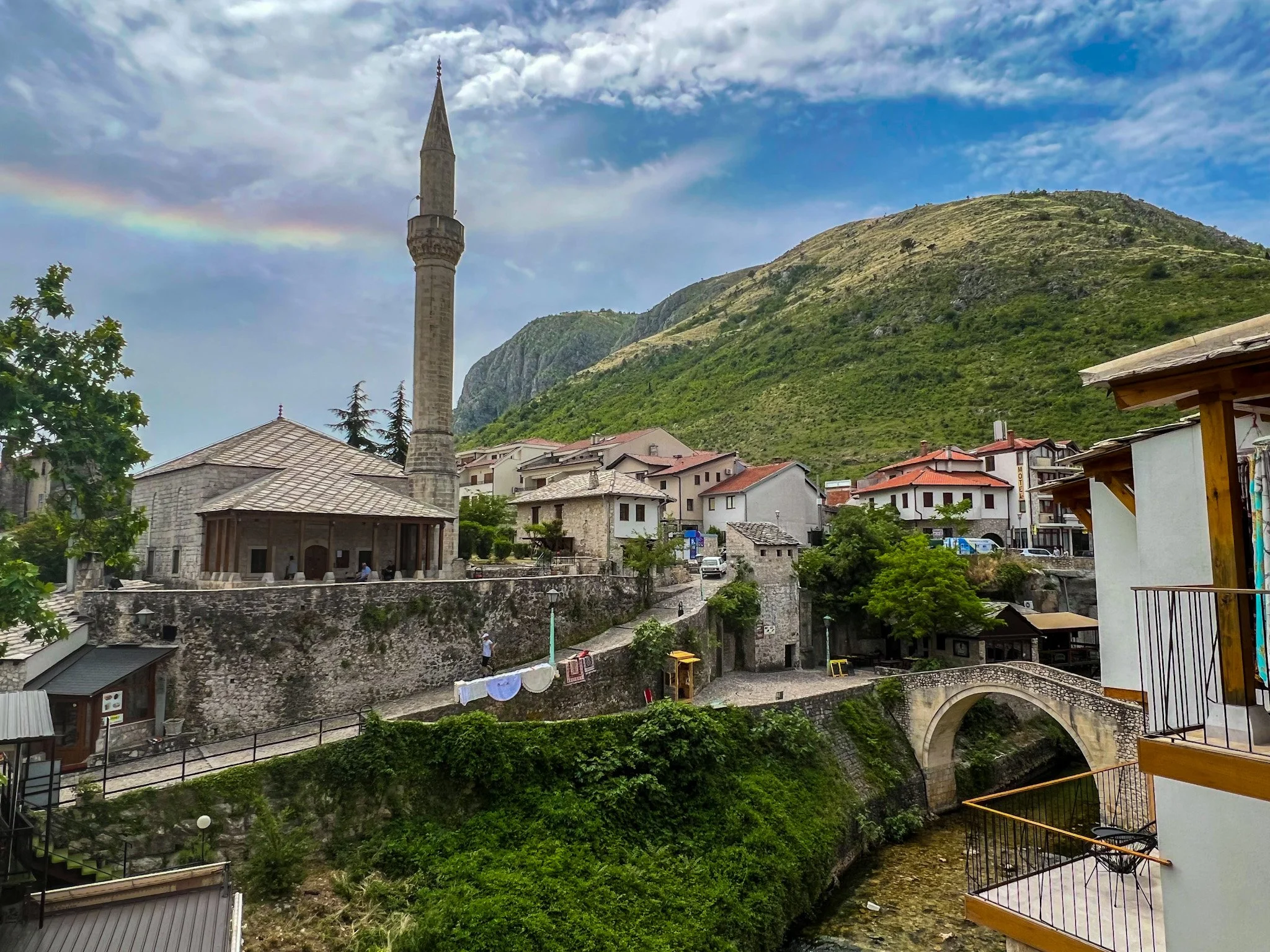
Our first stop was the Crooked Bridge, a charming stone bridge spanning the Radobolja River. Built in 1558 during Ottoman rule, it holds the distinction of being the oldest single-arch bridge in the city. Located just 30 meters west of the iconic Stari Most, Kriva Ćuprija is a smaller, yet equally captivating, version of its famous counterpart.
With a single semicircular arch measuring 8.56 meters in diameter and standing 4.15 meters high, the bridge is accessed via stone steps and seamlessly blends into the architectural beauty of Mostar's Old Town. Recognized as a National Monument of Bosnia and Herzegovina, it is also part of the UNESCO World Heritage Site designation, reflecting its historical and cultural significance.
Across the bridge, you can also spot the Nezir-aga Mosque. Built in the second half of the 16th century, it was endowed by Nezir-aga, an Ottoman military commander from Mostar. The mosque is a single-space structure with a four-pitched roof. Constructed from finely cut stone, it stands on a square foundation with walls 10.2 meters long and 1.05 meters thick. It features a four-pitched stone roof, a veranda with wooden sofas, and a 22-meter-high stone minaret adjoining the right wall.
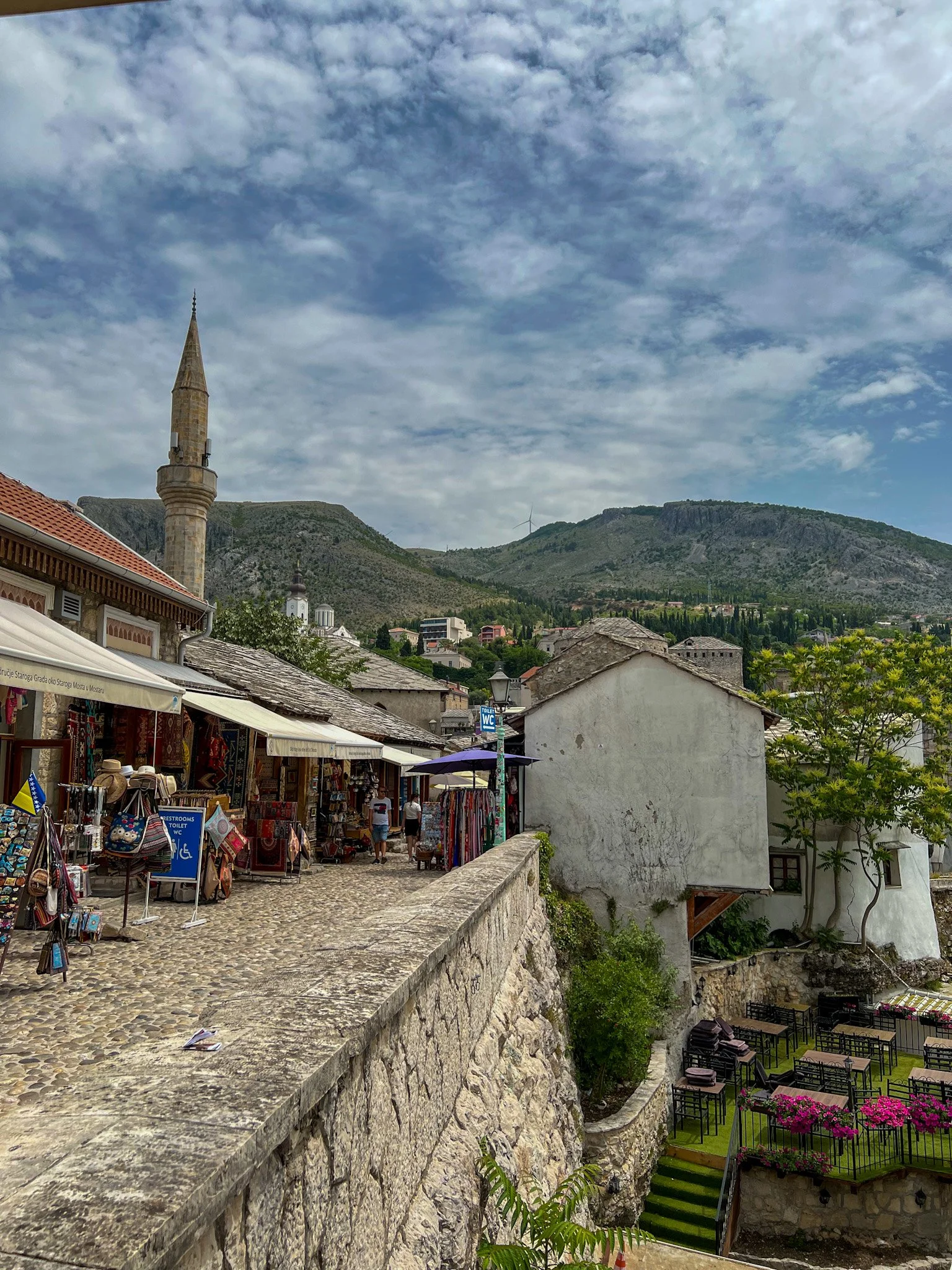
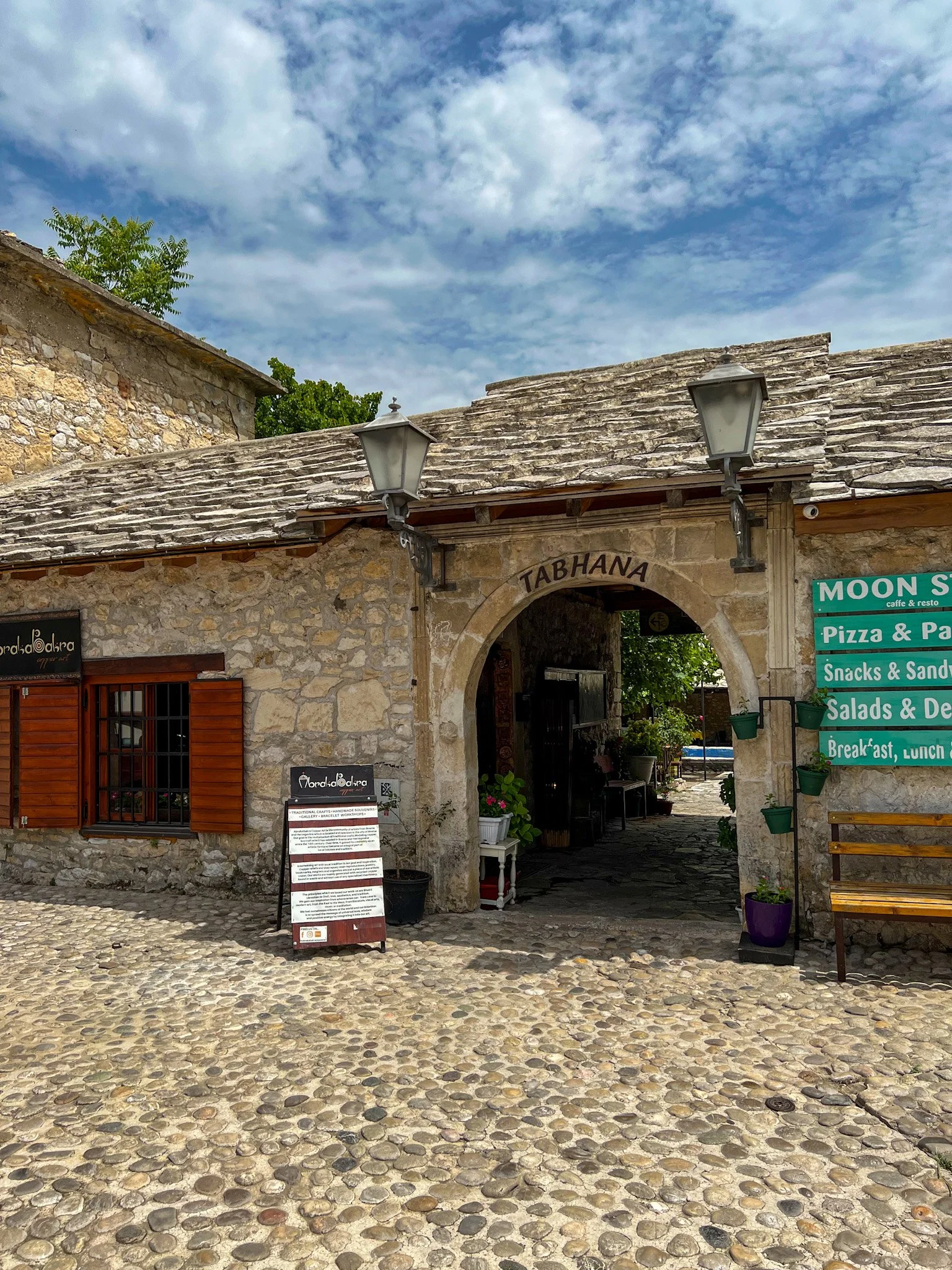
As we entered the old town, we stopped by the Tabhana, built in the mid-16th century, which once served as the city's tannery.
Due to the smell of the leather, the tanners' guild was the only one that had its own mosque. The Tabačica Mosque, located right next to the Tabhana, was built in the 16th century on a branch of the Radobolja River, which it spanned with two stone arches. This led to its being known as "the mosque where the imam is in the dry and the congregation in the wet."
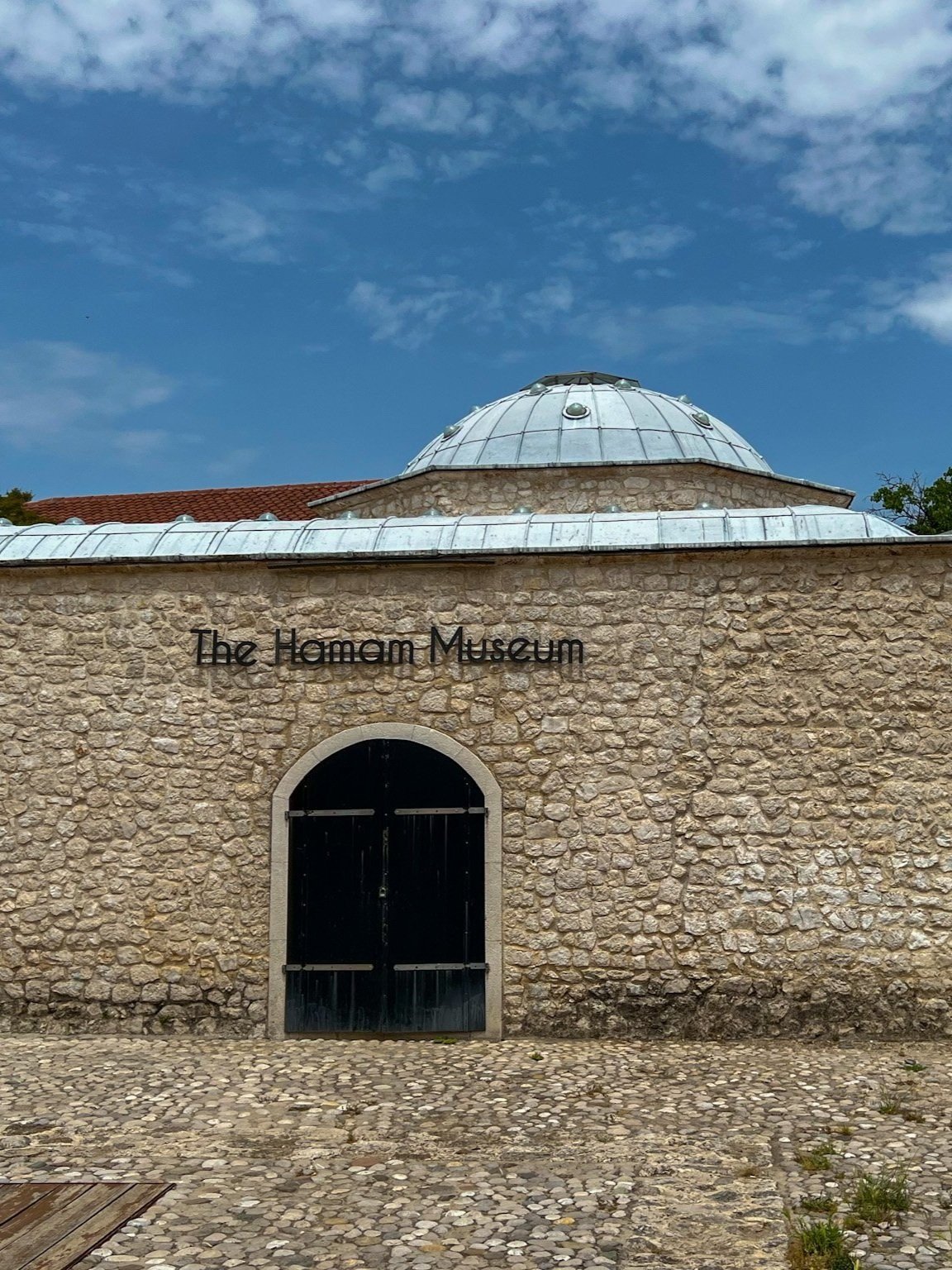
Right by the entrance, you can also visit the Hamam Museum. Built between the late 16th and early 17th centuries, it offers a fascinating glimpse into Ottoman-era traditions, showcasing the rituals of cleanliness, massage, and relaxation that were integral to daily life.
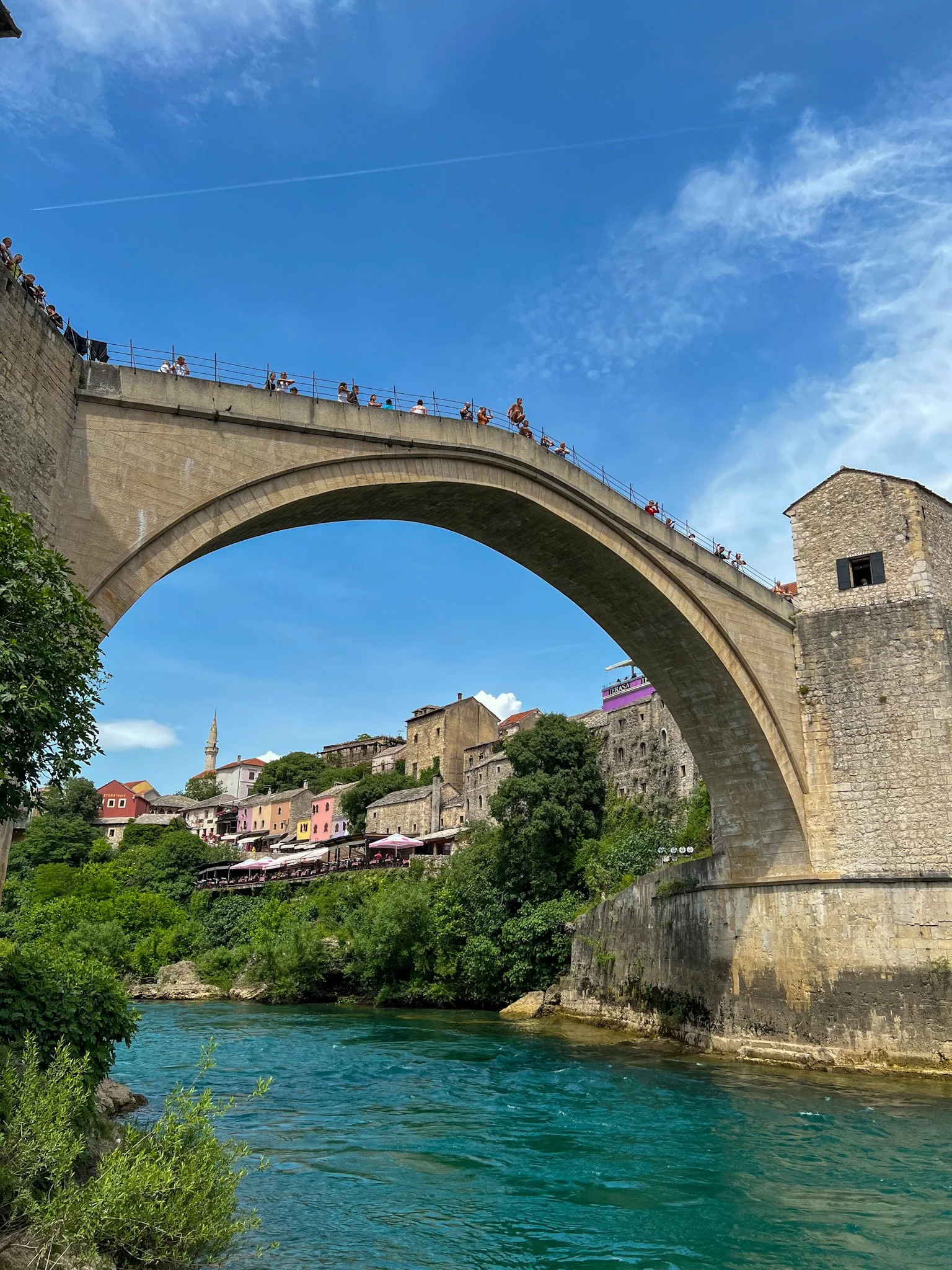
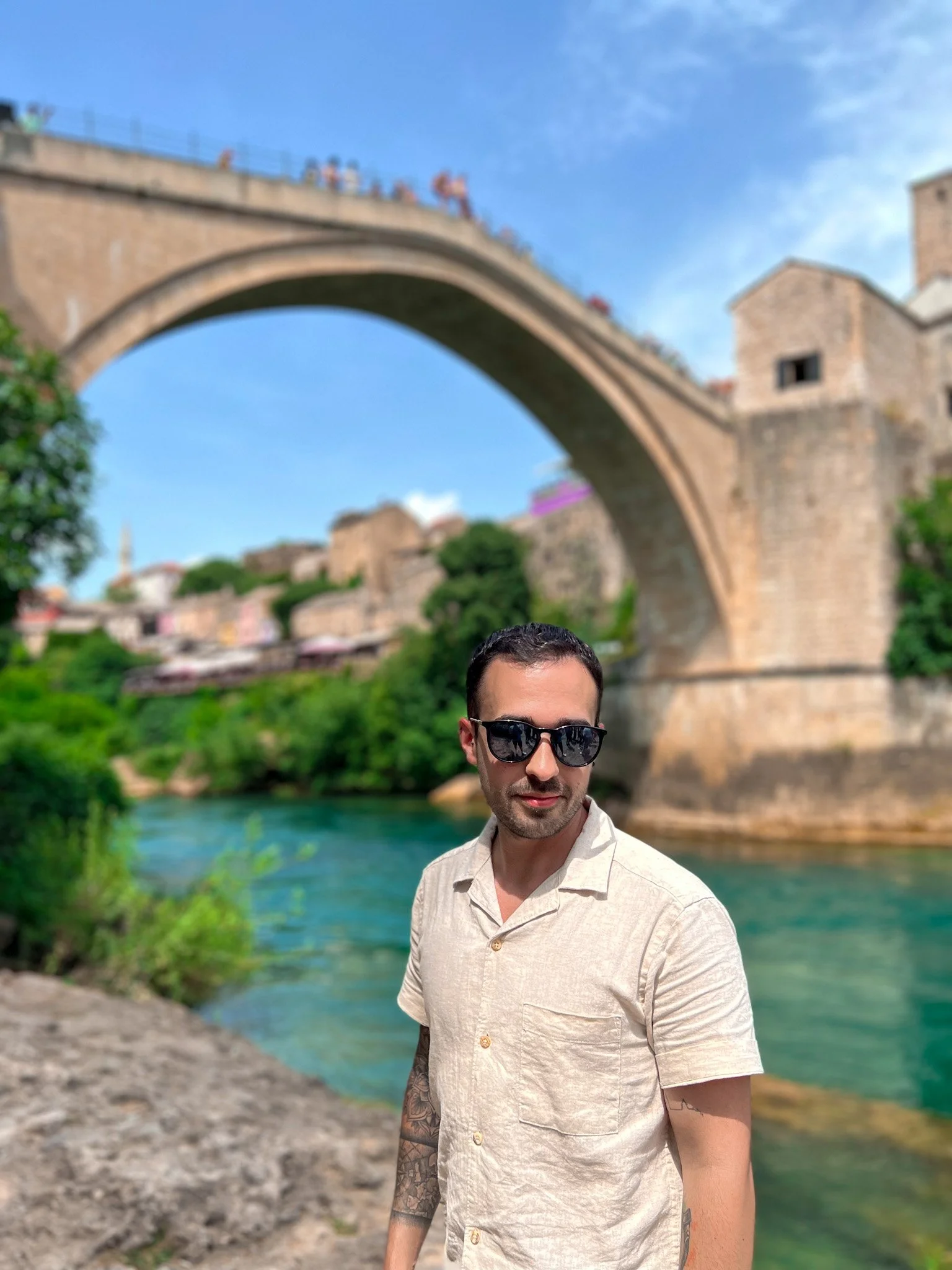
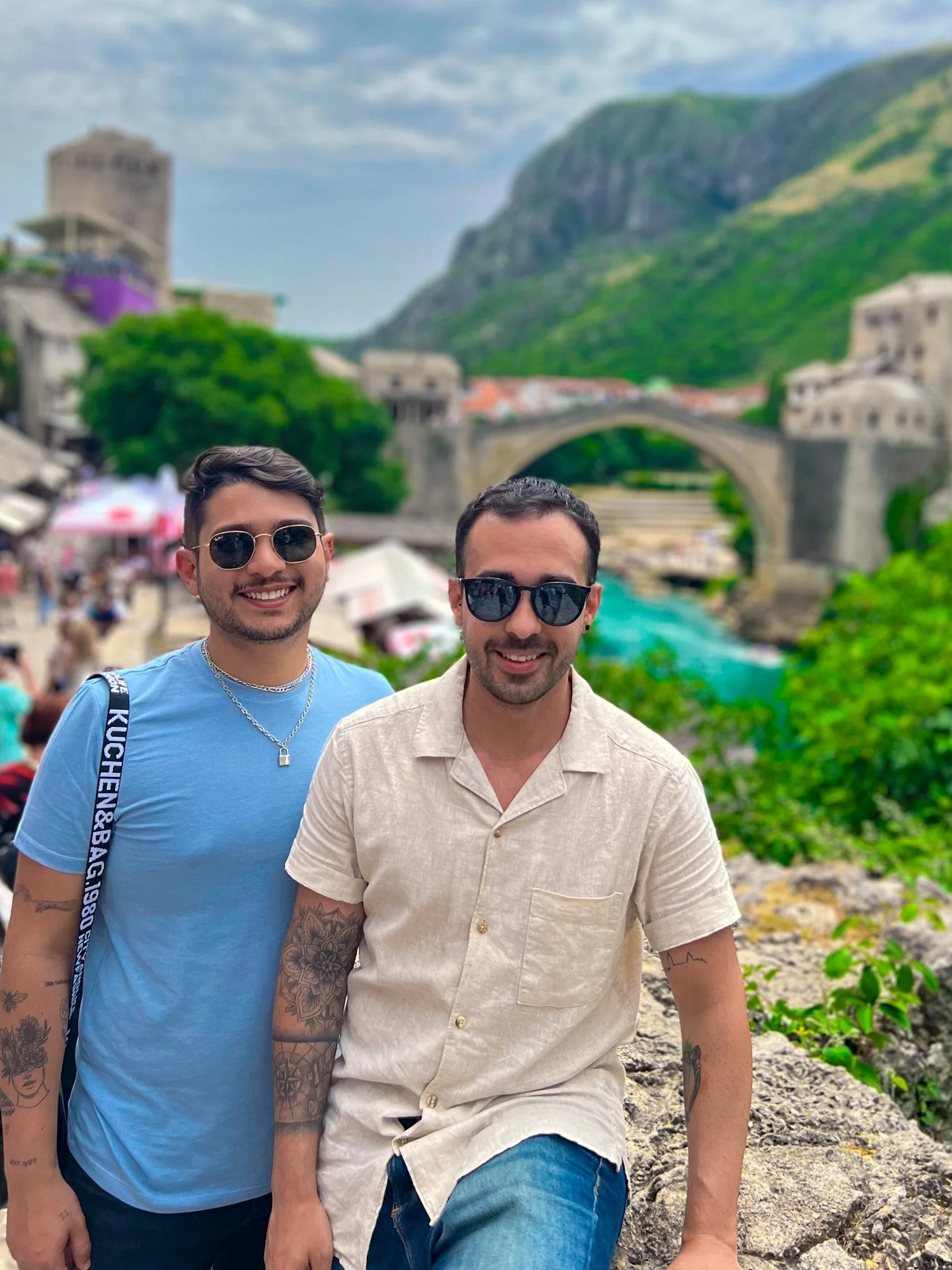
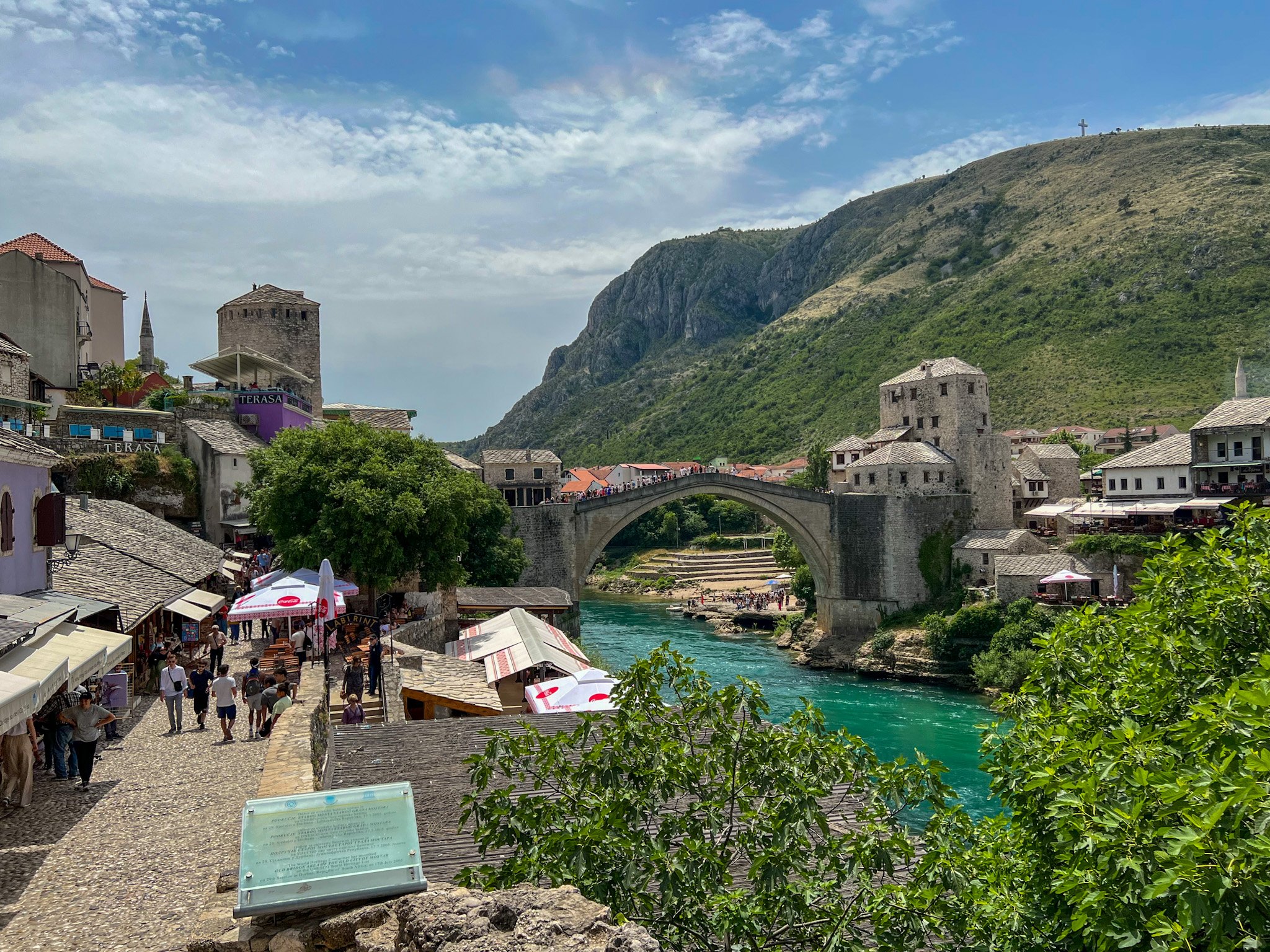
Without a doubt, the most recognizable landmark in Mostar is the Old Bridge, or Stari Most. Originally built in the 16th century during the Ottoman Empire, it spans the Neretva River and was designed by Mimar Hayruddin, a student of the renowned architect Mimar Sinan.
The bridge, which connects the city's two halves, is an exemplary piece of Balkan Islamic architecture and was considered an engineering marvel of its time. However, during the Croat-Bosniak War, it was shelled and destroyed in 1993 by Croatian forces. After years of effort, the bridge was meticulously reconstructed and reopened in 2004, using similar materials and techniques to preserve its original design.
Stari Most is renowned for its elegant single-arch design and cultural significance. The bridge spans 30 meters in length and rises 24 meters above the river, offering a stunning view of Mostar and the surrounding landscape. The structure is flanked by two fortified towers that once served as watchpoints during the Ottoman era.
Over the centuries, Stari Most has become a symbol of the region's cultural heritage and resilience. It is also a popular spot for traditional diving competitions, where participants leap into the cold waters of the Neretva River, an activity that dates back to the 1960s.
Icelandic landscape
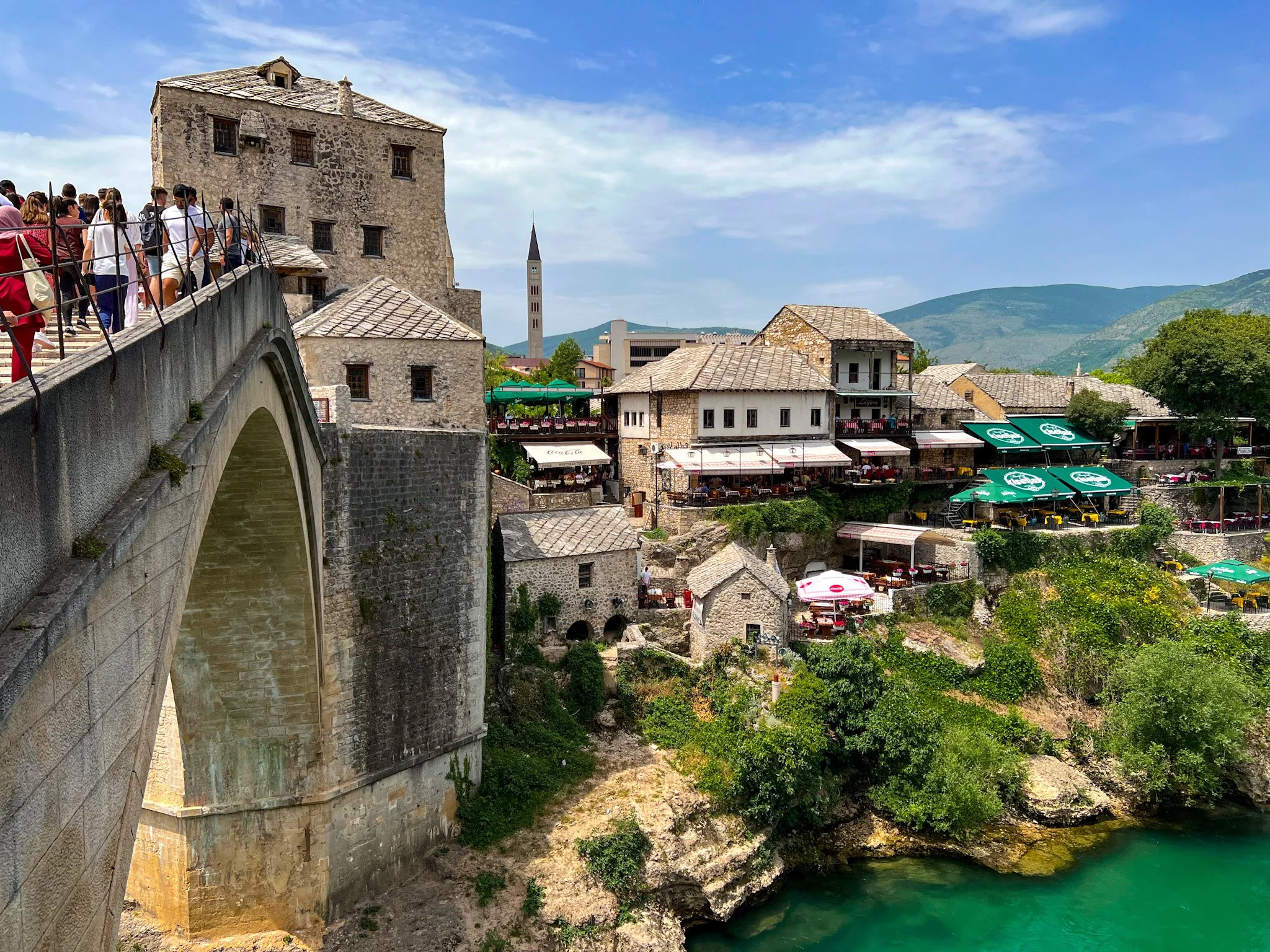
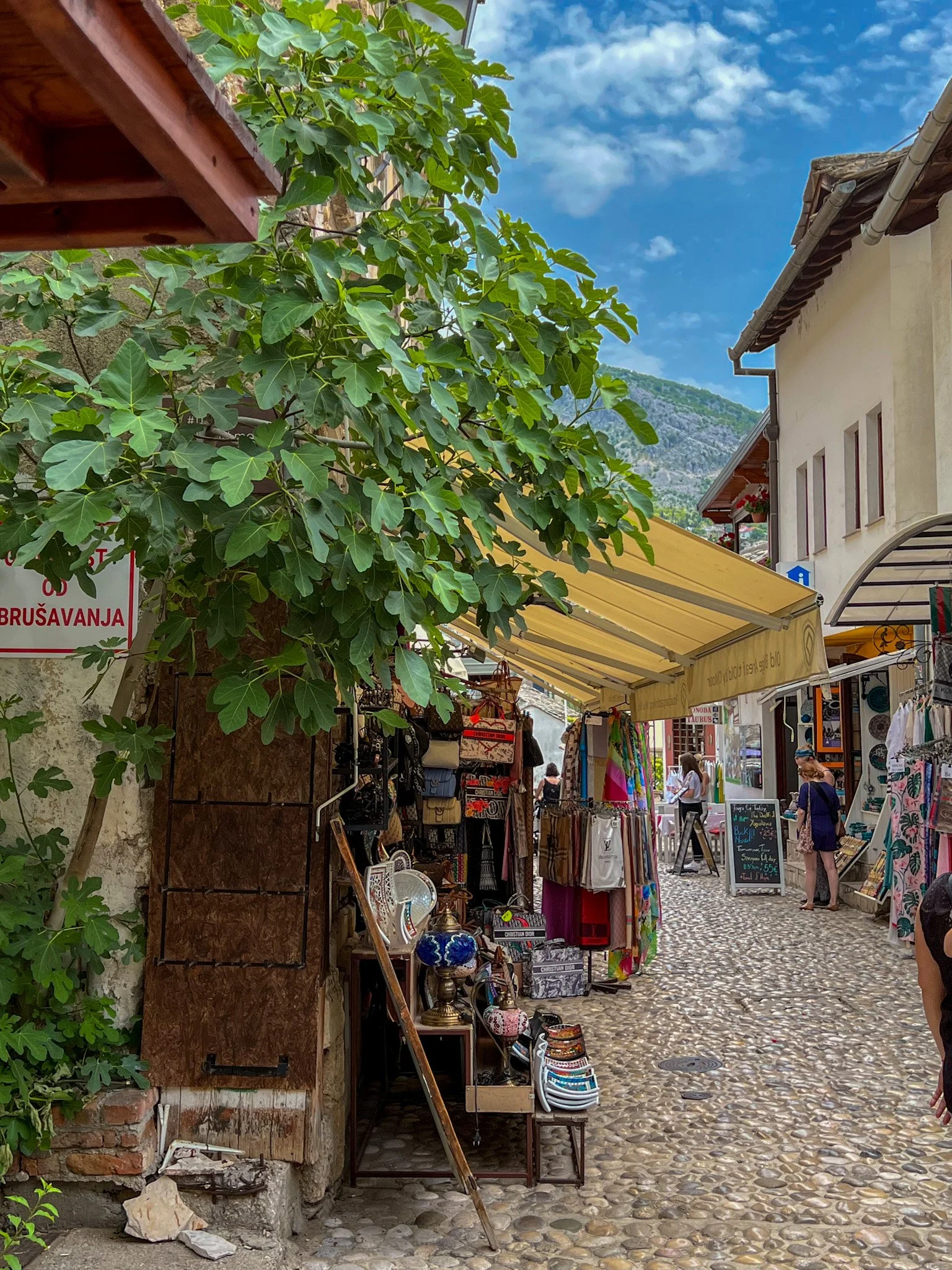
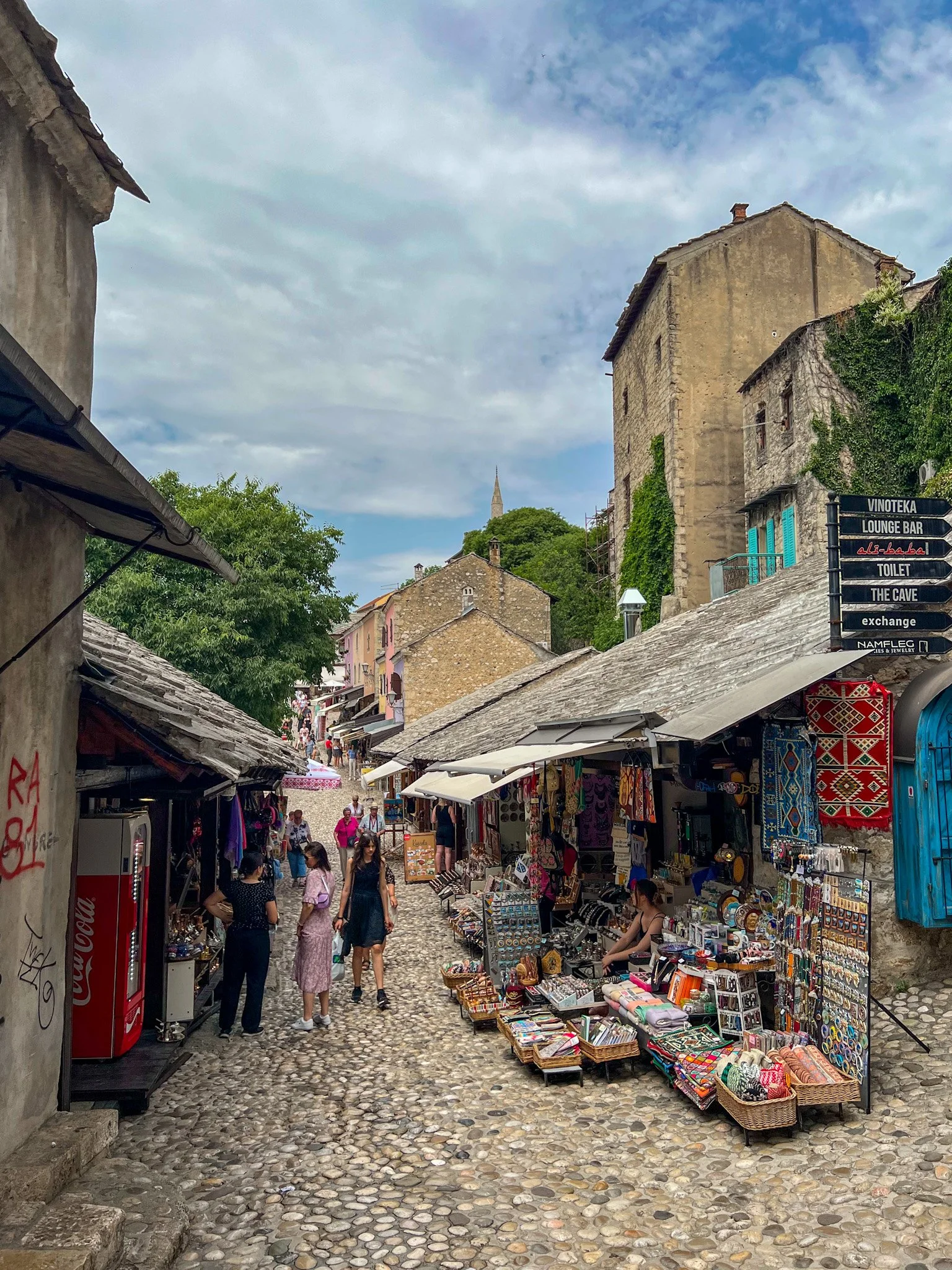
On the other side of the bridge, you'll find the Old Bazar Kudjundziluk, a charming street lined with cobblestones that stretches through Mostar's historic center. Dating back to the 16th century, it was established during the Ottoman era and once served as the city's vibrant commercial heart. Today, it remains a bustling area, home to over 500 workshops and businesses.
This car-free zone, dominated by Turkish-style shops, is a hub for artisans selling traditional goods such as copperware, carpets, jewelry, and clothing. It's the perfect place to shop for a wide variety of souvenirs, and bargaining is common, adding to the lively atmosphere of the market.
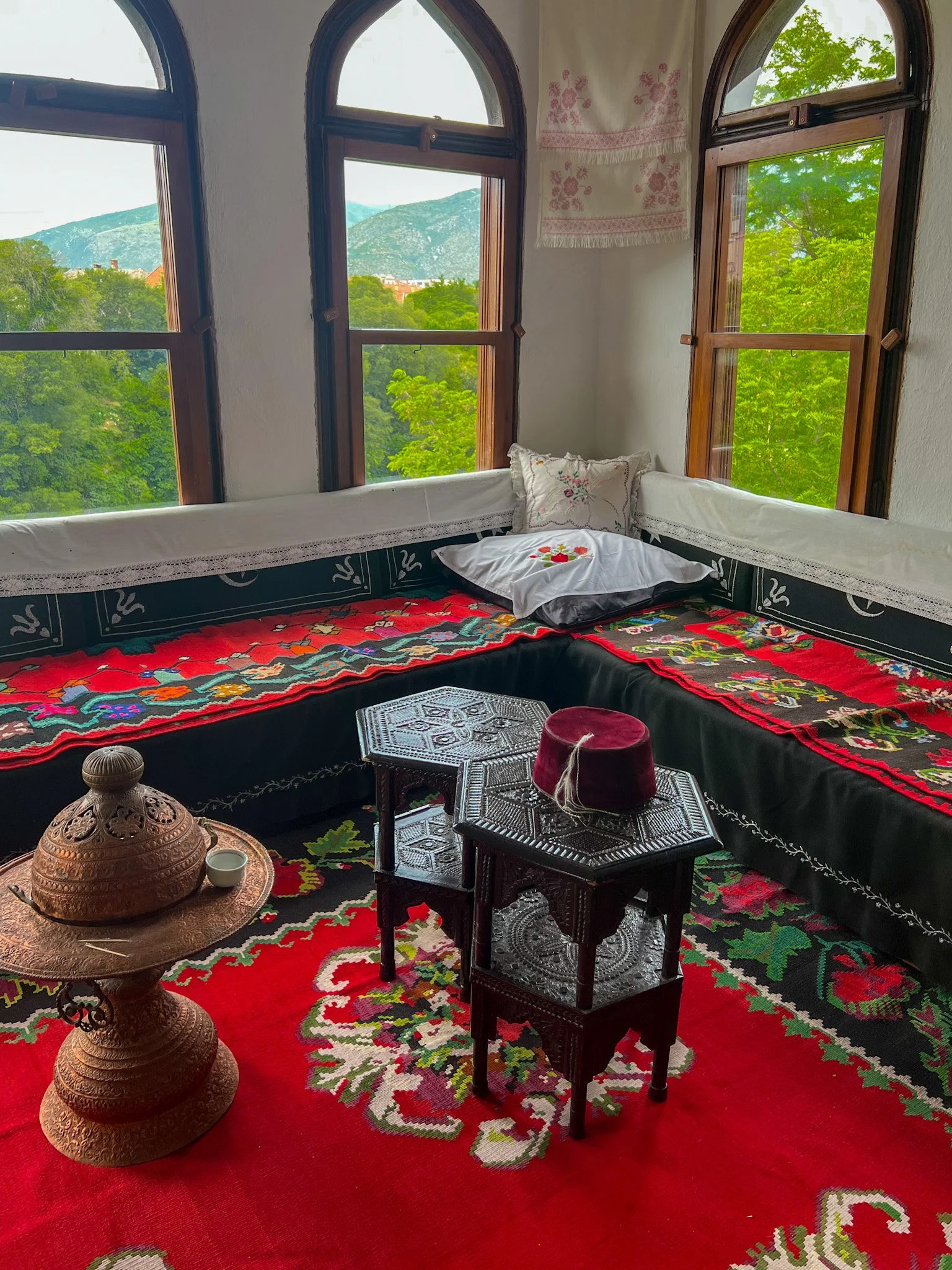
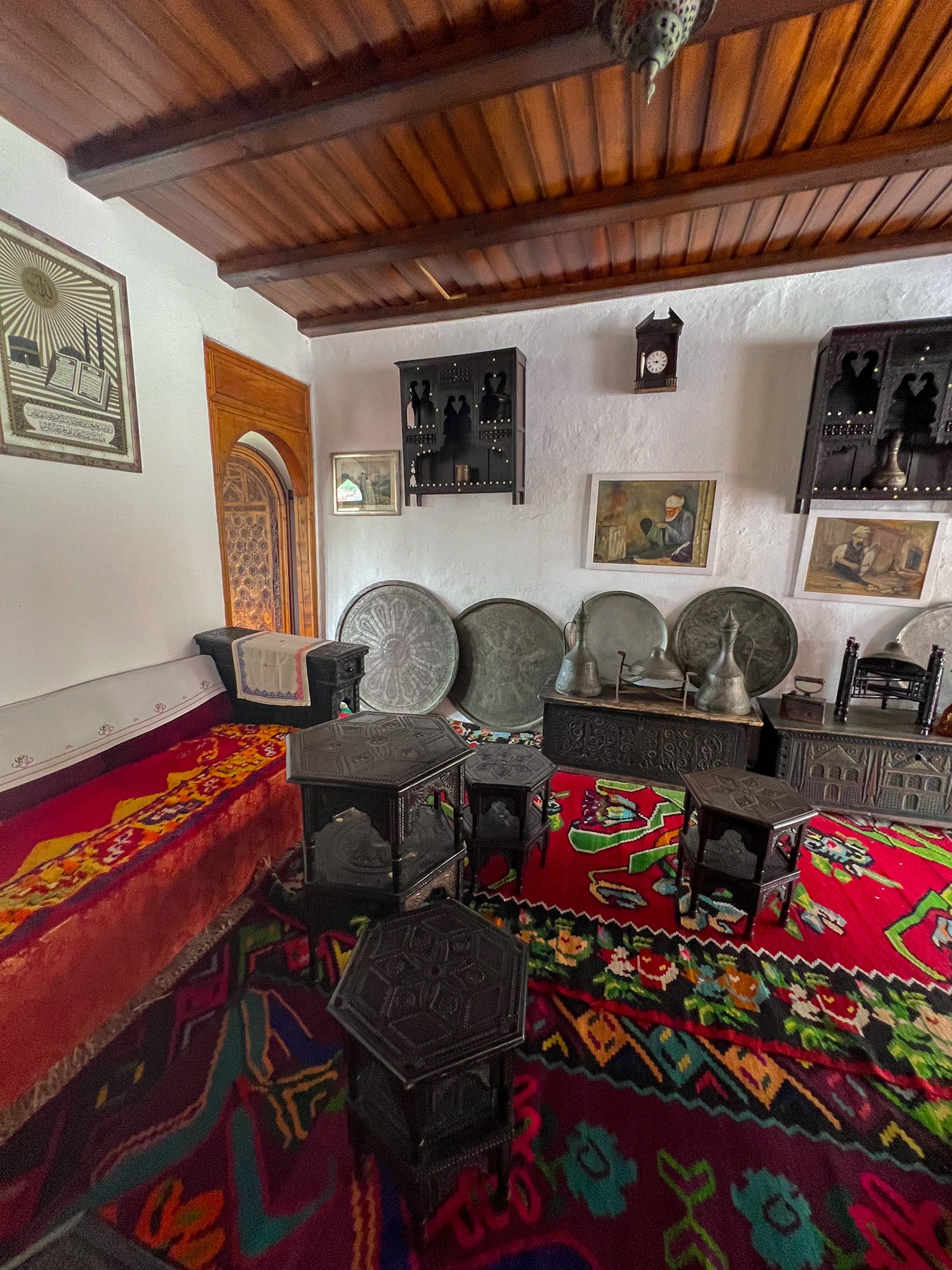
Our walking tour included an optional visit to an old Ottoman house, which we decided to join. We visited the Biscevic House, a prime example of the most beautifully preserved residential structures from the Turkish period, built in 1635.
During the Ottoman era, neighbourhoods called mahallas quickly developed along the banks of the Neretva River. While the single-story and two-story houses appeared simple from the street, they were often rich in detail and captivating inside. These houses were strategically positioned to take full advantage of picturesque views, though they were legally bound not to obstruct the vistas of their neighbors. Visitors would enter the home through a courtyard, a space that served as a transitional area to maintain privacy. The layout of the house separated family rooms from reception areas.
The entrance to the Biscevic House is modest, but inside, the rooms are adorned with built-in cabinetry, carved wood ceilings, and a room with pointed arch windows that overlook the fast-moving Neretva River below. High walls encircle the house, providing privacy and security. In a shaded, stone-paved patio, a fountain softly bubbles, adding a sense of tranquility. The rooms feature divans, sofas, and oriental carpets, with throws draped over them. Some walls are also adorned with framed Arabic calligraphy, adding a rich cultural touch to the interior.

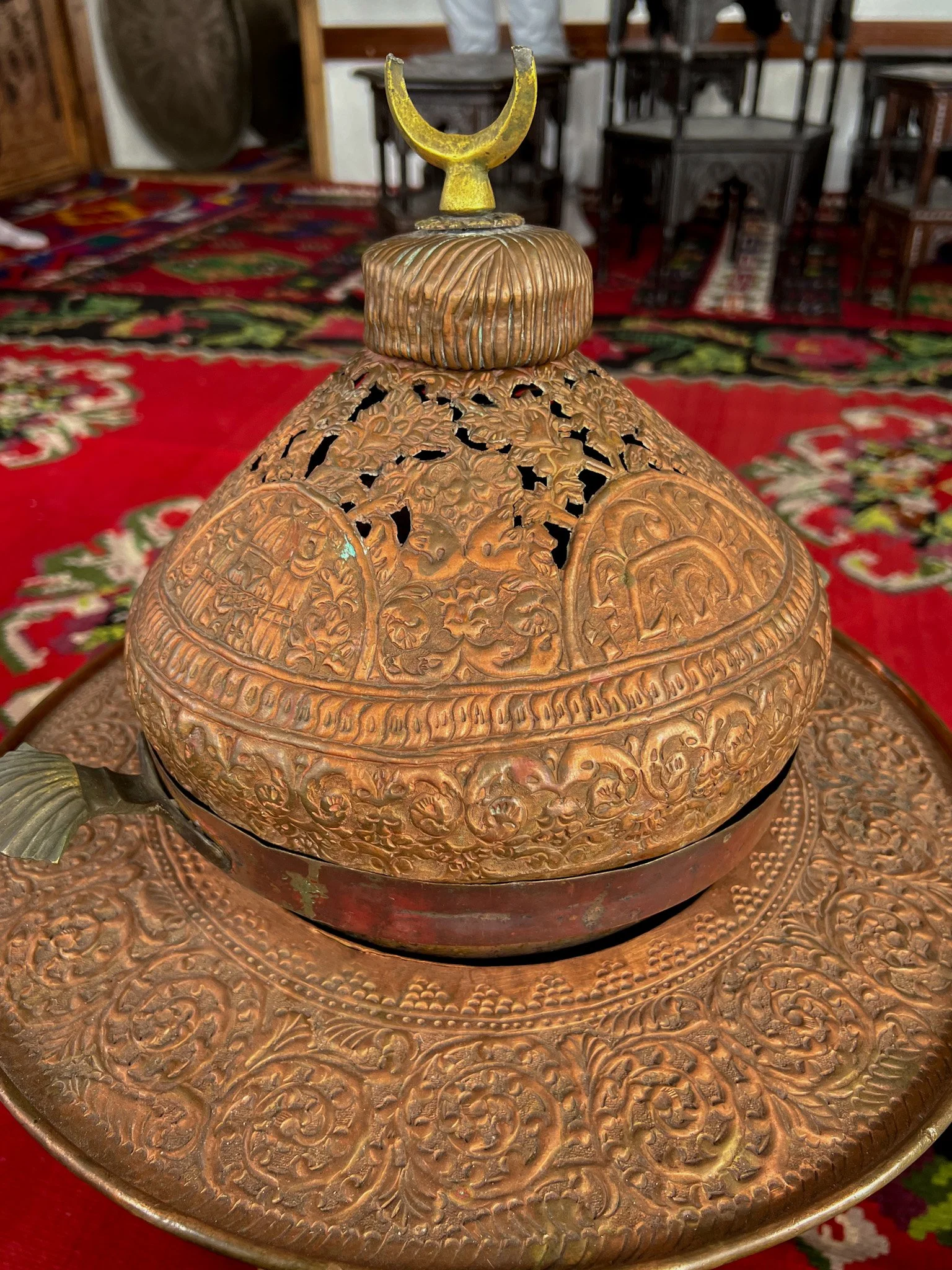
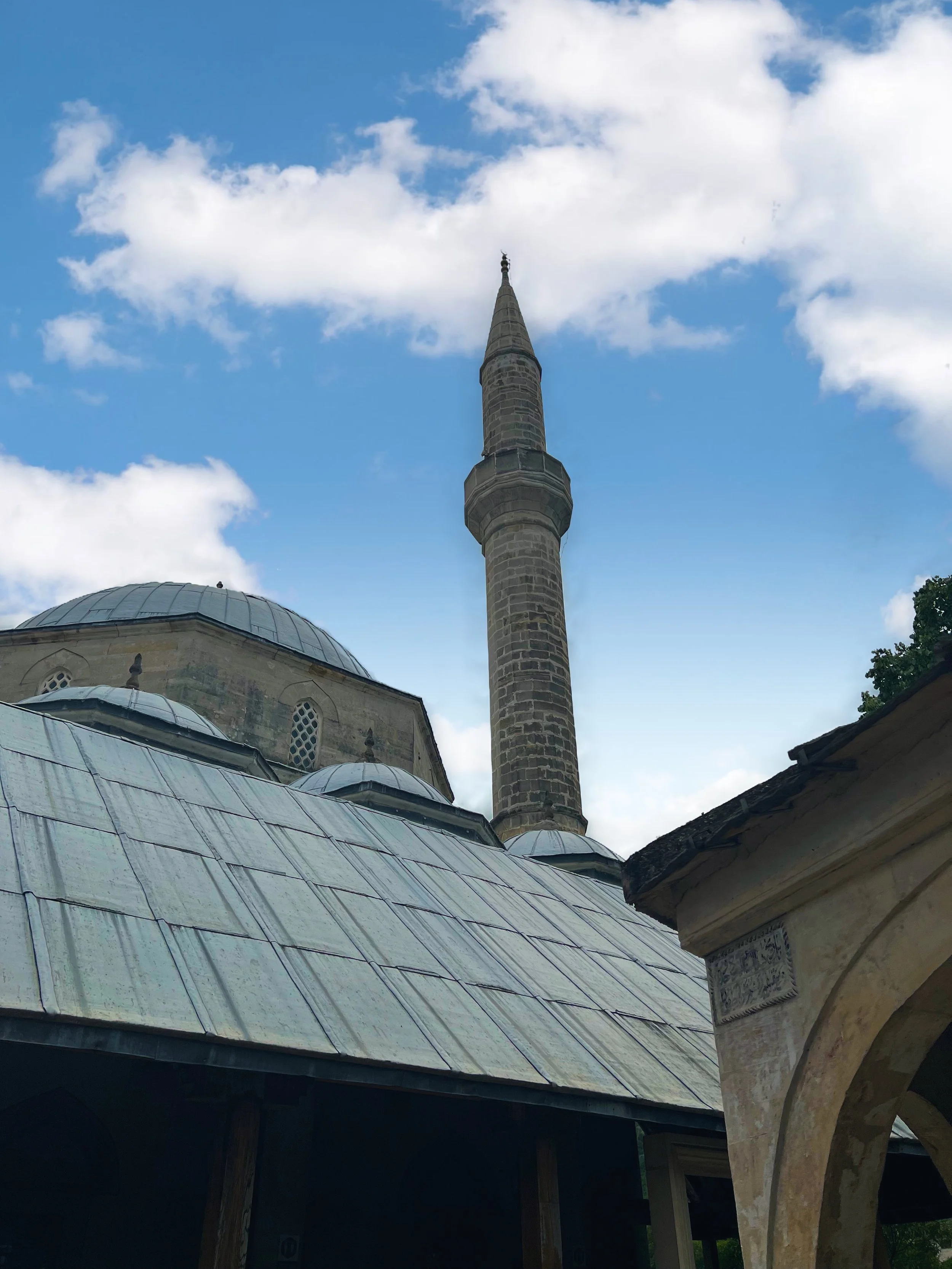
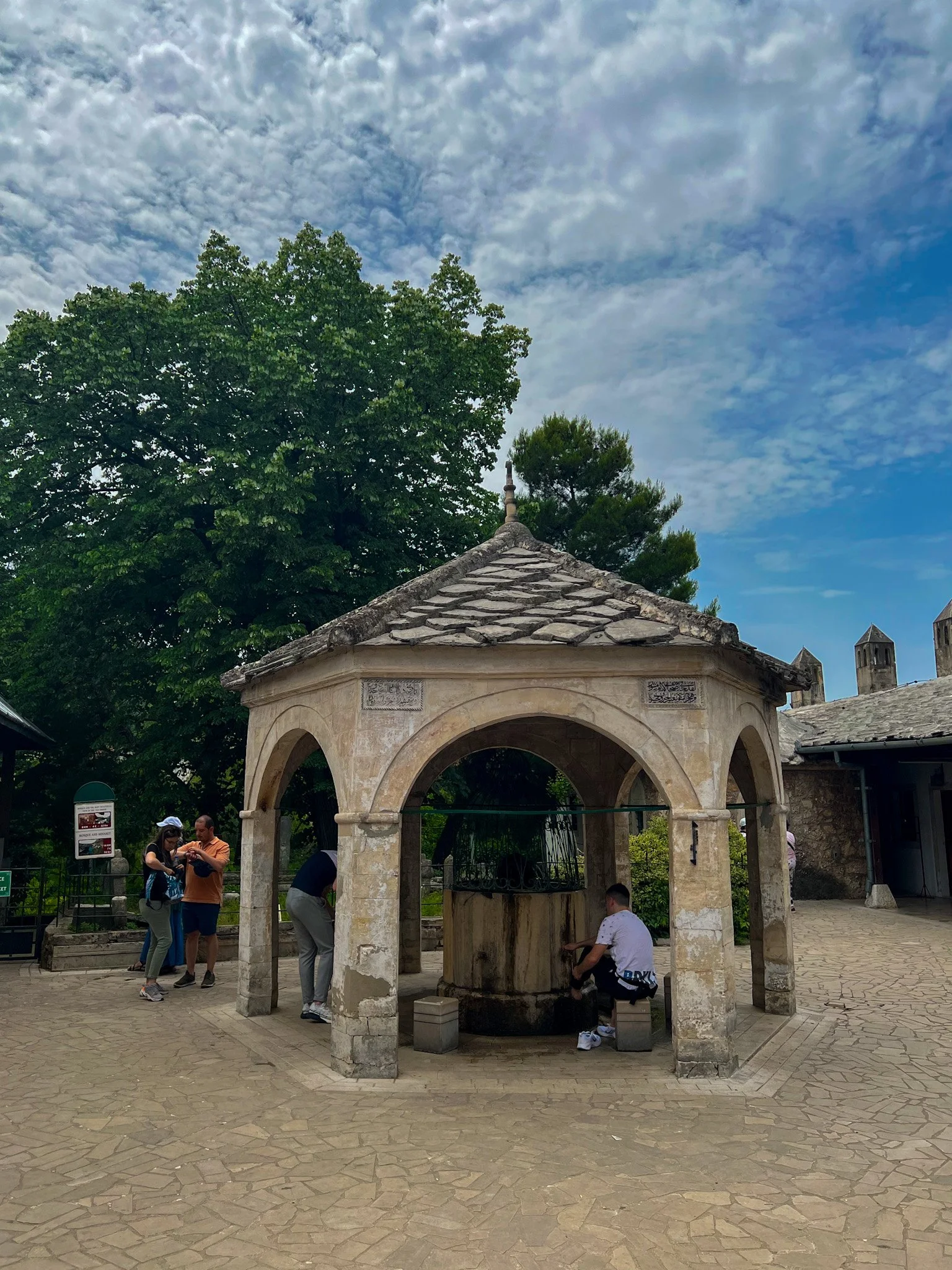
Our final stop on the walking tour was the Koski Mehmed Pasha Mosque, completed in 1619 and designed in the classic Ottoman style. The mosque features a spacious single hall topped with a dome and is built from finely tanned stone blocks. Its design is similar to that of the Karadzoz Bey Mosque, with a slightly shorter minaret and the absence of stalactite decoration.
Perched on the cliffs overlooking the Neretva River in the heart of Mostar, the proportions and design of the mosque are particularly striking, offering breathtaking views of the city and river below. Although the mosque was severely damaged during the Bosnian War (1992-1995), it was meticulously restored between 1996 and 2001.
Unfortunately, I couldn’t visit the interior as it was closed to visitors during prayer times. However, inside, the mosque houses unique features, including an ornate mihrab, mimbar, and a carpet that was gifted by Austrian monarch Franz Joseph.
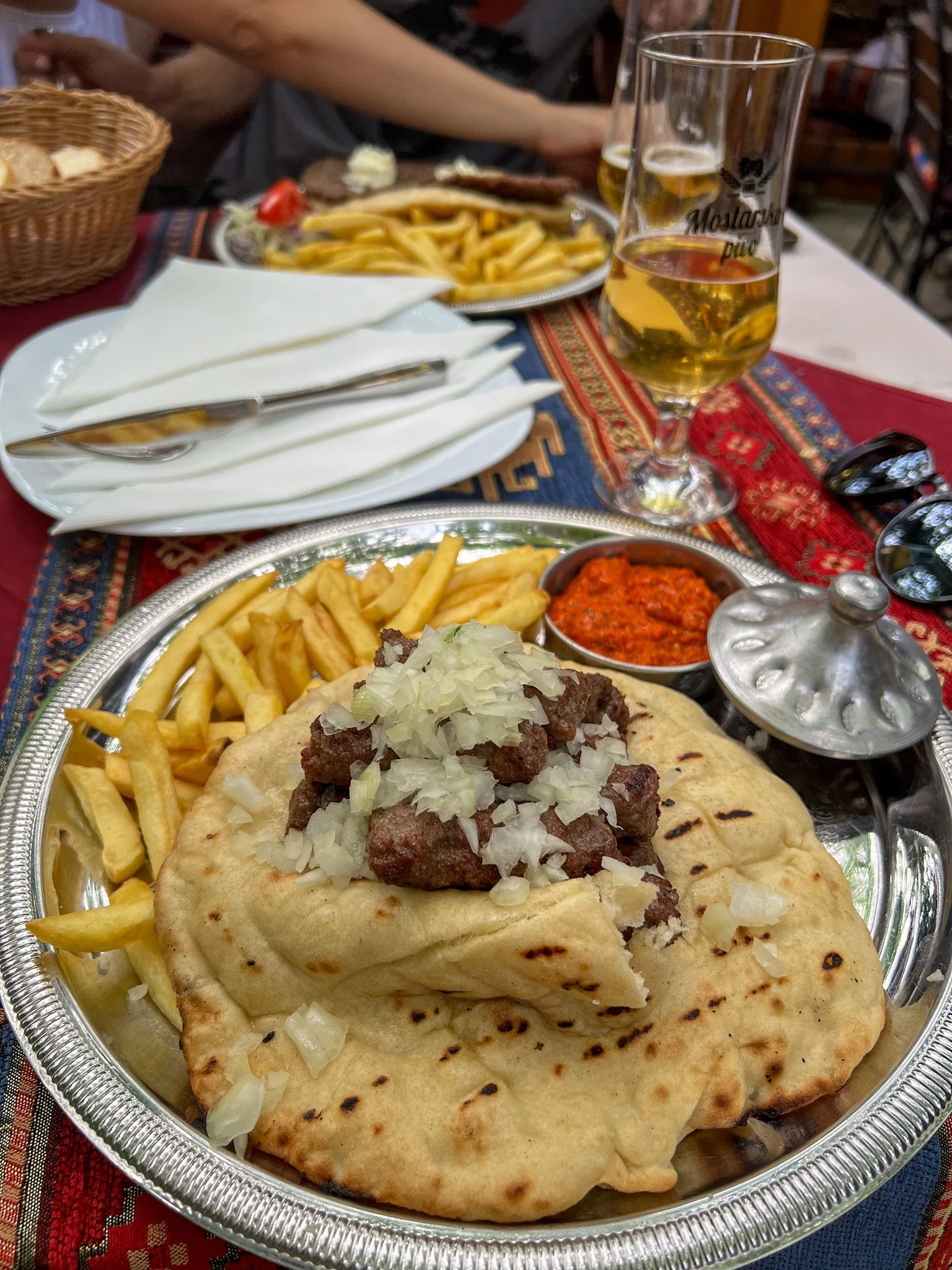
We had some free time for lunch in Mostar, so we stopped by one of the many restaurants scattered throughout the Old Town. The options are truly endless, but we decided to try Restaurant Šadrvan. It was recommended by our guide for its renowned authentic Bosnian cuisine and charming atmosphere, and it turned out to be an excellent choice.
Mostar is a fantastic destination for food lovers, offering a rich culinary experience that blends Ottoman, Mediterranean, and Balkan influences. I highly recommend trying ćevapi (grilled minced meat kebabs served with flatbread and onions), a beloved Bosnian street food, and sogan-dolma (stuffed onions), a flavorful dish made with rice, meat, and spices.
For something unique, try burek, a savory pastry filled with minced meat or cheese, often enjoyed with yogurt. Another must-try is sataras, a vegetable stew made with peppers, tomatoes, and onions, typically served with grilled meats. Don't miss pita (pie), often filled with pumpkin, cheese, or potato, which makes for a perfect light snack or meal.

We made our way back through Mostar's charming Old Town to meet our coach, which would bring us back to Dubrovnik after approximately three hours.
Our day trip from Dubrovnik to Mostar and the Kravica Waterfalls was an unforgettable adventure, offering a glimpse into the rich history, cultural diversity, and stunning landscapes of nearby Bosnia and Herzegovina. For anyone spending their holidays in Croatia, this day tour is the perfect opportunity to explore beyond the border, adding depth and diversity to your Adriatic experience.
Some links in this post are affiliate links, which means that if you buy through them, we’ll receive a small commission. This will never cost you more and in many cases you will receive a special discount.
As always, all opinions are mine. We appreciate your support!


Dubrovnik, often referred to as the “Pearl of the Adriatic,” is a city where history and beauty converge. Nestled along Croatia’s southern coast, this UNESCO World Heritage site enchants visitors with its medieval city walls, Baroque churches, and vibrant limestone streets. Once a powerful maritime republic, Dubrovnik offers a journey back in time, combined with breathtaking views of the Adriatic Sea.
In just two days, you can explore Dubrovnik’s rich cultural heritage and scenic wonders. From walking the iconic city walls to discovering hidden gems within the Old Town, every corner of Dubrovnik tells a story. Whether you're a history enthusiast, a Game of Thrones fan, or simply looking to soak up the coastal charm, this 2-day itinerary will guide you through the must-see landmarks and unforgettable experiences in this magical city.