
Korcula, Croatia: exploring the birthplace of Marco Polo
Nestled in the Adriatic Sea, Korčula Island is one of Croatia's most enchanting and lesser-known destinations. Famous for being the birthplace of Marco Polo, its Old Town also boasts stunning medieval architecture and crystal-clear waters, offering visitors a perfect blend of relaxation, history, and adventure.
Whether you're a history enthusiast, a beach lover, or someone who enjoys exploring picturesque towns, visiting Korčula Island will be an unforgettable experience. Here's a guide to some of the island's top tourist attractions and historical highlights.
How to arrive in Korcula
Korčula Town, the island’s main settlement, is often referred to as "Little Dubrovnik" due to its similar medieval charm. This fortified town is located on the eastern tip of the island and boasts narrow, winding streets, stone buildings, and charming squares. The old town of Korčula is a UNESCO World Heritage candidate, offering a glimpse into the past with every step you take.
To reach Korčula Town by ferry, you can easily travel from both Split and Dubrovnik. We arrived in the island from Split, with ferries departing regularly from the Split Ferry Port in the city center. The journey takes approximately 2.5 to 3 hours, offering scenic views of the Adriatic Sea along the way. From Dubrovnik, ferries also run regularly to Korčula, with a travel time of around 2 hours. Both routes are operated by Jadrolinija and Krilo, two of Croatia's largest ferry companies. Tickets can be purchased at the port or online in advance.
If you don’t want to spend the night in Korcula and would prefer to visit just for one day, there are also many options for a full day trip. Among them, I’d recommend the Island of Korčula and wine tasting from Dubrovnik with GetYourGuide. The tour departs from Dubrovnik to explore its historic wall, oysters, and salt ponds of Ston, then continues by ferry to explore Korčula’s Old Town, finishing with a local wine tasting before returning to Dubrovnik.
Another fantastic option is the Peljesac Peninsula & Korcula Island Day-Trip from Dubrovnik with GetYour Guide. Also departing from Dubrovnik, it explores Ston’s city walls and salt flats before heading to Orebić. The visit continues with a visit to Korčula’s Old Town, finishing with a wine and brandy tasting at a renowned winery before returning to Dubrovnik.
History of Korcula
Korčula has a rich and ancient history that dates back to the Neolithic period, around 6,000 to 8,000 years ago. Archaeological finds from this time include settlements, caves, and early tools, with significant sites such as Vela Spilja, Gudnja, and Jakasova Spilja.
In antiquity, the region was inhabited by the Illyrians, whose tribes were united and engaged in agriculture and cattle breeding. Greek colonization began in the 6th century BC, with settlers from Knidos founding towns on the island, including a famous settlement mentioned by Pliny the Elder. Korčula's strategic location made it a point of conflict in ancient times, particularly during Roman expansion, when the Romans eventually conquered the island, leading to the Romanization of its inhabitants.

In the early Middle Ages, the island came under Byzantine rule, followed by the Croats, who settled the island in the 9th century. Venetian influence grew in the 13th century, with Korčula changing hands several times before finally falling under Venetian control in 1420. The island thrived during the Venetian period, notably as a center for shipbuilding and trade. Korčula's history includes notable events like the naval battle of 1298, where Marco Polo, possibly a native of the island, was imprisoned by the Genoese.
In the 17th and 18th centuries, Korčula faced constant Turkish threats due to its location at the border of the Venetian Republic. Despite restrictions on shipbuilding by the Venetians, the island became a key naval hub, particularly after the relocation of the Venetian arsenal from Hvar in 1776, with ships being built and repaired in local shipyards.
Following the fall of Venice in 1797, Korčula passed under various foreign powers, including Austrian and Napoleonic control, with the British briefly occupying it in 1813. The 19th century saw Korčula's economic difficulties due to stagnating agriculture and industry, though shipbuilding thrived, and political tensions arose, particularly between the People’s Party and the Autonomous Party.
Despite setbacks, the island’s wine industry recovered by the early 20th century, and tourism began to grow, with the first modern hotel opening in 1912.
What to see in Korcula
Most of the historical and touristic attractions in Korčula are located within the Old Town’s wall. To start exploring the city, you’ll cross through the Town Gate, a stunning monument that serves as the entrance to Korčula.
This impressive structure, dating back to the 15th century, features robust stone walls and an elegant design, reflecting the region’s rich architectural heritage. As you approach the gate, you'll notice intricate carvings and Venetian symbols that tell the story of Korčula's past.
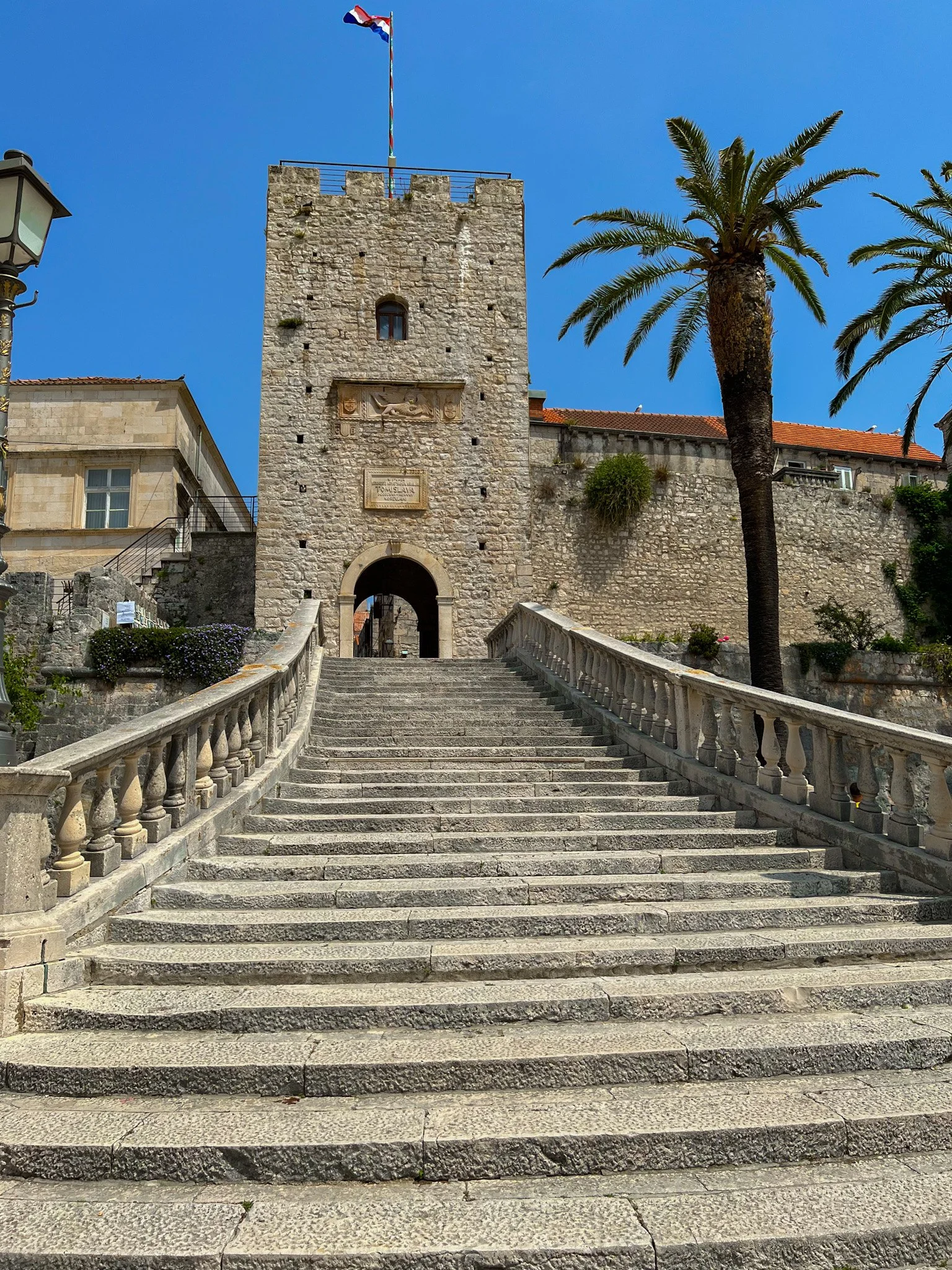
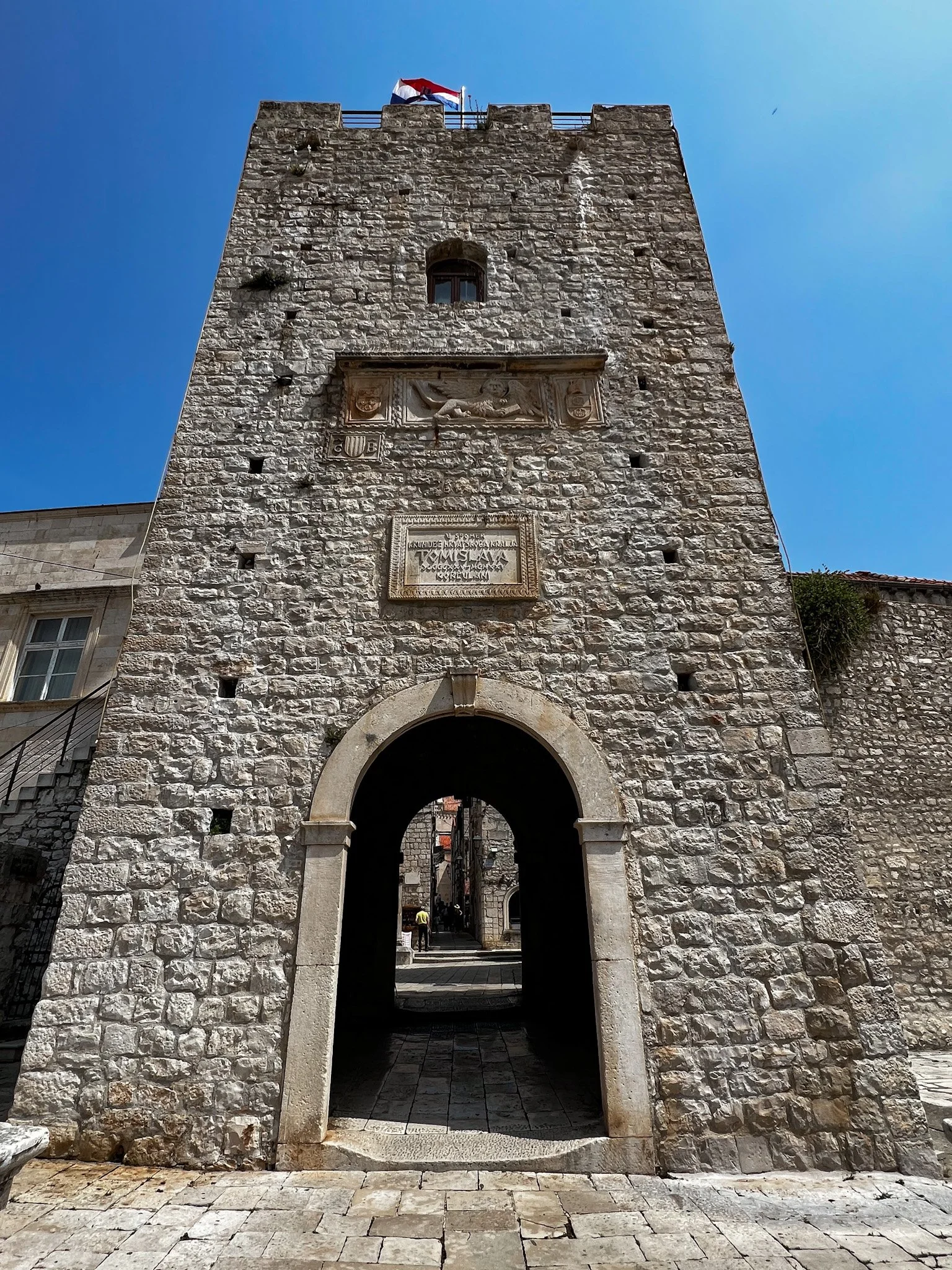
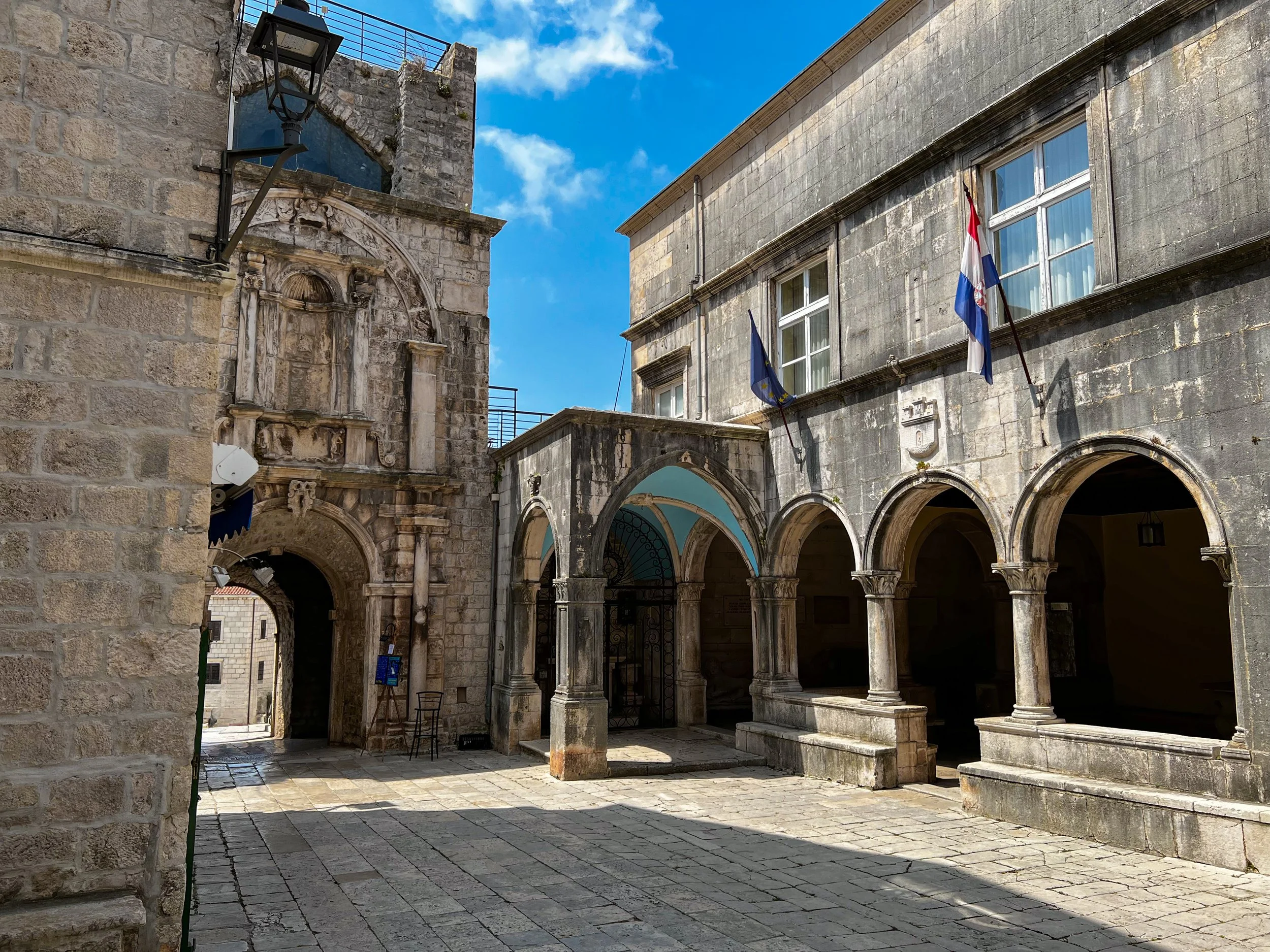
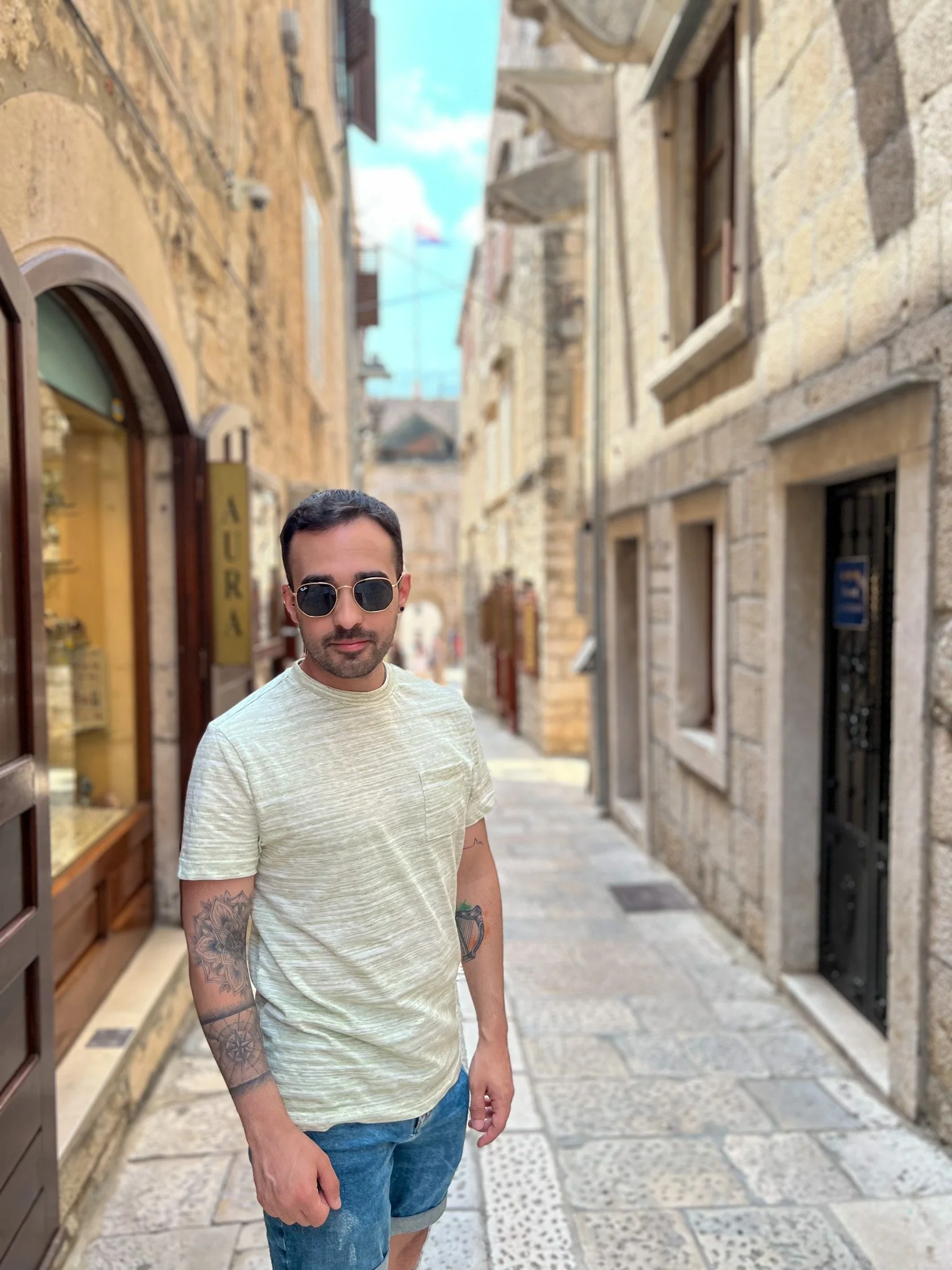
As soon as we entered Korčula's Old Town, it felt like stepping back in time, with its charming winding streets that weave through the heart of the medieval city. These narrow, cobblestone lanes are lined with historic buildings, quaint cafes, and vibrant shops, creating a magical atmosphere as you explore.
The labyrinth-like layout of the Old Town was designed to protect the city from winds and invasions, and today, it offers visitors a delightful maze to wander through.
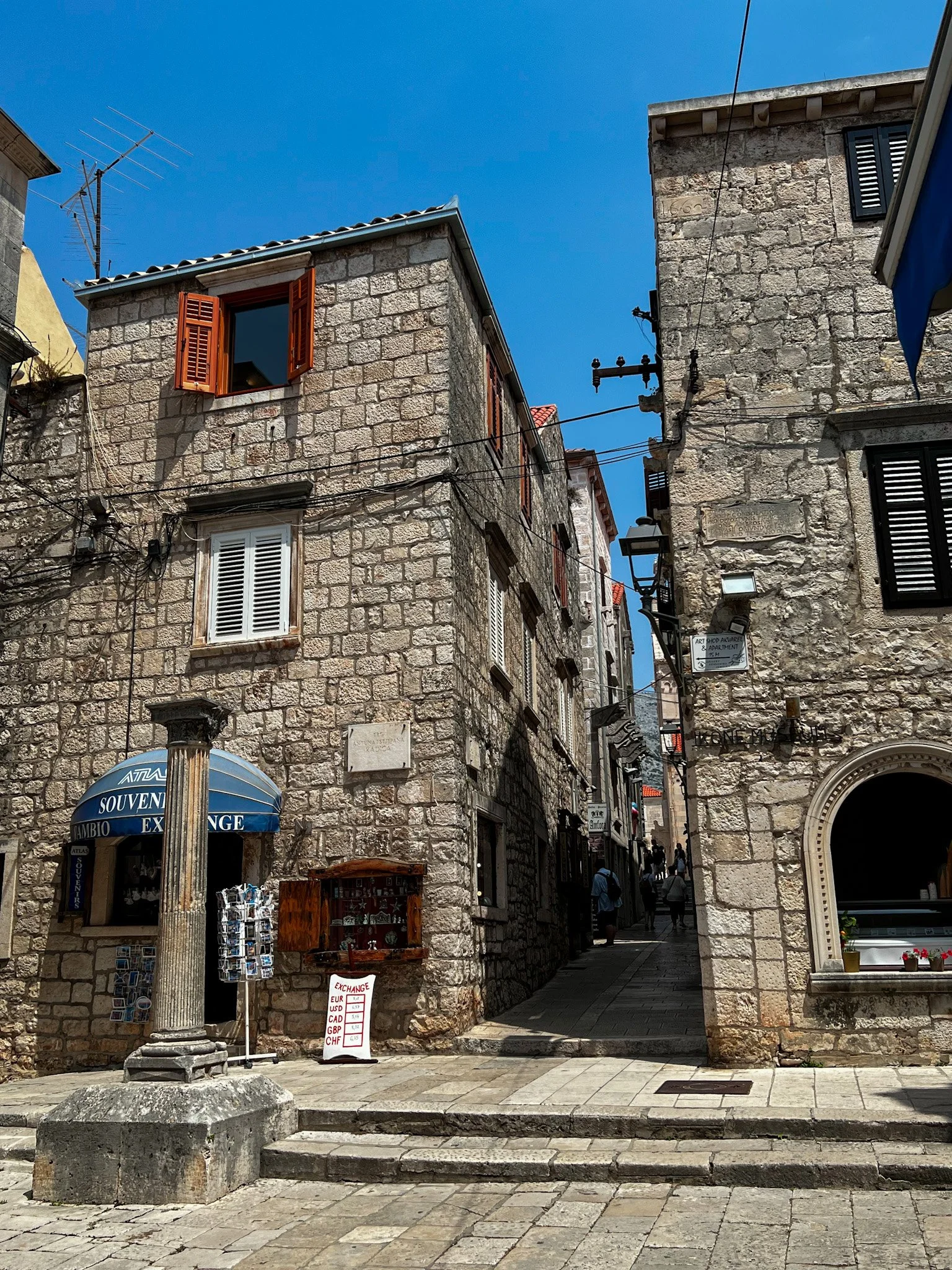
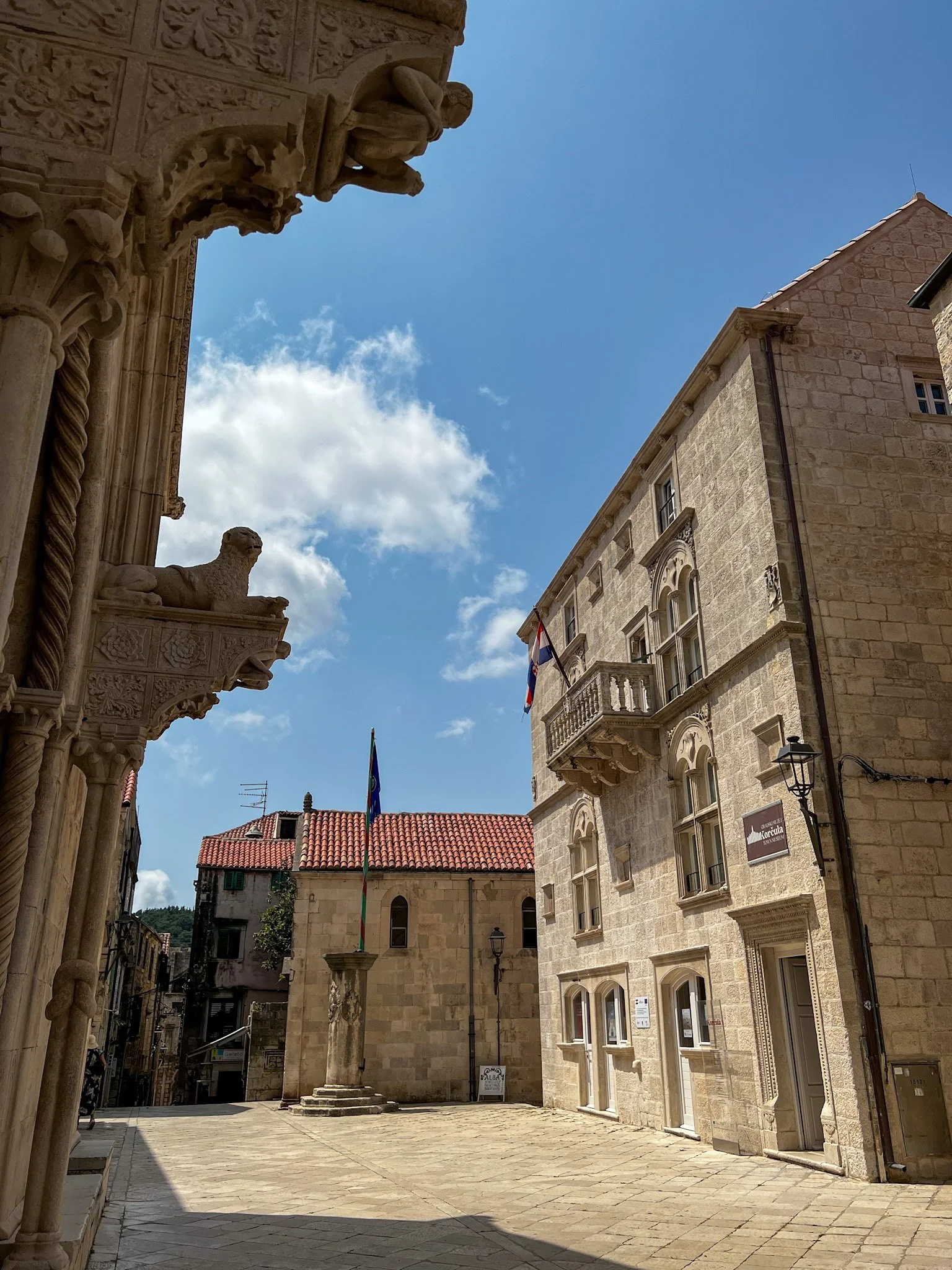
Continue walking straight until you reach the Church of Our Lady, locally known as Crkva Gospojina. Built in 1483, the church was originally established as a chapel to honour the Immaculate Conception of the Virgin Mary and was associated with two prominent local noble families, the Gabrielis and Ismaelis. The church's design reflects Renaissance influences, with local builders contributing to its construction.
The church also houses the tombs of several old Korčula families, as well as the tomb of Priest Rozanović, a defender during the Ottoman siege. The floor of the chapel is adorned with beautifully decorated gravestones, adding to the historical ambiance. You can also admire the flag pillar on the nearby square, erected in 1515.


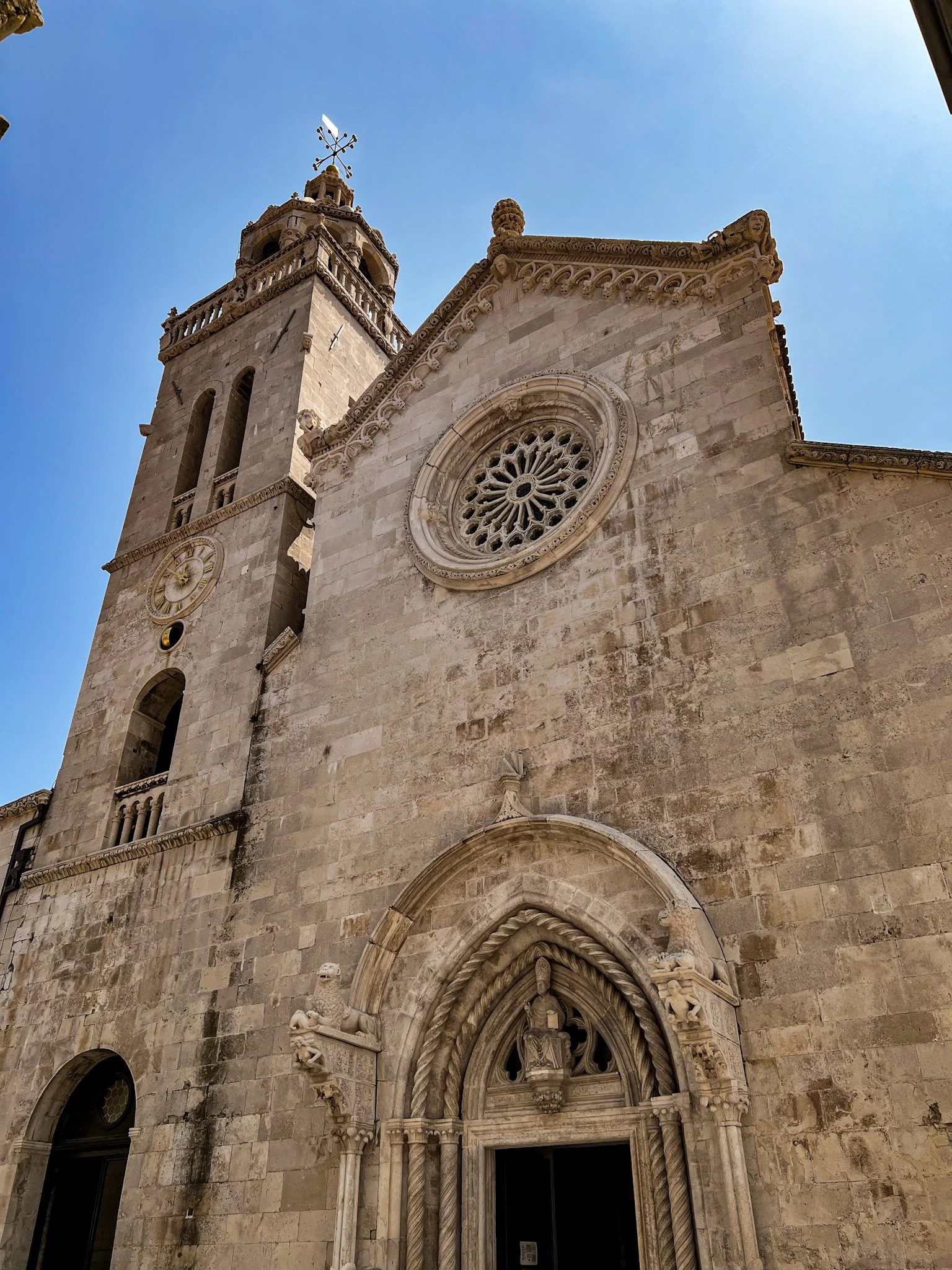
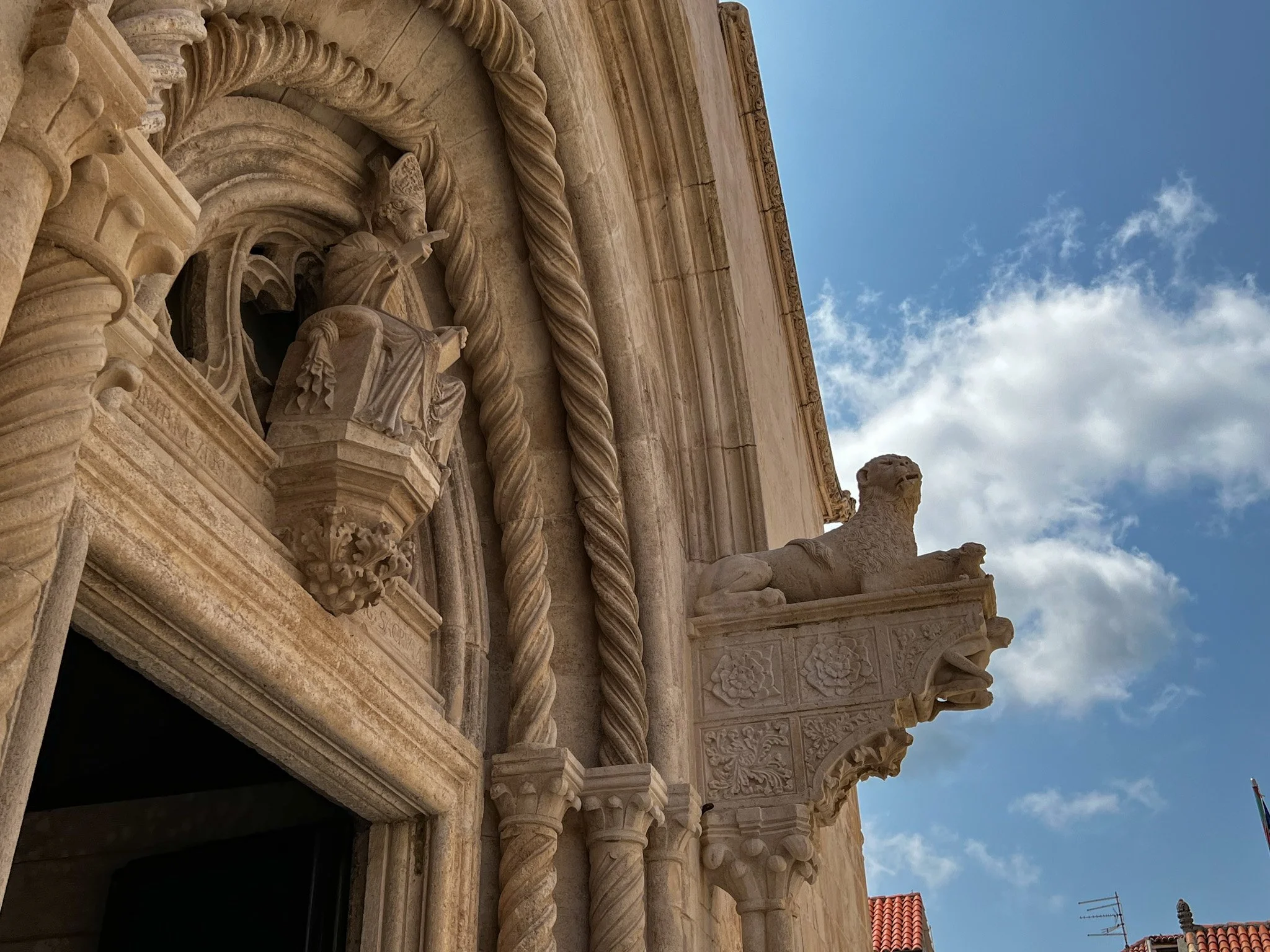
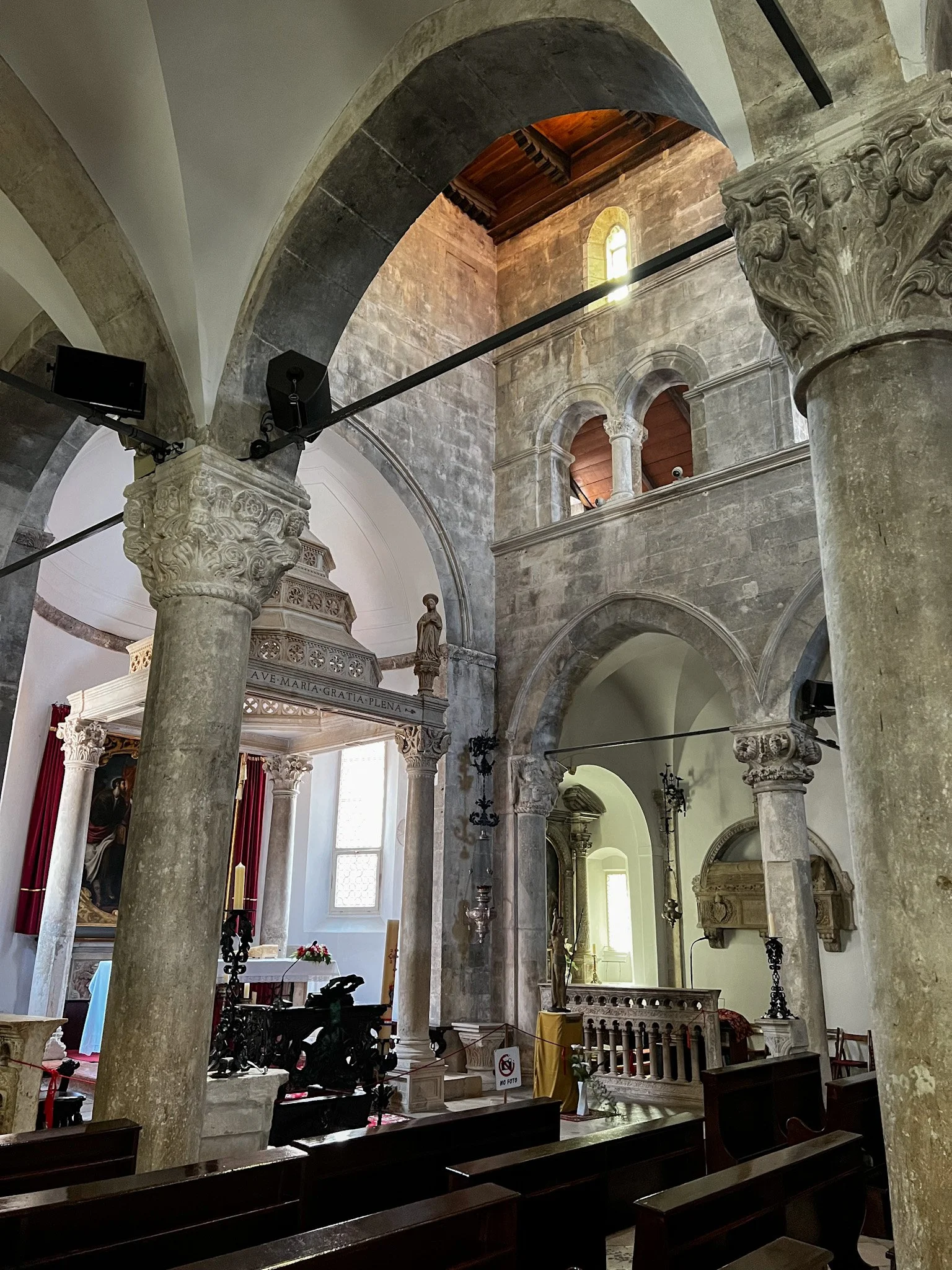
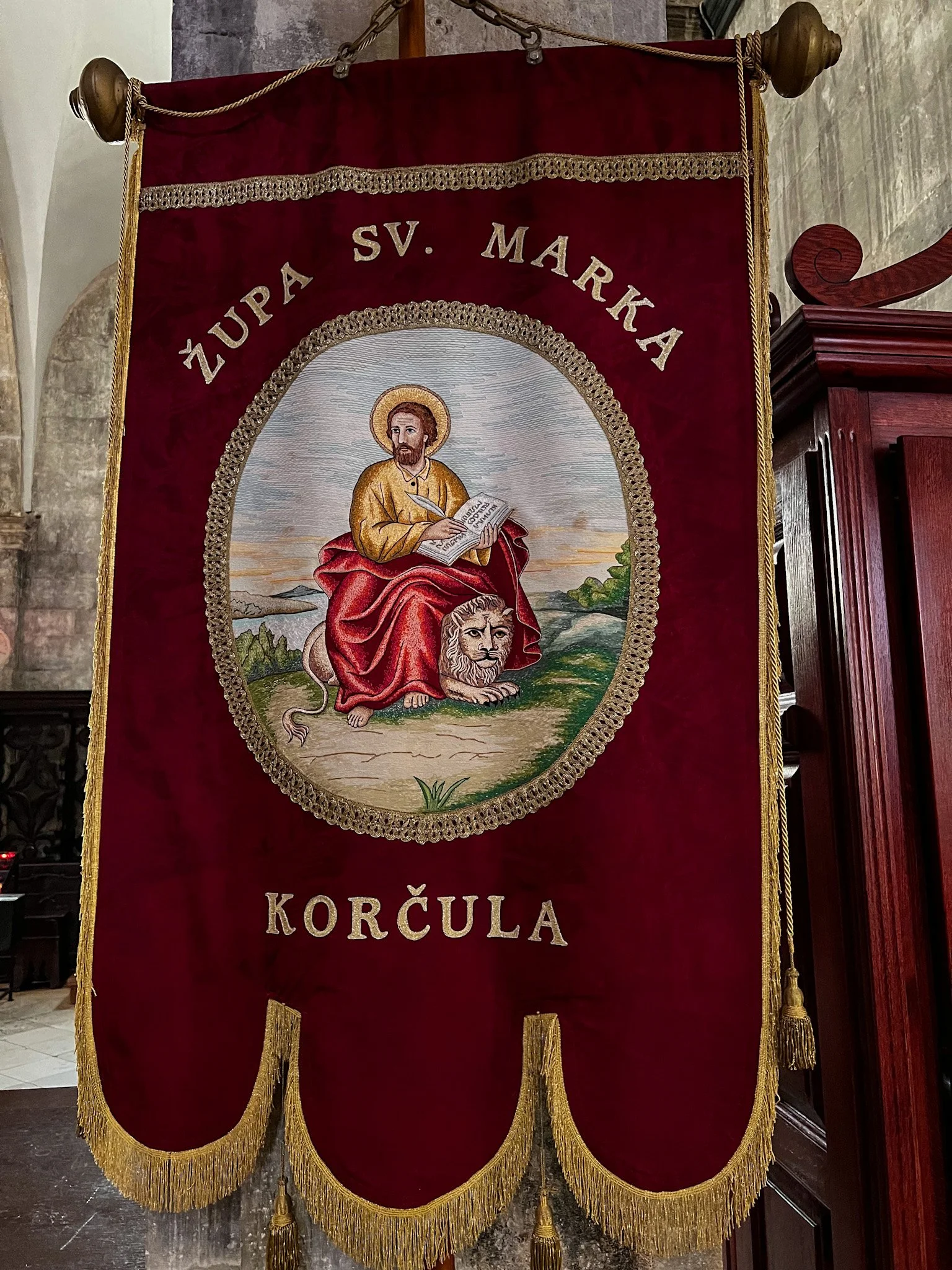
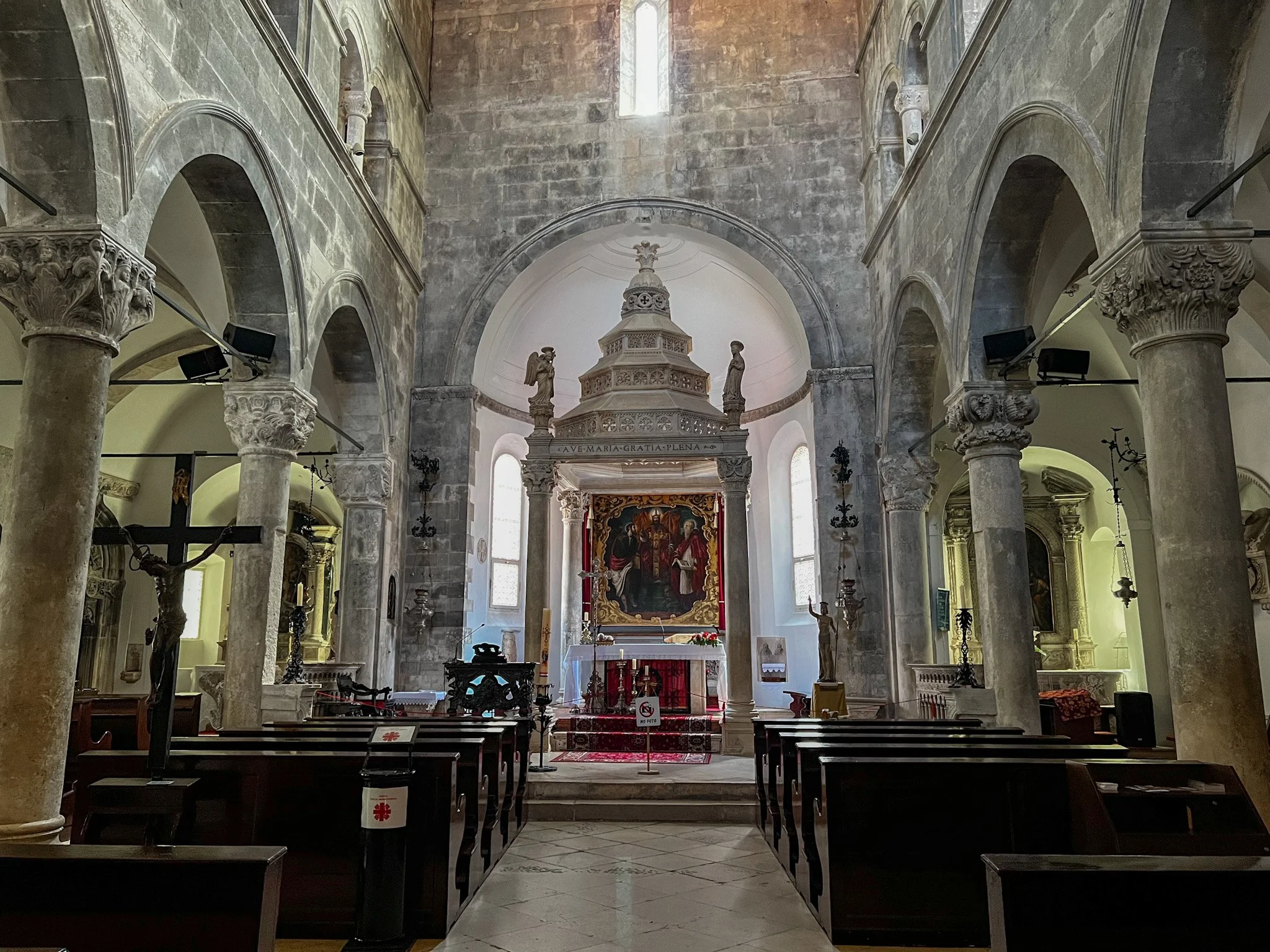
Right in the heart of the Old Town you’ll find St. Mark’s Cathedral, a stunning Gothic-Renaissance masterpiece and one of the most significant landmarks in the town.
Built between the 15th and 16th centuries by local stonemasons, the cathedral occupies a prominent position in the heart of the old town, perched on the highest point of the peninsula. Originally constructed on the site of a 13th-century church, it became the focal point of Korčula’s religious and cultural life. The cathedral’s design was the result of collaboration between local artisans and influential craftsmen from Dubrovnik and Venice. Inside, you can admire the elegant altarpiece painted by Tintoretto, along with other notable works of art and the stunning rose window on the façade.
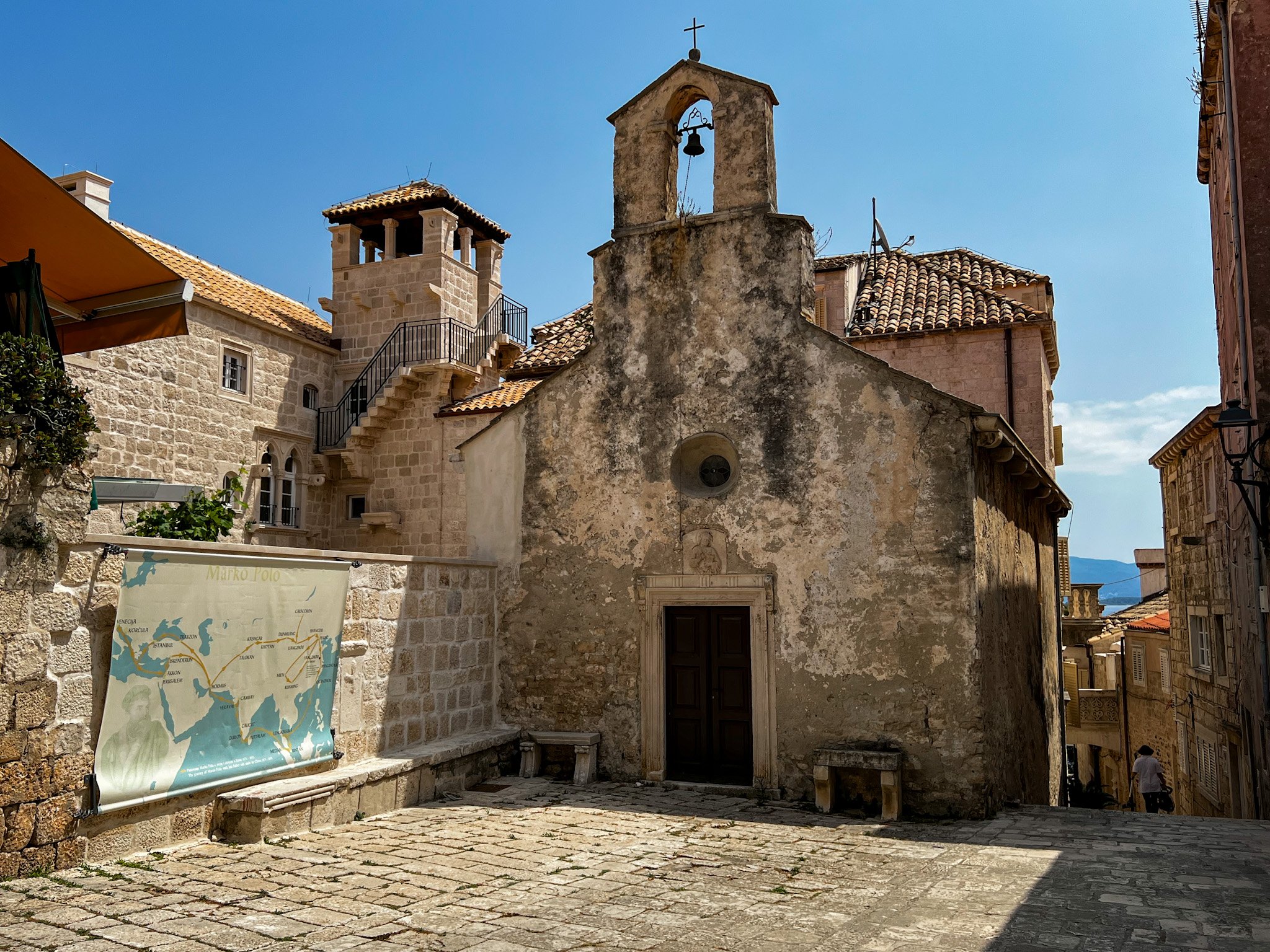
Just around the corner from the Cathedral you’ll come across Marco Polo’s house, the most prominent native of Korcula Island. Marco Polo (1254–1324) was a Venetian merchant, renowned writer, and explorer, best known for his travels along the Silk Road. Along with his father, Niccolò, and his uncle, Maffeo, Marco Polo was one of the first Europeans to venture along this famous trade route, which connected the Middle East to China.
While it is widely believed that Marco Polo was born in Korčula, the evidence to support this claim is somewhat ambiguous. Nevertheless, Korčula Town proudly boasts the alleged birthplace of Marco Polo, where visitors can explore the house, which, despite its rather simple interior, features a tower (loggia) offering panoramic views of the town. The house is under the protection of the Korčula Town Hall and is set to be transformed into the Marco Polo Museum.
Although the exact location of Polo’s birth remains uncertain, it is a historical fact that he was captured by the Genoese during the naval battle of Korčula between the Venetian and Genoese forces. Imprisoned in Genoa, Marco Polo dictated his remarkable travels to his cellmate, Rustichello, who later published the famous book The Travels of Marco Polo. The book introduced Western audiences to the exotic cultures of the Far East, including the use of coal and ceramics in China long before these became commonplace in Europe. While some of Polo’s stories seemed fantastical, they inspired countless explorers, including Christopher Columbus.
From the historic Marco Polo's house, take a leisurely left turn and continue walking until you reach the picturesque Korčula Port, which offers stunning views of the opposite shore.
While larger cruise liners typically dock at the nearby Sveti Nikola, smaller vessels find their place directly at the vibrant port, transforming it into a bustling hub filled with lively activity for both visitors and locals alike.
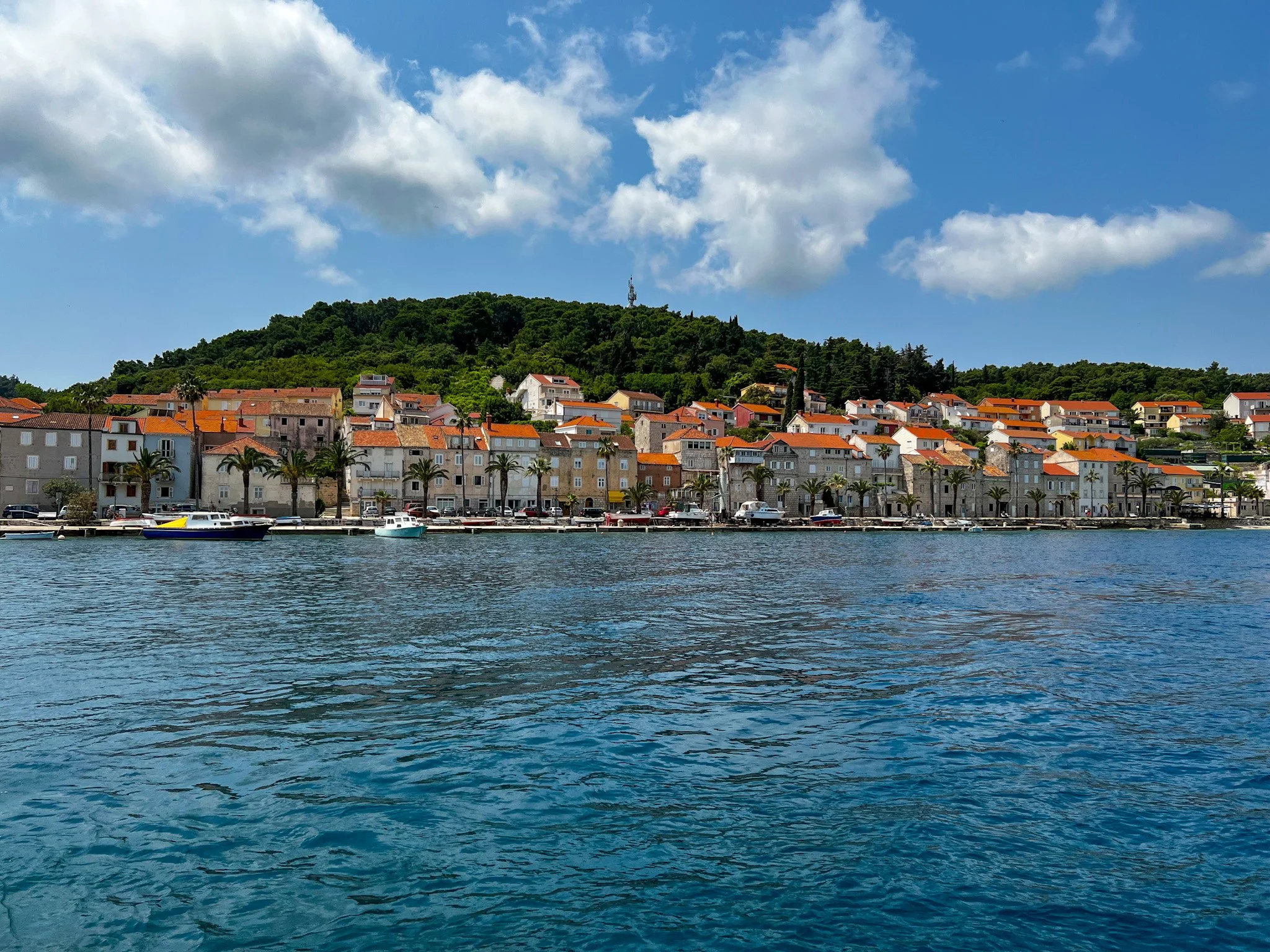
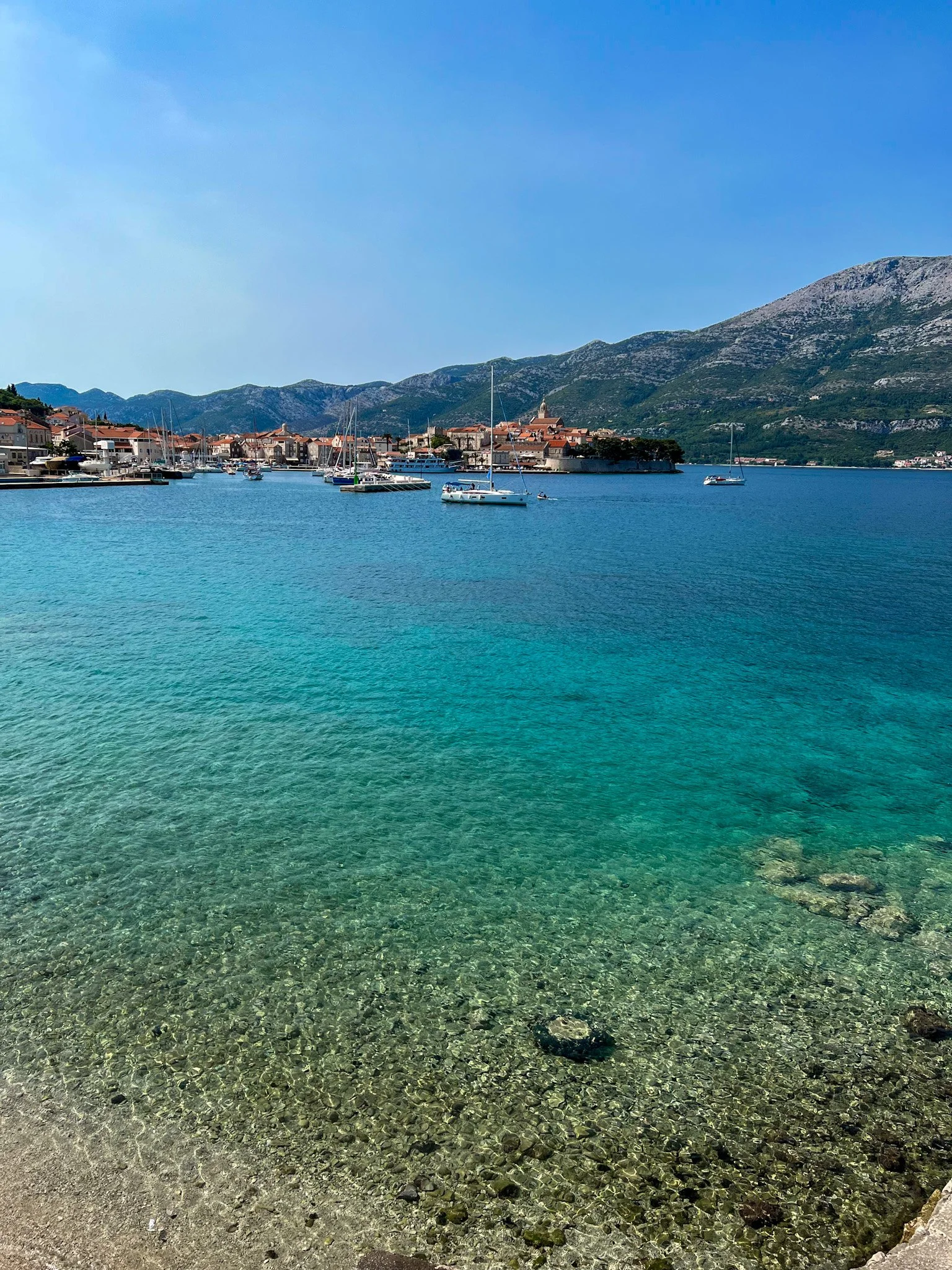
While Korčula is renowned for its winding streets and historic buildings, the island offers much more for those seeking natural beauty and relaxation. As a Mediterranean island, Korčula is also a paradise for beach lovers, boasting some of the most stunning coastlines in Croatia.
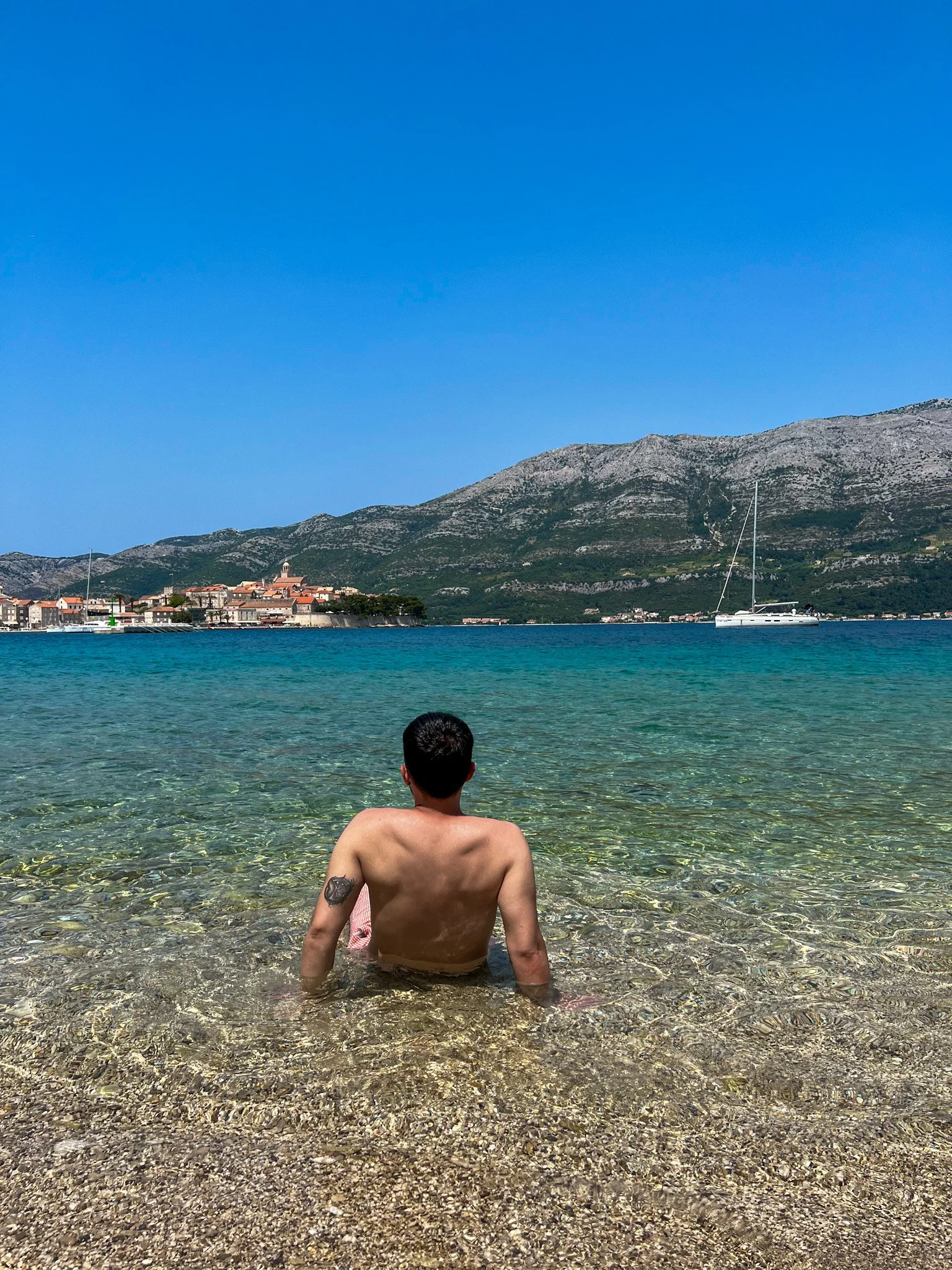
After exploring the Old Town, head to one of the many beaches surrounding the island to enjoy the crystal-clear waters and picturesque bays, making Korčula an ideal destination for swimming, sunbathing, and water sports.
Within walking distance from the Old Town, you can enjoy Banje Beach or Luka Korčulanska Beach. If you have some extra time and want to explore more beaches across the island, Vela Pržina near the town of Lumbarda and Pupnatska Luka on the southern end are famous for their sandy shores, making them some of the best spots for families and those looking to relax under the sun.
Where to stay in Korcula?
For our visit to Korčula we decided to stay at the Aminess Liburna Hotel, which was a wonderful choice. Set on a small peninsula, this hotel offers one of the best locations on the island, with breathtaking views of the Old Town and the crystal-clear Adriatic Sea. The hotel’s stylish and contemporary design, combined with its natural surroundings, creates a serene atmosphere perfect for both short and long stays. I loved how the rooms, with their warm décor and large glass walls, allowed me to enjoy the stunning views right from my bed.
The Aminess Liburna Hotel also offers a fantastic range of amenities that made my stay even more enjoyable. The swimming pool was a great way to relax, and the food was delicious, with a variety of dishes served on lovely round terraces. One of the highlights, however, was the small, secluded beach located below the hotel. This quiet spot felt almost private, providing a peaceful escape where I could enjoy the beauty of Korčula without the crowds.
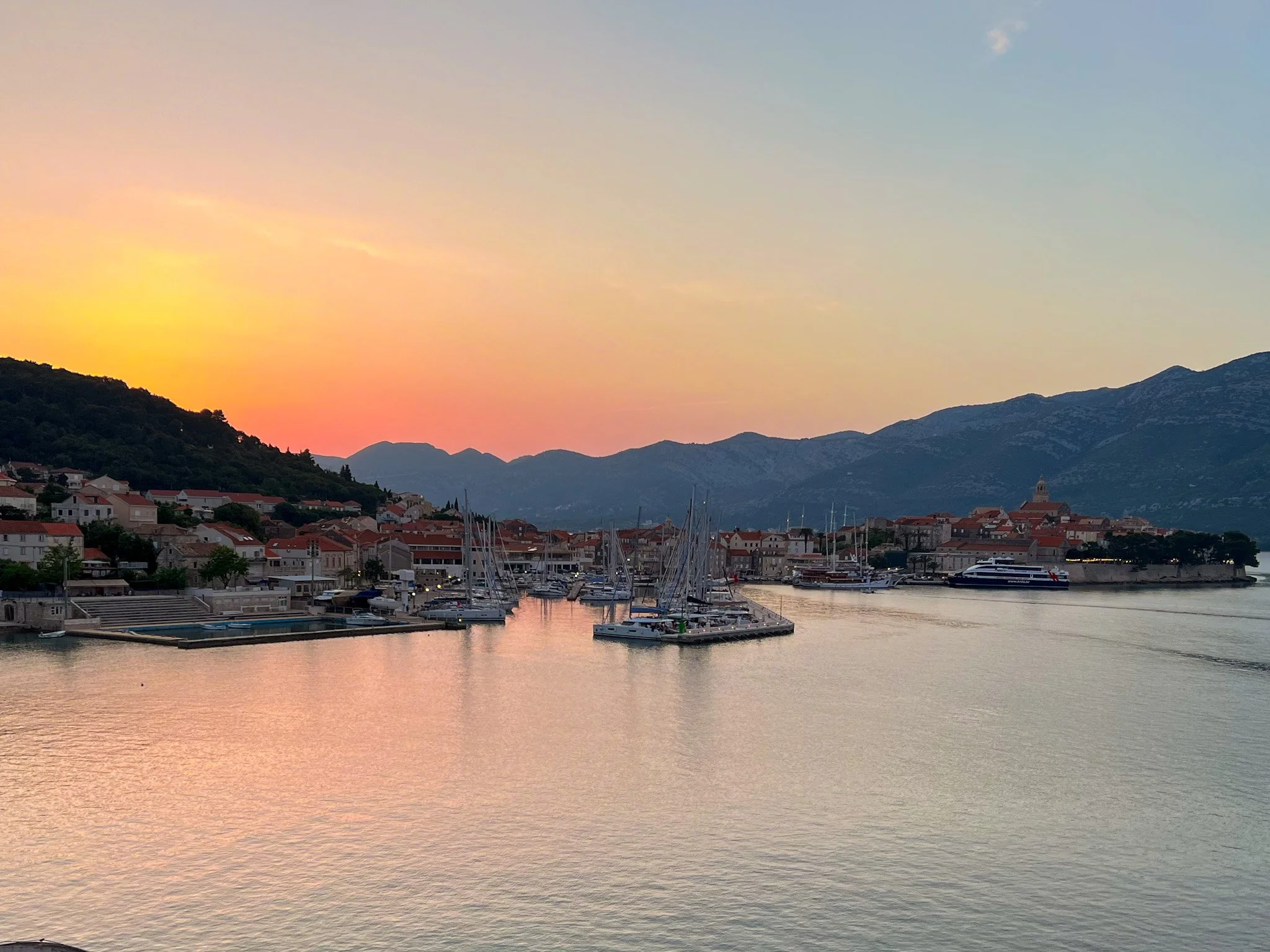
After two unforgettable days on Korčula Island, exploring its charming old town and relaxing on its beautiful beaches, we reluctantly said goodbye to this idyllic paradise.
It was now time to board the ferry again to continue our journey to Dubrovnik, the Pearl of the Adriatic, where centuries of history, spectacular architecture, and vibrant culture awaited us.
Some links in this post are affiliate links, which means that if you buy through them, we’ll receive a small commission. This will never cost you more and in many cases you will receive a special discount.
As always, all opinions are mine. We appreciate your support!


f you’re visiting Dubrovnik, a day trip to Mostar and the Kravica Waterfalls offers an unforgettable journey into the heart of Bosnia and Herzegovina’s history and natural beauty.
Mostar, a city renowned for its iconic Old Bridge, is a cultural gem that blends Ottoman, Balkan, and Mediterranean influences. Stroll through its charming cobbled streets, marvel at its stunning architecture, and immerse yourself in the rich history that makes Mostar a must-visit destination.
A short drive away, the Kravica Waterfalls provide a refreshing escape into nature. These cascading falls, set against a lush green backdrop, are perfect for a swim, a boat ride, or simply relaxing by the tranquil lake at their base. This combination of historical charm and natural splendour made this day trip to Bosnia and Herzegovina an unforgettable experience!