
Belmonte, Portugal: a journey through hidden faith and great discoveries
The Portuguese town of Belmonte is a captivating blend of hidden histories and monumental discoveries. Renowned for its vibrant Jewish heritage, Belmonte is famous for being home to a community of crypto-Jews who, after being forced to convert to Christianity in 1497, secretly preserved their ancestral faith for over five centuries, all under the watchful eye of the Inquisition. Today, the Jewish community has been restored to its former splendour, and visitors can explore this fascinating legacy at the Jewish Museum and the Beit Eliahu Synagogue, which stand as powerful symbols of Belmonte’s enduring Jewish heritage.
Belmonte is also the birthplace of Pedro Álvares Cabral, the legendary explorer who discovered Brazil in 1500 CE during the Age of Discovery. His extraordinary legacy is celebrated at the Museum of Discoveries, where visitors can delve into the history of his groundbreaking journey.
With its deep-rooted Jewish history and pivotal role in Portugal’s maritime legacy, Belmonte offers a unique and enriching glimpse into two of the country’s most fascinating and enduring legacies.
How to Get to Belmonte
Given the isolated location of Belmonte, getting there with public transport can be a bit challenging. However, if you don’t have your own car, there are a few options available to reach Belmonte from many Portugal and Spain main cities.
To travel from Lisbon to Belmonte, you can first take a train from Lisbon’s Gare do Oriente or Rossio Station to Covilhã, which takes approximately 2.5 to 3 hours. Once you arrive in Covilhã, you will need to take a local bus from the Covilhã Bus Terminal to Belmonte, which takes about 30 minutes. An alternative option is to take a Flixbus from Lisbon to Covilhã, which takes about 3.5 to 4 hours, and then take the bus connection from Covilhã to Belmonte.
From Porto, you can take a train from São Bento Station or Campanhã Station to Covilhã, which typically takes 3.5 to 4 hours. After arriving in Covilhã, you will need to transfer to a local bus that will take you to Belmonte, a journey that takes approximately 30 minutes. Alternatively, you can take a Flixbus from Porto to Covilhã and then use the bus connection from Covilhã to Belmonte.
If you’re arriving from Spain, you can take bus from Madrid or Salamanca to Vilar Formoso, which takes about 2.5 hours. From Vilar Formoso, you can continue your journey by taking a train to Covilhã, which takes about 1 hour. Once in Covilhã, take a local bus to Belmonte, which takes around 30 minutes.
History of Belmonte
Belmonte, a municipality in the district of Castelo Branco, Portugal, has a rich and diverse history dating back to prehistoric times. The area's archaeological sites, including megalithic structures and ancient fortified settlements, suggest that Belmonte has been inhabited for over 6,000 years. During the Roman period, the region's mineral wealth and fertile land attracted settlers, leading to the construction of roads and structures like the Centum Cellas, an ancient Roman villa in Colmeal da Torre. By the late 12th century, Belmonte was officially recognized as a municipality under the reign of King Sancho I, who granted it a charter to establish Portuguese control over the region.

In the 13th century, Belmonte became a thriving town, with a growing Jewish community alongside its Christian population. The town's Jewish community prospered through trade and was centered in an area now known as Bairro de Marrocos. However, the fate of the Jews in Belmonte took a dramatic turn in the late 15th century. In 1492, the expulsion of Jews from Spain and the forced conversions of Jews in Portugal 5 years later led to the emergence of a hidden crypto-Jewish community. Despite the pressures of the Inquisition, these crypto-Jews secretly maintained their Jewish traditions for centuries, passing them down through generations in secrecy.
The Cabral family, which played a prominent role in the history of Belmonte, further shaped the town's legacy. Members of the Cabral family, including the famous explorer Pedro Álvares Cabral, held significant positions in the town's governance and military affairs.
By the 16th century, Belmonte was known for its Catholic presence, but the crypto-Jewish community remained resilient. It wasn’t until the 1970s that the descendants of the marranos, as they were called, began reconnecting with the global Jewish community. This culminated in the establishment of a synagogue in 1996, signaling the public return to Judaism after centuries of secrecy.
What to visit in Belmonte, Portugal
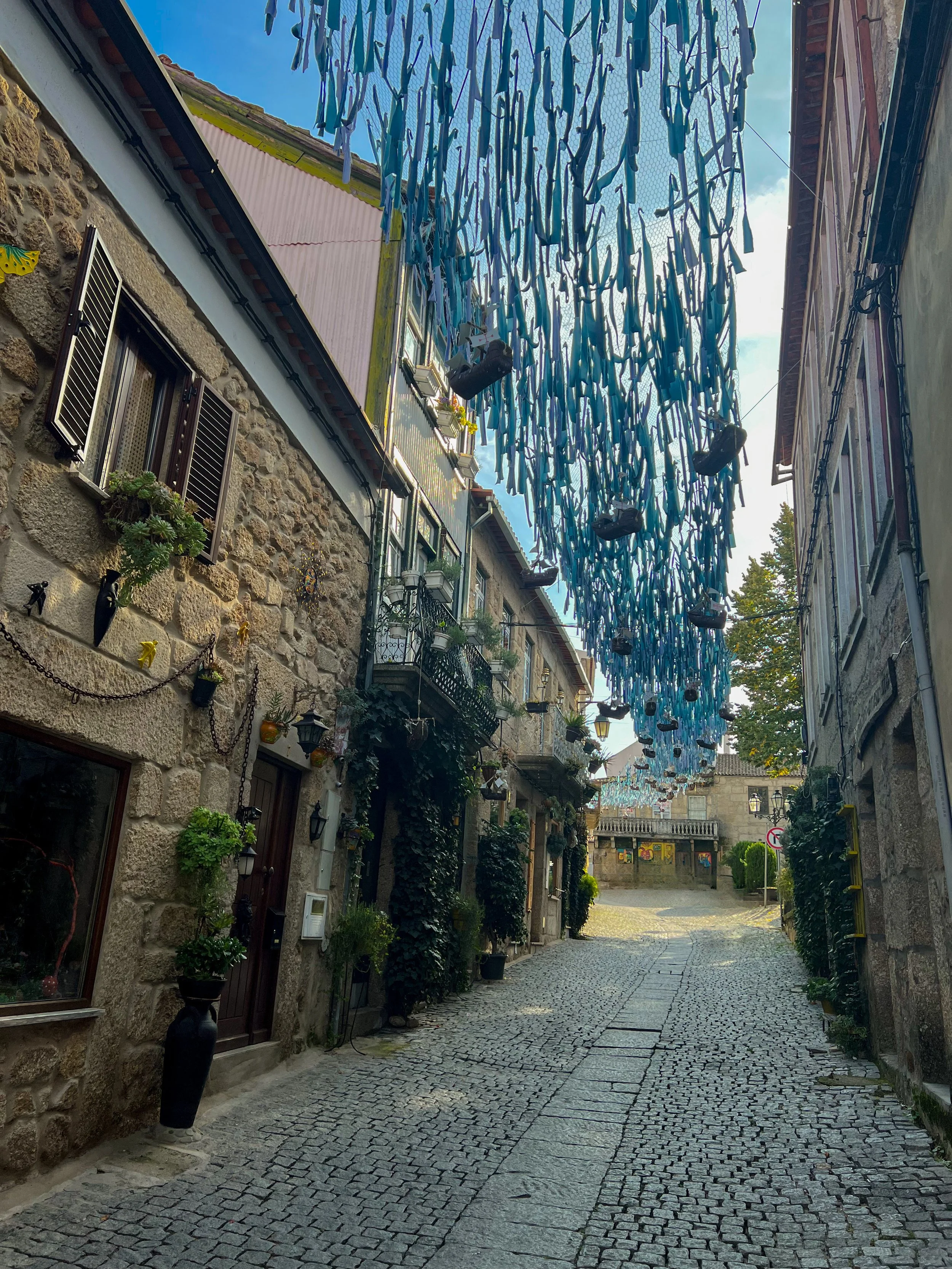
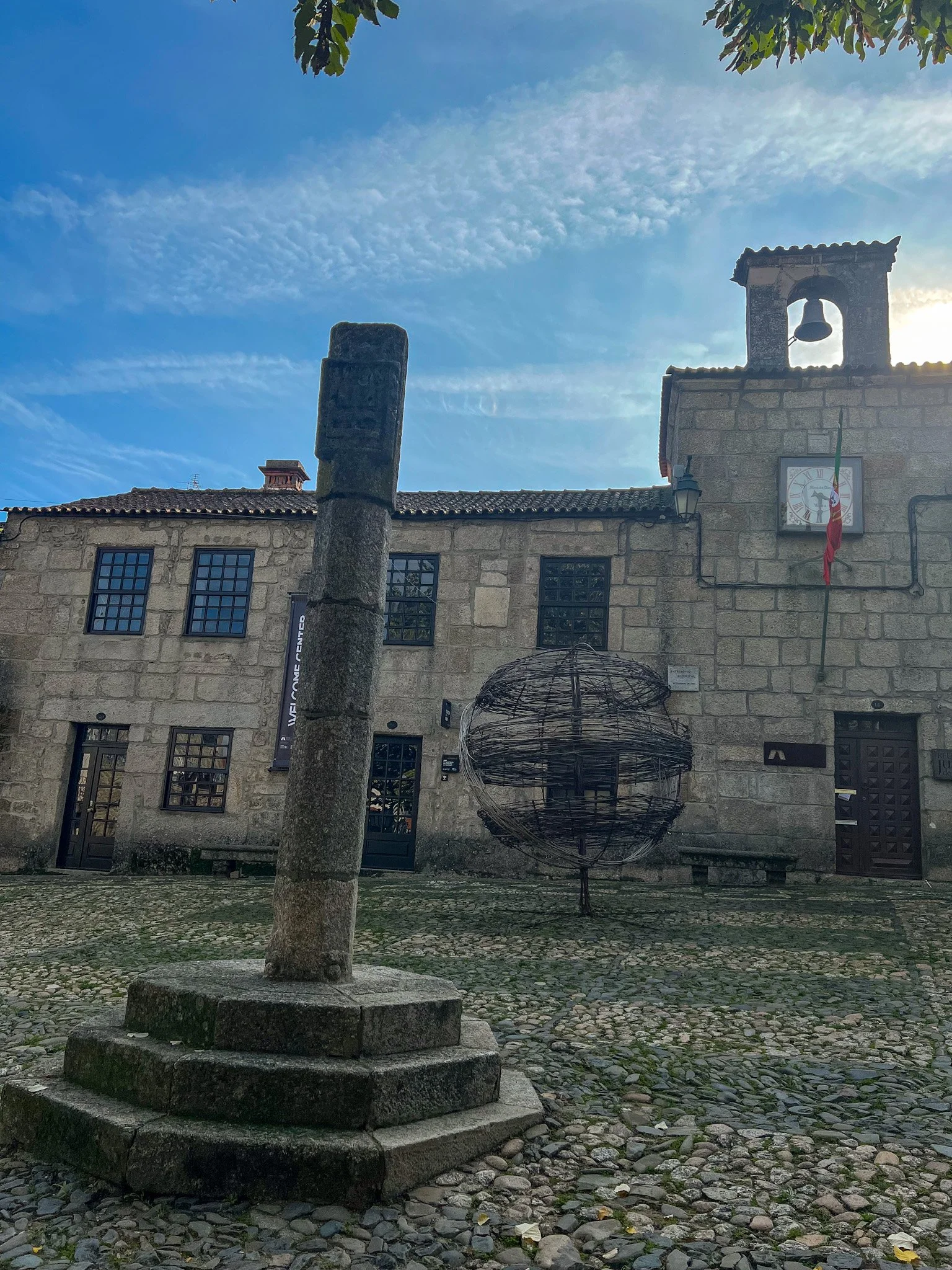
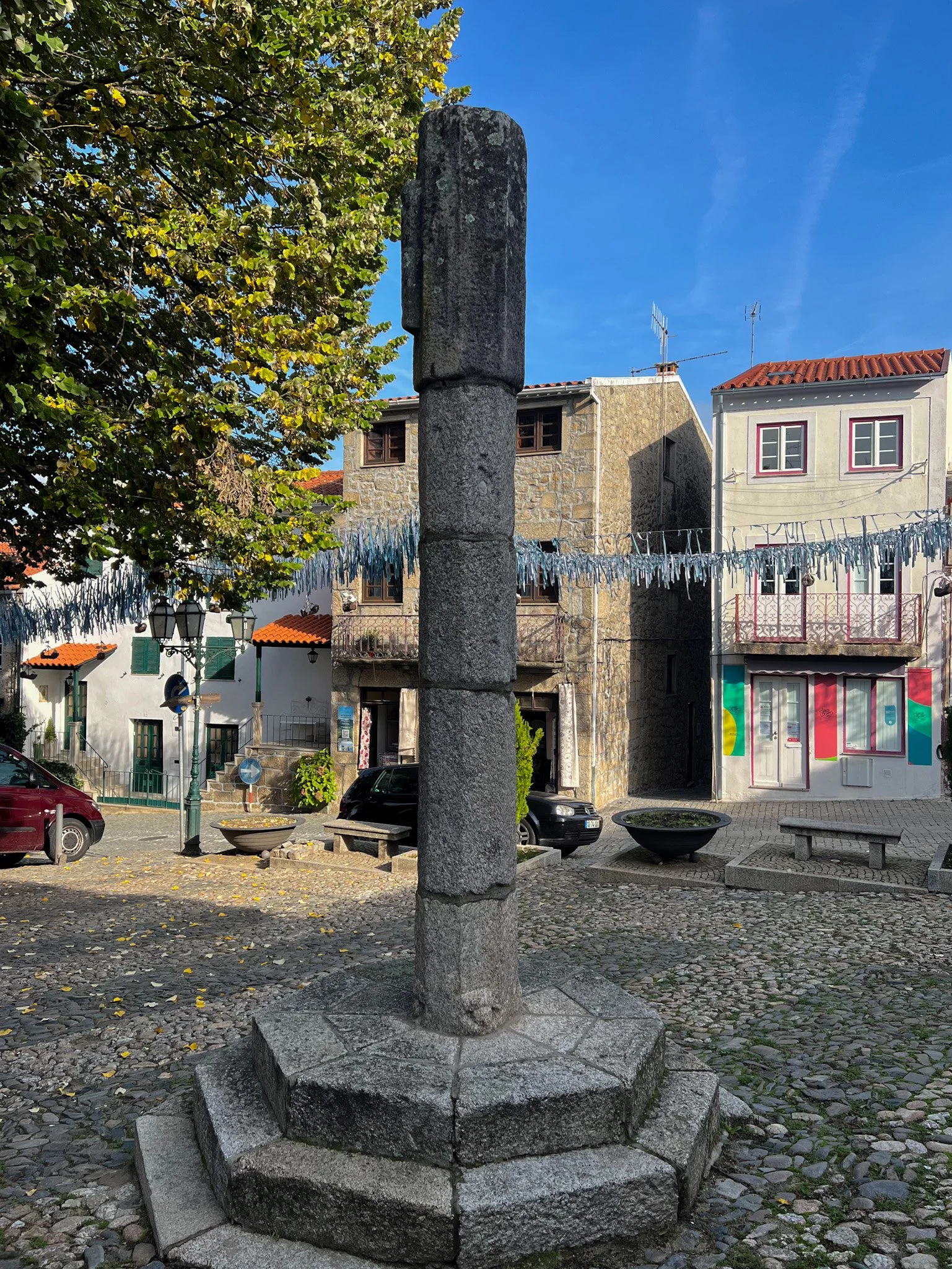
I highly recommend beginning your visit to Belmonte in the charming Praça da República, a picturesque square brimming with both history and local character.
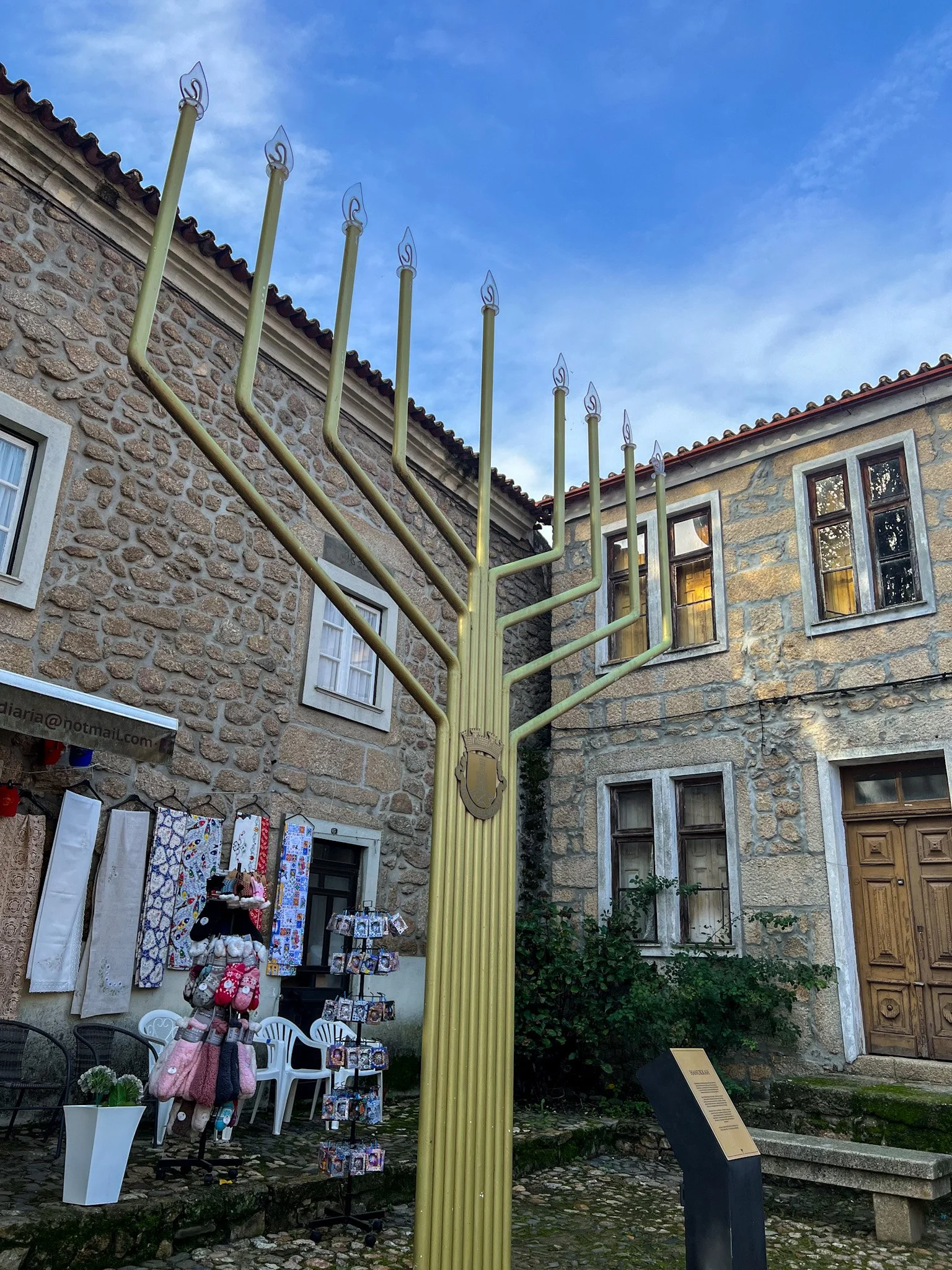
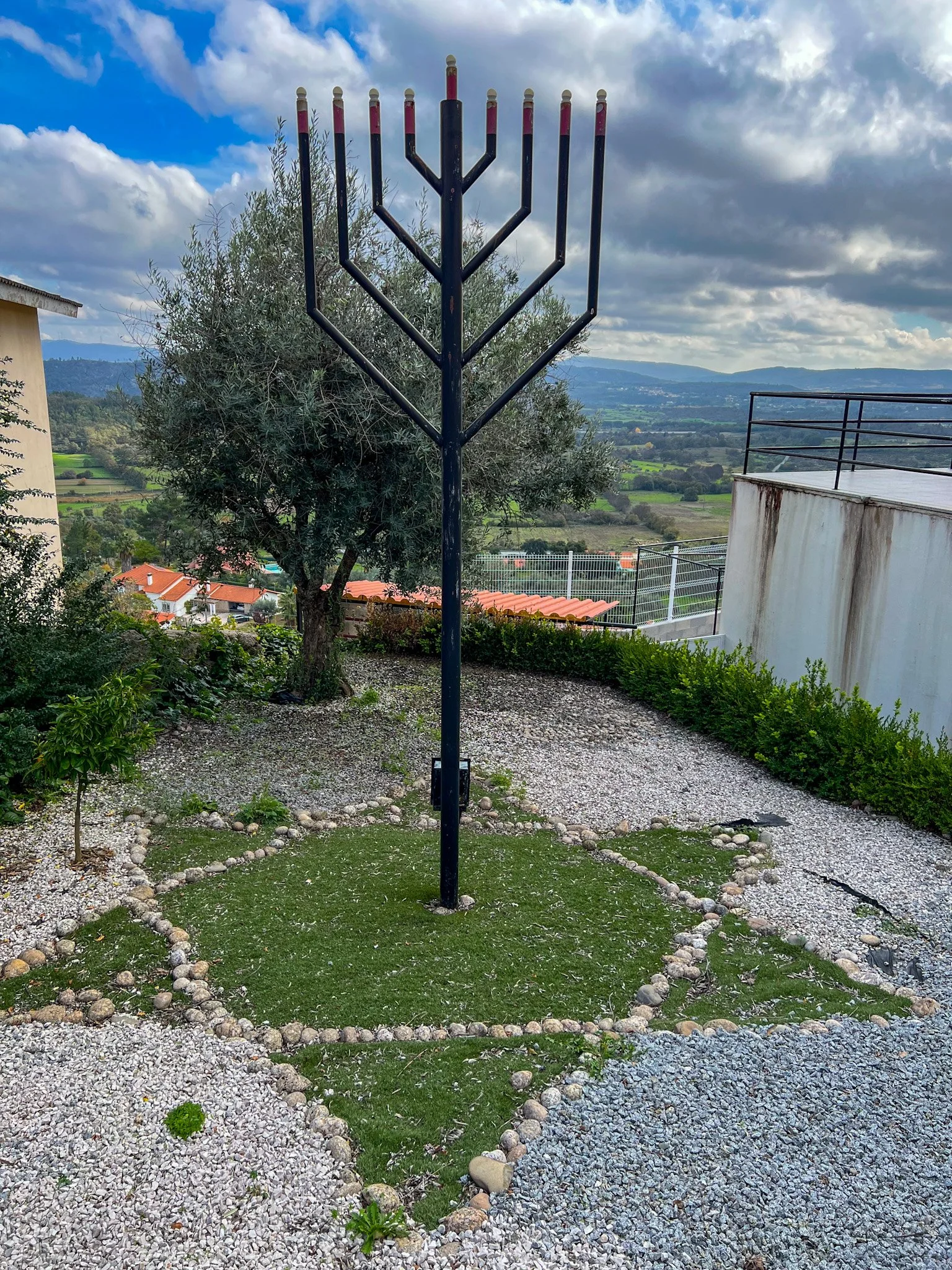
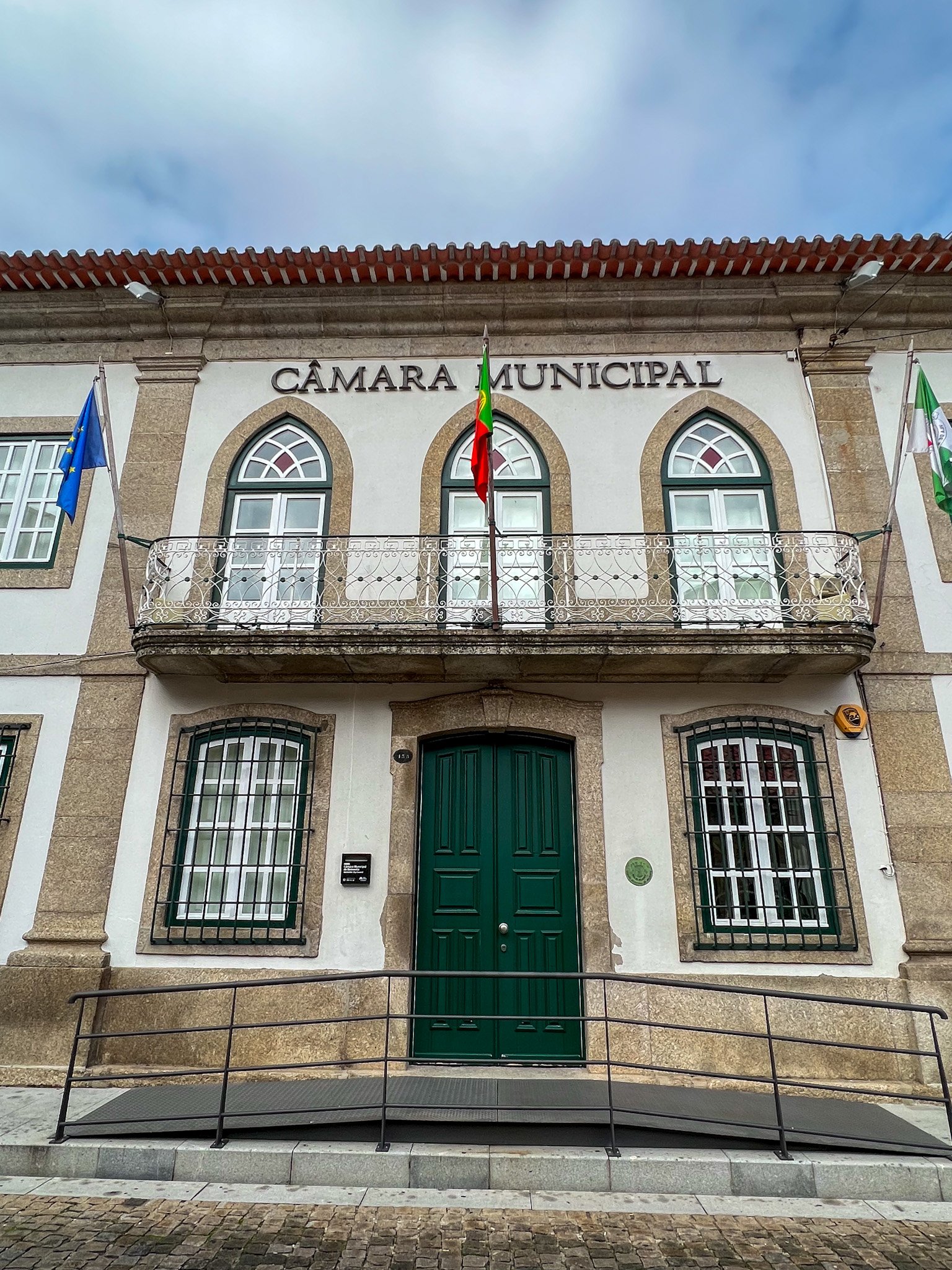
As you stroll along Rua 1.º de Maio, you’ll encounter the old City Hall building, featuring a clock tower and that now houses the local Tourism Office. At the very heart of the square stands a beautifully preserved 15th-century pillory—a stone pillar used for public punishment and humiliation—a fascinating reminder of the town's rich medieval history. Nearby, you’ll also find a menorah (or a hanukkiah to be more precise), symbolising Belmonte's deep-rooted and significant Jewish heritage.
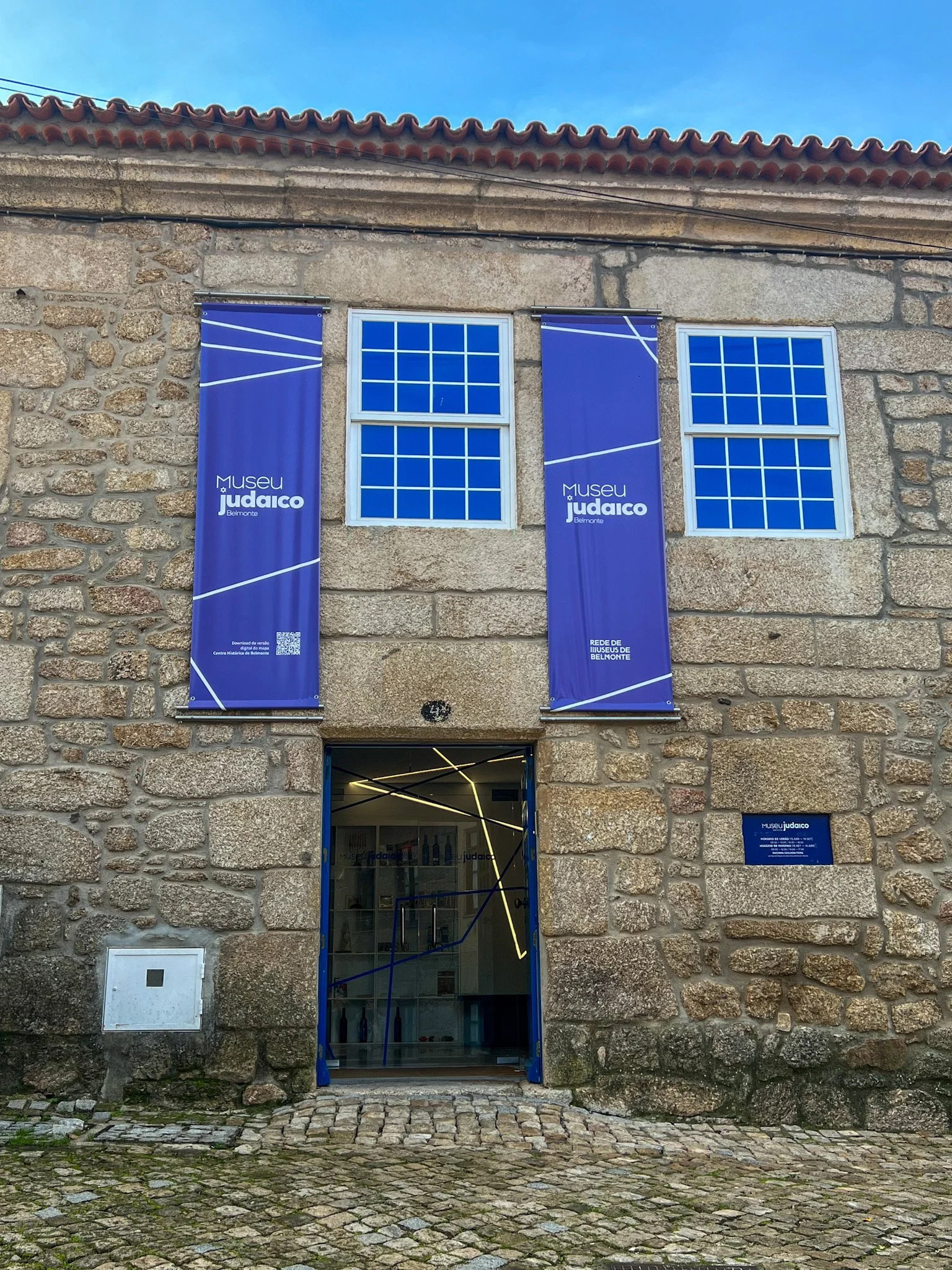
Next, make your way to the Belmonte Jewish Museum, the highlight of any visit to this historic town. As the first museum of its kind in Portugal, it tells the remarkable story of Belmonte's Jewish community, which survived centuries of persecution as a crypto-Jewish enclave.
The museum houses over a hundred fascinating artifacts, from religious items to tools of daily life, and has been recognized as one of the 50 best small museums in Europe. Following its 2017 renovation, the museum features interactive exhibitions that provide deep insights into Sephardic culture, drawing visitors from around the world. It’s an essential stop to truly appreciate Belmonte’s unique legacy.
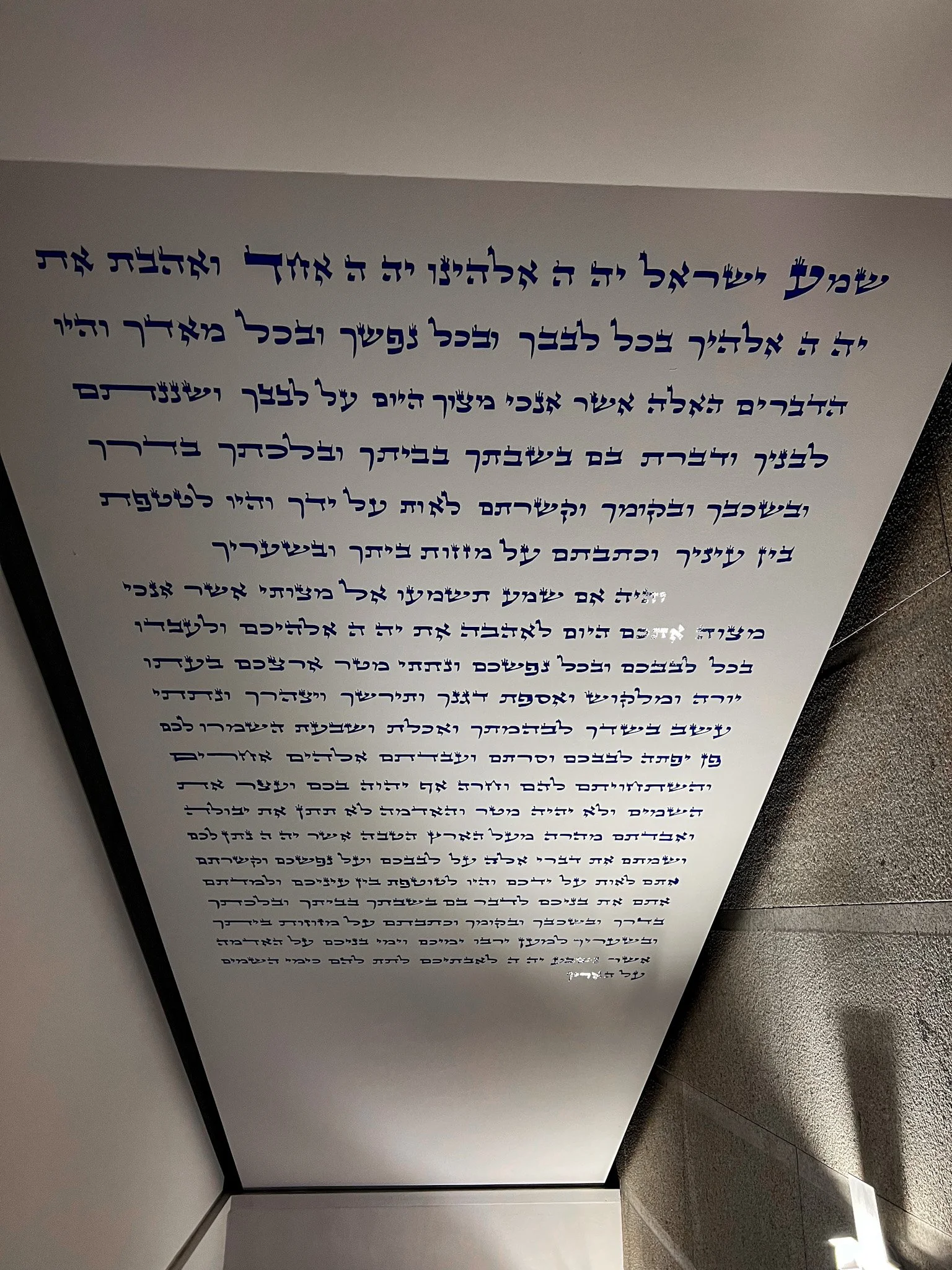
It isn’t completely clear when the first Jews arrived to the Iberian Peninsula. The destruction of the Temple of Jerusalem in 70 CE and the persecution of Jews drove many to leave the Promised Land for places like North Africa, Italy, France, Turkey, and also the Iberian Peninsula. There are other hypotheses that suggest Jews were present in the Iberian Peninsula as early as the 10th century BCE during King Solomon's reign due to trade with Israel.
Most Hebrew historians point to Jewish settlement in the Iberian Peninsula around the Temple's destruction and the Babylonian exile in 586/87 BCE, while biblical scholars reference "Sepharad" in Obadiah 20 as a colony of exiles who may have settled in the Iberian Peninsula, giving rise to the term "Sephardic," referring to Jews of Iberian descent.
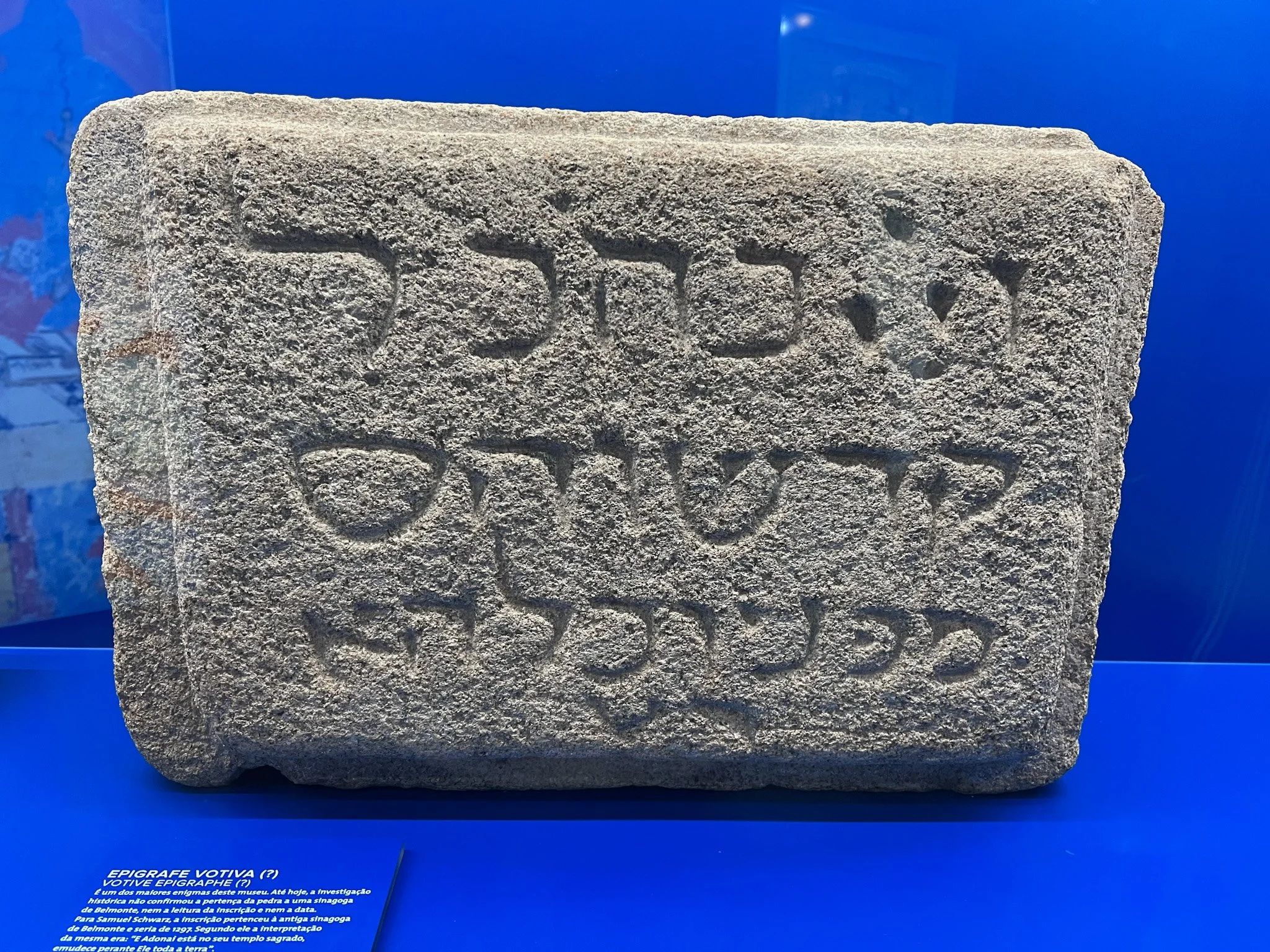
During the Middle Ages, Jews in Portugal were a significant religious minority, more numerous than Muslims and under royal authority. The king granted them residency through community charters, allowing freedom of worship, education, and adherence to the Torah and Talmudic laws.
They were governed by their own legal system, with a chief rabbi handling their court matters. Individual contracts permitted Jews to travel, settle, acquire property, and engage in trades such as artisans, merchants, doctors, and astrologers, distinguishing them as valuable courtiers. Their financial skills made them chief creditors and tax farmers, although King John II prohibited them from taxing Church properties.
After the forced conversion of Portuguese Jews to Christianity in 1497, Belmonte became home to a small community of New Christians that mostly went unnoticed by the Inquisition at first. Some cases were recorded, but they mainly excluded those who confessed to practicing Judaism in Coimbra or Lisbon, and those arrested based on family accusations.
Common to all cases was the accused's claim of belief in the Law of Moses for their salvation, often practicing various Jewish ceremonies. In the 18th century, the Inquisition began to target the village's residents more aggressively. Records show that not all accused were New Christians; included were Lourenço Belmonte, an Italian Franciscan, and José Saraiva, a bigamist. Some claimed to be Old Christians without proof of "impure blood," like João Martins Neto, for whom the accusations could not be verified.
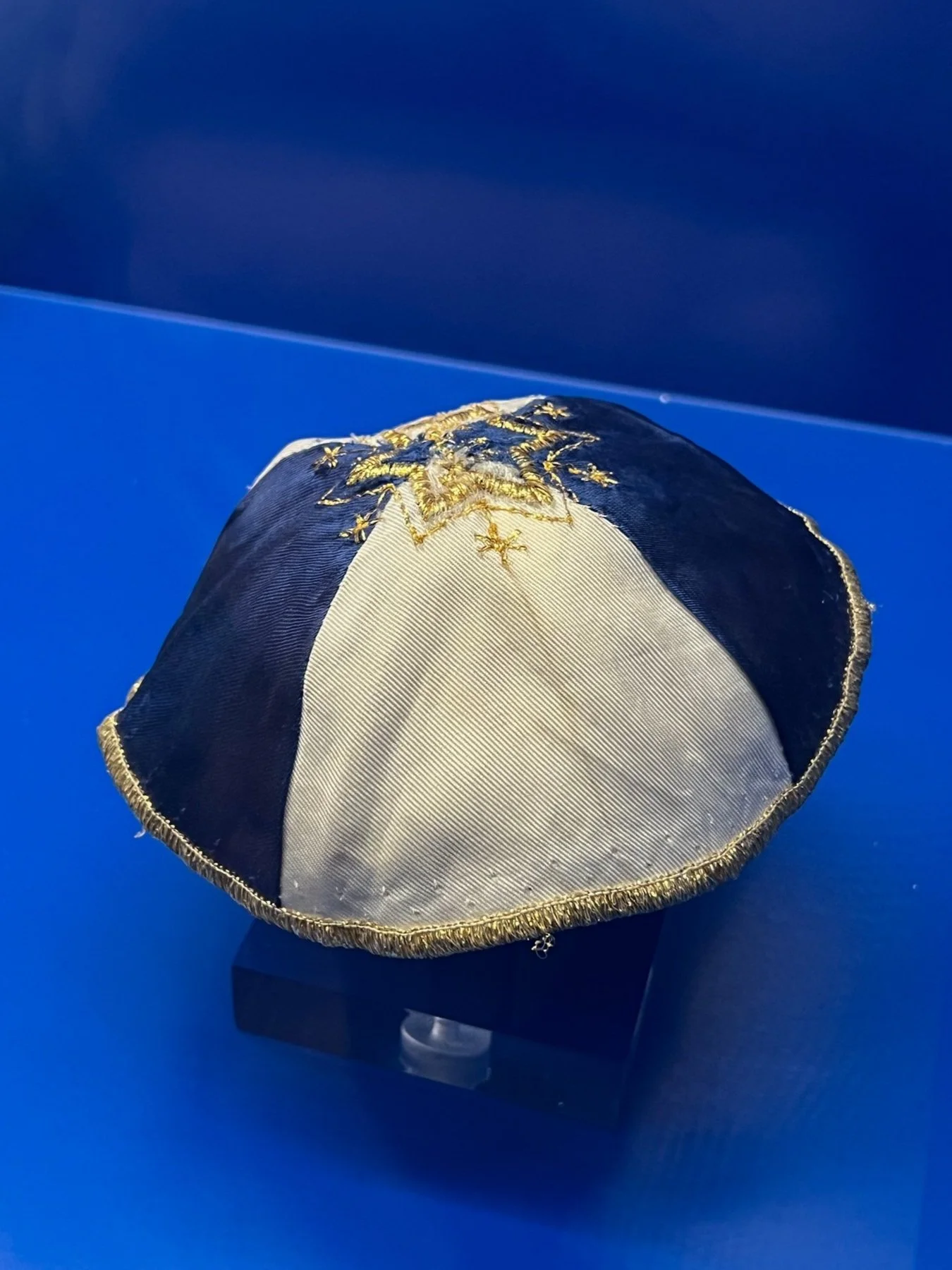
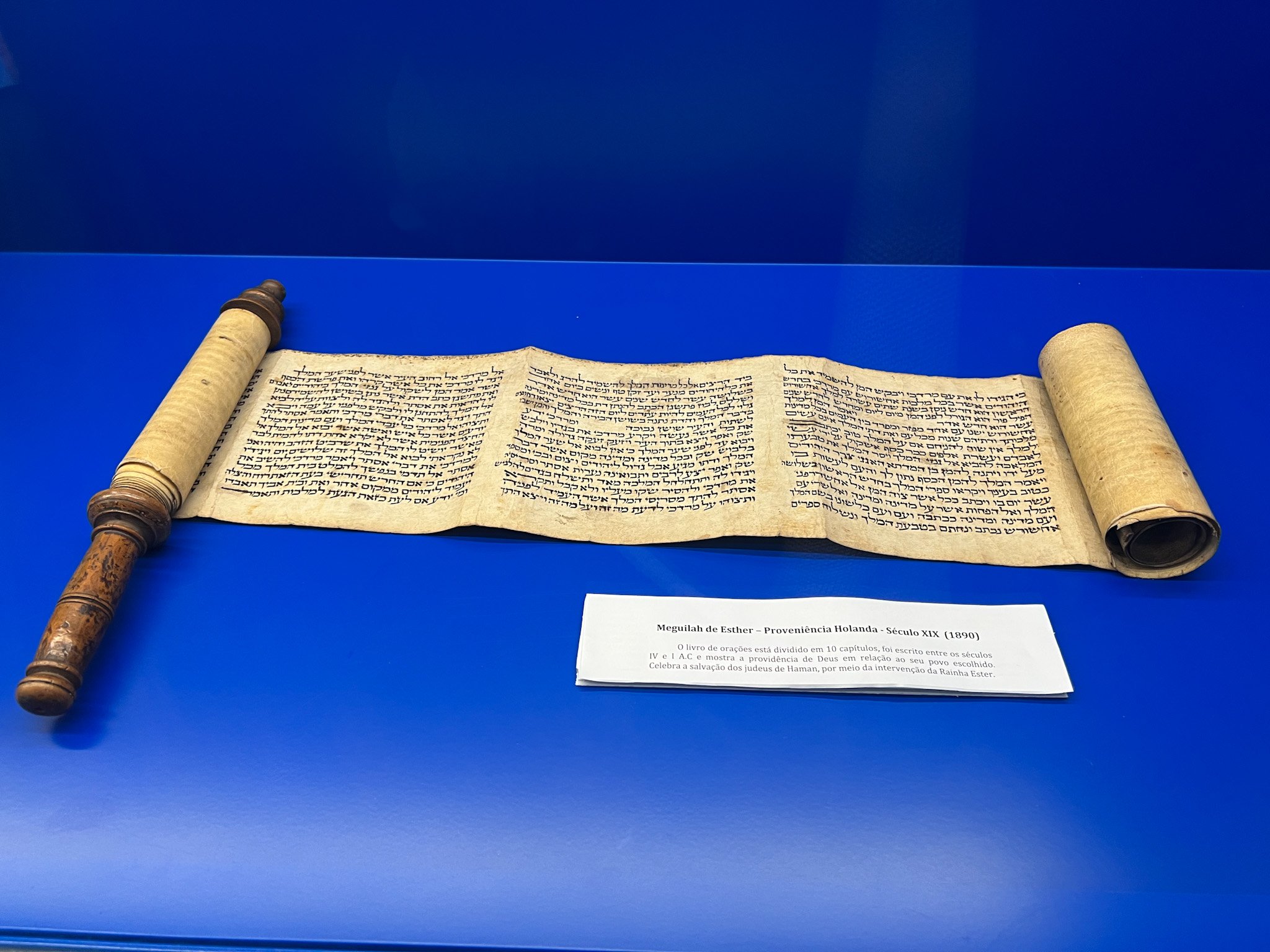
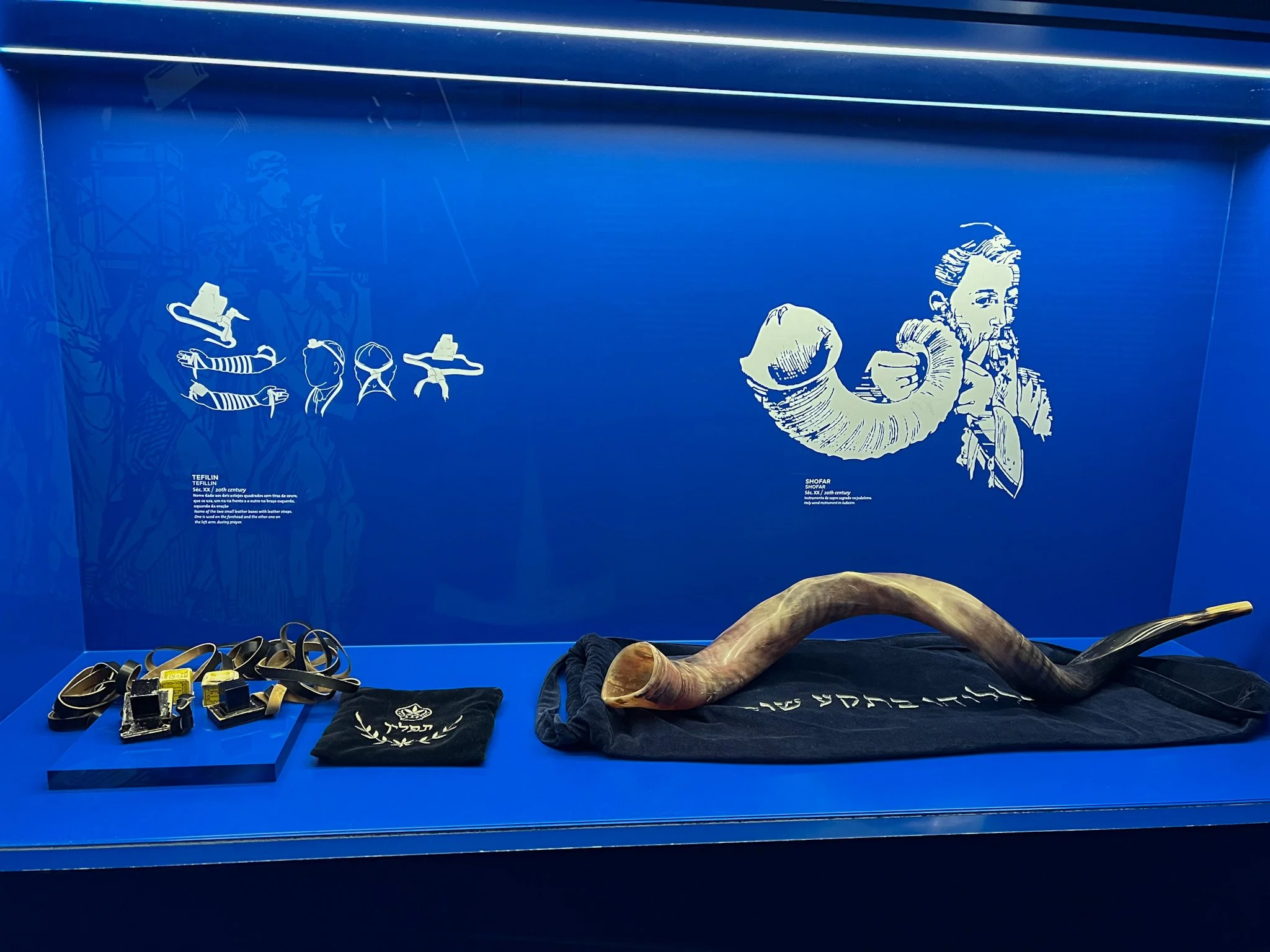
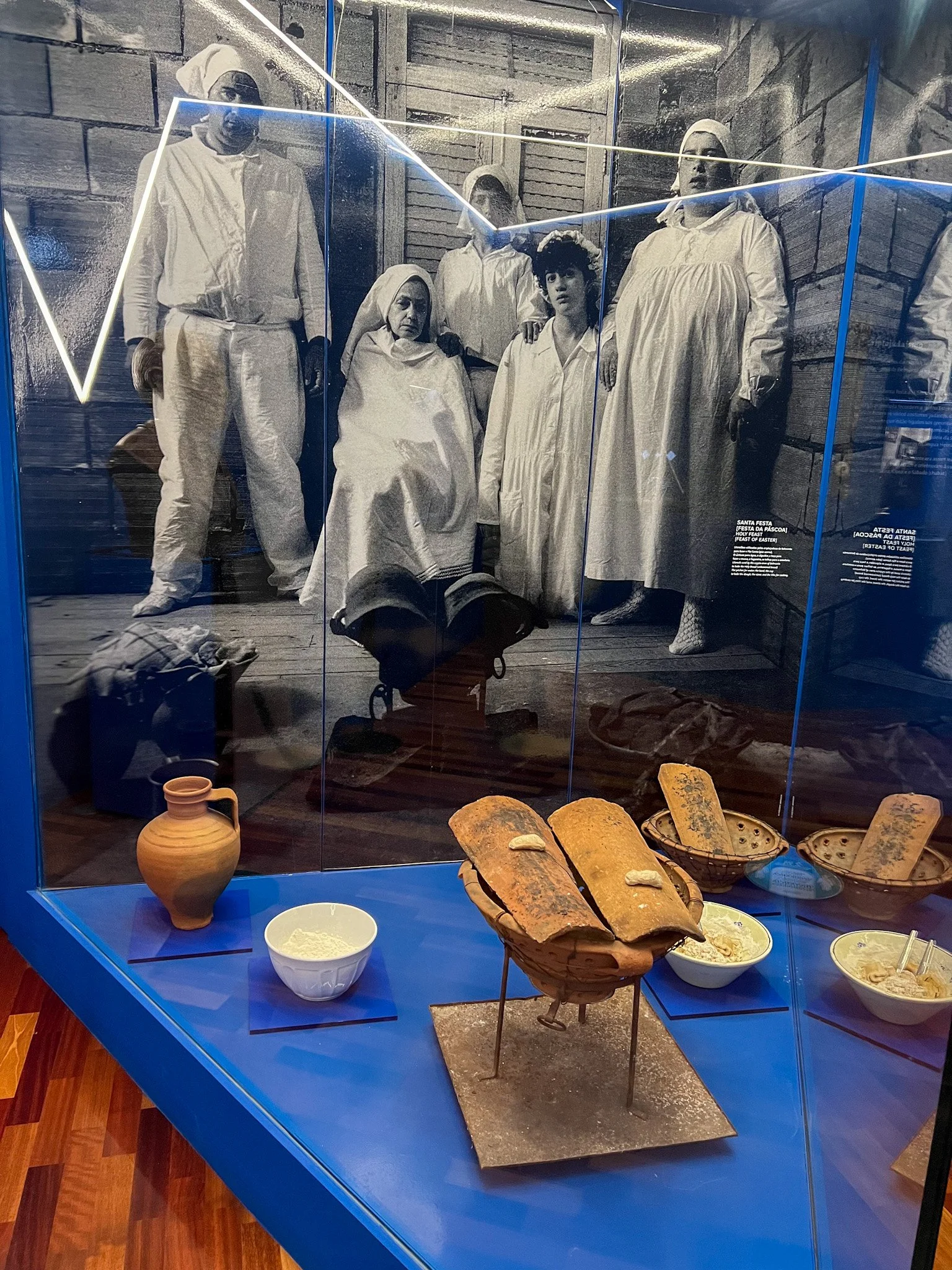
The Inquisition forced the crypto-Jews of Belmonte to forget much of Jewish law and customs, losing knowledge of festivals like Shavuot, Sukkot, Hanukkah, and Purim, though they remembered Queen Esther and observed a fast in her honor.
Key practices related to household customs, dietary laws, and circumcision disappeared, leaving only Passover, Yom Kippur, and the Sabbath celebrated in their own manner. Women were vital in preserving these traditions, conducting ceremonies in secrecy despite being known to their Christian neighbors. Their heritage was transmitted orally, with Adonai (Lord) being the sole retained Hebrew term.
In 1917, Polish Jewish engineer Samuel Schwarz arrived in Belmonte to oversee mining operations. A local merchant's remark about a neighboring Jew intrigued him about the area's Jewish history, leading him to study the community. Gaining their trust, he was accepted by Belmonte’s secret Jews.
In 1925, he published "The New Christians in Portugal in the 20th Century," attracting attention to Portugal’s hidden Jews. This inspired Lucien Wolf from the London Jewish community to visit in January 1926, where he met secret Jews across several cities and proposed an international mission near Porto for their education and cultural revival. The movement for the Rescue of Portuguese crypto-Jews began in 1926 and spread globally, especially among Sephardic communities.
The 20th century saw the gradual emergence of Belmonte's Jewish community, culminating in the 1980s when crypto-Jews began to openly practice Judaism. Public perception shifted after the democratic revolution on April 25, 1974. In 1988, the Jewish Association of Belmonte formed, later becoming the Jewish Community of Belmonte in 1989. That year, members underwent circumcision, and a Jewish wedding occurred for the first time since 1496. An improvised synagogue was established, and a rabbi from Israel arrived in 1990, marking a significant transition to open Jewish life in Belmonte.
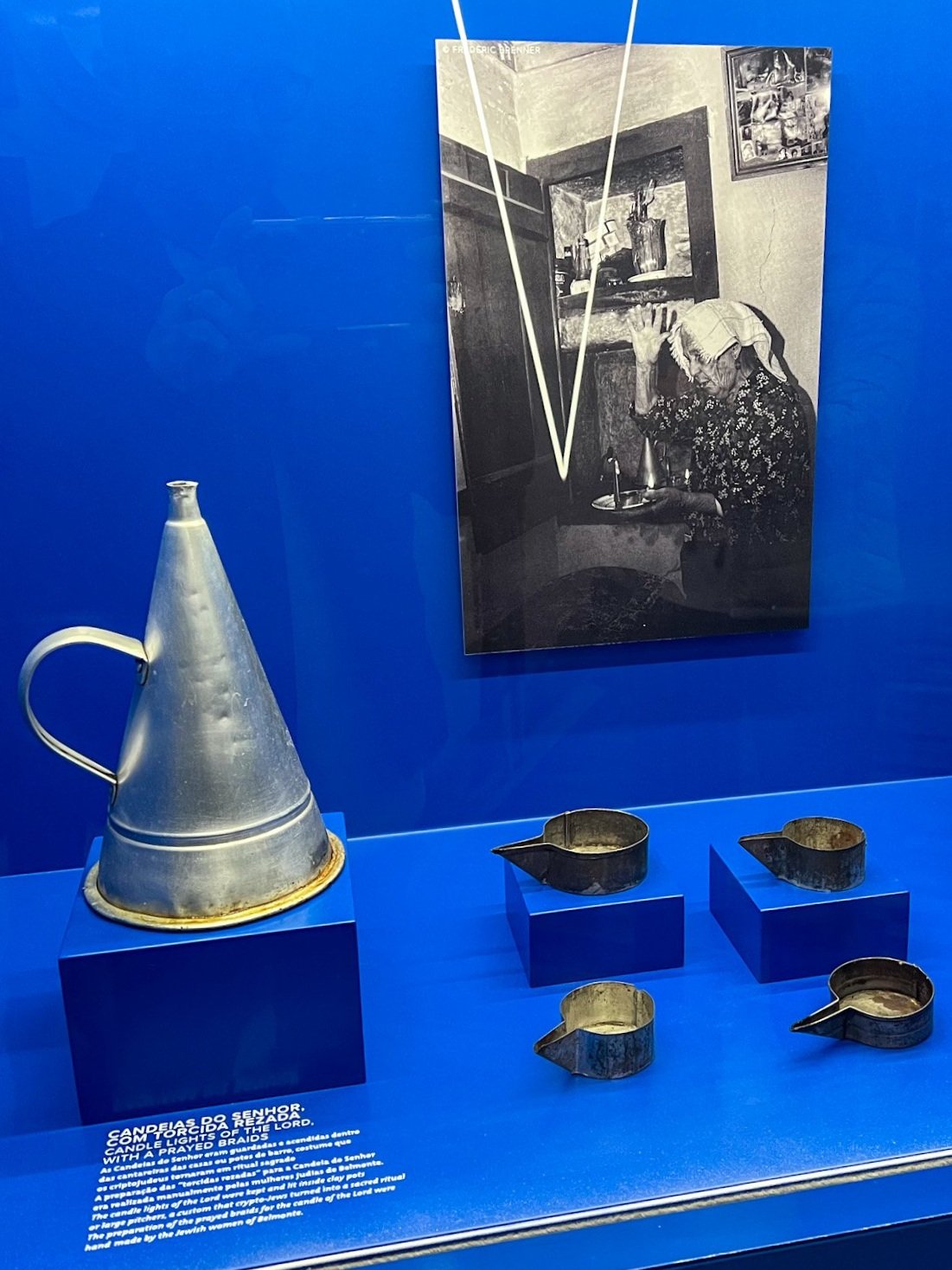
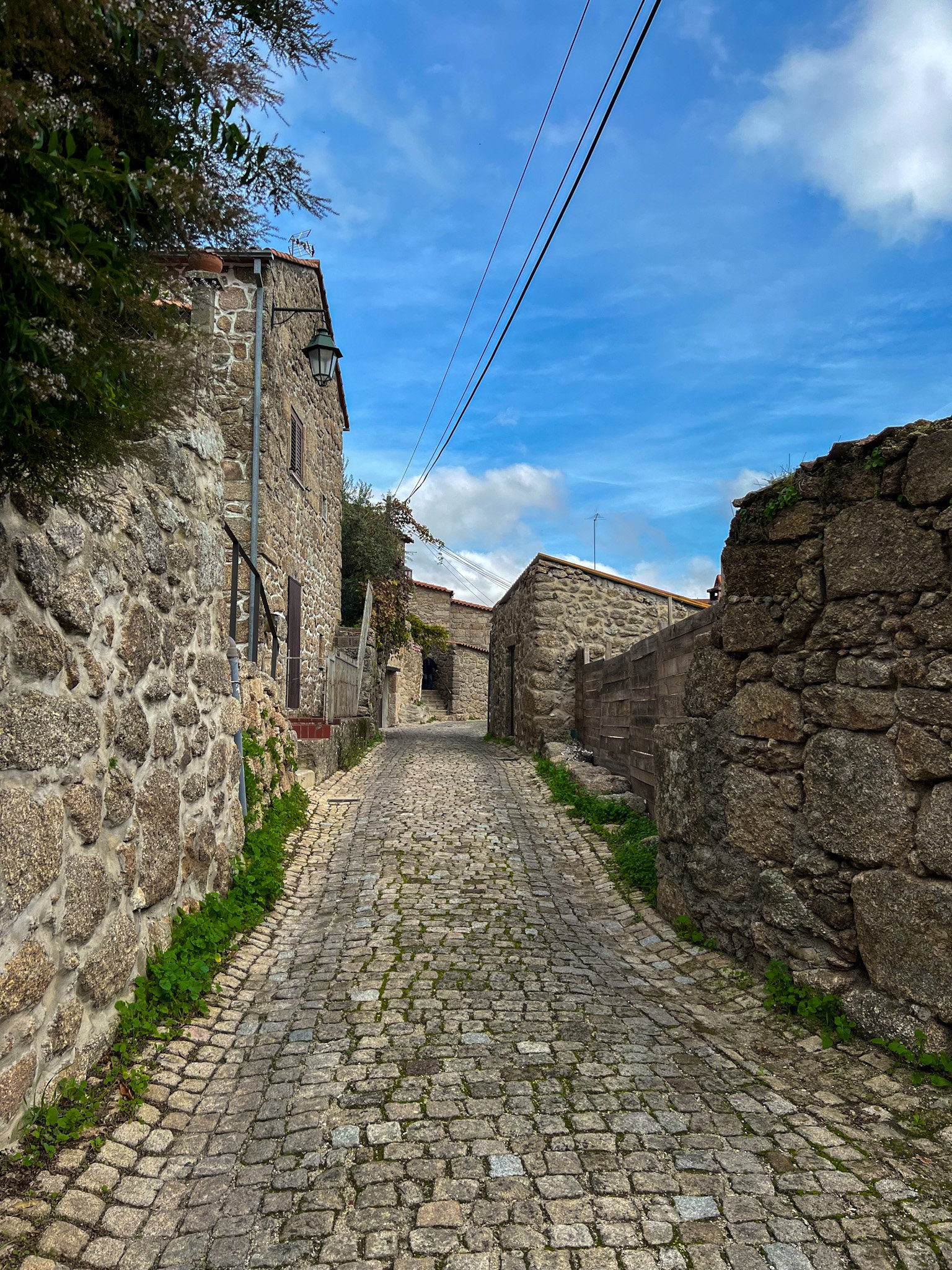
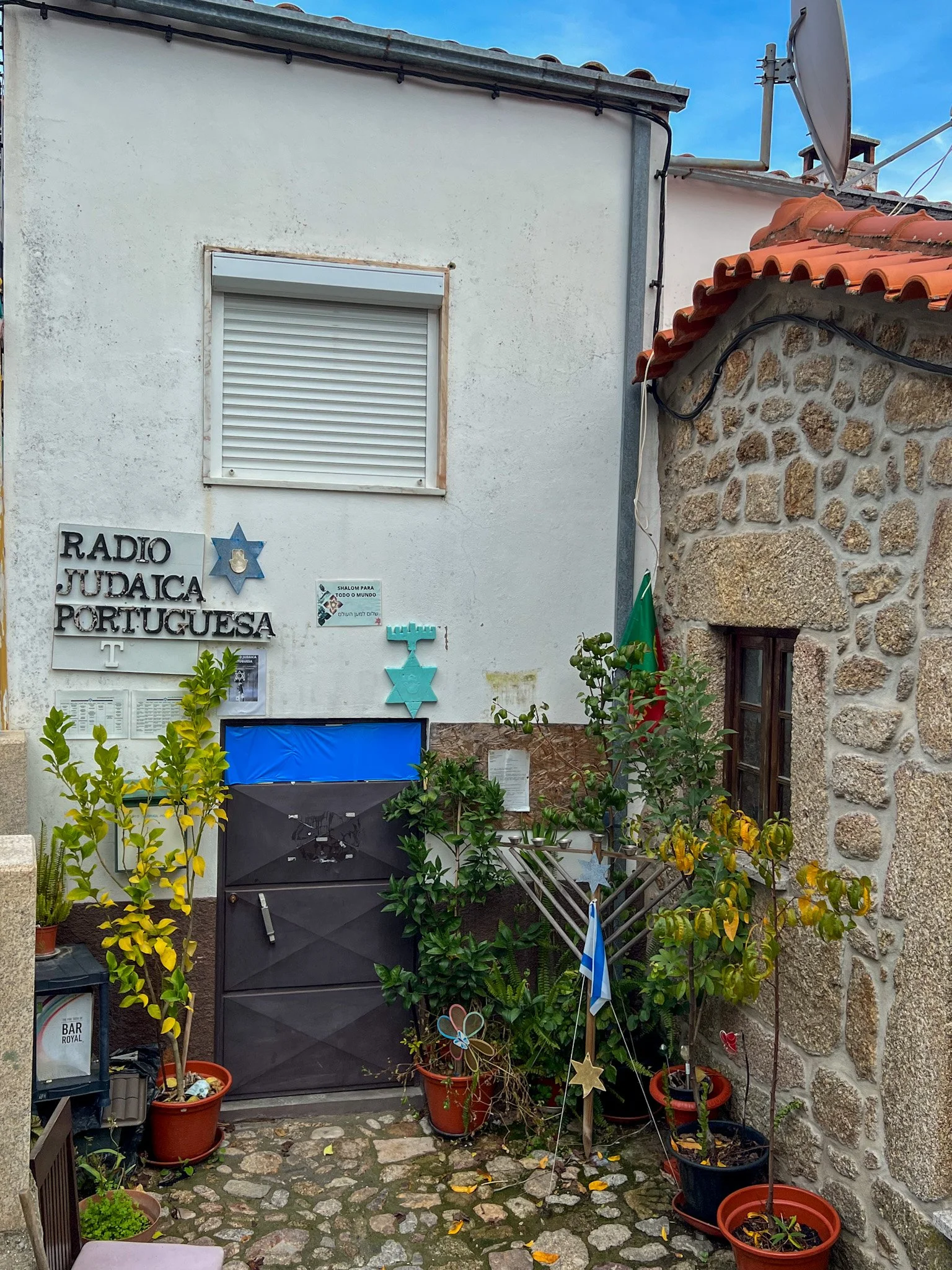
After thoroughly exploring all the fascinating exhibitions in the renowned Jewish Museum, the next obvious stop on our journey was Belmonte’s historic Jewish Quarter, which is situated around the present-day Rua Direita and Rua Fonte da Rosa, formerly known as Rua da Judiaria.
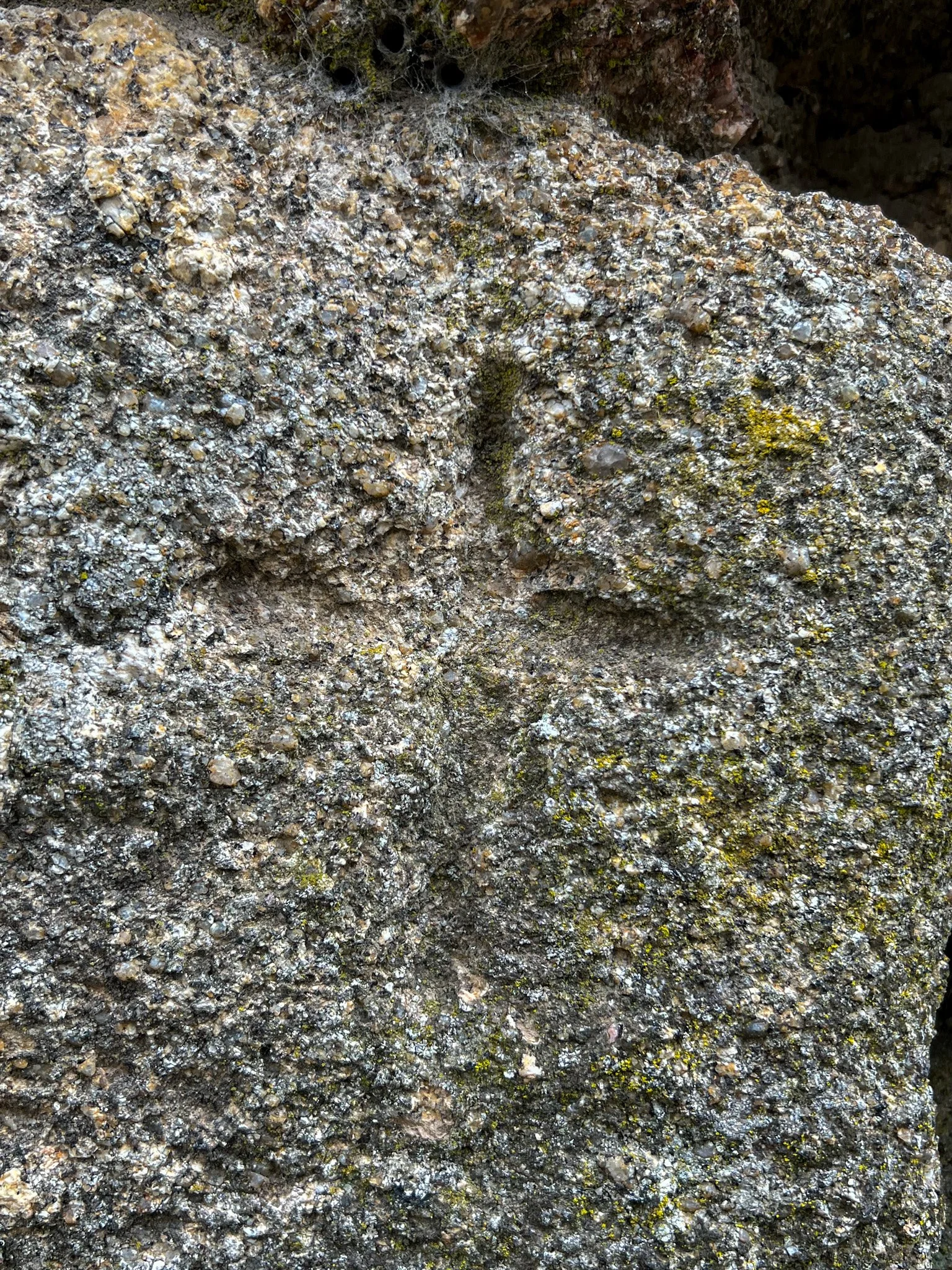
As we made our way to the top of Rua Direita, located to the north, we discovered one of the oldest and most charming squares in Belmonte, which has remarkably preserved much of its original architecture. This quaint area is home to small, single-story granite houses, which are characterized by their modest openings and the notable presence of crosses on the doorposts where a mezuzah was once placed—an important cultural element also found on other homes throughout Belmonte.
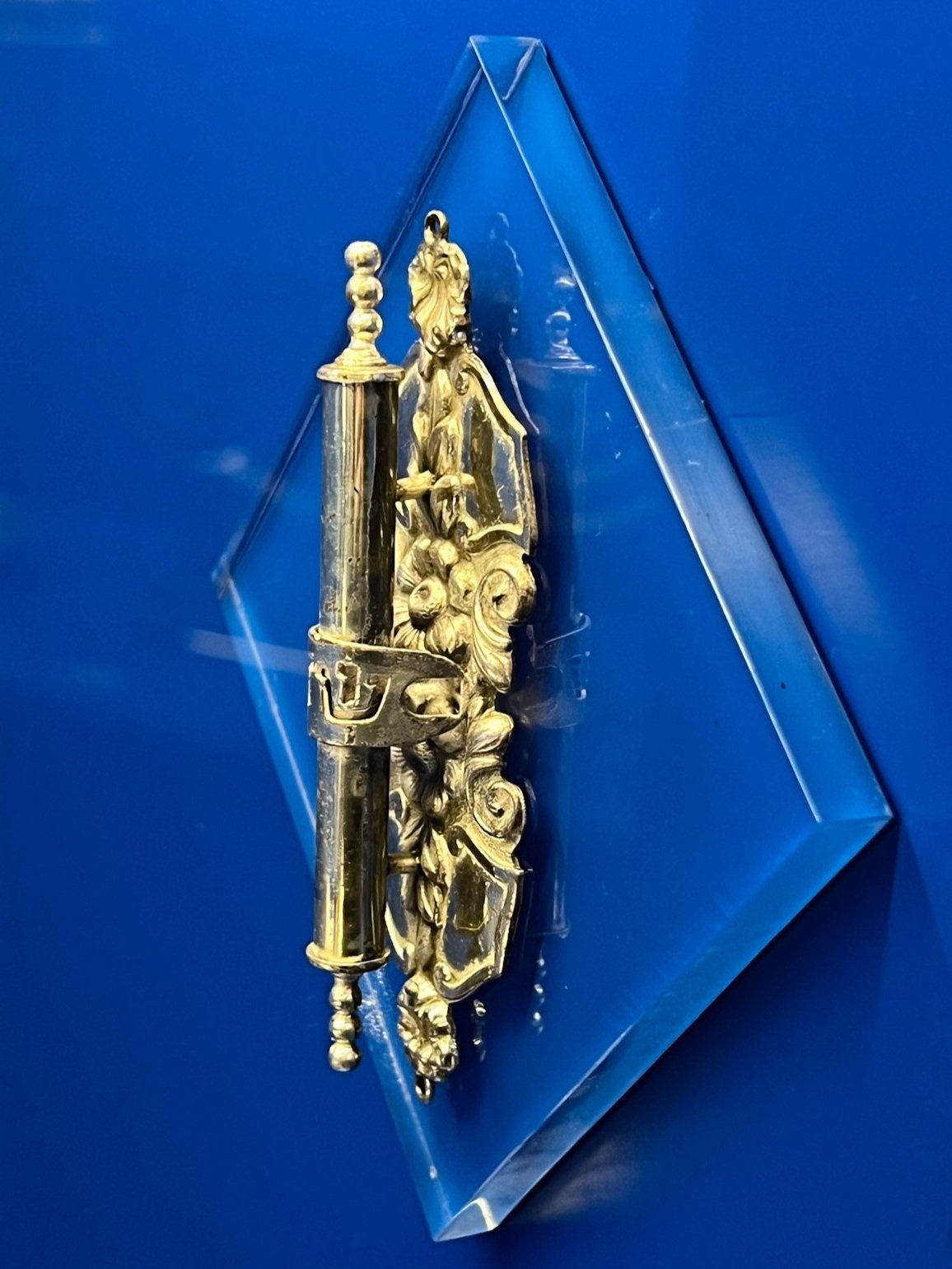
A mezuzah is a small, decorative case containing a scroll inscribed with Hebrew verses from the Torah, traditionally affixed to the doorposts of Jewish homes as a sign of faith and protection. With the reintegration of Belmonte's crypto-Jewish community into the broader Jewish world in the 20th century, the mezuzot were restored to their rightful place, and today they can be proudly seen on the doorposts of the town's Jewish community.
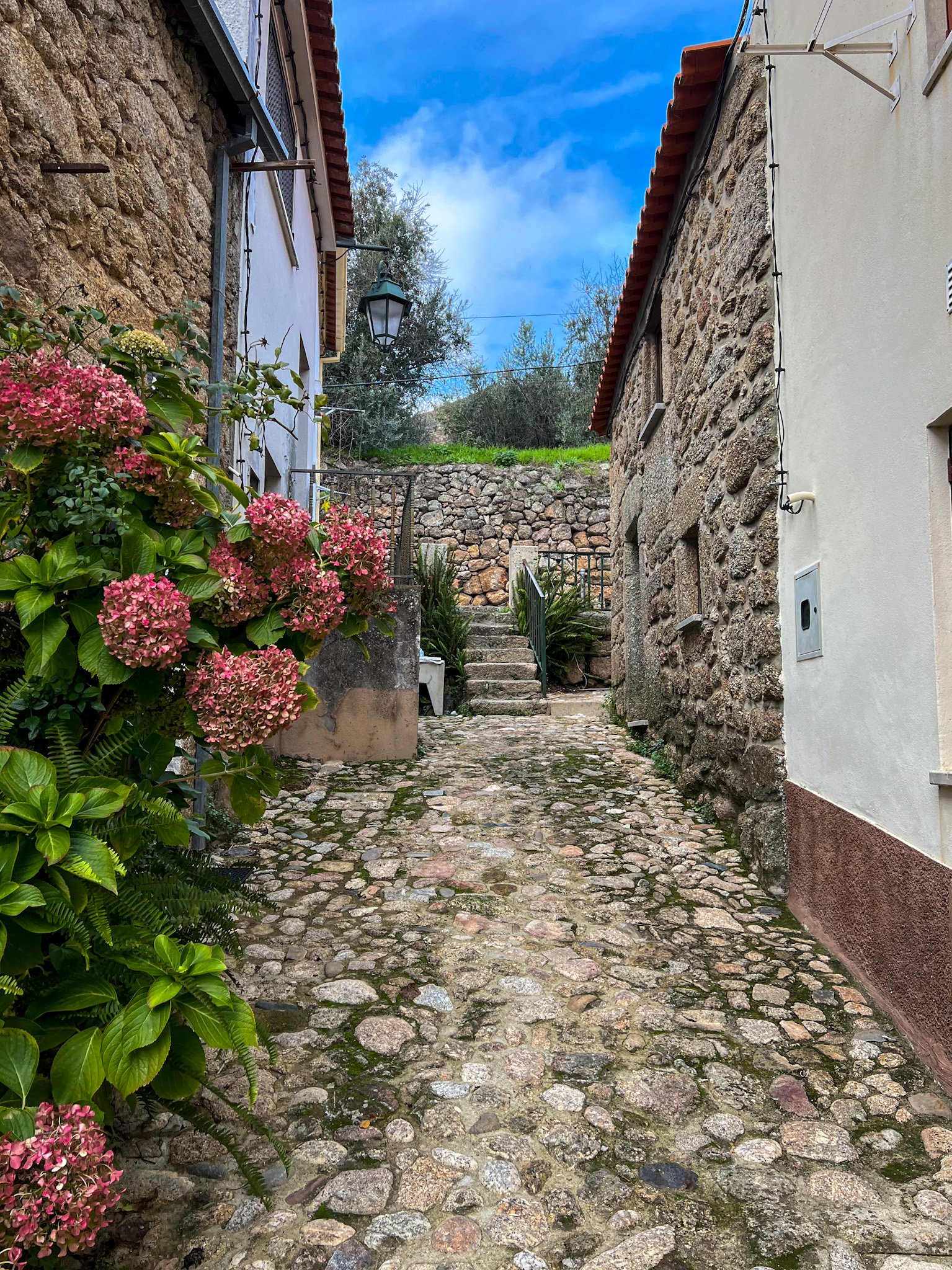
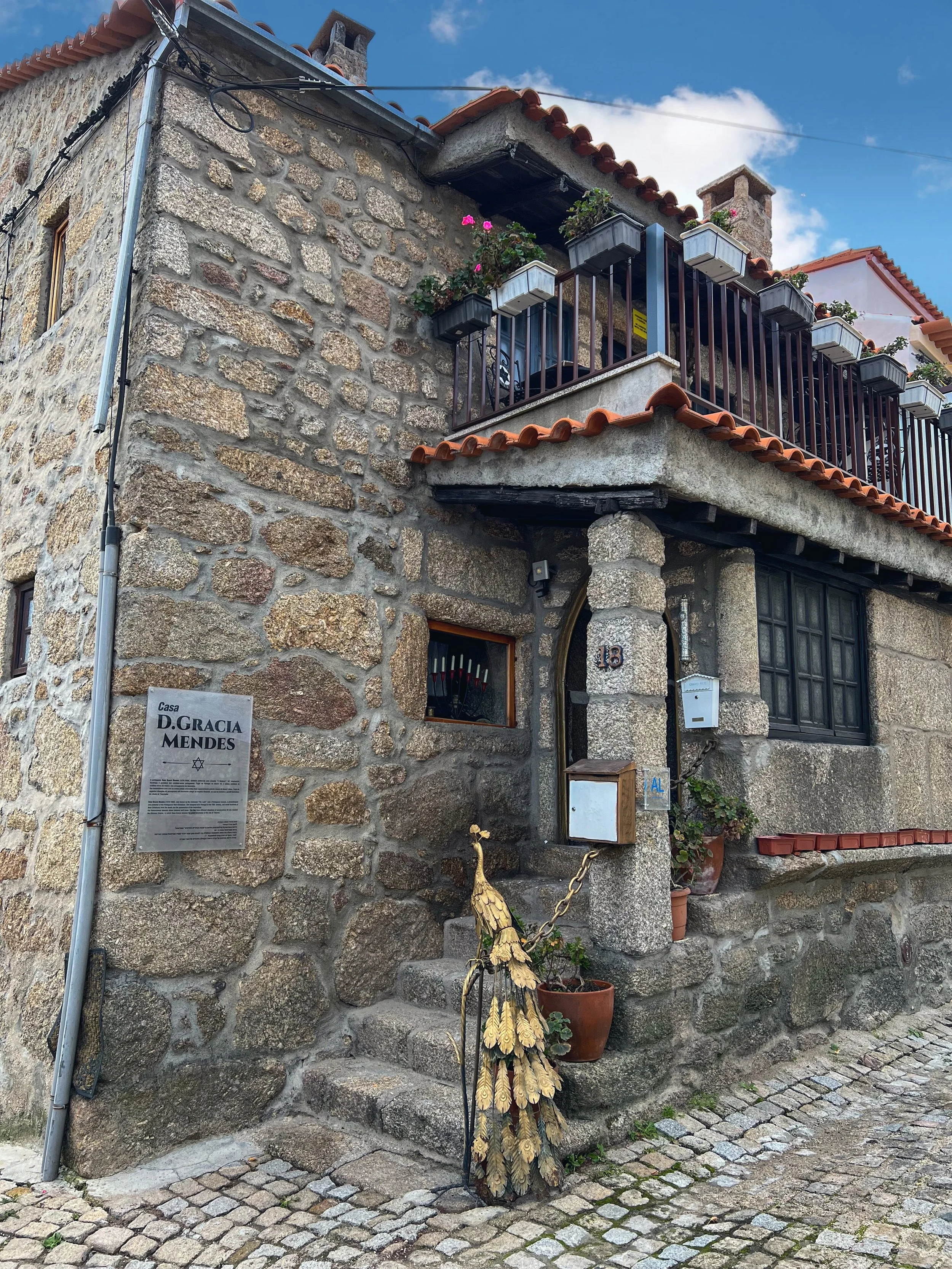
Many of the houses in the Jewish Quarter are marked with a commemorative plaque celebrating many of the historical figures of Portugal’s Jewry. Among them stands out the House of D. Gracia Mendes (1510-1569). Also known byu the nickname “The Lady”, she was a Portuguese woman, a philantropist and protector of the Portuguese New-Christians. She escaped from Portugal in the 16tyh century, and saved hundreds of New-Christians from the death and the persecution of the Inquisition. Her benevolence towards others became well-known. She fled from different situations of persecutions until she reached the Ottoman Empire, in which Dona Gracia became the great benefactor of the city of Tiberias.
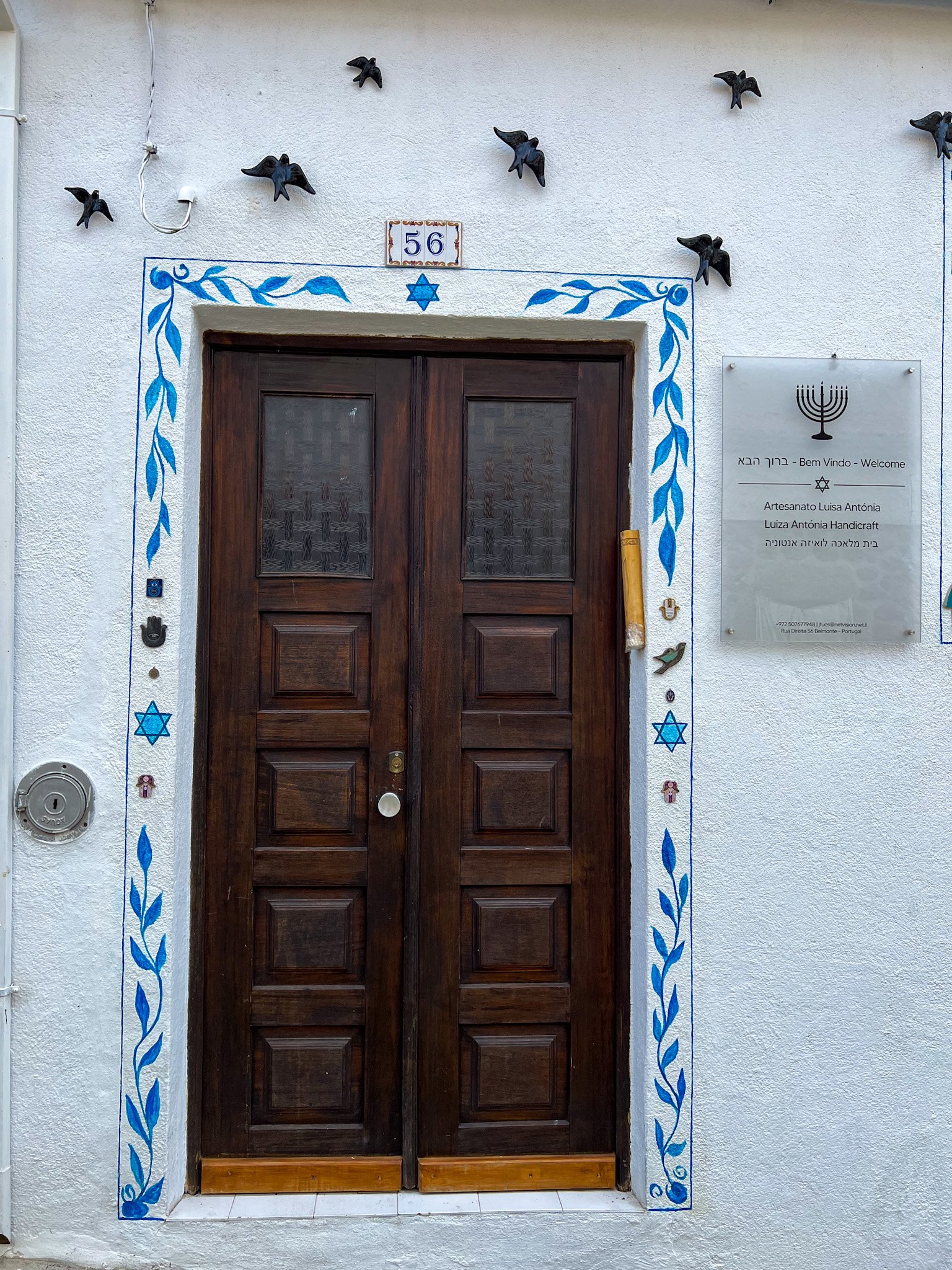
You can also find a house dedicated to House Luísa Antônia, who was born and lived in Belmonte. On November 29, 1580, she was denounced for her Jewish practises and subjected to interrogation and torture. She was also accused of the crime of being a heler. She had the habit of meeting other women in a particular house to say their prayers as if they were in a esnoga (synagogue). On March 7, 1582, the court of the Inquisition in Coimbra sentenced Luísa Antônia to prison and the use of penitential habit. The following year, she was forced to receive Catholic instruction. We don-t know exactly what her fate was.
The following prayer is one of the many prayers of Luísa Antônia that was preserved:
“Adonai is the cause of all causes.
Adonai is one.
Adonai is not a body.
He is most holy and ancient.
To believe in His antiquities is to serve Him.
Adonai gave our law at the hands of Moses, our teacher. Adonai is the highest and is in heaven!”
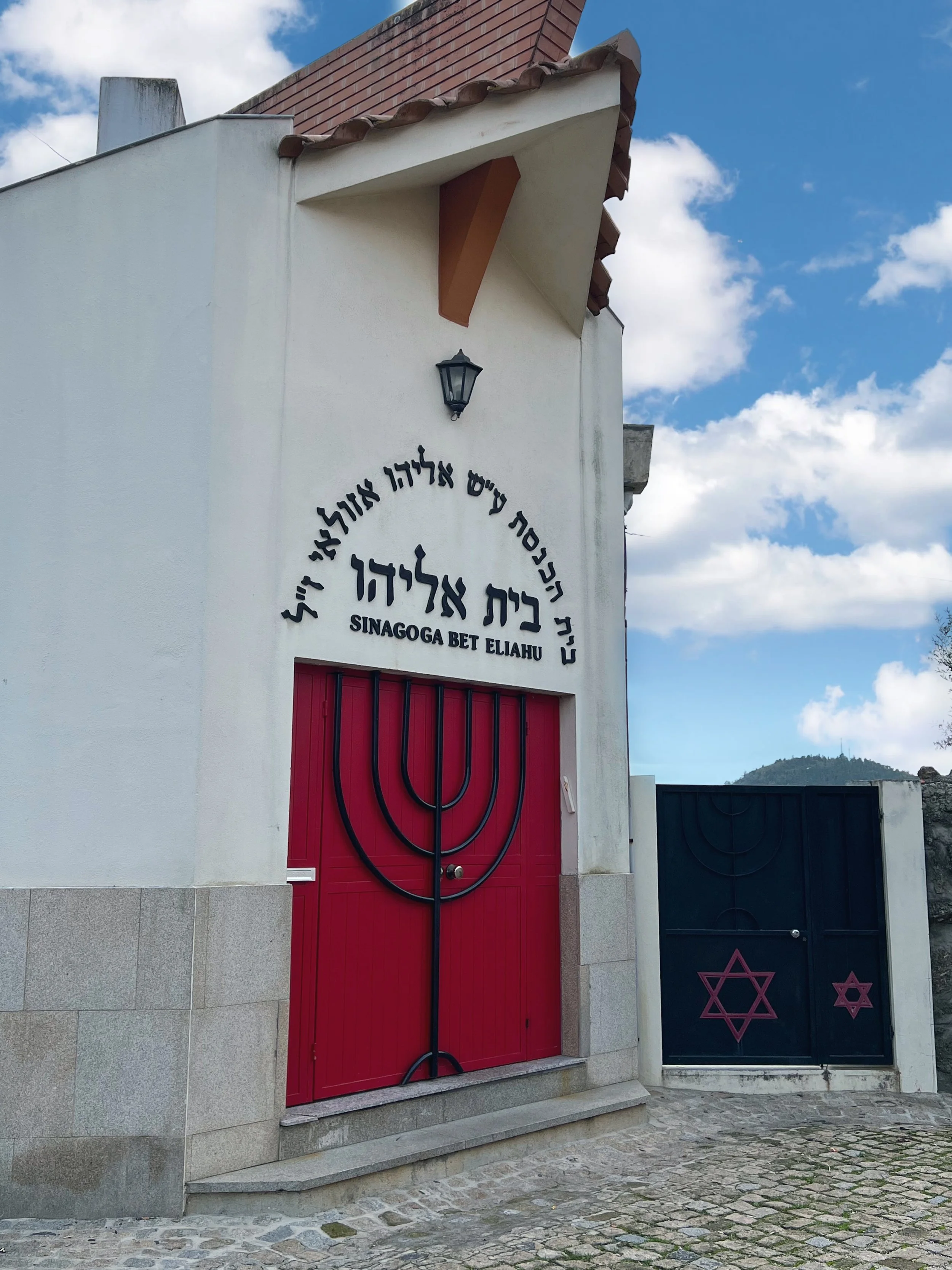
The main highlight of Belmonte’s Jewish Quarter is the Beit Eliahu Synagogue. Inaugurated in 1996, it was built exactly 500 years after the decree that prohibited Judaism in Portugal, marking a significant moment in the history of the Jewish community.
The synagogue stands on a small promontory overlooking the valley. Its modern design incorporates traditional elements, with a distinct arrangement that separates men and women during worship, with women positioned in the balcony on the upper floor. The synagogue serves as a vibrant center for Belmonte's Jewish community, which has its own resident rabbi. It hosts weekly ceremonies and Jewish festivals, allowing the community to openly practice their faith once again after centuries of secrecy.
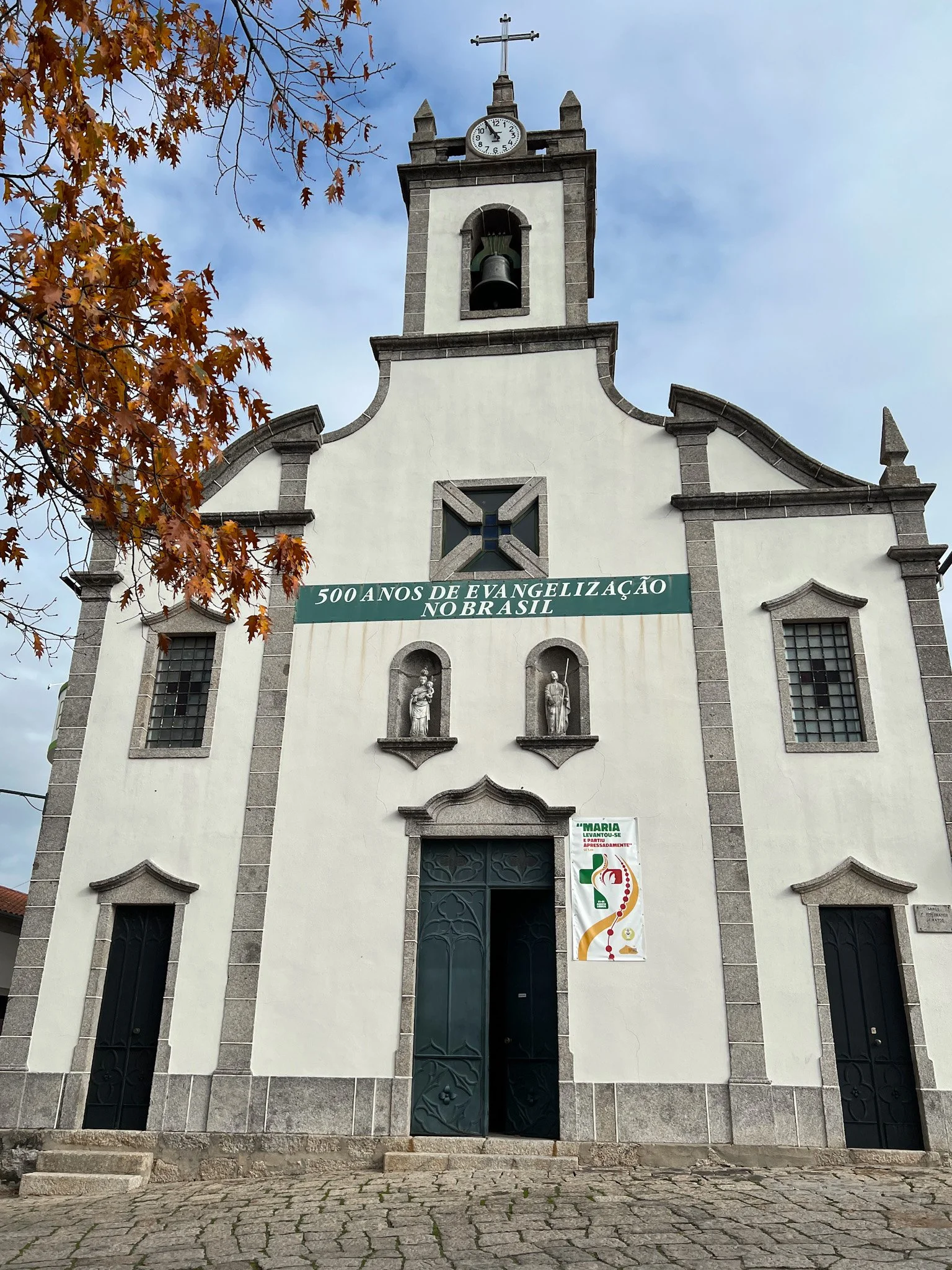
Leaving the Jewish Quarter behind, our next stop in Belmonte was the Igreja Matriz or Parish Church. Inaugurated in 1940, it’s a testament to the vision of Father José Franco de Matos. Designed with a longitudinal nave and a lower, narrower chancel flanked by sacristies and a bell tower, its architectural details exude symmetry and grace.
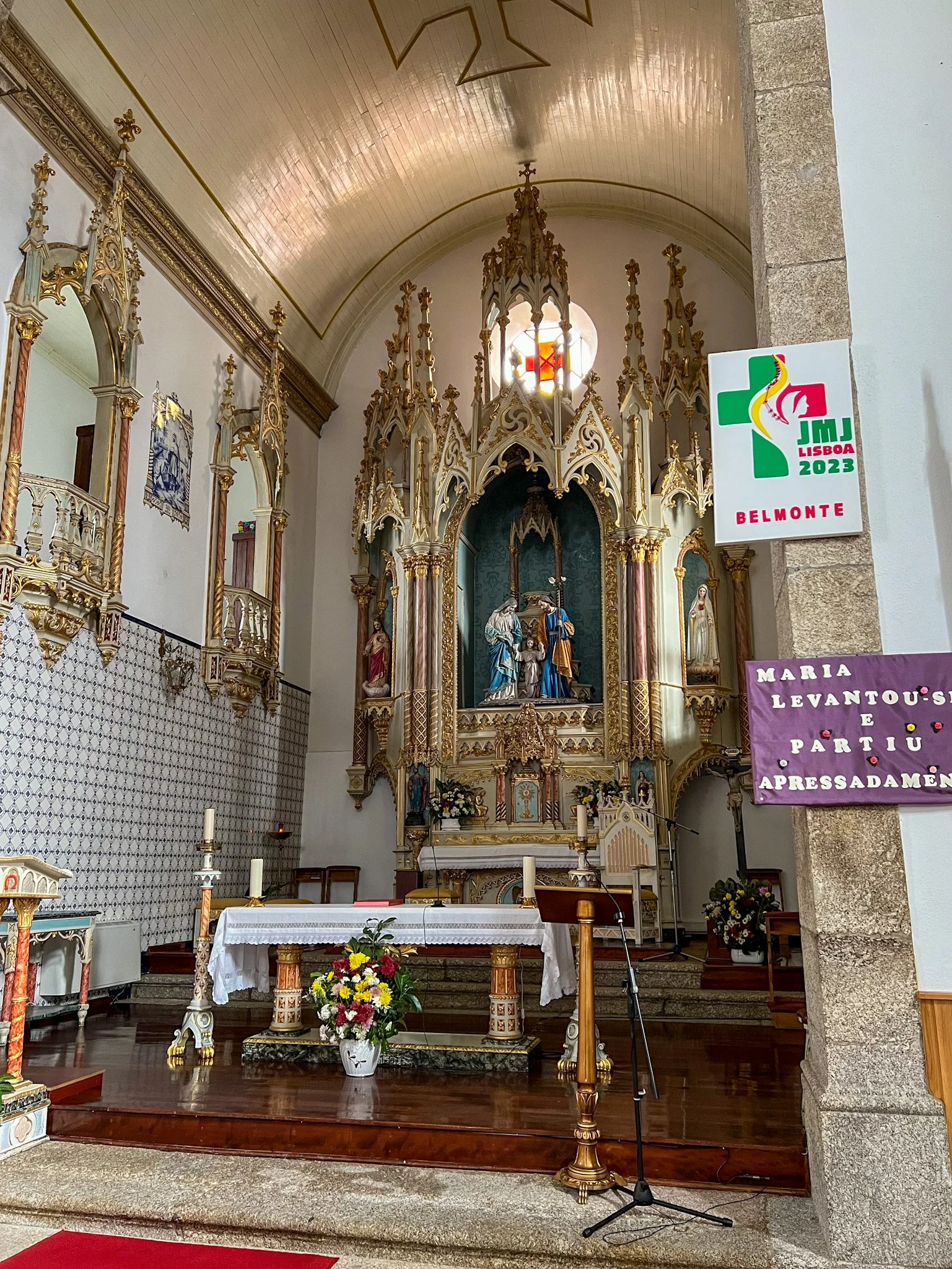
The tripartite facade features three straight lintel doors, crowned by rectangular windows, with the central one framed by a pediment interrupted by a curved gable. Inside, the church showcases wooden barrel-vault ceilings, two pulpits, and gilded and polychrome neo-Gothic and neo-Manueline altarpieces.
Notably, the church houses a side altarpiece with the image of Our Lady of Hope, believed to have accompanied Pedro Álvares Cabral on his voyage to discover Brazil. It also features a statue of Our Lady of Aparecida, a revered symbol from Brazil, underscoring the church's deep cultural and historical connections.
In addition to its fascinating crypto-Jewish history, Belmonte is also known for being the birthplace of Pedro Álvares Cabral, a pivotal figure in the Age of Exploration, largely due to his accidental discovery of Brazil in 1500.
Born in Belmonte c. 1467, Cabral was a skilled navigator and explorer. His primary mission was to establish a sea route to India, following Vasco da Gama's successful journey. However, during his voyage, Cabral veered off course and reached the coast of what is now Brazil, claiming the land for Portugal.
This momentous event had far-reaching consequences, as it marked the beginning of Portuguese colonial presence in South America. Cabral's discovery helped solidify Portugal’s dominance in the global trade routes, especially in the spice trade, and laid the foundation for the eventual establishment of a vast Portuguese empire in the Americas. His role in expanding Portugal’s influence significantly altered the geopolitical landscape of the time.
What makes Cabral’s journey so significant is not only his contribution to the expansion of European exploration but also the cultural and economic impacts that followed. His discovery of Brazil led to centuries of Portuguese rule, which shaped the region’s history, language, and culture, influencing the course of world history for generations.


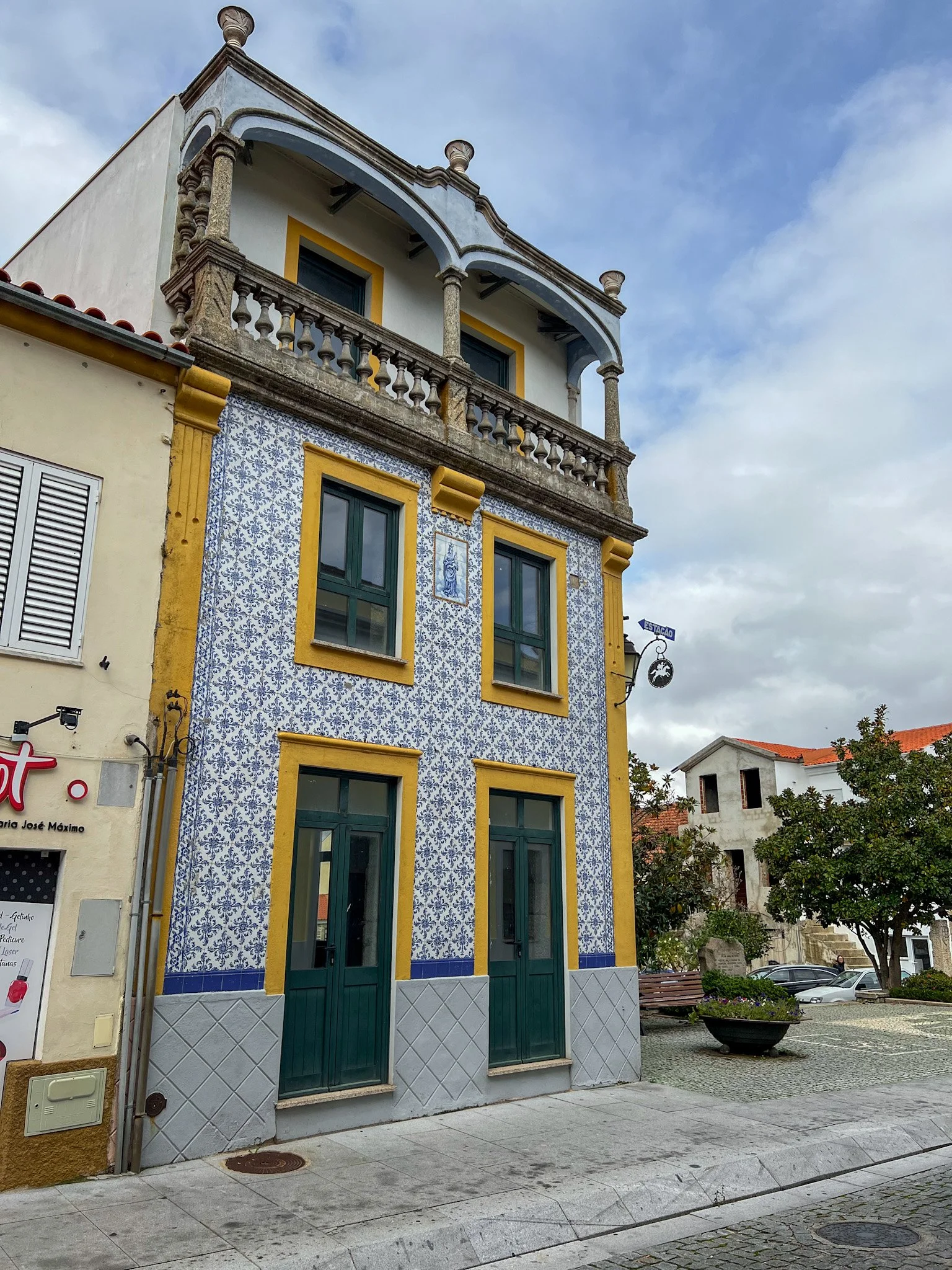
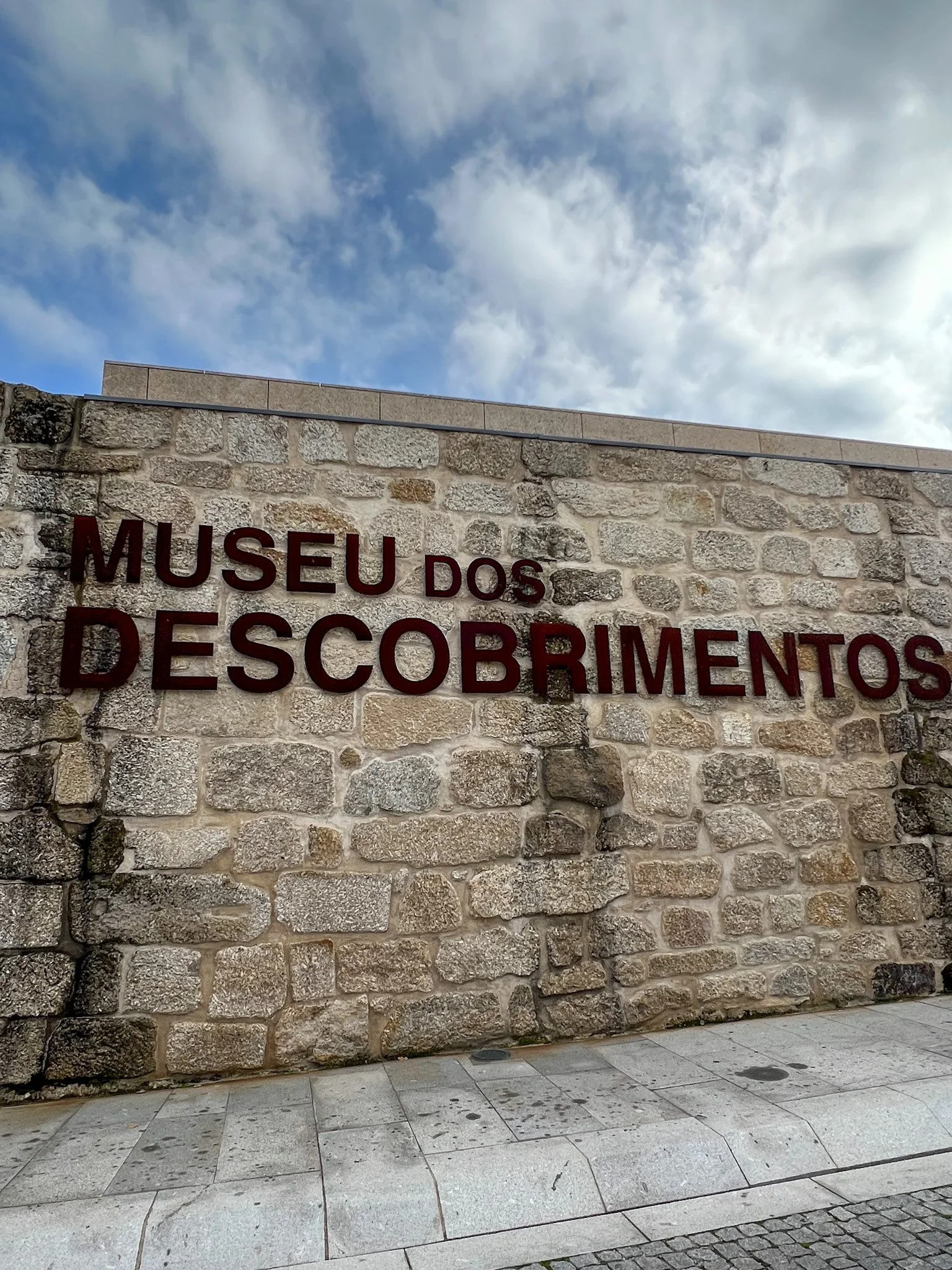
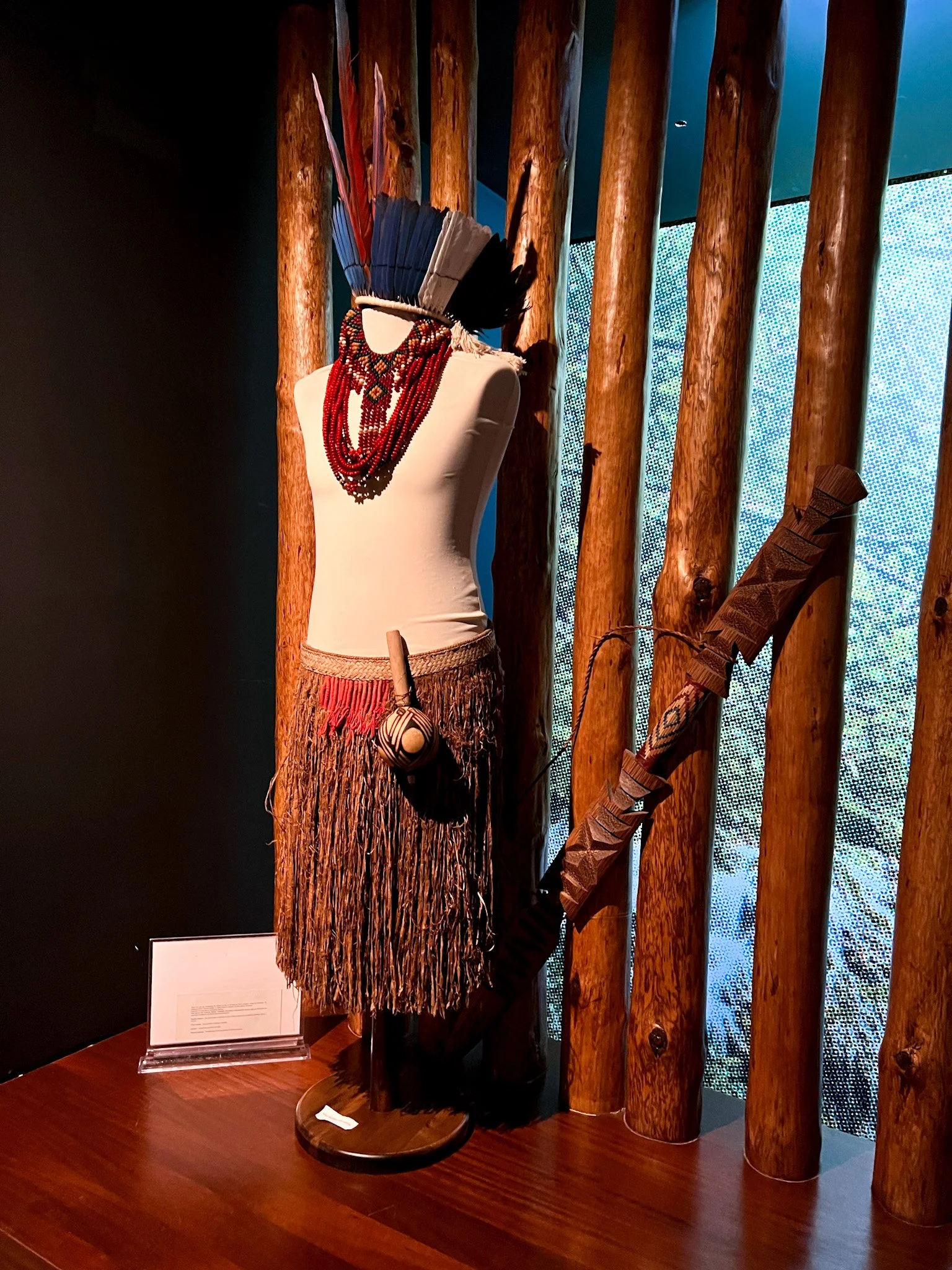
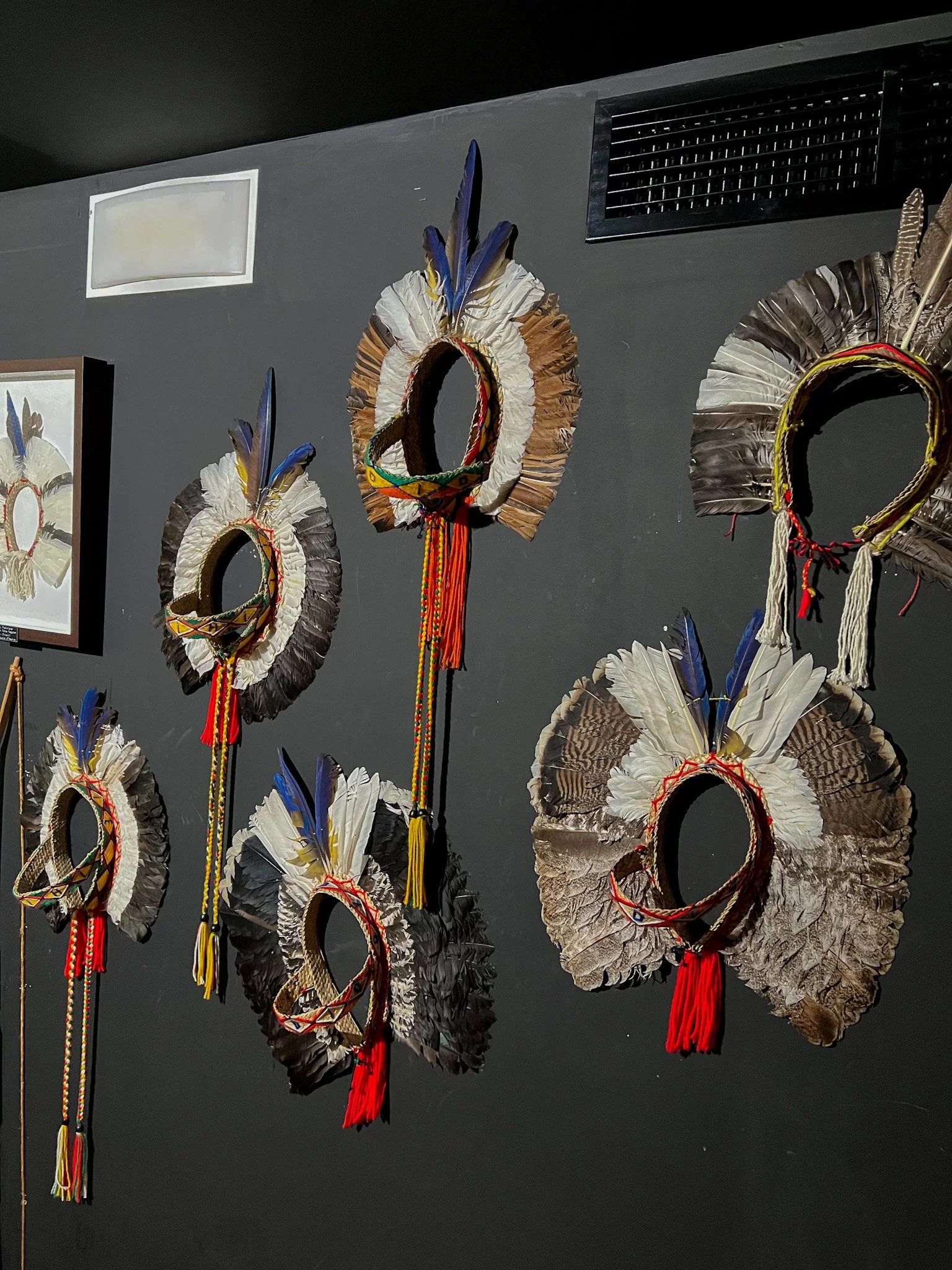
Housed in the historic Solar dos Cabrais, a building once belonged to the family of Pedro Álvares Cabral, today you can visit the Museu dos Descobrimentos (Museum of the Discoveries), another highlight of Belmonte that you cannot miss.
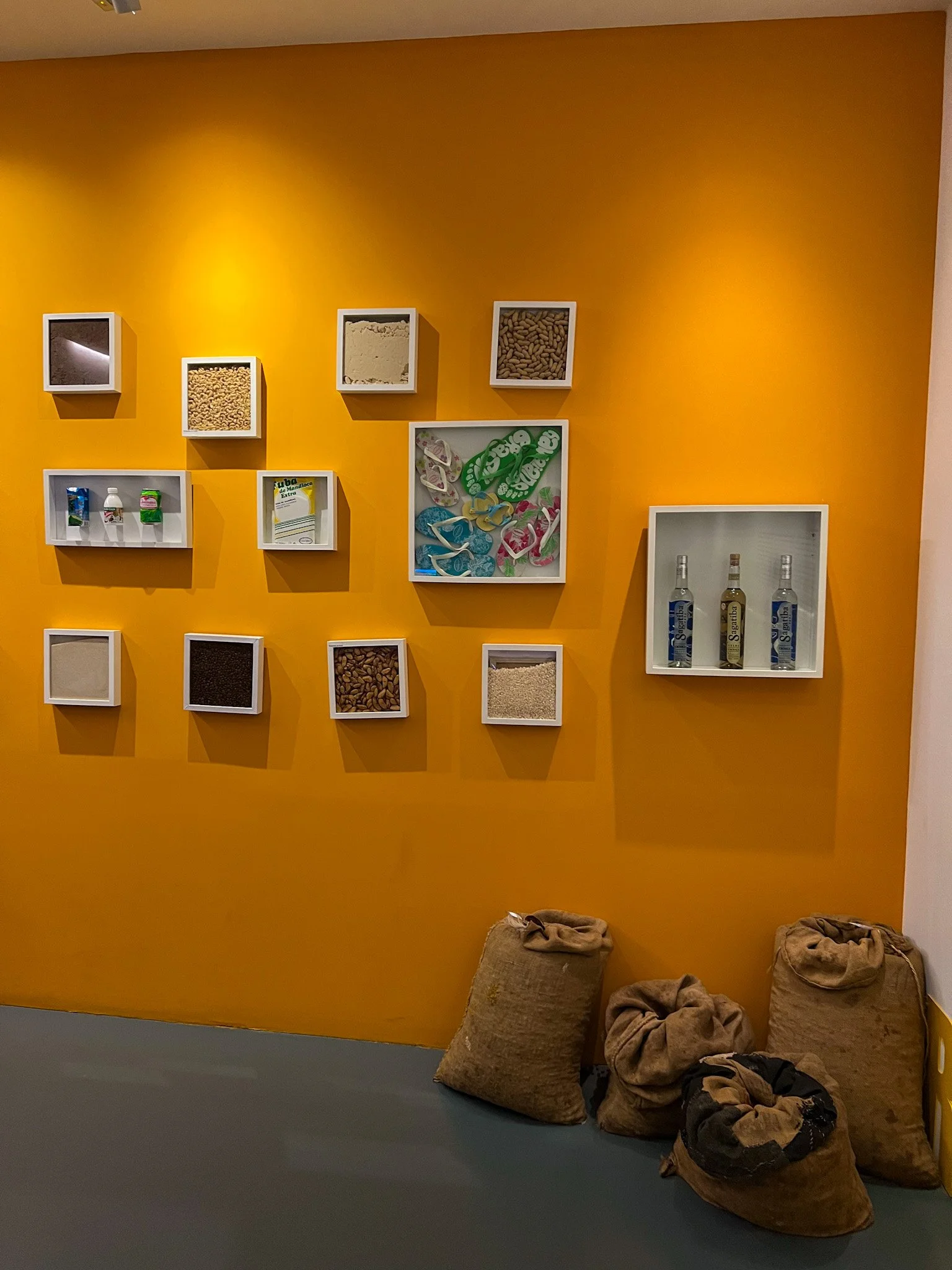
The museum features interactive exhibits designed to engage visitors of all ages, helping them understand the history of the Portuguese Age of Discovery, particularly the discovery of Brazil. With displays including films, animations, photographs, and even a replica of a slave cell, the museum offers a comprehensive experience, with information available in Portuguese, English, and Spanish. The museum's multimedia approach, combined with accessible design and clear presentation, makes it a must-visit for anyone interested in this transformative period of history.
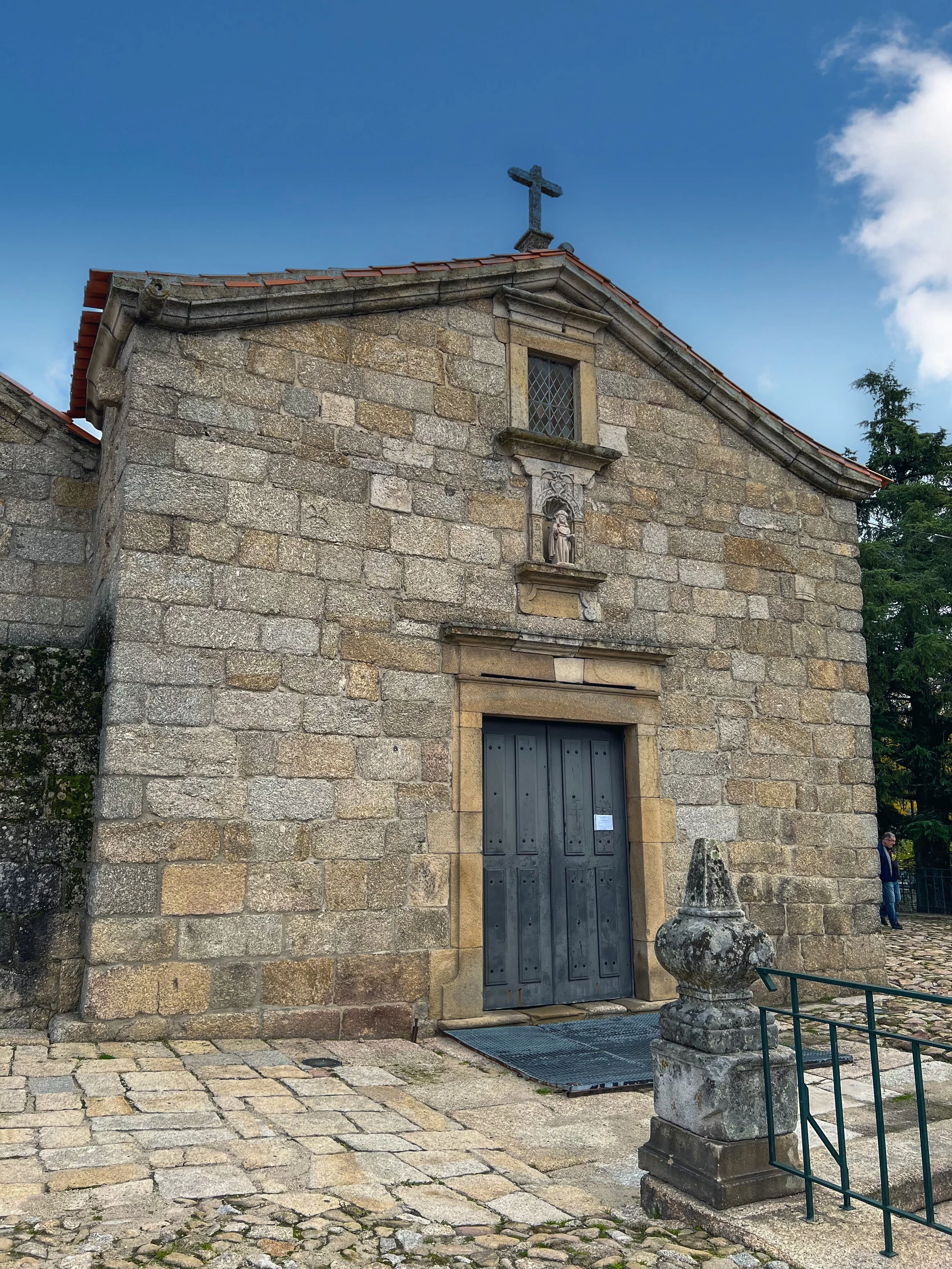
We continued our ascent uphill until we reached the magnificent Santiago Church and Cabrais Pantheon. This site is classified as a National Monument, and the church itself showcases a stunning blend of Romanesque, Gothic, and Mannerist architectural styles.
Originally constructed in 1240 at the behest of Maria Gil Cabral, who commissioned the adjacent Nossa Senhora da Piedade Chapel, the Capela dos Cabrais was subsequently built in 1433 by the parents of the famous explorer Pedro Álvares Cabral. Inside, visitors can admire exquisite 15th-century murals, remnants of beautiful frescoes, and a remarkable 14th-century Gothic Pietà.
The frescoes adorning the chancel depict notable figures such as St. James, Our Lady of Hope, and St. Peter, which may hold symbolic significance related to Pedro Álvares Cabral himself. The bell tower, which was erected in 1860, further enhances the charm of this historic site, which also serves as the final resting place for Pedro Álvares Cabral and several other esteemed members of the Cabral family.

Just across the street you’ll find the Chapels of Saint Anthony and Calvary, two historical gems that reflect the town's religious heritage.
The Santo António Chapel, believed to date back to the 15th century, features the coats of arms of the Queiroz, Gouveia, and Cabral families. Inside, visitors can admire two wooden images—one of the Holy Spirit and another of St. Anthony—both of which were transferred from the former Franciscan Nossa Senhora da Esperança Convent in Belmonte.
In contrast, the Calvário Chapel, constructed in the 19th century, showcases neo-Gothic, revivalist religious architecture. Its stone façade mimics granite, and the chapel's main entrance is adorned with symbols representing the Passion of Christ, including a ladder, lance, vinegar pole, pincers, hammer, and crown of thorns.
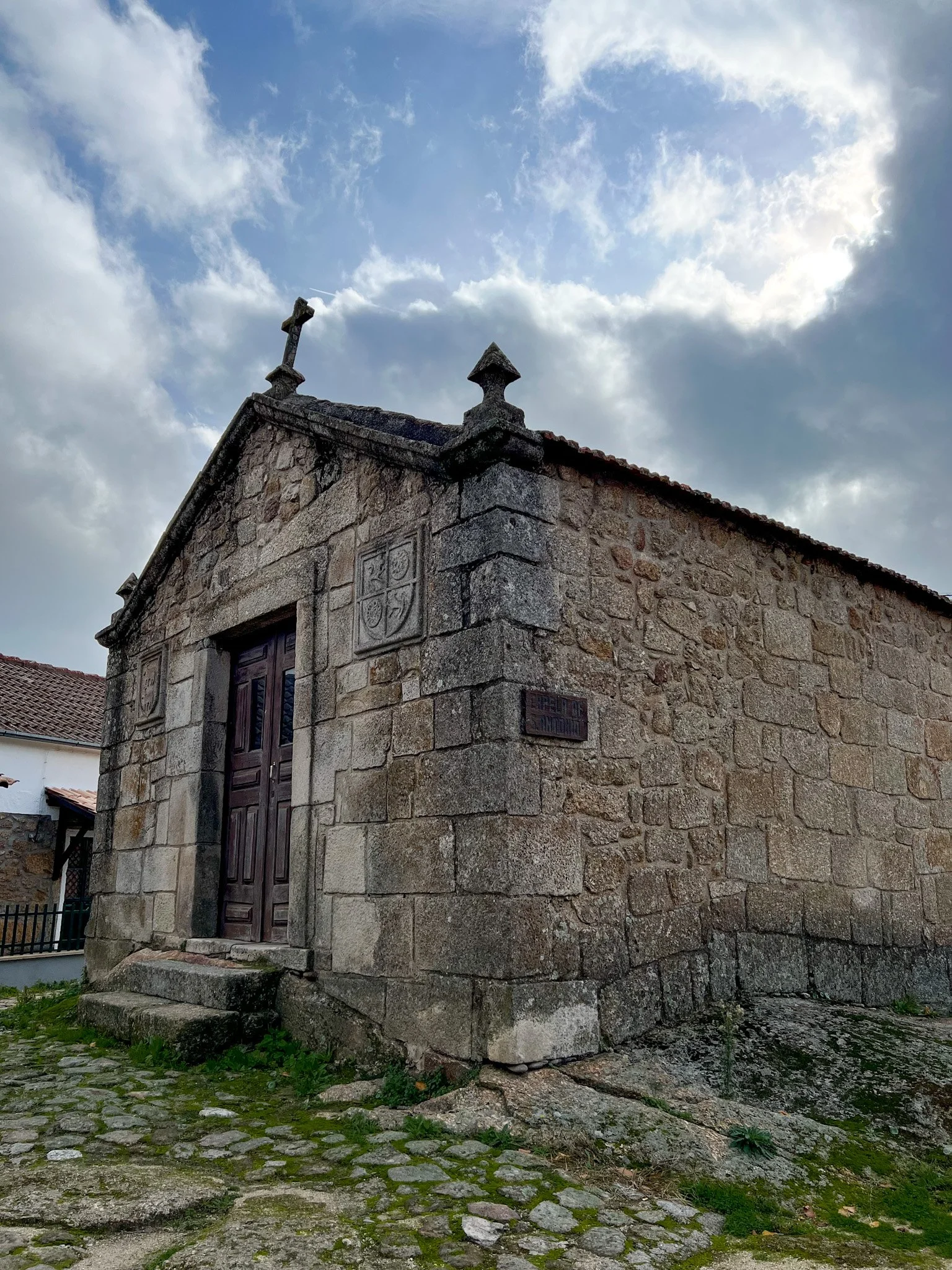
chapel of Saint Anthony
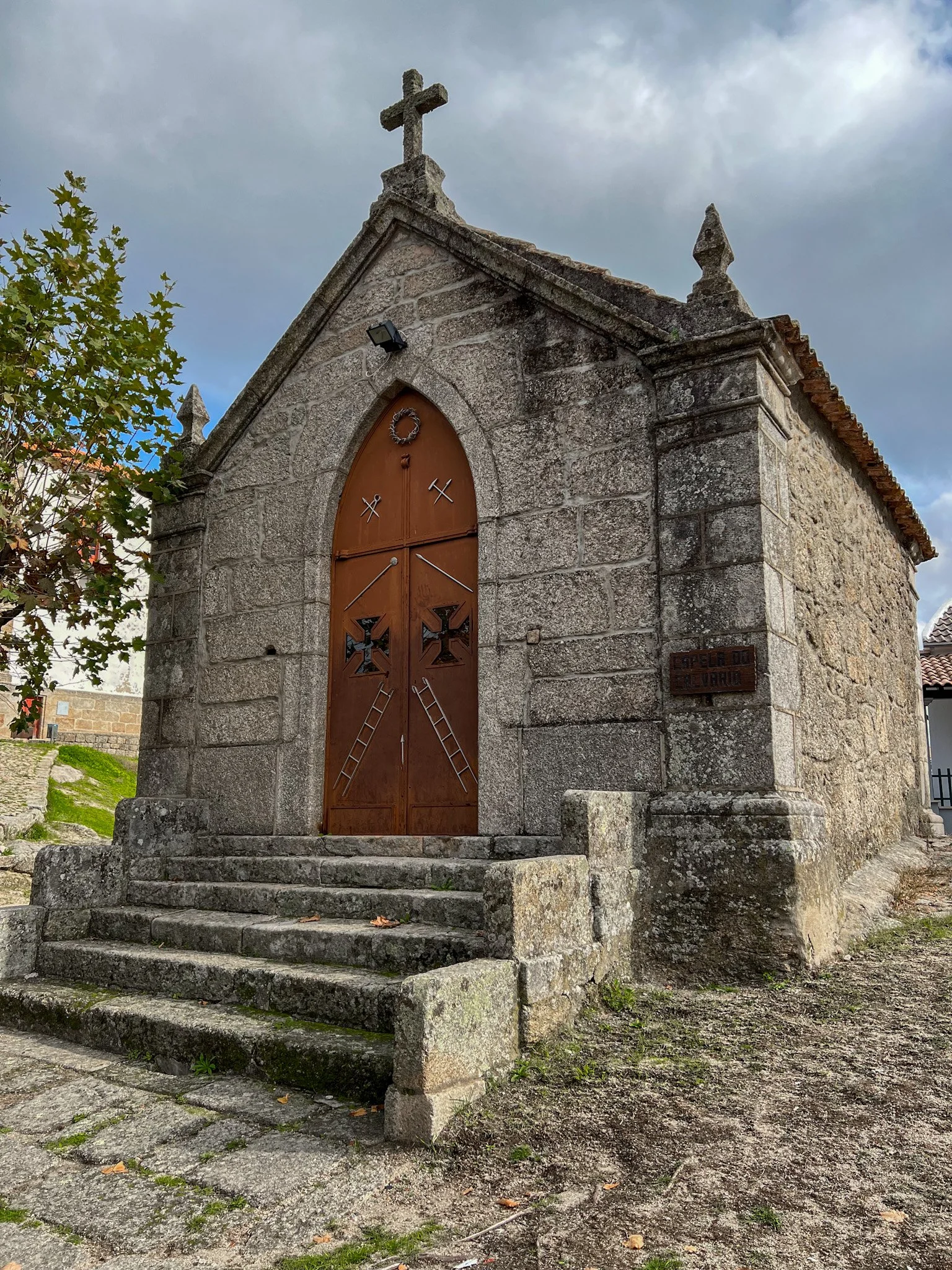
Calvary Chapel
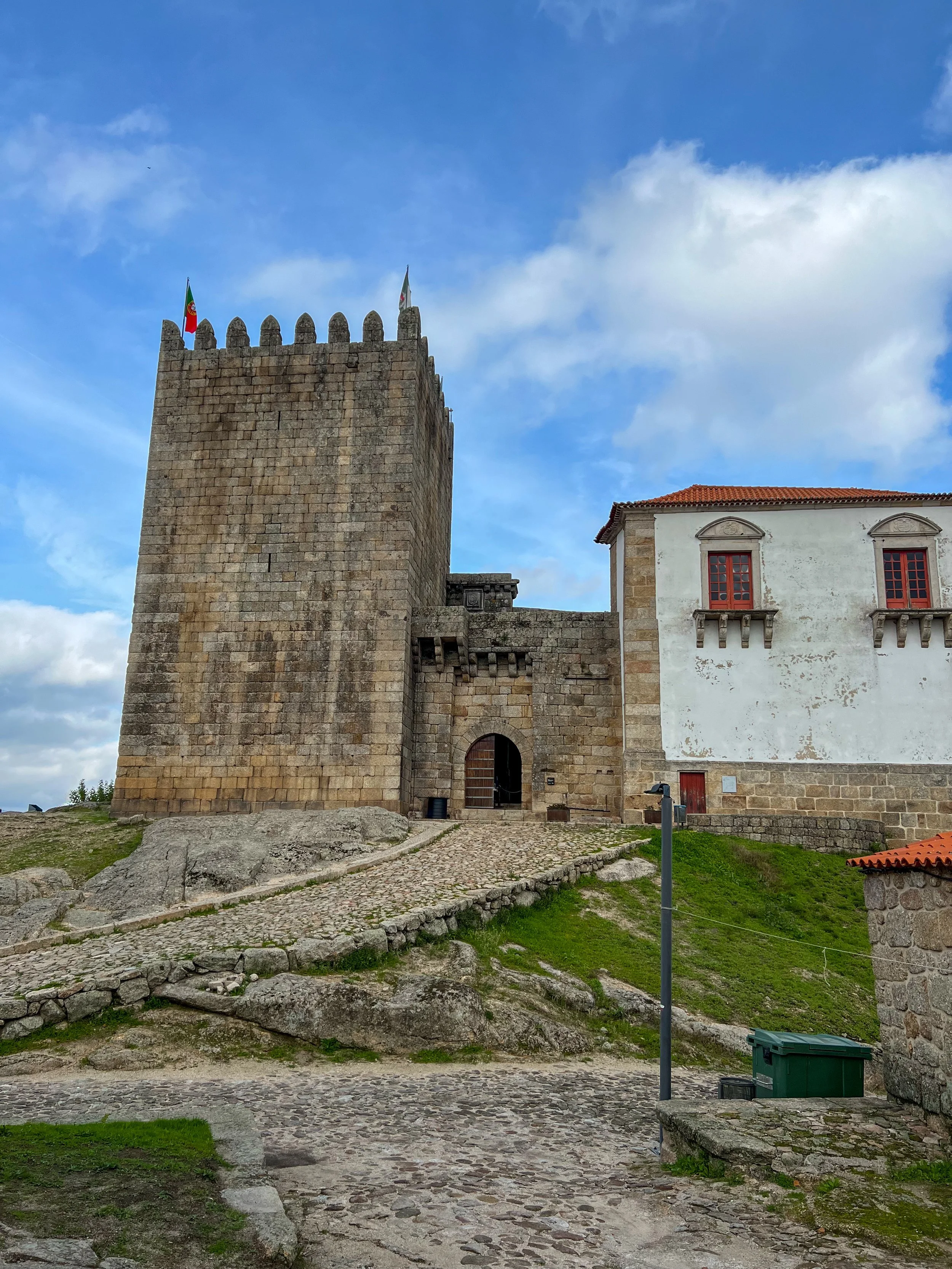
The final stop in our visit was the Castle of Belmonte, a medieval fortress that crowns the small town. Its history dates back to Roman times, with early occupation linked to their presence in the Iberian Peninsula. However, the first historical mention of the castle comes from the reign of King Afonso I, who, in 1168, granted the lands to the Bishop of Coimbra. In 1266, King Afonso III authorized the construction of a tower and defense system, and by 1446, King Afonso V granted the castle to Fernão Cabral, who transformed it into a residence. Traces of this adaptation, such as panoramic and Manueline windows, can still be seen on the west wall.
In the 17th century, the west wing was destroyed by fire, and the Cabral family moved to the Casa dos Condes. During the Restoration War, the castle was once again used for military purposes, with bulwarks added in the 18th century. The castle covers 2,265 m², featuring a donjon, a well, and panoramic views.
Declared a National Monument in 1927, the castle has undergone various restorations, including archaeological work in the 1990s that uncovered Roman remains. It is now open to the public, with the donjon housing a museum and an amphitheater for cultural events.
As you exit the Castle of Belmonte, on your right, you will find a wooden cross made from pau-brasil, the red wood native to Brazil. This cross is a replica of the one that Pedro Álvares Cabral ordered to be erected during the first mass celebrated in Brazil. It was a gift from Brazilian president Juscelino Kubitschek de Oliveira in the 1950s, symbolizing the enduring connection between Belmonte and Brazil, particularly through the historic voyage of Cabral.

Some links in this post are affiliate links, which means that if you buy through them, we’ll receive a small commission. This will never cost you more and in many cases you will receive a special discount.
As always, all opinions are mine. We appreciate your support!

Nestled in the heart of Spain, Salamanca is a city full of history, culture, and stunning architecture. As one of Spain’s most beautiful cities and a UNESCO World Heritage Site, Salamanca is famous for its golden sandstone buildings, lively plazas, and rich heritage.
From the majestic Plaza Mayor, hailed as one of the most breathtaking squares in Europe, to the iconic University of Salamanca, where scholars have gathered for nearly 800 years, every corner of this city tells a story.
This comprehensive guide will take you through all the highlights and must-see attractions, including the intricate beauty of the Casa de las Conchas, the grandeur of the New and Old Cathedrals, and the millennia-old arches of the Roman Bridge.