
Perast & Kotor Bay: one day trip to Montenegro from Dubrovnik
Tucked along Montenegro's breathtaking coastline, Perast and Kotor are two hidden gems that offer the perfect escape for both history enthusiasts and nature lovers. From the charming town of Perast with its Baroque architecture to the UNESCO-listed Old Town of Kotor, these destinations are full of beauty and charm.
During my time in Dubrovnik, I took a day trip to Montenegro to visit Perast and the Bay of Kotor, a journey that unfolded through picturesque landscapes, rich history, and stunning views. Here’s a guide to help you make the most of your visit to Perast and Kotor, two of Montenegro’s most captivating destinations.
How to visit Perast & Kotor Bay
During my stay in Dubrovnik, I decided to take a one-day tour to visit a new country – the nearby Montenegro. For my visit, I booked the Montenegro day trip with cruise in Kotor Bay with GetYourGuide. Little did I know that this excursion would turn out to be one of the most breathtaking experiences of my trip.
Crossing the border into Montenegro, I was immediately struck by the natural beauty of the Bay of Kotor, a hidden gem nestled between towering mountains and the shimmering Adriatic Sea.
Our journey began with a smooth ride in an air-conditioned vehicle, heading toward the Croatian-Montenegrin border. Our first stop was the picturesque town of Perast. Stepping off the bus, I was taken aback by the town's stunning Baroque architecture, set against lush hills. After a brief guided tour, I had some free time to explore on my own and wander through the town’s narrow streets, admiring the beauty of the old buildings before heading to the waterfront for an optional boat ride across the Bay of Kotor.
The boat ride to the famous island of Our Lady of the Rocks was magical. This man-made island, with its striking blue-domed church, seemed to float serenely in the middle of the bay. We disembarked for a guided tour, exploring the church and its rich history.
Afterward, our boat continued to the medieval town of Kotor, where I joined a short but fascinating guided tour of the UNESCO-listed old town, full of narrow streets, historic squares, and ancient buildings. I also had plenty of free time to wander at my own pace, strolling along the city walls, sampling local cuisine, and soaking in the beauty of the town.
If you have extra time to spare in Croatia, a day trip to Perast and Kotor is an unforgettable adventure that offers the perfect combination of history, natural beauty, and Mediterranean charm.
Perast
After being picked up from our hotel, we started our drive south until we reached the Croatian-Montenegrin border. Crossing the border was relatively quick for our group, taking only a few minutes. After a couple of hours of driving, we reached the first destination of our day trip: the seaside town of Perast.
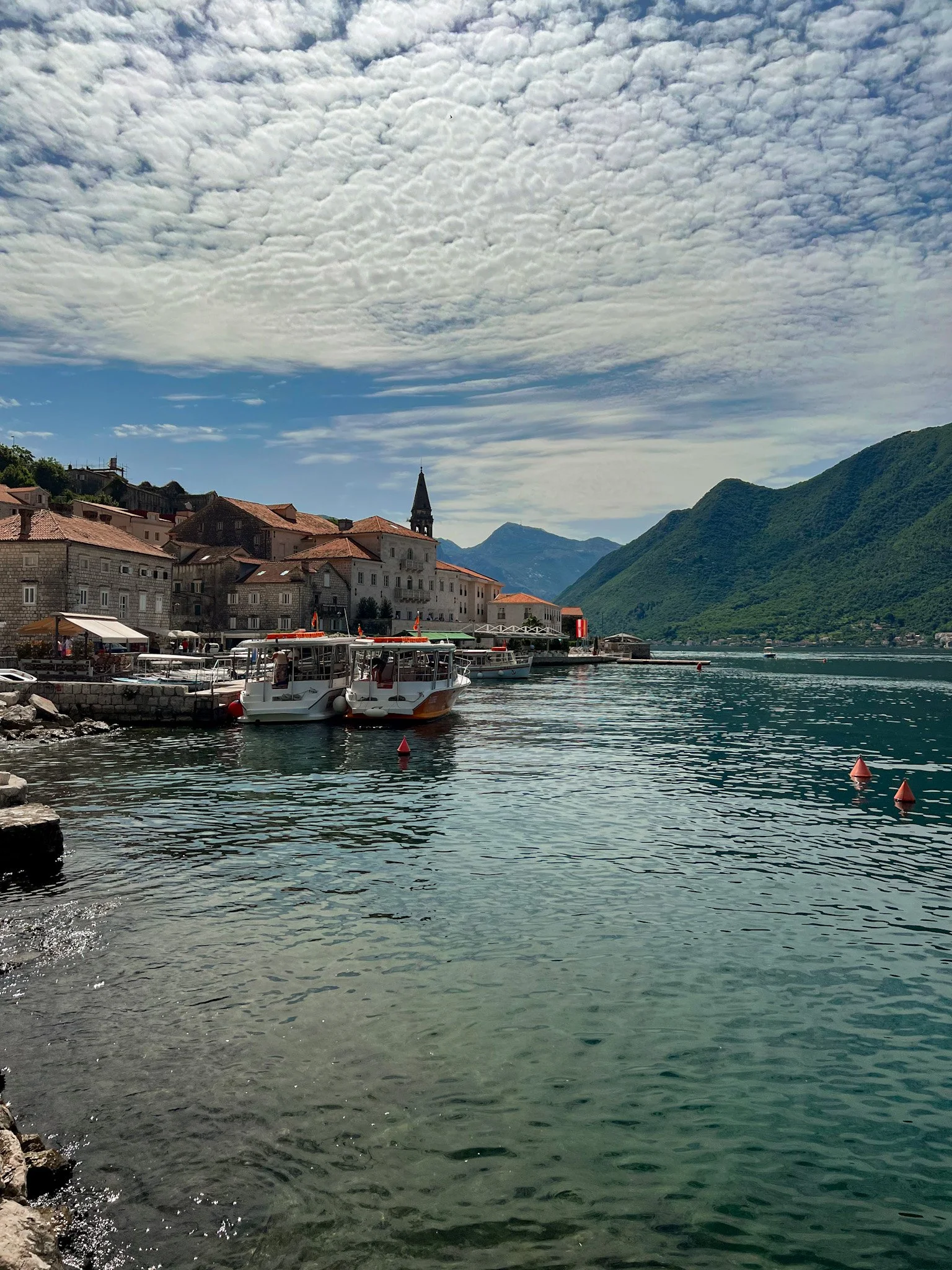
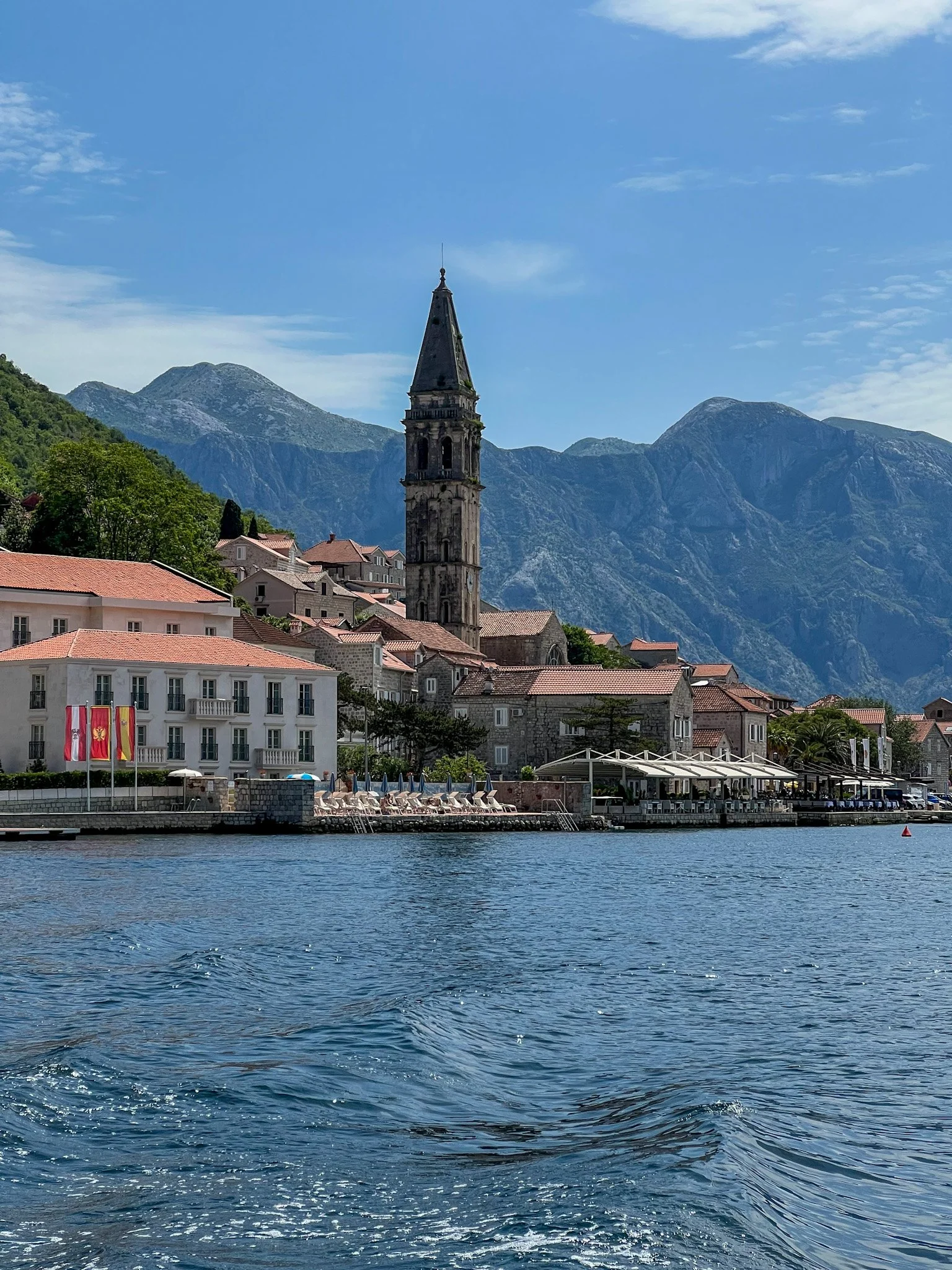
Perast is renowned for its stunning location on the Bay of Kotor, nestled beneath the hill of St. Ilija and overlooking the narrow Verige Strait. Its rich history stretches back to the Neolithic era, with traces of Illyrian, Roman, and early Christian civilisations. Initially a small fishing village, Perast flourished during the Venetian period, when it became a centre of maritime trade and defense. The town is famed for its Baroque architecture, boasting 20 palaces and numerous churches, and its maritime legacy, exemplified by its renowned maritime school.
St. Mark’s Church
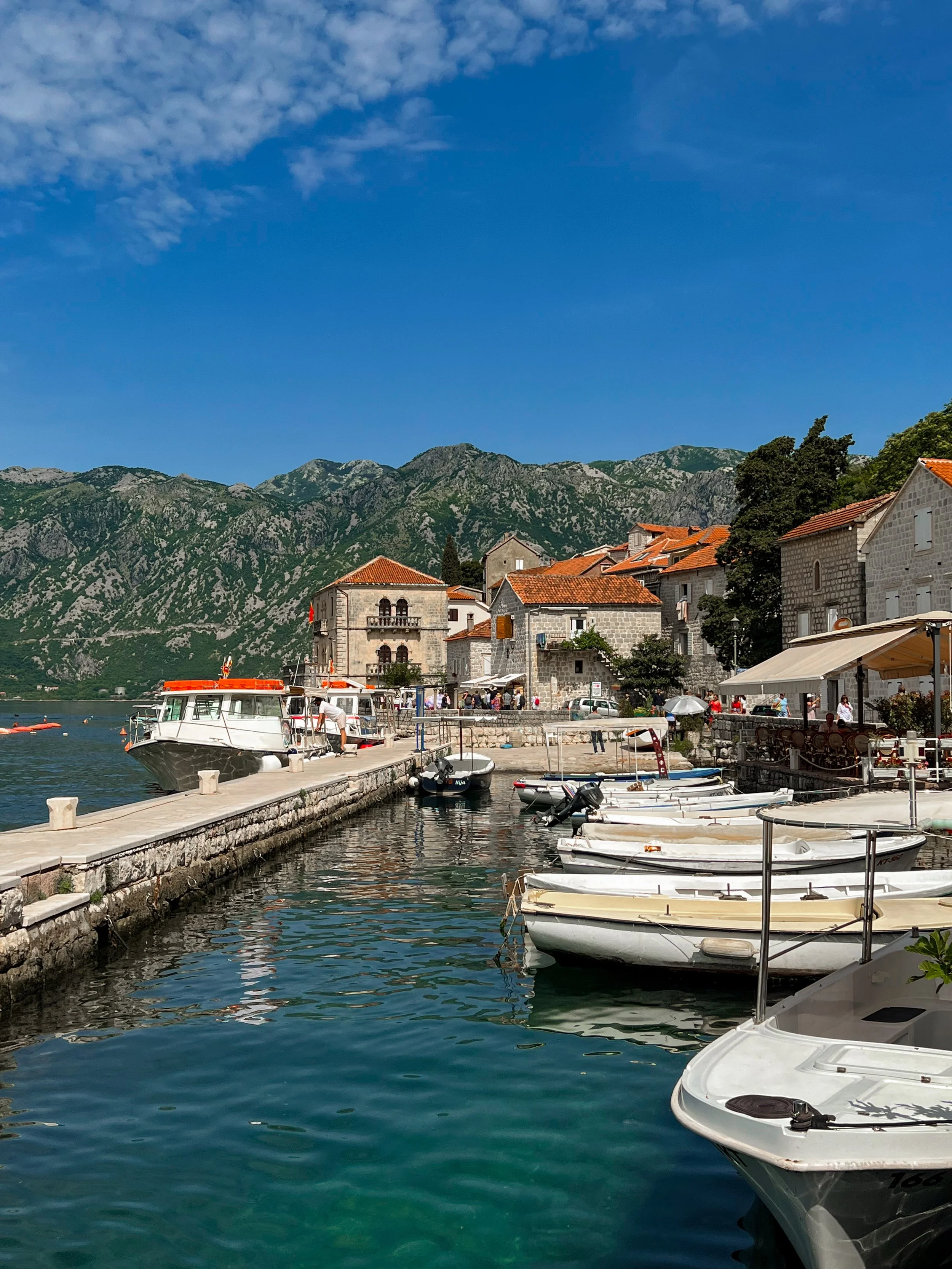
Perast is a very narrow town, and most touristic points of interest are located along the shoreline. Our first stop to explore the city was St. Mark's Church, located near the Smekja Palace.
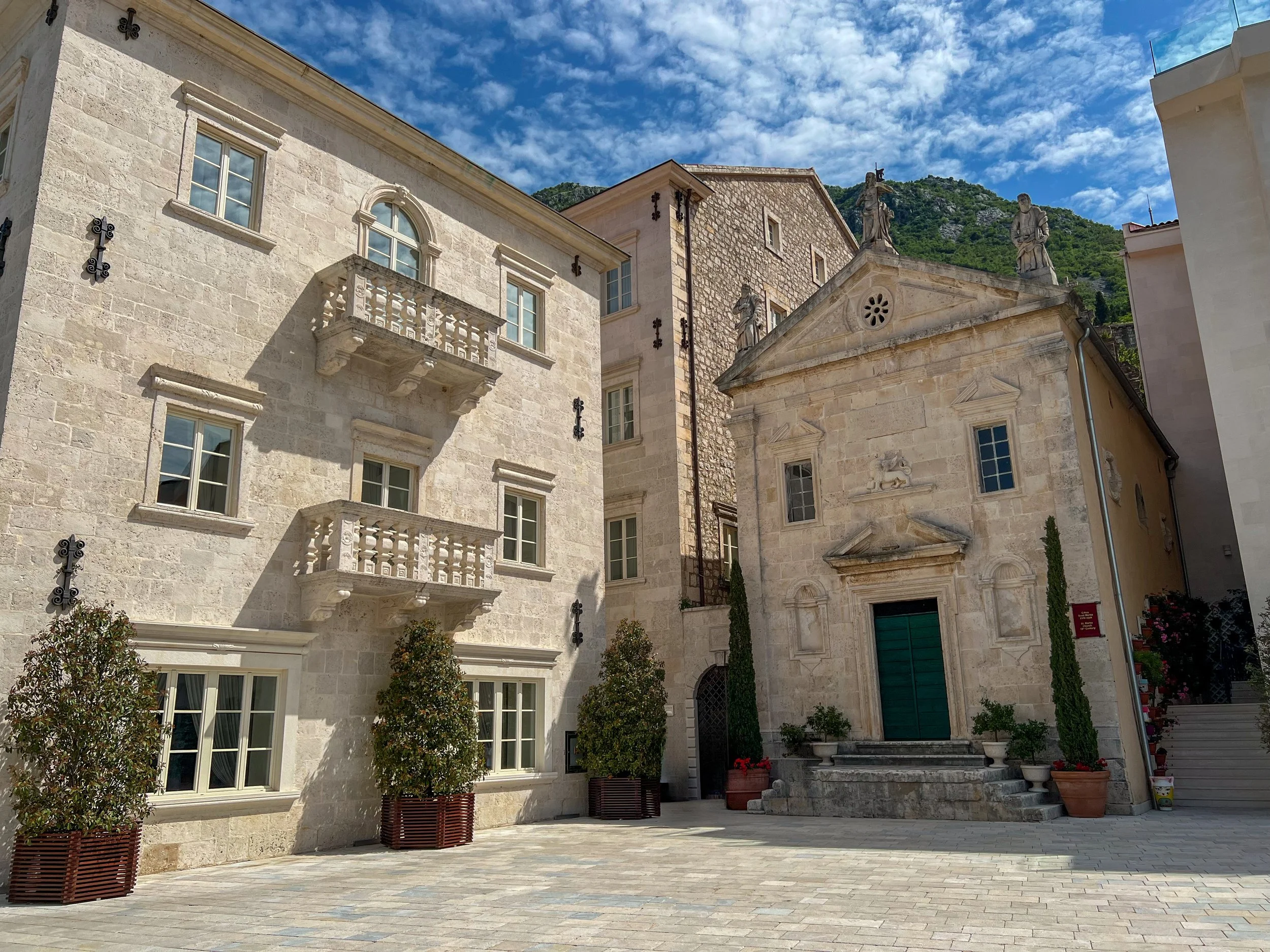
This small church and mausoleum is dedicated to the Virgin Mary, St. Anne, St. Matthew, and St. Mark the Evangelist. Constructed by Matej Stukanovic, the church features two high pilasters with Corinthian capitals flanking the front. The roof gable is adorned with a small rose window, and above it, sculptures of the Resurrected Christ, St. Peter holding the keys, and St. Mark holding the gospel can be found. At the back of the church, a three-light bellcote completes its distinctive architectural features.
Church of St. John the Baptist
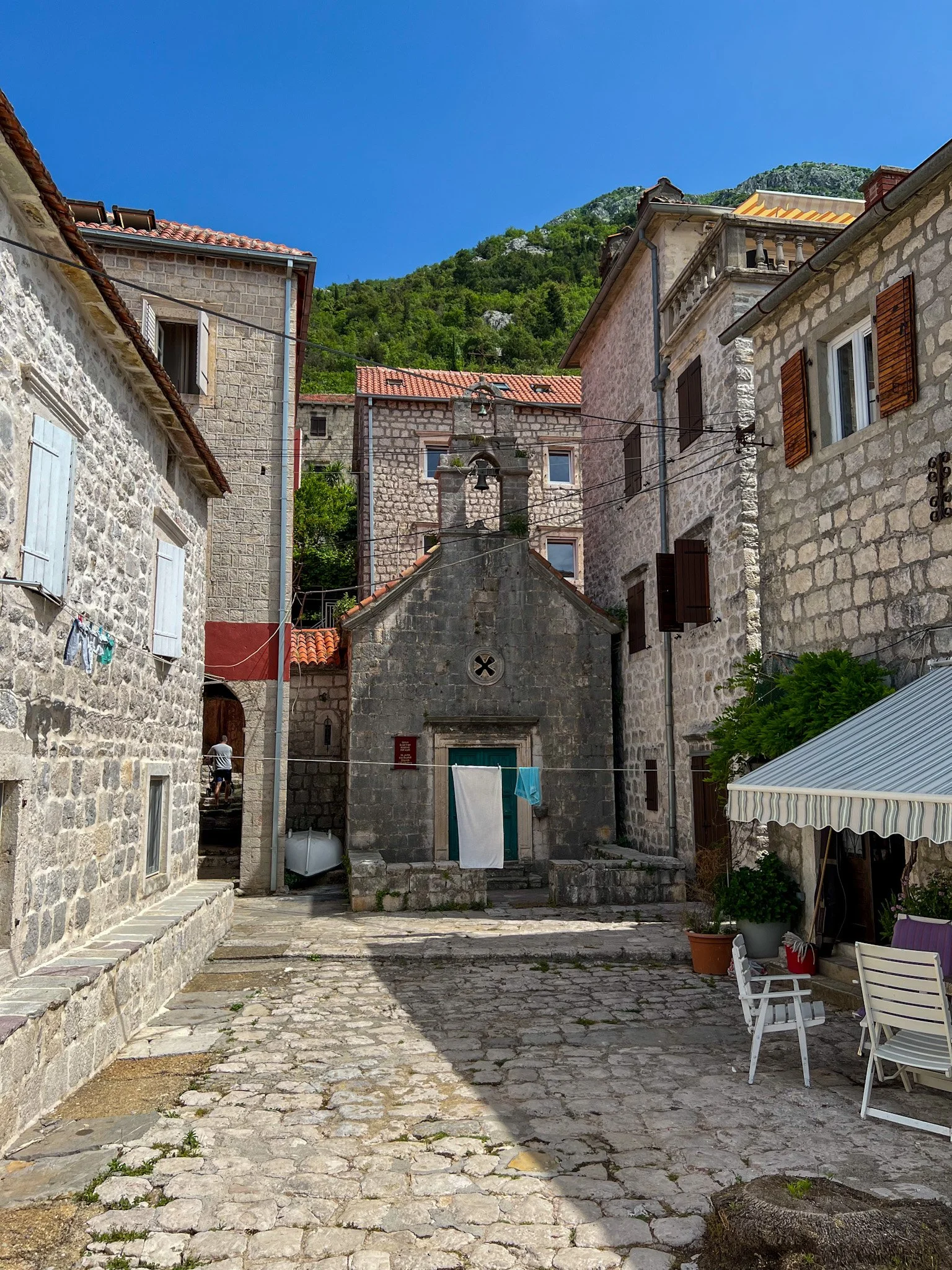
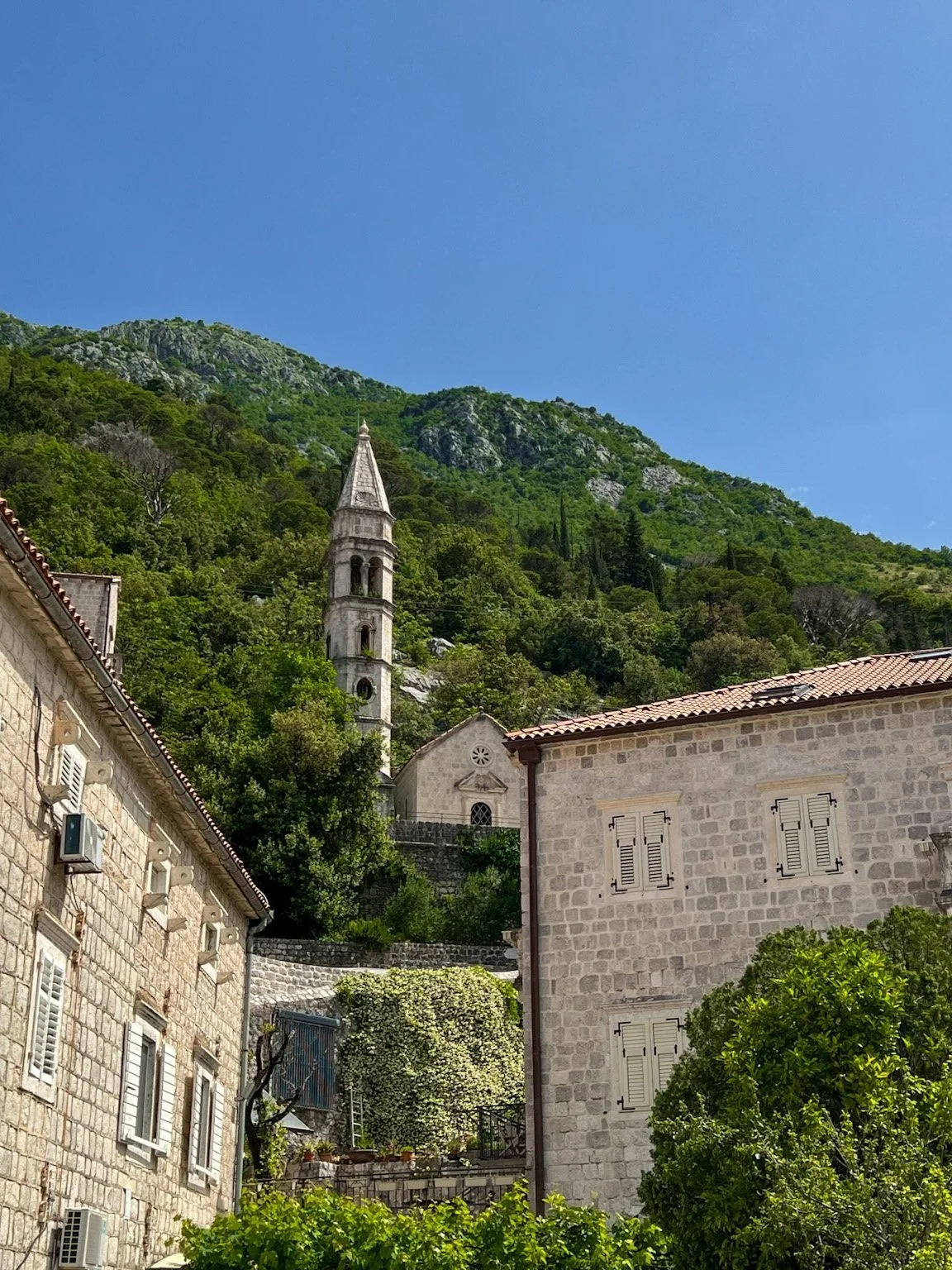
Another small church you can find along the old road is the Church of St. John the Baptist, a charming example of late Renaissance architecture.
First mentioned in 1595, the church was associated with the medieval “Confraternity of the Wounds of Jesus Christ.” Its elegant west façade features a finely crafted portal, a small rose window, and distinctive twin bell gables stacked vertically. One of the bells, bearing a casting mark from 1596, attests to its historical significance. The church underwent renovations in 1703, preserving its architectural beauty and cultural heritage.
Perast Museum
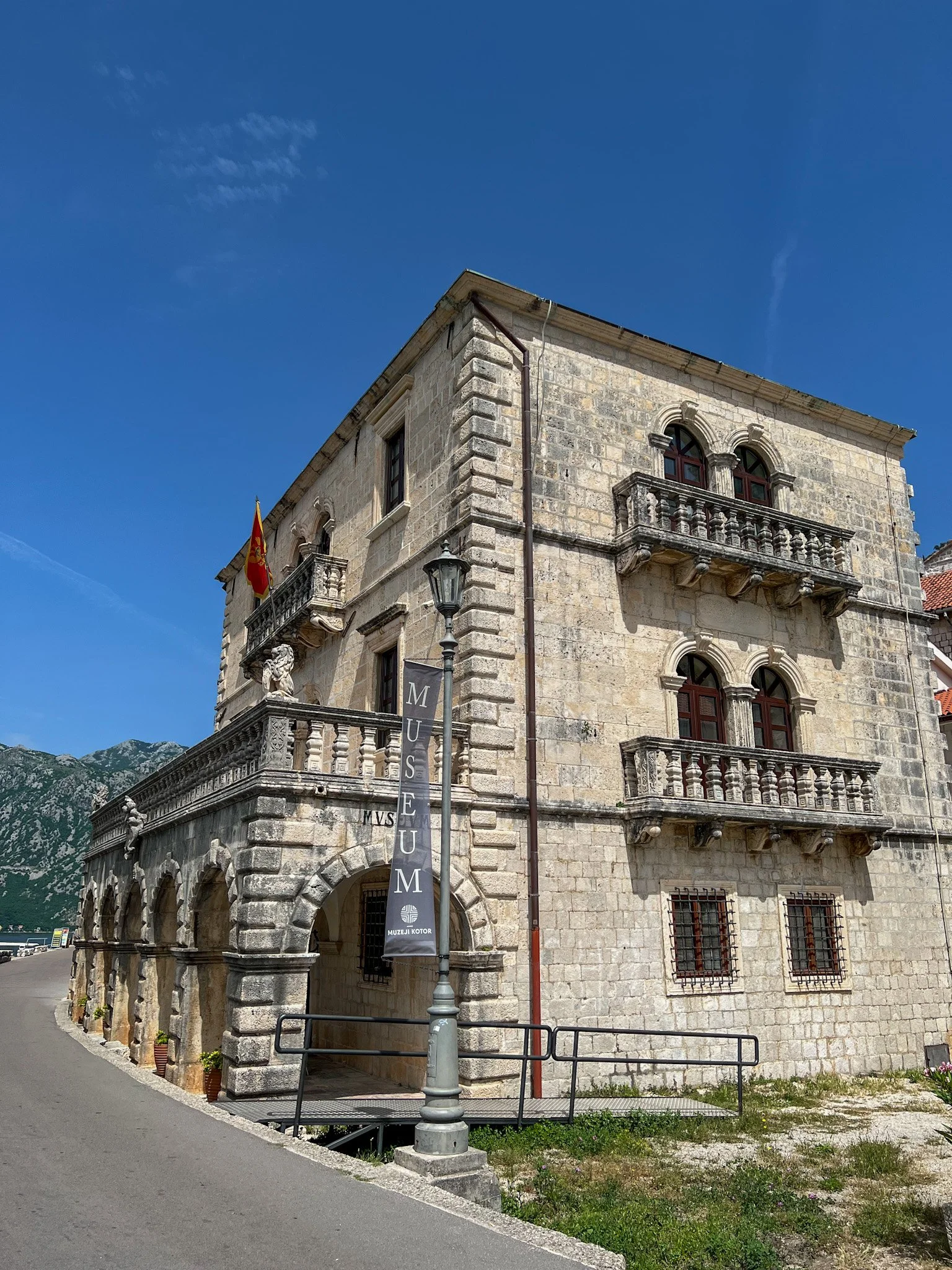
While we didn’t have enough time to visit inside, the Perast Museum is another touristic attraction you can find in the city. Housed in the grand 17th-century Bujović Palace, it offers a vivid window into the town's golden era and its maritime, cultural, and historical legacy.
The museum’s collection, established in 1937, showcases objects donated by local families and has grown to include over 2,000 objects spanning the 15th to 20th centuries. Visitors can explore maritime treasures such as model ships, navigational tools, and charts, as well as ethnographic pieces like jewelry and porcelain. The first-floor salon features Baroque portraits of notable residents, including Matija Zmajević and Vicko Bujović, alongside paintings by Tripo Kokolja, a celebrated Perast artist.

Hotel Leon Coronato
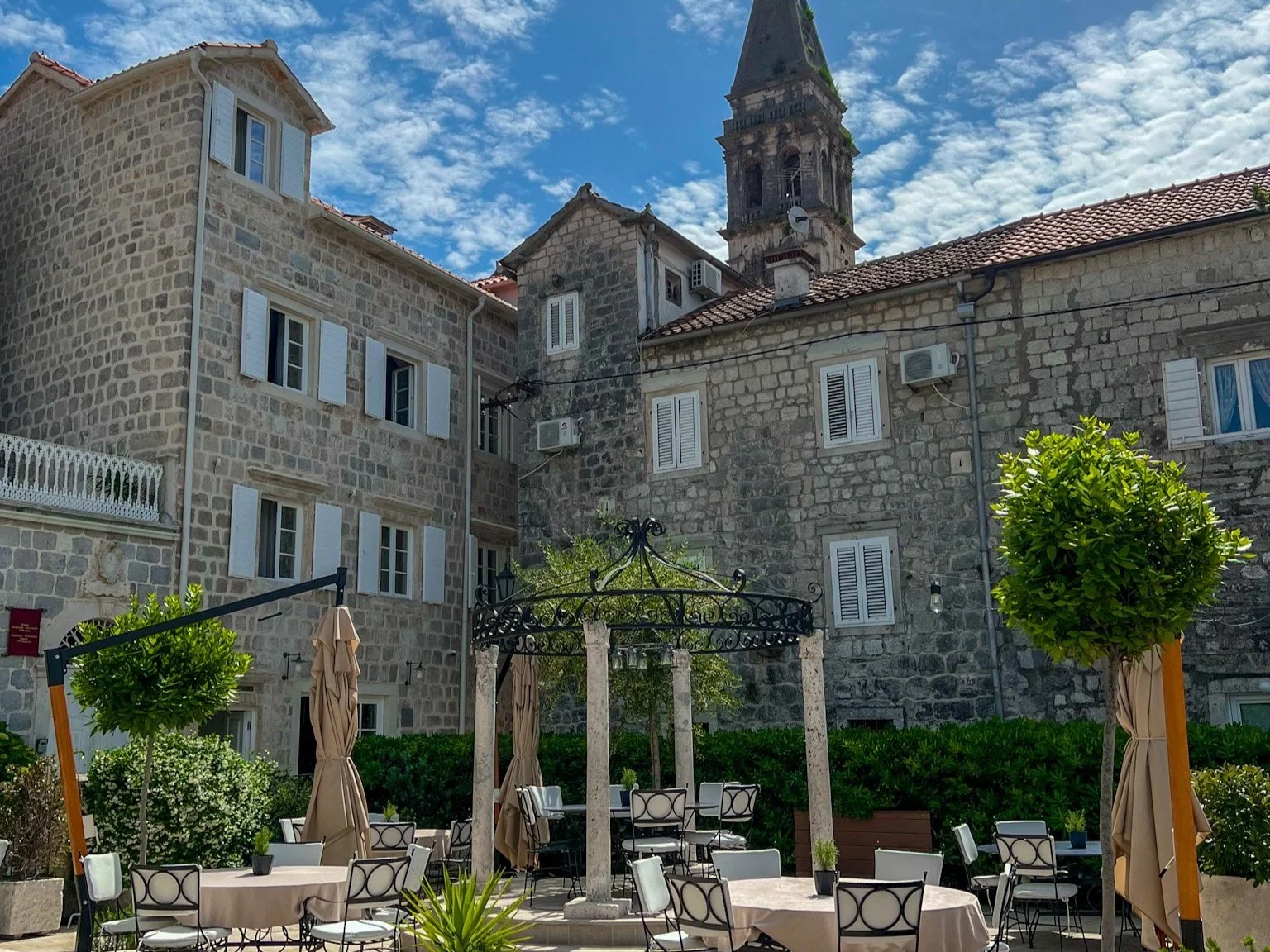
One of the standout features of Perast is the many palaces scattered throughout the town. Among them, Hotel Leon Coronato was one of the first to catch our attention.
Originally constructed in 1623 and reconstructed in 1866, this heritage hotel was once the home of the prominent Markovic-Martinovic family, renowned for their fleet of 40 sailing ships and maritime achievements. The building’s architecture reflects the early Baroque style typical of Perast’s golden era, when the city thrived under strong ties with the Venetian Republic. Despite the decline following Venice's fall, the resilient spirit of Perast's people and the enduring legacy of families like the Martinovic-Brajkovic clan have preserved its cultural and historical significance, making Leon Coronato a testament to the town's illustrious past.
St. Nicholas Church
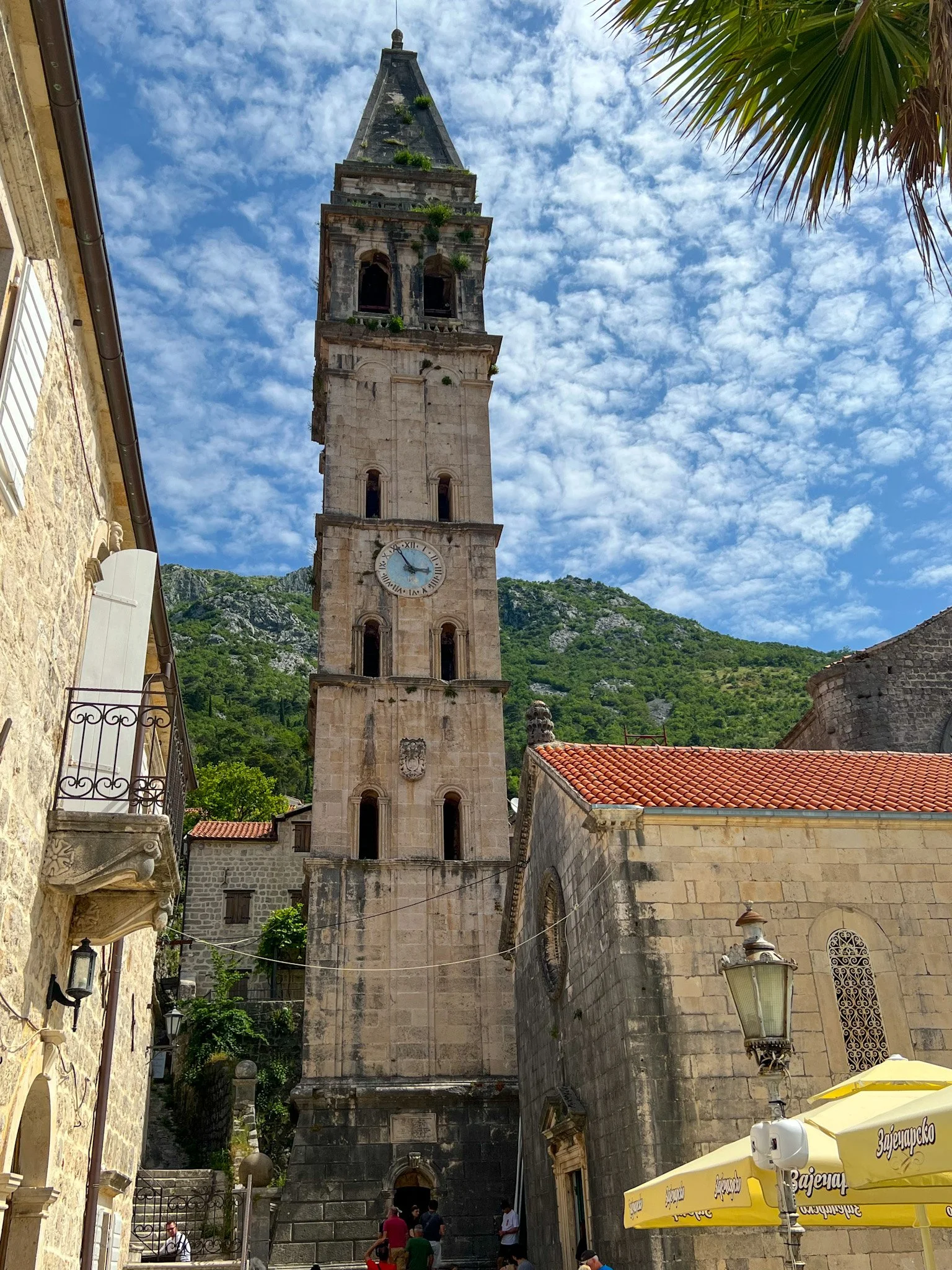
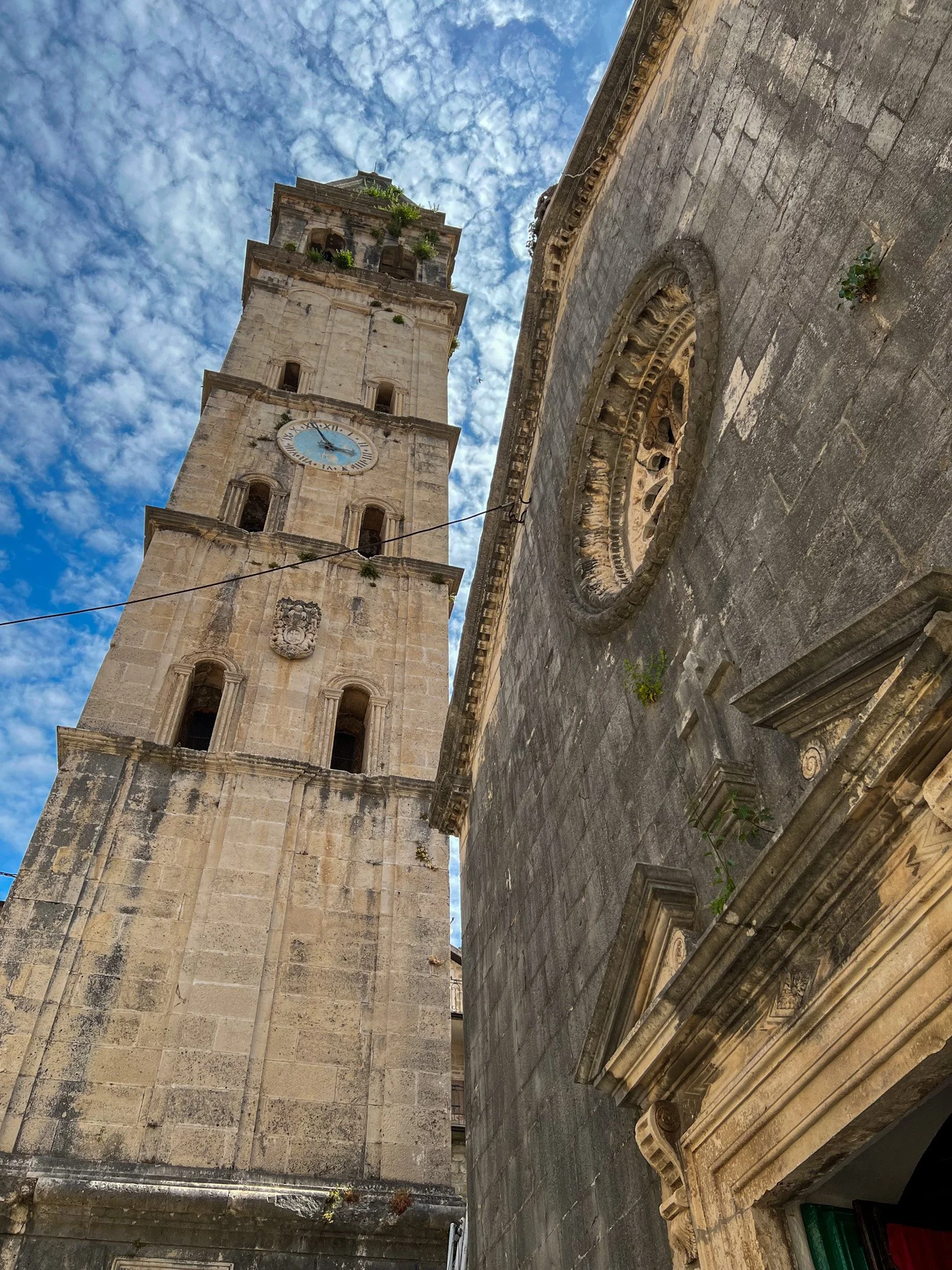
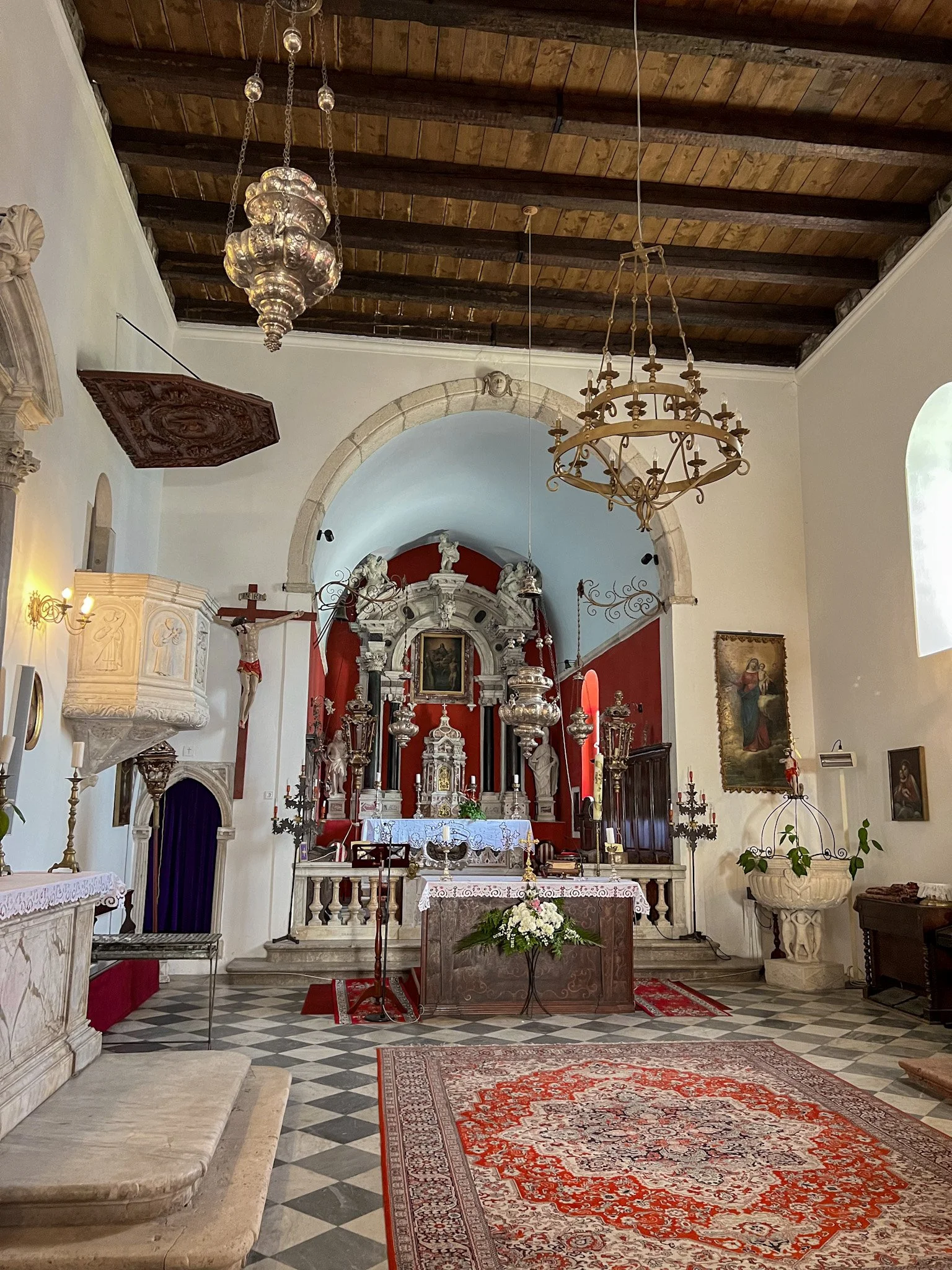
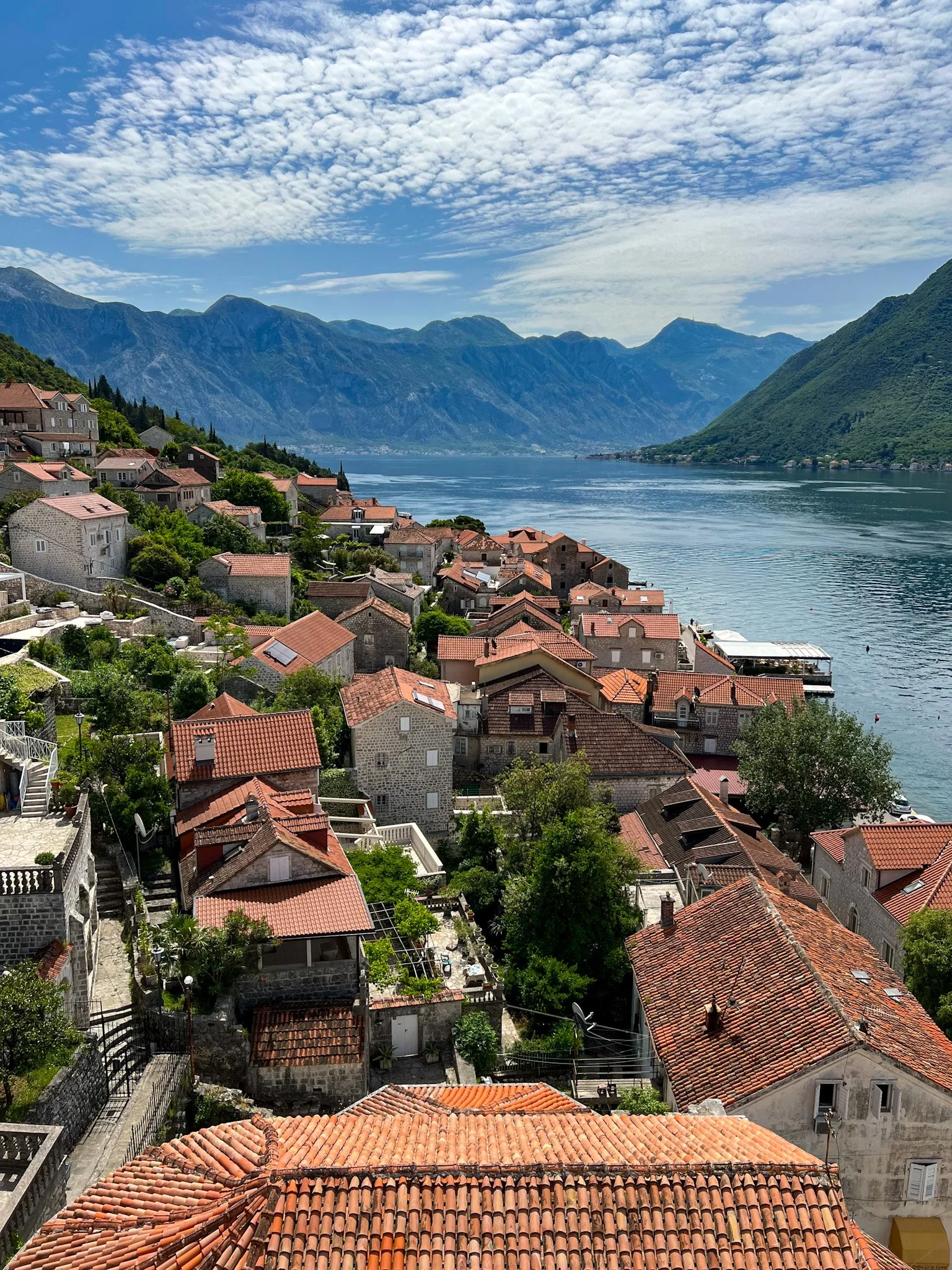
We walked to the southernmost end of the city to reach the highlight of our visit: St. Nicholas Church. With its 55-meter belfry dominating the town’s skyline, it stands as a striking landmark along Perast’s shoreline.
Built in 1691 with a Venetian clock added in 1730, the five-story tower reflects the town's maritime heritage and Venetian influence. Dedicated to Nikolaos of Myra, a 4th-century bishop and the patron saint of sailors and fishermen, the church underscores Perast’s deep connection to the sea. Though unfinished, St. Nicholas Church remains a symbol of the town’s enduring faith and its historical reliance on maritime endeavors.
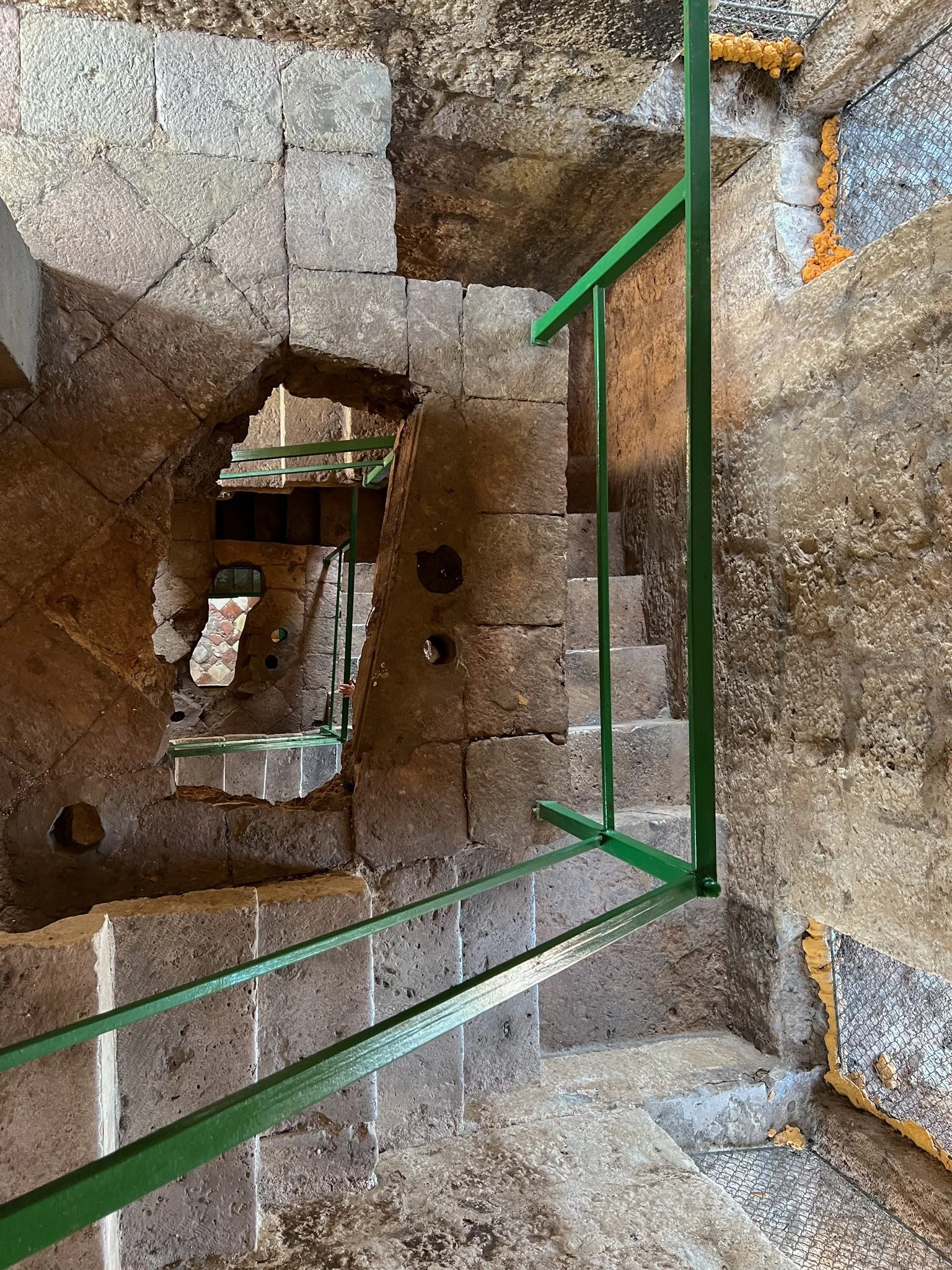
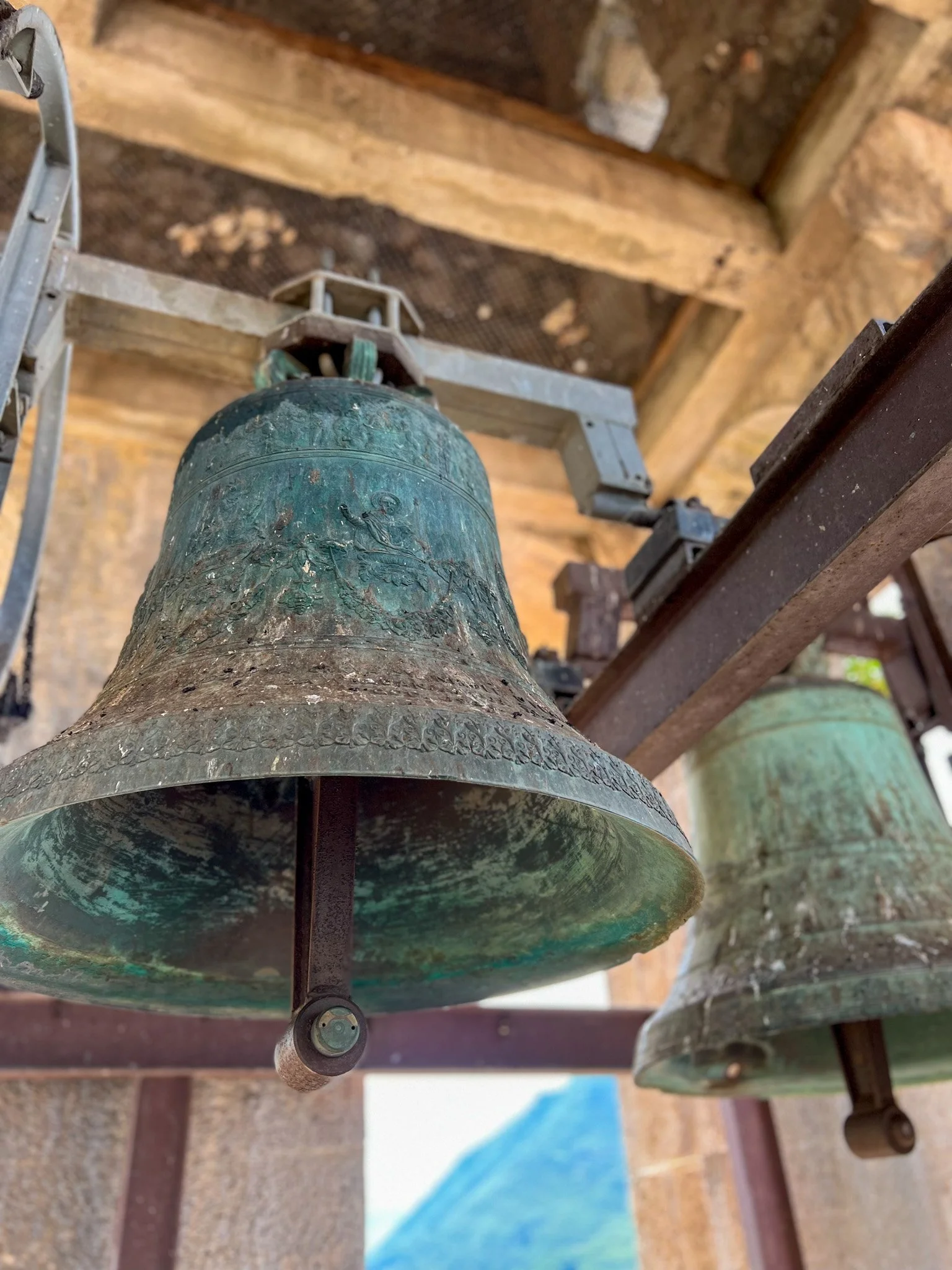
Be sure to climb the bell tower to enjoy breathtaking views of Perast and its picturesque bay!
Kotor Bay
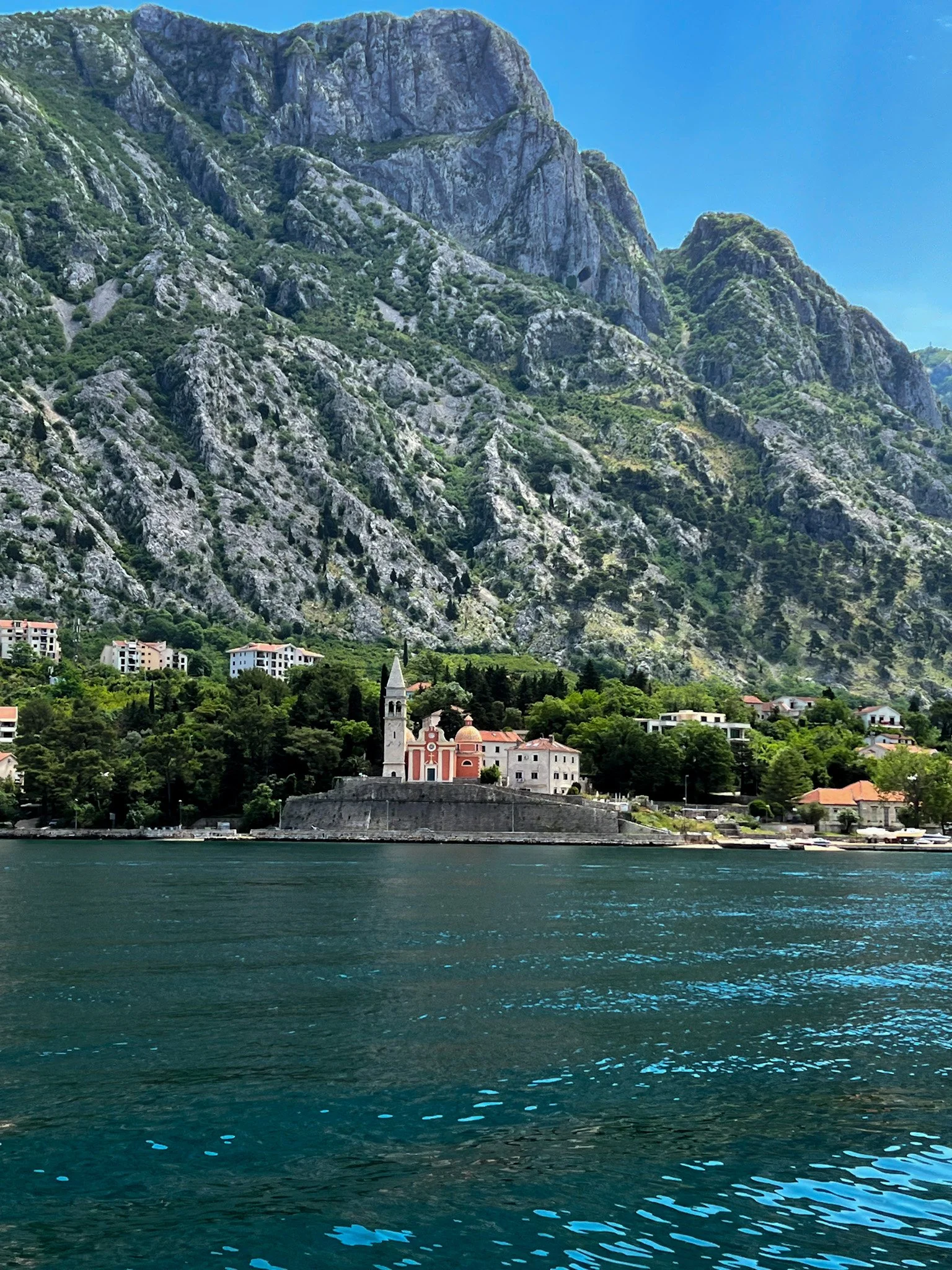
It was now time to board our small boat to enjoy the incredible scenery of Kotor Bay. Stretching approximately 28 kilometers in length, the bay is surrounded by the dramatic peaks of the Dinaric Alps, with the Orjen mountains to the west and the Lovćen mountains to the east.
The bay's rich history is deeply intertwined with its maritime tradition, as it was once home to a powerful naval fleet and a thriving economy centred around shipping. The bay is also a UNESCO World Heritage Site, recognised for both its natural beauty and cultural significance.
Our Lady of the Rocks
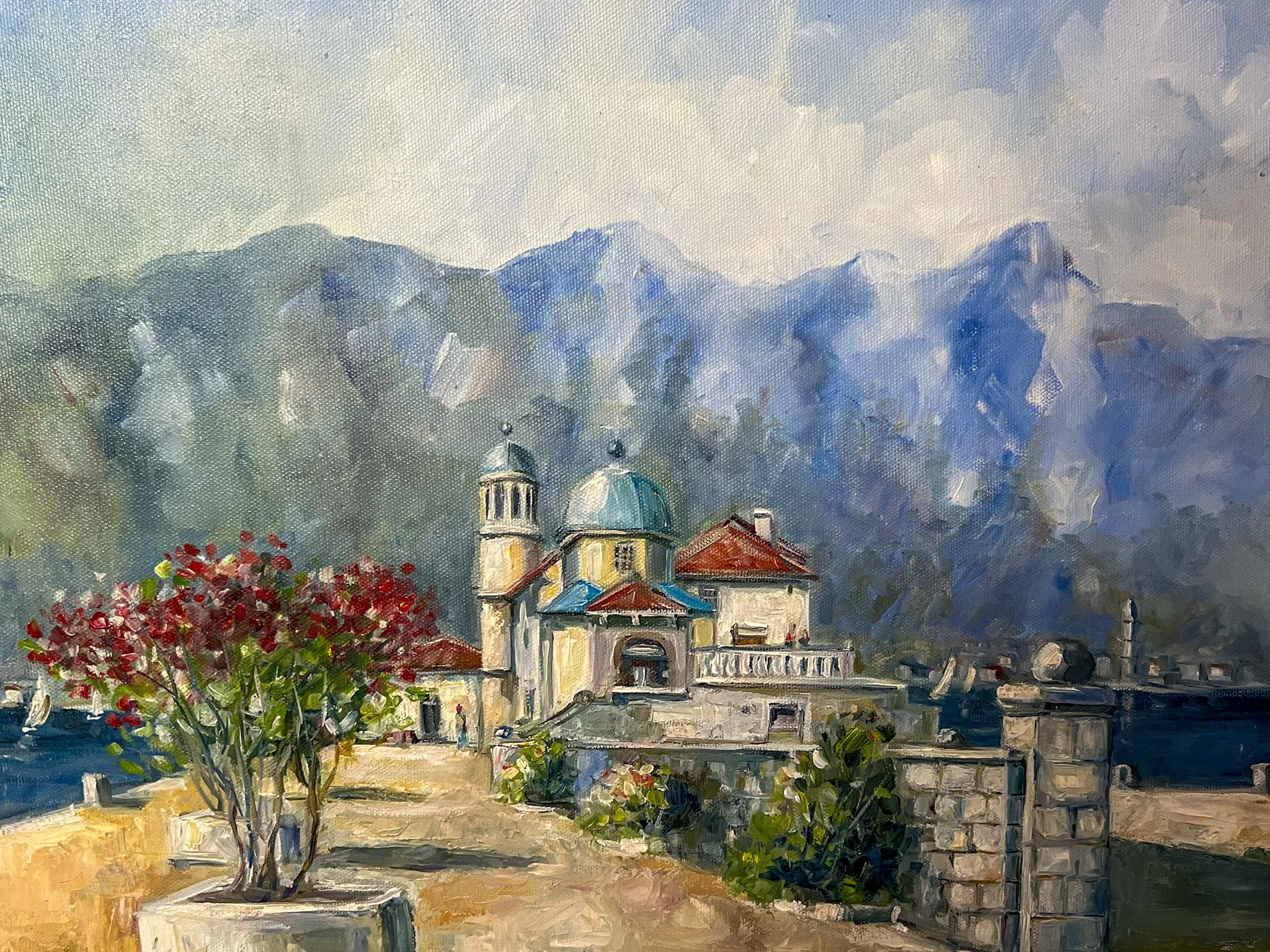
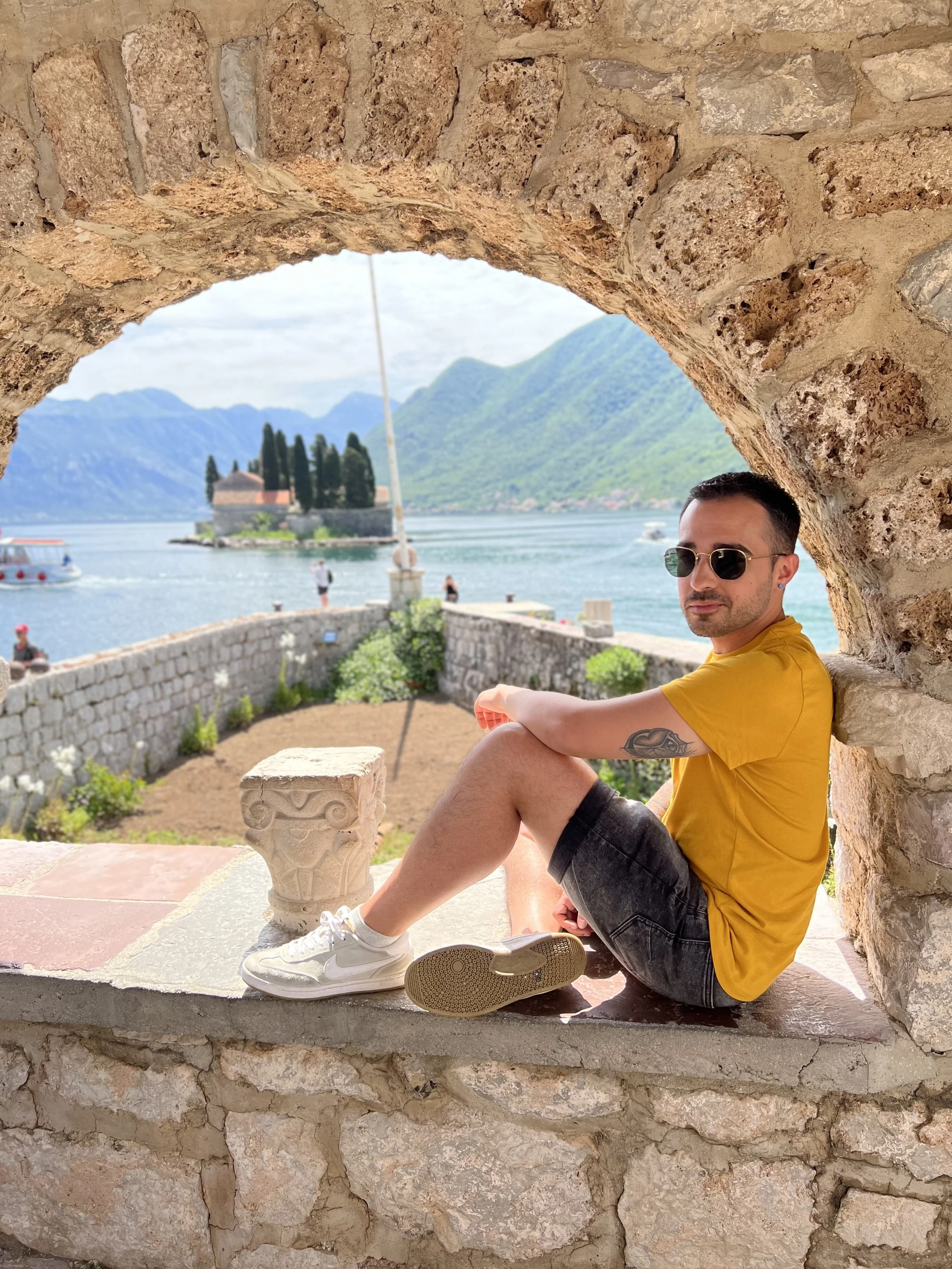
Our next stop was the of Our Lady of the Rocks, located only 10 minutes away from the shore of Perast. Our Lady of the Rocks is an artificial island located alongside the island of Sveti Đorđe. The island was created over time by local seamen who followed an ancient oath to place rocks in the sea after discovering the icon of Madonna and Child on a rock in the water in 1452. As a result of this tradition, the island gradually emerged from the sea.
The church on the island, also called Our Lady of the Rocks, has been expanded over the years and features a simple structure with a large octagonal dome above the altar. Inside, visitors can find over sixty paintings by the 17th-century artist Tripo Kokolja, along with silver votive plaques donated by sailors in gratitude for surviving perils at sea. The church also houses a miraculous image of the Virgin Mary, which is displayed on the main altar and is believed to be positioned directly above the rock where it was originally found. The island has long been a center for maritime devotion, with residents praying to Our Lady before departing and giving thanks upon their return.
Special celebrations occur on the Feast of the Assumption and the anniversary of the town's victory over the Turks in 1564, with processions and ceremonies to honor the Virgin Mary. The custom of adding rocks to the island continues today with an annual event, fašinada, where local residents gather to throw rocks into the sea at sunset on July 22.
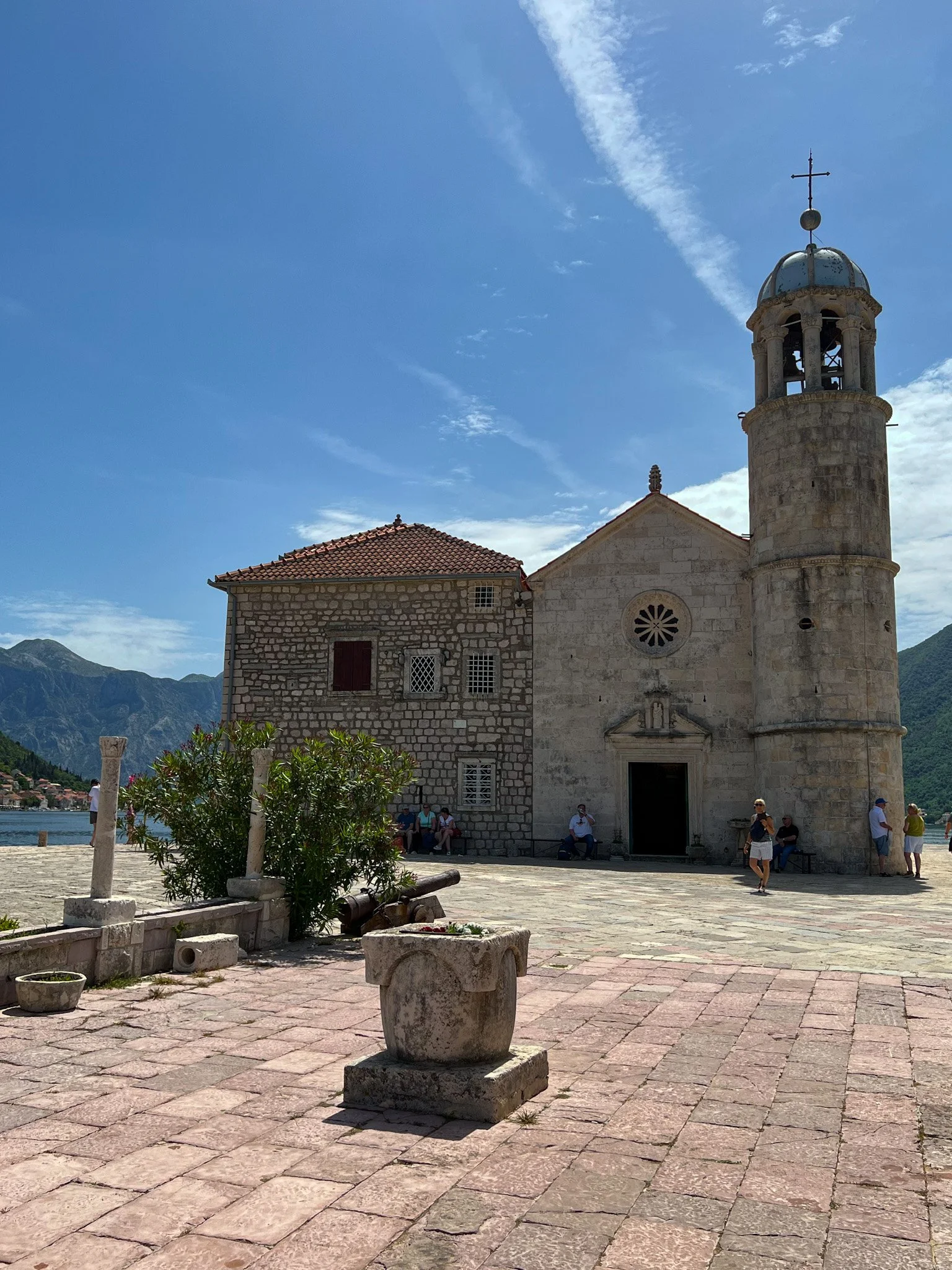
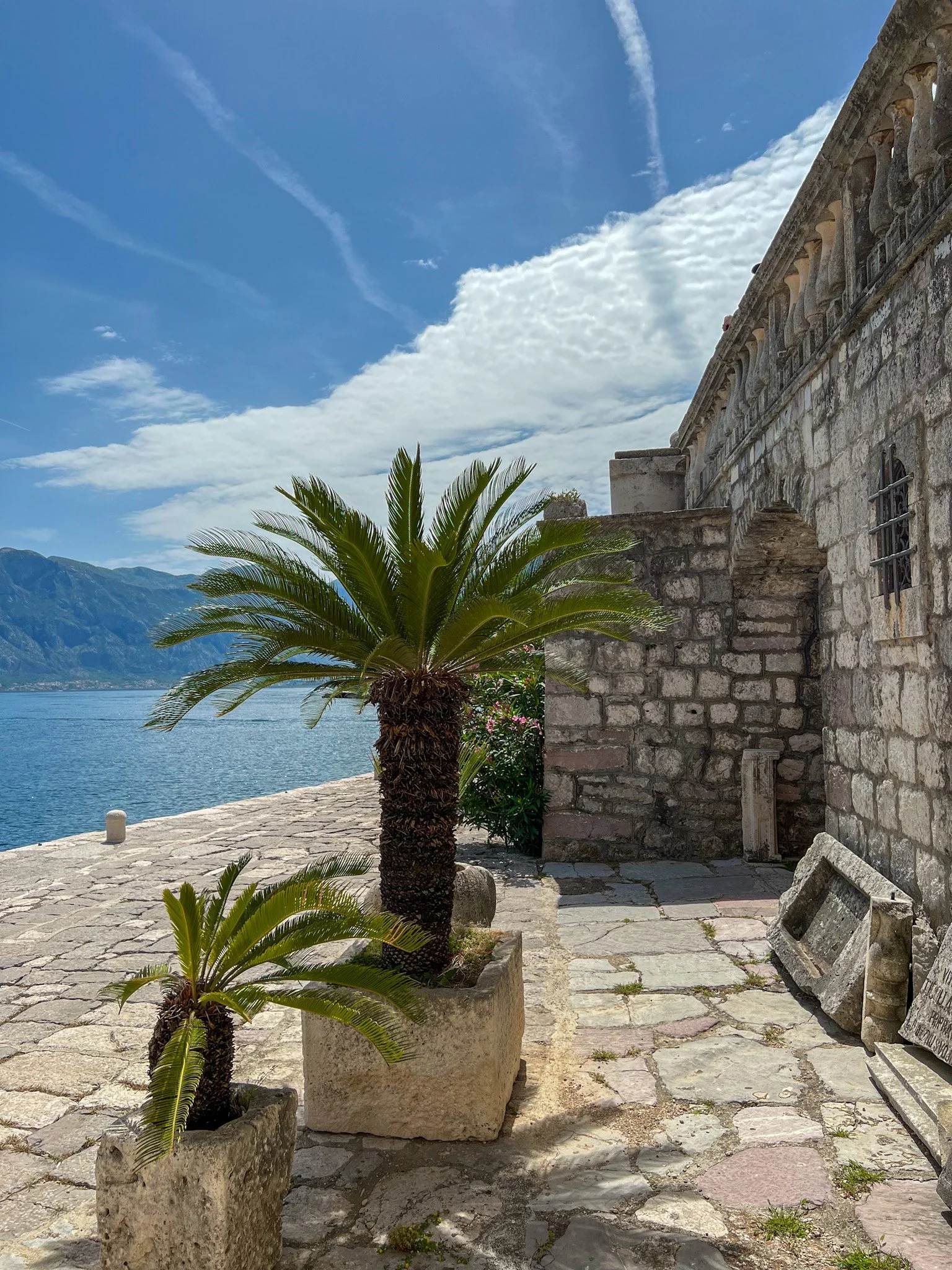
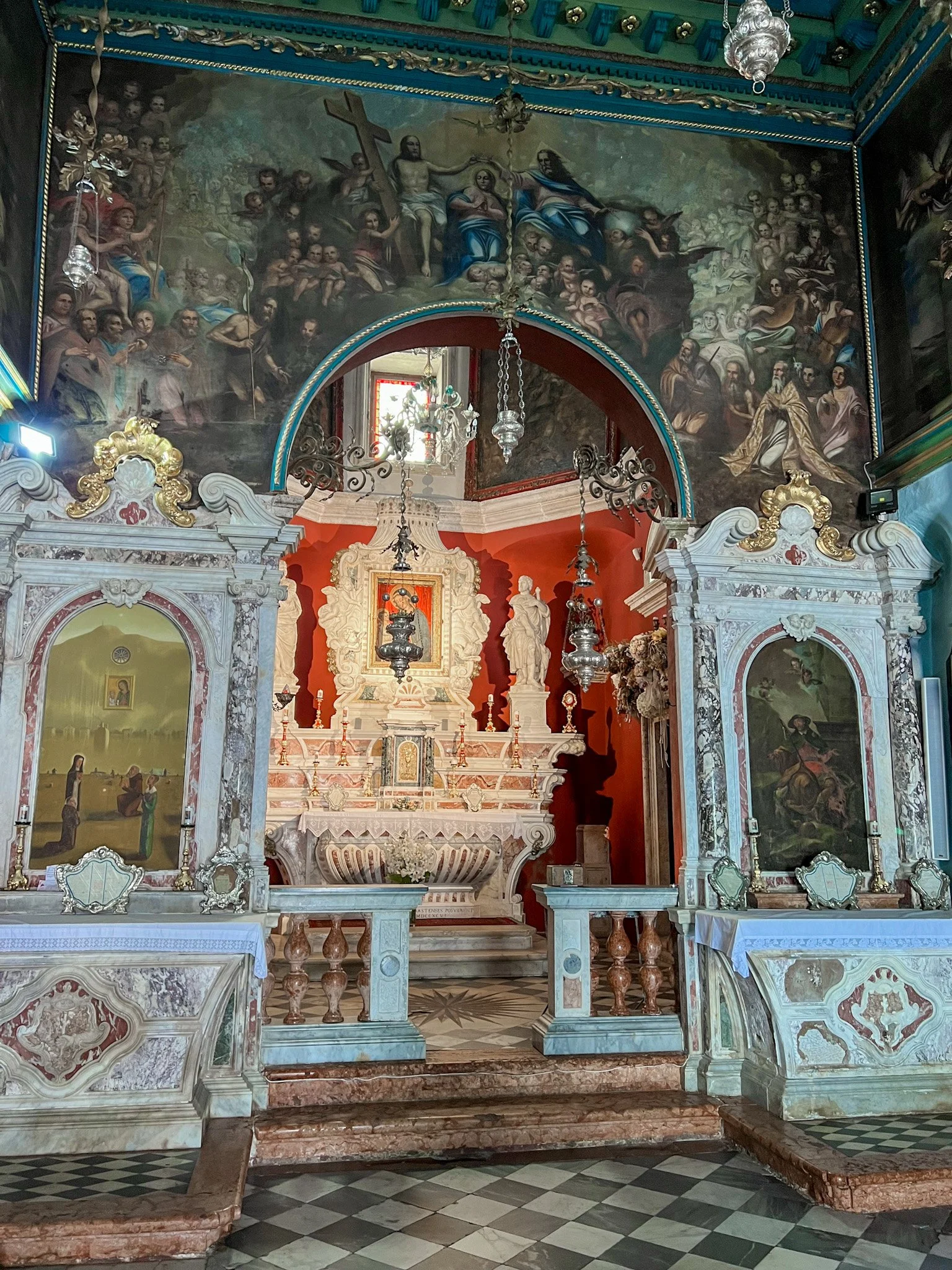
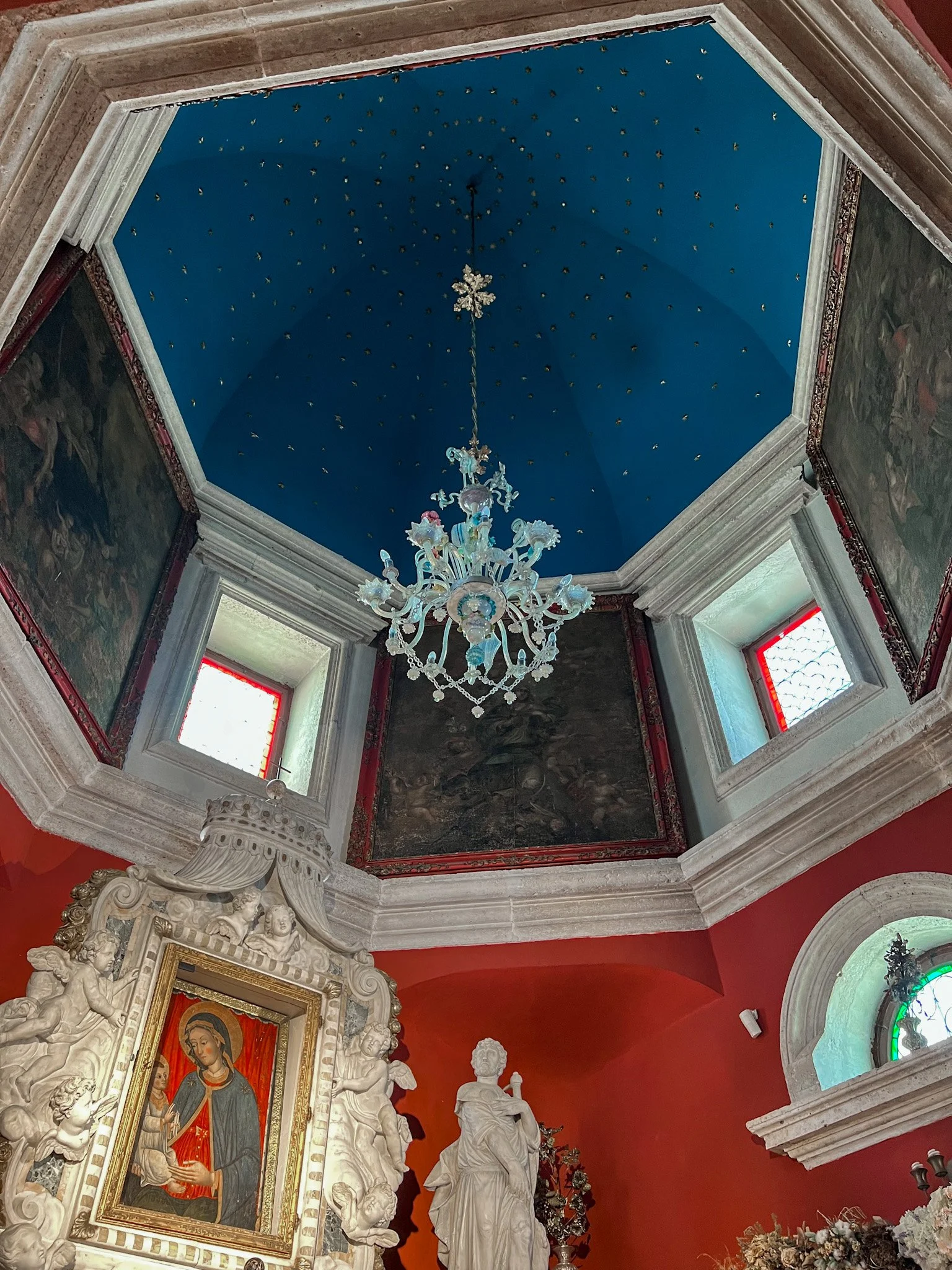
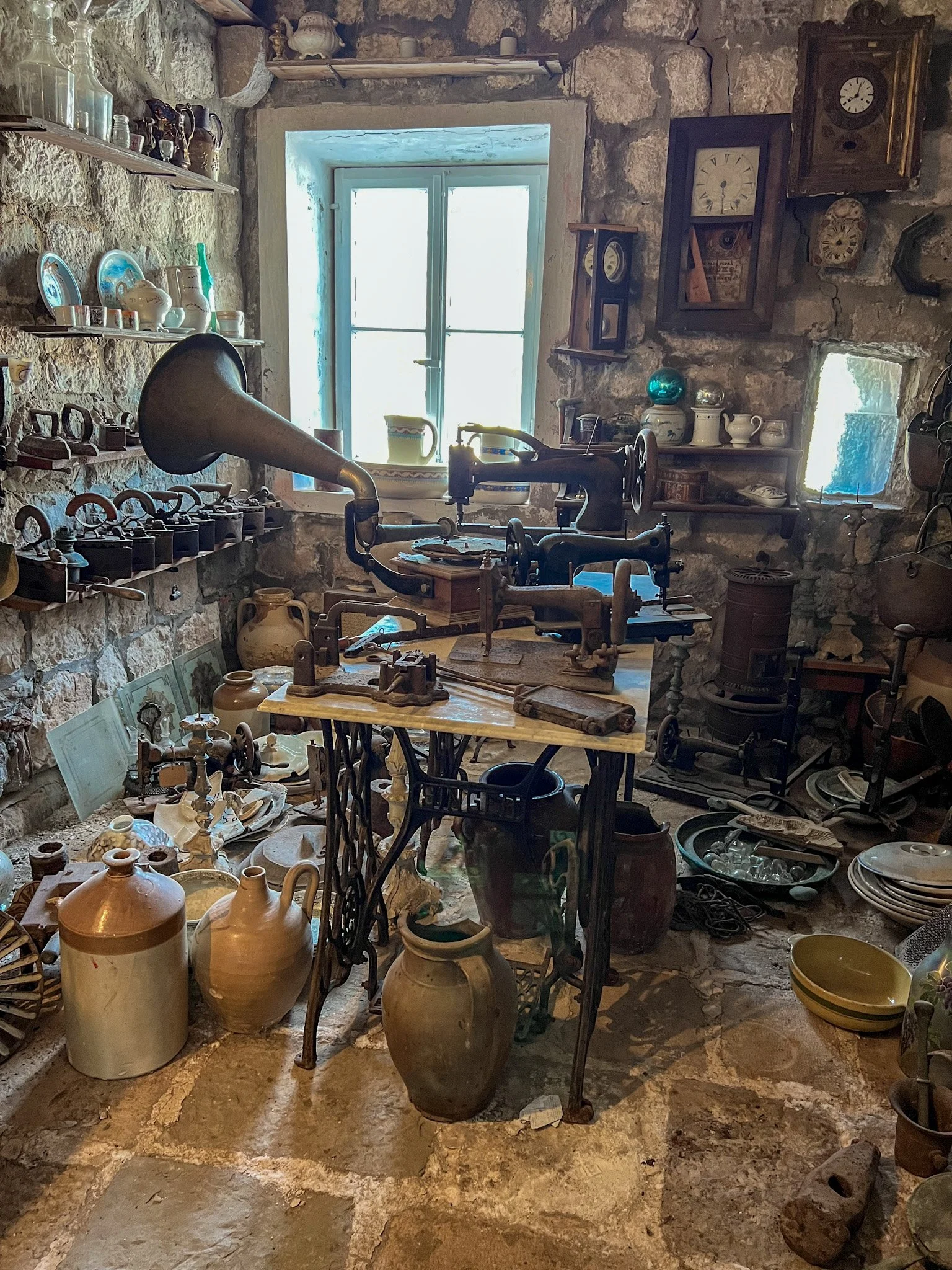
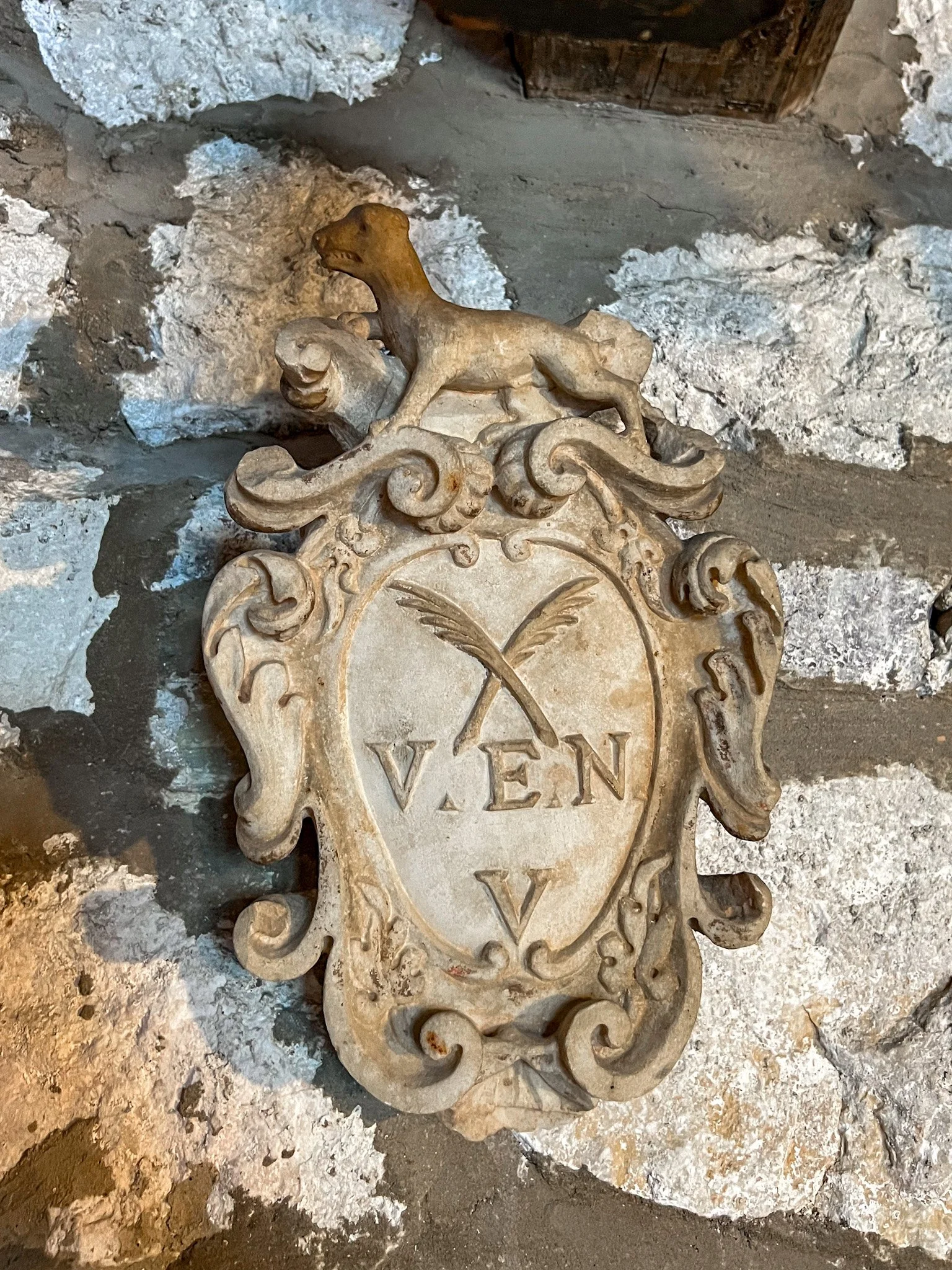
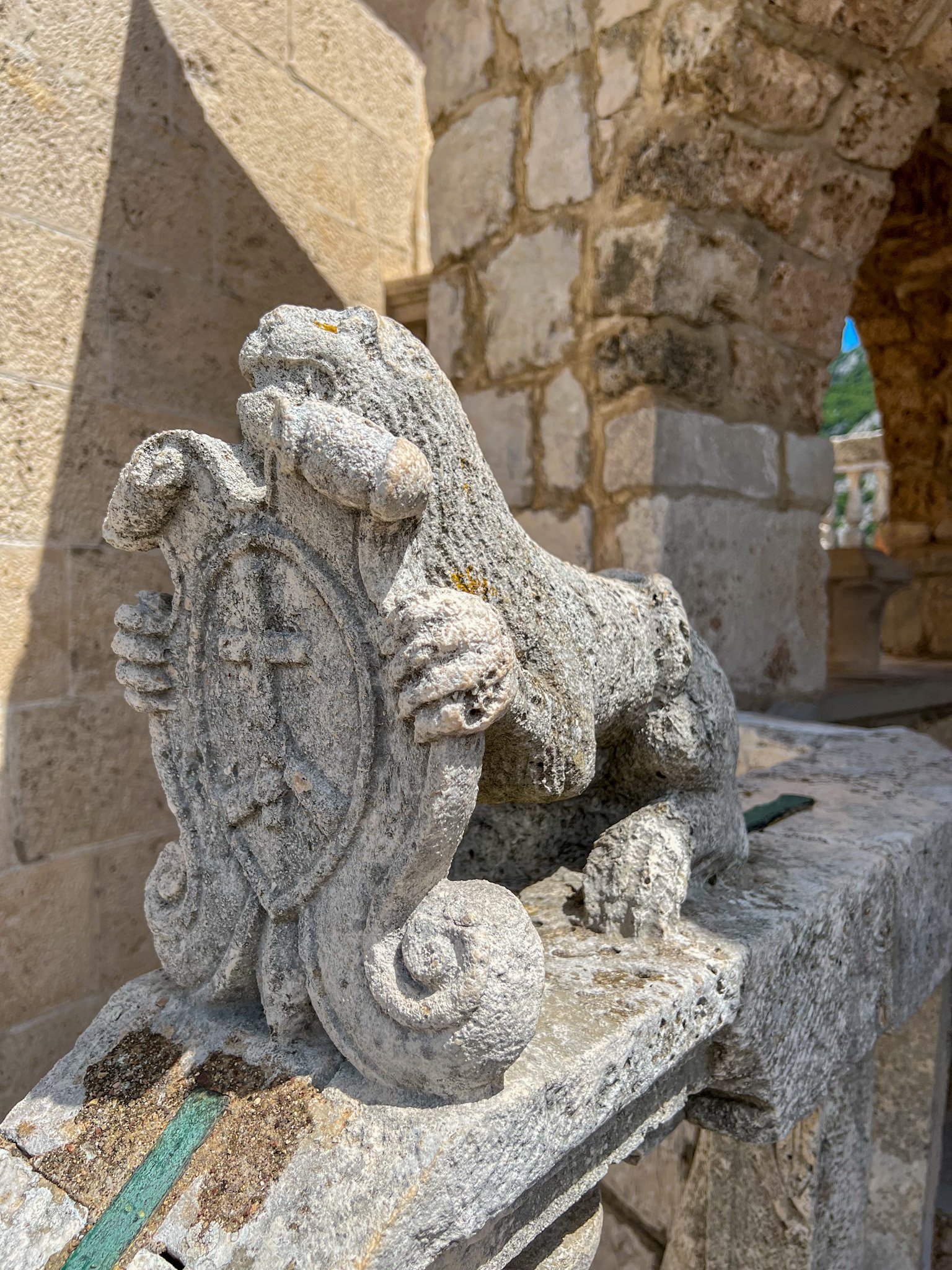
The Catholic Church of Our Lady of the Rocks, the largest building on the islet, was renovated in 1722 and features a museum, a small gift shop, and a navigation light.
The museum displays 68 paintings by the famous 17th-century artist Tripo Kokolja, including his monumental piece, The Death of the Virgin, along with works by Italian artists and a 15th-century icon of Our Lady of the Rocks. Notable items in the museum include votive paintings, silver votive tablets, and a tapestry embroidered by Jacinta Kunić-Mijović, which she worked on for 25 years while waiting for her lover to return from a long voyage.
Kotor
After spending half an hour on the island, which was enough of time given its small size, we boarded our boat again to continue our journey through Kotor Bay, taking in the wonderful scenery. It took us about 45 minutes to reach our final stop of the day: the town of Kotor.
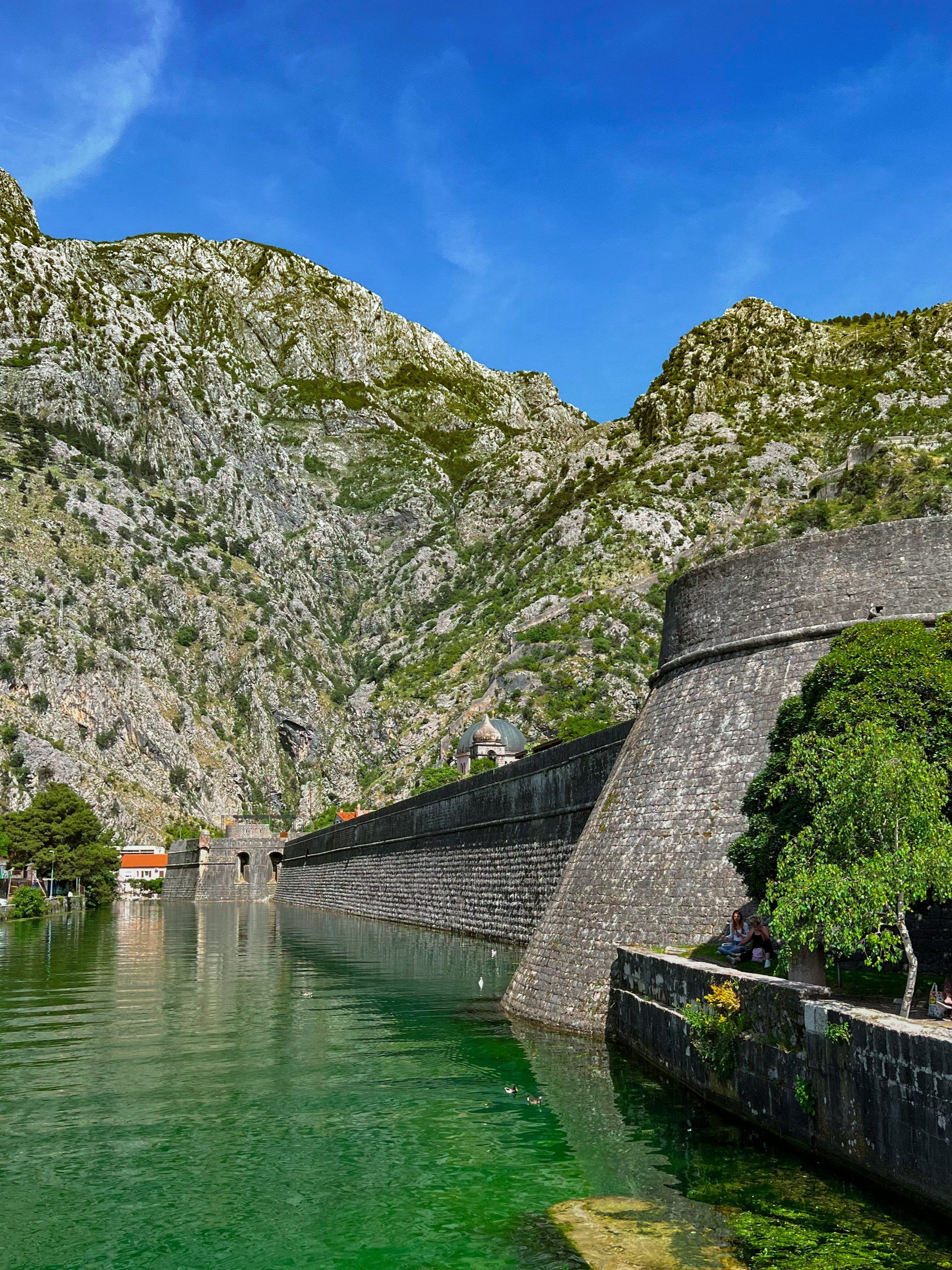
Surrounded by dramatic limestone cliffs, Kotor has one of the best-preserved medieval old towns in the Adriatic, which is a UNESCO World Heritage Site. The city has been a significant cultural and economic centre throughout history, with influences from the Romans, Byzantines, Serbs and Venetians, among others.
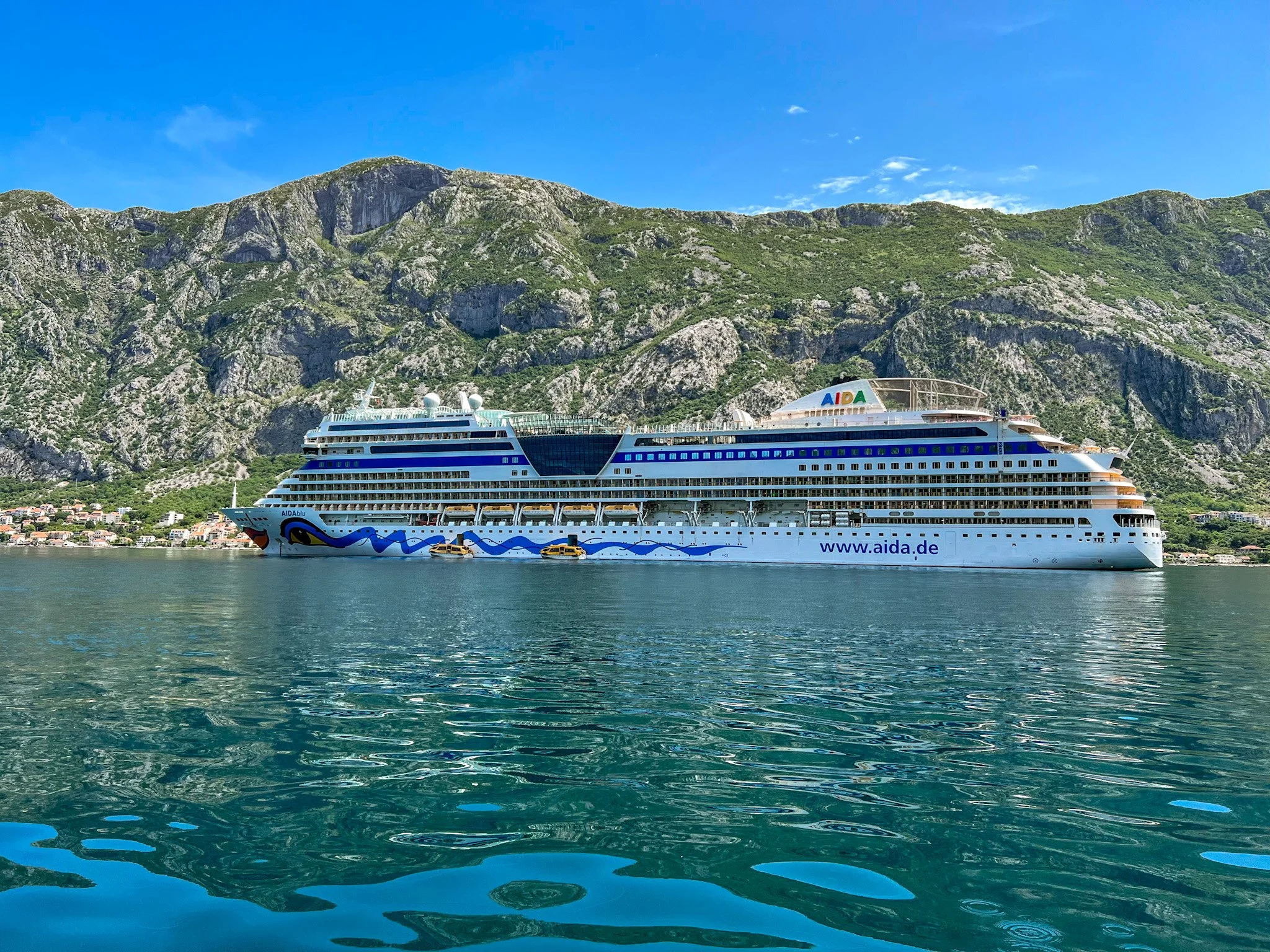
Kotor's old town is enclosed by impressive fortifications that date back to the Venetian period. The bay itself, often referred to as the southernmost fjord in Europe, is a submerged river canyon that provides a breathtaking backdrop for the town. Today, Kotor is a popular tourist destination, with a growing number of visitors, especially cruise ship tourists, coming to explore its cultural sights and enjoy the natural beauty of the surrounding area.
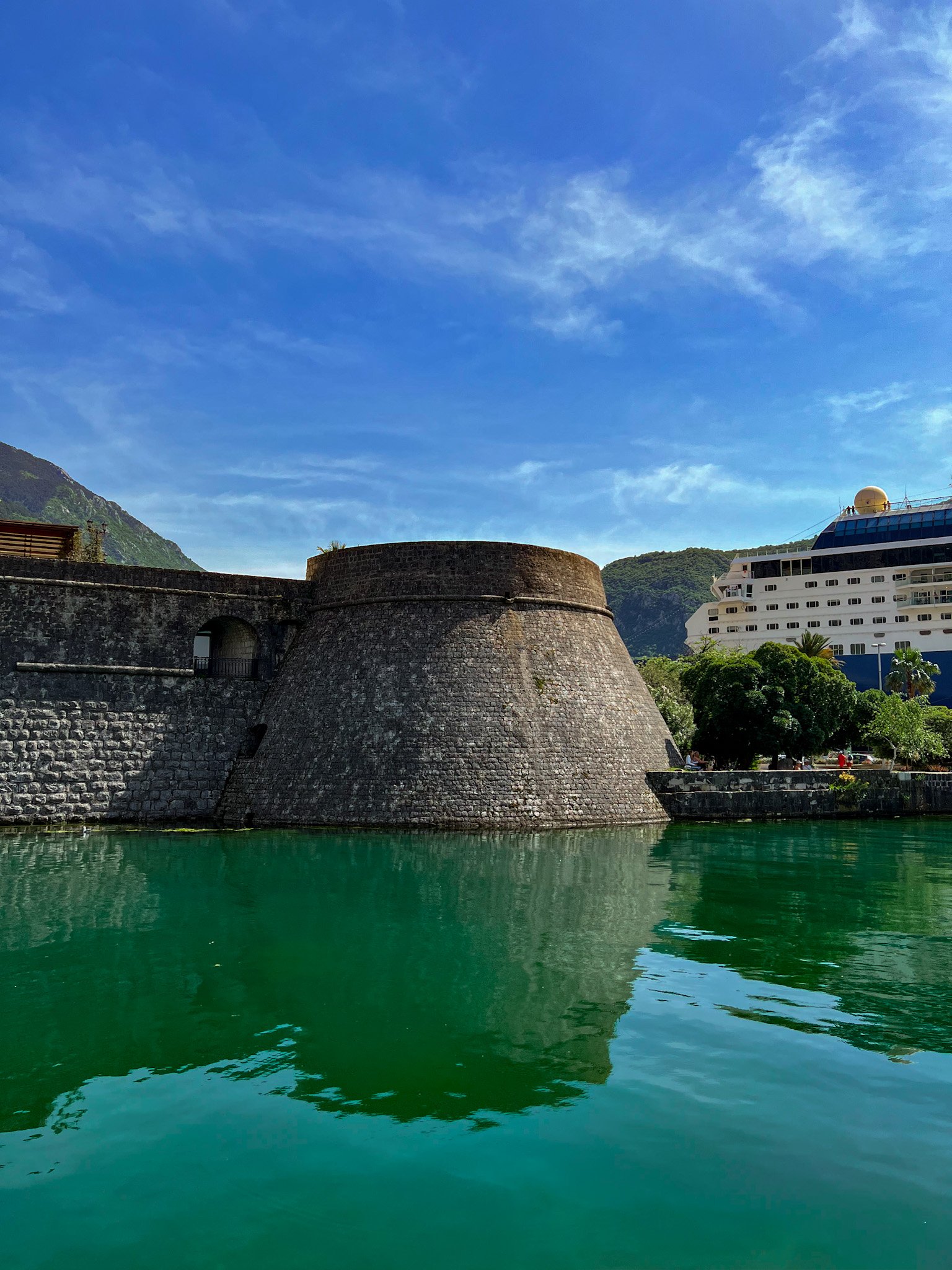
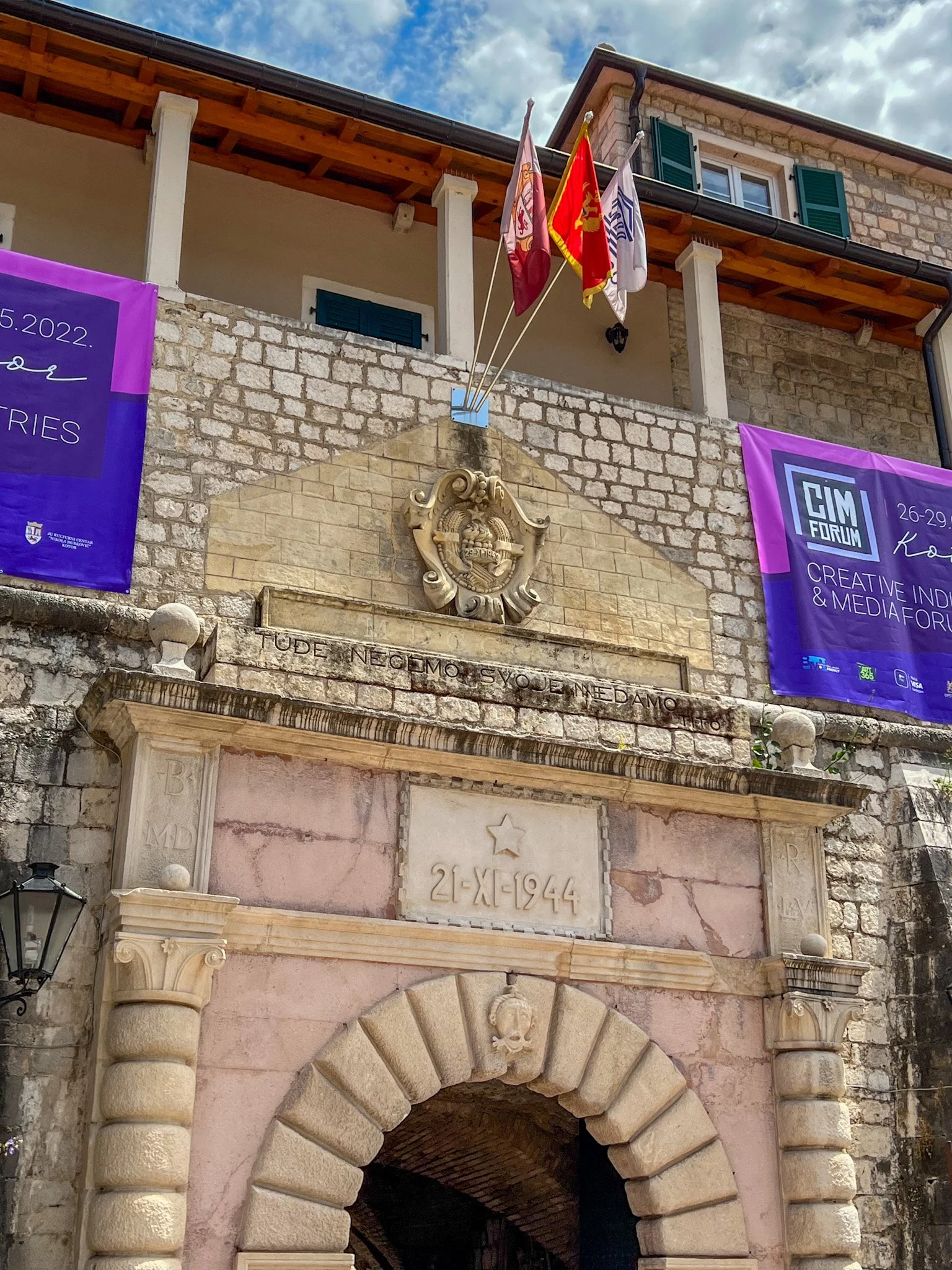
The Sea Gate of Kotor, built in 1555 during Venetian rule, serves as the main entrance to the city's fortified old town. This impressive gate proudly displays the winged lion of St. Mark, symbolizing Venice, which can be seen in several locations around Kotor.
Above the entrance, a communist star and a post-World War II inscription reading, "What belongs to others we don't want, what is ours we will never surrender," attributed to Yugoslav leader Tito, add a layer of historical significance.
The gate, originally only accessible by sea, has settled by over 70 centimeters due to the weight of its stone blocks. As you pass through the gate, you'll encounter a beautiful 15th-century stone relief depicting the Madonna and Child, flanked by St. Tryphon and St. Bernard, before entering the charming cobblestone streets of Kotor’s Old Town.

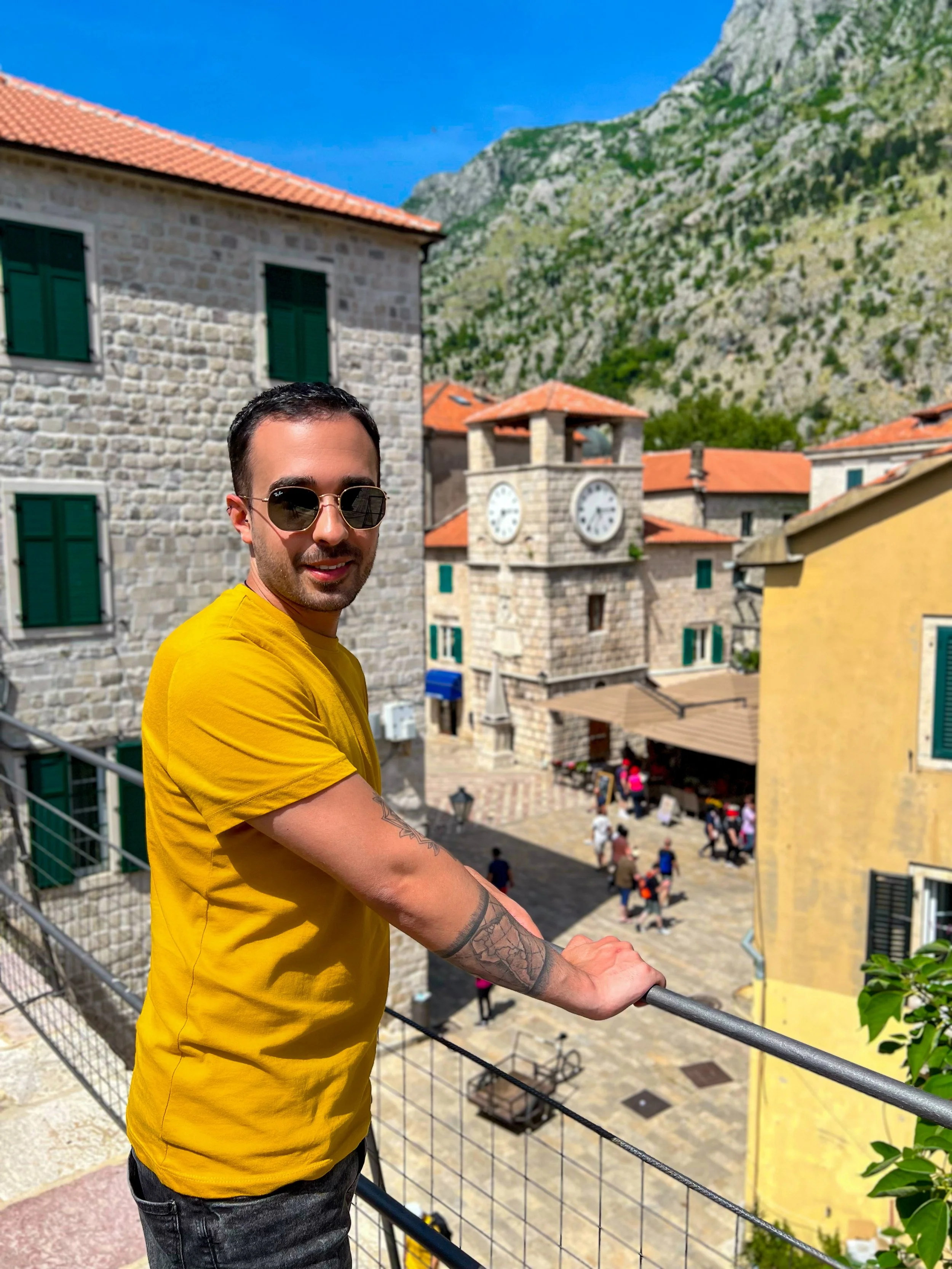
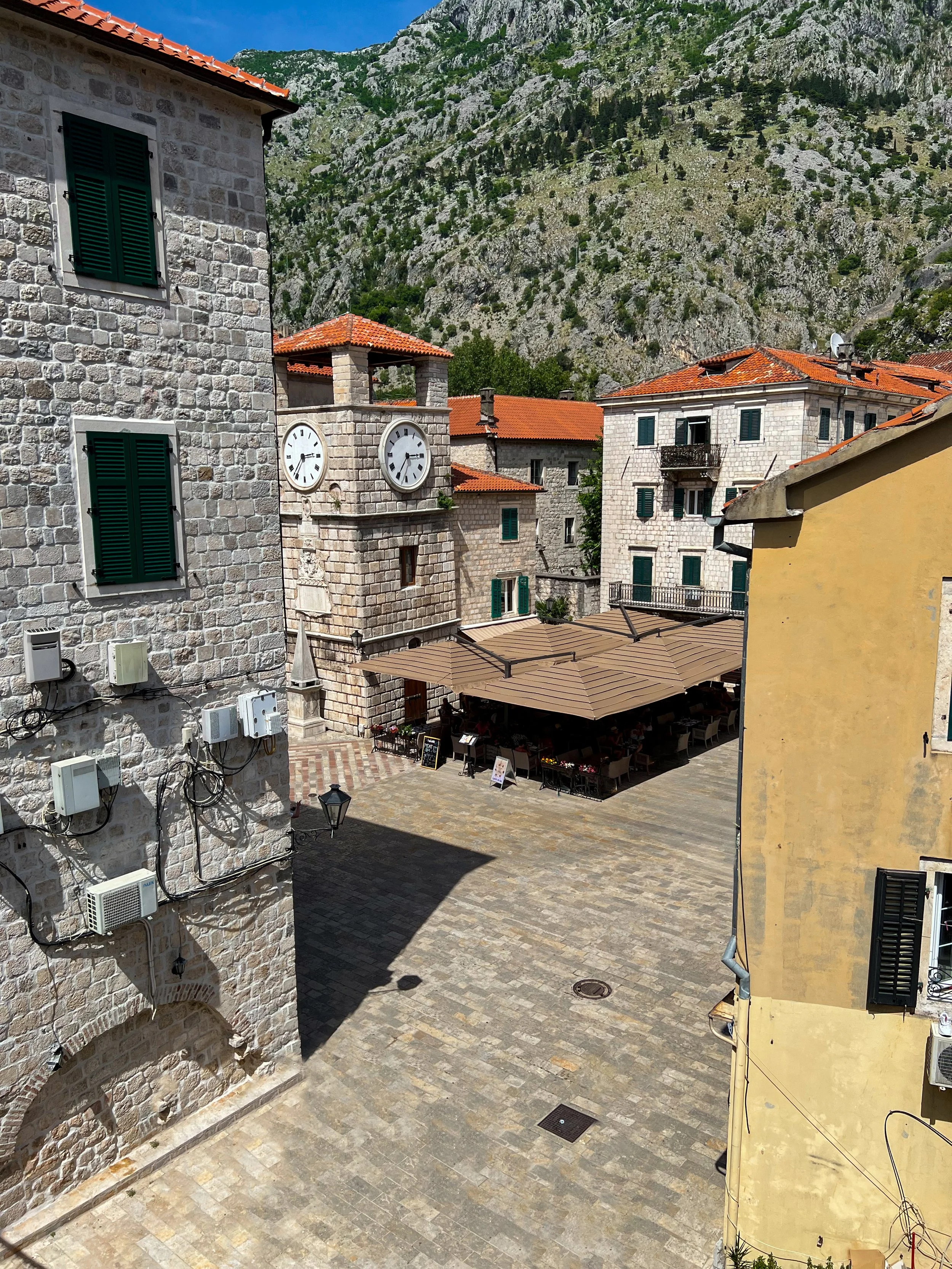
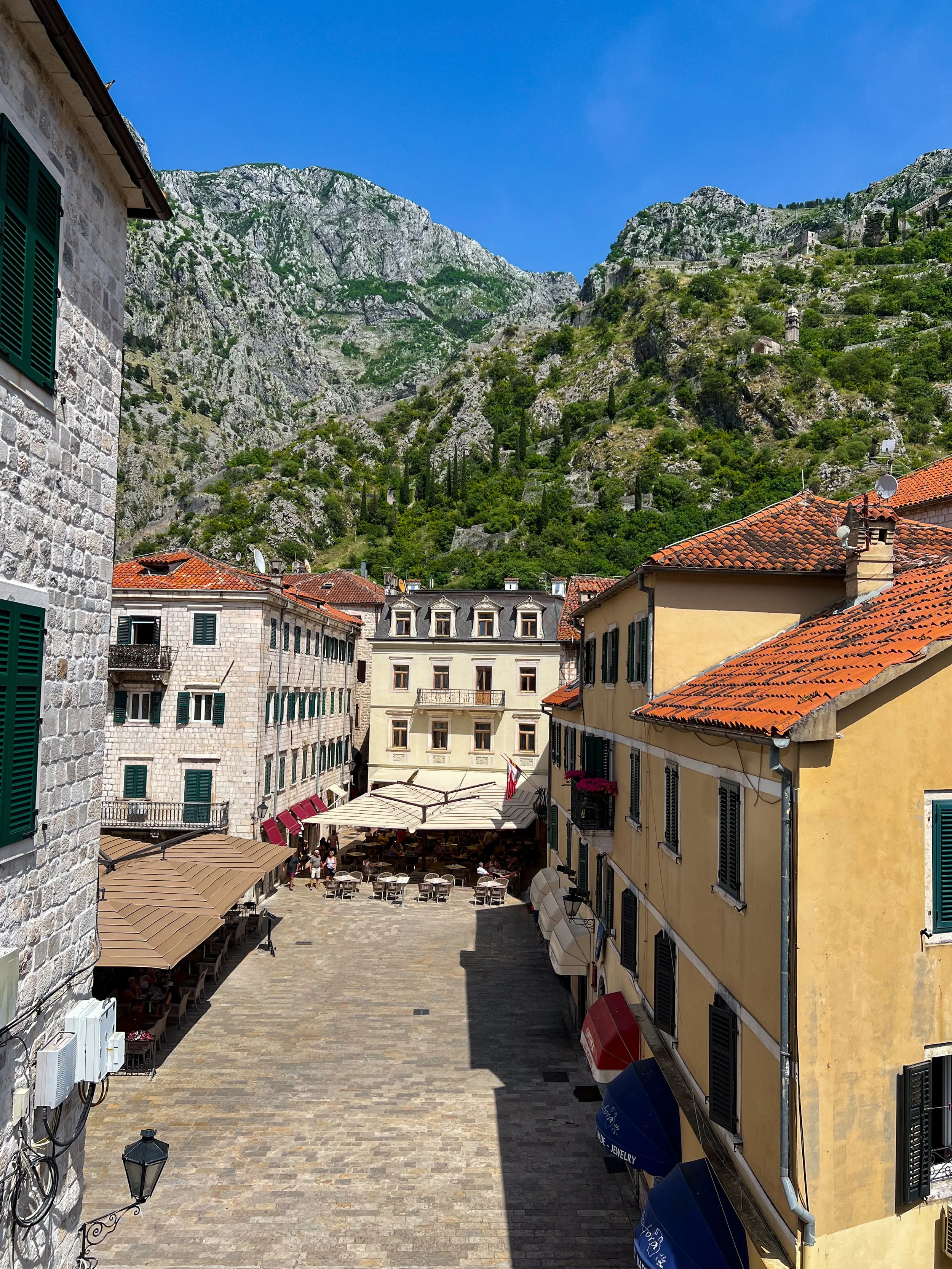
As soon as you cross the gate, you’ll find yourself at the Arms Square, the largest and most significant square in Kotor. The square is surrounded by cafes, restaurants, and historical monuments, making it a vibrant center of the town.
Its name dates back to the Venetian period when weapons were manufactured and stored in the area, particularly in the Arsenal building. The square was historically a gathering place for soldiers who defended Kotor, including during the famous three-day siege in 1539 when Turkish pirate Hajrudin Barbarossa attacked the city.
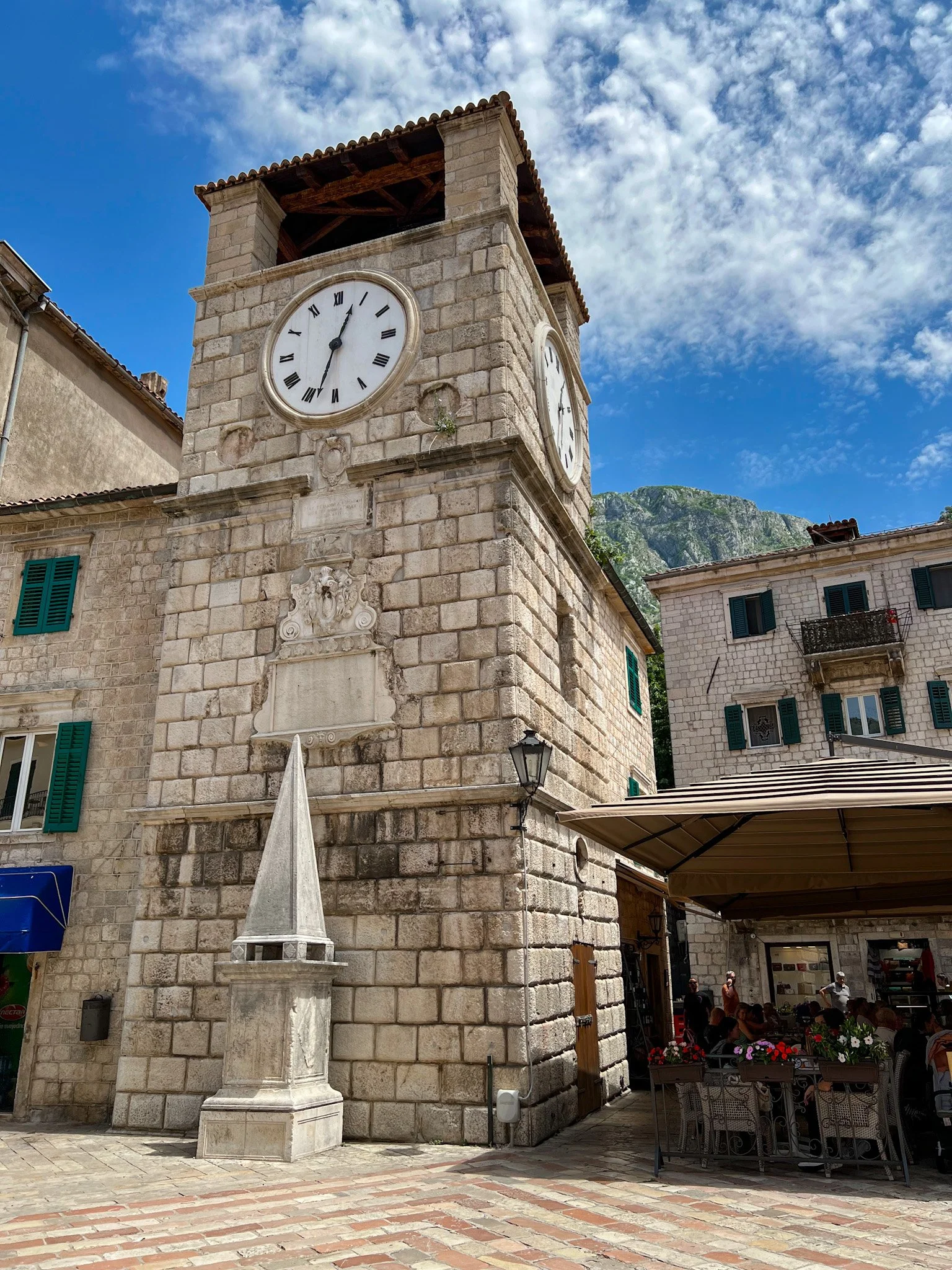
Notable landmarks on Arms Square include the 17th-century Clock Tower, partly designed in Baroque style with Gothic elements, which stands proudly in the square alongside a reconstructed medieval pillar.
The Rector’s Palace, also built in the 17th century, now forms part of the luxury Hotel Cattaro and borders the square's western side. Other attractions include Napoleon’s Theatre, one of the first in the Balkans, which has served various functions over the centuries, including as the Town Hall, and the Clock Tower, which continues to be an iconic symbol of Kotor.
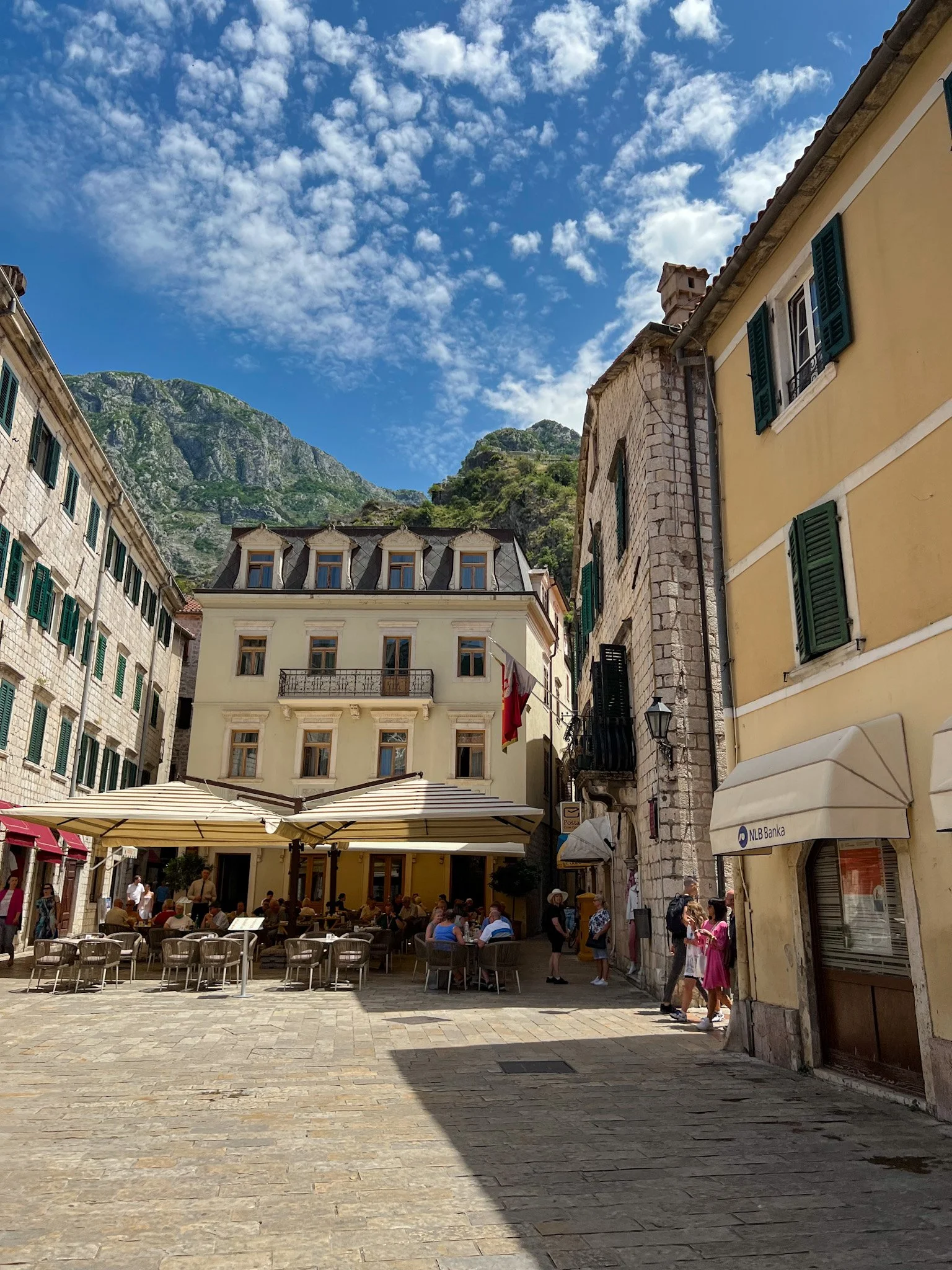
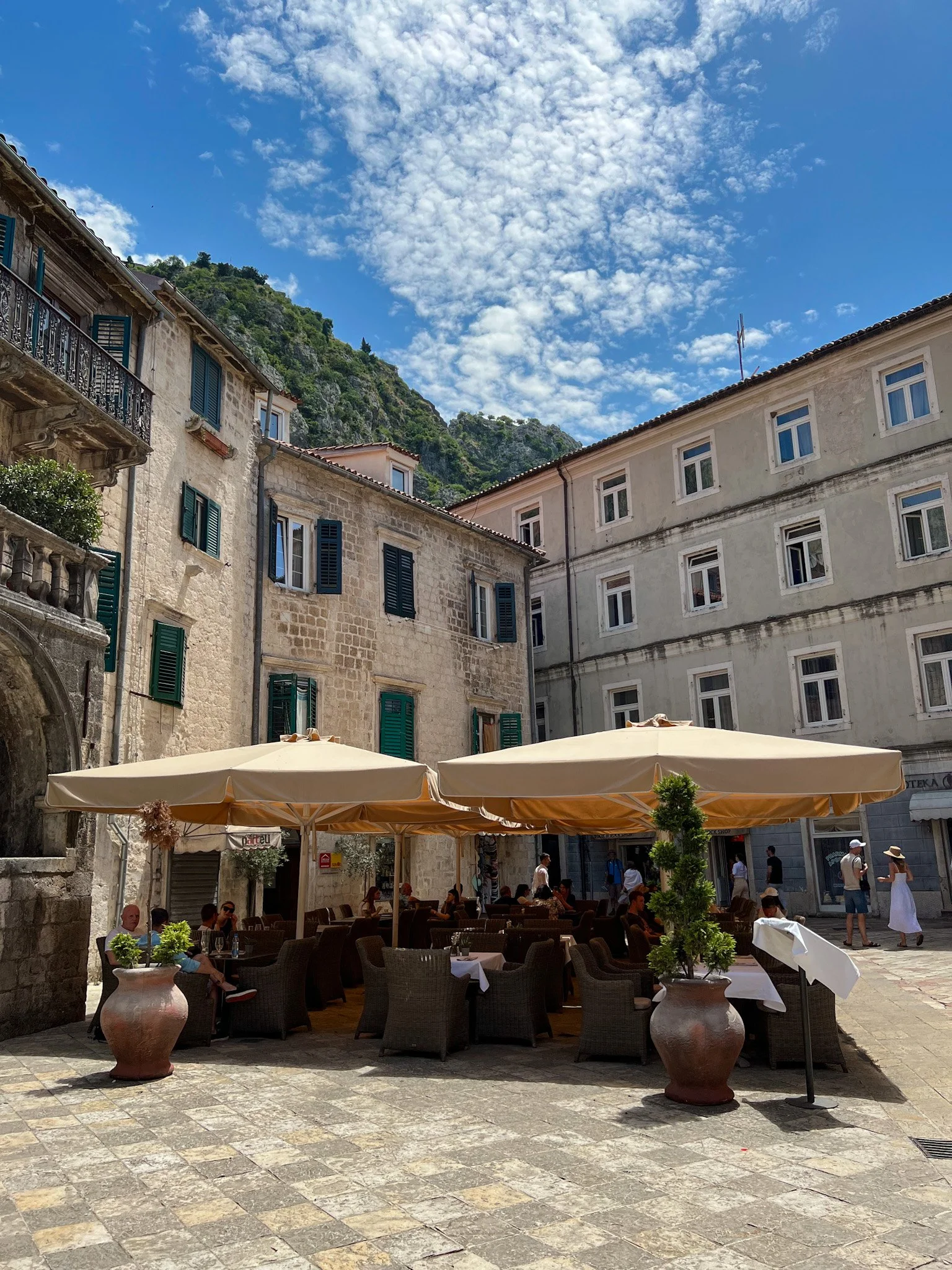
In a small square called Flour Square, or Trg od Brašna, you’ll find the Pima Palace, built in the seventeenth century by the Pima noble family. It is one of the fortunate Kotor palaces, as it was never destroyed by earthquakes and has preserved its original appearance for over 300 years.
The palace was constructed in Baroque style, with two floors, stone pillars, and a 250-year-old balcony with a metal railing. Notable figures from the Pima family include poets Jerome and Bernard Pima, who were crowned with laurel at the Roman Capitol, and Ljudevit Pima, a vice-rector and professor at the University of Padua. Above the main entrance is the family coat of arms, supported by two angels.

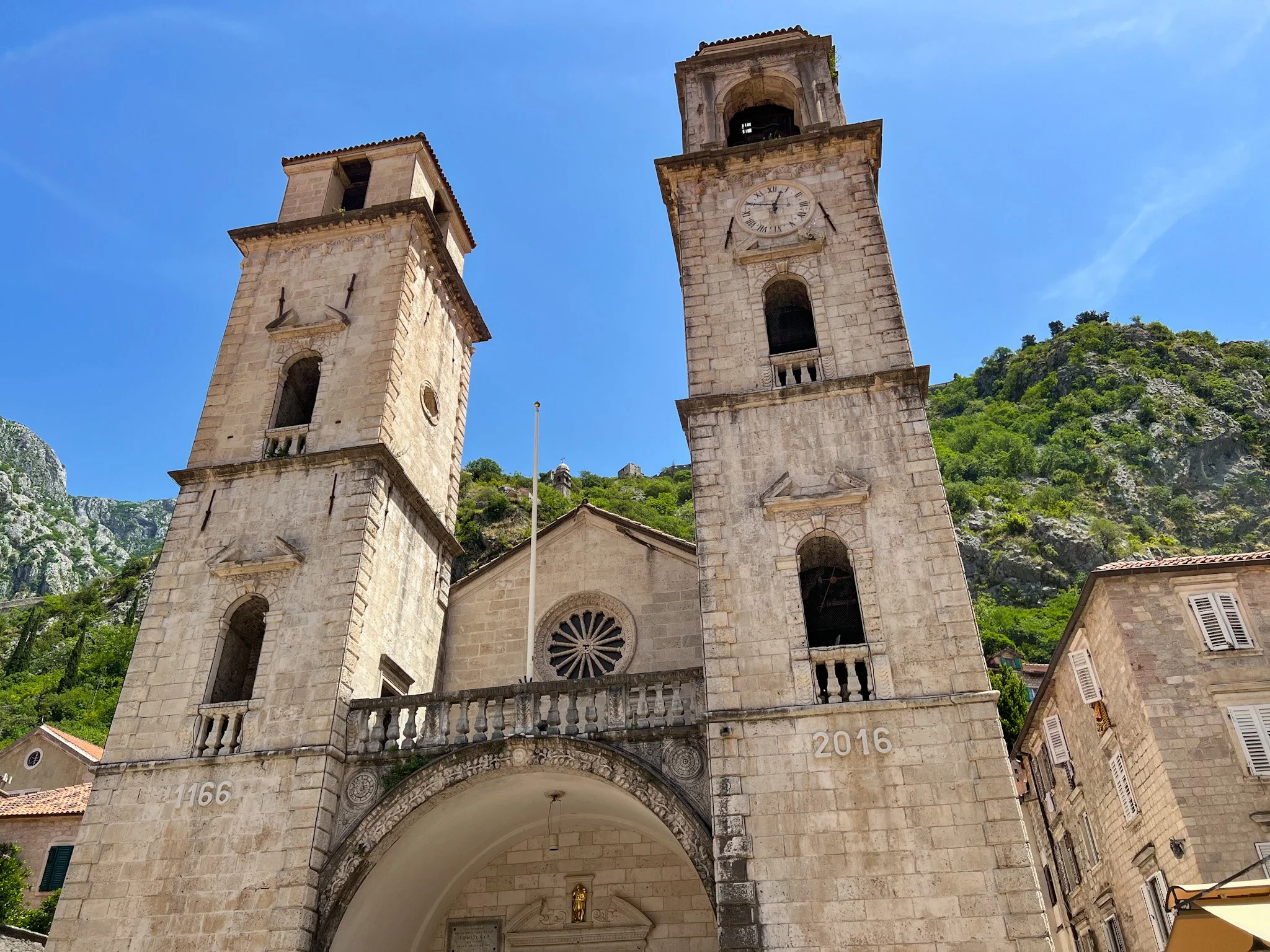
We continued walking to the south-east through the laberintyc streets until we reached St. Tryphon's Cathedral, one of the country’s two Roman Catholic cathedrals.
The cathedral is dedicated to St. Tryphon, the patron saint and protector of the city, and stands on the site of an earlier church built in 809. This original church, constructed by Kotor citizen Andrija Saracenis, housed the saint's relics, which had been brought from Constantinople. The present cathedral was consecrated in 1166 and is one of the largest and most ornate buildings in Kotor.
The cathedral has undergone significant restoration over the centuries. It was severely damaged during the 1667 Dubrovnik earthquake and again during the 1979 Montenegro earthquake, which caused extensive damage to the coast. Despite these setbacks, the cathedral has been carefully restored, with some interior work completed only in recent years.
Its Romanesque architecture houses an impressive collection of artifacts, including 14th-century frescoes, a stone ornament depicting the life of St. Tryphon above the main altar, and a relief of saints in gold and silver. The cathedral’s treasury also features valuable objects such as a silver hand and a cross adorned with intricate reliefs. Today, the Cathedral of St. Tryphon is not only a significant religious site but also a popular tourist attraction and a symbol of Kotor, appearing on the city’s coat of arms alongside a lion and the Mount of San Giovanni.
On the left-hand-side as you face the Cathedral, you can also admire the Palace of Drago Family. The northern part, built in the Gothic style between the 14th and 16th centuries, radiates medieval charm, with intricately crafted windows and portals. In contrast, the southern portion, dating from the 17th century, reflects a fusion of Baroque and Renaissance influences.
The palace is also marked by a dragon motif, symbolizing the Drago family, who held considerable power in Kotor from the 13th to the 18th century. Known for their cultural, artistic, economic, and political contributions, the Dragos owned the palace from the 14th century until the early 19th century, after which it became property of the city.
After the devastation of the 1979 earthquake, the Drago Palace was repurposed as the home of the Regional Institute of Cultural Preservation.
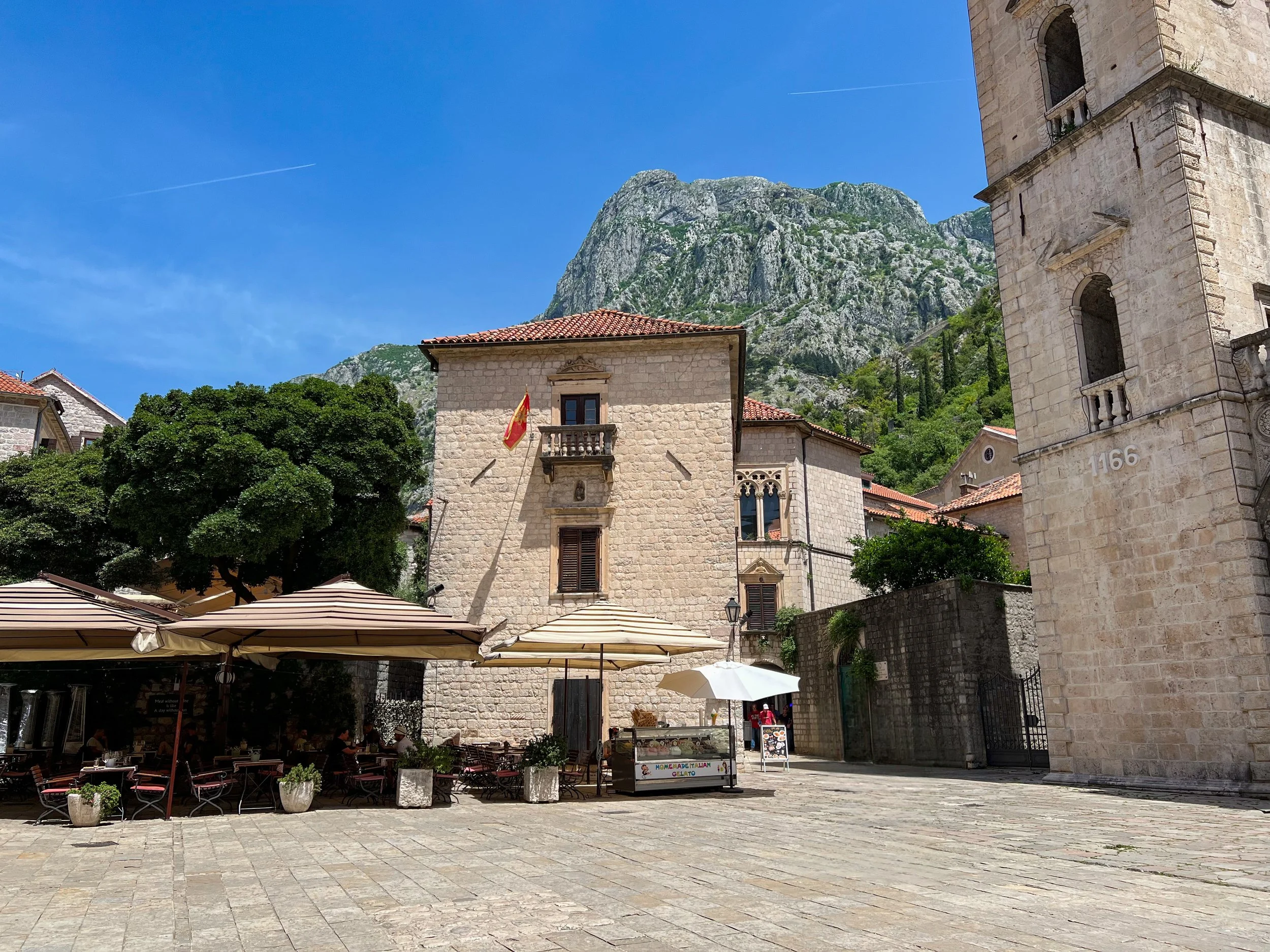
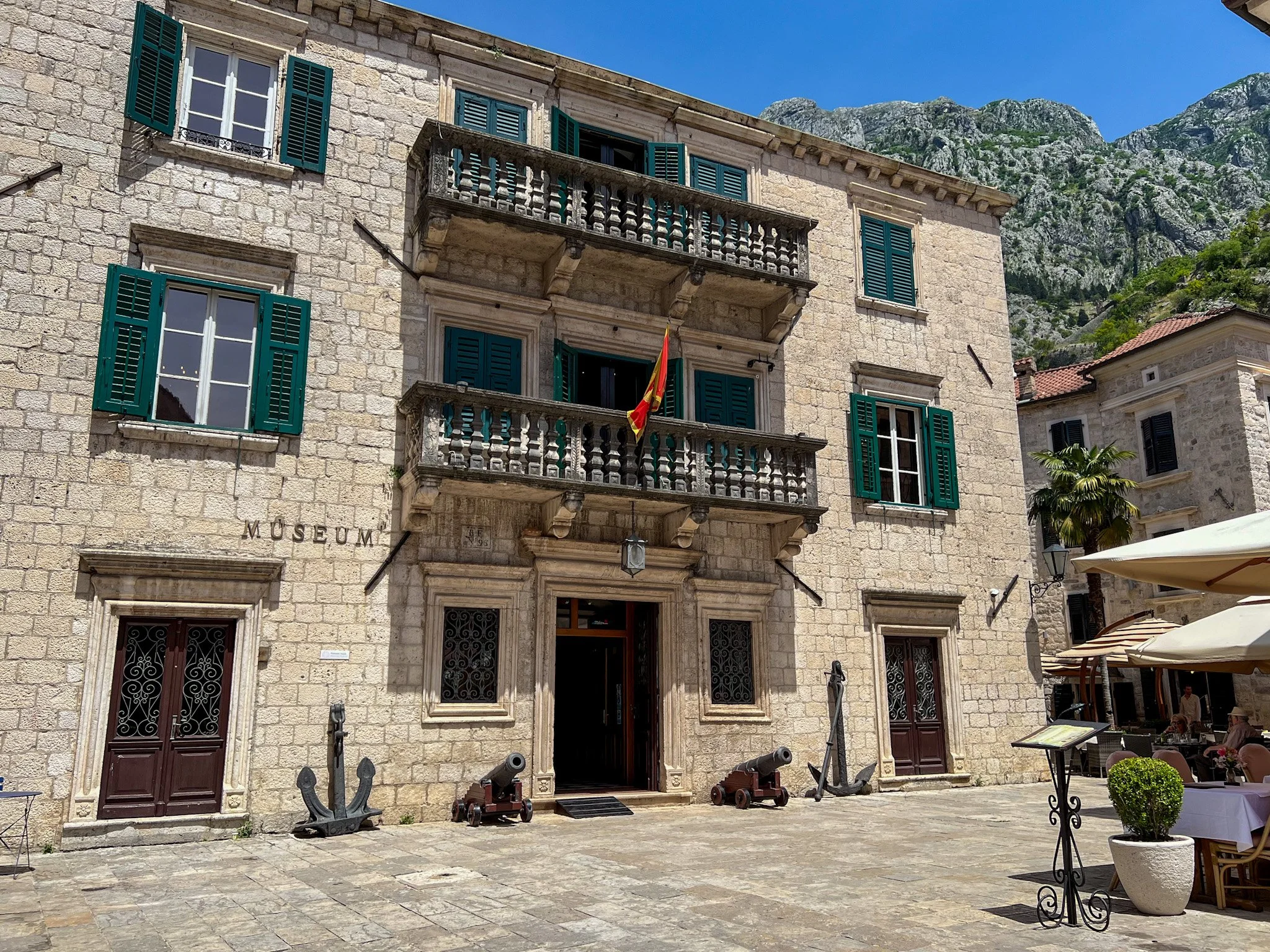
One of the most famous museums you can visit in Kotor is the Maritime Museum. It originated from a collection founded by the "Boka Marine" Fraternity around 1880, opening to the public in 1900. It expanded over time and, in 1938, was reorganized and opened on the first floor of its current building.
After World War II, the entire Baroque palace of the Grgurina family, dating back to the early 18th century, was restored and adapted for museum use between 1949 and 1952. The museum's operations were disrupted by the 1979 earthquake, which caused significant damage to the building. However, from 1982 to 1984, restoration and conservation efforts were completed, allowing the museum to resume its activities after a five-year renovation period.
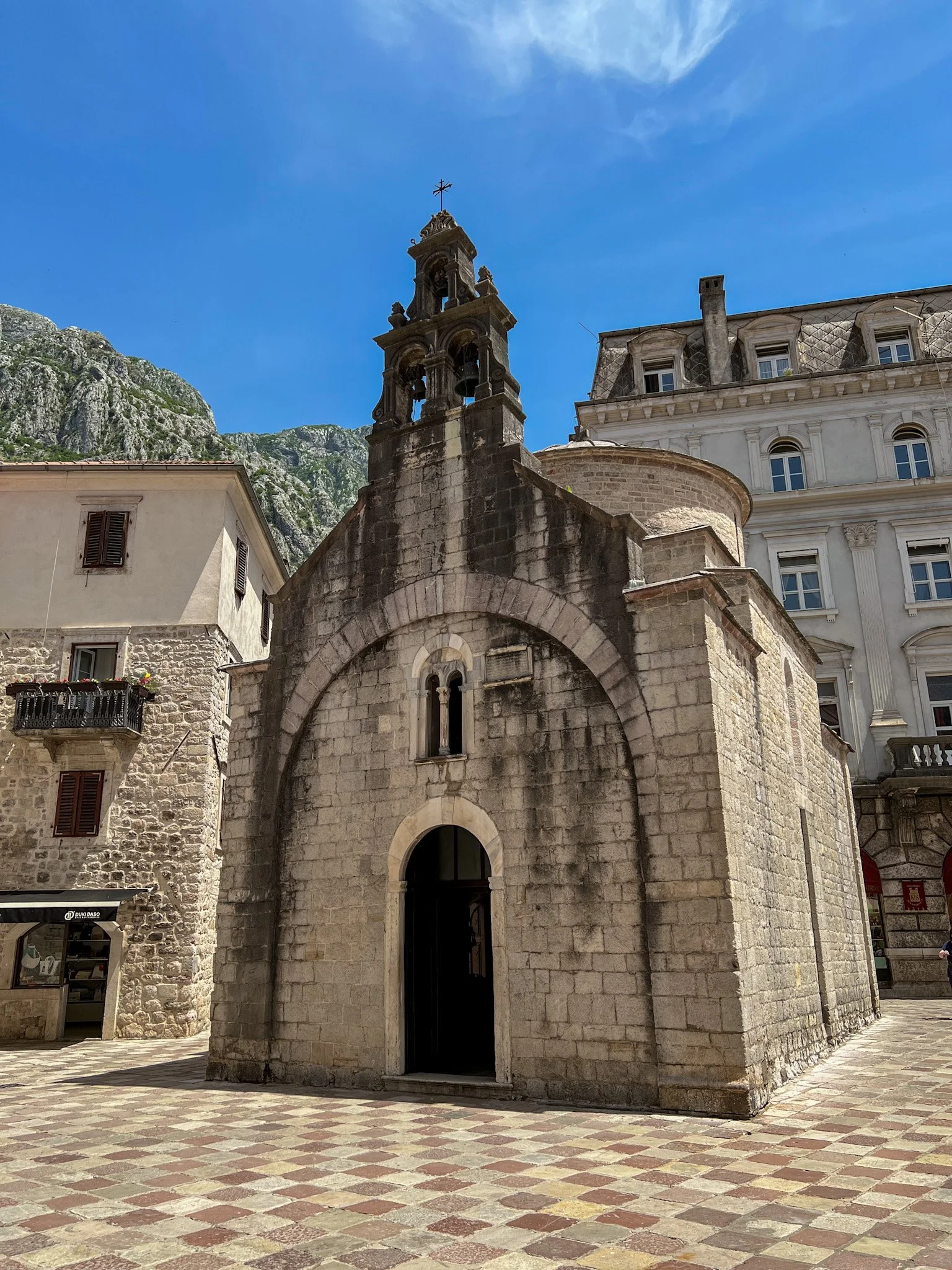
Right across from the Maritime Museum you’ll find the small but charming St. Michael Catholic Church. This Romano-Gothic single-nave church was built at the end of the 13th or beginning of the 14th century on the foundations of an earlier Romanesque church, which was mentioned in the 1166 Charter of the consecration of St. Tryphon's Cathedral. Archaeological research conducted in the 1980s confirmed that the present church stands on the remains of an early-Romanesque structure, which itself was built on the foundations of a 6th-century early-Christian basilica.
The church, which features a vaulted single nave, has a semi-circular apse on its eastern side and a western entrance portal. In the mid-15th century, a bell-tower with two bells was added above the entrance. The church's interior features frescoes from the mid-15th century, attributed to Lovro Dobričević, including depictions of Christ Pantocrator, the Assumption, St. Tryphon, and St. George. The church underwent significant changes during the early 19th century when it was used as a storage facility by French occupying troops, but it was restored to its original condition between 1980 and 1989.
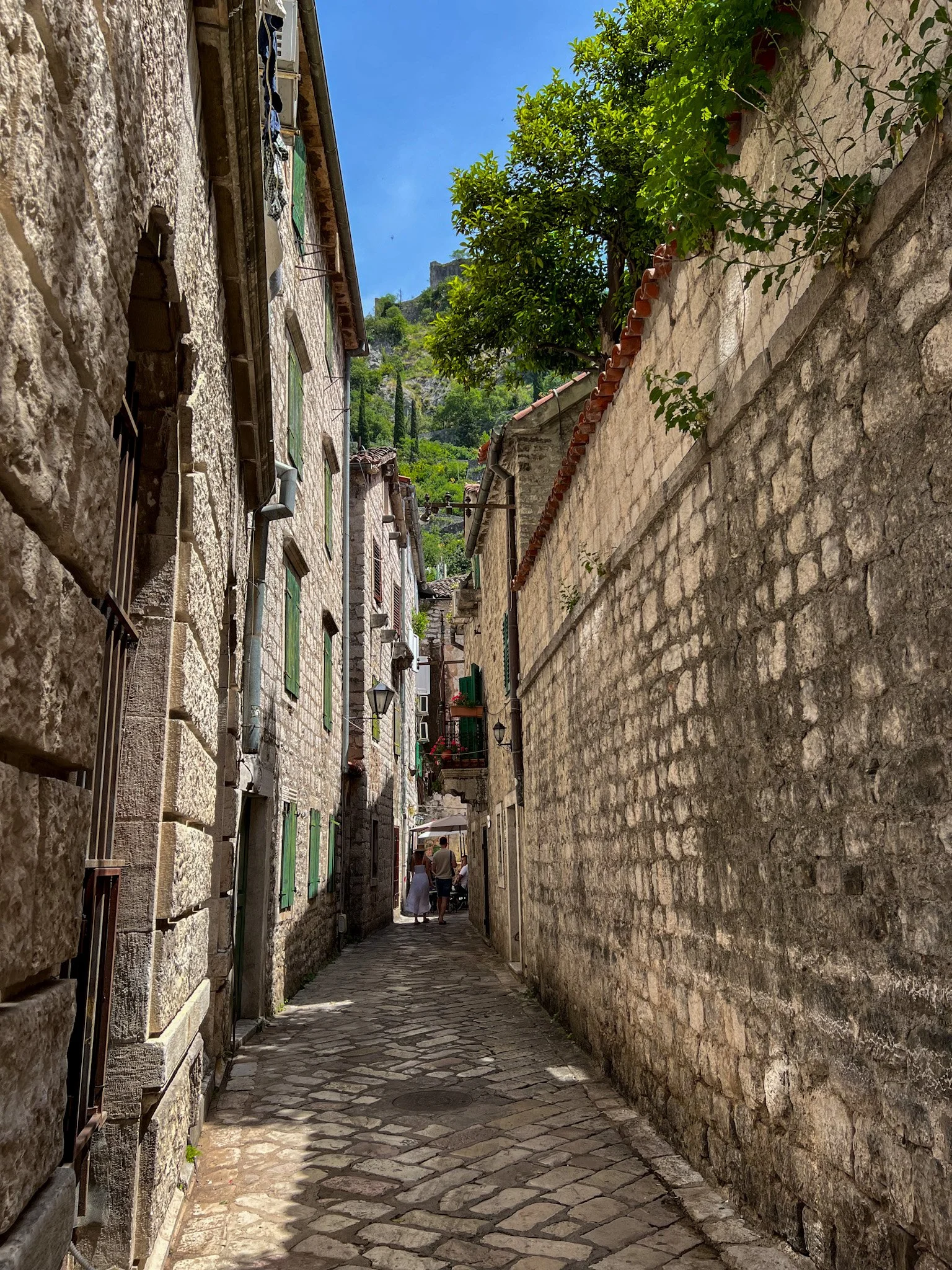
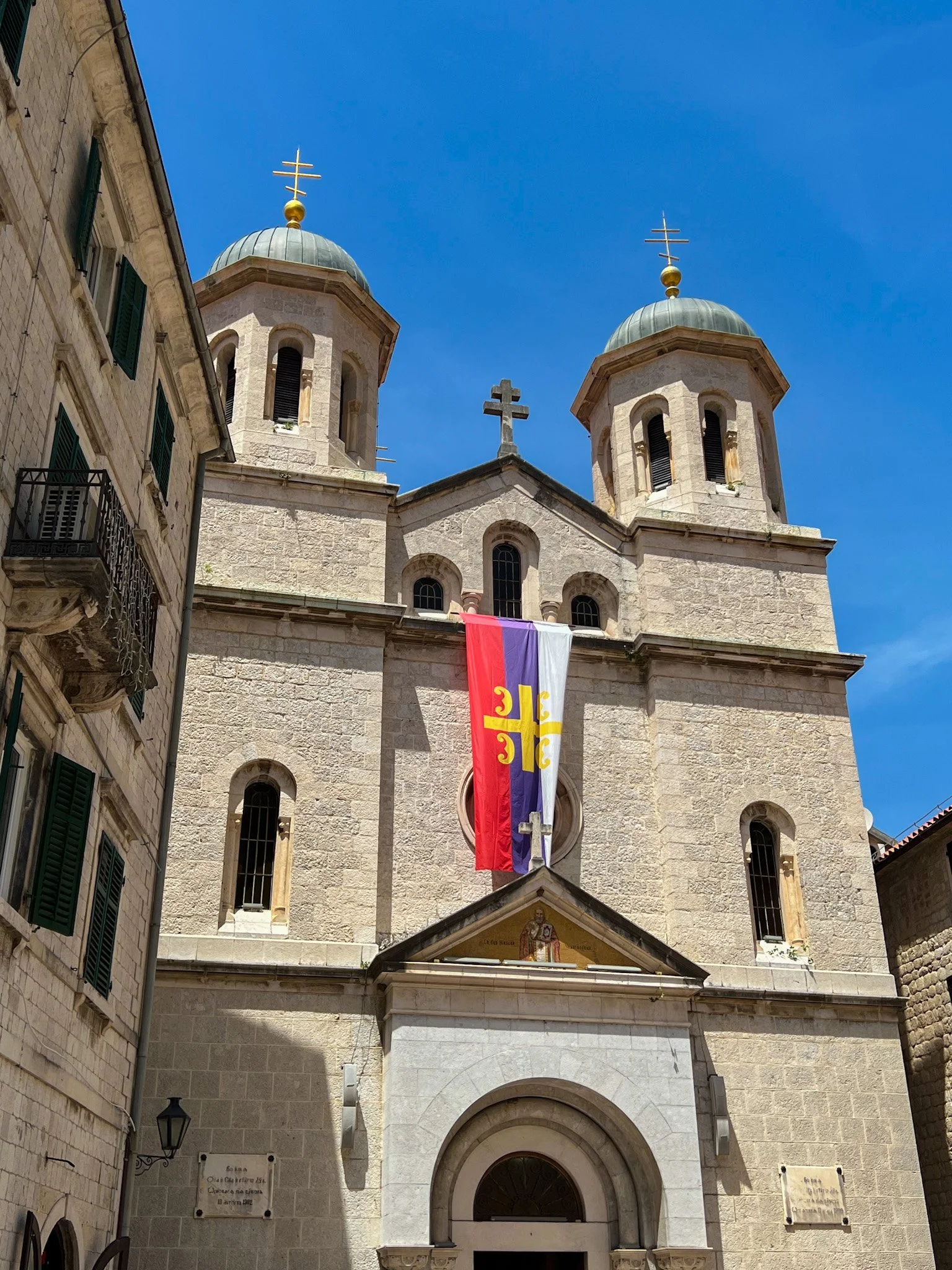
While the Cathedral of St. Tryphon serves as the seat of the Roman Catholic Diocese of Kotor, the Church of St. Nicholas represents and belongs to the Serbian Orthodox community in the town.
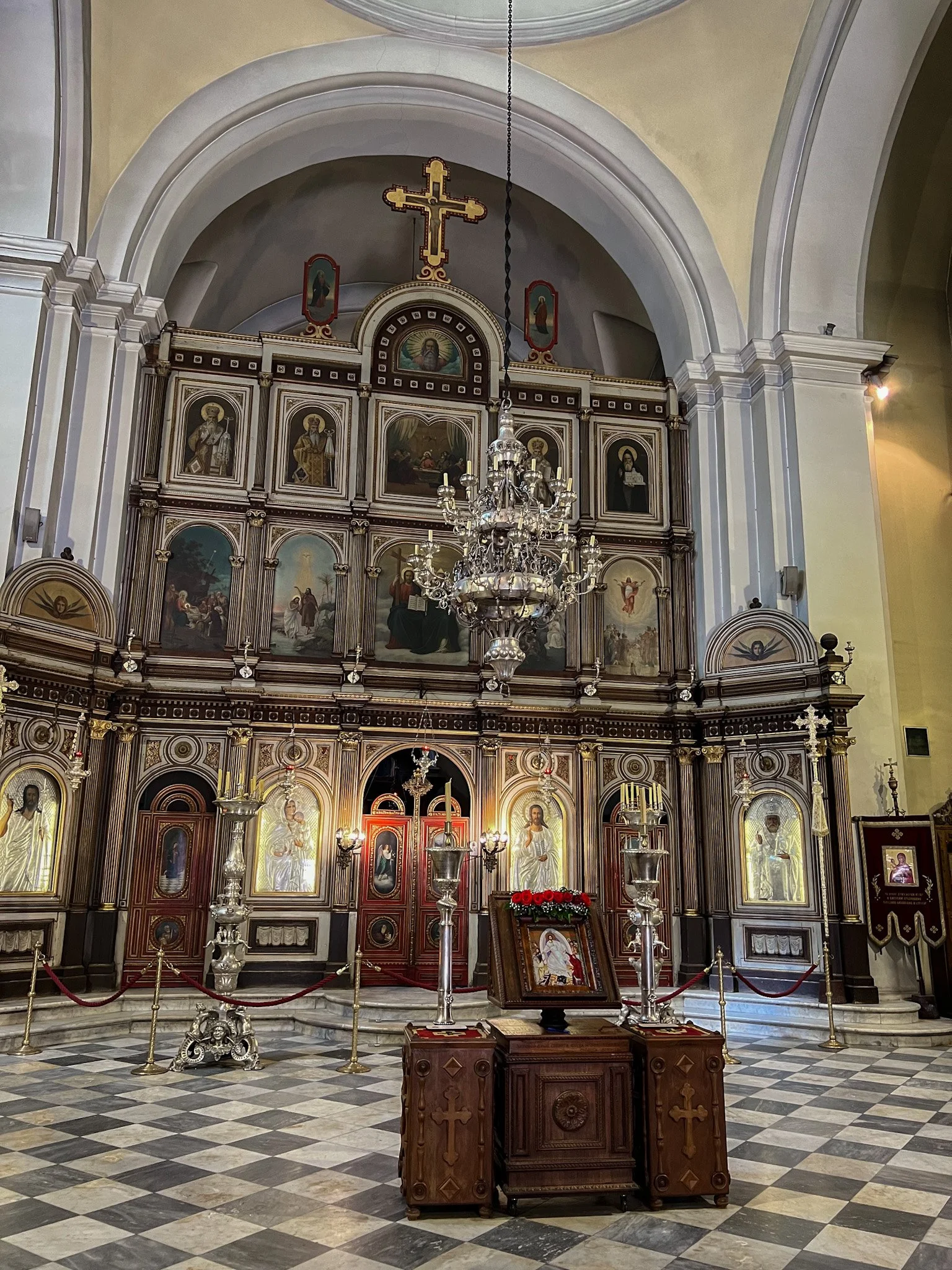
Built between 1902 and 1909 on the site of an older church that was destroyed by fire in 1896, the Church of St. Nicholas is located in the northern part of the old town. Designed in the Byzantine-Romanesque style, it was consecrated in 1909. The church’s iconostasis, painted by Franjo Czigler, features silver-adorned icons crafted by local artisans.
Inside, the church houses valuable treasures, including icons and liturgical items donated by prominent local families. Nearby, the Serbian Orthodox Church's Treasury holds an extensive collection of religious artifacts. The church was designed by the renowned Croatian architect Kiril Iveković.
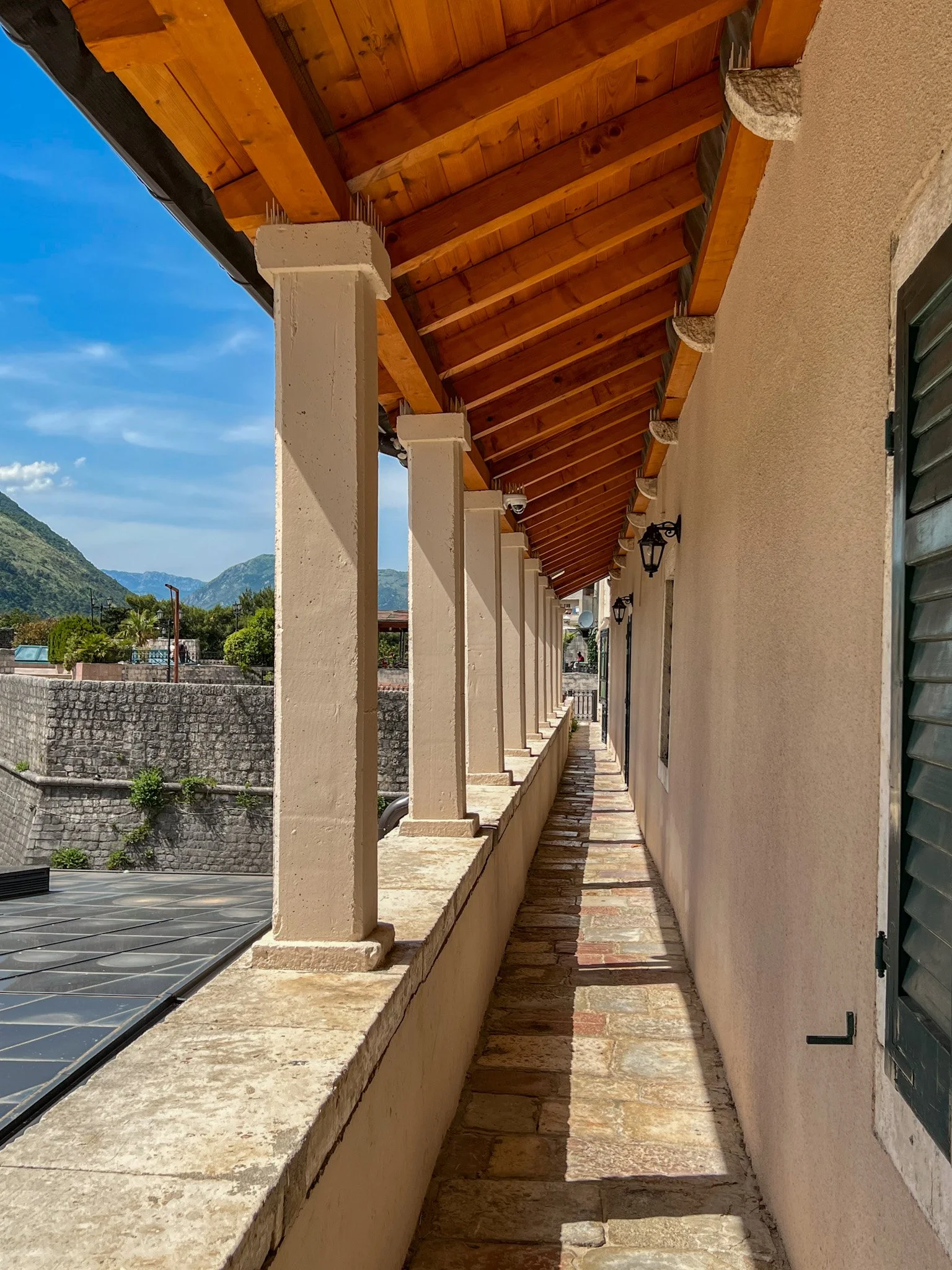
A trip to Kotor wouldn't be complete without climbing the city's famous city walls. These ancient fortifications, some of them rising 280 meters above sea level, date back to the 9th century, originally built during Byzantine rule. The walls were expanded and reinforced over the centuries, reaching their current form in the 14th century, and have withstood natural disasters, battles, and erosion. Today, the walls remain remarkably intact, a testament to the structural brilliance of the people of Kotor.
There are a few different ways to reach the walls, with the highest point being St. John's Fortress, a steep 1,200-meter ascent consisting of 1,350 steps. The hike offers stunning views of Kotor Old Town and the Bay of Boka, taking about an hour to reach the top.
Unfortunately, we didn’t have enough time to hike to the very top, so we decided to walk along the city walls that encircle the northern side of the Old Town, right next to the Škurda River. This section still provides wonderful views of the Old Town and is a much more accessible option if you're on a day trip and have limited time in Kotor.
The day tour to Montenegro from Dubrovnik proved to be an excellent way to experience a glimpse of this lesser-known gem. If you have a few days to spare in Croatia and are eager to explore a neighboring country, this tour is an outstanding choice.
After returning to Dubrovnik from this full-day adventure, we still had time to soak in the city’s vibrant charm and plan our next exciting getaway — a day trip to Mostar and the Kravica Waterfall in Bosnia & Herzegovina.
Some links in this post are affiliate links, which means that if you buy through them, we’ll receive a small commission. This will never cost you more and in many cases you will receive a special discount.
As always, all opinions are mine. We appreciate your support!


f you’re visiting Dubrovnik, a day trip to Mostar and the Kravica Waterfalls offers an unforgettable journey into the heart of Bosnia and Herzegovina’s history and natural beauty.
Mostar, a city renowned for its iconic Old Bridge, is a cultural gem that blends Ottoman, Balkan, and Mediterranean influences. Stroll through its charming cobbled streets, marvel at its stunning architecture, and immerse yourself in the rich history that makes Mostar a must-visit destination.
A short drive away, the Kravica Waterfalls provide a refreshing escape into nature. These cascading falls, set against a lush green backdrop, are perfect for a swim, a boat ride, or simply relaxing by the tranquil lake at their base. This combination of historical charm and natural splendour made this day trip to Bosnia and Herzegovina an unforgettable experience!