
3 days in Sarajevo: where East meets West
Welcome to Sarajevo, a city steeped in history, culture, and resilience. Nestled within the heart of Bosnia and Herzegovina, Sarajevo is a captivating blend of East and West, where centuries-old traditions meet modern-day vibrancy. With its rich tapestry of Ottoman, Austro-Hungarian, and Yugoslav influences, Sarajevo offers visitors a truly unique and unforgettable experience.
In this bustling metropolis, where minarets punctuate the skyline and cobblestone streets weave through a maze of charming neighbourhoods, every corner tells a story. From the echoes of the past in the Old Town to the recent scars of the Bosnian war, Sarajevo beckons travellers to immerse themselves in its captivating atmosphere.
Join me on this 3-day itinerary of Sarajevo as we explore its iconic landmarks, savour its culinary delights, and uncover the hidden gems that make Sarajevo a destination like no other!
Sarajevo: 3 day itinerary
Day 1
Sarajevo walking tour
With a legacy shaped by centuries of diverse influences, Sarajevo stands as a testament to the enduring spirit of its people amidst the trials of time. From its origins as a bustling Ottoman frontier town to its pivotal role in the tumultuous events of the 20th century, Sarajevo's storied past is etched into every cobblestone, mosque, and cathedral that grace its winding streets.
To start my 3-day visit to this wonderful city, I joined the Sarajevo walking tour with GetYourGuide, operated by Meet Bosnia Tour. The tour promised to unveil the city's vibrant tapestry of history and culture.
Setting off at 10:30am, our group meandered through the cobblestone streets of old-town Sarajevo, where centuries-old landmarks whispered tales of bygone eras. There’s no better way to get familiar with this incredible city!
Sebilj Fountain
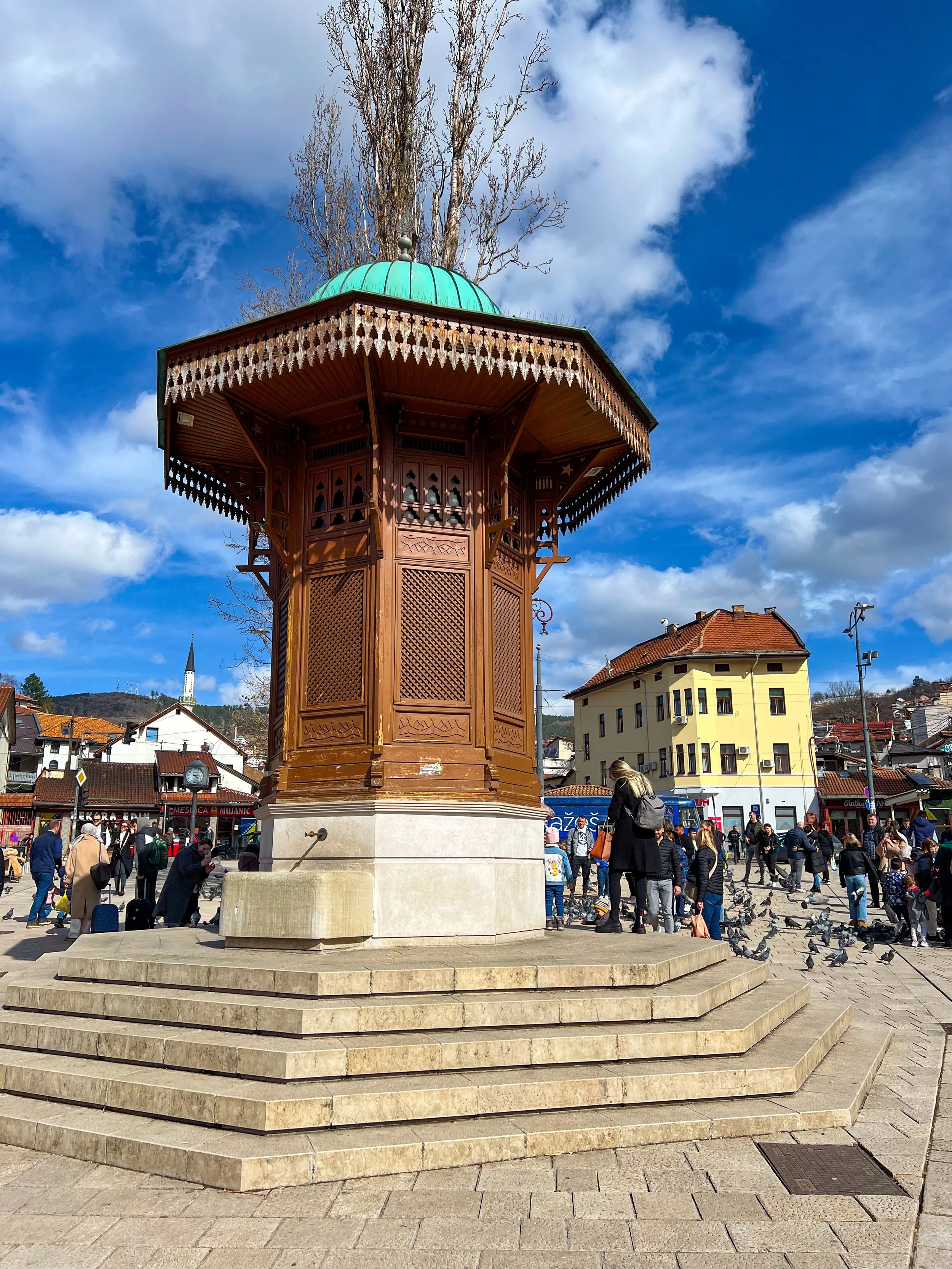
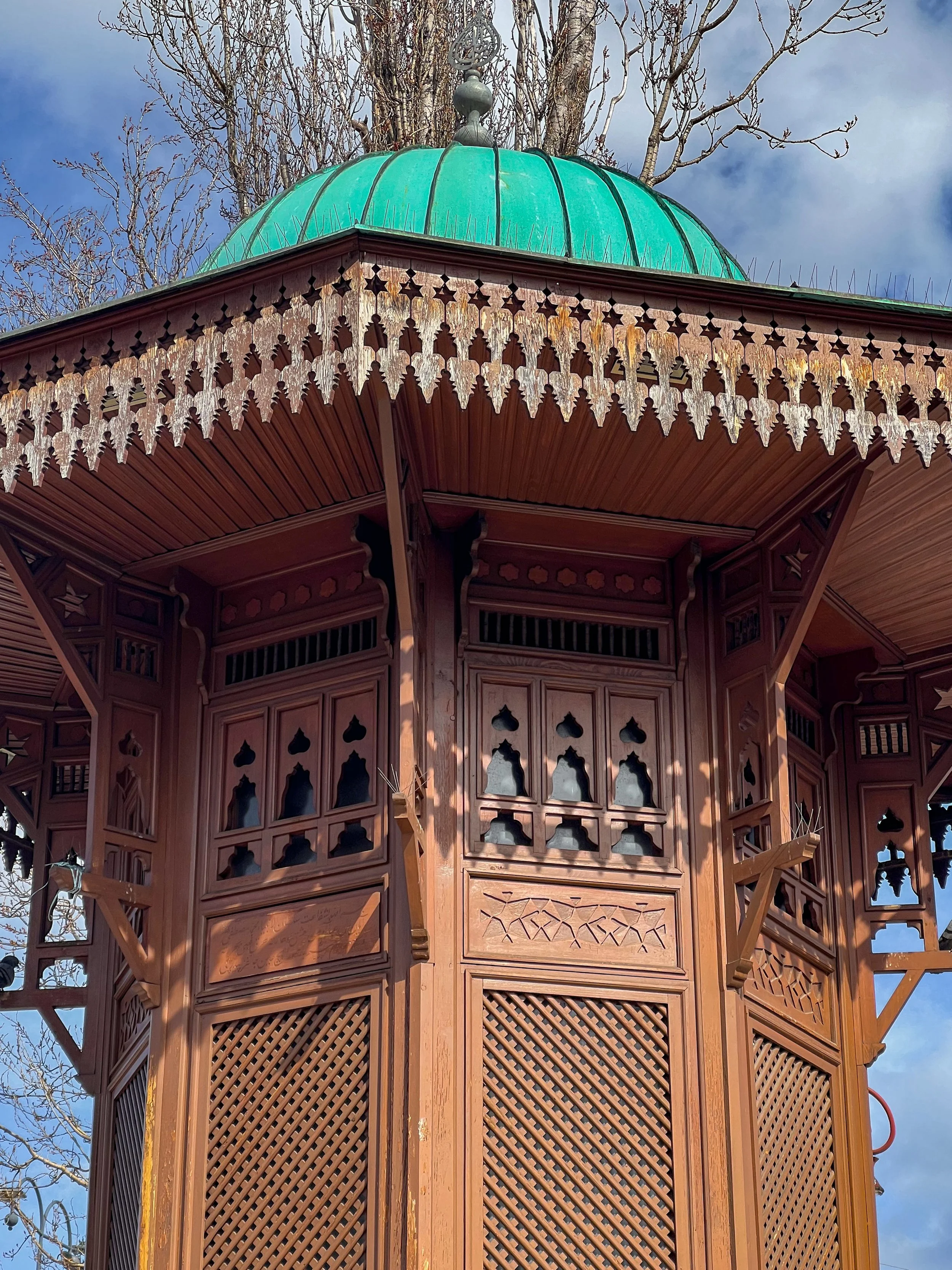
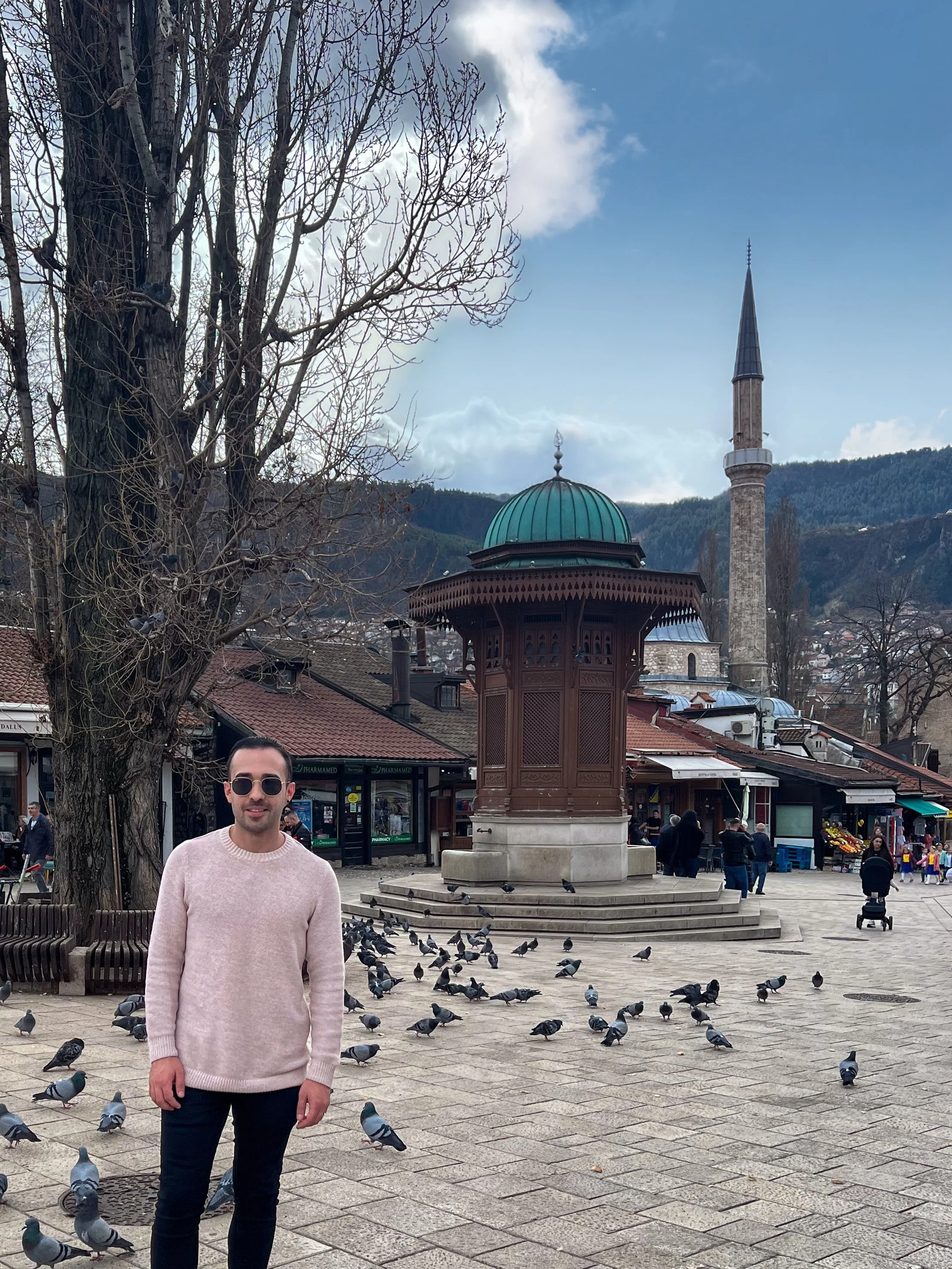
The first part of the tour focused on the Ottoman past of Sarajevo, so the the first stop was the famous Sebilj Fountain. Nestled in the heart of Baščaršija neighbourhood, the fountain is a symbol of Sarajevo's cultural heritage. Constructed in the 18th century during the Ottoman era, the Sebilj Fountain served as a public water fountain, providing clean drinking water to the residents of Sarajevo. Its name, "Sebilj," is derived from the Arabic word "sabil," meaning a public fountain or watering place. The fountain's intricate design features ornate arches, domes, and spires, adorned with intricate carvings and geometric patterns characteristic of Ottoman architecture.
Beyond its practical function, the Sebilj Fountain holds symbolic significance as a gathering place for locals and visitors alike. Throughout history, it has served as a central meeting point in Sarajevo, where people come together to socialize, share news, and enjoy the ambience of the bustling Baščaršija district. Today, the Sebilj Fountain remains a beloved symbol of Sarajevo's cultural identity, drawing tourists and locals alike to its picturesque surroundings, where they can savour the charm and history of this enchanting city.
Gazi Husrev-beg's Madrasa
We continued to the Gazi Husrev-beg's Madrasa, an esteemed educational institution located in Sarajevo. Founded in the 16th century by Gazi Husrev-beg, a prominent Ottoman governor and philanthropist, the madrasa holds significant cultural and religious importance in the region.
Established in 1537, Gazi Husrev-beg's Madrasa is one of the oldest Islamic educational institutions in the Balkans. It was part of a larger charitable complex built by Gazi Husrev-beg, which also included a mosque, library, and public kitchen (imaret). The madrasa played a crucial role in the intellectual and religious life of Sarajevo, offering education in Islamic sciences, theology, Arabic language, and literature.
Architecturally, Gazi Husrev-beg's Madrasa is a masterpiece of Ottoman design, characterized by its elegant blend of Islamic and Byzantine influences. The building features a central courtyard surrounded by classrooms, lecture halls, and dormitories for students. The façade is adorned with intricate calligraphy and geometric patterns, reflecting the artistic and cultural richness of the Ottoman Empire.
Throughout its long history, Gazi Husrev-beg's Madrasa has served as a centre for religious and cultural learning, nurturing generations of scholars and leaders. Today, the madrasa continues to uphold its legacy as a respected educational institution, offering courses in Islamic studies and providing a space for dialogue, reflection, and intellectual growth.
Gazi Husrev-beg's Mosque
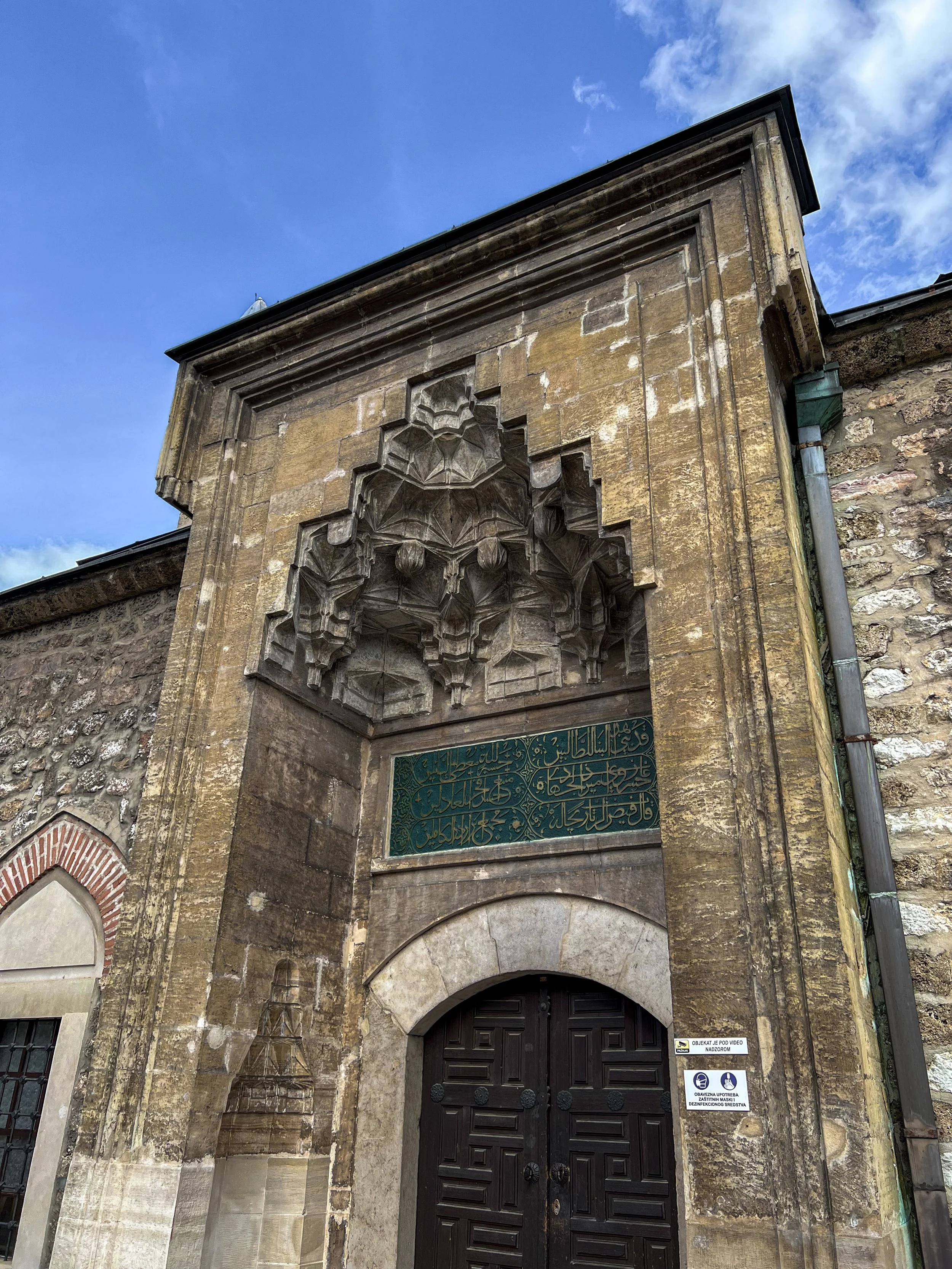
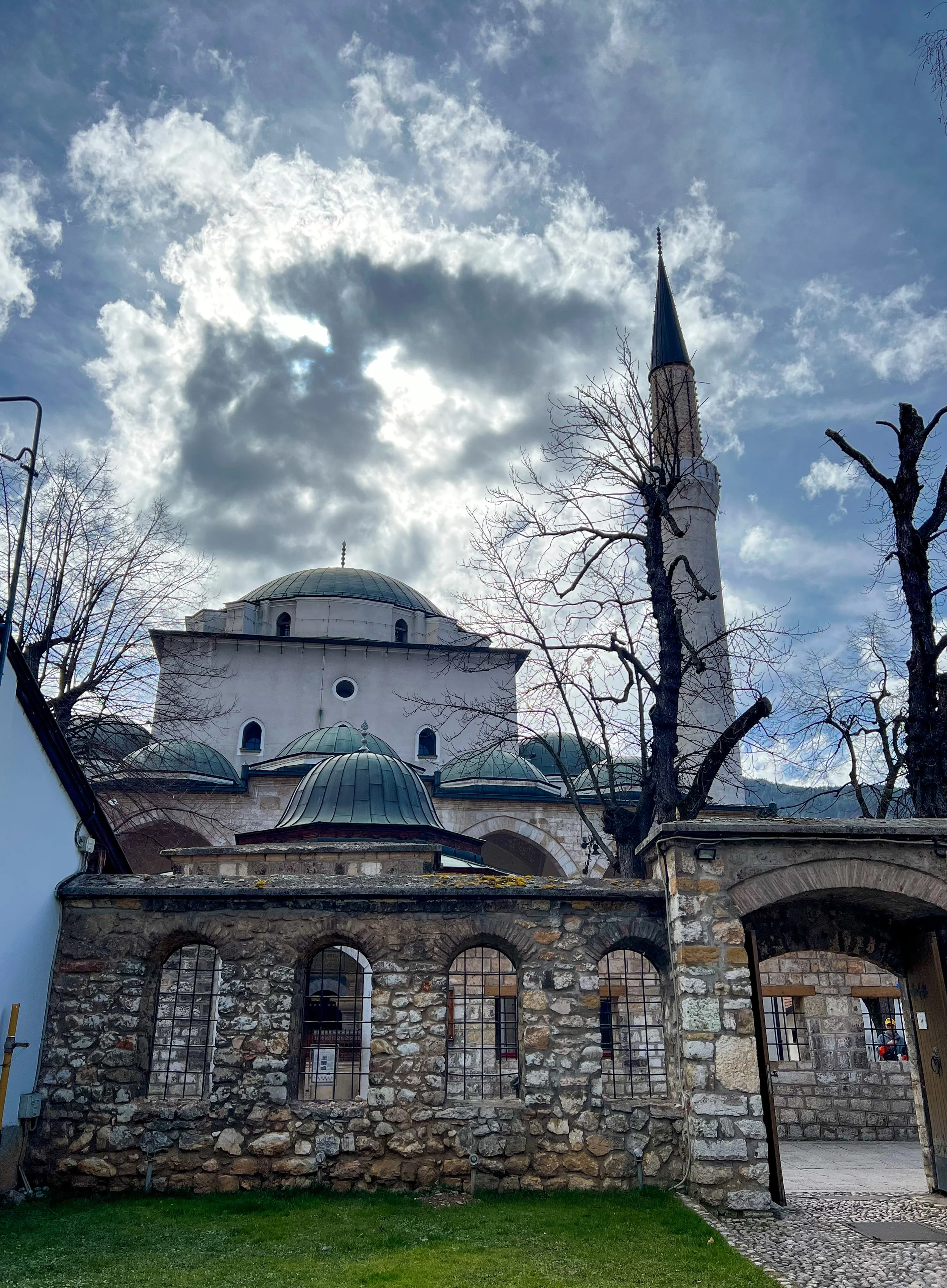
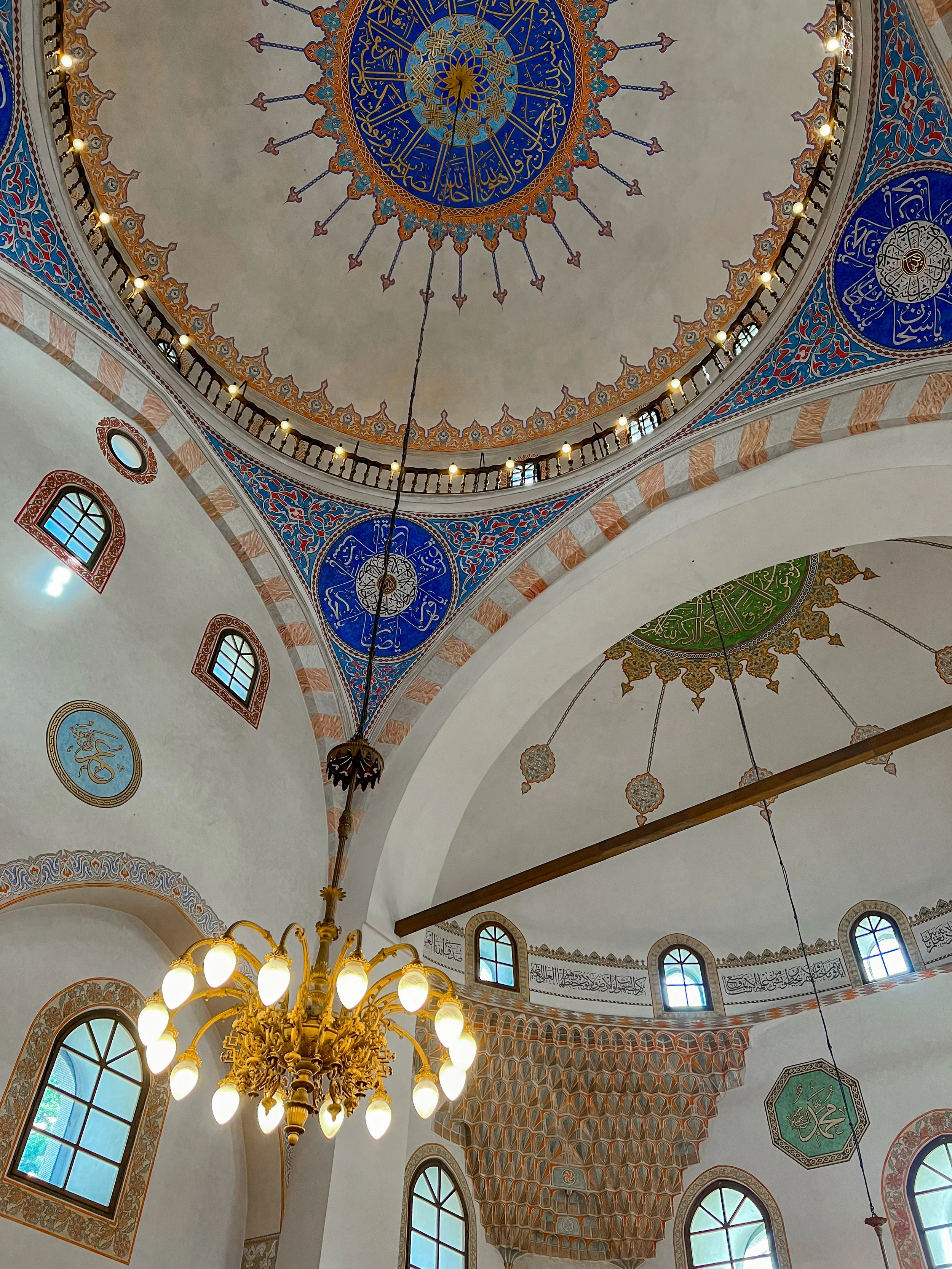
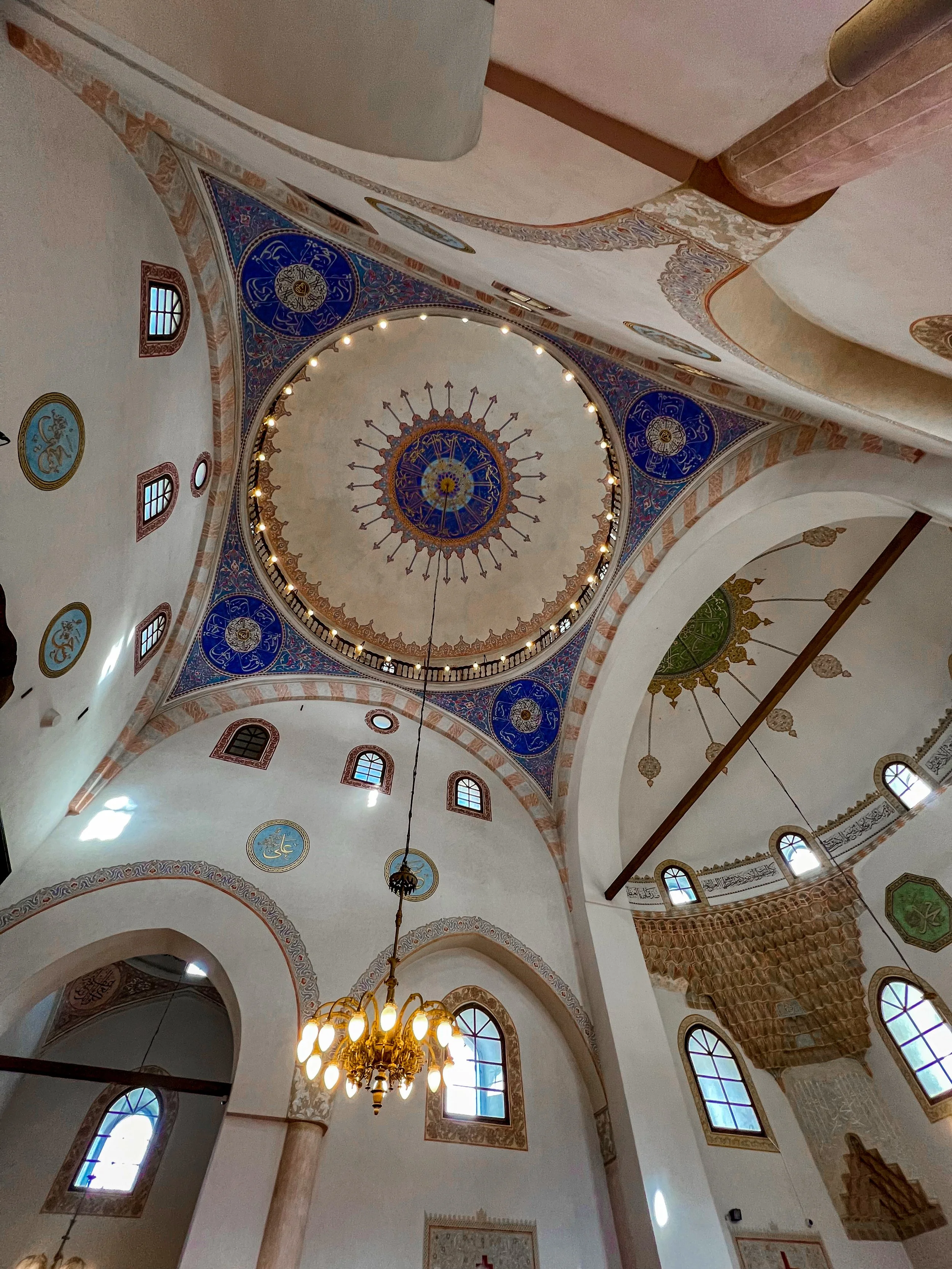
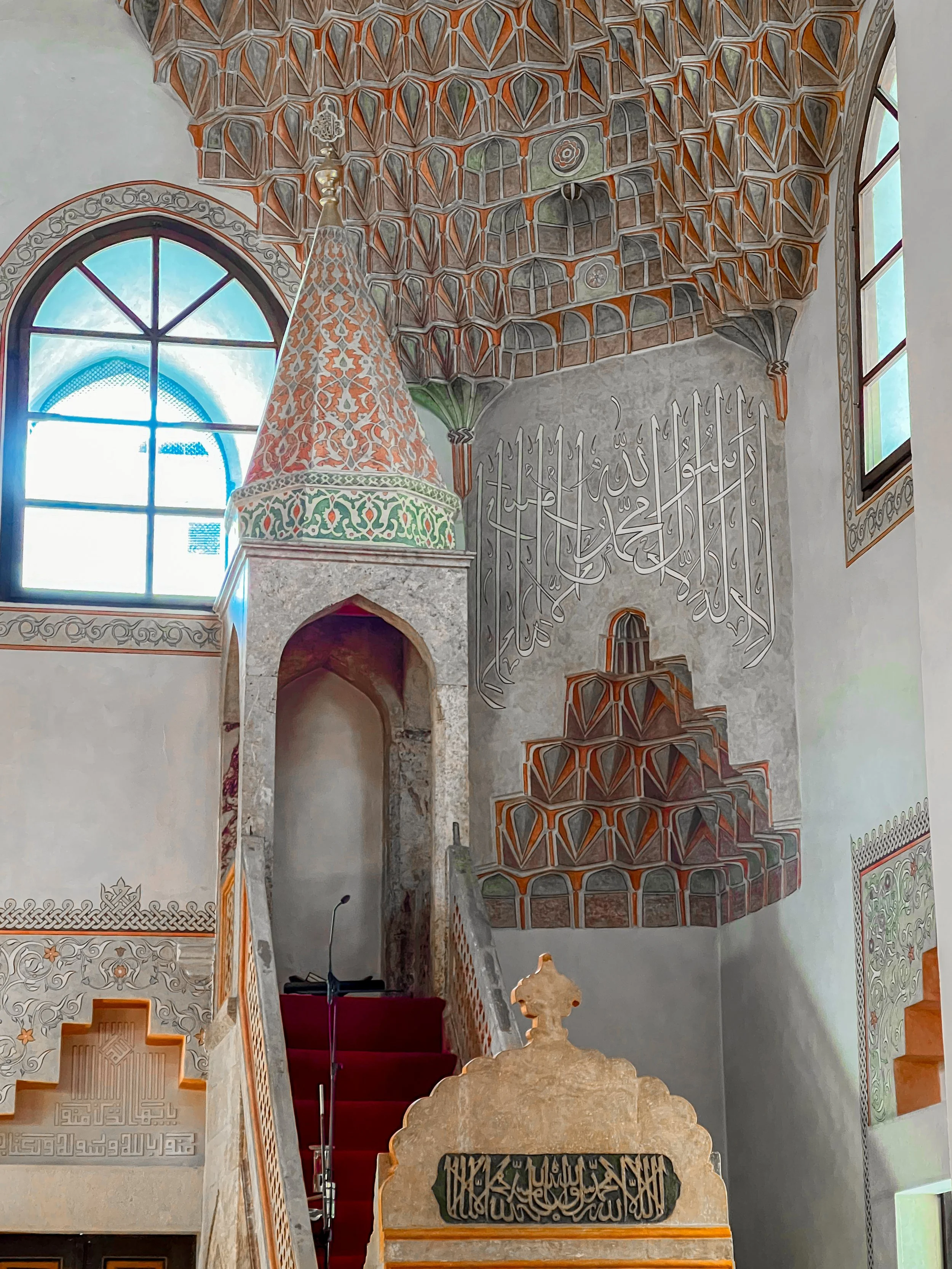
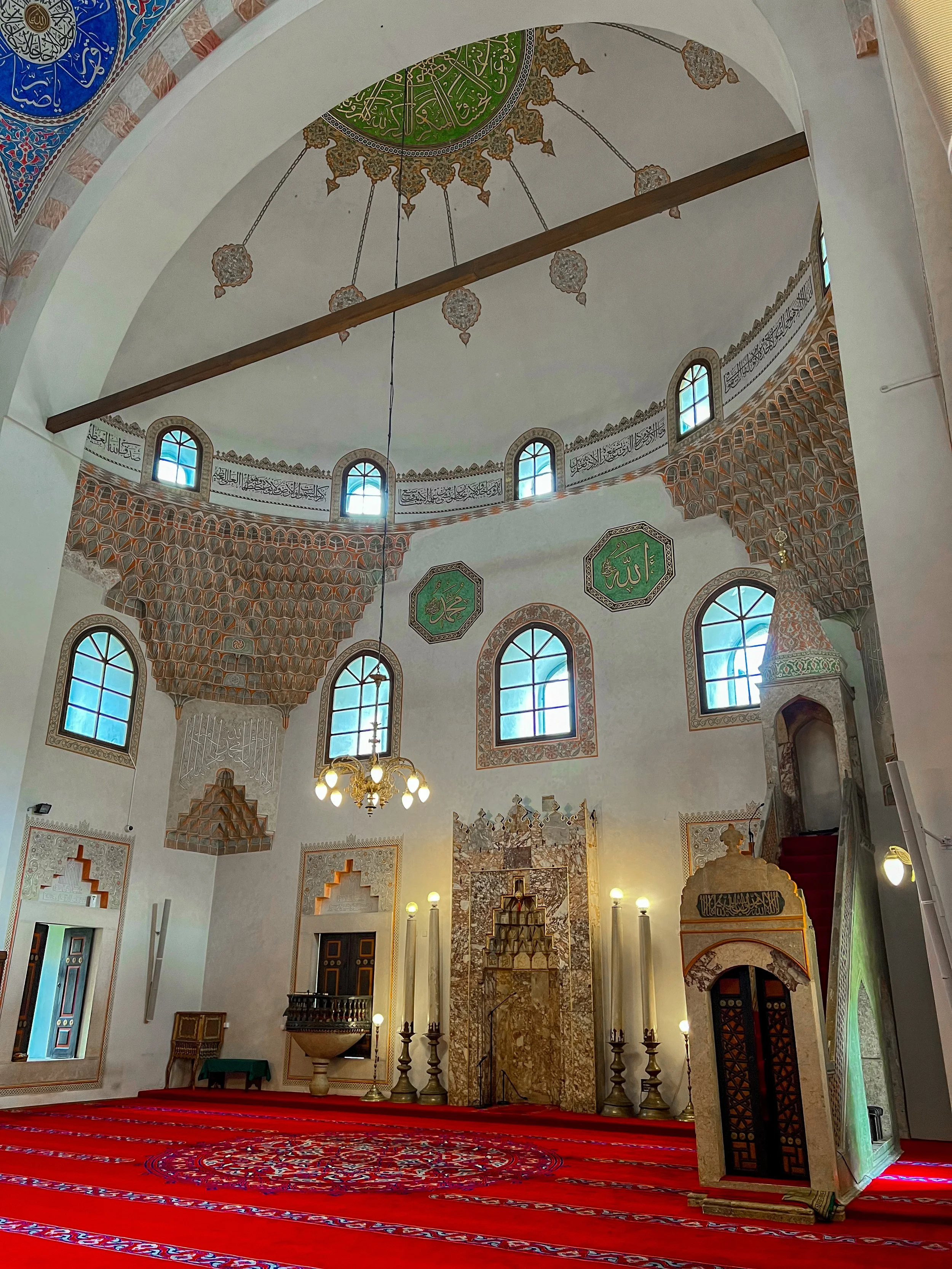
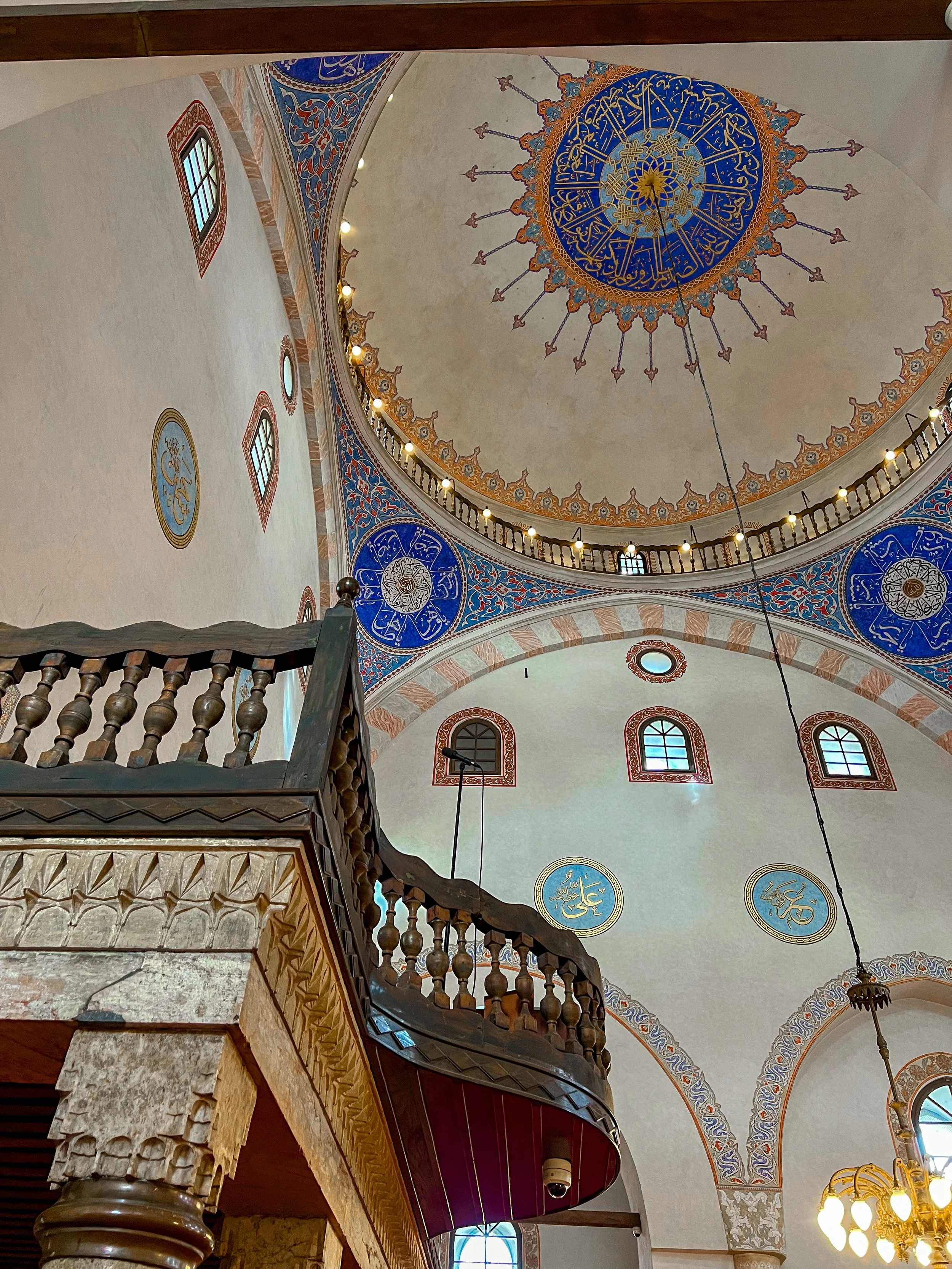
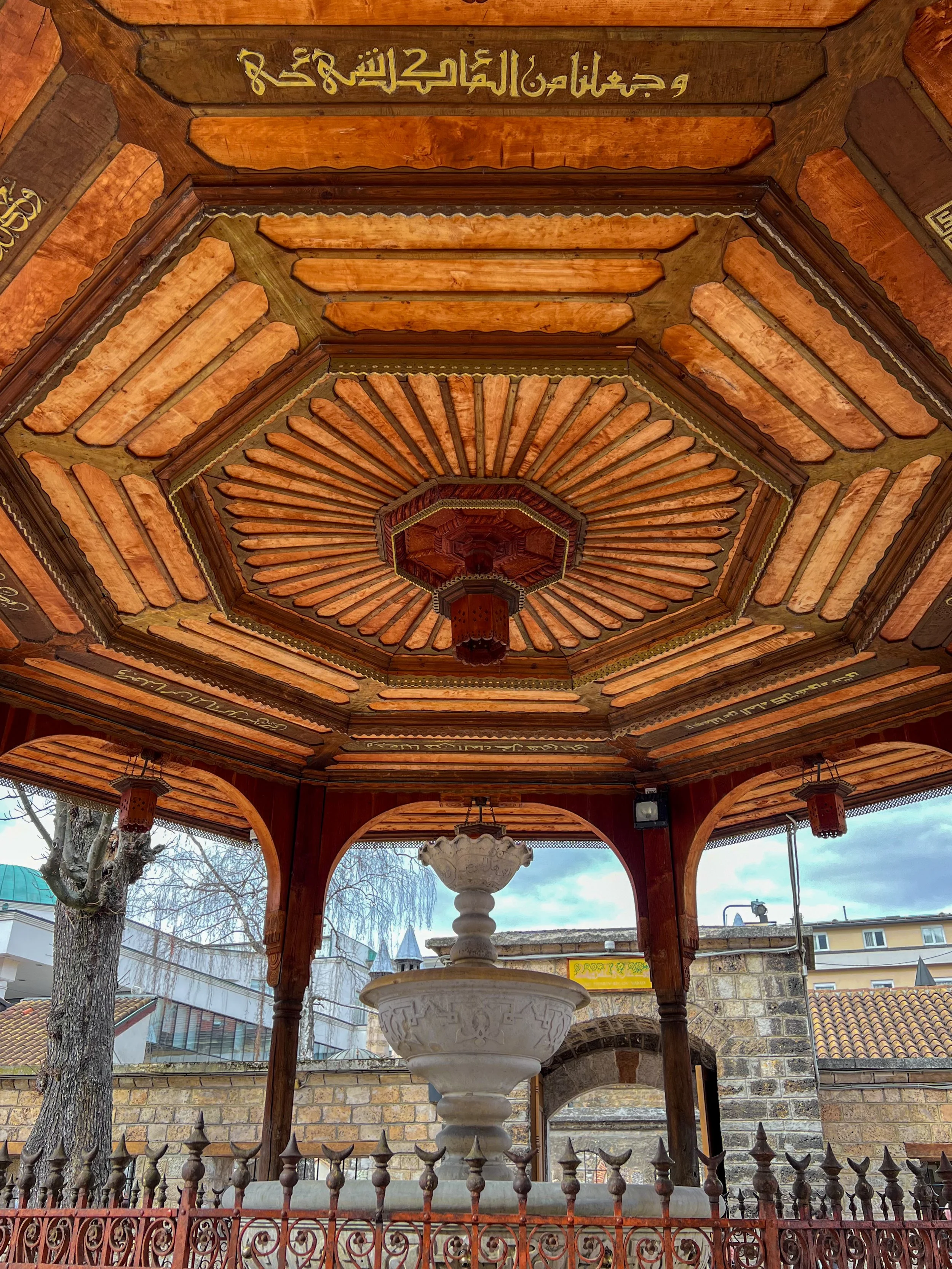
Right across the street, you’ll find the magnificent Gazi Husrev-beg's Mosque, one of the most significant architectural and religious landmarks in Sarajevo. Gazi Husrev Beg’s Mosque is the most monumental mosque of the Ottoman period and one of the finest examples of Islamic architecture in Bosnia and Herzegovina. The mosque was built by Gazi Husrev Beg and designed by Ajam Asir Ali, who was the chief architect of the Ottoman Empire at that time.
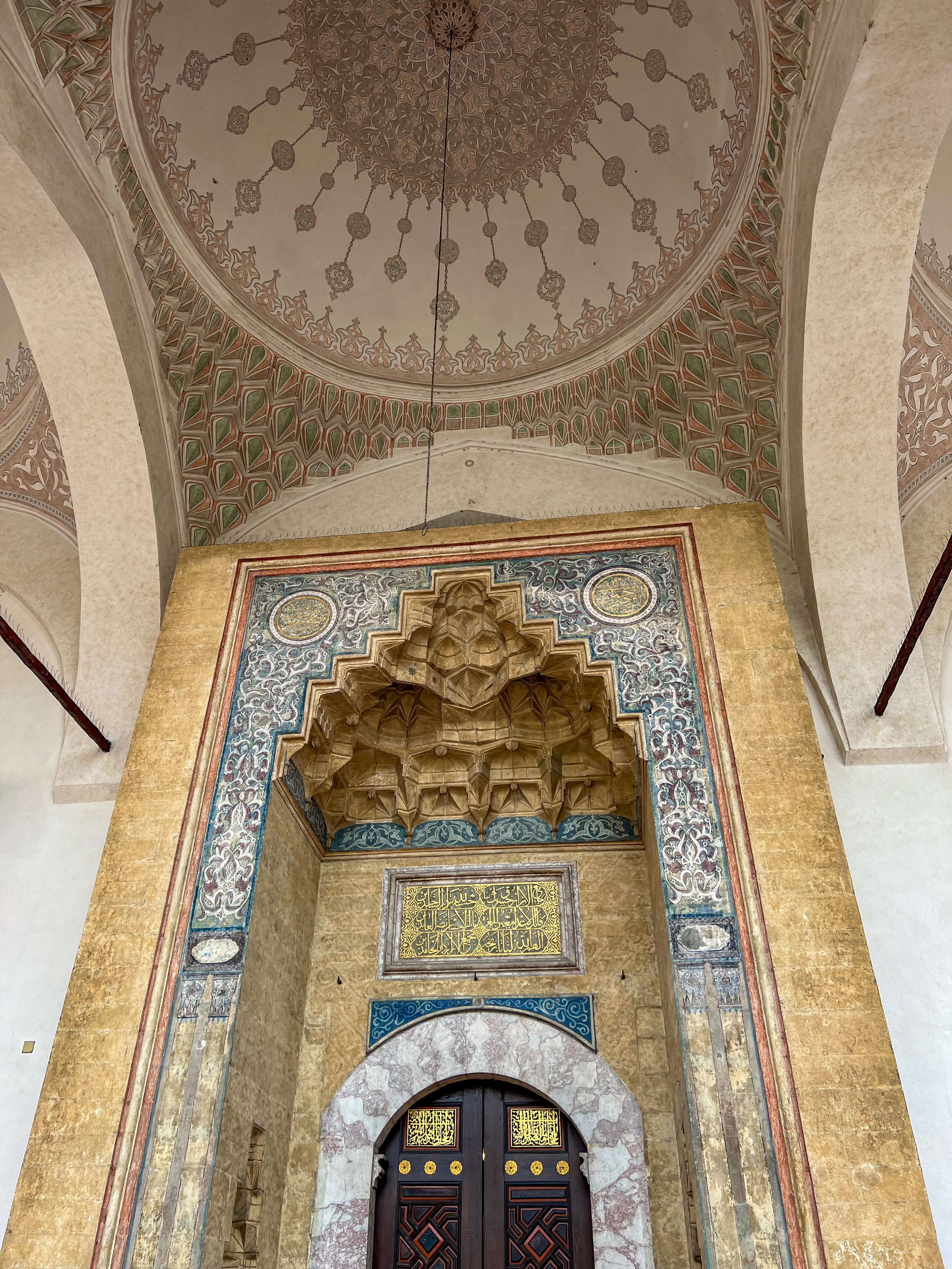
Above the entrance to the mosque, an epigram was engraved on a tablet of stone on the occasion of the building of the mosque. The numerical values of the Arabic letters in the last verse give us the year in which the mosque was built: 1530 to 1531 according to the Gregorian calendar.
The central space of the mosque, which is 13m in width and length, is vaulted by a dome which is 26m in height. The central space, on its left and right side, extends into tatimas (side spaces), both of which are square-shaped and in 6,5m in width and length and both of which have separate entrances. The frontal part is dominated by marble pillars which carry the arches of the portico of the mosque. The arches separate the portico into five rectangular domed spaces. From the minaret, which is 45m in height, the voice of a muezzin resounds five times a day calling the believers to prayers, and this has been a tradition ever since the mosque was built.

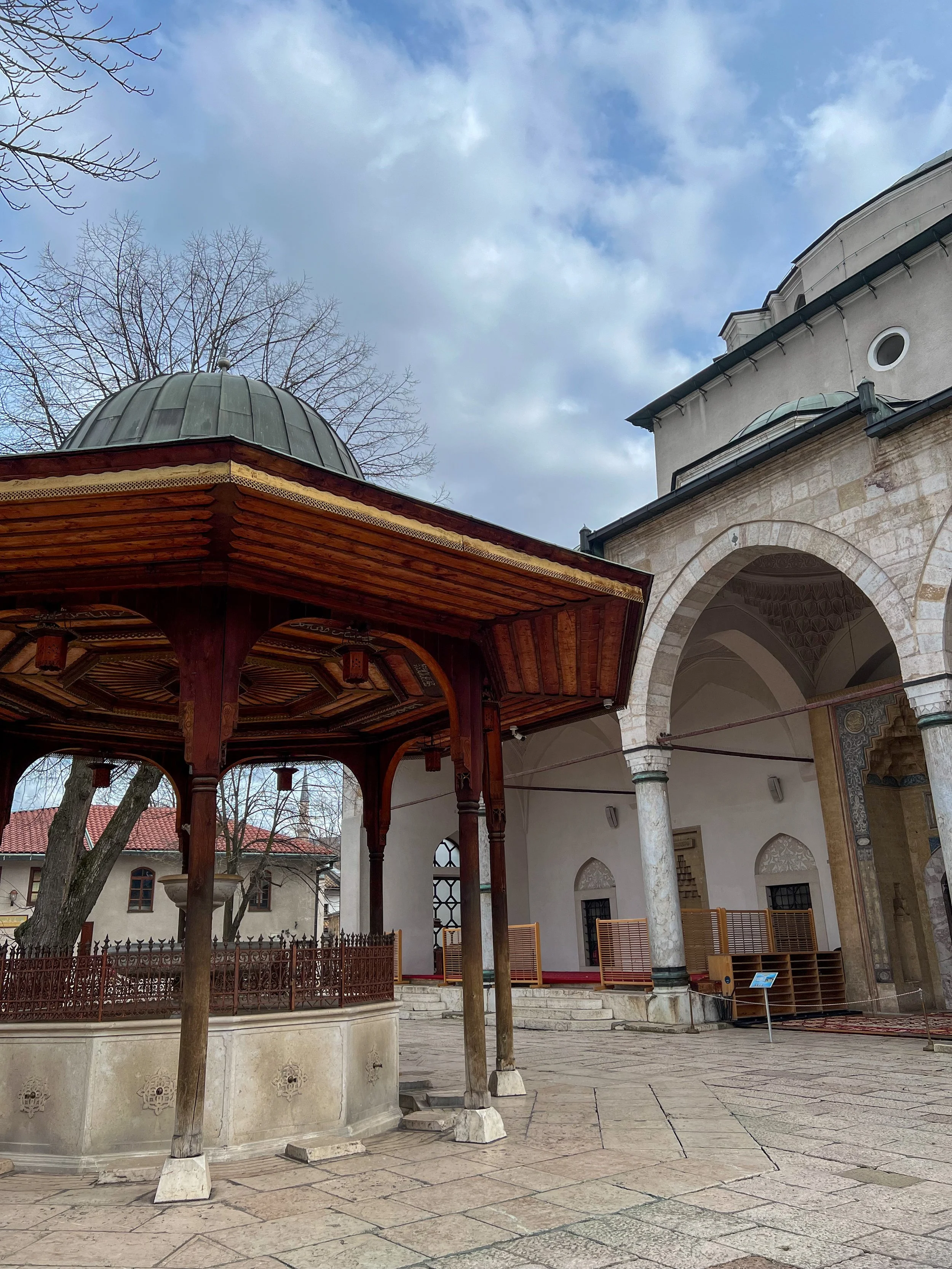
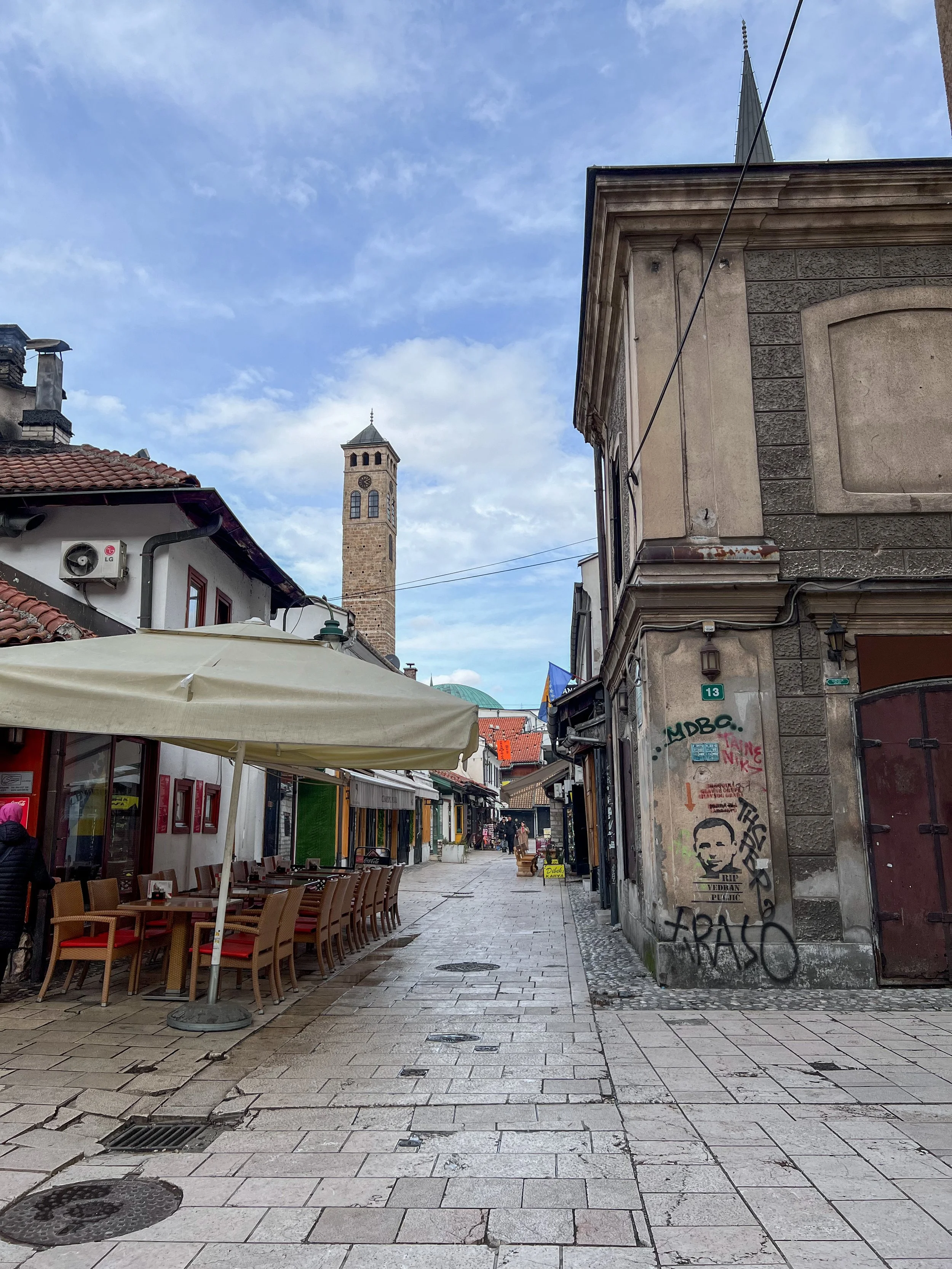
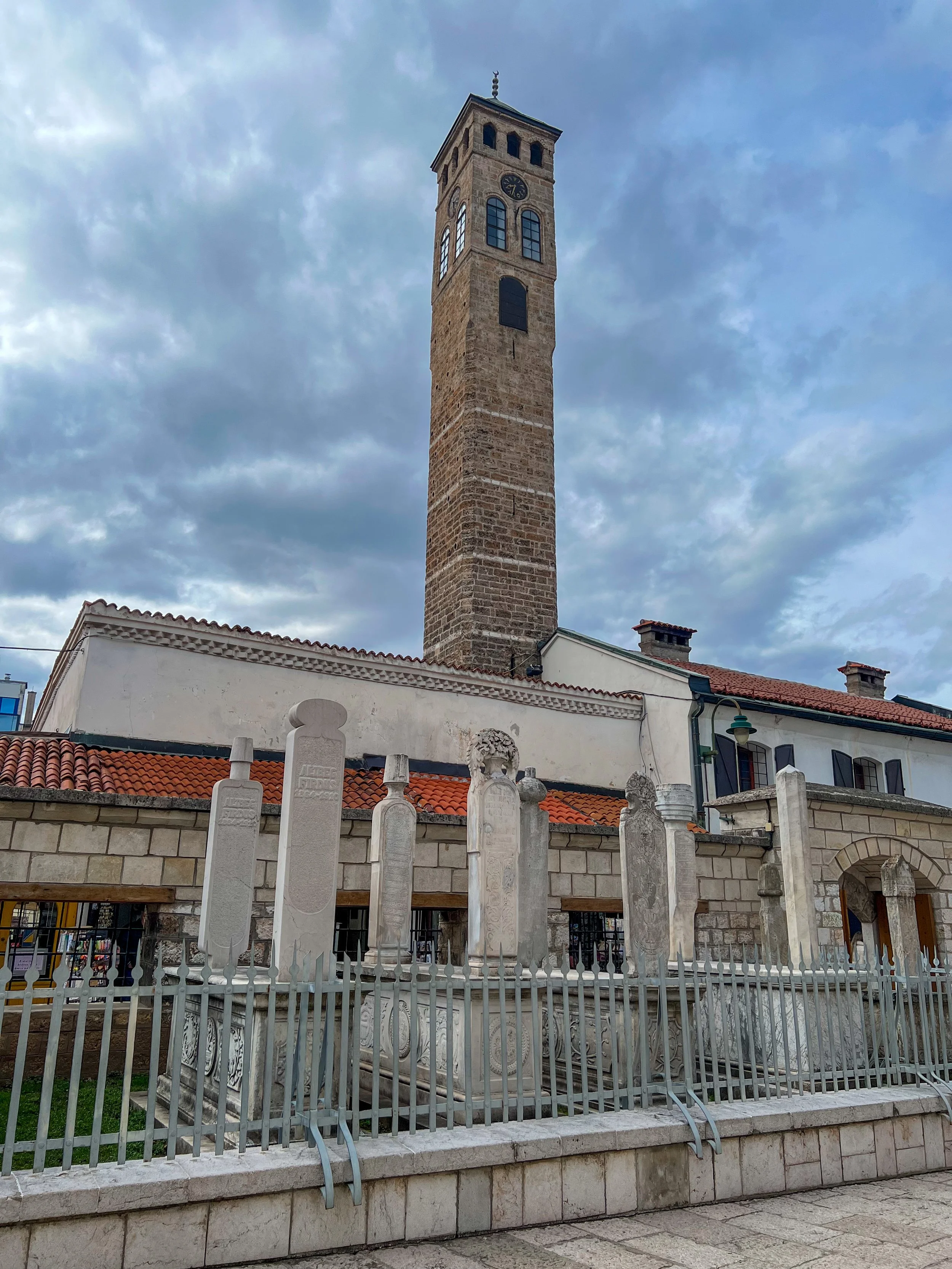
Adjacent to the mosque stands the iconic clock tower, known locally as Sahat Kula. Built in 1637, the clock tower served as a timekeeping device for the citizens of Sarajevo during the Ottoman era. Its distinctive octagonal shape and tall spire make it a recognizable symbol of the city's historical heritage. The clock tower's mechanism, which was originally powered by a weight-driven system, has been modernized over the years, but it still retains its original charm and significance.
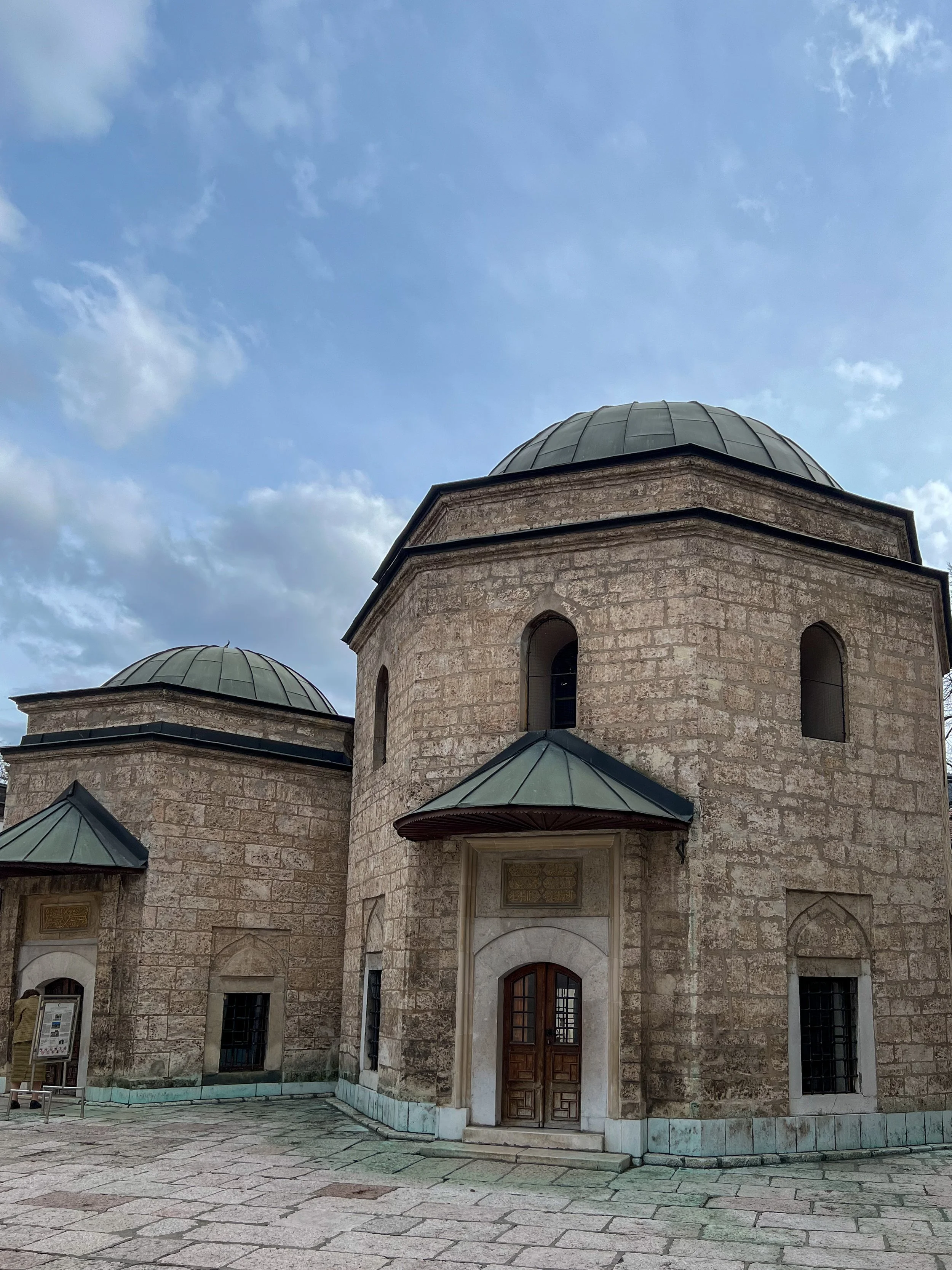
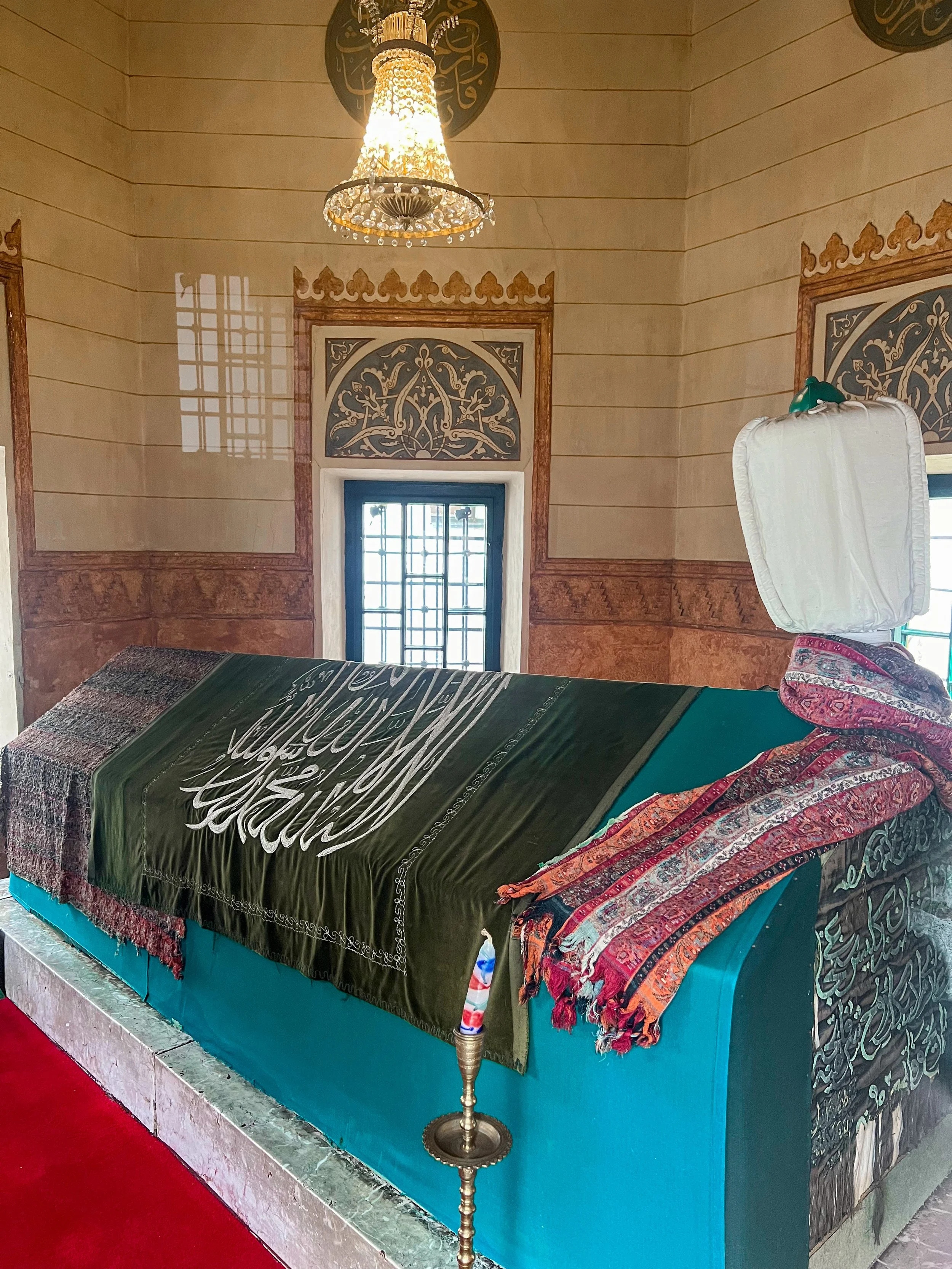
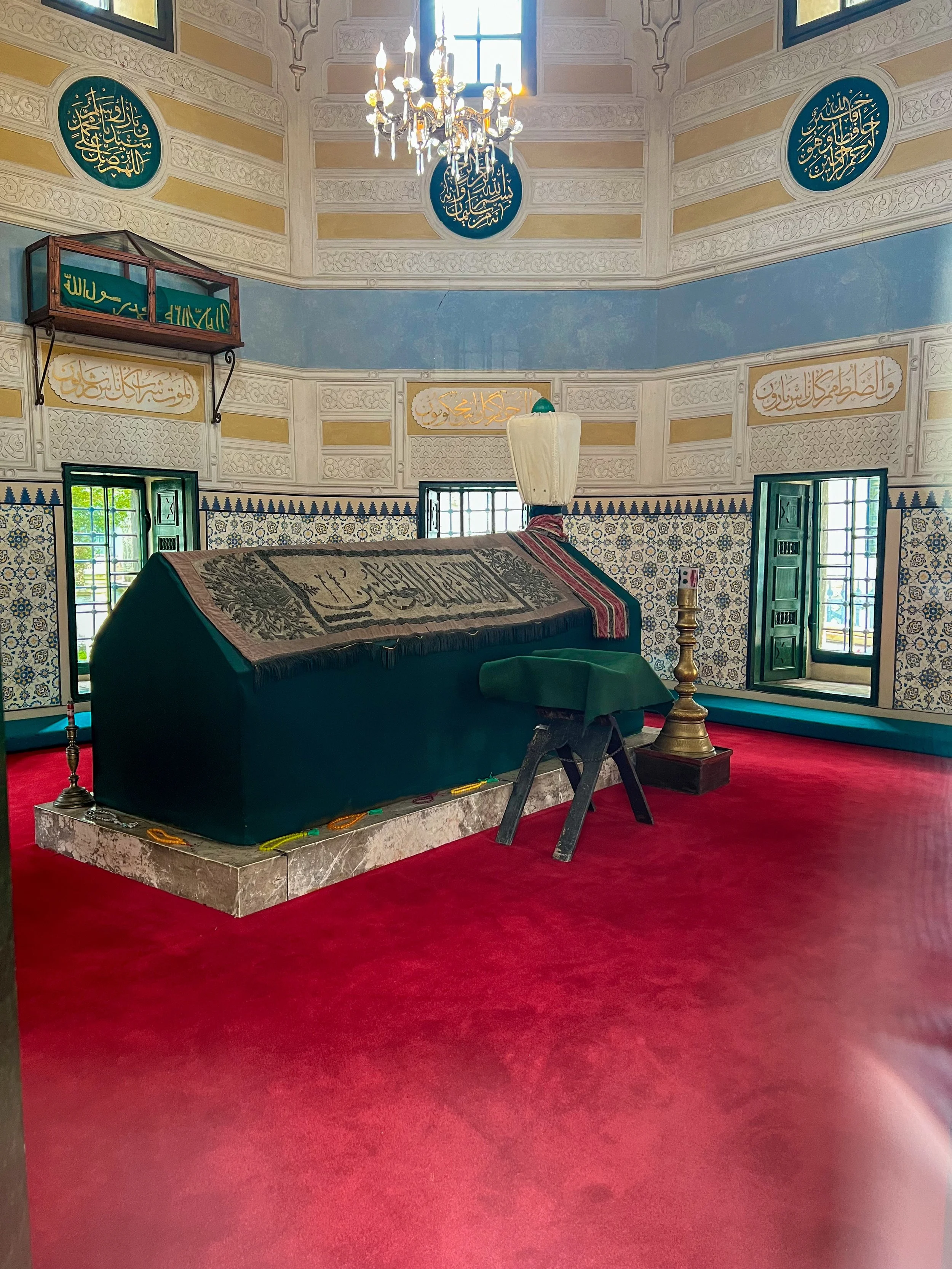
On the eastern side of the mosque, there are two mausoleums which Gazi Husrev Beg ordered to be built during his lifetime. The bigger mausoleum houses today the grave of Gazi Husrev Beg, while in the smaller one Murat Beg Tardič was buried, Gazi’s commander and later also the sanjakbey and the first administrator of Gazi Husrev Beg’s Waqf.
Blacksmith Market & Caravanserai
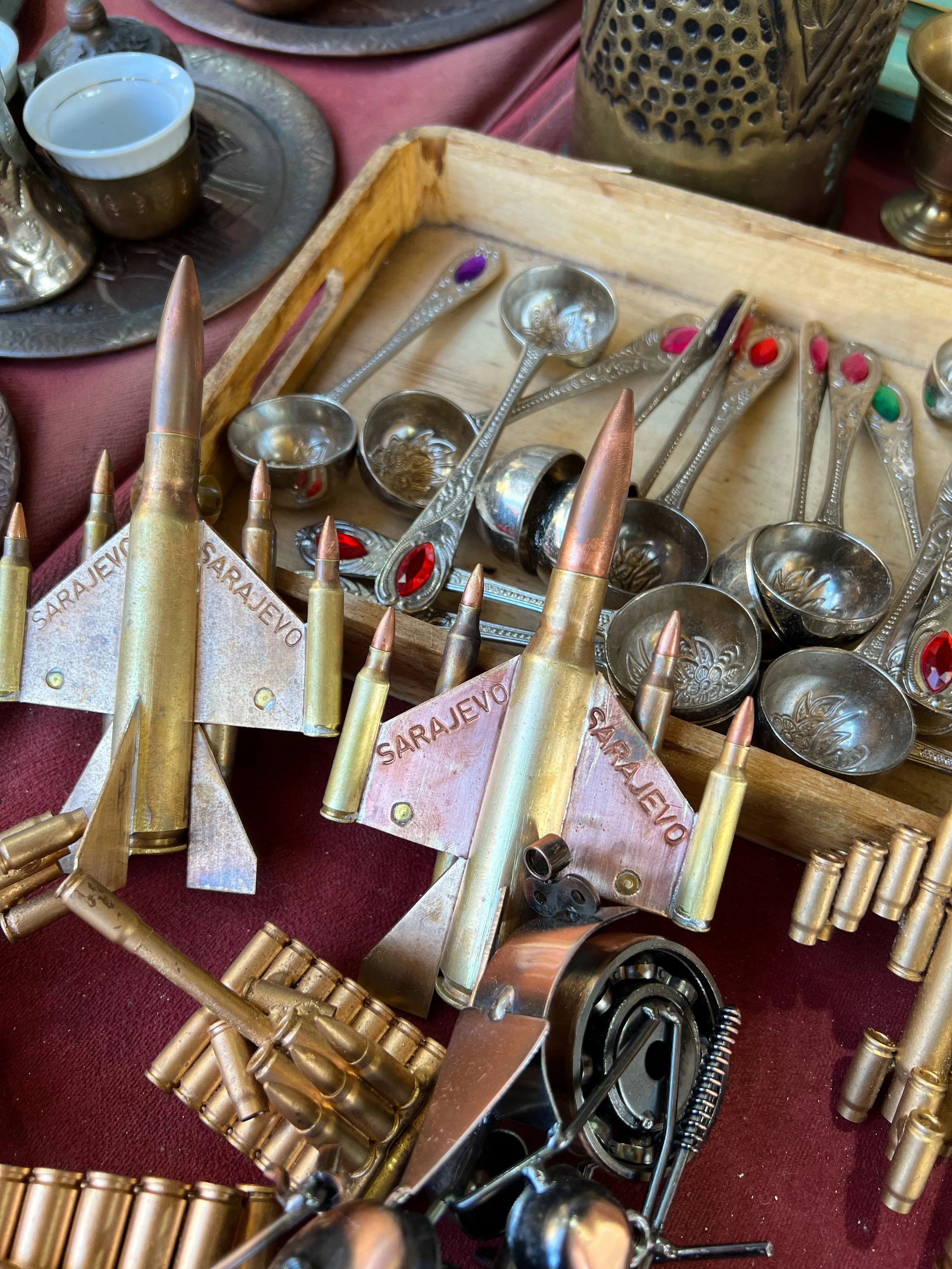
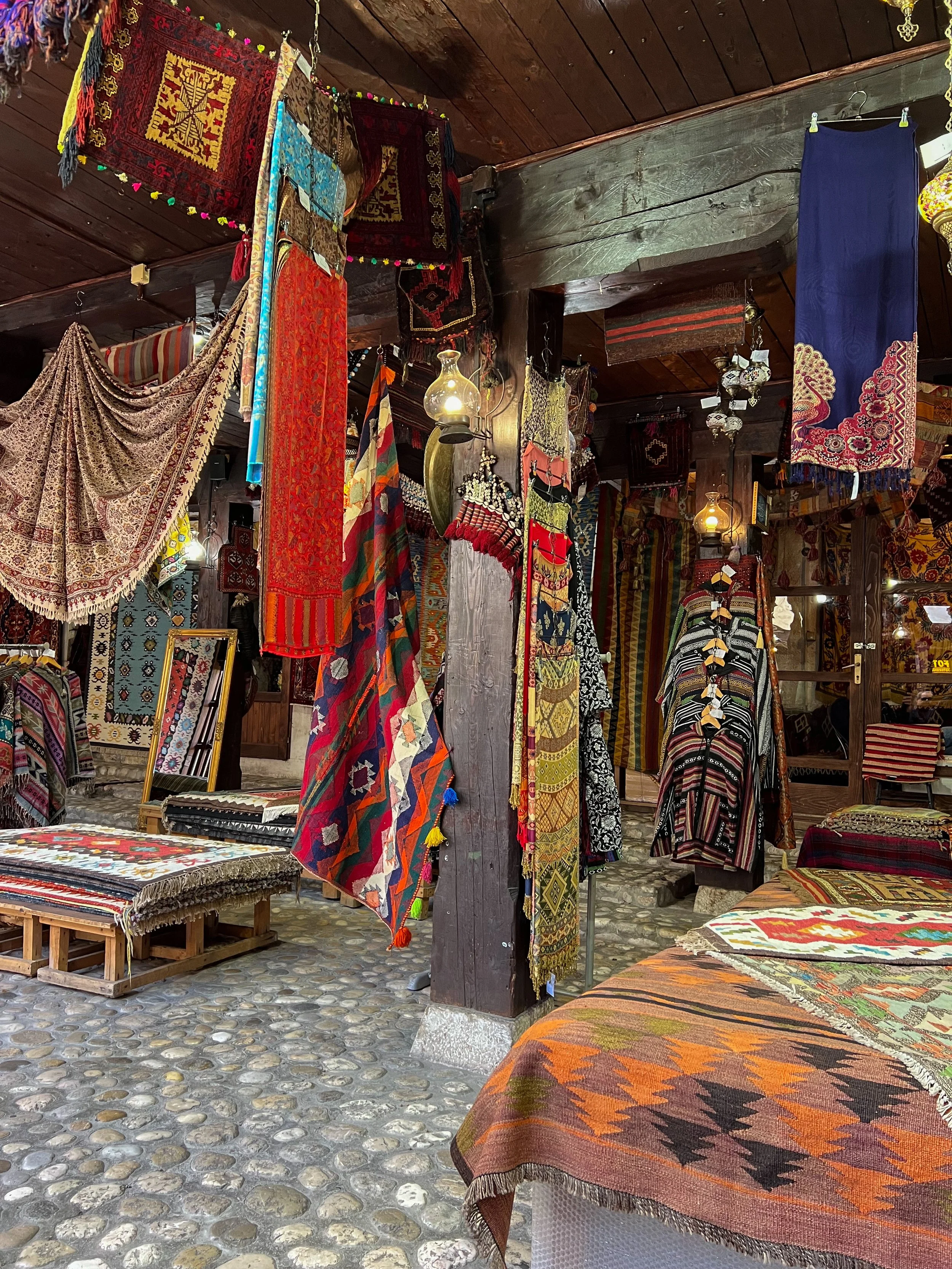
We continued wandering the narrow streets of the Blacksmith Market, or Kovači, the traditional hub for blacksmiths and metalworkers who crafted a variety of tools, weapons, and household items. Situated near the Gazi Husrev-beg's Mosque, this market thrived as artisans showcased their craftsmanship and traded their goods with locals and travellers passing through Sarajevo. Today, while the blacksmith trade has diminished, the area retains its historical charm and is home to a variety of souvenir shops and cafes, offering visitors a glimpse into Sarajevo's artisanal past.
Adjacent to the Blacksmith Market is the Caravanserai Morića Han, a well-preserved example of an Ottoman-era caravanserai, or inn. Built in the 16th century, this caravanserai provided accommodation, storage, and other amenities for merchants and their animals travelling along the Silk Road and other trade routes. The Caravanserai Morića Han features a central courtyard surrounded by covered galleries and rooms, where travellers could rest and conduct business in safety and comfort. Today, the caravanserai has been restored and repurposed as a cultural centre, hosting exhibitions, events, and performances that celebrate Sarajevo's diverse heritage.
City Hall
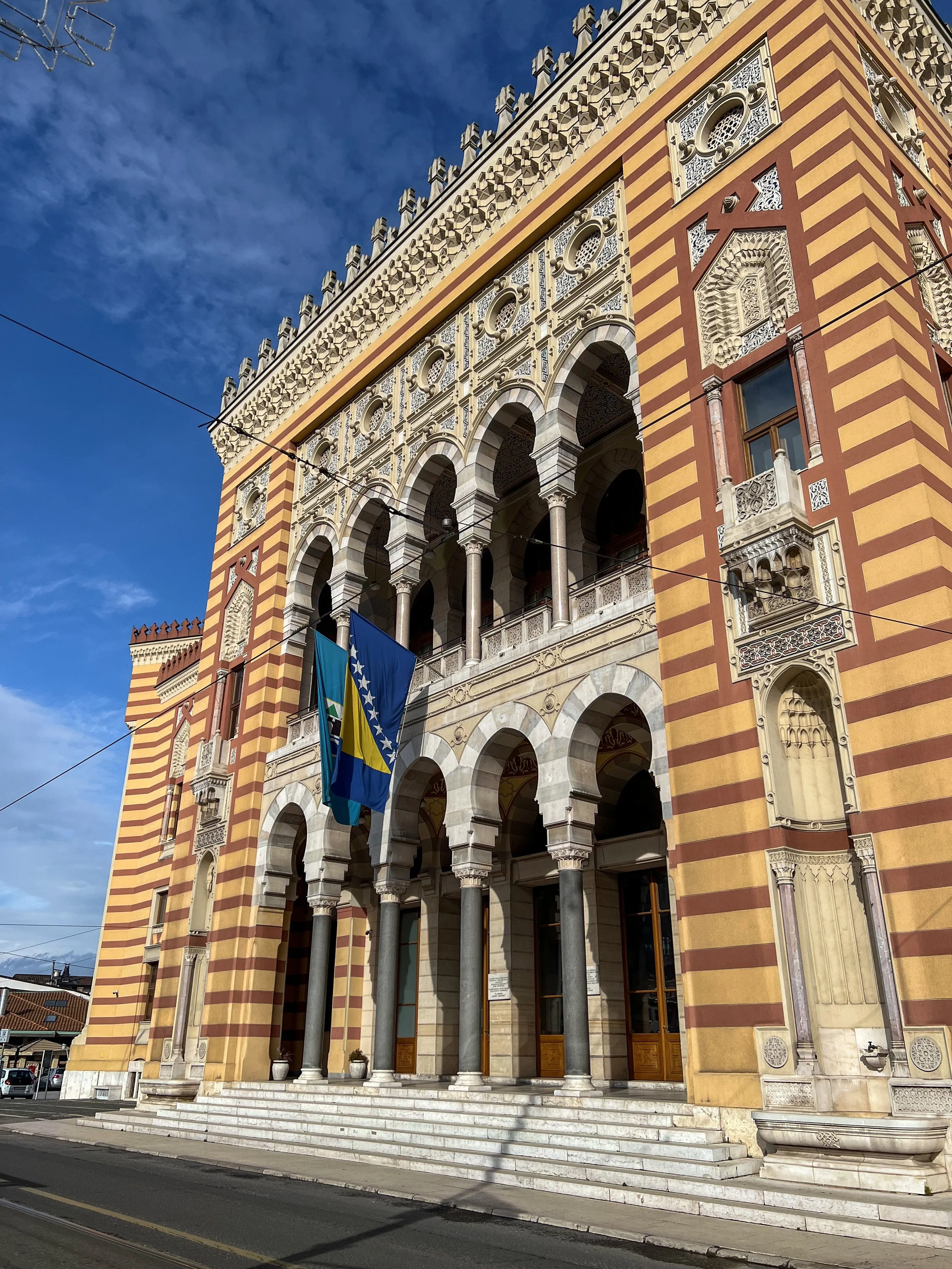
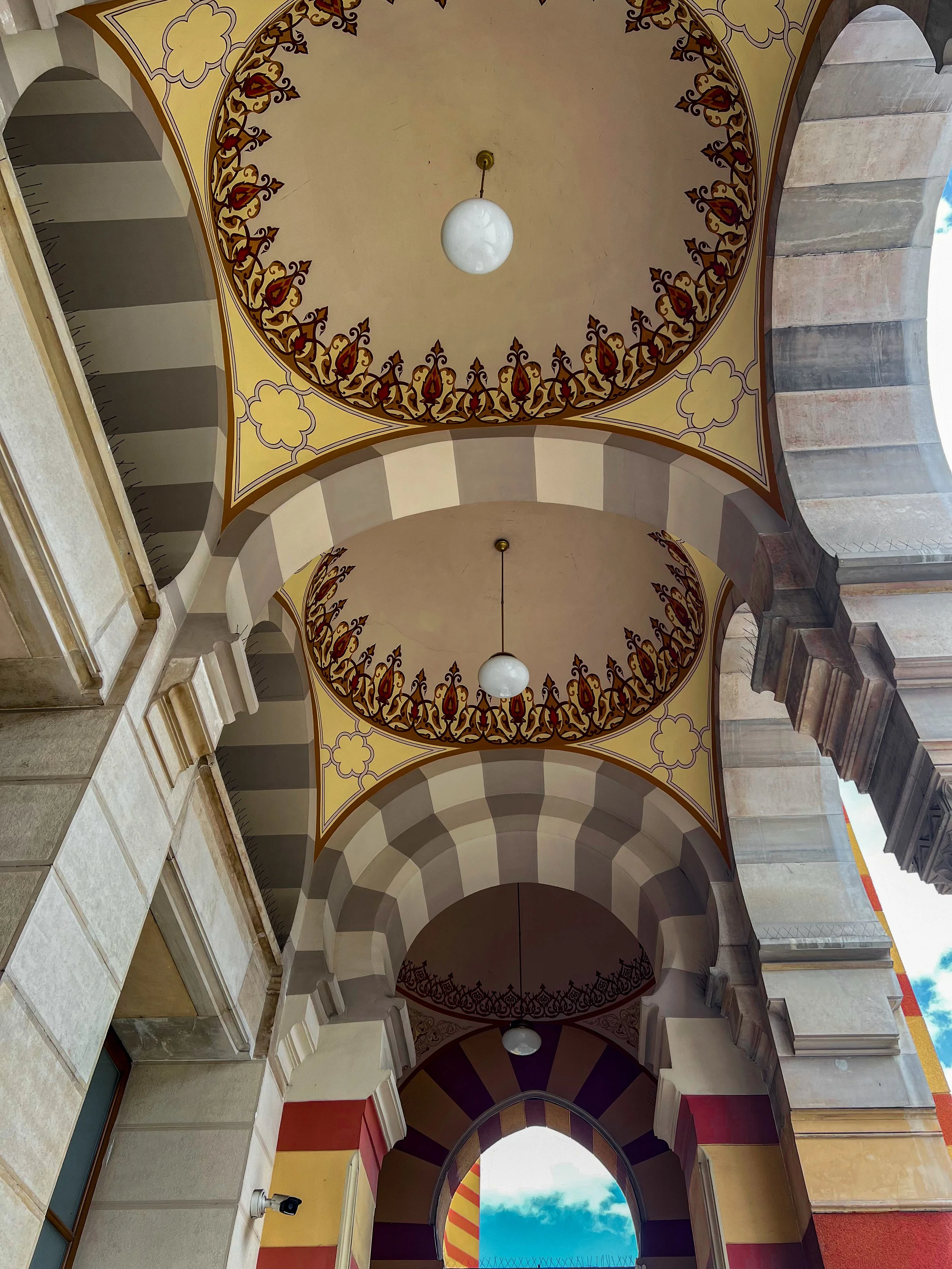
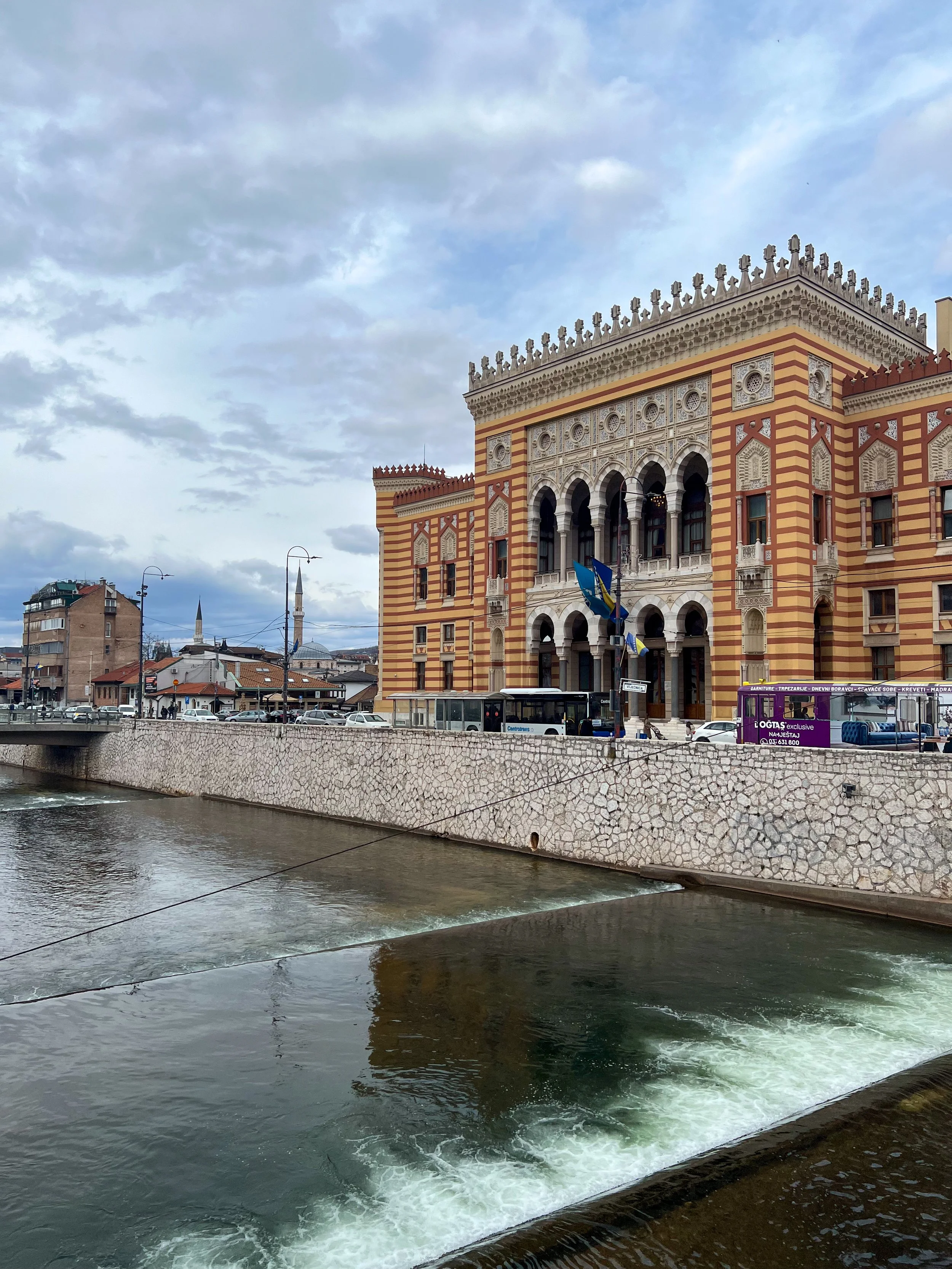
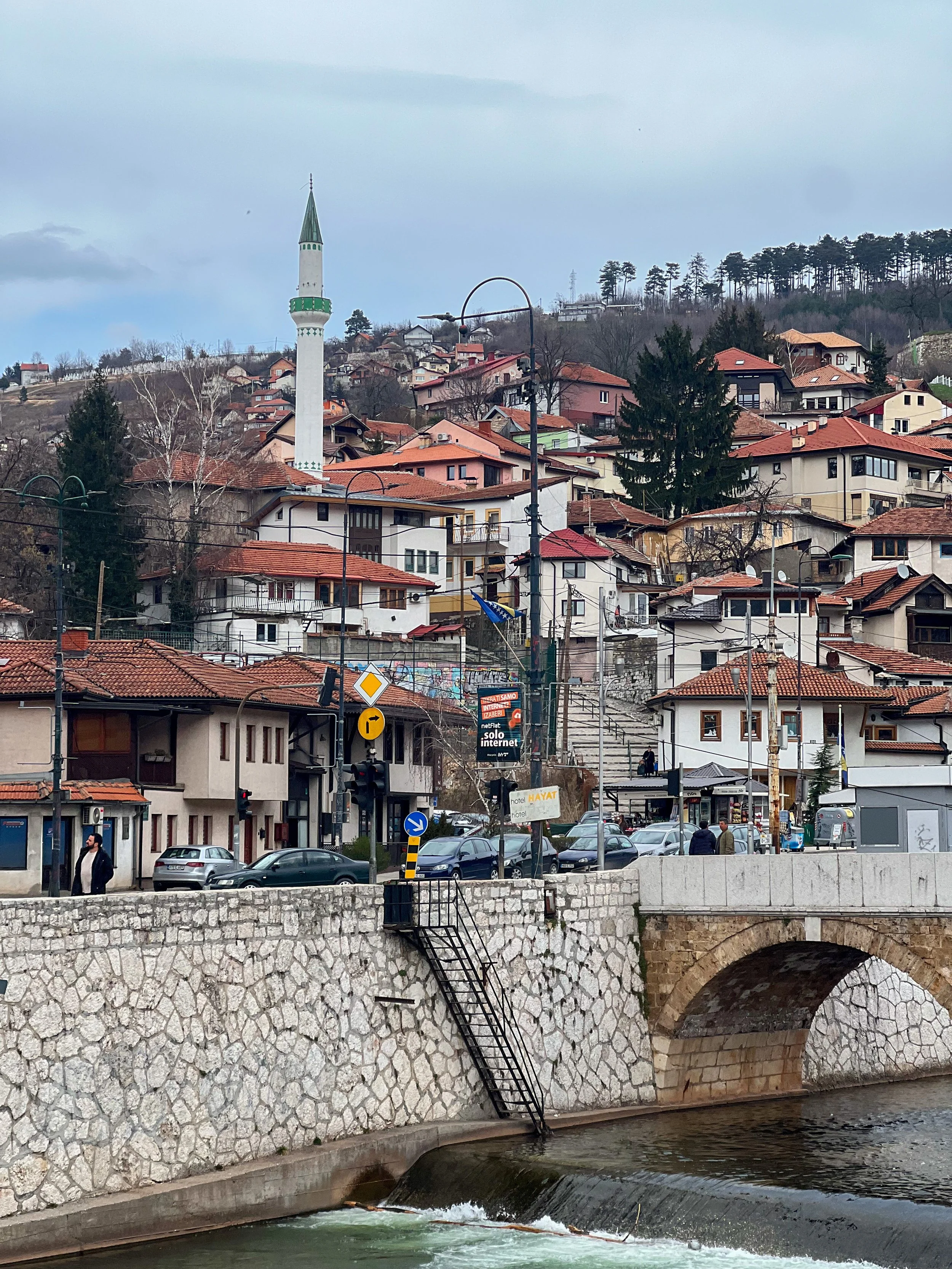
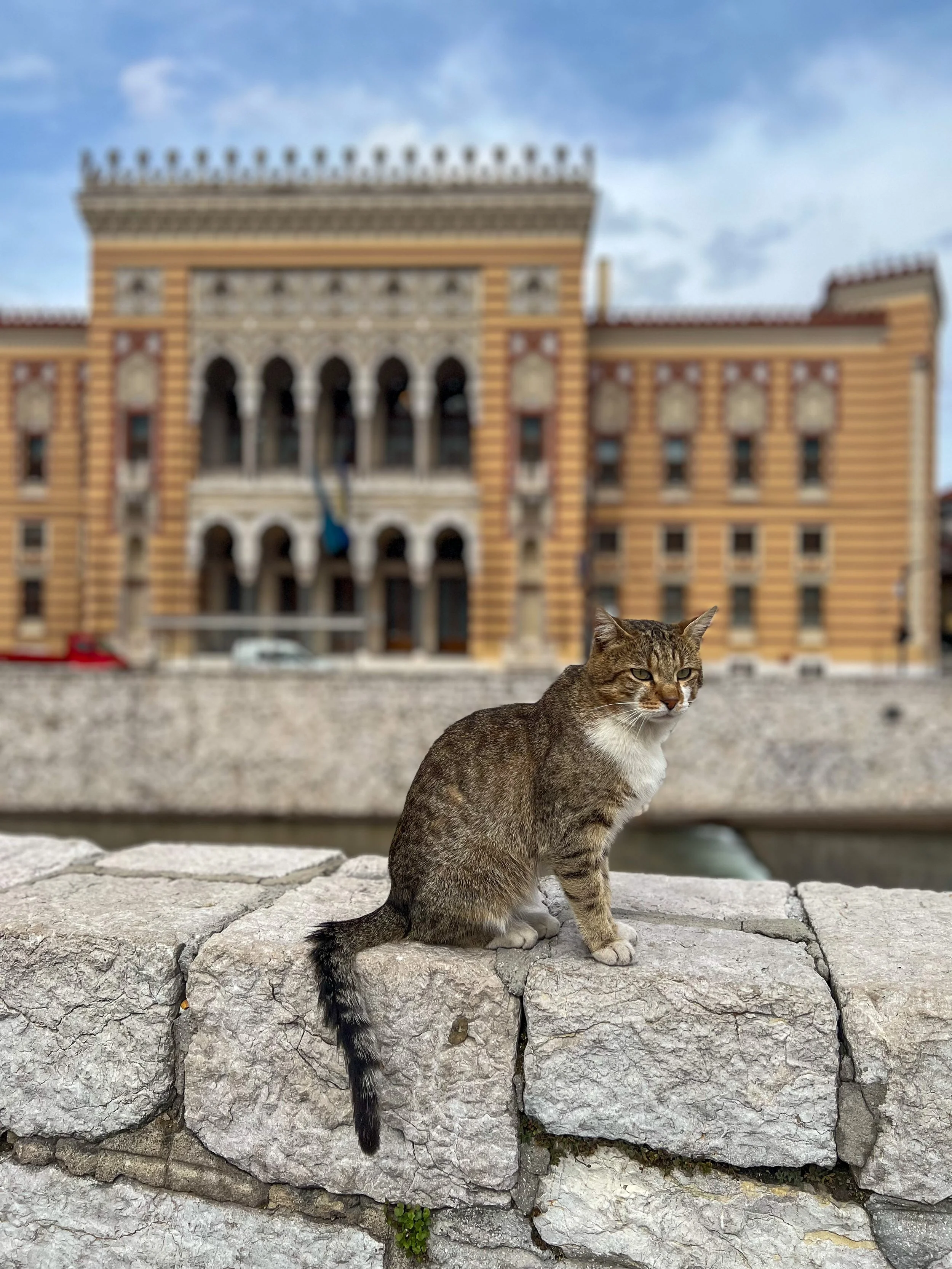
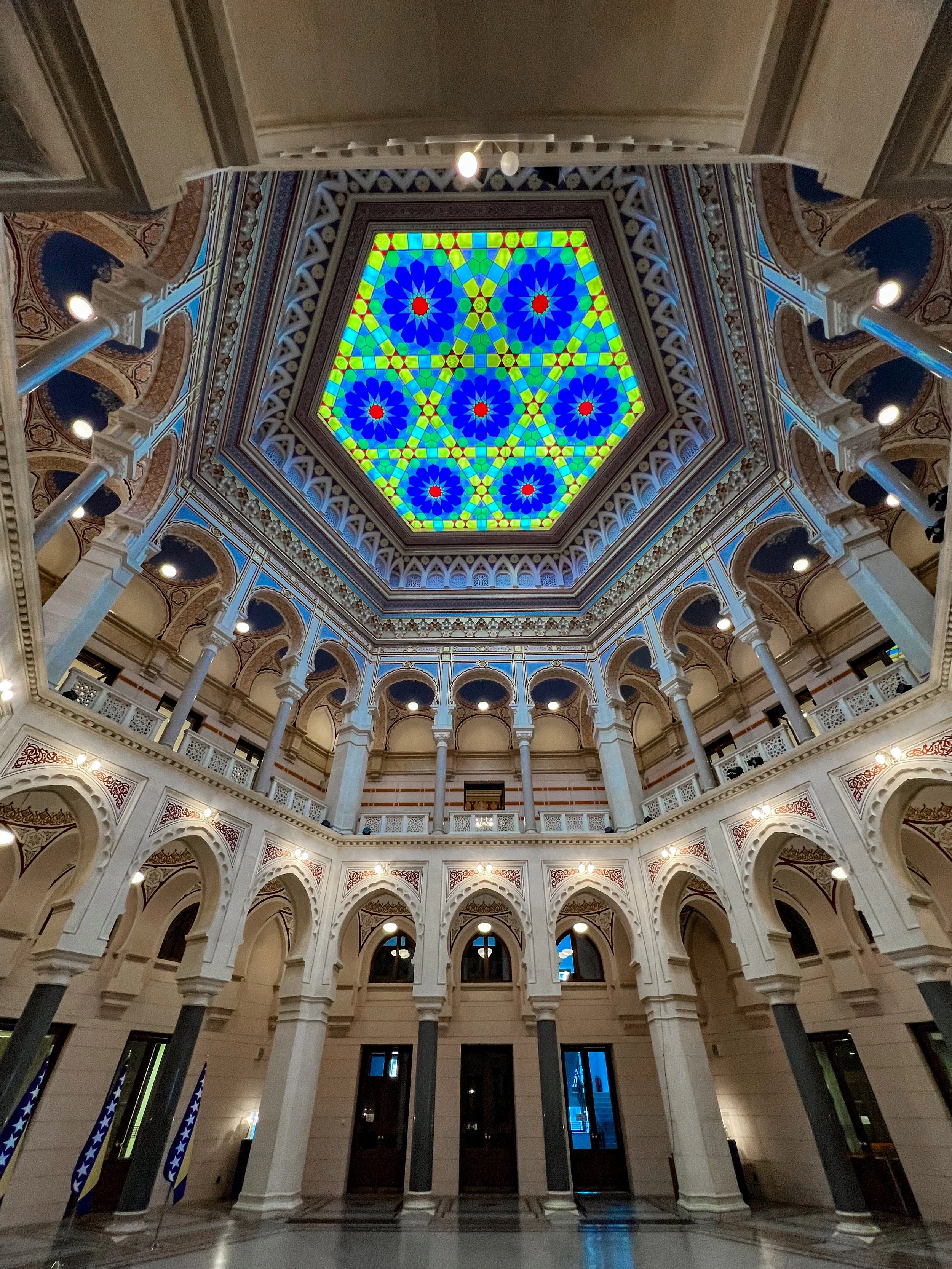
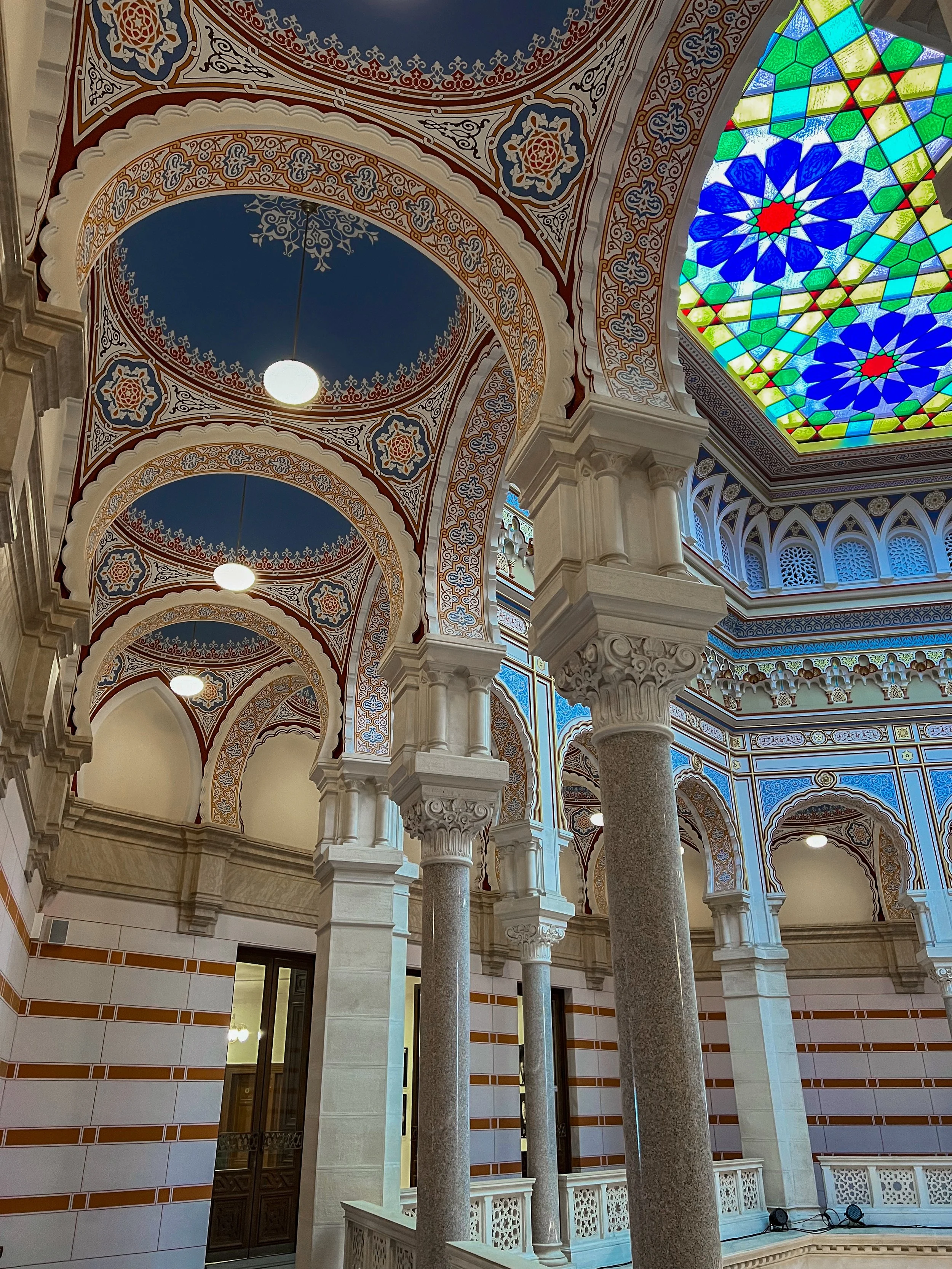
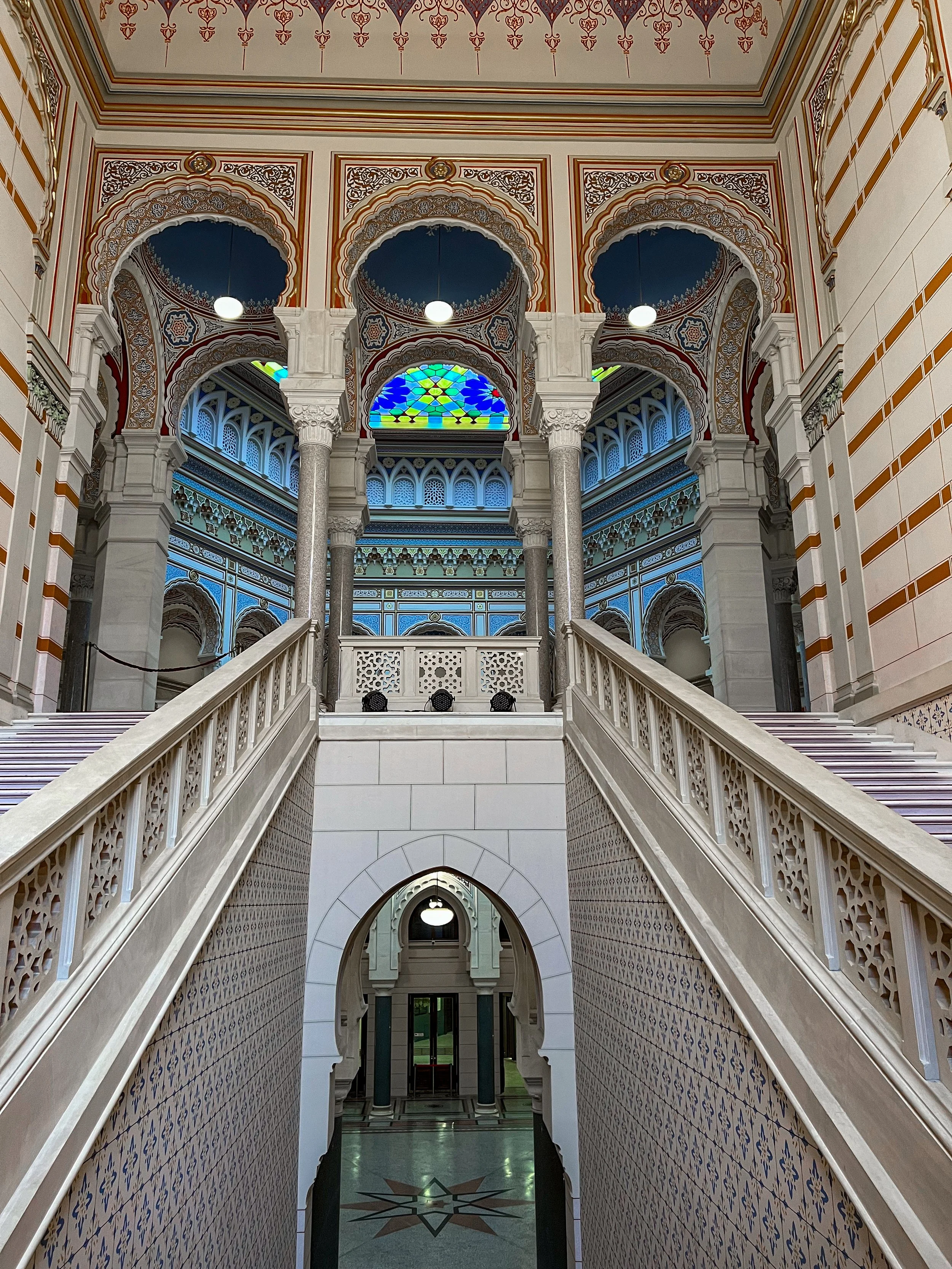
As we strolled along, the Sarajevo City Hall certainly stood out among the ancient Ottoman buildings. Constructed between 1892 and 1894 during the Austro-Hungarian period, the Sarajevo City Hall was designed by Czech architect Karel Paržik. The building is an exquisite example of neo-Moorish architectural style, characterized by its intricate facade, domed towers, and ornate decorations. Inspired by Islamic and Moorish architectural motifs, Vijecnica's design reflects Sarajevo's multicultural heritage and its role as a meeting point of East and West.
Throughout its history, the Sarajevo City Hall has served as a symbol of civic pride and cultural identity for the residents of Sarajevo. It originally housed the city government and administrative offices, as well as a library and cultural centre. The building quickly became a centre of intellectual and cultural life in Sarajevo, hosting lectures, exhibitions, and social gatherings that brought together the city's diverse communities.
Tragically, during the Bosnian War in the 1990s, the Sarajevo City Hall suffered extensive damage when it was targeted by artillery fire. The building's magnificent interior, including its priceless collection of books and manuscripts, was nearly destroyed in the ensuing fire. However, in the years following the war, extensive efforts were made to restore Vijecnica to its former glory.
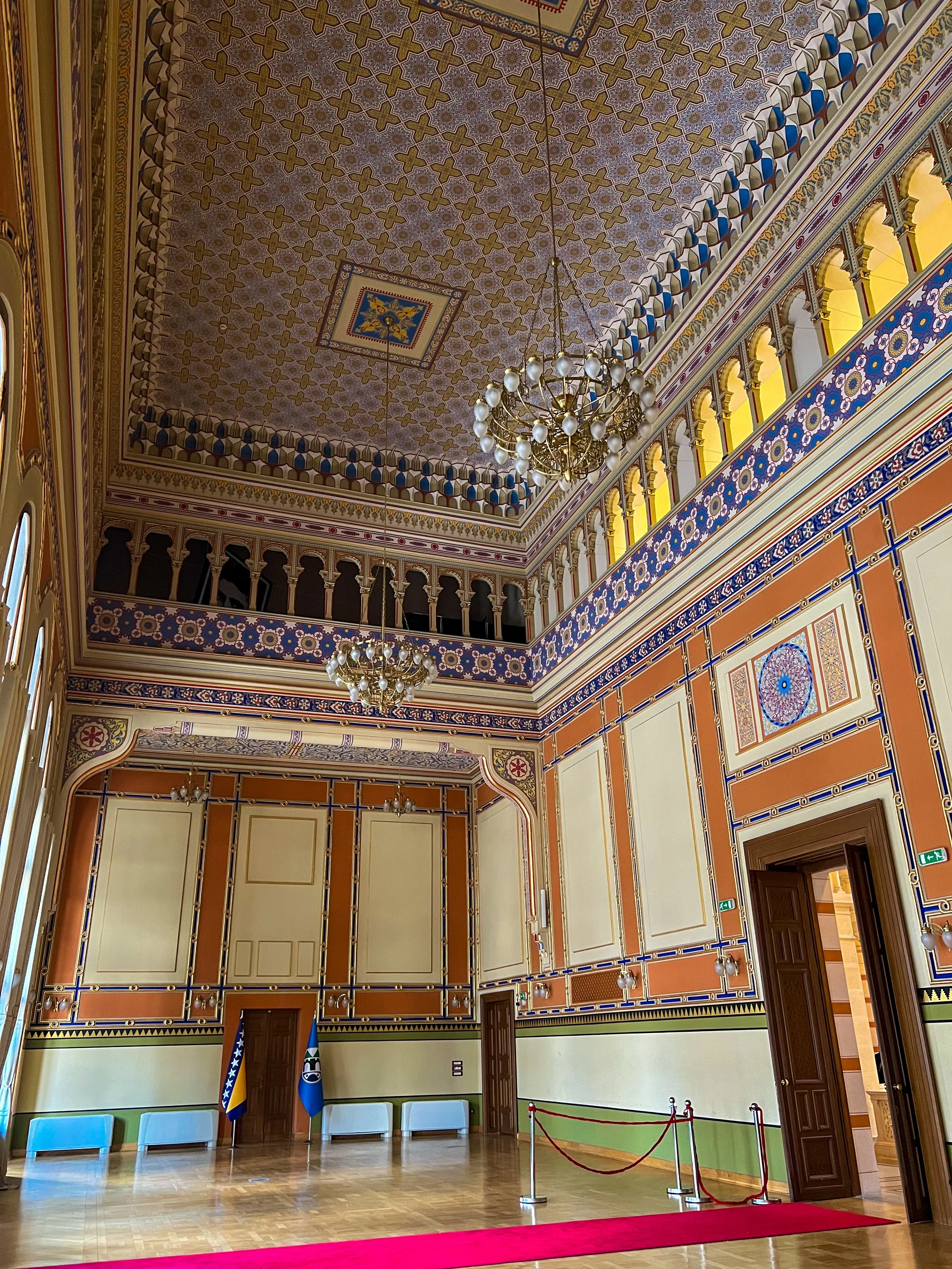
Don’t forget to visit the building inside to admire the incredible design and decorations. I didn’t have enough time during my walking tour, so I’d return here on my second day to learn more about this stunning building.
Latin Bridge
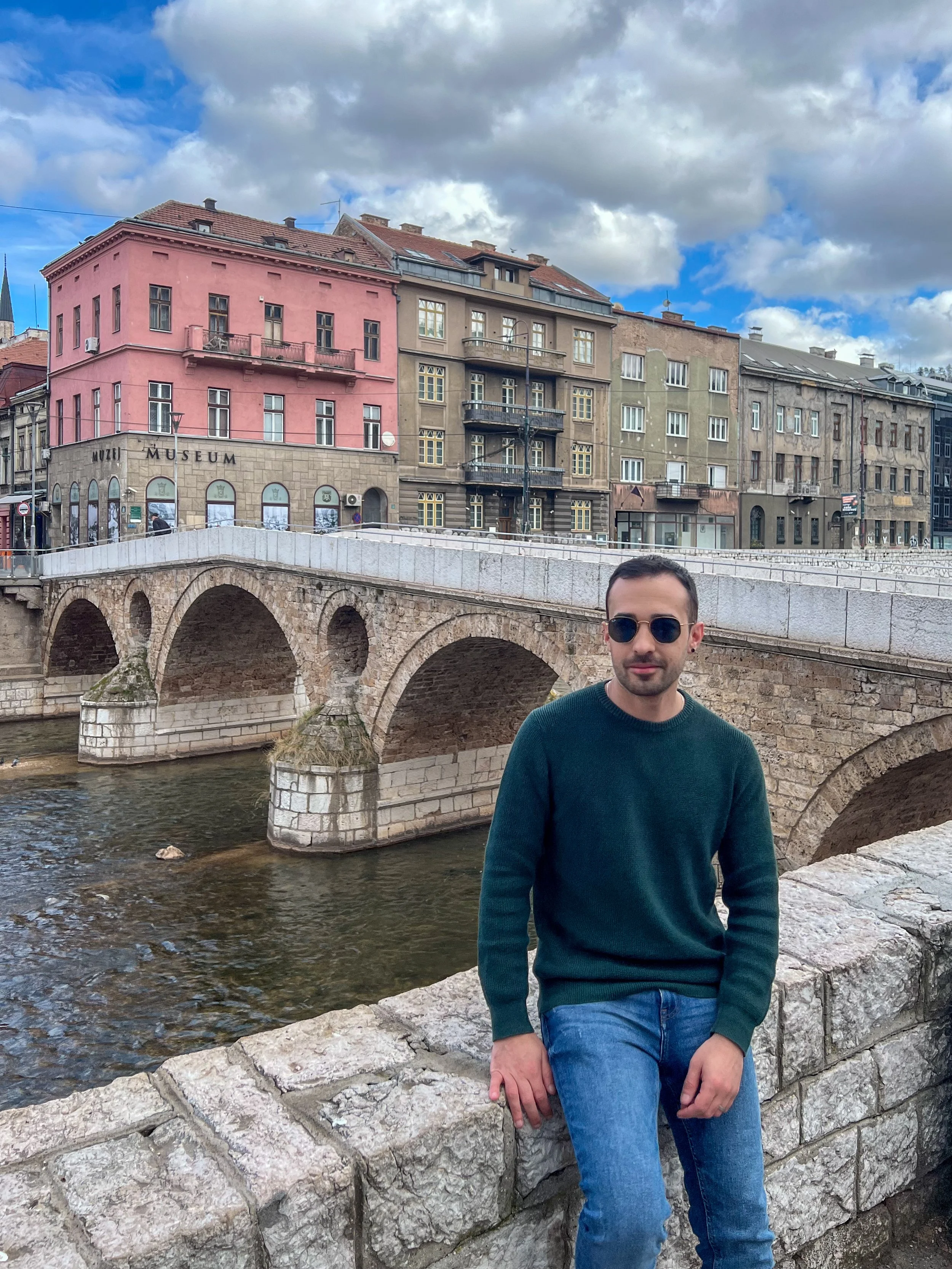
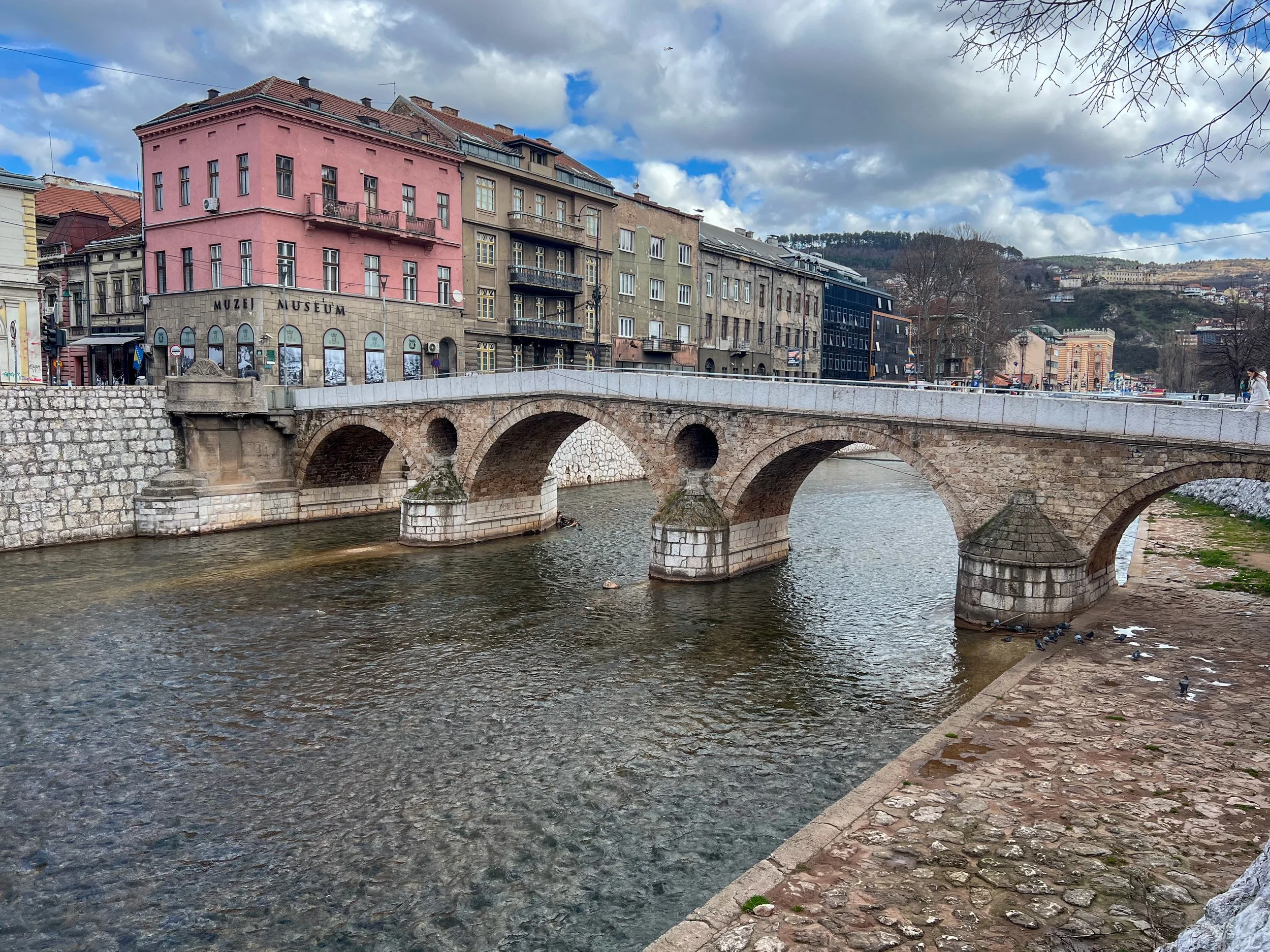
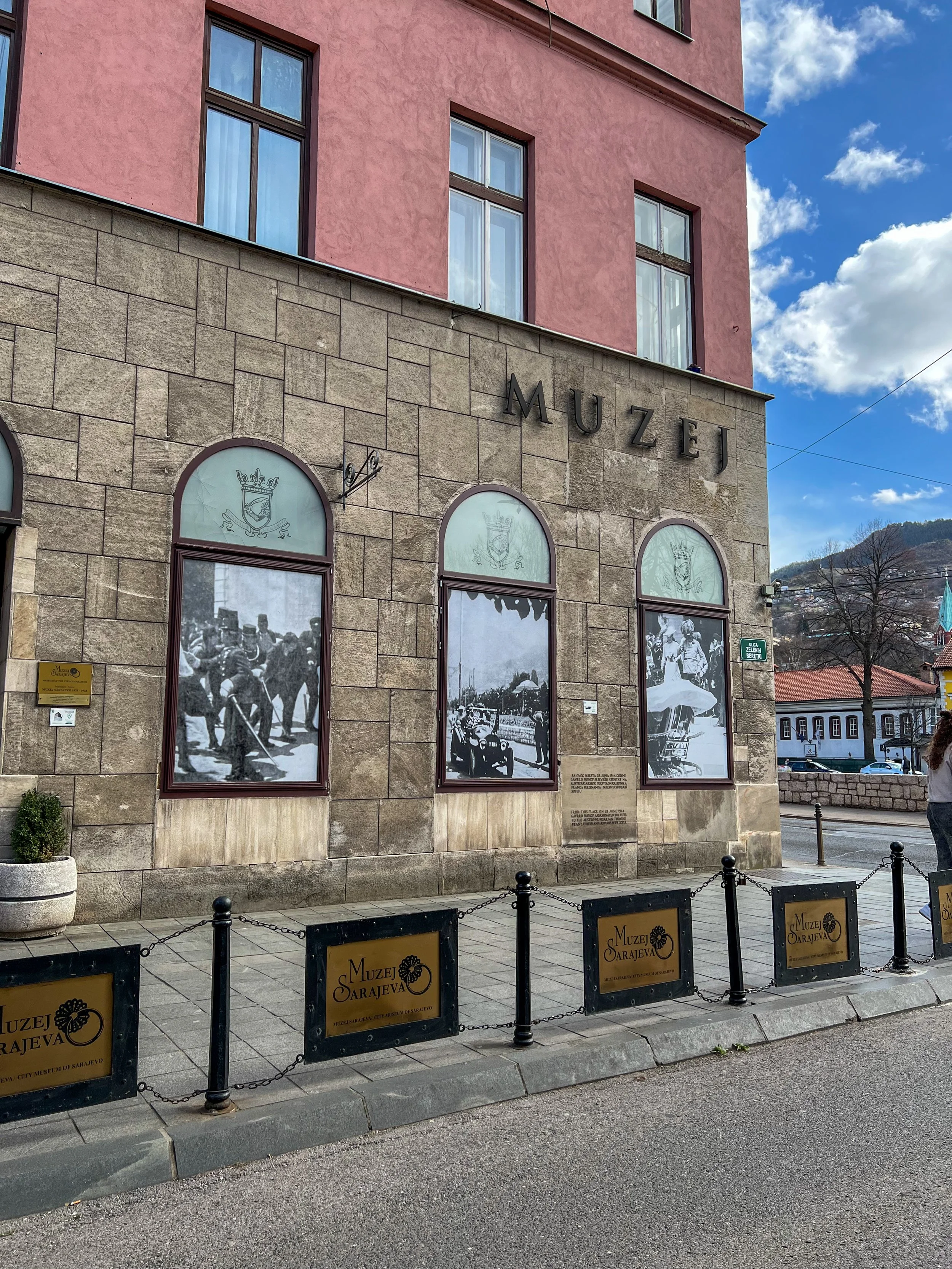
Constructed during the Ottoman period, the Latin Bridge of Sarajevo holds significant historical importance, particularly due to its association with the events that triggered World War I. The Latin Bridge has undergone several renovations over the centuries, but its basic structure has remained intact. The bridge derives its name from the Latin script used on the inscriptions of a nearby church during the Austro-Hungarian period.
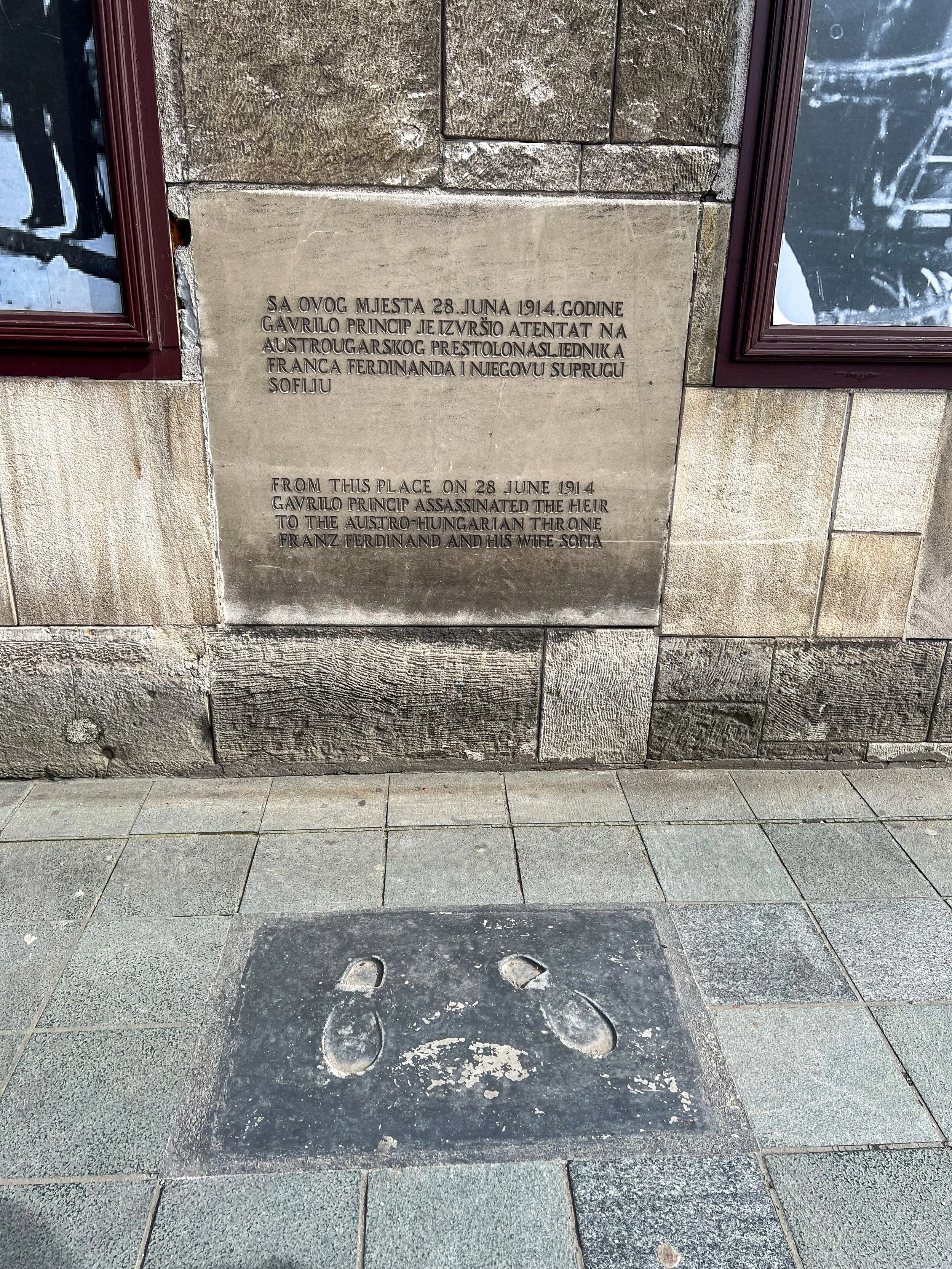
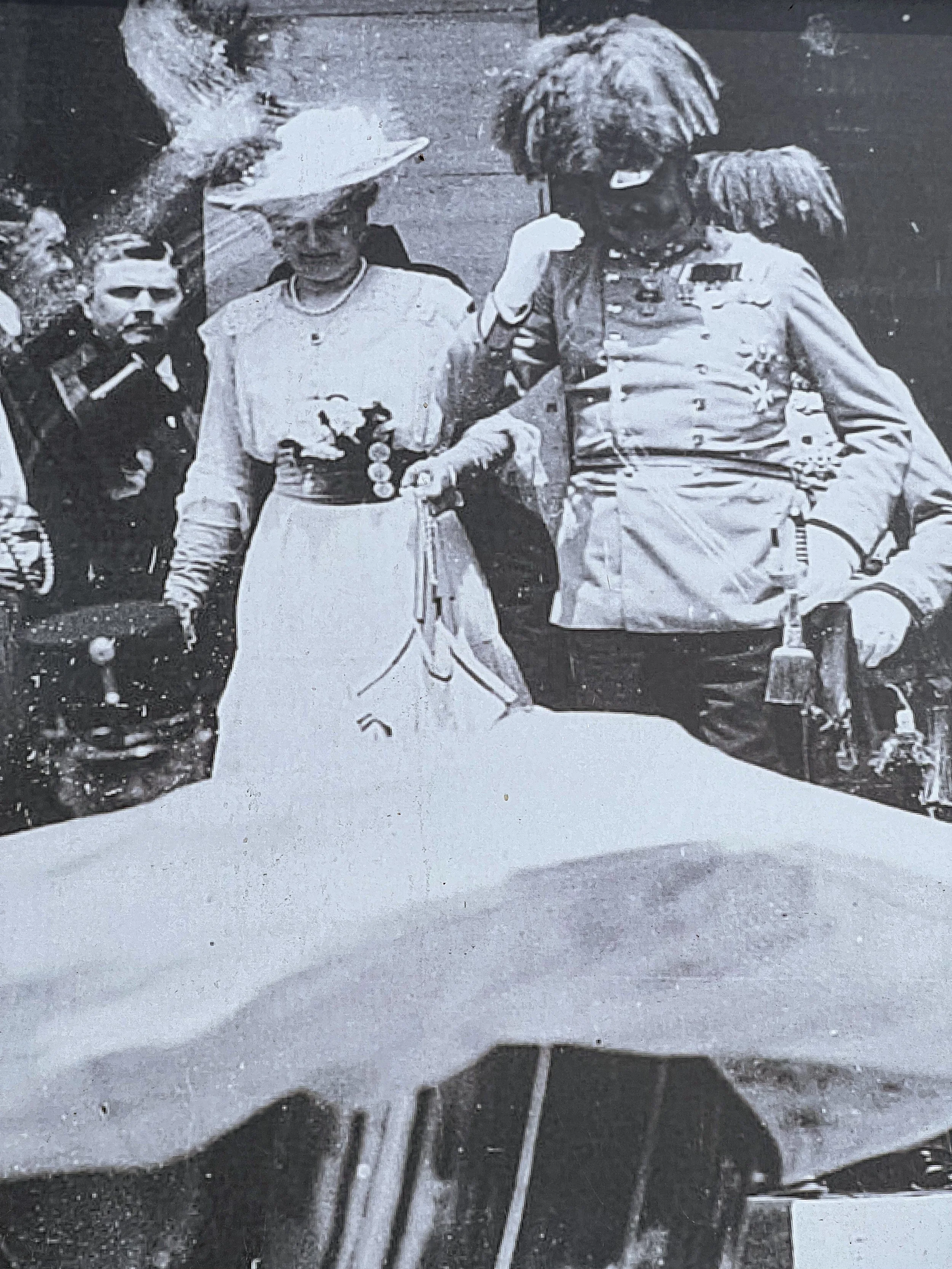
The Latin Bridge gained worldwide notoriety on June 28, 1914, when the assassination of Archduke Franz Ferdinand of Austria and his wife, Sophie, occurred near its vicinity. Gavrilo Princip, a Bosnian Serb nationalist, assassinated the Archduke and his wife while they were travelling in their motorcade. This event ultimately led to the outbreak of World War I, as Austria-Hungary subsequently declared war on Serbia, setting off a chain reaction of alliances and conflicts that engulfed much of Europe.
Today, the Latin Bridge serves as a poignant reminder of the complex history and events that have shaped Sarajevo and the world at large. It remains a popular tourist attraction, with curious visitors coming to see the spot where the assassination took place.
If you want a deeper understanding of these impactful events, the Sarajevo: shot that changed the world tour is the best way to discover the most important sites related to the Austro-Hungarian period in Bosnia and Herzegovina, as the tour is dedicated to the assassination of Archduke Franz Ferdinand.
Cathedral Church of the Nativity
Sarajevo has earned the nickname "Jerusalem of Europe" due to its rich tapestry of cultures and faiths, evident in the array of mosques, churches, and synagogues dotting the cityscape.
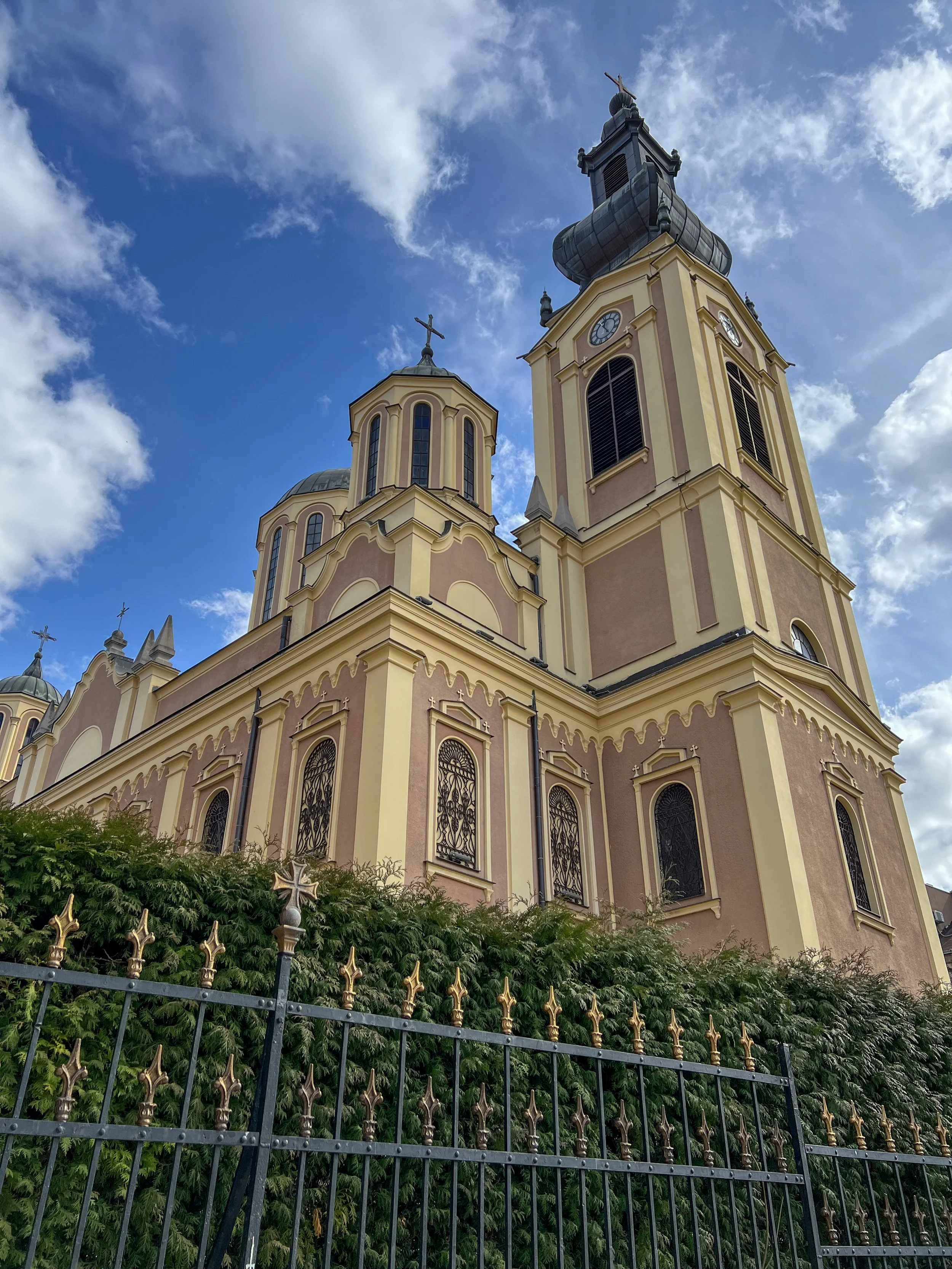
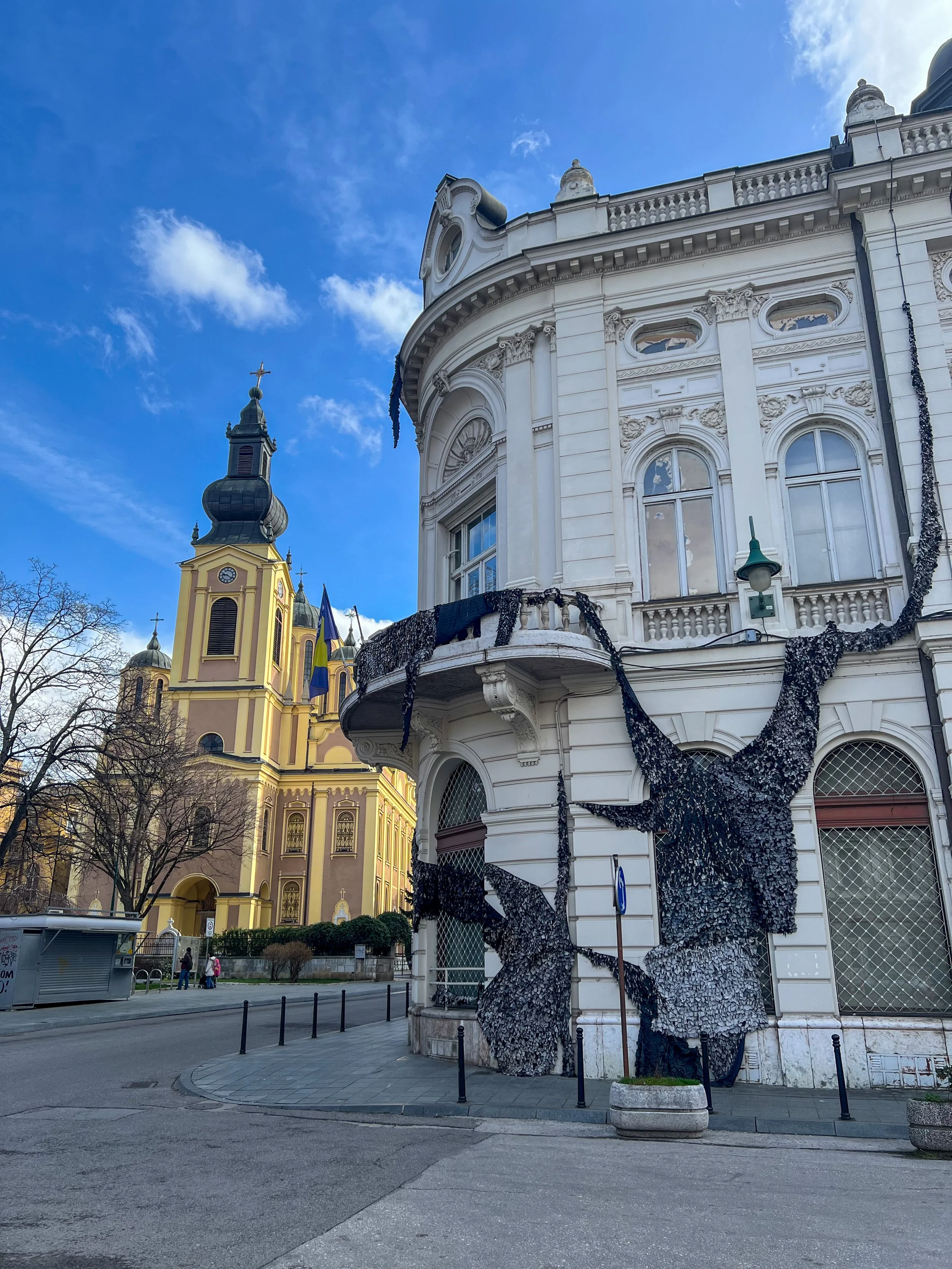
Among Sarajevo's religious landmarks, the Orthodox Cathedral of Sarajevo, officially named the Cathedral Church of the Nativity of the Theotokos, stands as a prominent example of Orthodox architecture. Constructed in the late 19th century, it remains a focal point for the city's Serbian Orthodox community.
Initiated in 1863 and finalized in 1868, the cathedral boasts a remarkable architectural synthesis, blending elements from Byzantine and Serbian Orthodox styles. Its exterior showcases intricate stone carvings and ornamental details, crowned by a distinct dome adorned with a cross. Inside, visitors are treated to breathtaking frescoes and iconography, adding to the cathedral's allure and spiritual significance.
Cathedral of the Sacred Heart of Jesus
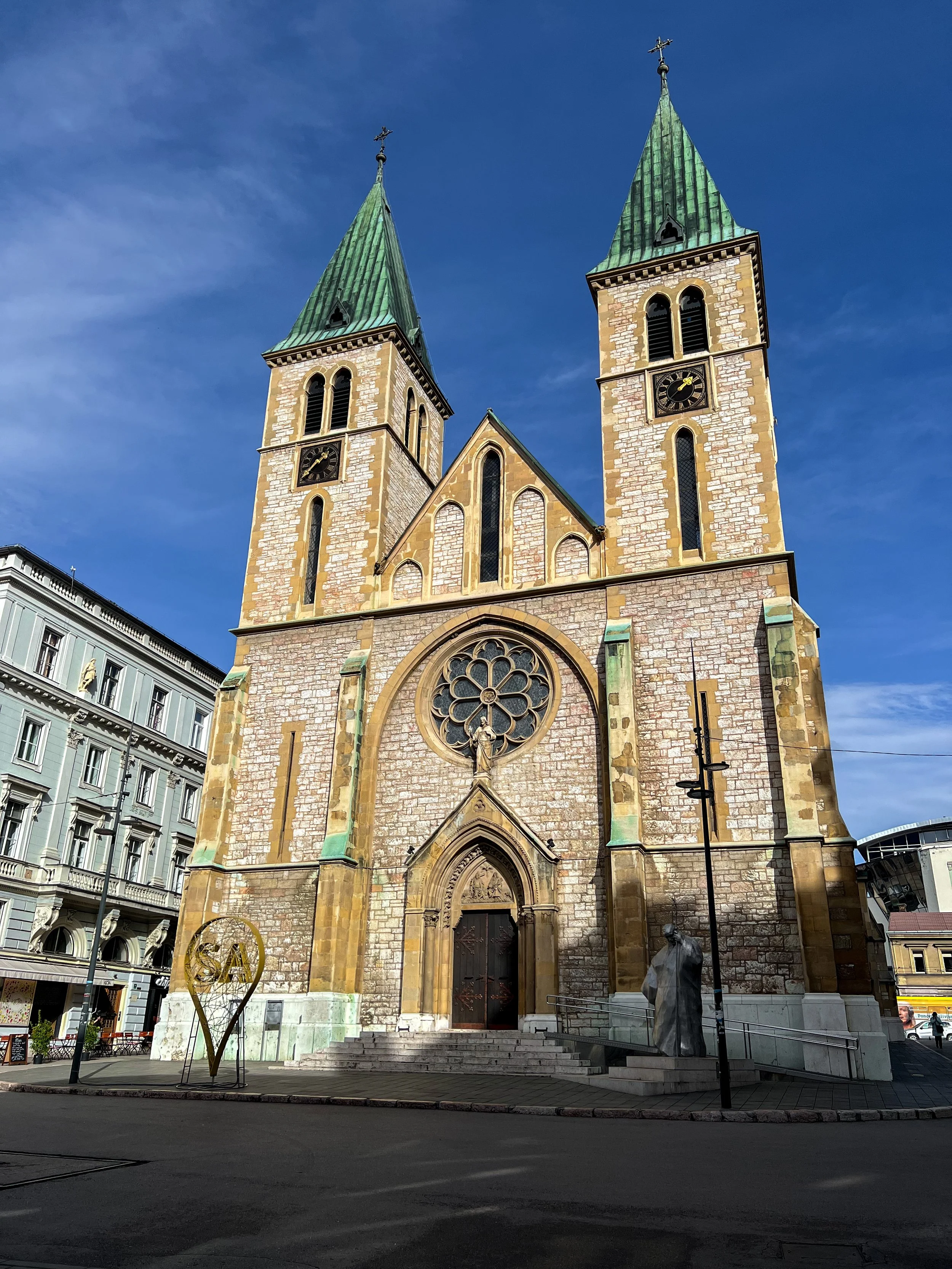
In addition to the Orthodox Cathedral, Sarajevo is also home to the Cathedral of the Sacred Heart of Jesus, which serves as the main Catholic cathedral in the city. Construction of the Cathedral of the Sacred Heart began in 1884 and was completed in 1889. The cathedral's architectural style is reminiscent of medieval European cathedrals, with its towering spires, pointed arches, and intricate stained glass windows. Its interior is adorned with marble altars, statues of saints, and colourful frescoes depicting scenes from the Bible.
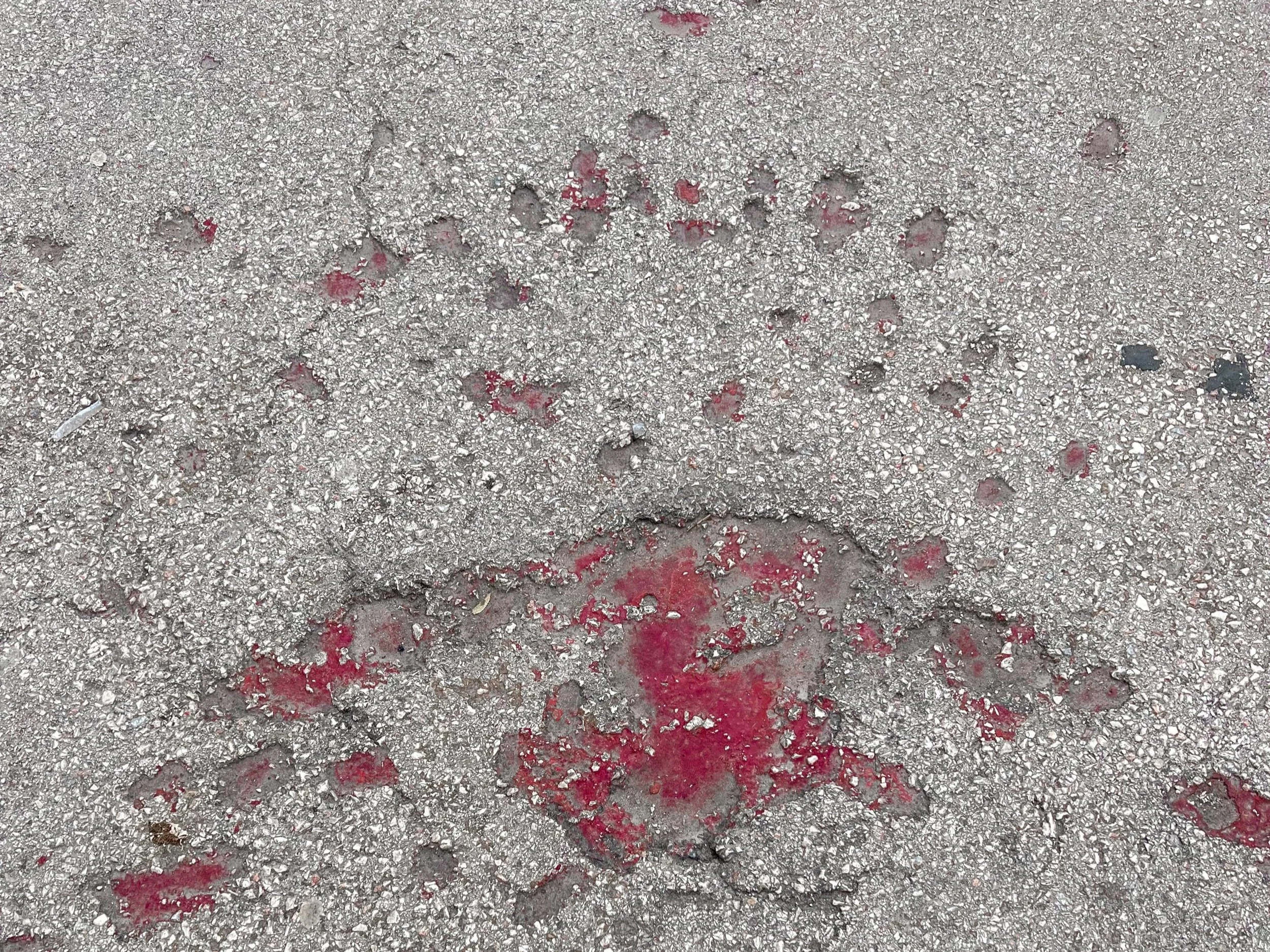
Right outside the Cathedral, you can find one of the famous Sarajevo Roses. These unique phenomena are scattered throughout the streets of Sarajevo, where mortar shell impacts left behind deep scars in the city's pavement. Initially, these scars were painful reminders of the war's devastation. However, Sarajevans transformed them into something symbolic, filling them with red resin to resemble petals—a gesture of remembrance and resilience. These "roses" now serve as solemn memorials to the thousands of lives lost during the siege of Sarajevo, offering a tangible testament to the city's enduring spirit in the face of adversity.

Srebrenica Genocide Memorial Exhibition
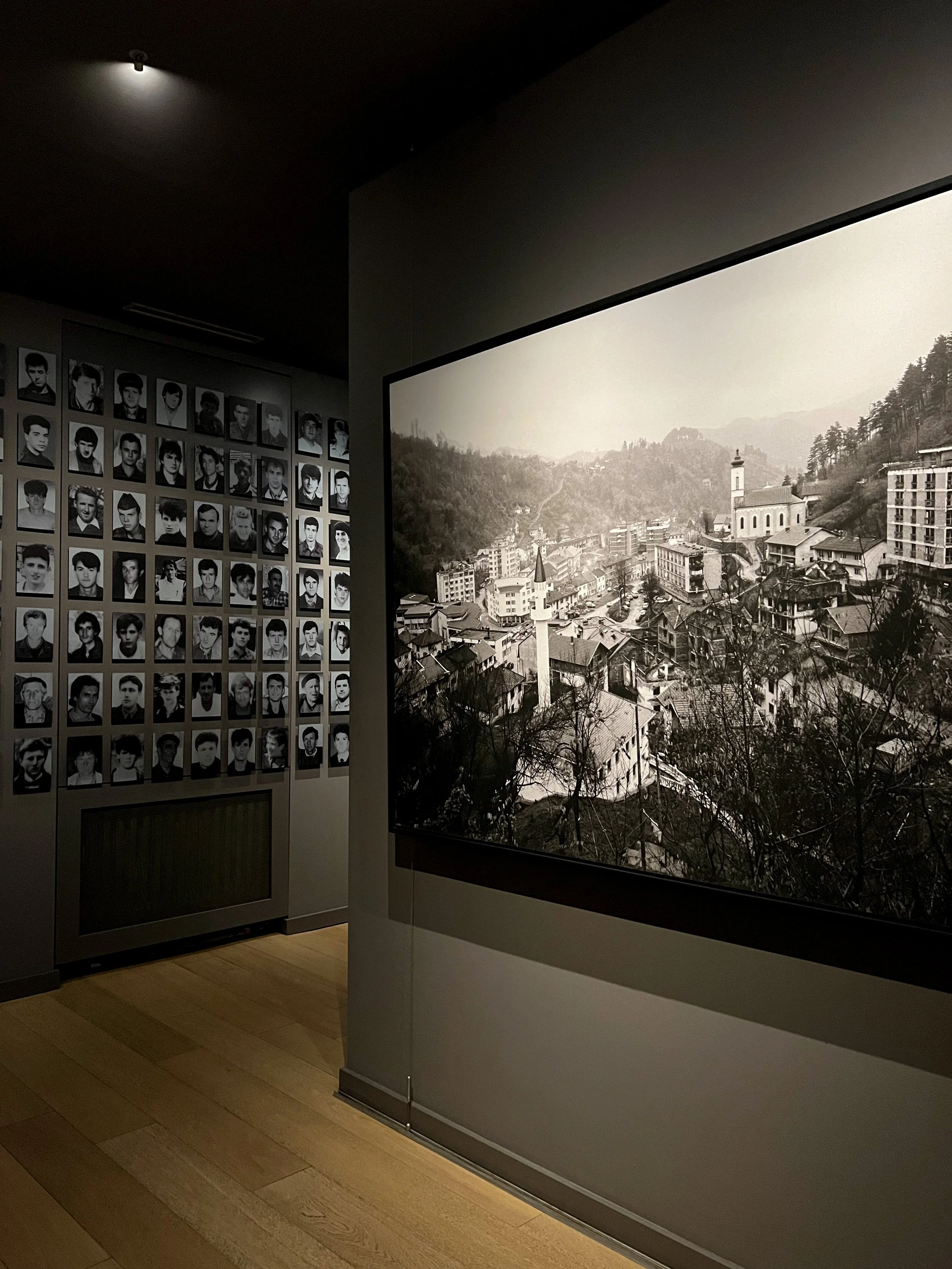
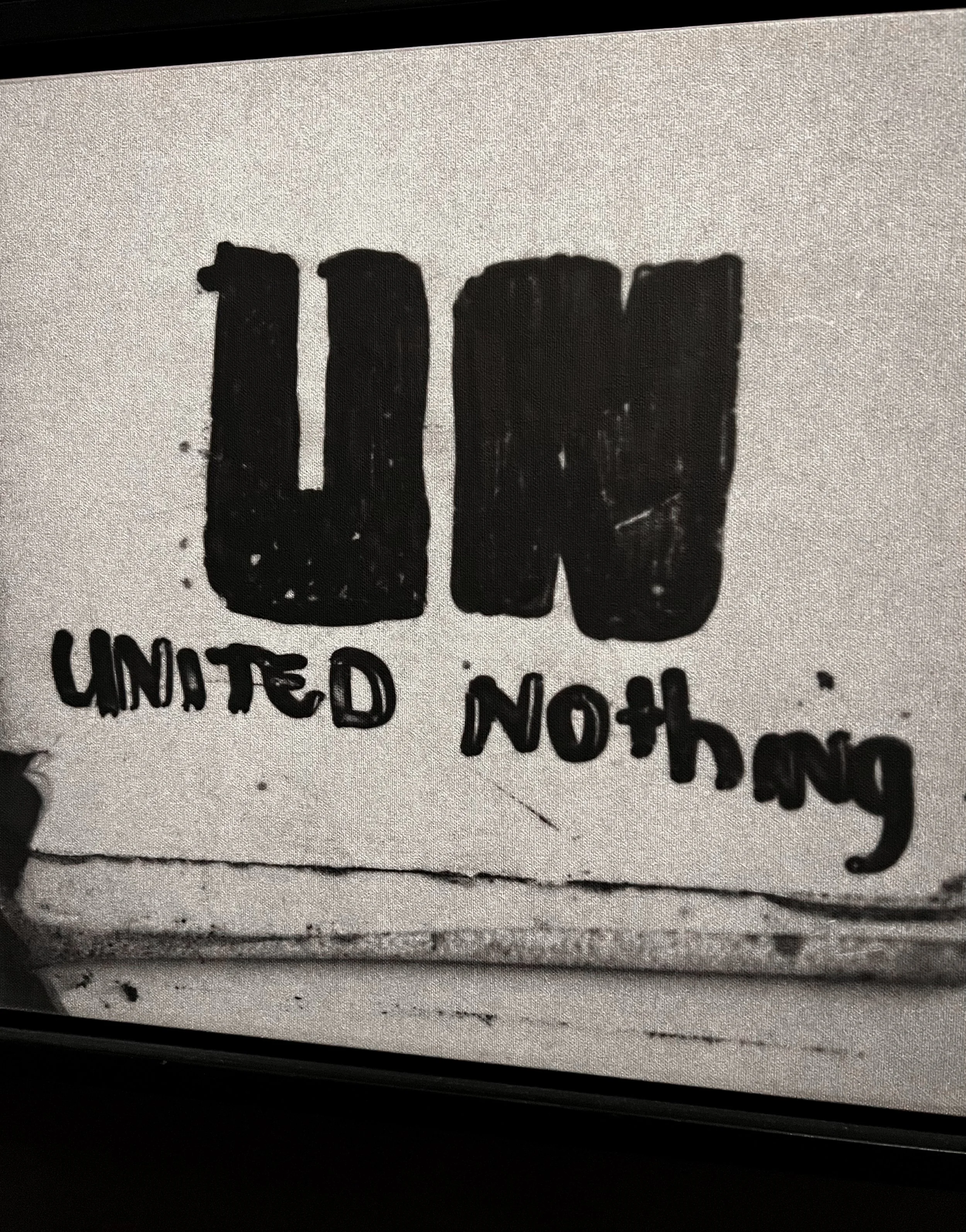
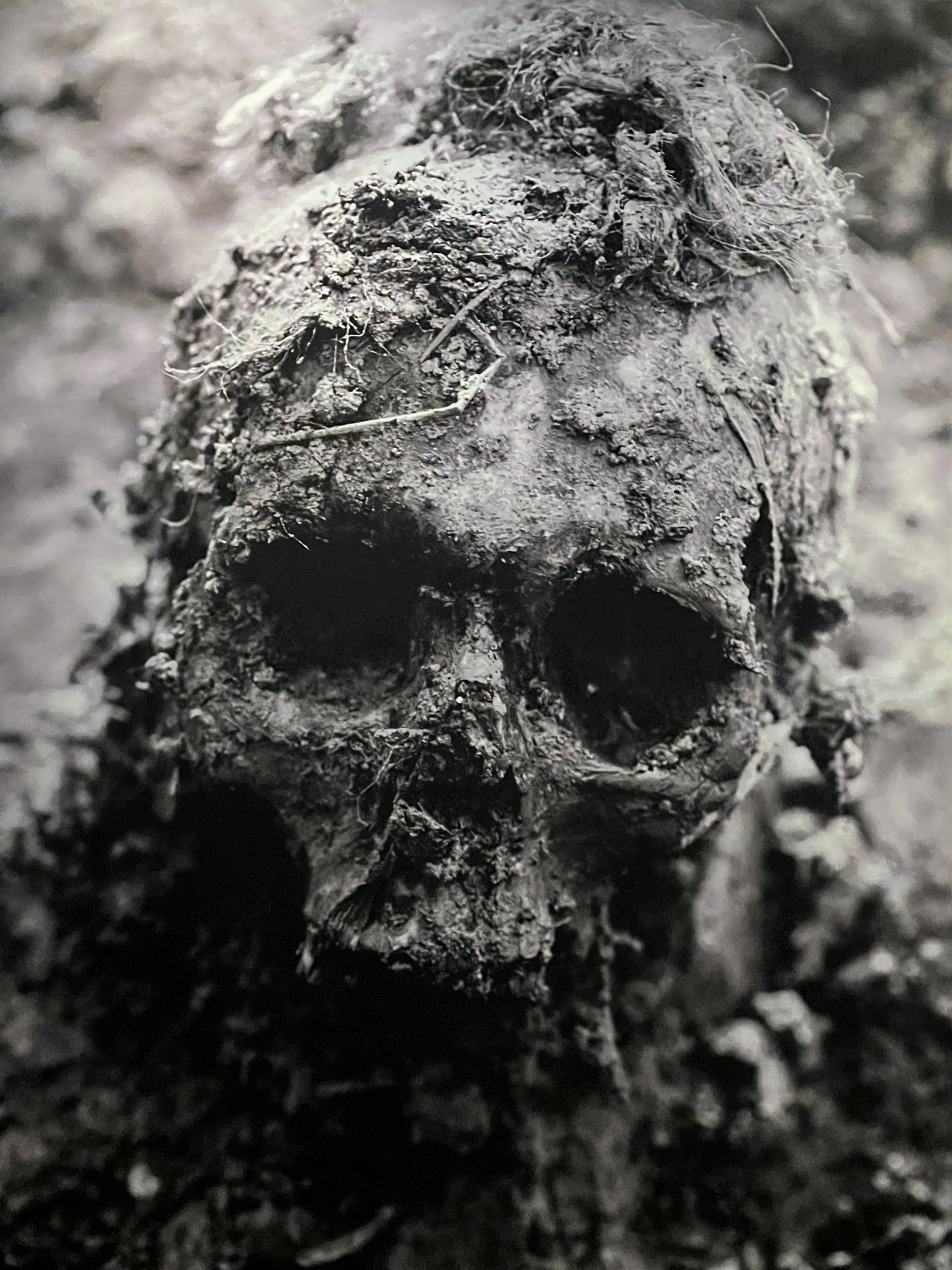
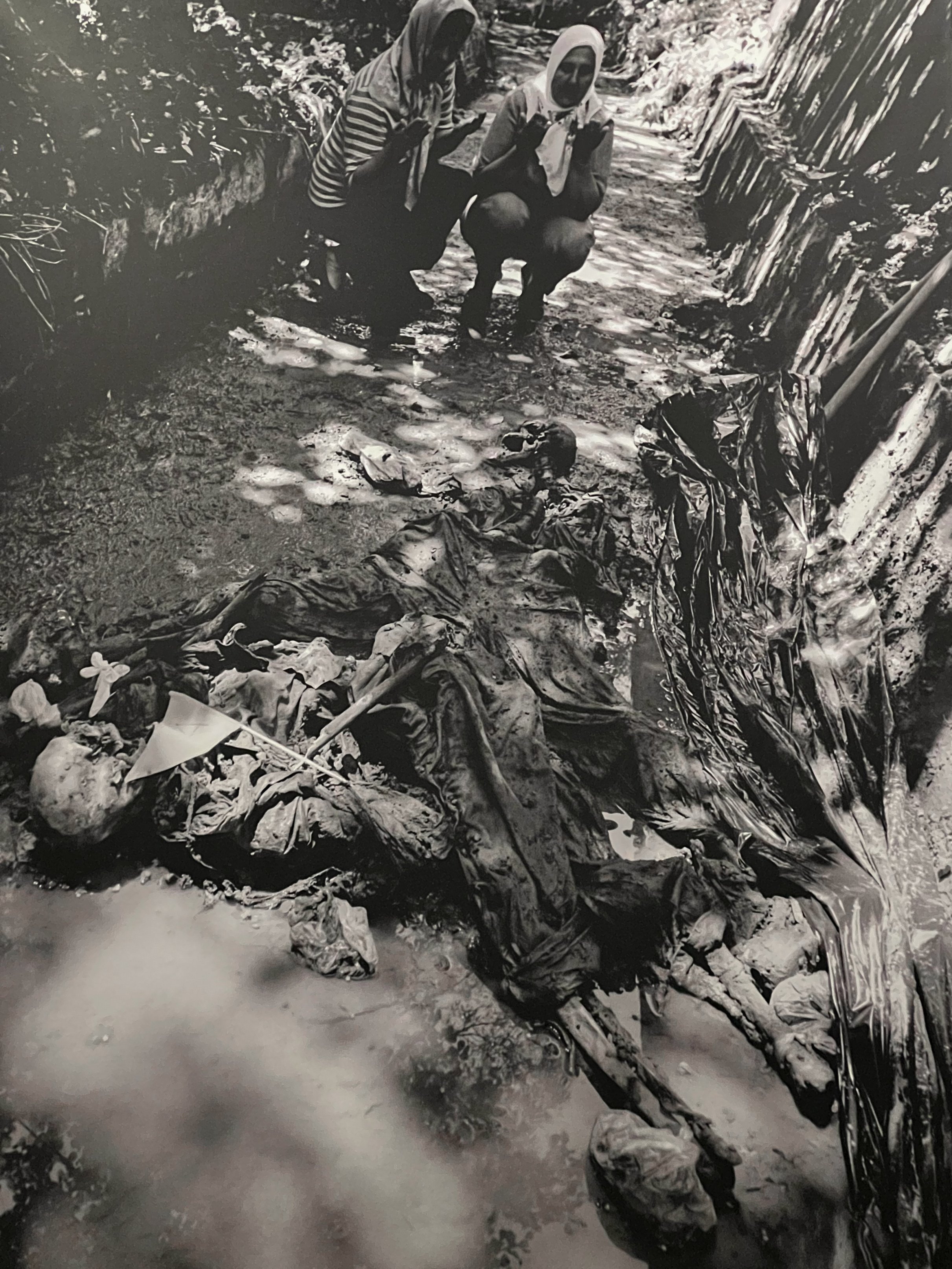
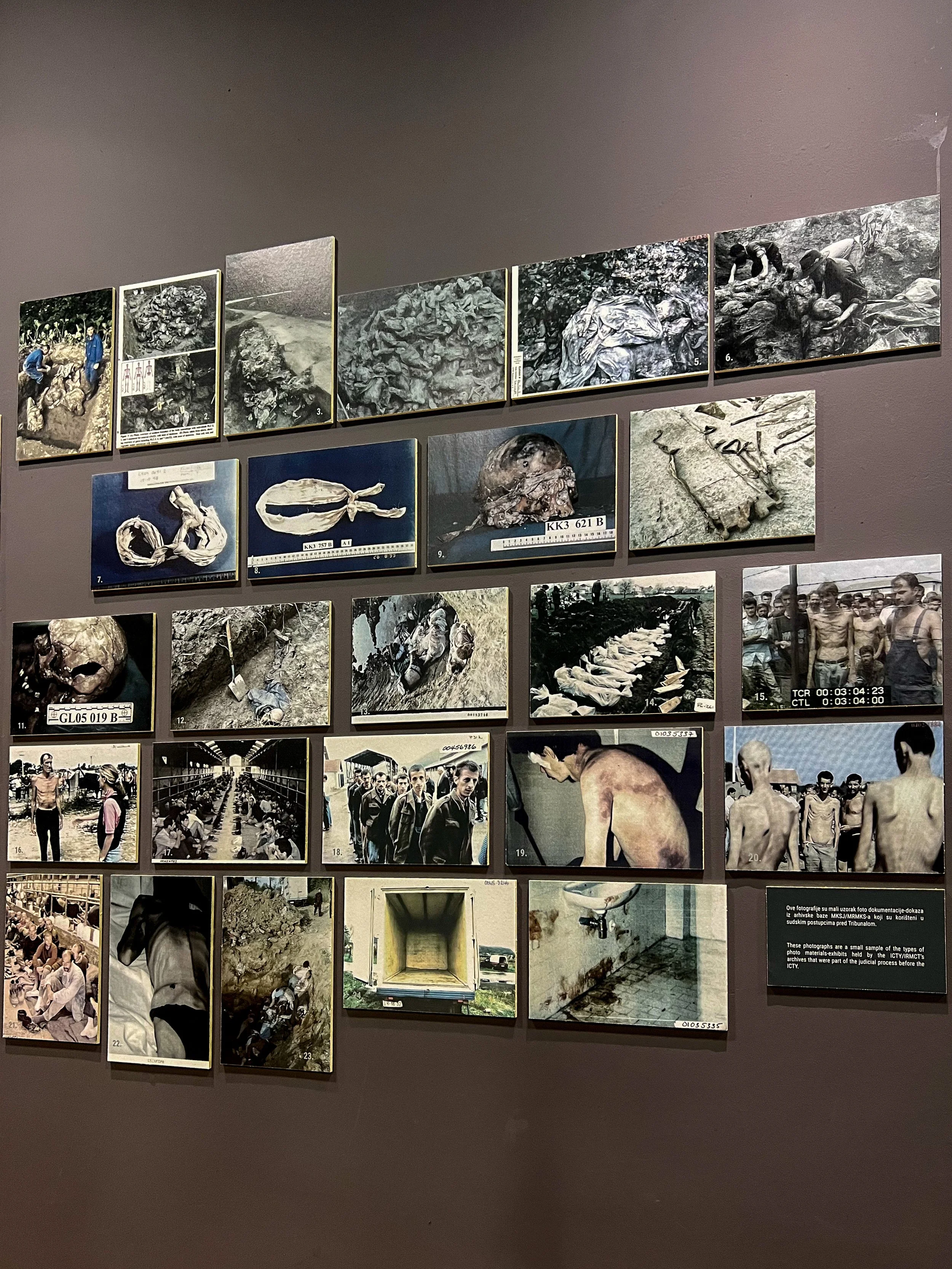
After completing my walking tour of Sarajevo and enjoying a quick stop for lunch in the afternoon, I decided to visit the Galerija 11-07-95, also known as the Srebrenica Genocide Memorial Exhibition. This haunting exhibit chronicles the tragic events of the Bosnian War, offering poignant insights into the human cost of conflict. Be aware - it isn’t an easy visit, but certainly a must to understand Bosnia’s recent past. Tickets can be used on two different days, in case you need to take a break and come back another day.
If you have extra time in Sarajevo and would like to learn more about this horrible historical event, I highly recommend booking the full day study tour to the Srebrenica memorial complex, where you can witness the memorial and museum established by the High Representative Wolfgang Petritsch, and gain a deeper understanding of the tragic events that unfolded in this historic city during the Bosnian War.
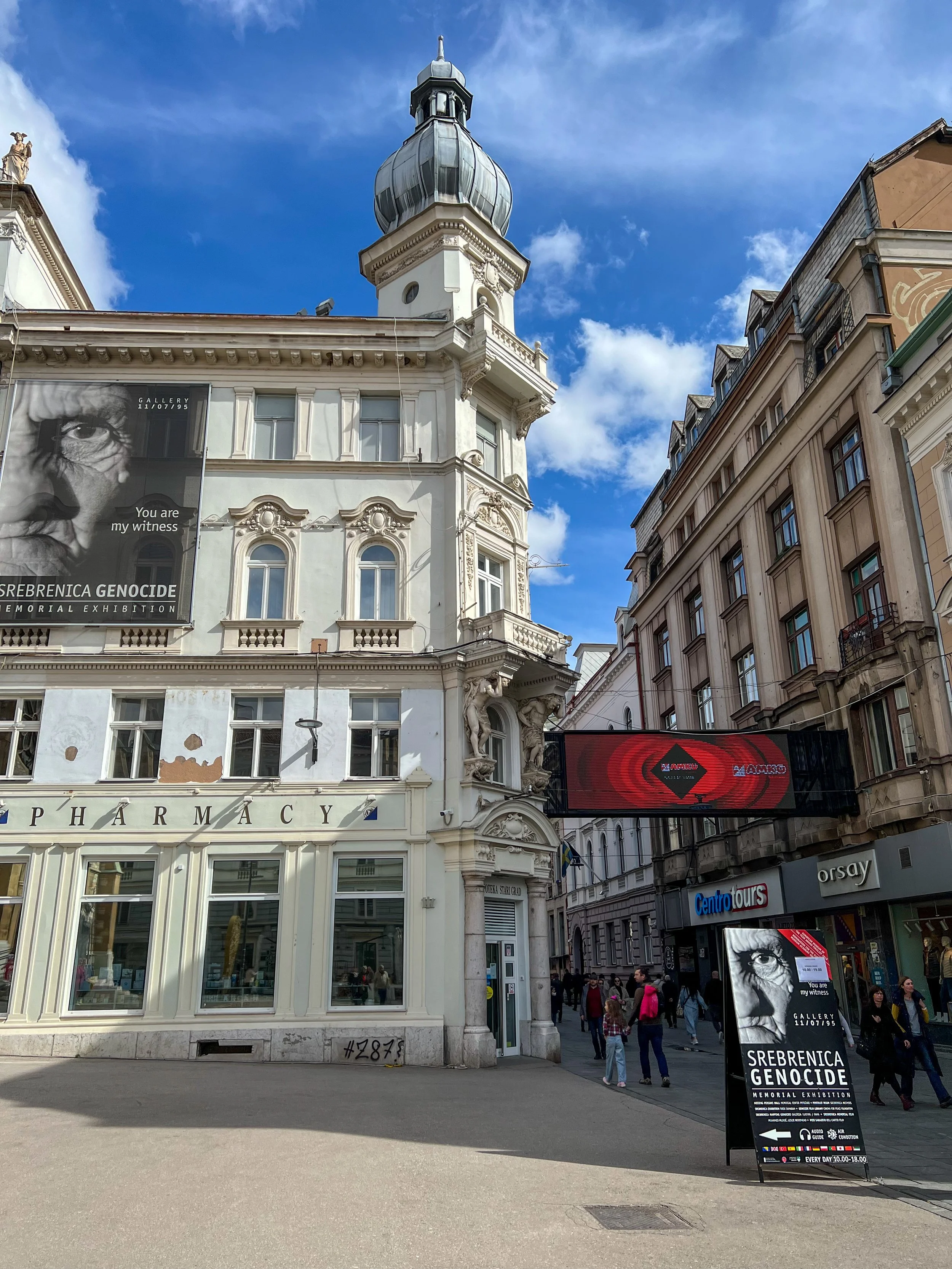
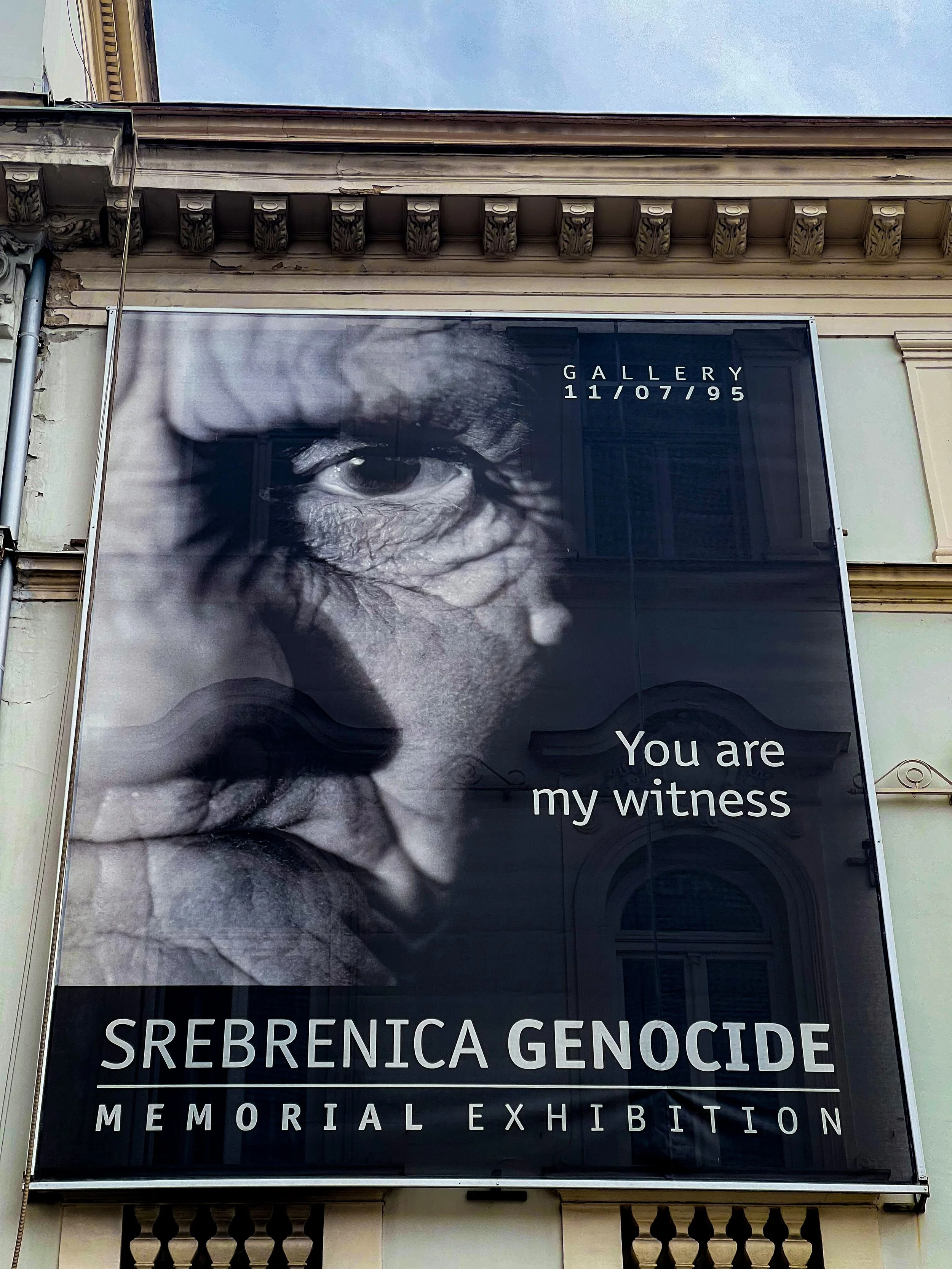
Galerija 11-07-95 in Sarajevo is a poignant and deeply moving memorial dedicated to preserving the memory of the Srebrenica genocide, one of the most horrific atrocities in recent history. Situated in the heart of Sarajevo's old town, this gallery serves as a solemn reminder of the tragic events that unfolded in July 1995, when more than 8,000 Bosniak (Bosnian Muslim) men and boys were systematically murdered by Bosnian Serb forces.
The gallery's name, 11-07-95, refers to the date of the Srebrenica genocide, which occurred on July 11, 1995. Established with the mission of ensuring that the memory of the genocide is never forgotten, Gallery 11-07-95 features a powerful collection of photographs, personal testimonies and multimedia presentations that document the harrowing experiences of the victims and survivors.
Visitors to Gallery 11-07-95 have the opportunity to learn about the historical context of the genocide, including the political and social factors that contributed to the conflict in Bosnia and Herzegovina during the 1990s. Through interactive exhibits and educational programs, the gallery seeks to raise awareness about the human rights violations committed during the genocide and to promote tolerance, understanding, and reconciliation in the aftermath of such unspeakable violence. Through education, remembrance, and reflection, Gallery 11-07-95 strives to ensure that the lessons of the Srebrenica genocide are never forgotten and that future generations are committed to building a world free from hatred, intolerance, and violence.

Day 2
Sarajevo Jewish Heritage tour
Stepping into Sarajevo is akin to traversing the pages of history, where centuries of cultural tapestry unravel before your eyes. On the second day of my exploration, I delved deep into the intricate fabric of Sarajevo's heritage by embarking on a Sarajevo Jewish Heritage tour with GetYourGuide, operated by Meet Bosnia Tours to obtain a glimpse into one of the city's most integral communities: the Jewish community. Alongside Christians and Muslims, the Jewish community has left an indelible mark on Sarajevo's cultural landscape, shaping its identity and enriching its tapestry with their traditions, stories, and resilience.
The history of Jews in Sarajevo is as rich and complex as the city itself, spanning centuries of cultural exchange, religious tolerance, and resilience. Jewish presence in Sarajevo can be traced back to the 16th century when Sephardic Jews, fleeing the Spanish Inquisition, sought refuge in the Ottoman Empire. Under Ottoman rule, Sarajevo became a haven for Jews, offering religious freedom and economic opportunities that attracted Jewish communities from across Europe and the Middle East.
By the 17th century, Sarajevo had emerged as a vibrant centre of Jewish life in the Balkans, with thriving neighbourhoods, synagogues, and communal institutions. The Jews of Sarajevo played an integral role in the city's economic and cultural development, engaging in trade, crafts, and finance while also contributing to the city's intellectual and artistic life.
During the Austro-Hungarian period in the late 19th and early 20th centuries, Sarajevo's Jewish community experienced a period of growth and modernization. Jewish entrepreneurs and professionals played key roles in the city's burgeoning industries, contributing to its prosperity and dynamism. However, this period also brought challenges, including increasing assimilation and the rise of anti-Semitism, which would later escalate with the onset of World War II and the Holocaust. Despite these challenges, the Jews of Sarajevo continued to uphold their traditions and identity, leaving an indelible mark on the city's cultural heritage. Today, Sarajevo's Jewish community remains a vibrant and resilient part of the city's multicultural fabric, preserving its rich heritage and contributing to its diverse tapestry of identities.
Museum of the Jews of Bosnia and Herzegovina
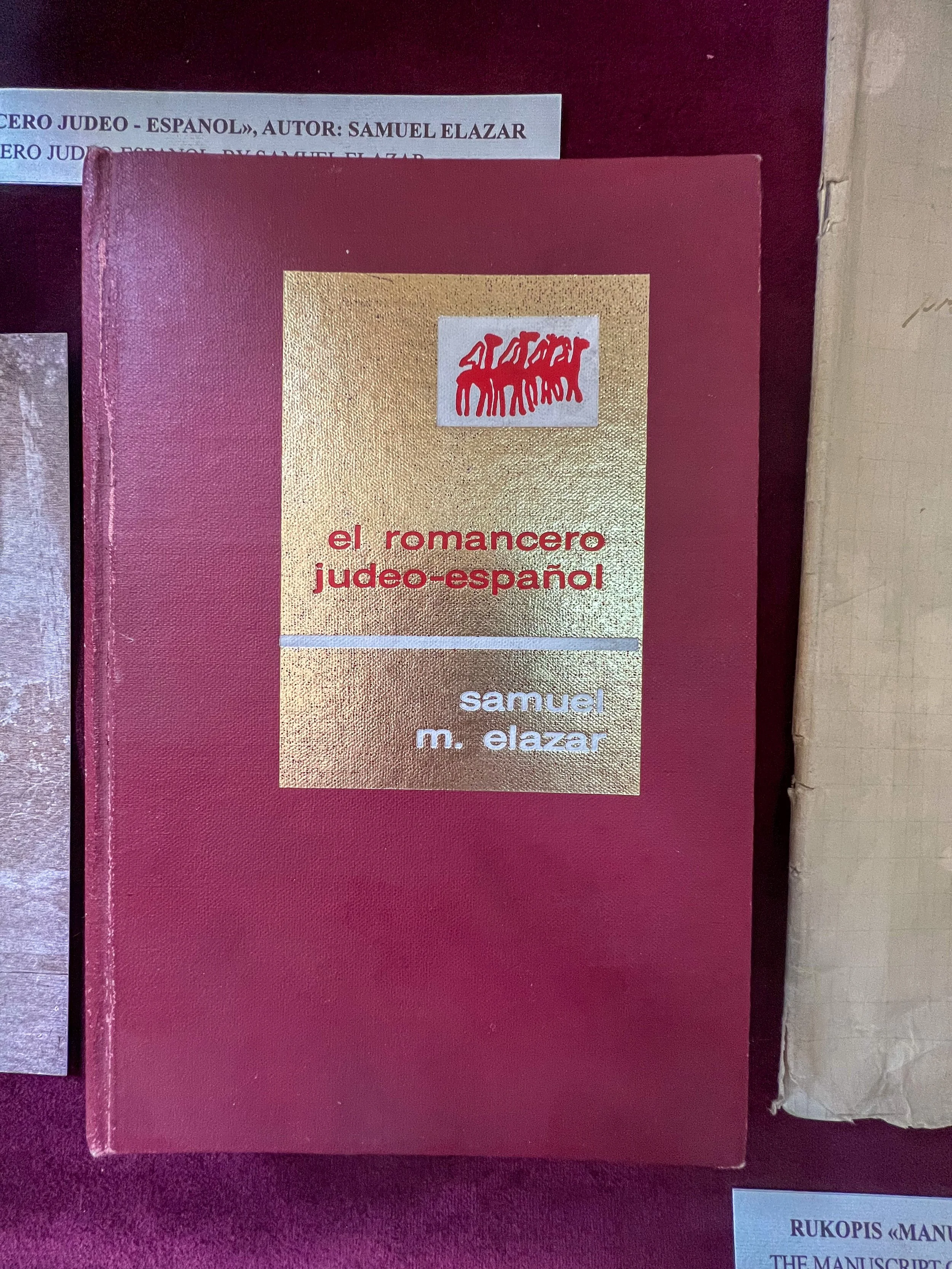
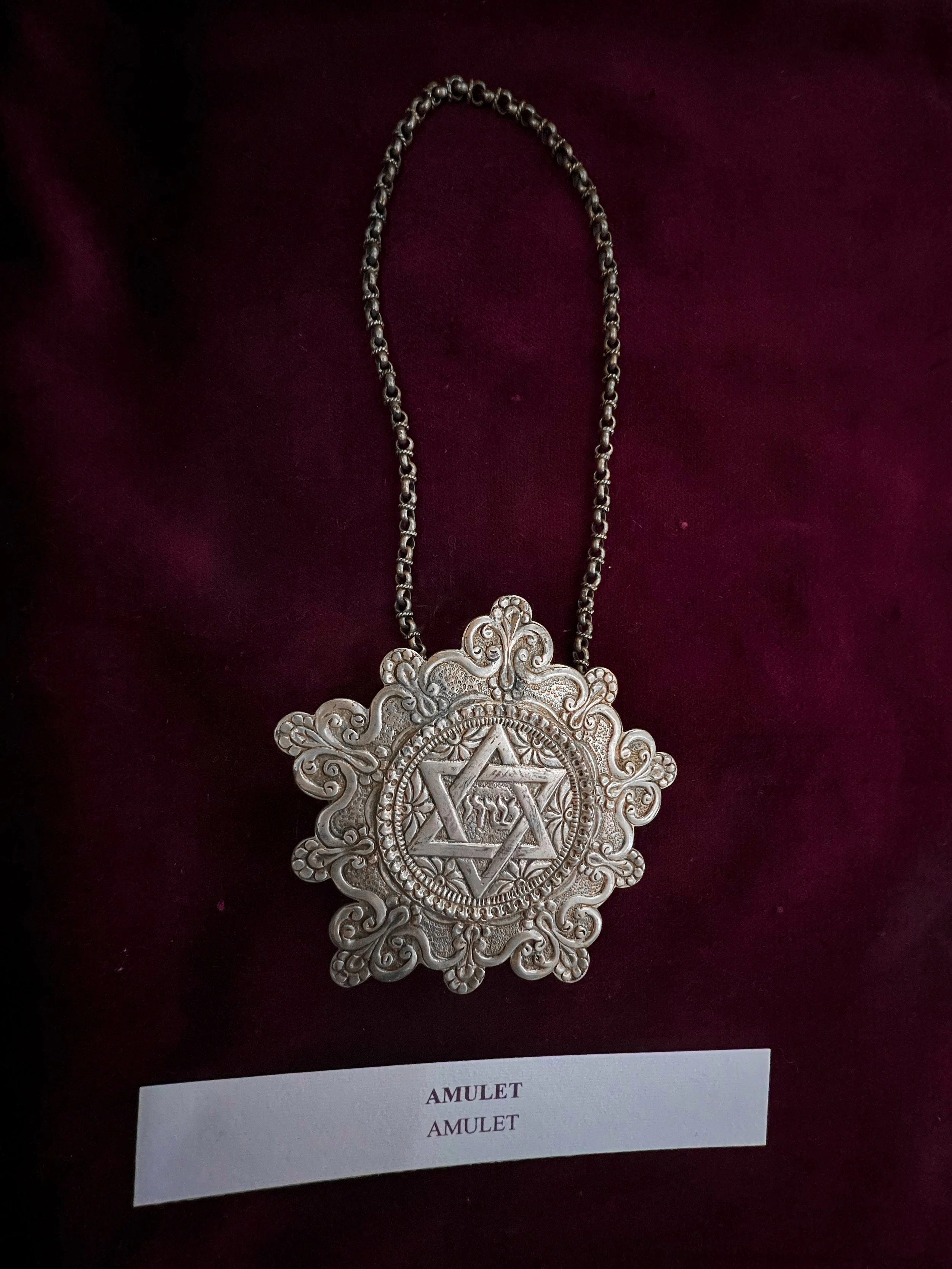
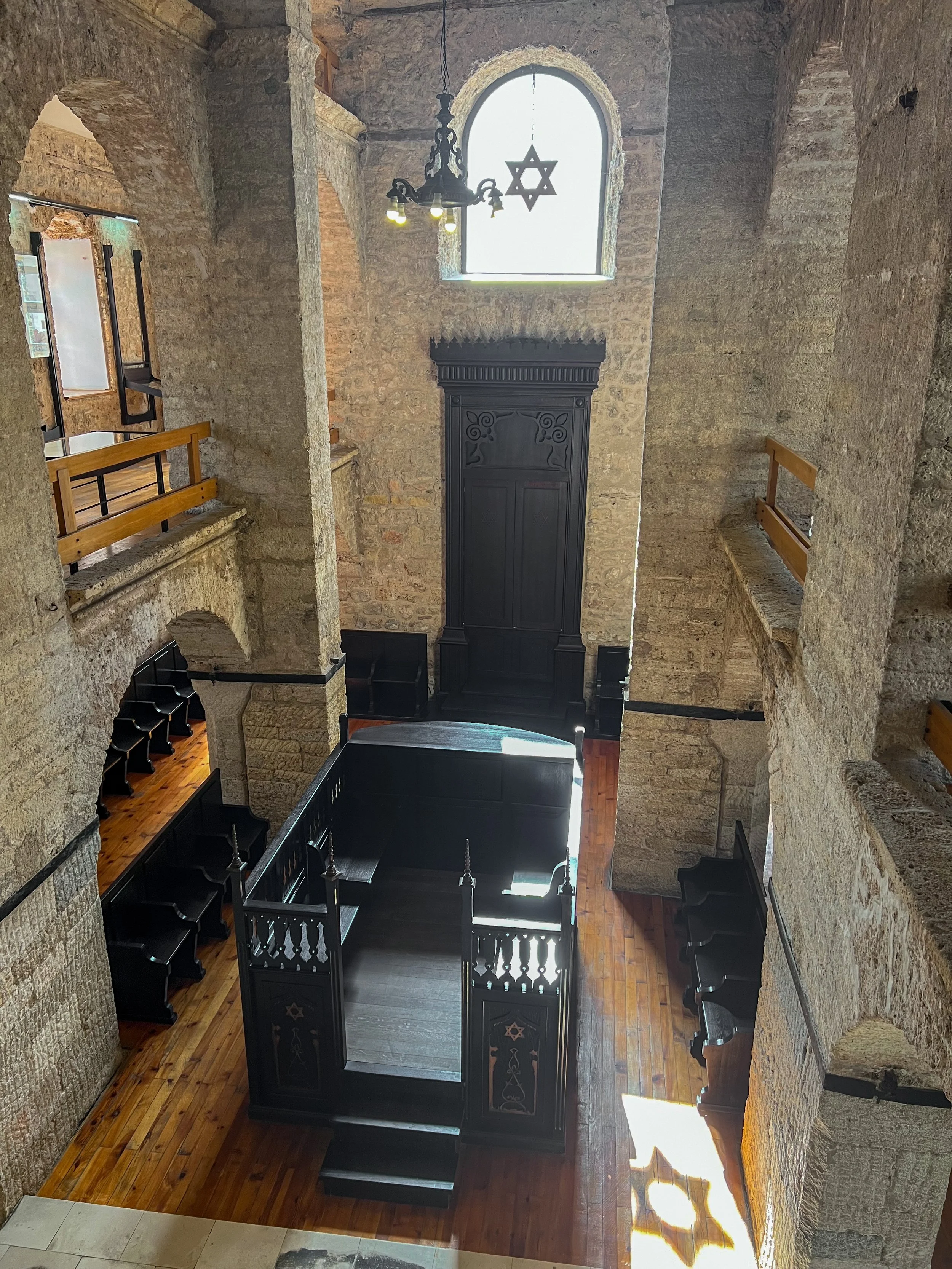
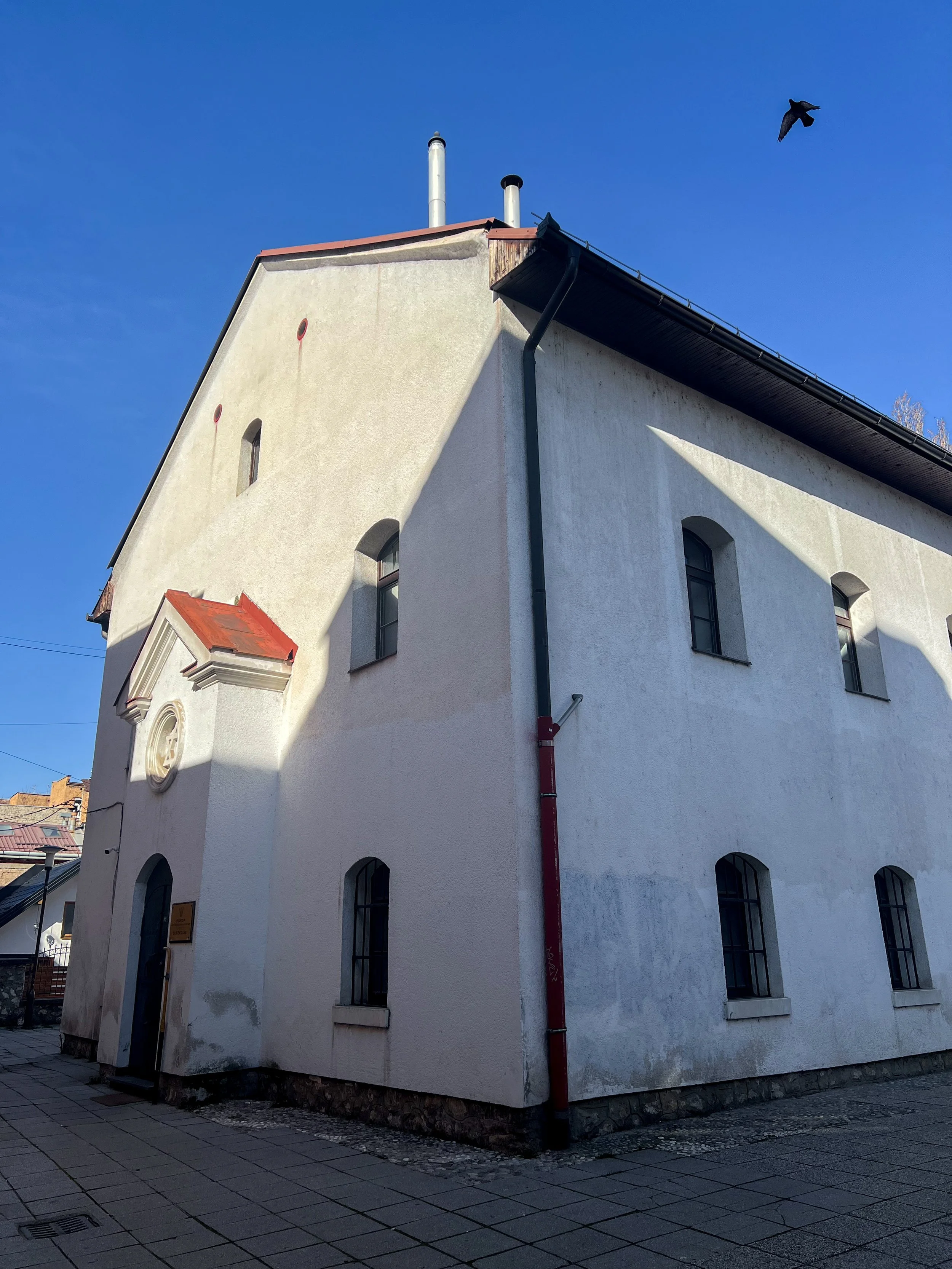
The first obvious top to explore this rich history was the Museum of the Jews of Bosnia and Herzegovina, dedicated to preserving and showcasing the rich history and heritage of the Jewish community in the region. Located in the heart of Sarajevo's old town, the museum offers visitors a comprehensive insight into the centuries-old presence of Jews in Bosnia and Herzegovina, highlighting their contributions to the country's cultural, economic, and social fabric.
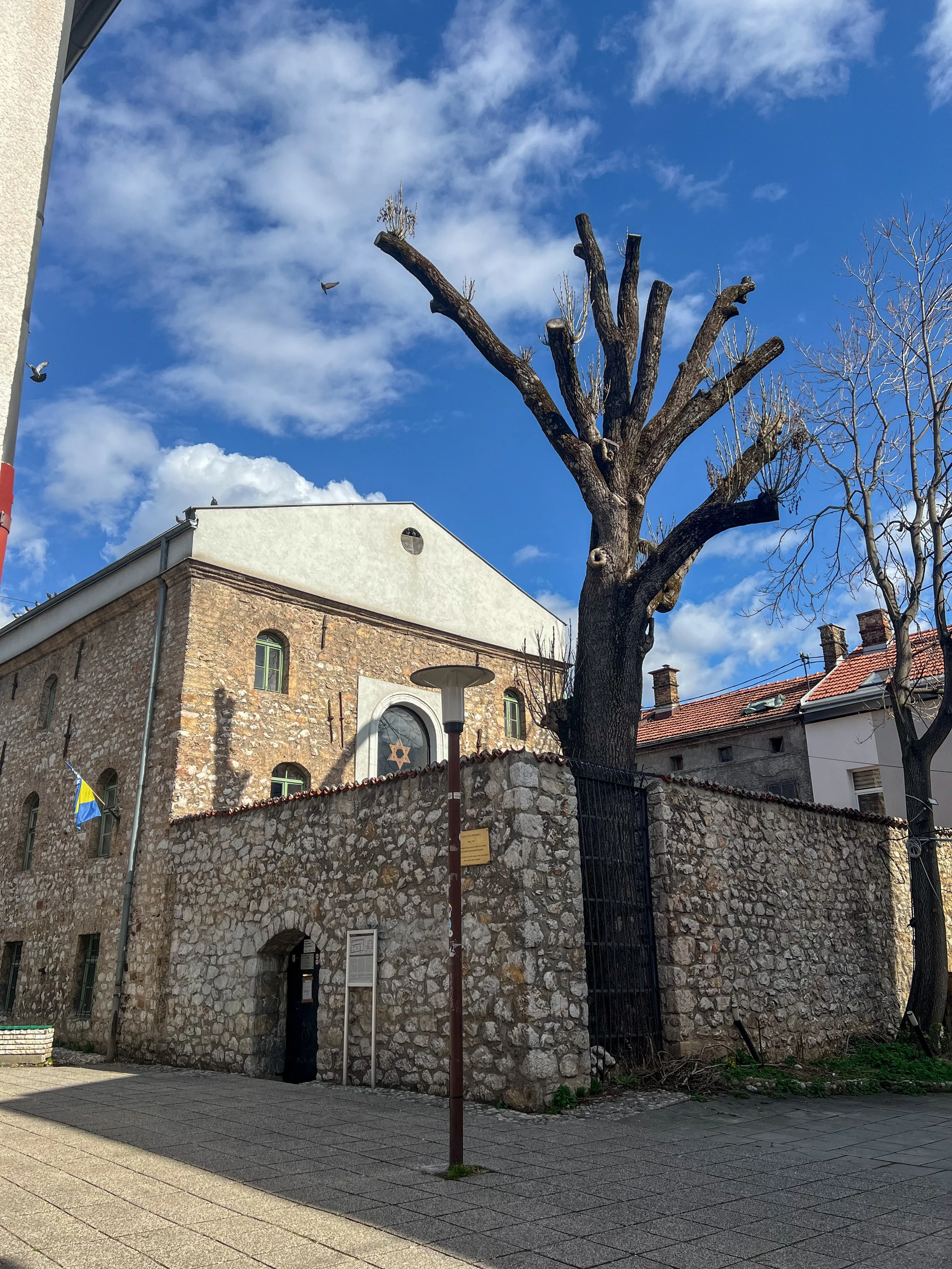
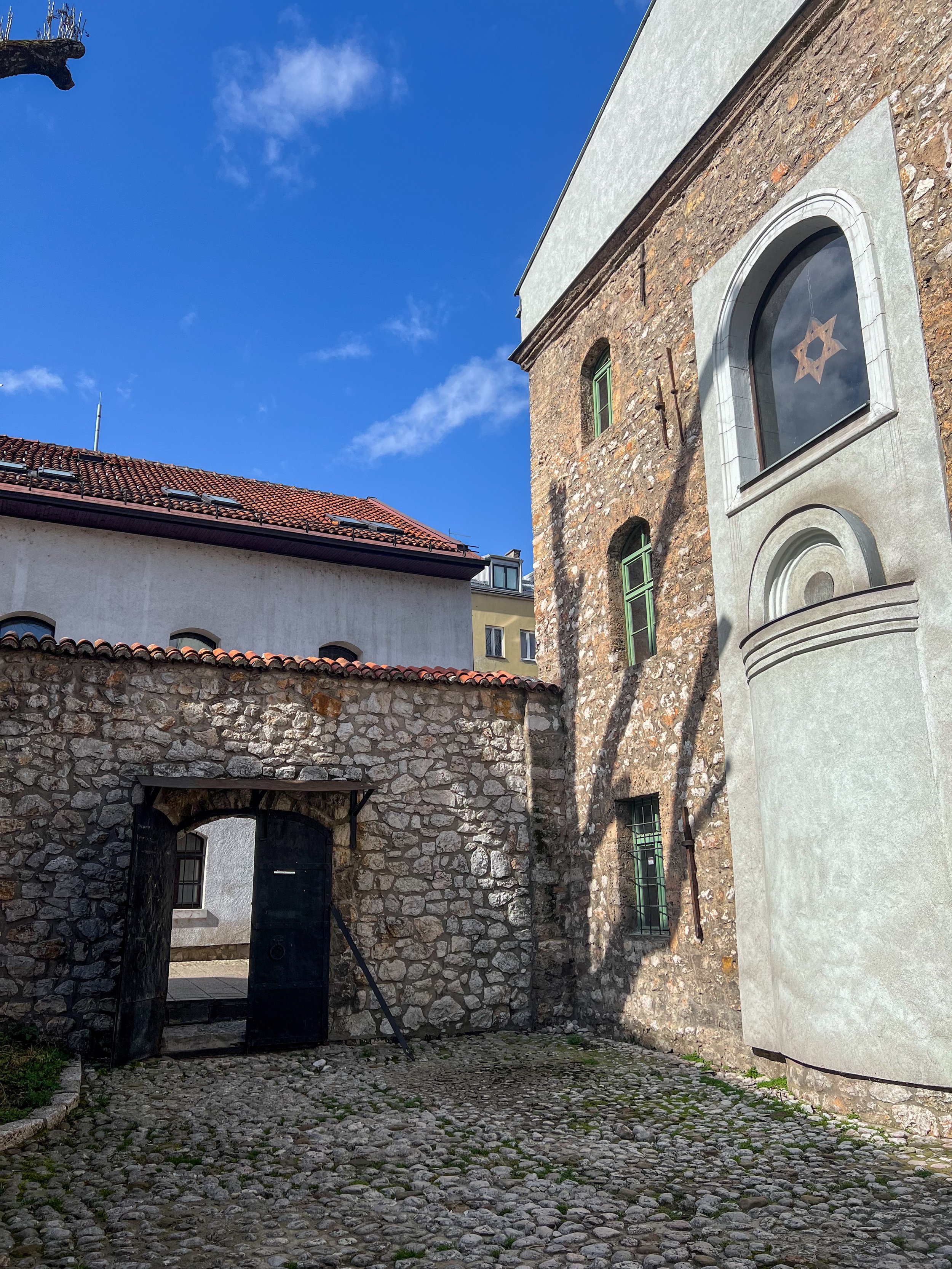
Housed in the oldest synagogue in the region, this museum offers a captivating journey through centuries of Jewish heritage and history. Known as Il kal vjezu, or the old temple, the synagogue dates back to 1581, boasting an elegant yet rustic architectural style that continues to charm civil engineers, art historians, and visitors alike. Its timeless allure and unique atmosphere make it one of the most enchanting museum sites in the Balkans.
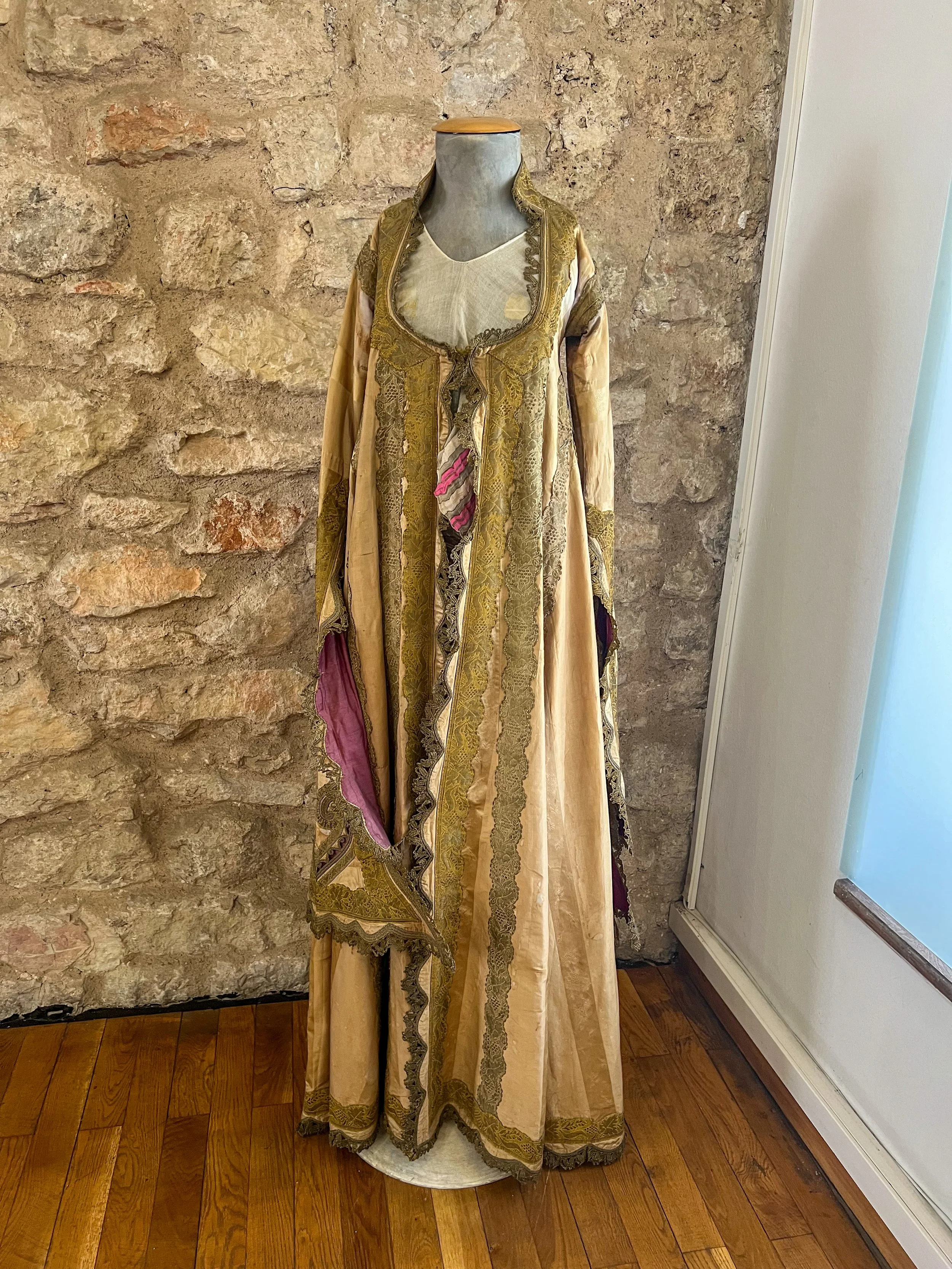
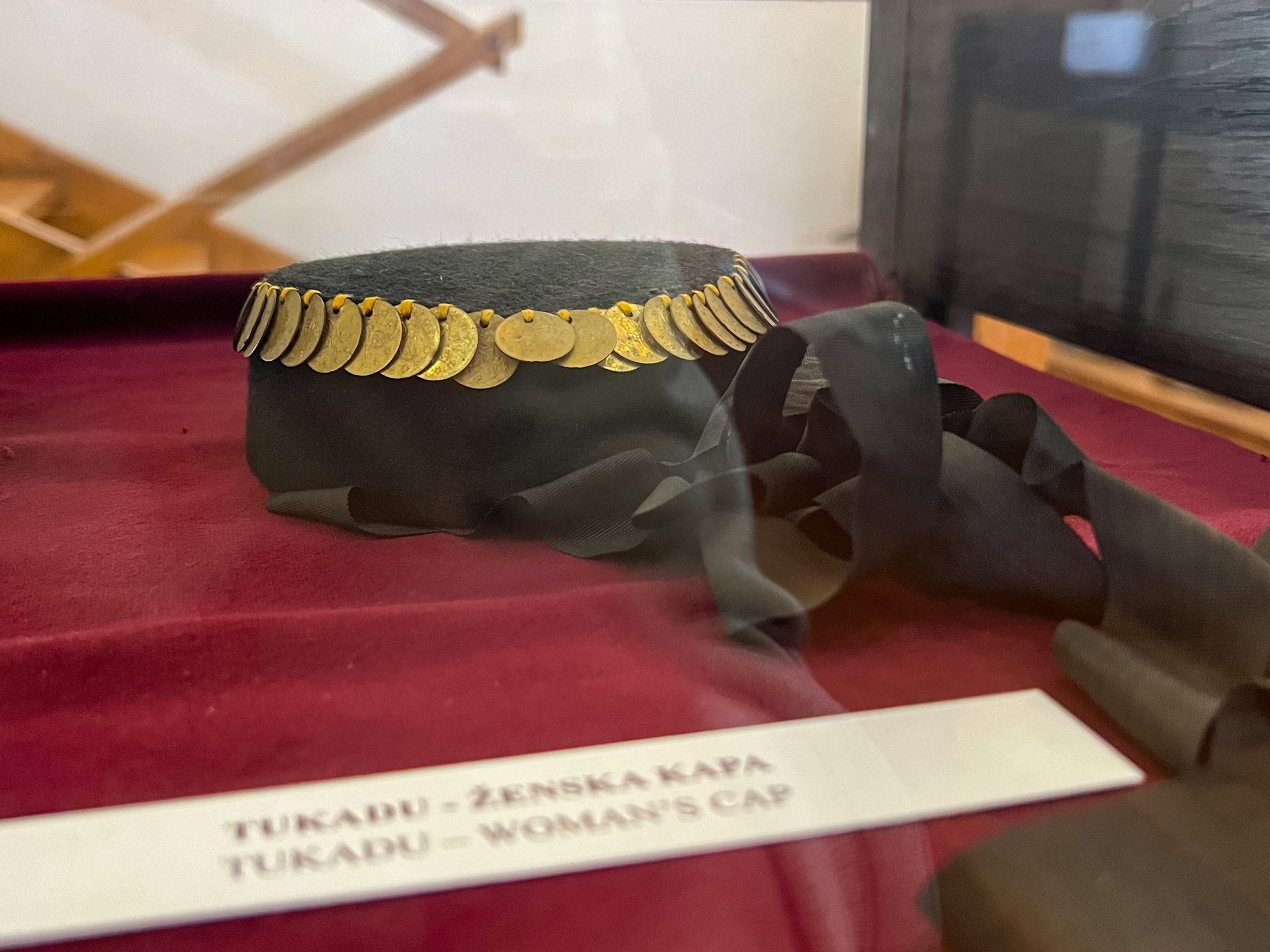
From 1966, the building became the home of the Museum of the Jews of Bosnia and Herzegovina, housing a diverse collection of artefacts, documents and photographs that chronicle the history, traditions, and experiences of the Jewish community in the region. Visitors to the museum can explore various aspects of Jewish life, including religious practices, cultural traditions, and notable figures who have shaped the Jewish heritage of Bosnia and Herzegovina.
One of the museum's most significant exhibits is dedicated to the Holocaust and the impact it had on Bosnia and Herzegovina's Jewish population during World War II. Through powerful testimonies and archival materials, the museum honours the memory of the victims and survivors of the Holocaust, while also raising awareness about the importance of tolerance, remembrance, and human rights.


Ashkenazi Synagogue
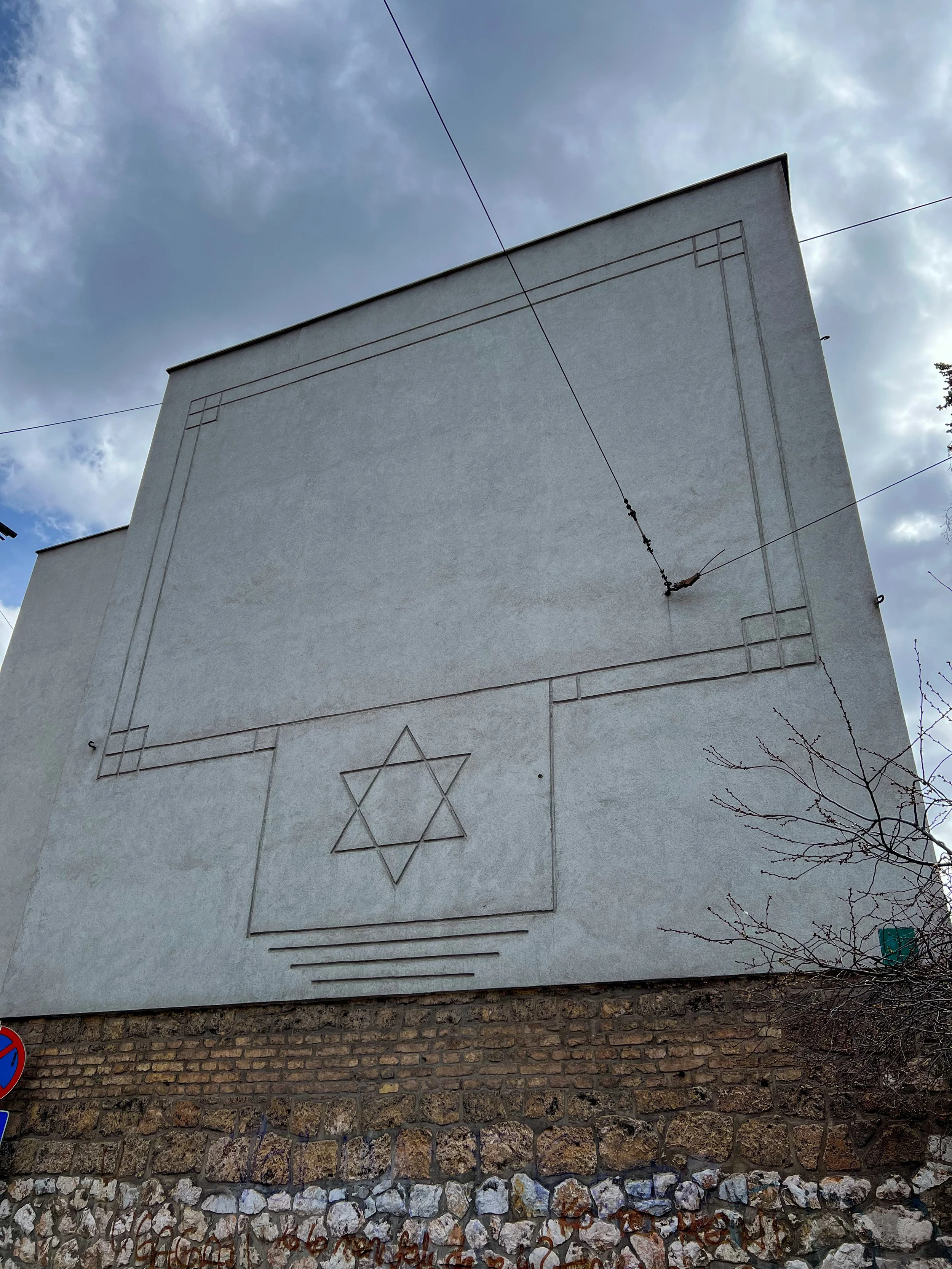
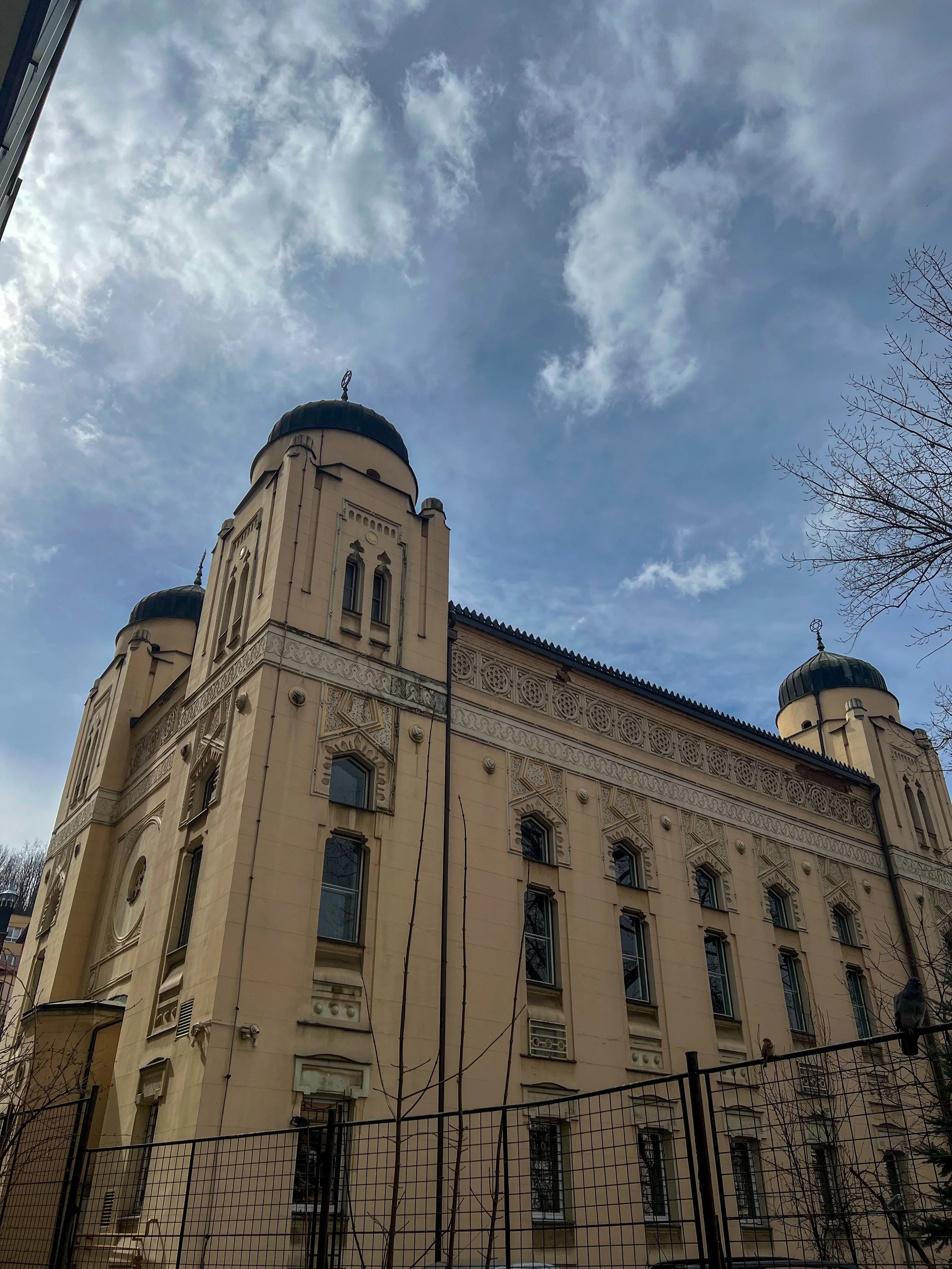
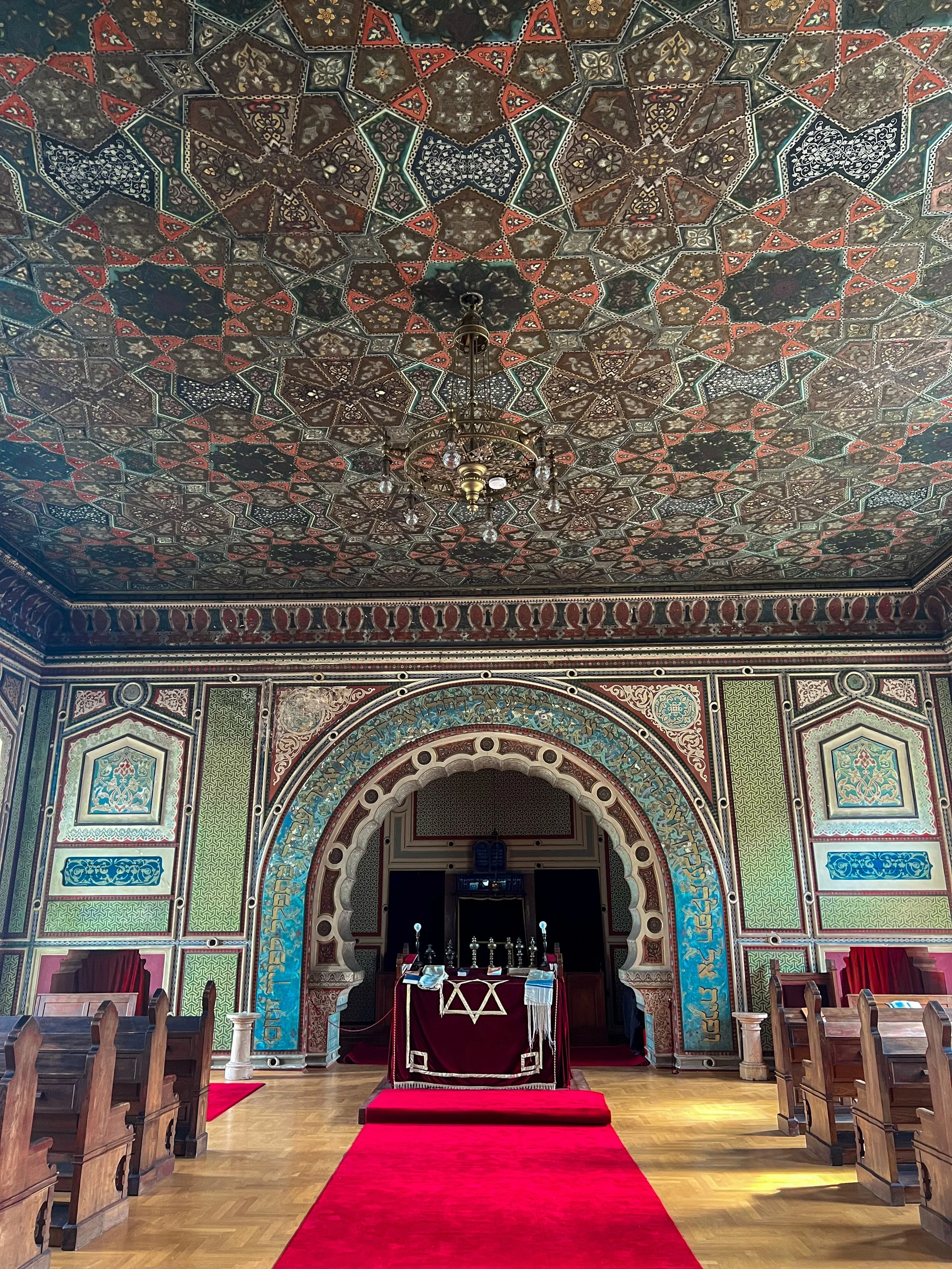
After a short walk along the river, I found myself standing before the Ashkenazi Synagogue of Sarajevo, a majestic testament to the city's religious diversity. Built in 1902, this synagogue is the main active Jewish house of worship in Sarajevo, serving as a spiritual anchor for generations of worshippers.
The Ashkenazi Synagogue was designed by Karel Pařík and completed in 1902 during the Austro-Hungarian Empire, offering a glimpse into the city's more recent Jewish history. Constructed in the Moorish Revival style popular for synagogues of the era, the Ashkenazi Synagogue boasts striking architectural features, including enormous arches adorned with richly painted decorations and an ornate ceiling highlighted by a ten-pointed star.
Despite the devastation wrought by the Holocaust and civil war, the synagogue has endured, serving as a symbol of hope and perseverance for Sarajevo's Jewish community. Today, following renovations in the 2000s, the synagogue continues to stand proudly.
Bosnian Culturan Centre
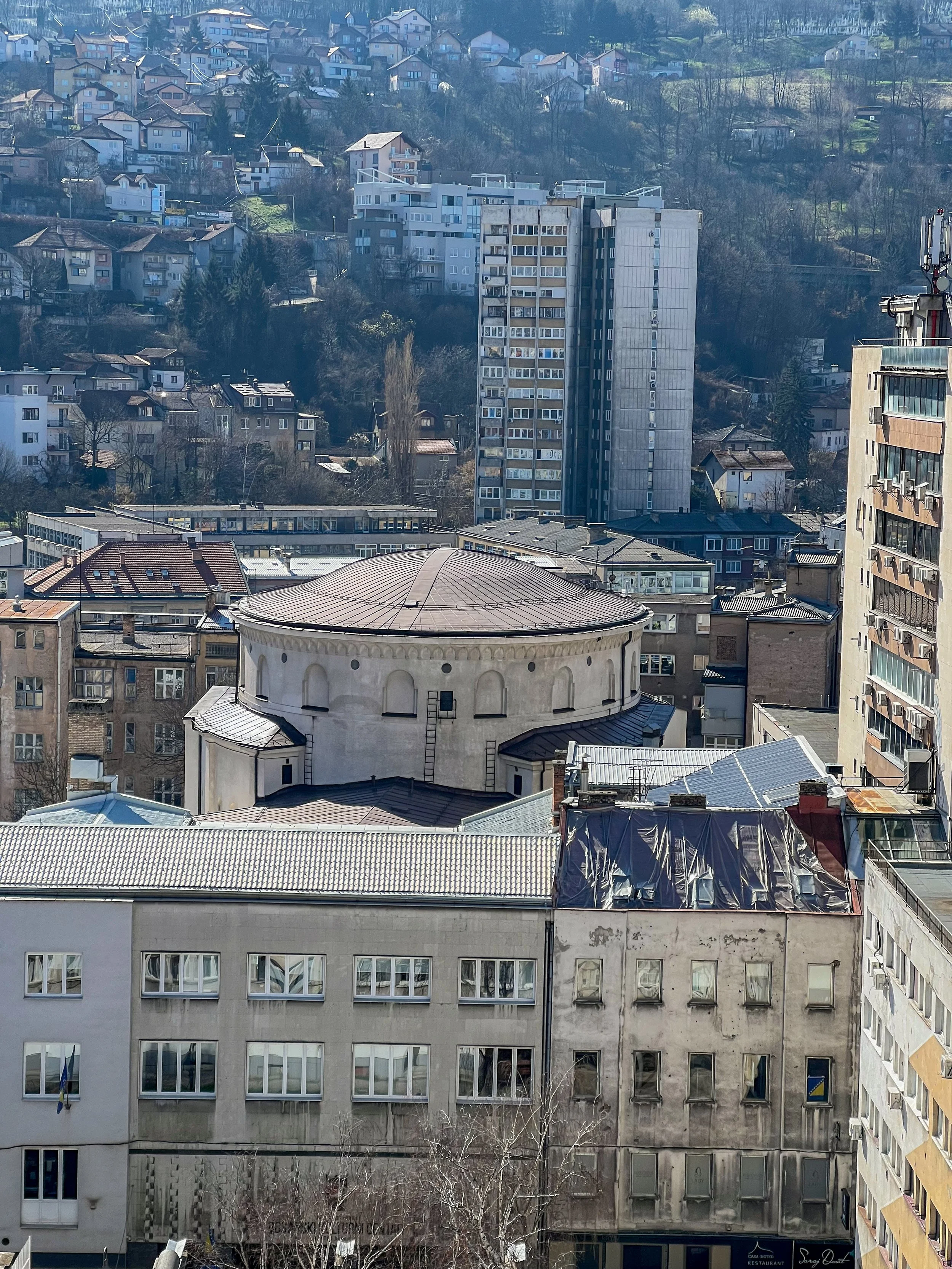
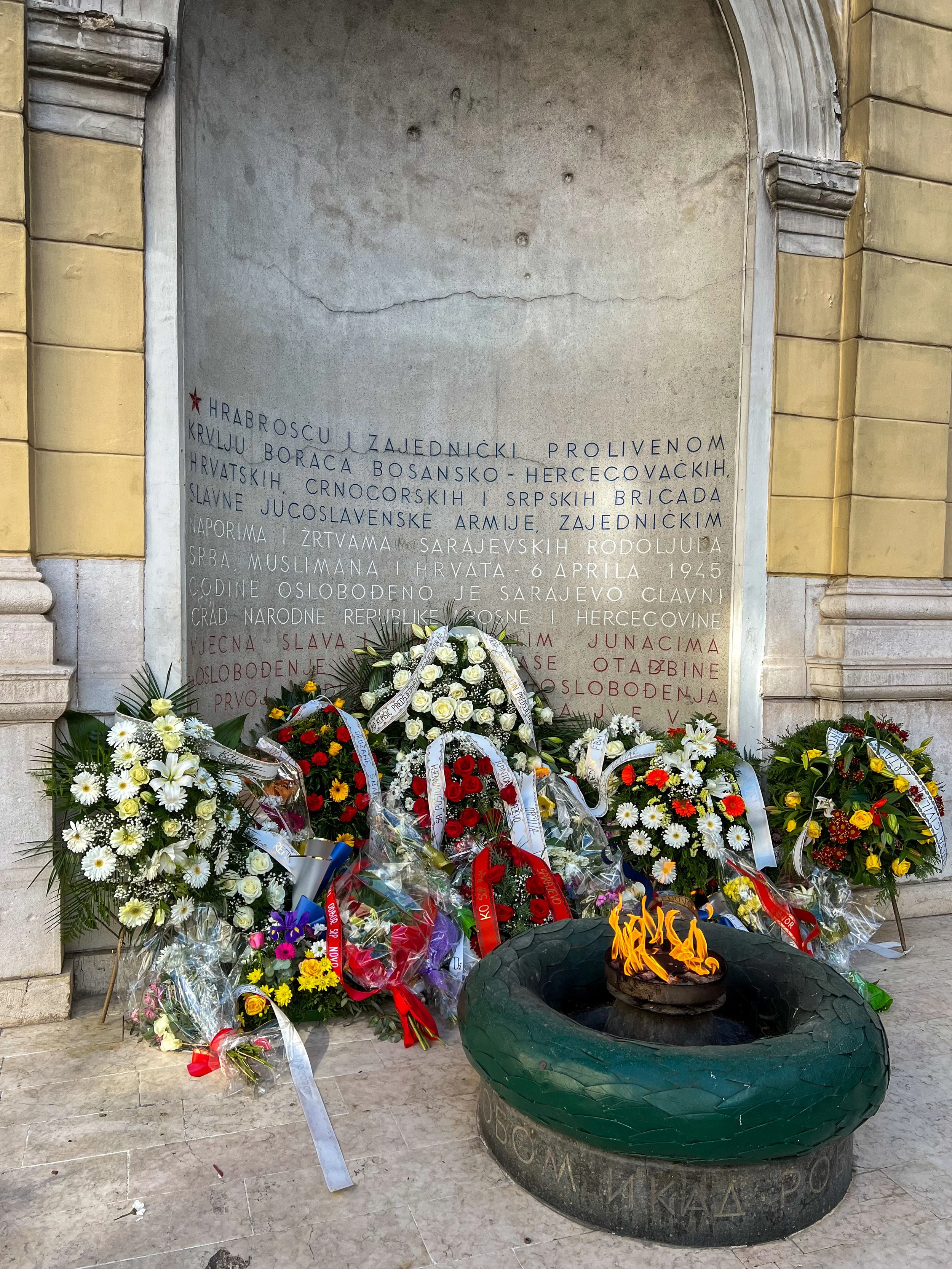
At the Bosnian Cultural Centre of Sarajevo, I delved deeper into the Sephardic heritage of Sarajevo's Jewish community. Established in 1965 and housed within a distinctive architectural landmark, the Bosnian Cultural Centre today hosts a wide range of cultural events, including exhibitions, concerts, theatrical performances, and literary readings. Visitors have the opportunity to immerse themselves in the dynamic arts scene of Sarajevo, experiencing the talents of local artists and performers while gaining insights into the multifaceted cultural landscape of Bosnia and Herzegovina.
It was here that the Il Kal Grandi Sephardic synagogue used to stand, built in 1930 in pseudo-Moorish style and designed by architect Rudolph Lubinskki from Zagreb. The main temple topped the elliptical copper-covered dome made of reinforced concrete, which was supported by 28 reinforced concrete pillars. In the auditorium, there were 682 seats for men and 300 balcony seats for others. The dome is the second largest in Europe.

Synagogue of Mejtas
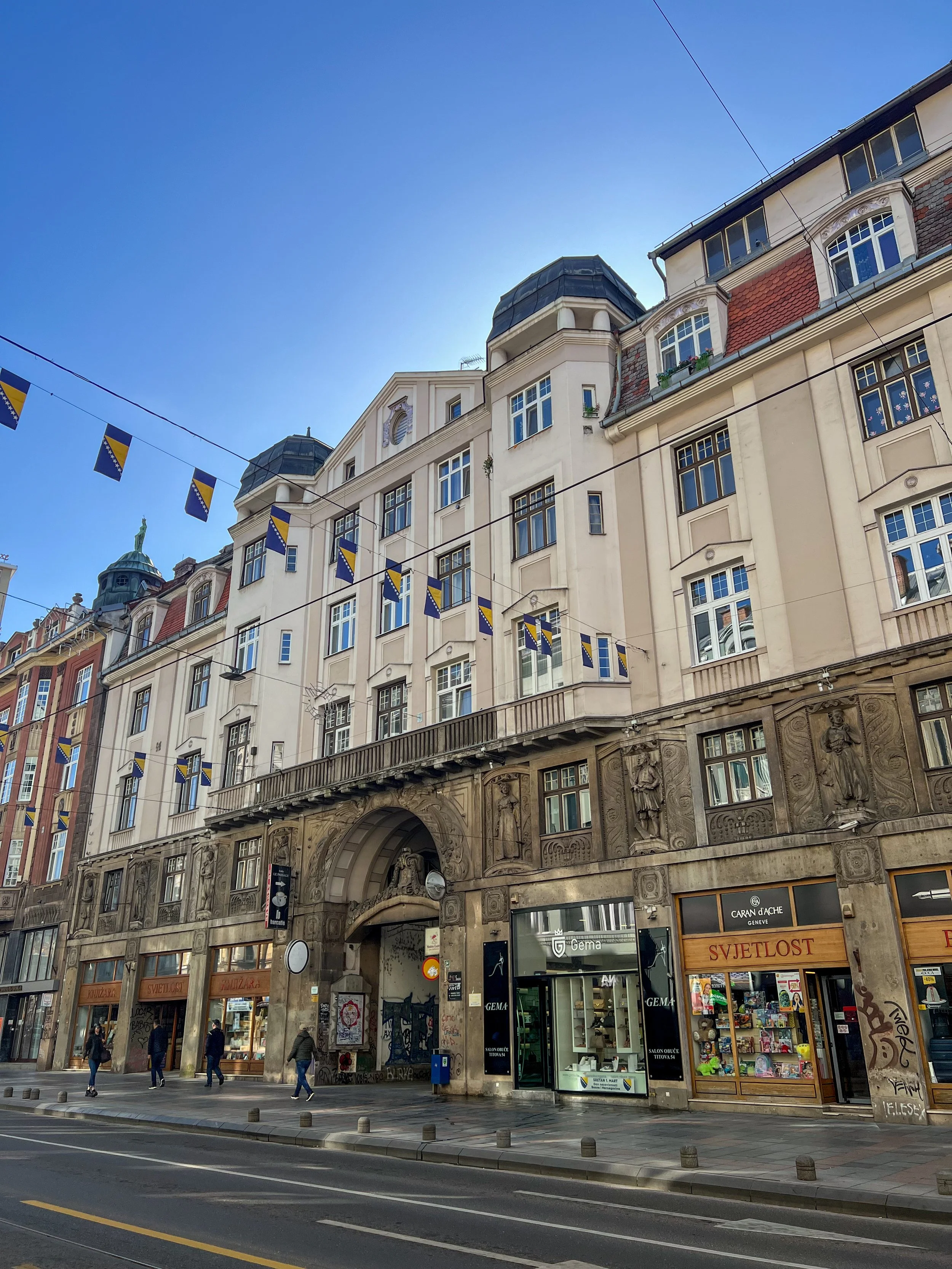
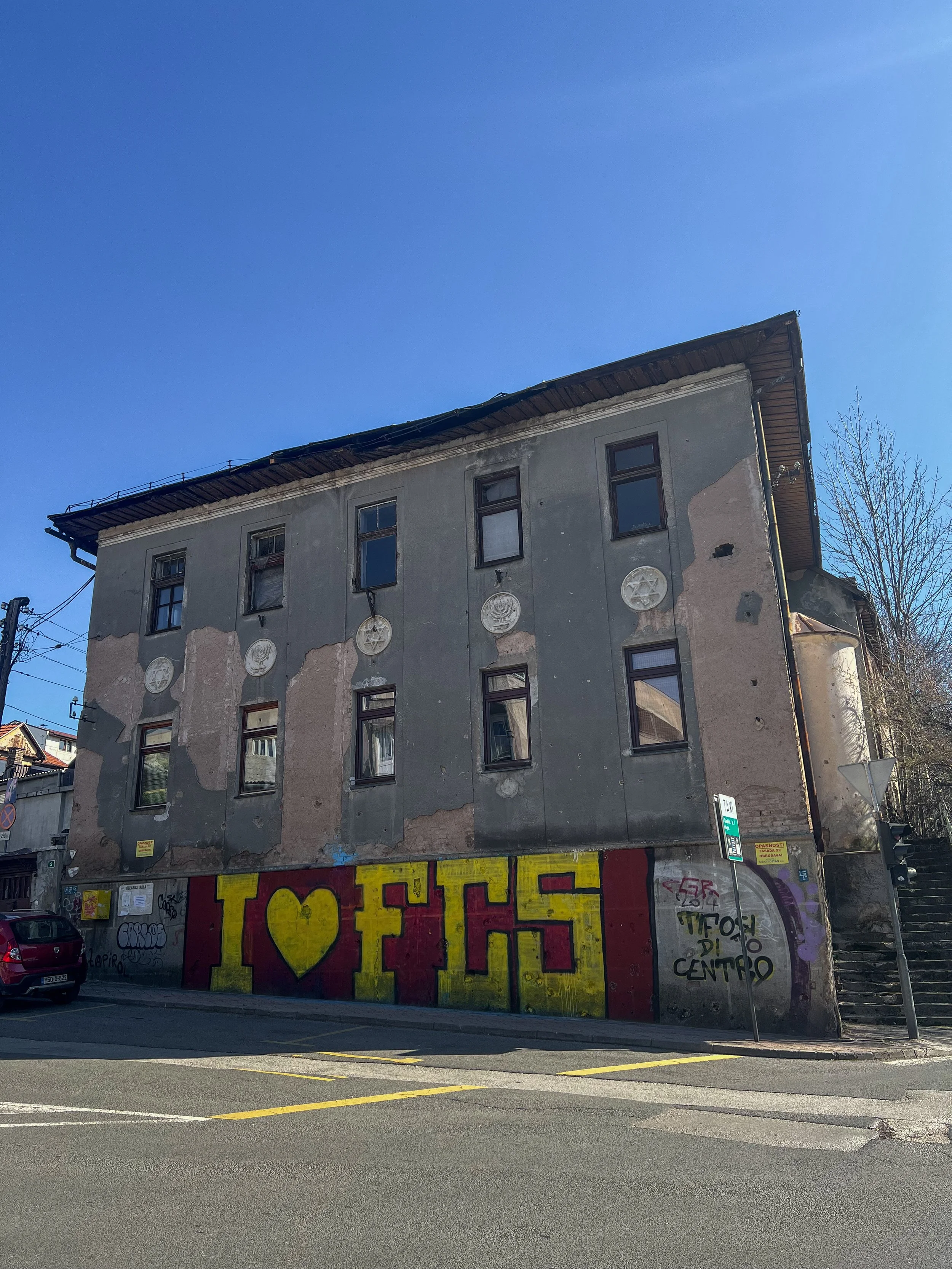
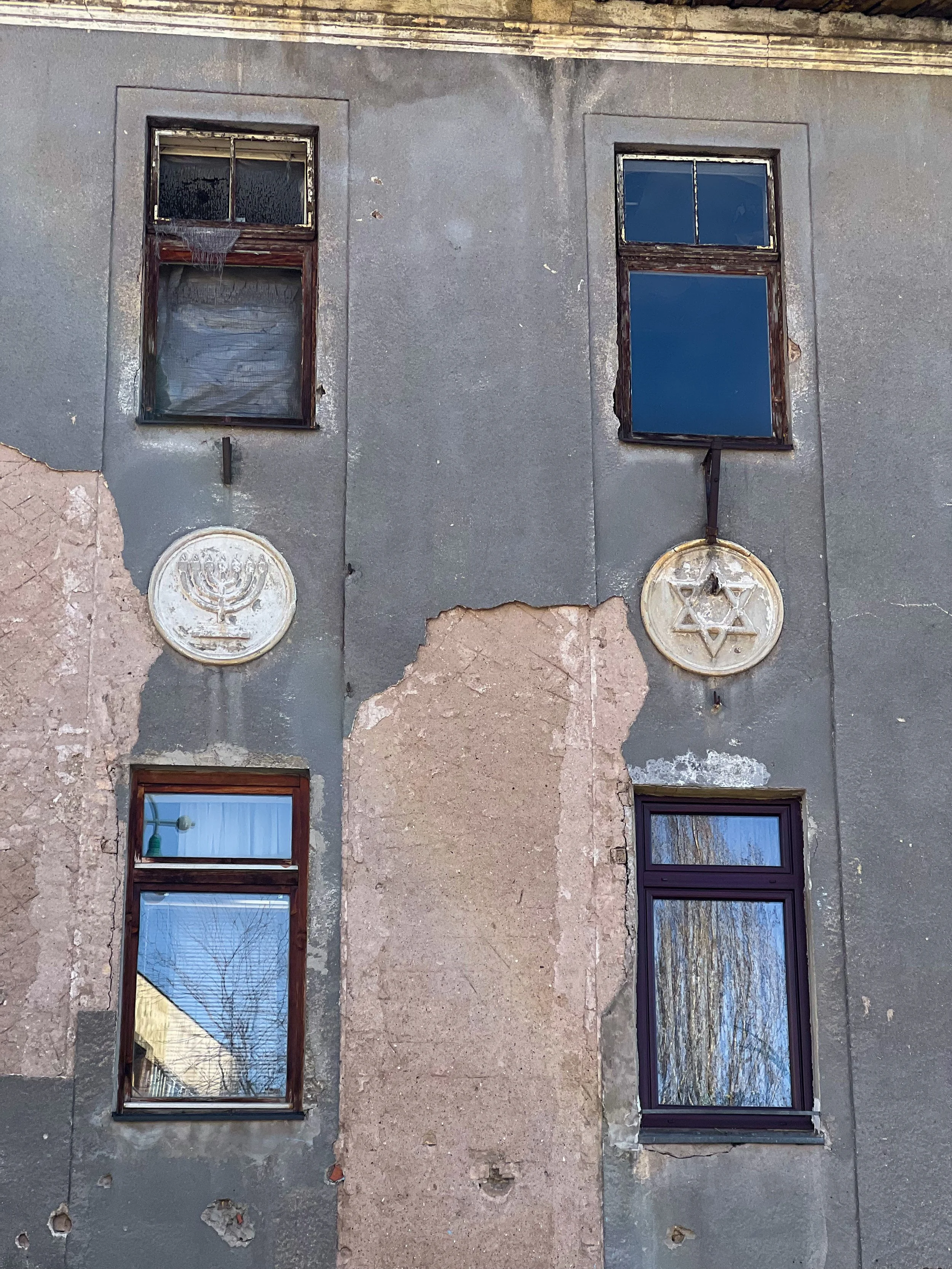
As the day unfolded, we continued to the Synagogue of Mejtaš, also known as II kal di Bilava. Built by the Sephardic Charity during the Austro-Hungarian Empire in the Bjelave neighbourhood, this synagogue served as a spiritual hub for the city's Jewish community. The name "Mejtaš" itself derives from the tradition of burial practices during Ottoman rule, where coffins were placed on a rectangular stone facing Qiblah for funeral prayers, known as "mejtaš" or "dead man’s stone".
Today, Mejtaš showcases a blend of architectural styles, featuring buildings from the Austro-Hungarian period alongside more recent constructions. Among these structures is the historic grey two-storey house adorned with plaster decorations resembling a menorah and David’s letters, which once stood as the largest and most beautiful building in Mejtaš. While the synagogue has transitioned into residential use over time, it remains a poignant reminder of Sarajevo's Jewish past.
Old Jewish cemetery
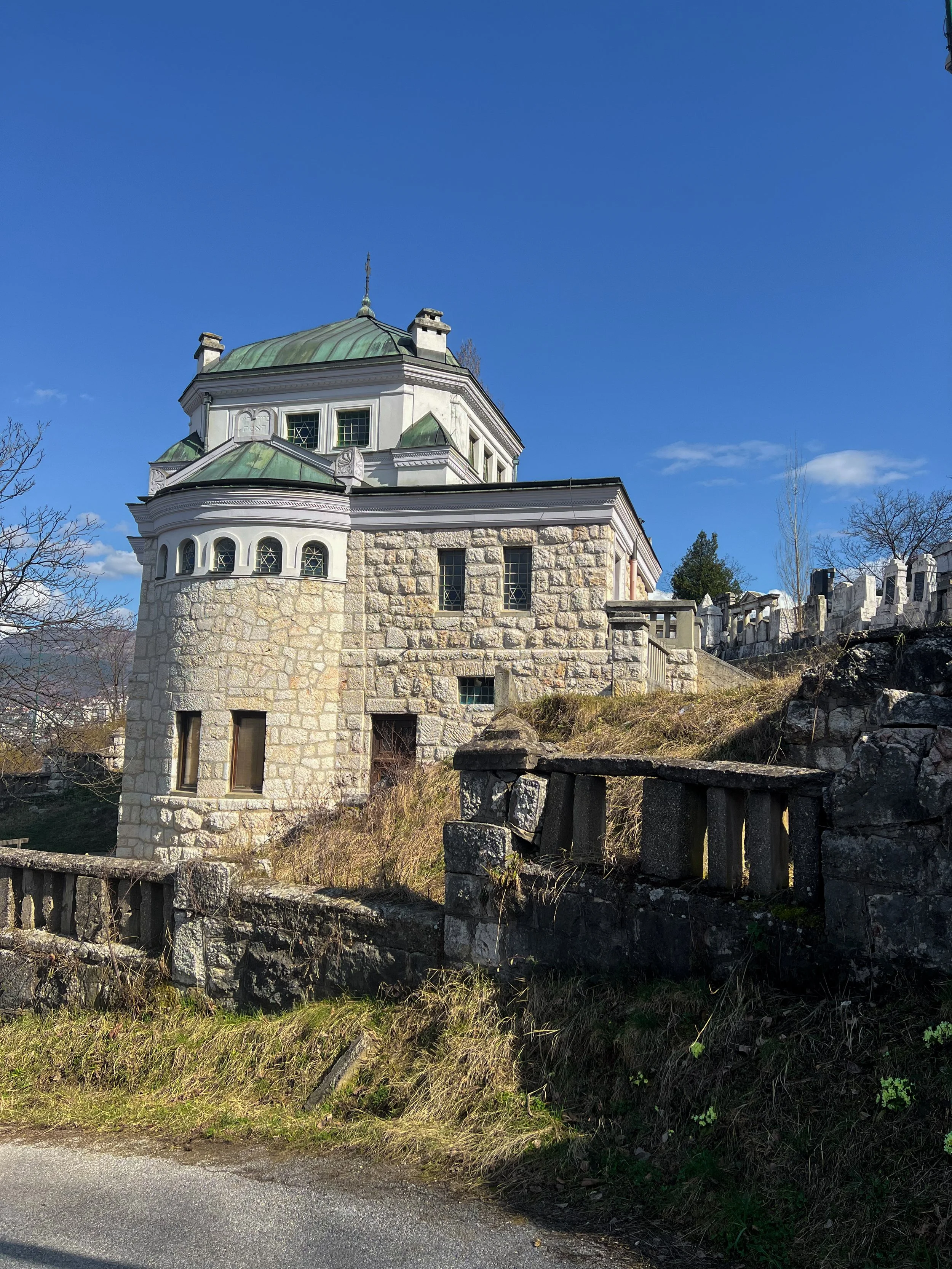
My journey through Sarajevo's Jewish heritage culminated in a visit to the Old Jewish Cemetery, known locally as "Stari Židovski Groblje." It holds profound historical significance as one of the oldest Jewish burial grounds in Bosnia and Herzegovina.
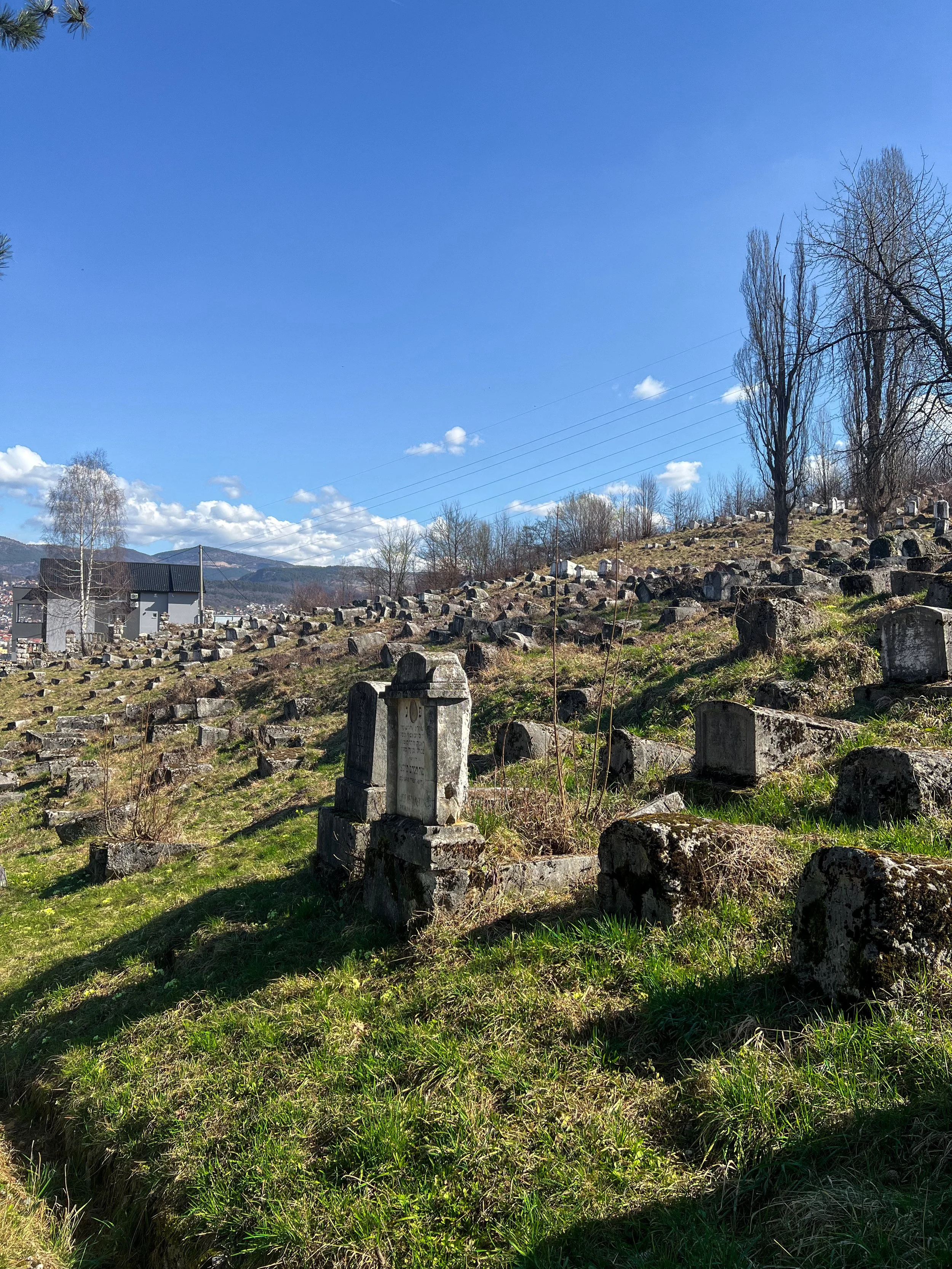
Established in 1630 during the Ottoman period by Sephardic Jews, stands as a testament to centuries of Jewish heritage in Bosnia and Herzegovina. Over time, it also became the resting place for Ashkenazi Jews who arrived in Sarajevo with the Austro-Hungarian Empire in the late 19th century. Spread across an area of 31,160 square meters, the cemetery holds more than 3,850 tombstones, each bearing witness to the diverse and storied history of Sarajevo's Jewish community.
In addition to Hebrew, many of the tombstones are written in Ladino, also known as Judeo-Spanish. This language originated from Old Spanish and is spoken by Sephardic Jews, incorporating elements of Spanish, Hebrew, and other local languages. It was the main language used by Sarajevo’s Jews until the population was decimated during the Holocaust.


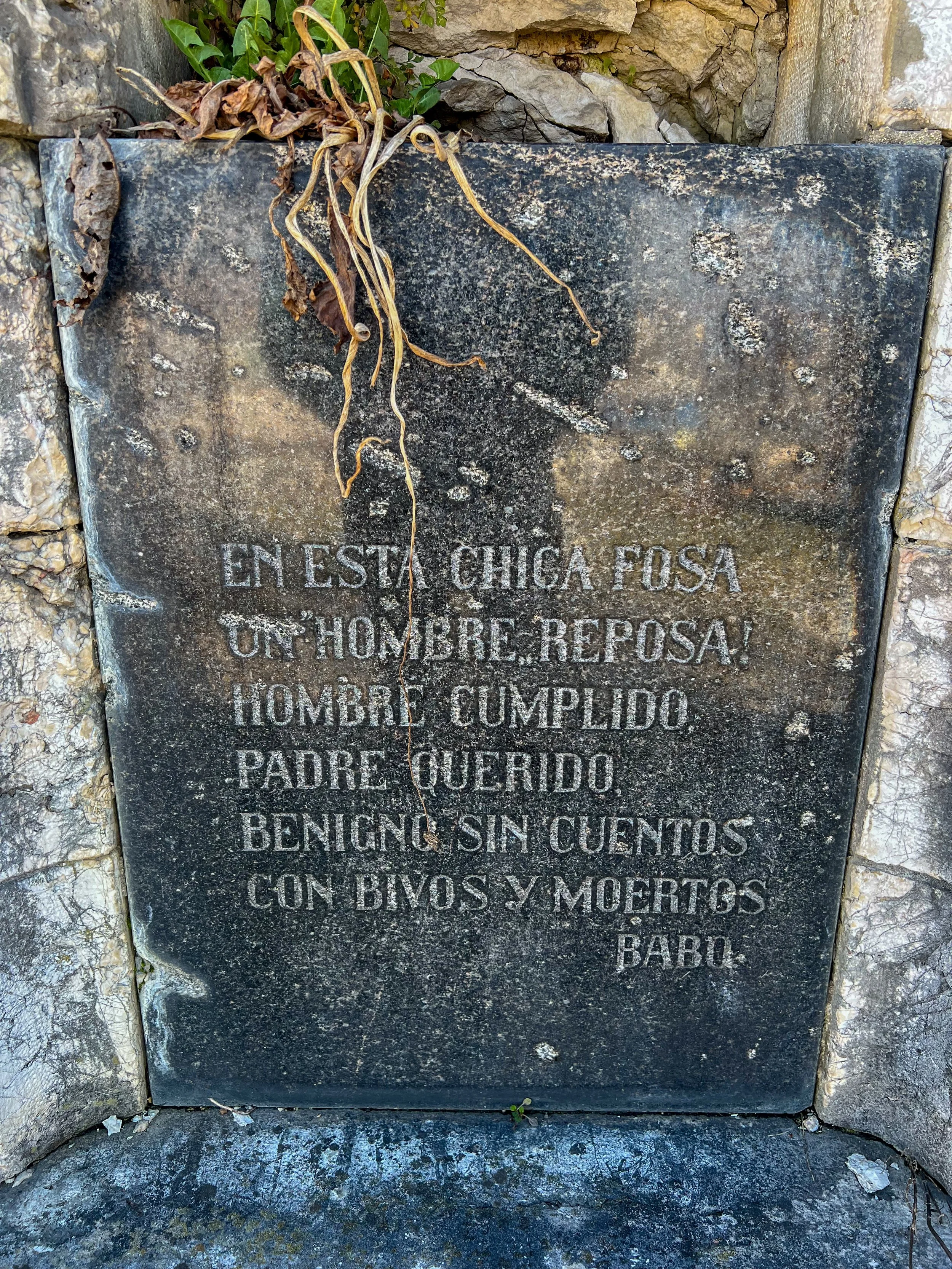
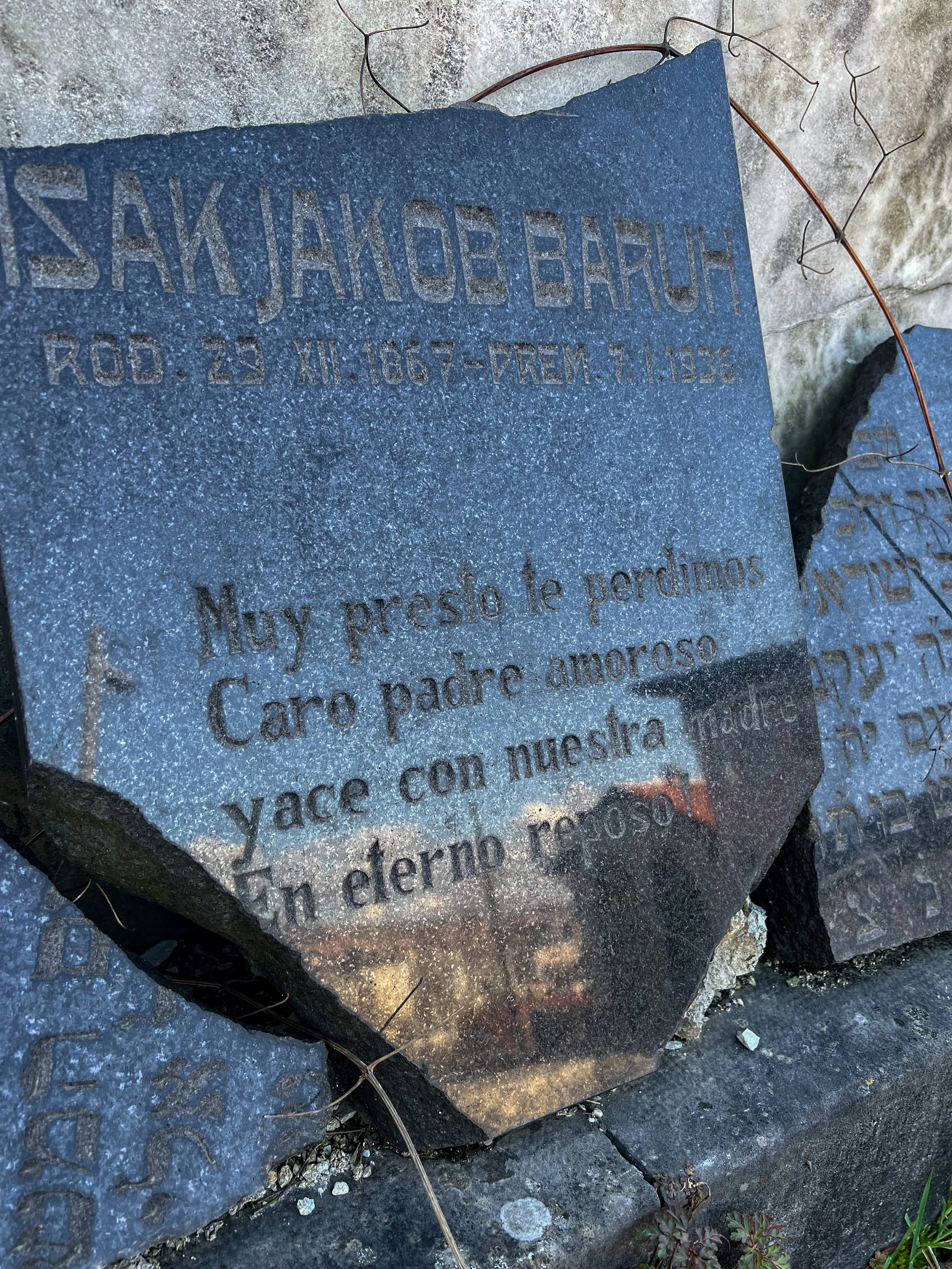
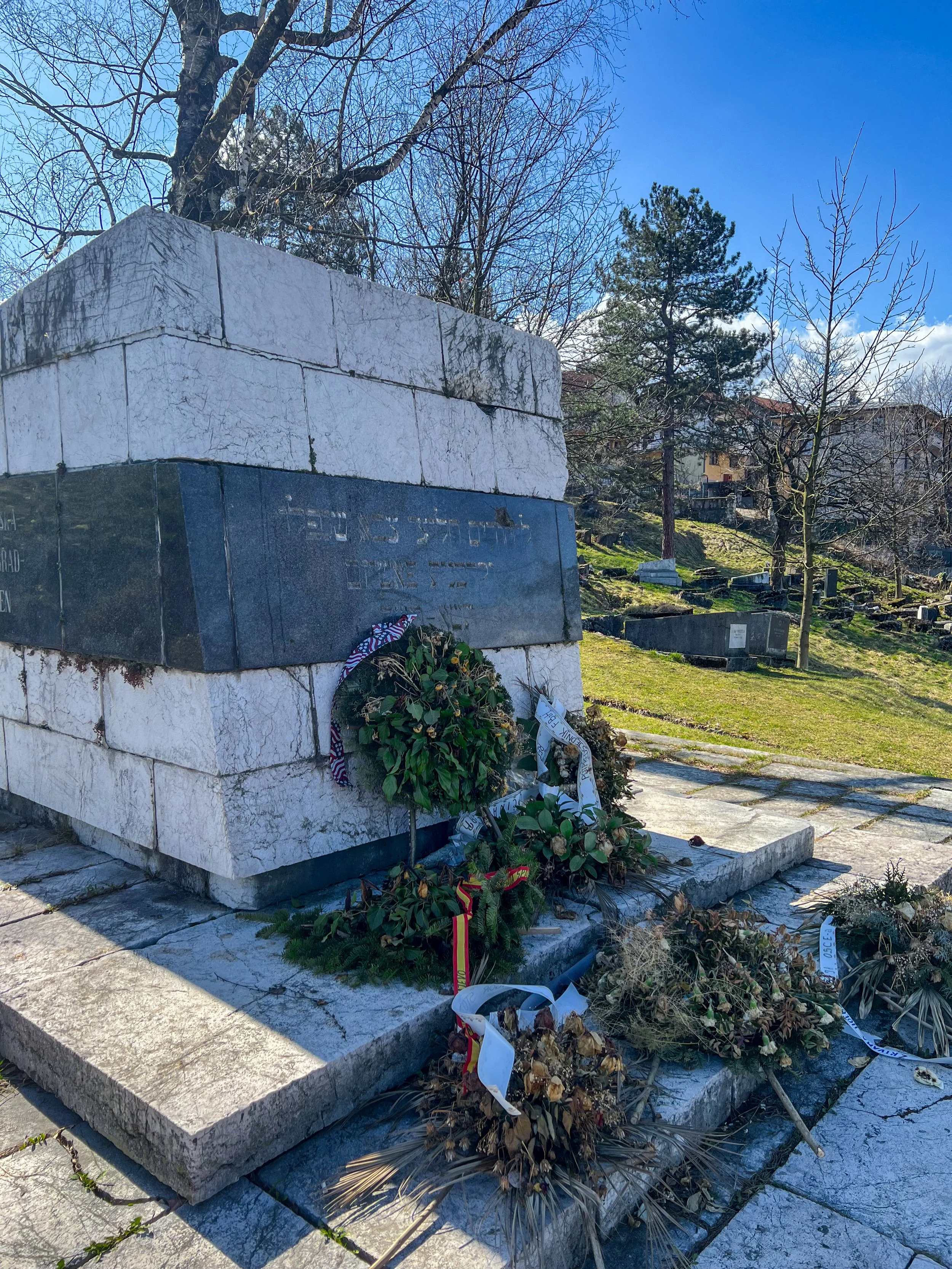
Despite its significance, the cemetery bore witness to the ravages of war during the 1990s conflict in Bosnia and Herzegovina. Serving as a frontline and artillery position, it suffered extensive damage from bullets, fire, and explosions. However, through efforts to clear landmines and restore its sacred grounds, the cemetery persevered as a symbol of resilience and remembrance.
Among its notable burials are figures such as Rabbi Samuel Baruh, Rabbi Isak Pardo, and Moshe ben Rafael Attias, whose legacies continue to resonate within Sarajevo's Jewish community. Additionally, the cemetery features monuments dedicated to victims of fascism, serving as solemn reminders of the atrocities endured during turbulent times. Recognized as a national monument of Bosnia and Herzegovina, and with plans for UNESCO World Heritage Site designation, the Old Jewish Cemetery stands as a poignant symbol of cultural heritage and commemoration in Sarajevo.

National Museum of Bosnia and Herzegovina & Sarajevo Haggadah
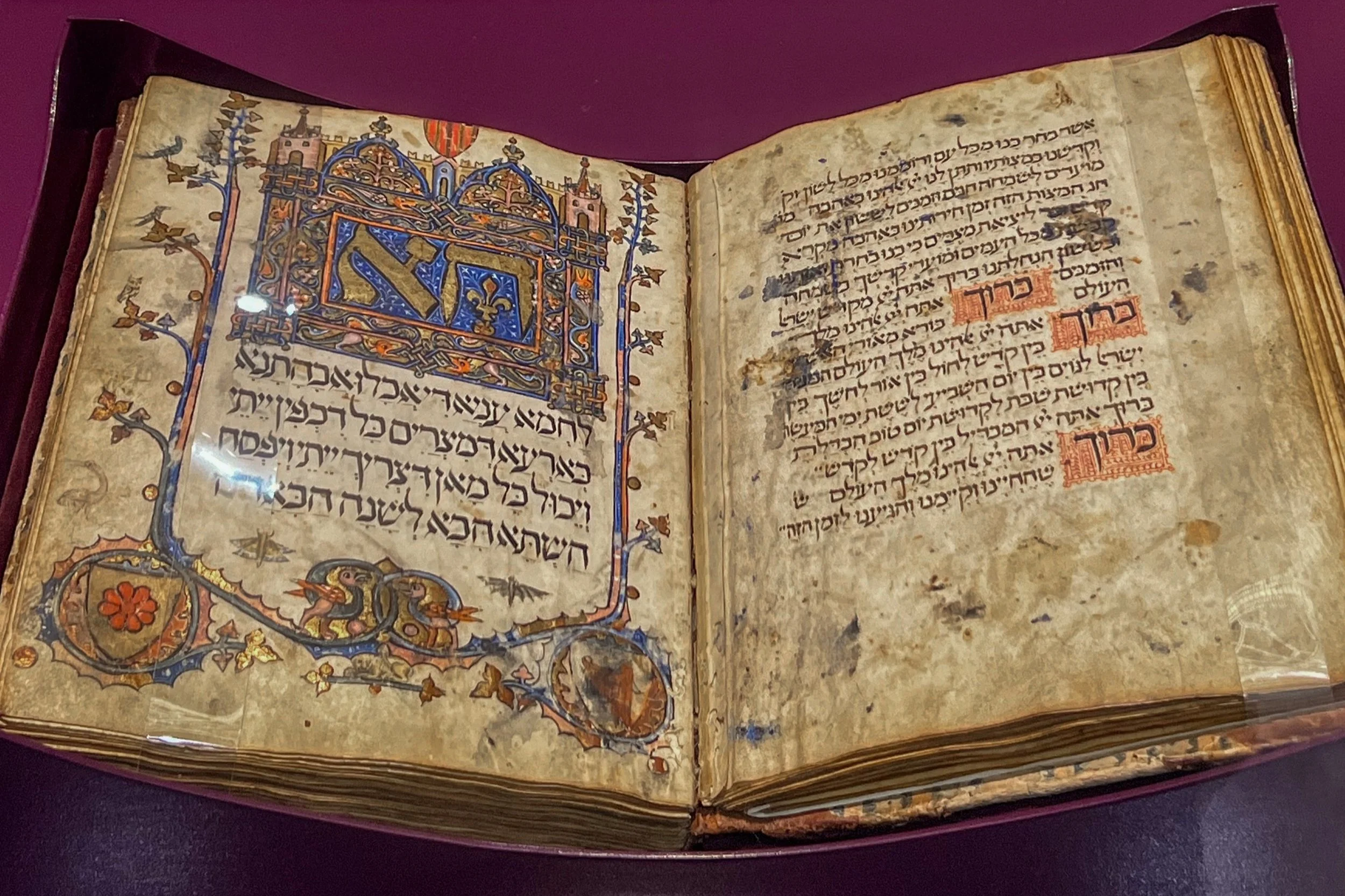
Finally, I made my way to the National Museum of Bosnia and Herzegovina to see the Sarajevo Haggadah, a priceless treasure that embodies the cultural and spiritual legacy of Sarajevo's Jewish community.
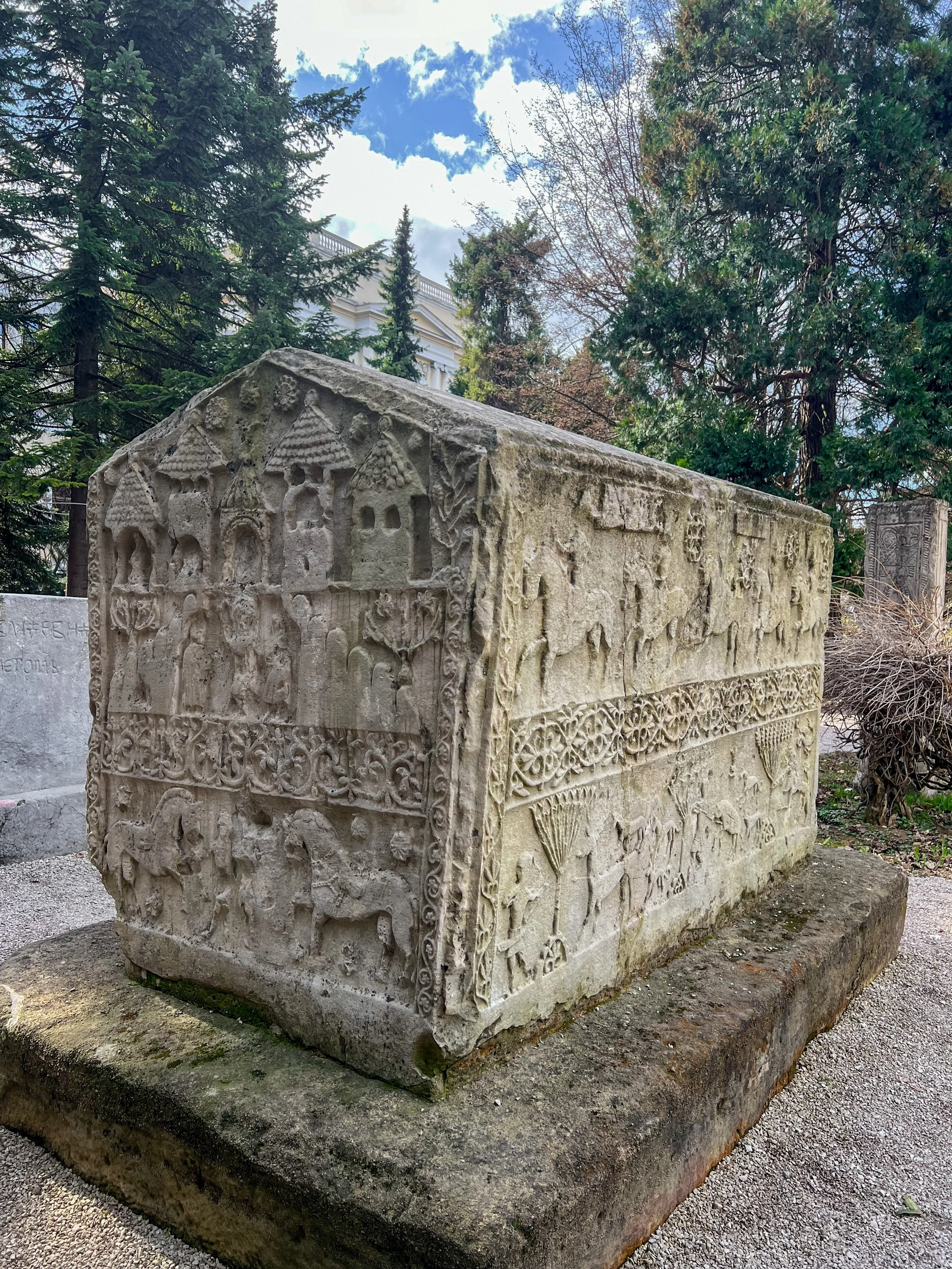
The National Museum of Bosnia and Herzegovina is the oldest and most prominent museum institution in the country. Established in 1888 during the Austro-Hungarian rule, the museum boasts a rich and diverse collection spanning various fields of natural sciences, archaeology, ethnology, and history. Its mission is to preserve, study, and present the cultural heritage and natural history of Bosnia and Herzegovina.
One of the most treasured objects housed within the National Museum is the Sarajevo Haggadah, a medieval Jewish manuscript that is considered one of the most beautiful illuminated Jewish texts in existence. Dating back to the 14th century and thought to have been created in Barcelona, the Sarajevo Haggadah is renowned for its exquisite illustrations and intricate calligraphy. It contains the text of the Haggadah, a narrative of the Exodus from Egypt recited during the Passover Seder, along with additional commentary and prayers.
The Sarajevo Haggadah has a storied history, having survived centuries of upheaval and conflict. It was hidden and safeguarded during periods of persecution, including the Holocaust, and miraculously survived the siege of Sarajevo during the Bosnian War in the 1990s. Today, it serves as a symbol of resilience, cultural heritage, and interfaith harmony. Displayed in a climate-controlled chamber at the National Museum, the Sarajevo Haggadah continues to captivate visitors from around the world with its beauty and historical significance.
Sarajevo City Hall
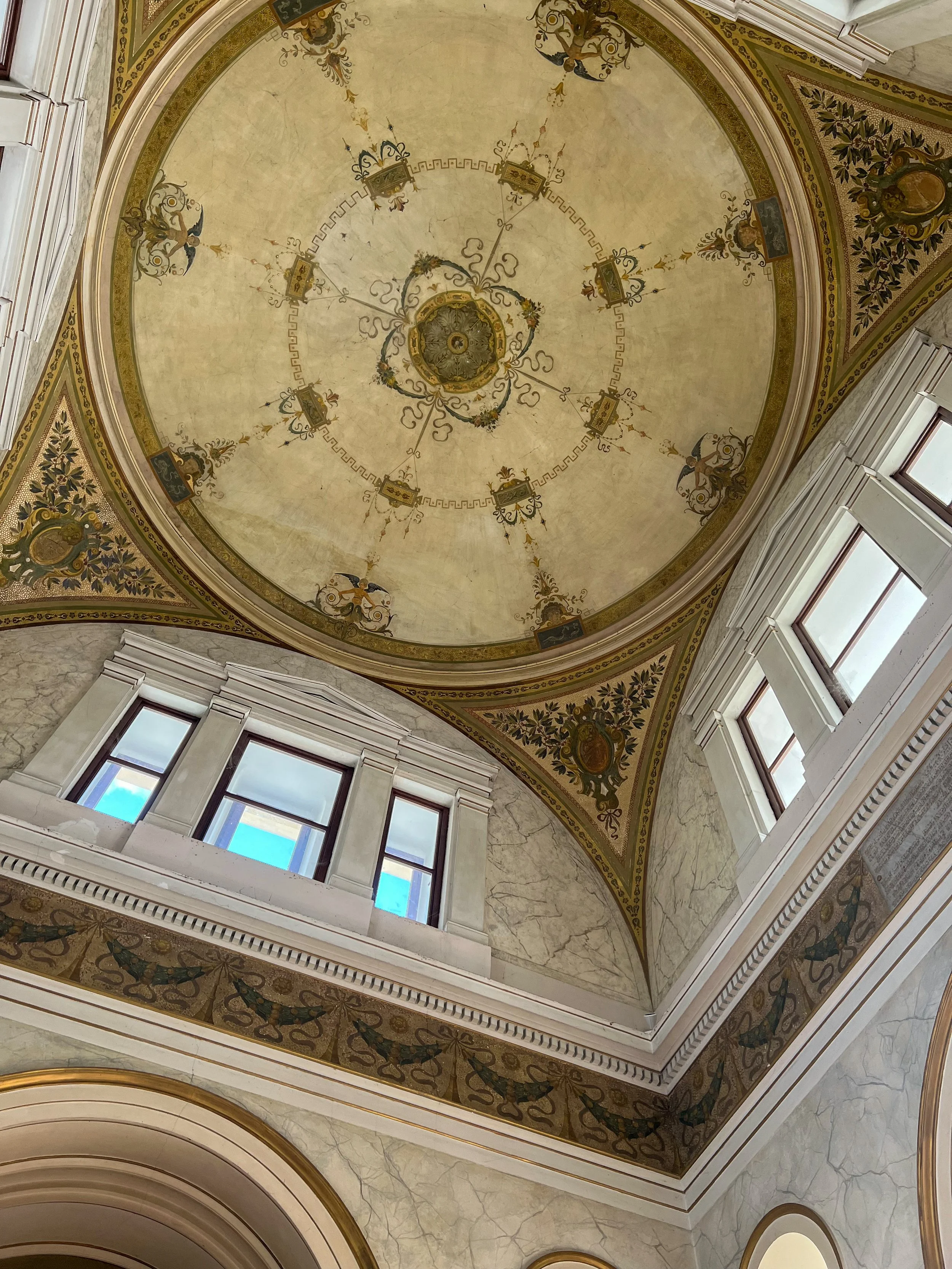
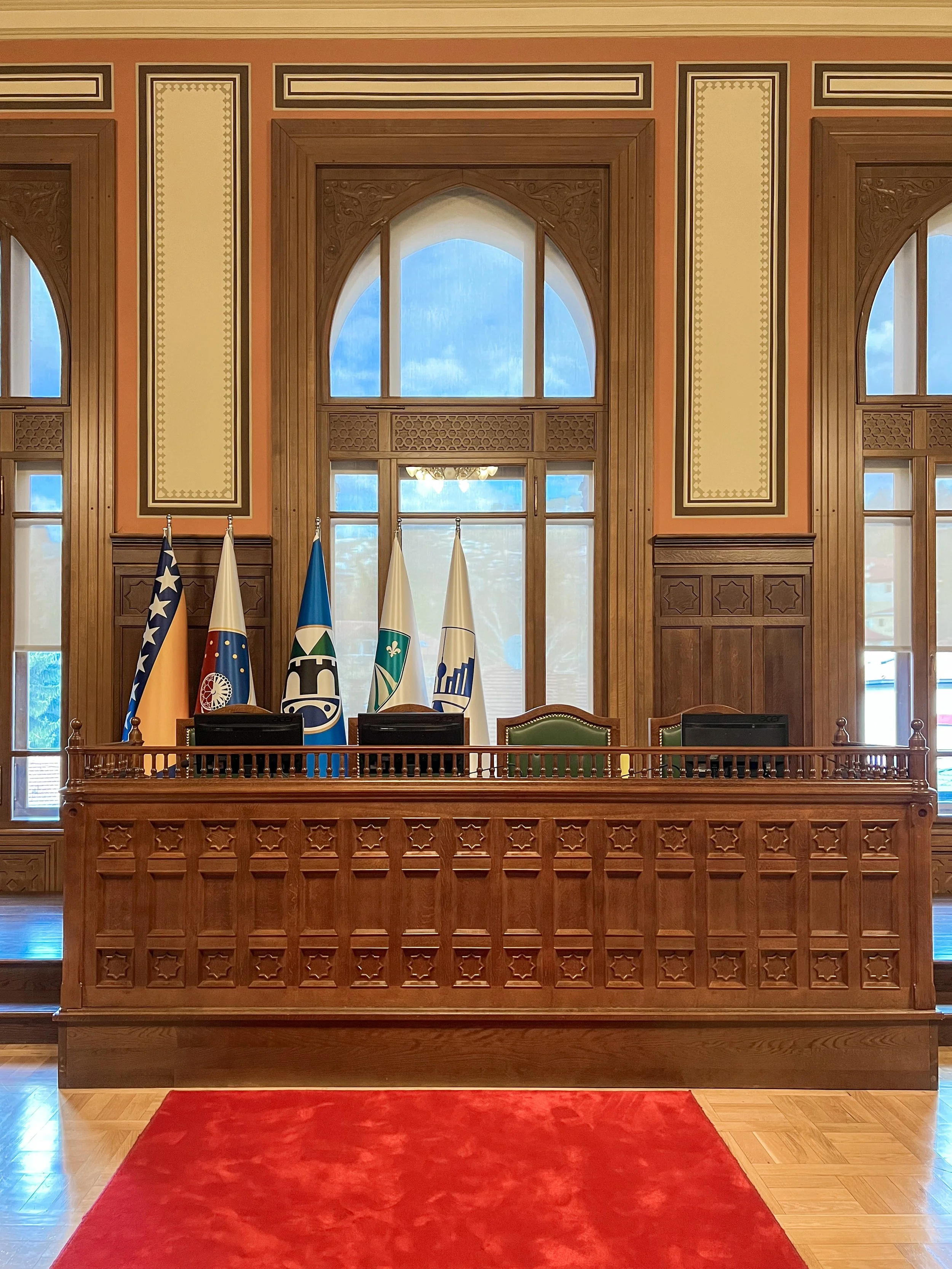
After the Jewish Heritage tour, I decided to go back to Sarajevo City Hall to visit the inside of this stunning building. Construction commenced in 1892 and was completed in 1894, with the building officially opened on April 20, 1896. Initially serving as the City Authority's headquarters until 1949, it was later handed over to the National and University Library of Bosnia and Herzegovina.
During the Siege of Sarajevo on August 25, 1992, the City Hall suffered complete destruction due to Serb shelling. The devastating loss included around 700 manuscripts, rare books, and a unique collection of Bosnian serial publications. Despite valiant efforts by citizens and librarians to salvage some books amidst sniper fire, much of the library's collection was lost to the flames.
In the years following the war, extensive efforts were made to restore the City Hall to its former glory. The reconstruction process, financed by donations from various entities including the Austrian state and the European Commission, involved meticulous structural repair and interior restoration. Completed in stages between 1996 and 2013, the rebuilding efforts aimed to recreate the building's pre-war condition, including its paintings, sculptures, and books. Today, as a national monument, the City Hall hosts a diverse range of events, from government functions to concerts and exhibitions, showcasing the resilience and vitality of Sarajevo's cultural scene.

Day 3
Fall of Yugoslavia tour
As my journey through Sarajevo entered its final day, I embarked on a transformative experience that would deepen my understanding of the city's tumultuous past. For this, I decided to join a Bosnian War & Fall of Yugoslavia tour with GetYourGuide, operated by Meet Bosnia Tours, preparing myself for an intellectual exploration of the complex history that has shaped Sarajevo and the wider Balkan region.
Led by knowledgeable guides, this tour promised to shed light on the political, social, and cultural dynamics that led to the disintegration of Yugoslavia and the devastating Bosnian War.
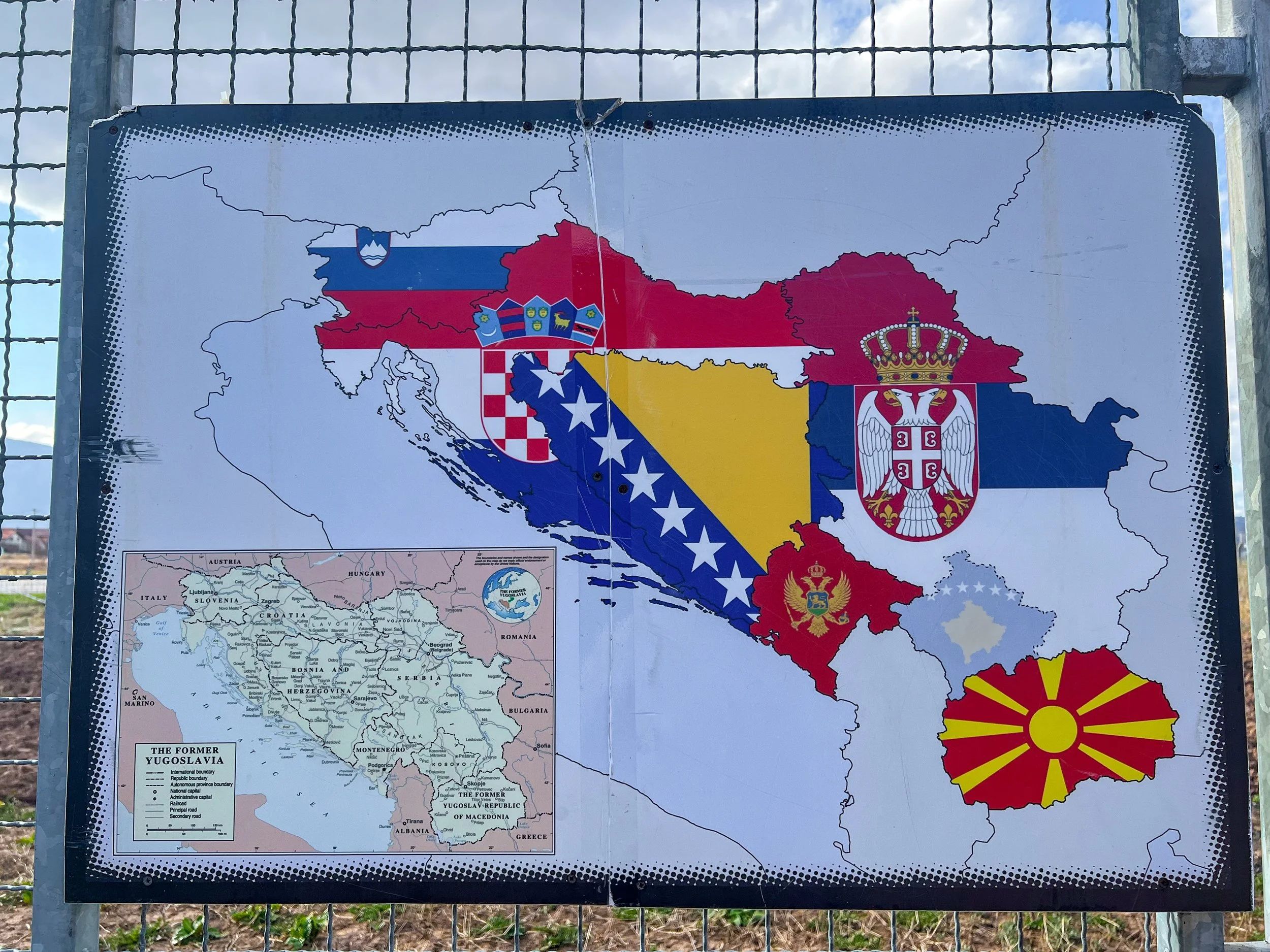
The disintegration of Yugoslavia and the subsequent siege of Sarajevo are deeply intertwined chapters in the tumultuous history of the Balkans during the late 20th century. Following the death of Josip Broz Tito in 1980, Yugoslavia, a multi-ethnic federation comprising six republics, began to unravel due to rising nationalism and economic instability. Political tensions escalated as nationalist leaders exploited ethnic divisions, leading to the gradual dissolution of the federation.
Amidst this backdrop, the republics of Slovenia, Croatia, Macedonia, and Bosnia and Herzegovina declared independence in 1991, sparking a series of violent conflicts. Bosnia and Herzegovina, with its diverse population of Bosniaks, Croats, and Serbs, became the epicentre of brutal ethnic warfare. Bosnian Serbs, backed by the Yugoslav People's Army (JNA), sought to carve out a Serbian-dominated territory through ethnic cleansing and mass atrocities, aiming to create a Greater Serbia.
The city of Sarajevo, Bosnia's capital and a symbol of multiculturalism, bore the brunt of the conflict. In April 1992, Bosnian Serb forces encircled Sarajevo, initiating a siege that would last nearly four years. The siege of Sarajevo, one of the longest in modern history, subjected the city's inhabitants to relentless shelling, sniper attacks, and deprivation of basic necessities. Civilians endured unimaginable suffering as they struggled to survive amidst the constant threat of death and destruction. The international community's initial reluctance to intervene further exacerbated the humanitarian crisis, allowing the siege to continue unabated.
Tunnel of Hope
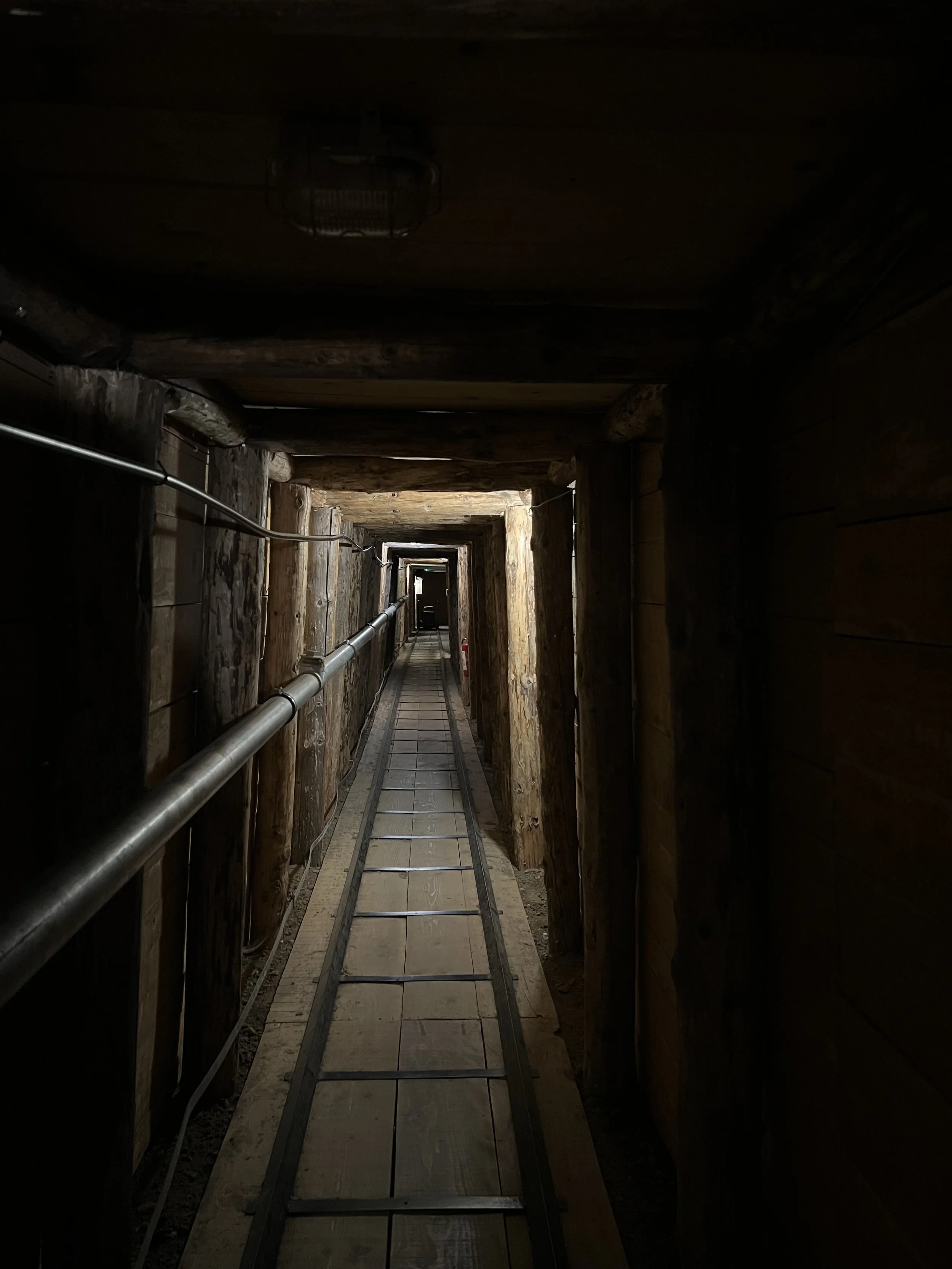
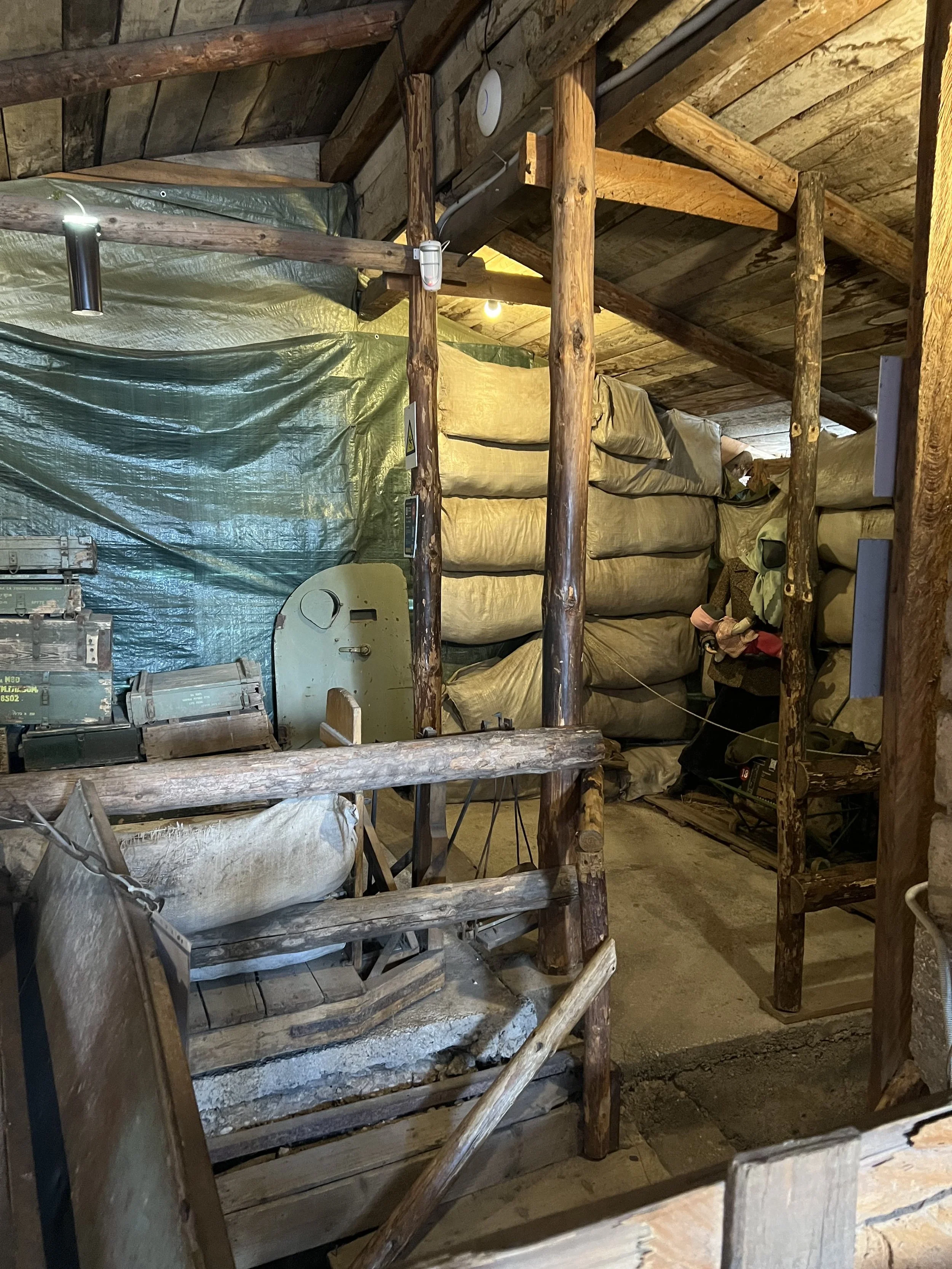
Our first stop in the tour was the Tunnel of Hope, poignant reminder of the city's resilience during the devastating Siege of Sarajevo from 1992 to 1995. Constructed beneath the airport runway, the tunnel served as a lifeline, providing a vital connection between the besieged city and the outside world.
Built clandestinely by Bosnian forces during the war, the tunnel stretched for approximately 800 meters (2,600 feet) and enabled the transportation of food, supplies, weapons, and even people in and out of the city. Its construction was a remarkable feat of engineering, undertaken under constant threat from Serbian forces besieging the city.
The Tunnel of Hope played a crucial role in sustaining Sarajevo's population during the siege, allowing for the passage of humanitarian aid and facilitating communication with the outside world. It became a symbol of hope and resilience for the people of Sarajevo, embodying their determination to survive amidst unimaginable hardship.
Today, visitors to Sarajevo can explore a preserved section of the tunnel, which has been transformed into a museum commemorating the city's wartime experiences. The museum offers insights into the siege and the tunnel's significance, featuring photographs and multimedia exhibits that provide a poignant reminder of Sarajevo's enduring spirit in the face of adversity.


Sniper Alley
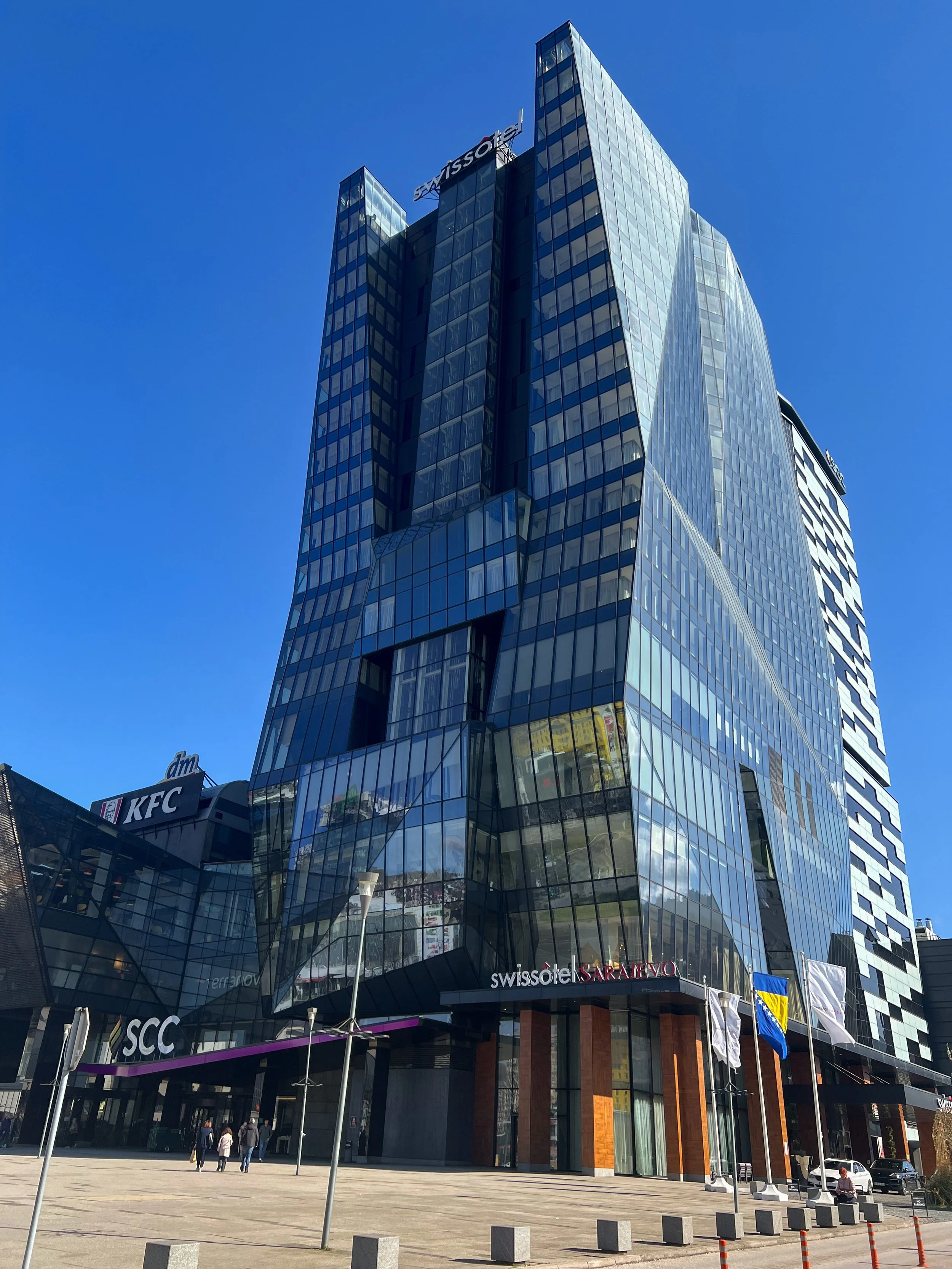
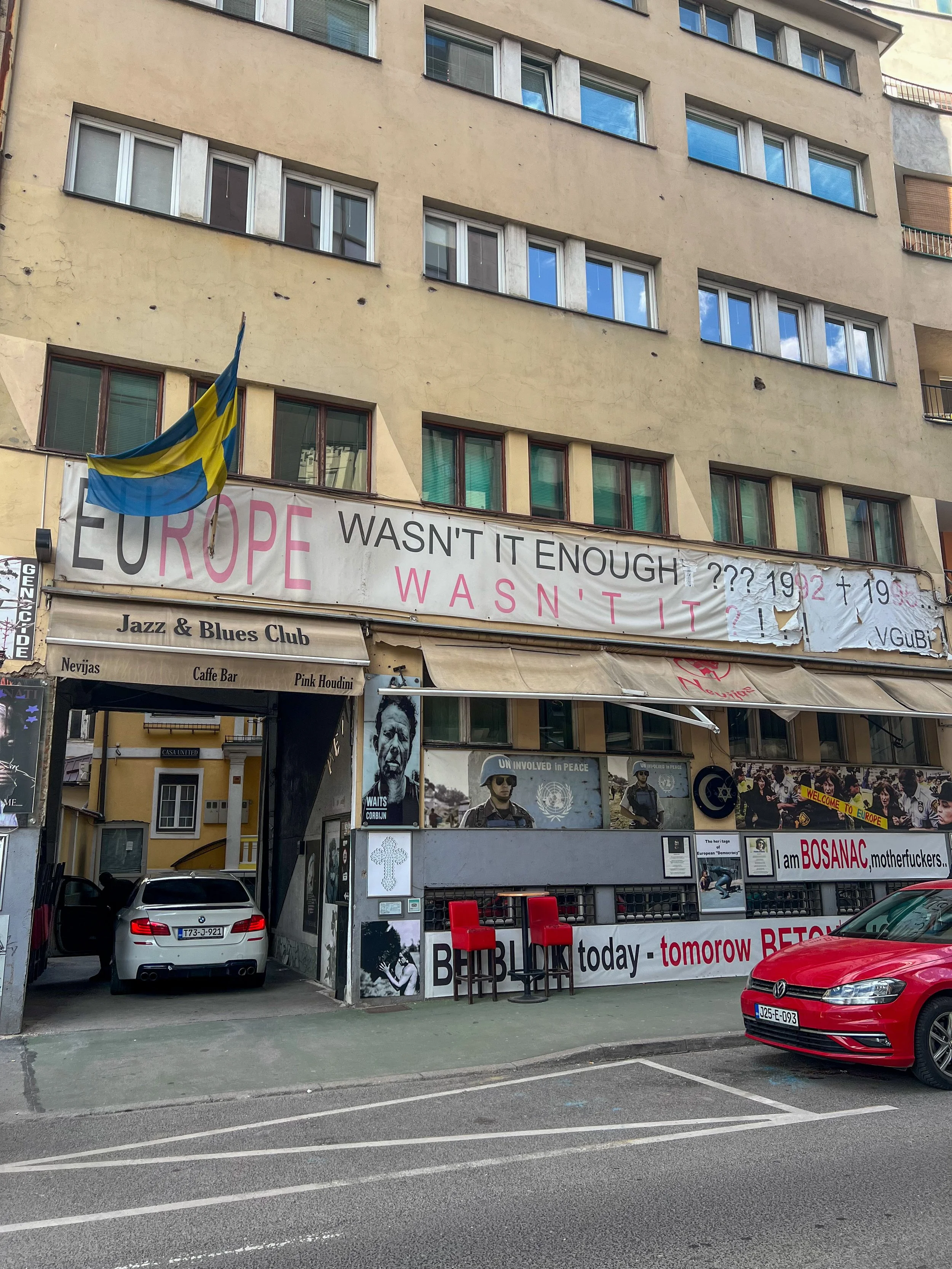
The Siege of Sarajevo couldn’t be understood without a visit to the so-called Sniper Alley, a notorious stretch of road in Sarajevo that gained its name due to the high risk of sniper attacks faced by civilians and soldiers who traversed it. The road, officially known as Ulica Zmaja od Bosne, was a key thoroughfare in the city, connecting the western and eastern parts of Sarajevo.
During the siege of Sarajevo from 1992 to 1995, Sniper Alley became one of the most dangerous places in the city. Bosnian Serb forces positioned themselves on the surrounding hillsides and buildings, using sniper rifles to target anyone who attempted to cross the road. Civilians trying to access basic necessities such as food, water, and medical supplies were particularly vulnerable to attacks.
The constant threat of sniper fire along Sniper Alley resulted in numerous casualties and fatalities among civilians and military personnel alike. The road became a symbol of the suffering endured by the people of Sarajevo during the siege, which lasted for nearly four years and claimed thousands of lives.
Trebevic Mountain
After a short ride, we reached Trebević Mountain, overlooking the city of Sarajevo. This natural gem offers breathtaking views, outdoor recreation, and poignant historical significance. Rising to an elevation of approximately 1,627 meters, Trebević is renowned for its lush forests, diverse wildlife, and pristine hiking trails, making it a popular destination for nature lovers and outdoor enthusiasts.
In addition to its natural beauty, Trebević Mountain holds significant historical importance, particularly due to its role during the Siege of Sarajevo in the 1990s Bosnian War. The mountain was used as a strategic position by Bosnian Serb forces to shell the city, resulting in widespread destruction and loss of life. Today, remnants of the war, such as abandoned bunkers and trenches, serve as sobering reminders of Sarajevo's turbulent past.
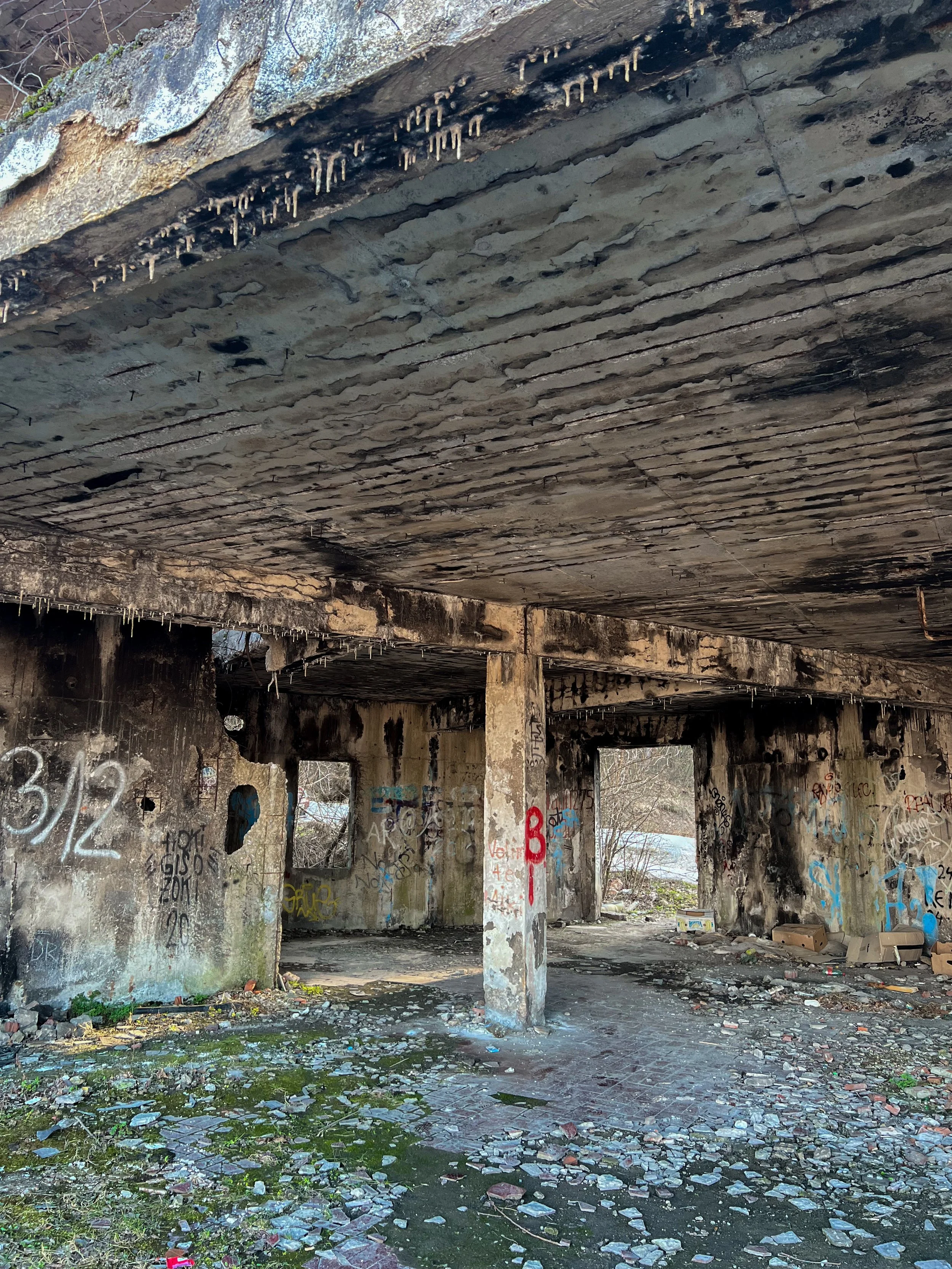
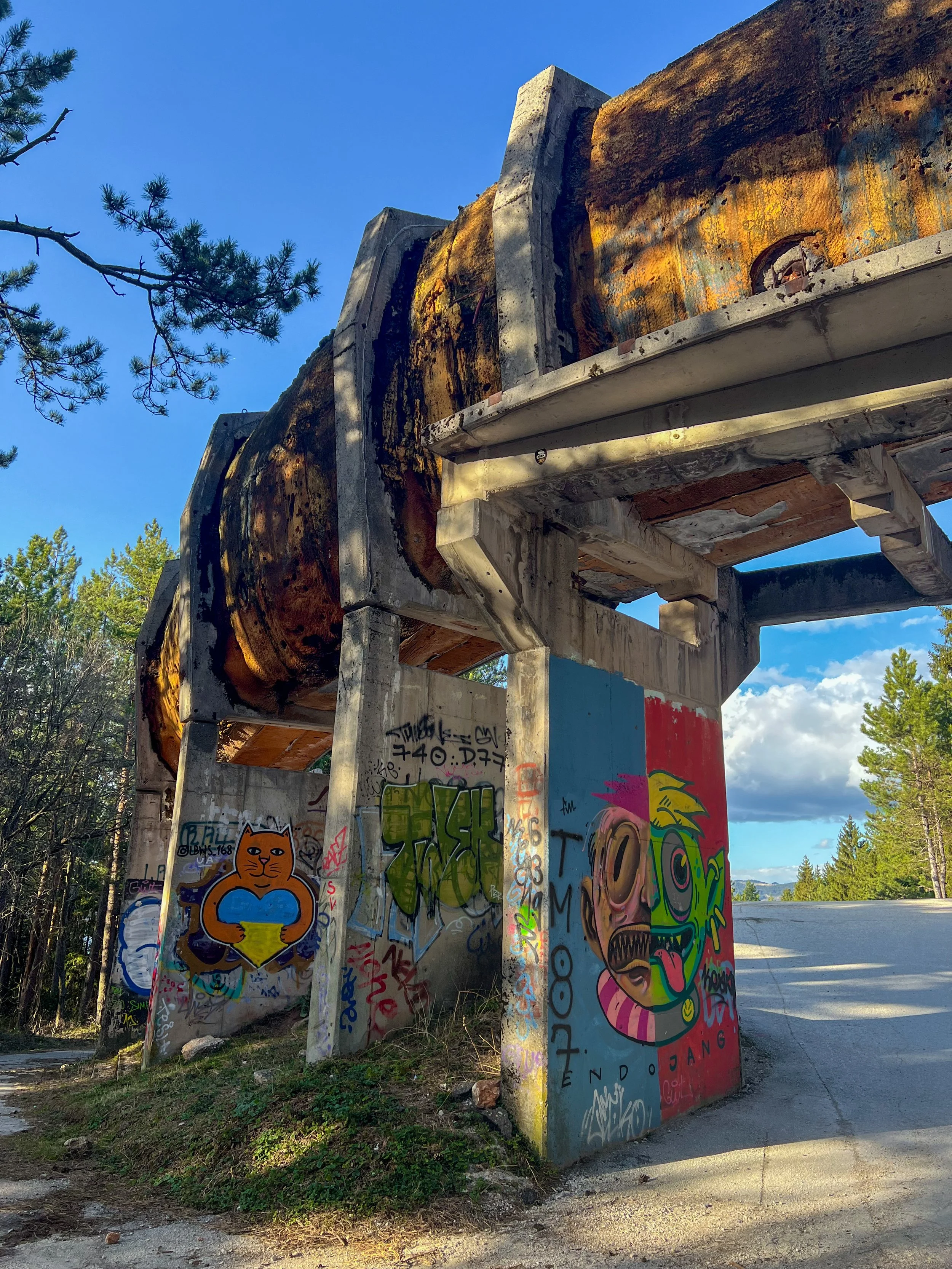
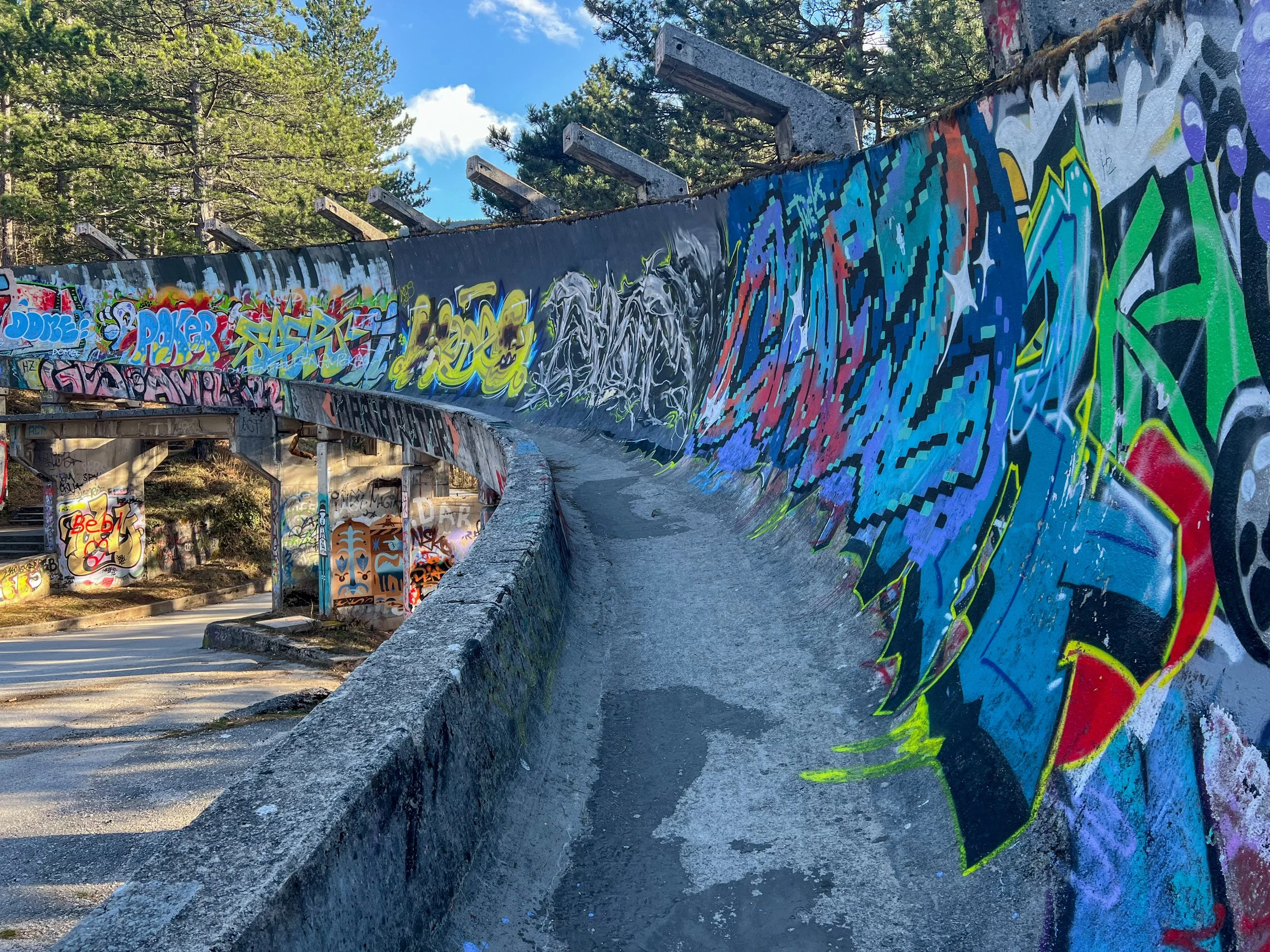
The mountain was also used to host the 1984 Winter Olympics, which included alpine skiing, bobsleigh, ski jumping, and figure skating, among others. One of the most iconic features of the Olympic area in Trebević Mountain is the abandoned bobsleigh track, which winds its way down the slopes of the mountain. The track now stands as a haunting symbol of Sarajevo's turbulent past, marred by the scars of war and neglect. Despite its dilapidated state, the bobsleigh track has become a popular attraction for urban explorers, graffiti artists, and tourists seeking to learn more about Sarajevo's Olympic history.
Yellow Fortress
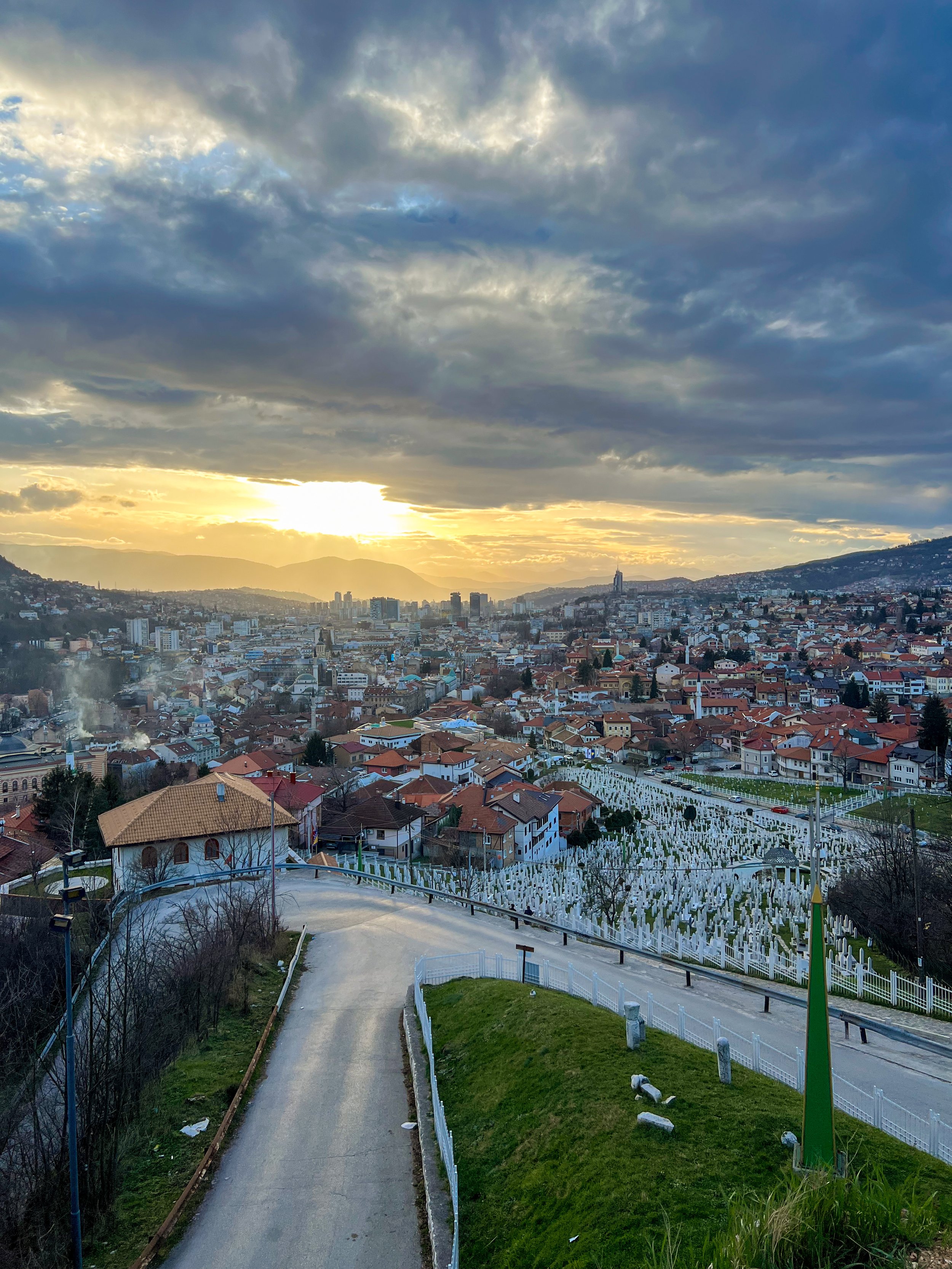
After driving past the Olympic Stadium and the former maternity hospital, severely bombed during the war, our last stop of the tour was the Yellow Fortress of Sarajevo, where we could enjoy stunning views of the city right before sunset.
Constructed during the Ottoman period in the 18th century, the Yellow Fortress served as part of the defensive network of Sarajevo, protecting the city from potential invaders. Its strategic location provided an advantageous vantage point for monitoring and safeguarding the city against external threats.
The fortress derives its name from the distinctive yellow colour of its stone walls, which contrast beautifully with the greenery of the surrounding hillsides. Today, visitors to the Yellow Fortress can explore the well-preserved ruins of the fortification and enjoy breathtaking views of Sarajevo's skyline and the Miljacka River below. The site is particularly popular for watching the sunrise or sunset, offering stunning photographic opportunities against the backdrop of the cityscape. I couldn’t have chosen a better place to say goodbye to Sarajevo!
Some links in this post are affiliate links, which means that if you buy through them, we’ll receive a small commission. This will never cost you more and in many cases you will receive a special discount.
As always, all opinions are mine. We appreciate your support!

This article is now available as a mobile app. Go to GPSmyCity to download the app for GPS-assisted travel directions to the attractions featured in this article.


Embark on a captivating expedition from Belgrade to Sarajevo, traversing the picturesque landscapes of West Serbia and Eastern Bosnia and Herzegovina. This one-day transfer was an immersive exploration of historical landmarks, natural wonders, and cultural treasures that define the rich tapestry of the Balkans.
During my last trip, I discovered the hidden gems and iconic sights that make this cross-country adventure an unforgettable experience. Beginning my journey with a visit to the iconic House on the Drina, a quaint structure perched on a rock in the middle of the Drina River, I then immersed myself in the breathtaking beauty of Tara National Park and explored the wood village of Drvengrad.
After crossing the Bosnian border, I continued to the Dobrun Monastery, a serene retreat nestled amidst verdant surroundings. Finally, I arrived in Višegrad to admire the iconic Mehmed Paša Sokolović Bridge, concluding with a visit to the Borak Stećci Necropolis, where ancient tombstones bear witness to Bosnia's medieval past.