
Visiting Kaunas 9th Fort Museum: uncovering the stories of a dark era
On the outskirts of Kaunas, the 9th Fort Museum stands as a poignant testament to Lithuania’s tumultuous history during World War II. Once a site of tragedy and suffering, this memorial complex has transformed into an educational hub, inviting visitors to explore the complexities of the Holocaust and the impact of war on human lives.
Whether you’re a history enthusiast or simply seeking a deeper understanding of the past, the 9th Fort Museum offers a profound experience. Each corner of this site reveals layers of history, from the chilling accounts of mass executions to the resilience of the human spirit in the face of adversity. Prepare to embark on a visit that not only educates but also inspires reflection and empathy, making your visit to the 9th Fort an unforgettable chapter in your travels through Kaunas.
How to Get to the 9th Fort Museum
Getting to the Kaunas 9th Fort Museum is straightforward, whether you are traveling by car or using public transportation. The museum is located about 4km from the city centre, making it easily accessible for visitors. If you choose to drive, ample parking is available on-site.
For those relying on public transport, you can take bus 23 from downtown Kaunas. Get off at the 9-Ojo Forto Muziejus stop, then use the underpass beneath the motorway to access the museum. Alternatively, taking a taxi can be an easier option, as prices are quite low in Lithuania.
If you're planning a trip to Kaunas, don’t miss my post on the highlights of Kaunas in one day!
Introduction to the 9th Fort Museum
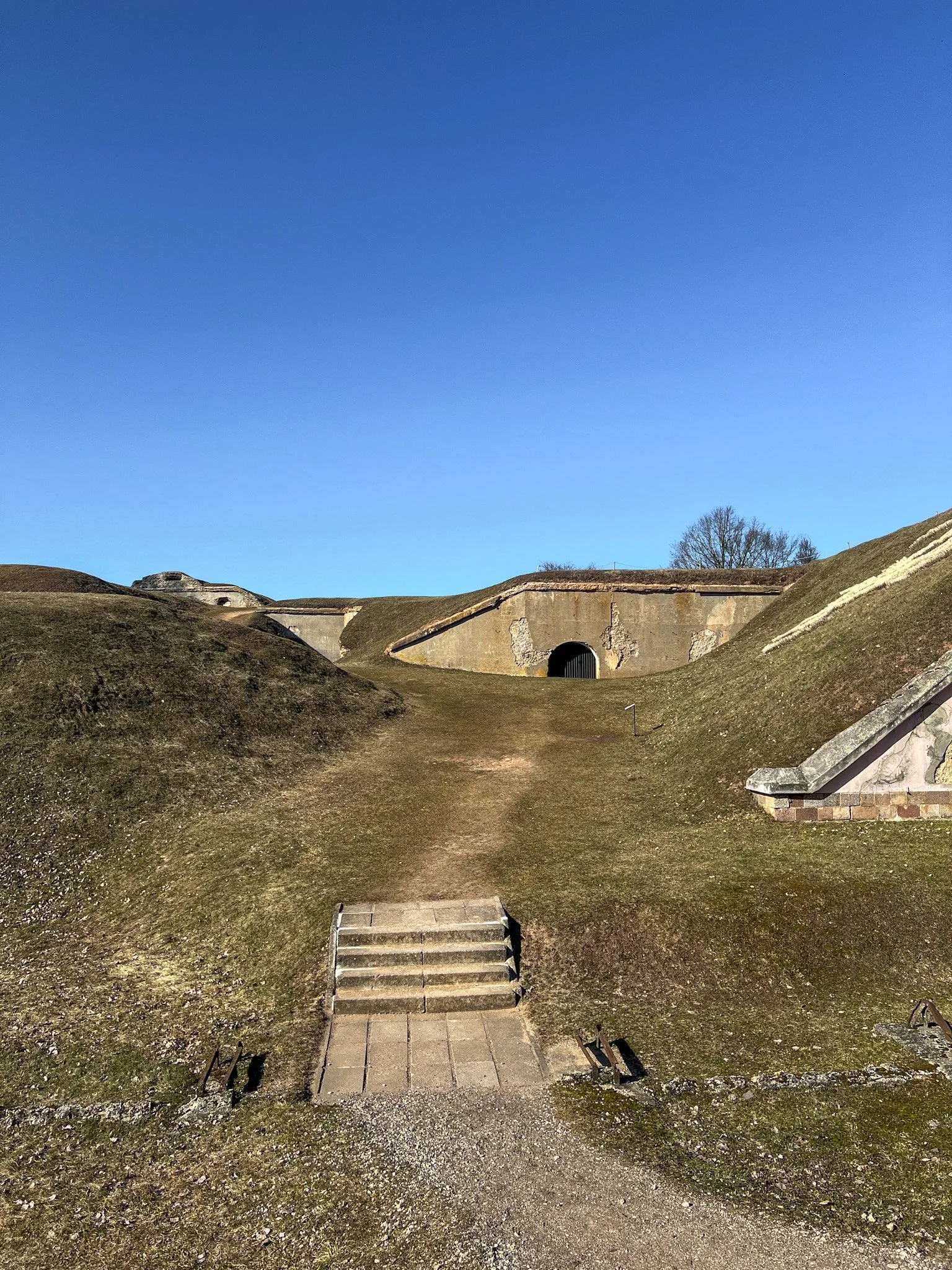
The Kaunas 9th Fort Museum stands as one of the most significant historical sites in Europe, a solemn reminder of the past and a testament to resilience. Located within a sprawling 50-hectare complex, the museum is dedicated to preserving the memories of those who suffered during World War II, particularly the victims of the Holocaust. The 9th Fort, originally part of the Kaunas Fortress built in the late 19th century, was repurposed during the war as a site of mass executions, making it a vital location for understanding Lithuania's complex history.
Visitors to the museum are not merely passive observers; they are invited to engage deeply with the exhibits and the somber stories they tell. The museum aims to educate and foster a historical awareness that extends beyond its walls. Through exhibitions, guided tours, and cultural activities, the Kaunas 9th Fort Museum serves as a platform for dialogue about historical events and their impact on contemporary society.
As you explore the grounds, you will find that the museum goes beyond mere remembrance; it is a space for reflection and understanding, where every corner holds a story, and every exhibition is designed to provoke thought and discussion.
Exhibitions
Kaunas Fortress 1879–1918
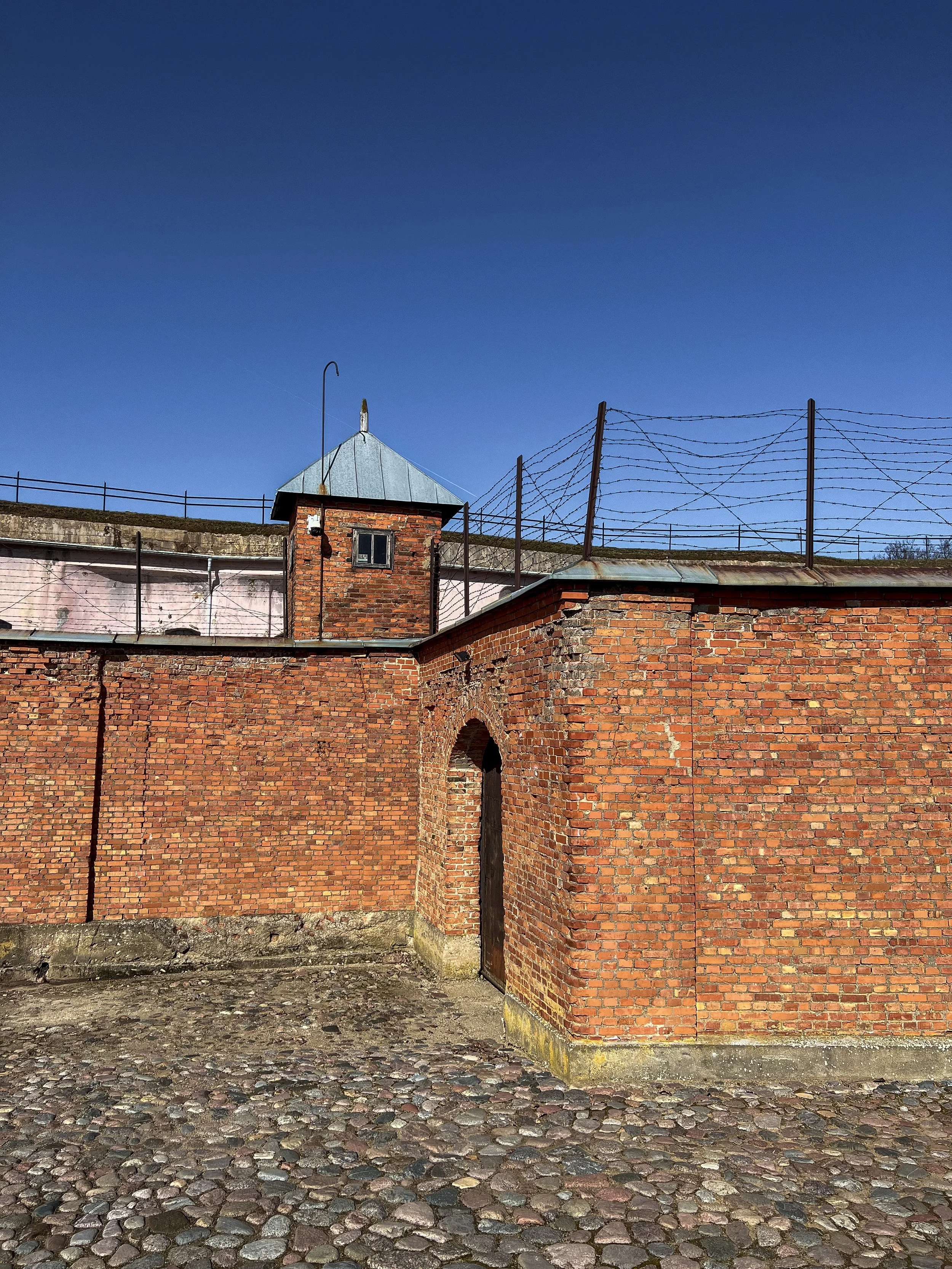
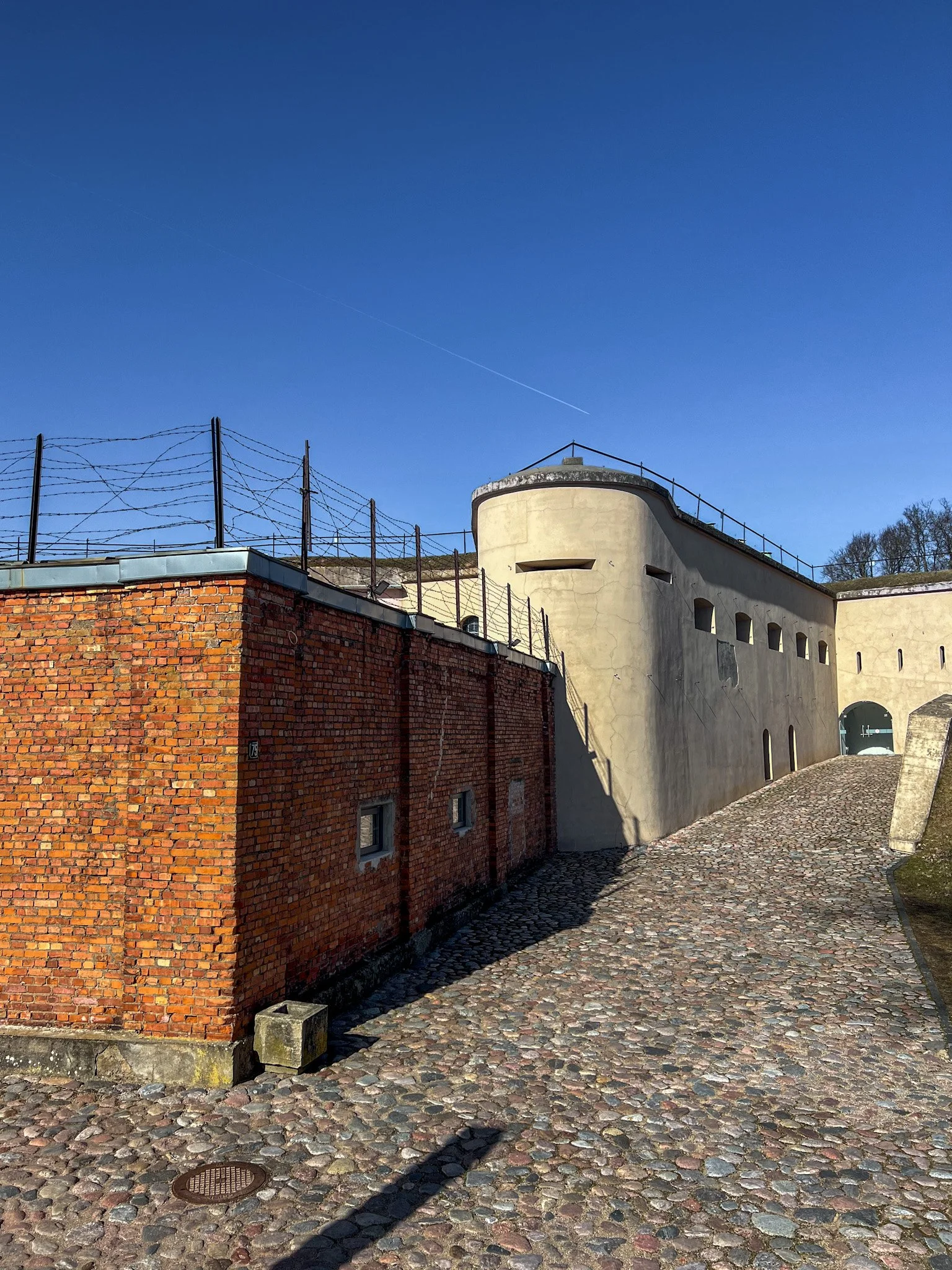
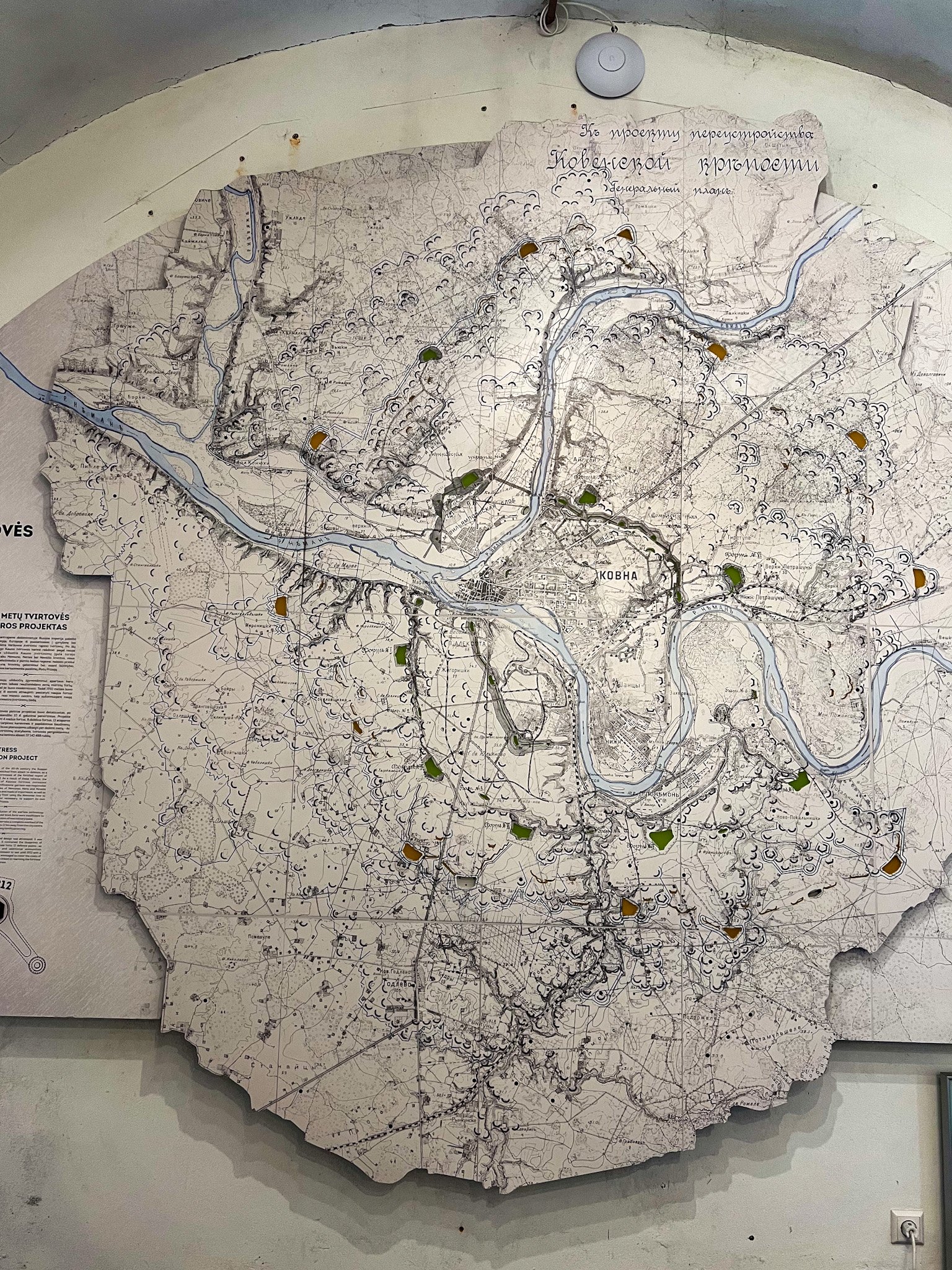
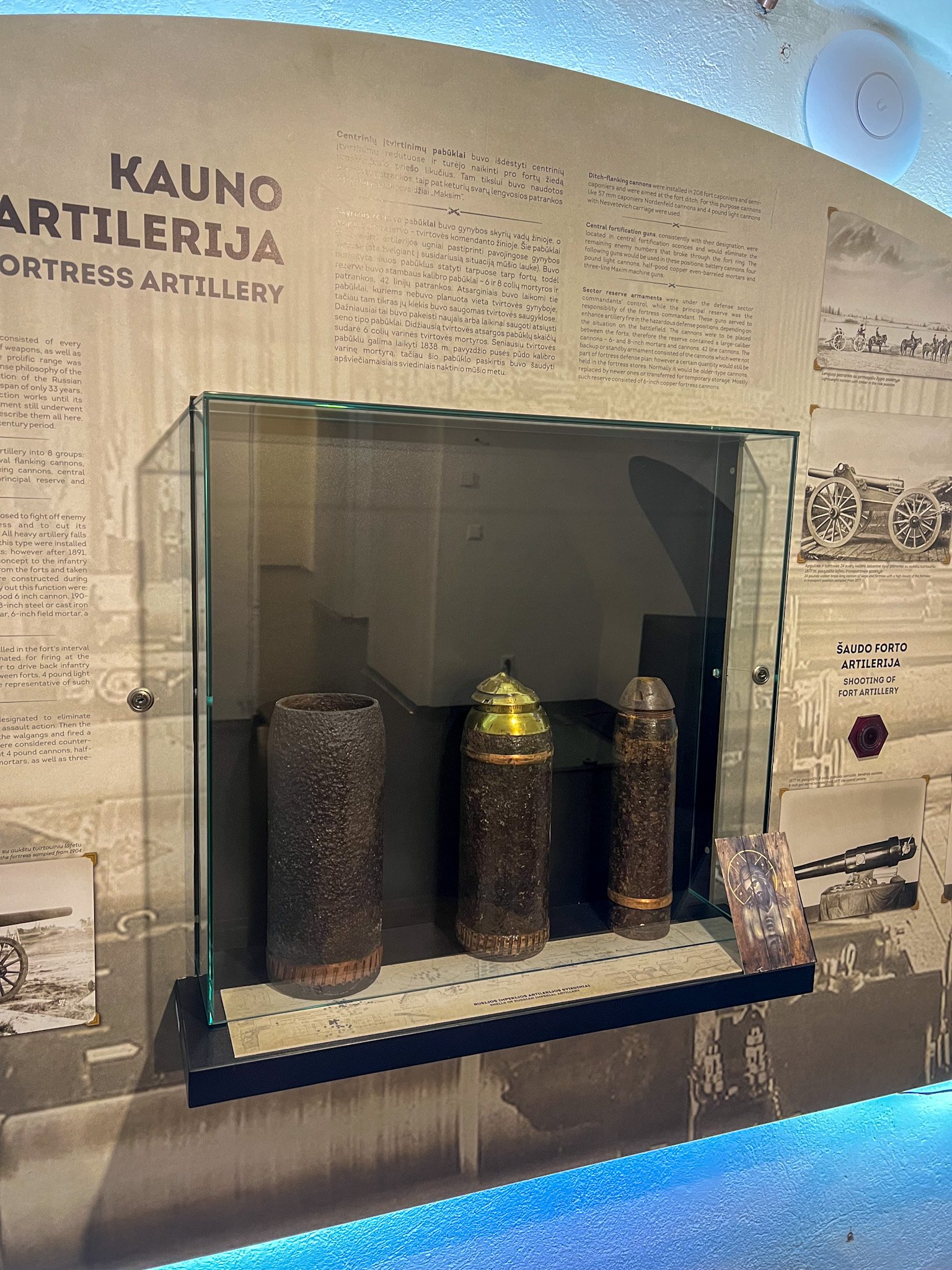
The first exhibition invites you into the history of the Kaunas Fortress, illuminating its construction and significance. The displays are housed in the original barracks and half-caponier of the 9th Fort, providing an authentic backdrop for the story being told. Here, you can explore the various aspects of fortress life and military architecture, including the artillery guns used during World War I.
Visitors have the opportunity to walk through the underground communication galleries, where historical artefacts and models are displayed. This exhibition highlights the fort's evolution over the years and its role in Lithuania’s military history, setting the stage for the events that would unfold in the decades to follow.
Nazi Occupation 1941–1944
As you progress through the museum, the focus shifts to the harrowing experiences of the Nazi occupation. The 9th Fort transformed into a site of unimaginable horror, and the exhibitions here delve into the rise of anti-Semitism and the devastating impact on the Jewish community of Kaunas.
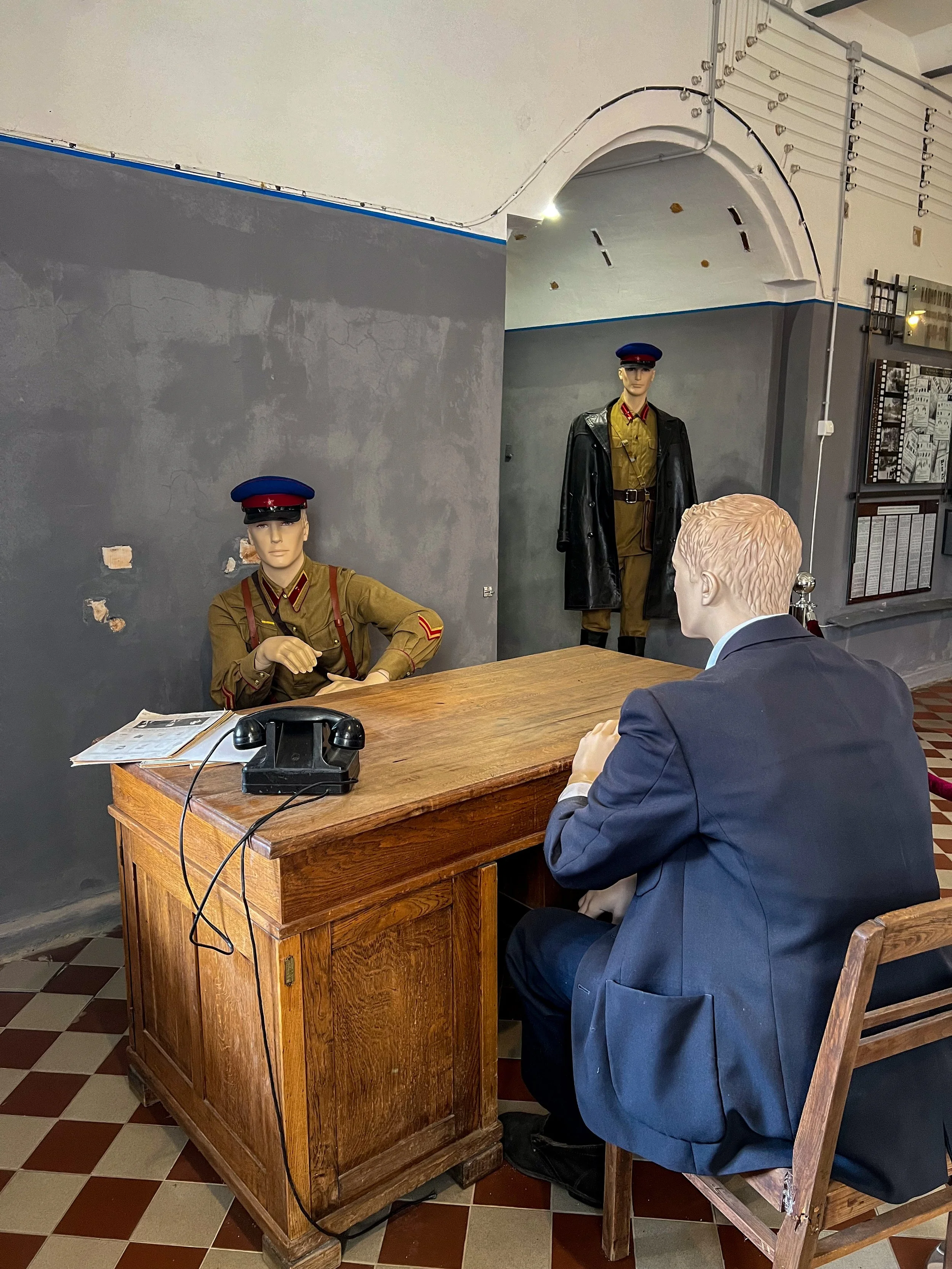
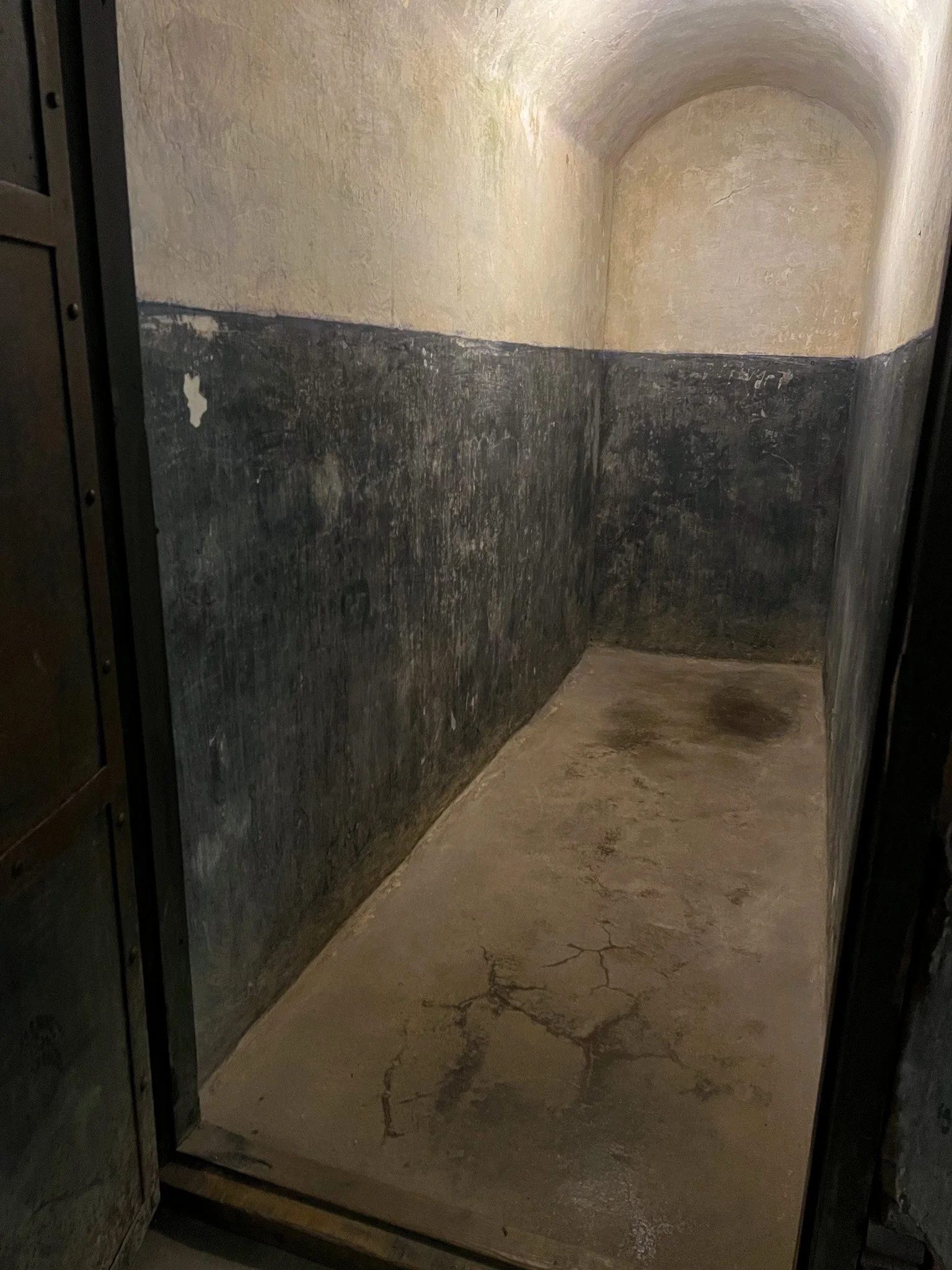
In a meticulously reconstructed prisoner’s cell, visitors can see the conditions endured by those imprisoned here. Walls bear the marks of despair, with last messages from condemned individuals providing a chilling insight into their final moments. The exhibition also highlights the efforts of diplomats who risked their lives to save Jewish families, featuring stories of Chiune Sugihara and Jan Zwartendijk.
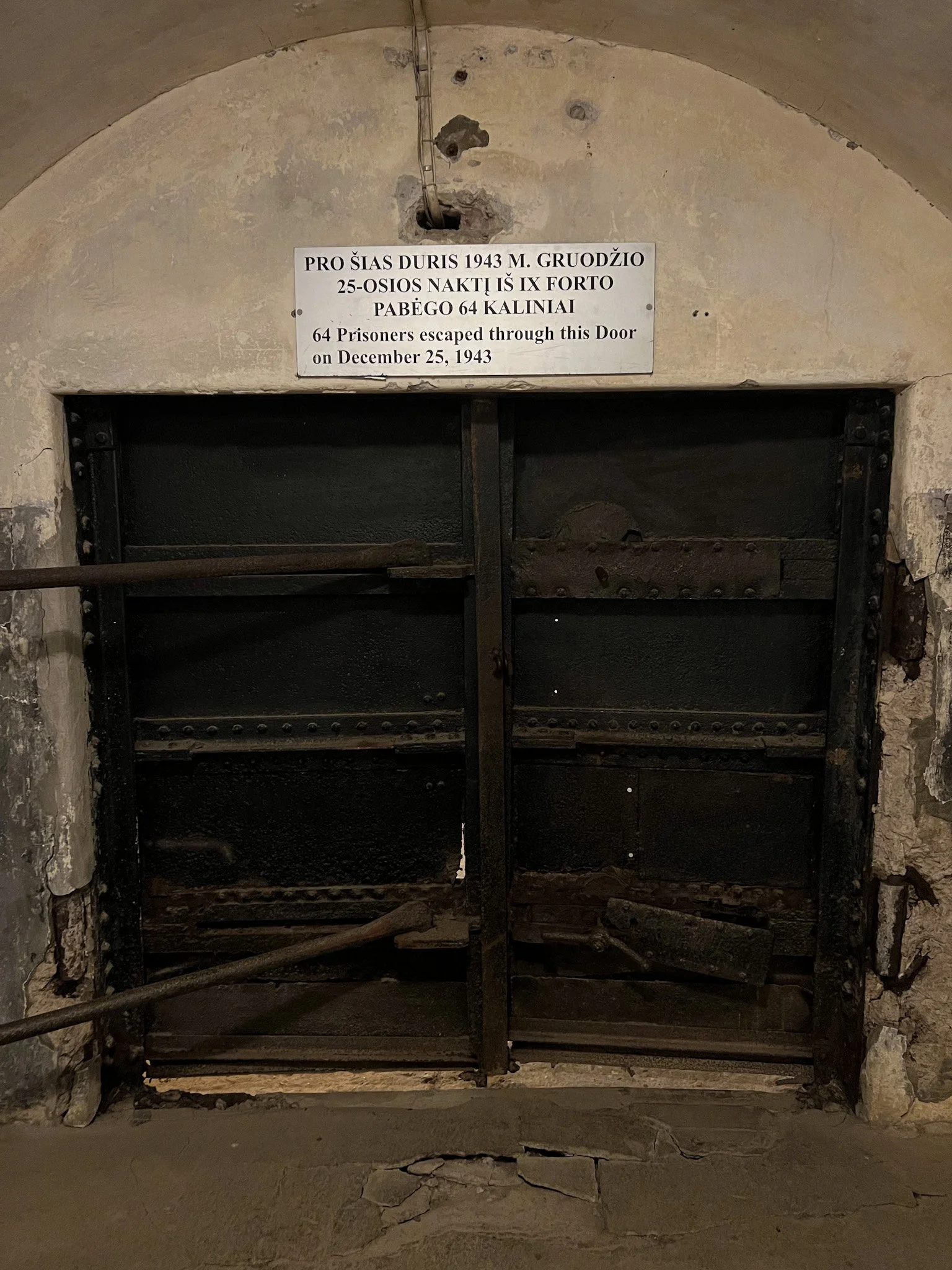
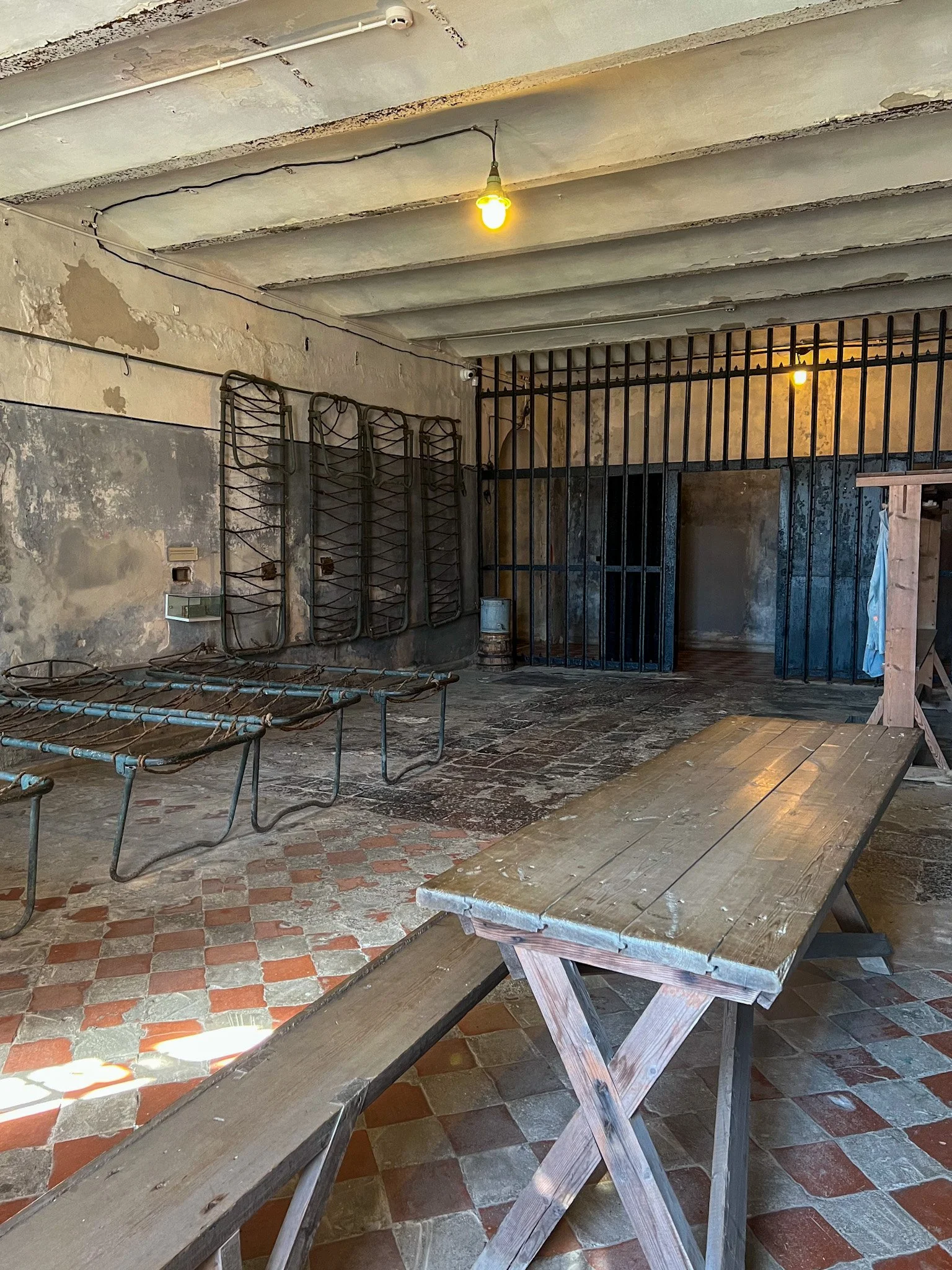
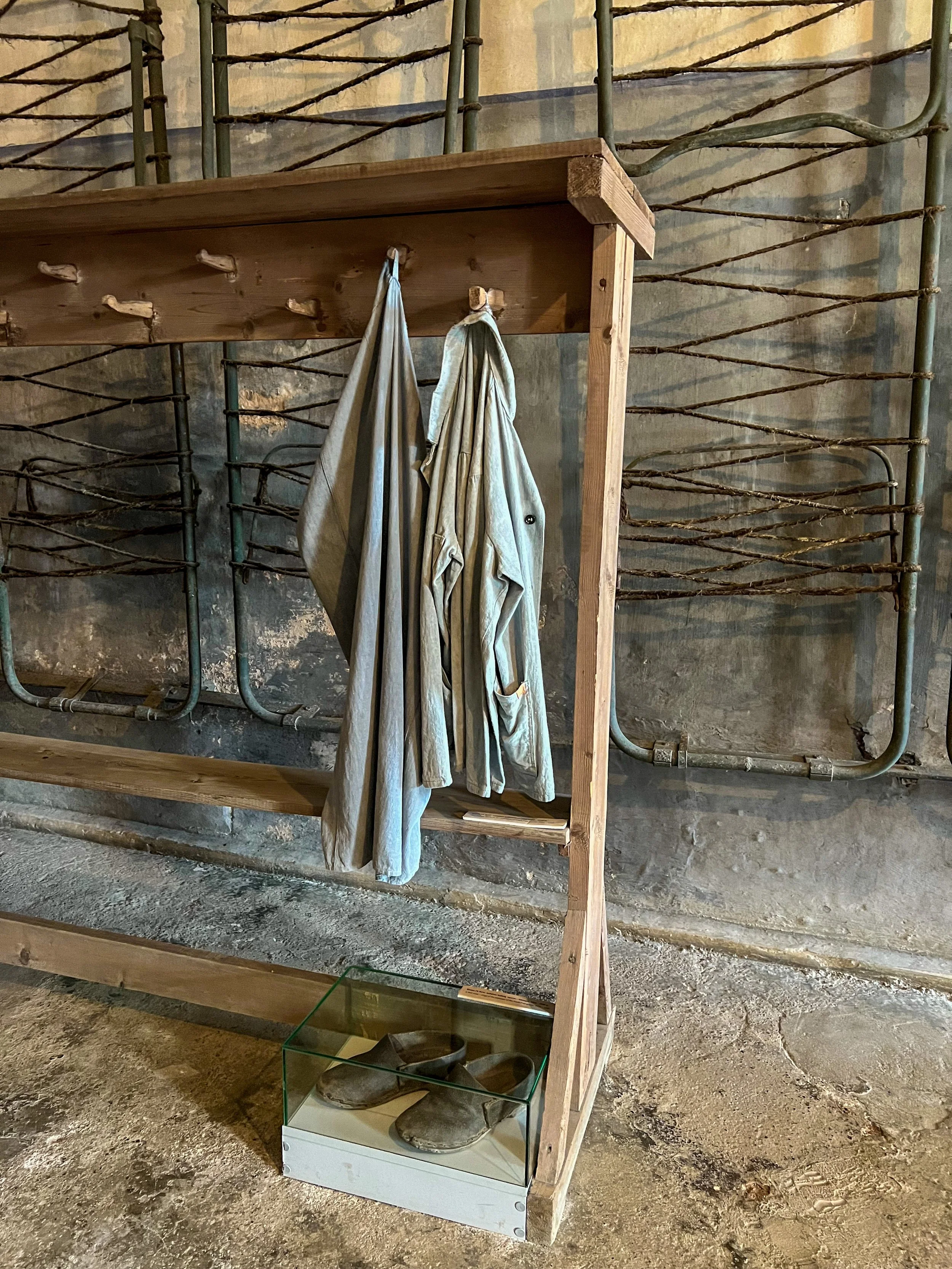
During the Nazi occupation, the Ninth Fort held up to 200 prisoners in its cells. Space was so limited that many had to lie on the floor, as there were not enough beds. Tragically, many of these individuals were executed within days in the fields near the fort or in a nearby defensive ditch.
One of the most horrific episodes of the history of the fort took place on the morning of Tuesday, October 28, 1941. A cold drizzle typical of late autumn fell over Kaunas, when more than 27,000 residents of the Kaunas Ghetto gathered in Demokratu Square. Those who were unable to attend due to illness were shot on the spot during the search.
In the square, the Jews were organised into columns based on the workplace of the family head, forming a total of ten columns. A Gestapo officer, H. Rauca, presided over the selection process, embodying the chilling phrase "the finger of fate." With a wave of his finger, he directed groups of people to the right or left, a seemingly simple gesture that held grave implications. For Rauca, facing the crowd, the meanings of "right" and "left" were inverted, creating confusion among those lined up. As the realization set in that those deemed unfit for work—such as the elderly, the sick, and children—were being sent to one side, a growing sense of dread replaced the initial bewilderment.
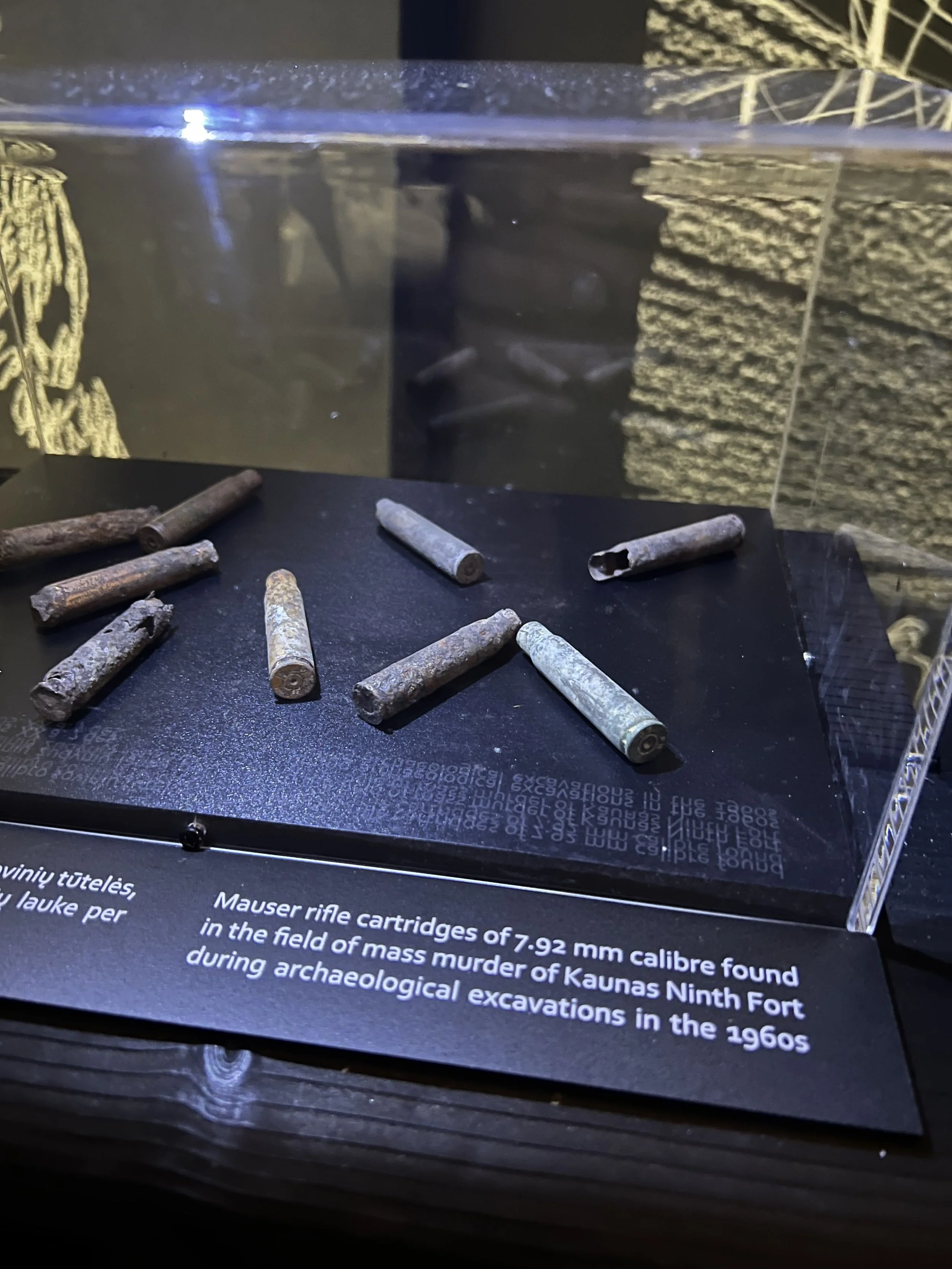
The gathered Jews were taken to the western slope of the fort, where several trenches—200 meters long, 3 meters wide, and about 2 meters deep—had been dug and partially filled with rainwater from the autumn. The condemned were brought to the ditches in groups and ordered to remove their clothing. Following the officers' commands, gunfire from automatic weapons, rifles, and pistols erupted, accompanied by the cries of the wounded. The bodies of those who were killed were covered with quicklime and a thin layer of soil.
Then, another group was brought in, facing the same fate: they fell into the pit atop their relatives, many of whom were still alive. This horrific cycle continued until dusk. In a report dated October 29, K. Jager chillingly referred to the massacre as "a clearing of the ghetto from unnecessary Jews." Never in Lithuania's history had such a massacre occurred, with over nine thousand innocent civilians murdered in a single day. The sheer horror of these events defies imagination. The manifestation of radical evil transcends all understanding, yet it also leaves open the possibility for forgiveness and a fresh start.
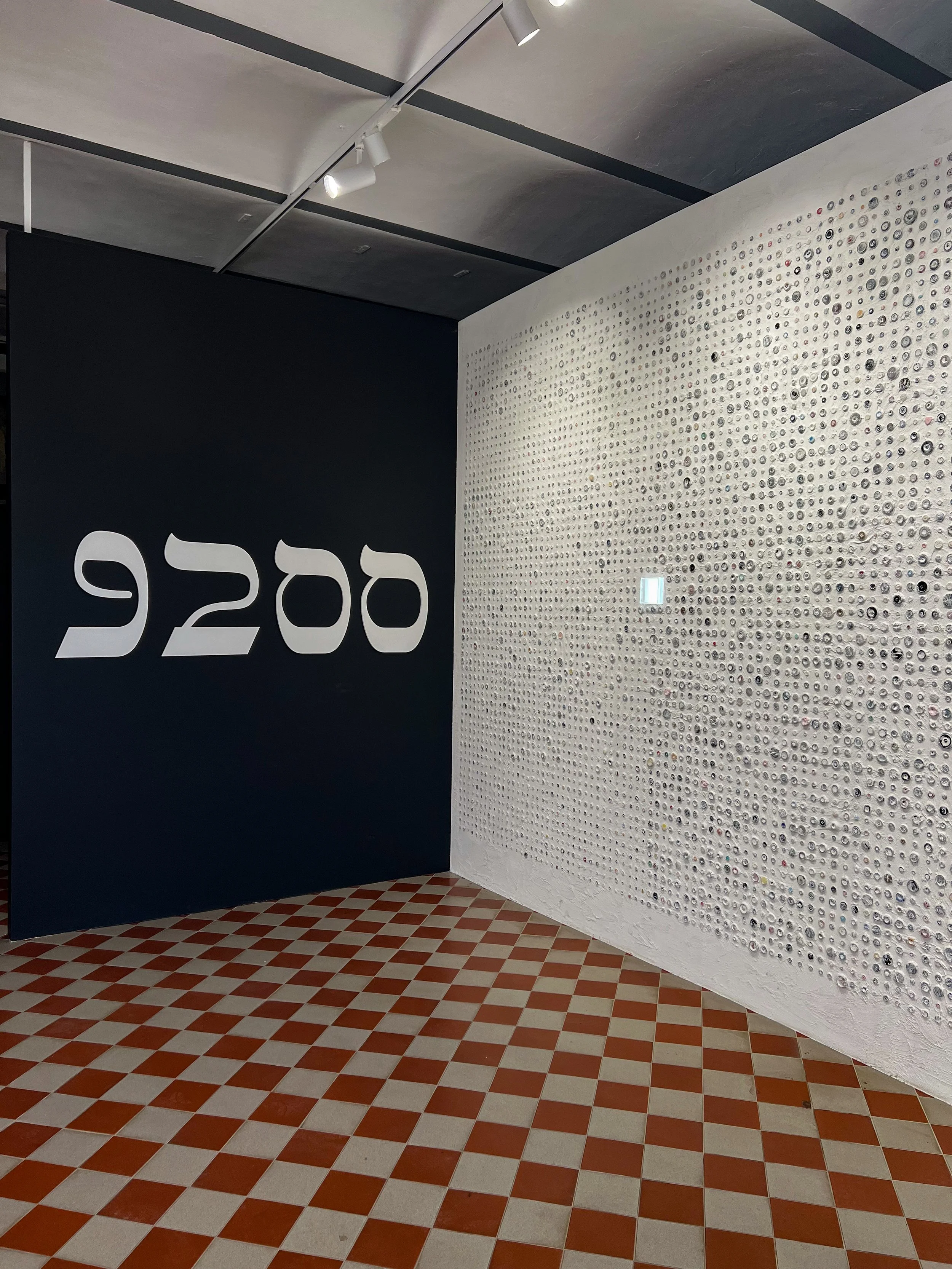
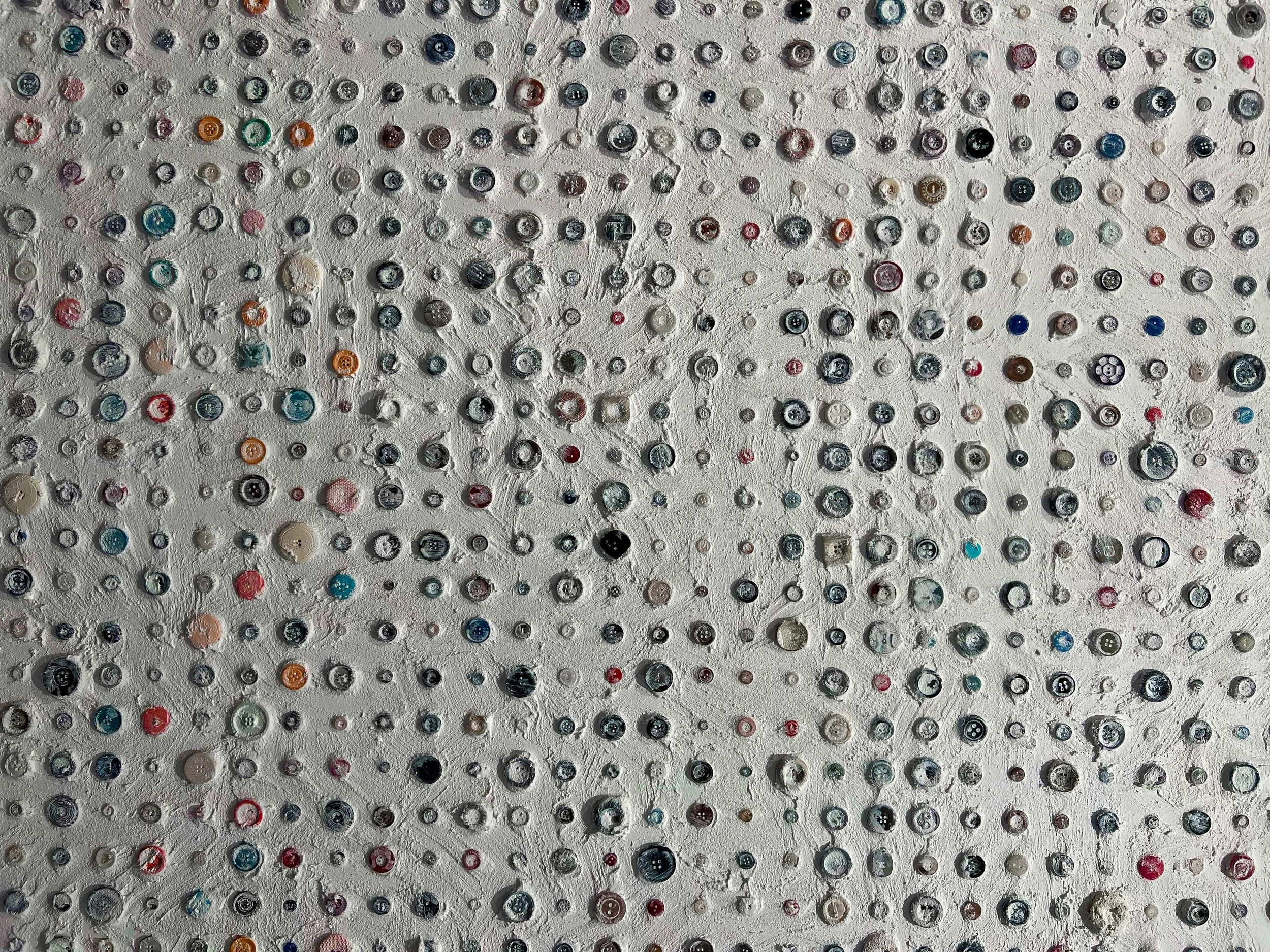
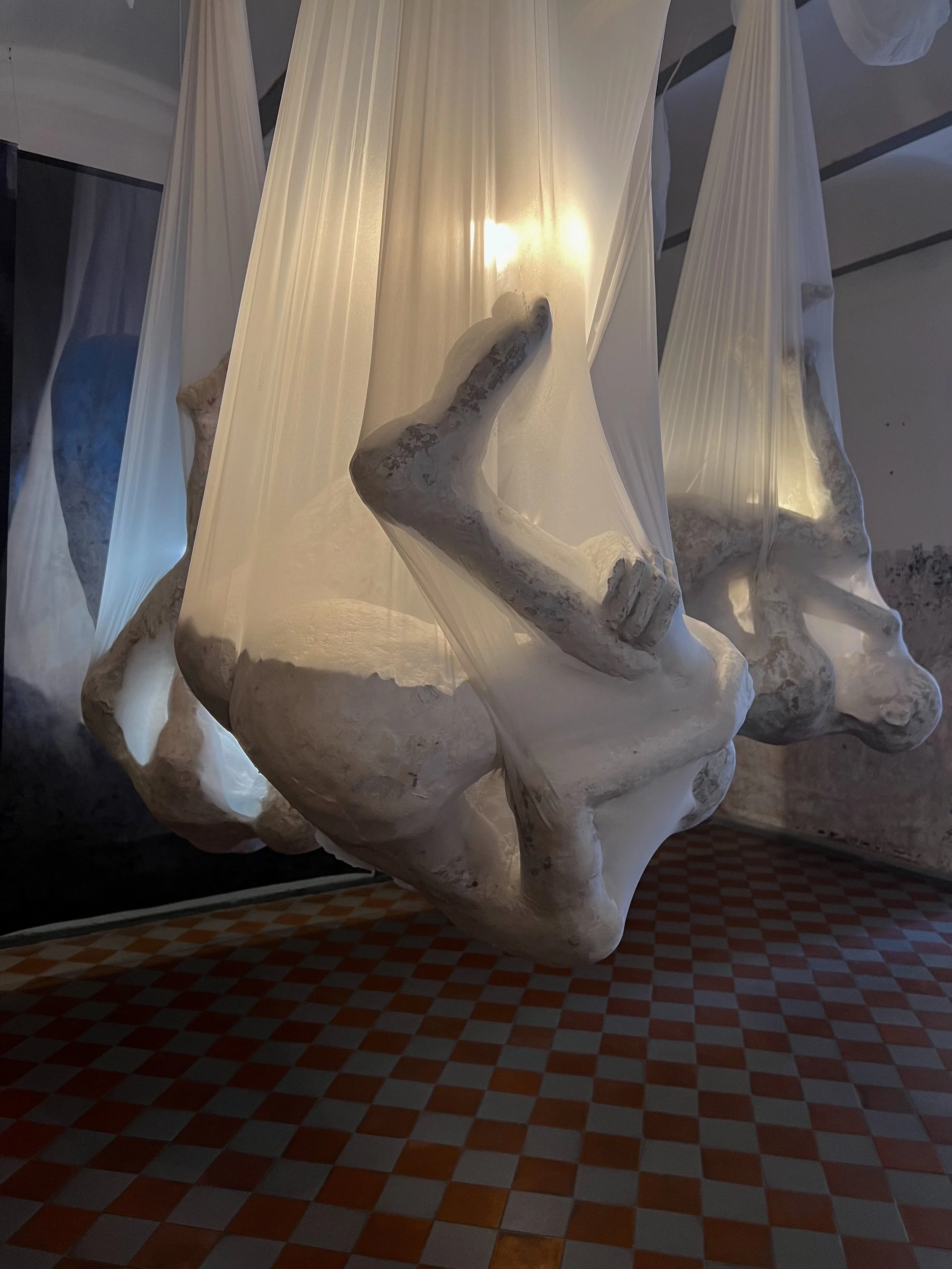
A room featuring 9,200 buttons belonging to the victims of these massacre serves as a heart-wrenching reminder of this tragic chapter in history.
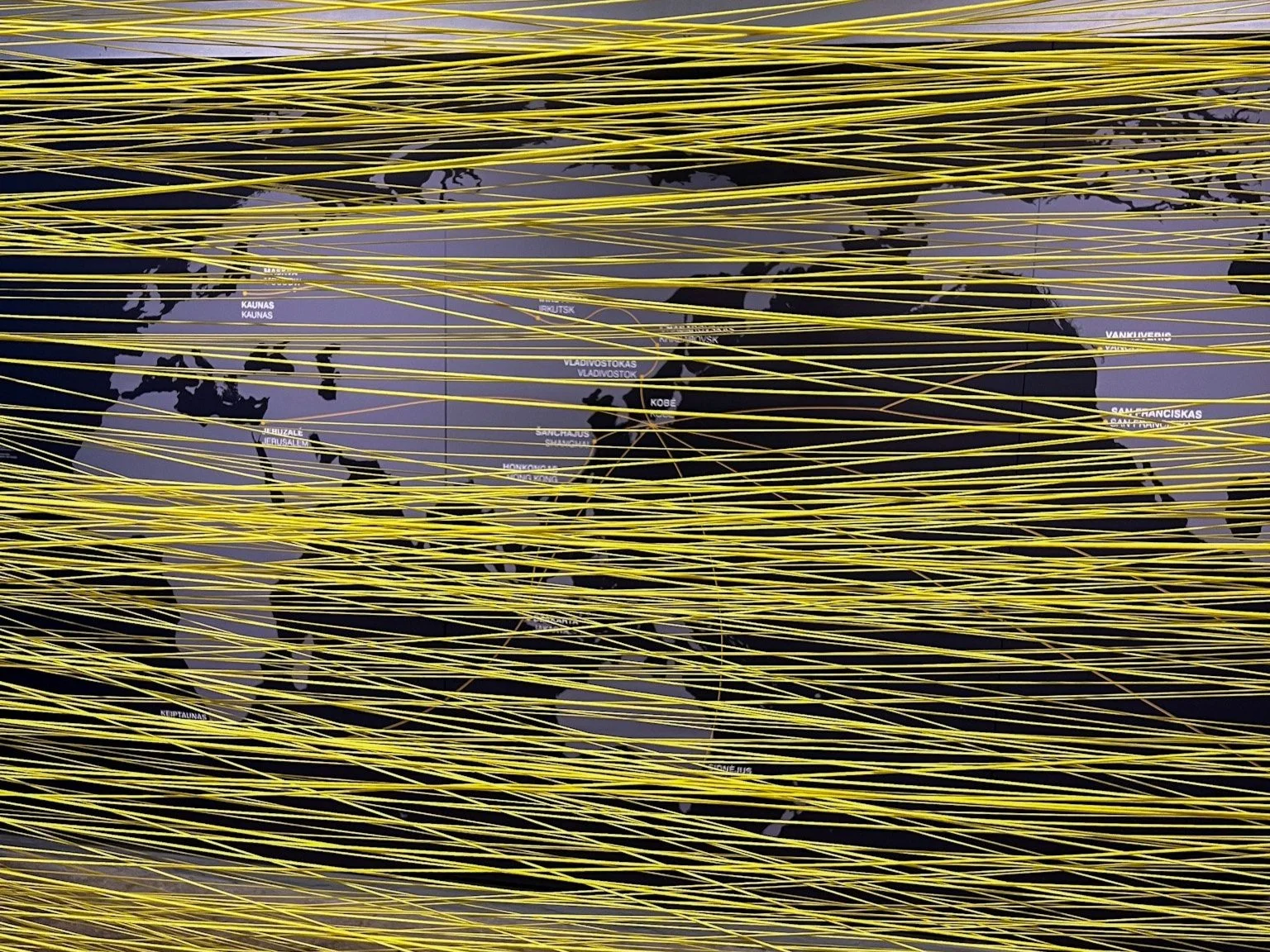
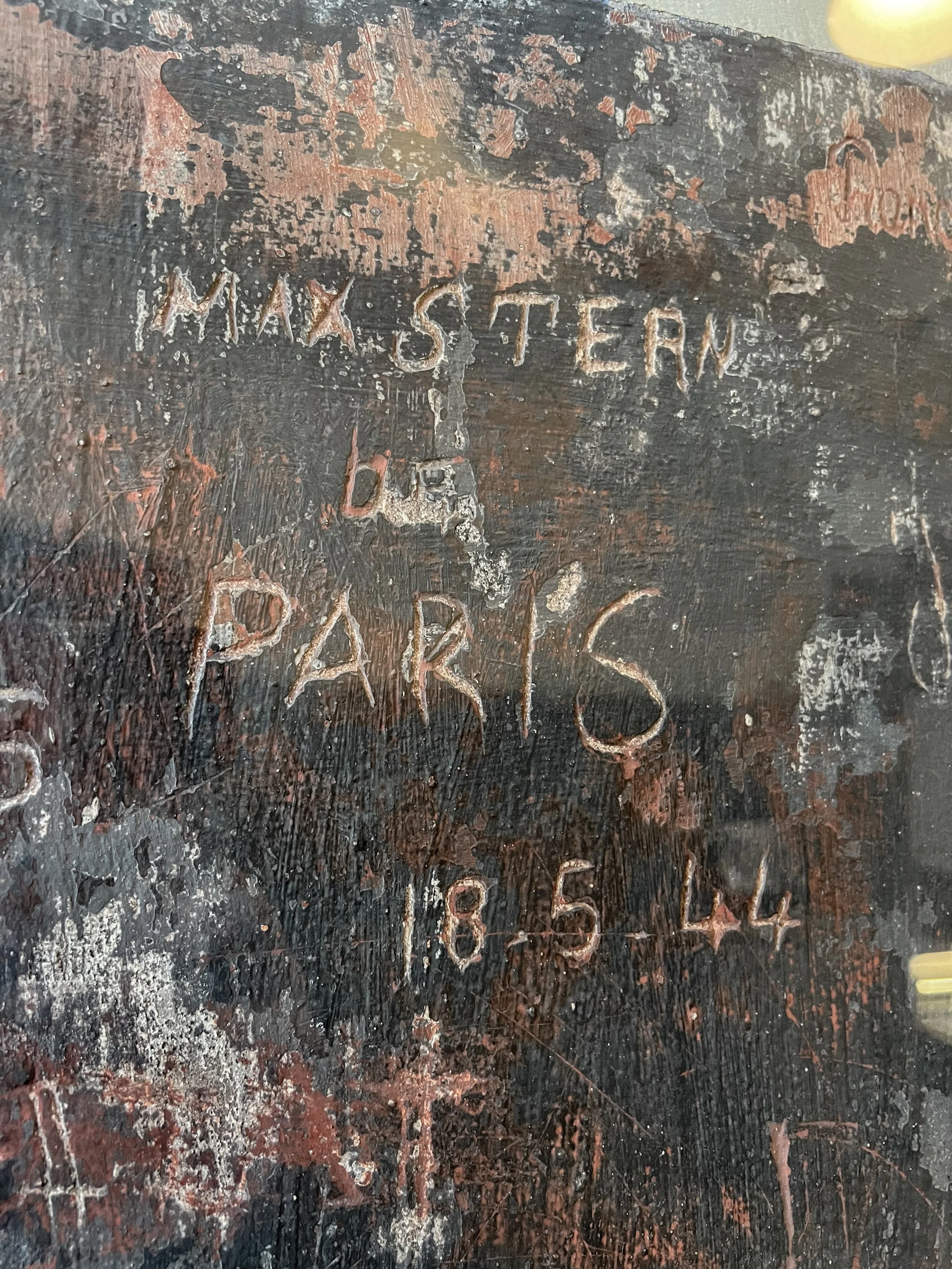
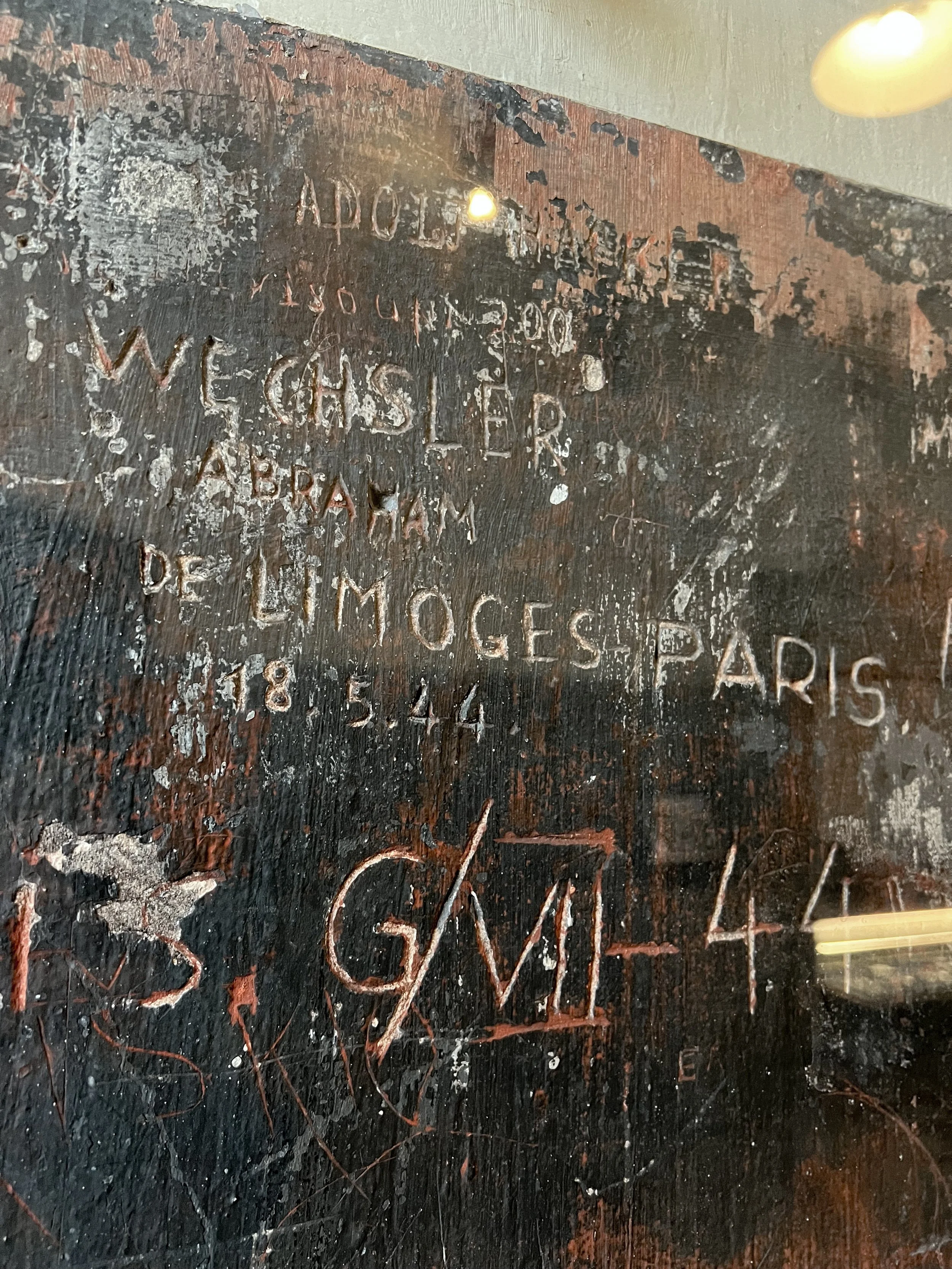
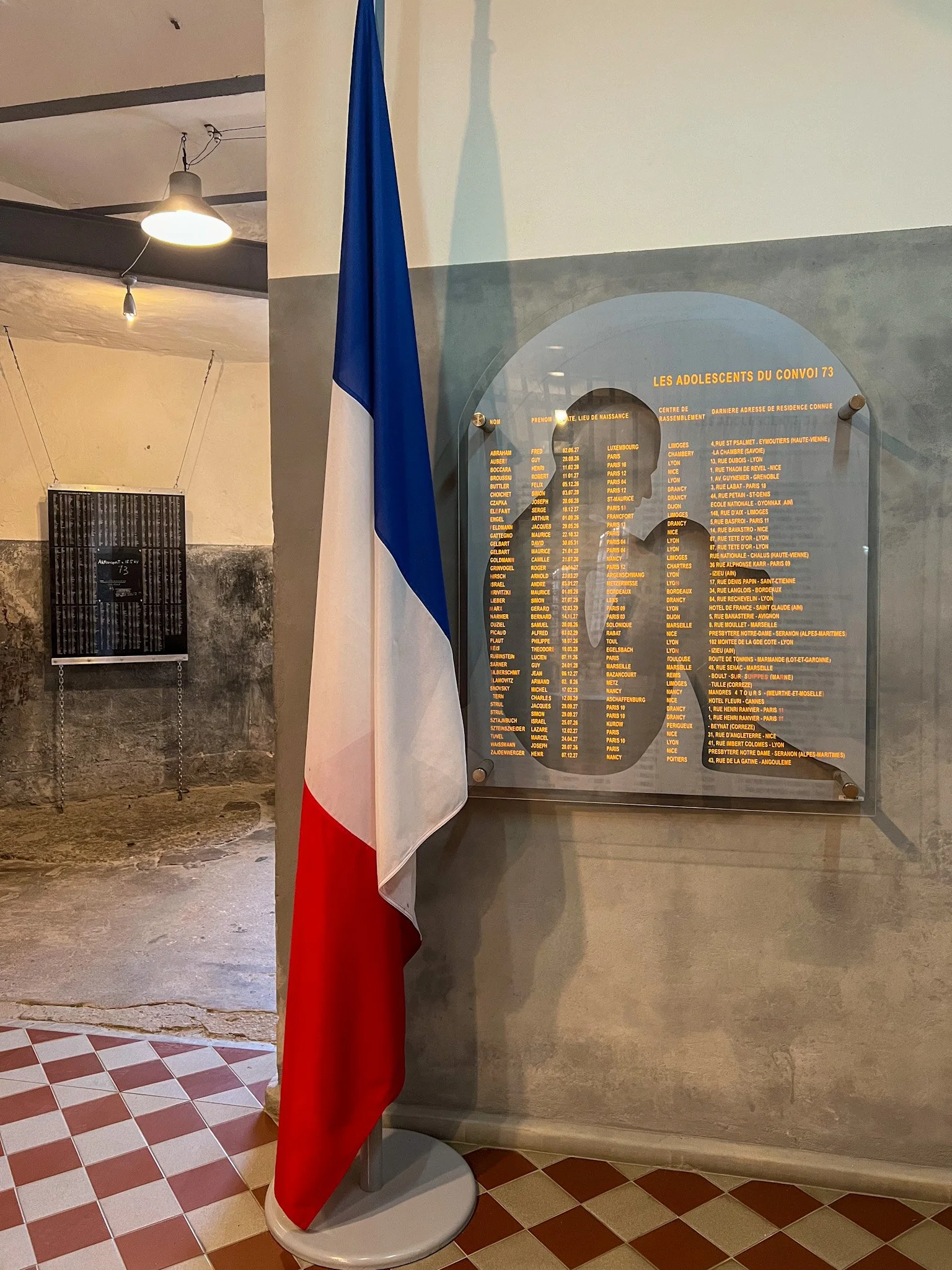
On May 15, 1944, 878 French Jews were deported from Drancy (France) concentration camp to the Baltic states occupied by Germany. Most of them were forced to get off in Kaunas train station and brought to the Ninth Fort, where they were fusilladed. This is the last mass massacre known to have been executed in the Ninth Fort.
French Jews on Convoy 73 were deported to the Baltic States occupied by the Nazi Germany. Many of them from Kaunas railway station were escorted to the Ninth Fort and few days later were killed in the mass graves. Others were killed at the wood in Pravieniskes and Tallinn (Estonia). Only 22 of the deportees survived.
The dying inscriptions left by the French Jews and other prisoners can be seen on the walls.
Soviet Occupation 1940-1941 and 1944-1990
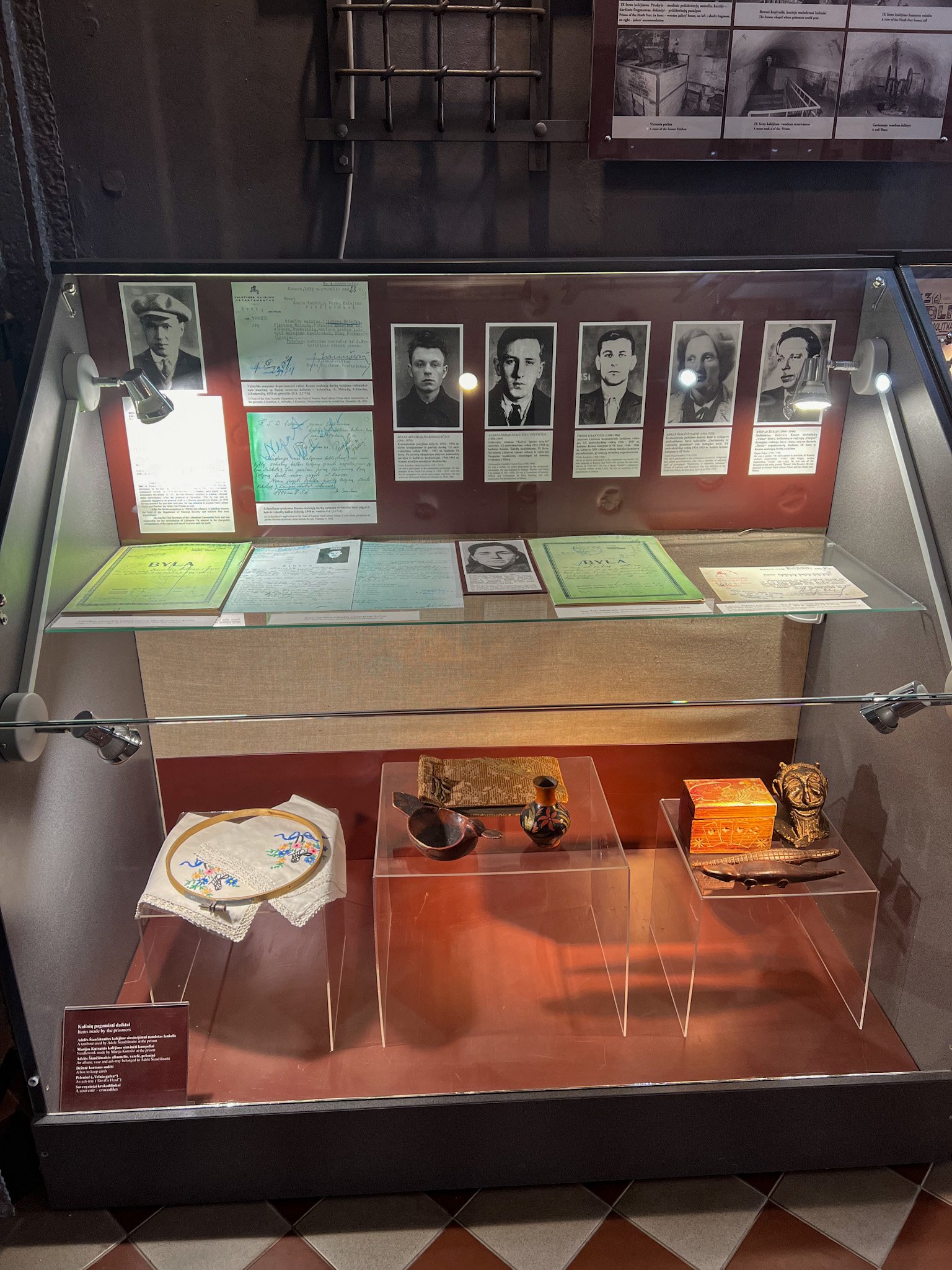
The next exhibition explores Lithuania’s dual experiences under Soviet rule, beginning with the first occupation in 1940. The 9th Fort once again became a site for political prisoners, and the exhibition recounts the stories of notable figures who were imprisoned here. Visitors can view personal objects, photographs, and documents that paint a vivid picture of life under oppression.
From 1924 to 1940, the division of the Ninth Fort served as a hard-labour prison for both criminal and political inmates. With the onset of Soviet occupation in 1940, the Ninth Fort became the sole transfer point for political prisoners in Lithuania. It was here that political and social figures from Independent Lithuania were processed and dispatched to labor camps in distant regions of the Soviet Union.
The narratives are touching, offering insights into the lives of engineers, teachers, and other prominent Lithuanians whose dreams were shattered by political turmoil. This part of the exhibition serves as a reminder of the resilience of the human spirit in the face of adversity.
Kaunas Hard Labour Prison 1924–1940
A visit to the 9th Fort would be incomplete without exploring its role as a hard labor prison during Lithuania’s first independent republic. This exhibition presents a detailed look at the daily lives of both criminal and political prisoners. Visitors can walk through three historic punishment cells, aptly named “Wet,” “Resort,” and “Concrete Sack,” each designed to instil fear and maintain control.
The layout of the prison area provides a stark contrast to the fort’s grand architecture, highlighting the harsh realities of imprisonment. An experienced guide, often portrayed by a character named Jurgis dressed in a warden’s uniform, adds depth to the experience, leading visitors through the somber spaces while sharing stories of the past.
Memorials
After visiting the museum and its many exhibitions, the surrounding grounds also offer several significant memorials and historical landmarks that are well worth exploring. One of the most evocative memorials at the 9th Fort Museum is the "Souls" art composition. This evocative installation features hundreds of bells that symbolise the lost souls of the Holocaust. As the wind gently stirs them, the bells ring out, creating a haunting melody that resonates through the air. This soundscape offers an incredibly moving experience, contrasting sharply with the quiet and eerie atmosphere of the fort.
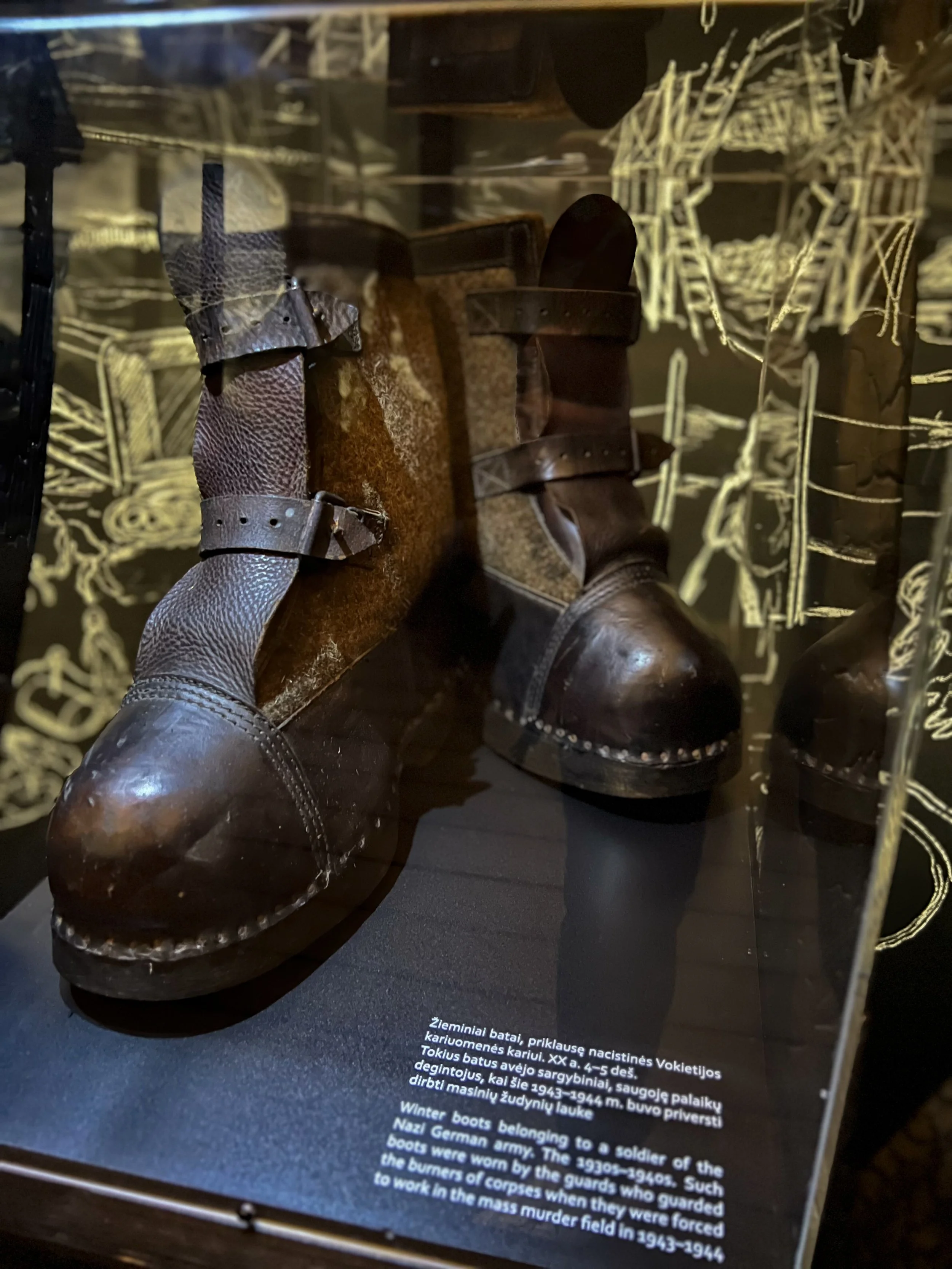
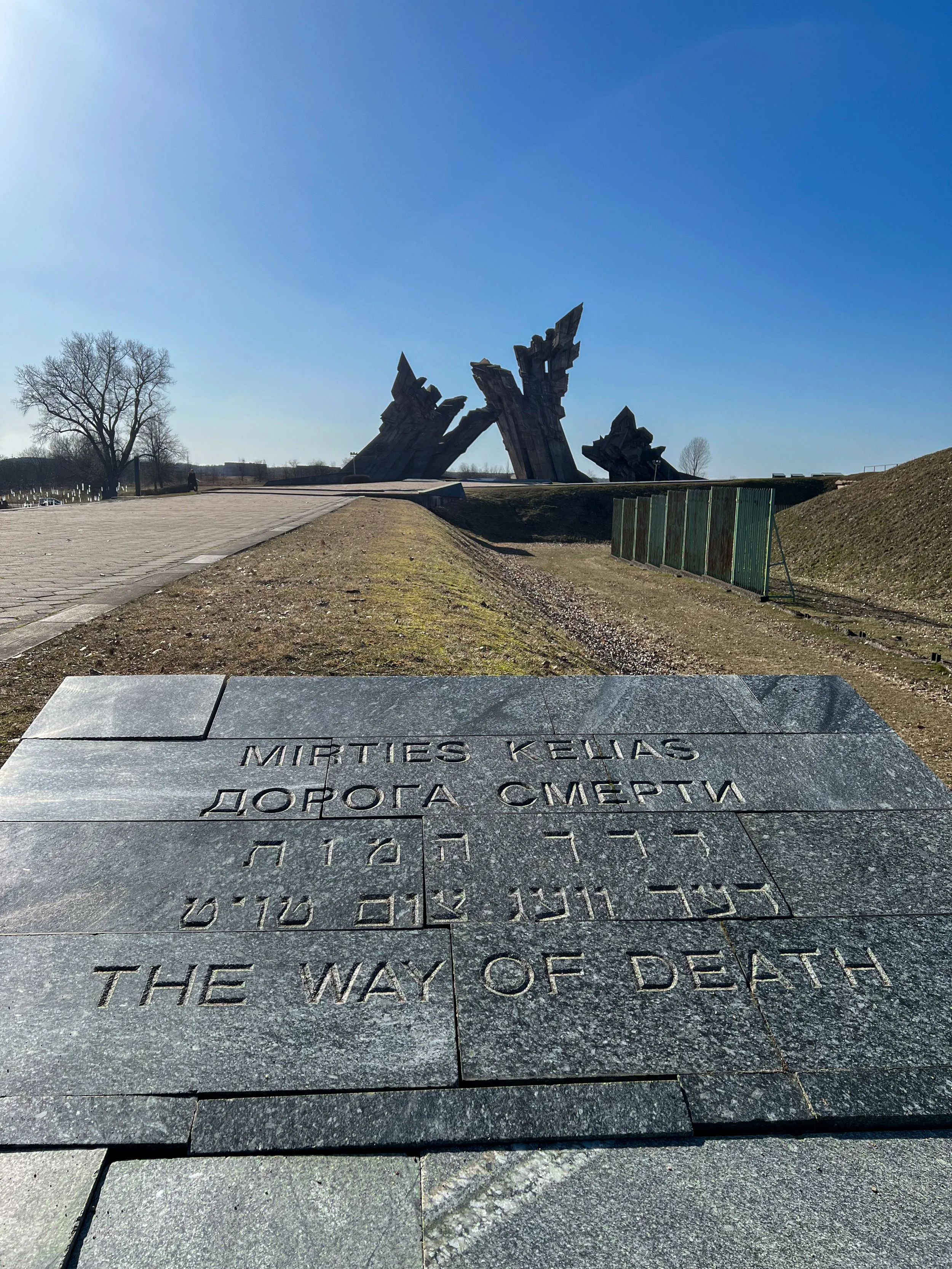
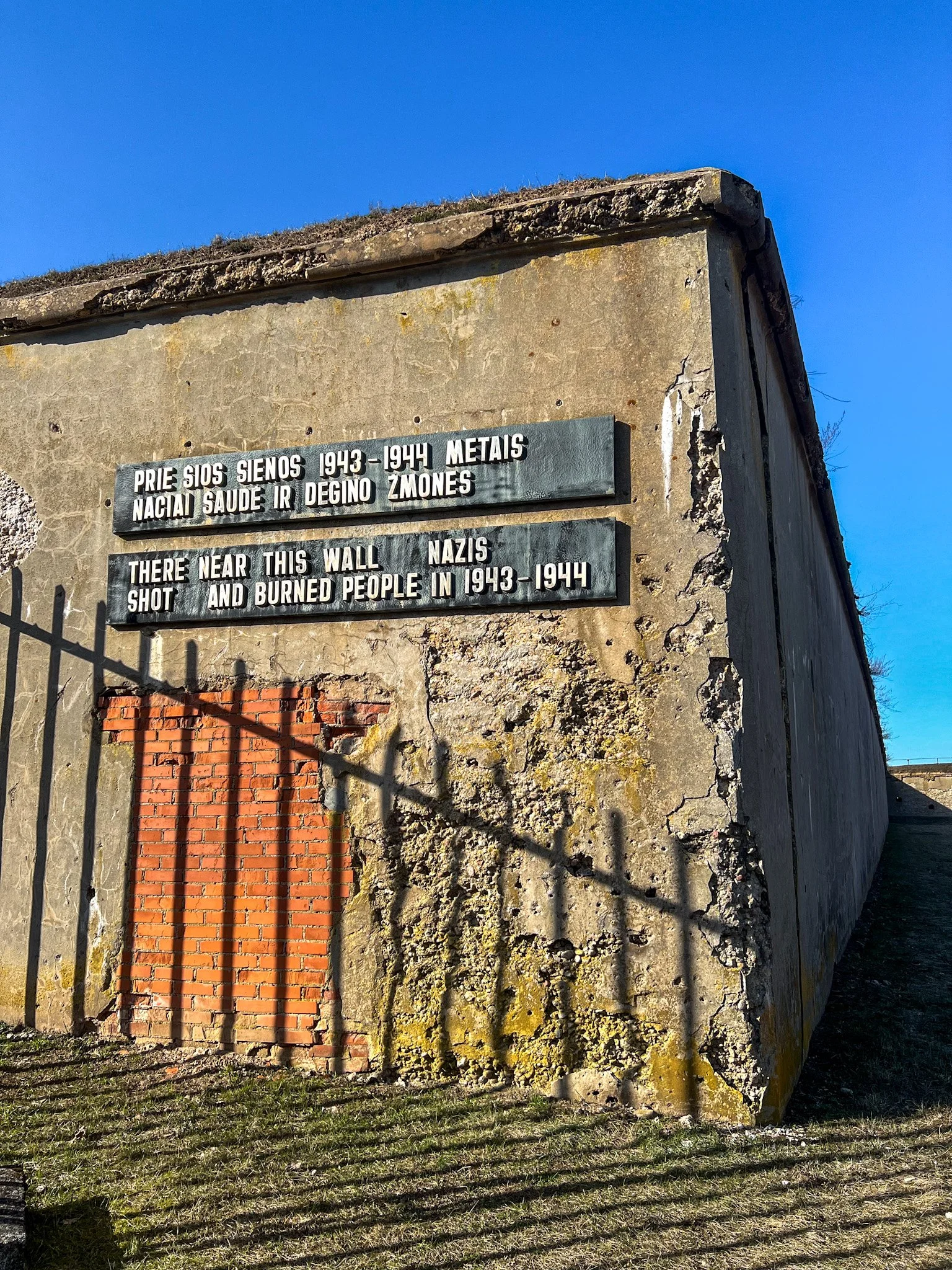
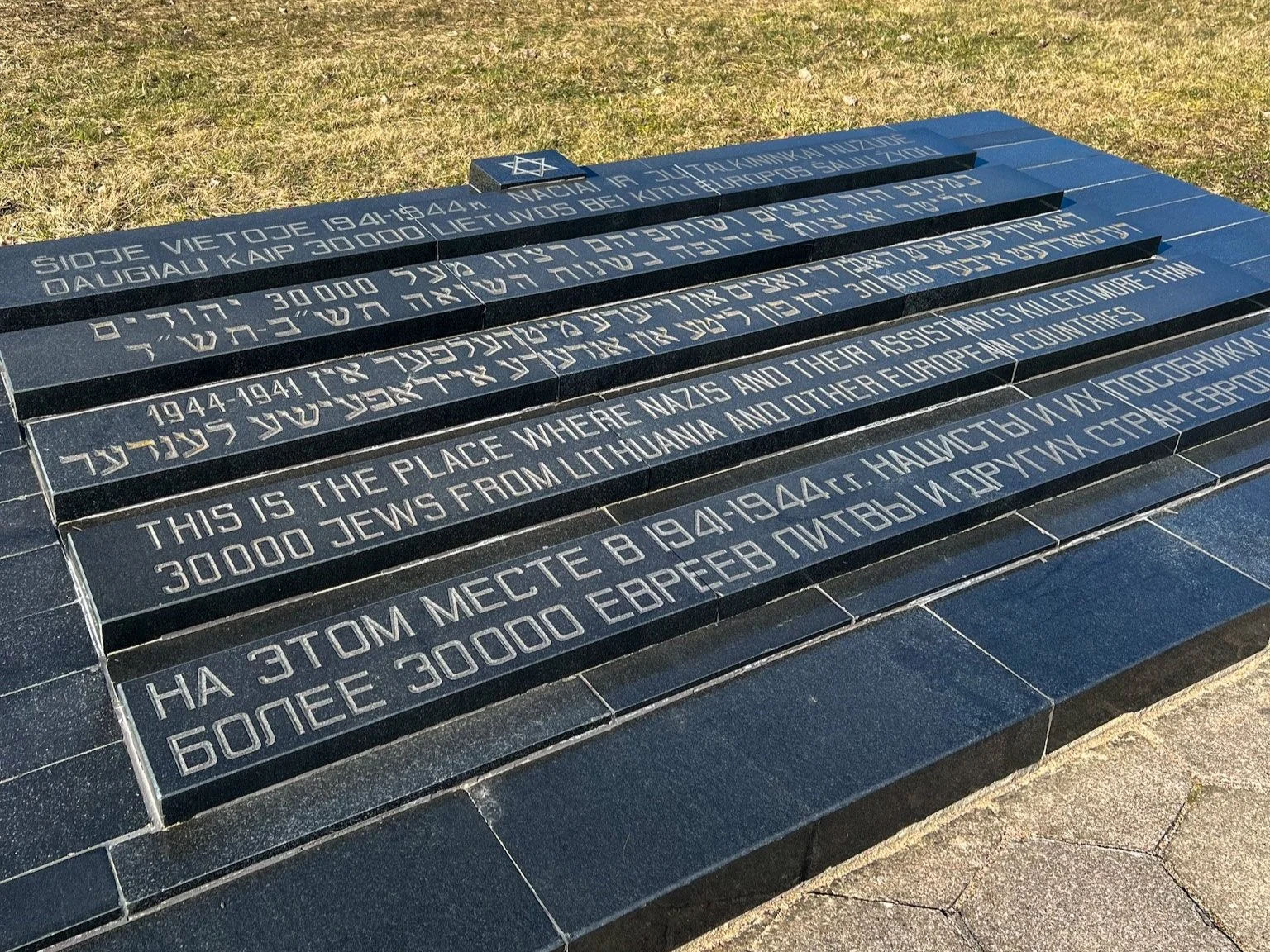
You can also visit the memorials dedicated to the Way of Death, a site where the Nazis and their collaborators tragically took the lives of over 30,000 Jews from Lithuania and other European countries. Among these memorials, there is a somber wall that marks the spot where thousands of individuals were executed and burned between 1943 and 1944. Additionally, a memorial honours the mass grave where more than 50,000 Jews, Lithuanians, and Russians were killed and buried by the Nazis.
Monument to the Victims of Nazism
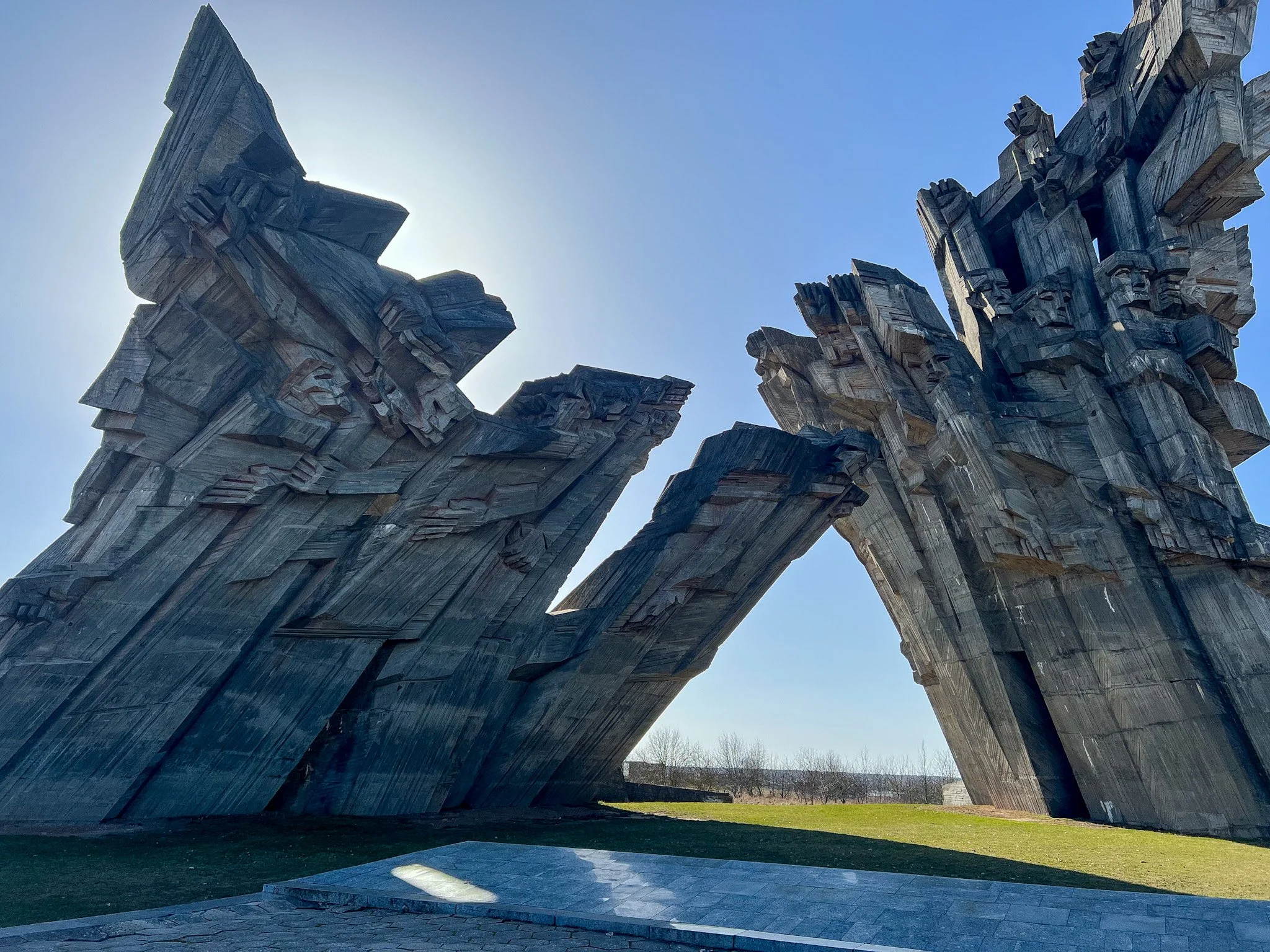
The most striking tribute is the Monument to the Victims of Nazism. Rising to a height of 105 feet (32 meters), the monument's imposing structure captures the gravity of its purpose and serves as a powerful tribute to the tragic history of those who perished during the Holocaust.
Designed by Lithuanian sculptor Alfonsas Vincentas Ambraziūnas, the monument was unveiled in 1984. At its base lies a grass field that marks the mass burial site of the victims, featuring a straightforward yet impactful inscription in multiple languages: “This is the place where Nazis and their assistants killed about 45,000 Jews from Lithuania and other European countries.” This stark message serves to educate visitors and ensure that the memory of the victims is preserved.
The monument not only reflects the sorrow of those lost but also embodies the resilience of the human spirit, it also encapsulates themes of struggle, death, and rebirth. Sadly, the memorial has not been immune to acts of vandalism, such as the incidents in April 2011, when swastikas were spray-painted on its surfaces, highlighting the ongoing challenges of confronting this painful history.
Visiting the Kaunas 9th Fort Museum is not just an exploration of history; it’s a profound journey into the past that prompts reflection on the resilience of the human spirit. The haunting exhibits, moving memorials, and thought-provoking art installations collectively create a space for remembrance and learning. As you walk through the fort's grounds, you’ll gain a deeper understanding of the complexities of Lithuania's history during World War II and the impact of the Holocaust.
This site invites visitors to engage with the narratives of those who suffered and to honour their memory in a respectful manner. Whether you're an avid history buff or simply looking for a meaningful experience, the 9th Fort offers an opportunity to connect with the past in a powerful way. Make sure to allocate enough time to absorb the various exhibitions and installations, and take a moment to reflect on the lessons they impart. Your visit will undoubtedly leave a lasting impression, reminding you of the importance of historical awareness and the need for compassion in today’s world.
Some links in this post are affiliate links, which means that if you buy through them, we’ll receive a small commission. This will never cost you more and in many cases you will receive a special discount.
As always, all opinions are mine. We appreciate your support!


Welcome to Sarajevo, a city steeped in history, culture, and resilience. Nestled within the heart of Bosnia and Herzegovina, Sarajevo is a captivating blend of East and West, where centuries-old traditions meet modern-day vibrancy. With its rich tapestry of Ottoman, Austro-Hungarian, and Yugoslav influences, Sarajevo offers visitors a truly unique and unforgettable experience.
In this bustling metropolis, where minarets punctuate the skyline and cobblestone streets weave through a maze of charming neighbourhoods, every corner tells a story. From the echoes of the past in the Old Town to the recent scars of the Bosnian war, Sarajevo beckons travellers to immerse themselves in its captivating atmosphere.
Join me on this 3-day itinerary of Sarajevo as we explore its iconic landmarks, savour its culinary delights, and uncover the hidden gems that make Sarajevo a destination like no other!