
Reykjavik: 24 hours in the capital of Iceland
Reykjavik, the vibrant capital of Iceland, offers an enchanting blend of culture, stunning landscapes, and rich history—all within a compact and walkable city. In just 24 hours, you can marvel at landmarks like the iconic Hallgrímskirkja, explore the bustling Harpa Concert Hall, or immerse yourself in Icelandic heritage at one of Reykjavik’s fascinating museums.
This one-day guide will take you through the city’s must-see attractions and hidden treasures, ensuring your visit to Reykjavik is nothing short of unforgettable!
What to see in Reykjavík: 24-hour itinerary
Arriving in Reykjavík for our six-day tour of Iceland, we were eager to explore the natural wonders that make this country so unique. As most visitors fly into Keflavík Airport, located just outside of the capital, it's a great idea to spend at least one day in Reykjavík before heading out to discover Iceland's incredible landscapes.
The capital city is a vibrant hub, offering a mix of modern culture, history, and stunning architecture, making it the perfect starting point for any Icelandic adventure.
Hallgrímskirkja
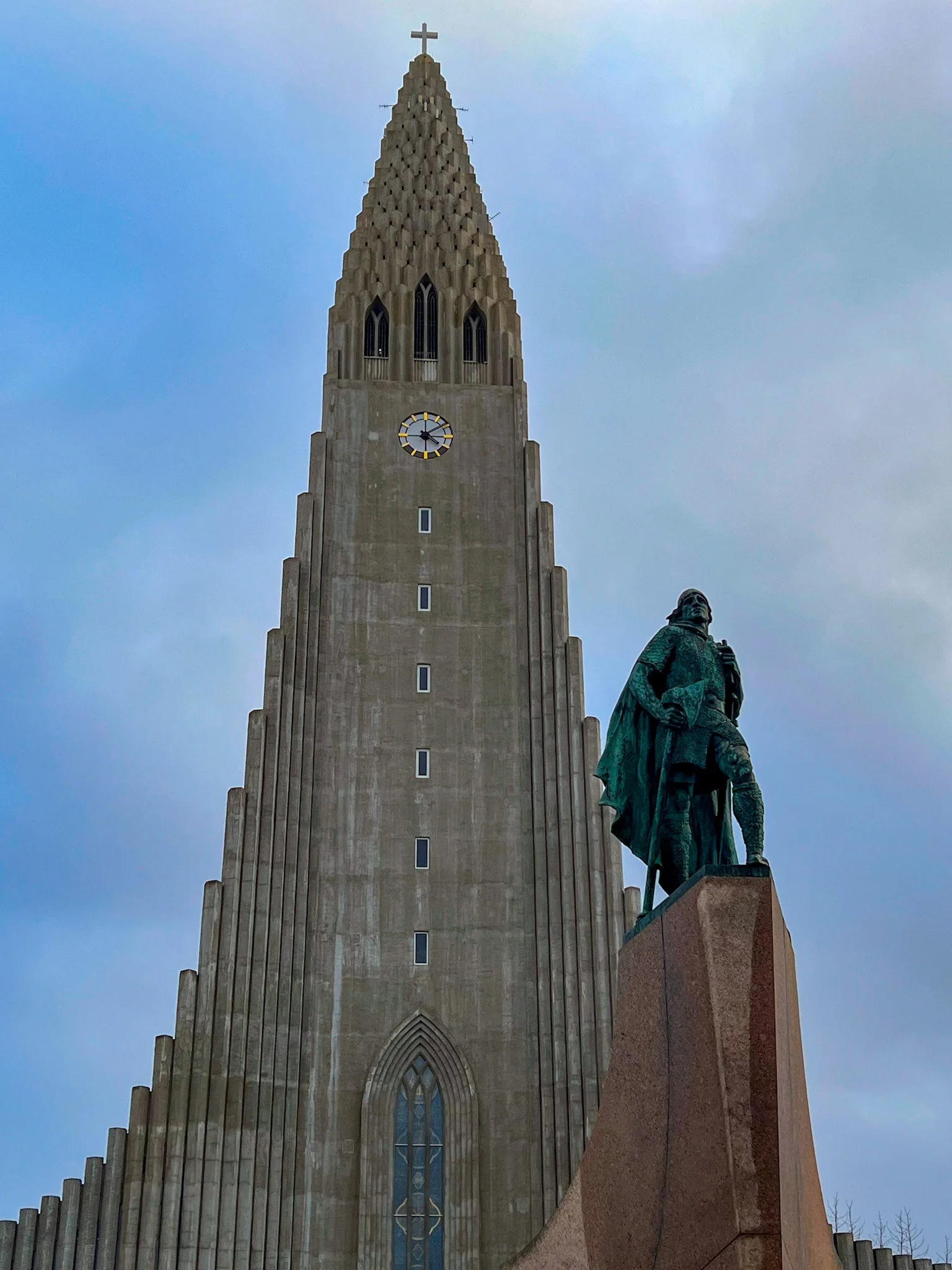
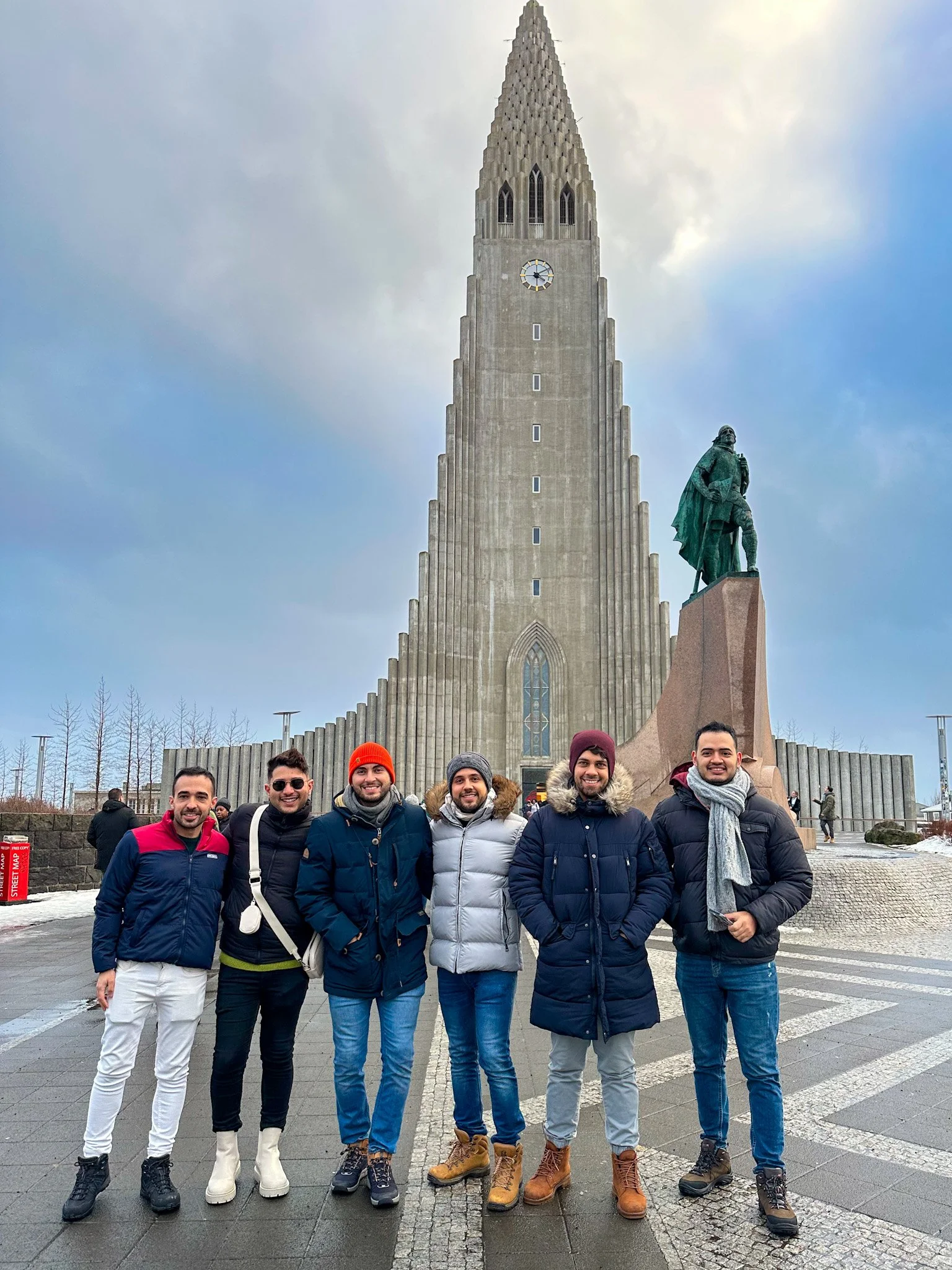
Our first stop in Reykjavik was one of the most recognisable symbols of the city, Hallgrímskirkja, or the Church of Hallgrímur. Standing tall at 74.5 meters, this striking Lutheran parish church located on the hilltop Skólavörðuholt in the city centre.
Its towering spire and curved side wings make it a defining landmark of the city skyline and a national symbol of Icelandic identity. Designed by State Architect Guðjón Samúelsson, the church draws inspiration from Iceland's dramatic landscapes, particularly its basalt column formations like those at Svartifoss. The structure’s design reflects an Expressionist architectural style, characterized by dynamic forms and a break from traditional styles, akin to the influence of Denmark’s Grundtvig's Church and Germany’s Kirche am Hohenzollernplatz.
The construction of Hallgrímskirkja spanned over four decades, from 1945 to 1986. Initially criticized for its blend of architectural styles, the church has since become a beloved icon. Its landmark tower, completed early in 1974, provides an observation deck offering panoramic views of Reykjavík and its surrounding natural beauty. The interior, encompassing 1,676 square meters, is home to two significant pipe organs, including a grand organ built by Johannes Klais of Bonn. This impressive instrument, with 5275 pipes and a height of 15 meters, was completed in 1992, enhancing the church's role as a venue for music and worship.
Beyond its architectural grandeur, Hallgrímskirkja holds deep cultural and spiritual significance. Visitors can light candles in remembrance of loved ones, admire the statue of Jesus by Einar Jónsson near the nave, or reflect on Iceland’s history at the Leif Erikson statue in front of the church. This statue, gifted by the United States in 1930, celebrates the millennium of Iceland’s parliament, the Althing.
Rainbow Street
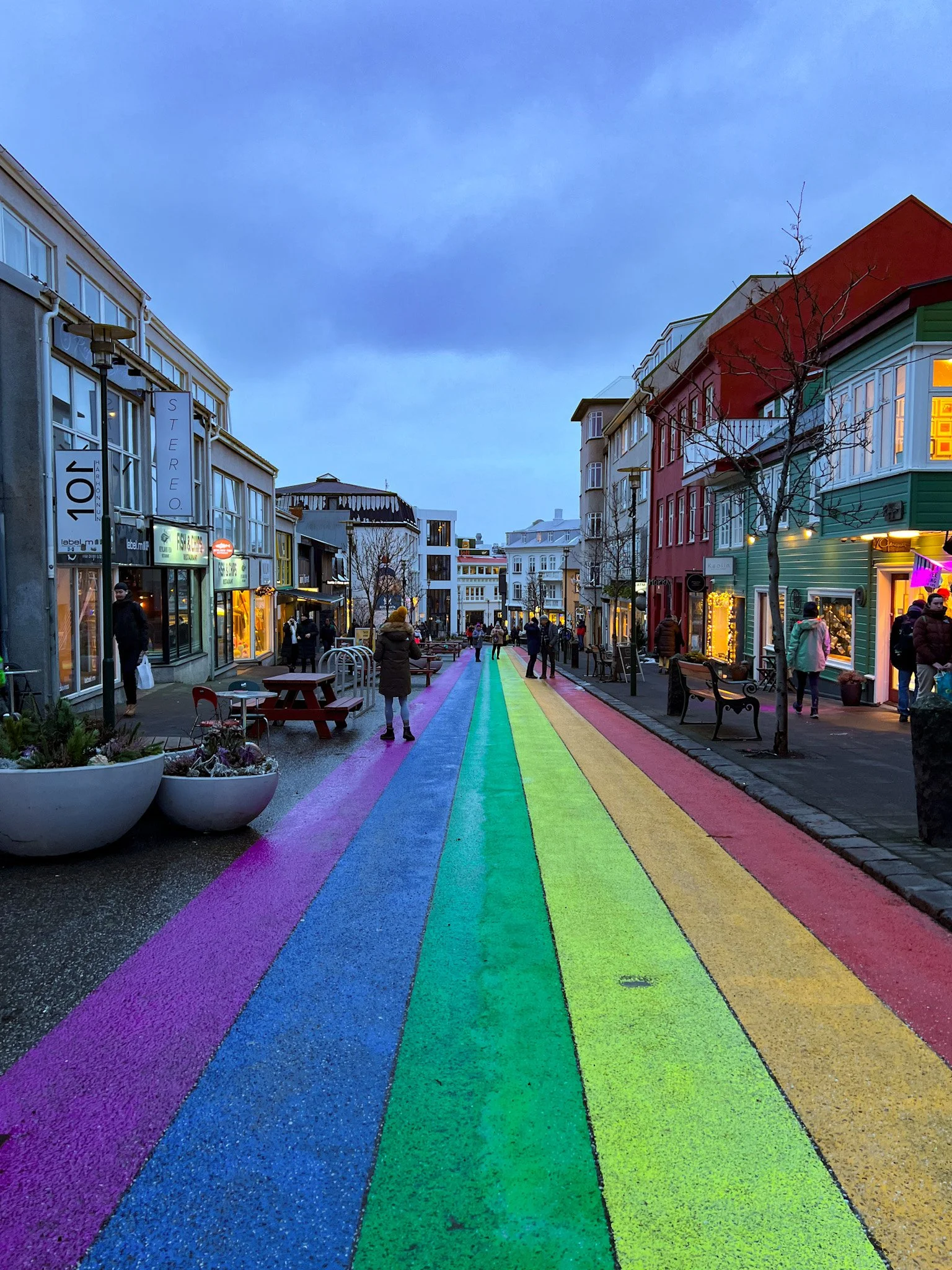
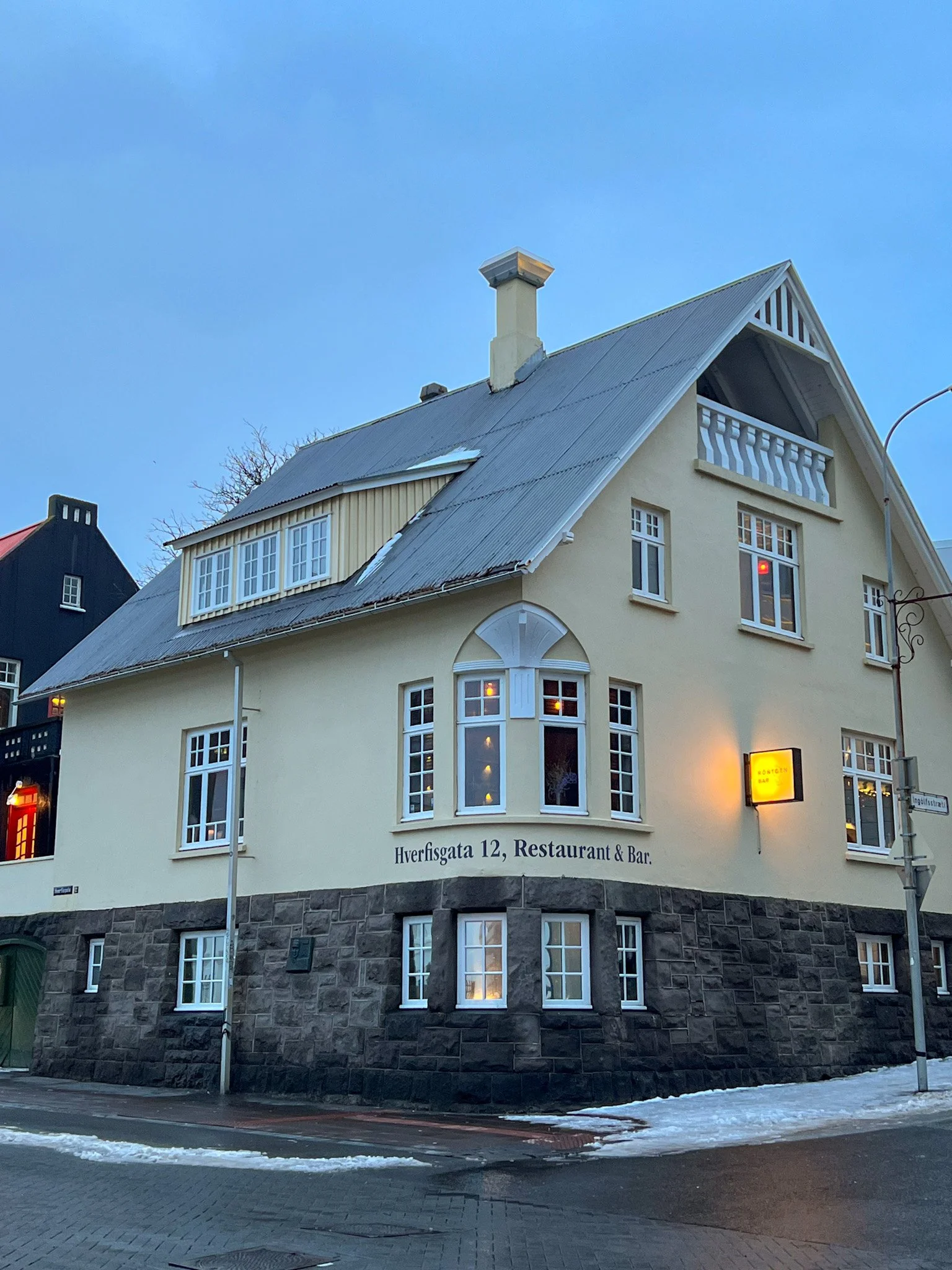
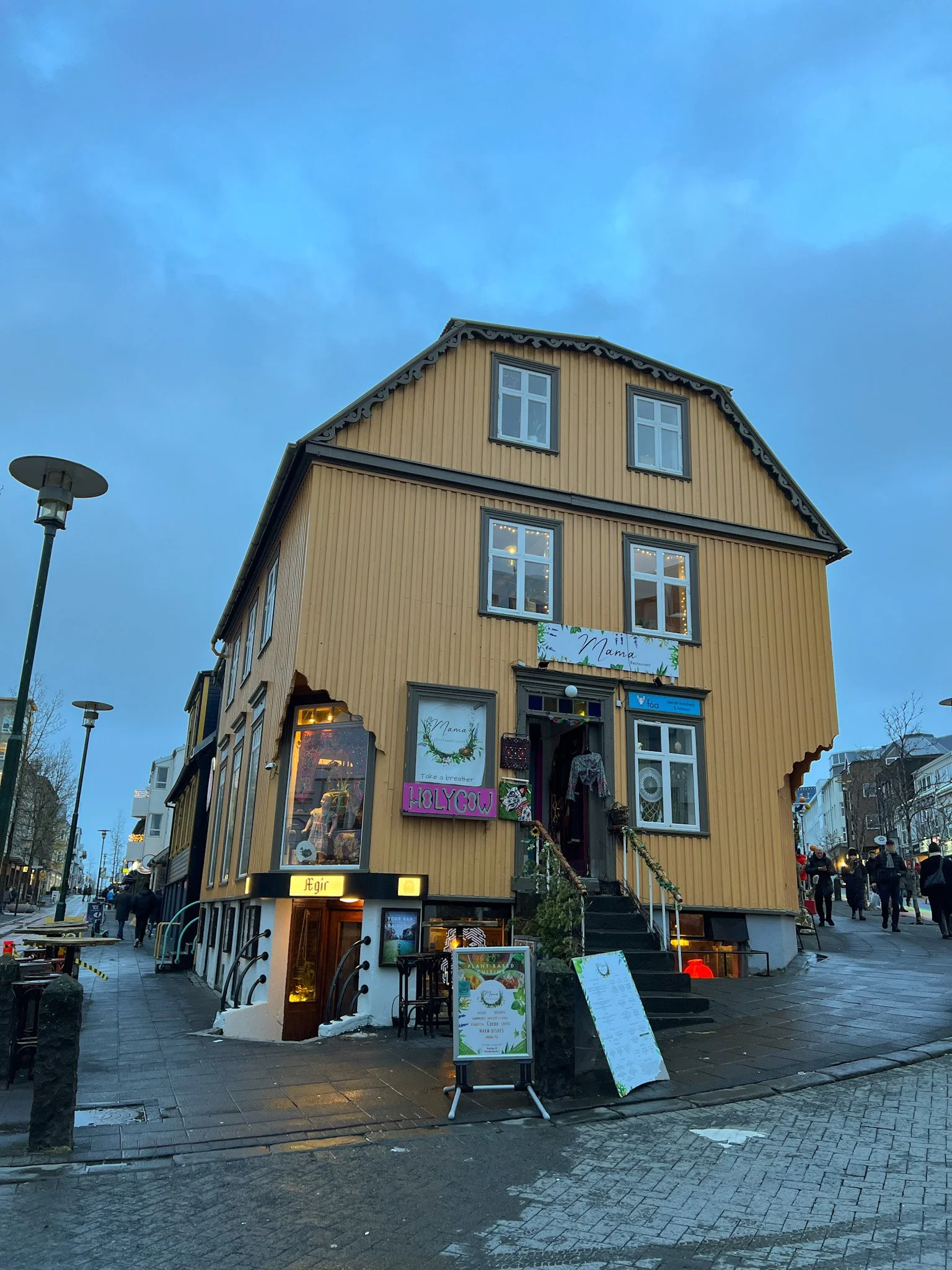
Not too far form the church you can find the Rainbow Street, is a vibrant symbol of joy and inclusivity, painted in the colors of the rainbow to celebrate Reykjavík Pride.
This annual event, held since 1999, has grown into one of Iceland's most significant cultural festivals, attracting up to 100,000 visitors from around the globe. Organized by the city in collaboration with Reykjavík Pride, the street's colorful transformation reflects support for diversity and remains in place throughout the six-day celebration and beyond. As one of the world’s most prominent “little Prides,” Reykjavík Pride highlights the city’s lively and welcoming spirit, cementing its reputation as a hub of culture and celebration.
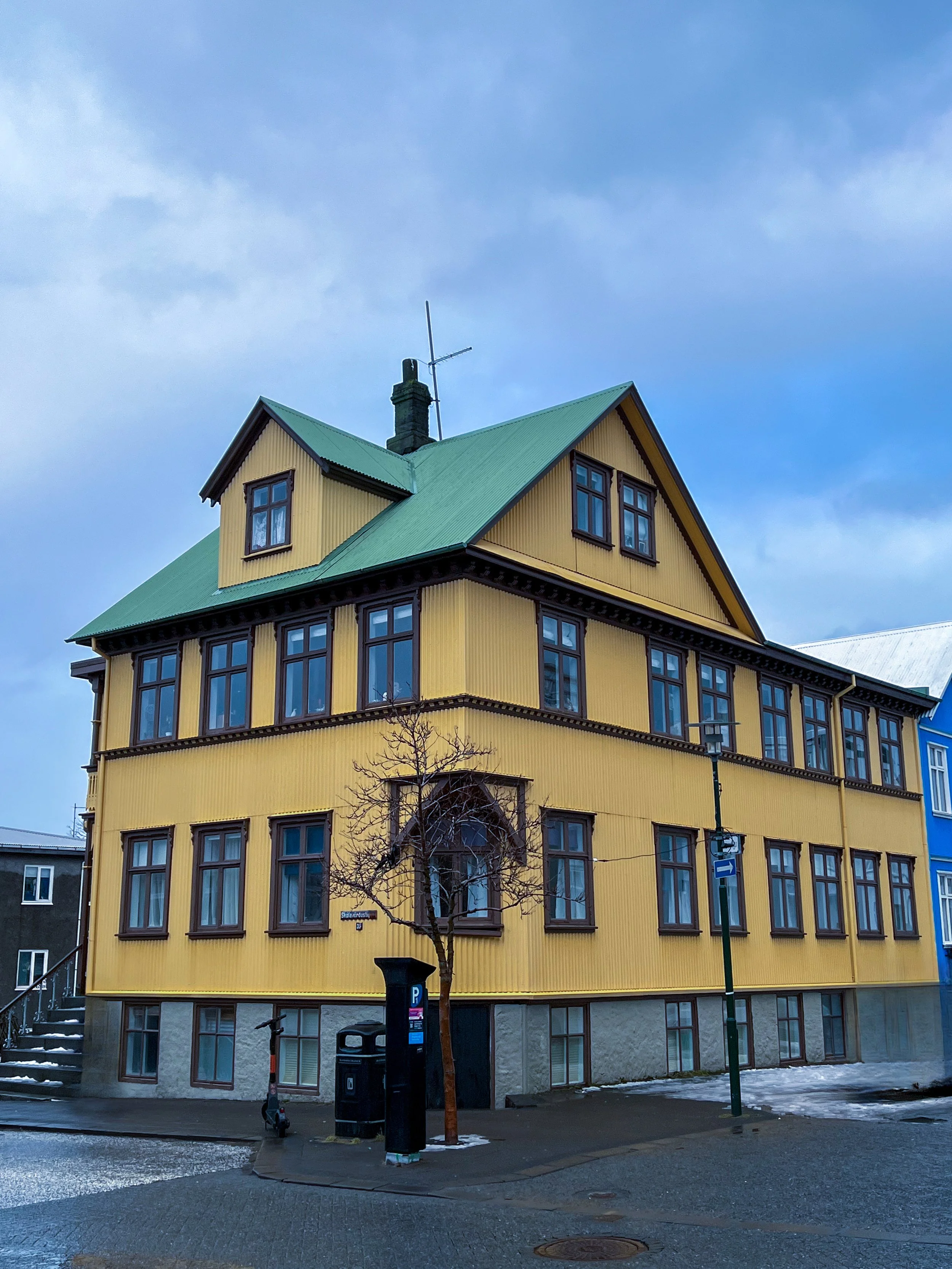
Along the street, you can spot the charming wooden houses of Reykjavik, many of which are painted in bright colors, reflecting a traditional Nordic architectural style. These wooden buildings, often with corrugated metal roofs, give the city a unique, cozy feel, blending old-world charm with modern influences.
Arnarhóll
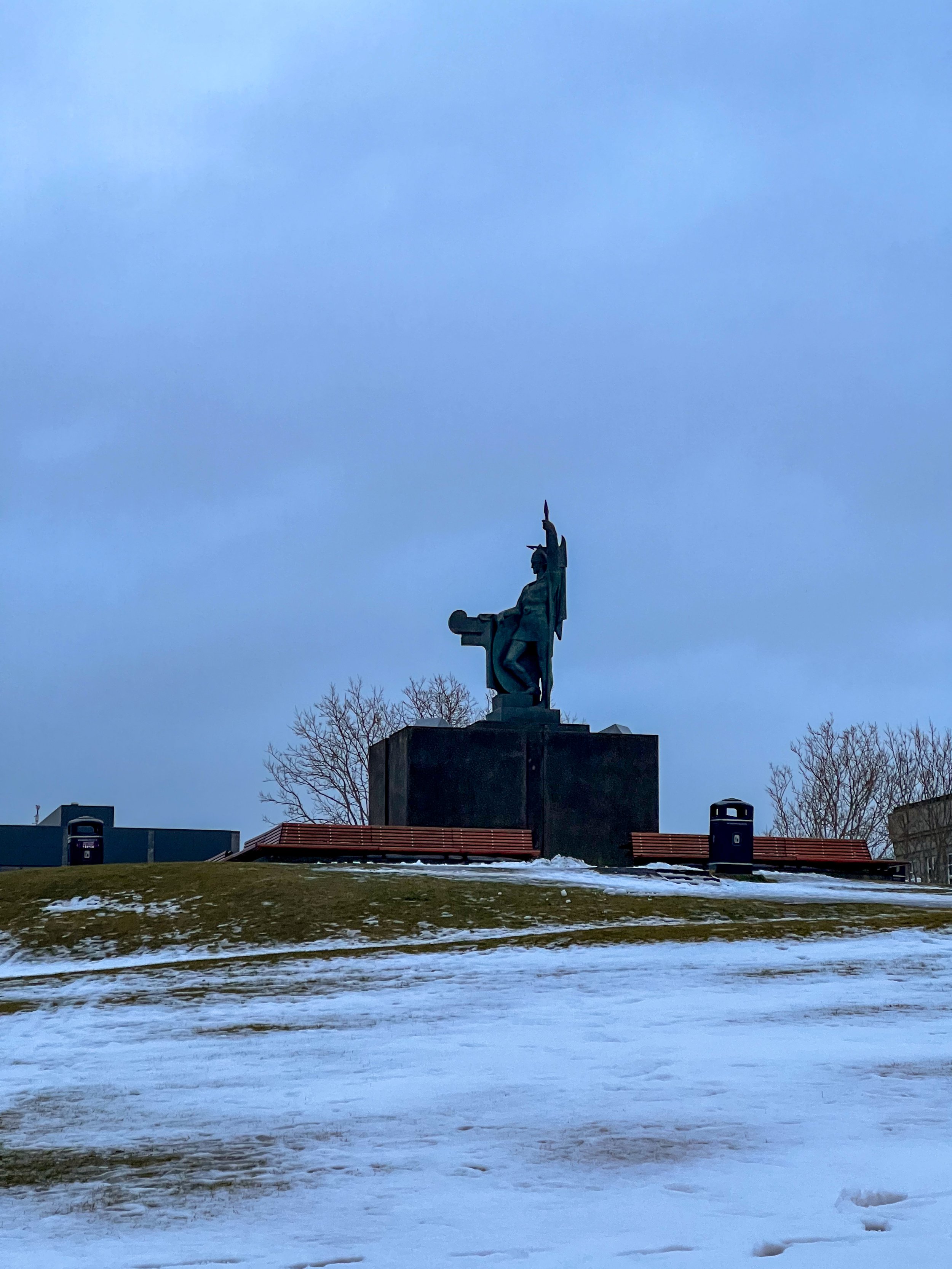
After a couple of minutes walk we reached the Arnarhóll, a historic hill located at the eastern end of Reykjavík Harbor. The site has been inhabited since before 1226 and became part of Reykjavík in 1835. It is a popular spot for sledding and events, with the statue of Ingólfr Arnarson, the first settler of Reykjavík, standing at its summit.
The statue of Ingólfr Arnarson, created by Einar Jónsson and unveiled in 1924, is one of the city’s most iconic landmarks. It was commissioned by the Reykjavík Craftsmen’s Association and serves as a symbol of Reykjavík’s cultural heritage and history.

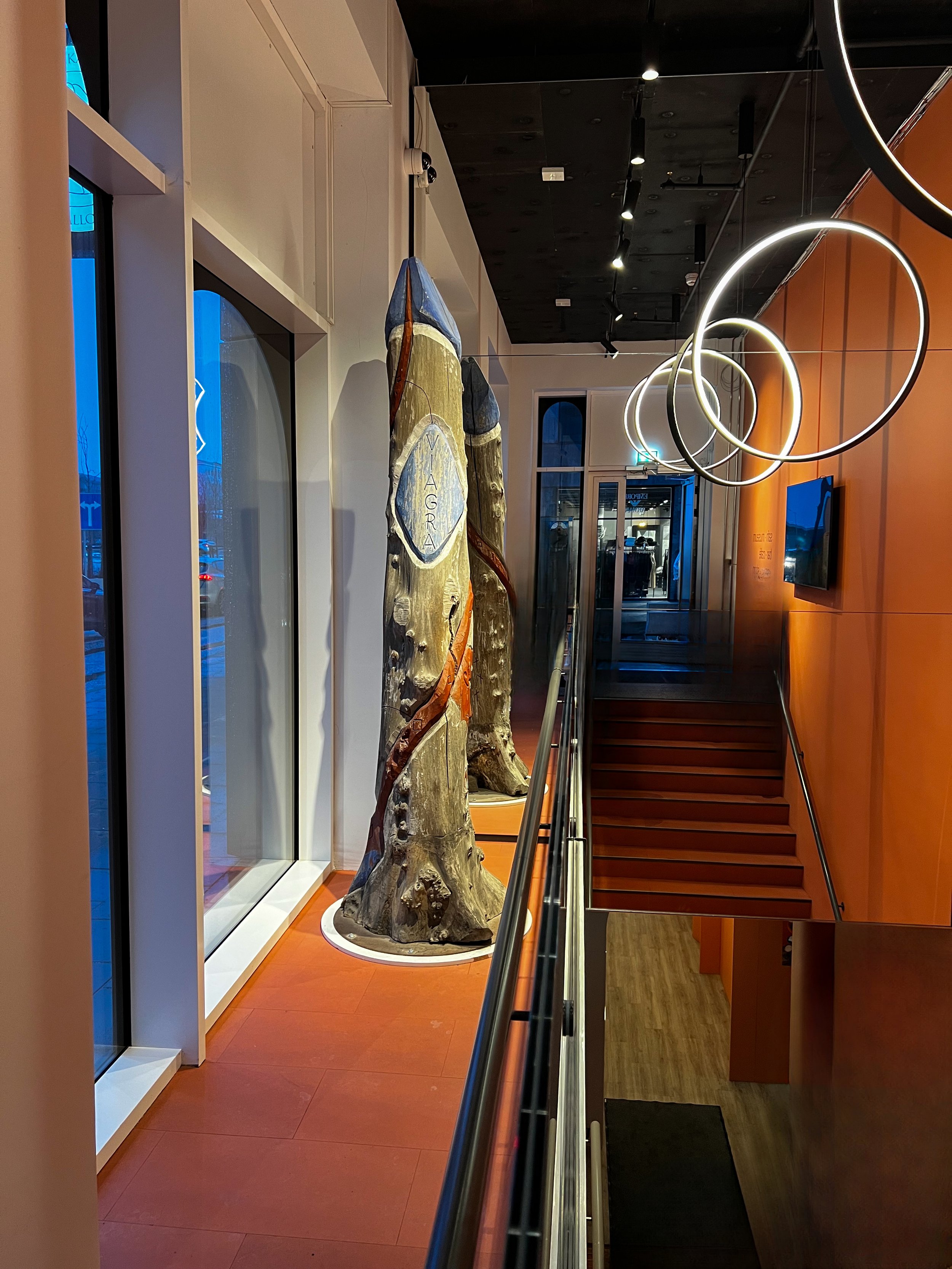
While walking along Reykjavik, we came across a very unusual museum that although not our regular cup of tea, we decided to get inside just for the fun: the Icelandic Phallological Museum.
The museum is renowned as the world's largest and most unique repository of penises and penile parts. Established in 1997 by retired teacher Sigurður Hjartarson, the museum began as a personal hobby inspired by a childhood gift—a bull's penis used as a cattle whip. Over decades, Sigurður amassed an eclectic collection that now includes over 300 specimens from more than 100 species, including mammals, folklore creatures, and even a human donation.
The museum's history reflects its founder's perseverance and Iceland's evolving societal values. Initially housed in Sigurður's office, the collection eventually gained a permanent home through a city grant. After financial challenges post-retirement, Sigurður moved the museum to Húsavík, where it gained local acceptance despite initial skepticism. In 2012, the collection returned to Reykjavík under the management of Sigurður's son, Hjörtur Gísli Sigurðsson, solidifying its place as a key tourist destination.
As a cultural and tourist attraction, the museum welcomes thousands of visitors annually, many of whom are intrigued by its scientific mission to promote phallology as a legitimate field of study. Visitors are drawn to its mix of humour, science, and mythology.

Harpa Concert Hall and Conference Centre
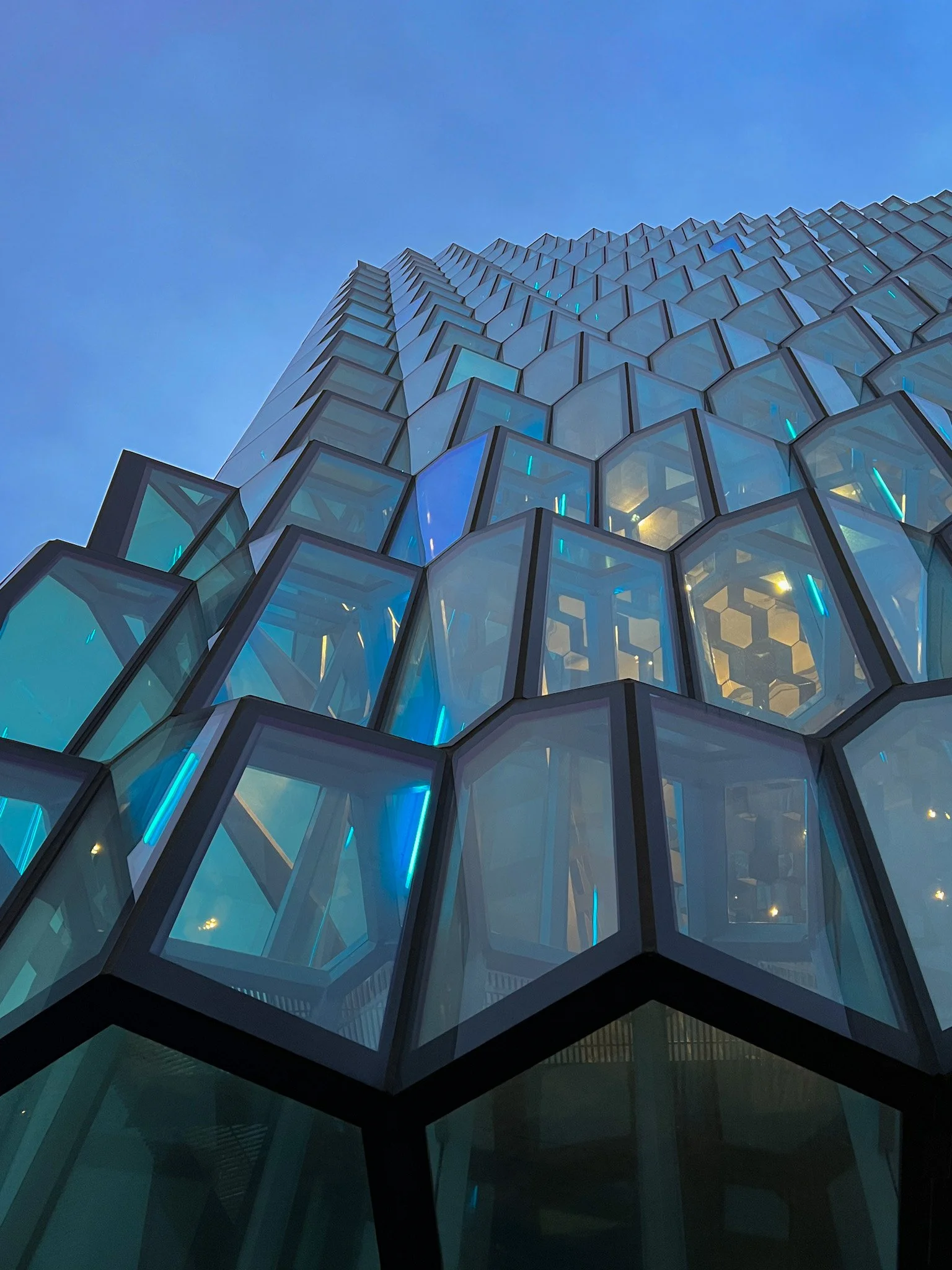
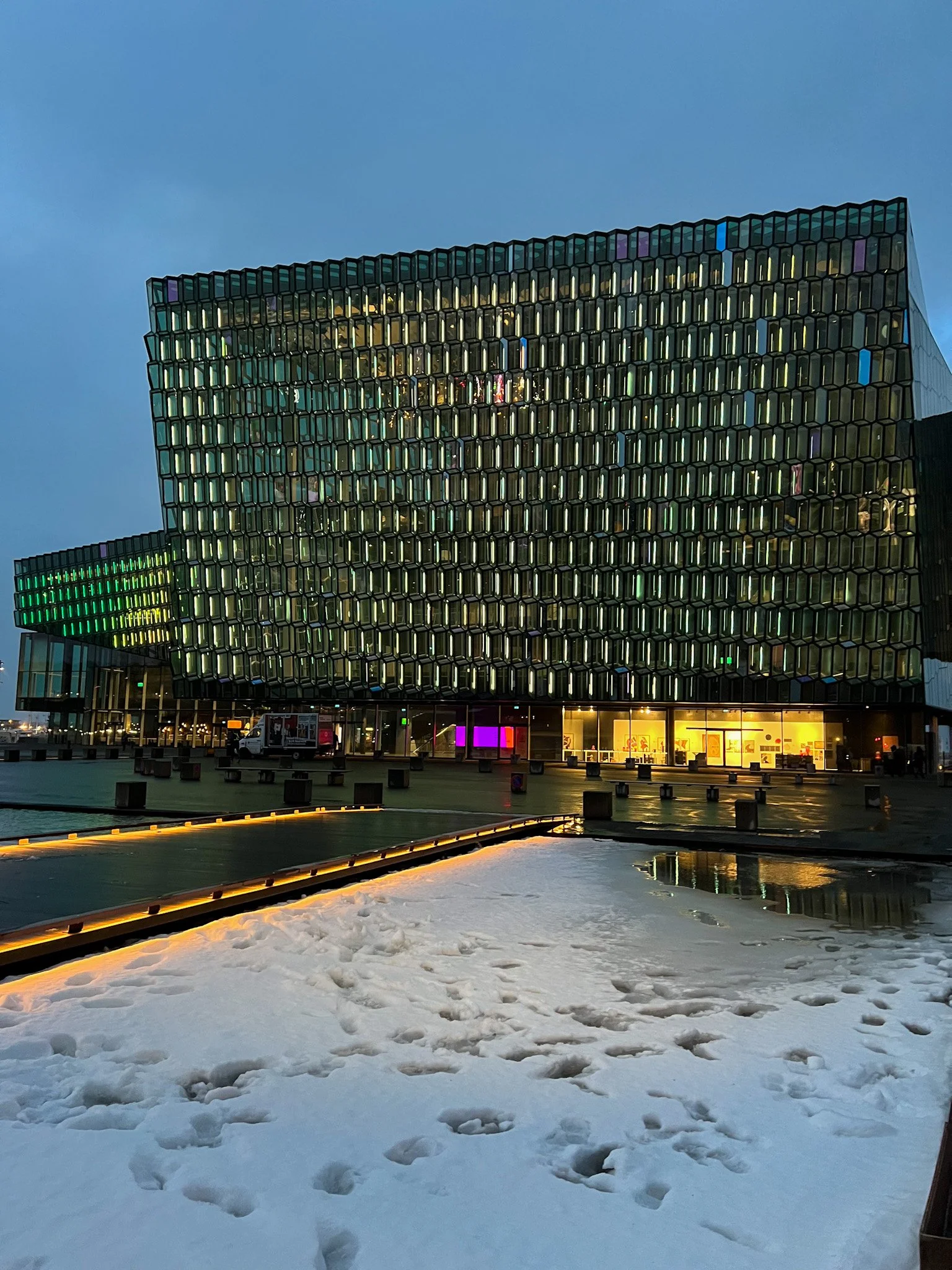
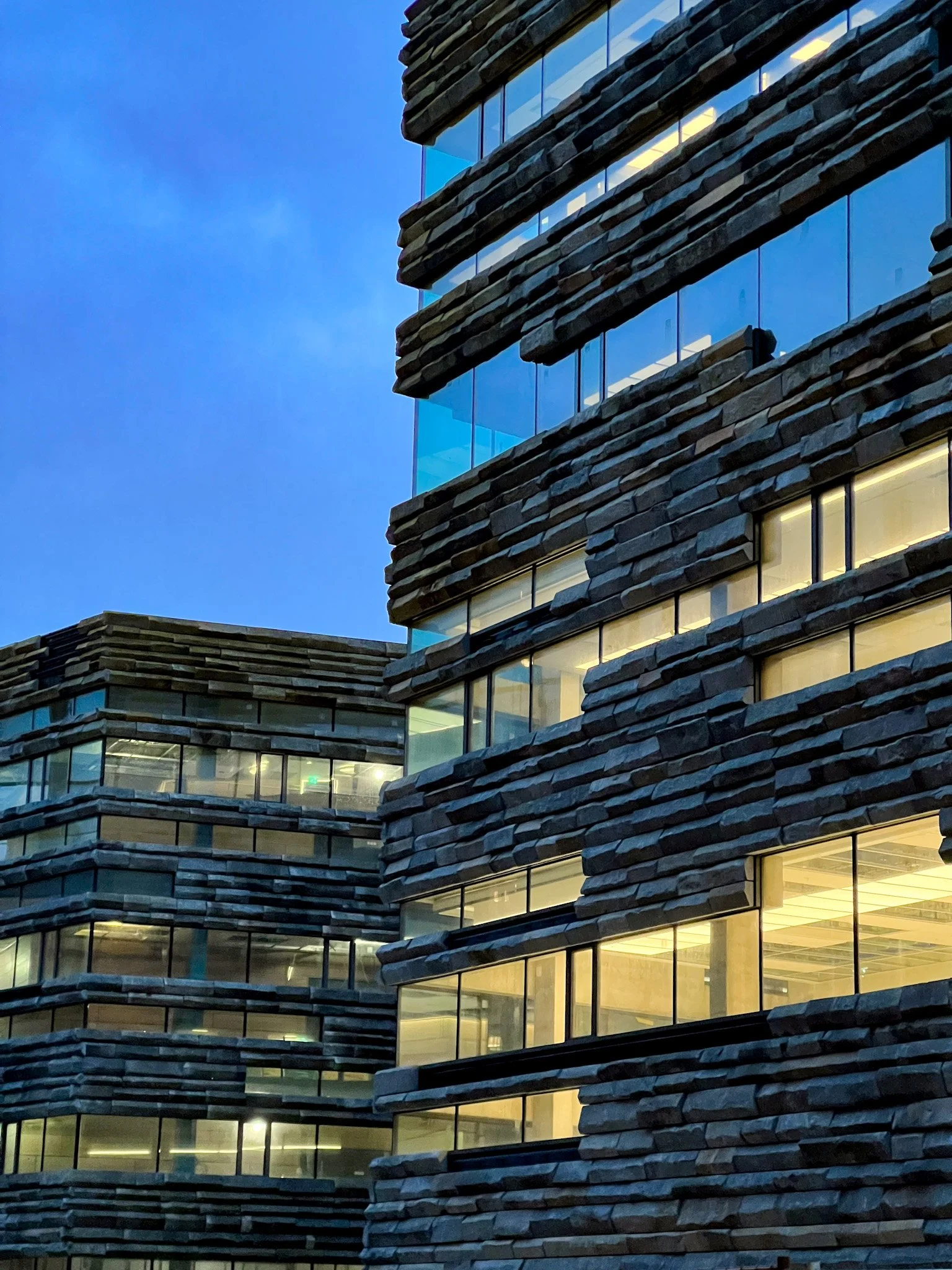
With the very limited sunlight during the summer months, it was already getting dark by the time we reached the Harpa, a striking concert hall and conference centre known for its distinctive colored glass façade inspired by the country's basalt landscape.
Designed by Henning Larsen Architects in collaboration with artist Olafur Eliasson, Harpa opened in May 2011 after construction began in 2007 and was delayed due to the 2008 financial crisis. Originally part of a larger redevelopment project in the Austurhöfn area, it now serves as the home of the Iceland Symphony Orchestra and the Icelandic Opera. The building’s architectural significance earned it the European Union’s Mies van der Rohe Award in 2013.
In addition to its musical performances, Harpa has become a major cultural venue, hosting events such as the World Yo-Yo Contest and the Council of Europe summit. The building features a glass façade equipped with LED lights that display video works by Olafur Eliasson, which have been used for artistic exhibitions. Harpa has appeared in various popular culture works, including the Netflix series Sense8 and Black Mirror.

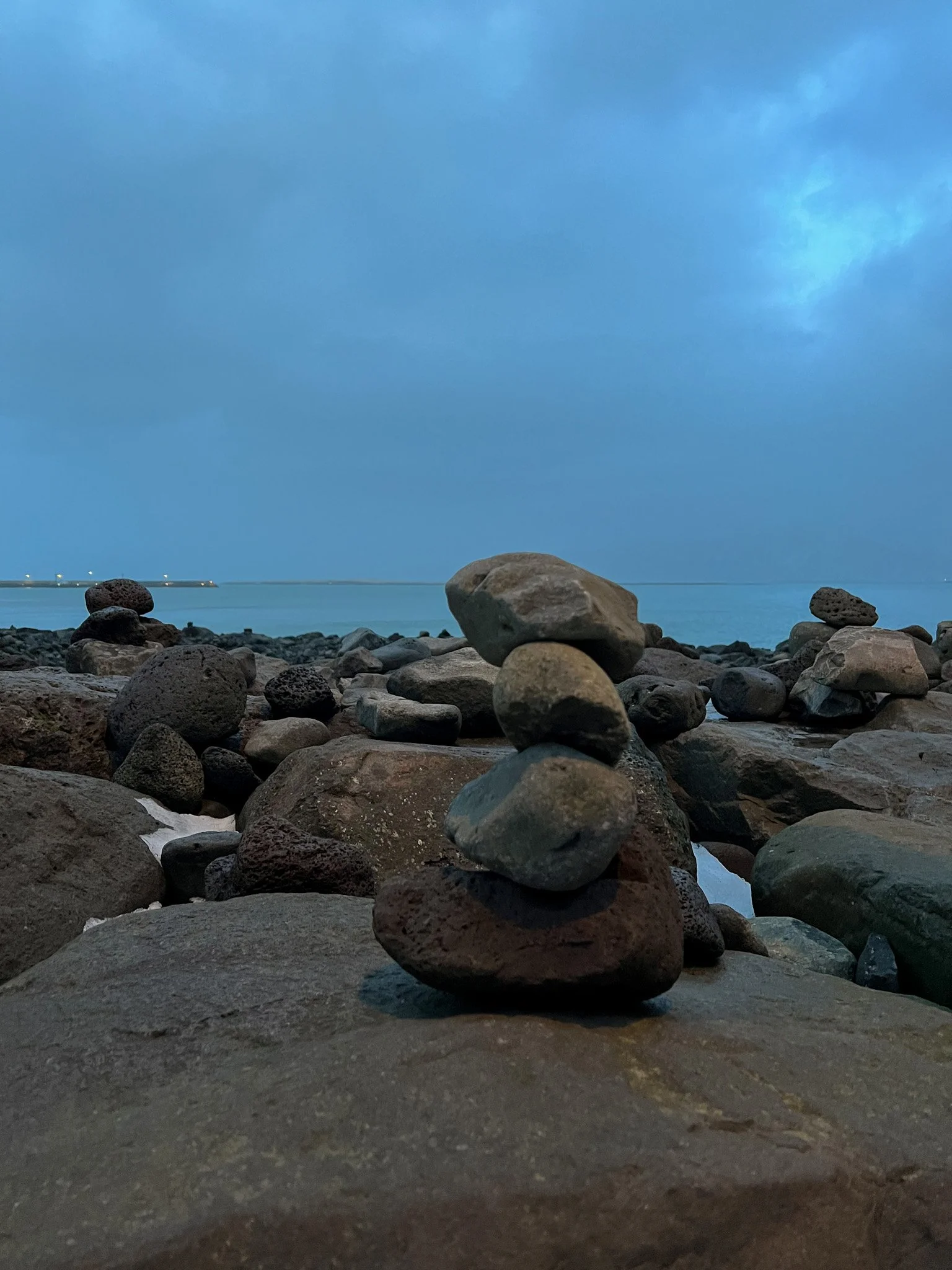
Our last visit of the day in Reykjavik was the Sculpture and Shore Walk, a delightful way to end our time in the city. This scenic route offers a peaceful stroll along the coastline, where we could admire the stunning views of Kollafjörður fjord and the Esja mountain. Starting from downtown, we walked eastward, encountering along the way a variety of sculptures.
Highlights include the iconic Sun Voyager by Jón Gunnar Árnason, symbolizing exploration and hope, and the Partnership sculpture by Pétur Bjarnason, which celebrates unity. Further along, you'll see the Shore Piece installation by Sigurður Guðmundsson and the sculpture Íslandsvarðan by Jóhann Eyfelds, each adding to the cultural richness of the route.
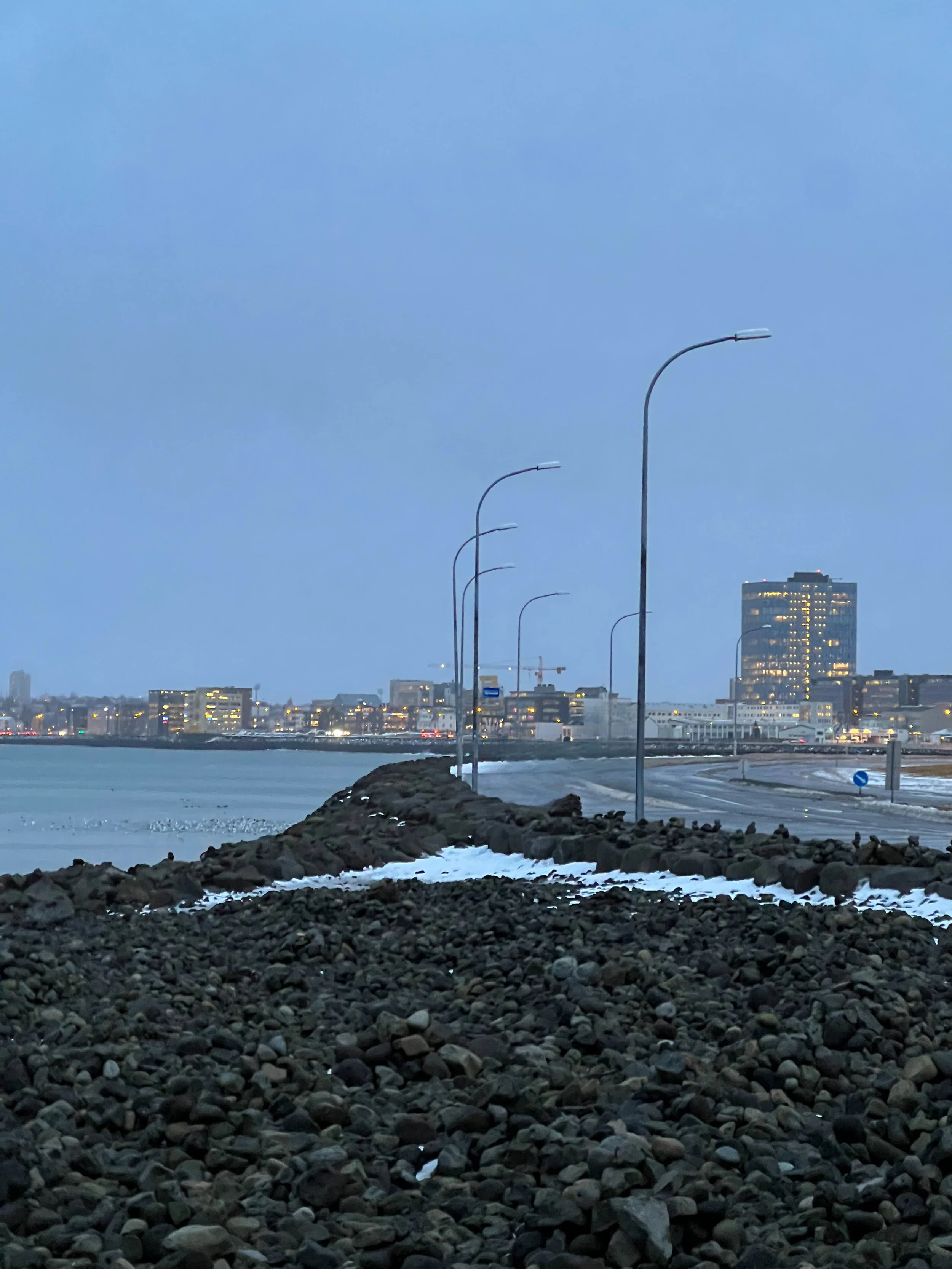
Although our time in Reykjavik was brief, we managed to explore the city's main highlights, soaking in its unique charm and vibrant atmosphere.
As the day came to a close, we found ourselves eagerly anticipating the next leg of our adventure—a journey along Iceland's stunning southern coast. The following day, we would embark on the renowned Golden Circle, a journey through natural wonders.
Some links in this post are affiliate links, which means that if you buy through them, we’ll receive a small commission. This will never cost you more and in many cases you will receive a special discount.
As always, all opinions are mine. We appreciate your support!
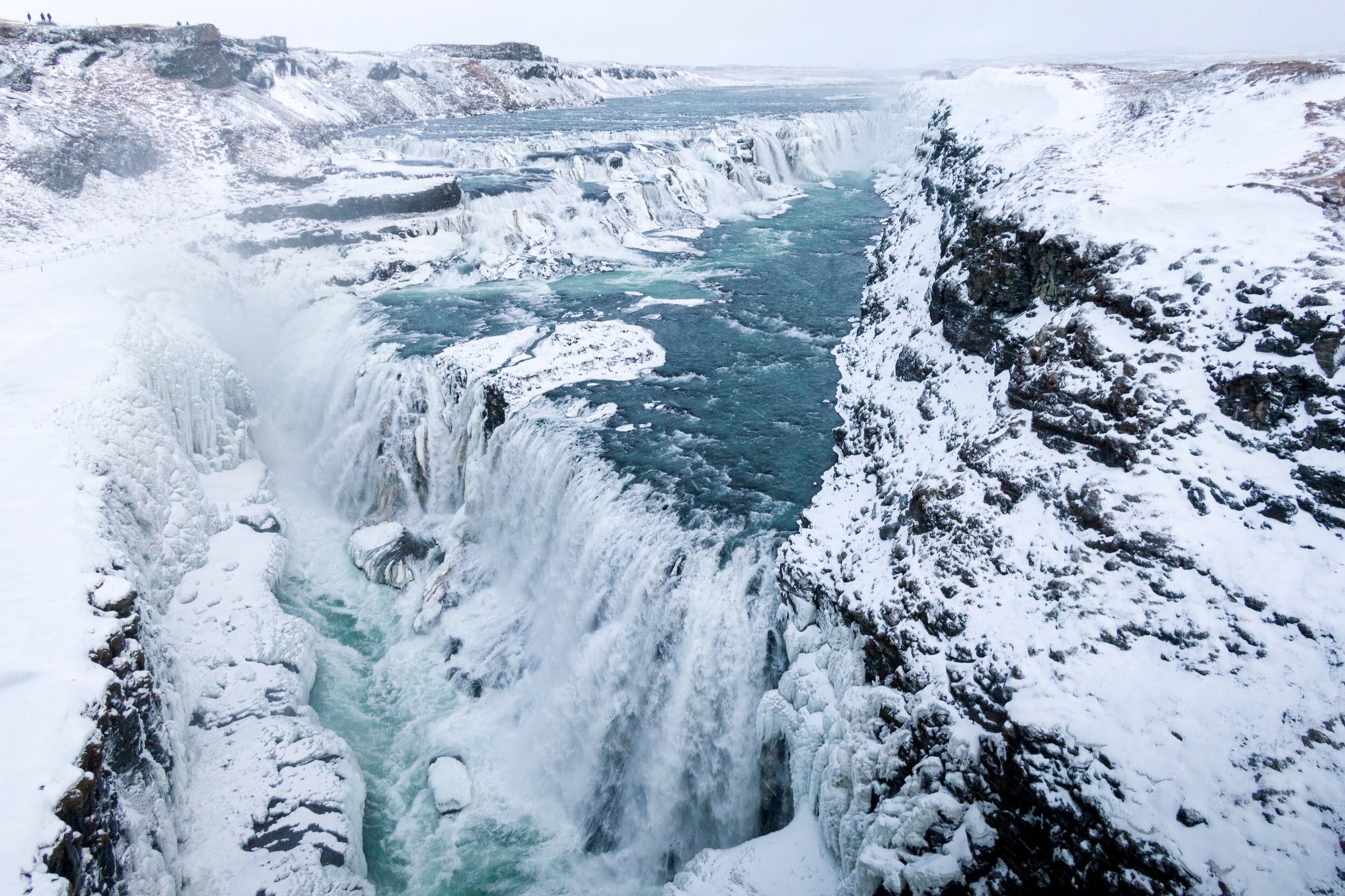

Iceland’s south coast offers a breathtaking journey through some of the country’s most iconic natural wonders. From the cascading splendour of Seljalandsfoss and Skógafoss waterfalls to the towering cliffs of Dyrhólaey, and the haunting beauty of the Sólheimasandur plane wreck, this region is a stunning showcase of Iceland’s diverse and dramatic landscapes.
Whether you’re setting out from Reykjavik or the nearby town of Hella, this comprehensive guide will help you uncover the very best that Iceland’s south coast has to offer.