
48 Hours in Belgrade: discovering Serbia's Capital
Embark on a captivating journey through the heart of Serbia as we explore the vibrant cityscape of Belgrade in 48 hours. From ancient landmarks steeped in history to bustling marketplaces brimming with life, join me as I traverse the streets of Serbia's capital, uncovering its rich tapestry of culture, tradition, and resilience.
From the grandeur of Republic Square to the tranquil shores of the Danube, each step reveals a new chapter in Belgrade's storied past and promising future. Over the two-day visit, we uncovered the secrets of Serbia's capital, its ancient fortresses and its lively streets.
Belgrade: 2 day itinerary
Day 1
Republic Square
As soon as I stepped onto the cobblestone streets of Belgrade, I immediately headed to Republic Square, a symbol of Serbian independence and resilience. This historic square serves as the heart of the city, buzzing with energy and activity.
The square has a rich history that dates back to the 19th century when Serbia gained autonomy from the Ottoman Empire. Originally known as "Horse Square" due to the equestrian statue of Prince Mihailo Obrenović, the square was later renamed Republic Square after the establishment of the Republic of Serbia in 1992.
Republic Square is characterized by its stunning architecture and eclectic mix of buildings. One of the square's most prominent landmarks is the National Museum of Serbia, housed in an impressive neo-Renaissance building. Founded in 1844, the museum boasts a vast collection of over 400,000 artefacts spanning from prehistoric times to the modern era. Visitors can explore exhibits showcasing Serbian art, history, and archaeology, providing valuable insights into the country's rich cultural heritage.
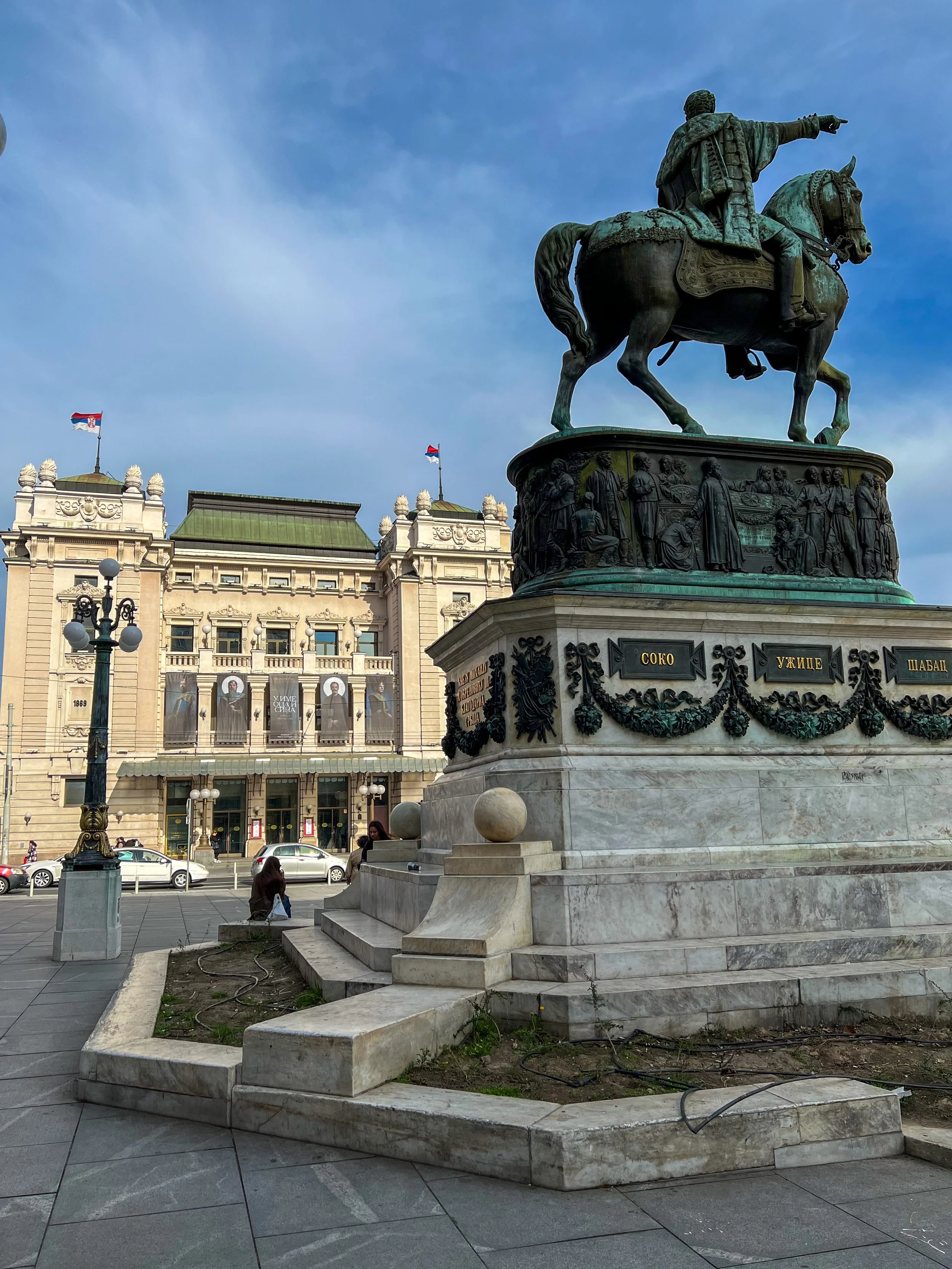
Another notable building on Republic Square is the Prince Mihailo Monument, an imposing statue of Prince Mihailo Obrenović on horseback. The monument, created by Italian sculptor Enrico Pazzi, was unveiled in 1882 and has since become one of the square's most iconic landmarks.
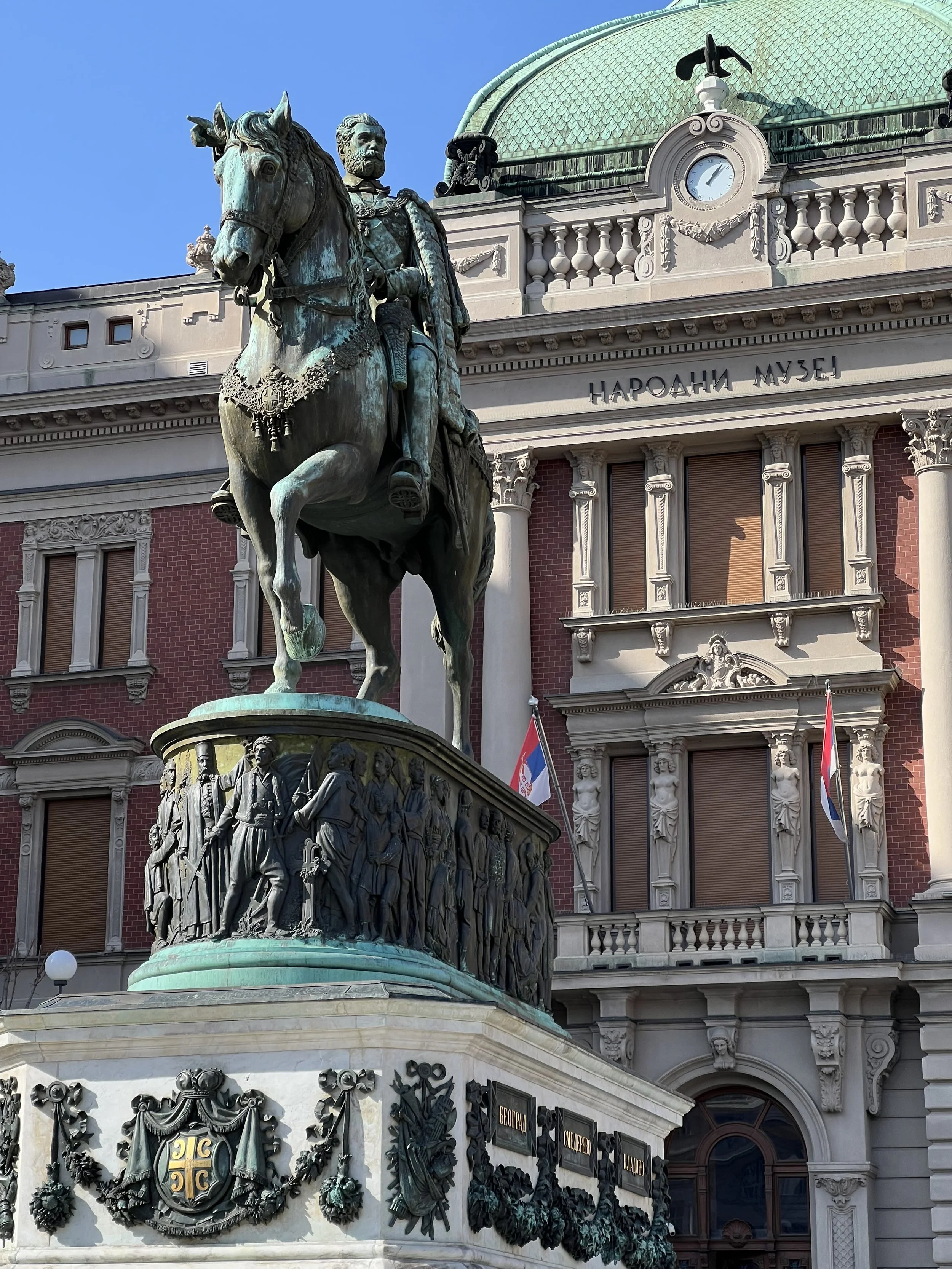
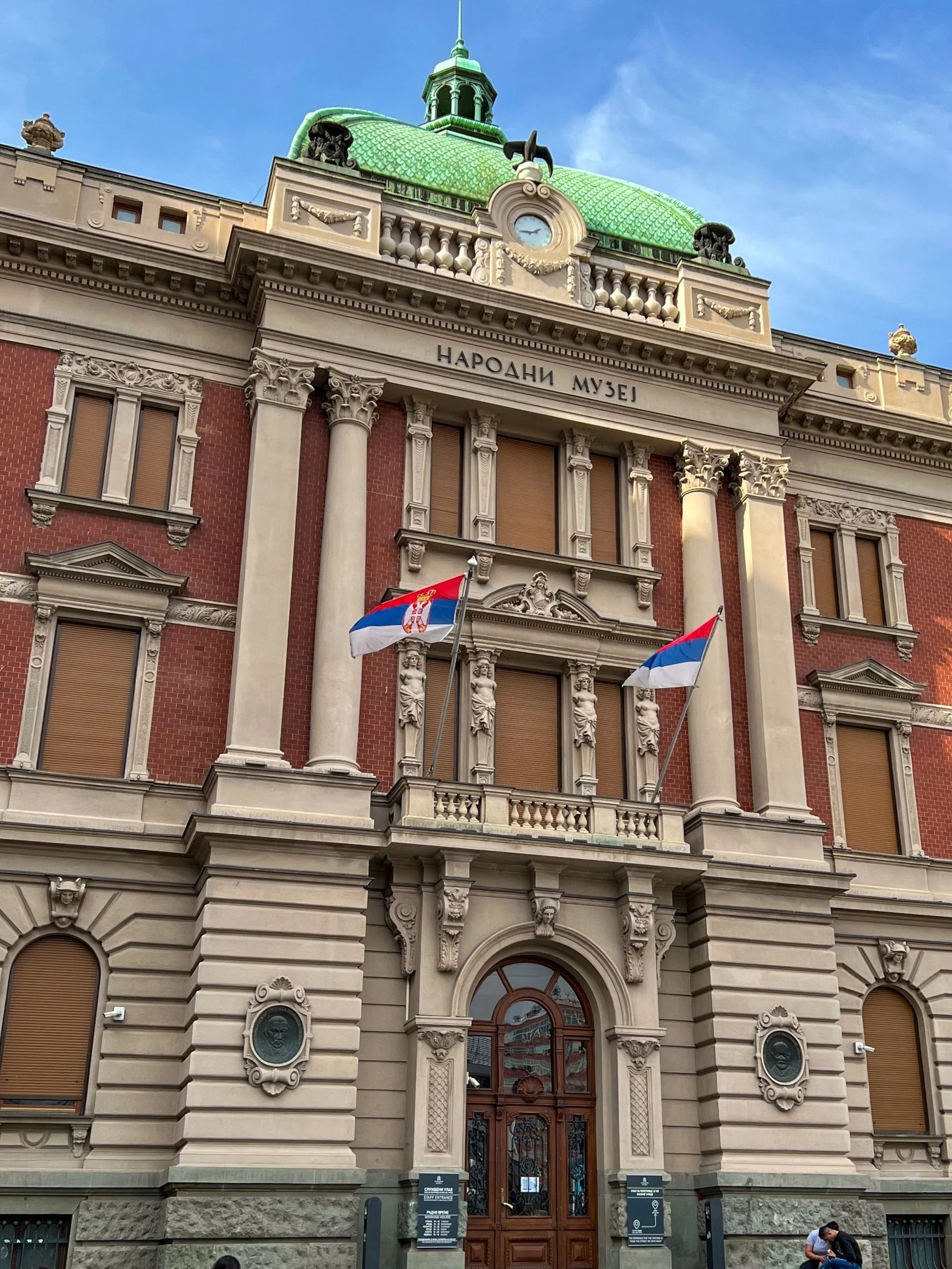
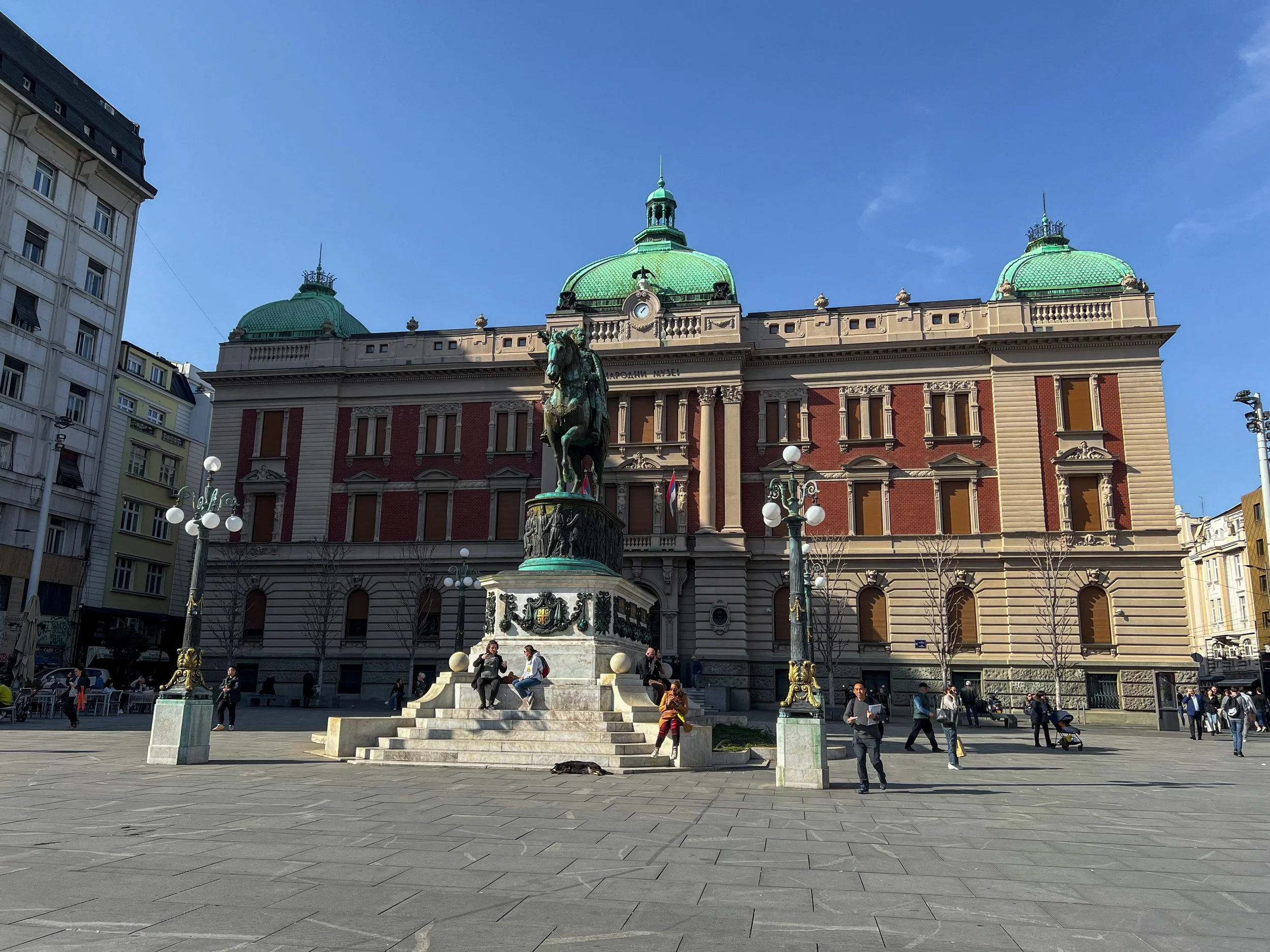
Republic Square is a vibrant cultural and social hub, attracting locals and tourists alike with its lively atmosphere and array of attractions. The square is lined with cafes, restaurants, shops, and theatres, making it a popular destination for shopping, dining, and entertainment.
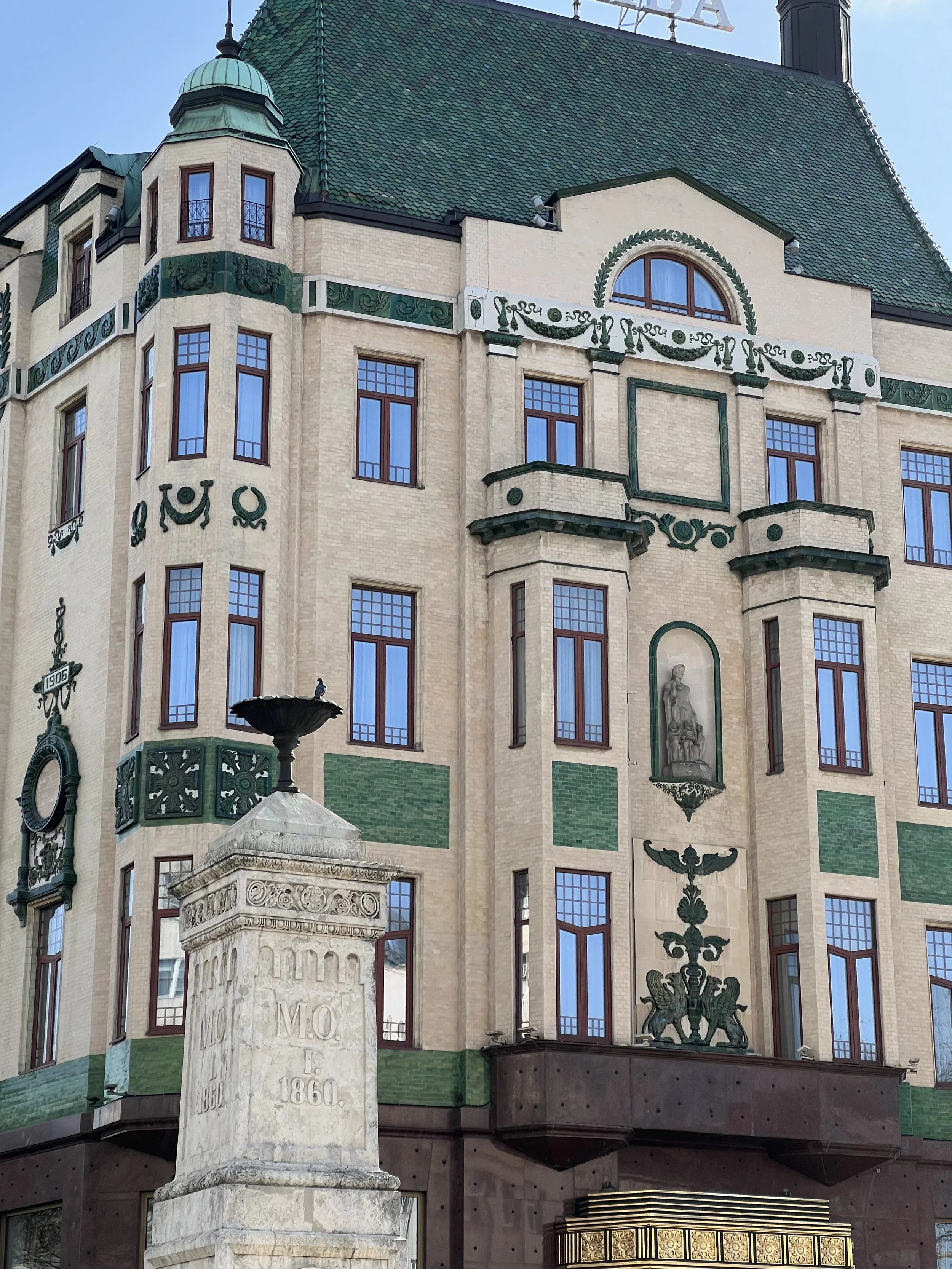
Not too far from the square, you can’t miss the Moscow Hotel, an iconic symbol of the city's rich history and cultural heritage. This historic hotel has been a fixture of the city skyline since its construction in 1908. Originally built in the distinctive Art Nouveau style, the Moscow Hotel has welcomed countless guests over the years, including diplomats, dignitaries, and travellers from around the world.
Temple of St. Sava
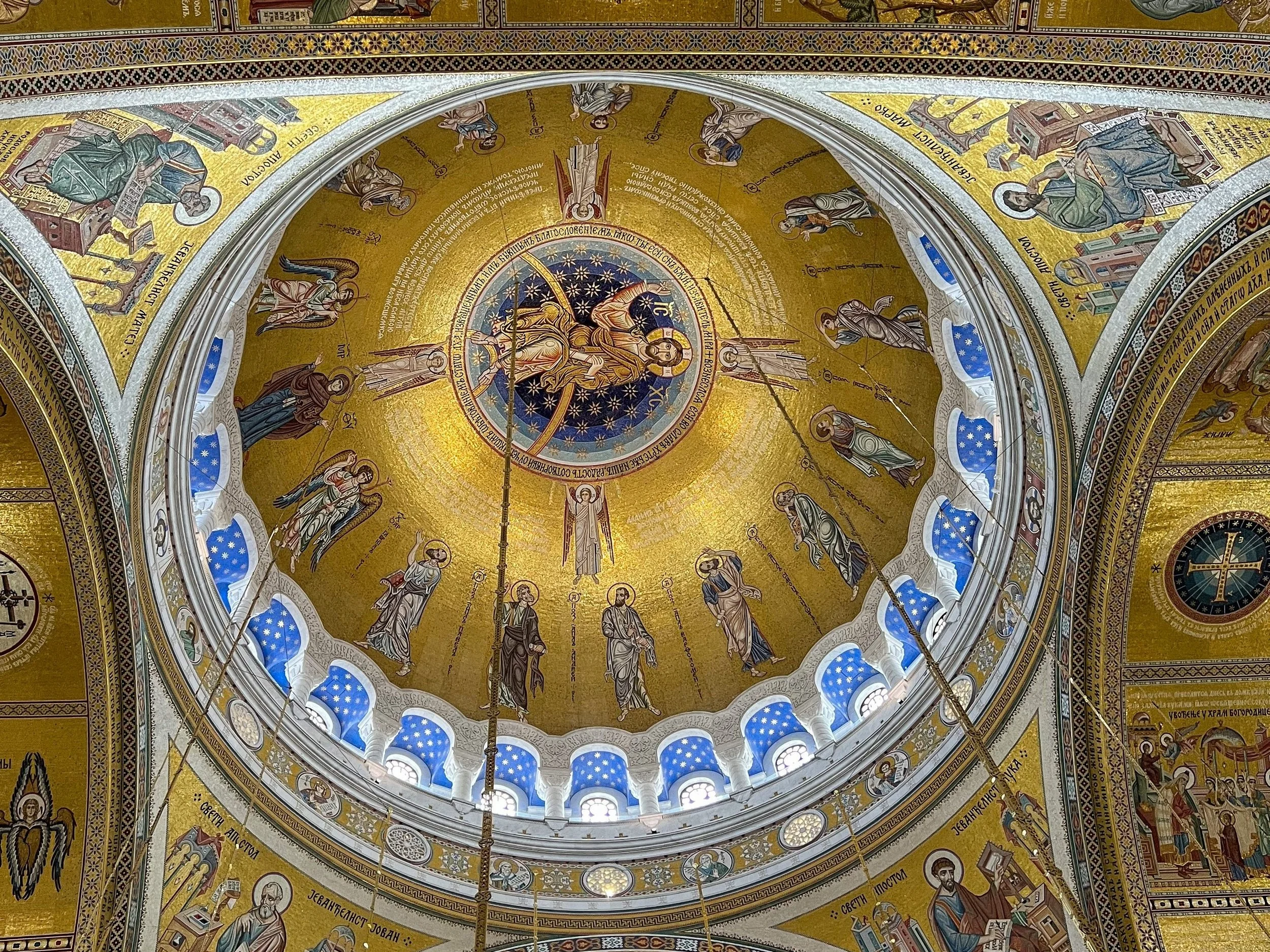
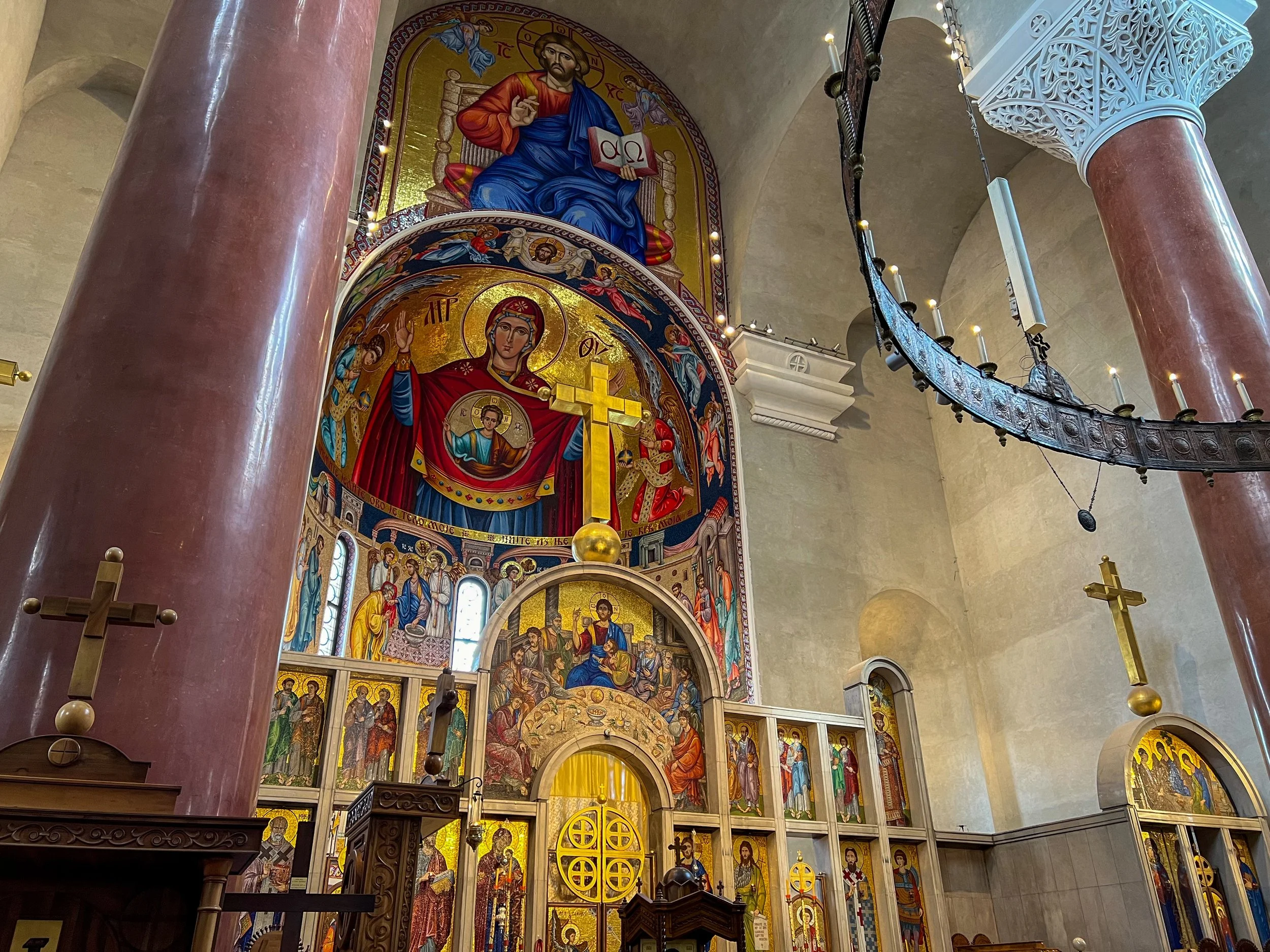
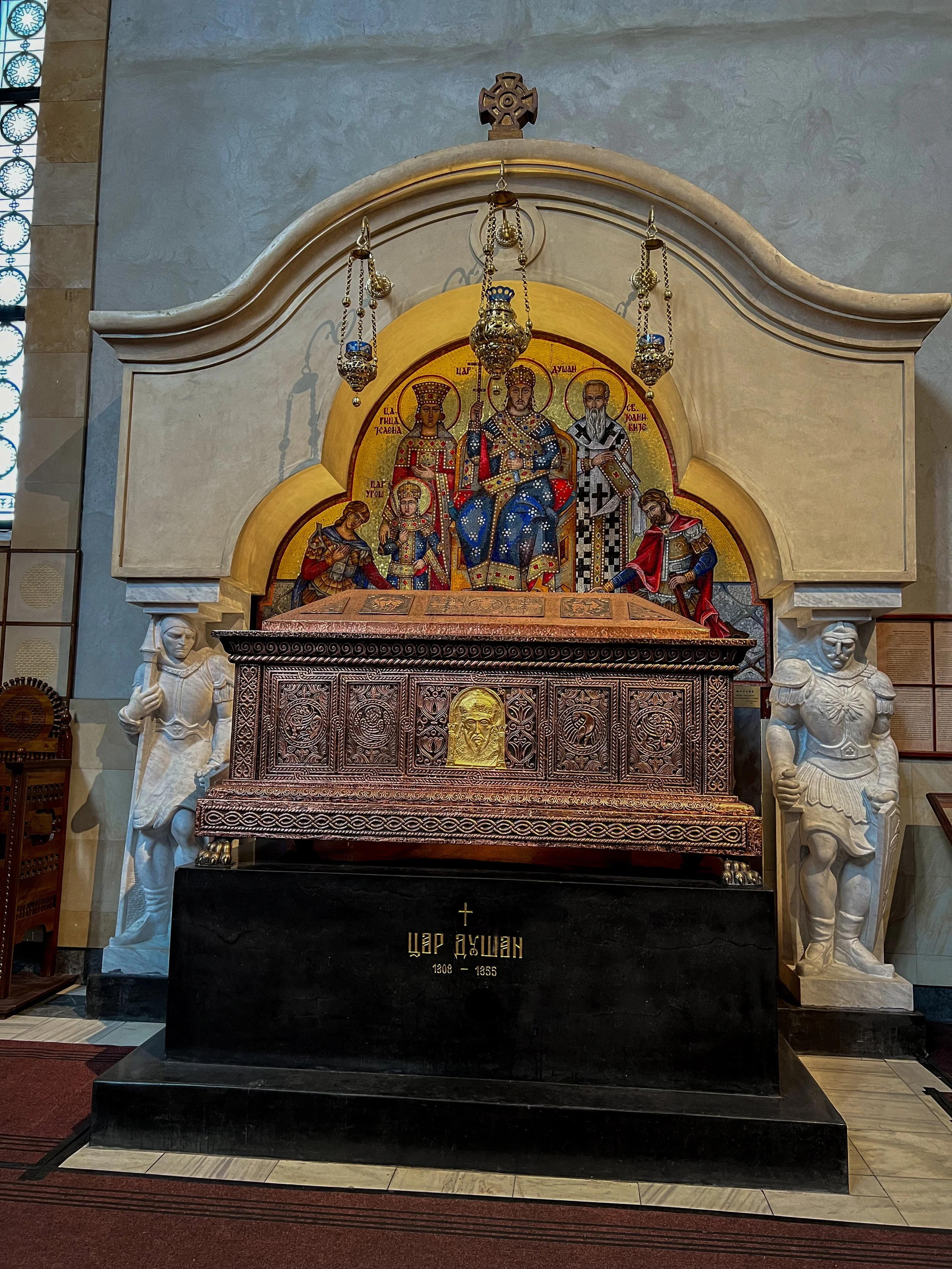
From Republic Square, I made my way to the majestic Temple of St. Sava, one of Belgrade's most iconic landmarks. This colossal Serbian Orthodox church stands as a symbol of faith and resilience, dedicated to Saint Sava, the founder of the Serbian Orthodox Church. Construction of the temple began in 1935 but was interrupted by various historical events, resulting in its completion in the 21st century.
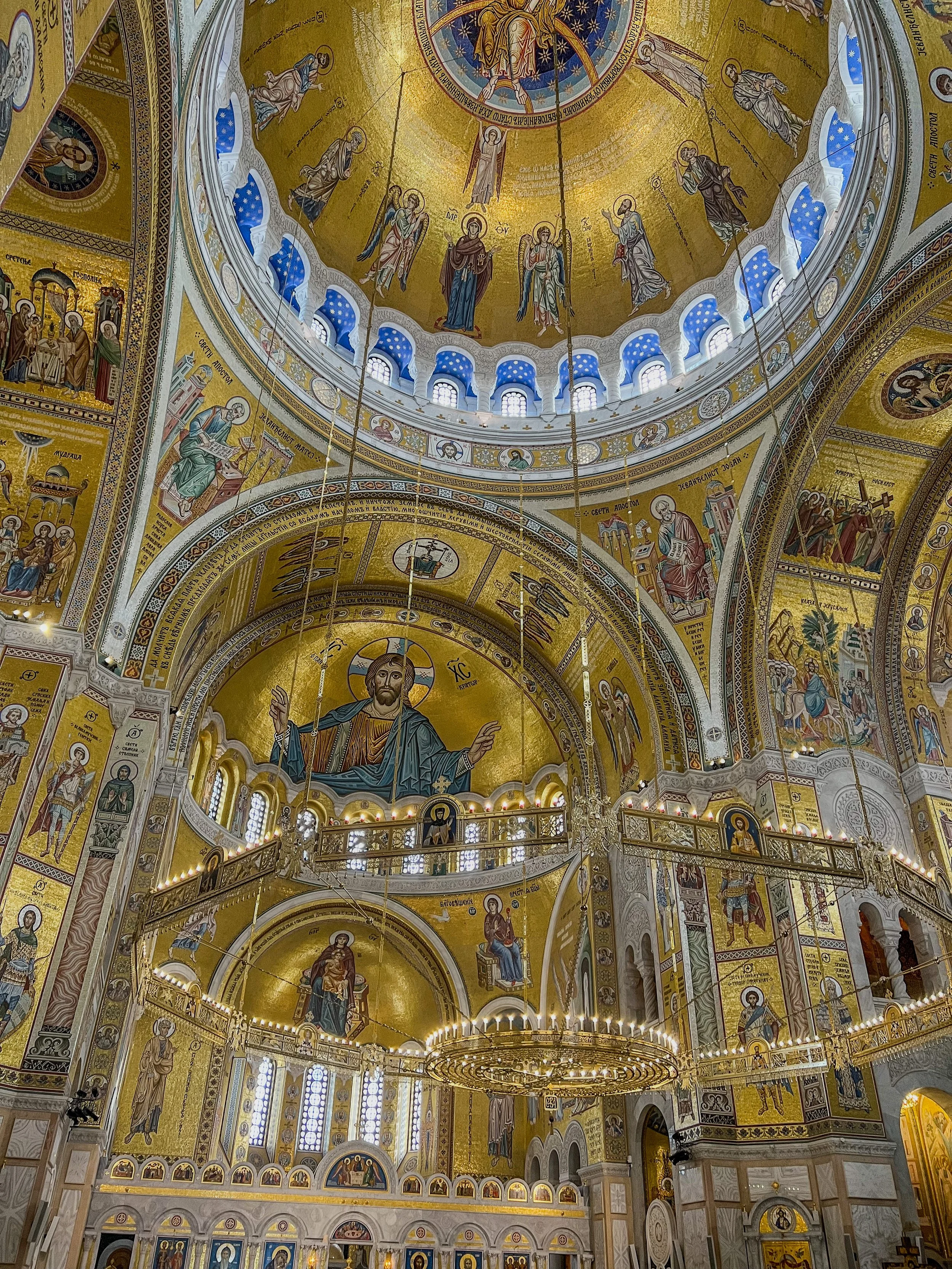
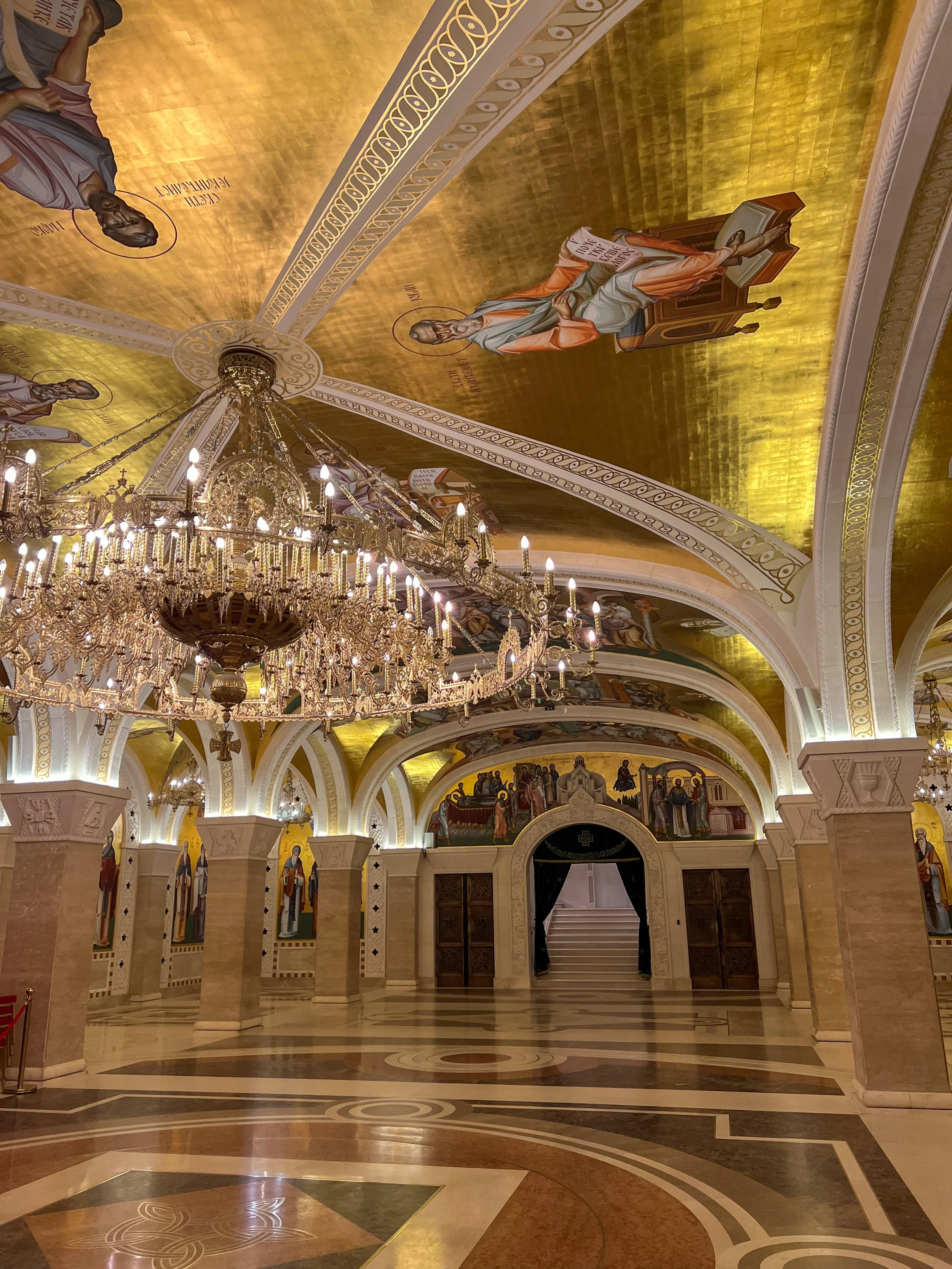
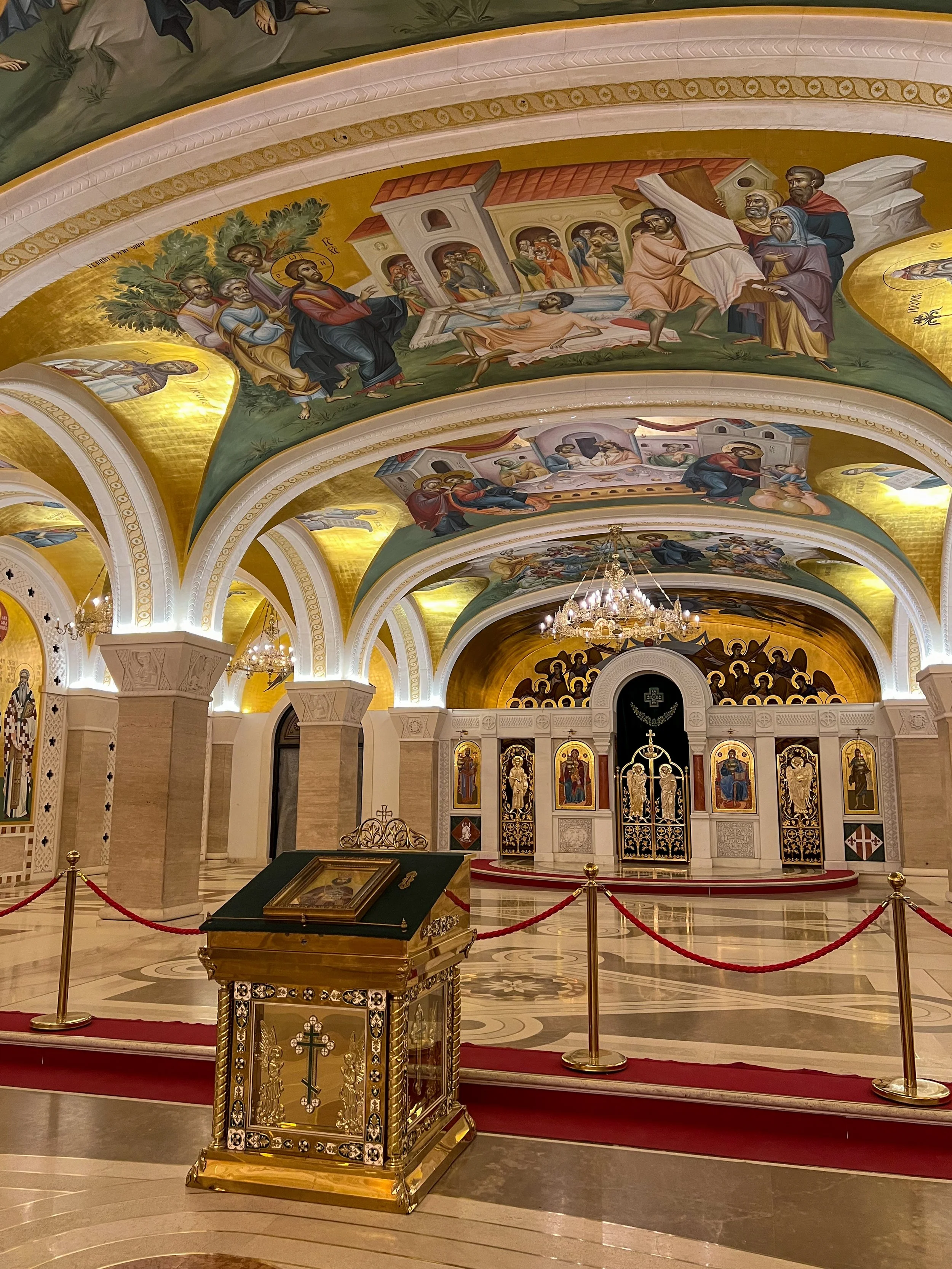
The architectural style of the Temple of Saint Sava is inspired by Byzantine and Serbian medieval architectural traditions. The temple's design features a central dome, four bell towers, and a grand façade adorned with intricate carvings and decorative elements. The interior of the temple is equally impressive, with stunning frescoes, iconography, and religious artefacts that reflect the rich heritage of Serbian Orthodox Christianity.
The Temple of Saint Sava is dedicated to Saint Sava, the founder of the Serbian Orthodox Church and a beloved figure in Serbian history and culture. As such, it holds significant religious importance for the Serbian Orthodox community and serves as a place of worship, prayer, and spiritual reflection. The temple hosts regular liturgies, sacraments, and religious ceremonies throughout the year, attracting believers and pilgrims from near and far.
The temple's striking architecture, with its grand dome and intricate details, is truly awe-inspiring. Stepping inside, I was greeted by the serene atmosphere and the mesmerizing beauty of the interior adorned with stunning frescoes and ornate golden decorations. The Temple of St. Sava holds a special place in the hearts of the Serbian people and serves as a beacon of spirituality and cultural identity.

St. Mark's Orthodox Church
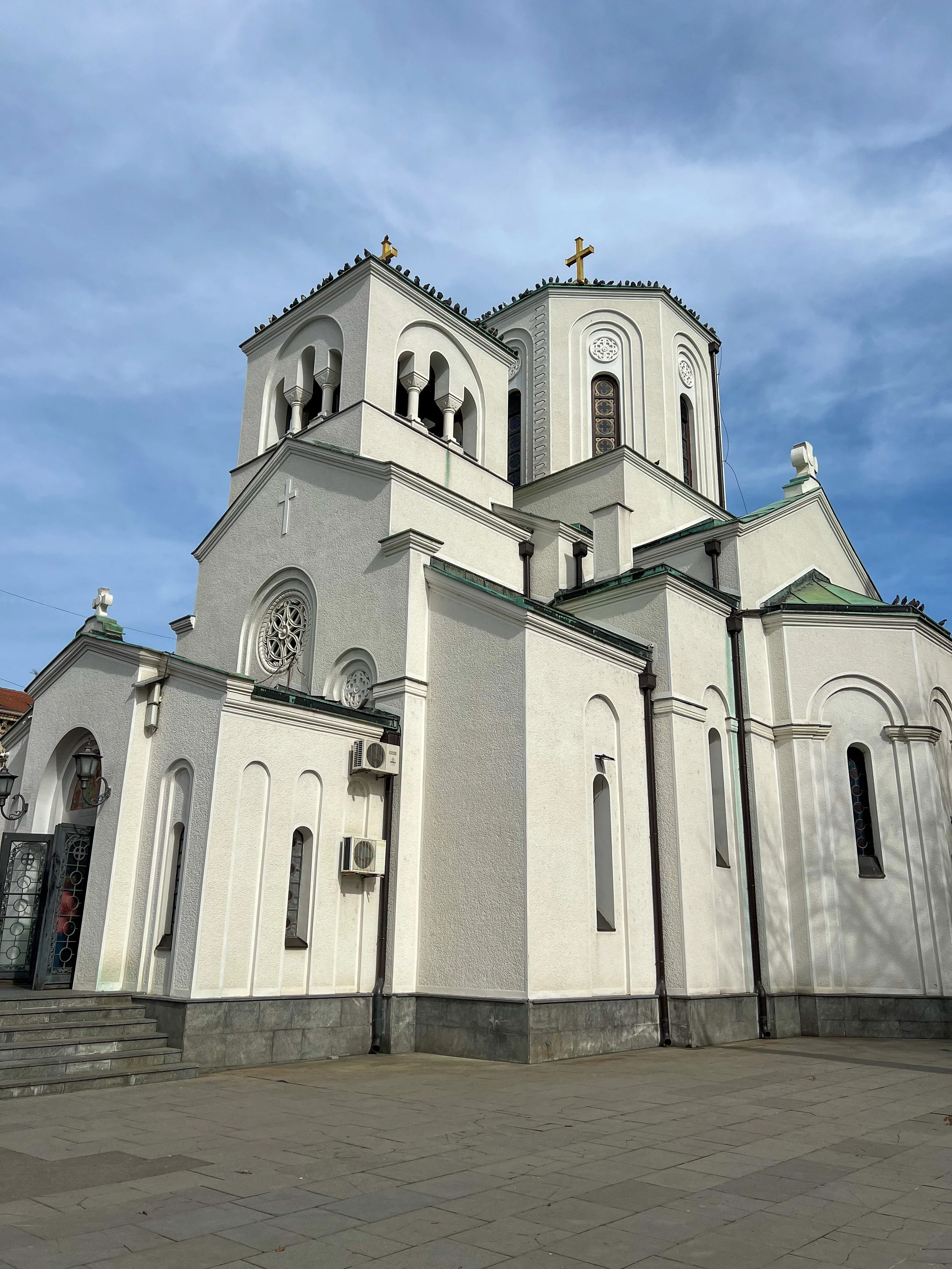
Continuing my exploration of Belgrade's religious landmarks, I visited St. Mark Orthodox Church, an architectural gem nestled in the city's historic district.
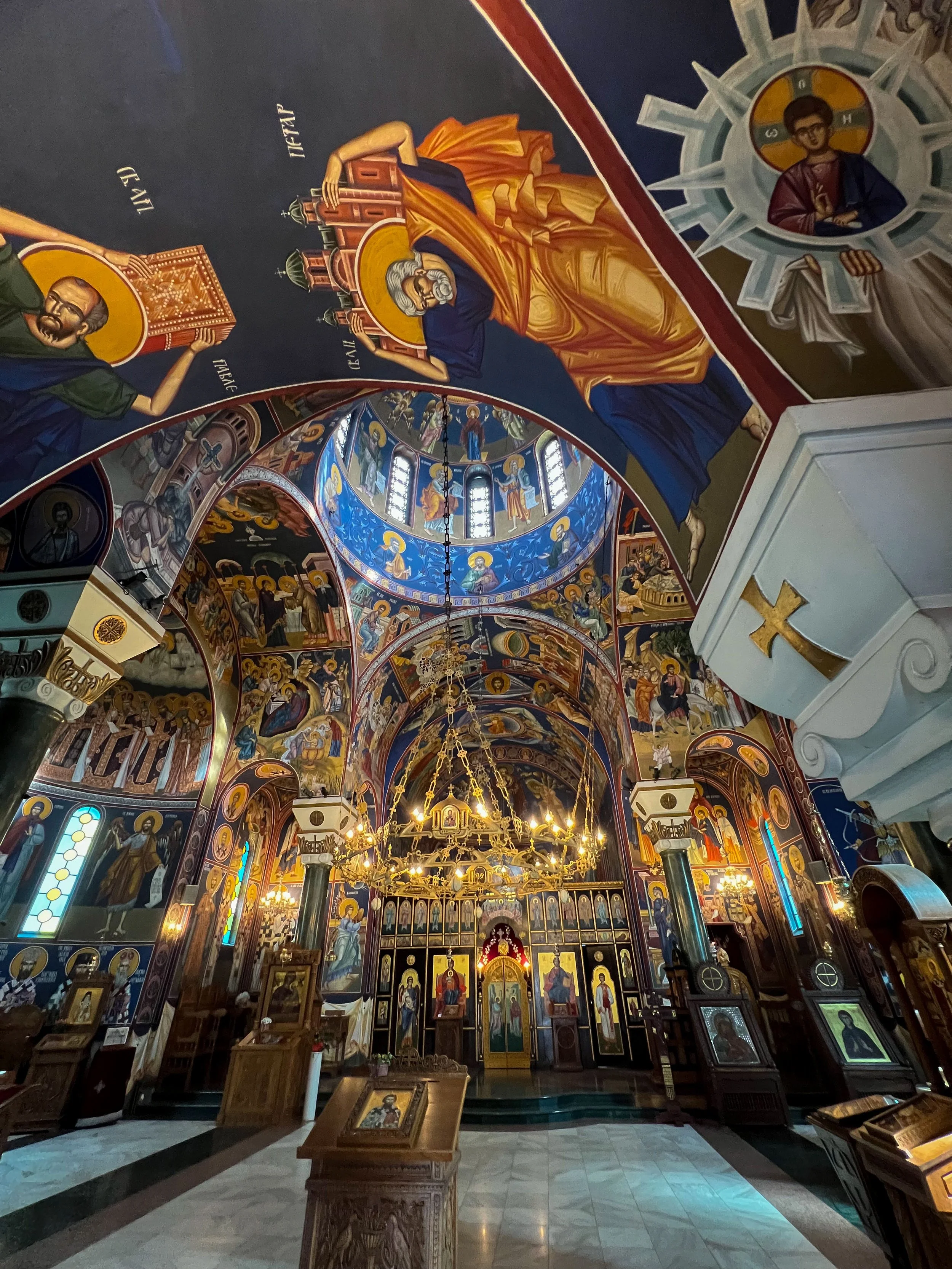
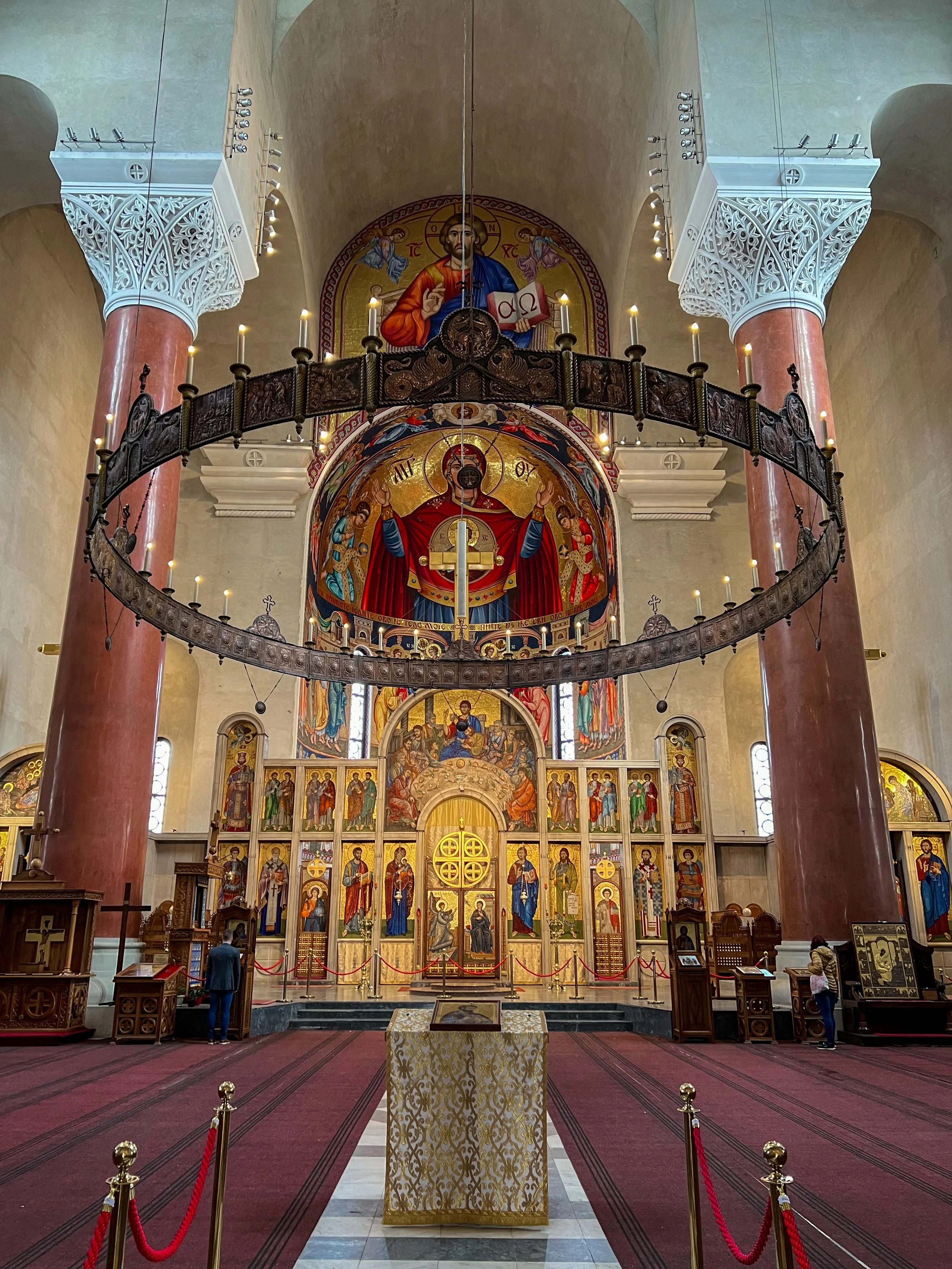
Construction of the church began in 1931 and was completed in 1940, making it one of the newer Orthodox churches in the city. It was built on the site of an earlier church that dated back to the 19th century. The architectural style of St. Mark's Church is predominantly Serbian-Byzantine, drawing inspiration from the medieval Orthodox churches of Serbia. The church is characterized by its central dome, bell towers, and ornate façade adorned with intricate carvings and decorative elements. The interior features stunning frescoes, iconography, and religious artefacts, creating a serene and spiritually uplifting atmosphere.
St. Mark's Church is dedicated to Saint Mark, one of the four evangelists and the patron saint of Belgrade. It serves as the parish church for the local Orthodox community and is a place of worship, prayer, and religious ceremonies. The church plays a central role in the spiritual life of believers, offering regular liturgies, sacraments, and services throughout the year.
As I entered the church, I was captivated by the intricate artwork depicting scenes from the Bible and Serbian history, each brushstroke telling a story of faith and tradition. The tranquil ambience and spiritual significance of St. Mark Orthodox Church make it a must-visit destination for travellers seeking to immerse themselves in Belgrade's cultural heritage.

House of the National Assembly
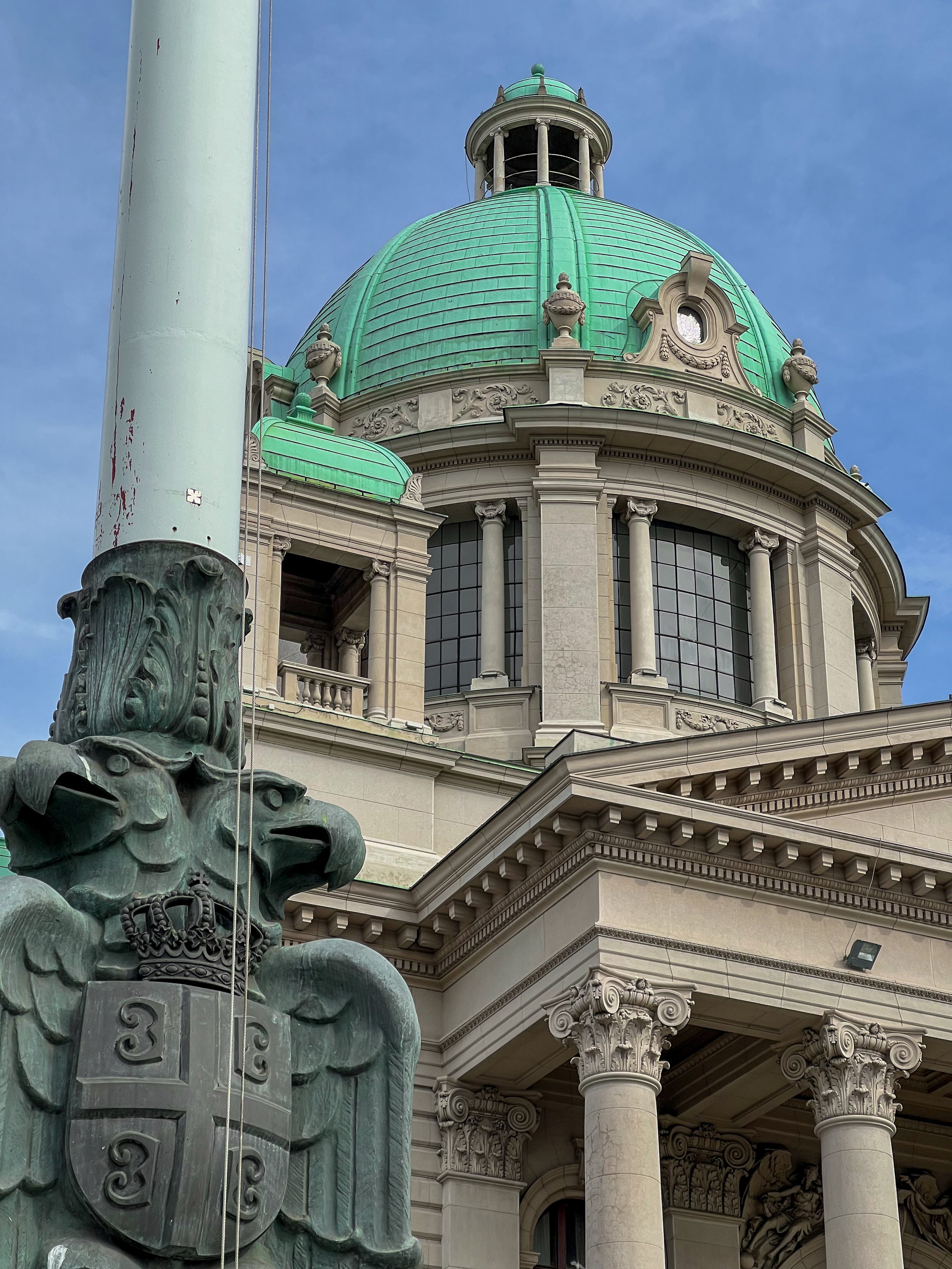
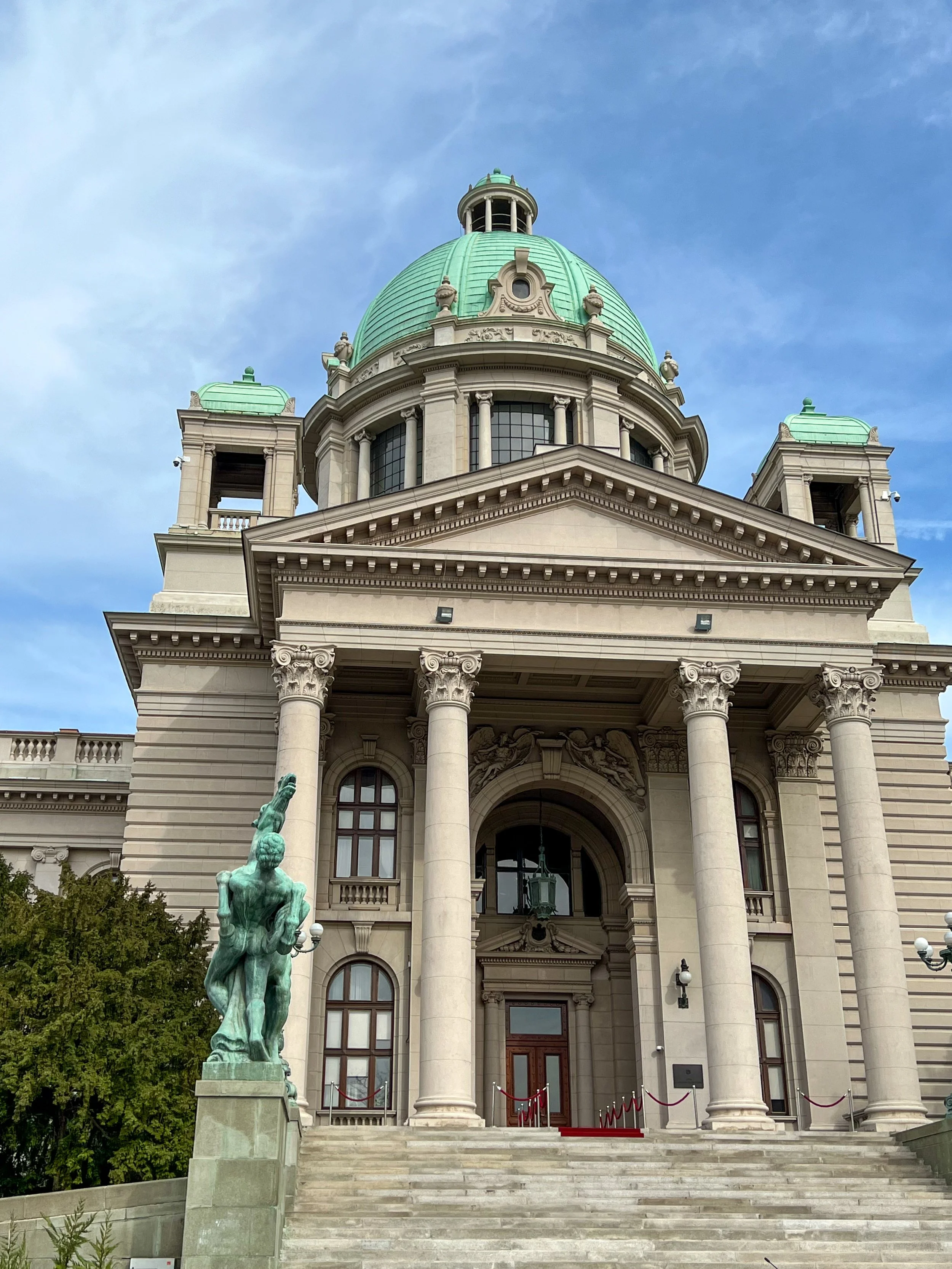
My morning journey through Belgrade led me to the House of the National Assembly, the seat of Serbia's legislative body. This imposing neoclassical building, located in the heart of the city, serves as a symbol of democratic governance and political history.
The National Assembly Building has a rich history dating back to the 20th century. Its construction began in 1907 during the reign of the Kingdom of Serbia, but due to various interruptions, it wasn't completed until 1936, during the era of the Kingdom of Yugoslavia. The building's design is attributed to architects Konstantin Jovanović and Jovan Ilkić, with influences from neoclassical and modern architectural styles.
The National Assembly Building is characterized by its grand neoclassical façade, featuring imposing columns, intricate reliefs, and a prominent central dome. The interior of the building is equally impressive, with spacious halls, ornate decorations, and majestic chambers where parliamentary sessions are held. The design reflects the ideals of democracy and national identity, embodying the aspirations of the Serbian people.
As the seat of the National Assembly of the Republic of Serbia, the Parliament Building serves as the legislative body of the country, responsible for enacting laws, overseeing government activities, and representing the interests of the Serbian people. It plays a crucial role in shaping the political landscape and governance of Serbia.
Belgrade City Centre walking tour
Eager to delve deeper into Belgrade's rich history and vibrant culture, I joined a Belgrade City Centre walking tour, embarking on an unforgettable journey through the city's most iconic landmarks and hidden gems. My tour departed Republic Square at 2pm.
Exploring Belgrade through a walking tour offers an unparalleled opportunity to immerse oneself in the city's rich history, diverse culture, and vibrant atmosphere. With its winding streets, hidden alleyways, and historic landmarks, Belgrade reveals its secrets best on foot.
A walking tour allows travellers to uncover the layers of history etched into the city's architecture, from the ancient fortresses of Kalemegdan to the grandeur of Republic Square. Walking through Belgrade's neighbourhoods, visitors can witness the juxtaposition of old and new, from medieval churches to modern art installations, gaining insight into the city's dynamic evolution over the centuries.
Bohemian Quarter
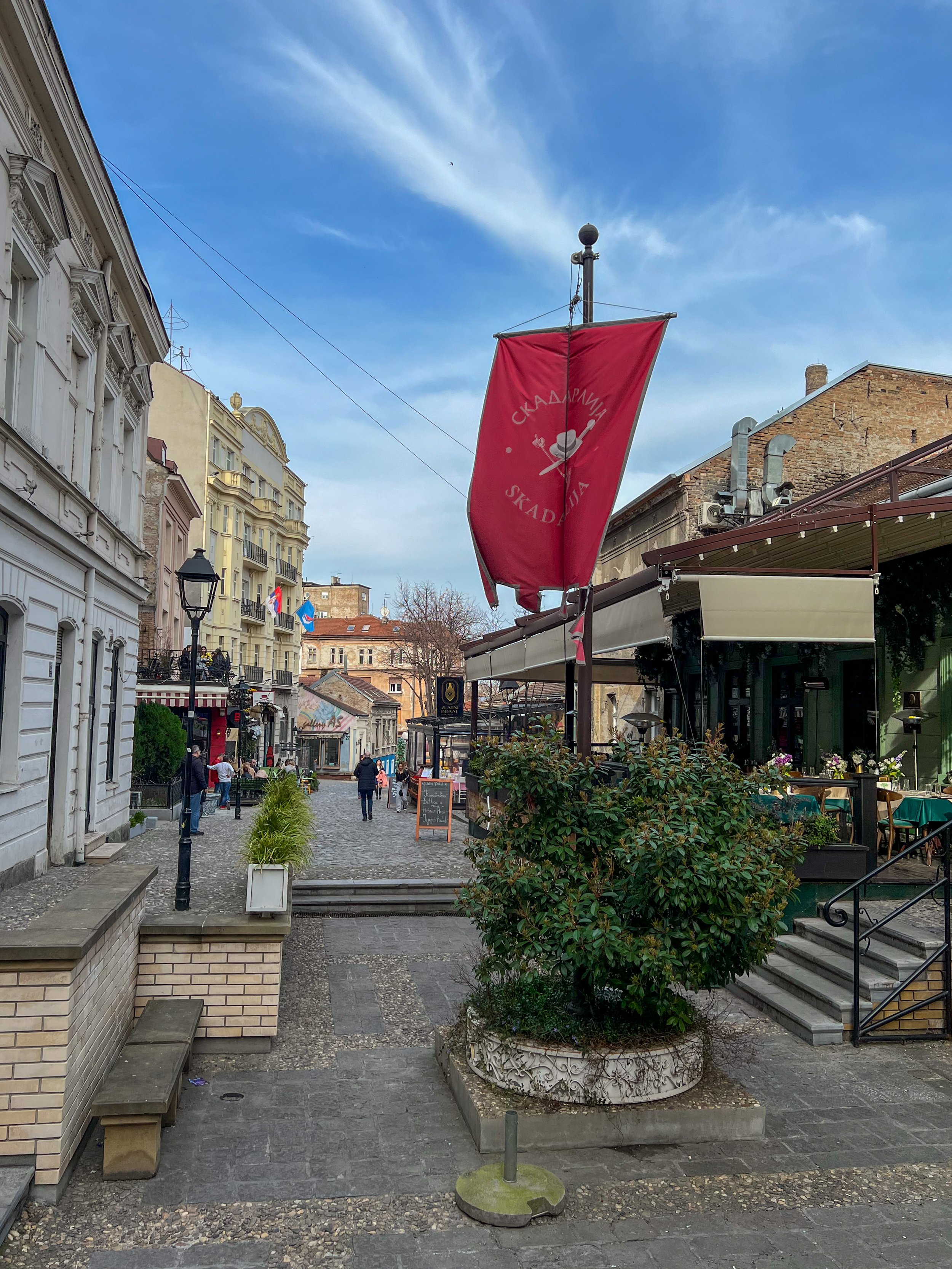
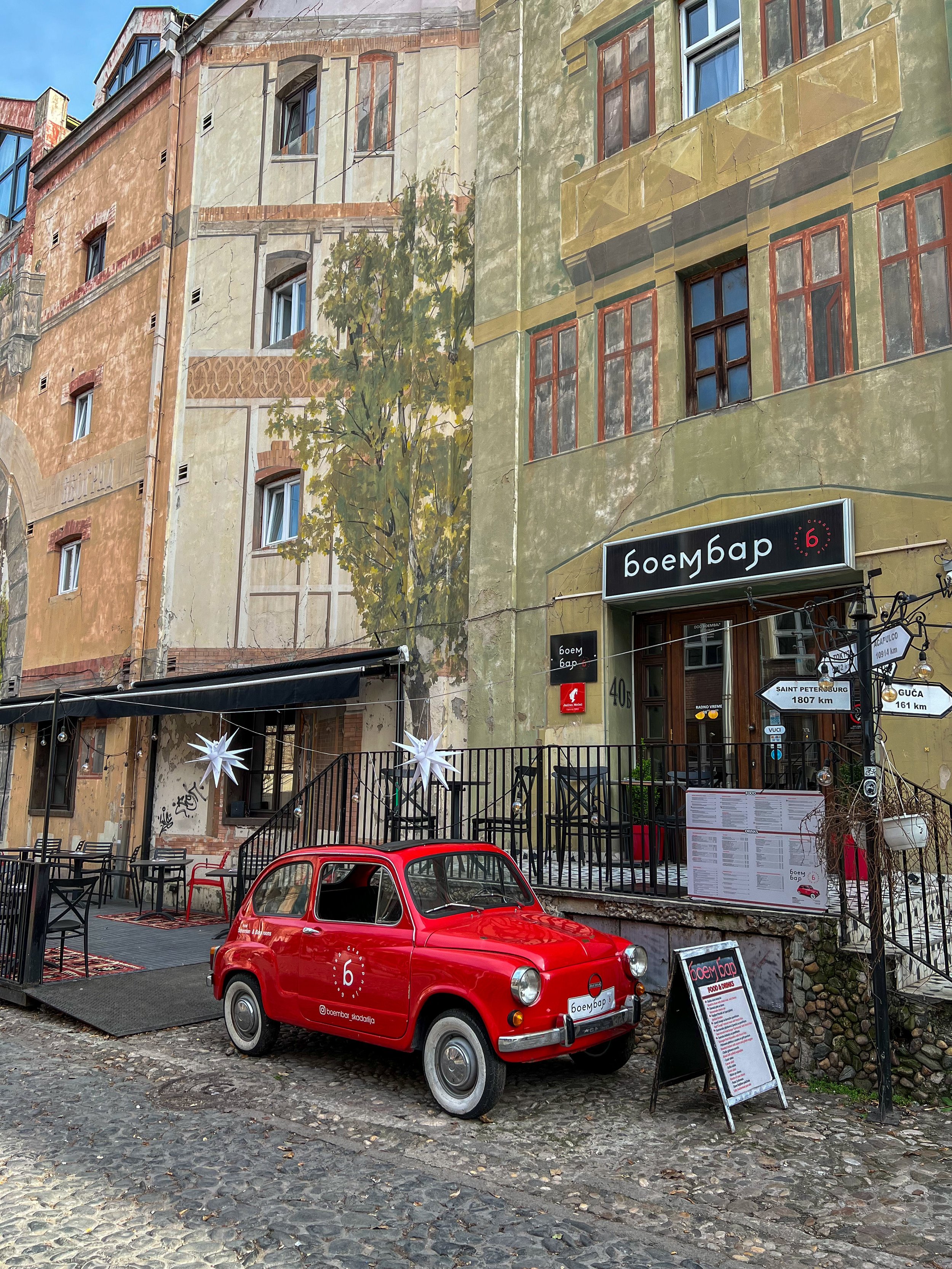
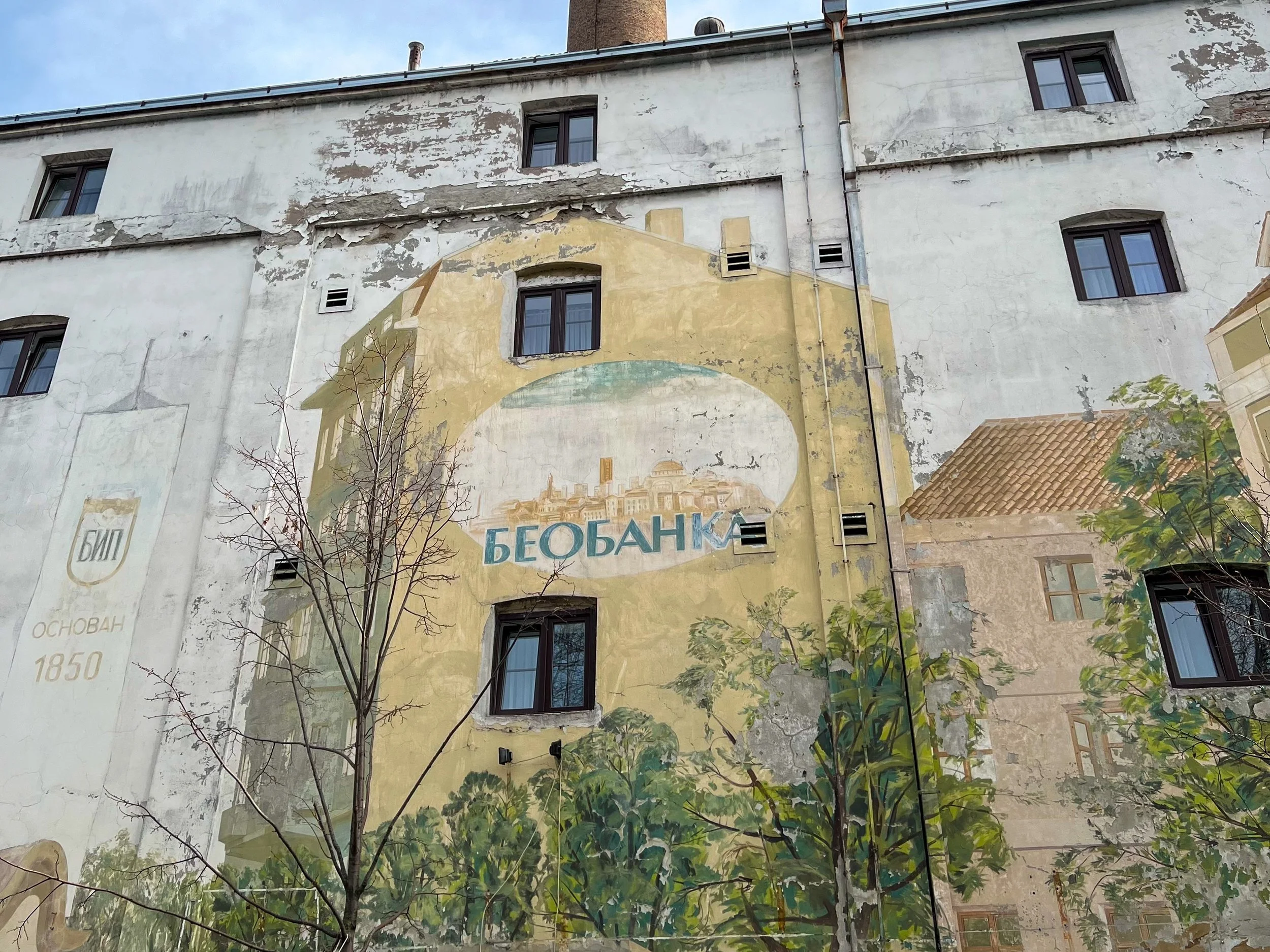
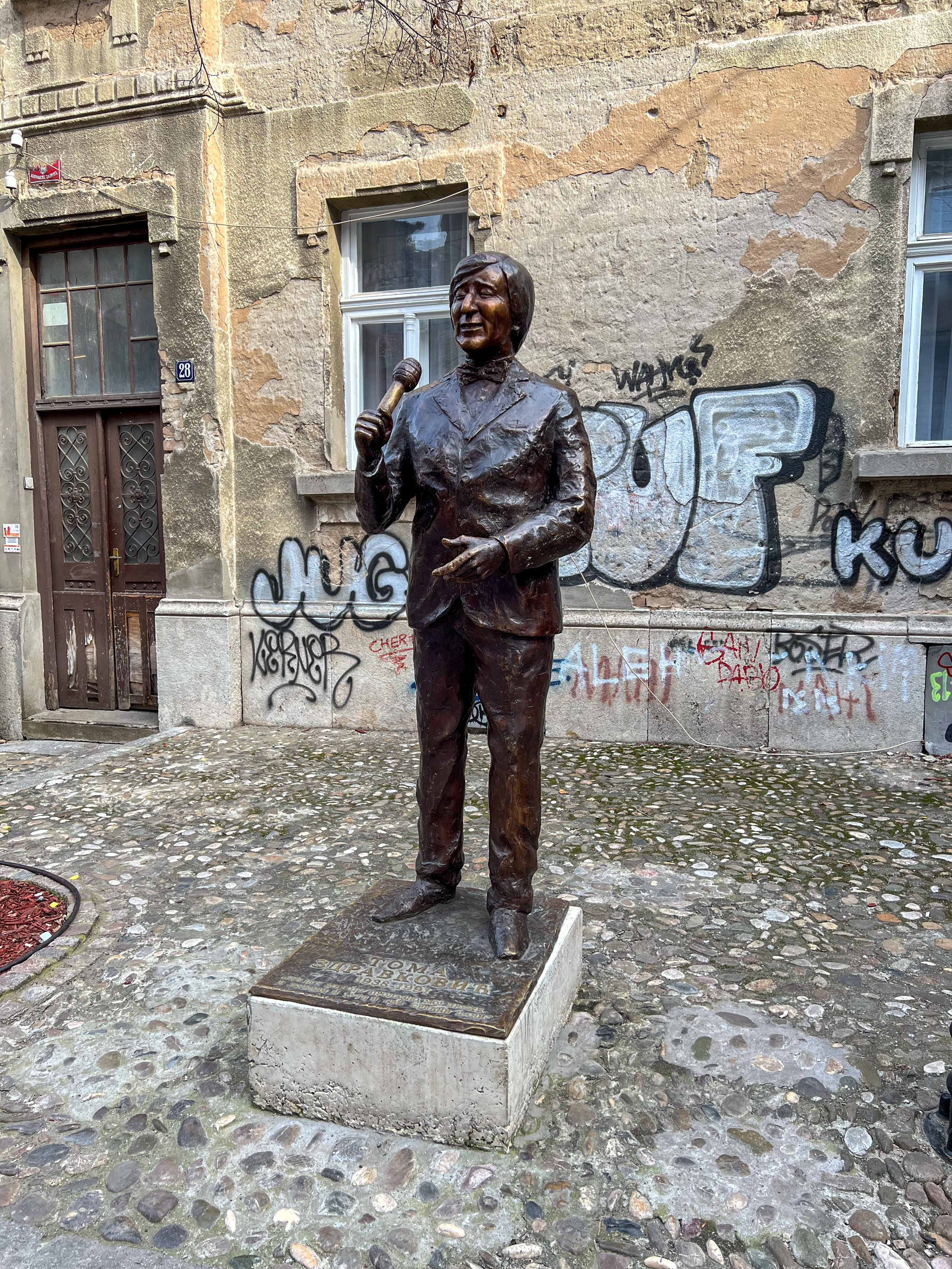
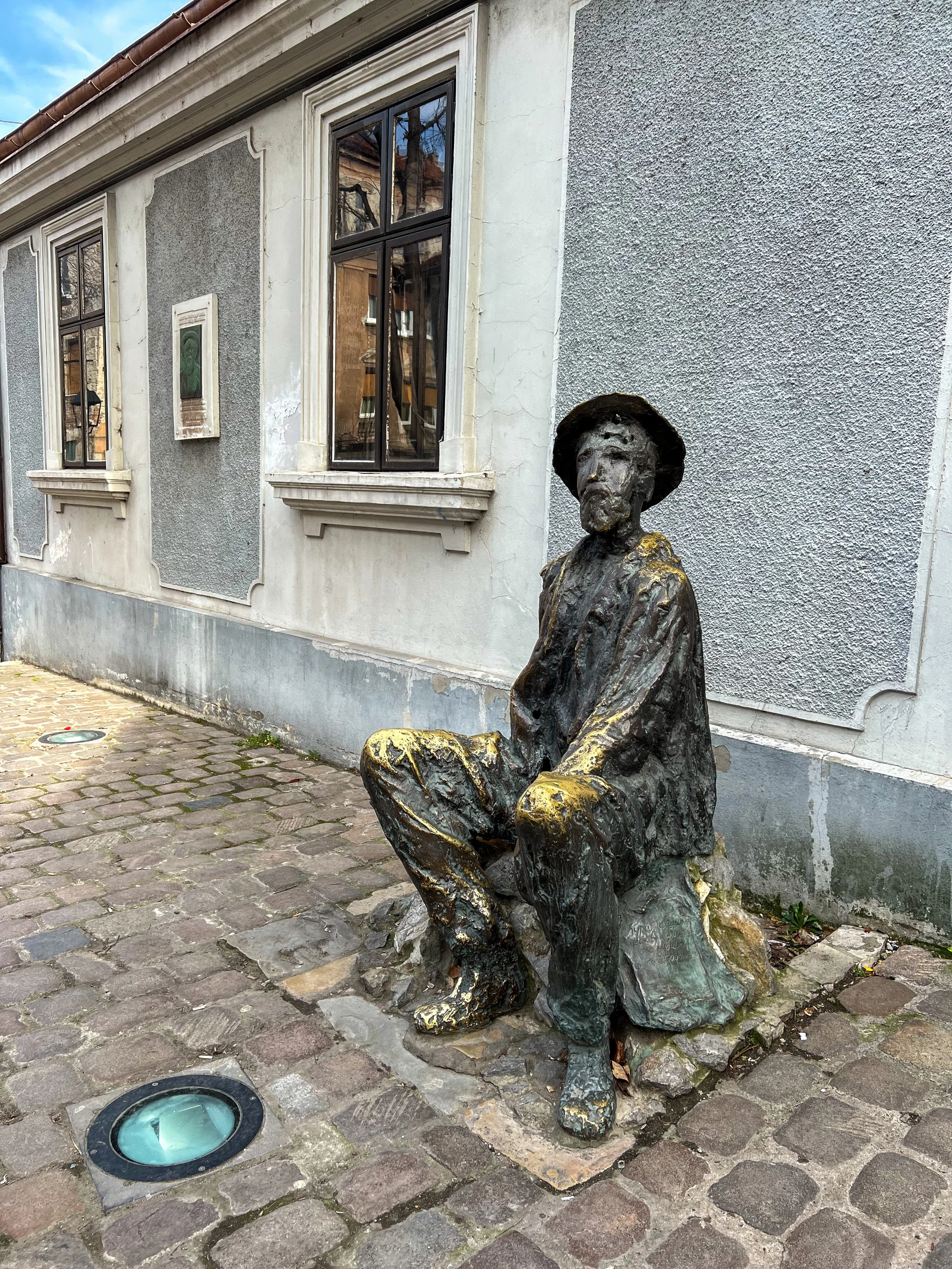
Leaving Republic Square behind, the first stop of the walking tour was the Bohemian quarter of Skadarlija, a charming cobblestone street lined with colourful buildings and traditional taverns known as kafanas. This historic neighbourhood has long been a gathering place for artists, writers, and intellectuals, earning its reputation as the "Montmartre of Belgrade."
The Bohemian Quarter boasts a storied past dating back to the 19th century. Once a bustling hub for poets, artists, and intellectuals, Skadarlija has retained much of its old-world charm, offering visitors a glimpse into Belgrade's rich cultural heritage and artistic legacy. As you wander through the narrow streets and alleyways of Skadarlija, you'll be captivated by its bohemian spirit and artistic flair. The district is adorned with vibrant murals, quirky sculptures, and eclectic street art, providing a feast for the senses and igniting the imagination of all who pass through.
One of the highlights of the Bohemian Quarter is its thriving culinary scene, featuring an array of charming cafes, traditional taverns (kafanas), and gourmet restaurants. Indulge in hearty Serbian cuisine, sample local delicacies, and savour the flavours of the Balkans as you dine al fresco amid the bustling ambience of Skadarlija.
Beyond its bustling cafes and lively nightlife, Skadarlija is home to several cultural landmarks and historic sites. Explore quaint art galleries, charming boutiques, and hidden courtyards tucked away amidst the bustling streets, each offering a glimpse into the district's rich cultural tapestry and artistic legacy.
Bajrakli Mosque
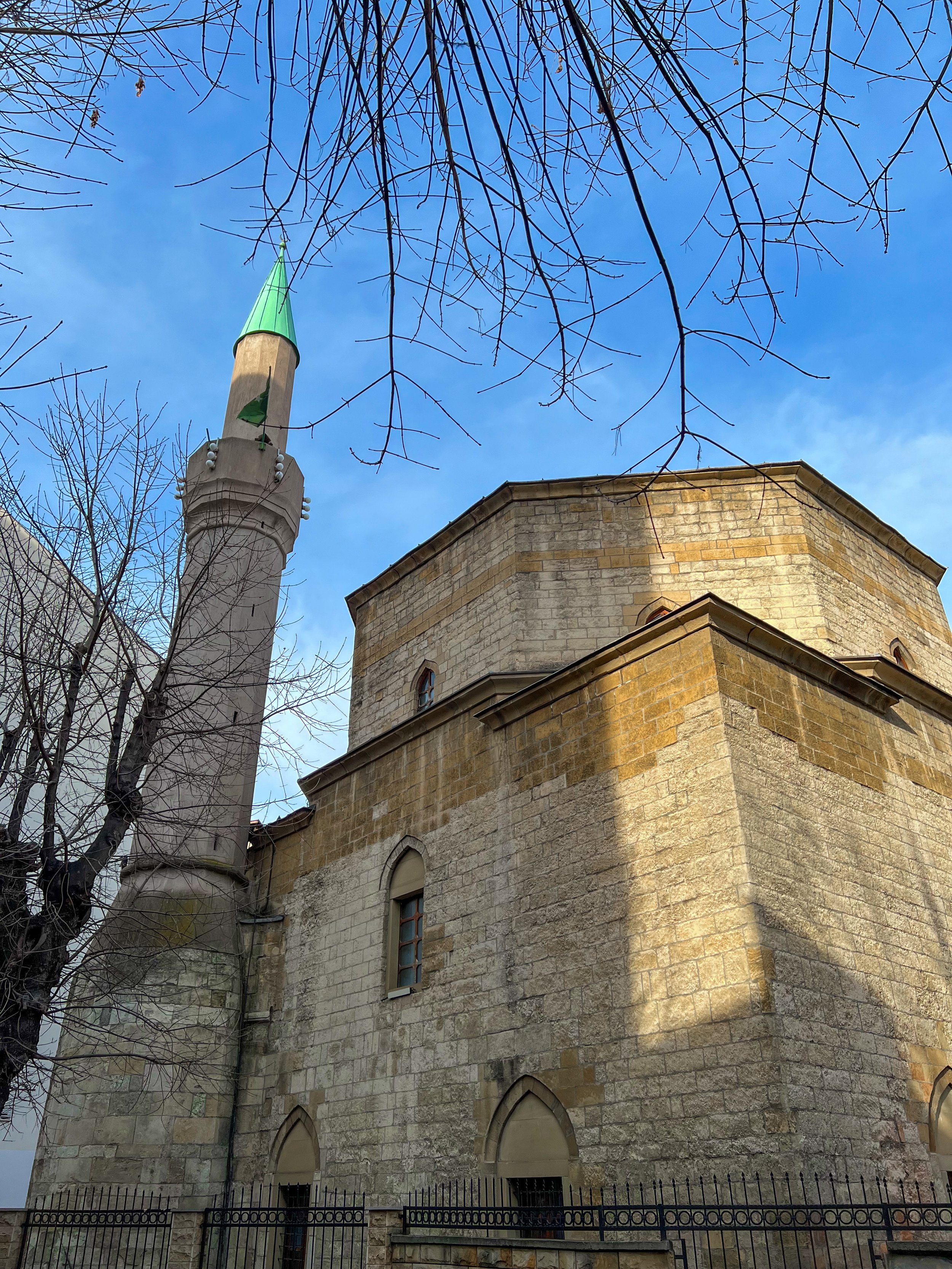
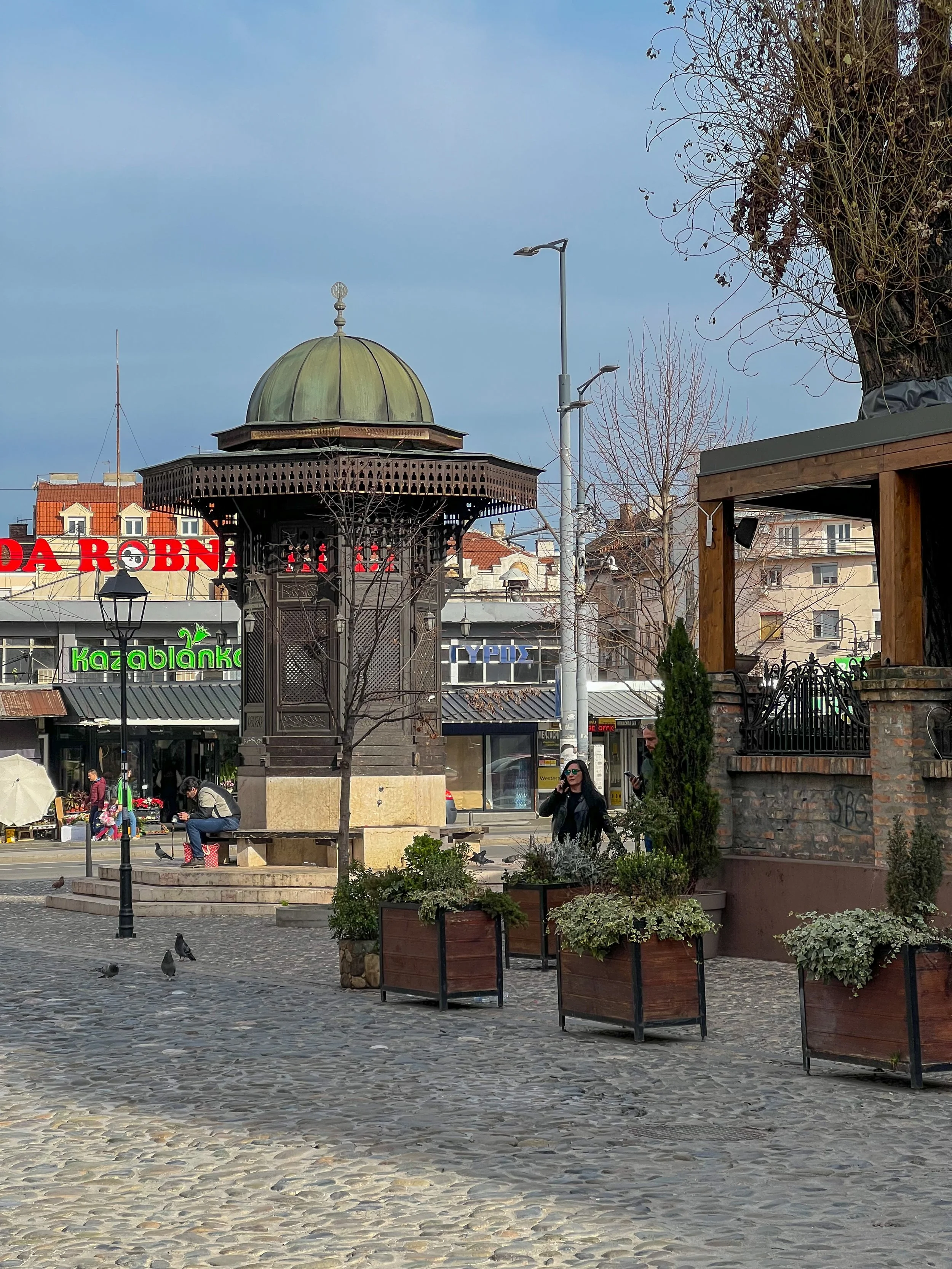
Our tour took us next to the Bajrakli Mosque, a serene oasis amidst the bustling city streets. With its elegant minaret and graceful dome, the mosque is a symbol of Belgrade's multicultural heritage and religious diversity.
Dating back to the 16th century, the Bajrakli Mosque holds the distinction of being the oldest mosque in Belgrade. Its construction was commissioned by the Ottomans during their rule over the region, and it has since stood as a symbol of Islamic faith and cultural identity in the heart of the city.
For centuries, the Bajrakli Mosque has served as a place of worship and community gathering for Belgrade's Muslim population. Its tranquil interior, adorned with exquisite decorations and prayer rugs, offers a sanctuary for contemplation and spiritual reflection amidst the bustling city streets.
Kalemegdan Park and Fortress
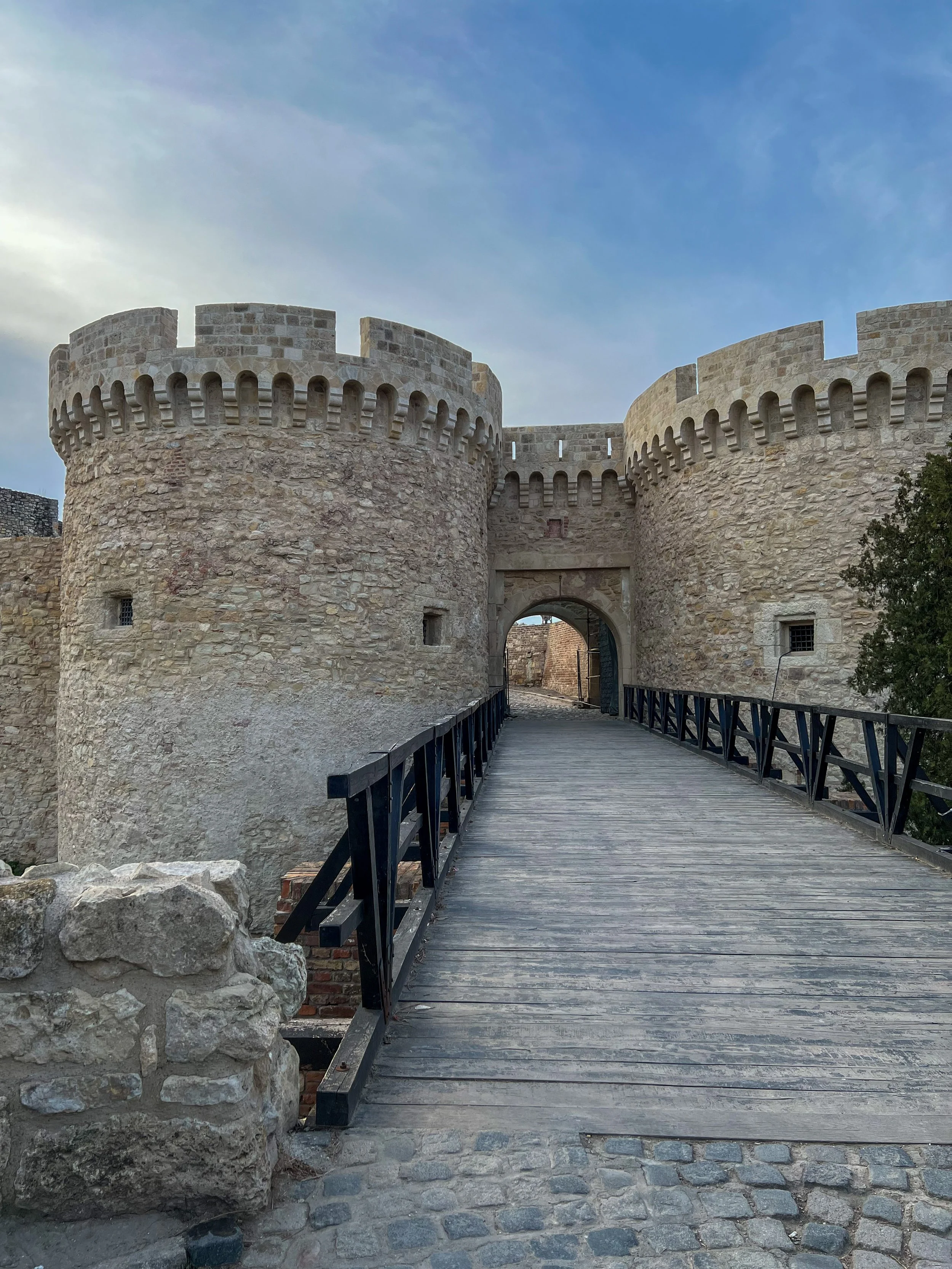
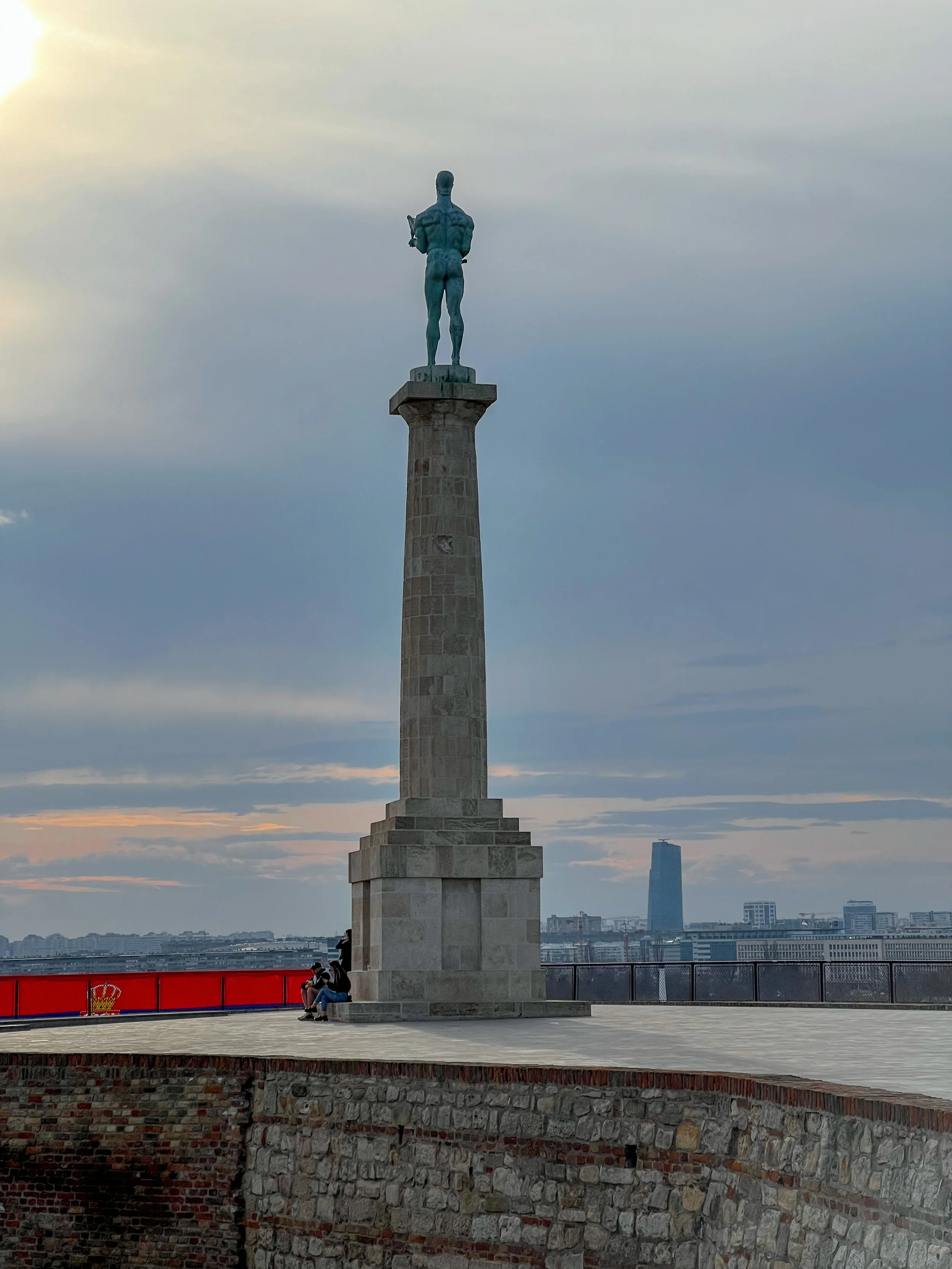
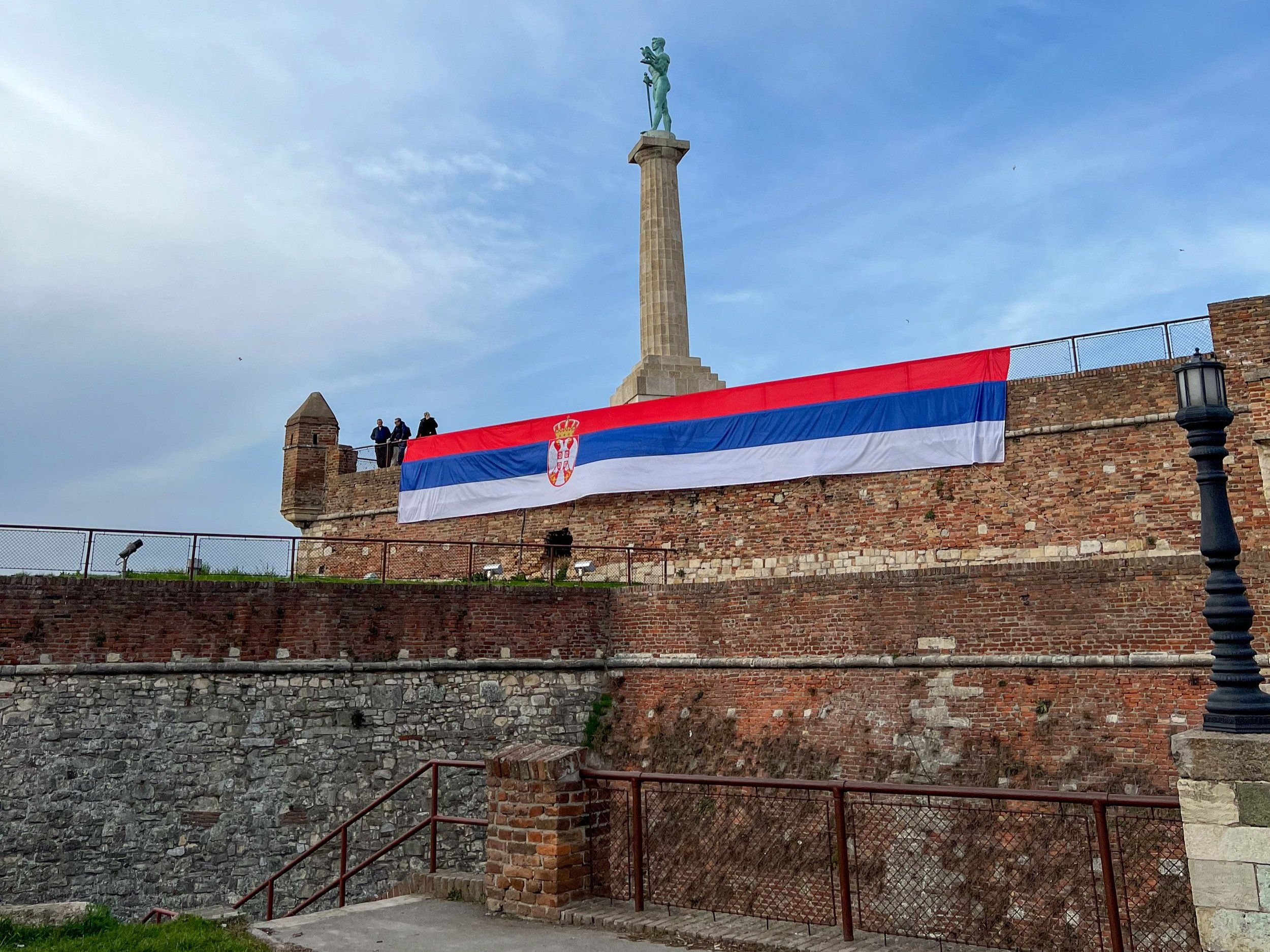
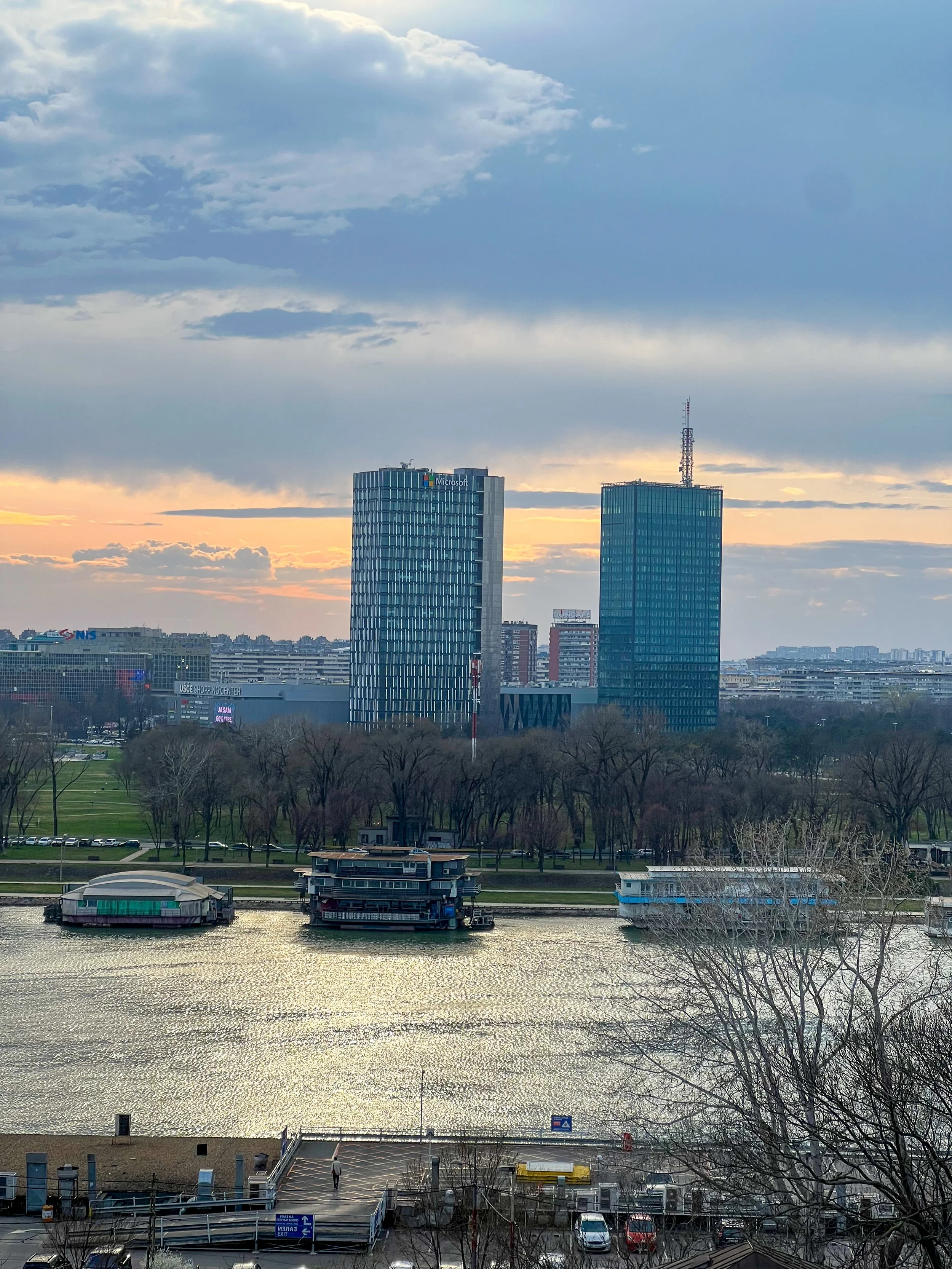
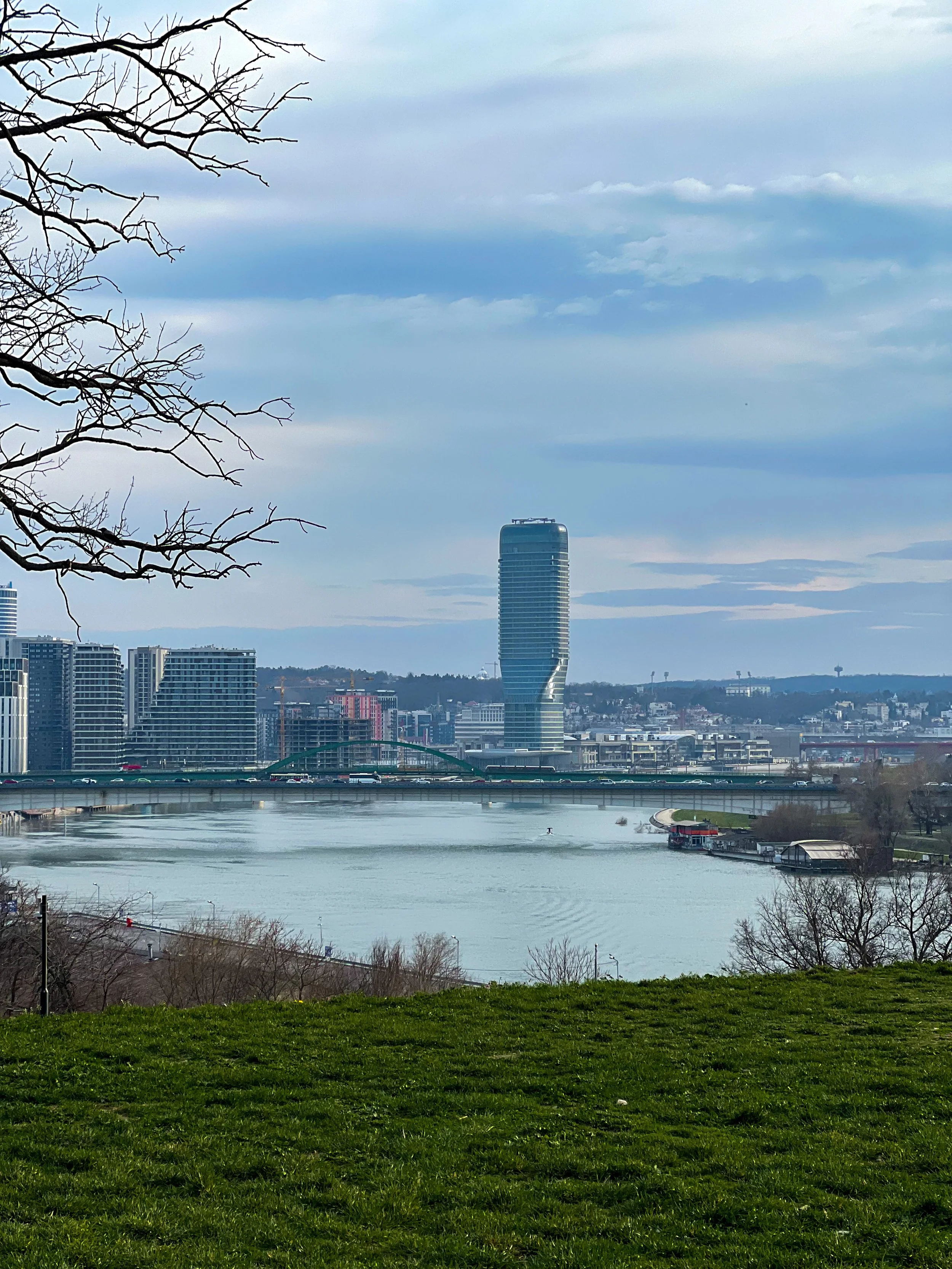
Our final destination on the tour was Kalemegdan Park and Fortress, a sprawling green oasis overlooking the confluence of the Sava and Danube rivers. Steeped in history and surrounded by breathtaking views, Kalemegdan is a beloved gathering place for locals and tourists alike.
The origins of the Kalemegdan Fortress trace back over two millennia, making it one of the oldest and most historically significant sites in Belgrade. Originally built by the Celts in the 3rd century BC, the fortress evolved over the centuries, serving as a Roman camp, Byzantine stronghold, and Ottoman citadel before taking its current form. Strategically positioned atop a hill overlooking the rivers, Kalemegdan Fortress played a vital role in defending Belgrade from numerous invasions and sieges throughout its history. From the Romans and Byzantines to the Ottomans and Austro-Hungarians, each successive empire left its mark on the fortress, shaping its architecture and character.
Beyond its military significance, Kalemegdan Fortress has also served as a cultural and social hub for the people of Belgrade. Within its walls, visitors can explore a wealth of cultural attractions, including museums, galleries, and monuments, each offering insight into the city's rich and diverse heritage. Wandering through the labyrinthine paths and ramparts of Kalemegdan Fortress, visitors are treated to panoramic views of Belgrade's skyline and the majestic rivers below. The fortress itself is a testament to architectural ingenuity, with its imposing walls, bastions, and towers reflecting the architectural styles of its various occupants.
As a symbol of Belgrade's enduring spirit and cultural heritage, Kalemegdan Fortress is meticulously preserved and maintained for future generations to enjoy. Its significance extends far beyond its walls, serving as a source of pride and inspiration for the people of Belgrade and a window into the city's storied past. As we explored the fortress grounds, I marvelled at the ancient ramparts and crumbling ruins that bear witness to centuries of conquest and conflict. From the imposing Clock Tower to the iconic Pobednik monument, each corner of Kalemegdan tells a story of resilience and fortitude.

St. Michael's Cathedral
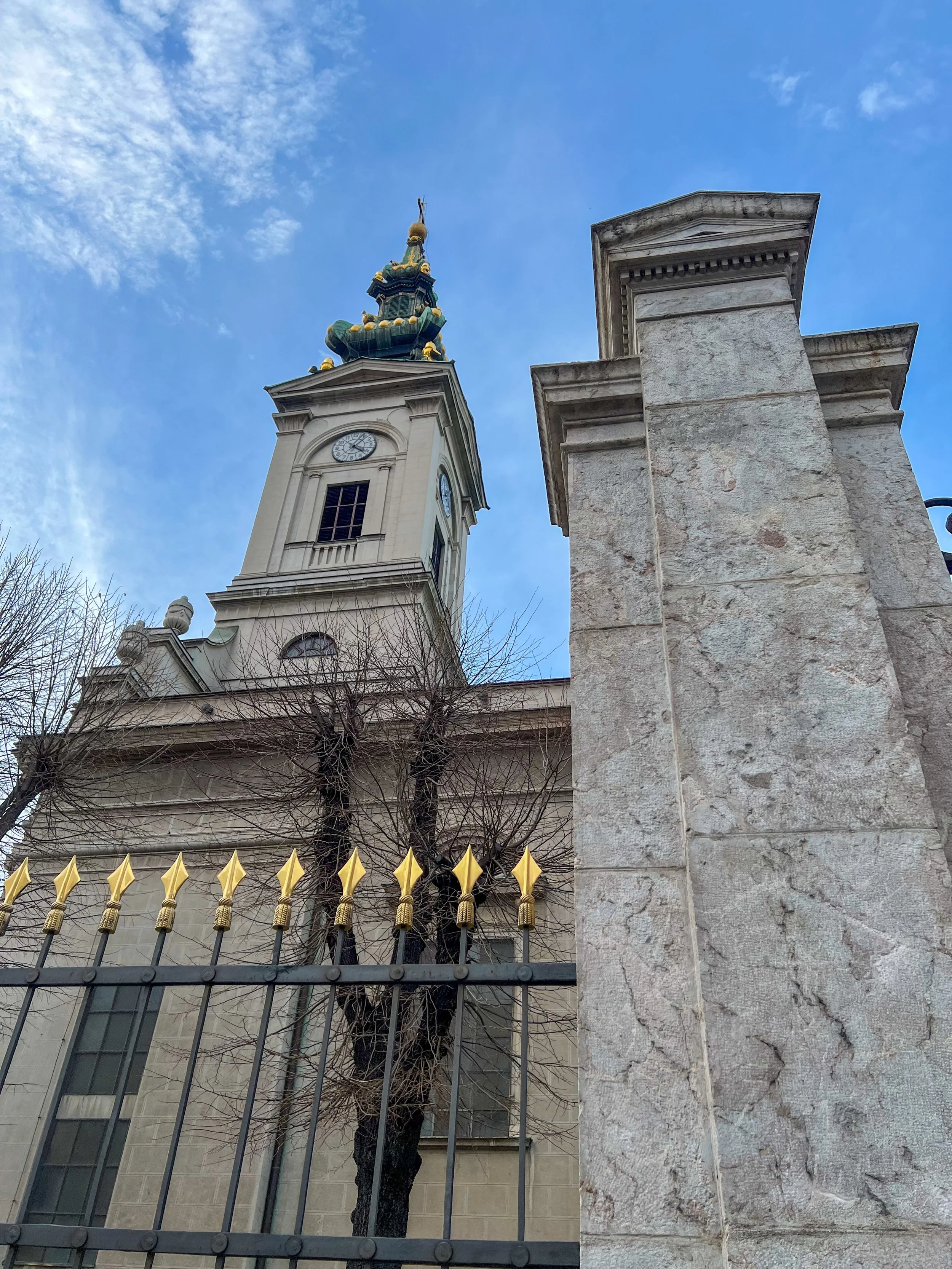
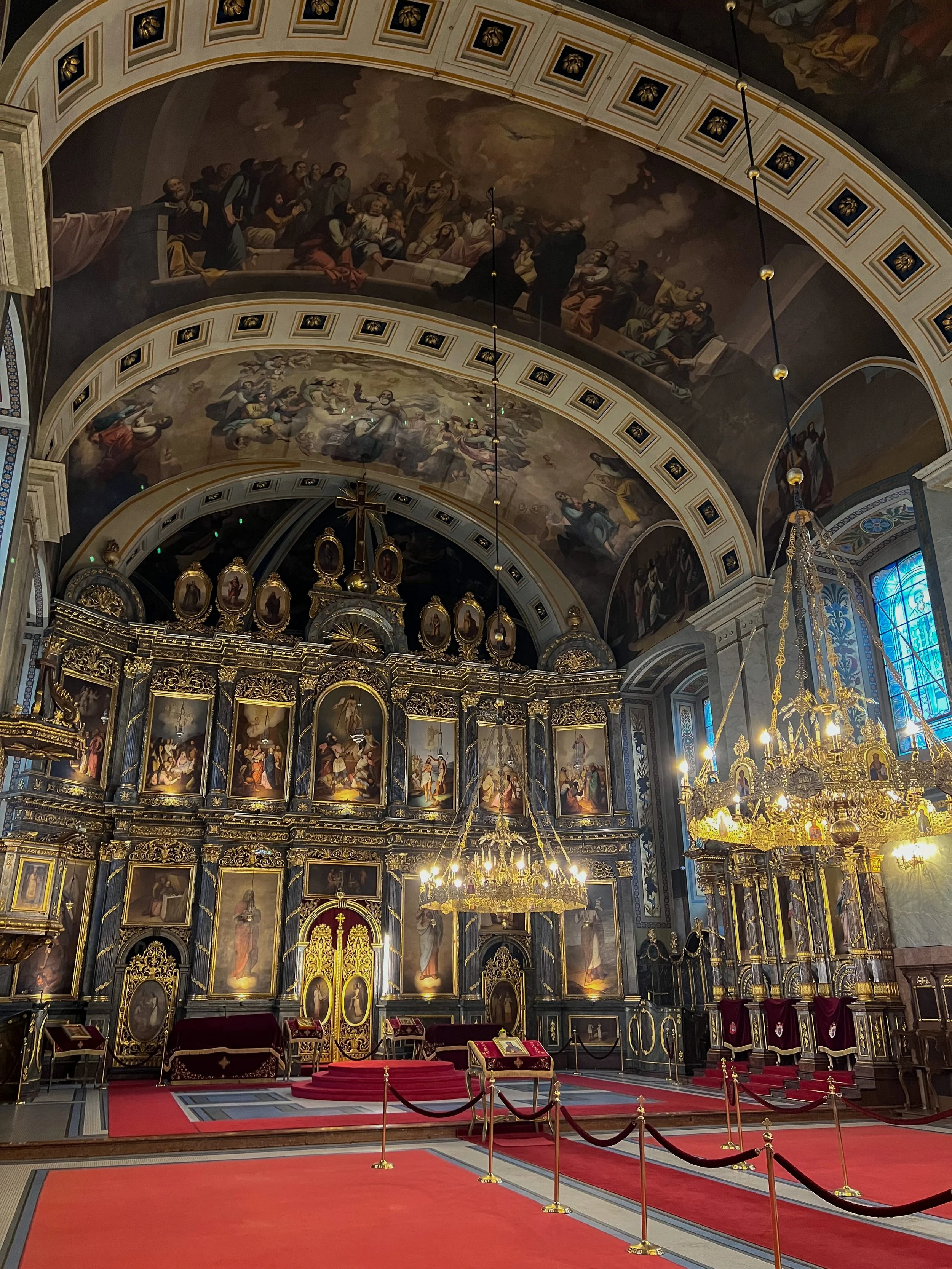
Our tour concluded with a visit to St. Michael's Cathedral, a magnificent masterpiece of Serbian Orthodox architecture. Dating back to the 19th century, the church is renowned for its stunning frescoes and ornate iconostasis, which depict scenes from the life of Christ and the history of the Serbian Orthodox Church.
Step back in time to the 17th century when the foundations of St. Michael's Cathedral were first laid. After a devastating fire destroyed its predecessor, the cathedral we see today began to take shape between 1837 and 1840, thanks to the vision of architect Nikola Živković. Its Serbian-Byzantine architectural style, characterized by intricate carvings, domed roofs, and ornate frescoes, reflects the rich heritage of Serbian Orthodox tradition.
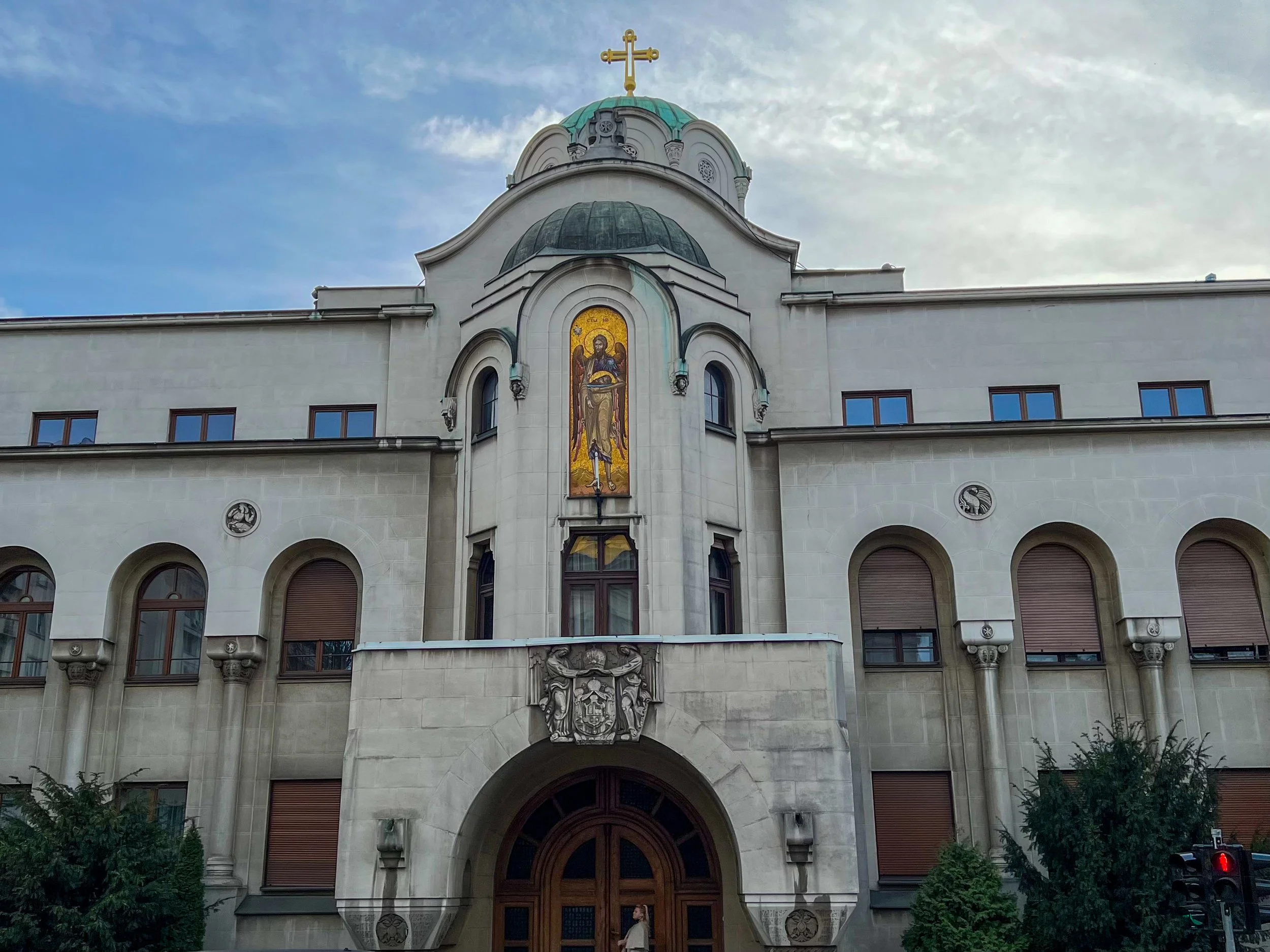
The St. Michael's Cathedral is more than just a religious institution; it's a cornerstone of Belgrade's cultural and spiritual landscape. Dedicated to Saint Michael the Archangel, the cathedral serves as the seat of the Serbian Orthodox Church in Belgrade, making it a focal point for religious worship, celebrations, and ceremonies.
Over the years, the St. Michael's Cathedral has undergone meticulous restoration efforts to preserve its structural integrity and historical value. Despite the passage of time and the challenges of modernization, this iconic landmark continues to inspire awe and admiration from locals and tourists alike.
Day 2
On the second day of my adventure in Belgrade, I set out to explore the city's Jewish heritage. The history of Jews in Belgrade spans centuries, marked by periods of coexistence, prosperity, and adversity. Jews first settled in Belgrade during the medieval period, likely in the 15th century, although there is evidence suggesting earlier Jewish presence in the region.
Initially, Jews faced restrictions and discrimination, but they gradually gained rights and privileges, particularly during the Ottoman rule when they were granted autonomy and allowed to engage in various professions such as trade, finance, and medicine. By the 18th and 19th centuries, the Jewish community in Belgrade had grown significantly, contributing to the city's cultural, economic, and intellectual life.
If you want to learn more about the Jewish heritage of Belgrade with a professional guide and without having to worry about transportation, you also have the option to book a tour of Belgrade's Jewish heritage.
However, the 20th century brought significant challenges for the Jewish population in Belgrade, particularly during World War II and the Holocaust. Under Nazi occupation, Jews in Belgrade faced persecution, deportation, and extermination. Thousands were rounded up and sent to concentration camps, resulting in the decimation of the Jewish community. Despite these dark chapters, some Jews managed to survive thanks to the efforts of righteous individuals and partisan resistance movements.
After the war, a small number of survivors returned to Belgrade, but the community never fully recovered its pre-war vibrancy. Today, Belgrade is home to a smaller Jewish community, which continues to preserve its heritage, culture, and traditions while commemorating the memory of those who perished during the Holocaust.
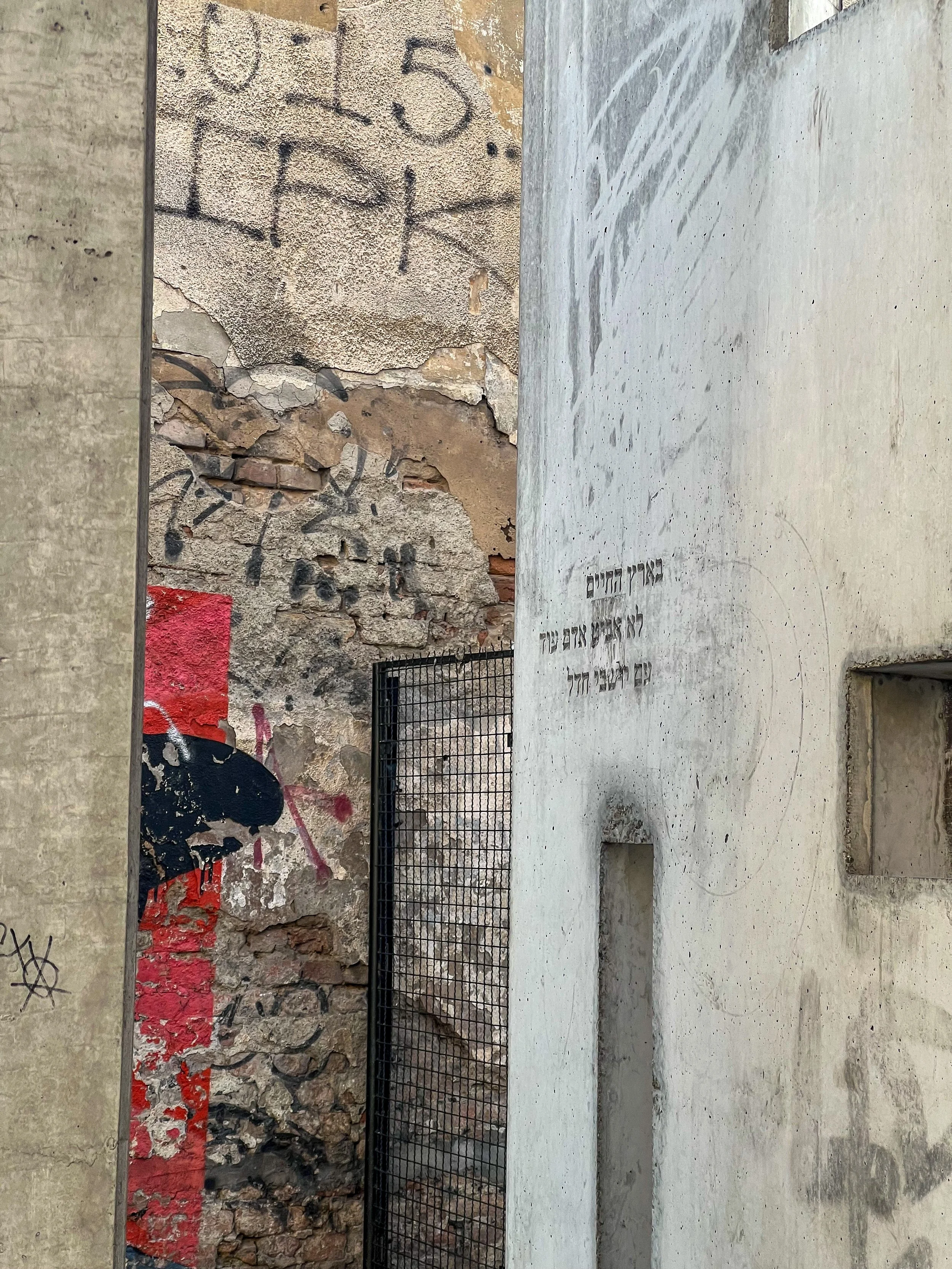
I started the day visiting the Monument of the Holocaust Victims located in Braće Krsmanović street. It was from this place that the agony of Jewish women and children began, taken prisoner to a Jewish concentration camp in Zemun, established on the former grounds of the Belgrade fair. At that time, in the territory of the Independent State of Croatia, from late March until May 10, 1942, around 6,300 people were killed by the deadly passage of a truck with a gas chamber, which drove from the left bank of the Sava to Jajinci. Serbia thus became one of the first territories occupied by the Germans in Europe, where the Nazi plan for the total annihilation of Jews was carried out.
Kralja Petra Street & Sukkat Shalom Synagogue
From there, I wandered along Kralja Petra Street, a charming thoroughfare lined with historic buildings and cultural landmarks. Named after Karla Petra, a prominent Jewish philanthropist and community leader, the street serves as a tribute to Belgrade's rich Jewish heritage and contributions to Serbian society.
I also stopped by the Sukkat Shalom Synagogue of Belgrade. Located in the heart of the historic Jewish quarter, this beautiful synagogue serves as a testament to the resilience and perseverance of Belgrade's Jewish community. Unfortunately, the synagogue was under high-security protection and visits were not allowed.
As I strolled along the cobblestone sidewalks, I marvelled at the eclectic mix of architectural styles and the vibrant street life that defines this historic neighbourhood. From quaint cafes to artisanal boutiques, Karla Petra Street offers a glimpse into the past and present of Belgrade's Jewish community.
Continuing my exploration, I made my way to the Jewish Historical Museum, housed in a historic building near Karla Petra Street. Founded in 1948, the museum is dedicated to preserving and promoting the history and culture of Serbia's Jewish community through exhibitions, artefacts, and educational programs. Unfortunately, the building was closed during my visit.
Inside the museum, you can discover a treasure trove of artefacts and documents that trace the journey of Belgrade's Jewish community from ancient times to the present day. From ceremonial objects and religious artefacts to photographs and personal testimonies, each exhibit offers valuable insights into the resilience and resilience of the Jewish people.
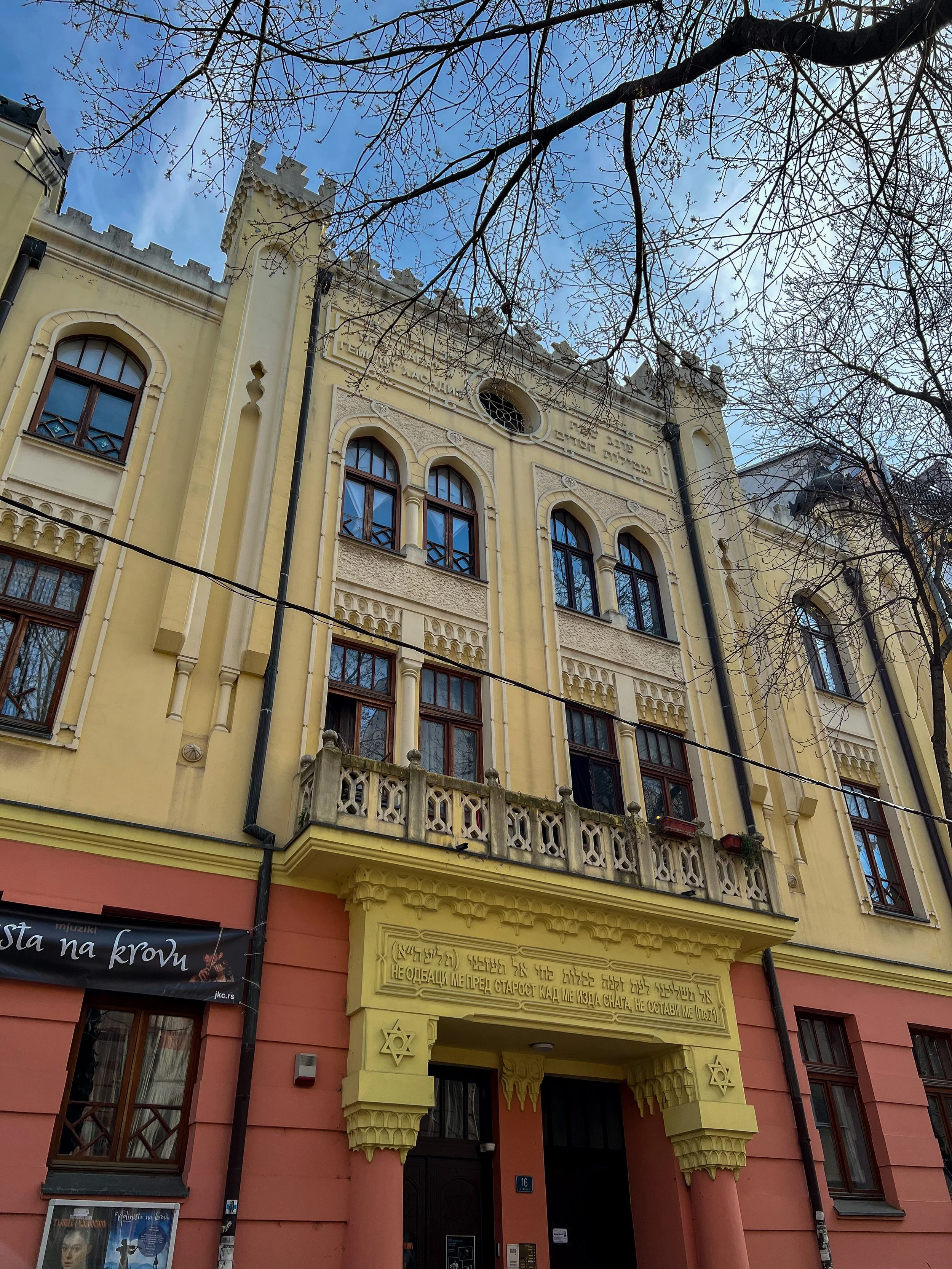
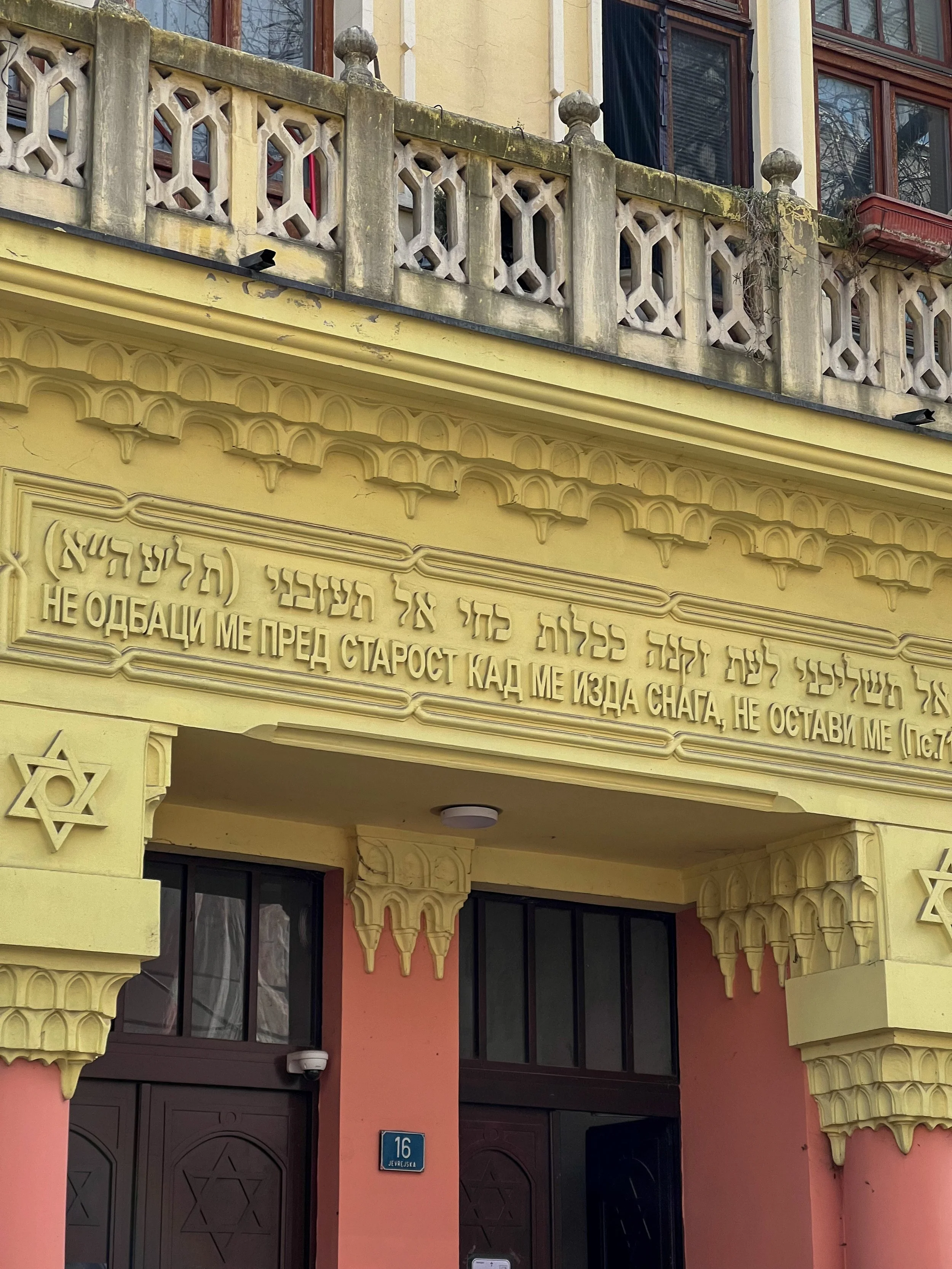
Oneg Shabbat building
The Oneg Shabbat building is another significant historical site associated with Jewish heritage in the city. It served as a central hub for Jewish cultural, educational, and social activities during the early 20th century. The building was established by the Oneg Shabbat Society, which was founded in 1897 with the aim of promoting Jewish religious observance and fostering a sense of community among Jews in Belgrade. The society played a crucial role in preserving Jewish identity and traditions in the face of various challenges, including discrimination and persecution.
The Oneg Shabbat building itself was a multi-purpose facility, housing a synagogue, a library, classrooms for religious instruction, meeting rooms, and administrative offices. It served as a focal point for Jewish life in Belgrade, hosting religious services, cultural events, lectures, and social gatherings.
During World War II, the Oneg Shabbat building played a vital role in sheltering and supporting Jewish refugees fleeing persecution in Nazi-occupied Europe. However, like many Jewish institutions across Europe, it suffered significant damage and destruction during the Holocaust.
After the war, efforts were made to rebuild and restore the Oneg Shabbat building, symbolizing the resilience and determination of the Jewish community in Belgrade. Today, it stands as a testament to the enduring legacy of Jewish culture and heritage in Serbia, serving as a reminder of the community's history and contributions to the city.
Menorah in Flames
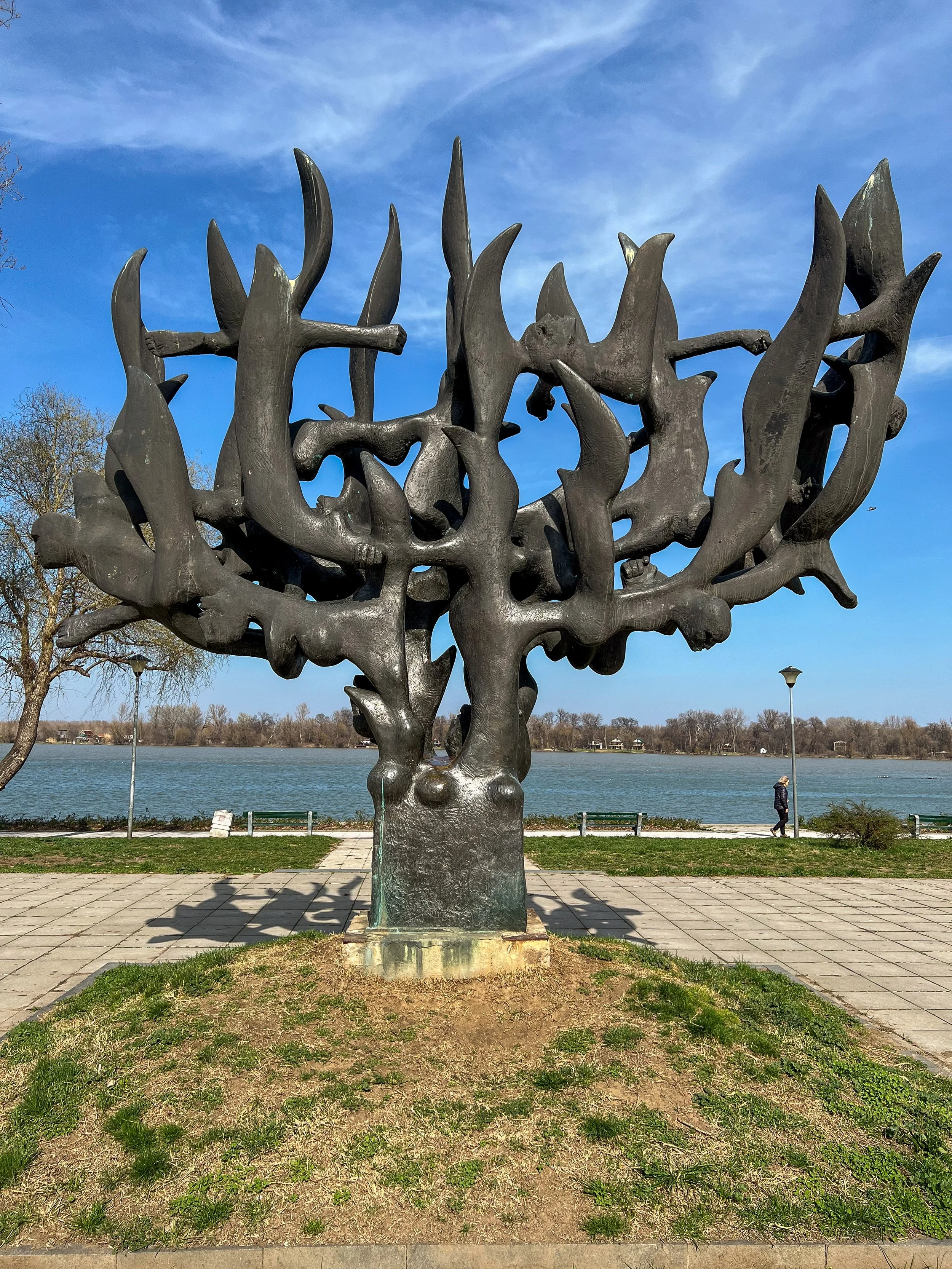
After seeing the Oneg Shabbat building, I continued walking towards the river to see the Menorah in Flames, a symbol of hope and perseverance for the Jewish people. Erected in 1990, the monument stands in the heart of Belgrade, near the former site of the Sephardic Jewish Synagogue, which was destroyed during World War II.
The monument takes the form of a large bronze menorah, a traditional Jewish candelabra, engulfed in flames. The flames represent the devastation of the Holocaust, during which six million Jews, along with millions of others, were systematically persecuted and murdered by the Nazis and their collaborators.
Designed by sculptor Nandor Glid, the Menorah in Flames serves as a solemn reminder of the atrocities committed during the Holocaust and the importance of remembering and honouring the victims. It also stands as a testament to the resilience of the Jewish people and their determination to preserve their cultural identity in the face of persecution.
The location of the monument is significant, as it serves as a focal point for commemorating the Holocaust and promoting education and remembrance. It is often visited by tourists, locals, and members of the Jewish community, who come to pay their respects and reflect on the tragedies of the past.
The Cemetery of the 1944 Belgrade Liberators
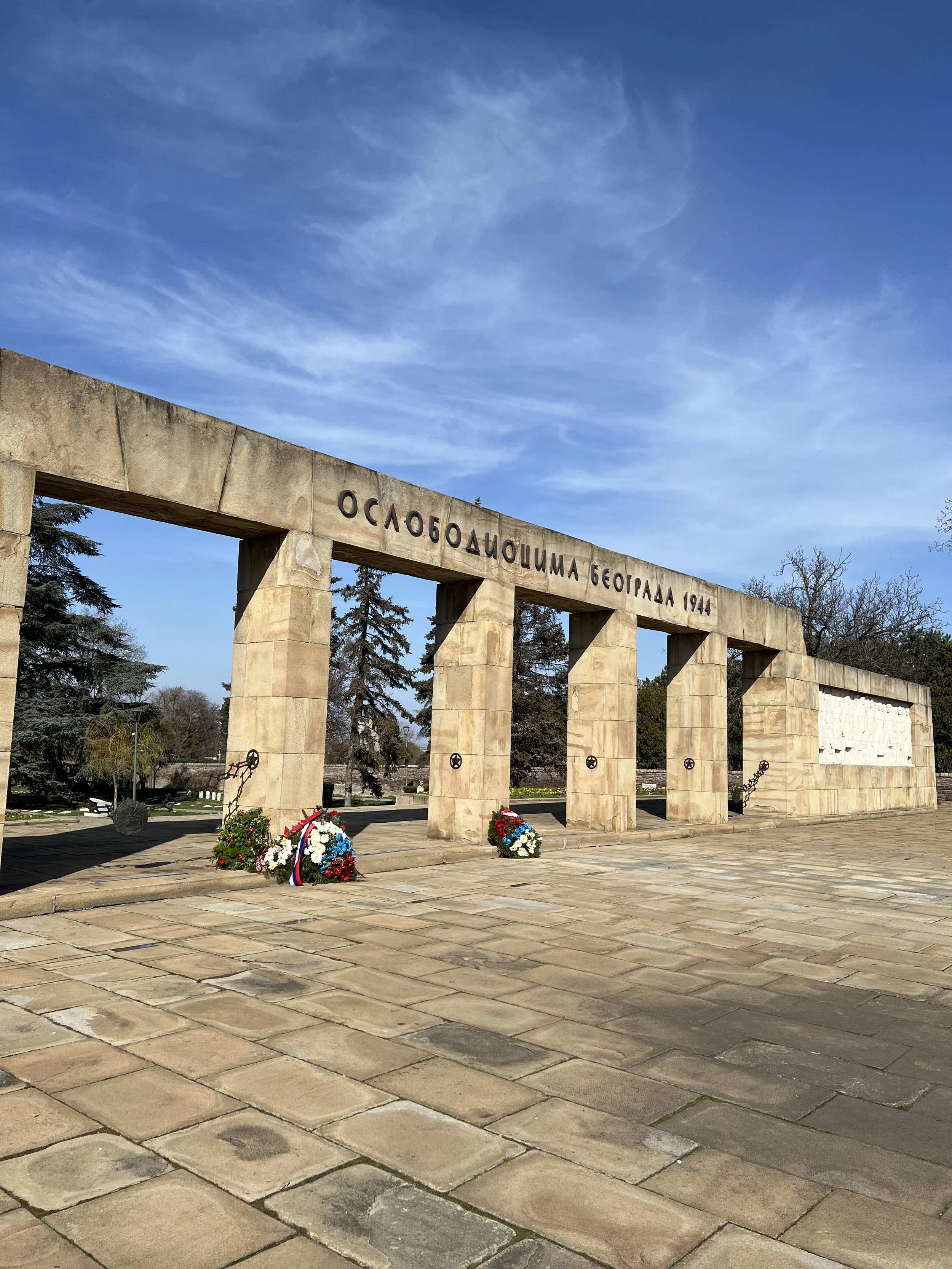
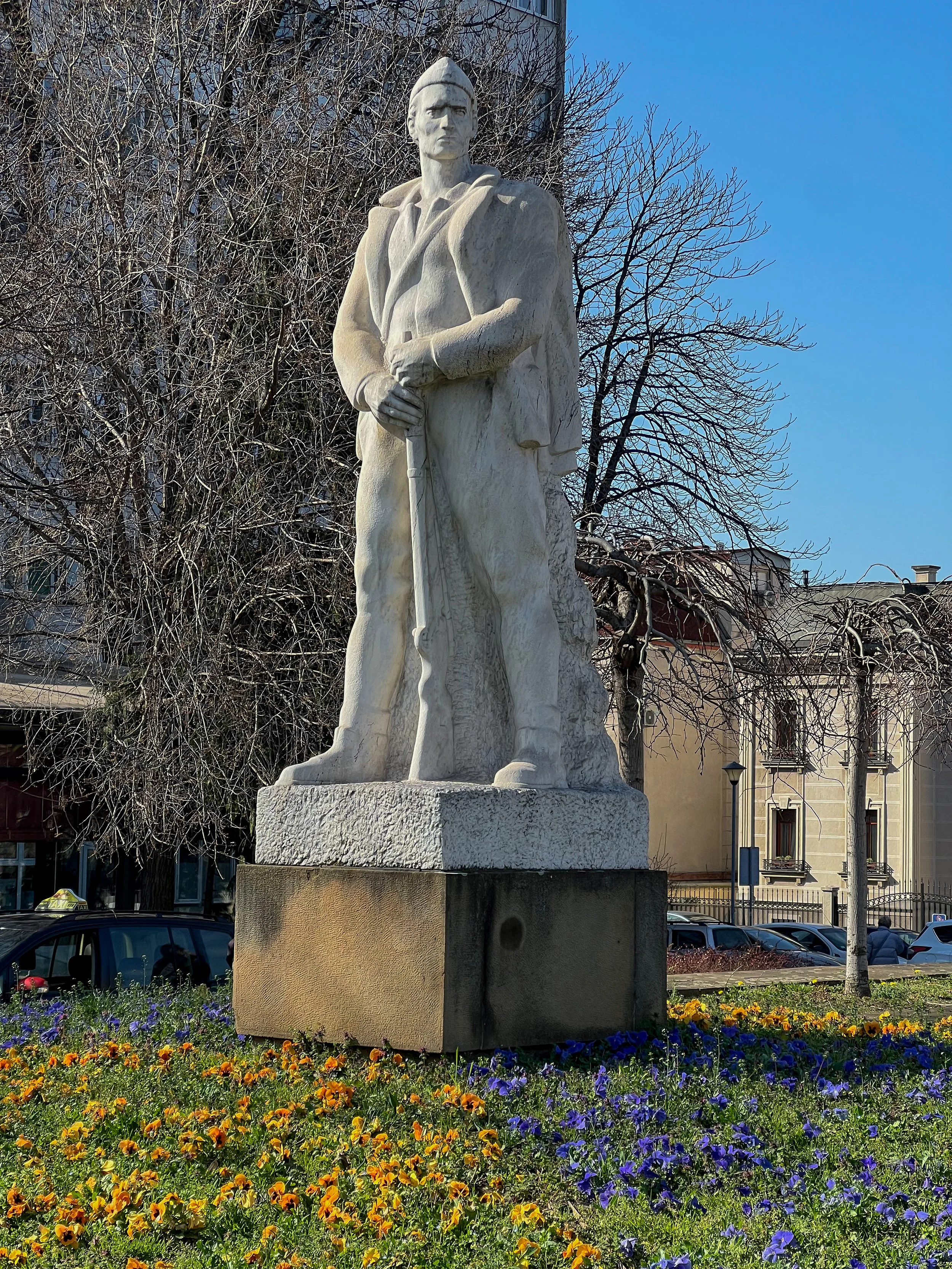
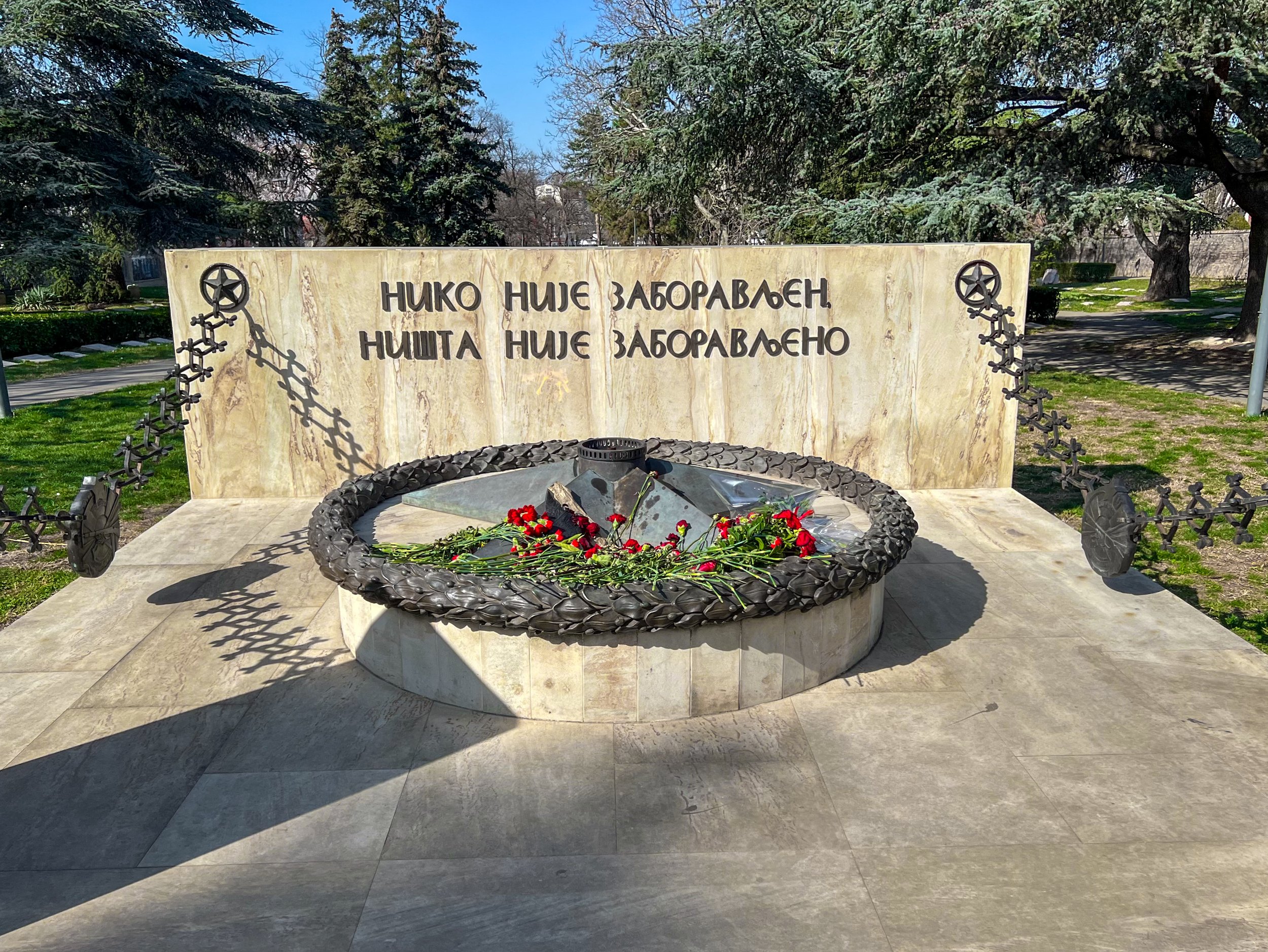
Leaving the Danube behind, I took a taxi to the Cemetery of the 1944 Belgrade Liberators, located in the Zvezdara district of Belgrade. It stands as a solemn testament to the valour and sacrifice of those who fought for the liberation of the city during World War II.
This sacred site commemorates the bravery of the Yugoslav Partisans and the Soviet Red Army, whose combined efforts led to the expulsion of Axis occupation forces from Belgrade in October 1944. The cemetery's design and architecture evoke a sense of reverence and remembrance, with various monuments, gravestones, and memorial plaques honouring the fallen soldiers and fighters who played pivotal roles in securing the city's freedom.
Throughout the year, the Cemetery of the 1944 Belgrade Liberators serves as a focal point for ceremonies, commemorative events, and gatherings, drawing veterans, dignitaries, officials, and members of the public. These gatherings pay homage to the sacrifices made during the liberation of Belgrade and reaffirm the importance of preserving the memory of those who gave their lives for freedom. As a symbol of resistance against fascism and occupation, this cemetery holds profound historical significance for Serbia and the broader region, serving as a poignant reminder of the enduring legacy of courage, resilience, and solidarity in the face of tyranny.
Sephardic & Ashkenazi Cemetery
Located right next to the Cemetery of the 1944 Belgrade Liberators, I next paid a visit to the Sephardic Cemetery of Belgrade, the sacred resting place for members of the Jewish community. Nestled amidst lush greenery, these historic cemeteries serve as a reminder of the enduring legacy of Belgrade's Jewish community and their contributions to Serbian society.
The Sephardic Cemetery is a significant historical site that reflects the long-standing presence of the Sephardic Jewish community in the city. It is situated in the New Belgrade municipality, near the area known as Staro Sajmište, which translates to "Old Fairground" in English.
The Sephardic Cemetery dates back to the 16th century when Sephardic Jews settled in Belgrade after being expelled from Spain in 1492. It served as the primary burial ground for the Sephardic Jewish community in Belgrade for centuries. The cemetery is a testament to the rich cultural and historical heritage of the Sephardic Jews in Belgrade. It bears witness to their presence in the city and their contributions to its development over the centuries.
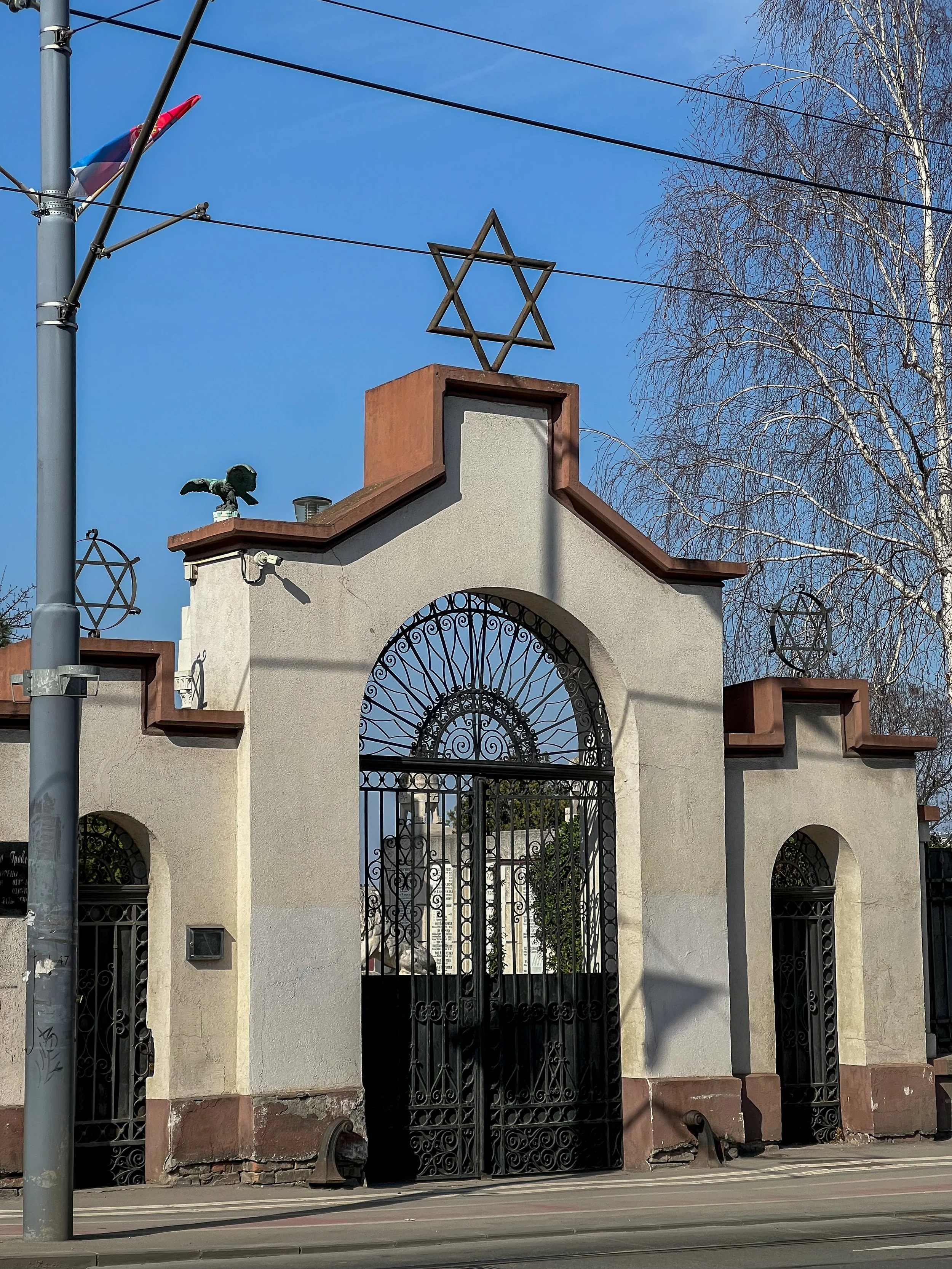
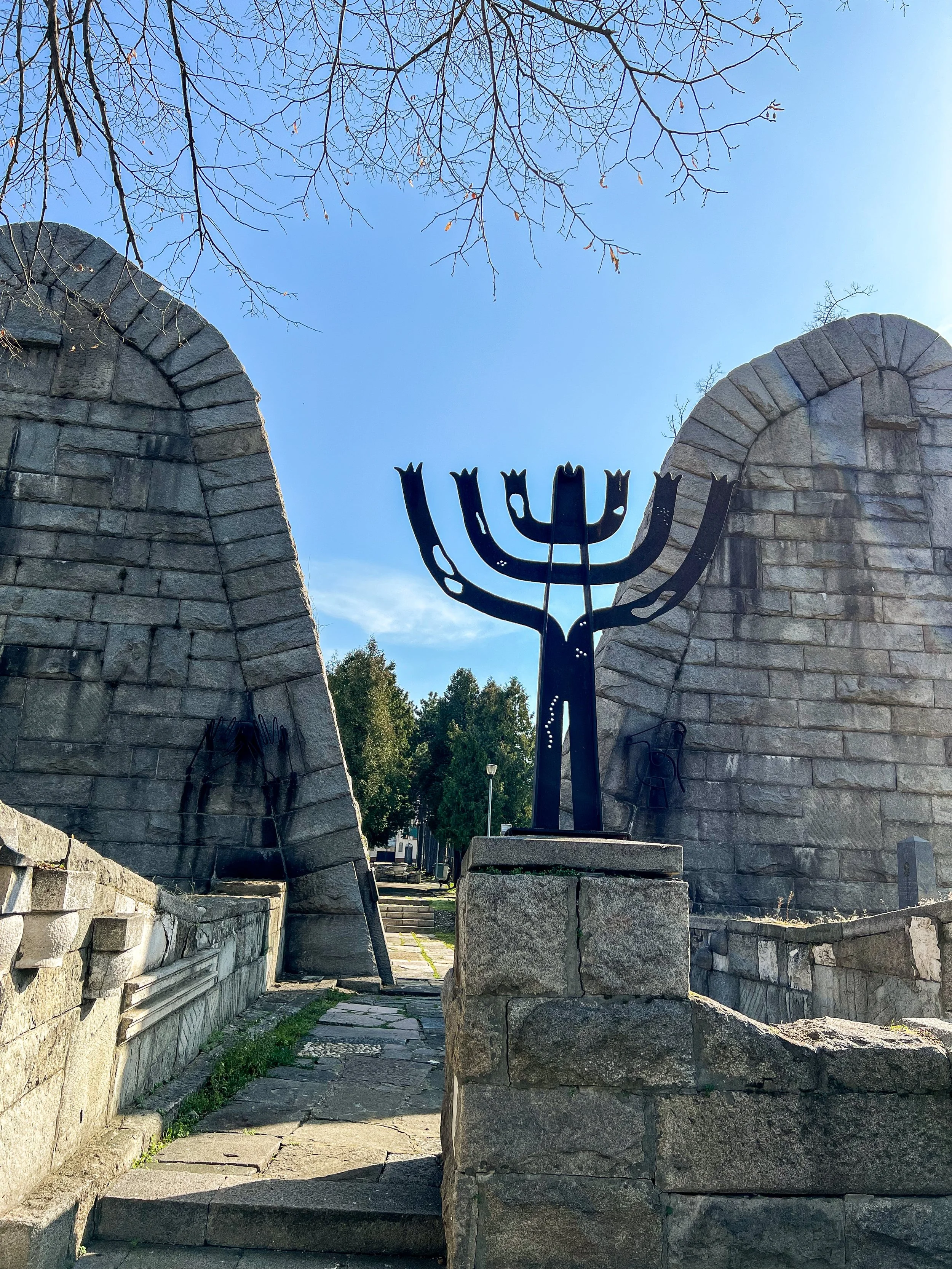
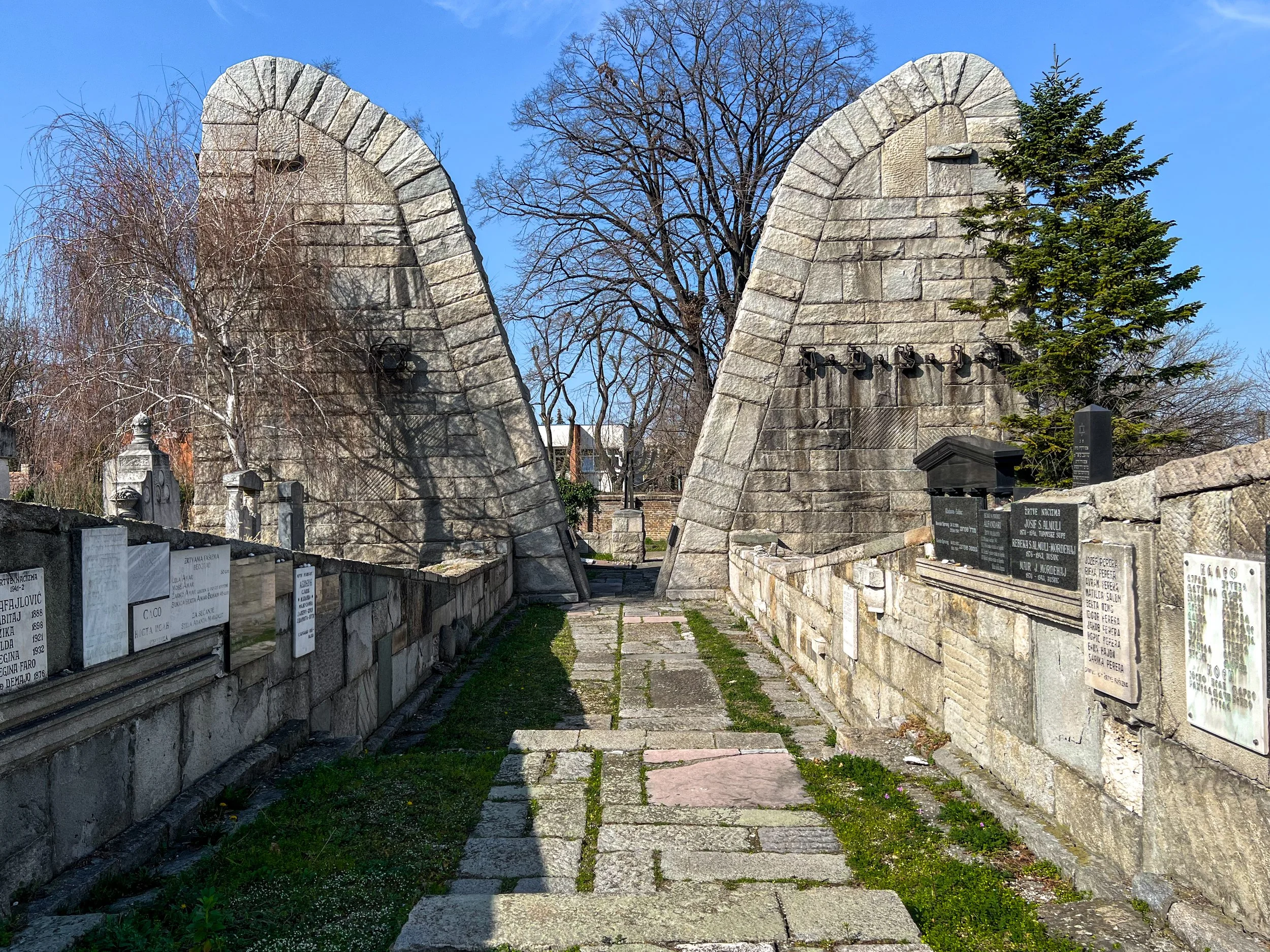
During World War II, the Sephardic Cemetery, like many Jewish sites in Europe, suffered extensive damage and desecration at the hands of the Nazis and their collaborators. Many gravestones were destroyed, and the cemetery fell into neglect. In recent years, efforts have been made to restore and preserve the Sephardic Cemetery. Restoration projects aim to repair damaged gravestones, clean up the site, and create a more respectful and dignified environment for visitors.
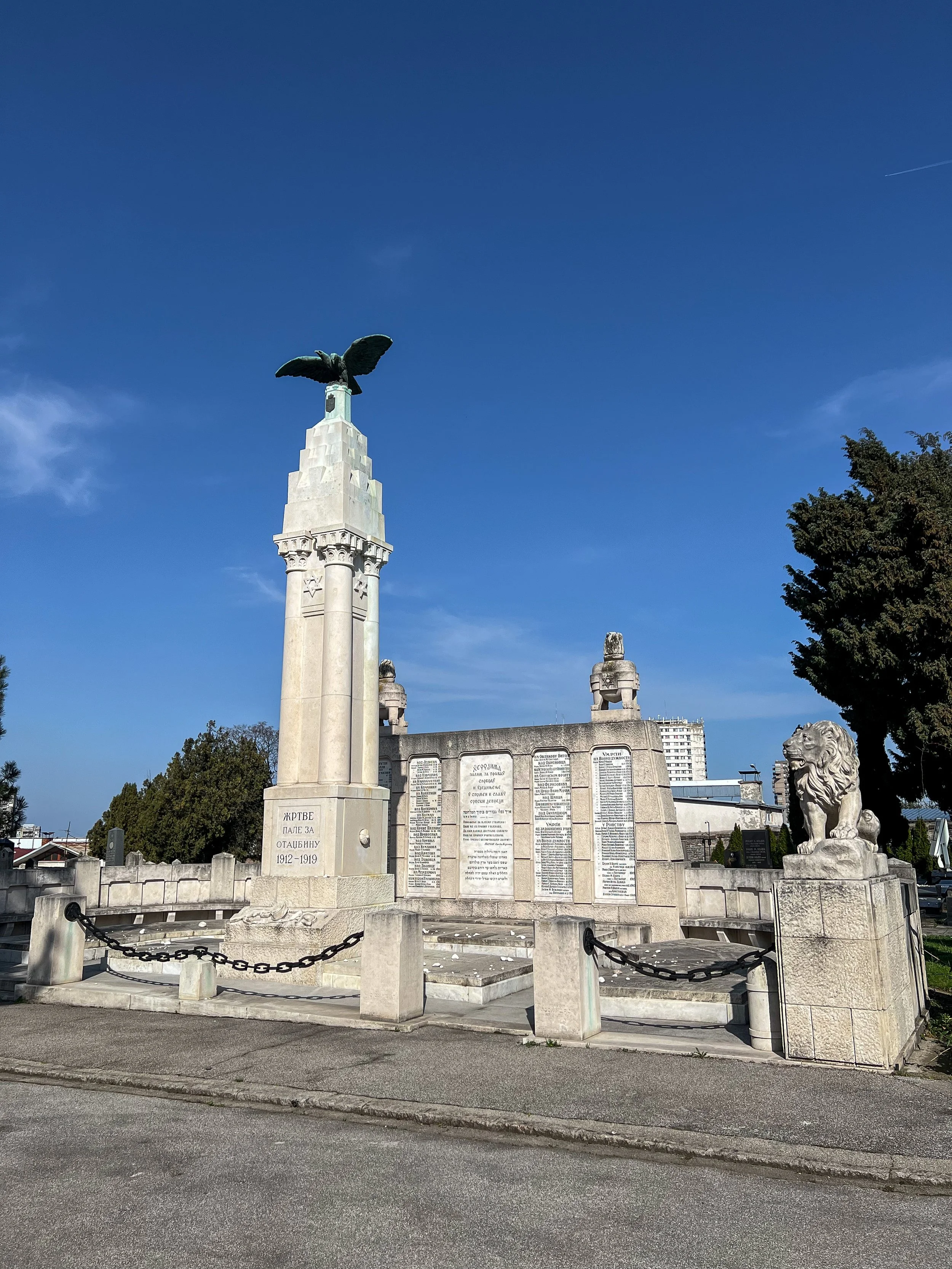
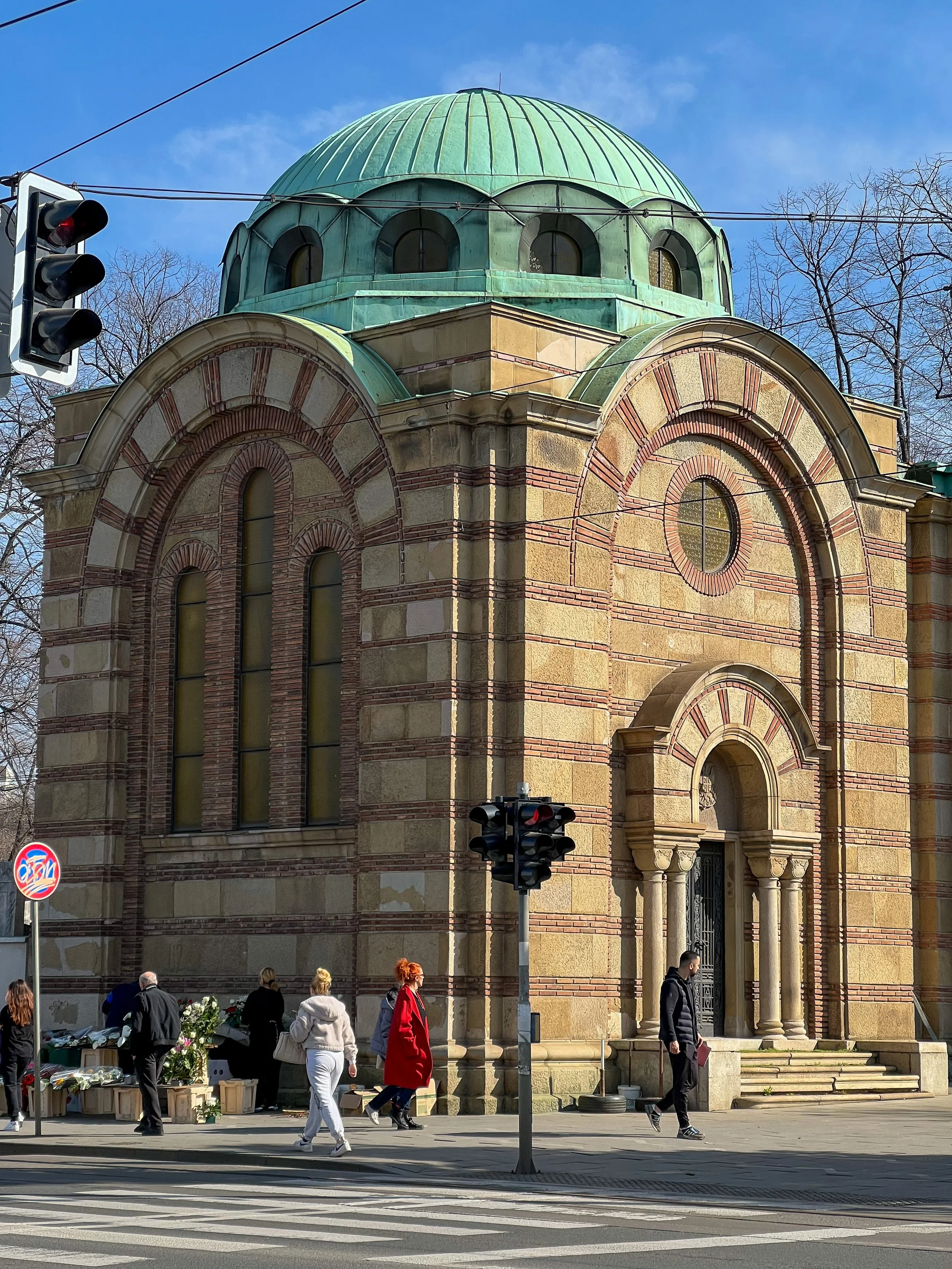
Just across the street, you can find the Ashkenazi Cemetery, established in the 18th century as the burial site for the Ashkenazi Jewish community of Belgrade. Similar to the Sephardic cemetery, the Ashkenazi cemetery also suffered damage during World War II, although it fared relatively better than the Sephardic cemetery. Today, the Ashkenazi cemetery remains in use, with ongoing efforts to maintain and preserve its historical significance.
As my journey through Belgrade came to a close, I couldn’t miss the opportunity to explore more of Serbia's rich cultural tapestry by visiting Novi Sad on a day trip from Belgrade.
Just a short trip away lies Novi Sad, a charming city brimming with history, art, and vibrant energy. I ventured to the Petrovaradin Fortress for breathtaking views of the Danube, wandered the streets of the old town to discover hidden gems, and immersed myself in the city's eclectic cultural scene. With its welcoming atmosphere and diverse attractions, Novi Sad is an unforgettable experience for those with extra time to spare in Serbia.
Some links in this post are affiliate links, which means that if you buy through them, we’ll receive a small commission. This will never cost you more and in many cases you will receive a special discount.
As always, all opinions are mine. We appreciate your support!

This article is now available as a mobile app. Go to GPSmyCity to download the app for GPS-assisted travel directions to the attractions featured in this article.
Related Posts


Quisque iaculis facilisis lacinia. Mauris euismod pellentesque tellus sit amet mollis.