
Chernobyl Nuclear Plant & the ghost town of Pripyat: one day visit to the Chernobyl Exclusion Zone
Note: this visit took place in 2019 prior to the Russian invasion of Ukraine in 2022. The information provided in this post was accurate at the time of the visit and should not be taken as advice while the current war is ongoing.
On April 26th 1986, an explosion took place at reactor number 4 of the Chernobyl Nuclear Plant, releasing radioactive material to the air and causing the biggest nuclear disaster ever recorded in history.
With hundreds of deaths as a result of the high radiation levels, a 30km Exclusion Zone was established around the Chernobyl disaster area that still remains until our days. Pripyat, a city of 50,000 inhabitants built only a few years earlier for the workers of the plant and their families, had to be evacuated within hours. Its inhabitants would never return home.
Today, accessing the Chernobyl Exclusion Zone is still highly restricted, but you can easily get a permit by joining one of the guided visits that depart daily from Kyiv. Check out my experience visiting the Chernobyl Exclusion Zone and the ghost town of Pripyat to discover the results of the biggest nuclear accident of all times!
How to visit Chernobyl & Pripyat: guided tour from Kyiv
The only option to visit the Chernobyl Exclusion Zone is by booking a tour with one of the companies that have permission to run these visits. There are a few different options, but after much research, I decided to book the 1-day tour to Chernobyl and Prypiat with GetYourGuide.
The tour was operated by Gamma Travel, a local Ukrainian tour operator that specialises in visits around the Chernobyl Exclusion Zone. They offer both private and group visits, as well as multi-day visits for the most intrepidness tourists that include an overnight stay in Chernobyl town.
The tour includes all permits to access the exclusion zone, so you don’t need to worry about all the paperwork! I had an English-speaking guide with me for the entire visit, which was incredibly helpful to gain some additional insight about Chernobyl, learn how radiation works and ensure that I always stayed in the safe areas.
The visit started at 7.30 am outside the Hotel Dnipro in Kyiv with an 8 am departure. Before starting the visit, our guide had to check everyone’s passports to make sure that all the details matched our permits. Accessing the exclusion zone requires a very strict security control, so don’t forget to take your passport with you!
The visit takes about 12 hours and it stops in some of the most relevant areas of the Chernobyl Exclusion Zone, including:
Although Chernobyl is becoming a very trendy destination, especially after the HBO ‘Chernobyl’ series about the disaster, I thought that the 1-day tour to Chernobyl and Prypiat was treated with the utmost respect for the victims of the disaster and all the heroes that contained it. I didn’t find the places that we visited too crowded with visitors, but it’s true that there were more people than you’d expect in such a remote place.
History of Chernobyl
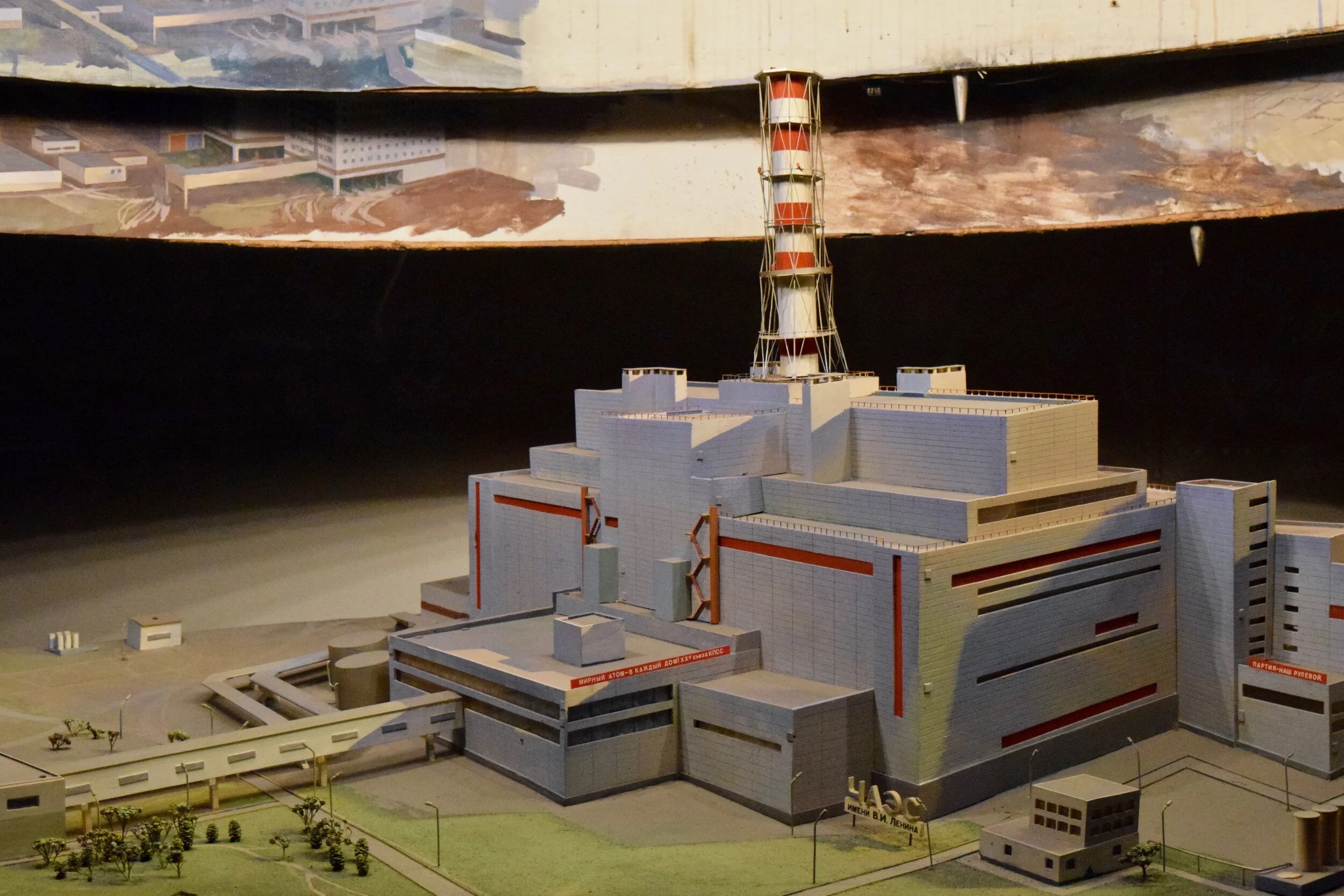
Chernobyl Nuclear Plant
On April 26th 1986 at 1:23 am, a test was carried out at the Chernobyl Nuclear Plant, in the Ukrainian SSR, to see whether the reactor would continue working in the event of a power outage.
For the test, the reactor should’ve operated with a 25% capacity, however, due to an error, power fell under 1% and when it increased, the reactor reached a temperature of over 2000 degrees.
This caused an enormous explosion that blew up the 1000 ton roof of reactor number 4, releasing radioactive material to the atmosphere.
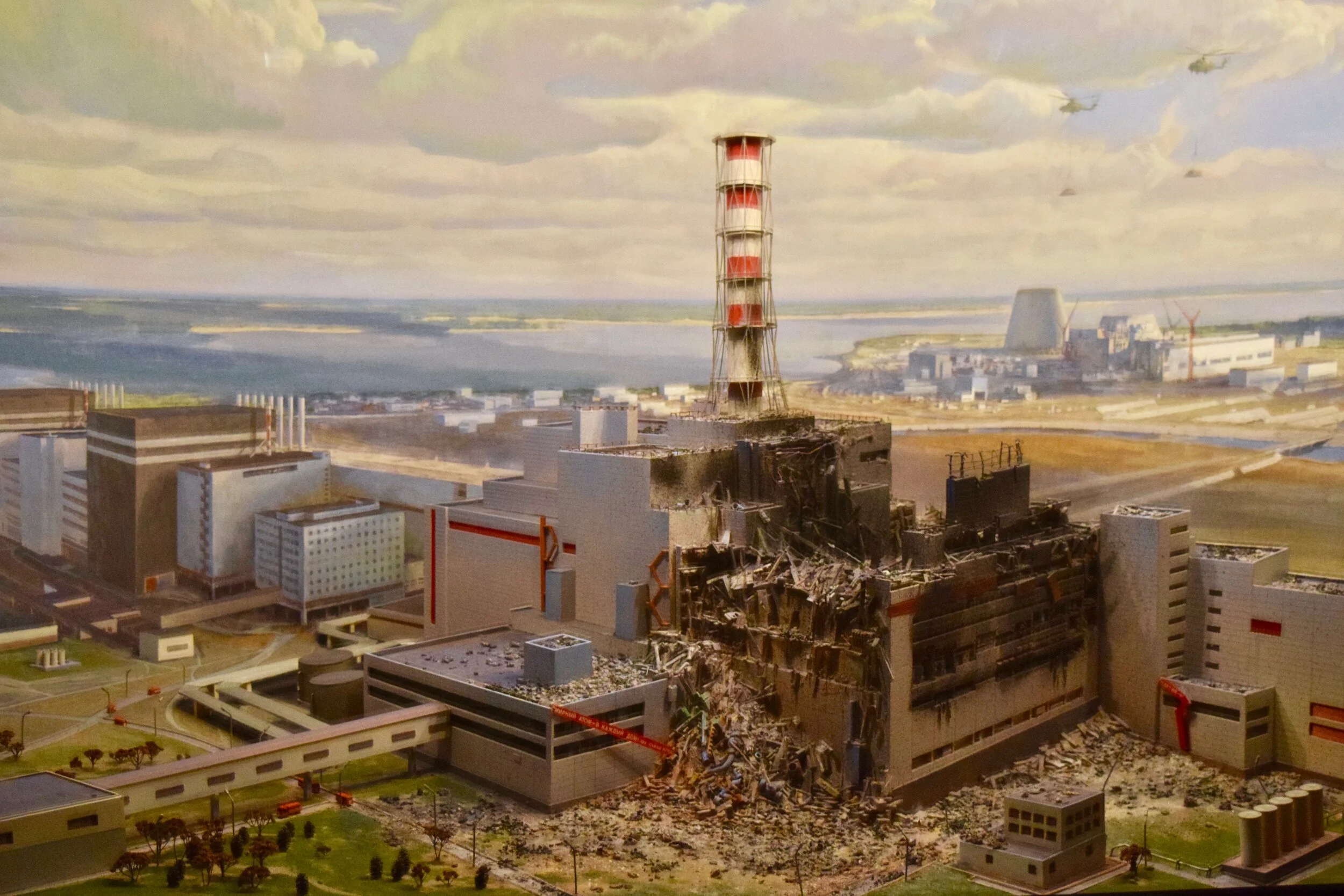
Nuclear plant after the explosion
The USSR first hid the accident to the Western world until a radioactive cloud started spreading across Europe and was detected a few hours later by another nuclear plant in Sweden, over 1000 km away.
Pripyat, a city with over 50,000 inhabitants that was built near the plant to house its workers and their families, was evacuated one day later.
They were given one hour to pack their basic belongings with the promise to come back 3 days later.
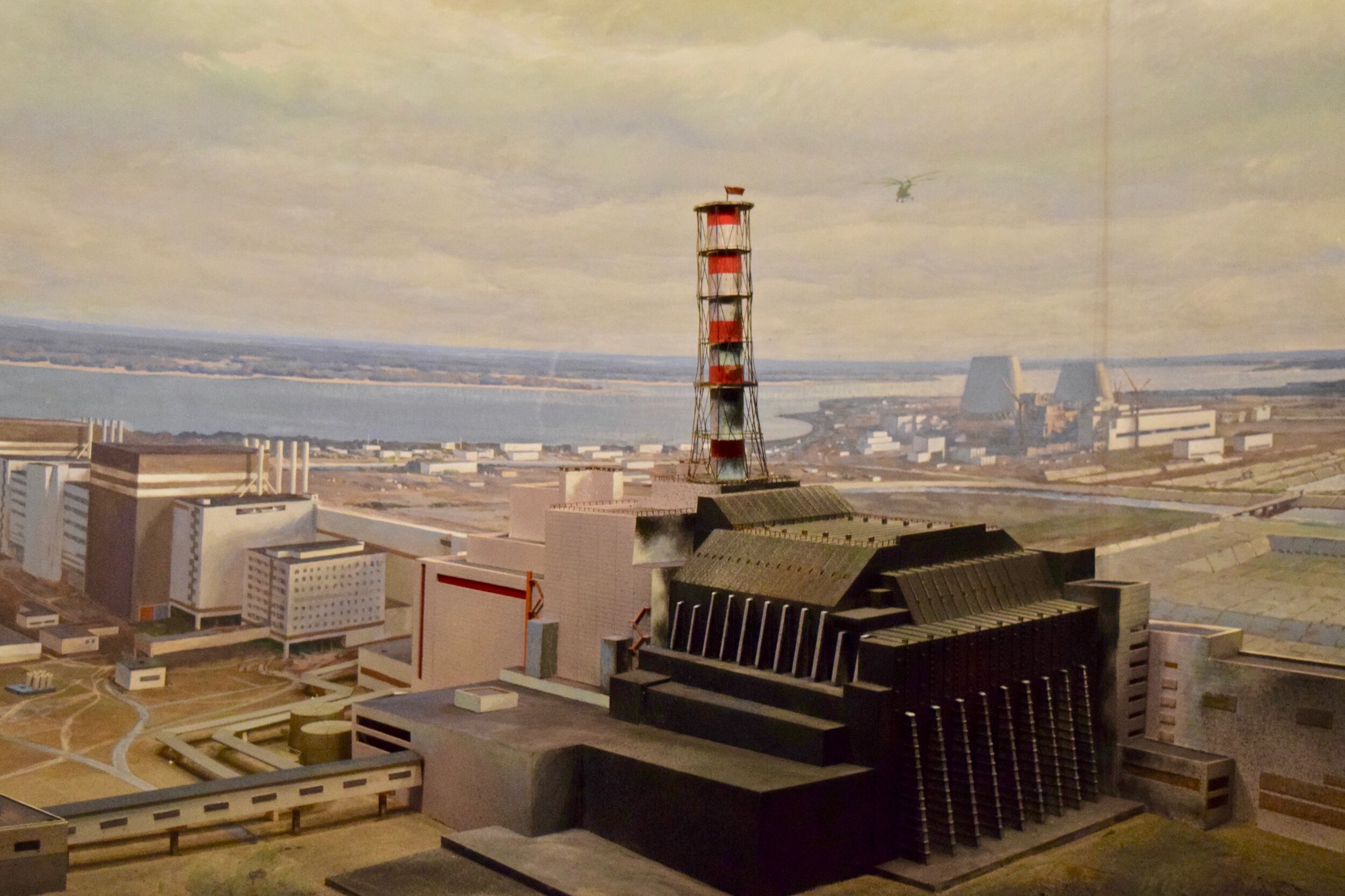
First sarcophagus
However, an exclusion zone of 30km was created around Chernobyl and the inhabitants of Pripyat and dozens of other communities never returned home.
In 2006, a new sarcophagus started to be built around the reactor to contain the radiation for the next 100 years.
Today, spending one day in Chernobyl gives you less radiation than a transatlantic flight, but some of the radioactive material around the plant will take over 20,000 years to disappear.
Is it safe to visit Chernobyl & Pripyat?
Visiting Chernobyl and Pripyat is perfectly safe.
It’s true that the Chernobyl Exclusion Zone was highly contaminated after the explosion, with strontium-90, cesium-137, plutonium and americium released in the area that will remain active for the next thousands of years. However, over half a million people helped cleaning the exclusion zone after the accident, which has reduced and contained greatly the levels of radiation.
Today, a person visiting Chernobyl for one day will be exposed to the same level of radiation than you would get during a 1-hour flight and 3000 times less than the radiation that you’d get during a CT scan.
However, radioactive particles are still all over the place, which is why visitors need to use clothes that cover their body (including arms and legs) and it is strictly forbidden to touch anything or take any objects with you. Taking anything from the Exclusion Zone, whether it be an object or even a stone, is a crime in Ukraine, and there are multiple radiation tests during and after the visit to ensure that this is enforced.
Humans can’t sense or detect radiation, so you need to use a Geiger counter to check the levels of radiation around you. When you take a tour to Chernobyl and Prypiat, the guide will have a Geiger counter with them, but you can also rent your own for €10. Don’t forget to book in advance, because they will most likely be sold out on the date of the visit, like it happened with me.
Entering the exclusion zone
After leaving Kyiv, we drove for a couple of hours surrounded by nothing but forests and vegetation. On the way, our guide played a short documentary about the history of the accident, including some original images of the aftermath. The radiation was so high after the accident that you can even ‘see’ it in the videos; all video footage recorded around the Exclusion Zone shows some static and distortions generated by the intense radiation. I also noticed that all the photos that I took during my visit had a much lower quality than usual, not sure if also due to the radiation.
After two hours we reached the Dytiatky checkpoint, which gives access to the 30km Exclusion Zone. The guide gave each of us a permit to access the Exclusion Zone, which we’d have to keep for the entire visit. The police at the checkpoint also checked everyone’s passport to make sure that everything matched with the permit, and they gave us a small device to hang around our necks that would measure the total amount of radiation that we’d absorb during our visit. They use the device only for their own statistics and to ensure that visitors don’t receive dangerous levels of radiation.
The day was incredibly gloomy and cloudy; I could barely see anything more than 10 meters in front of me. This made the entire experience even more sinister, but didn’t really help while we waited in the cold while our documents were checked. In the meantime, we were given some free time to buy a coffee or a souvenir in the two stands located just before the checkpoint. Taking photographs of the checkpoint is strictly forbidden.
There were multiple tour operators with at least a couple hundred people waiting to cross the checkpoint, but the entire process didn’t take much more than half an hour. Once everyone was ready, we boarded our van again and continued driving for a few minutes deeper into the Exclusion Zone.
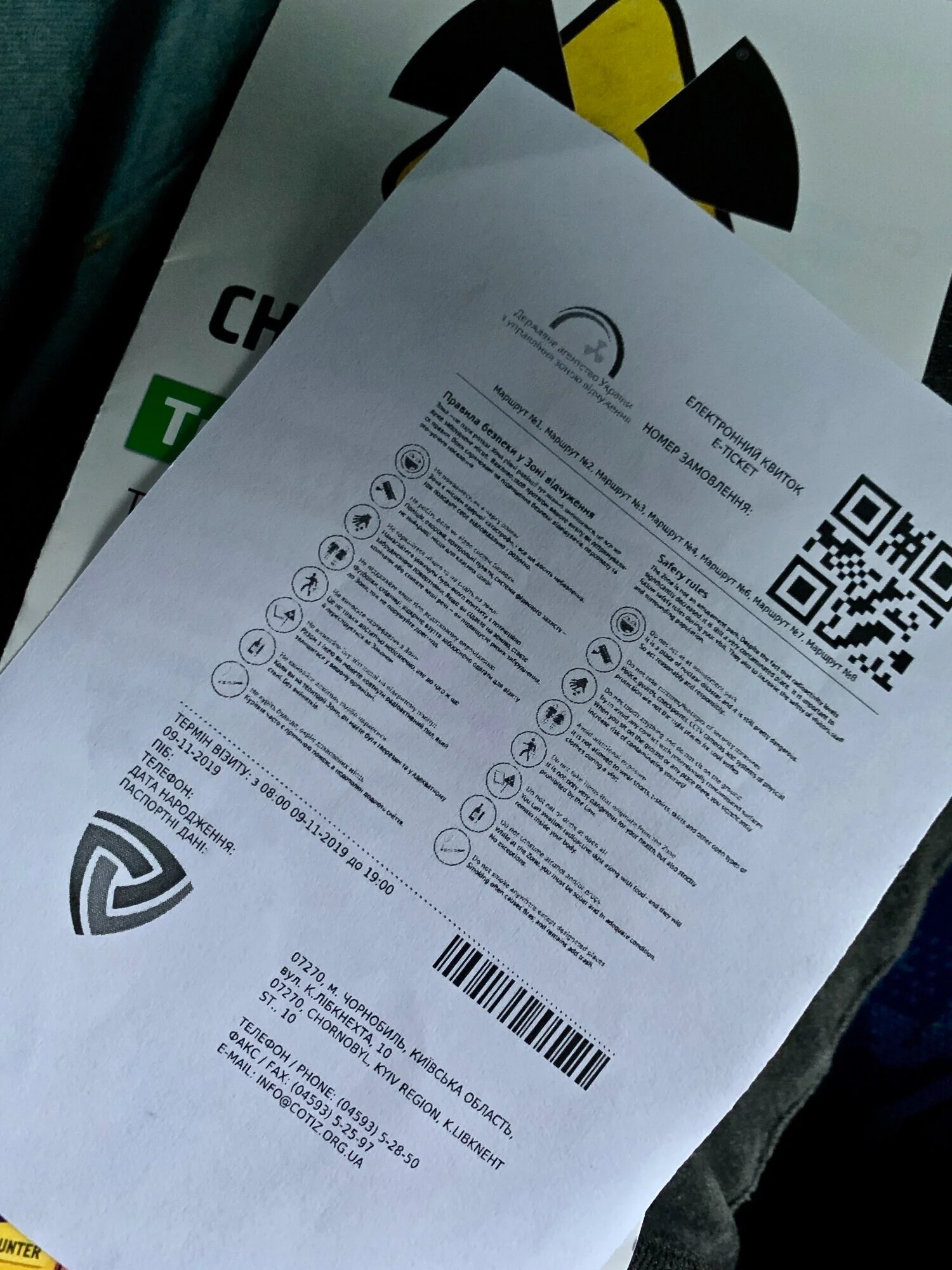
Permit to access the Exclusion Zone

Road after the checkpoint

Ruins in the Exclusion Zone
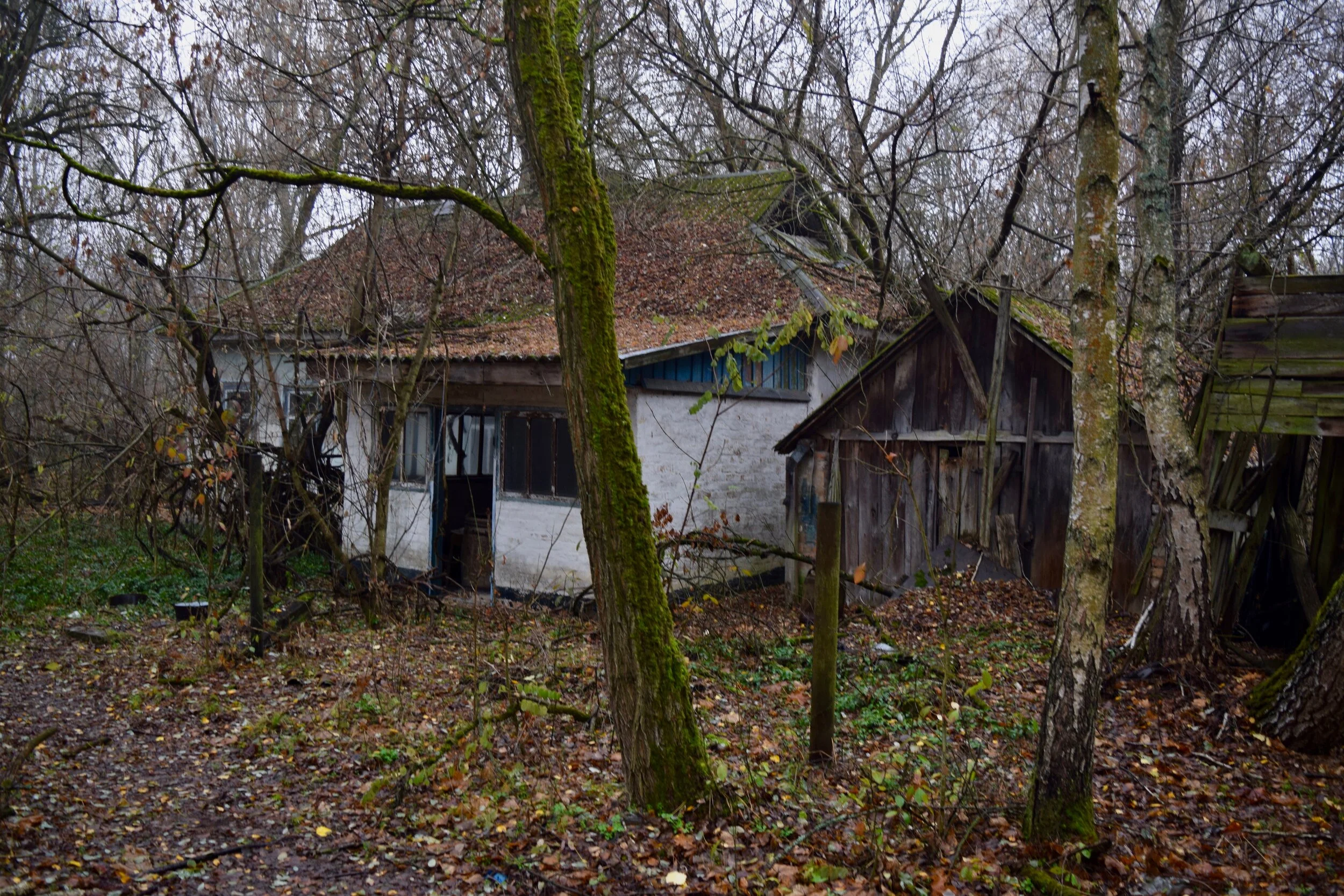
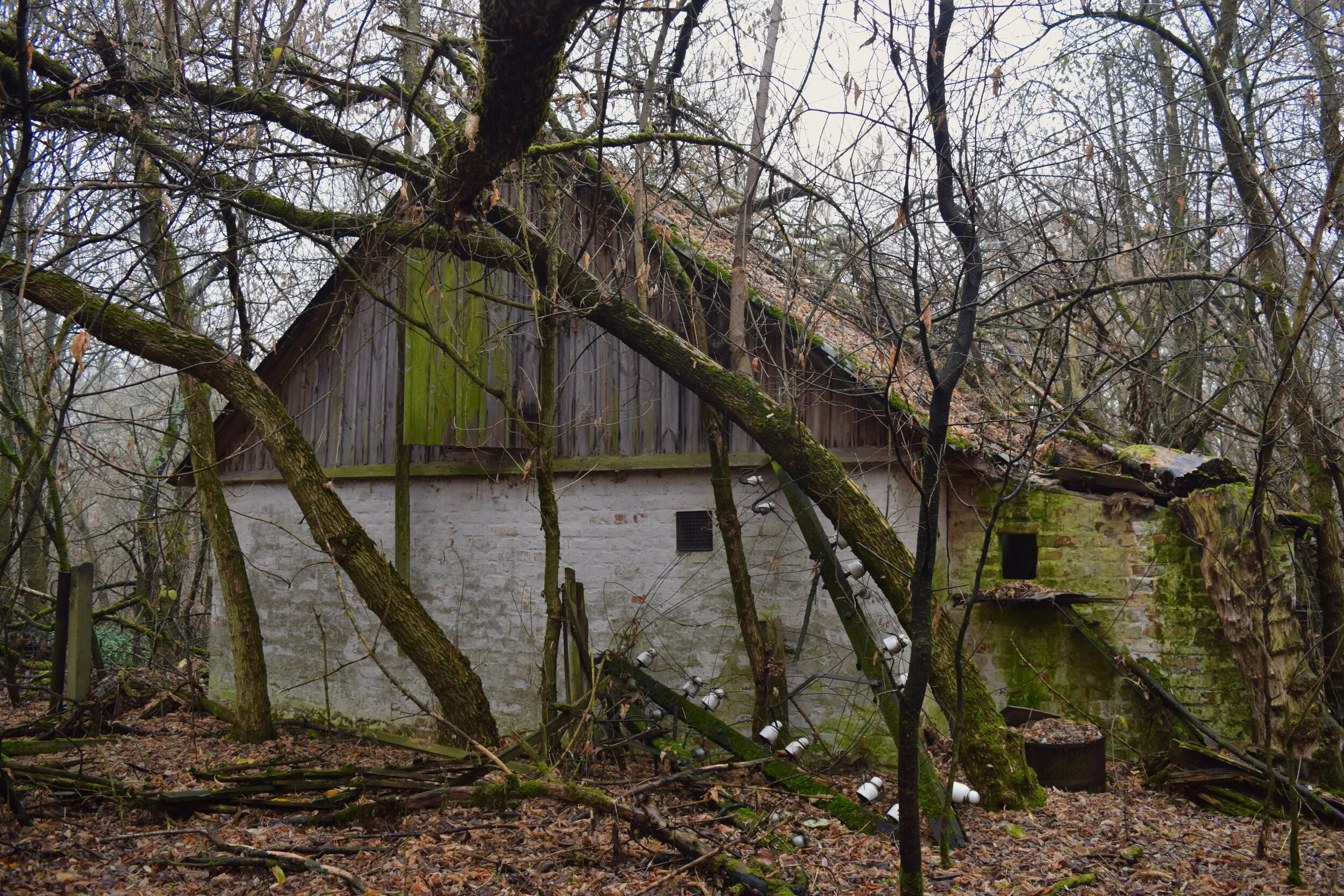
Zalissya abandoned village
The first stop inside the Chernobyl Exclusion Zone was the abandoned village of Zalissya, a lively community that was completely evacuated in May 1986.
The village was located 30 km from the Chernobyl Nuclear Plant and had a population of 3,200 inhabitants. After the disaster, they were forced to leave their houses and all their belongings behind. They were told that they would return after a few days, however, this never ended up happening.
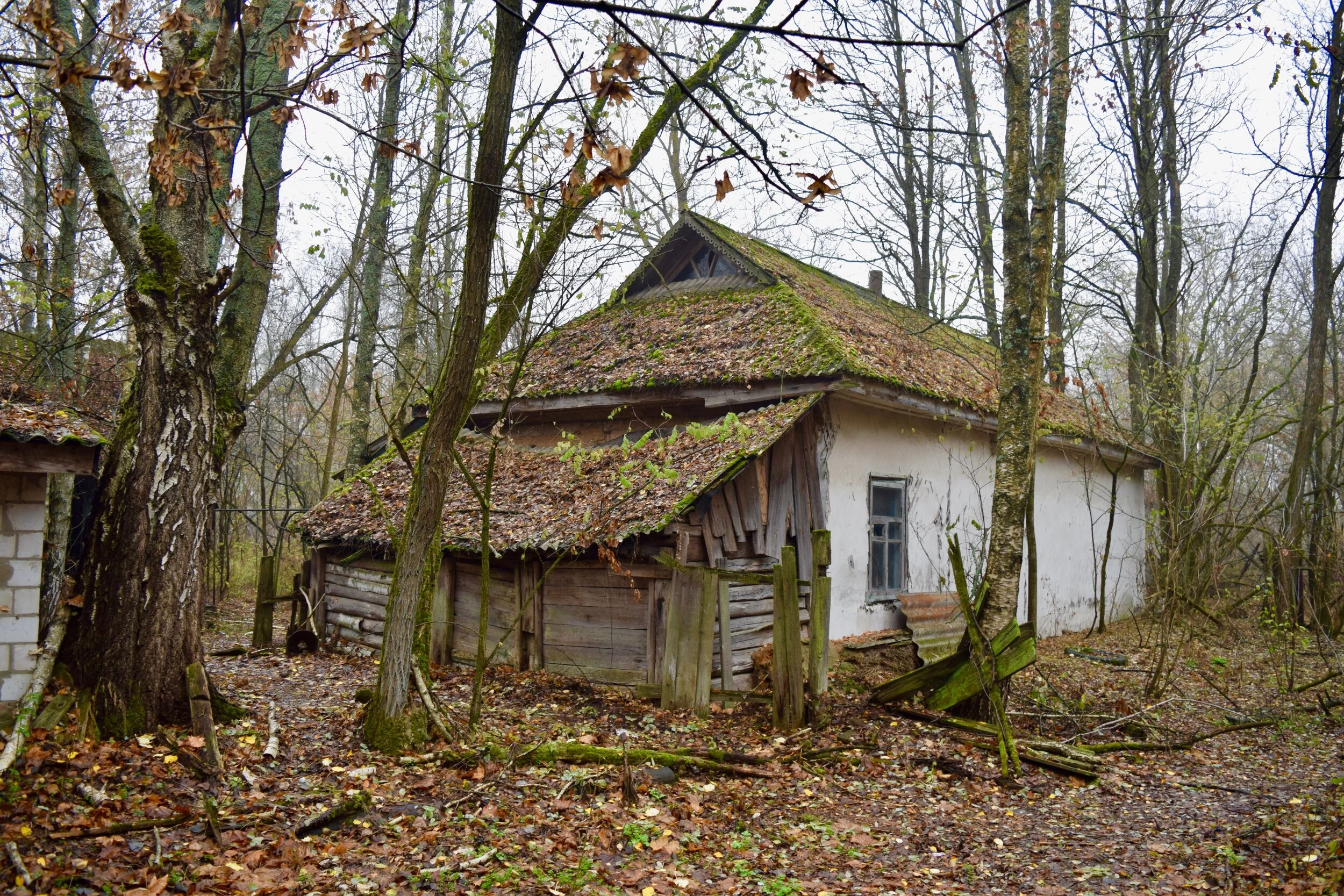
As you reach the village, you would never think that it was inhabited only 30 years ago. Today, vegetation has taken over and surrounds all houses and constructions. The streets have now become a forest, where only a few stones on the floor remind you of what once was the main street of the village.
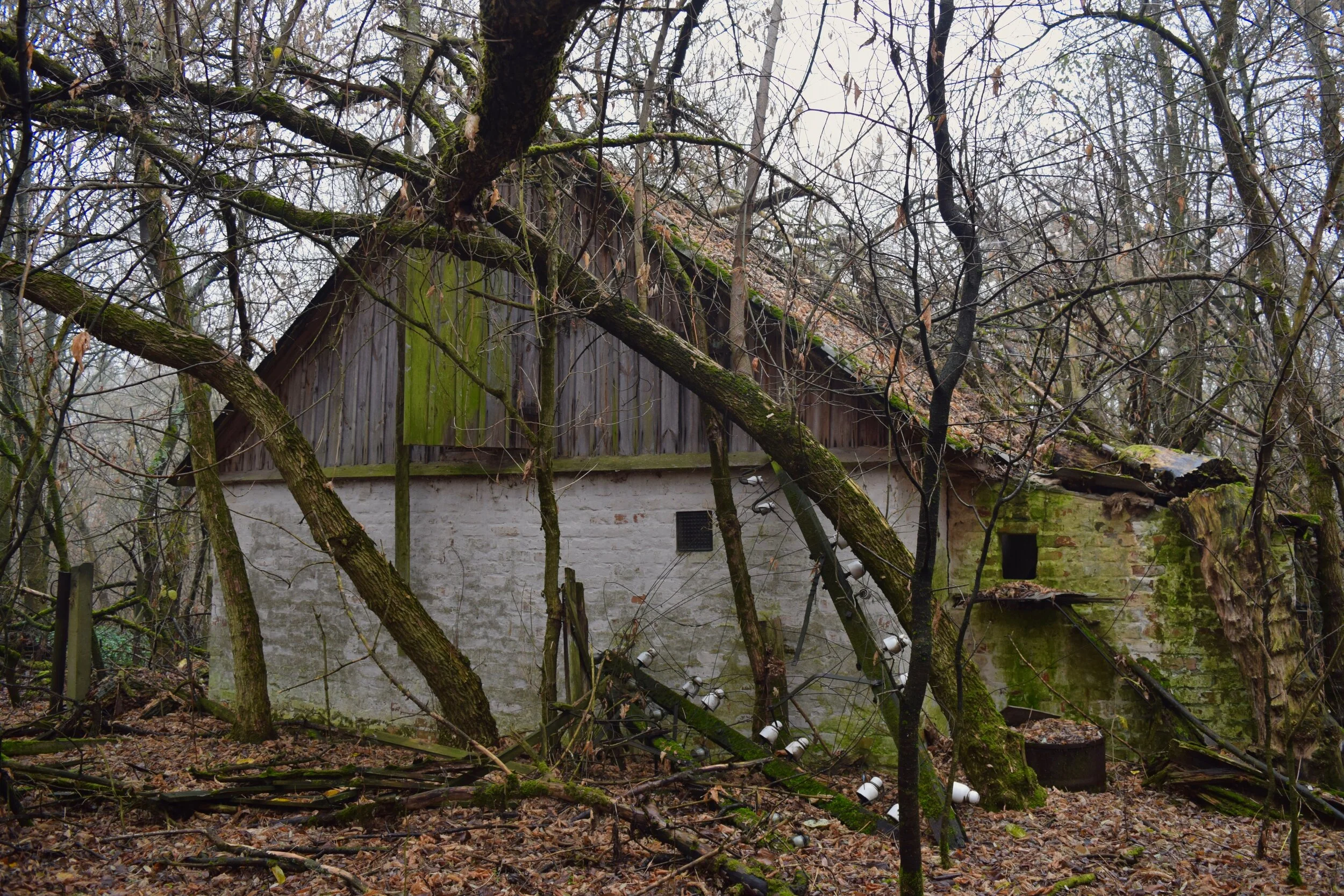
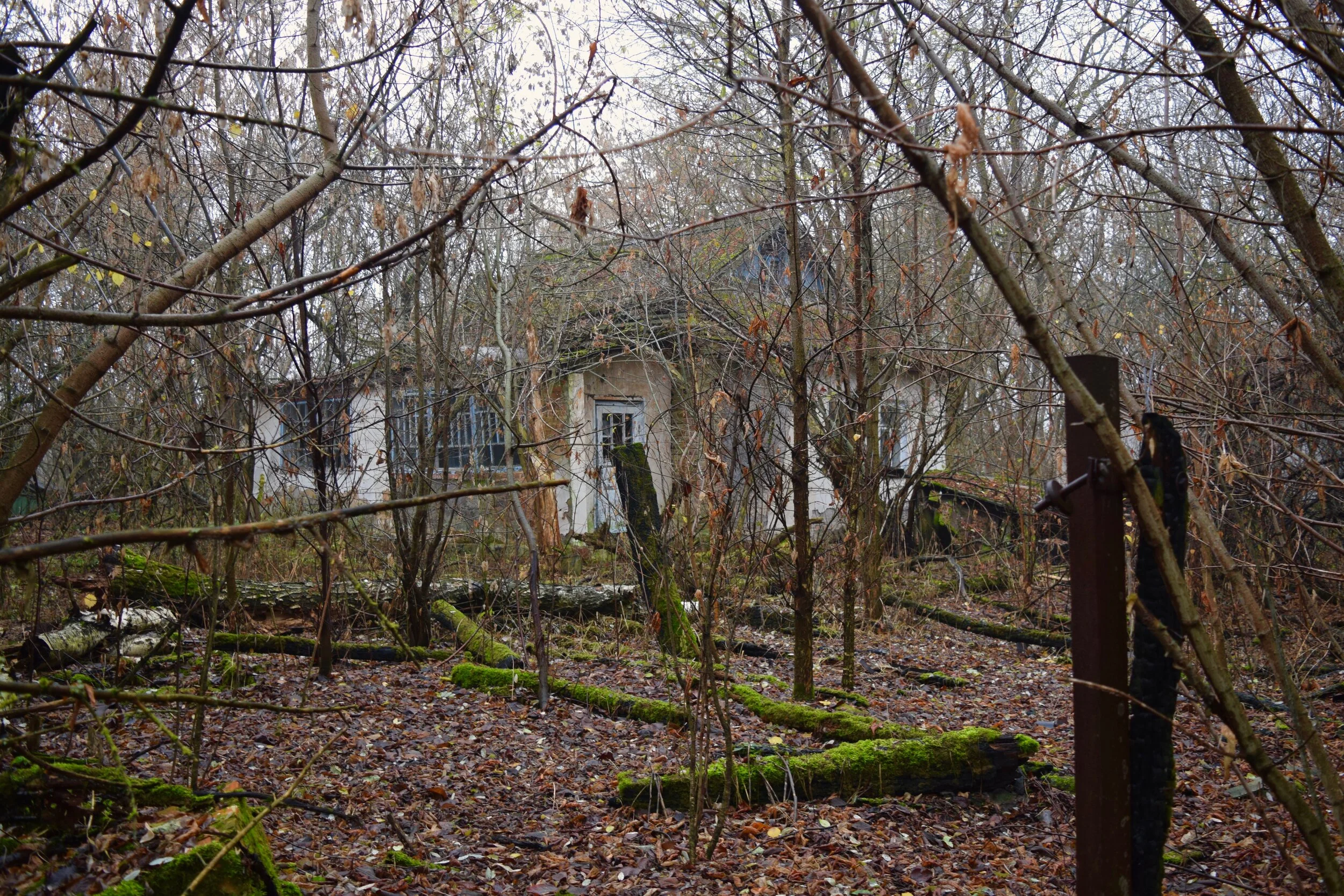
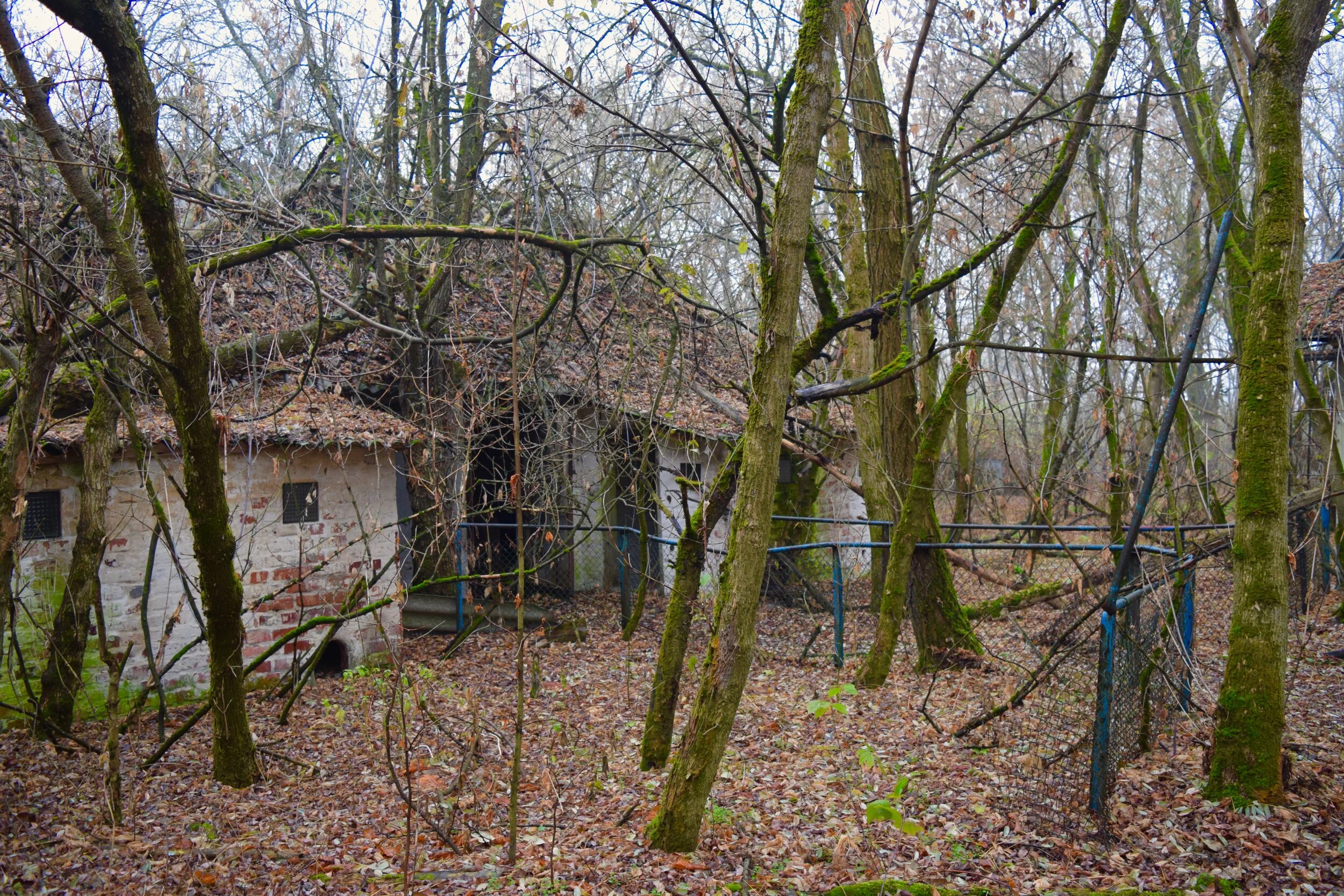
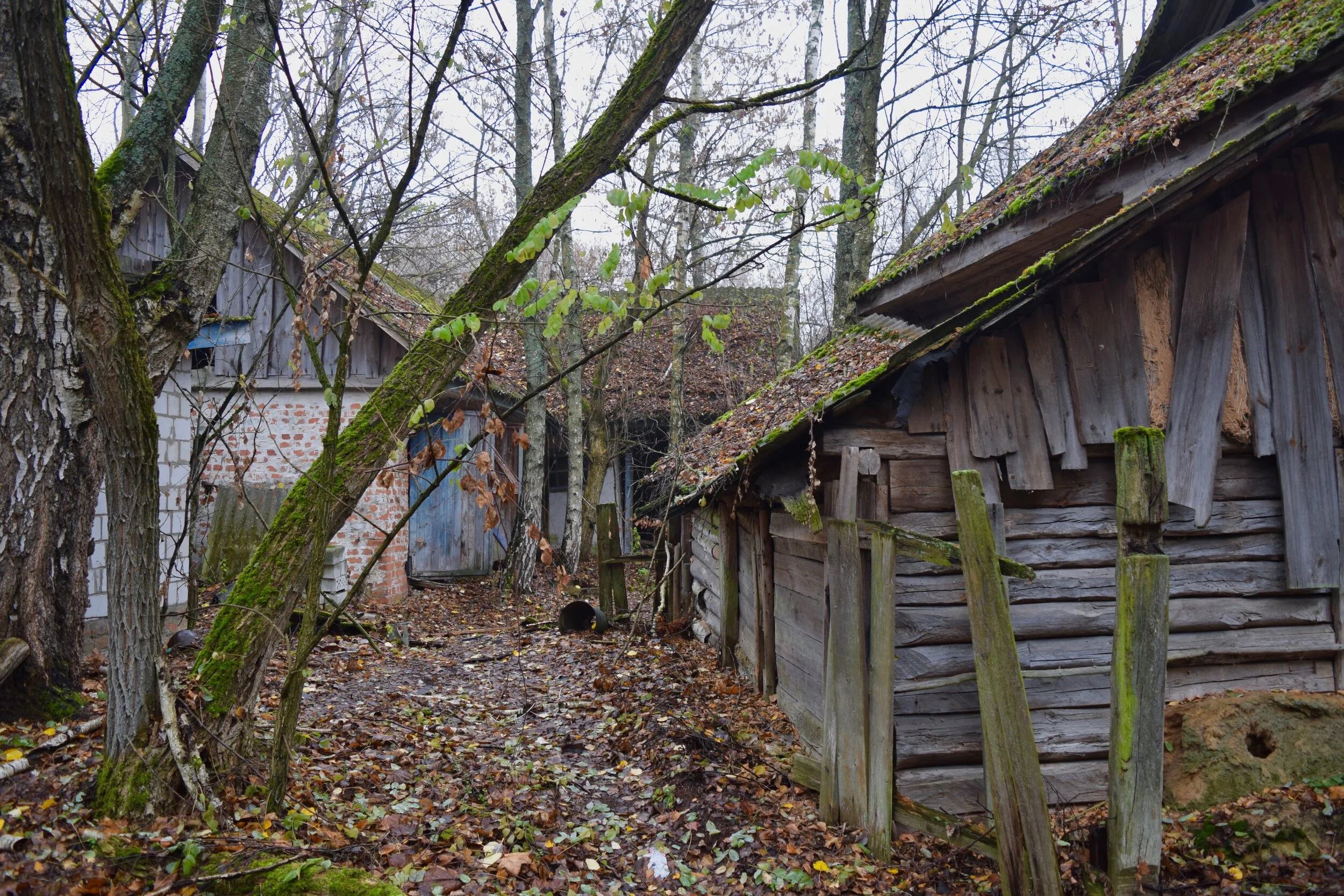
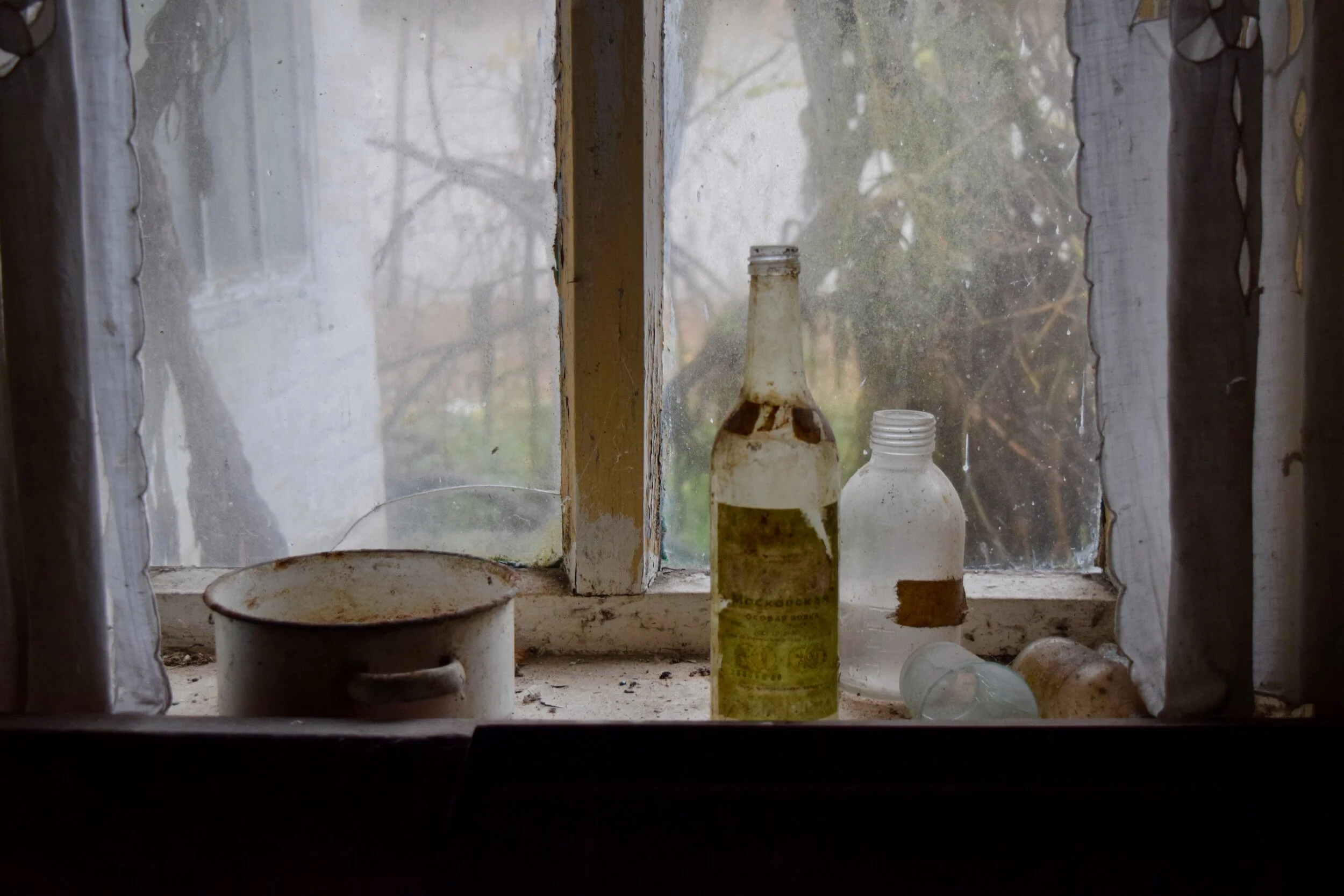
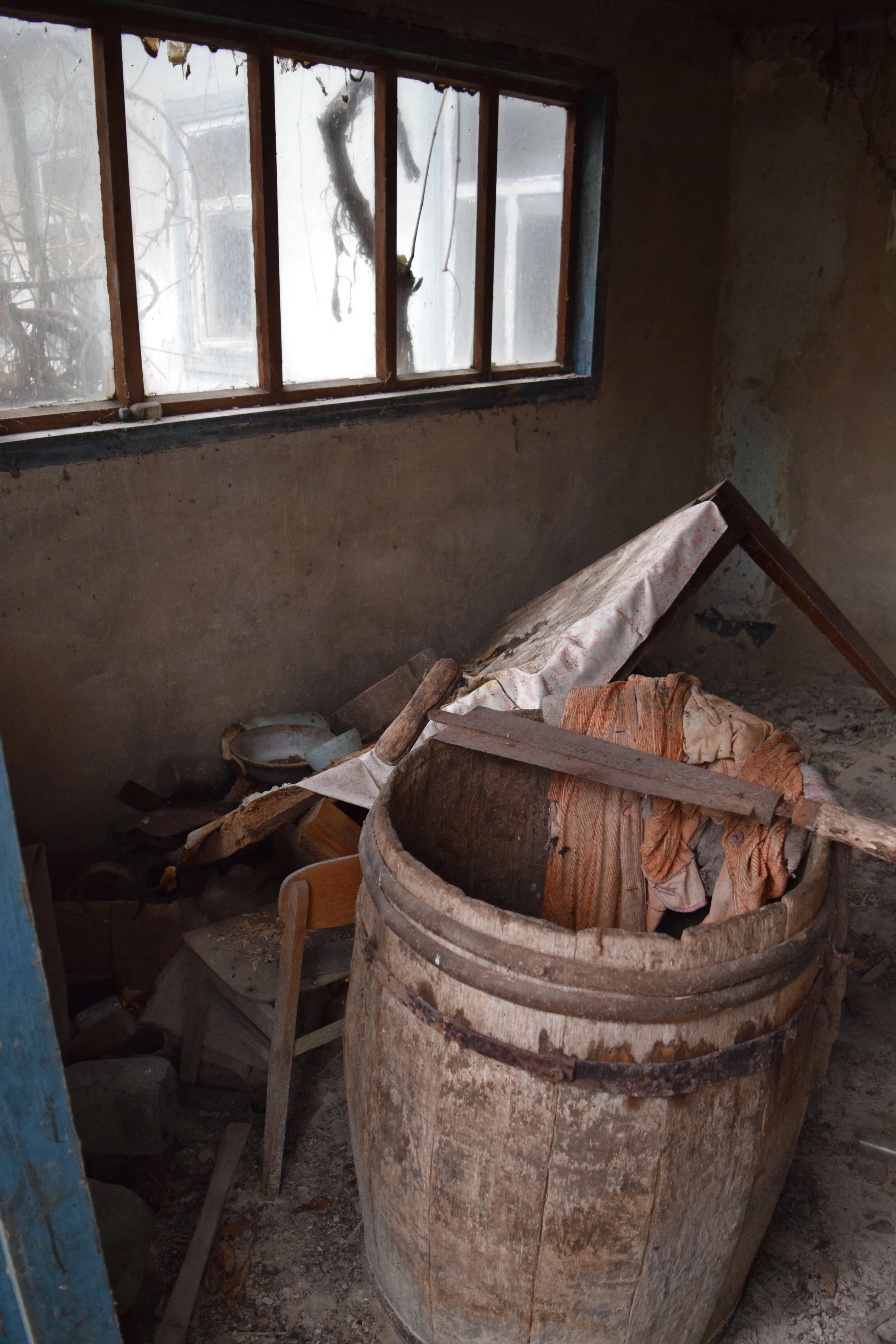
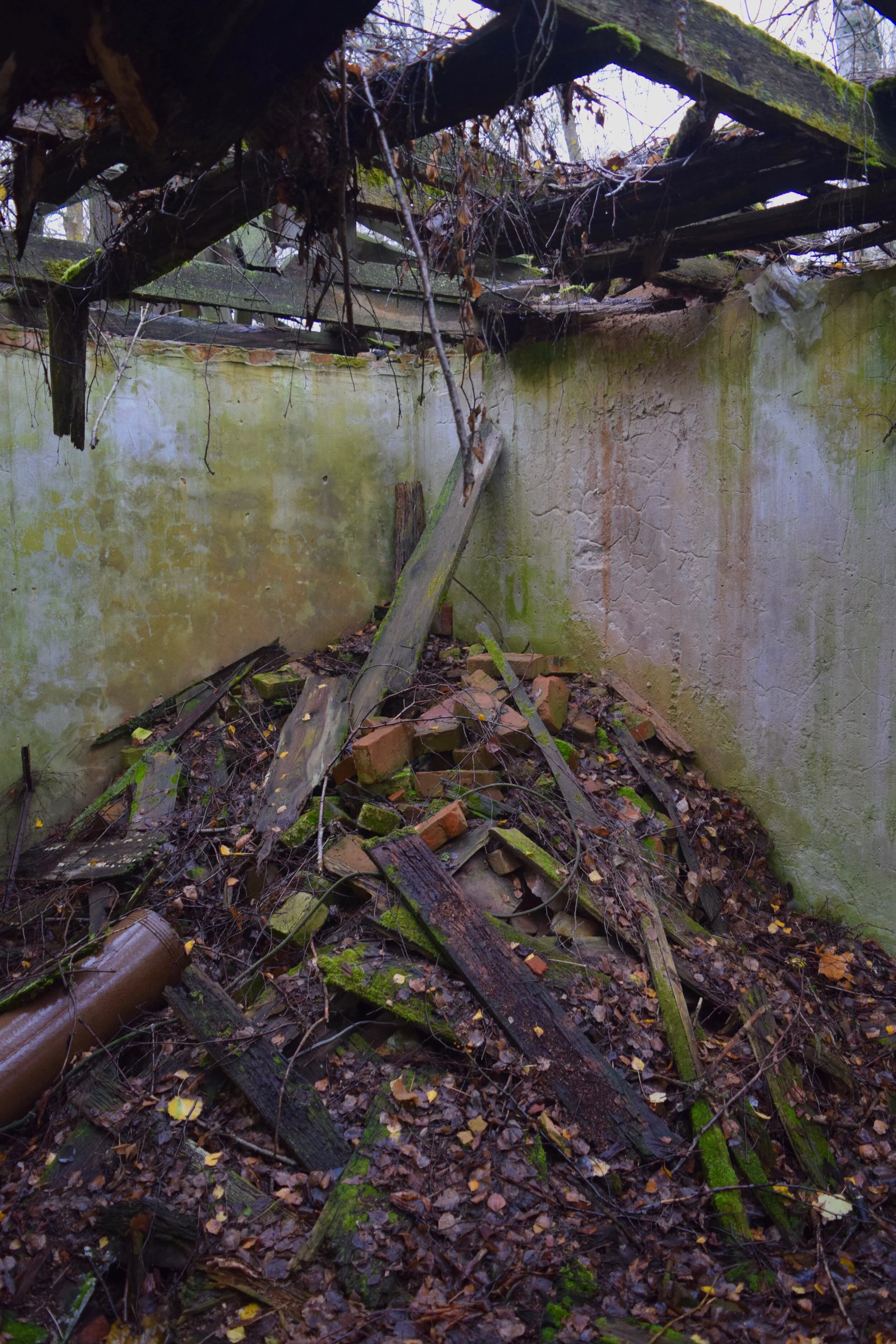
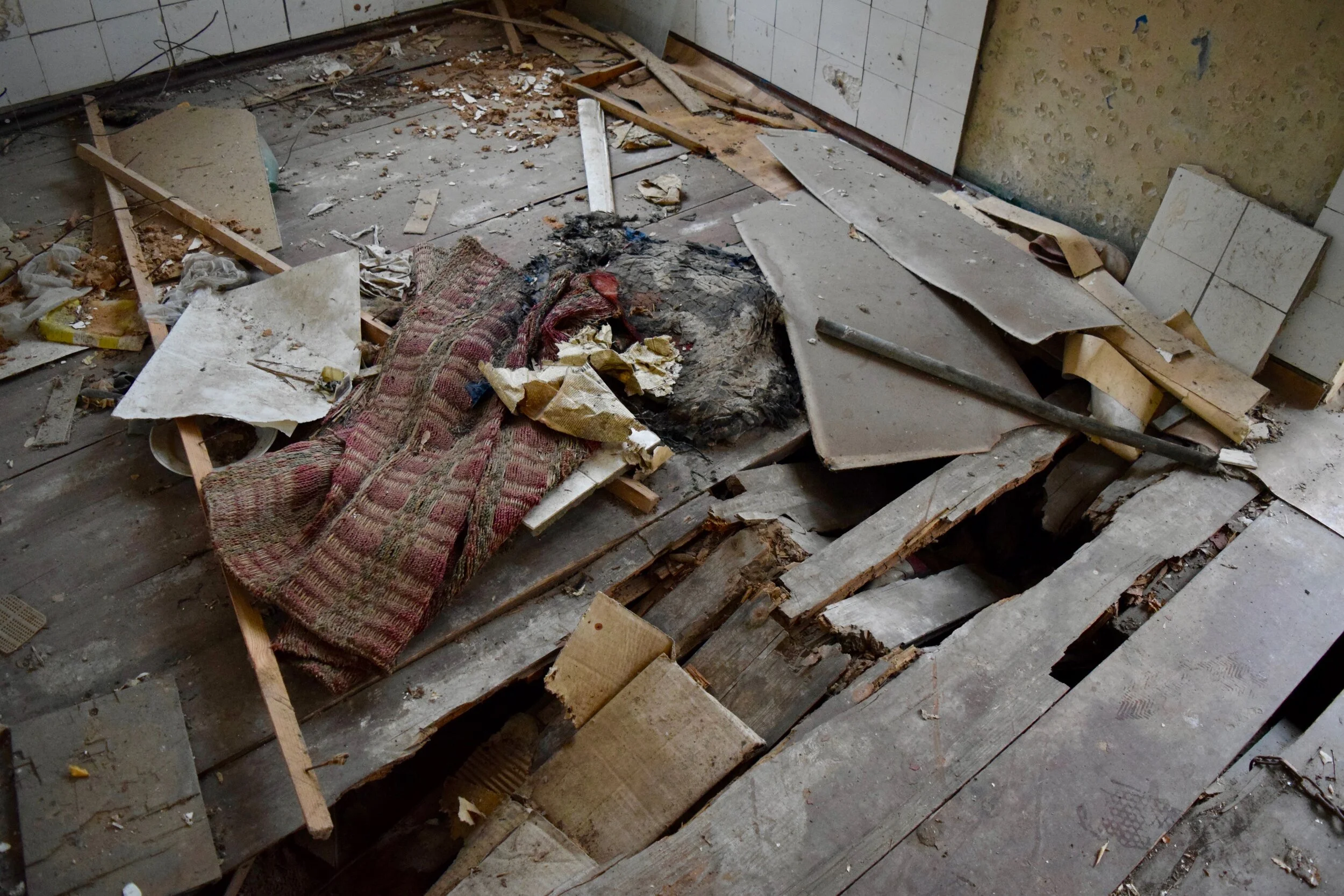
In spite of its current state of abandonment, many of the houses in Zalissya can still be accessed. Our guide gave us some free time, so we ventured into the village on our own and started exploring some of the houses. As you get deeper into the village, the houses are almost engulfed by vegetation, which for decades has been reclaiming the few buildings that still remain standing.
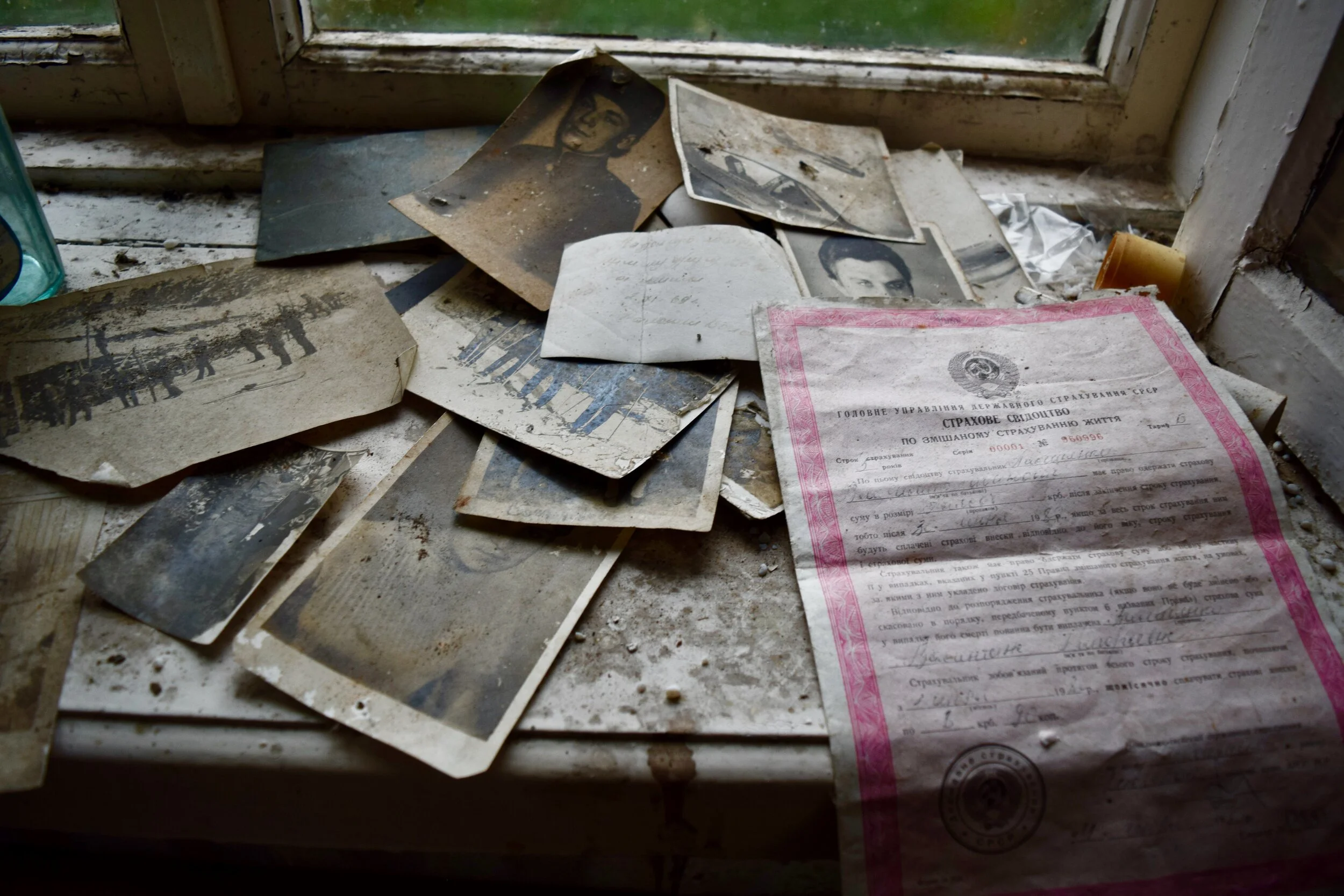
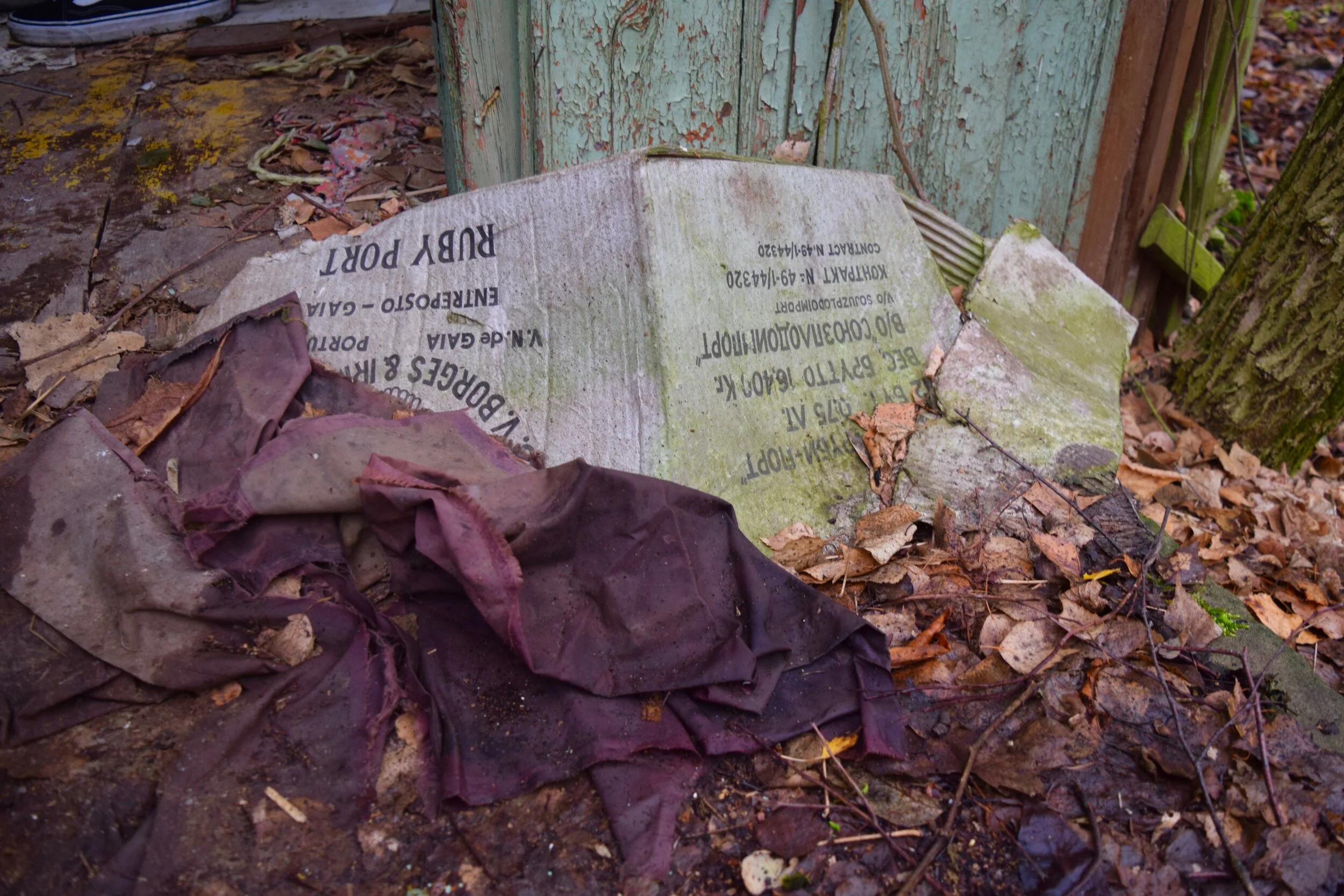
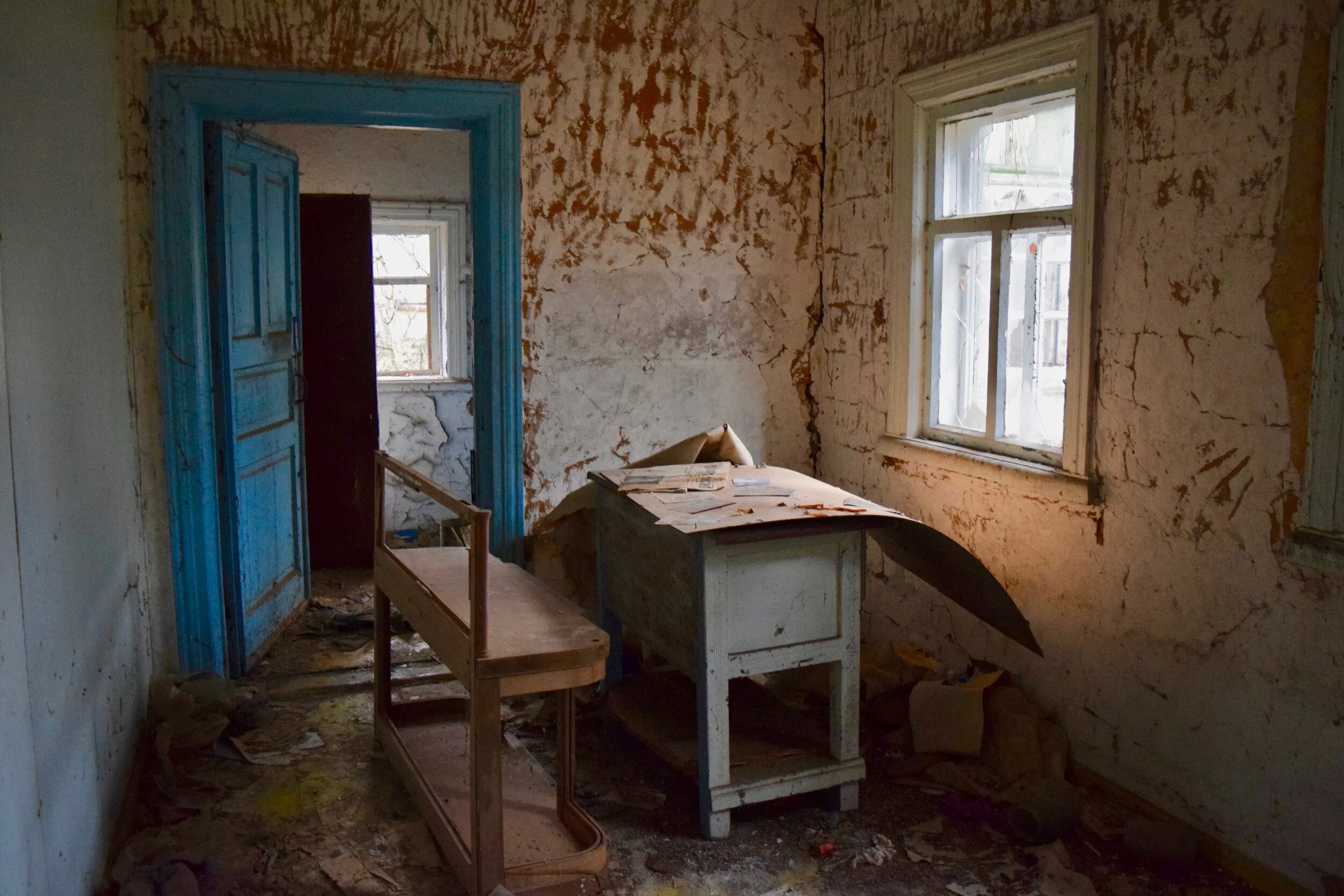
Most of the buildings are falling apart, so you need to be extremely careful about where you step and make sure not to touch anything. Inside the houses, you can find hundreds of original objects that were just left behind by its owners, from documents, books and newspapers to teddy-bears, vinyl records and all kind of house appliances.
You really feel how the inhabitants of Zalissya had to literally leave everything behind and abandon what had been their house for years in just a matter of hours.
Chernobyl
The Chernobyl Nuclear Plant was named after the city of Chornobyl, known as Chernobyl in Russian, located only 15km south from the plant. When the accident took place, the city had a population of 14,000 inhabitants.
On May 5th 1986, 9 days after the explosion, the 14,000 inhabitants of Chernobyl were evacuated. The big majority would never return to their houses, making Chernobyl one of the many ghost towns in the area after the accident.
Today, a small number of people still live in Chernobyl. Some of them returned to their houses a few years after the accident, but most of them are workers in the State Agency of Ukraine on the Exclusion Zone Management, which was moved from Pripyat to Chernobyl after the accident. Tourists in a multi-day visit to Chernobyl can also spend the overnight in a hotel still open in the town.
Our only stop in Chernobyl was its welcome sign at the entrance of the town. We only drove past Chernobyl, spotting the only two stores and hotel still operating in the city, but apart from that, the place was completely deserted.

Chernobyl city sign
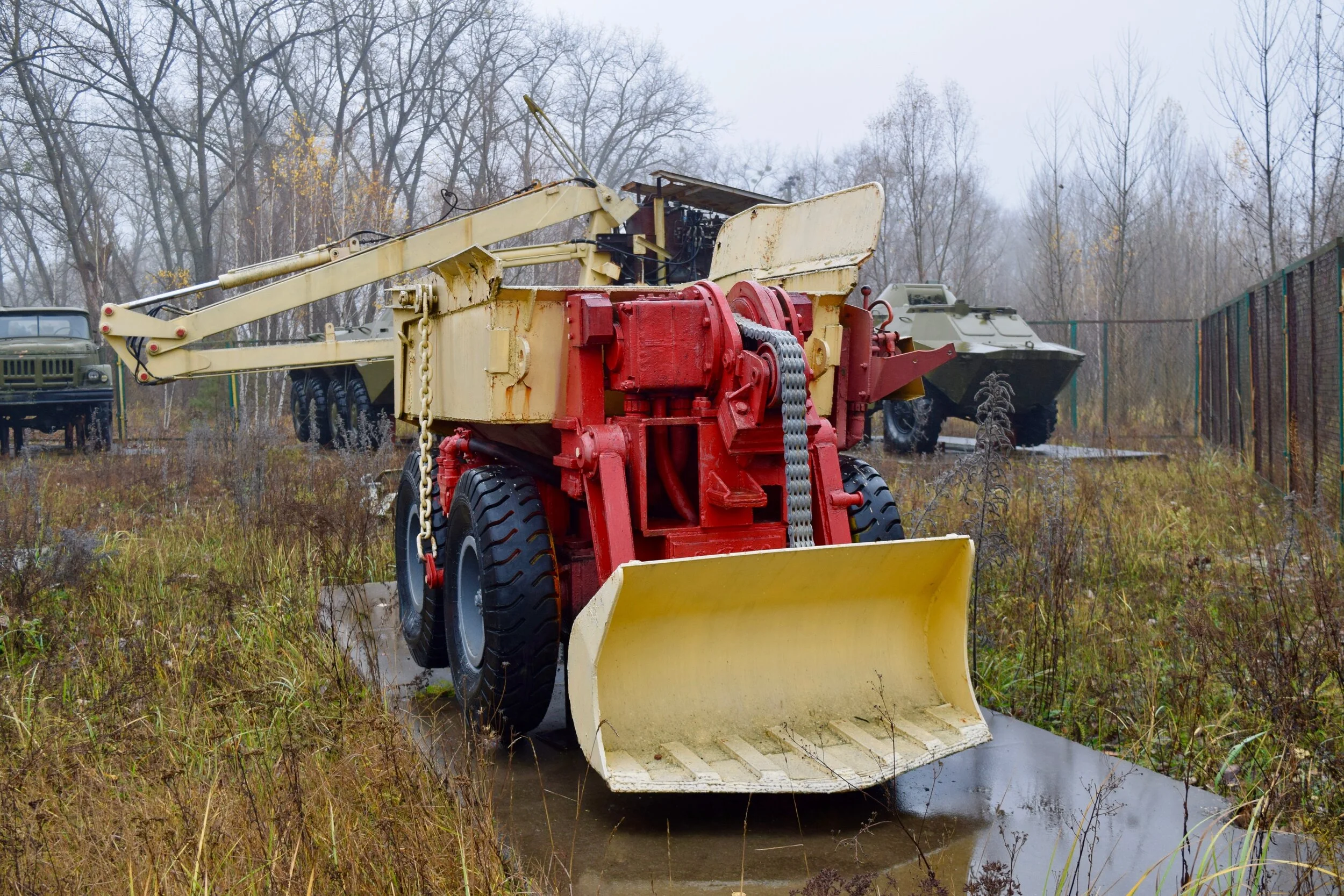
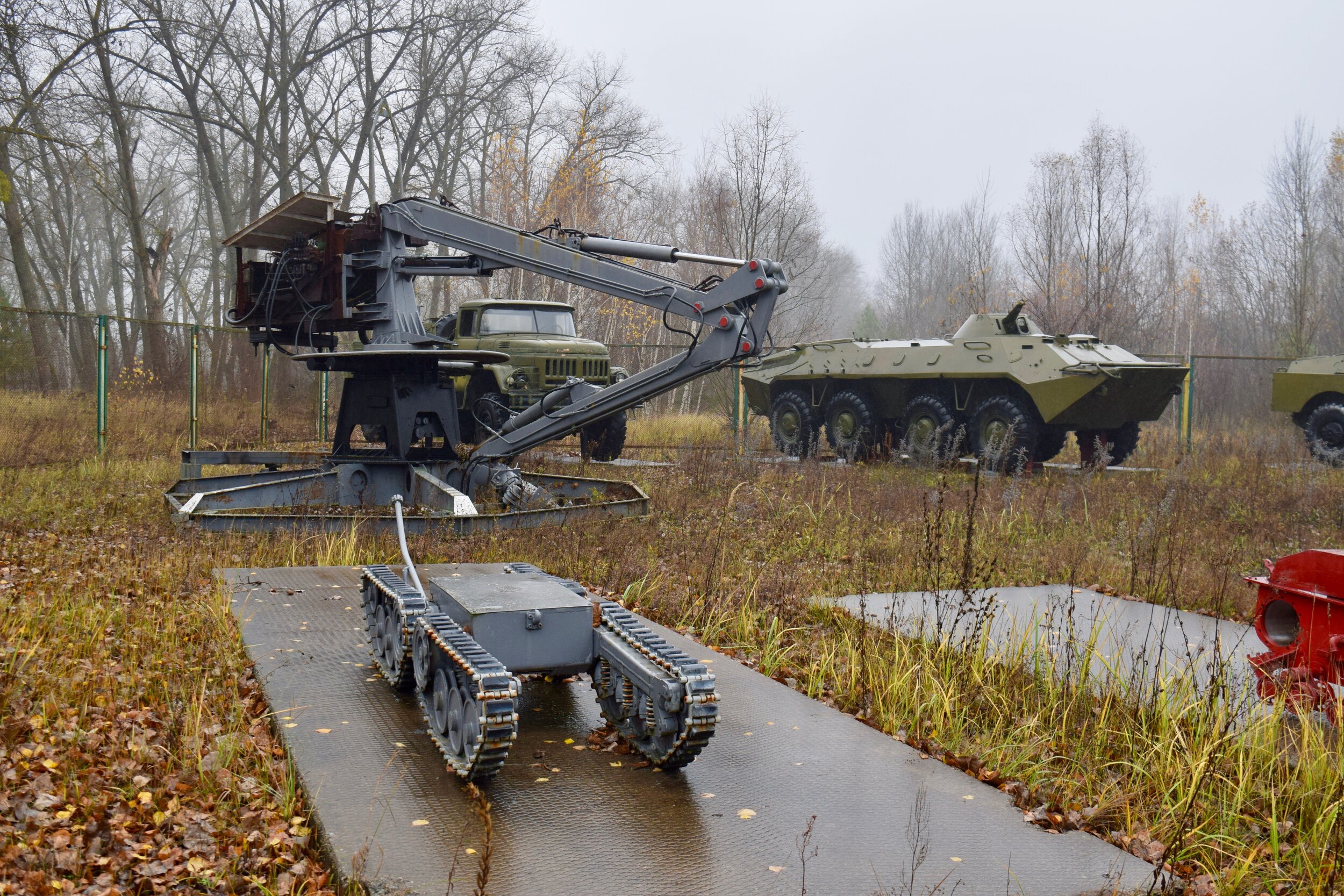
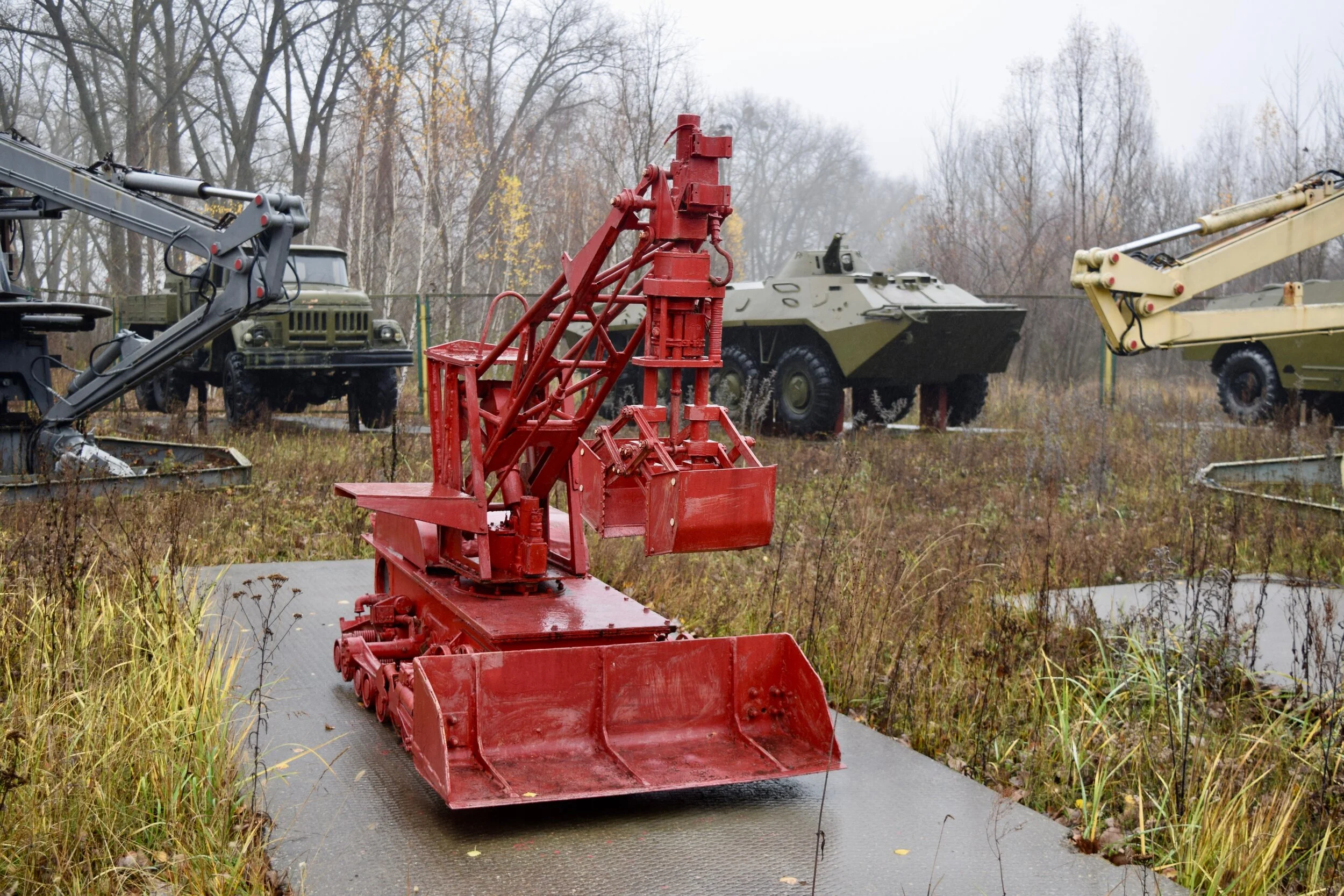
Not too far from the town of Chernobyl there’s a small exhibition where you can see some of the original vehicles and robots used during the accident.
After the accident, robotic technology had to be designed to clean the area and eliminate the negative effects of high radiation. Liquidators used about 15 different remotely controlled robotic systems to decontaminate the territory that are now exhibited to remind us of these heroic actions.
DUGA radar
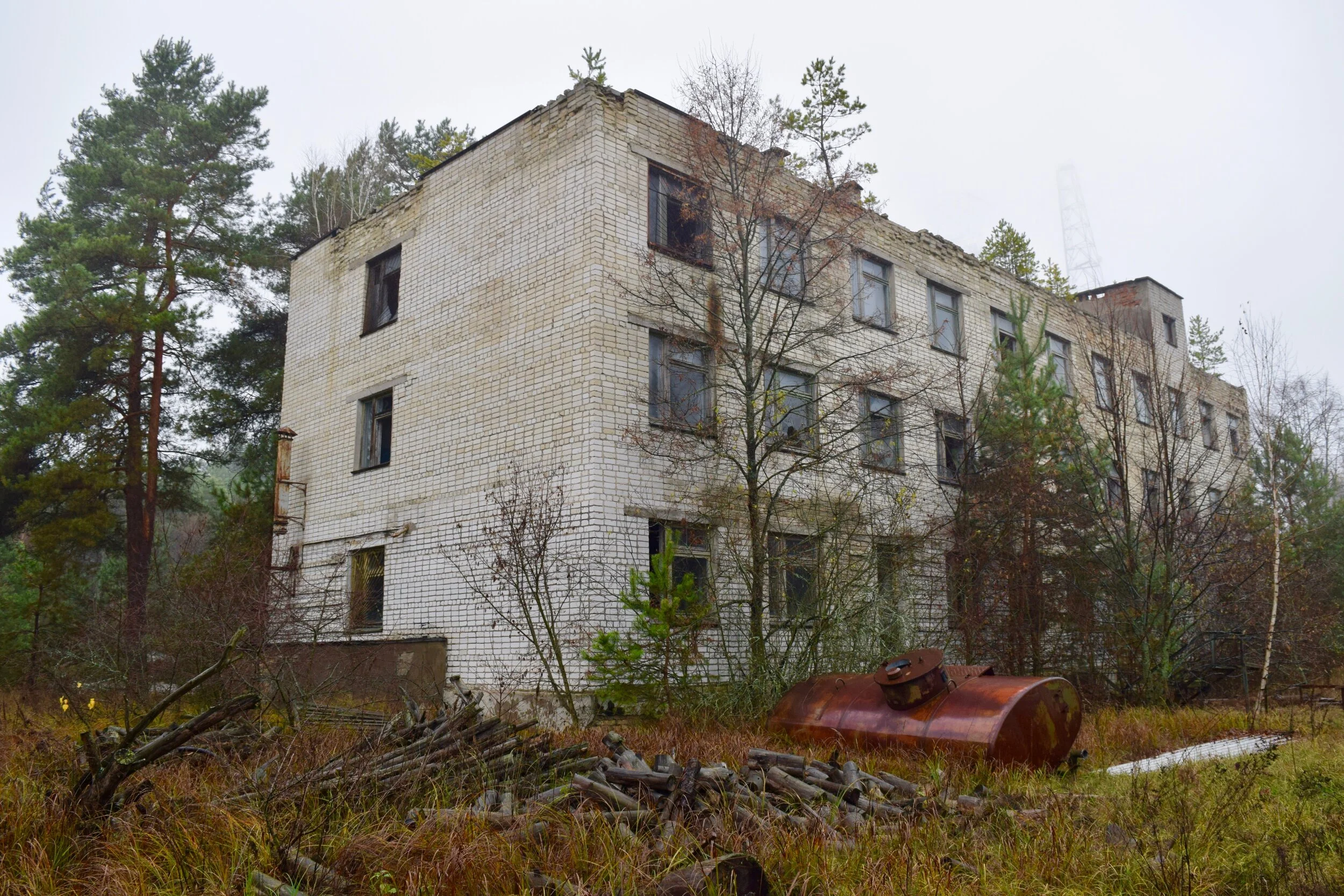
Not many people know that Chernobyl housed a secret military base during the USSR. The area was discovered only after the fall of the Soviet Union and the accident at Chernobyl.
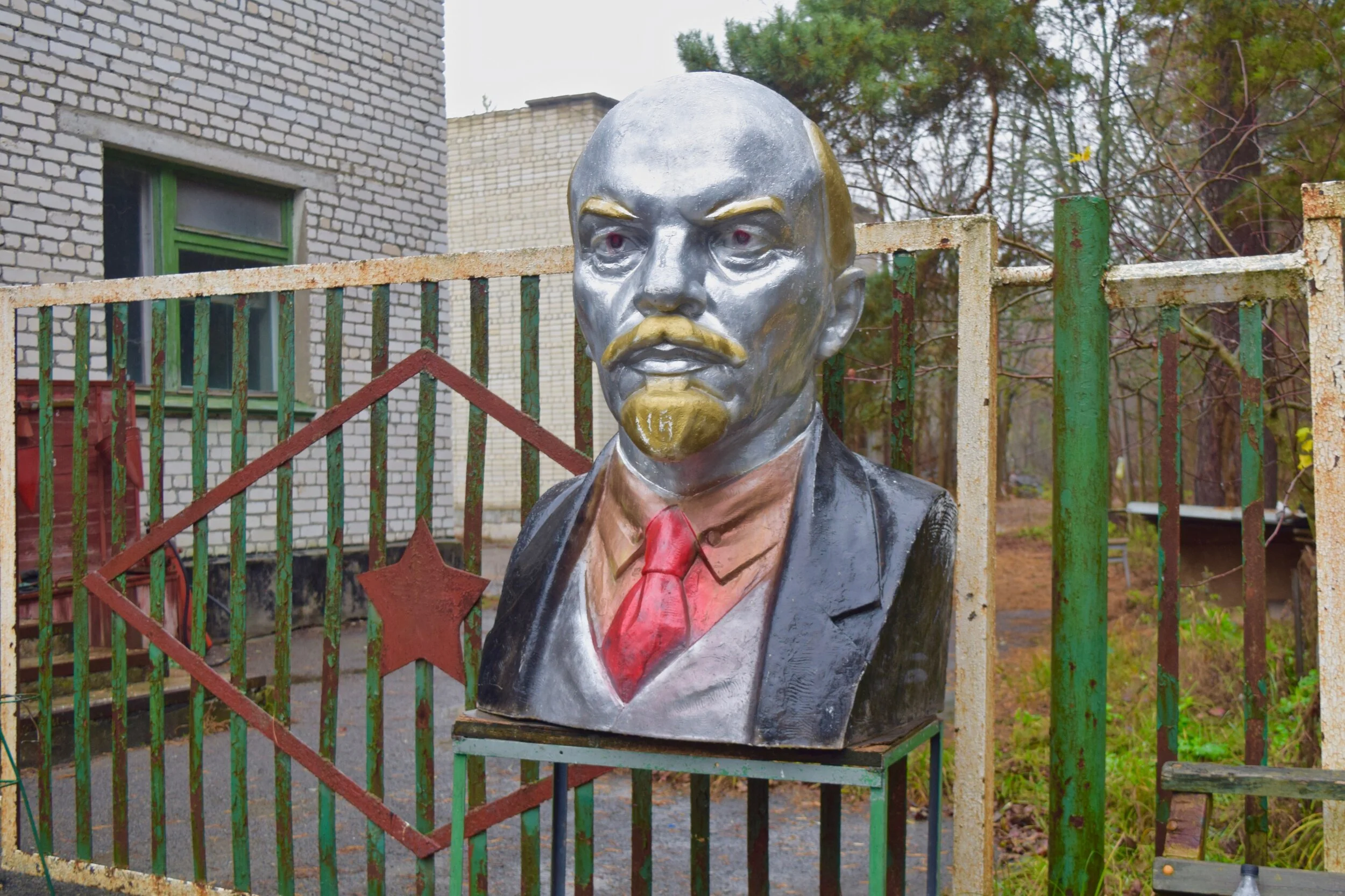
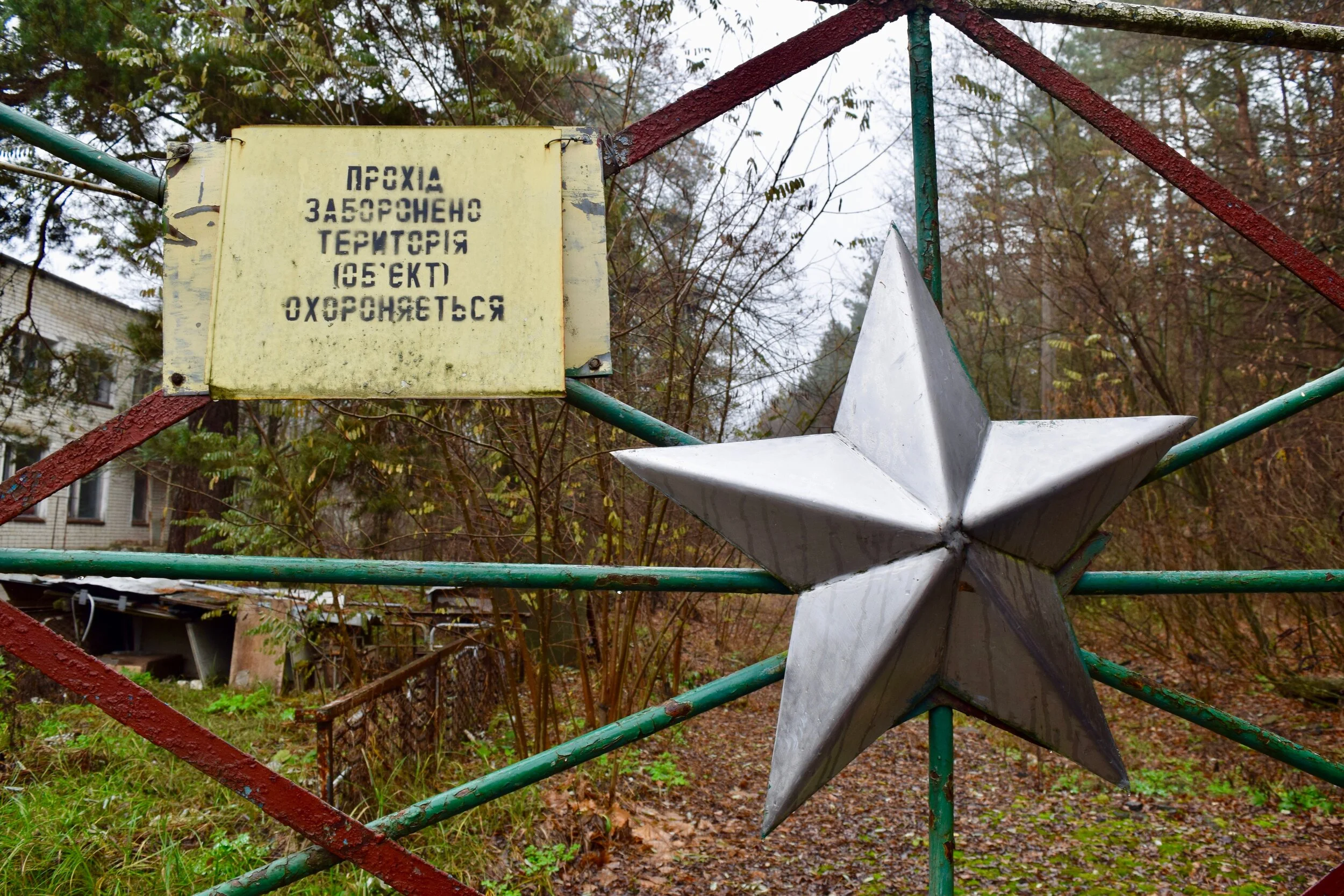
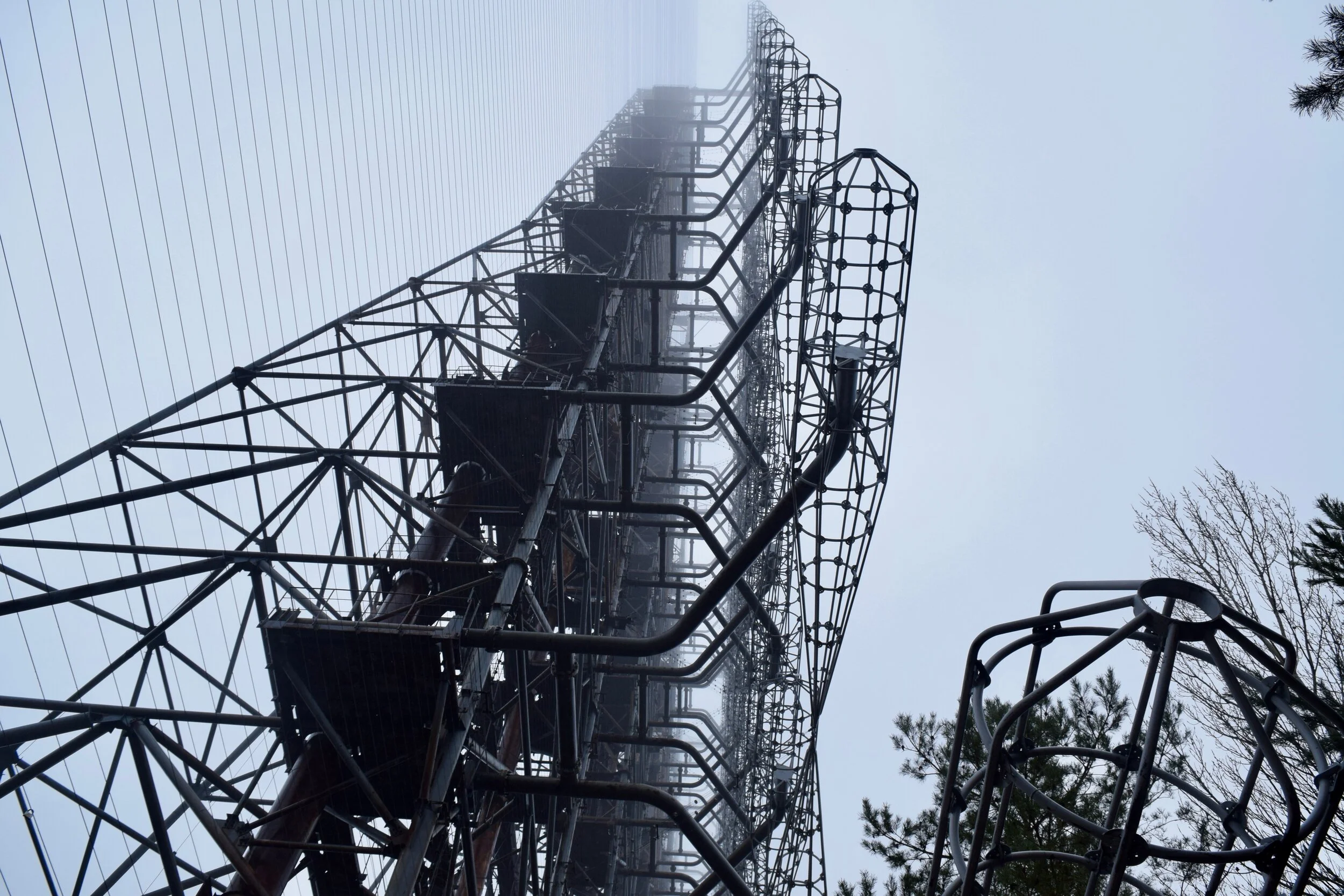
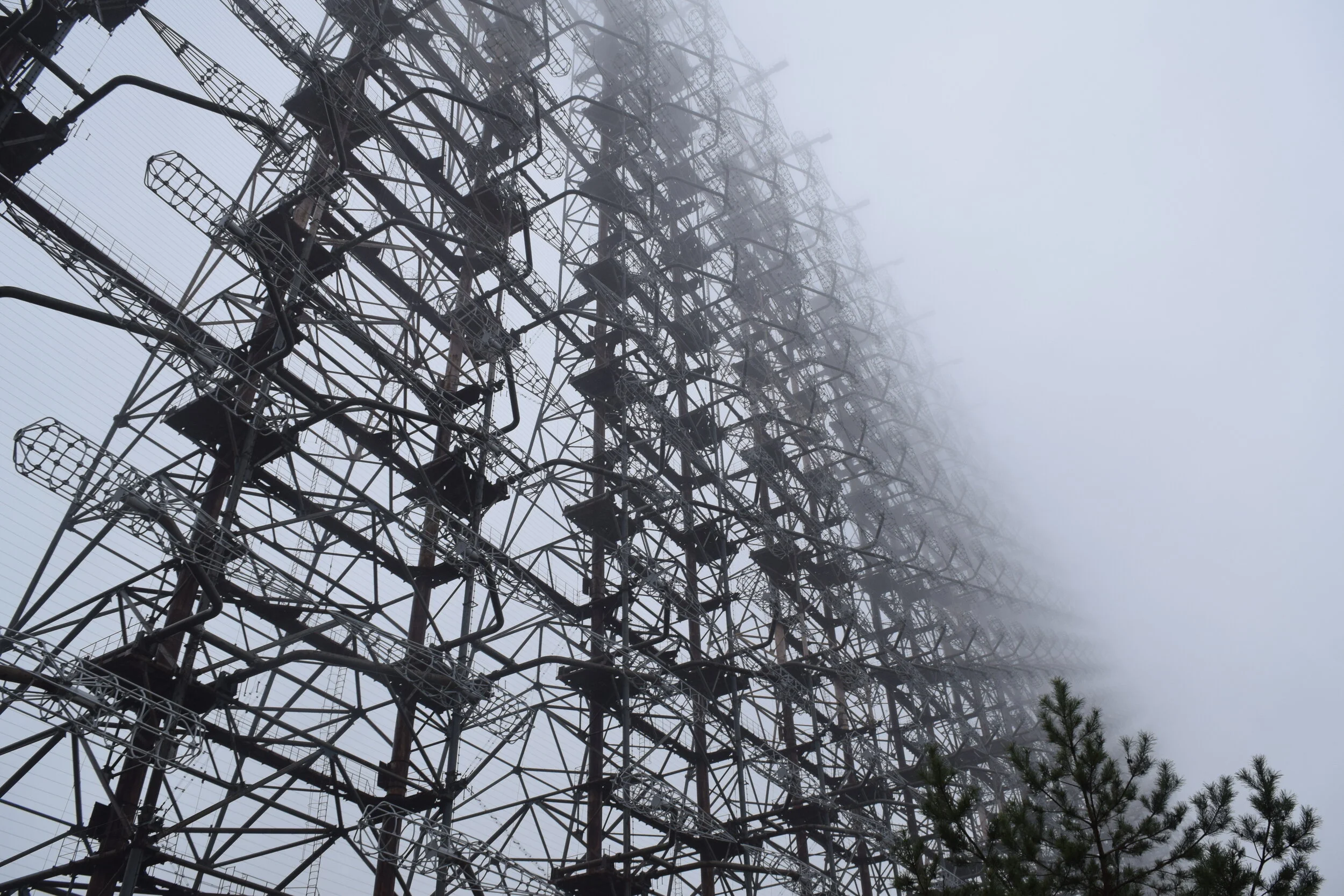
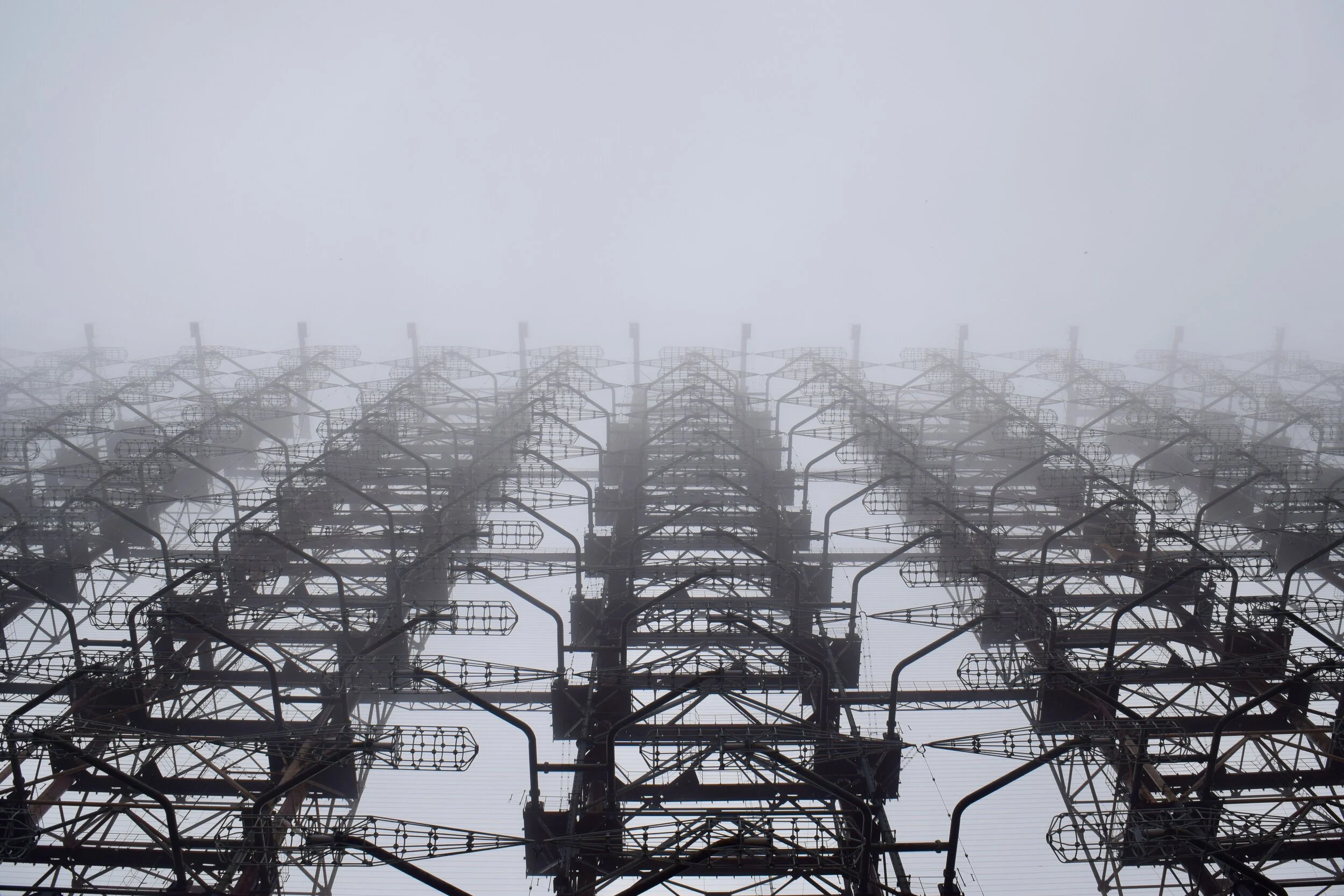
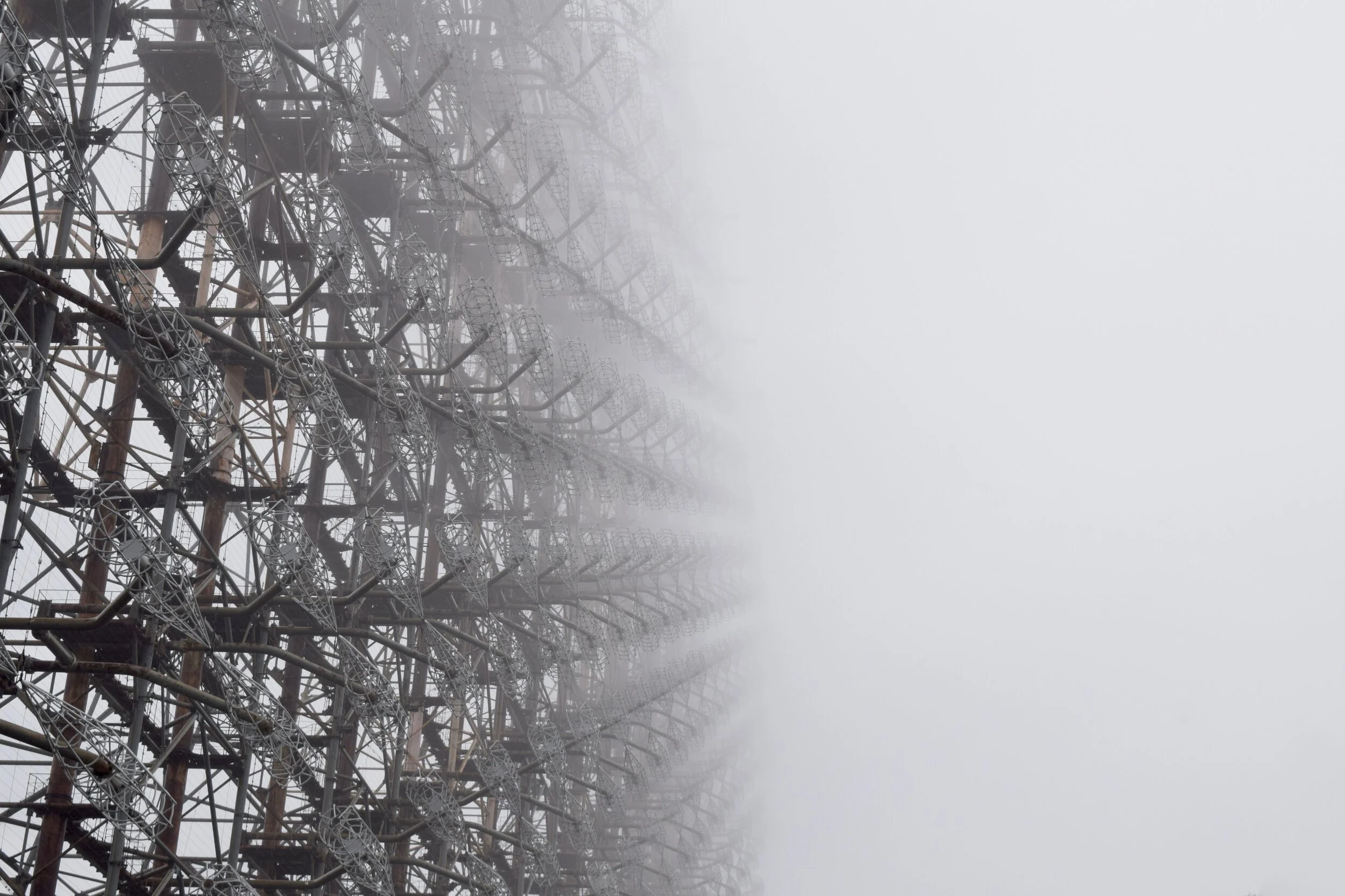
As you enter the base, a statue of Lenin and a five-pointed star transport you back in time. But from the entrance, you could never imagine what this military base hides: back in the 80s during the Cold War, the Soviets built a military radar system to track ballistic missiles from the enemy, known as Duga; an immense construction 150m high and 550m long hidden in the forest that can only be seen as you get closer.
Building in the military base
Lenin statue
Five-pointed star
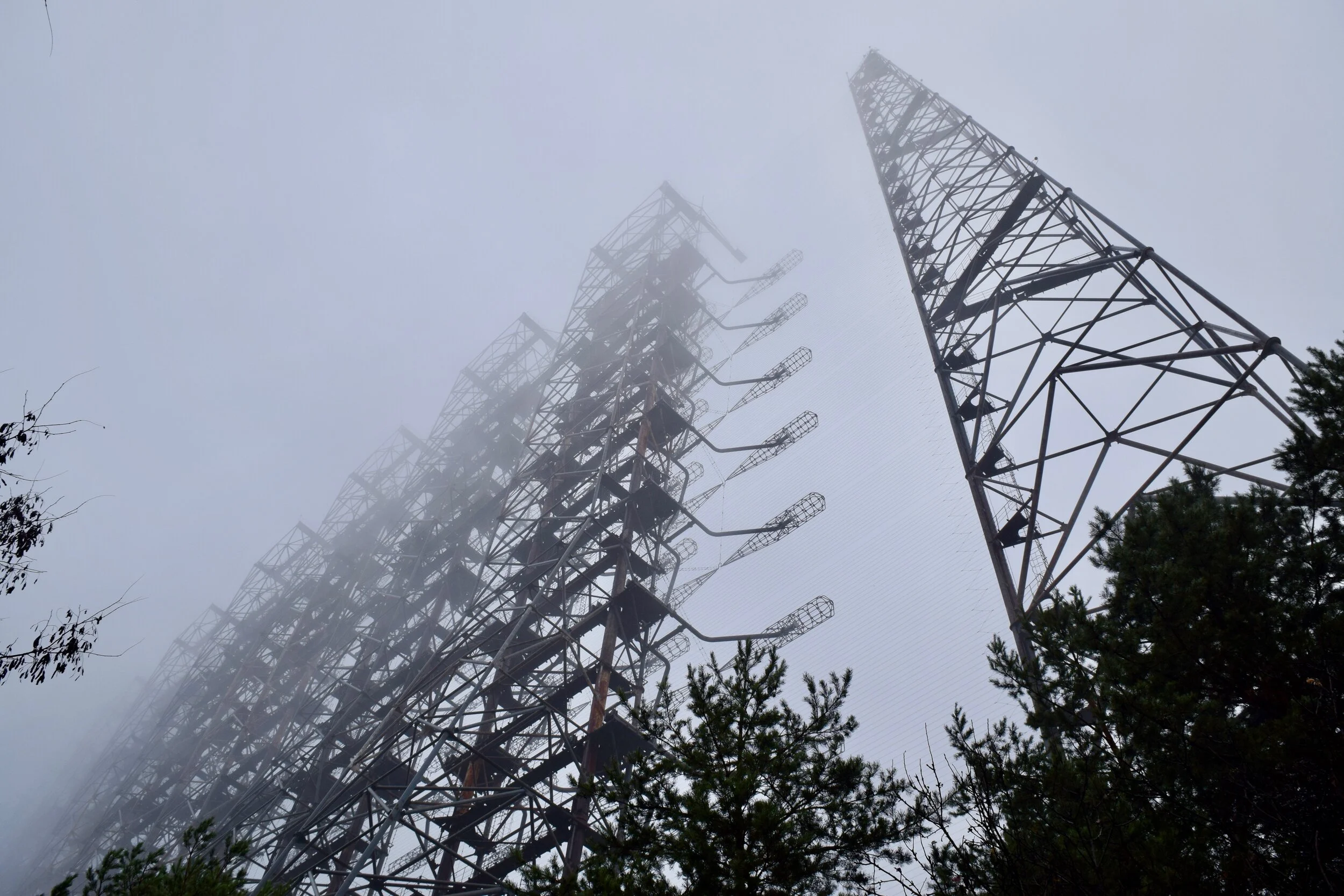
Duga radar
The radar was so powerful that from 1976, a new radio signal was detected all around the world, and it started interfering with broadcasts, radios and oceanic and aviation communications. Many countries complained about this signal, but its origins were unknown for years.
Because the interferences sounded like a sharp, repetitive noise that appeared out of nowhere, it gained the nickname of the Russian Woodpecker. But according to our guide, the truth is that the Duga never functioned as expected, in spite of the millions of dollars spent for its construction.
The construction is so big and the day was so foggy during my visit, that the radar seemed to disappear among the clouds.

Chernobyl Nuclear Plant
The most expected moment of the visit was the stop at the Chernobyl Nuclear Plant, however, before getting close to the reactor, we stopped for lunch at the Chernobyl canteen.
The canteen was used by workers of the Chernobyl Nuclear Plant up until the explosion. Today, the canteen remains in operation for some of the few workers left in the exclusion area, but mainly for tourists.
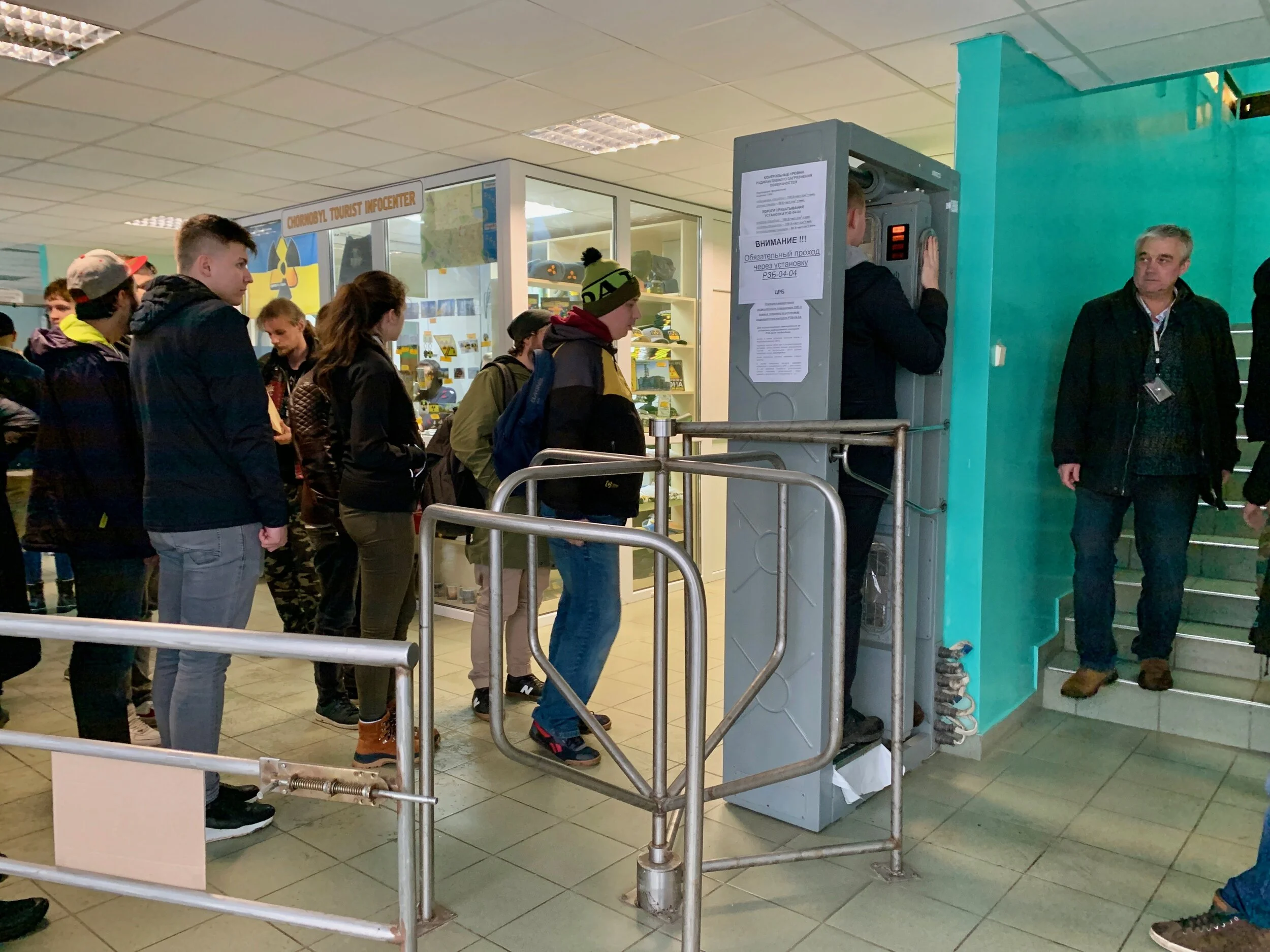
Before accessing the canteen, all visitors have to go through a radiation detector to ensure that their radiation levels aren’t too high. Luckily for me and everyone else in my group, we were able to go through without any issues, but the truth is that the level of radiation today is so low that you shouldn’t have any problems if you’re just visiting for a day. Our guide told us about some exceptions in previous groups, mainly about some unlucky visitors that had stepped on a particularly radioactive patch of grass that got stuck on their shoes, but nothing that a quick wash wouldn’t resolve.
Our lunch was included with the visit, and the food actually wasn’t that bad. All products are brought from outside the Exclusion Zone, so of course, it is perfectly safe to eat at Chernobyl. The food was quite simple and bland, similar to what you’ll find in a hospital restaurant, but I suppose that it wasn’t that bad considering the location.
Abandoned building
Radiation test

Canteen
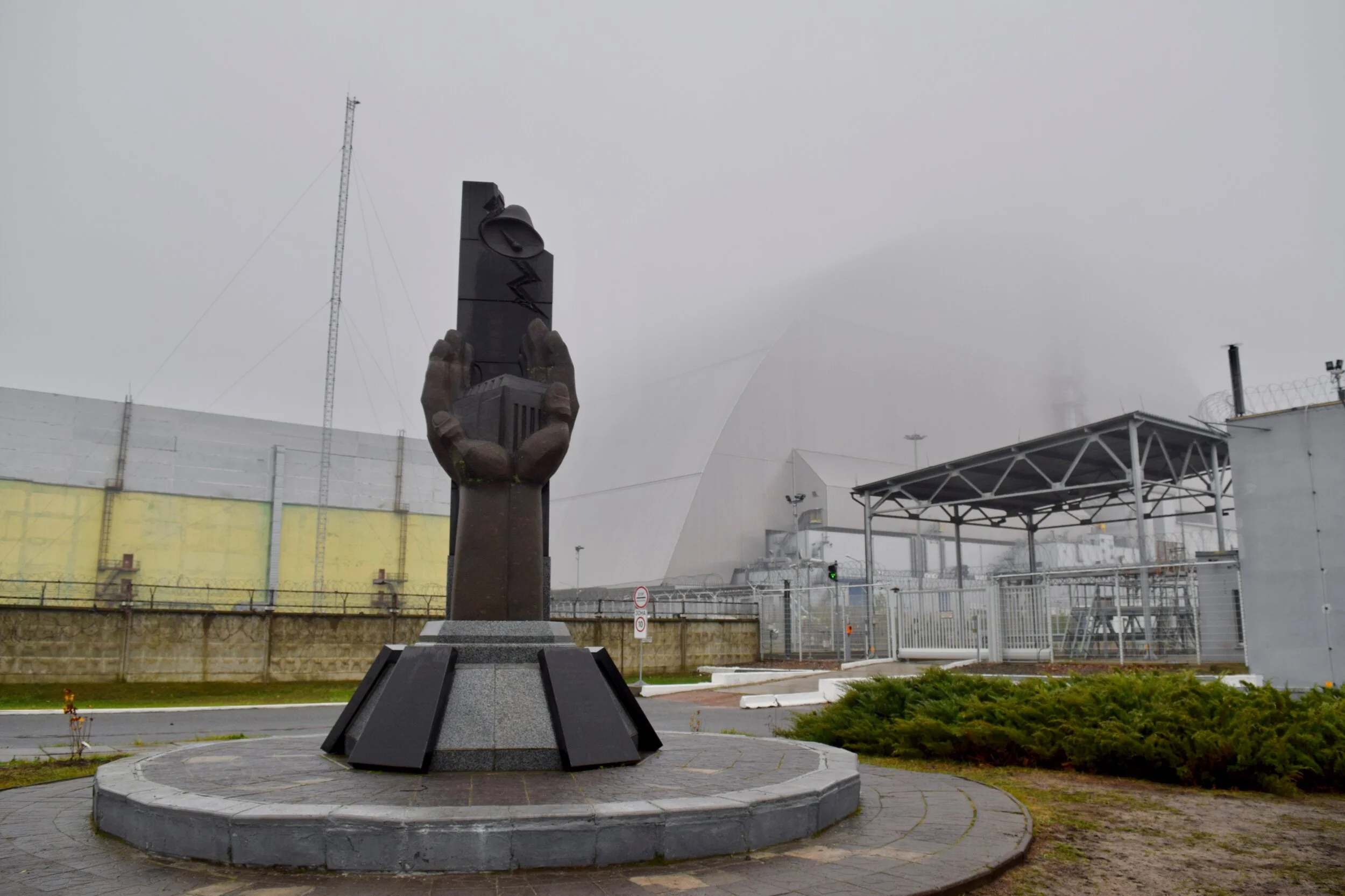
But a visit to Chernobyl wouldn’t be complete without a stop at the reactor number 4, the centre of the explosion in 1986. Visitors can get as close as 250m from the reactor, where a monument to the victims was erected.
24 days after the accident, a sarcophagus started to be built to reduce and contain the levels of contamination by covering the most dangerous area of the power plant. The result was a massive construction made of steel and concrete that locked over 200 tons of radioactive lava, 30 tons of highly radioactive dust and over 16 tons of uranium and plutonium.
However, this emergency measure wasn't enough to contain the radiation for much longer due to its constant deterioration. In 2004, an international competition to build a new sarcophagus that would cover the original construction was started. The sarcophagus that we see today was completed only in 2019, and experts expect it to contain the radiation of reactor number 4 for the next 100 years.
Since the second sarcophagus was installed, the levels of radiation have decreased drastically. A few years ago, visitors could stay at the viewpoint only for a few minutes due to security reasons, but today those restrictions are no longer in place. Our Geiger counter marked under 1 microsievert per hour, which isn’t much higher than the background radiation in any big city, and much less than the amount of radiation that you get in an international flight. Today, the main source of radiation in Chernobyl is the soil, which is why living in the exclusion zone is still considered a big risk.
REACTOR 4 IN THE Chernobyl Nuclear Plant
Pripyat
In 1970, a new city called Pripyat was founded 20km from the Chernobyl Nuclear Plant. It was named after the nearby Pripyat River, and the city was created mainly to house the workers of the plant and their families.
Pripyat became a very prosperous city with all kind of commodities, well above the living standard in Soviet times. Before the disaster, it had a population of almost 50,000 inhabitants with a pretty young population, around 26 years old on average.
The morning after the accident, not much changed in Pripyat. Its inhabitants continued their normal lives, unaware of what had just happened a few kilometres away. Because the nuclear plant was administered by the Russian authorities, the government of Ukraine did not receive the news about the accident soon enough to alert the population.
This changed when a few hours later more and more people in Pripyat started getting sick, coughing, vomiting, and feeling a strong metallic taste on their mouths. One day later, on April 27th, dozens of buses arrived in Pripyat and the entire population of nearly 50,000 people were given one hour to evacuate the city. They were told to bring only the essentials, as they would be evacuated for only 3 days. However, the entire population of Pripyat never returned home.
The next day, everyone within 10km from the Chernobyl Nuclear Plant was evacuated, and the area was expanded to 30km only a few days later. This 30km exclusion zone has remained up until our days.
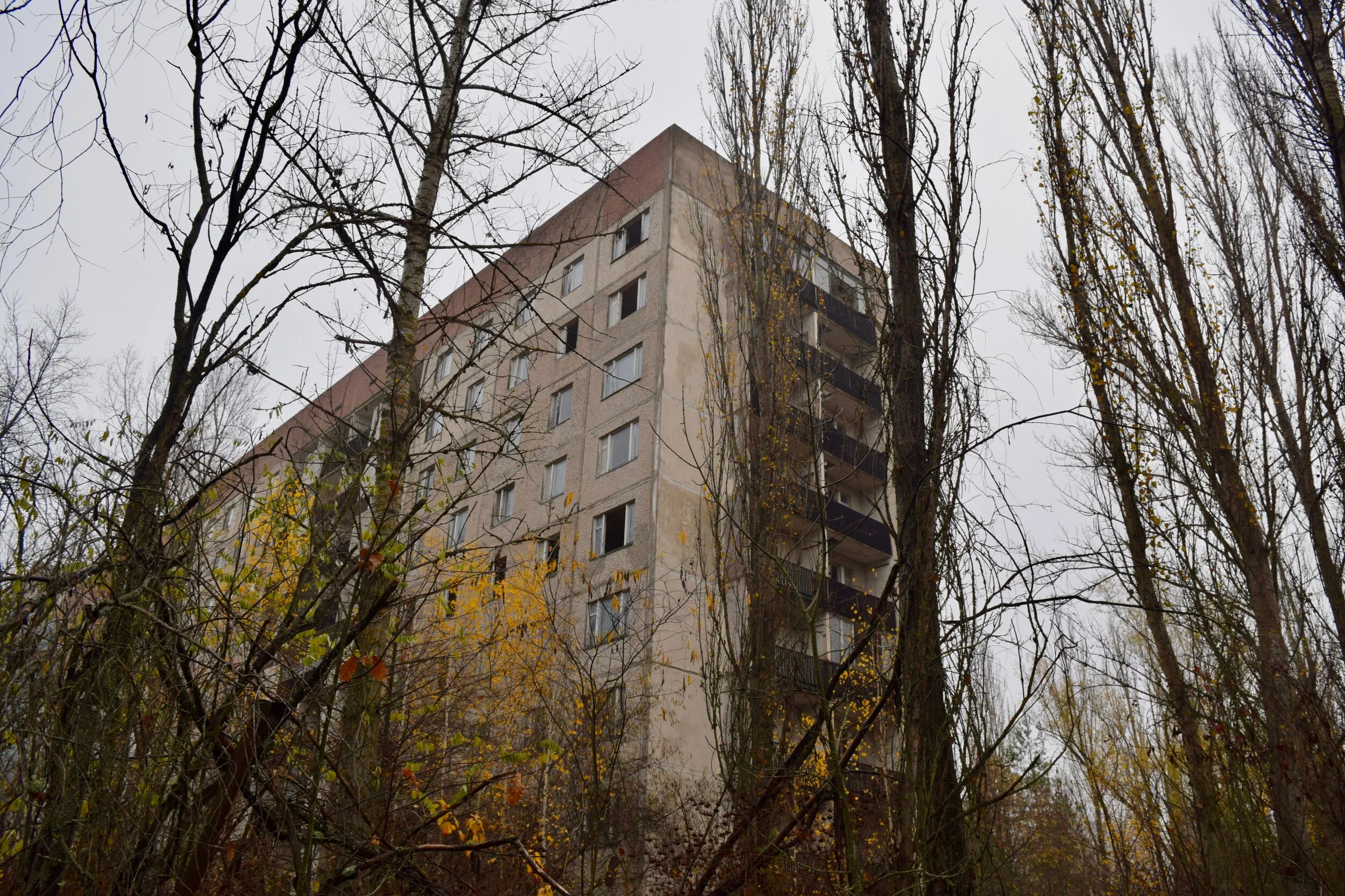
Pripyat
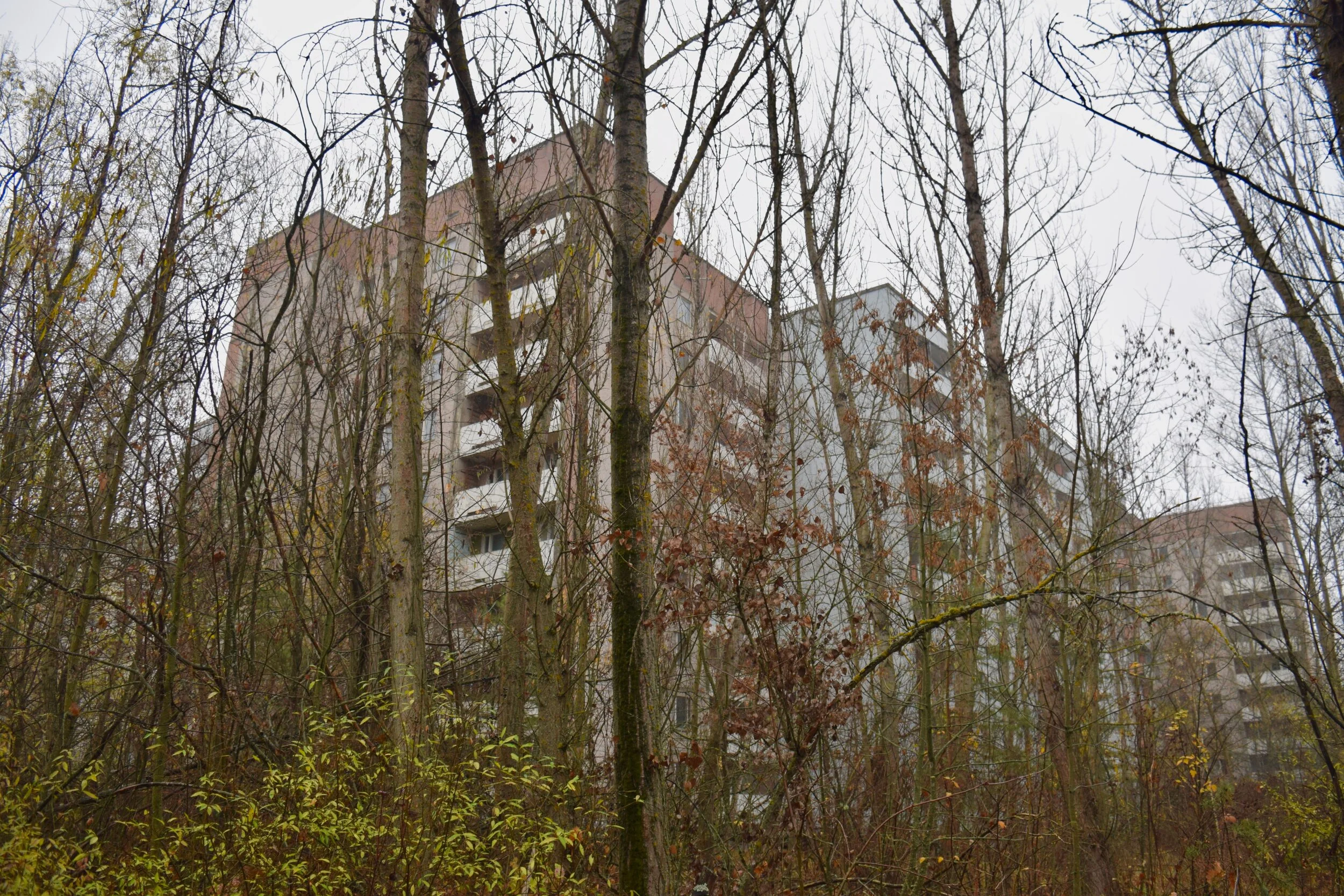
Nature has taken over the streets
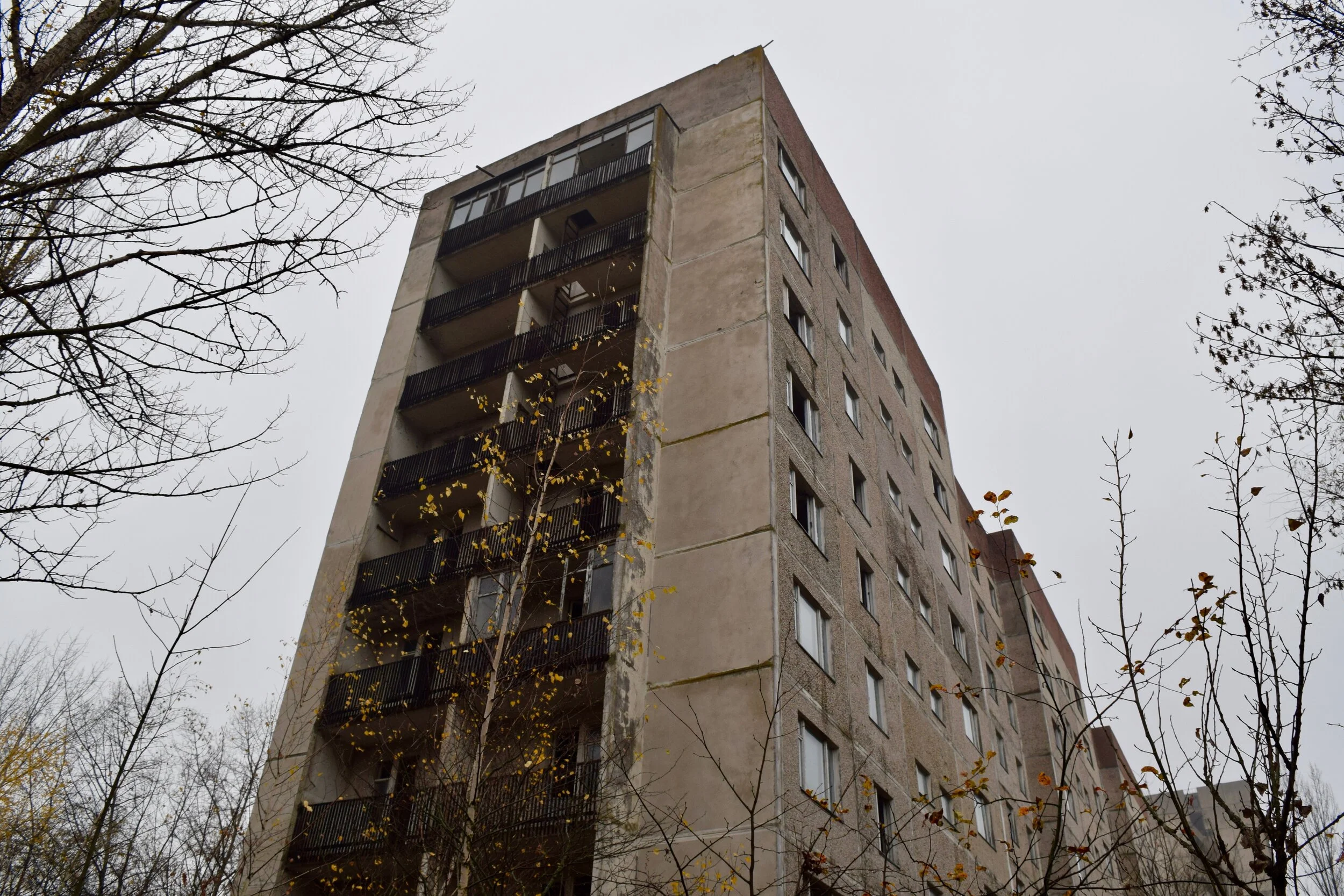
Abandoned residential building in Pripyat
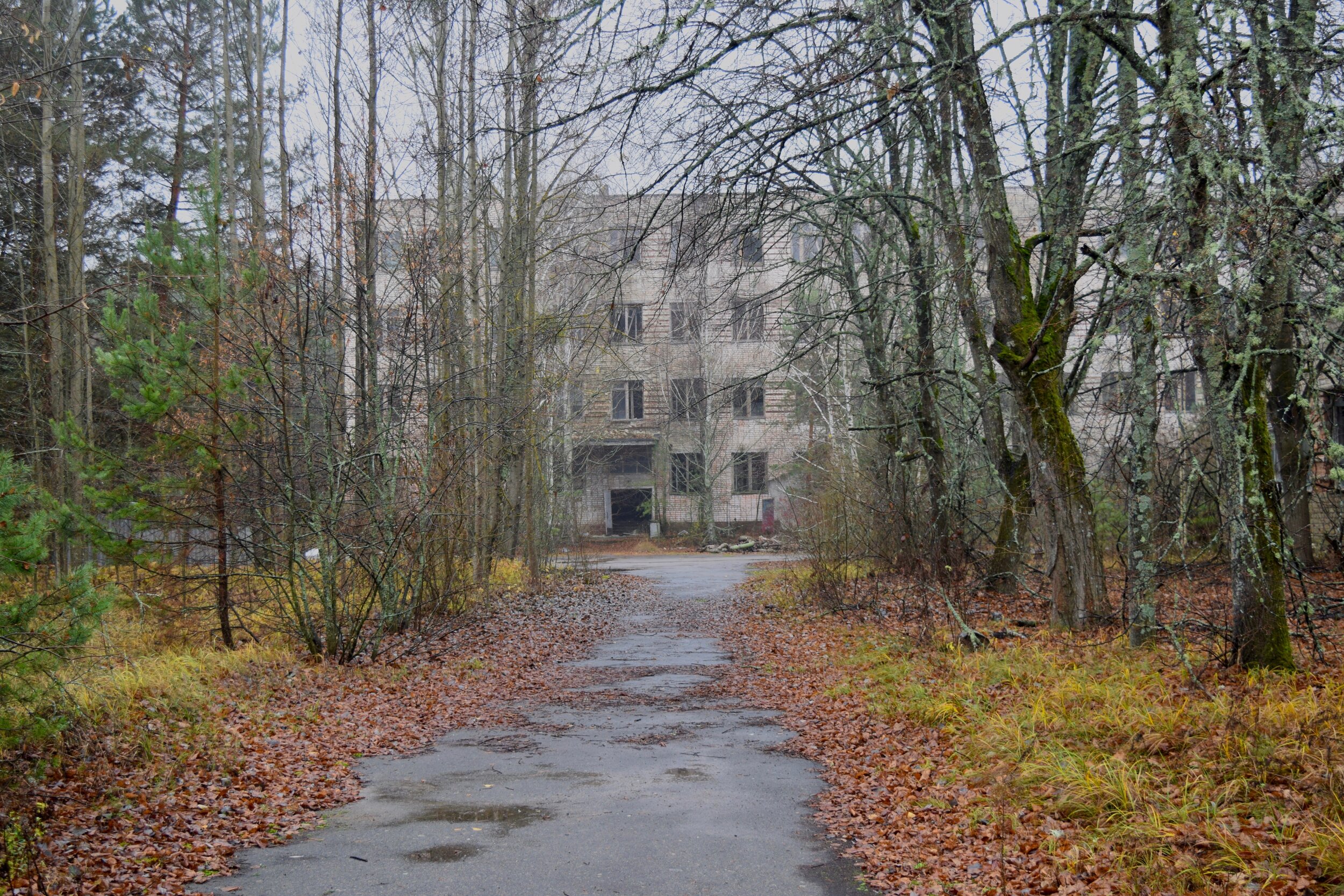
Today, Pripyat is a ghost town where nobody longer lives. Its big avenues and modern buildings have now become ruins, taken by nature.
Most of the constructions of what once was a lively city still stand today, however, since the last few years entering the buildings is Pripyat is no longer permitted due to the high risk of collapse. Iconic sites of Pripyat, such as its indoor swimming pool and the room filled with gas masks are now unfortunately off-limits to visitors. The famous sign at the entrance of Pripyat is also no longer accessible due to some recent works near it that have released dangerous levels of radiation around the sign.
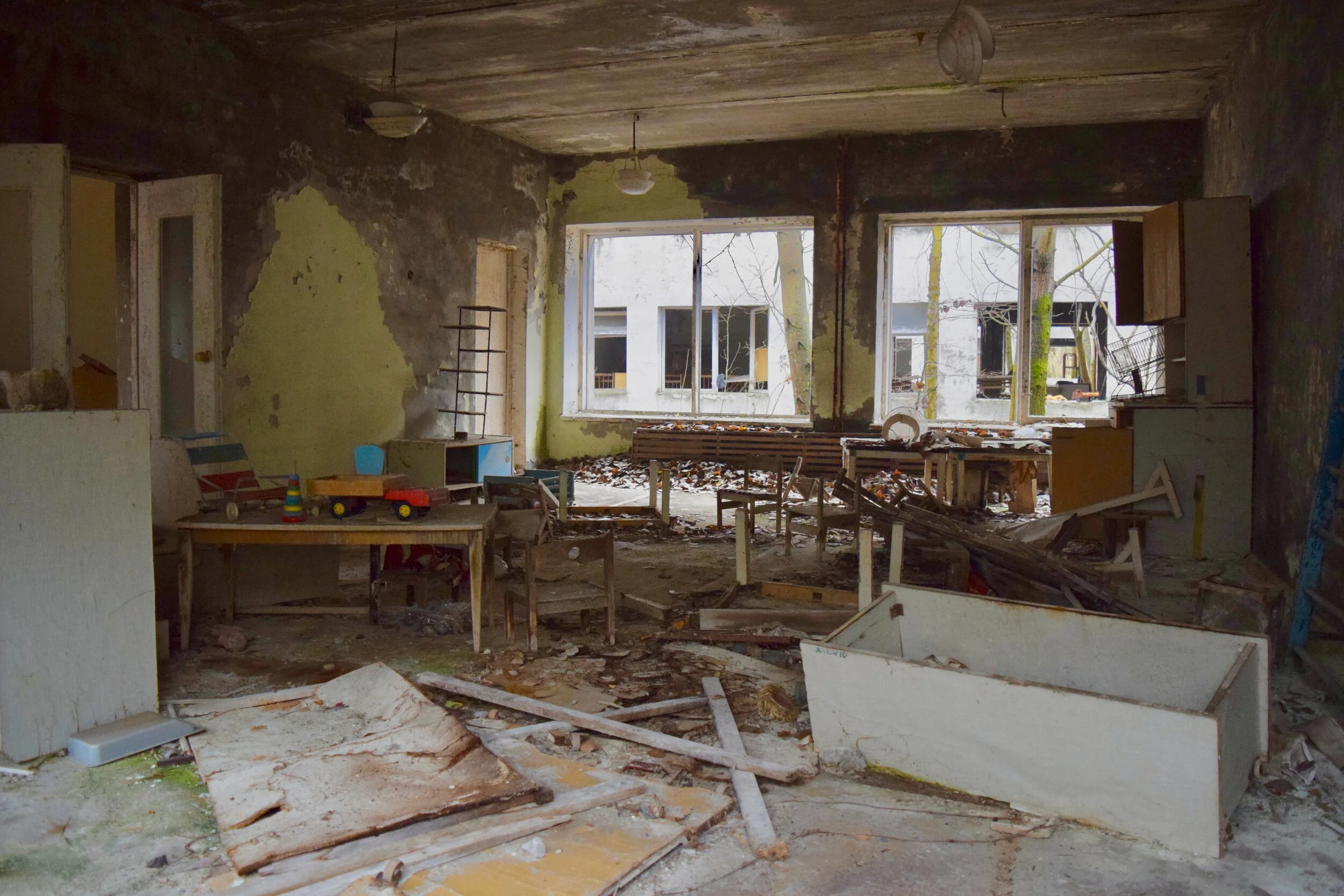
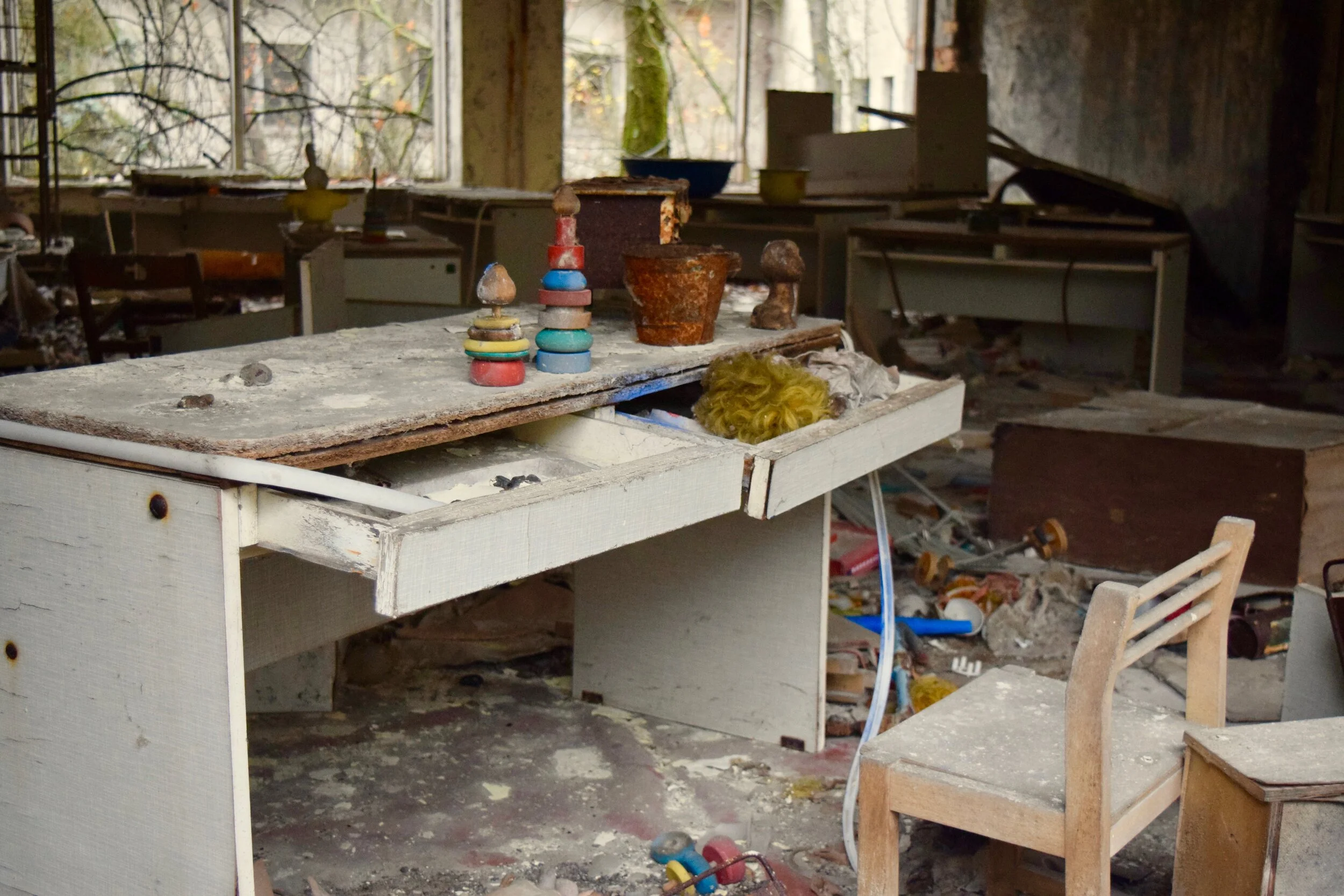
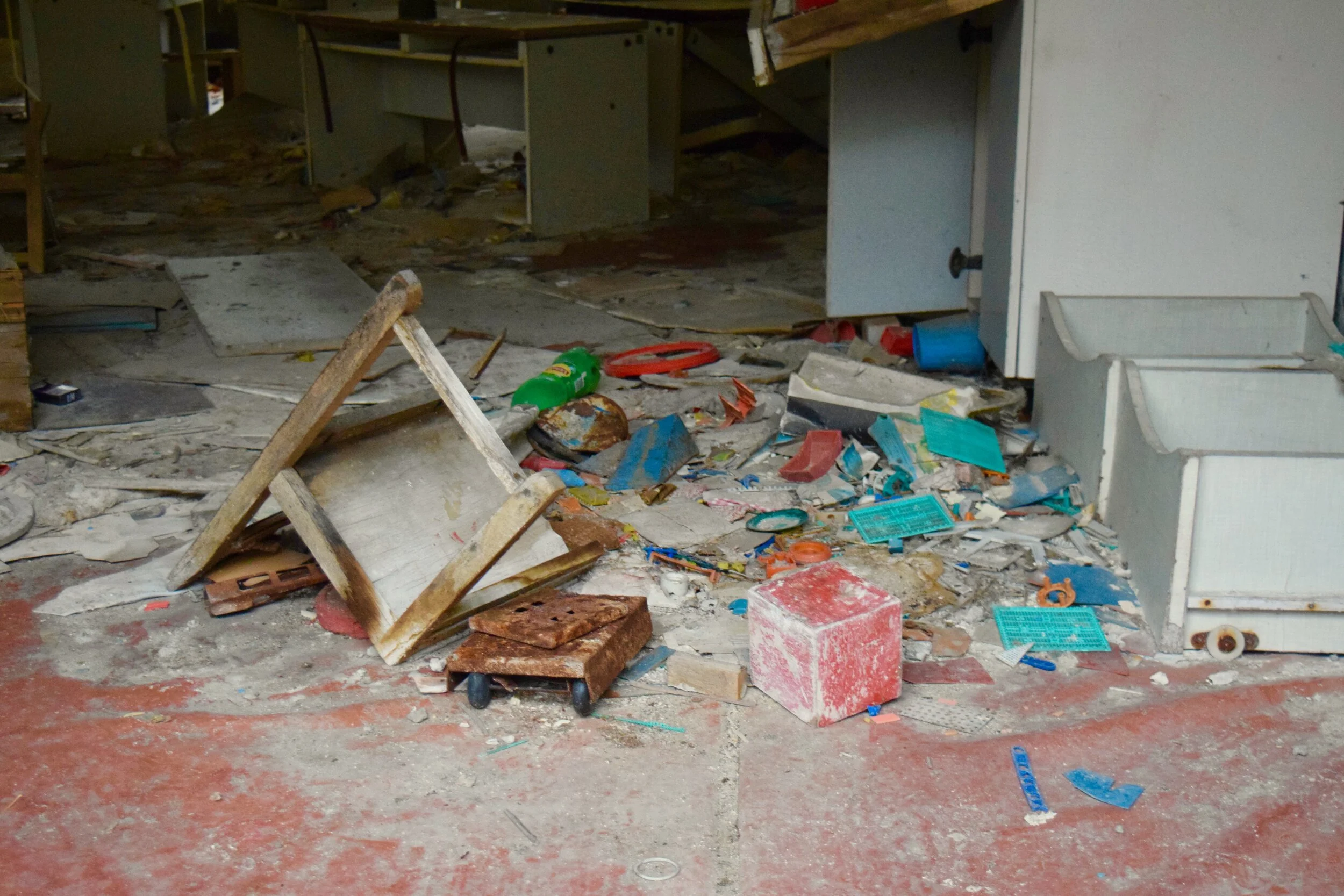
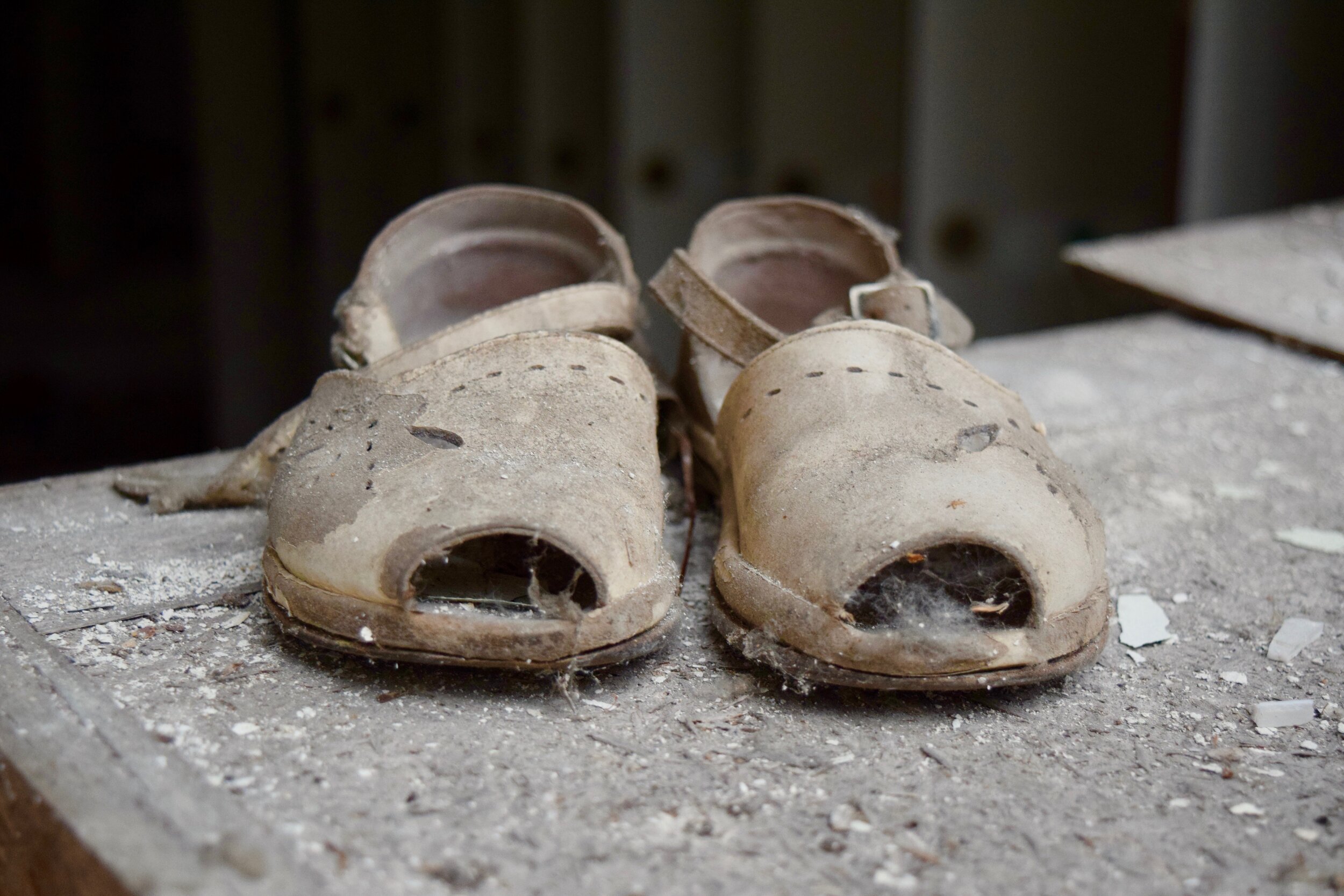
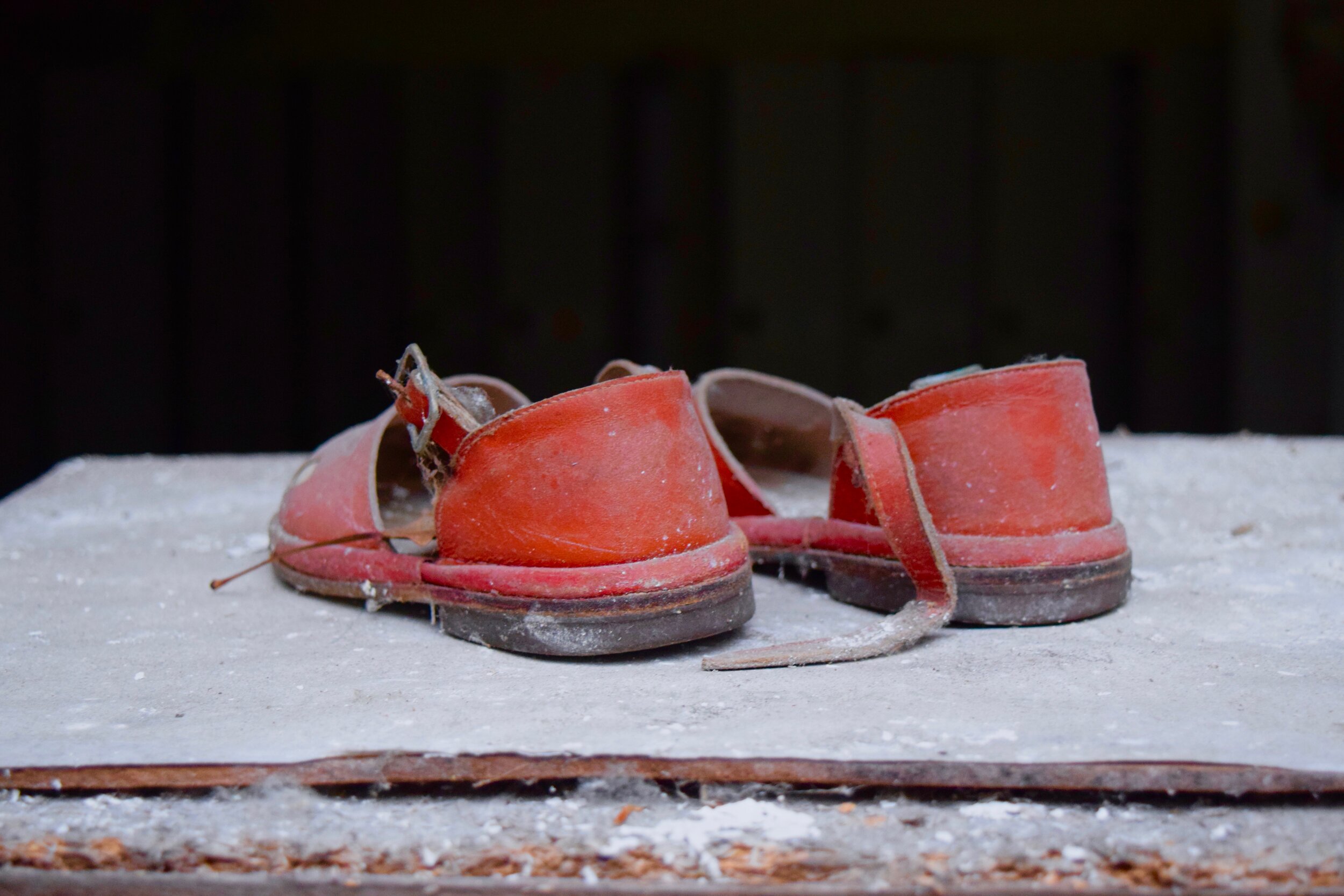
One of the buildings that can still be visited, but only from outside, is the school. There were 5 different schools in Pripyat that catered its young population. Looking through the windows, you can still see some of the original furniture, the books used by the students, as well as some toys and even clothes, all left behind when the city had to be evacuated in less than one hour.


For almost 20 years, Pripyat had its own football team, the FC Stroitel Pripyat. Using its white and blue colours, it became one of the best teams of Ukraine during the mid 80s.
Its home ground was the Avanhard Stadium, with a capacity of over 5,000 people. As you reach the stadium, it takes you a while to realise where you are. The stadium has now been reclaimed by nature, making it unrecognisable. The only section that still reminds of a stadium is what’s left of the main stand on the far side of the pitch, where you can still perceive the tunnel that players used to enter the pitch.
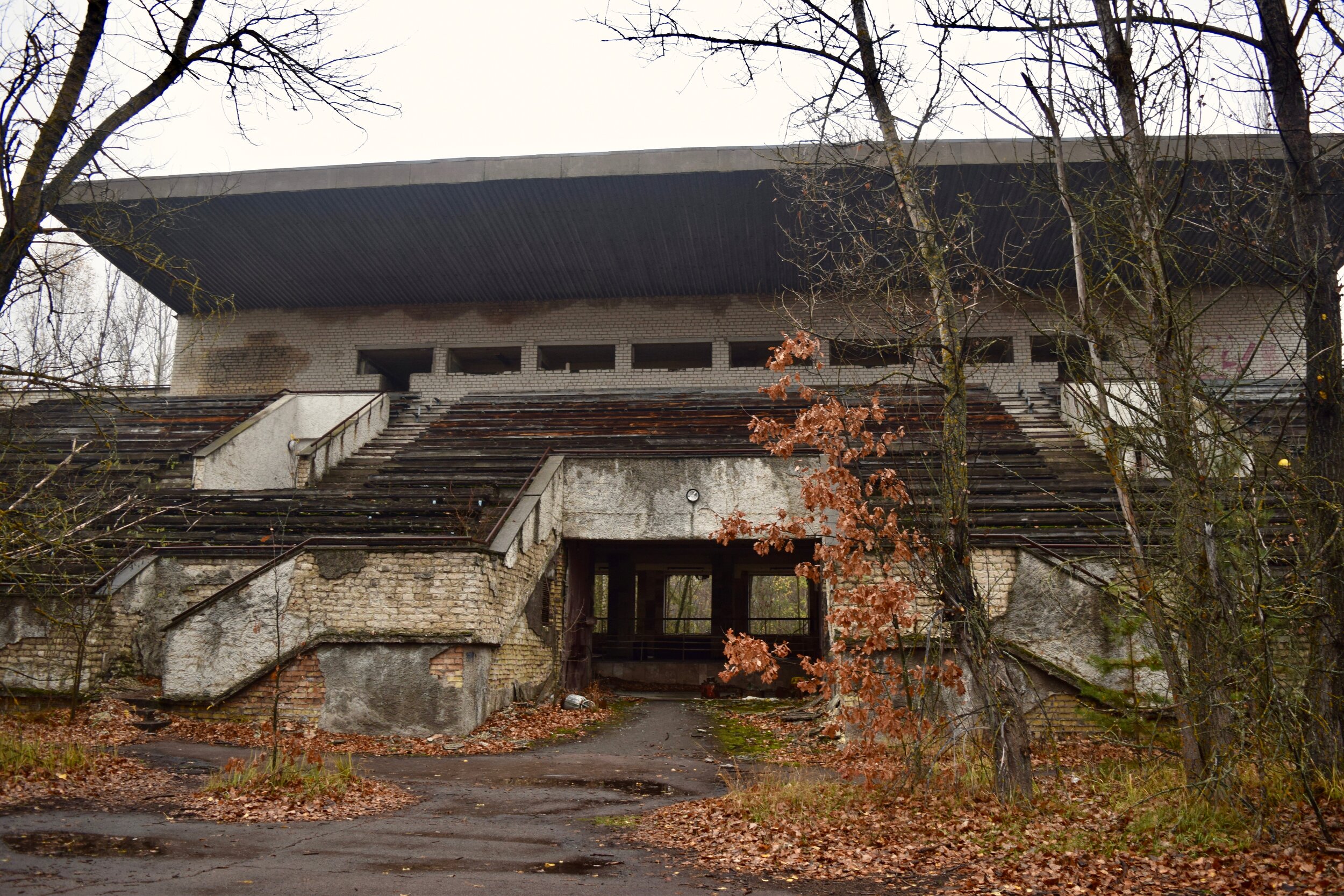
Avanhard Stadium
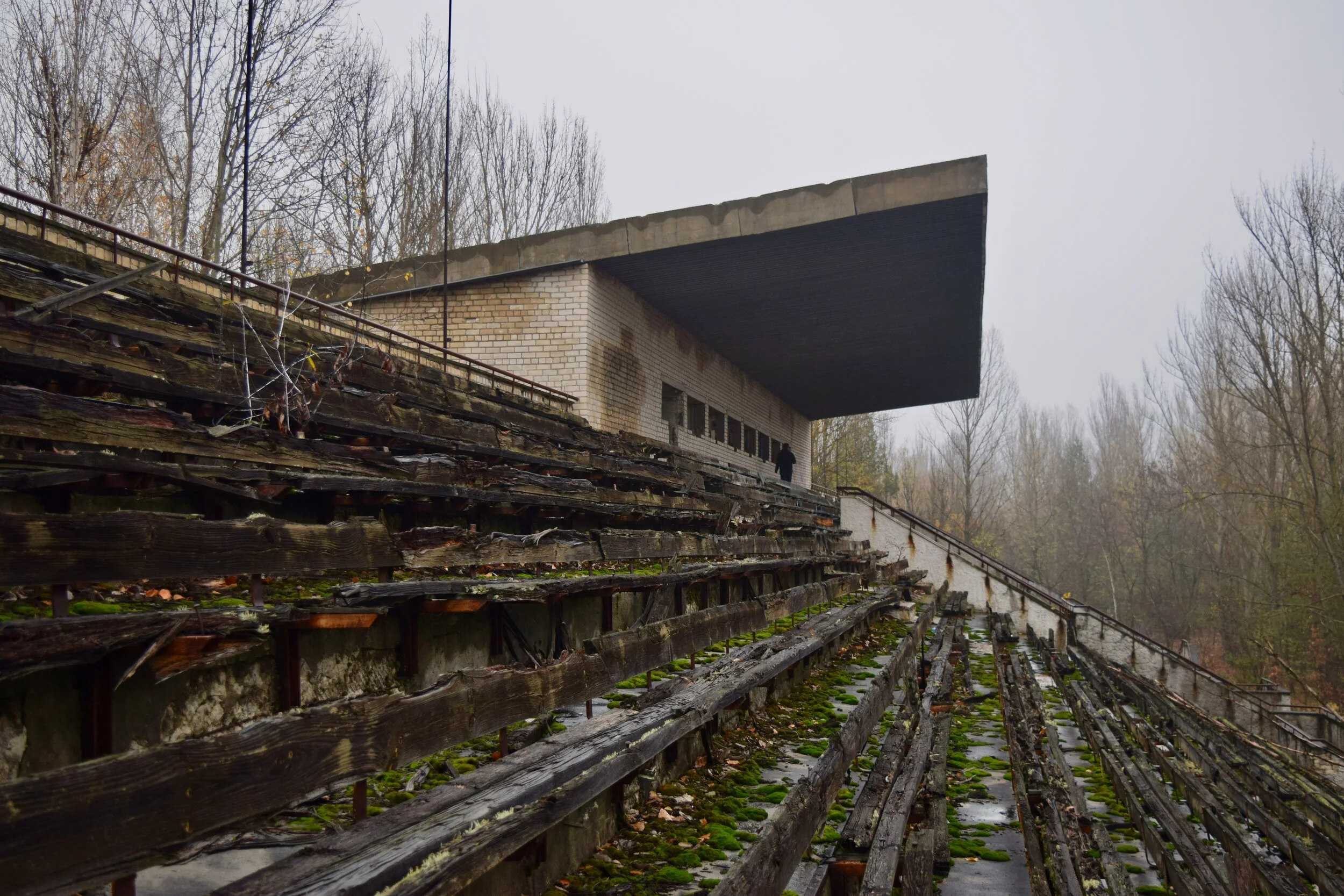
Main stand
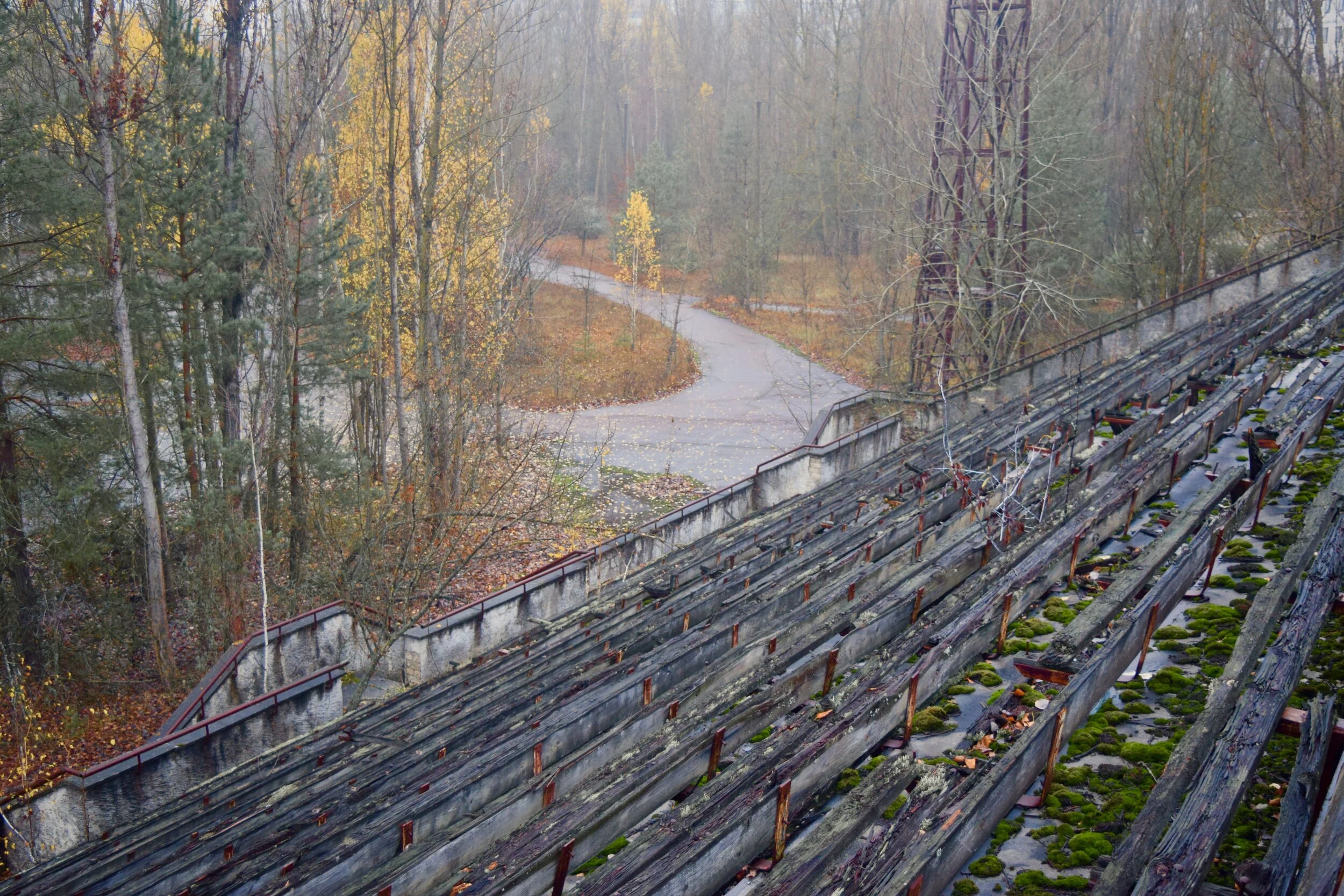
Benches
But the most recognisable site in Pripyat is its amusement park. Set to be open on May 1st, 1986, the park was never inaugurated due to the nuclear disaster that took place only 5 days before.
The park had a total of 5 attractions; the iconic 26m ferris wheel, bumper cars, swing boats, a paratrooper ride and a shooting game.
During the accident, helicopters carrying radioactive material used the grounds of the amusement park to land, and liquidators washed the radiation into the soil. For this reason, some areas of the park have especially high levels of radiation.
Our guide showed us a particular spot on the ground where the Geiger counter went high-sky, marking over 6 microsieverts per hour.
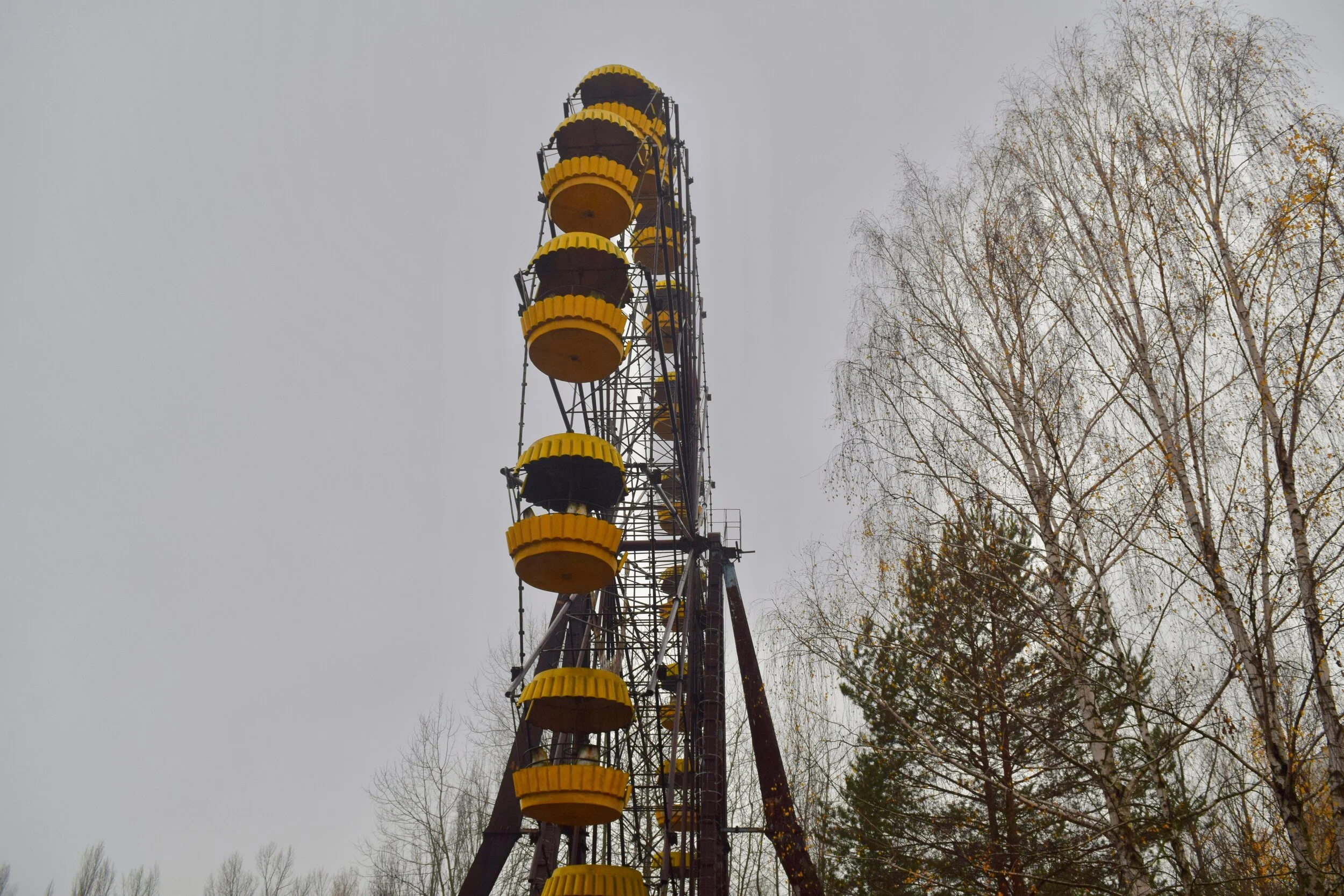
Ferries Wheel
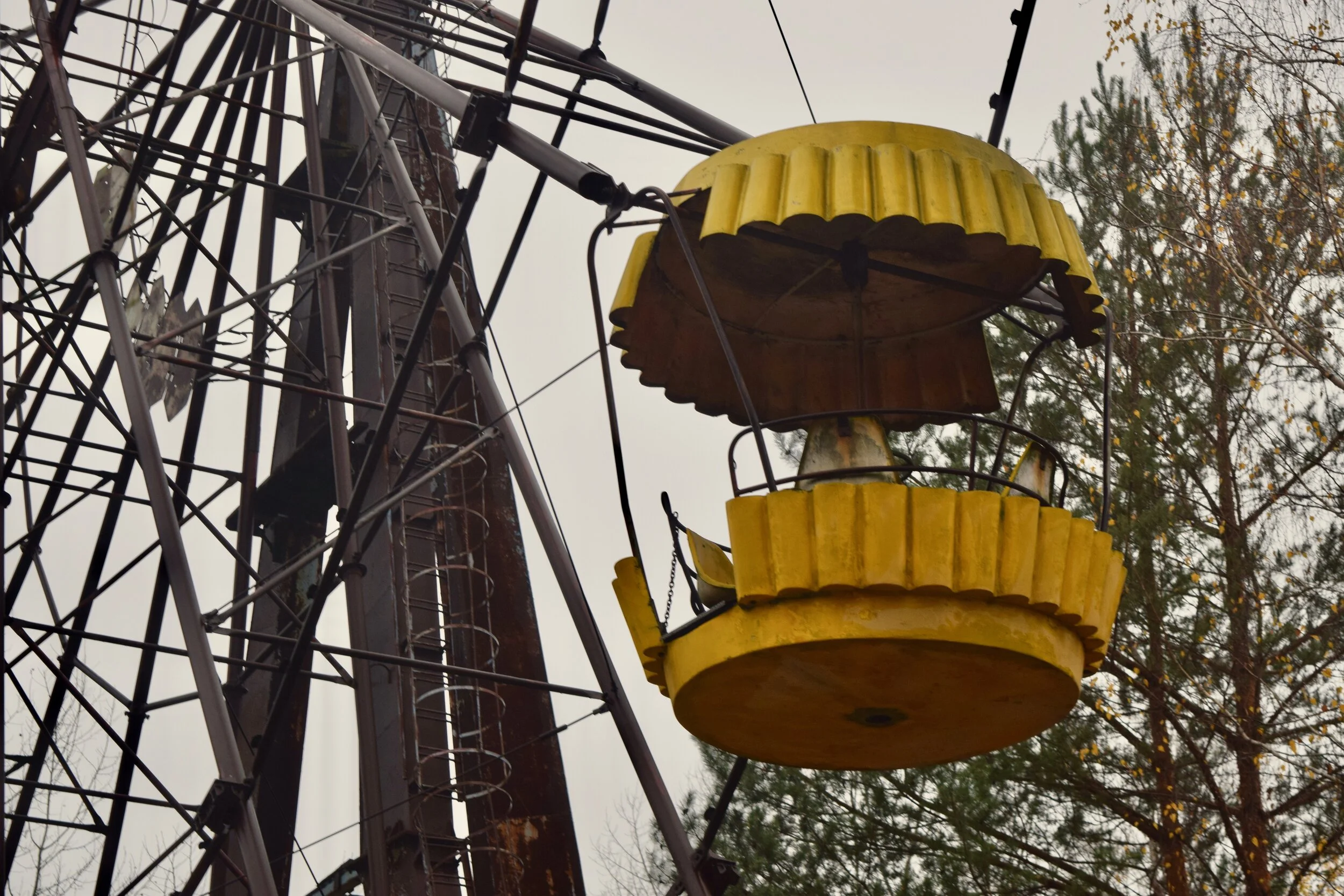
Detail of the ferries wheel
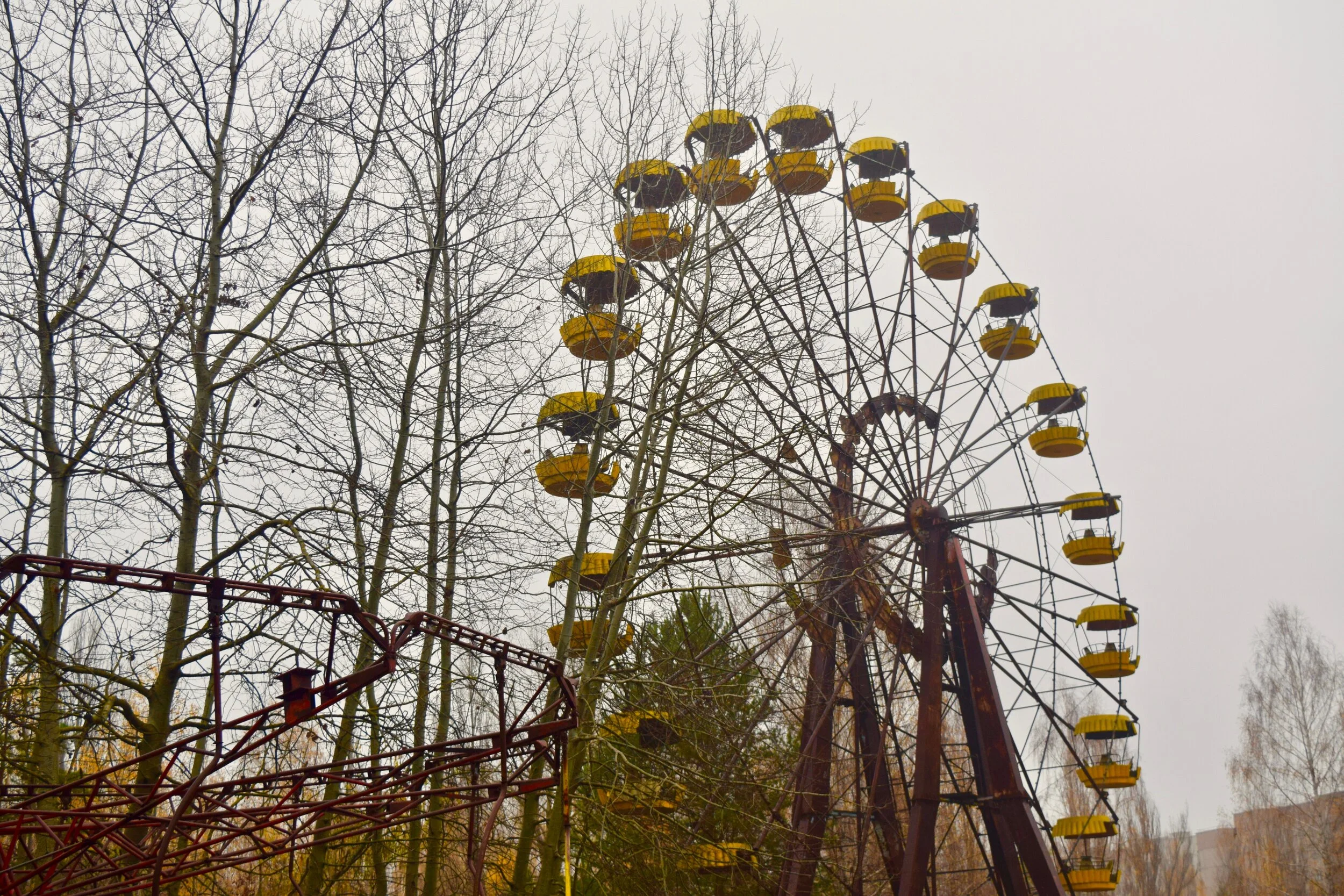
Pripyat amusement park
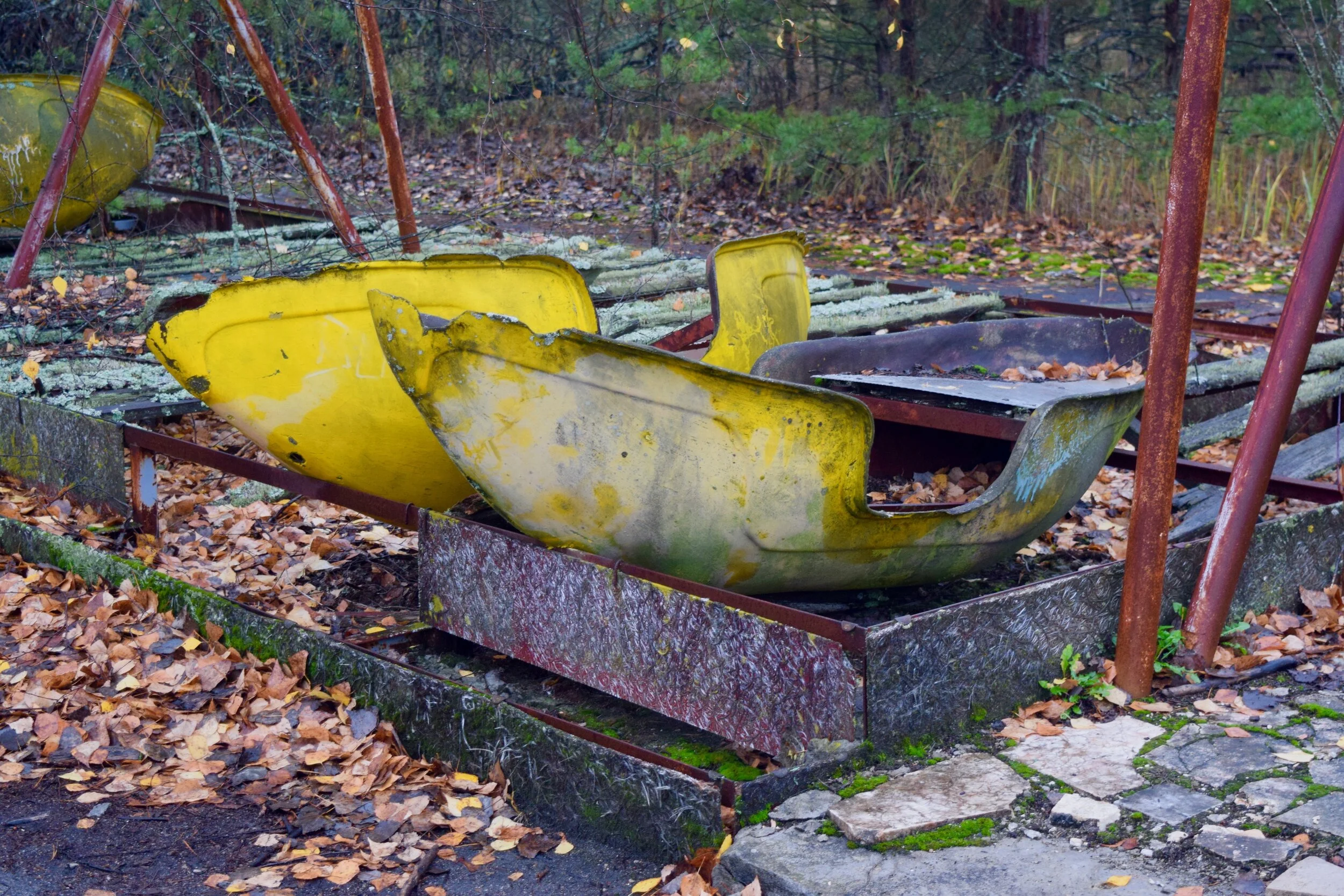
Remains of the swing boats
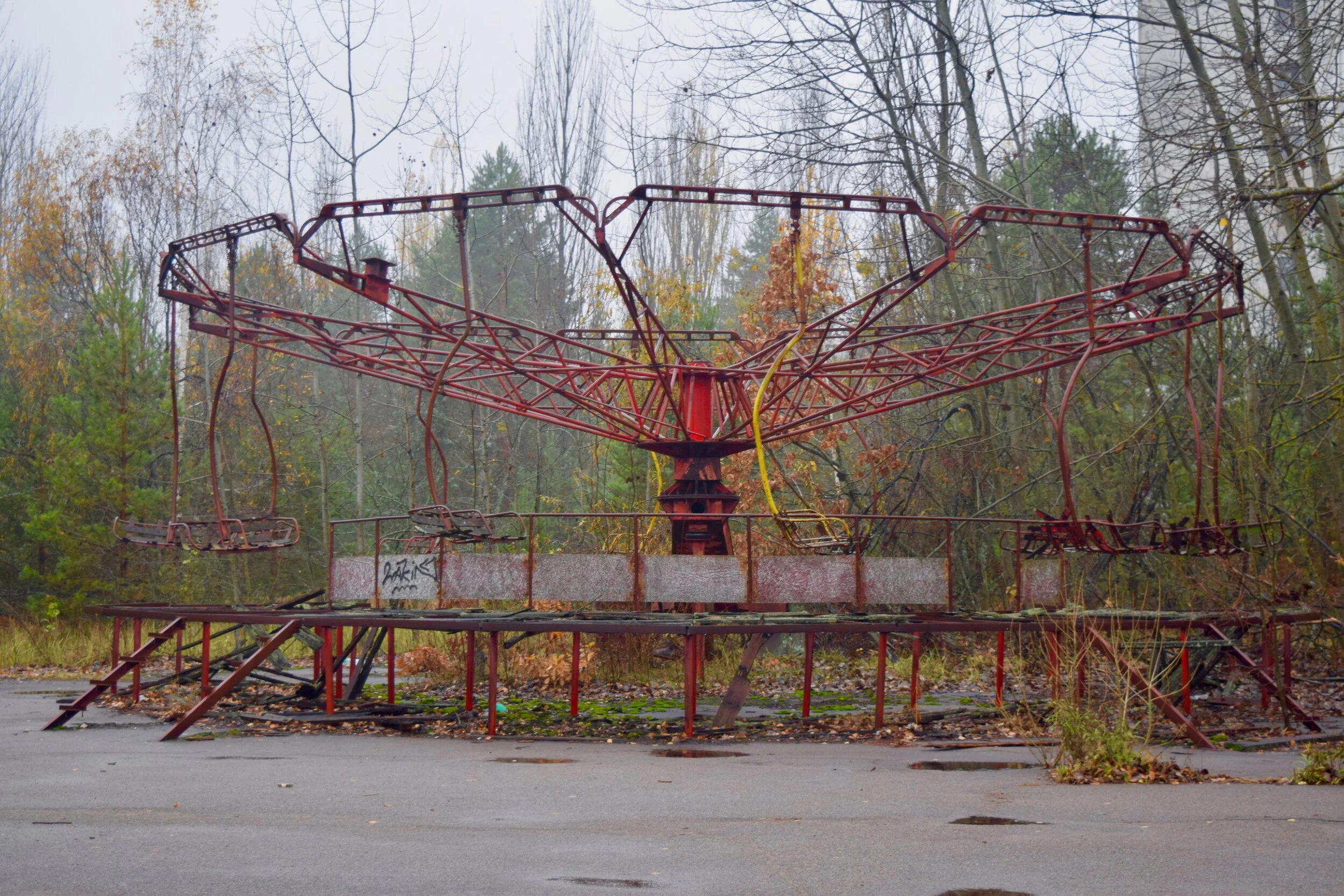
Paratrooper
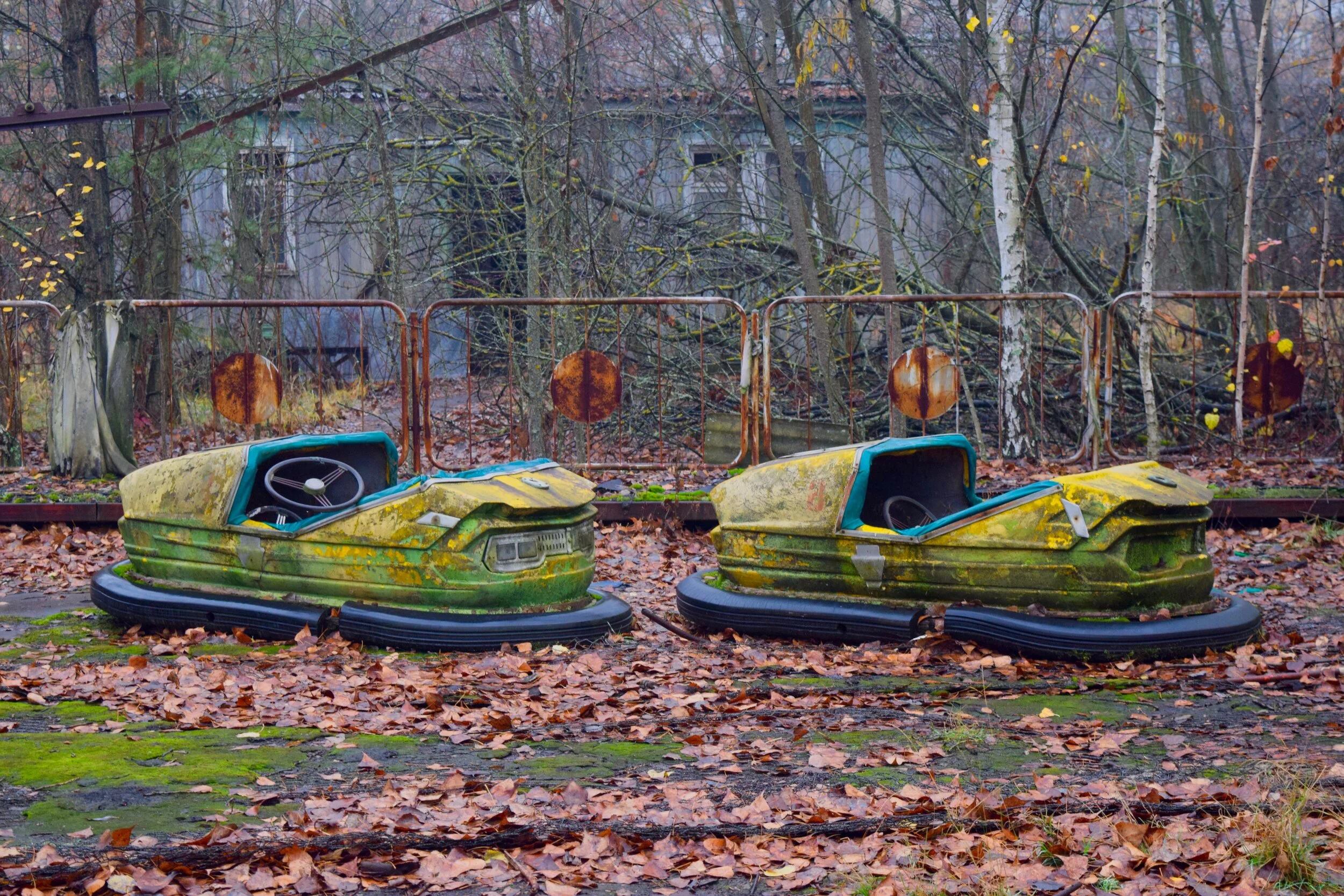
Bumper cars
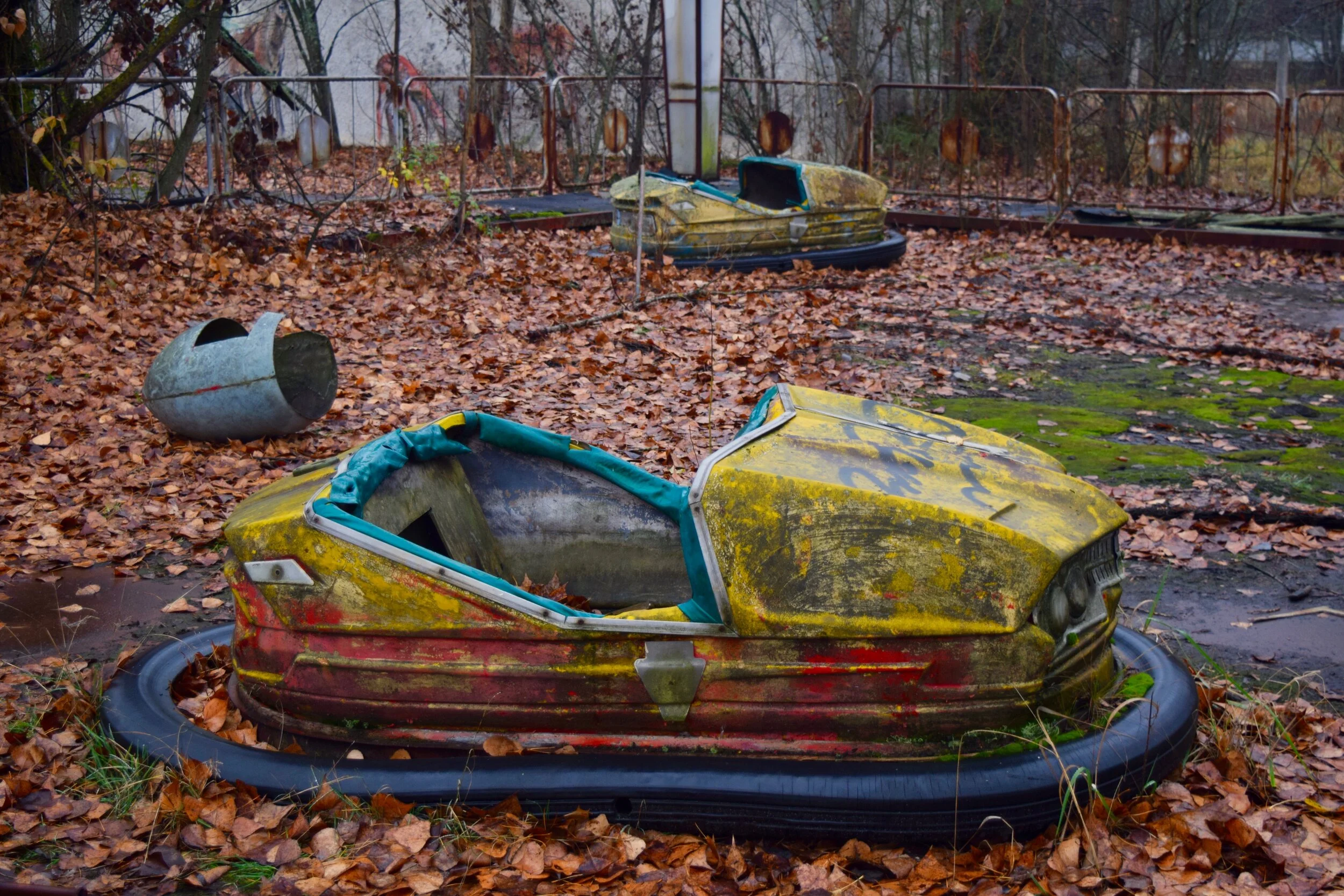
Pripyat amusement park
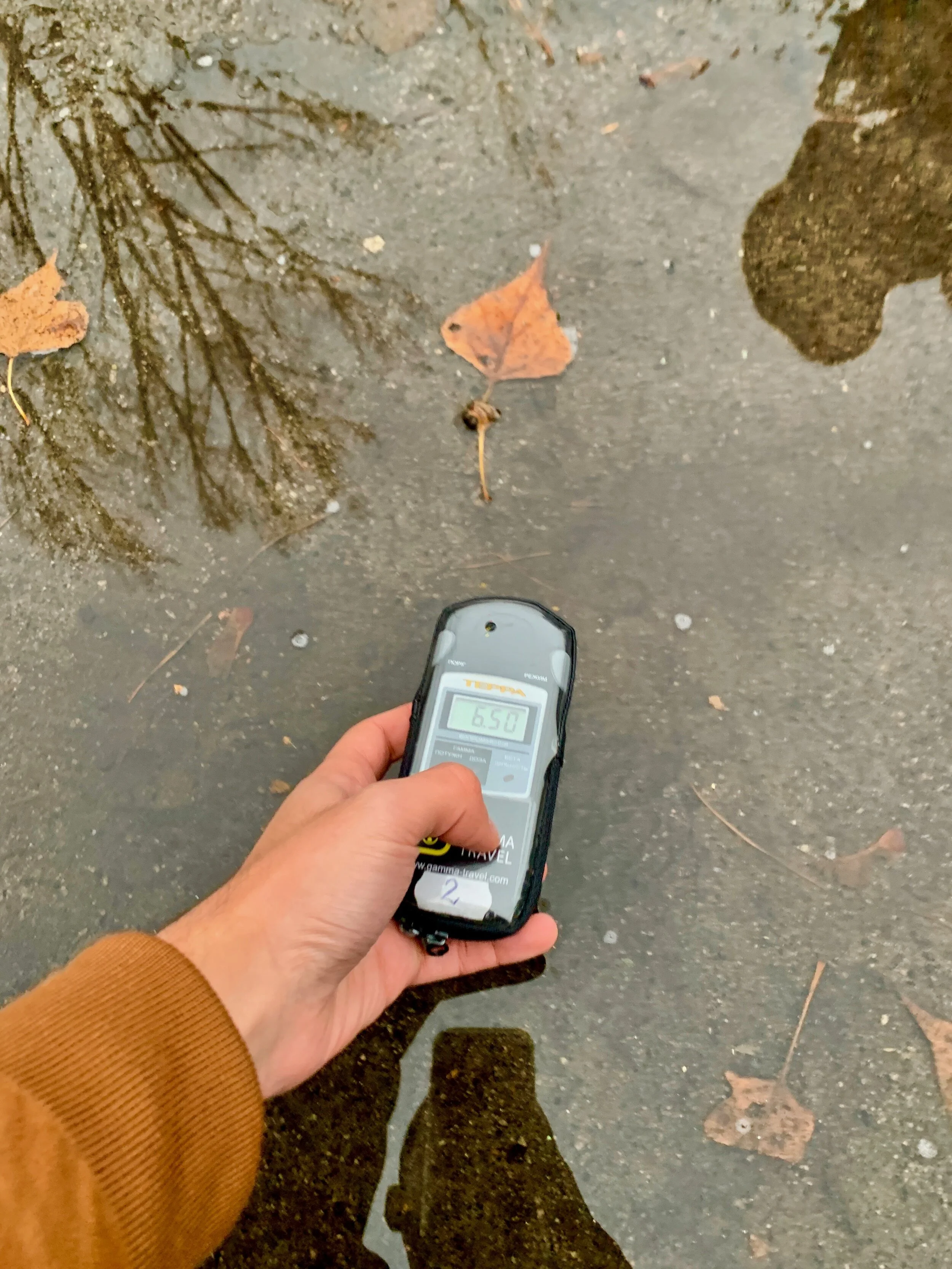
Highly radioactive spot

Me at Pripyat
Our last stop in Pripyat was the Main Square, surrounded by multiple public buildings and shops. The facilities of Pripyat included a big supermarket with a restaurant. Contrary to most other Soviet cities, where citizens had multiple restrictions to purchase goods and food, inhabitants of Pripyat could go to the supermarket at any time to purchase their weekly groceries.
Just next to it is the Palace of Culture Energetik, the former palace of culture of Pripyat. In the Soviet Union, a palace of culture was a centre where citizens could gather for artistic activities, all of them under strong political propaganda. The Palace of Culture of Pripyat had multiple amenities, including a cinema, a theatre, a gymnasium or meeting and dancing halls.
On the Main Square you can also spot a 16-story building crowned by a hammer and sickle. This used to be the main library of the city. At the very end of the square stands what’s left of the Polissya Hotel, one of the tallest buildings in Pripyat. It was constructed in the mid-70s to house visitors of the Chernobyl Power Plant.
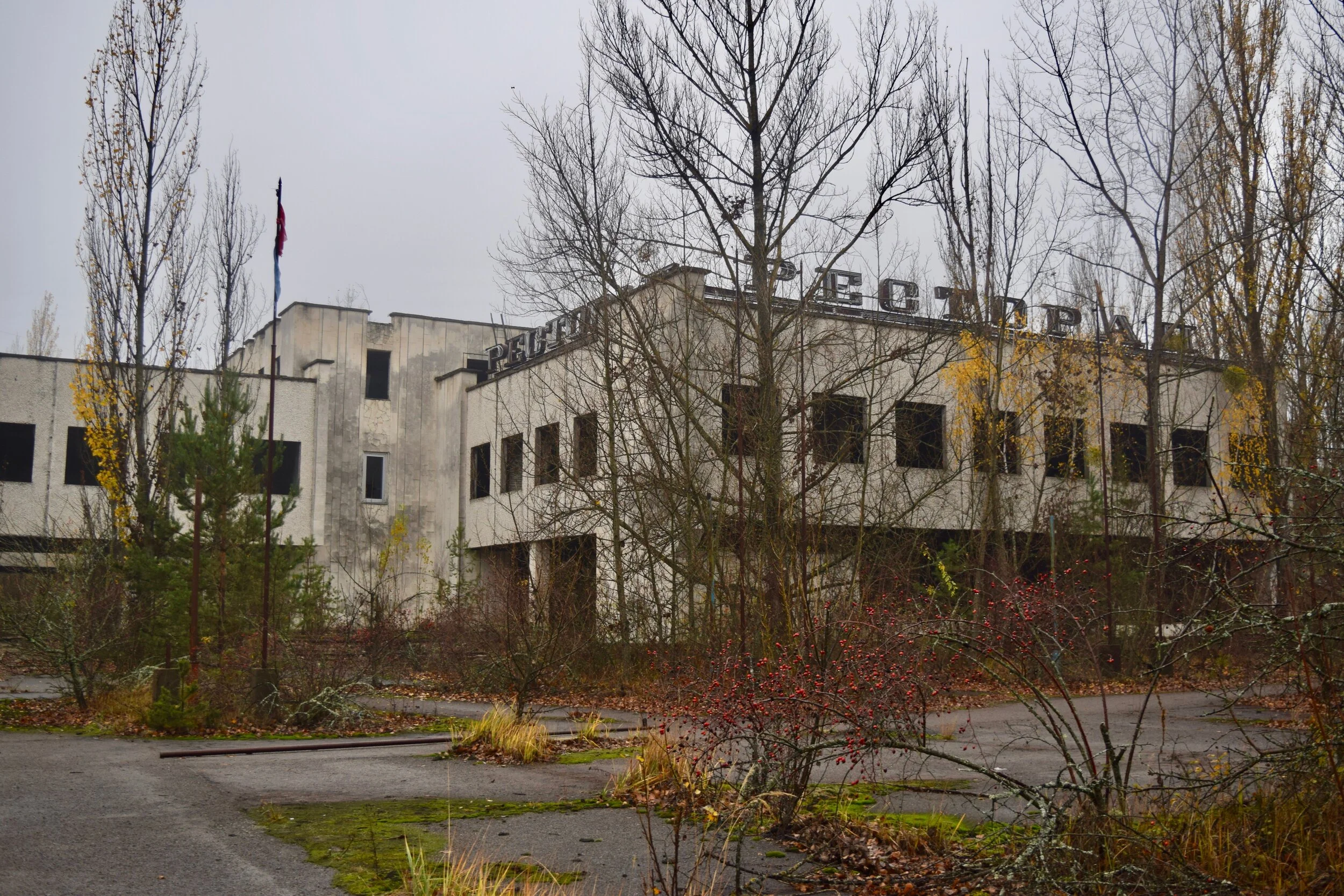
Restaurant
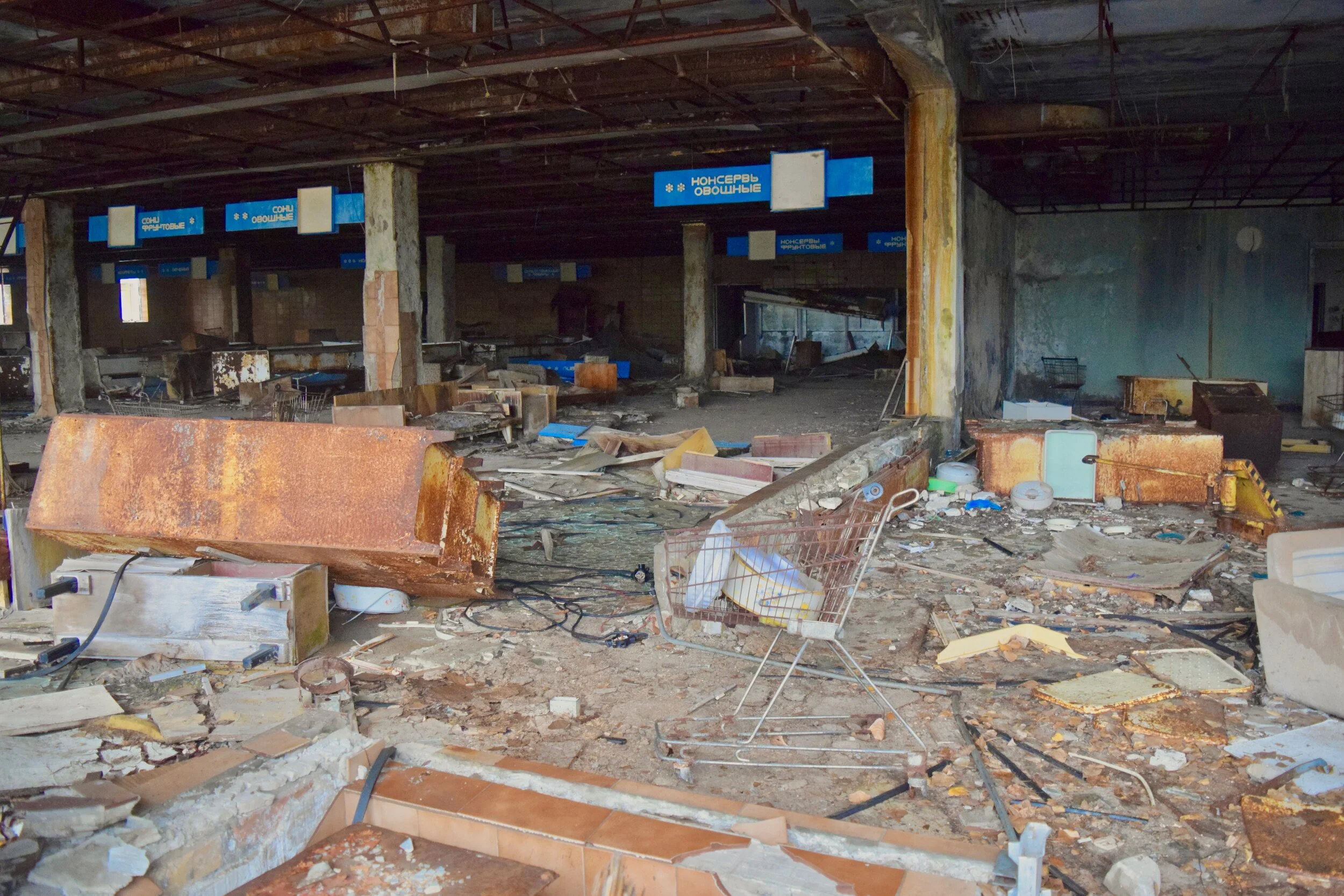
Supermarket
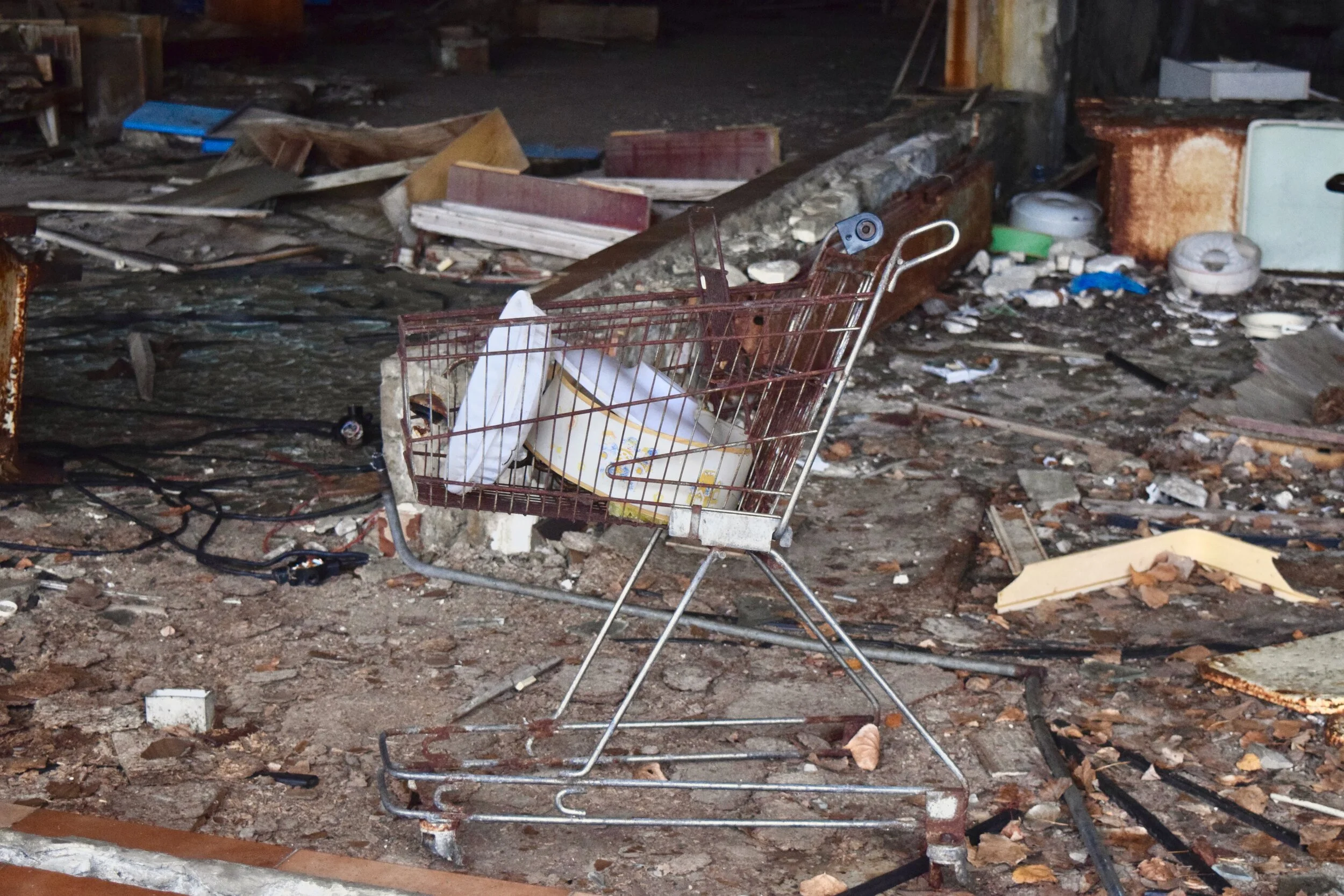
Trolly in the supermarket
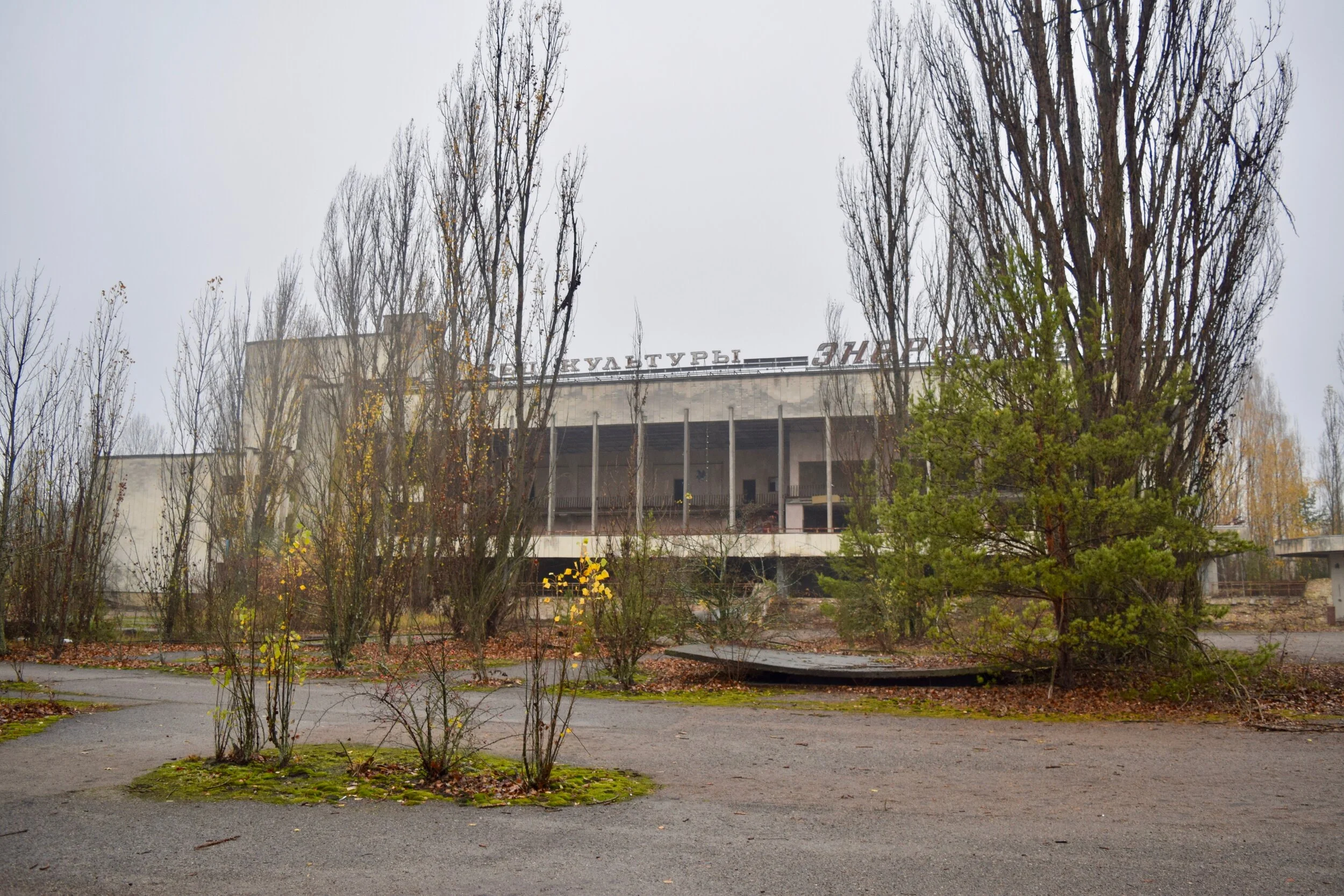
Palace of Culture Energetik
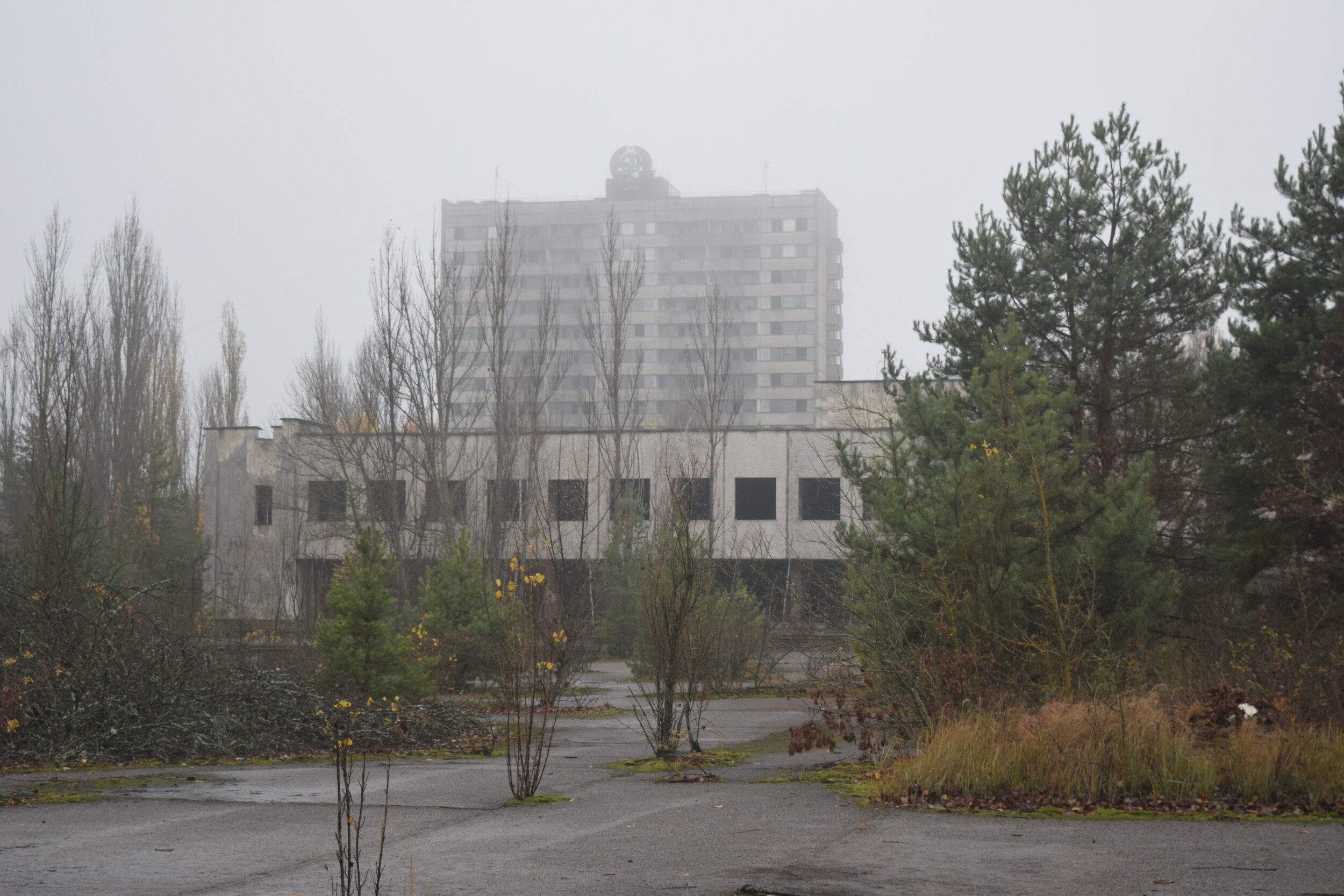
Main Square of Pripyat
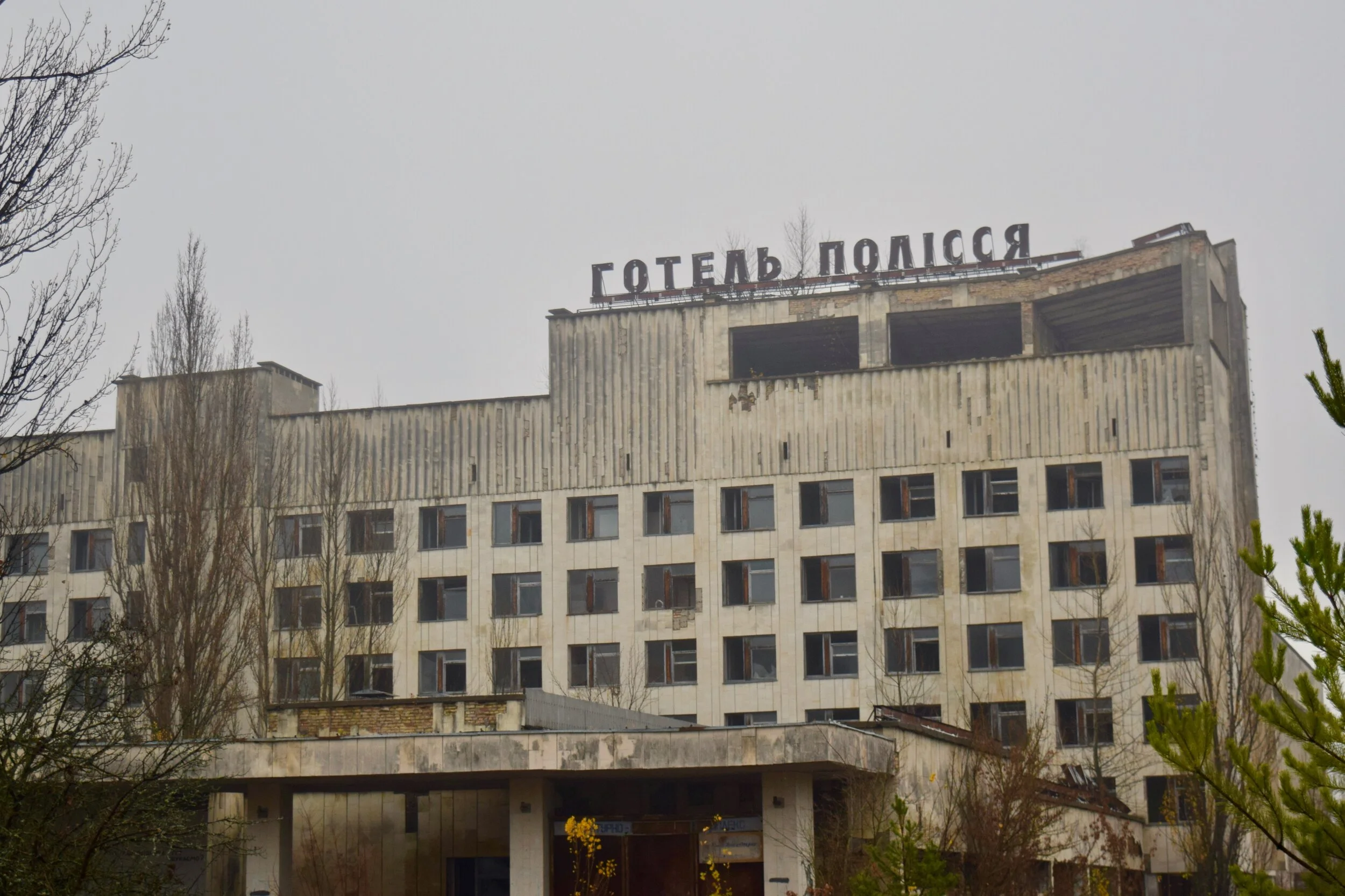
Hotel Polissya
Only a few years ago any visit to Chernobyl would also have included the hospital, where all those affected by the radiation were first sent. However, the current state of the building is so precarious that visitors are no longer able to get close to it.
Our guide told us how the hospital will most likely collapse within the next few years, or even sooner. The hospital is one of the most contaminated buildings in Pripyat, so when this happens, hundreds of radioactive particles will be released into the air, which may see the city of Pripyat closed for visitors for some time.
We boarded our van near the Main Square, and on the way out of the Exclusion Zone our guide told us how we may be one of the last generations to visit Chernobyl. More and more buildings are collapsing, and the high levels of radiation make it almost impossible to restore any of the constructions. Since Pripyat will be nothing but ruins in a question of years, Ukrainians are trying to include the Duga radar in the UNESCO Heritage Sites list to gain the international recognition and funding needed to maintain it.
After reaching the exit of the exclusion zone, we went through another radiation test to ensure that our levels were safe. Everyone passed without any issues, we handed back the device that we had been carrying all day to check the total amount of radiation that we received, and made it back to Kyiv in 2 hours.
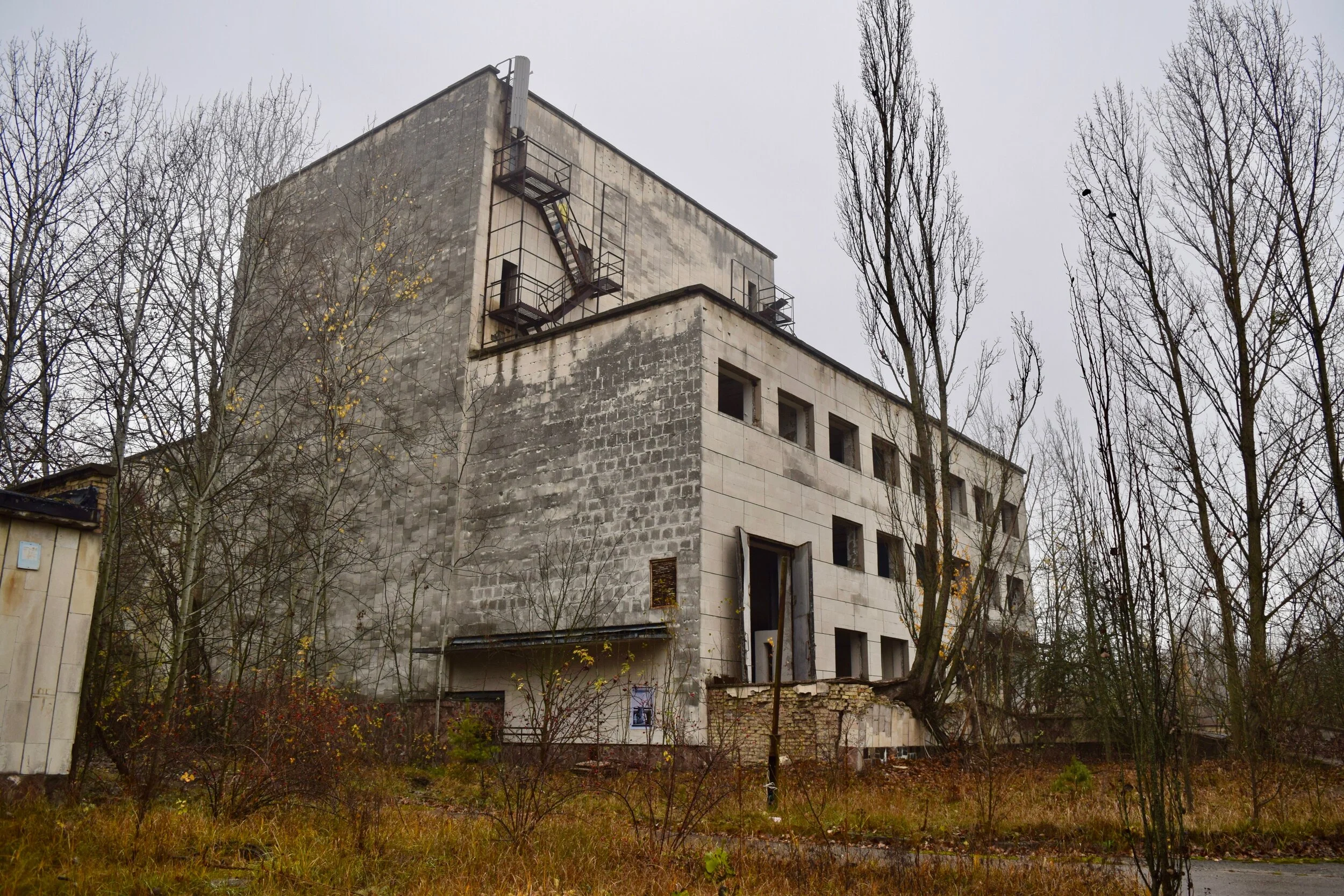
Chernobyl Exclusion Zone
Visiting the Chernobyl Exclusion Zone is a particularly daunting experience. Here you can truly see what a nuclear disaster can cause: lives lost, communities broken apart, a 30km radio that will not be suitable for living for the next hundreds of thousands of years.
Whether you visit after watching the Chernobyl HBO series or because you’re interested in the worst nuclear disaster in history, you should certainly not miss a visit to the Chernobyl Exclusion Zone if you’re spending a few days in Kyiv!
Some links in this post are affiliate links, which means that if you buy through them, we’ll receive a small commission. This will never cost you more and in many cases you will receive a special discount.
As always, all opinions are mine. We appreciate your support!


Kyiv, the capital of Ukraine, is one of the few cities in Western Europe that remains unknown to tourists. Although more and more visitors are flocking to Ukraine to visit Chernobyl, the site of the biggest nuclear disaster in history, the city Kyiv also deserves a short visit to discover all it has to offer.
During my visit, I spent 3 fascinating days in Kyiv, discovering its beautiful monasteries, memorials and parks in a perfect getaway in Western Europe. Check out my 3-day itinerary in the surprising city of Kyiv!