
Novi Sad: day trip from Belgrade
Nestled along the serene banks of the Danube River, Novi Sad beckons travelers with its rich history, vibrant culture, and captivating scenery.
As the second-largest city in Serbia, Novi Sad boasts a treasure trove of architectural marvels, cultural landmarks, and breathtaking vistas. For those visiting Belgrade, a day trip to Novi Sad offers the perfect opportunity to immerse oneself in the charm and allure of this enchanting destination!
How to visit Novi Sad from Belgrade
For travellers embarking on a day trip from Belgrade to Novi Sad, several transportation options are available, each offering its own unique experience. If you’re coming from the Serbian capital, don’t miss my post about how to spend 48 hours in Belgrade.
One of the most convenient and cost-effective ways to reach Novi Sad from Belgrade is by bus. With frequent departures from Belgrade's central bus station, travellers can enjoy a comfortable journey through the scenic Serbian countryside. The bus ride typically takes around 1.5 to 2 hours, providing ample time to sit back, relax, and soak in the picturesque landscapes along the way.
Alternatively, travellers can opt for the train from Belgrade to Novi Sad, offering a leisurely ride with stunning vistas of the Danube River and lush countryside. The train journey takes from 36 to 55 minutes depending on the train, offering a faster and convenient way to reach Novi Sad while enjoying the beauty of Serbia's countryside.
For those seeking a hassle-free and comprehensive experience, organized day tours from Belgrade to Novi Sad & Karlovci Sremski are also available. These tours typically include transportation, guided sightseeing, and visits to the city's top attractions, allowing travellers to make the most of their time in Novi Sad without the stress of planning logistics.
What to see in Novi Sad
Liberty Square
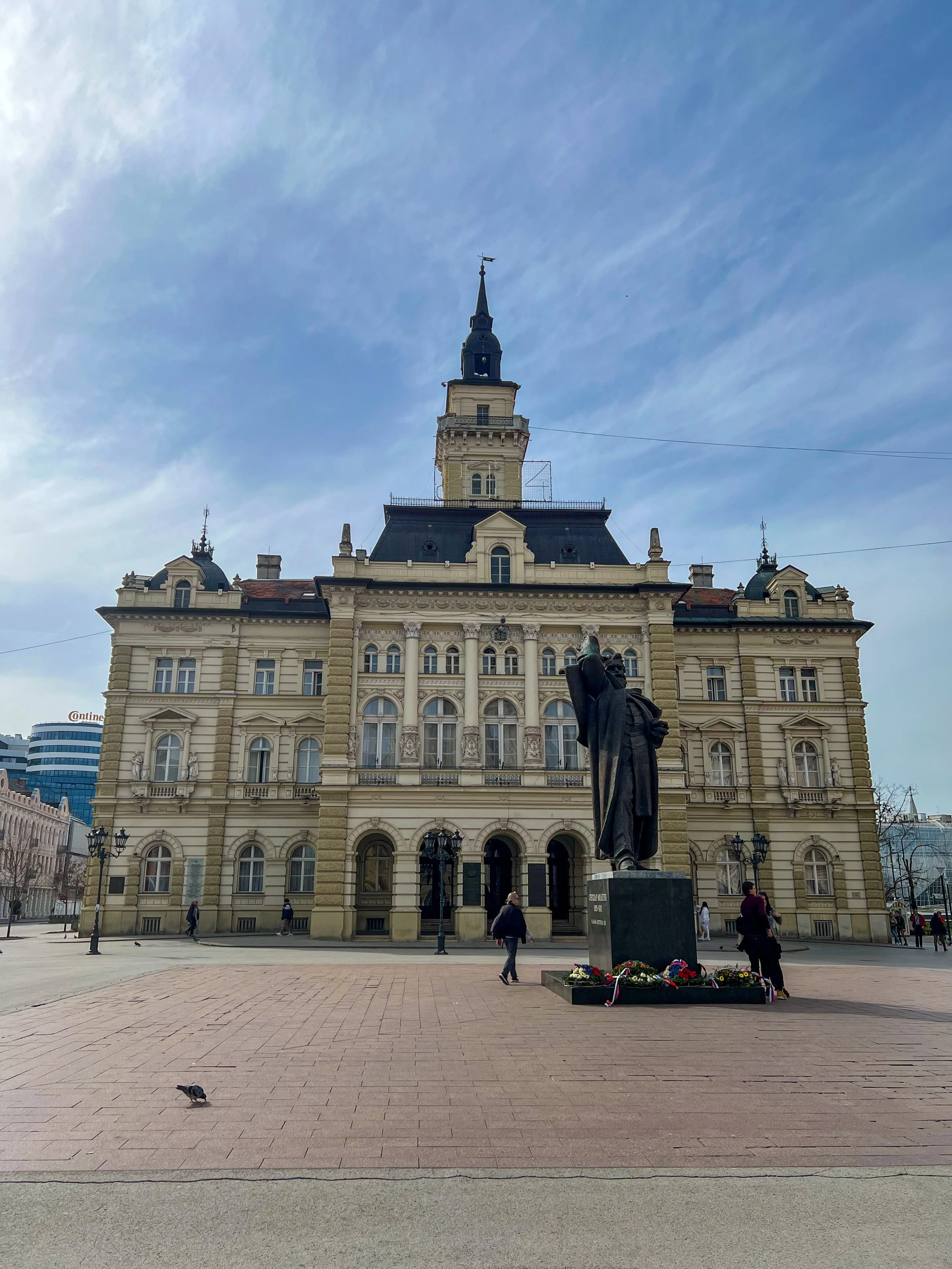
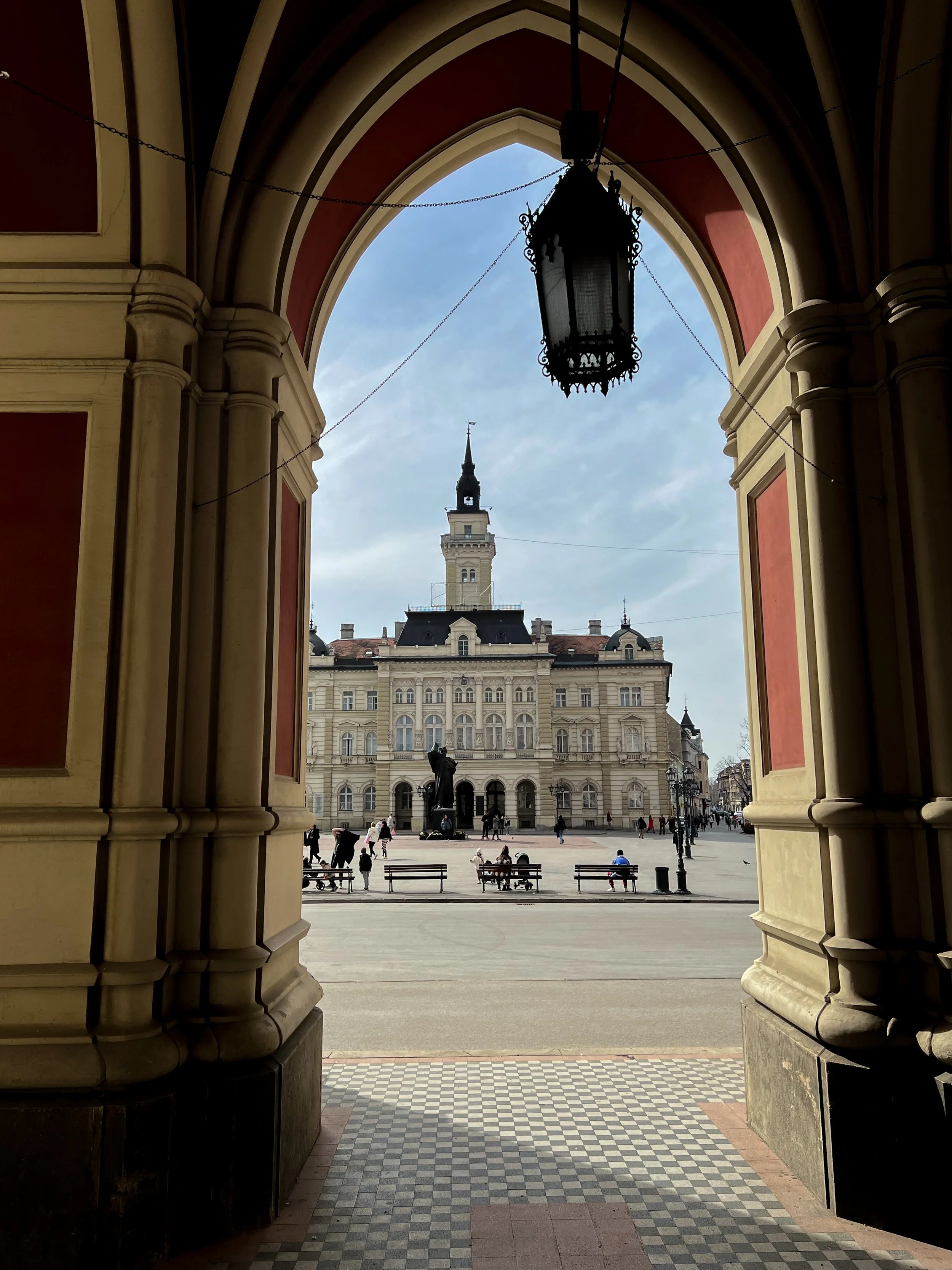
Upon arriving in Novi Sad, visitors are greeted by a captivating blend of old-world charm and modern elegance. A bustling hub at the heart of Novi Sad, Liberty Square serves as the perfect starting point for exploring the city. Lined with elegant buildings, charming cafes, and lively street performers, the square exudes a vibrant energy that invites visitors to linger and soak in the atmosphere.
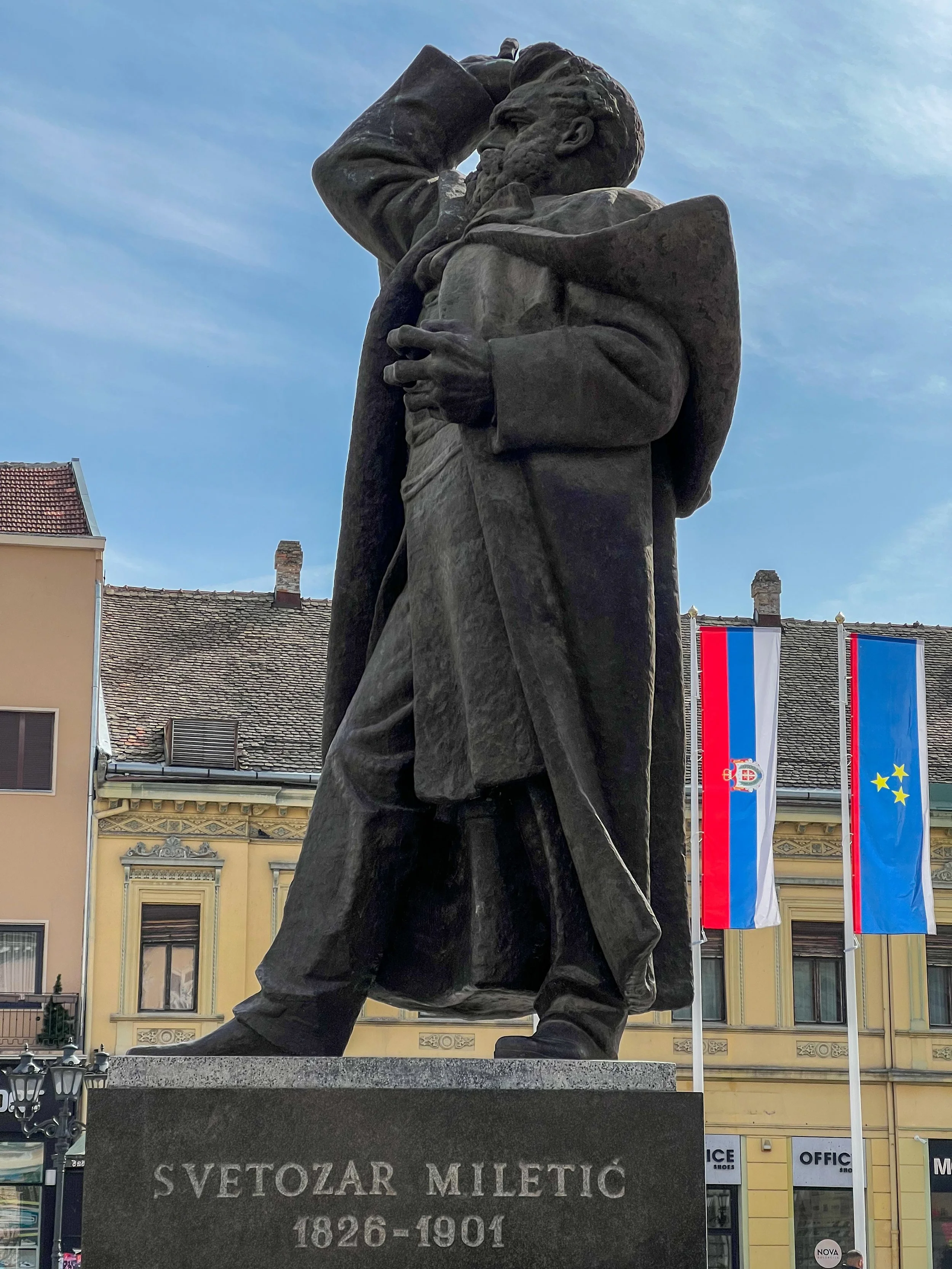
Originally laid out in the 18th century, Liberty Square has undergone numerous transformations throughout its storied history. Over the centuries, it has served as a marketplace, a venue for public gatherings, and a symbol of civic pride for the people of Novi Sad. The square's name, "Liberty Square," reflects its association with the ideals of freedom and democracy, which have played a pivotal role in the city's history.
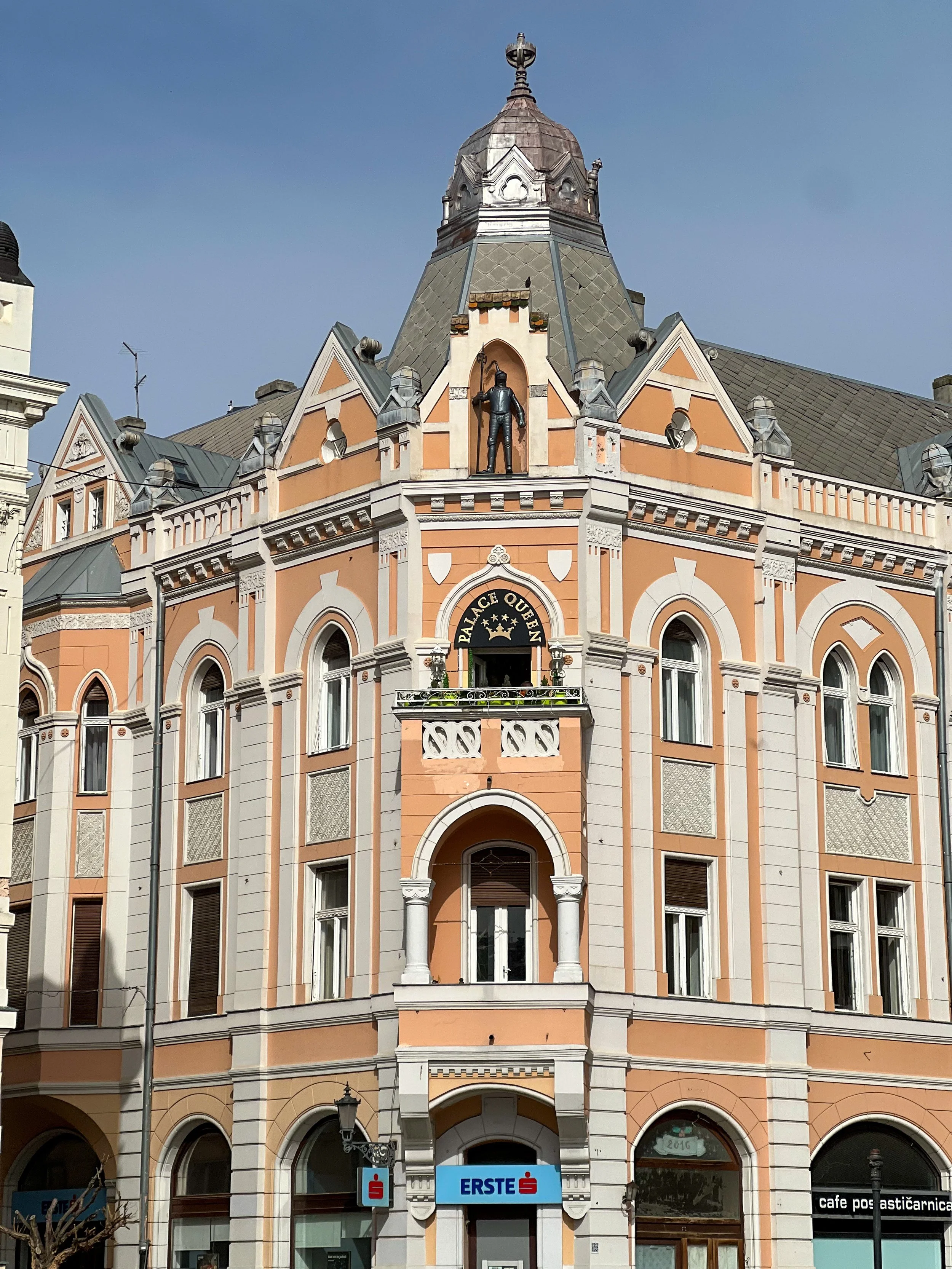
Surrounded by an eclectic mix of architectural styles, Liberty Square offers visitors a glimpse into Novi Sad's rich cultural heritage. Elegant buildings adorned with intricate facades line the perimeter of the square, providing a stunning backdrop for leisurely strolls and photo opportunities. From Baroque and Neo-Classical to Art Nouveau and Modernist influences, the architecture of Liberty Square reflects the city's diverse cultural influences and dynamic evolution over the centuries.

Name of Mary Catholic Church
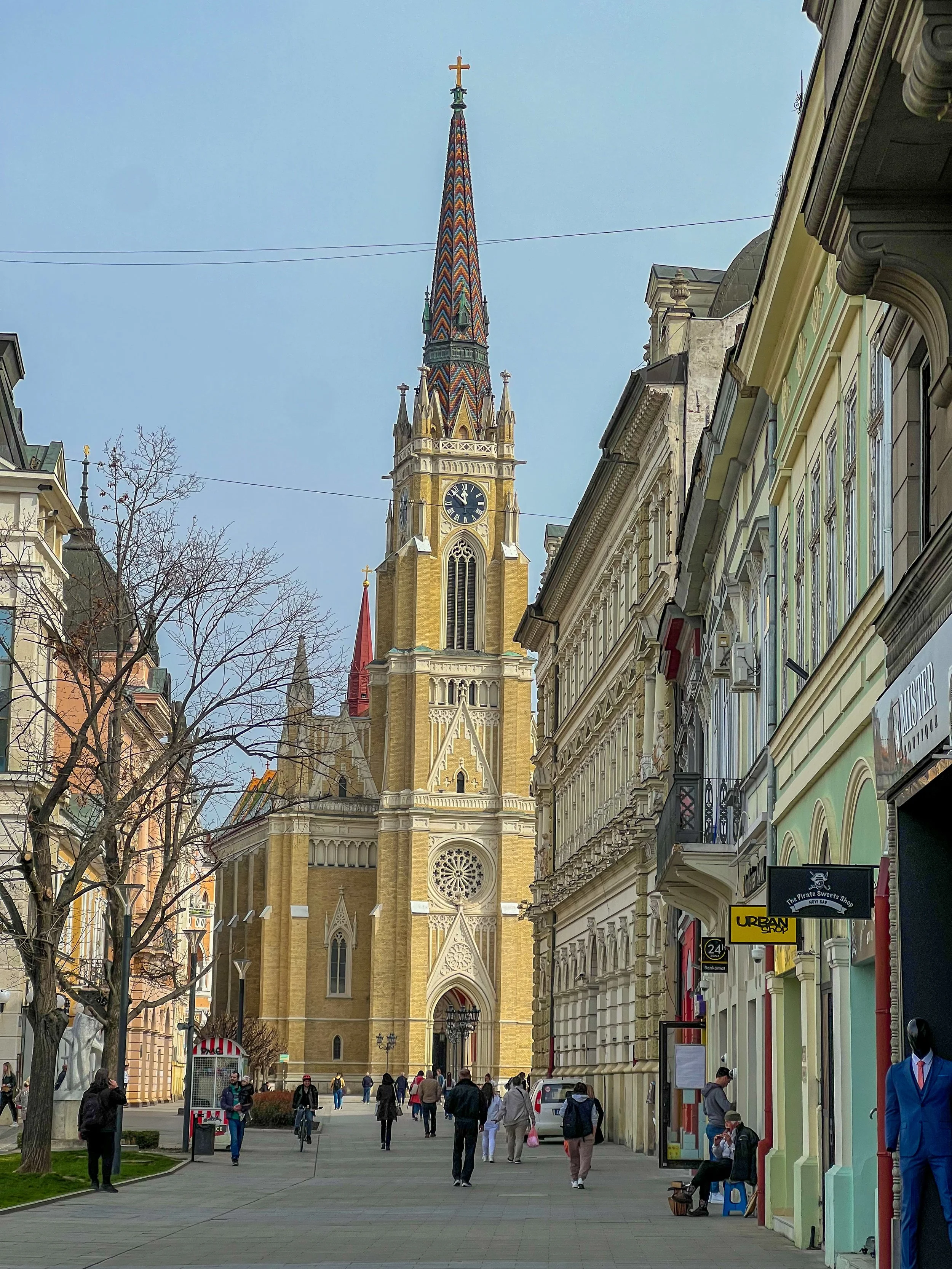
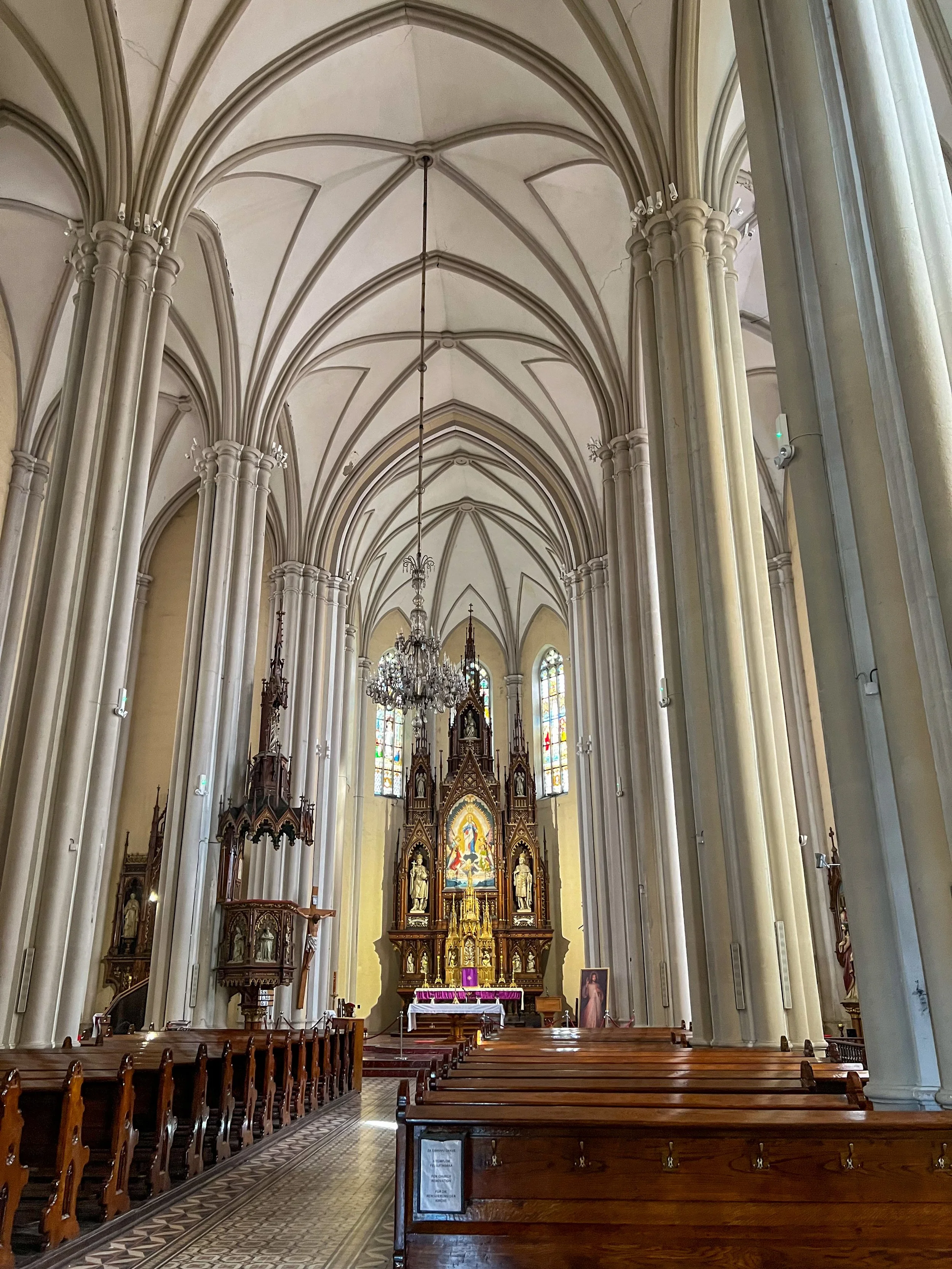
Located on Liberty Square, you can’t miss a visit to The Name of Mary Catholic Church, locally known as "Ime Marijino," one of the most prominent religious landmarks in Novi Sad. Situated in the heart of the city, this magnificent Neo-Gothic church stands as a testament to Novi Sad's rich cultural and religious heritage, attracting visitors with its awe-inspiring architecture and spiritual significance.
The construction of the Name of Mary Catholic Church began in the late 19th century, during a period of significant growth and development in Novi Sad. Designed by Hungarian architect György Molnár, the church was built to serve the city's growing Catholic community and to honour the Virgin Mary, the patron saint of the church.
The Name of Mary Catholic Church is renowned for its stunning Neo-Gothic architecture, characterized by soaring spires, intricate stone carvings, and elaborate stained glass windows. The facade of the church is adorned with ornate decorations and statues, depicting scenes from the life of Jesus Christ and symbols of the Catholic faith. Inside, the church features a majestic nave, adorned with beautiful frescoes, vaulted ceilings, and ornamental details that inspire awe and reverence.
Episcopal Palace
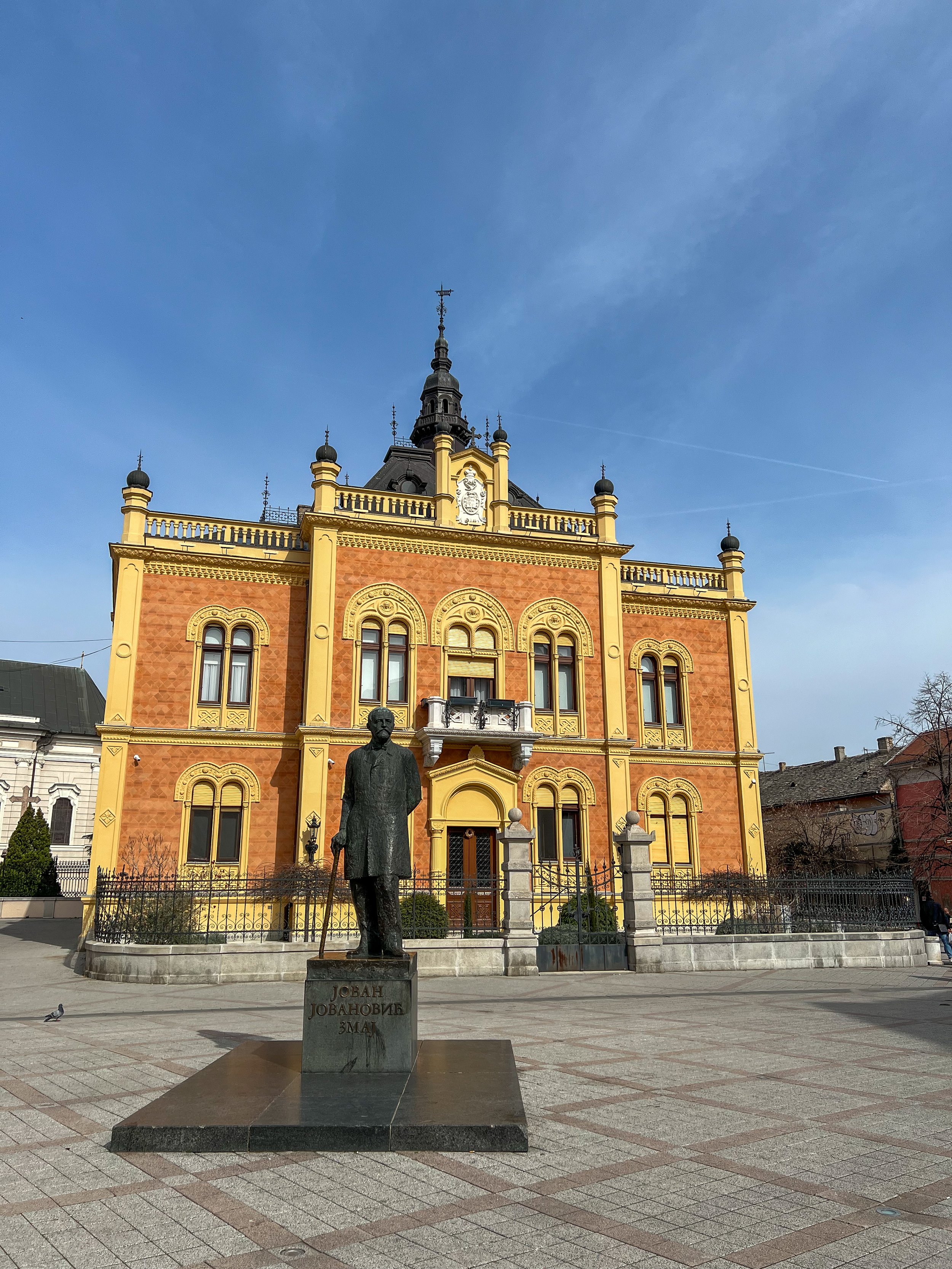
As you walk along Zmaj Jovina street, you’ll reach the Episcopal Palace of Novi Sad. Constructed at the intersection of Zmaj Jovina and Dunavska streets, the current palace replaces an earlier structure built in 1741 under the auspices of Visarion Pavlović, the bishop of the Eparchy of Bačka at the time. Unfortunately, like many buildings in Novi Sad, it fell victim to bombings during the Hungarian Revolution of 1848-1849, prompting the need for reconstruction. Under the architectural vision of Vladimir Nikolić, construction on the new palace commenced in 1899, culminating in its completion in 1901.
Architecturally, the palace bears the hallmarks of eclecticism with influences of neo-romanticism and the Serbian-Byzantine style, showcasing a unique variant of Art Nouveau. The building's façade, adorned with red bricks, features a central projection flanked by slender twin windows crowned with ornate semi-circular pediments. Reflecting Nikolić's sensitivity to architectural theories, the design incorporates elements of neoclassicism espoused by Theophil Hansen.
St. George's Cathedral
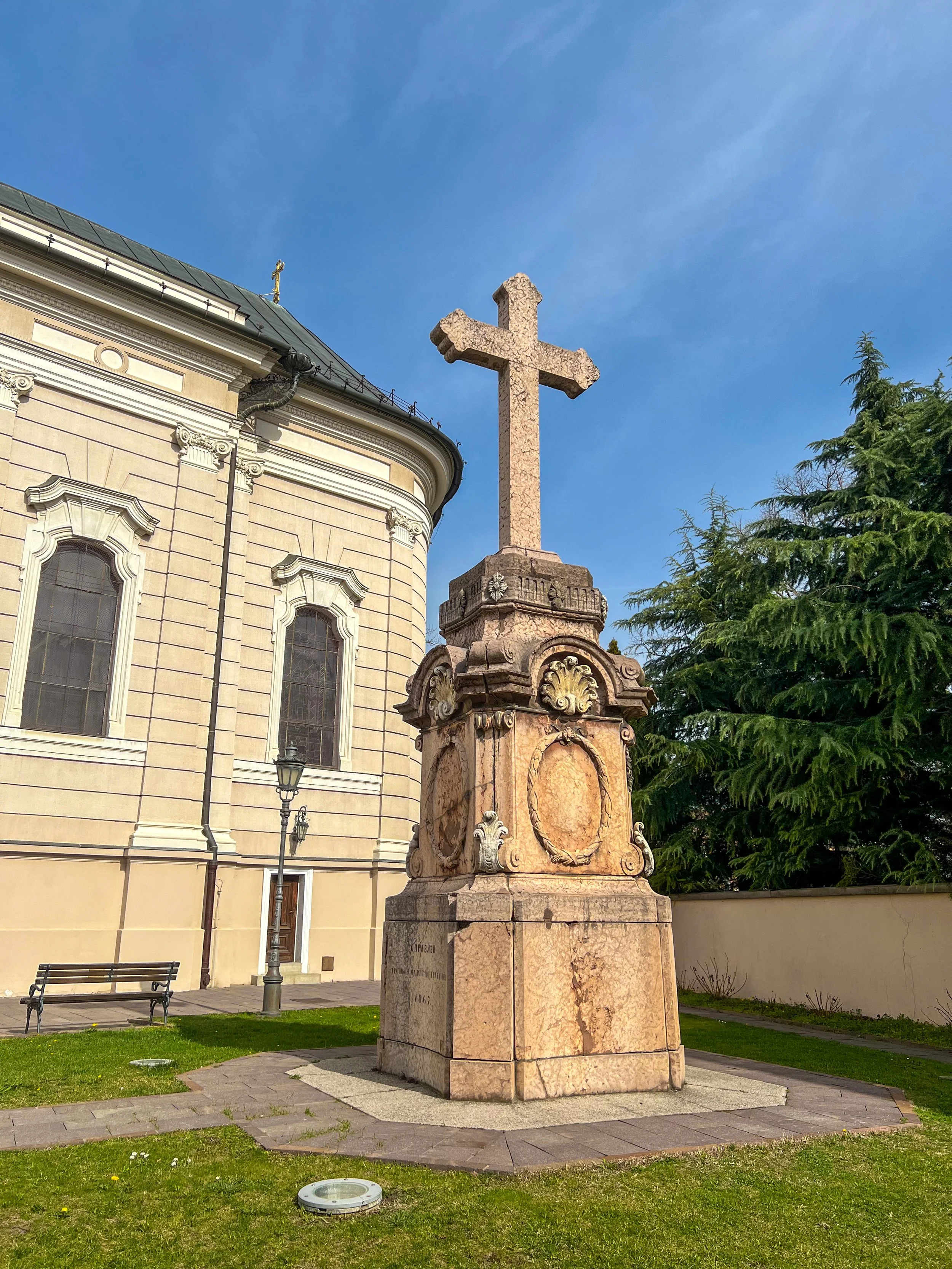
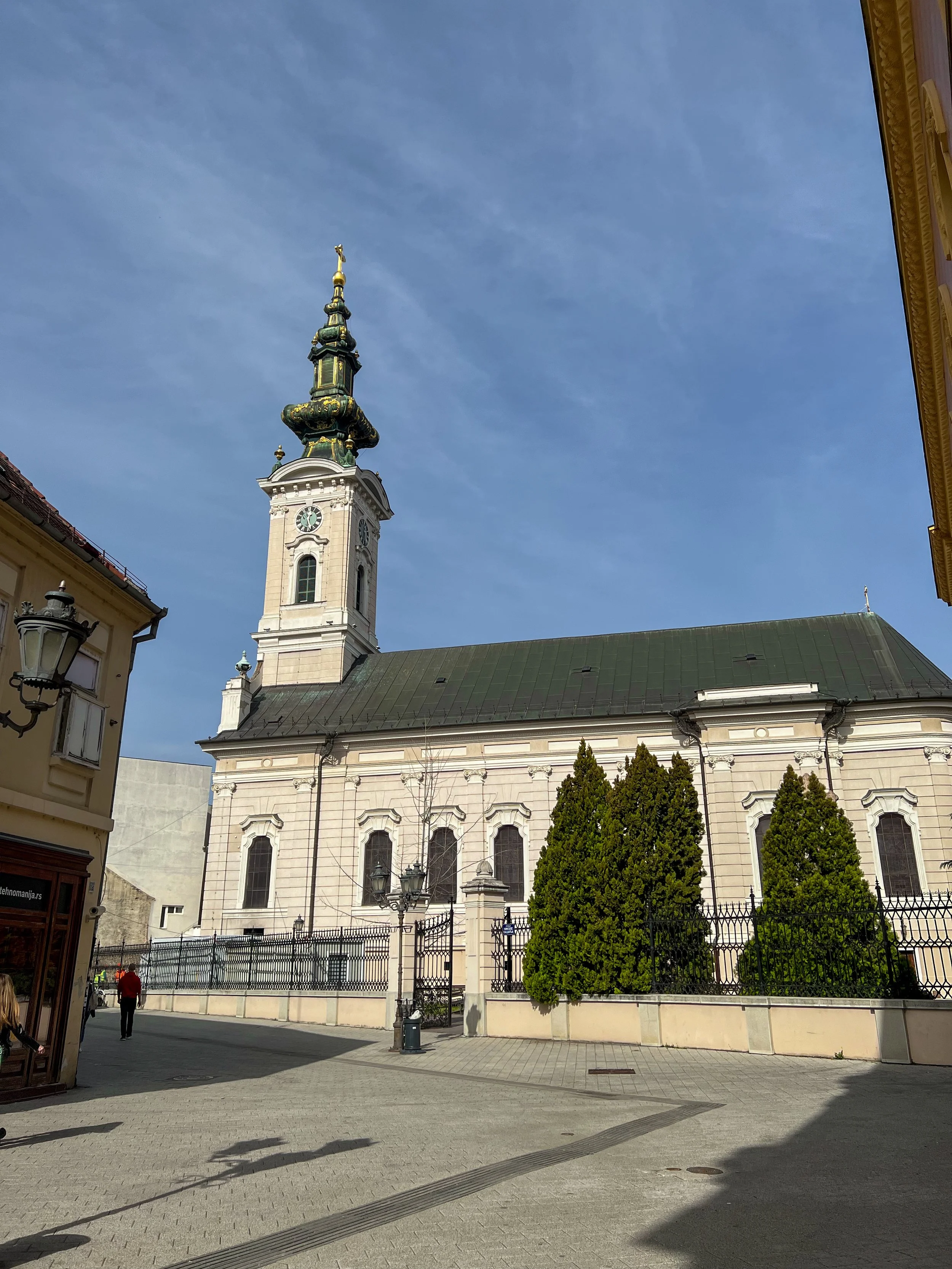
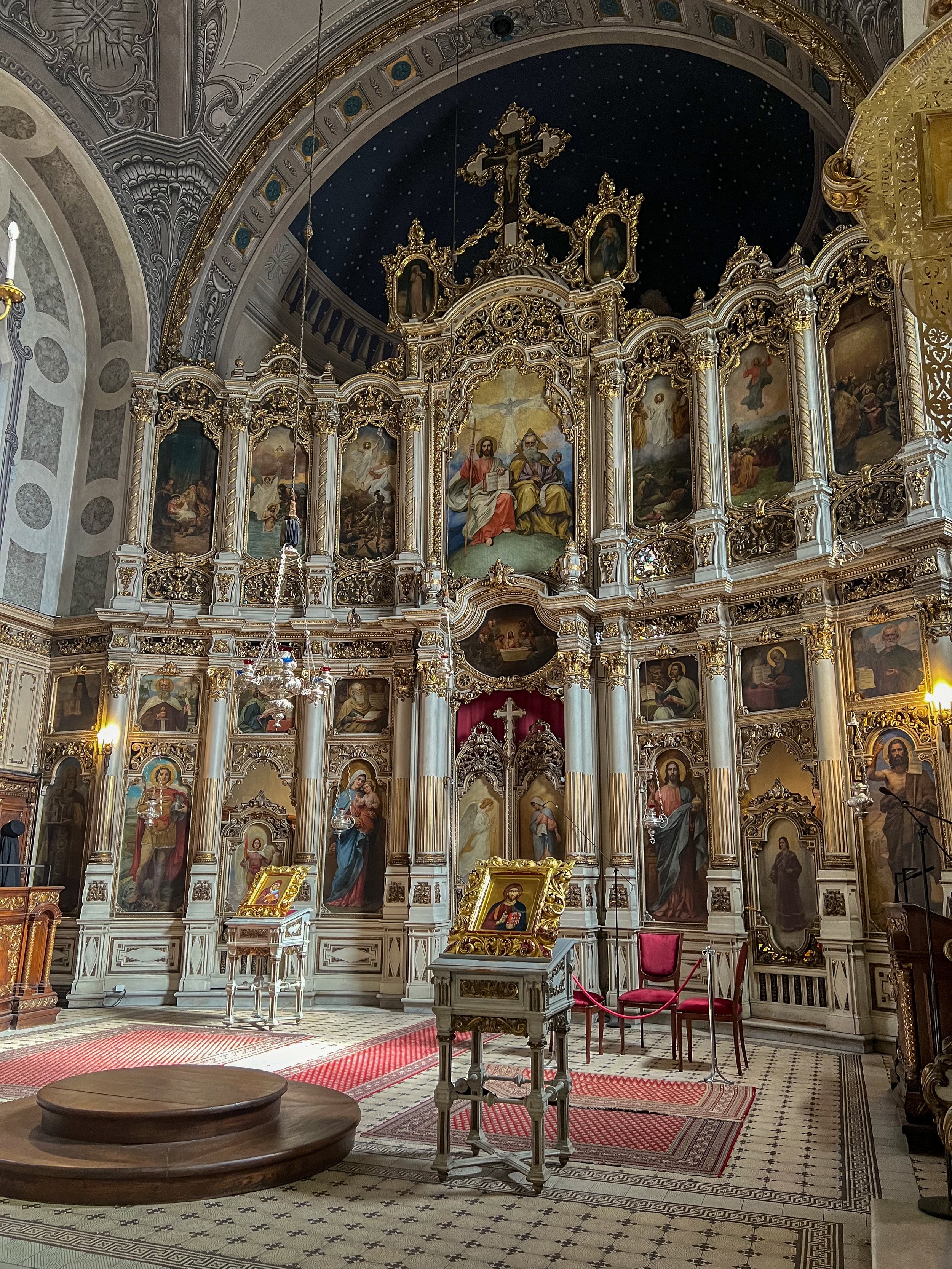
Just behind the palace, my next stop was Saint George's Cathedral, also known as the Cathedral Church of the Holy Great-Martyr George. The cathedral serves as the headquarters of the Serbian Orthodox Eparchy of Bačka and is situated in Novi Sad, located in the northern part of Serbia.
Constructed in 1905, it replaced an earlier church built in 1734, which was tragically destroyed during the conflicts of 1849. Situated adjacent to the Eparchy offices in the Bishop's Palace on Nikola Pašić Street, the cathedral is affectionately referred to as Saborna crkva ('Cathedral Church') by locals. The cathedral's history is deeply intertwined with the city's past, with the planning of its present-day incarnation commencing in 1851 and its construction spanning from 1860 to 1880. Architect Milan Michal Harminc oversaw its design, with final renovations and completion occurring by 1905 under the supervision of Mitrofan Šević.
Notable features of the cathedral include its dedication to Saint George, an exquisite iconostasis adorned with 33 icons, and iconic paintings by acclaimed artist Paja Jovanović. The cathedral, with its rich history and architectural grandeur, stands as one of Novi Sad's most esteemed religious monuments.
Novi Sad Synagogue
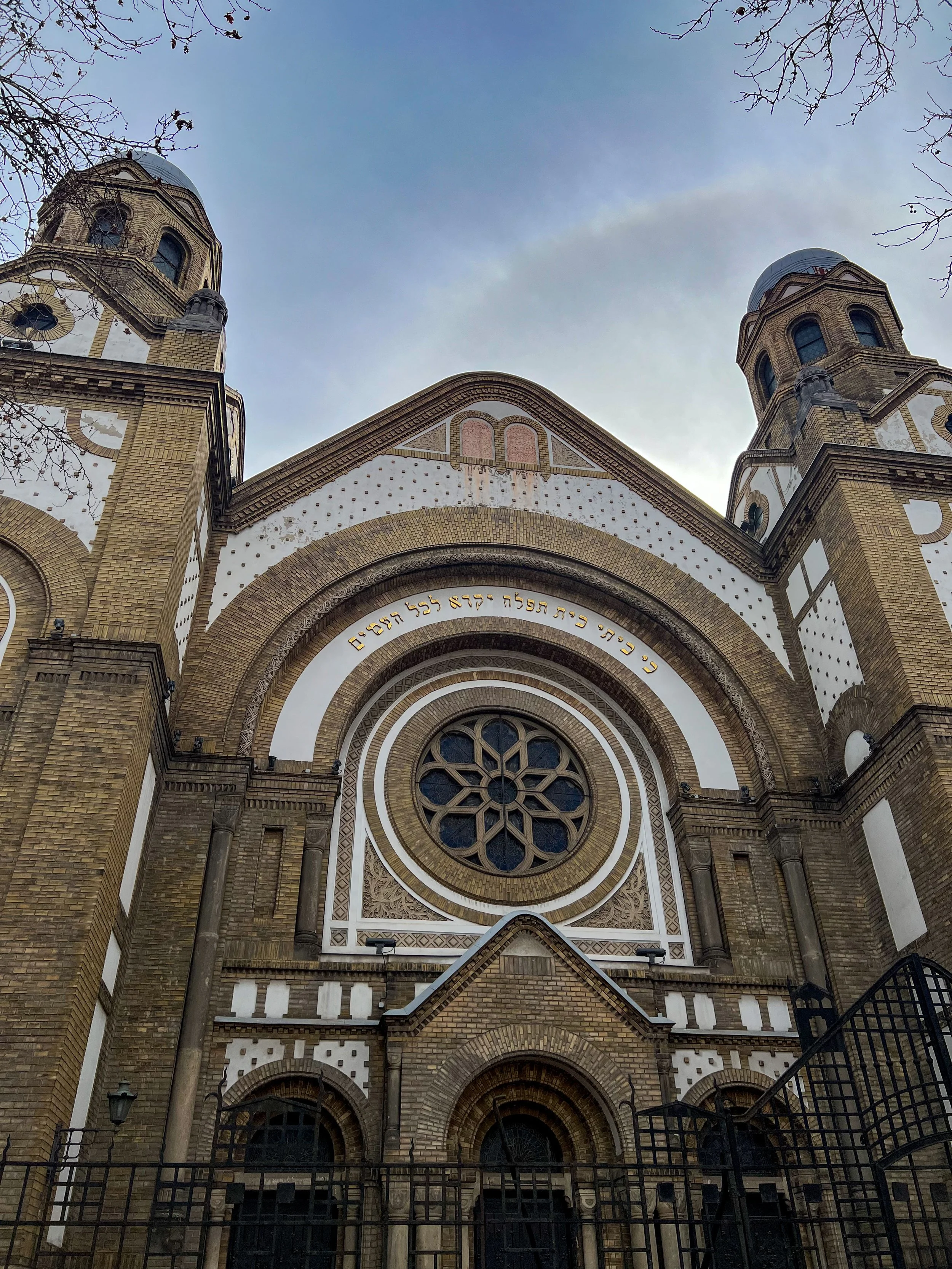
One of the highlights of Novi Sad is the impressive Novi Sad Synagogue, standing as a poignant testament to the city's rich Jewish heritage and cultural legacy. Constructed in the late 19th century, the synagogue served as a vibrant centre of Jewish religious and communal life for the local Jewish community.
Built between 1906 and 1909, the Novi Sad Synagogue is an architectural gem designed by Hungarian architect Lipót Baumhorn. It was erected during a period of flourishing Jewish life in Novi Sad, when the Jewish community played a significant role in the city's cultural, economic, and social fabric.
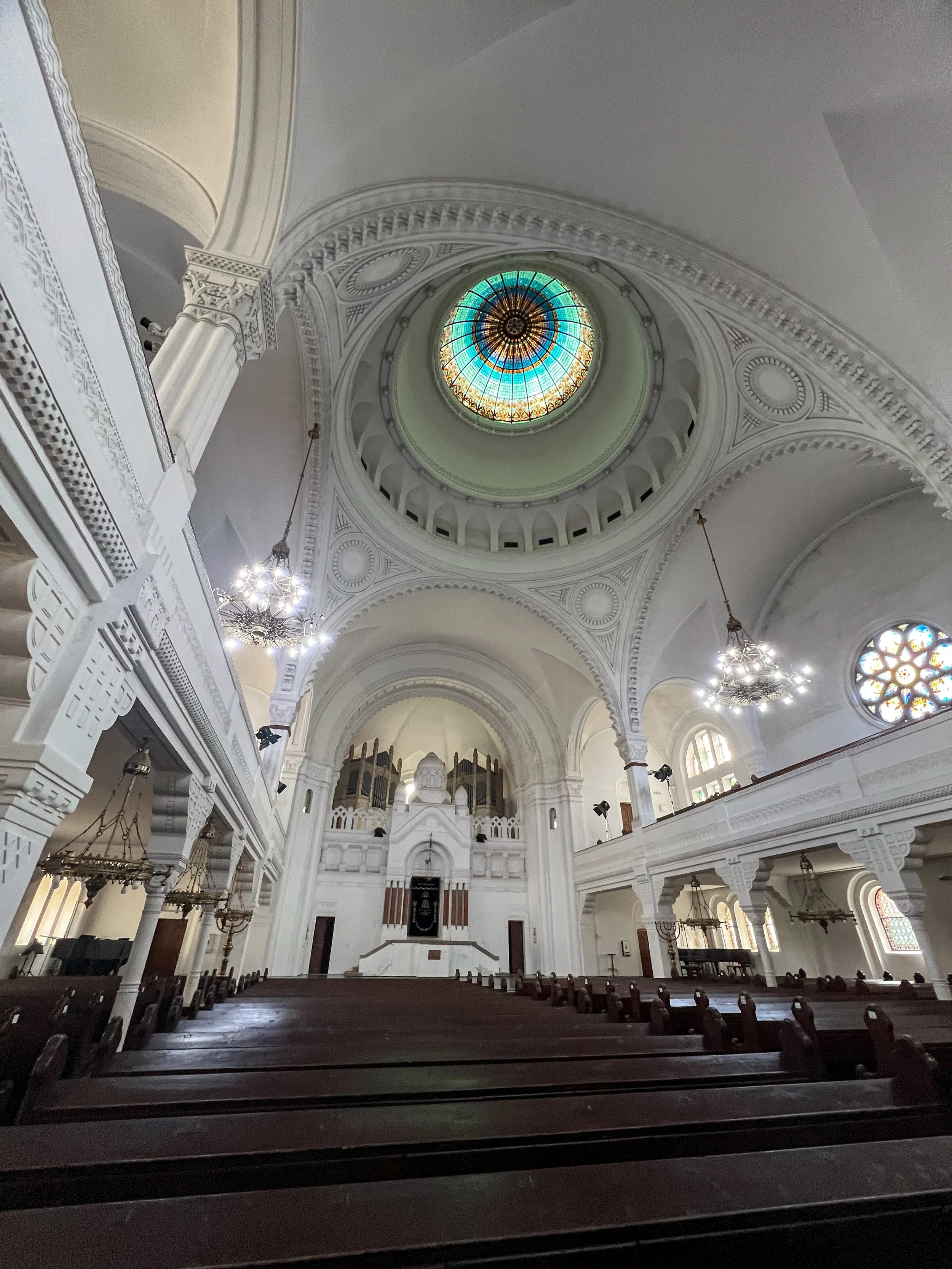
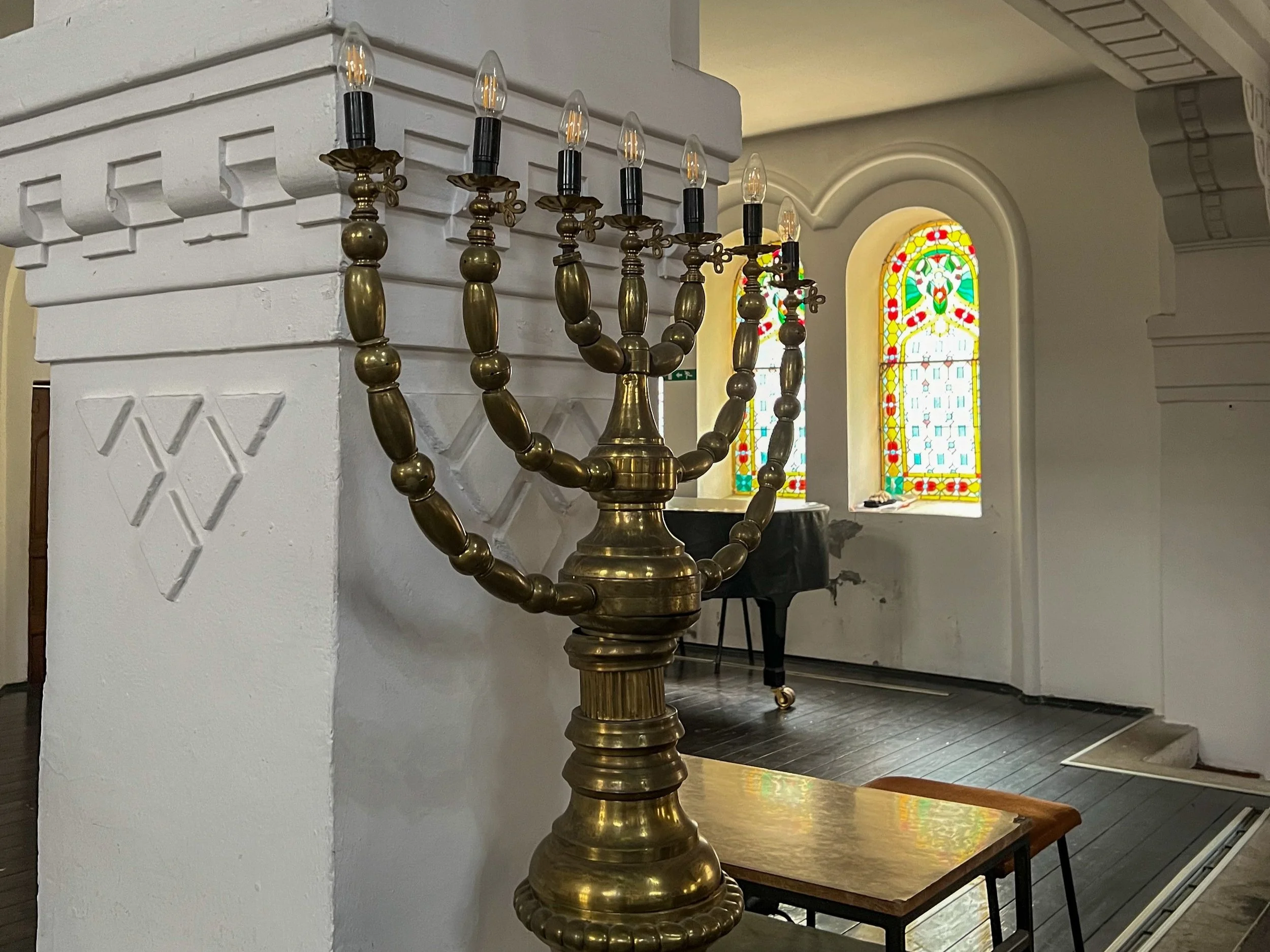
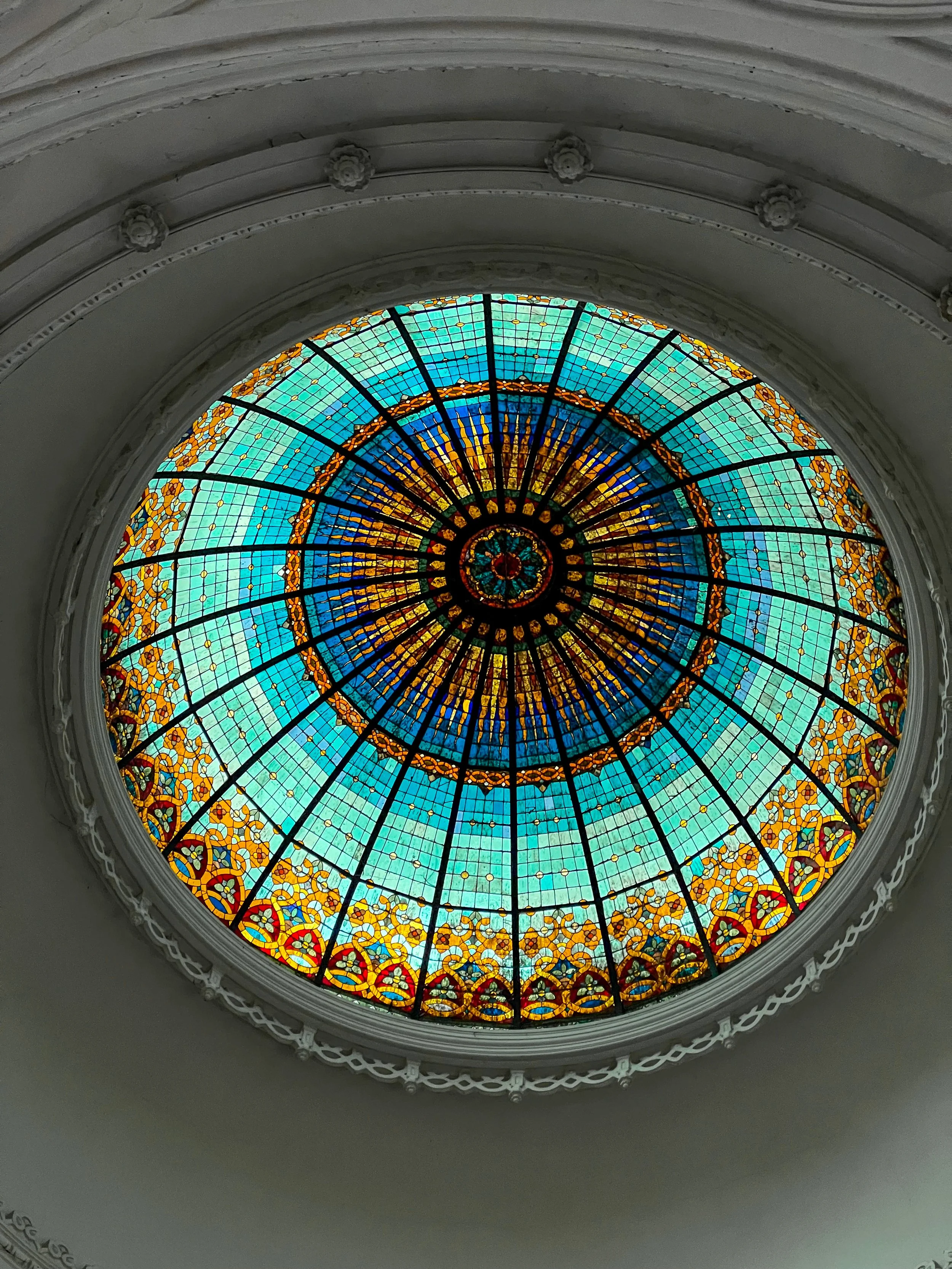
The synagogue is renowned for its stunning Moorish Revival architecture, characterized by intricate geometric patterns, ornate domes, and arched windows. The exterior facade features decorative elements inspired by Islamic architectural traditions, reflecting the eclectic influences of the era. Inside, the synagogue boasts a magnificent sanctuary adorned with colourful stained glass windows, intricate woodwork, and elaborate plaster decorations.
During World War II, the synagogue suffered damage at the hands of occupying forces, and many of Novi Sad's Jews perished in the Holocaust. After the war, the synagogue fell into disrepair, but efforts to restore and preserve this historic landmark began in the late 20th century.
Today, the Novi Sad Synagogue stands as a symbol of resilience and remembrance, serving as both a cultural heritage site and a centre for educational and cultural programming. While no longer an active place of worship, the synagogue hosts exhibitions, concerts, lectures, and other events that celebrate Jewish culture, history, and identity. It serves as a vital link to Novi Sad's Jewish past and a reminder of the enduring spirit of its community.

Petrovaradin Fortress
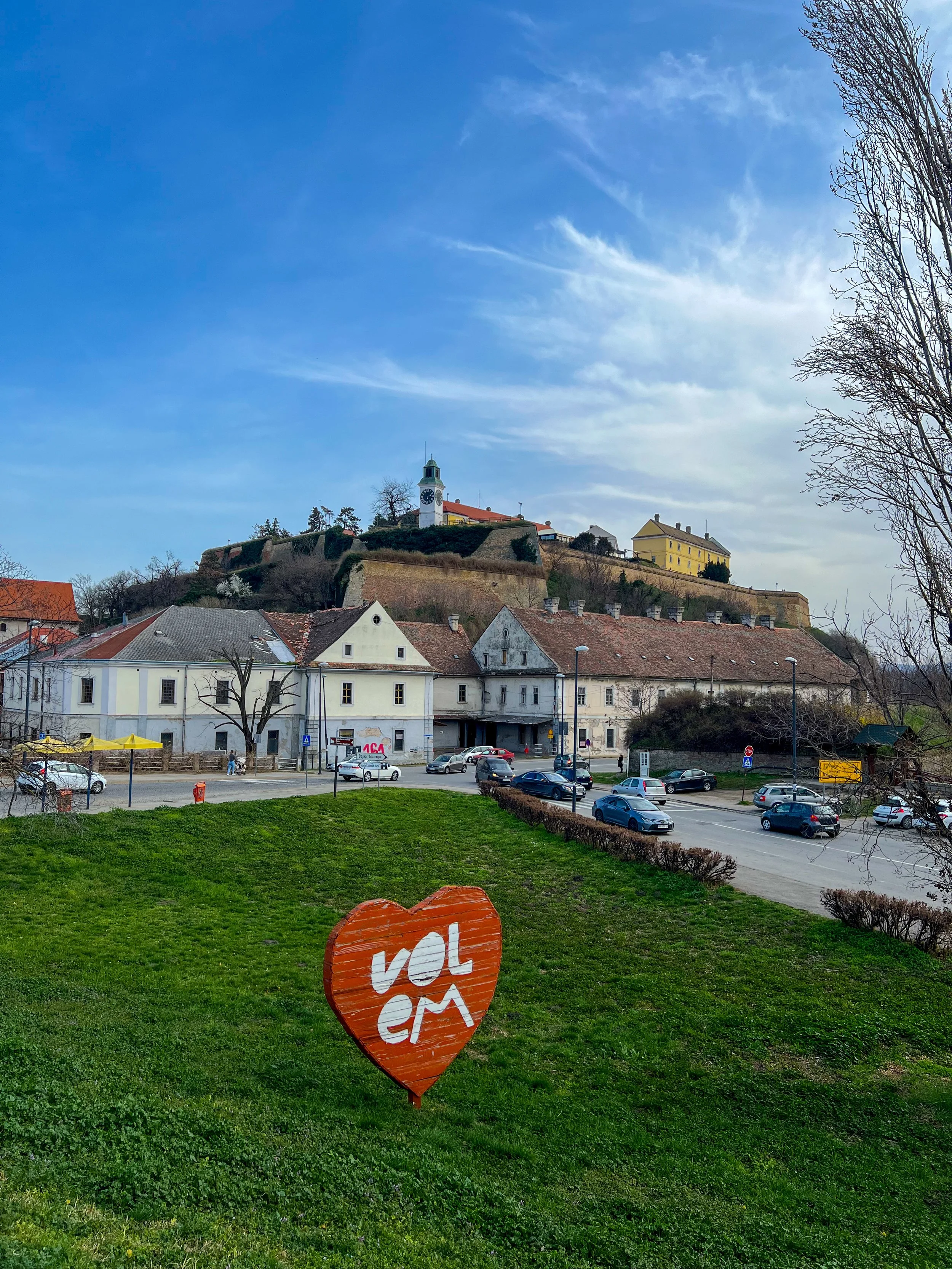
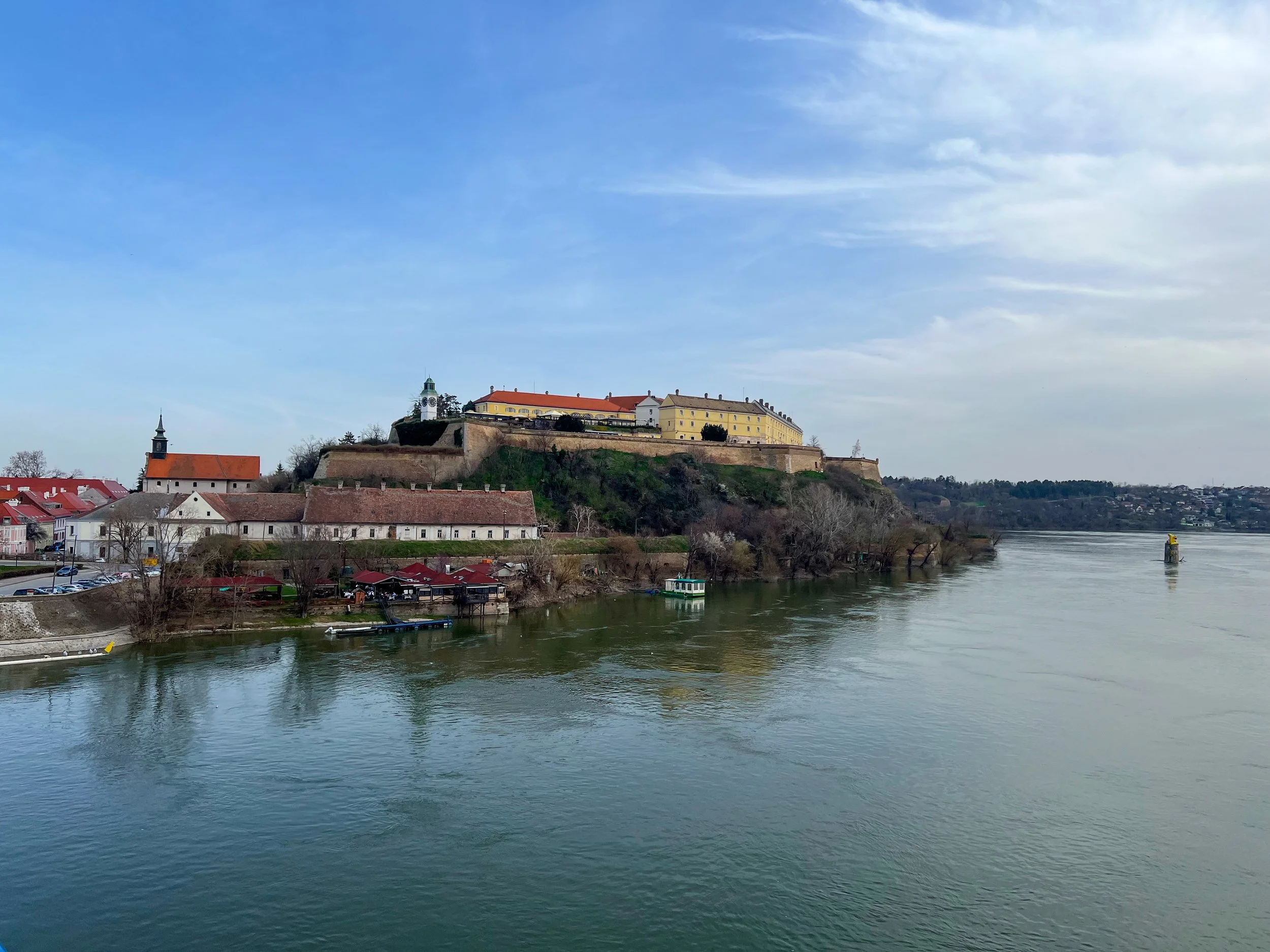
Dominating the skyline of Novi Sad, the Petrovaradin Fortress is a historic landmark that has stood guard over the city for centuries. Often referred to as the "Gibraltar of the Danube," this formidable fortress is one of the largest and best-preserved fortifications in Europe, boasting a rich history that spans centuries.
Construction of the Petrovaradin Fortress began in the late 17th century, under the orders of the Habsburg Monarchy, as a strategic defense against the Ottoman Empire. Designed by military engineer Sebastian von Vauban, the fortress was intended to protect the Habsburg Empire's southern border and secure control over the Danube River.
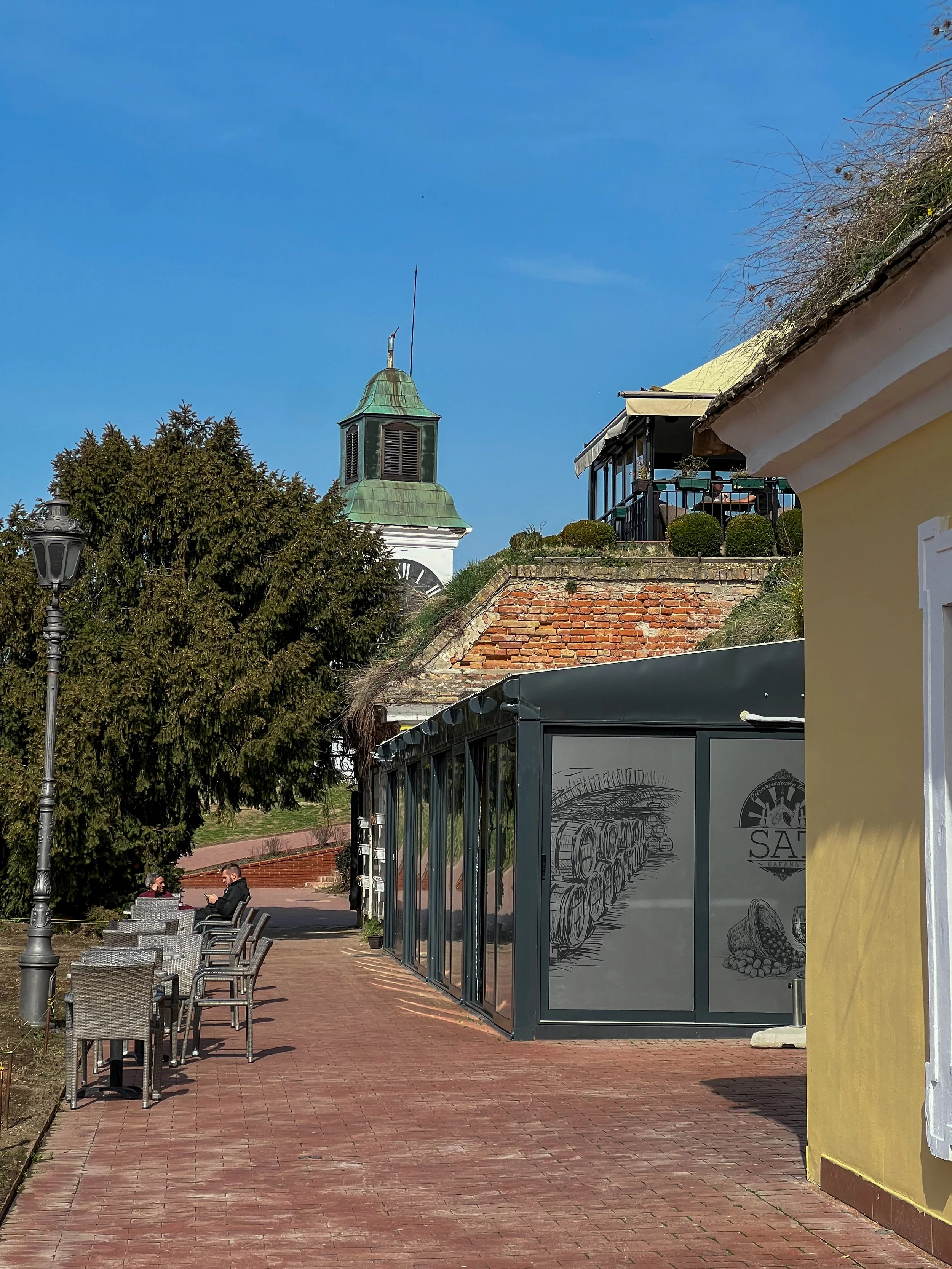
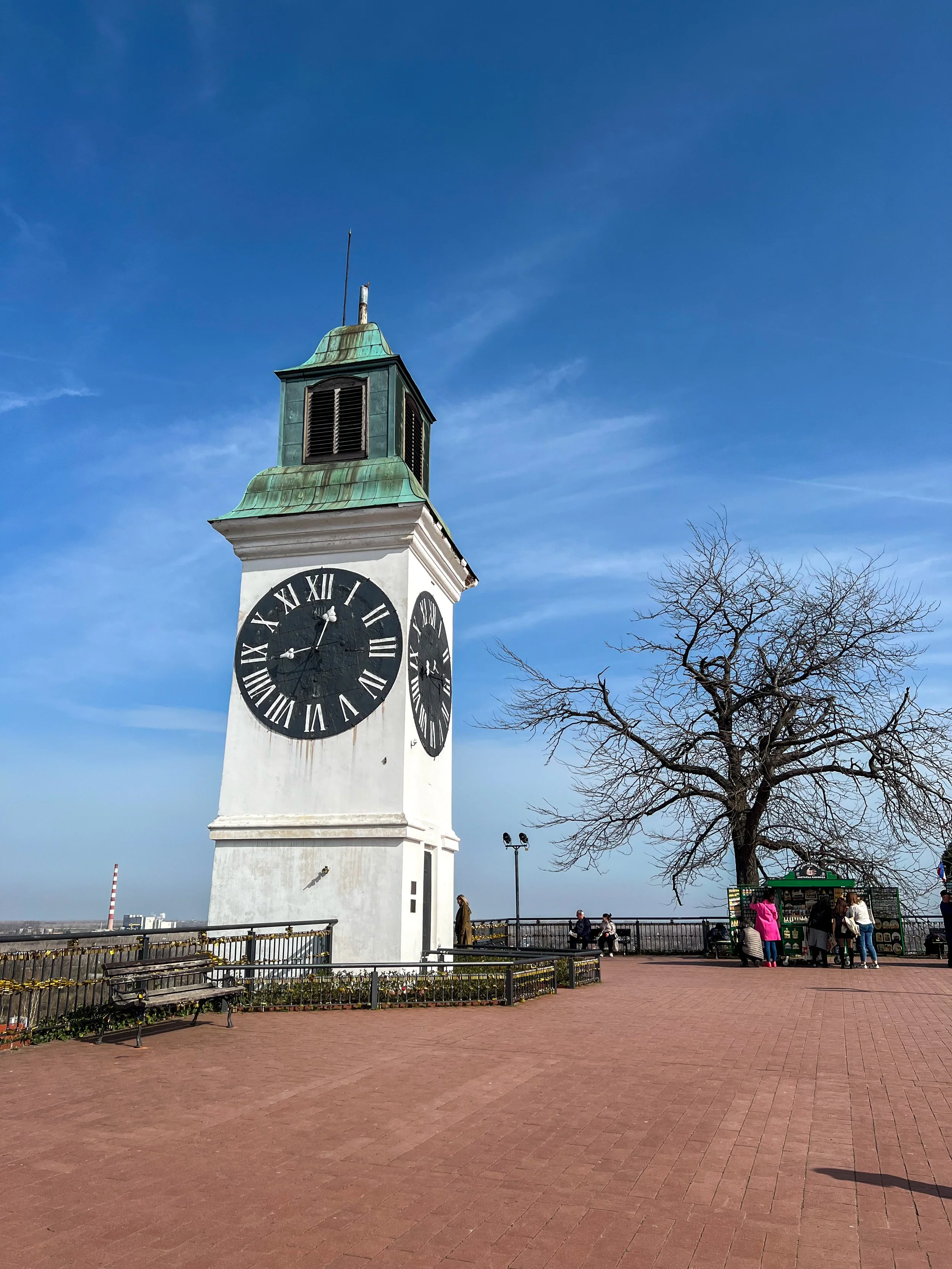
The fortress is renowned for its impressive Baroque architecture, characterized by massive stone walls, bastions, and ramparts. Its sprawling layout encompasses a network of underground tunnels, casemates, and secret passages, adding to its mystique and allure. The centerpiece of the fortress is the clock tower, known as the "Đavolja varoš" (Devil's Town), which features a distinctive clock with minute and hour hands reversed, making it unique among European clocks.
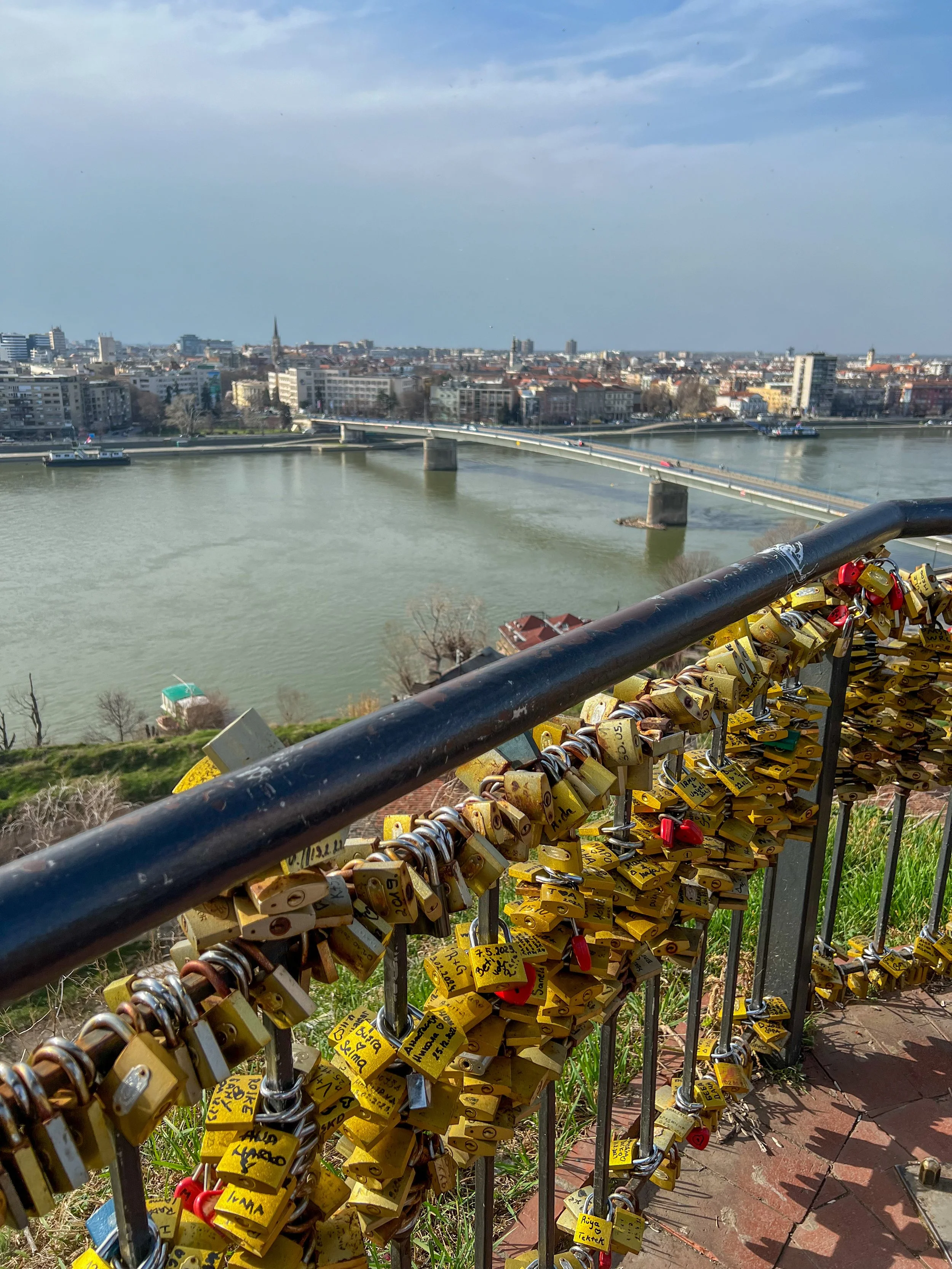
Today, the Petrovaradin Fortress is a popular tourist destination, attracting visitors from around the world who come to explore its historic ramparts, underground tunnels, and panoramic views of the Danube River. Guided tours are available, offering insights into the fortress's storied past and architectural significance. Additionally, the fortress is the site of the annual EXIT music festival, one of Europe's largest and most renowned music festivals, which draws thousands of music enthusiasts each year.
Novi Sad City Museum
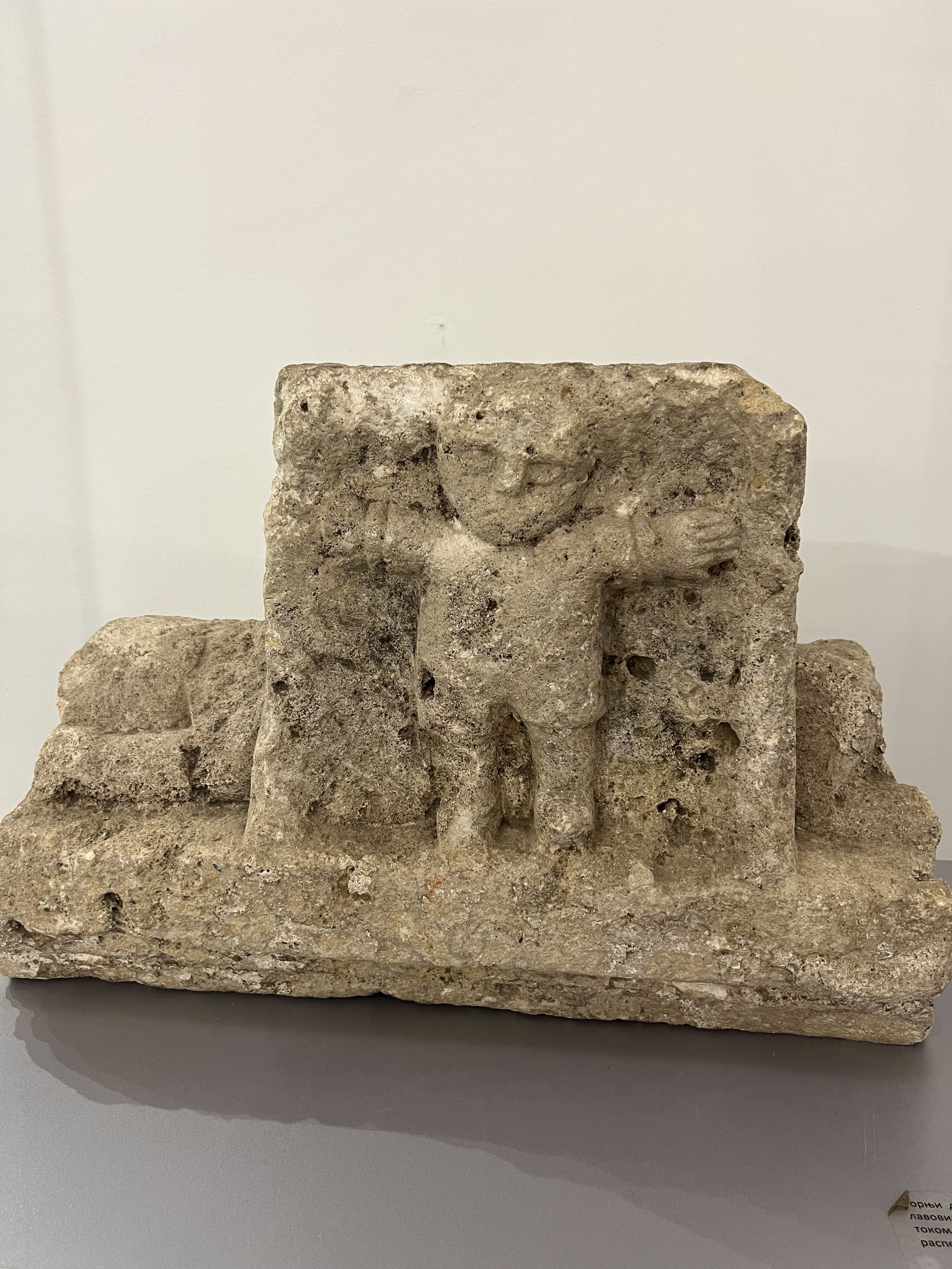
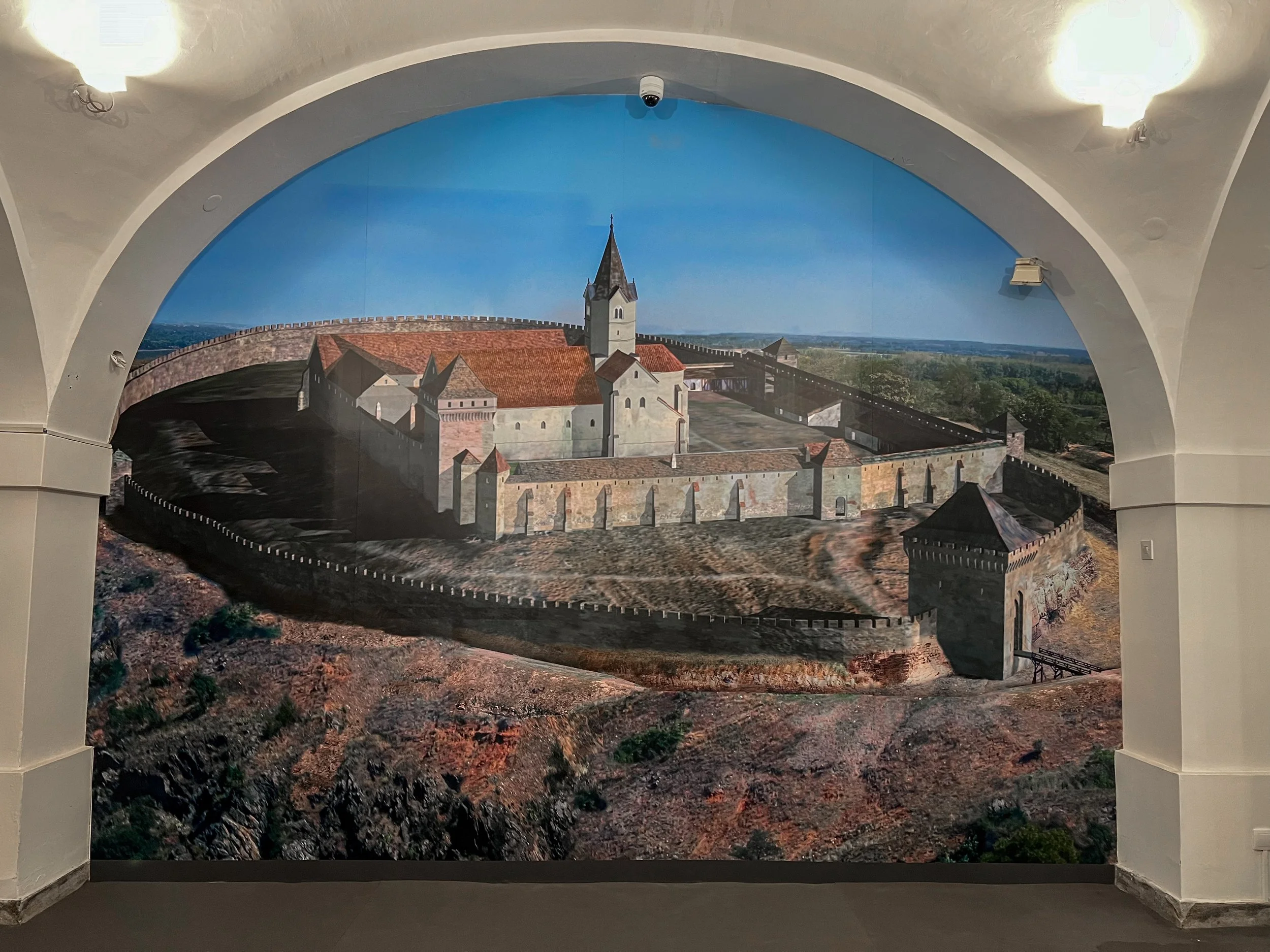
For those eager to delve deeper into Novi Sad's rich history and culture, a visit to the Novi Sad City Museum is a must. Established in 1954, the Novi Sad City Museum falls under the classification of general urban museums and focuses on chronicling the city's evolution from its inception to the present day. The museum comprises several departments, including Archeology, History, Cultural History, Ethnology, and the Hometown Gallery, each dedicated to distinct facets of Novi Sad's cultural and historical heritage.
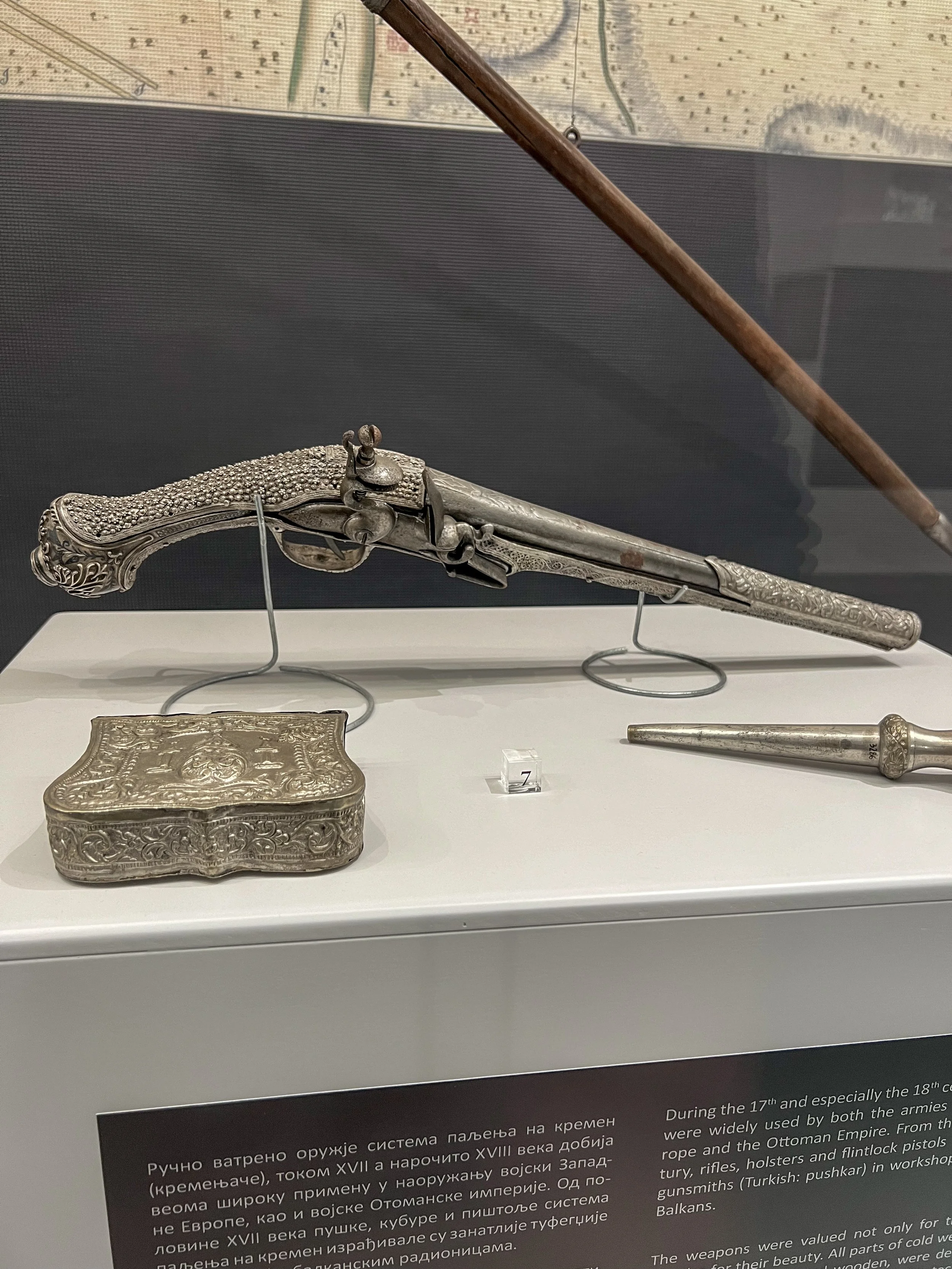
Housed within the central building atop the Petrovaradin Fortress's upper plateau, known as Topovnjača or Mamula's Barracks, the museum offers a multifaceted experience. The ground floor hosts a permanent exhibition titled "The Petrovaradin Fortress in the Past," tracing the site's inhabitation and military significance from ancient times to World War I. Meanwhile, the first floor features the Department of Cultural History's Study Exhibition, portraying Novi Sad's civilian life from the 18th to the 20th century, showcasing period furniture and artworks by notable artists like Sava Šumanović and Djordje Jovanović.
Additionally, visitors can explore the fortress's underground military galleries, an intricate four-level communication system, offering insights into its strategic military infrastructure with expert guidance from the museum's staff.


Monument to the Victims of the Raid in Novi Sad
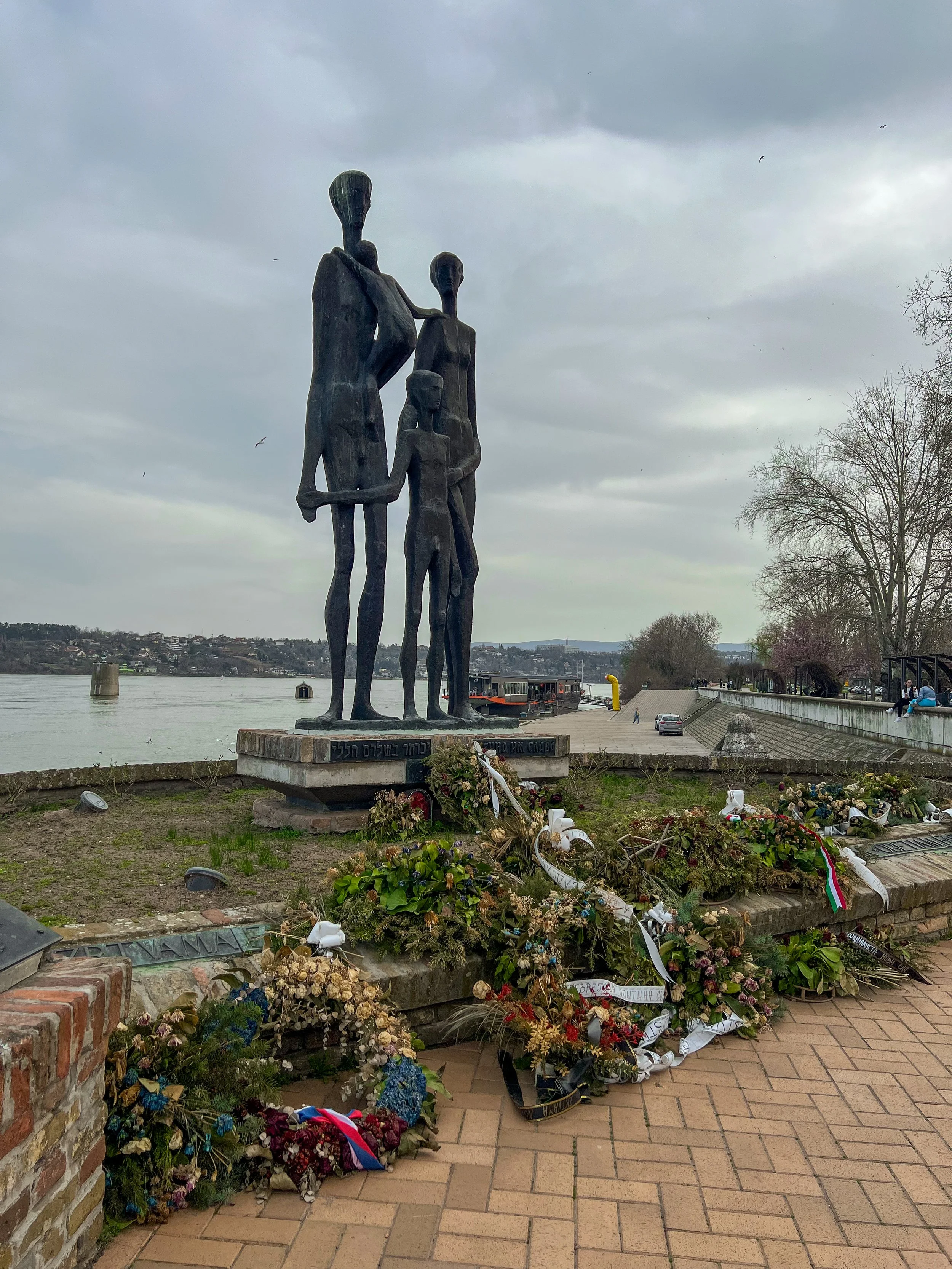
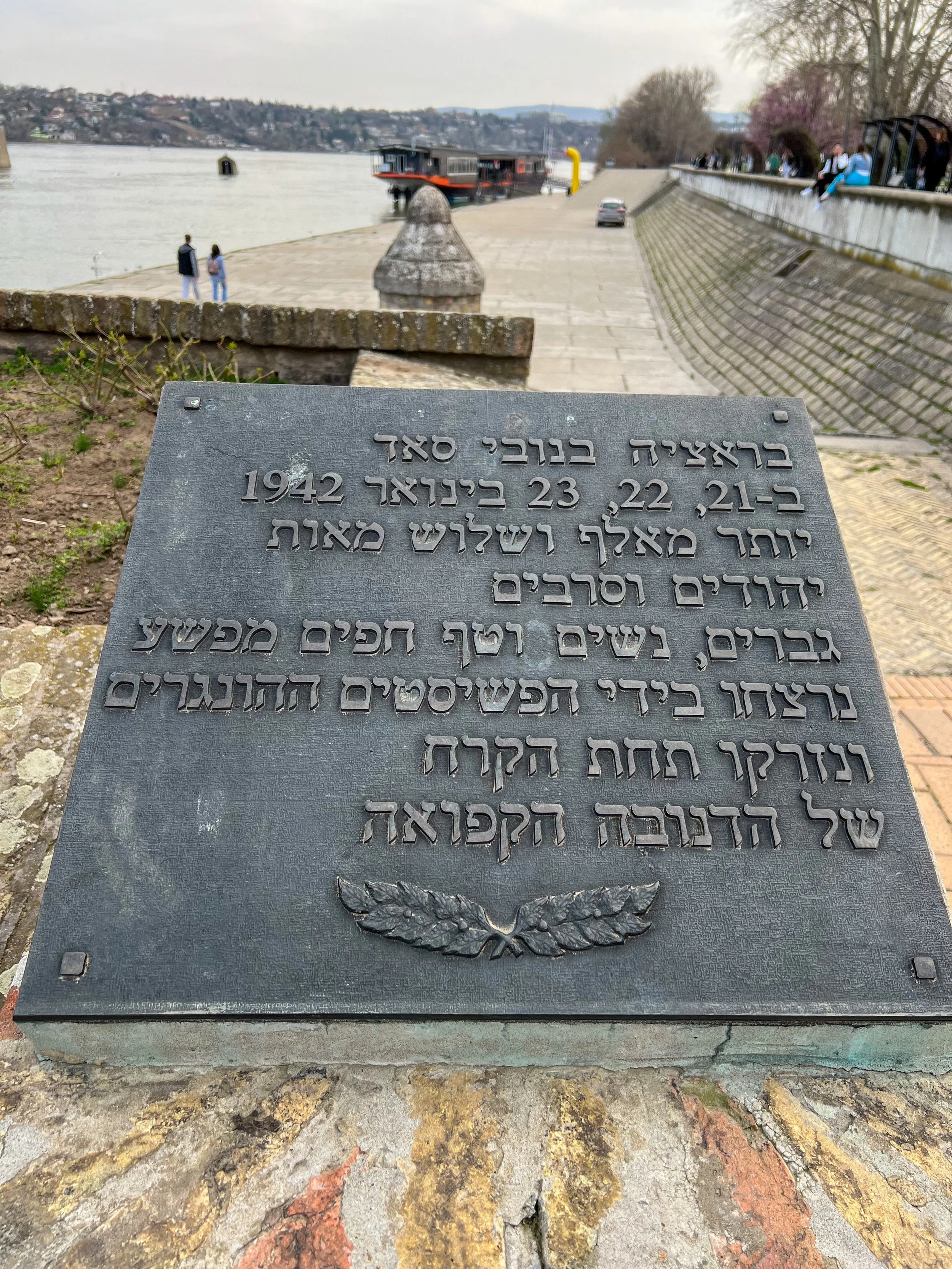
After exploring the Petrovaradin Fortress, I started my descent back to the city centre crossing the Varadin Bridge that joins both sides of the Danube. By the shore of the river, overlooking the impressive Petrovaradin Fortress, you can find the Monument to the Victims of the Raid in Novi Sad, a solemn tribute to the tragic events of World War II and commemorates the lives lost during the January 1942 raid in Novi Sad, Serbia.
The raid, orchestrated by Hungarian fascist forces, targeted the city's civilian population, particularly members of the Jewish, Serb, and Roma communities. On January 21, 1942, thousands of innocent civilians were rounded up, brutally murdered, and thrown into the icy waters of the Danube River. The monument, located on the Danube's bank near the city centre, serves as a stark reminder of the atrocities committed during the war and honours the memory of the victims.
Designed by renowned sculptor Bogdan Bogdanović and unveiled in 1971, the monument features a series of bronze figures representing the anguish and despair of those who perished. The site serves as a place of reflection and remembrance, inviting visitors to pay their respects and reflect on the enduring legacy of war and the importance of preserving peace and human dignity.
Some links in this post are affiliate links, which means that if you buy through them, we’ll receive a small commission. This will never cost you more and in many cases you will receive a special discount.
As always, all opinions are mine. We appreciate your support!

This article is now available as a mobile app. Go to GPSmyCity to download the app for GPS-assisted travel directions to the attractions featured in this article.


Welcome to Sarajevo, a city steeped in history, culture, and resilience. Nestled within the heart of Bosnia and Herzegovina, Sarajevo is a captivating blend of East and West, where centuries-old traditions meet modern-day vibrancy. With its rich tapestry of Ottoman, Austro-Hungarian, and Yugoslav influences, Sarajevo offers visitors a truly unique and unforgettable experience.
In this bustling metropolis, where minarets punctuate the skyline and cobblestone streets weave through a maze of charming neighbourhoods, every corner tells a story. From the echoes of the past in the Old Town to the recent scars of the Bosnian war, Sarajevo beckons travellers to immerse themselves in its captivating atmosphere.
Join me on this 3-day itinerary of Sarajevo as we explore its iconic landmarks, savour its culinary delights, and uncover the hidden gems that make Sarajevo a destination like no other!