
2 days in Santiago de Chile: A Comprehensive Guide to Must-See Attractions
Nestled against the backdrop of the towering Andes Mountains, Santiago de Chile is a city that seamlessly blends the old with the new, offering a rich tapestry of history, culture, and breathtaking landscapes. If you find yourself with just a weekend to spare, fear not, for Santiago has a plethora of iconic sites waiting to be explored.
Join us on a whirlwind adventure through the heart of Chile's capital as we uncover the history, charm, and beauty of this vibrant city in just two days.

This article is now available as a mobile app. Go to GPSmyCity to download the app for GPS-assisted travel directions to the attractions featured in this article.
Things to do and see in Santiago de Chile: 2-day itinerary
Embarking on a whirlwind tour of Santiago de Chile may sound like a daunting task, given the city's rich history, diverse culture, and stunning landscapes. However, for those with only 48 hours to spare, fear not! In just two days, you can immerse yourself in the heart of this South American metropolis, experiencing the perfect blend of historical charm, modern architecture, and culinary delights.
During our visit, we spent the first day delving into the city centre, where the echoes of centuries past resonate through iconic landmarks like the La Moneda Palace, the historic Plaza de Armas with its majestic Cathedral, the bustling Central Market, and the enchanting Santa Lucia Hill.
On the second day, we enjoyed a panoramic view of Santiago's sprawling beauty from the heights of the Costanera Tower. Following this breathtaking start, we ascended to the Metropolitan Park for the perfect contrast to the urban landscape. We concluded our day in the bohemian Bellavista neighbourhood, where you can savour delectable cuisine, soak in the local arts scene, and revel in the lively atmosphere.
If you have an extra day to spare in Santiago, you can’t miss the unforgettable day trip to Cajón del Maipo and Embalse del Yeso with GetYourGuide. Begin in the charming villages of Cajón del Maipo, exploring San José de Maipo and the enchanting Maipo River. Then, venture deeper into the Andes to discover the breathtaking Embalse del Yeso—a turquoise reservoir nestled among towering peaks. A perfect blend of adventure and tranquillity, this single-day escape left us with cherished memories of Chile's pristine wilderness. Ideal for those craving a rejuvenating break from the city hustle.
Day 1
La Moneda Palace
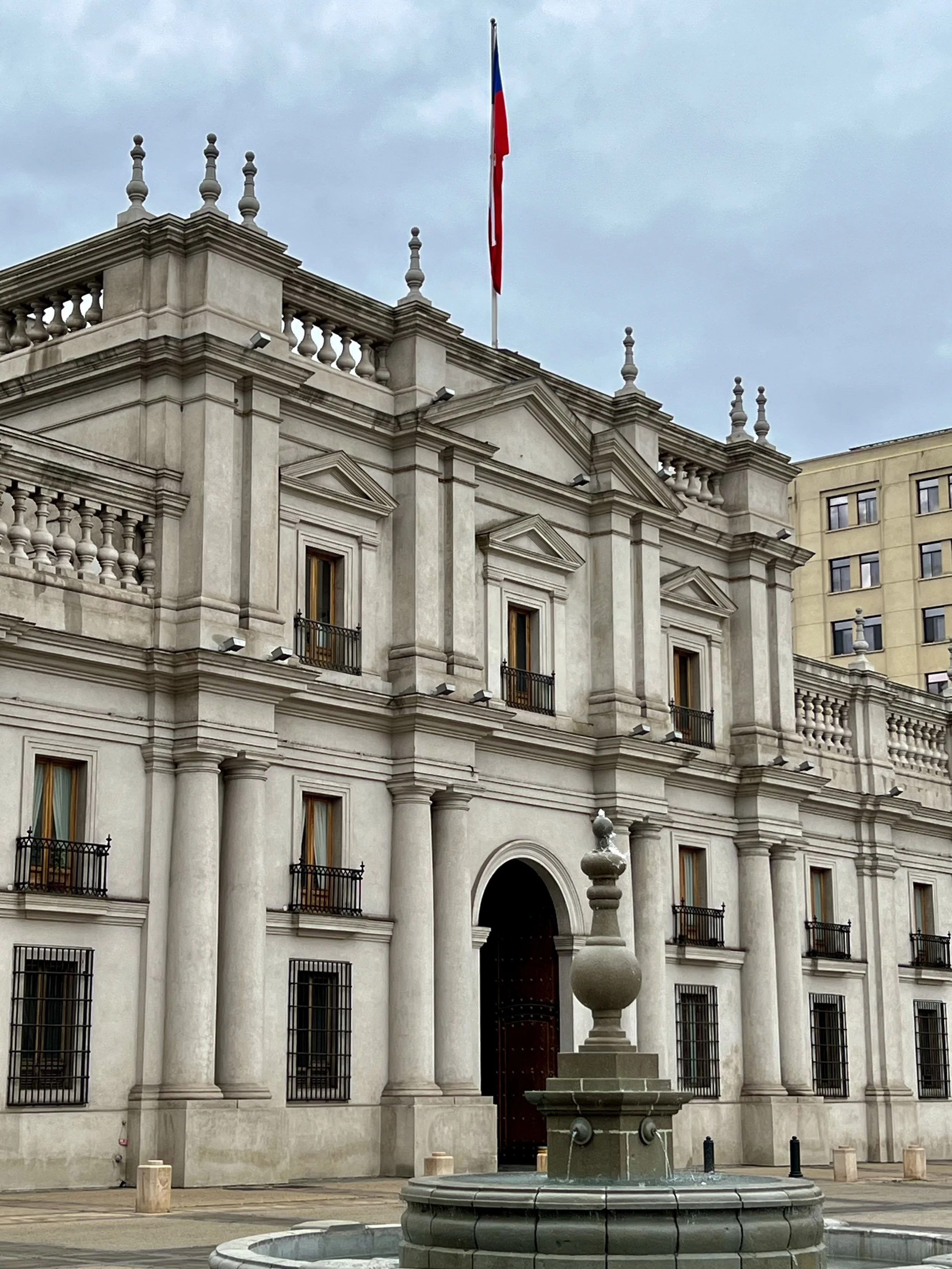
We began our Santiago escapade with a visit to La Moneda Palace, the seat of the Chilean government. Located in the heart of Santiago, is more than just a government building—it is a living testament to Chile's political history. Built between 1784 and 1805 as the Royal Mint during the Spanish colonial period, it later became the presidential palace. The neoclassical architecture, designed by Joaquín Toesca, reflects the influence of European styles prevalent in the 18th century.
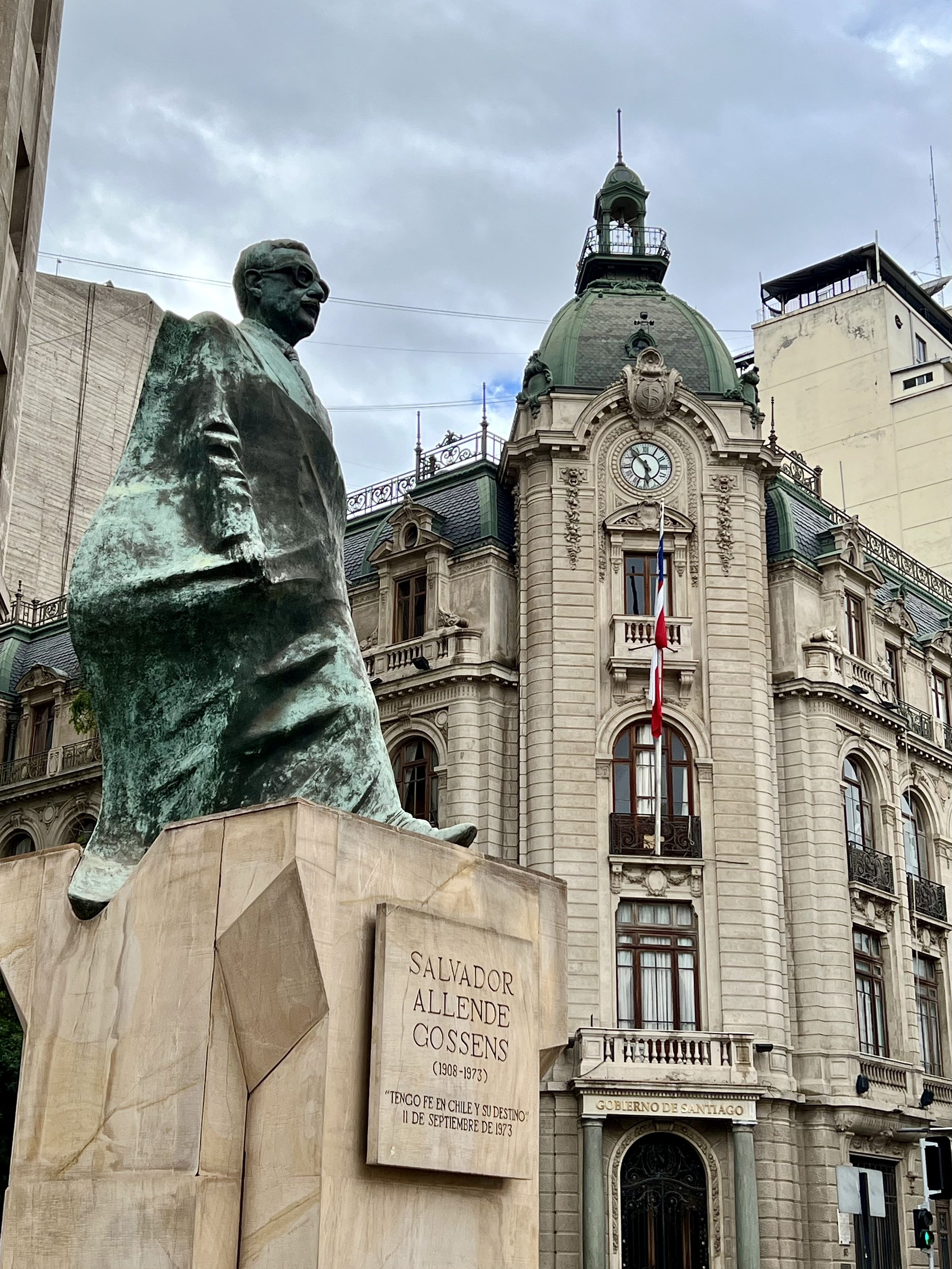
The palace gained global attention during the 1973 coup d'état when President Salvador Allende died within its walls. Today, La Moneda serves as the official seat of the President of the Republic of Chile. Guided tours provide a deep dive into the palace's history, showcasing its opulent rooms, courtyards, and the poignant exhibition on the events of 1973.
Wandering through the halls, visitors encounter the symbolic Changing of the Guard ceremony, a spectacle that pays homage to Chile's military history. The architectural splendor, coupled with the weight of historical events, makes La Moneda Palace a must-visit for those seeking to understand Chile's political journey.

Barrio Paris-Londres
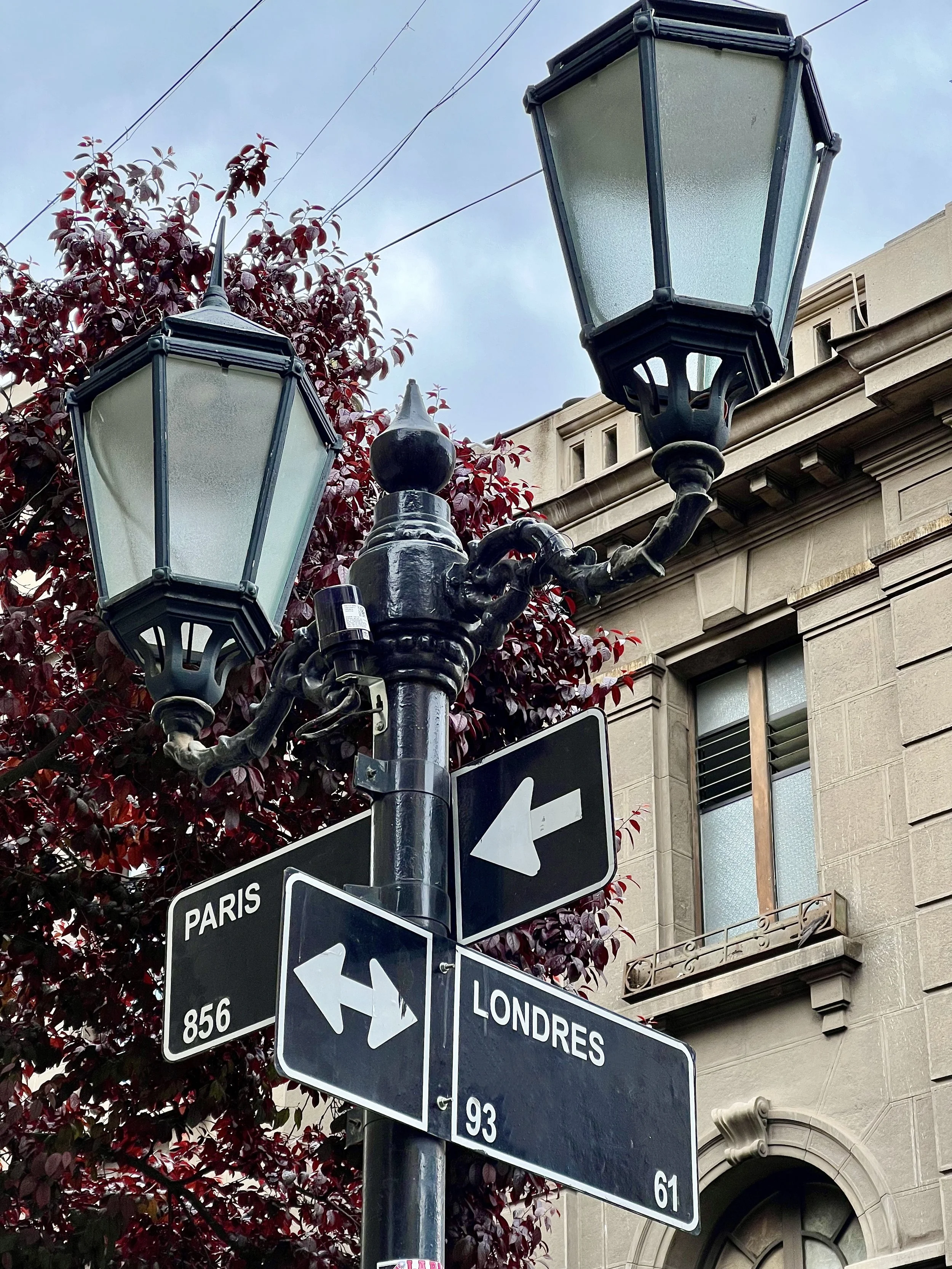
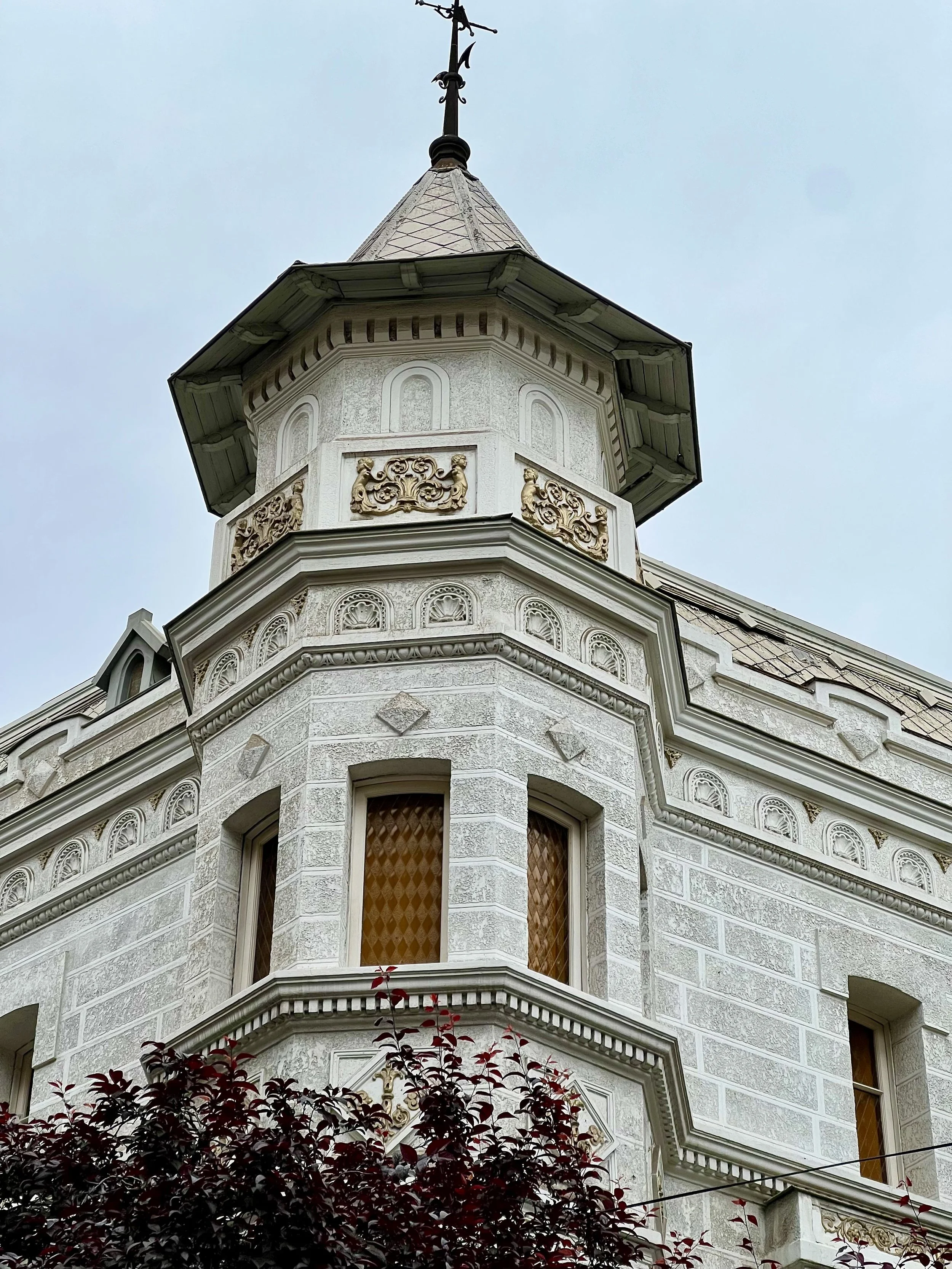
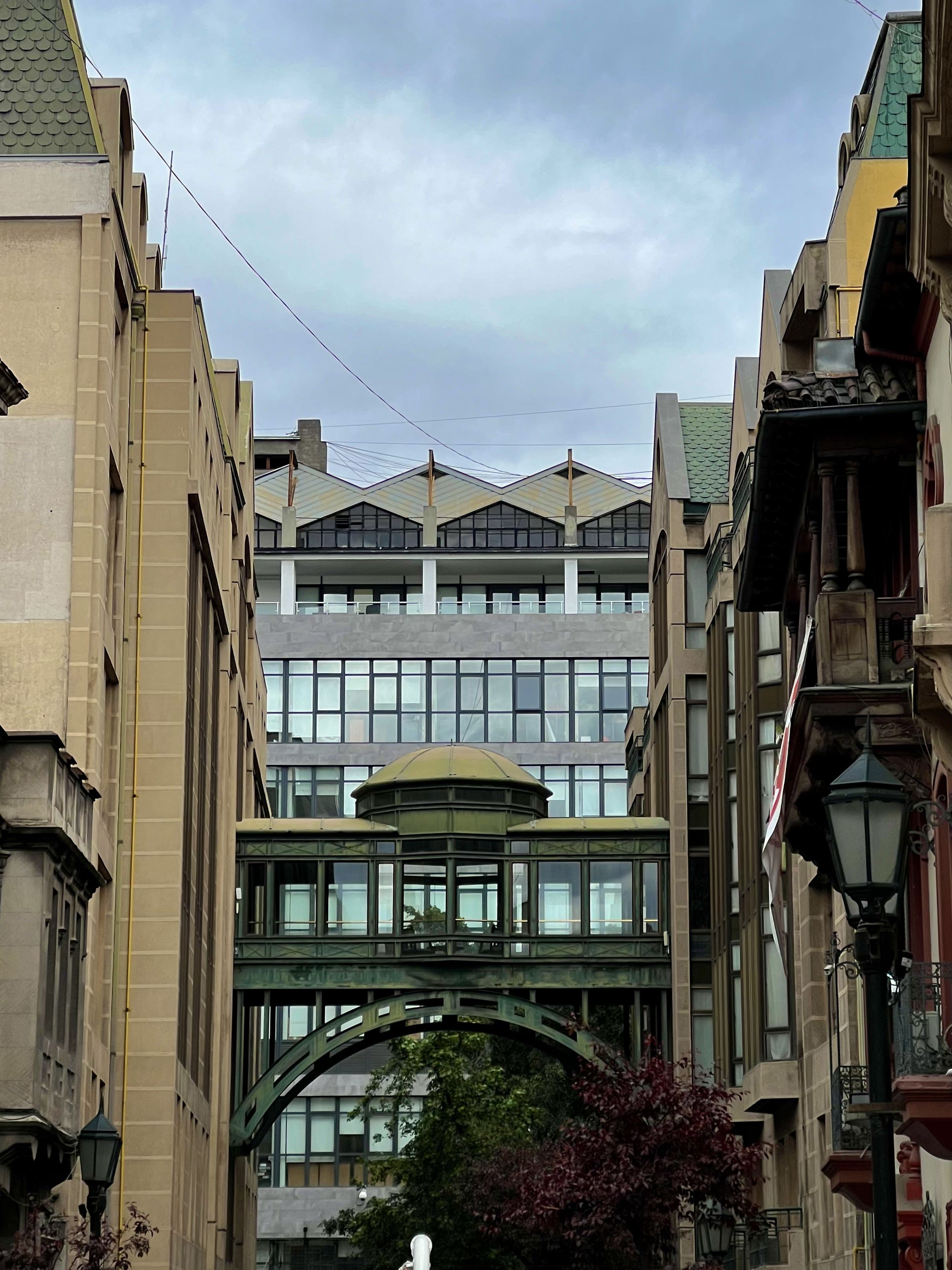
We next headed to the charming Barrio Paris-Londres for a delightful change of pace. This European-inspired neighbourhood is a hidden gem that transports visitors to the romantic streets of Europe. The neighborhood's name pays homage to its Parisian and Londonian influences, evident in its architectural styles, wrought-iron balconies, and cobblestone streets.
Dating back to the 1920s, this area was a haven for writers, artists, and intellectuals seeking inspiration. Today, it remains an enchanting district, lined with charming cafes, bookshops, and boutique stores. The area's preservation efforts have retained its original character, allowing visitors to stroll through a living museum of architectural history.
As you explore Barrio Paris-Londres, take in the vibrant street art and murals that adorn its walls. Each corner tells a story, and every step unveils a new facet of this unique neighborhood, making it a perfect spot for a leisurely afternoon, whether you're sipping coffee in a quaint cafe or perusing the works of local artists.

Plaza de Armas
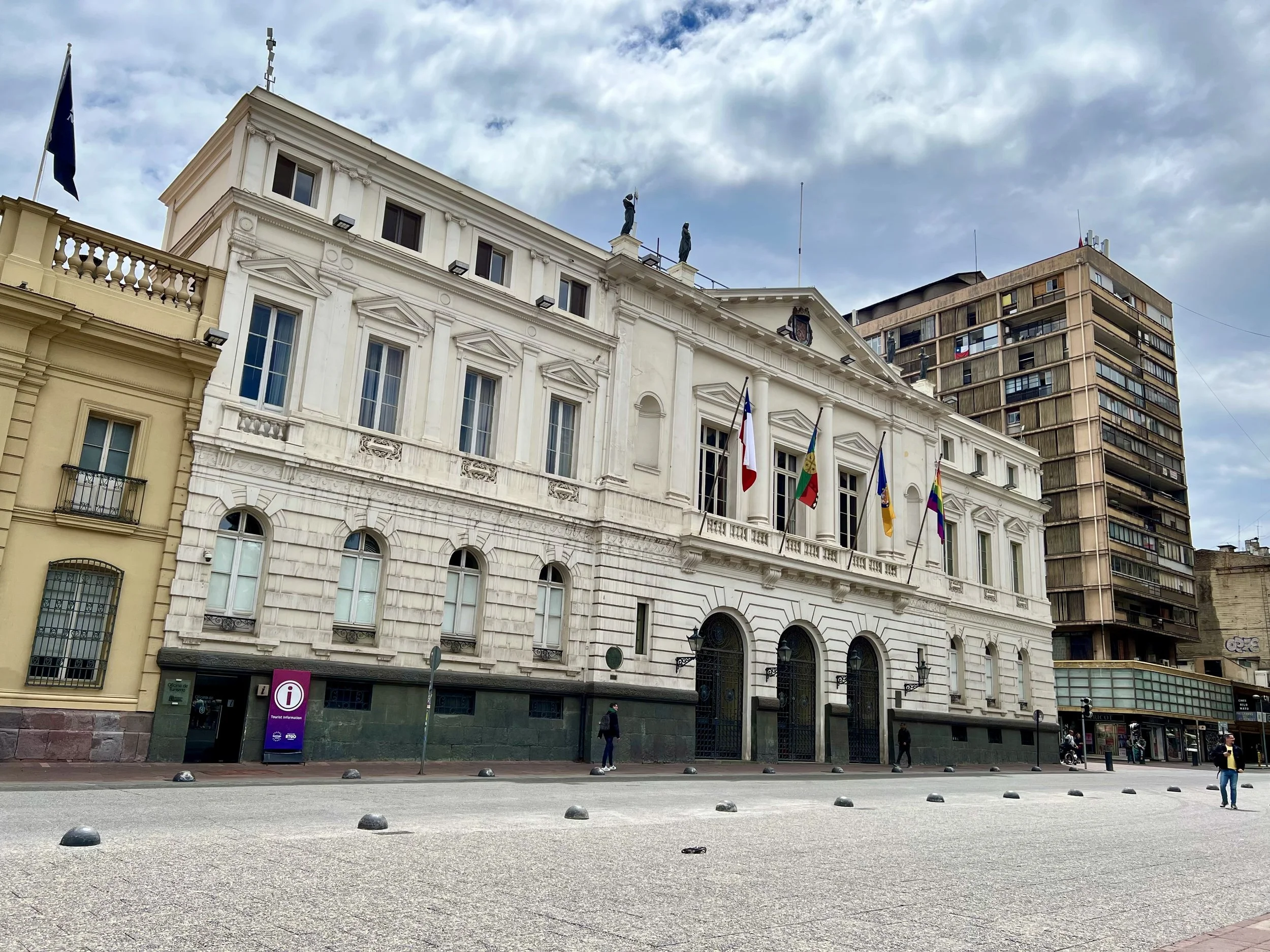
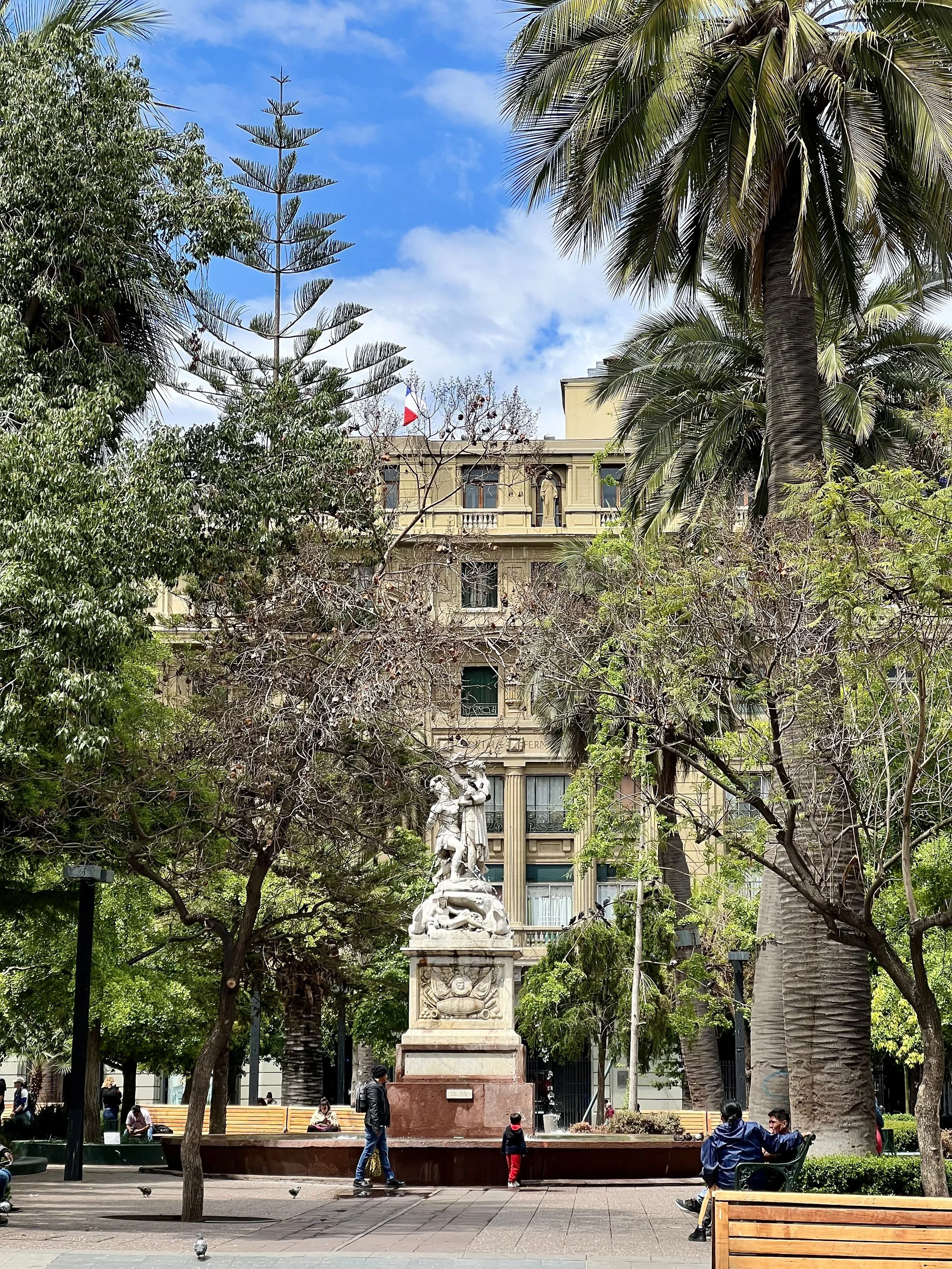
Our next stop was Santiago's beating heart, the Plaza de Armas. This historic square has witnessed centuries of cultural, social, and political events. Surrounded by iconic landmarks, including the Metropolitan Cathedral and the Royal Court Palace, the plaza exudes a sense of grandeur and significance.
Originally designed in 1541 by Pedro de Gamboa, a Spanish architect, Plaza de Armas was the city's focal point from its inception. Over the years, it has hosted ceremonies, celebrations, and protests, making it a true reflection of Santiago's dynamic spirit.
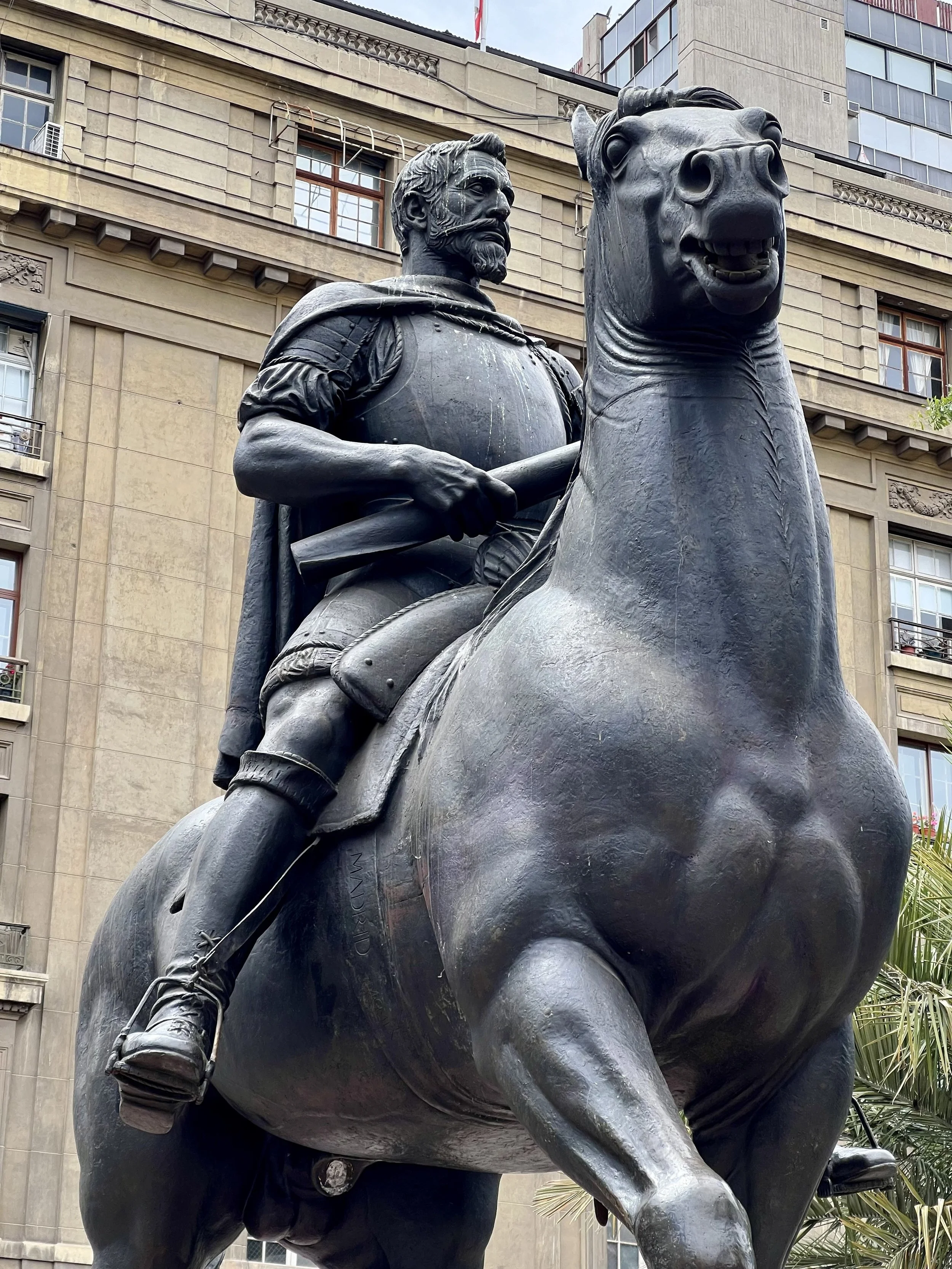
The bronze statue of Pedro de Valdivia, the city's founder, stands proudly at the center, offering a glimpse into Chile's colonial past. The Royal Court Palace, now the National Historical Museum, showcases the evolution of Chilean society through its exhibits.


Metropolitan Cathedral
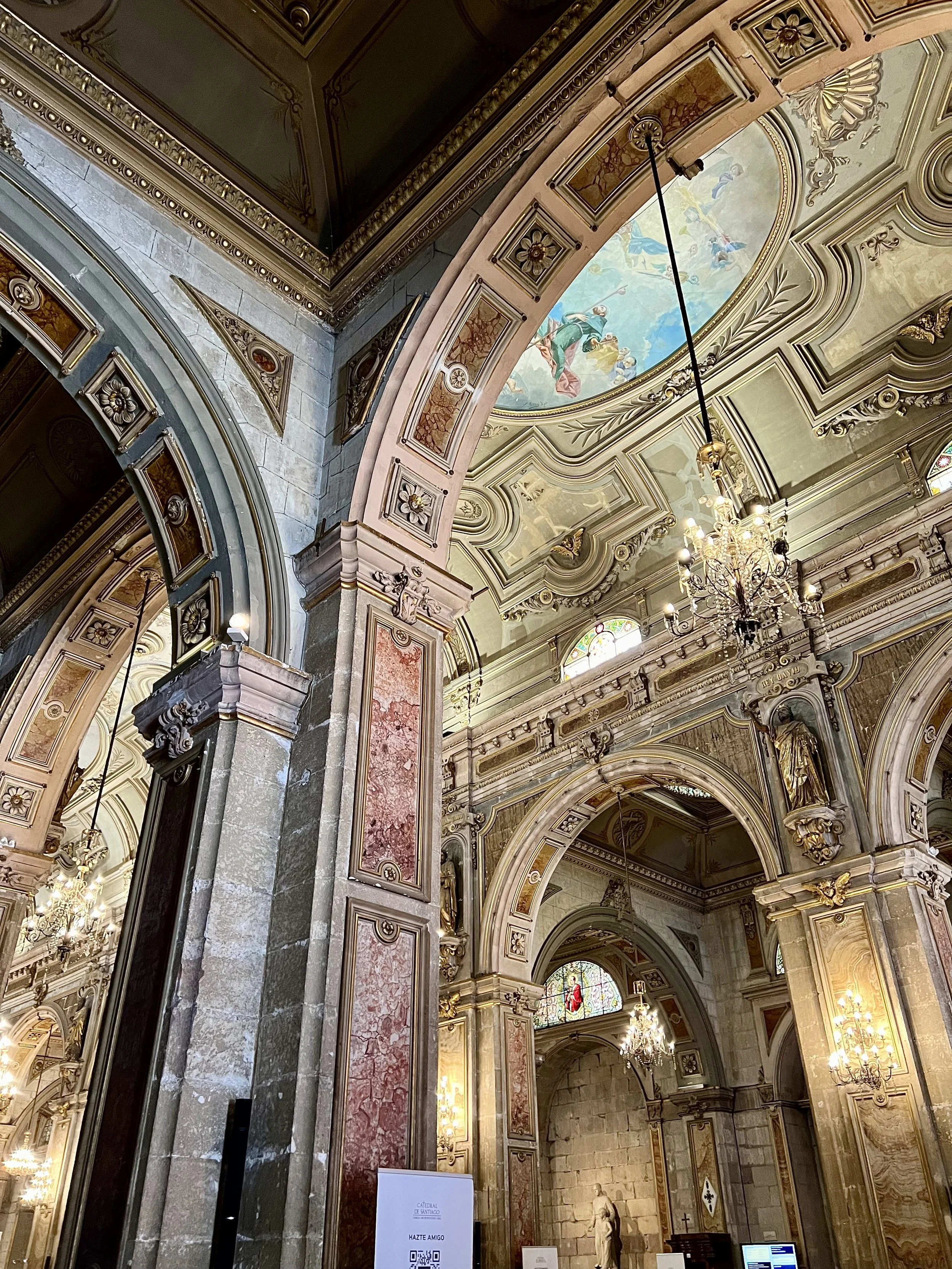
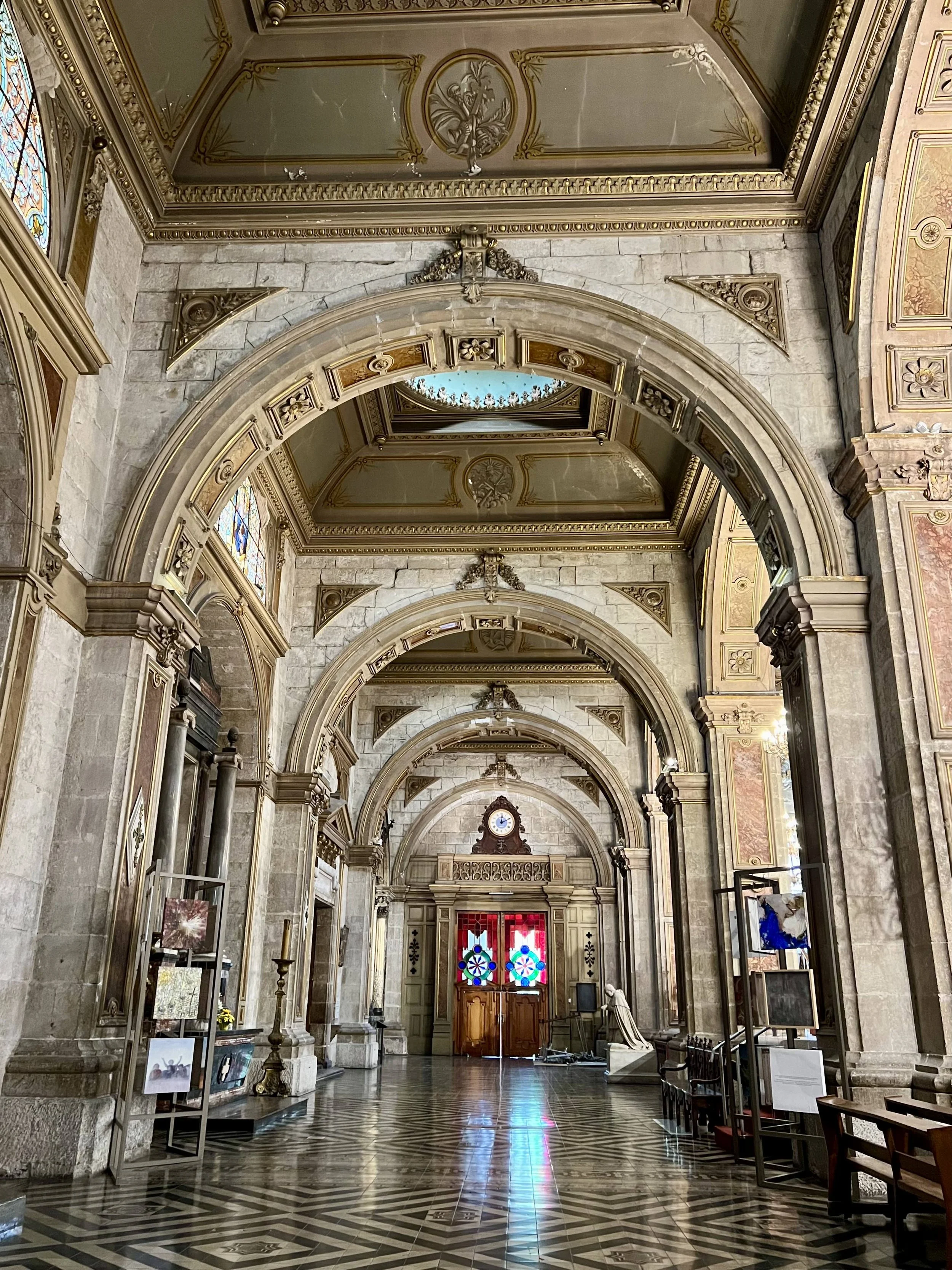
The Metropolitan Cathedral, situated on the eastern side of the square, is a revered symbol of Santiago's religious and cultural heritage. Construction began in 1748 and continued for over five decades, resulting in a stunning example of colonial baroque architecture.
As you step inside the cathedral, the ornate decor and religious artwork captivate the senses. The main altar, adorned with gold leaf, is a masterpiece in itself. The crypts beneath the cathedral house the remains of prominent figures, including former presidents and cardinals.
The cathedral has weathered earthquakes, fires, and renovations, yet it stands as a resilient symbol of faith. Exploring the hallowed halls offers a glimpse into the role of Catholicism in shaping Chilean culture.
Central Market
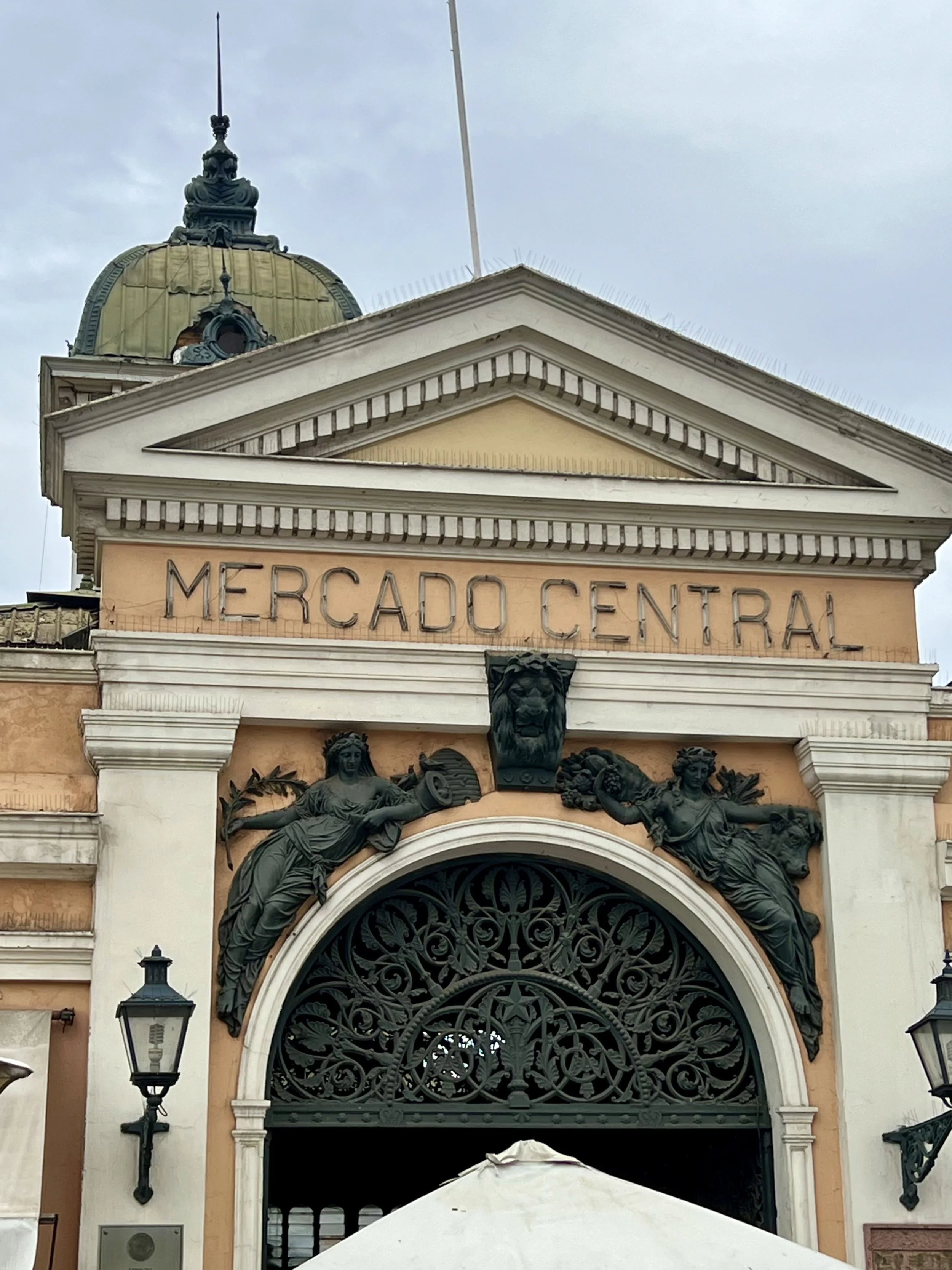
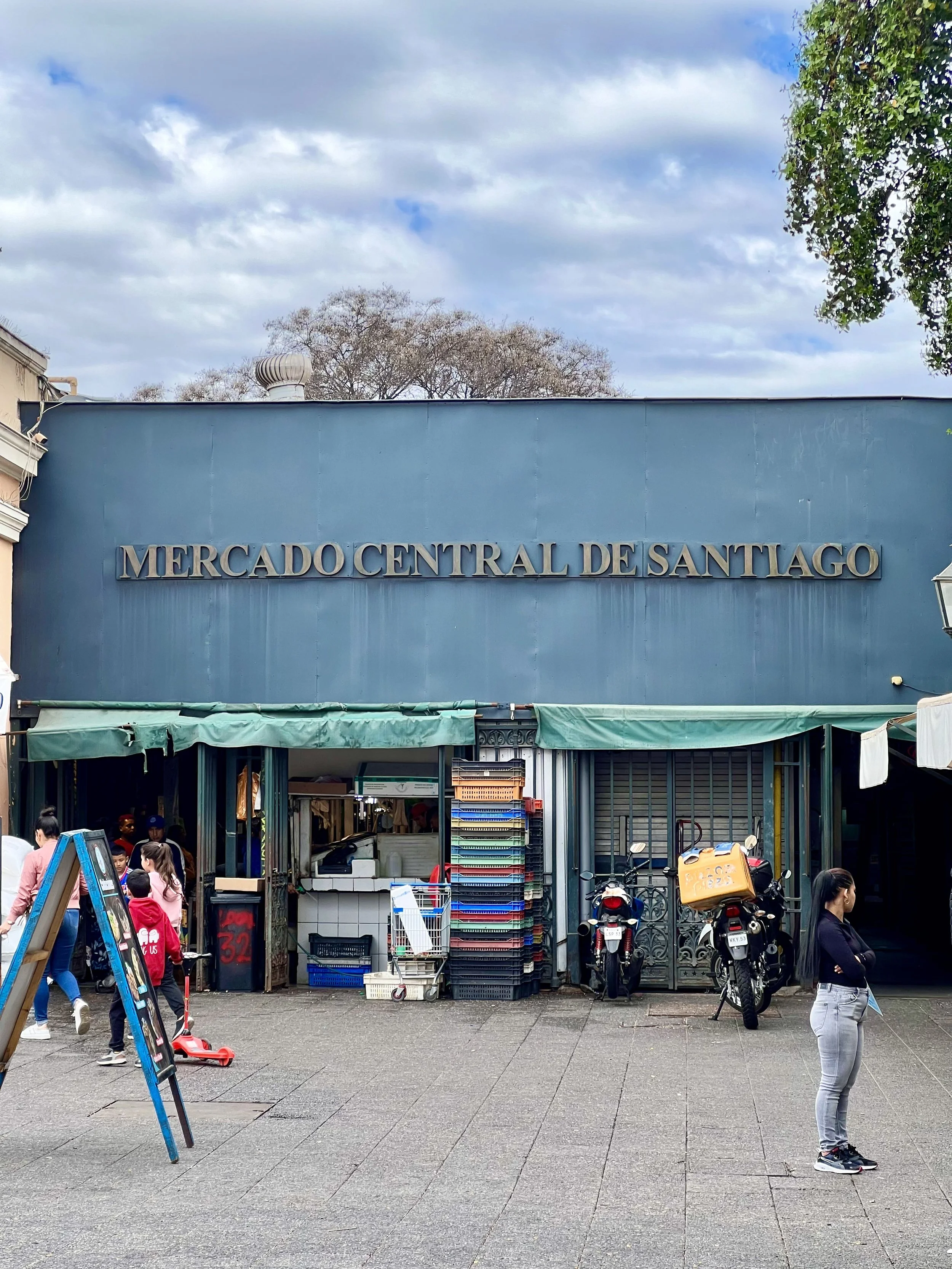
For a sensory adventure, the Central Market is a must-visit destination. Established in 1872, this bustling marketplace has evolved into a culinary haven where the freshest seafood, fruits, and local delicacies beckon visitors.
The market's iconic iron structure, imported from England, houses a myriad of stalls and restaurants. Local fishmongers proudly display their catches of the day, offering everything from Chilean sea bass to giant squid. The aromas of grilled fish and seafood stew waft through the air, enticing passersby to sample the culinary delights.
To fully immerse yourself in the Central Market experience, indulge in a seafood feast at one of the many restaurants. Ceviche, a dish of raw fish cured in citrus juices, or traditional empanadas filled with seafood, provide a taste of Chilean maritime cuisine. The market is not just a place to eat; it's a celebration of Chile's coastal bounty and a testament to the country's culinary prowess.
National Museum of Fine Arts
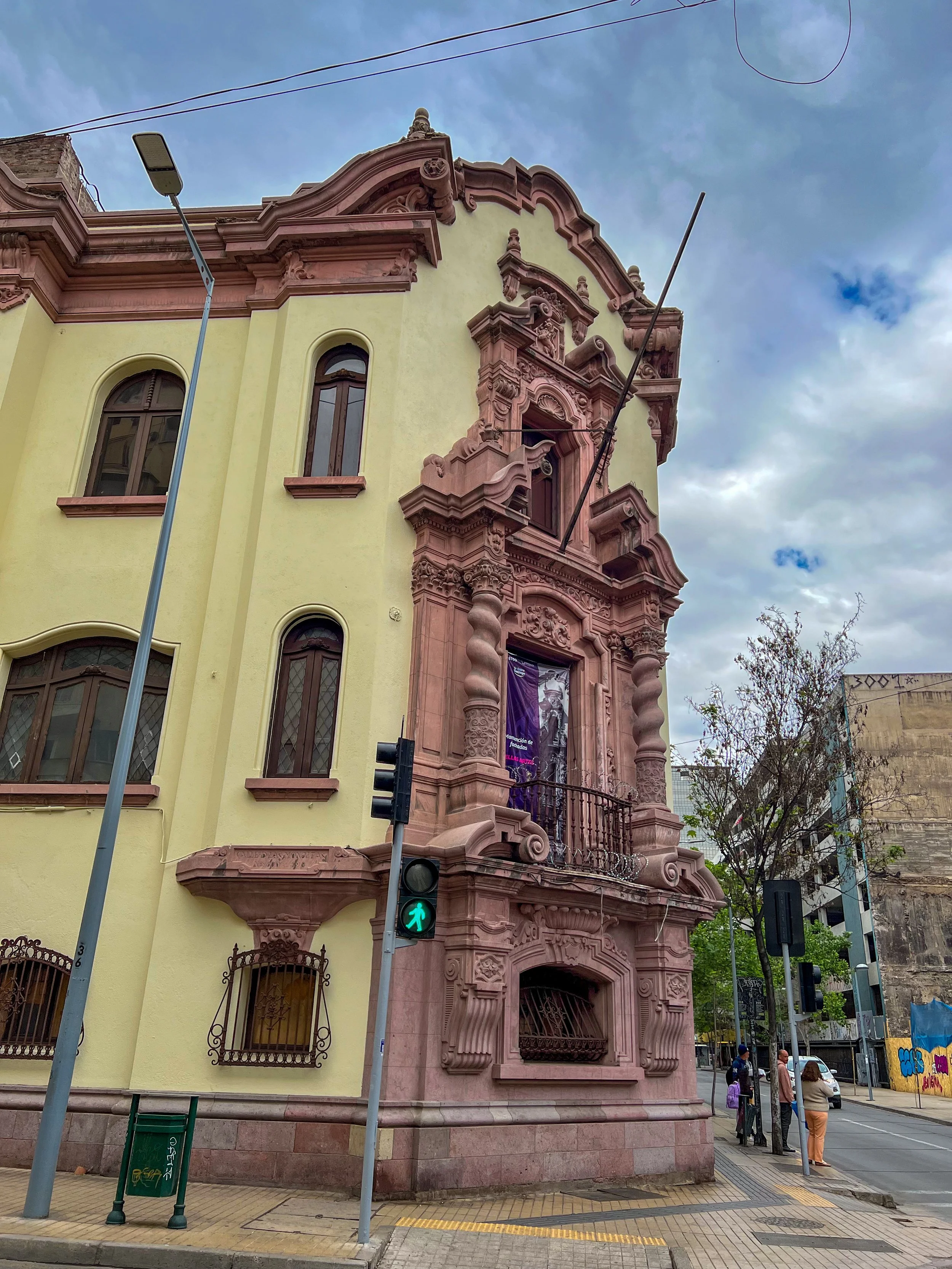
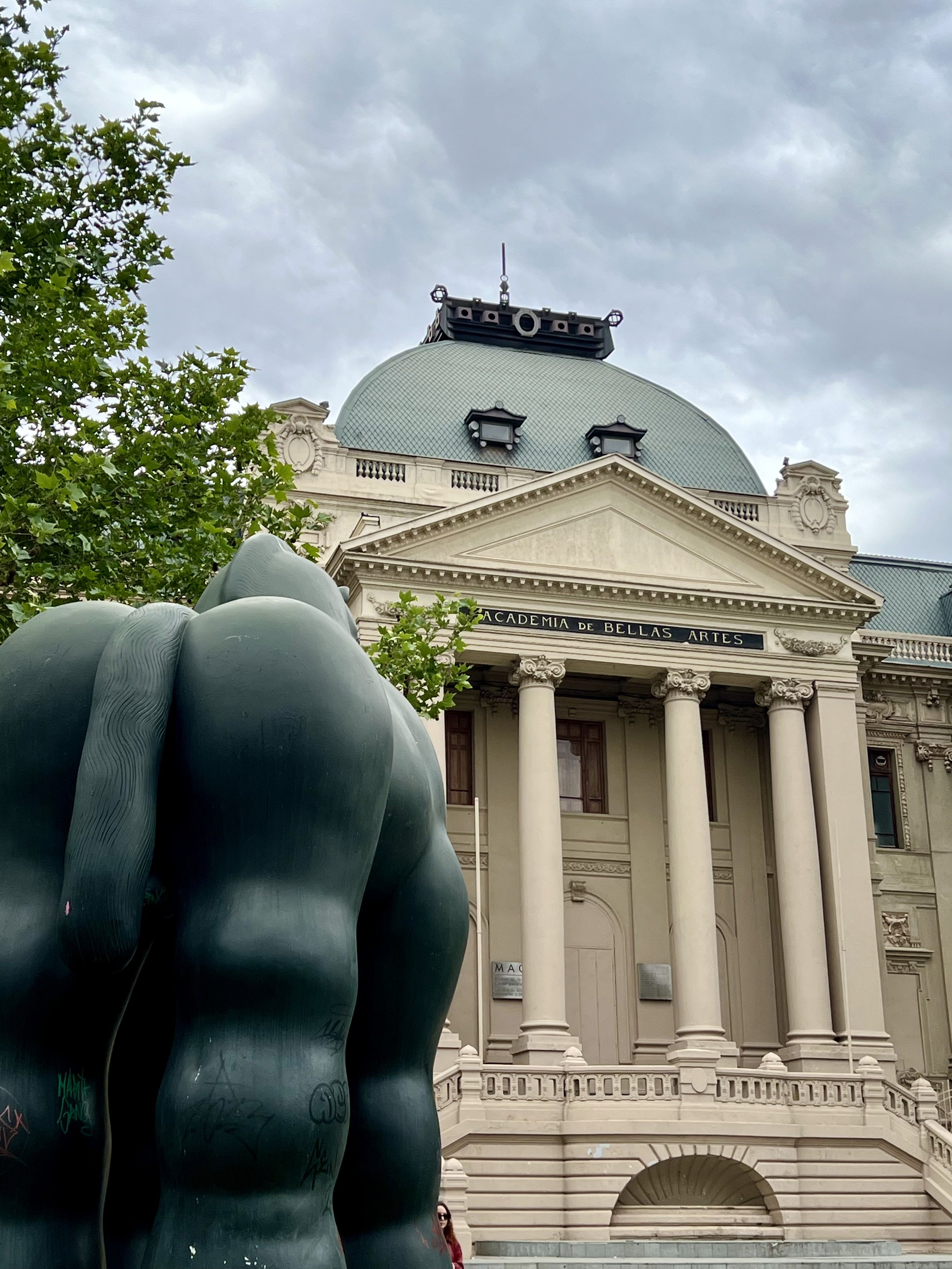
After exploring the Central Market, we headed to the National Museum of Fine Arts, located only a few minutes away by foot. Situated in Parque Forestal, the museum is a cultural oasis in the heart of Santiago. Housed in a neoclassical building inaugurated in 1910, the museum boasts an extensive collection of Chilean and international art spanning from the colonial period to contemporary works.
If you decide to explore the museum's galleries, you'll encounter paintings, sculptures, and installations that provide insight into Chile's artistic evolution. The collection includes works by renowned Chilean artists such as Roberto Matta and Violeta Parra, as well as international masters like Van Gogh and Rodin.
The museum also hosts temporary exhibitions, cultural events, and educational programs, making it a dynamic hub for art enthusiasts and novices alike. The juxtaposition of classical architecture and avant-garde creations creates a unique atmosphere that mirrors the diversity of Chilean artistic expression.

Santa Lucia Hill
We concluded our first day in Santiago with a visit to Santa Lucia Hill, a historic landmark that offers a panoramic view of Santiago and a journey through time. The hill has a rich history, dating back to the indigenous Huelen people who considered it a sacred site. In 1541, Pedro de Valdivia, the city's founder, conquered the hill and named it Santa Lucia.
The hill's transformation into a public park began in the 19th century under the direction of architect Benjamin Vicuña Mackenna. Today, it stands as a lush oasis amid the urban landscape, featuring fountains, gardens, and statues.
Ascending Santa Lucia Hill involves a leisurely walk through terraced gardens, staircases, and archways, each revealing a piece of Santiago's past. At the summit, the Castillo Hidalgo, a fortress-like structure, serves as a vantage point for breathtaking views of the city and the Andes Mountains.
Santa Lucia Hill is not only a place of natural beauty but also a living history book. From ancient indigenous rituals to Spanish conquests, this hill encapsulates the layers of Santiago's past, making it a fitting conclusion to a first day exploring this dynamic and captivating city.


Lastarria
As you descend from Santa Lucia Hill, you can miss to visit the Lastarria neighbourhood. Nestled between the bustling city centre and the tranquil Parque Forestal, the Lastarria neighbourhood is a charming and bohemian enclave that beckons visitors with its cobblestone streets, historic architecture, and vibrant cultural scene. This eclectic neighbourhood seamlessly blends the old with the new, creating a unique atmosphere that captures the essence of Santiago's artistic and intellectual spirit.
Lastarria's history dates back to the 19th century when it was a prominent residential area for the city's elite. The architecture reflects this heritage, with well-preserved mansions and townhouses showcasing a mix of neoclassical, Art Deco, and Victorian styles. As you wander through the streets, you'll encounter architectural gems that tell the story of Santiago's evolution.
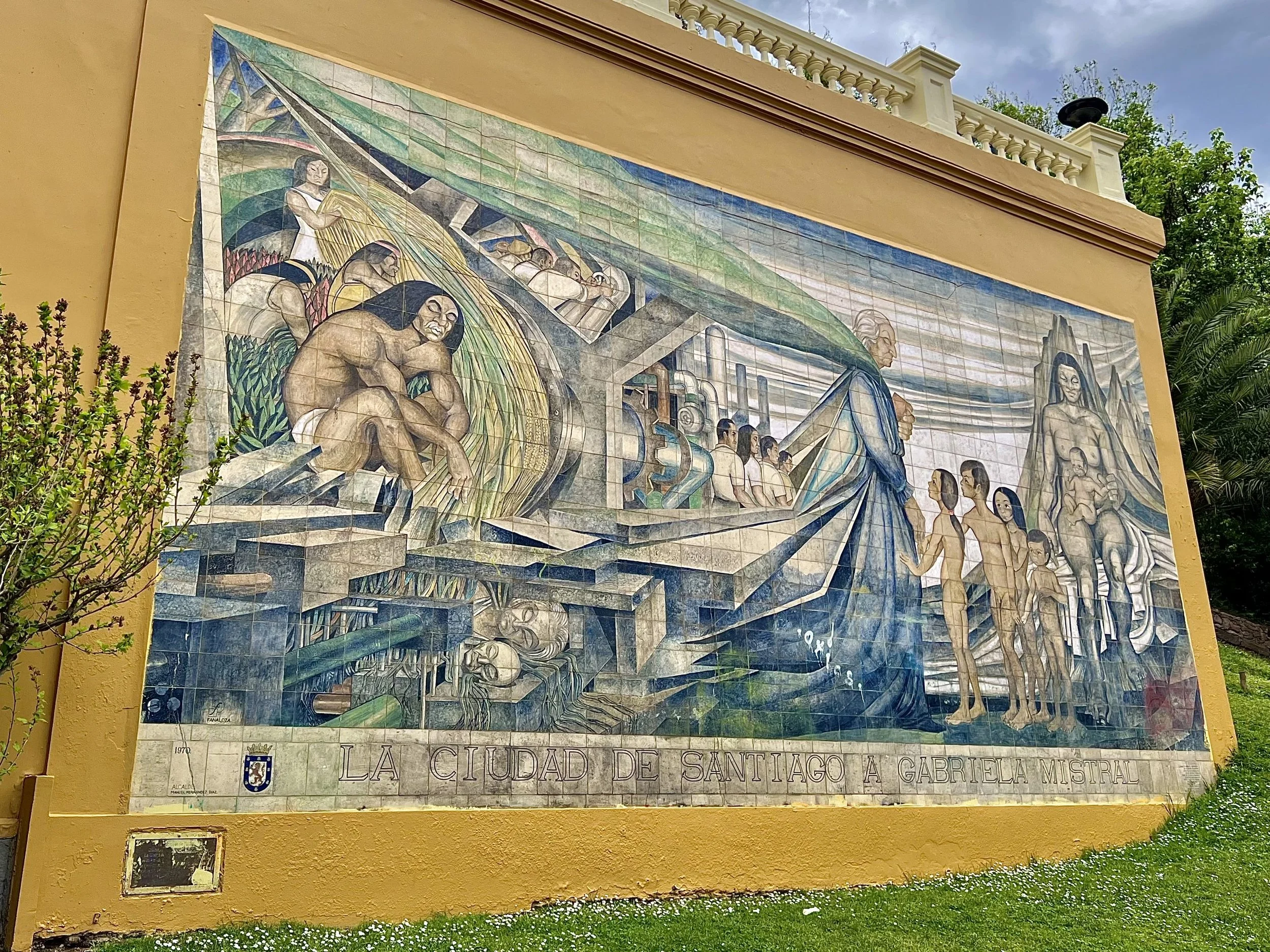
The neighbourhood's cultural significance deepened in the 20th century as it became a hub for artists, intellectuals, and bohemians. Lastarria is a cultural haven, boasting an array of theatres, art galleries, and performance spaces. The GAM Cultural Center (Centro Cultural Gabriela Mistral) is a standout venue, offering a diverse program of visual arts, theatre, and music. The neighbourhood is also home to the Museum of Visual Arts, showcasing contemporary Chilean art, and the National Museum of Fine Arts, situated on the edge of Lastarria in Parque Forestal.
Lastarria's streets are lined with an enticing array of cafes, restaurants, and bars, making it a culinary hotspot. The neighborhood's gastronomic scene is diverse, offering everything from traditional Chilean dishes to international cuisine. Sidewalk cafes invite you to savor a cup of locally roasted coffee, while gourmet restaurants present innovative dishes prepared with locally sourced ingredients. The perfect place for dinner after a first day exploring this dynamic and captivating city!


Day 2
Costanera Tower
If you want to start your second day in Santiago with incredible views, head to the Costanera Tower, an iconic skyscraper that graces the Santiago skyline and is a symbol of Chile's economic prowess and modern architectural achievements. Rising 300 meters into the sky, this sleek tower is part of the Costanera Center complex, which includes a shopping mall, offices, and entertainment options.
Designed by the renowned architect César Pelli, the Costanera Tower stands as the tallest building in South America. Its distinctive glass facade and contemporary design contribute to the city's modern aesthetic. The tower is not only a feat of engineering but also a visual marvel, especially when illuminated against the Santiago night sky.
Visitors can access the observation deck, known as "Sky Costanera," located on the 61st floor. From this lofty vantage point, panoramic views of Santiago and the surrounding mountains unfold, offering a unique perspective on the city's urban layout and natural surroundings.
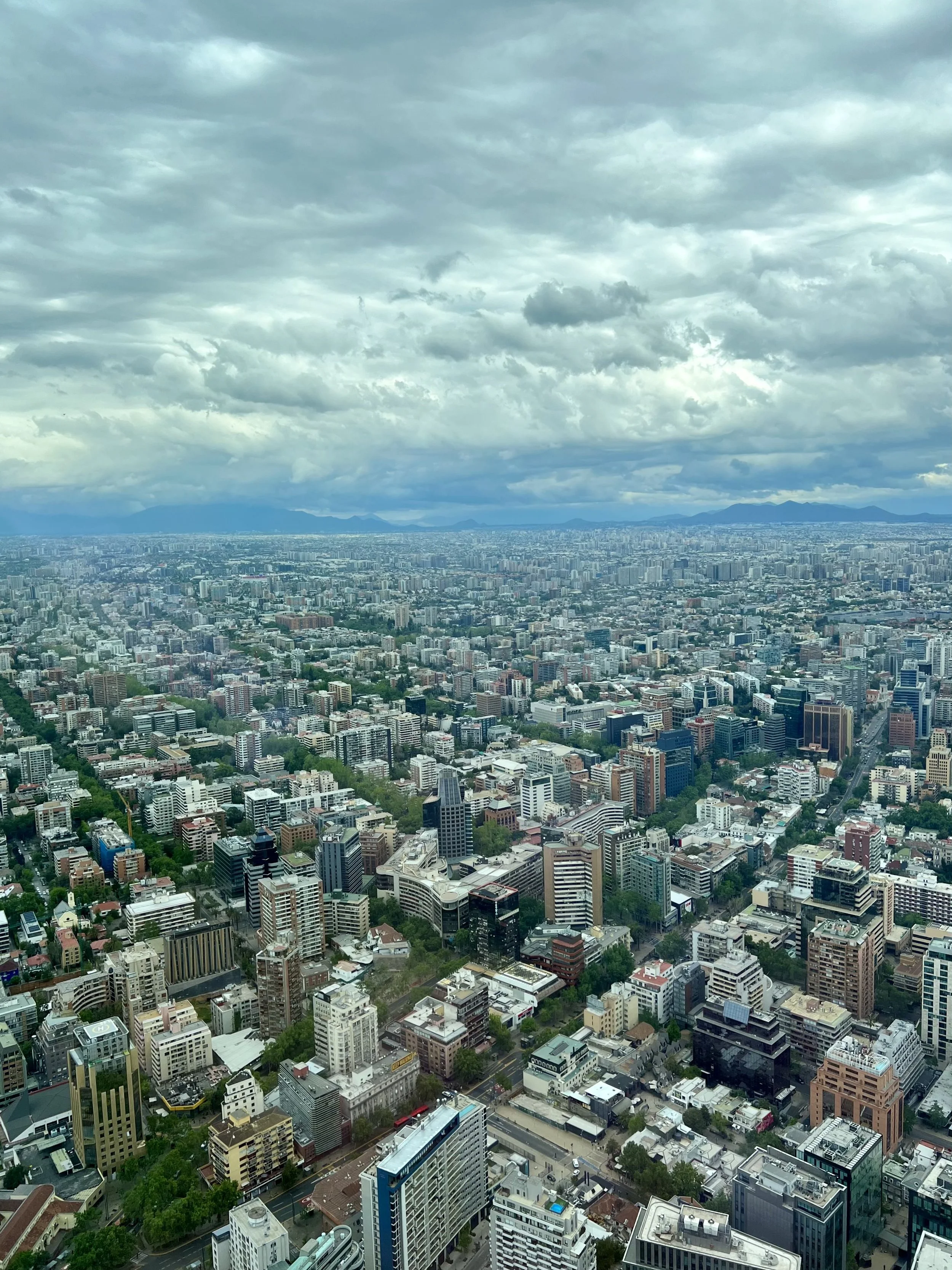

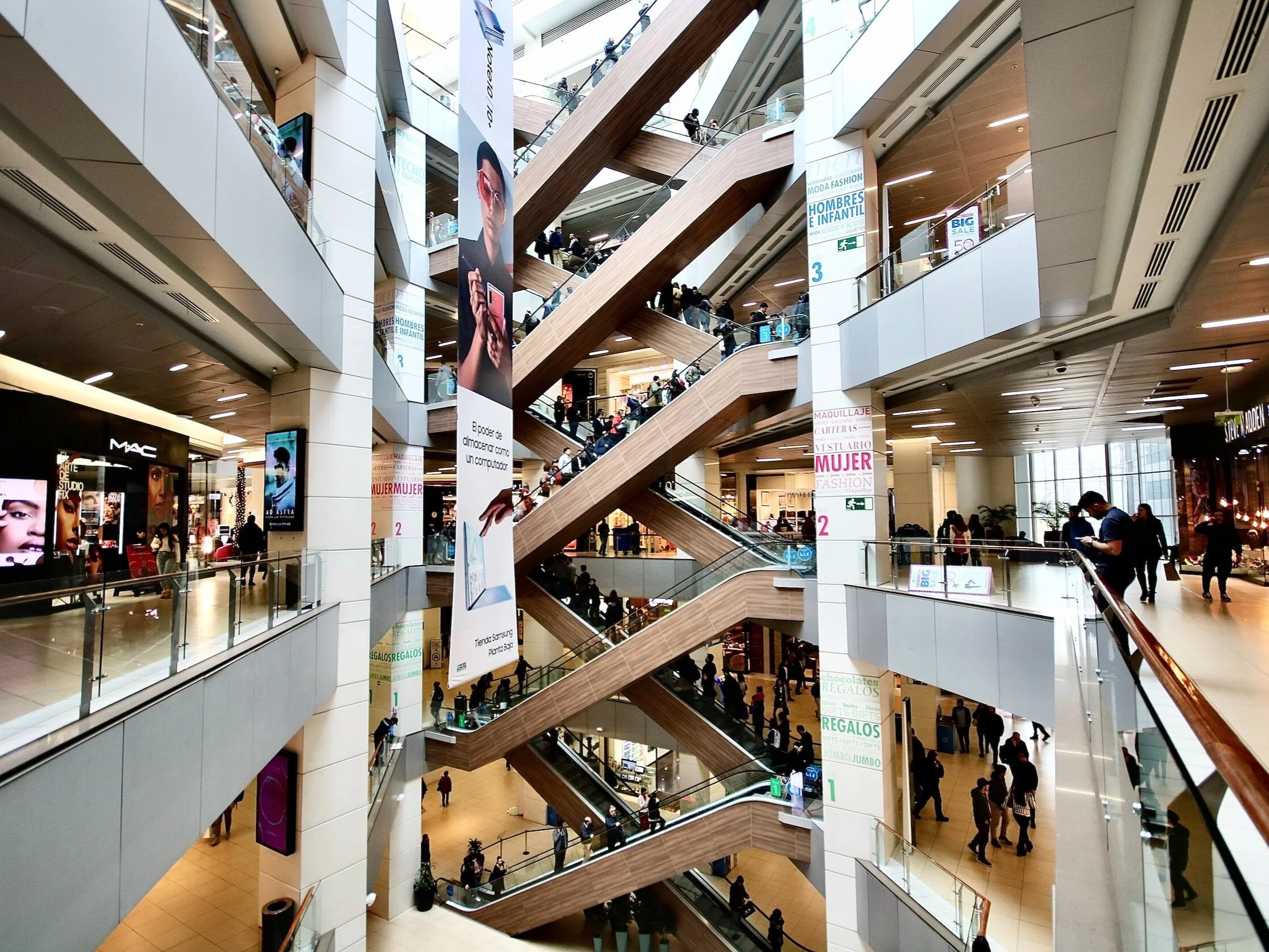
The Costanera Center is not merely a towering structure but a multifaceted complex that caters to various needs. The shopping mall beneath the tower boasts a plethora of international and local brands, making it a premier destination for retail therapy. The mall's diverse culinary offerings provide a gastronomic journey, ranging from gourmet restaurants to casual cafes.
The Costanera Tower is more than an architectural marvel—it symbolizes Chile's economic growth and its position as a global player. Its construction and subsequent impact on the Santiago skyline reflect the nation's commitment to progress and development. As visitors ascend the tower, they witness not only breathtaking views but also a testament to Chile's place on the world stage.
Metropolitan Park
The Santiago Metropolitan Park is a vast urban oasis that unfolds across the heart of Santiago, offering a retreat into nature amid the bustling city. Covering over 700 hectares, the park is one of the largest in the world and provides a diverse range of recreational and cultural activities.
The journey to the summit of San Cristóbal Hill, the park's focal point, is an adventure in itself. Visitors can choose between the cable car and the funicular, both offering unique perspectives on Santiago and the surrounding landscape. We decided to ascend with the cable card in one of its panoramic cabins, providing a leisurely ascent that reveals the city's layout and the majestic Andes Mountains in the distance. The best place to take the cable car and buy your tickets is the Oasis station, located only a few minutes walk from the Costanera Center.
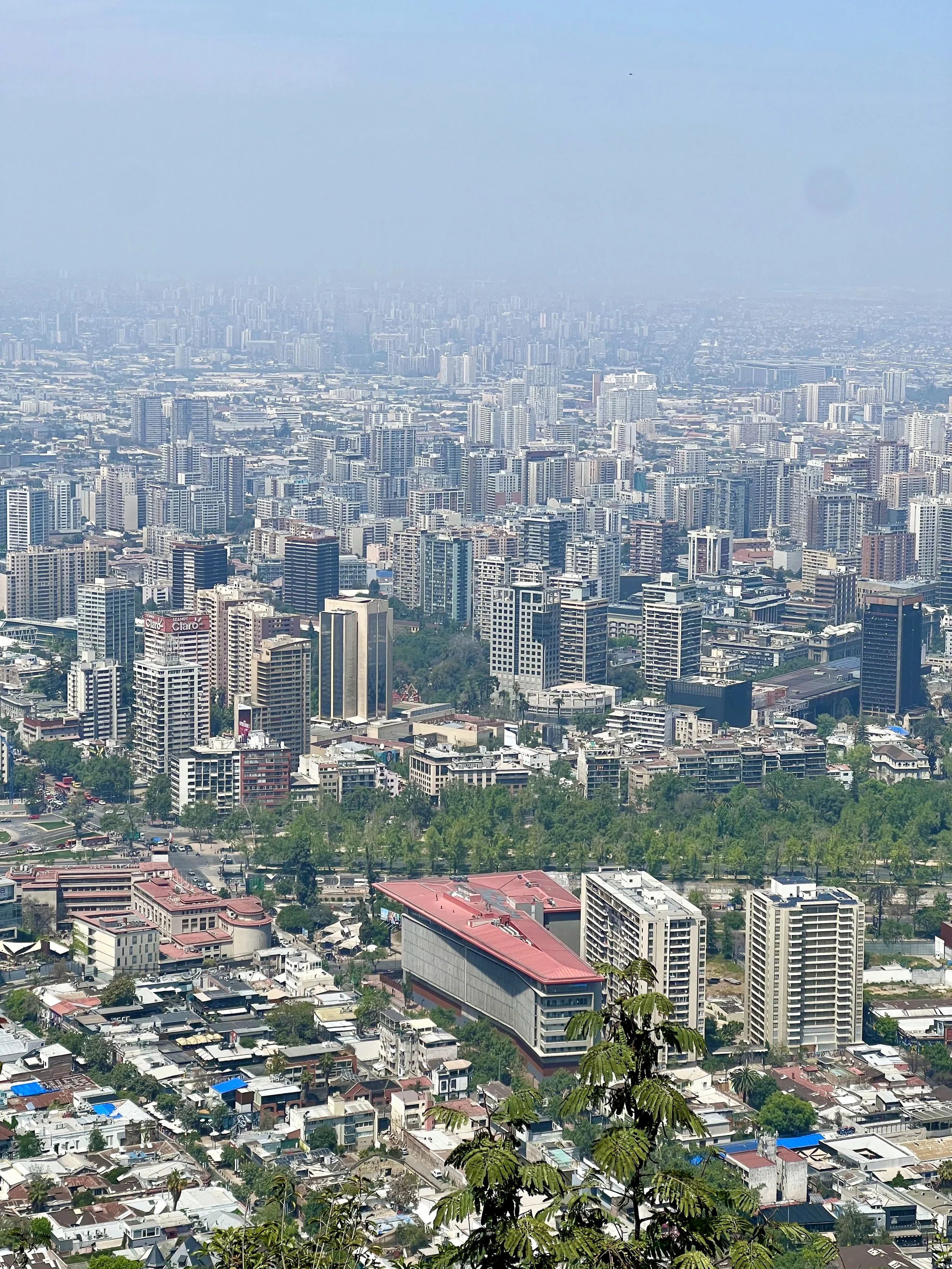
At the summit of San Cristóbal Hill, visitors are rewarded with unparalleled panoramic views of Santiago. The skyline, framed by the mountains, unfolds beneath, creating a breathtaking scene, especially during sunset.
The iconic Virgin Mary statue, "Virgen de la Inmaculada Concepción", stands proudly atop the hill, becoming an emblematic symbol of Santiago. The statue's presence adds a spiritual touch to the natural beauty of the surroundings, and its significance is deeply rooted in Chile's Catholic heritage.


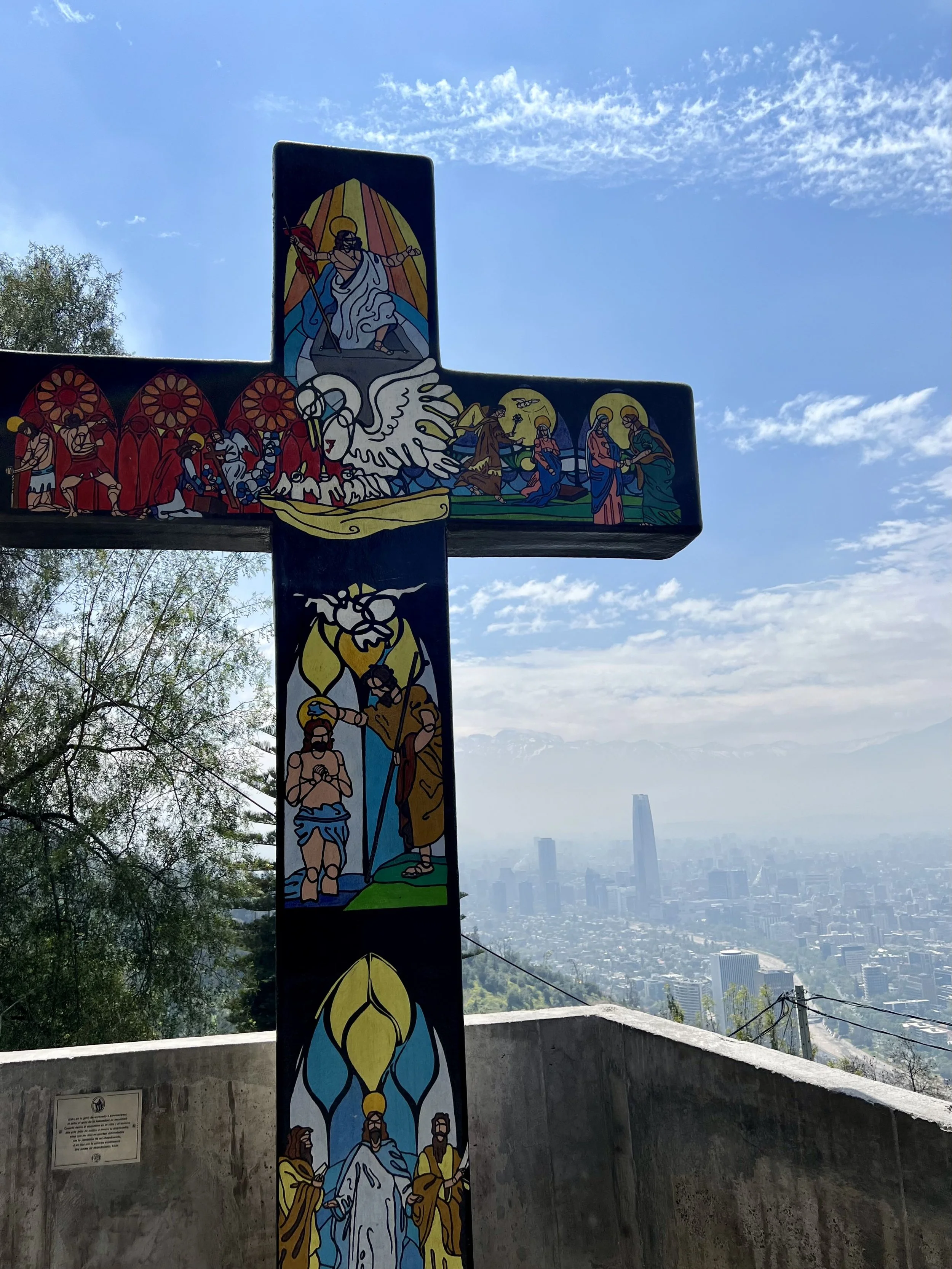
The Metropolitan Park isn't just a vantage point; it's a recreational haven. The park offers a network of walking and cycling trails that wind through lush greenery, botanical gardens, and open spaces. Picnic areas and viewpoints are scattered throughout, inviting visitors to immerse themselves in nature and enjoy the tranquillity of the outdoors.
The park is also home to the Santiago Metropolitan Zoo, showcasing a diverse array of animal species and contributing to conservation efforts. Additionally, the park hosts cultural events, outdoor concerts, and festivals, adding a dynamic and lively dimension to the recreational offerings.
To leave the park, we decided to take the historic funicular. In operation since 1925, it adds a touch of nostalgia to the experience as it descends the hill, surrounded by lush greenery.

Bellavista
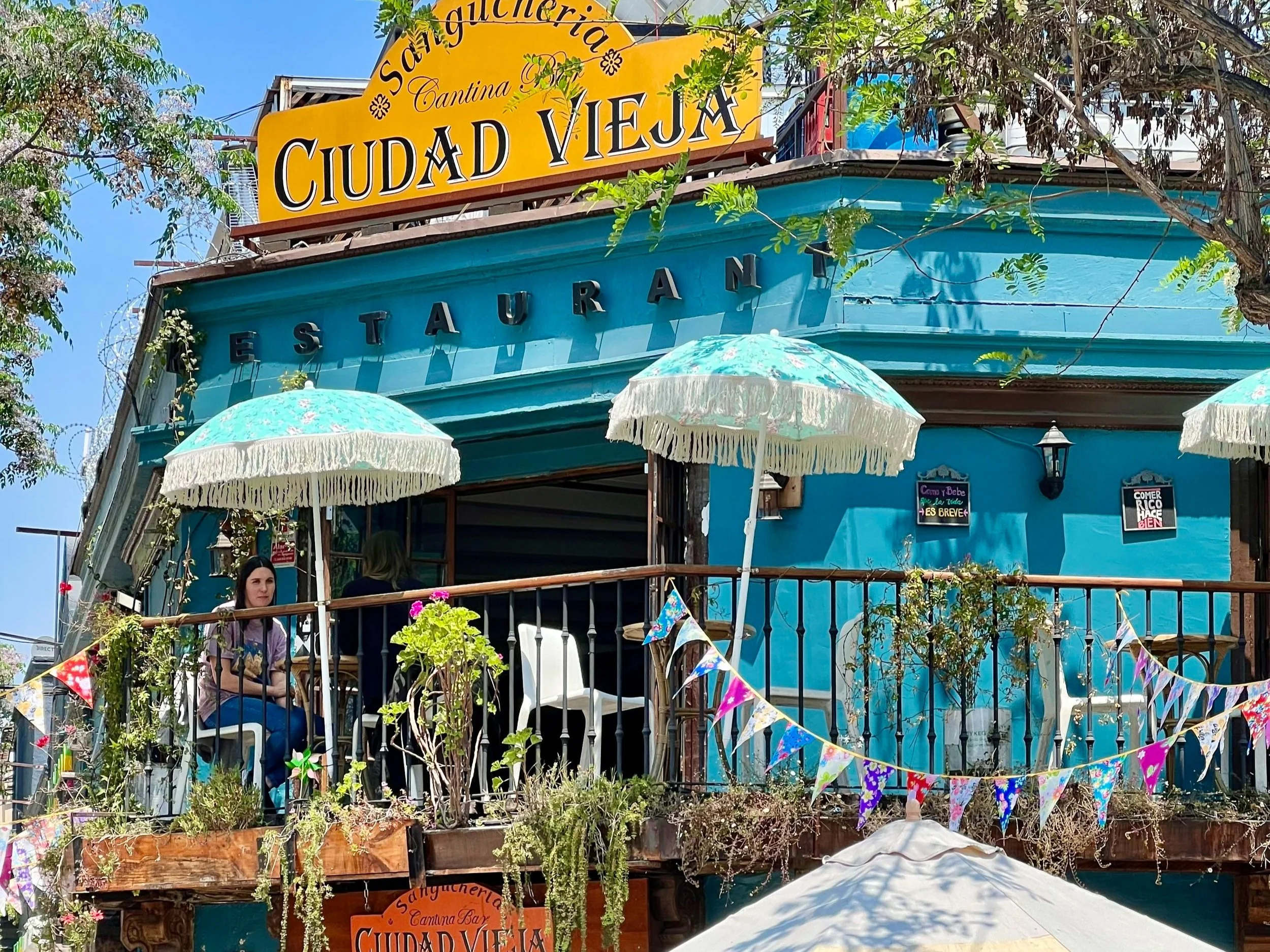
We finished our visit to the Metropolitan Park in the late afternoon, so we decided to go for lunch in the Bellavista neighbourhood. Nestled at the foot of San Cristóbal Hill, this eclectic and vibrant neighbourhood is a kaleidoscope of colours, culture, and creativity. This bohemian enclave is renowned for its lively atmosphere, artistic spirit, and dynamic blend of food and entertainment options.
Bellavista's history can be traced back to the early 20th century when it was initially developed as a residential area. Over time, it evolved into a haven for artists, poets, and intellectuals seeking inspiration in its winding streets and charming architecture. Today, the neighbourhood maintains its historical charm with colourful houses, street art, and a lively ambience. Bellavista is also a gastronomic delight, offering a diverse array of restaurants, cafes, and bars. From traditional Chilean dishes to international cuisine, the neighbourhood's culinary scene caters to every palate.
One of Bellavista's most iconic landmarks is La Chascona, the former home of Chilean poet Pablo Neruda. The Nobel laureate designed this unconventional residence, and its name, meaning "tousled hair," is a nod to Neruda's lover and third wife, Matilde Urrutia. La Chascona is now a museum, offering visitors a glimpse into Neruda's life, passions, and the bohemian spirit of Bellavista during his time.
You can’t miss the Patio Bellavista, a bustling commercial and cultural complex at the heart of the neighbourhood. This vibrant space hosts a variety of shops, boutiques, and galleries, providing an ideal spot for shopping and exploring local craftsmanship. The patio is also a hub for cultural events, street performances, and outdoor activities, making it a central gathering point for residents and visitors alike.
Some links in this post are affiliate links, which means that if you buy through them, we’ll receive a small commission. This will never cost you more and in many cases you will receive a special discount.
As always, all opinions are mine. We appreciate your support!
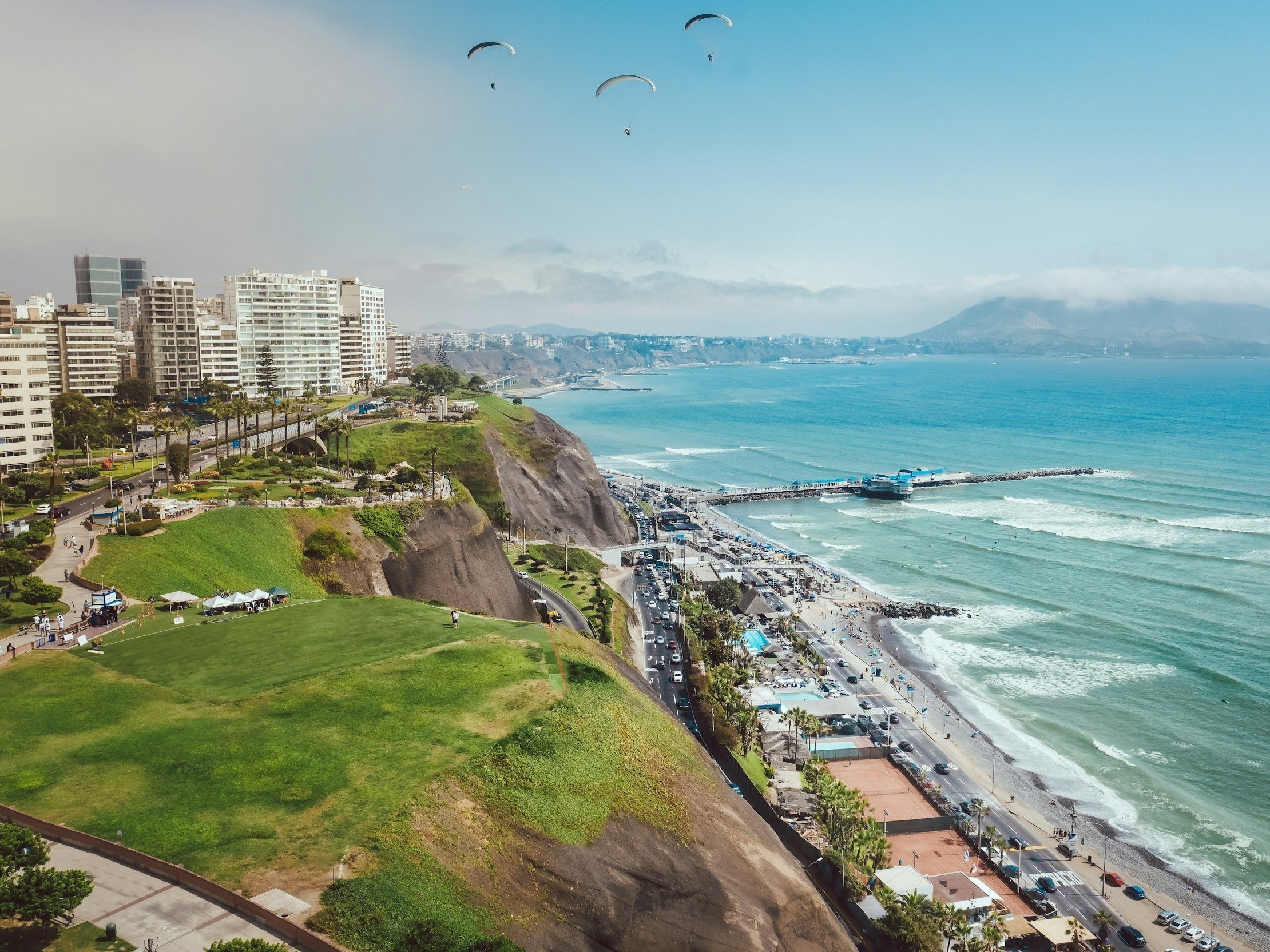


If you’re planning a trip to Peru, check out this 8-day itinerary that captures the best of Cusco, the Sacred Valley, and Machu Picchu, along with a taste of Lima’s vibrant culture.
Begin your adventure in Cusco, the historic capital of the Inca Empire, where you’ll explore ancient ruins, bustling markets, and charming neighbourhoods. Venture into the Sacred Valley, visiting picturesque villages, stunning salt mines, and fascinating Incan sites before embarking on the ultimate journey to Machu Picchu, one of the New Seven Wonders of the World.
After soaking in the magic of the Andes, fly to Lima, where you’ll experience the coastal capital’s rich history, culinary delights, and breathtaking ocean views.
This thoughtfully planned itinerary ensures you experience the highlights of Peru while leaving room to savor its unique culture and natural beauty!