
From Hella to Vik: a visit to Seljalandsfoss, Gljúfrabúi, Skogafoss, Solheimasandur plane wreck & Dyrhólaey
Iceland’s south coast offers a breathtaking journey through some of the country’s most iconic natural wonders. From the cascading splendour of Seljalandsfoss and Skógafoss waterfalls to the towering cliffs of Dyrhólaey, and the haunting beauty of the Sólheimasandur plane wreck, this region is a stunning showcase of Iceland’s diverse and dramatic landscapes.
Whether you’re setting out from Reykjavik or the nearby town of Hella, this comprehensive guide will help you uncover the very best that Iceland’s south coast has to offer.
How to visit the South of Iceland: from Hella to Vik
Iceland’s south coast is a treasure trove of natural wonders, offering some of the most stunning and diverse landscapes the country has to offer. Between the towns of Hella and Vik, you’ll find from cascading waterfalls to black sand beaches and striking cliffs. Along the way, you’ll encounter iconic sites such as Seljalandsfoss and Skógafoss waterfalls, the hauntingly beautiful Sólheimasandur plane wreck, and the dramatic cliffs of Dyrhólaey.
If you’re starting your journey in Reykjavik, a great way to explore these breathtaking locations is by joining the South of Iceland full-day trip from Reykjavik with GetYourGuide. This guided tour takes you on an immersive journey along the southern coast, showcasing highlights like walking behind the cascading water at Seljalandsfoss, visiting the glacier snout of Sólheimajökull, and enjoying the black sand beaches of Reynisfjara. The tour also includes a stop at Iceland’s southernmost village, Vik, for a lunch break amidst its charming scenery.
For those seeking a more independent experience, renting a car allows you the freedom to explore at your own pace, creating a personalized itinerary tailored to your interests. We chose this option to drive from Hella to Vik, stopping at each of these incredible sites along the way.
from Hella to Vik
Seljalandsfoss
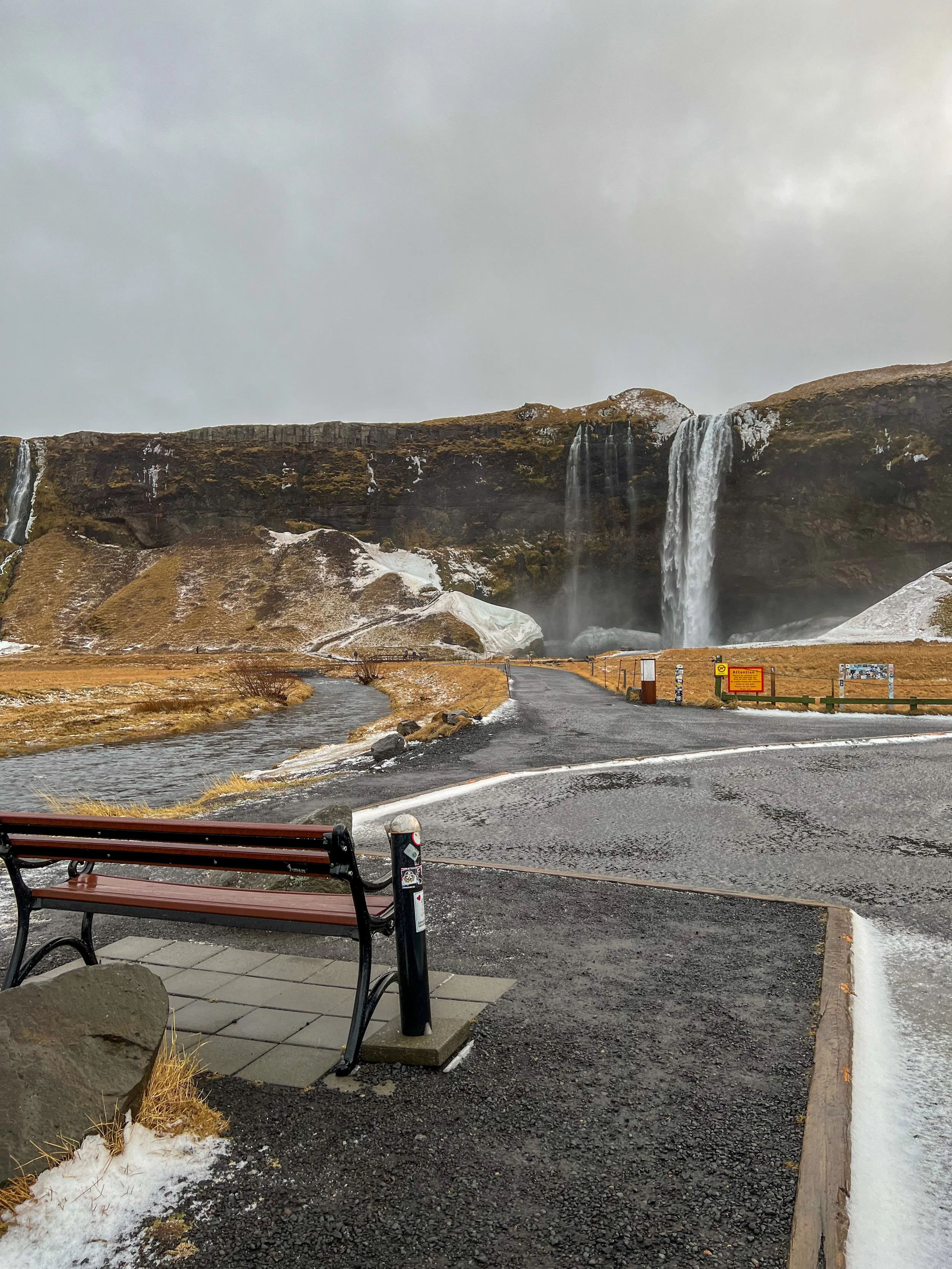
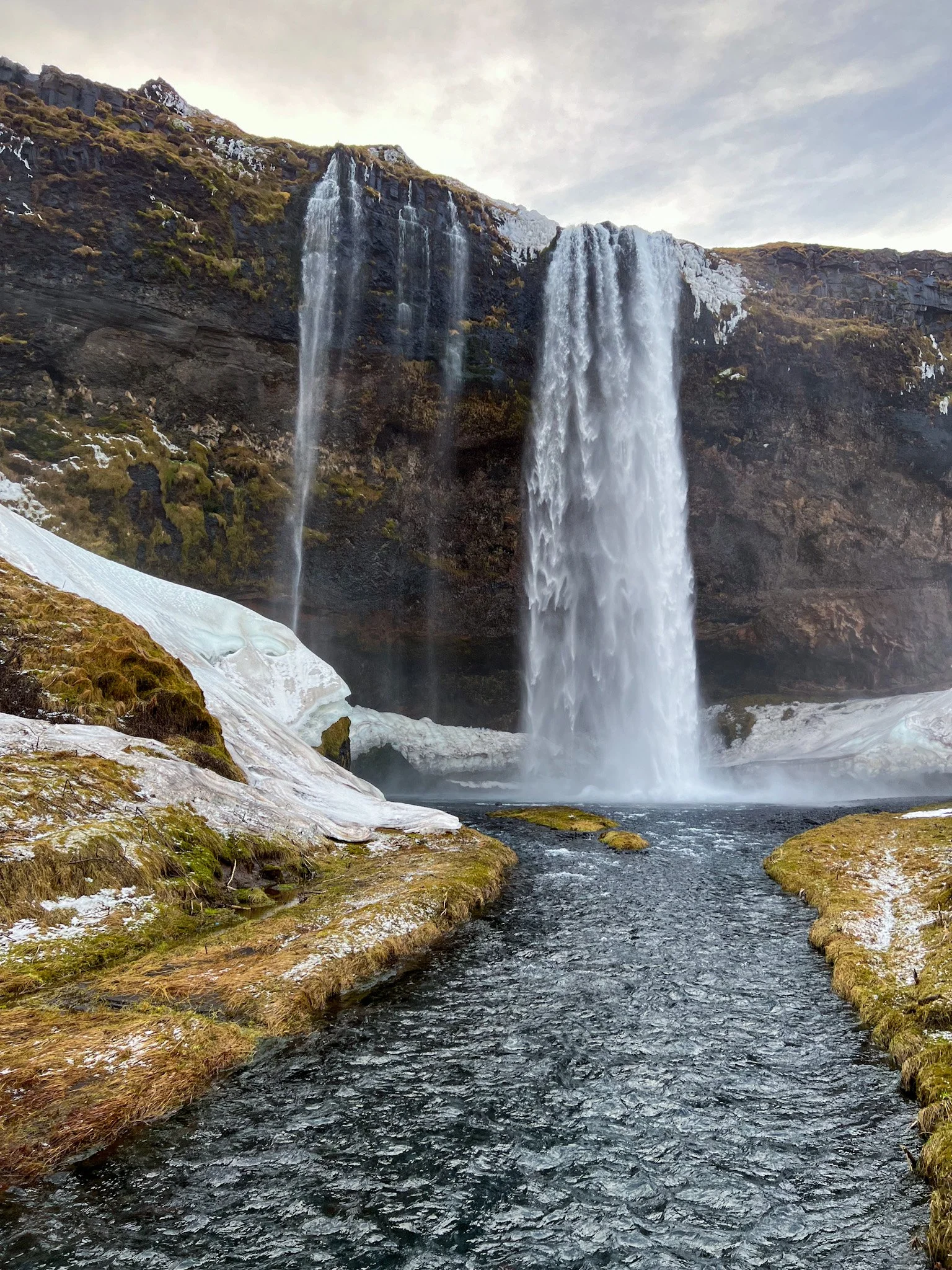
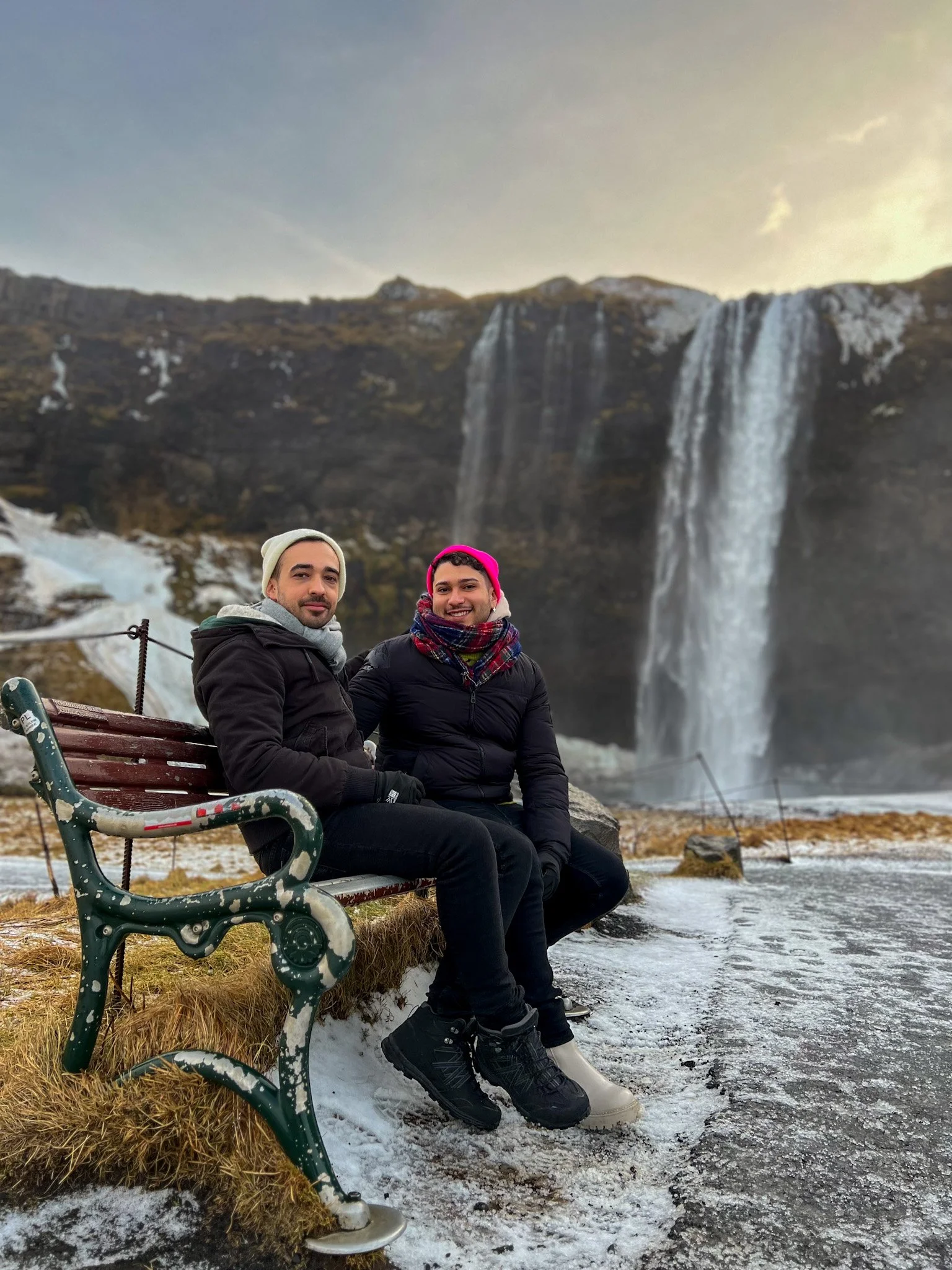
Our third day in Iceland was brimming with adventure, as we spent it exploring some of the country’s most remarkable waterfalls. The first stop on our itinerary was the breathtaking Seljalandsfoss, a showstopper along Iceland’s south coast that fully lived up to its reputation.
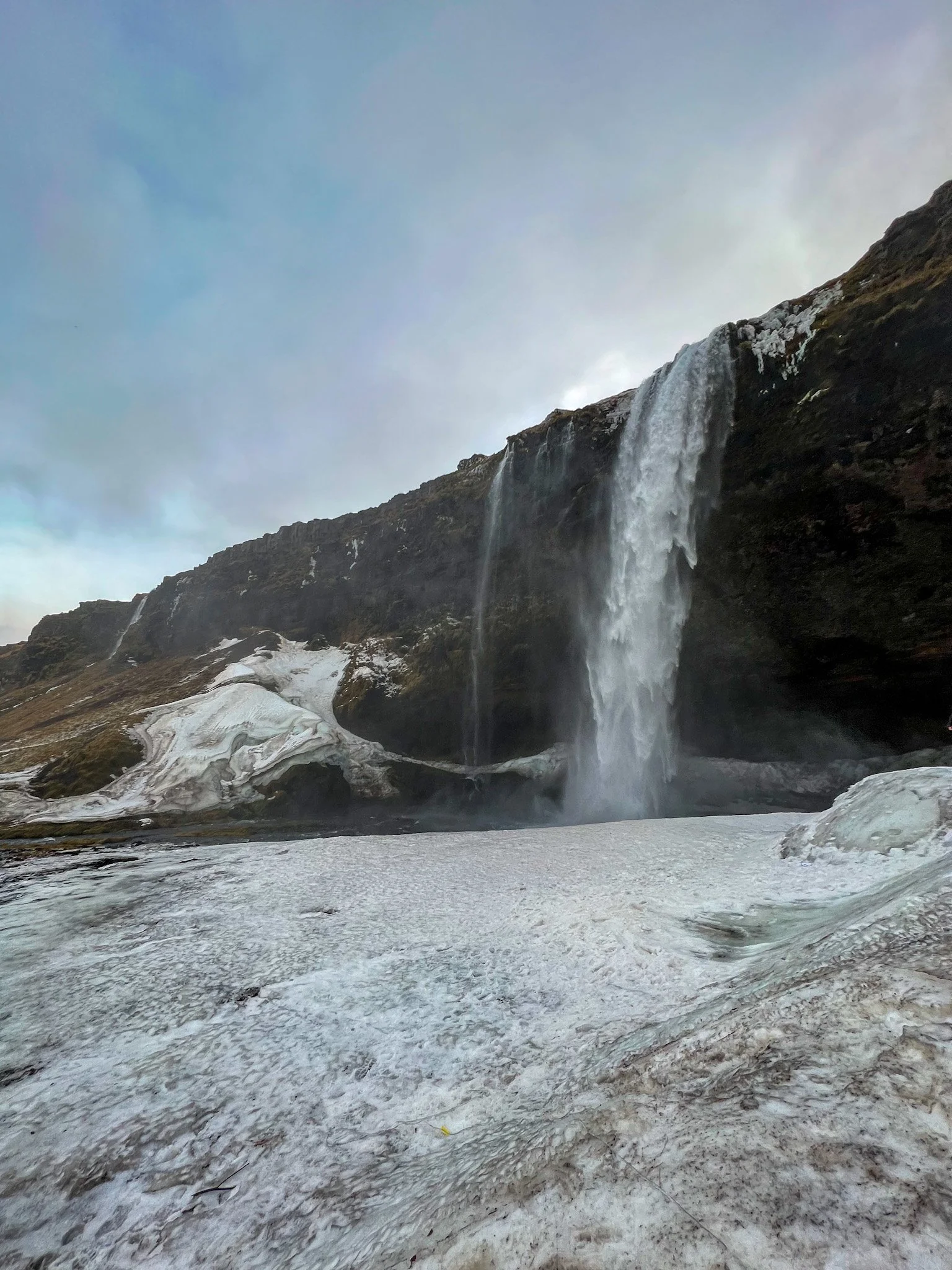
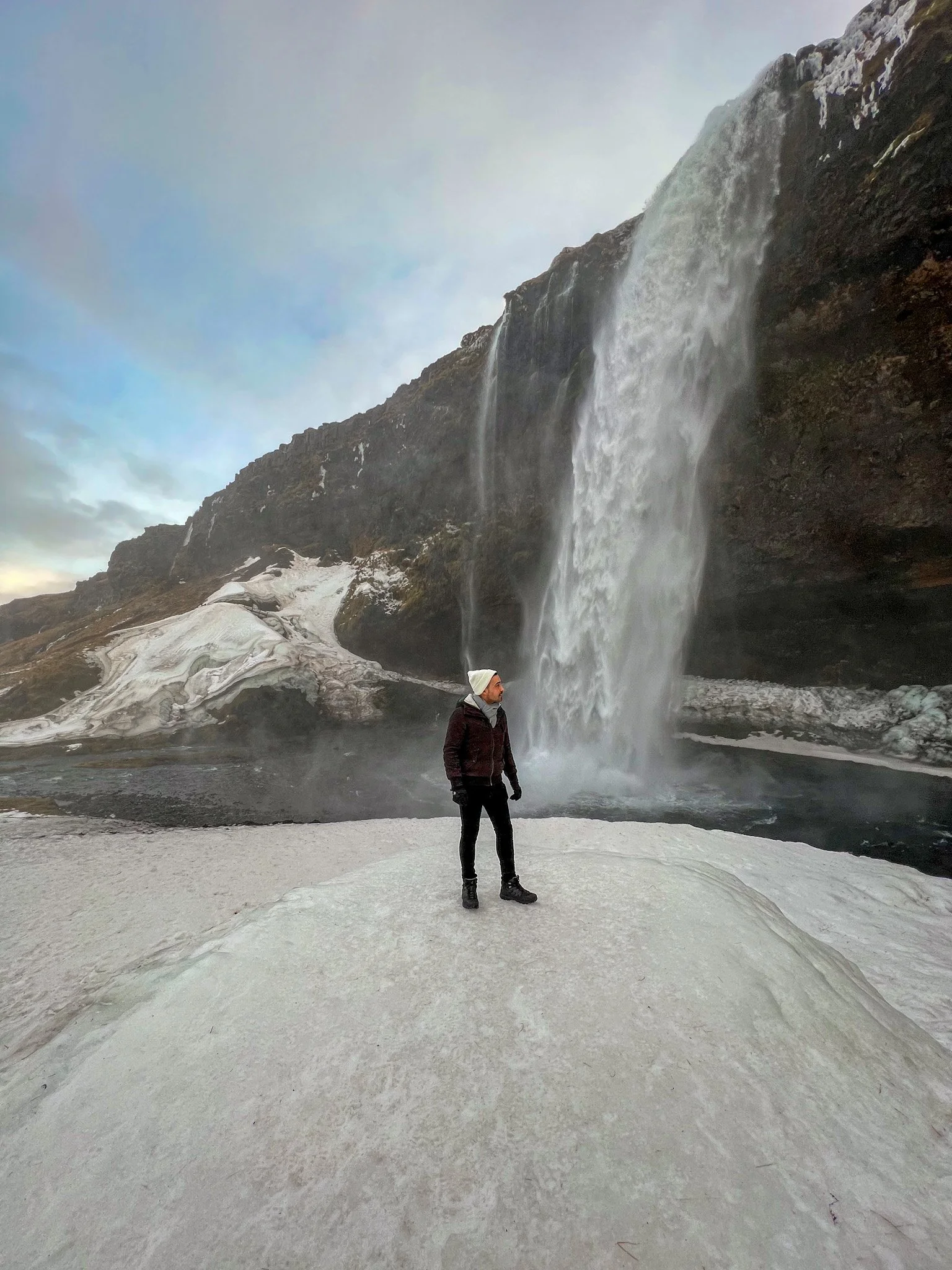
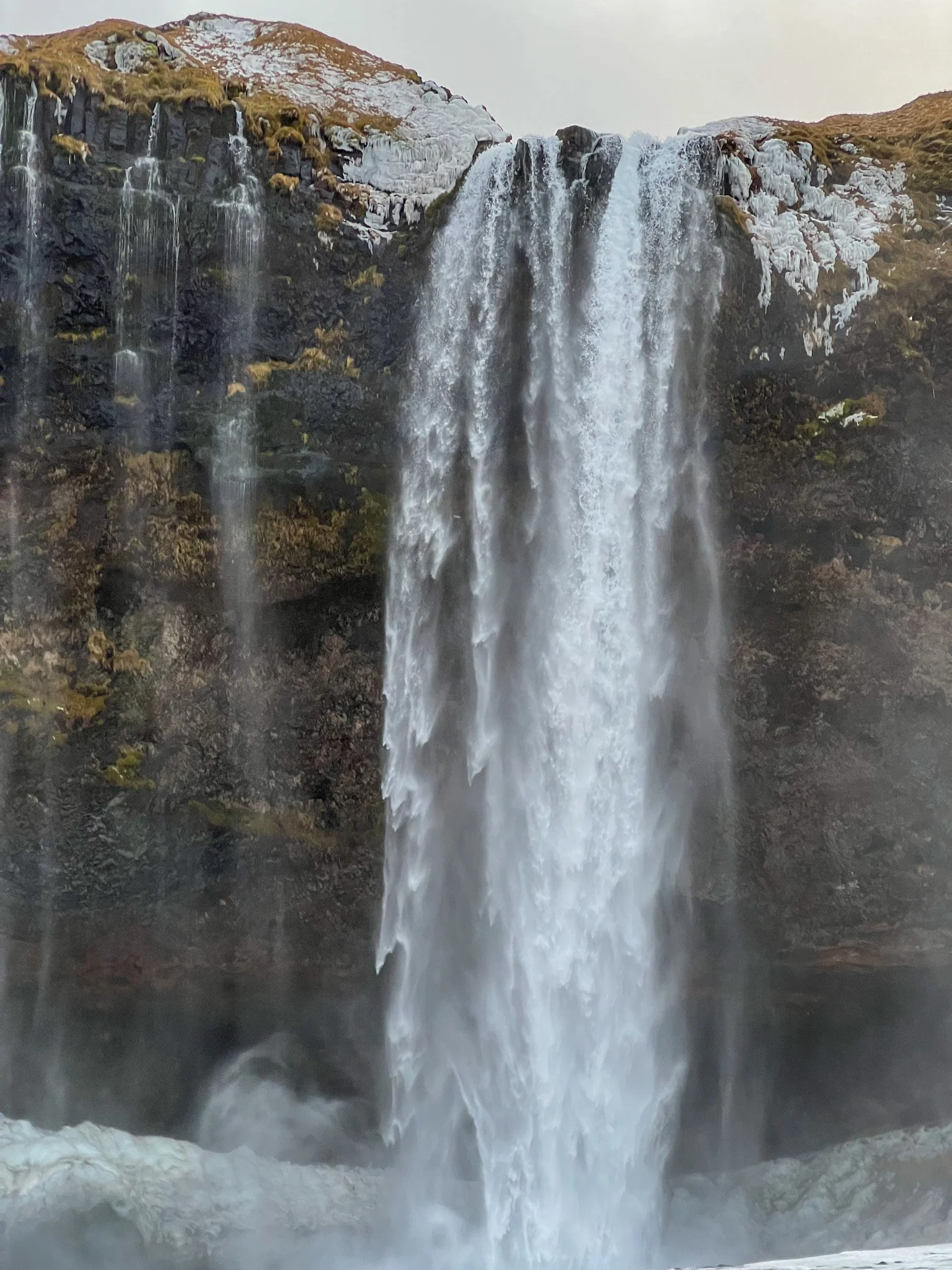
Visiting Seljalandsfoss waterfall in Iceland is a must for any traveler exploring the country’s stunning south coast. This 60-meter-high cascade is one of the most iconic and photographed waterfalls in Iceland, thanks to its unique feature: you can walk behind it.
Located just off the Ring Road, Seljalandsfoss is easily accessible, making it an essential stop on any journey through the area. The waterfall plunges over a former sea cliff into a serene, shallow pool, and the surrounding area offers breathtaking views of the rugged Icelandic landscape. Be sure to dress appropriately, as the spray from the waterfall is guaranteed to leave you drenched!
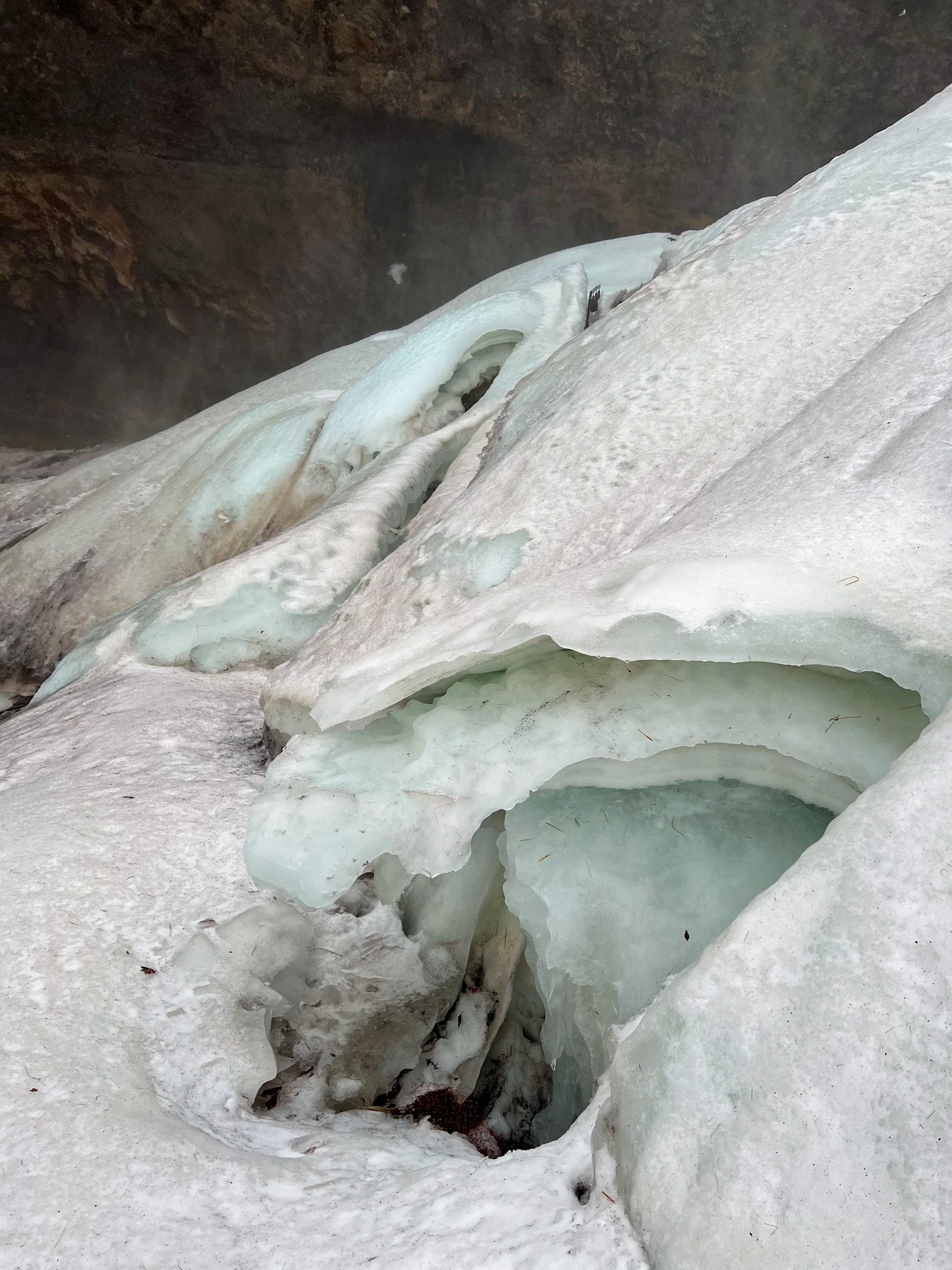
The path behind Seljalandsfoss adds a thrilling and immersive aspect to your visit. The trail, though short, can be slippery and muddy, so sturdy, waterproof footwear and rain gear are highly recommended. Walking behind the curtain of water is exhilarating, with the roaring sound and mist creating a sense of awe and connection to nature.
Gljúfrabúi
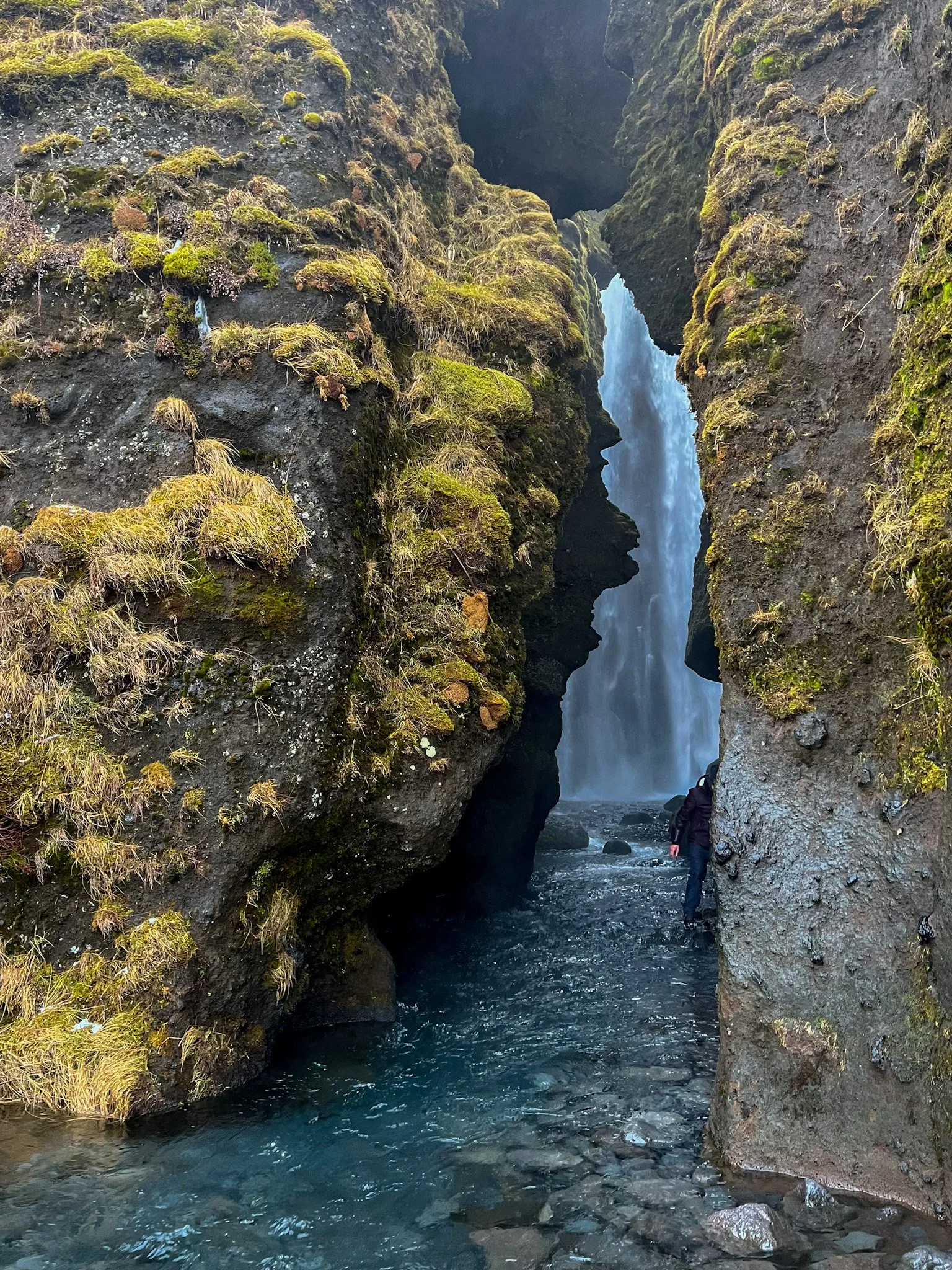
Just a short walk from Seljalandsfoss you’ll reach the Gljúfrabúi Waterfall. While Seljalandsfoss is renowned for its grandeur and the unique ability to walk behind its cascading curtain of water, Gljúfrabúi offers a more secluded and intimate adventure that feels like stepping into a secret world. The name "Gljúfrabúi" translates to "Dweller in the Gorge," a fitting title for this magical waterfall concealed within a narrow canyon.
To reach Gljúfrabúi, visitors must navigate a shallow stream and step into a rocky passage flanked by moss-covered cliffs. This entrance, though wet and slightly challenging, leads to an ethereal chamber where the 40-meter-high waterfall cascades down in a near-constant mist. The experience is immersive—water droplets glisten in the filtered light, and the sound of the rushing falls creates an atmosphere of tranquility and awe. Waterproof clothing and sturdy shoes are essential here, as entering the gorge feels akin to stepping into a natural rain shower.
Gljúfrabúi’s unique setting makes it a paradise for photographers and nature enthusiasts alike. The interplay of light, water, and rock offers countless opportunities for stunning captures, but it also requires patience and care to protect your equipment from the ever-present spray.
Skógafoss
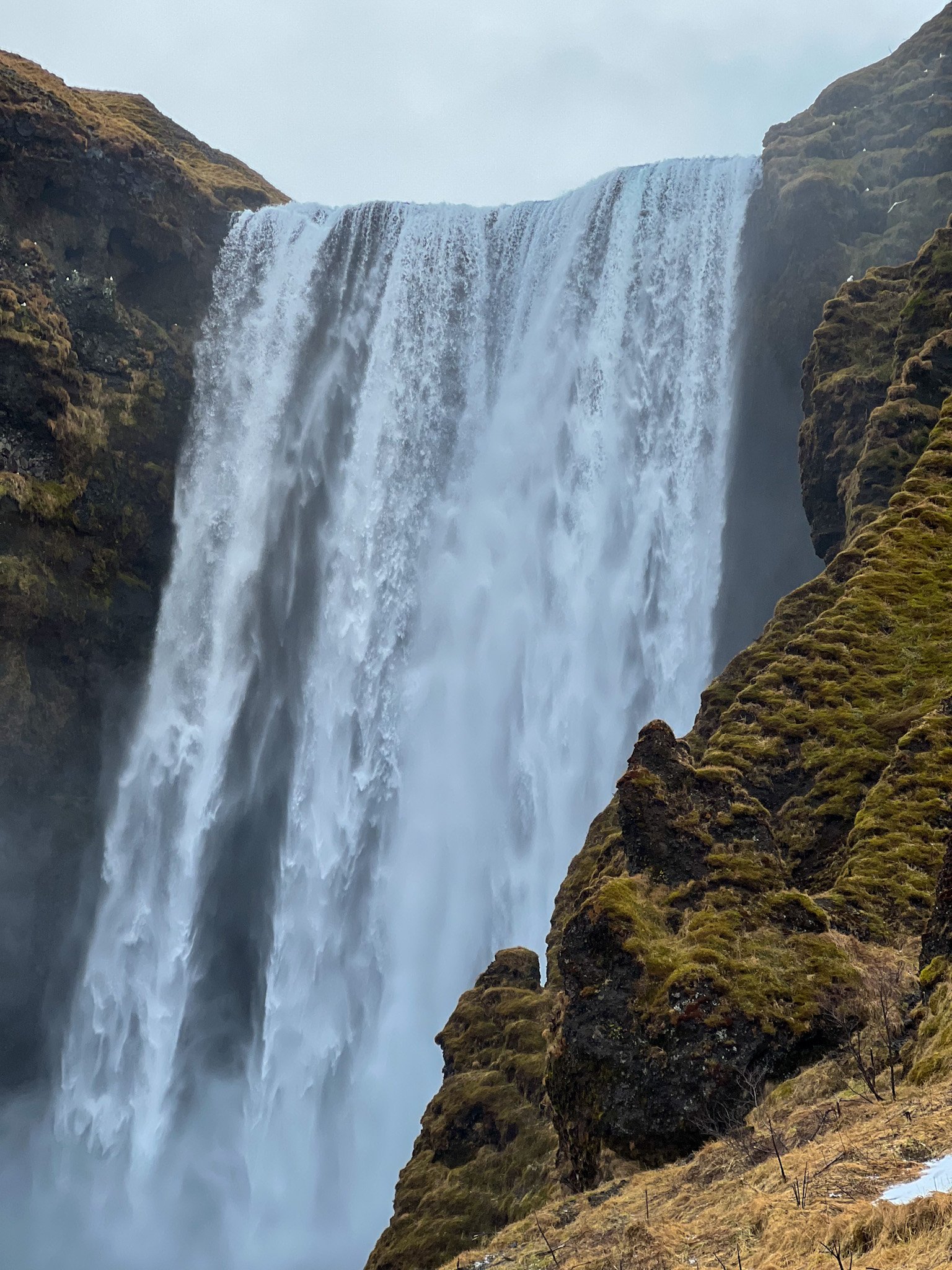
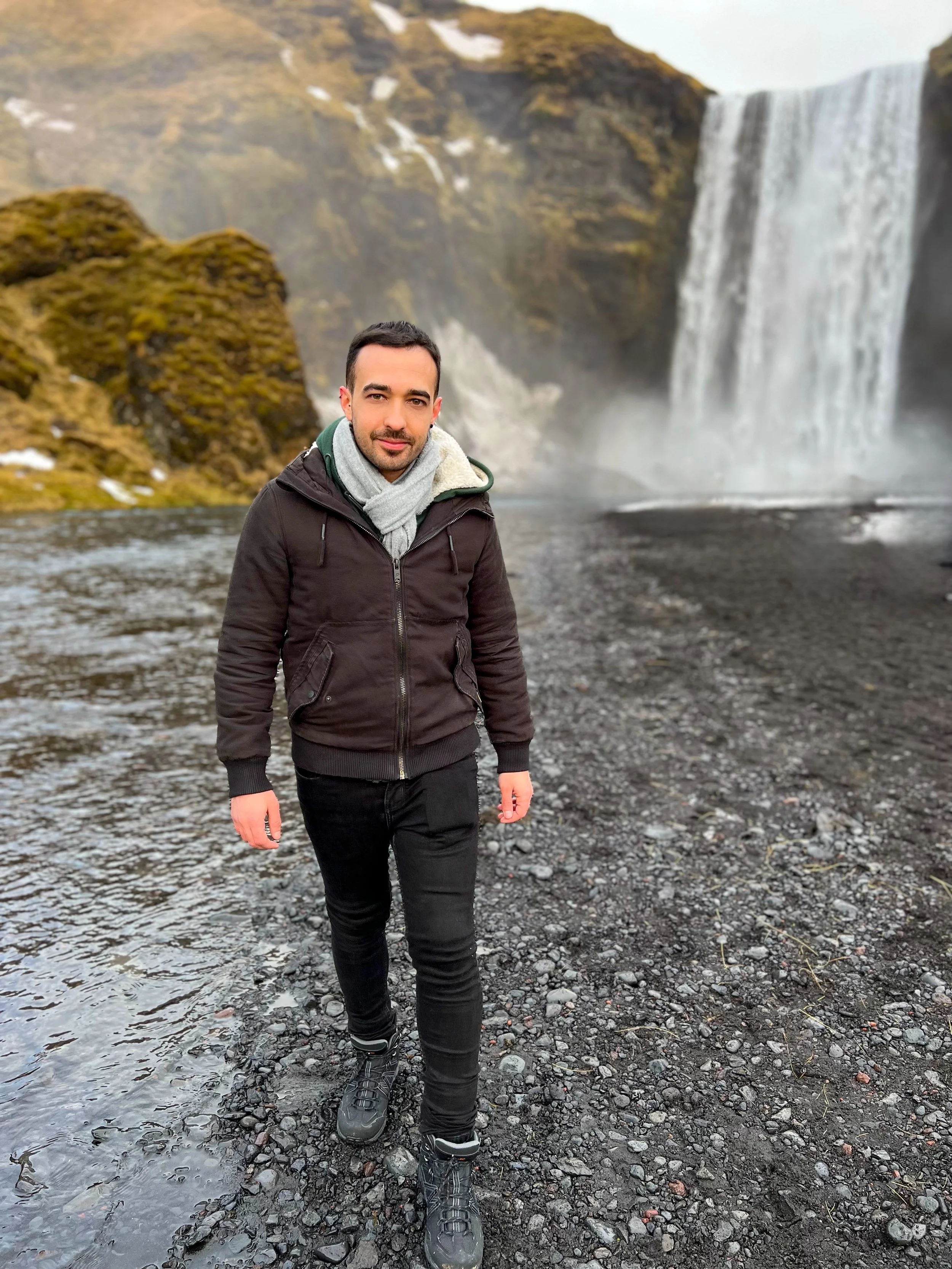
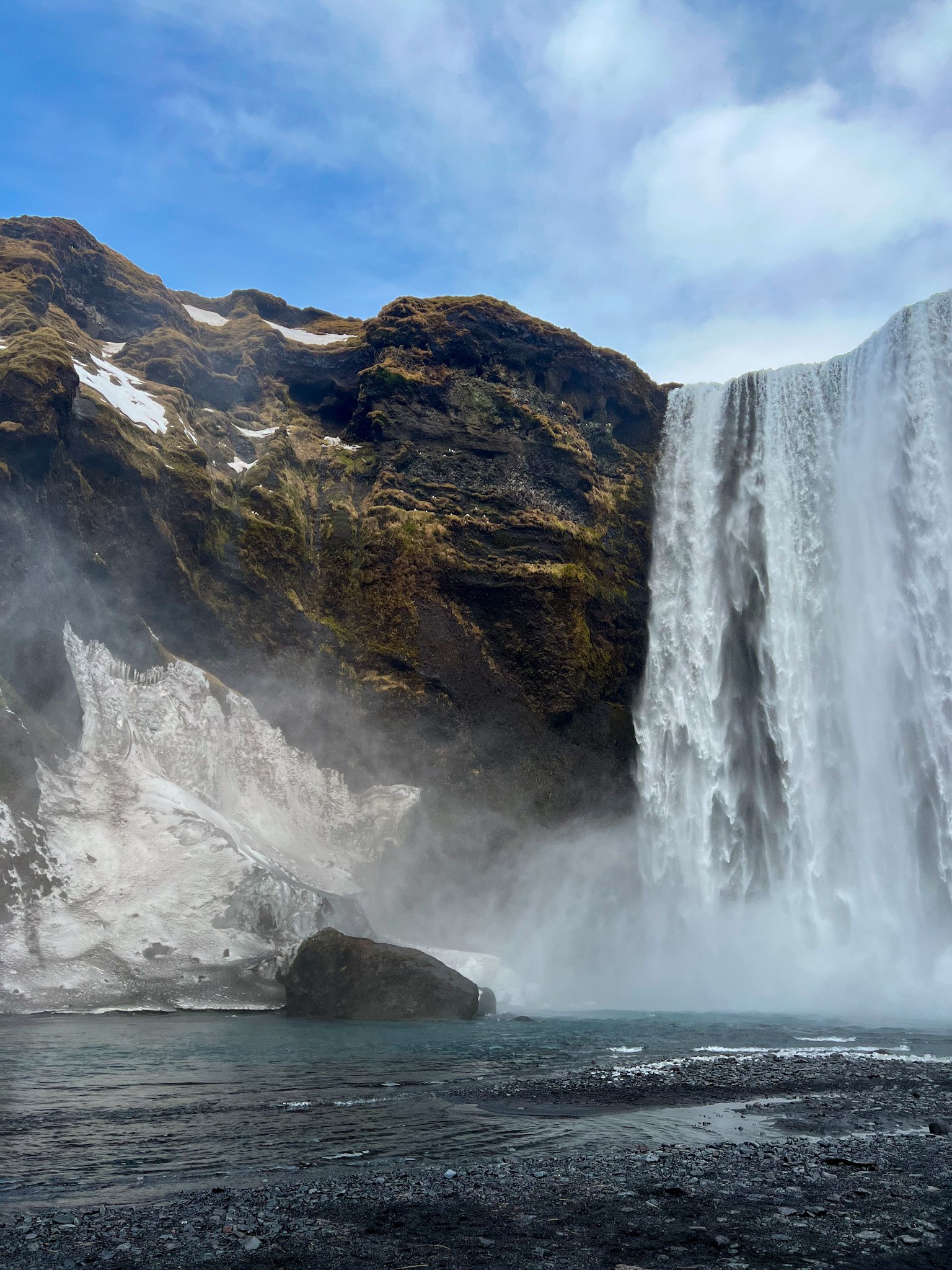
A short 30-minute drive brought us to our next destination: Skógafoss, one of Iceland's most iconic waterfalls. Cascading from a height of 60 meters (200 feet) into a tranquil pool below, the mesmerising curtain of water creates a dramatic spectacle. Adding to its allure, misty rainbows often form in the spray, making it a must-visit spot for anyone eager to experience the raw beauty of Iceland.
According to legend, a Viking settler buried a treasure chest behind Skógafoss. Though the chest has never been discovered, the tale adds an air of mystique to this already magical location.
For adventurers and waterfall enthusiasts, Skógafoss is also the starting point of the famed Waterfall Way hike. This 17.2 km (10.7 miles) trail follows the Skóga River upstream, revealing a breathtaking series of waterfalls, each with its own distinct character.
Visiting during winter, we weren’t equipped for the full hike, so we chose to admire the waterfall’s majesty from its base. Even without trekking further, the sheer power and beauty of Skógafoss left a lasting impression.

Sólheimasandur plane wreckage
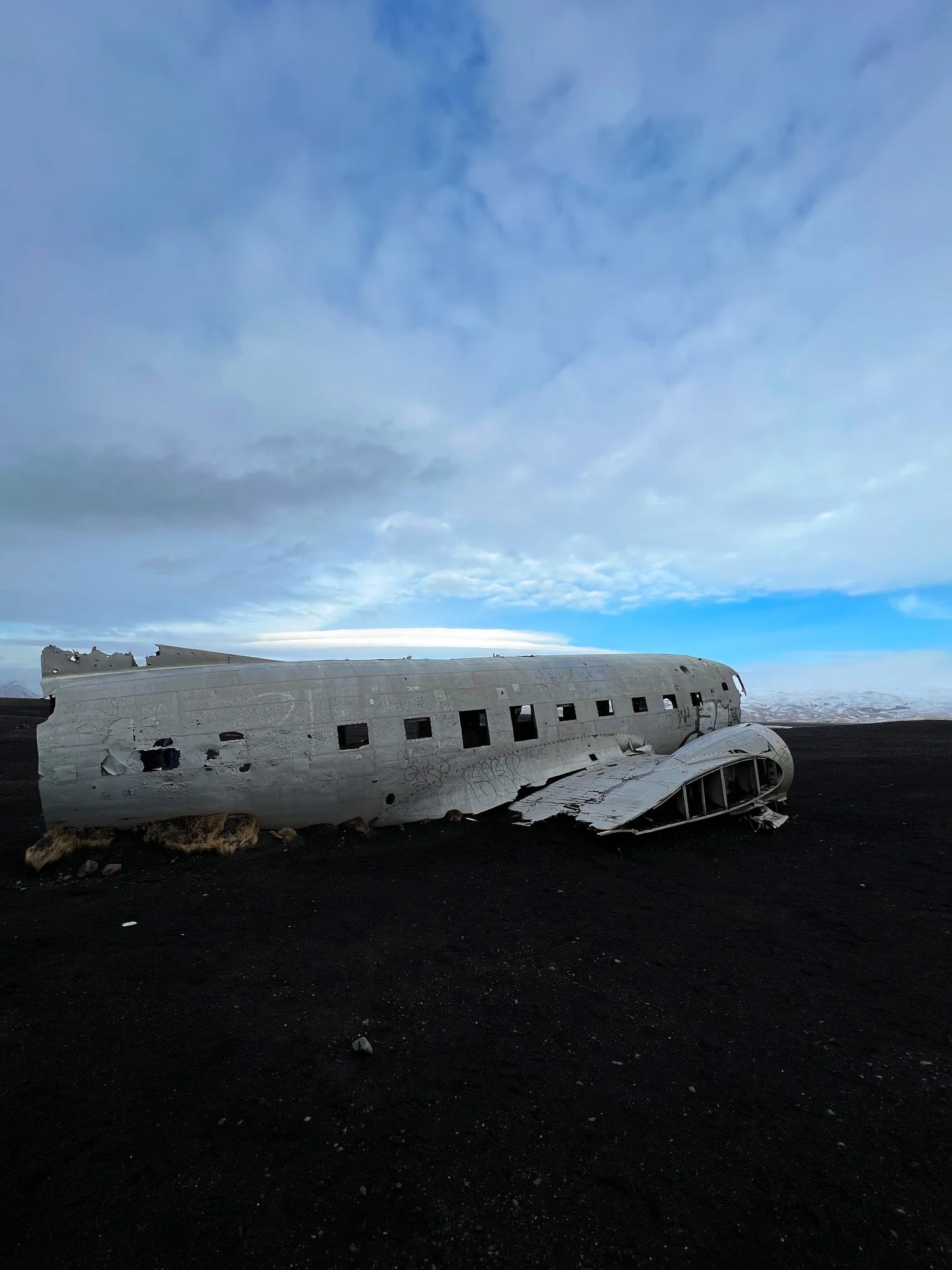
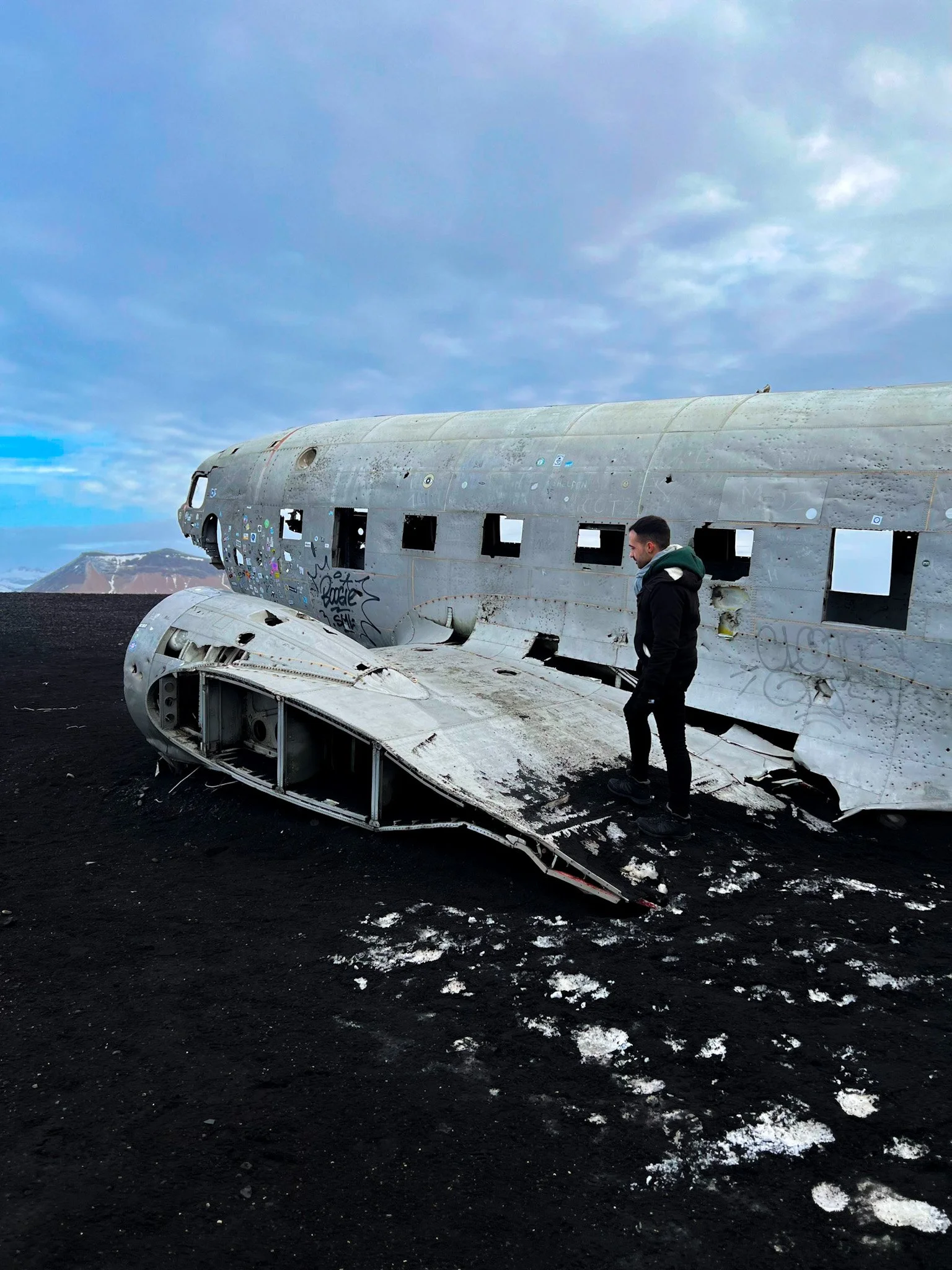
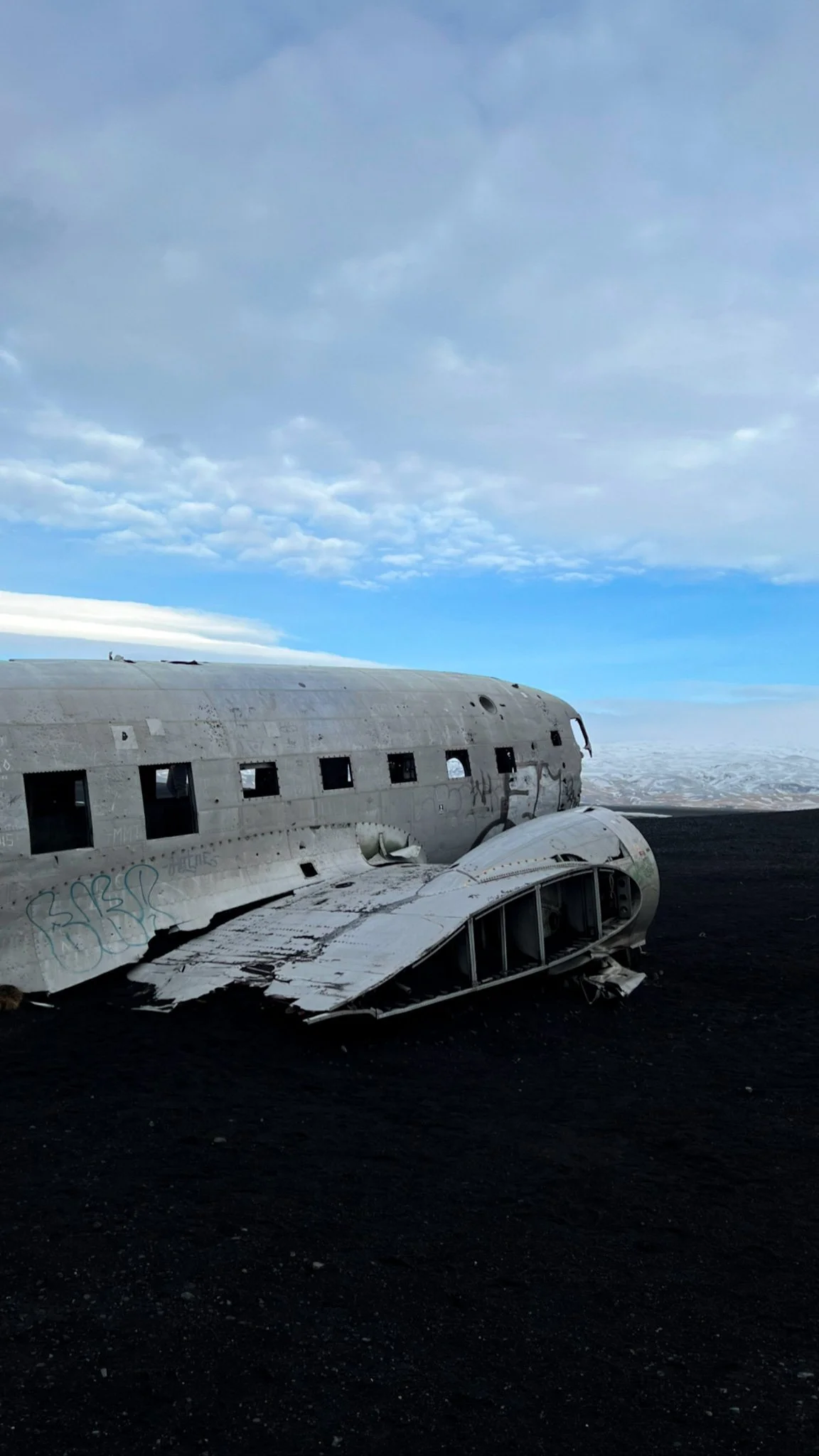
We got a break from visiting waterfalls and headed to the Sólheimasandur plane wreckage, an unforgettable experience, blending history, natural beauty, and a touch of surrealism.
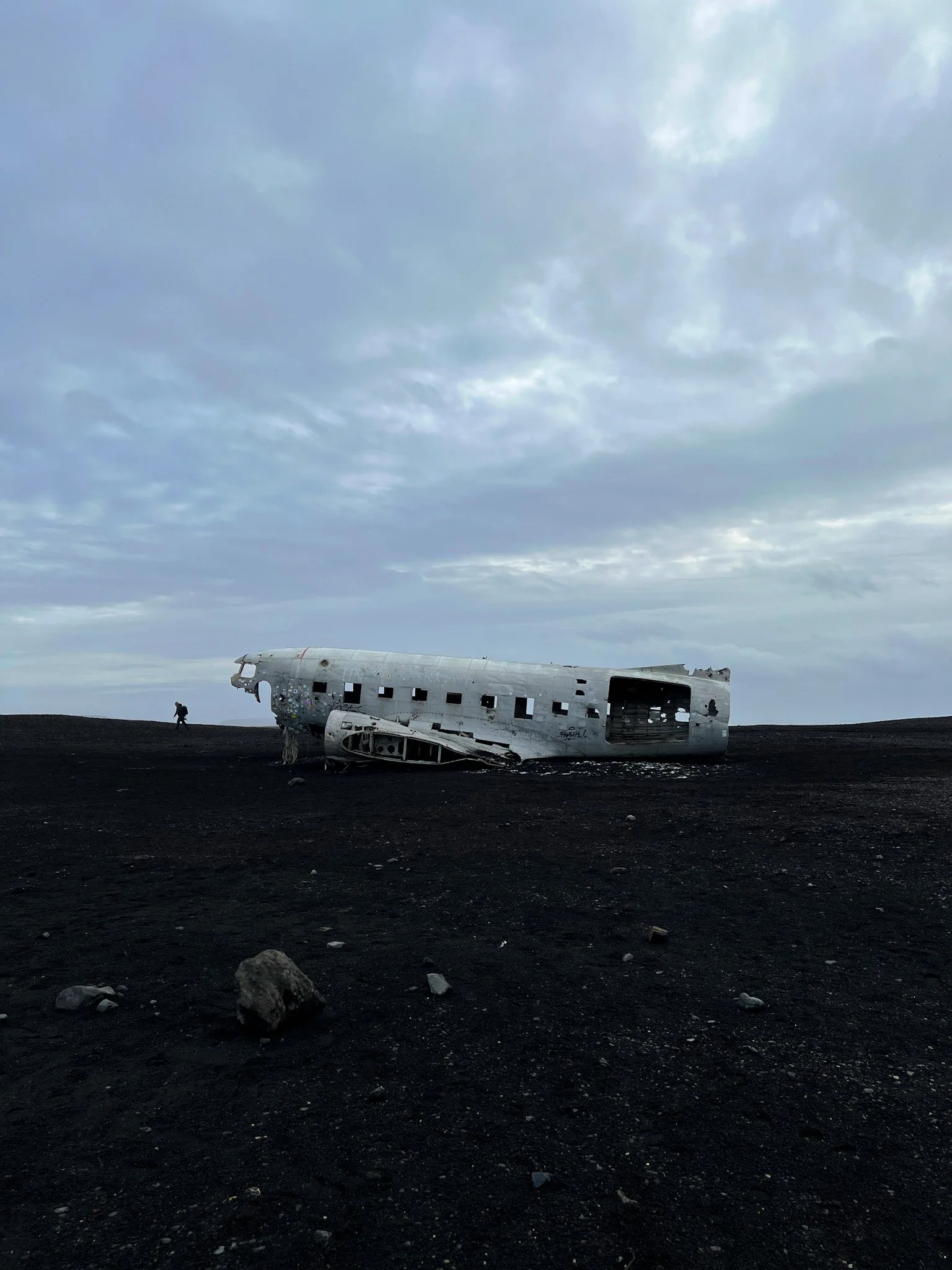
The wreckage, a United States Navy DC-3, crash-landed on this black sand beach in 1973 due to severe icing. Fortunately, all crew members survived, but the plane was abandoned and left to the elements. Over the decades, it has become an eerie yet iconic site, with its weathered fuselage contrasting starkly against the expansive, desolate landscape. This hauntingly beautiful scene attracts photographers and adventurers alike, offering a glimpse into Iceland’s unique juxtaposition of history and nature.
Reaching the wreck requires some effort, as the trail spans 7 kilometres (4.4 miles) round-trip from the parking lot. The barren black sand path is marked but monotonous, making the journey feel longer than it is, particularly in harsh weather. For those short on time or energy, a shuttle service is available, bringing visitors to the site in just 10-15 minutes. While the shuttle's cost may seem steep, it can be well worth it, especially during Iceland's unforgiving winter months when daylight is limited, and weather conditions can turn dangerous.
At the wreck, the sight of the weathered fuselage is otherworldly, especially during golden hour when the low sun casts dramatic shadows across the landscape. Stripped of its interior and painted with graffiti, the plane stands as a stark reminder of time’s relentless passage. The combination of isolation, natural beauty, and history makes this site a remarkable addition to any South Coast Iceland itinerary.
Dyrhólaey
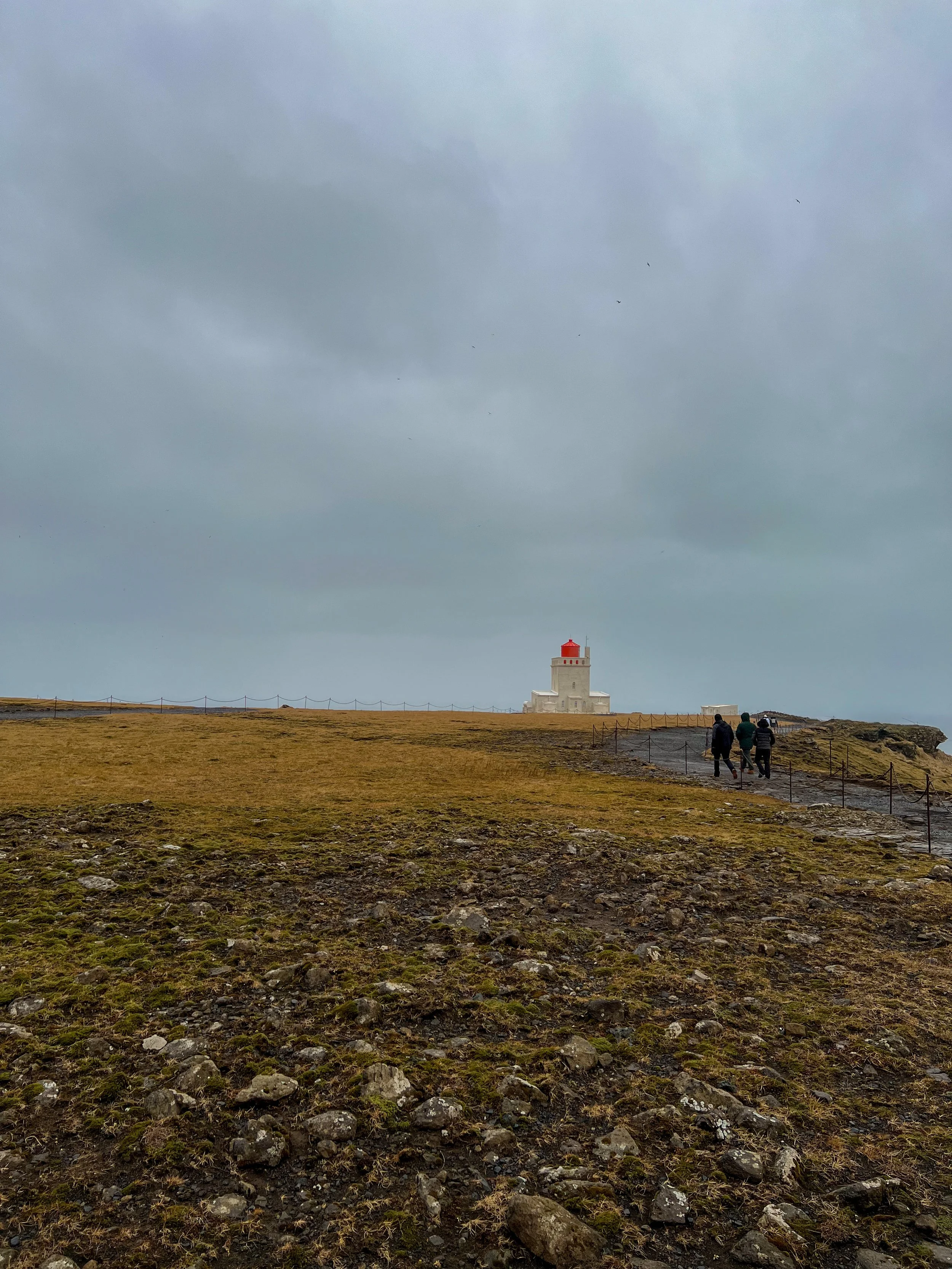
Before reaching Vik, where we would stop overnight, we stopped by Dyrhólaey, a stunning promontory and an iconic natural wonder. At 120 meters tall, it offers breathtaking views of the surrounding landscape, including the famous Reynisfjara black sand beach, which we would visit the next day.
The Dyrhólaey Lighthouse, which stands on top of a square tower, was first established in 1910 and rebuilt in 1927. It’s an iconic red cylindrical structure perched atop a castle-like base, marking the southernmost point of the Icelandic mainland. From the lighthouse, you can take a short walk to a viewpoint that offers a magnificent view of the Dyrhólaey Arch, a natural stone arch with a hole through it. This arch is one of the main attractions in the area and gives the promontory its name, which translates to "door hill island.
From the lighthouse, there are several walking paths that bring you closer to the cliff edge, providing dramatic views of the surrounding landscape, including Reynisfjara’s black sand beach to the east. It’s also a great spot to see puffins nesting during the summer months, adding to the charm of the location.
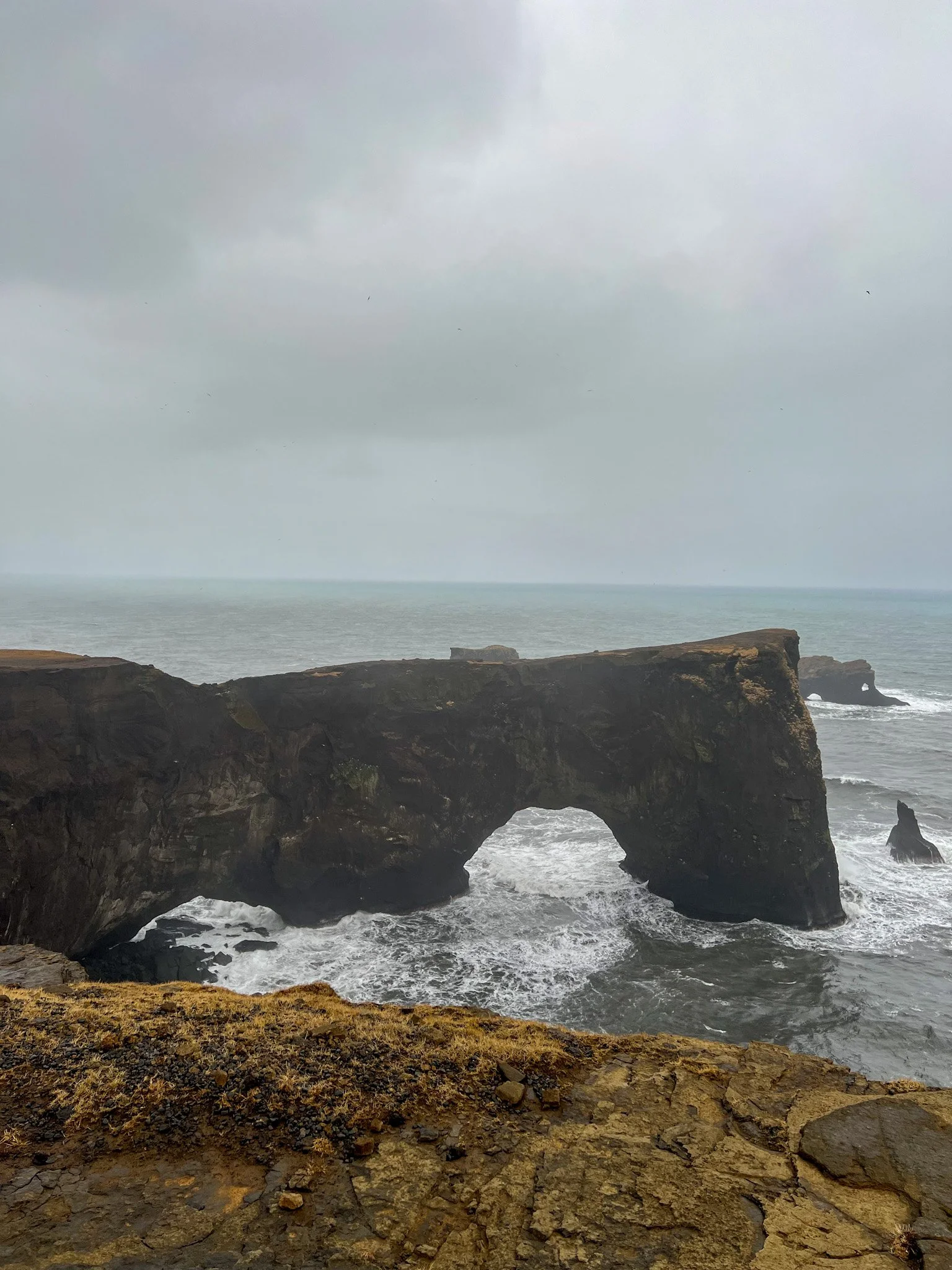
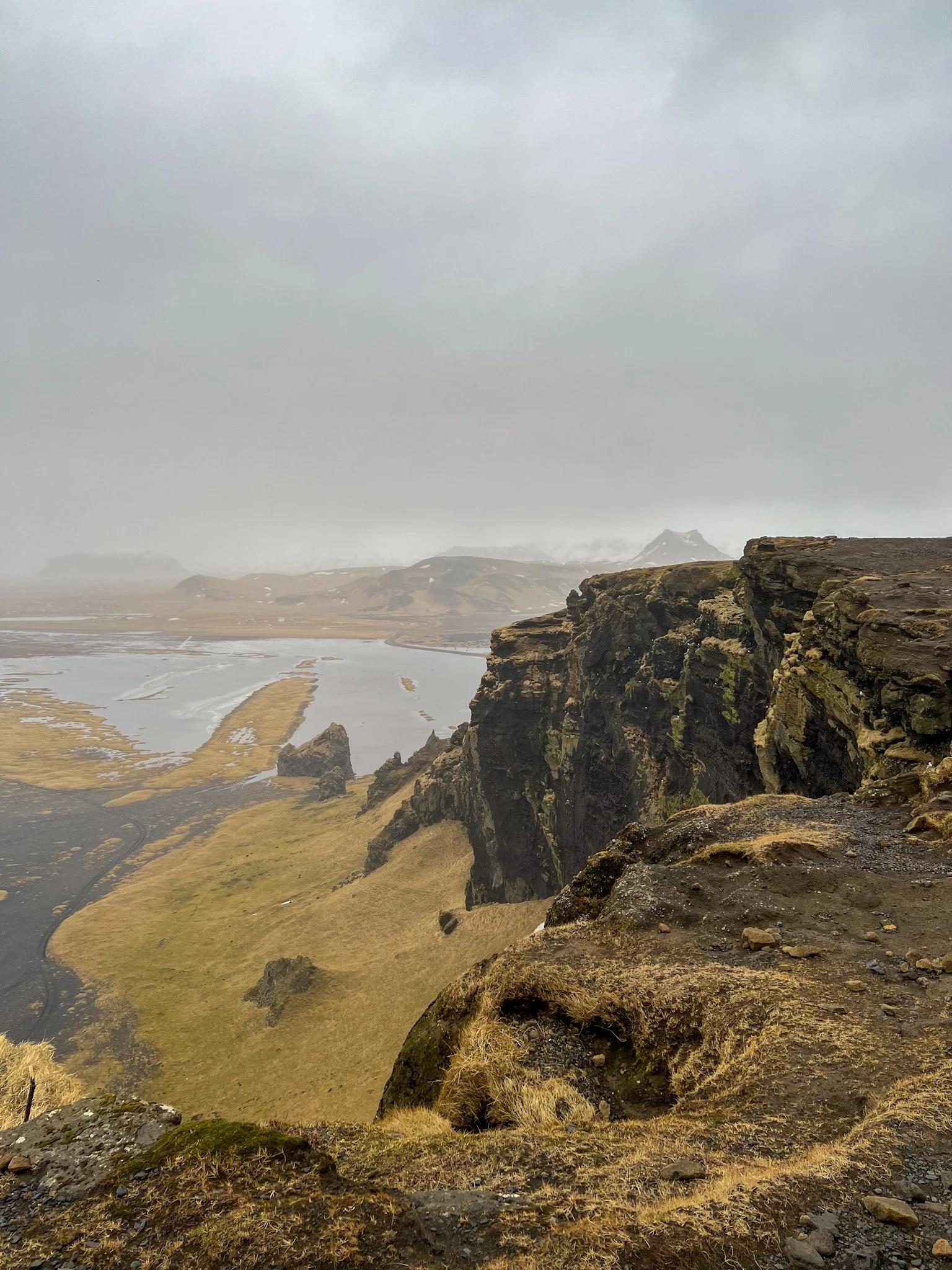
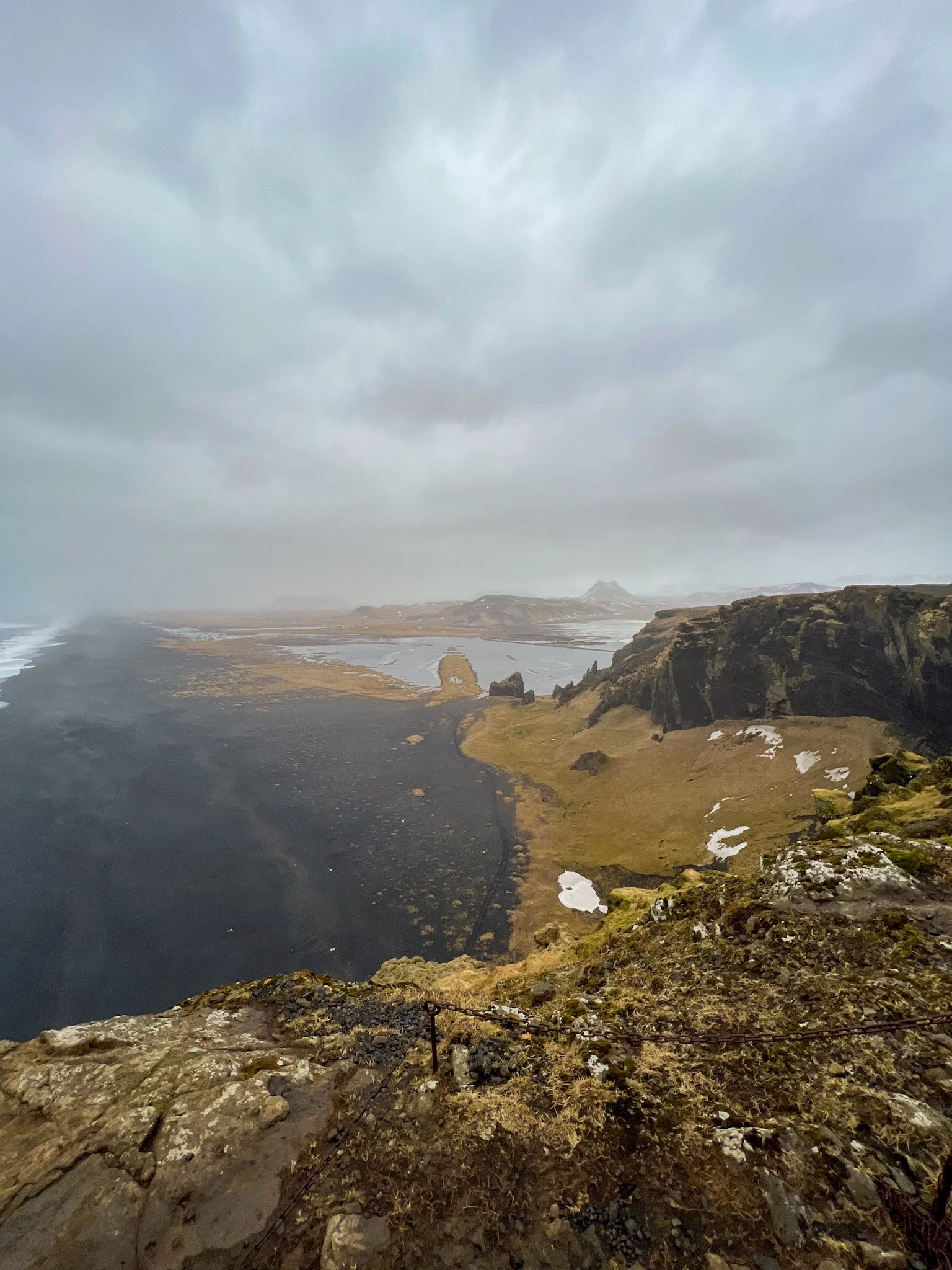
As the sun dipped below the horizon, we left the breathtaking Dyrhólaey behind and made our way to Vik, a short and scenic 20-minute drive away, where we stayed for the night before continuing our journey.
The next morning, our journey along the south coast of Iceland would continue with a visit to Vik, Reynisfjara, Fjaðrárgljúfur Canyon and the Svínafellsjökull Glacier.
Some links in this post are affiliate links, which means that if you buy through them, we’ll receive a small commission. This will never cost you more and in many cases you will receive a special discount.
As always, all opinions are mine. We appreciate your support!


Iceland's Golden Circle is a mesmerizing route that takes you from the vibrant capital city of Reykjavik on a remarkable journey of natural wonders.
From the historical significance of Thingvellir National Park to the explosive geothermal activity at Geysir and the awe-inspiring Gullfoss waterfall and Kerid crater, this iconic circuit showcases the essence of Iceland's beauty. Unleash your Icelandic adventure on the Golden Circle and immerse yourself in stunning landscapes, geological wonders, and rich heritage!