
2 days in Kuala Lumpur: exploring the best of Malaysia's capital in 48 hours
Kuala Lumpur is a dynamic city that packs plenty into a short visit—perfect for a quick but memorable getaway. In just two days, you can dive into its fusion of cultures, explore its towering landmarks, and sample some of the best street food in the world.
From the iconic Petronas Towers and bustling Chinatown to the serene Batu Caves, Kuala Lumpur offers a variety of experiences that will leave you in awe. In this 2-day Kuala Lumpur itinerary, we’ll explore the city’s highlights while uncovering its hidden treasures along the way!
Kuala Lumpur: 2 day itinerary
After exploring the vibrant streets of Singapore and immersing ourselves in the beauty of Bali, Kuala Lumpur became the perfect final stop on our Southeast Asian journey. As Malaysia's bustling capital, Kuala Lumpur offers a dynamic mix of modernity and rich cultural heritage, making it an ideal destination to wrap up our adventure.
From its iconic skyline dominated by the Petronas Towers to its lively markets and historical landmarks, Kuala Lumpur is a city of contrasts, where tradition and innovation coexist harmoniously. With just two days to explore, here’s a look at how we spent our brief but unforgettable 48 hours in Kuala Lumpur:
Day 1
KLCC Park
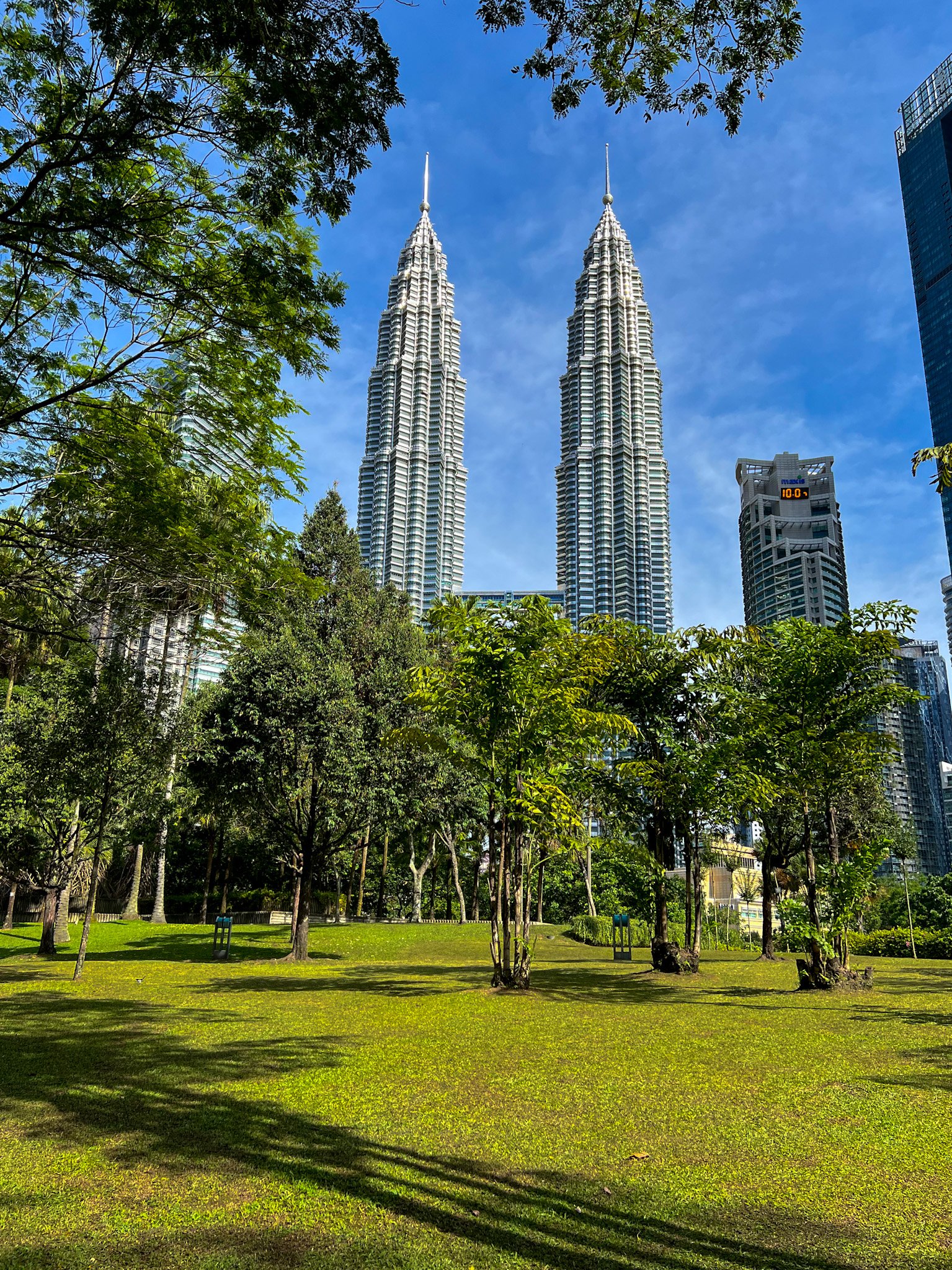
Our first stop to explore Kuala Lumpur was KLCC Park, a serene 50-acre urban sanctuary nestled at the foot of the iconic Petronas Twin Towers. This is one of the best stops to get your first picture of Kuala Lumpur’s most iconic tourist attraction.
The park was designed by Brazilian architect Roberto Burle Marx, renowned for his pioneering work in landscape architecture. KLCC Park holds the distinction of being Marx’s final masterpiece, embodying his vision of harmonising human innovation with the natural world.
The centrepiece of KLCC Park is its man-made Lake Symphony, which features a stunning fountain that shoots water up to 280 meters into the air. This spectacular display is complemented by nightly light and music shows, making it a favourite spot for evening visitors. The 4.3-meter elevated bridge cutting across the lake offers panoramic views of the park and the towering Petronas Twin Towers—a must-visit vantage point for photographers.

Petronas Twin Towers
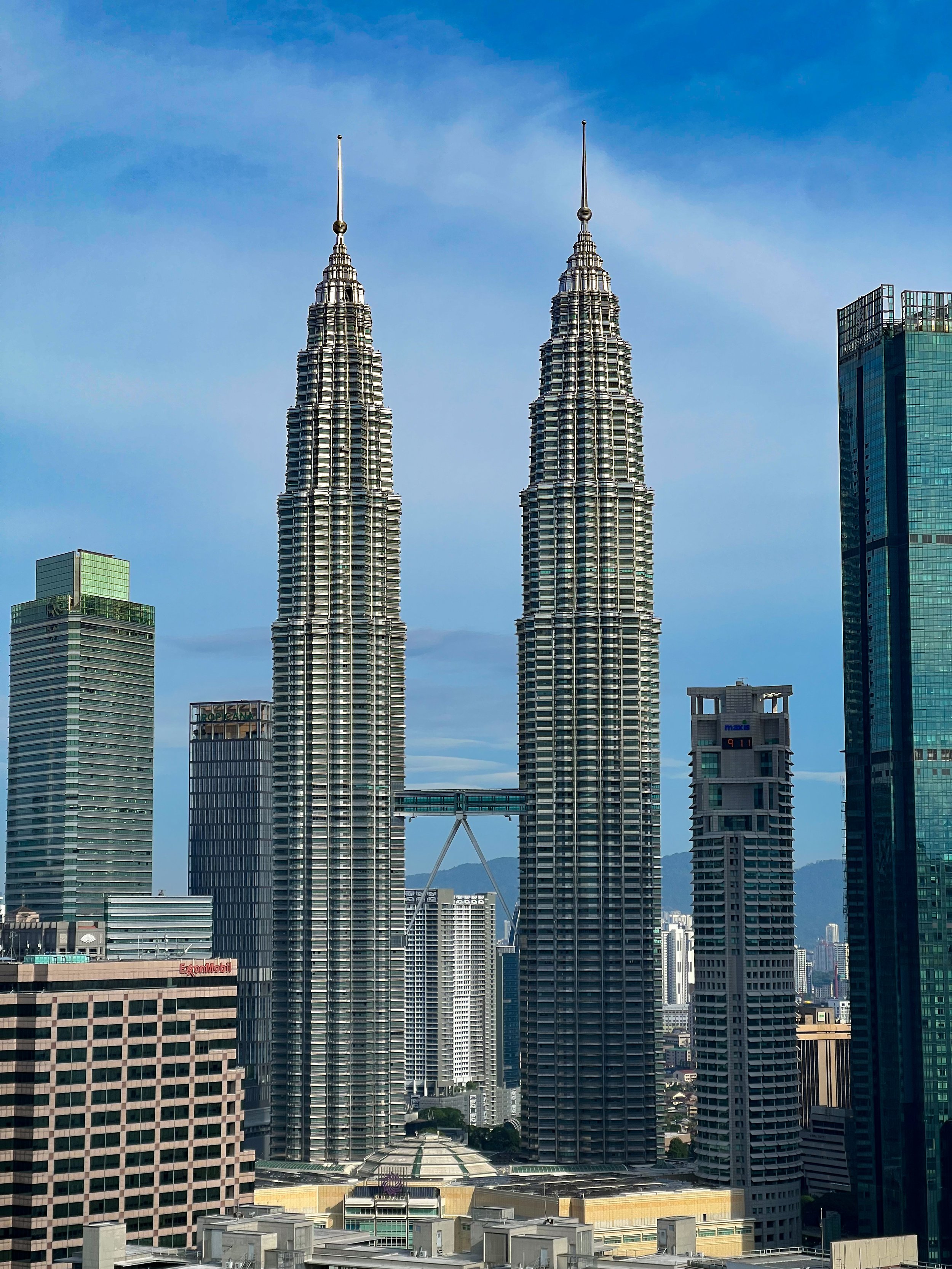
The Petronas Twin Towers stand as one of Kuala Lumpur's most recognisable landmarks and a symbol of Malaysia’s modernity and cultural heritage. These interlinked 88-story skyscrapers, towering at 451.9 meters, were the tallest buildings in the world from 1996 to 2004. Though surpassed in height by Taipei 101, they remain the tallest twin towers globally, reflecting Malaysia's ambitions and architectural brilliance.
Designed by Argentine-American architect César Pelli, the towers were envisioned as a 21st-century icon for Kuala Lumpur. Construction began in 1993 on the site of the old Selangor Turf Club. Challenges arose due to the geological conditions—half of the site consisted of decayed limestone, while the other half was soft rock. To address this, the project was relocated 61 meters to ensure stability, with construction relying on some of the world's deepest foundations.
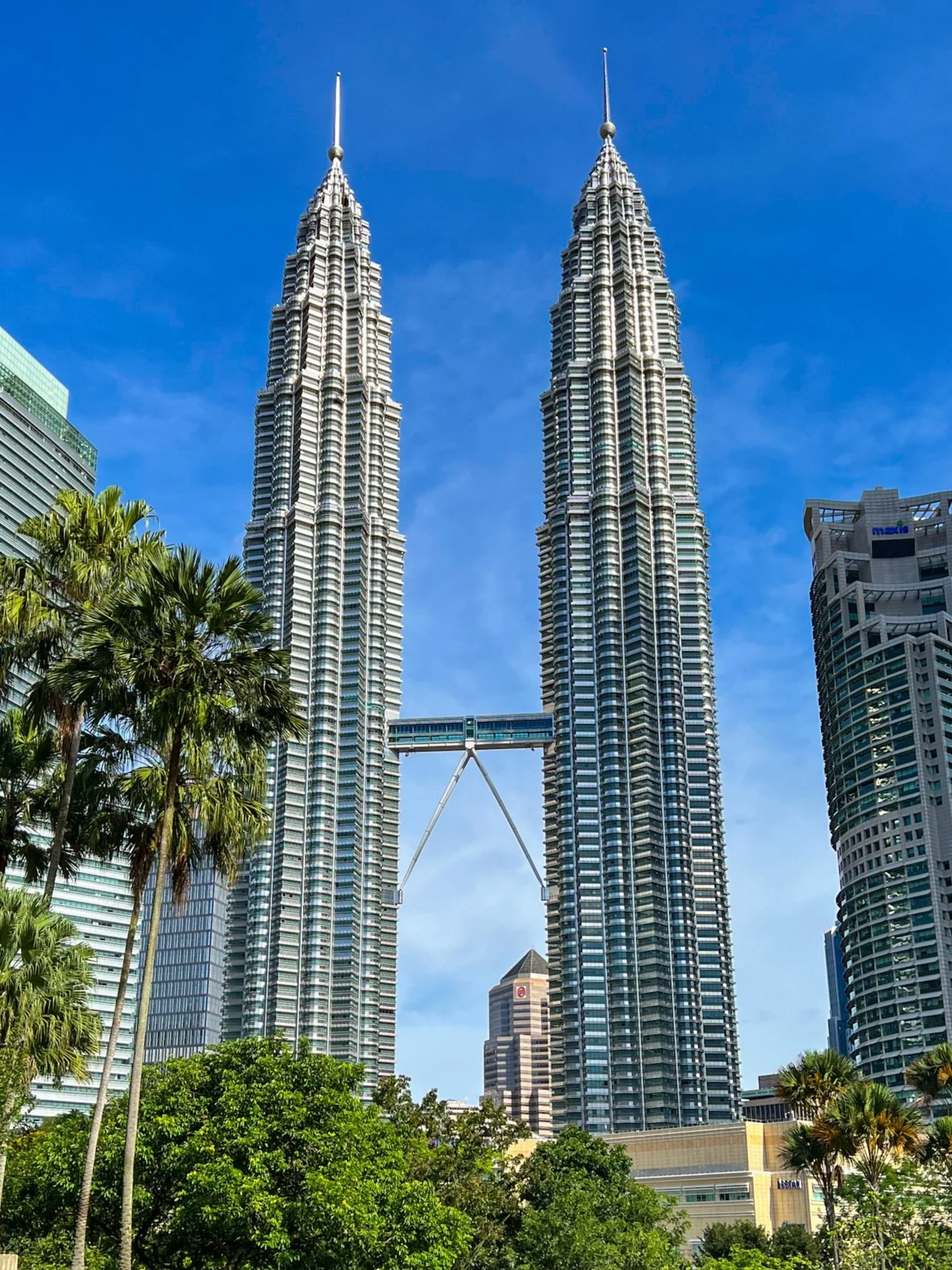


The towers’ structure is a marvel of engineering. Built primarily of reinforced concrete with a steel and glass facade, the design incorporates elements of Islamic art, reflecting Malaysia's cultural and religious identity. The towers’ cross-section is based on the Rub el Hizb, a geometric Islamic symbol, blended with circular sectors to optimize office space.
One of the most notable elements of the Petronas Towers is the skybridge that links the buildings on the 41st and 42nd floors. This two-story bridge, 170 meters above the ground, provides breathtaking views and serves as a crucial safety feature. Visitors can experience the skybridge, which is part of guided tours that also offer access to the observation deck on the 86th floor.
A visit to the Petronas Twin Towers is a must for any traveler in Kuala Lumpur. The observation deck offers breathtaking panoramic views of the city's skyline, and the iconic skybridge gives you a thrilling experience of being suspended between two towering skyscrapers.
To make the most of your visit, I recommend booking in advance your Petronas Twin Towers skip-the-line tickets through GetYourGuide. With easy access to tickets and flexible options, you can skip the hassle of long lines and secure your spot at this unforgettable landmark in advance.
Independence Square
We grabbed a taxi to head to our next stop, the vibrant Independence Square. Known as Dataran Merdeka in Malay, this historic and culturally significant square is beautifully situated in front of the iconic Sultan Abdul Samad Building. This impressive structure adds to the square's charm, making it a must-see location for visitors.
Previously known as the Selangor Club Padang, it served as the cricket ground for the Selangor Club. The square gained historical prominence when the Union Flag was lowered, and the Malaysian flag was raised for the first time at midnight on August 31, 1957, marking Malaysia's independence. Today, the square hosts the annual Independence Day Parade.
Presiding the square is the Sultan Abdul Samad Building. Built in the late 19th century, the structure originally housed British colonial administration offices and was simply referred to as the Government Offices. Renamed in 1974 to honour Sultan Abdul Samad, the then-reigning Sultan of Selangor when construction began, the building now accommodates the Ministry of Communications and Multimedia and the Ministry of Tourism and Culture.


Sultan Abdul Samad Mosque
Around the corner from Independence Square and nestled at the confluence of the Klang and Gombak rivers, Sultan Abdul Samad Jamek Mosque is one of Kuala Lumpur’s oldest and most historically significant places of worship that can’t be missed. It’s open free of charge to all visitors, and appropriate clothing to cover knees, shoulders, and hair (for women) is provided at the entrance.
Built in 1909 and designed by British architect Arthur Benison Hubback, the mosque served as the principal place of worship for Kuala Lumpur’s Muslim community until the construction of Masjid Negara, the national mosque, in 1965. The name “Jamek” originates from the Arabic word jāmiʿ, meaning a place for congregational prayer, and locals often refer to it as the “Friday Mosque.”
The mosque is a striking example of architectural ingenuity, blending aesthetic beauty with practical design. Its Moorish, Indo-Saracenic, and Mughal styles are evident in its distinctive features. The structure boasts three grand domes, with the largest rising to a height of 21.3 meters, sheltering the prayer hall below. The two main minarets, adorned with a pink and white banding pattern, echo the "blood and bandage" motif commonly seen in colonial-era buildings.
The materials used—brick and plaster—give the mosque its characteristic blend of warmth and elegance. Its intricate details and harmonious proportions make it a visual delight for visitors and a peaceful haven for worshippers.


Dayabumi Complex
As we strolled from Independence Square to Chinatown, we were captivated by the striking contrast between Kuala Lumpur’s towering modern skyscrapers and its colonial architectural gems.
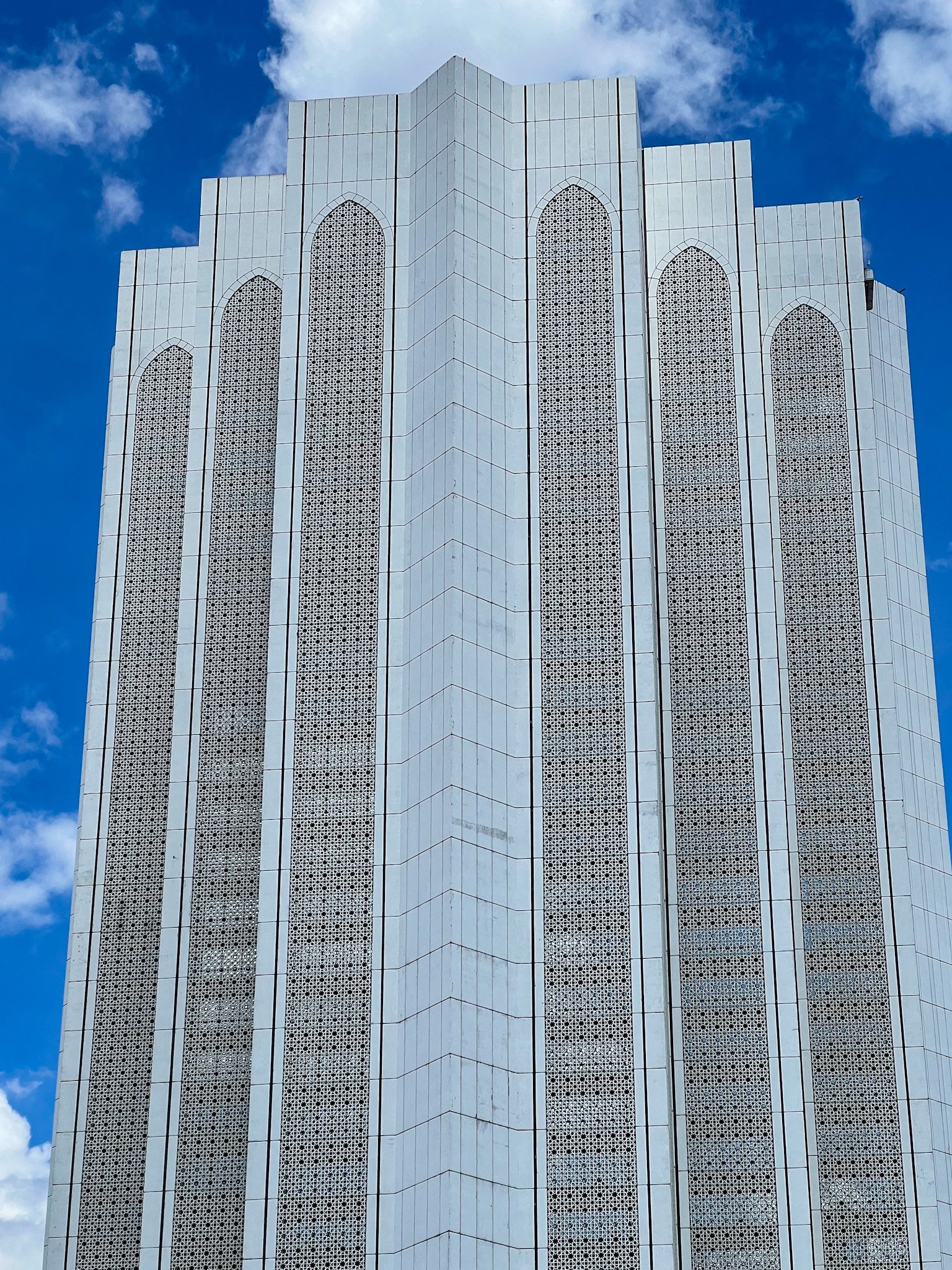
One notable landmark along the way is the Dayabumi Complex, a key feature of the city’s skyline. Completed in 1984, the Dayabumi Complex stands as one of Kuala Lumpur's earliest skyscrapers and a symbol of its urban development. One of the complex's most impressive elements is its distinctive design, which includes a blend of traditional Islamic architectural styles with contemporary elements.

REXKL Bookshop
Before venturing ourselves in the busy Chinatown, we made a quick stop at REXKL, a creative hub located in an old single-screen cinema that has been transformed into a vibrant cultural centre.
Stepping into BookXcess at REXKL is like entering a maze of books, stairs, and visual delights. Unlike traditional bookstores, this space is built vertically, utilising multiple levels to make the most of the old cinema’s architecture. From certain vantage points, the shelves of books appear colour-coordinated, adding an artistic charm that enhances the store’s aesthetic appeal. It’s a feast for the eyes and an irresistible draw for book lovers and photographers alike.


Chinatown
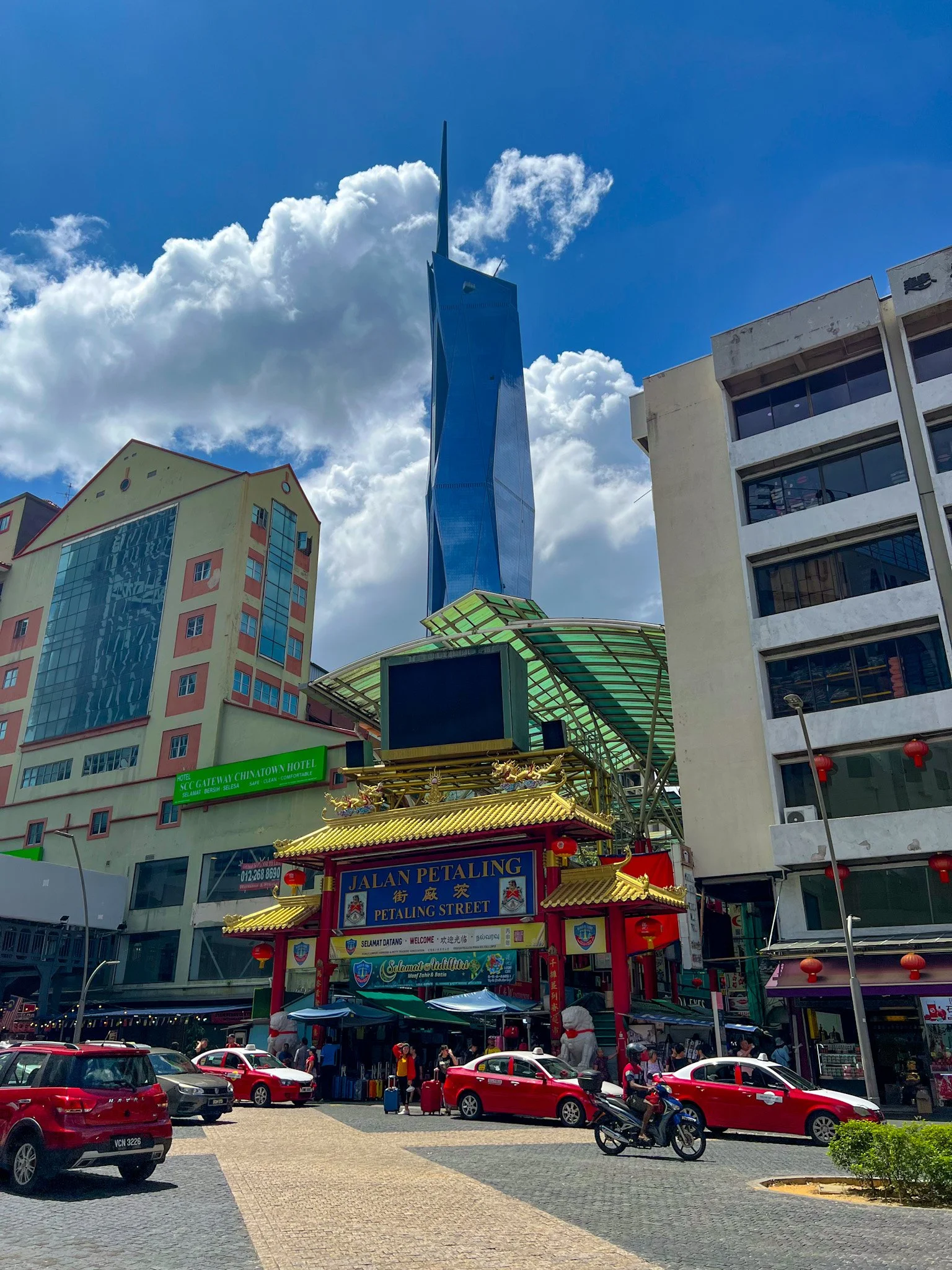
Our next stop was the famous Chinatown, also known locally as Petaling Street; a bustling, vibrant hub where history, culture, and modernity collide. Known for its lively atmosphere, street markets, and mouthwatering food, this area offers both locals and tourists an authentic glimpse into the city's past and present.
The street is famous for its busy markets, where bargaining is a common sight and the energy is always high. People from all walks of life gather here—locals, tourists, and traders—creating a colorful and dynamic environment. Vendors, mostly of Chinese descent, sell a wide array of products, from clothes and electronics to fresh produce and souvenirs. However, the diversity of the area is also reflected in the many traders of Malay, Indian, and Bangladeshi heritage.
Food lovers will find plenty to tempt their taste buds with local favourites such as hokkien mee, ikan bakar (barbecued fish), asam laksa, and curry noodles being served at numerous food stalls and restaurants along the street.


Sri Maha Mariamman Temple
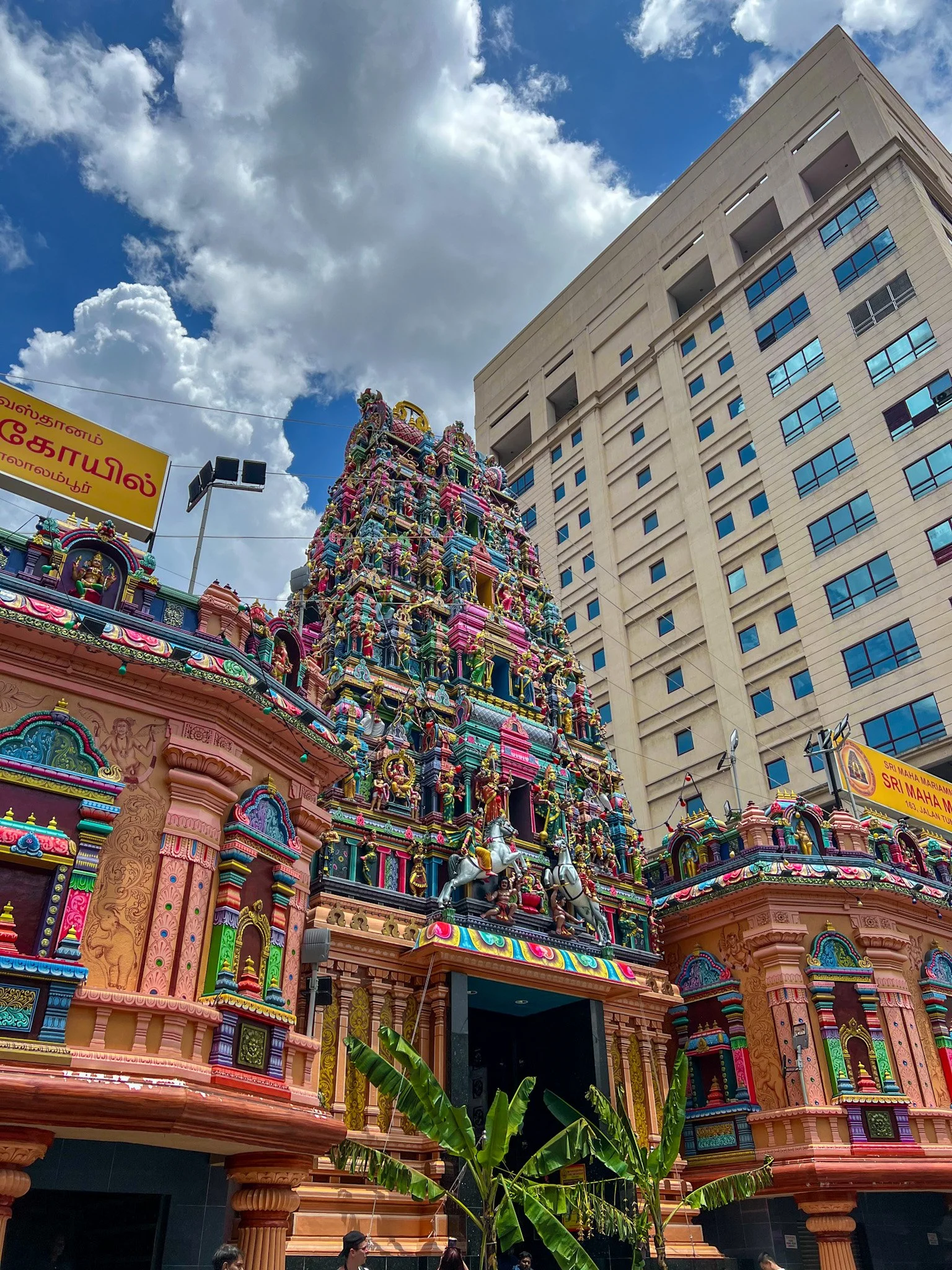
At the edge of Chinatown you can’t miss the Sri Mahamariamman Temple, the oldest Hindu temple in the city and a vital cultural landmark.
Founded by K. Thamboosamy Pillai in 1873, the temple was originally a private shrine used by the Pillai family before it opened its doors to the public in the late 1920s. By the time the temple was moved to its current location on Jalan Tun H.S. Lee (next to Kuala Lumpur’s Chinatown) in 1885, it had already established itself as an important place of worship for Indian immigrants, many of whom had come to the region in search of work in the tin mining industry.
The architectural design of the Sri Mahamariamman Temple is inspired by traditional South Indian temple architecture, featuring intricate details and a striking visual aesthetic. The most prominent feature of the temple is its five-tiered gopuram (gateway tower), which stands at a height of 22.9 meters. This pyramid-shaped structure is adorned with vibrant sculptures of Hindu deities, each meticulously crafted by artisans from Tamil Nadu, India. S. T. Muniappa, the chief sculptor, is credited with creating the 228 idols that decorate the gopuram, making it an awe-inspiring entry point for devotees.
Today, Sri Mahamariamman Temple stands as the oldest functioning Hindu temple in Malaysia and is reputed to be one of the wealthiest Hindu temples in the country.

Infinity pool
Kuala Lumpur is known for its stunning skyline, and one of the best ways to experience the city’s beauty is from one of its luxurious infinity pools, especially those offering spectacular views of the iconic Petronas Towers. For visitors looking to indulge in a relaxing swim with a view without staying at the hotel, several rooftop infinity pools in the city offer one-day passes. These pools provide the perfect backdrop for your visit, allowing you to take in breathtaking panoramas while enjoying a refreshing dip.
One of the top spots to experience an infinity pool with views of the Petronas Towers is the SkyBar at Traders Hotel. Located on the 33rd floor, this rooftop pool offers a stunning, uninterrupted view of the towers, making it a favourite for both locals and tourists. While the pool is exclusive to hotel guests, you can still access it by purchasing a day pass for a set fee, which allows you to enjoy the pool area and the surrounding views. The SkyBar also doubles as a trendy lounge in the evenings, so you can unwind with a cocktail as the sun sets behind the towers, giving you an unforgettable experience.
Another incredible spot is the Infinity Pool at the KL Tower (Menara KL). Located at the foot of the towering Petronas Towers, the pool offers a unique vantage point, with the towers themselves looming majestically above. This infinity pool is available to visitors through a day pass, which allows you access to the pool and observation deck. It’s an ideal place to take photos, relax in the water, and enjoy one of the best views of Kuala Lumpur’s skyline. The KL Tower’s infinity pool has a serene, somewhat more private atmosphere, making it a fantastic option for those seeking peace and tranquility while still enjoying panoramic views of the city and the Petronas Towers.
For an equally stunning experience, the Infinity Pool at the Banyan Tree Hotel is a standout. Situated on the rooftop, this pool provides sweeping views of the Petronas Towers and the surrounding cityscape. To gain access to the pool, you can purchase a one-day pass, which includes use of the pool area along with a welcome drink, making it an affordable way to experience the luxury of the hotel. The pool is not only a perfect place to swim, but its infinity-edge design provides a picturesque setting, making it one of the most Instagram-worthy spots in the city. During the day, you can enjoy a peaceful swim with views of the towers, and as the sun sets, the city’s skyline transforms into a glittering light show that’s impossible to miss.

Day 2
Batu Caves
On our second day in Kuala Lumpur, we had only the first half of the day free before having to catch our flight, so we decided to dedicate the morning to exploring the Batu Caves.
To ensure a hassle-free and enriching visit to the Batu Caves, we highly recommend booking a half-day Batu Caves tour through GetYourGuide. With this guided tour that includes an optional pick-up from your hotel, you'll gain deeper insights into the history and significance of this spiritual site while avoiding the stress of navigating public transport.
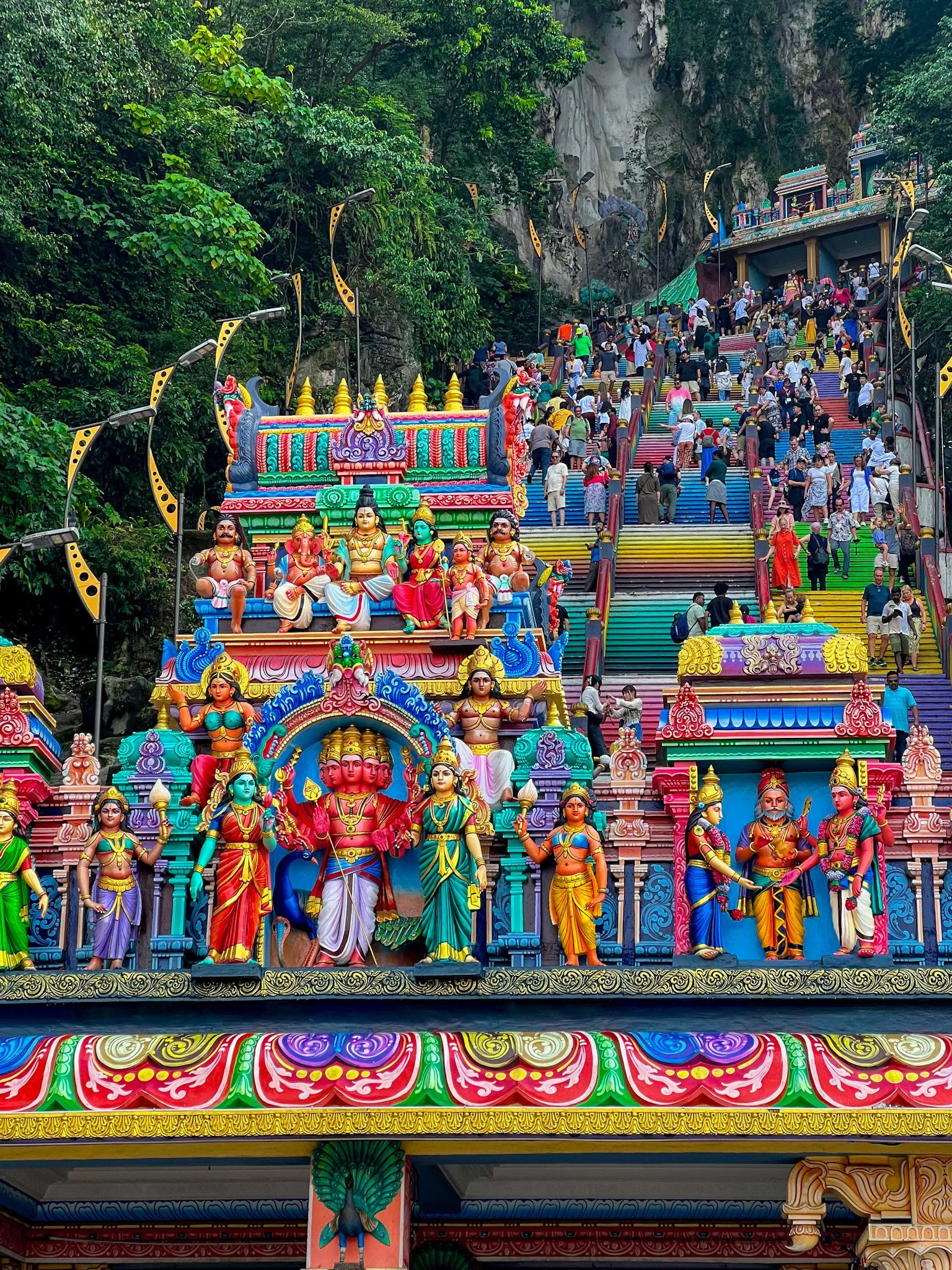
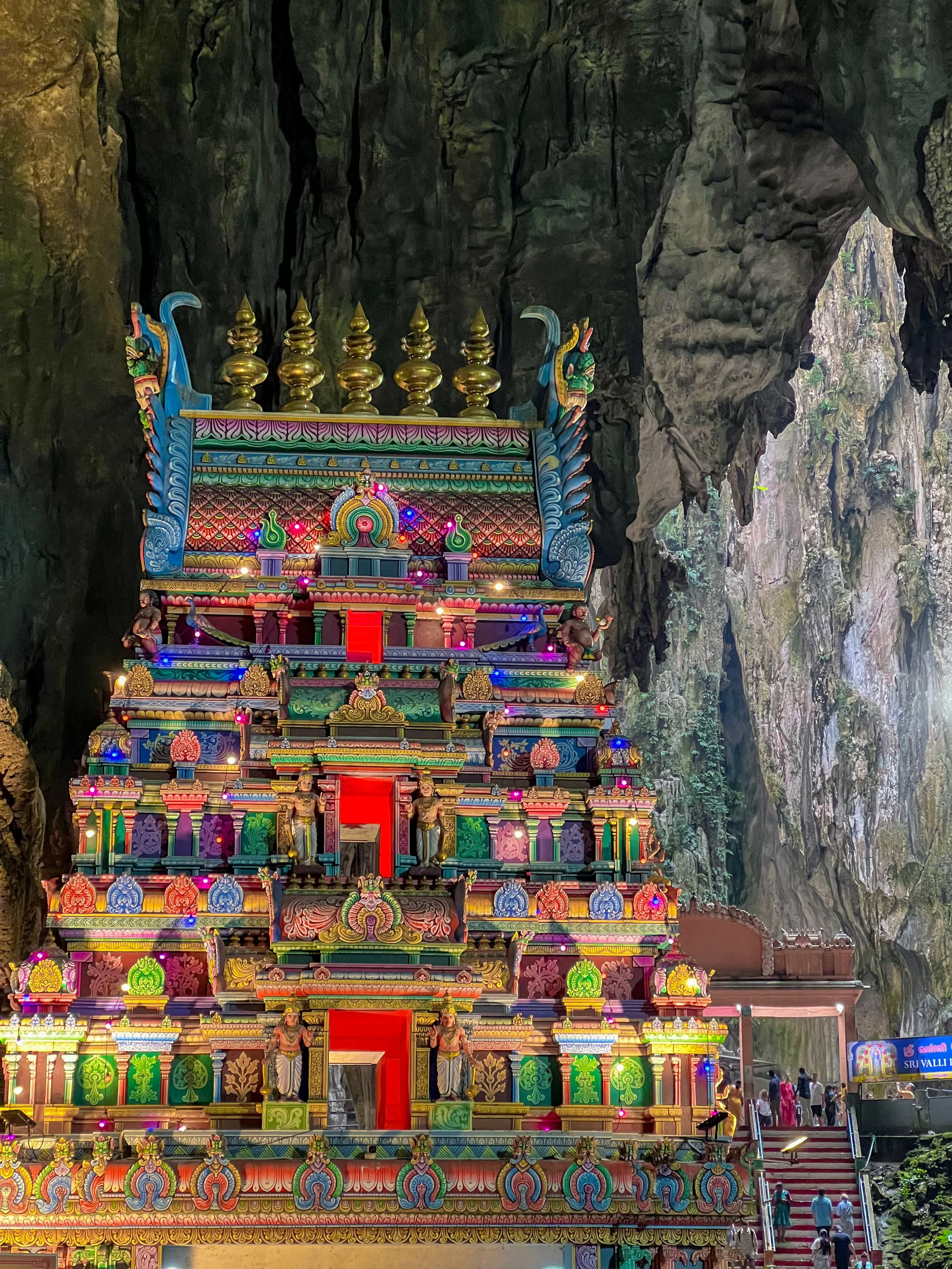
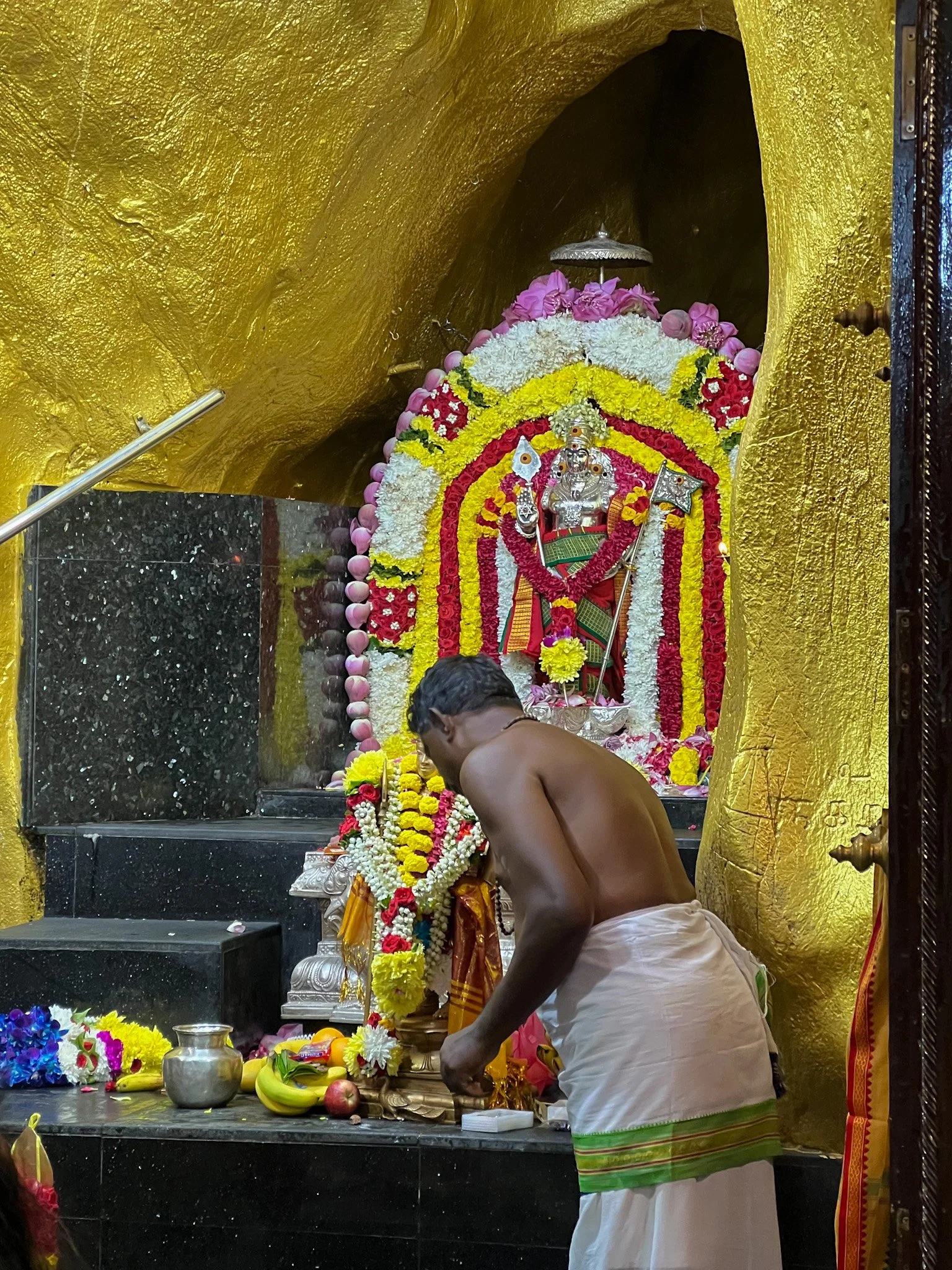
This breathtaking limestone cave complex is situated in Gombak, just 13km north of Kuala Lumpur. This iconic site is known not only for its religious significance but also for its natural beauty, attracting both tourists and devotees alike. The Batu Caves are one of Malaysia’s most visited tourist destinations and are home to Hindu temples, the largest and most well-known being the shrine dedicated to Lord Murugan, a revered Hindu deity. The striking 43-meter statue of Murugan, one of the largest in the world, greets visitors at the base of the caves and is a focal point for the annual Thaipusam festival.
One of the most iconic features of Batu Caves is the 272 steps that lead up to the entrance of the main temple cave, Sri Subramaniar Swamy Temple, dedicated to Lord Murugan. Climbing these steps, often painted in vibrant colors, is a pilgrimage for many devotees, especially during the Thaipusam festival, a significant Hindu celebration. This festival, dedicated to Lord Murugan, sees thousands of devotees who carry ceremonial burdens, or kavadi, as acts of devotion and penance. Some of the more extreme practices include piercing the skin with metal skewers, a form of mortification of the flesh, which is meant to demonstrate faith and endurance. The celebrations are an incredible spectacle, with processions, drumming, and chanting as devotees make their way to Batu Caves from the Sri Mahamariamman Temple in Kuala Lumpur.



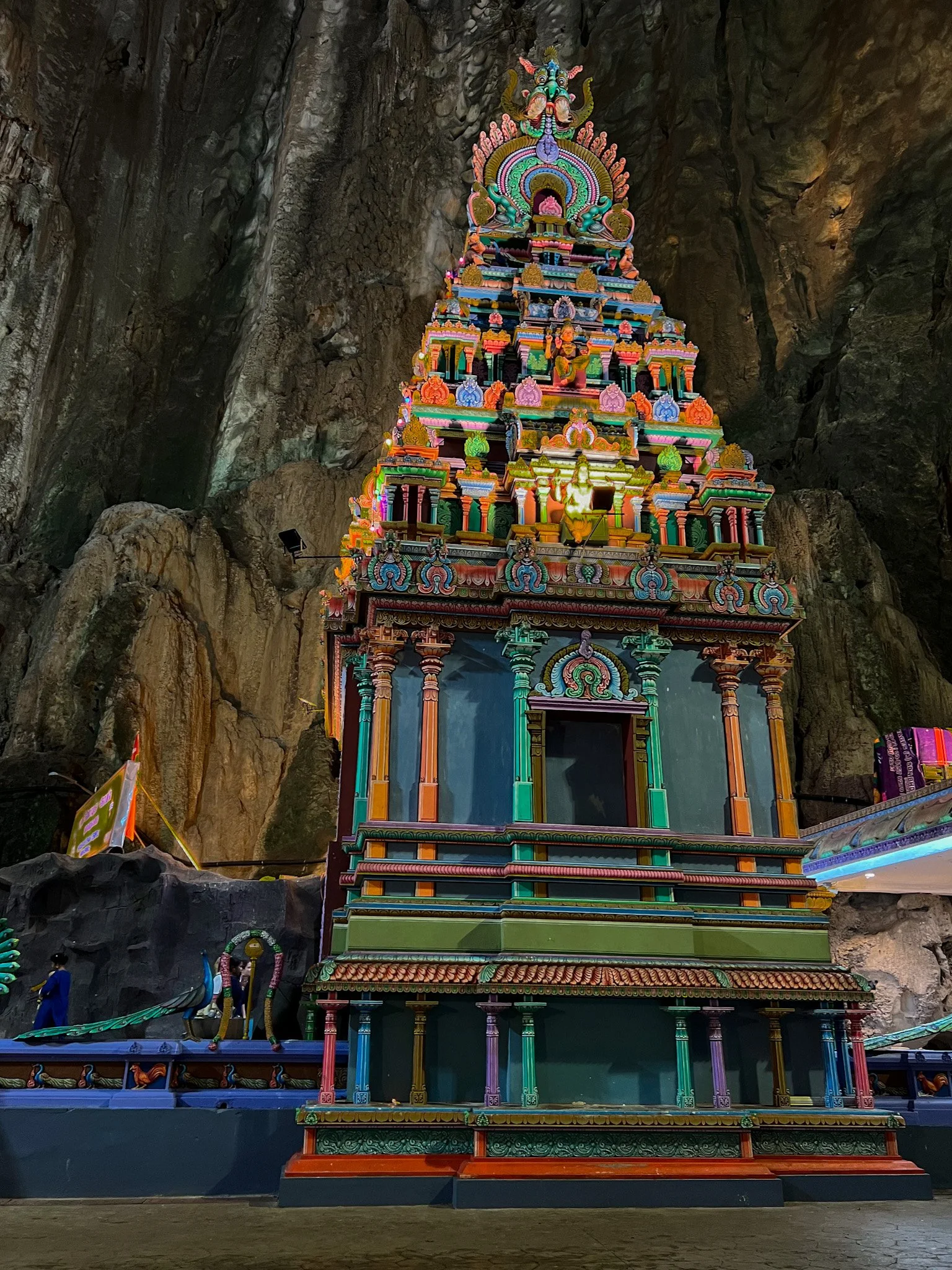
The complex is a mogote (a steep-sided hill with a flat top) with a series of limestone caves formed over 400 million years ago. The caves, which include 20 recognised chambers, offer stunning natural formations such as stalactites, stalagmites, and flowstones. The speleothems (mineral formations) within the caves are the result of centuries of water percolating through the limestone, creating intricate, almost otherworldly structures.
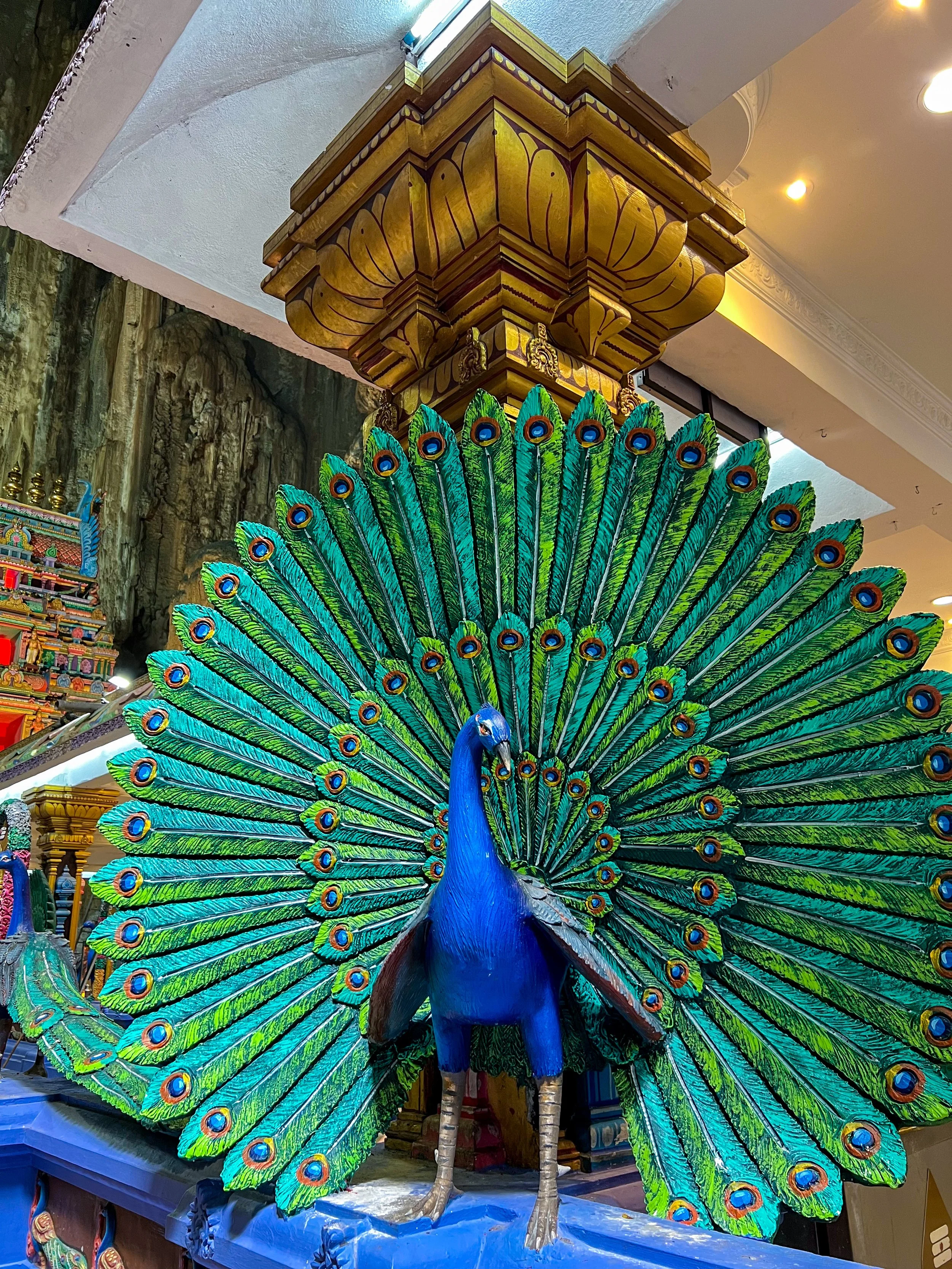
Visitors can explore several caves, including the Art Gallery Cave and Museum Cave, which house colourful statues and paintings depicting scenes from Hindu mythology. The Ramayana Cave is another notable cave, featuring murals from the Hindu epic Ramayana, along with a towering statue of Hanuman, the monkey god, at its entrance.


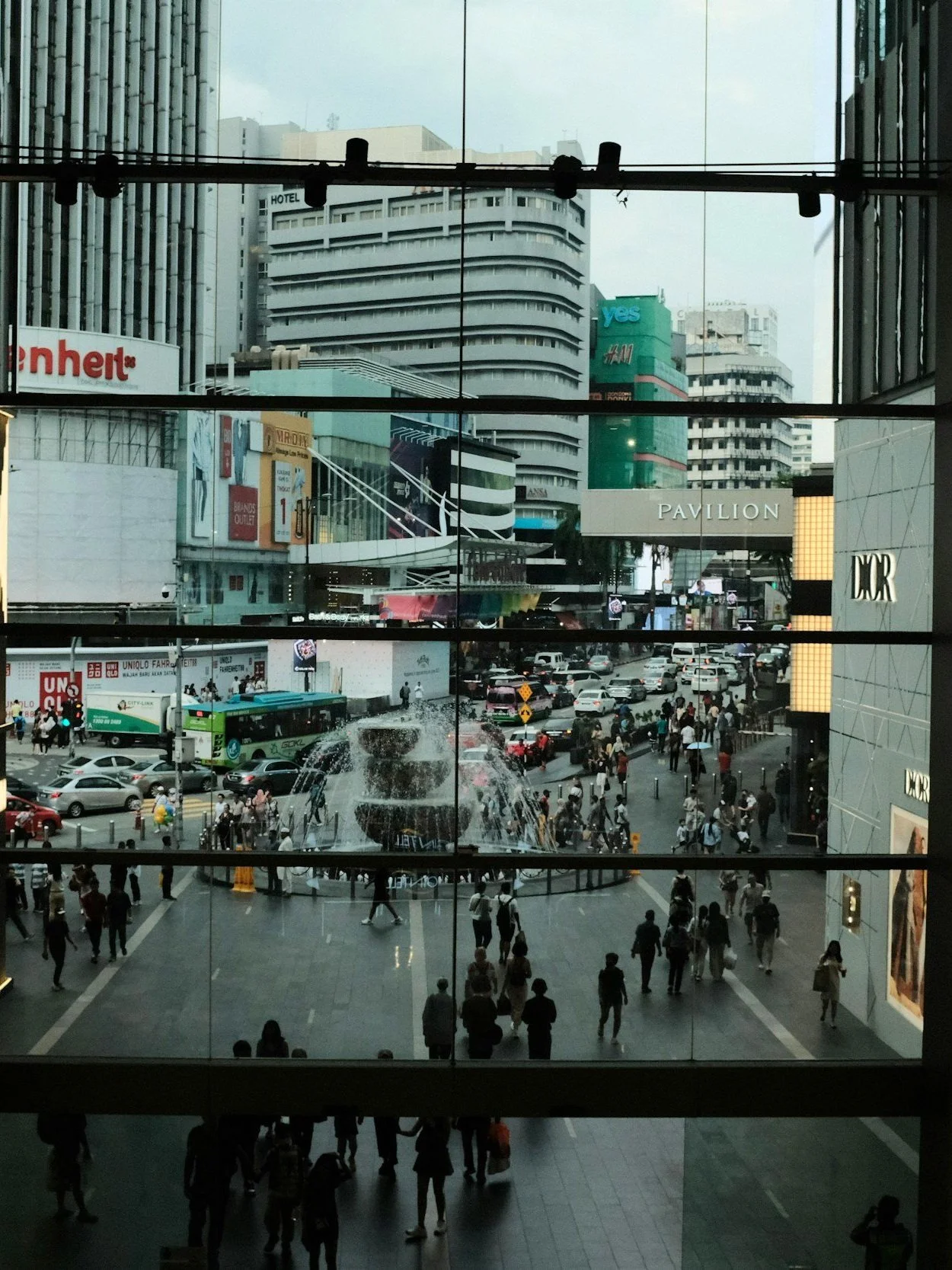
After exploring the Batu Caves, we had some time to spare before heading to the airport, so we decided to head to the Pavilion Kuala Lumpur for a quick lunch and some last minute shopping.
Located in the heart of Bukit Bintang, Pavilion KL is one of the city's premier shopping destinations, offering a blend of luxury, dining, and entertainment under one roof. Since its opening in 2007, the mall has become a major landmark in Kuala Lumpur. Whether you're in the mood for upscale fashion or delicious cuisine, Pavilion offers something for everyone!

Pavilion Kuala Lumpur
Pavilion Kuala Lumpur
After discovering the wonders of Kuala Lumpur, this unforgettable journey across Southeast Asia came to a close. Kuala Lumpur was the perfect final stop, with its stunning contrasts of modern skyscrapers and traditional heritage.
As this trip wrapped up, I was already looking forward to returning to Malaysia to discover more of this fascinating country, eager to explore its hidden gems and diverse regions beyond Kuala Lumpur.
Some links in this post are affiliate links, which means that if you buy through them, we’ll receive a small commission. This will never cost you more and in many cases you will receive a special discount.
As always, all opinions are mine. We appreciate your support!

Planning a trip to Bali? With so much to see, choosing the right itinerary is key to making the most of your time. Whether it's enjoying the vibrant beach scene in Seminyak, a spiritual retreat in Ubud, or the luxurious beaches of Nusa Dua, Bali offers diverse experiences for every type of traveller.
This 10-day itinerary is designed to capture the island's highlights while leaving room for exploration and relaxation!