Tel Aviv: the modern city of the Middle East that never stops
As the saying goes: 'while Jerusalem prays, Tel Aviv plays'. And Tel Aviv is certainly an exception in the Middle East: with one of the best nightlife in the world, a great tolerance no matter what is your style or sexual orientation, and an incredible Mediterranean beach, this city in constant movement is a place like no other. Check out what this incredible destination has to offer!
planning your visit to tel aviv
How to go from Tel Aviv Ben-Gurion airport to the city centre
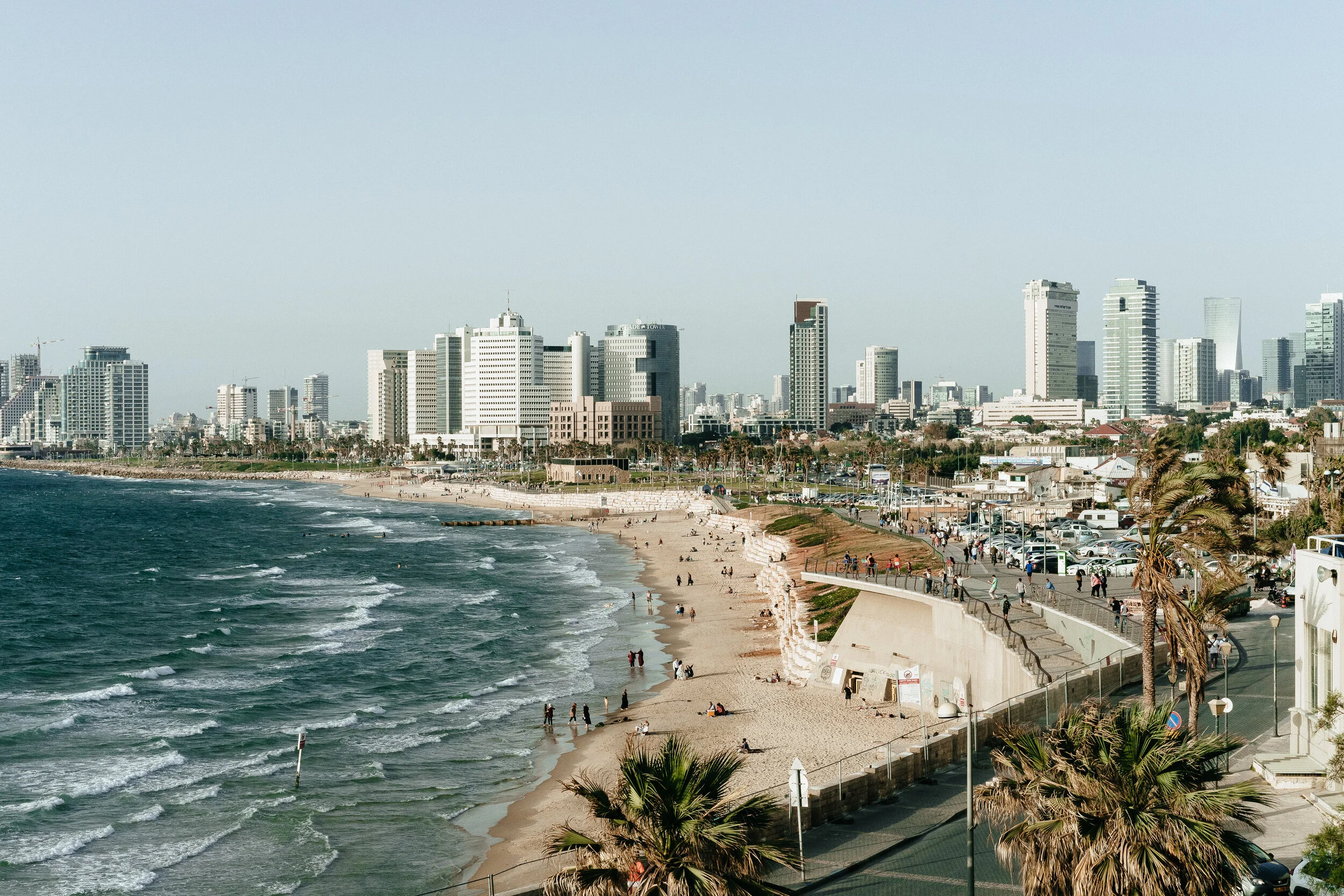
Tel Aviv
My 2-week trip backpacking around Israel and Jordan started in Tel Aviv. If you're arriving from abroad, you'll be landing at the Ben-Gurion Airport, named after the first president of Israel, which is located about 30km of Tel Aviv.
Getting to the city centre is pretty easy: trains leave from right outside the main terminal depart every few minutes and will get you in town in less than an hour, and there are also a few options to get a shuttle bus outside the airport.
You can get a taxi as well, which will have a fixed fare depending on where you go that you can check in a small machine next to the parking area, however, rates are quite high compared to the public transport. Don't expect to pay less than 150 shekels (approx. €38) for a ride.
where to stay in tel aviv - Best Hotel
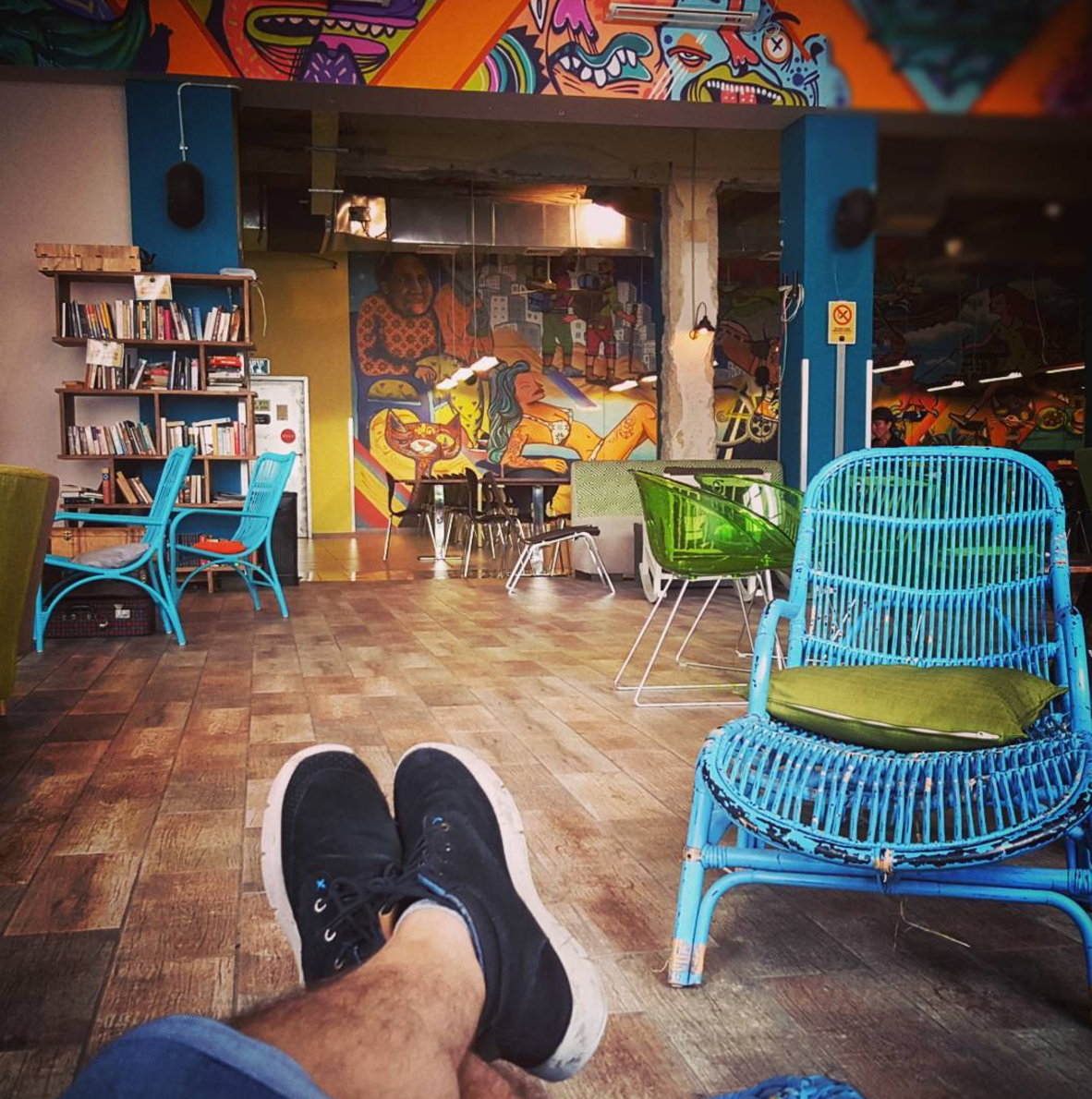
Abraham Hostel Tel Aviv
If you're looking for the perfect accommodation in Tel Aviv, that has to be the Abraham Hostel.
The vibe of Abraham Hostel is definitely one of the best you will find in Israel, and I'd dare to say in the world. Offering both dorms and private beds, all including en-suite bathrooms and an incredible breakfast, my experience in Israel wouldn't have been the same if I hadn't stayed at the Abraham Hostel.
They also offer daily visits and activities in the bar and on the terrace, which is perfect if you are traveling alone or if you are traveling in a large group.
In this hostel I found a little bit of everything: from young backpackers in their twenties to more experienced travellers or in a religious pilgrimage, Abraham Hostel Tel Aviv has something to offer everyone.
I chose this chain of hostels throughout my stay in Israel and also booked several visits with them, and it was the best choice I could have made.
Best Restaurant in Tel Aviv
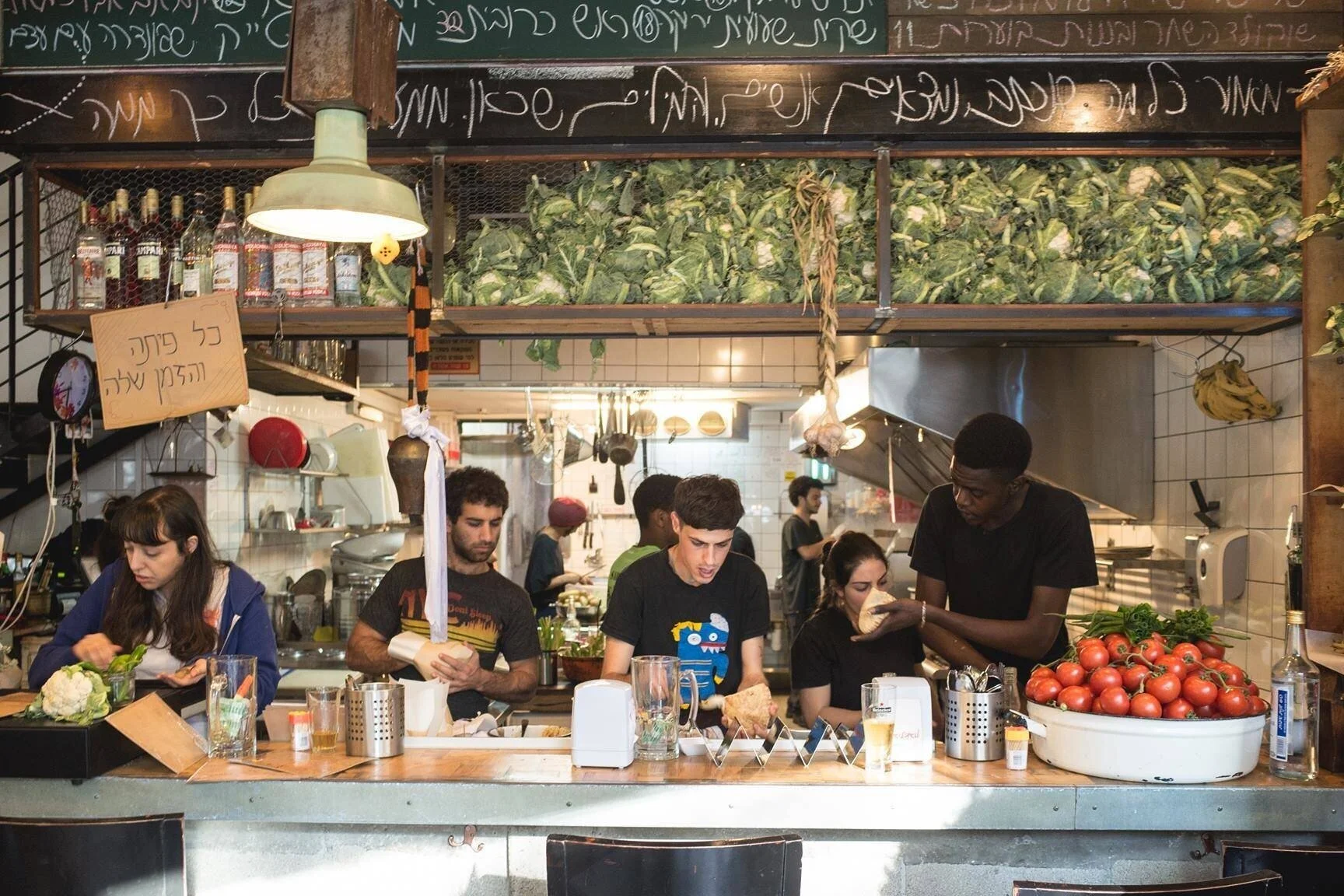
Miznon
Tel Aviv is well known for being one of the vegan capitals of the world; a big part of the population is vegan or vegetarian and this can certainly be reflected in the huge amount of vegetarian offers that you’ll find all over the city.
There are endless options for food in Tel Aviv, but if you want to experience some local treats for a cheap price, don't miss the food street around the Carmel Market.
However, my personal recommendation is Miznon. Located in Shlomo Ibn Gabirol St. 23, this small restaurant offers a great vibe and some of the best stuffed pittas in town.
You can add pretty much anything that you like: veggies, chicken, offal or meat, it's up to you! I asked the attendant to chose for me the best pitta they had, and it definitely didn't disappoint.
What to see in Tel Aviv
Tel Aviv is a fairly new city, founded only in 1909 when several families divided some plots of land located just outside the Arab city of Yafo to create a new neighbourhood for the growing number of Jewish families that were arriving in Israel.
The city grew considerably during the Second Aliyah, when thousands of middle-class European Jews immigrated to Israel and started to create a modern suburb that would remind them of what they left behind in their countries of origin. Today, Tel Aviv is the second largest city of Israel, and one of the most modern and cosmopolitan metropolis of the Middle East.
My first encounter with Tel Aviv was the Rothschild Boulevard, one of the main streets of Tel Aviv that goes all the way from Neve Tzedek in the south to the Habima Theatre in the north. Many of the tourist attractions of the city are located here.
Rothschild Boulevard
The boulevard is flanked by trees and gardens on both sides, with pedestrian and bike lanes in the middle. Even though I visited early in the morning, the street was already quite busy with people jogging, riding their bikes and walking their dogs. The city really cares about the well-being of its inhabitants and you can feel that as soon as you step outside. I found the boulevard the perfect place for a stroll while getting familiar with Tel Aviv.
Just off Rothschild Boulevard, turning toward Allenby Street, is located the Great Synagogue. Completed in 1926, nowadays this synagogue is right in the business centre of Tel Aviv.
Main entrance of the Great Synagogue
When I first got there, I was a bit disappointed by the austere exterior. However, after paying a small donation of €2 to get in, I was actually glad that I visited the inside.
The interior is the quite different: the huge dome and lighting are much more impressive, and you can also find stained glass windows that are replicas of the windows of synagogues that were completely destroyed during the Holocaust in different European countries.
Interior of the Great Synagogue
My next stop was the Independence Hall, the birthplace of the State of Israel. I was lucky enough to visit Israel during Independence Day, so I could enjoy a very educational guided visit of the hall, which was included with the entrance fee of 24 shekels (approx. €6).
At 4pm on Friday, May 14, 1948, eight hours before the British Mandate in Palestine was to expire, members of the Provisional State Council and the Provisional Government, as well as leaders of the Jewish community in Eretz Israel gathered in this hall.
Around 350 people congregated here to listen as David Ben-Gurion, chairman of the Provisional Government and the World Zionist Organization, declared the establishment of the State of Israel.
Independence Hall
After concluding the reading of the Declaration of Independence, Rabbi Yehuda Leib Maimon, leader of the Mizrahi movement, recited the She'Hecheyanu blessing, which was followed by the signing of the Declaration of Independence by members of the Provisional State Council and the Provisional Government. The singing of the national anthem Ha'tikvah concluded the ceremony and the State of Israel was officially born.
At the end of the visit, we listened to a recording of the original declaration of independence followed by the national anthem of Israel. Everybody in the hall stood up and started singing together. It was certainly a very special moment, and the fact that my visit took place during the celebrations of the 69th anniversary of the State of Israel made it even more touching.
Microphones used to announce the establishment of the State of Israel
After visiting the Independence Hall, I continued walking towards Neve Tzedek and Florentin, two neighbourhoods located in the south-west of Tel Aviv.
Neve Tzedek was the very first neighbourhood that was constructed outside the old port city of Jaffa, so technically, it was the origin of modern Tel Aviv. The neighbourhood of Florentin developed almost at the same time.
The neighbourhoods were neglected for years, making them one of the areas to avoid, however, since the 1980s, they has become one of the trendiest districts of the city, mixing the traditional and narrow streets with modern architecture and great examples of street art.
Street art in Florentin
Graffiti against the occupation of Palestine
'Art is a lie that makes us realize the truth'
'The Squirrels'
Street art in support of the refugees
Leaving Neve Tzedek behind and walking north towards the port, I stopped by Hassan Bek Mosque. Built in 1916 by the governor of Jaffa, an Arab city that nowadays is part of the greater area of Tel Aviv-Yafo, it has always had great significance for the Arab population of Jaffa.
The mosque has constantly been at the centre of controversy in the Arab-Israeli conflict from the times of the British Mandate to up until our days. During the 1948 War, the minaret of the mosque was often used by Arab snipers to shoot at Jewish passersby.
The latest episode of conflict took place only in 2001 during the Second Intifada, when a Hamas suicide bomber killed 21 Israeli nearby. Enraged demonstrators besieged and attacked the mosque as it was suspected that the bomber had been harboured at this mosque.
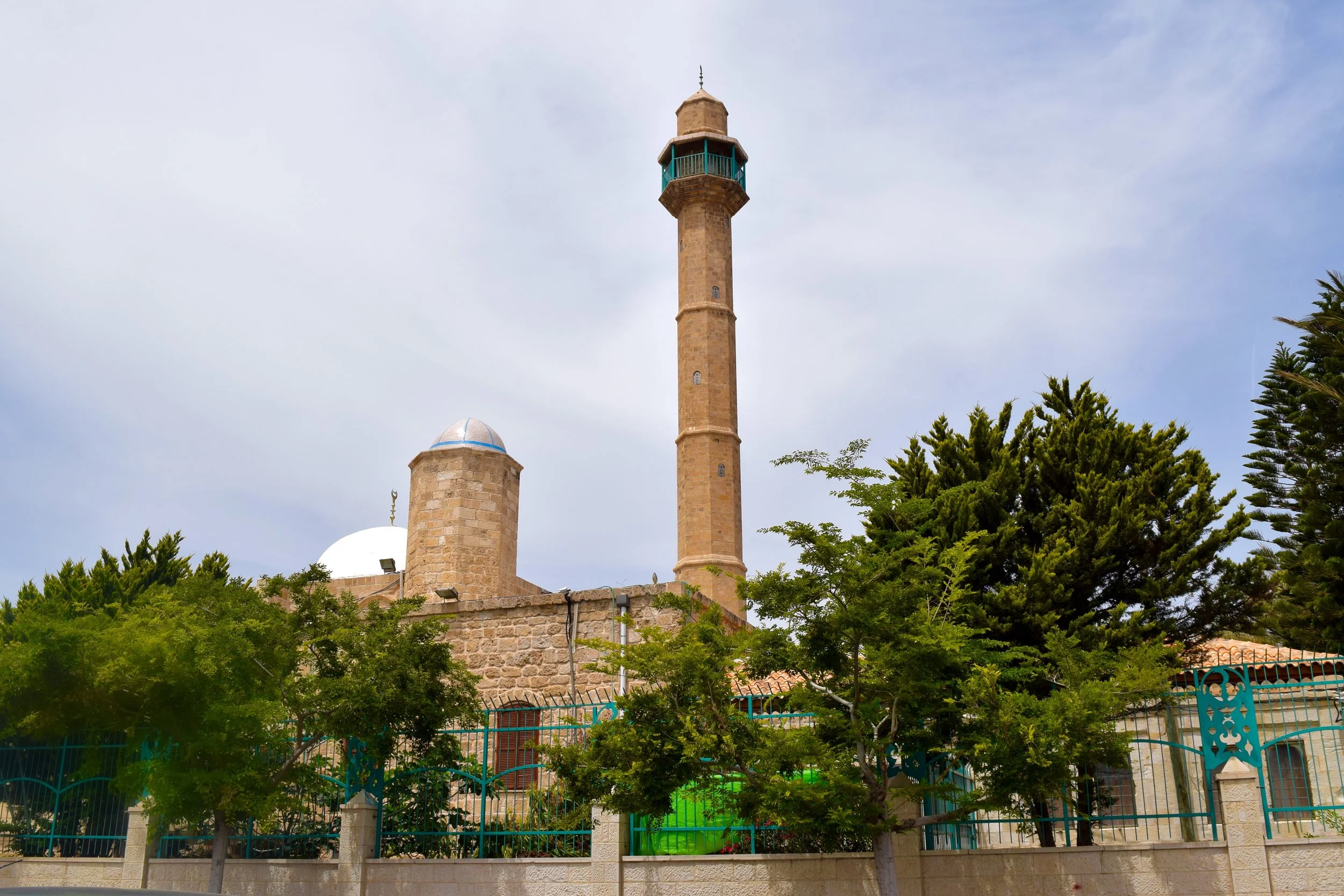
Hassan Bek Mosque
In 2003, the UNESCO inscribed the White City of Tel Aviv in the list of World Heritage sites. The White City is a collection of over 4,000 buildings that were built in a unique form of the Bauhaus style, based on the urban plan by Sir Patrick Geddes during the British Mandate in Palestine. The White City of Tel Aviv represents the Modern Movement of architecture that developed in Europe during the 20th century.
While wandering around trying to find more examples of Bauhaus buildings, I came across one of my favourite and liveliest parts of Tel Aviv, the Carmel Market. Carmel Market is the largest and busiest in the city; and incredibly vibrant place where you can find anything that you can imagine: local food and fruits, fresh juices, music, clothes, electronics... you name it!
As soon as I stepped into the market, I started to realise that I was actually in the Middle East! A big contrast compared to the modern look of Tel Aviv.
The market opened in 1920, just a few years after the foundation of the city. If you want to try some of the local delicacies, the lower part of the market has some of the best street food in Tel Aviv.
Example of a building in the White City
Carmel Market
Fruit stall in the Carmel Market
On the north side of the market, you'll find Magen David (‘Star of David’) Square, the intersection of Allenby, King George, Sheinkin, Hacarmel and Nachlat Binyamin Streets.
The square received its name in the 1930s for the six streets that emerged from it at the time, similar to a Star of David hexagram. Large spontaneous celebrations took place in the square following the announcement of the U.N. Partition Plan and the decision to establish the State of Israel.
Magen David Square
I spent the rest of the day enjoying the big highlight of Tel Aviv: its incredible beach. Stretching for miles on the west side of the city, the beach constitutes an essential part of the lifestyle of Tel Aviv.
The beach is divided into different sections for all kind of publics: families with children sunbathing and enjoying the warm waters of the Mediterranean, surfers, people playing volley, joggers showing off their sculpted bodies, gay beaches... there's no room for judgment in Tel Aviv!
In fact, Tel Aviv is one of the most open-minded cities in the Middle East, and some would say even in the world. The city was chosen the friendliest LGBTQ+ city in the Middle East, there are multiple alternative neighbourhoods that the local hipsters love, and Tel Aviv has even been named the world's vegetarian food capital.
Tel Aviv beach
Volley players in Tel Aviv beach
Views of Tel Aviv beach with Jaffa in the background
Giant chairs at Tel Aviv beach
The views of the sunset from the beachfront were just the perfect way to finish my first day in Tel Aviv. Next day, I would explore the city of Jaffa, a beautiful Arab port city and the oldest part of the Tel Aviv-Yafo region!
Some links in this post are affiliate links, which means that if you buy through them, we’ll receive a small commission. This will never cost you more and in many cases you will receive a special discount.
As always, all opinions are mine. We appreciate your support!
Related posts


This article is now featured on GPSmyCity. To download this article for offline reading or travel directions to the attractions highlighted in this article, go to Walking Tours and Articles in Tel Aviv on GPSmyCity.

There's no other experience in Israel like witnessing the sunrise from the top of Masada, an ancient fortification with breathtaking views of the Dead Sea. During my last day in Israel, I climbed the 450m hill while the sun was rising to observe one of the most impressive spectacles of nature that I've ever seen.
Not far from Masada I also visited the Ein Gedi Natural Reserve, an oasis in the Judean Desert and one of Israel's main hiking spots with stunning waterfalls and landscapes, ending the day with one of my bucket list things to do in Israel: floating and getting covered in mud in the Dead Sea, the lowest point on Earth.