
Byblos, the ancient Phoenician port city of Lebanon: how to arrive and places to visit
First inhabited over 5,000 years ago, the port city of Byblos is one of the oldest continuously inhabited settlements in the world. Closely associated with the history and propagation of the Phoenician alphabet, Byblos was declared a UNESCO Heritage Site in 1984.
If you want to explore the Phoenician past of Lebanon, you can't miss a visit to this ancient city!
How to visit Byblos from Beirut
Byblos, also known as Jbeil in Arabic by most people in Lebanon, is located about an hour north of Beirut, following the Mediterranean coast. If you’re planning a day trip, you’ll drive past some of the most tourist sites in Lebanon, so if you’d like pack a few different places on the way, the tour to Jeita, Harissa, and Byblos from Beirut by GetYourGuide is one of the most complete choices you’ll find.
The day tour includes not only a visit to Byblos, one the oldest town in the world, but also a visit to the Jeita grotto, one of the most beautiful caverns in the world, and a stop at the statue of Our Lady of Lebanon in Harissa to admire the incredible views of Jounieh Bay.
If you only want to go to Byblos or prefer to organise transportation on your own, there are frequent and very cheap buses that depart from Beirut’s Cola intersection and will leave you at the entrance of the city.
However, the most comfortable option is getting a transfer. To go to Byblos from Beirut, I recommend booking your transportation in advance with GetTransfer.com, the largest company for transfers around the world. Private transportation in Lebanon is not very expensive, so if you’re travelling in a group, it’s definitely worth it, and of course, faster than public buses. A trip from Beirut to Byblos shouldn’t cost more than $25-30.
What to see in Byblos
The city of Byblos has one of the best public beaches in Lebanon, so that was my first stop.
Byblos beach is located just north of the harbour, and even though my visit was in spring, some locals were already enjoying the sun. The water was quite clear and it definitely looks like a great place to relax in the summer, especially when the beach clubs fill the coast.
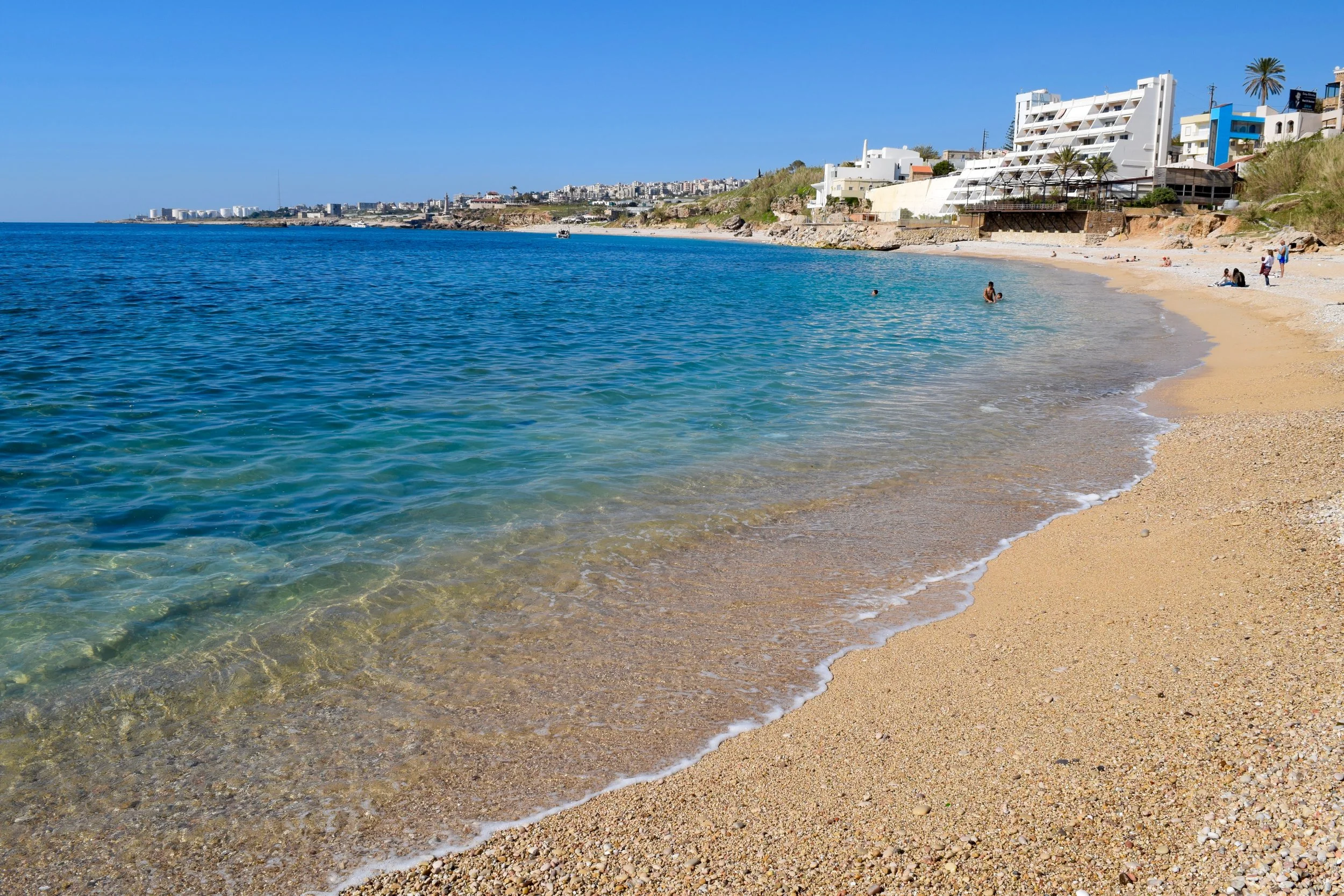
Byblos Beach
Occupied since the 5th millennium BCE, the city became a very significant religious centre of the area after it was colonised by the Phoenicians in the 3rd millennium BC.
Thanks to an already very elaborate naval architecture, the maritime trade of Byblos developed by exporting the local resources and the valued Lebanese cedar wood to the Pharaohs of ancient Egypt.
The city’s northwestern gate controls the access towards Byblos harbour. Circular in shape, the actual enclosing remains are Medieval with Mamluk reshaping. Today, the harbour is one of the main tourist attractions of the city, filled with overlooking restaurants and yachts.
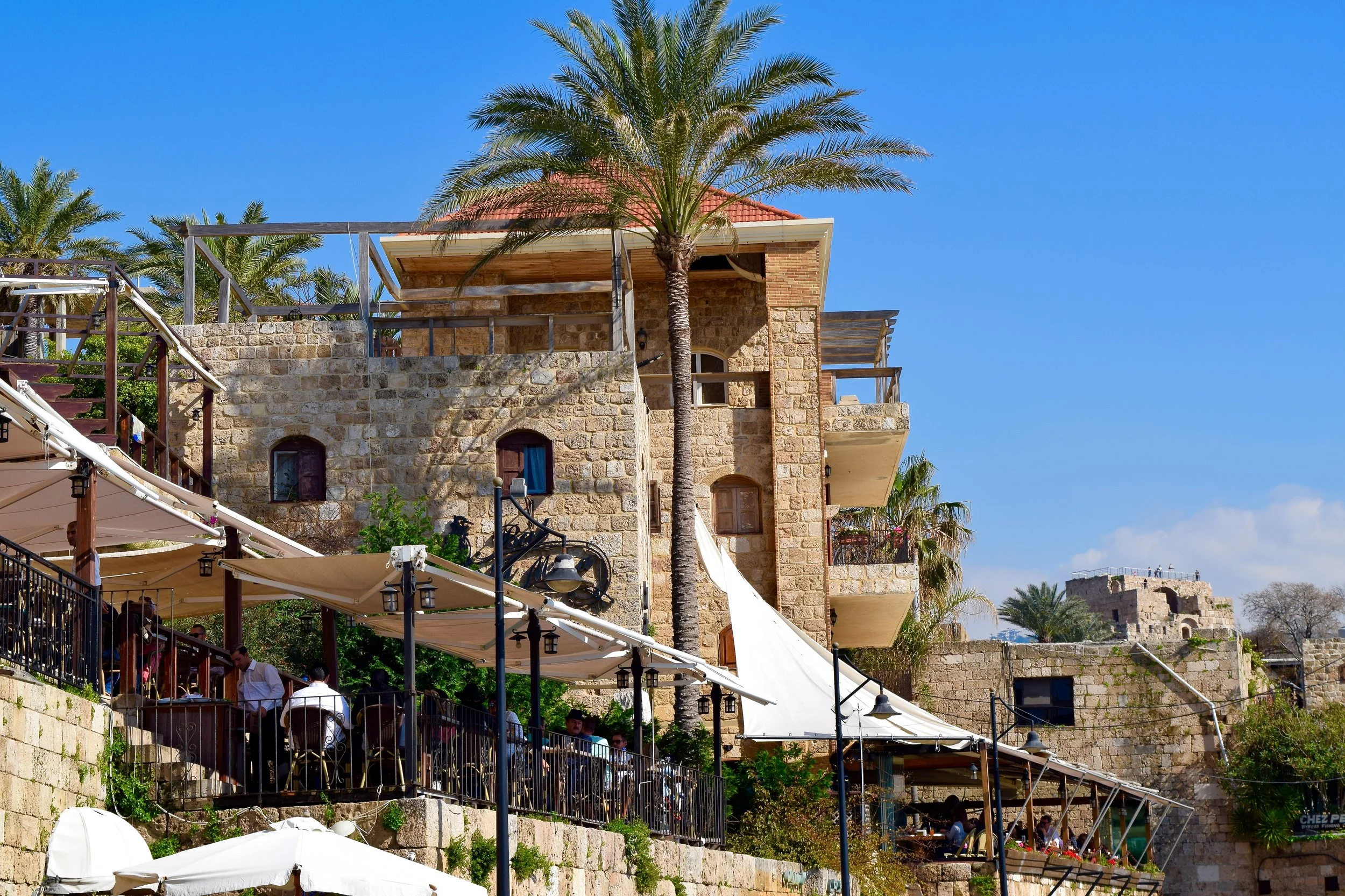
Byblos harbour
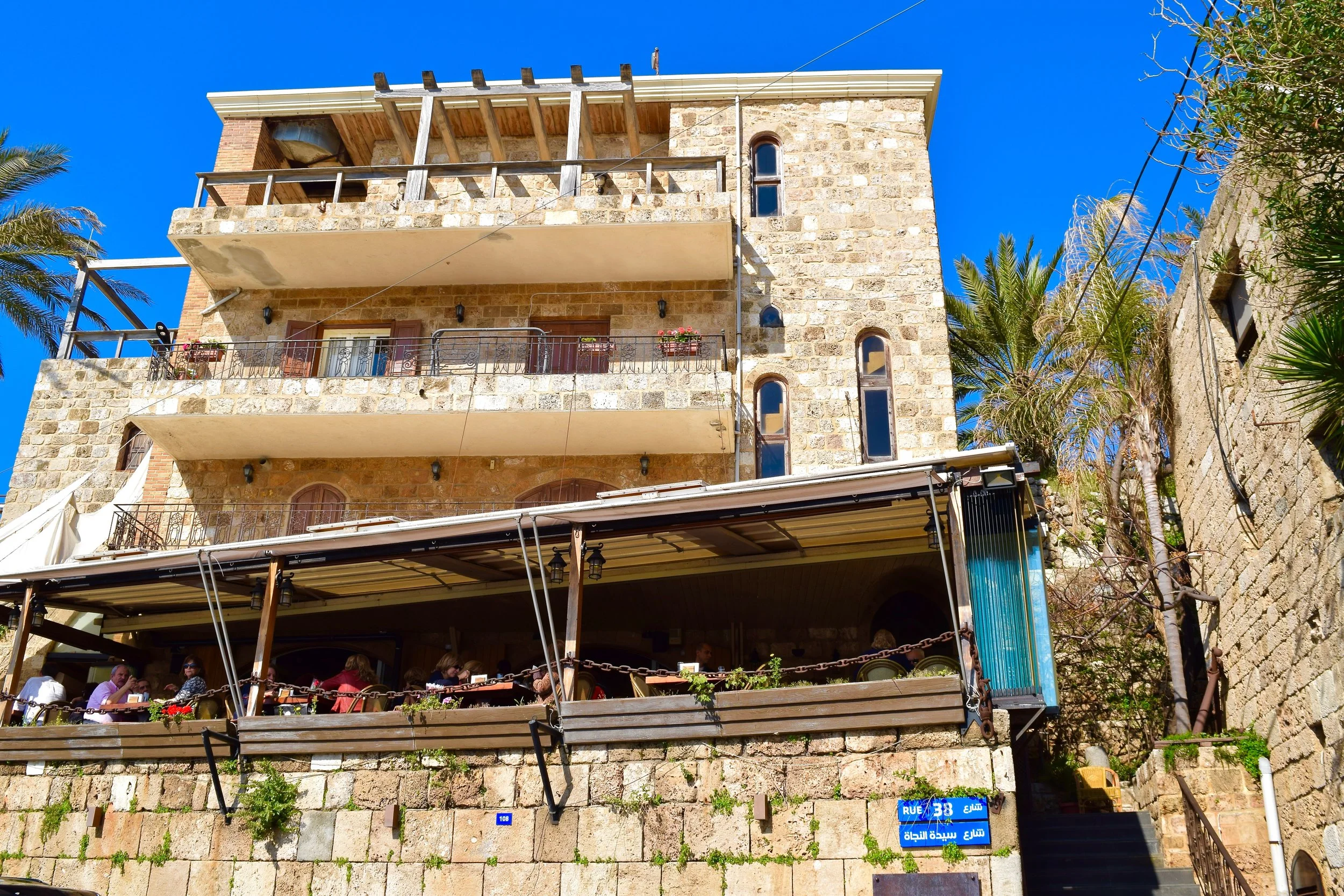
Restaurants on the harbour
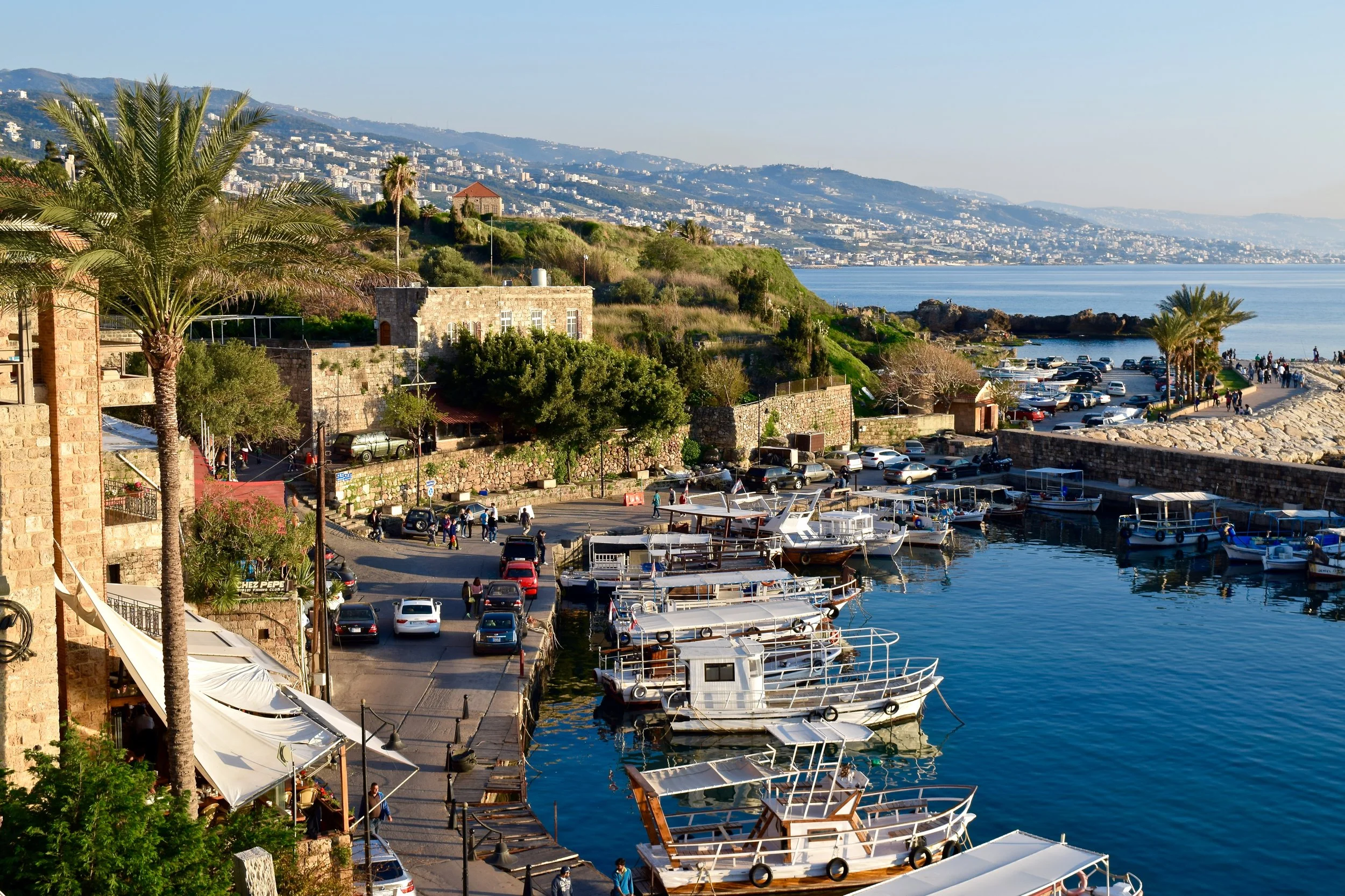
View of Byblos harbour from the top
As I left the harbour behind, I reached the old historic quarter. At its very heart, you can find some ancient ruins surrounded by Byblos Castle, the entrance to the souks, a mosque and a church.
The Mosque of the Sultan Abdul Majid dates to the Ottoman times in the middle of the 17th century, with its semi-spherical cupola and an octagonal minaret.
Just next to it is the Saydet Al-Bouebeh Church, or Our Lady of the Gate, built in the 18th century just over the north gate of the city wall.
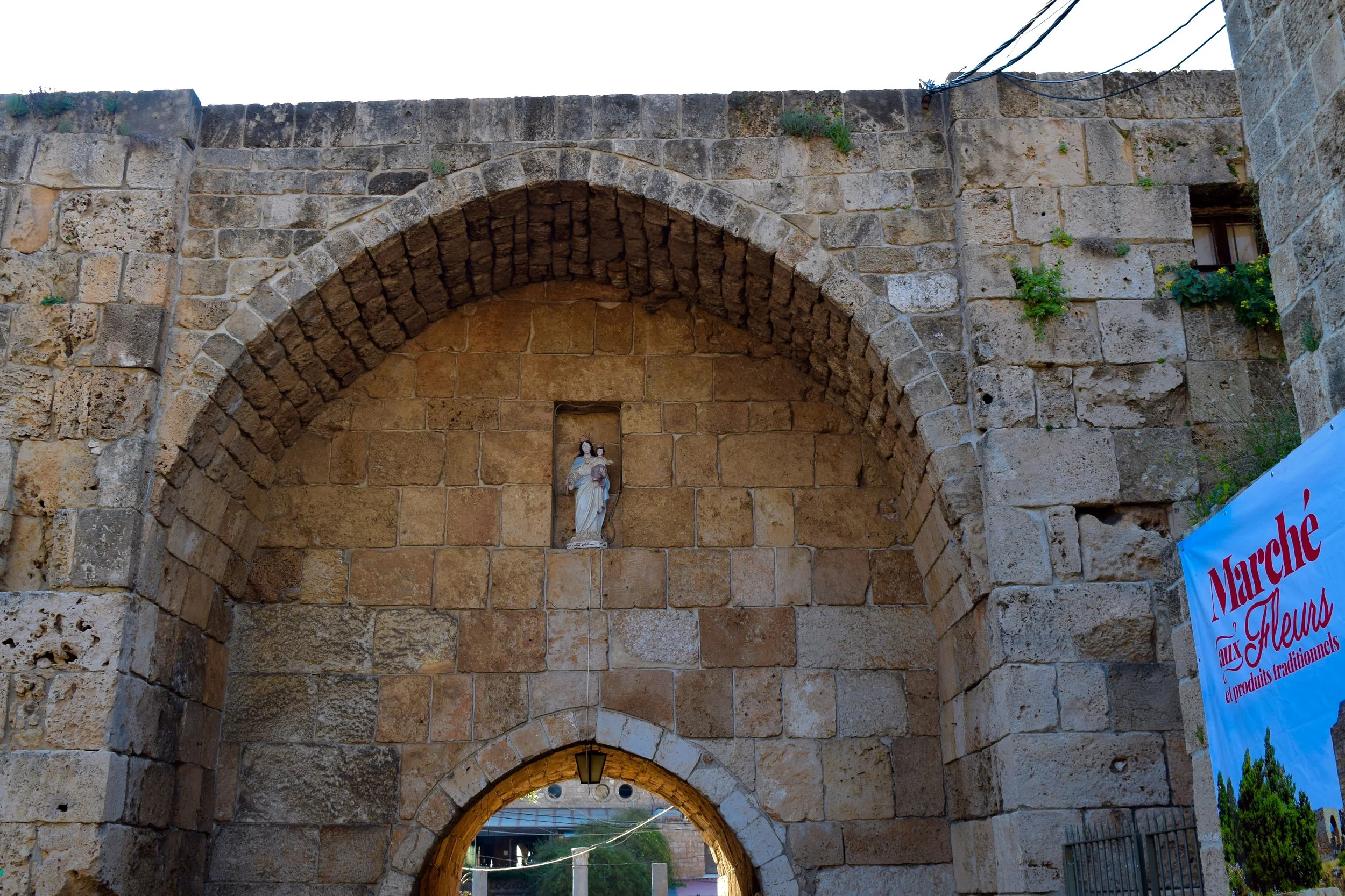
Entrance to the souks
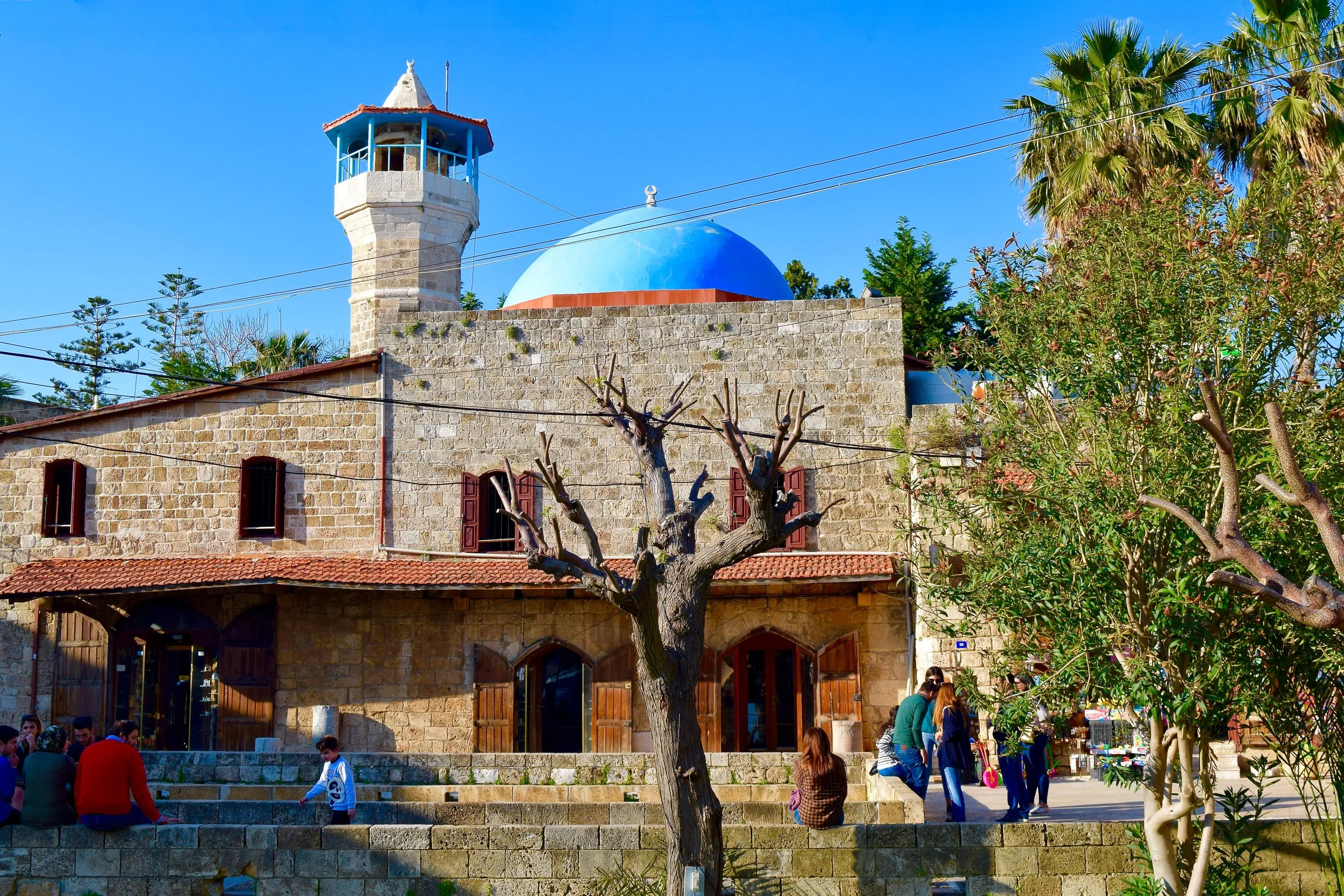
Mosque of the Sultan Abdul Majid
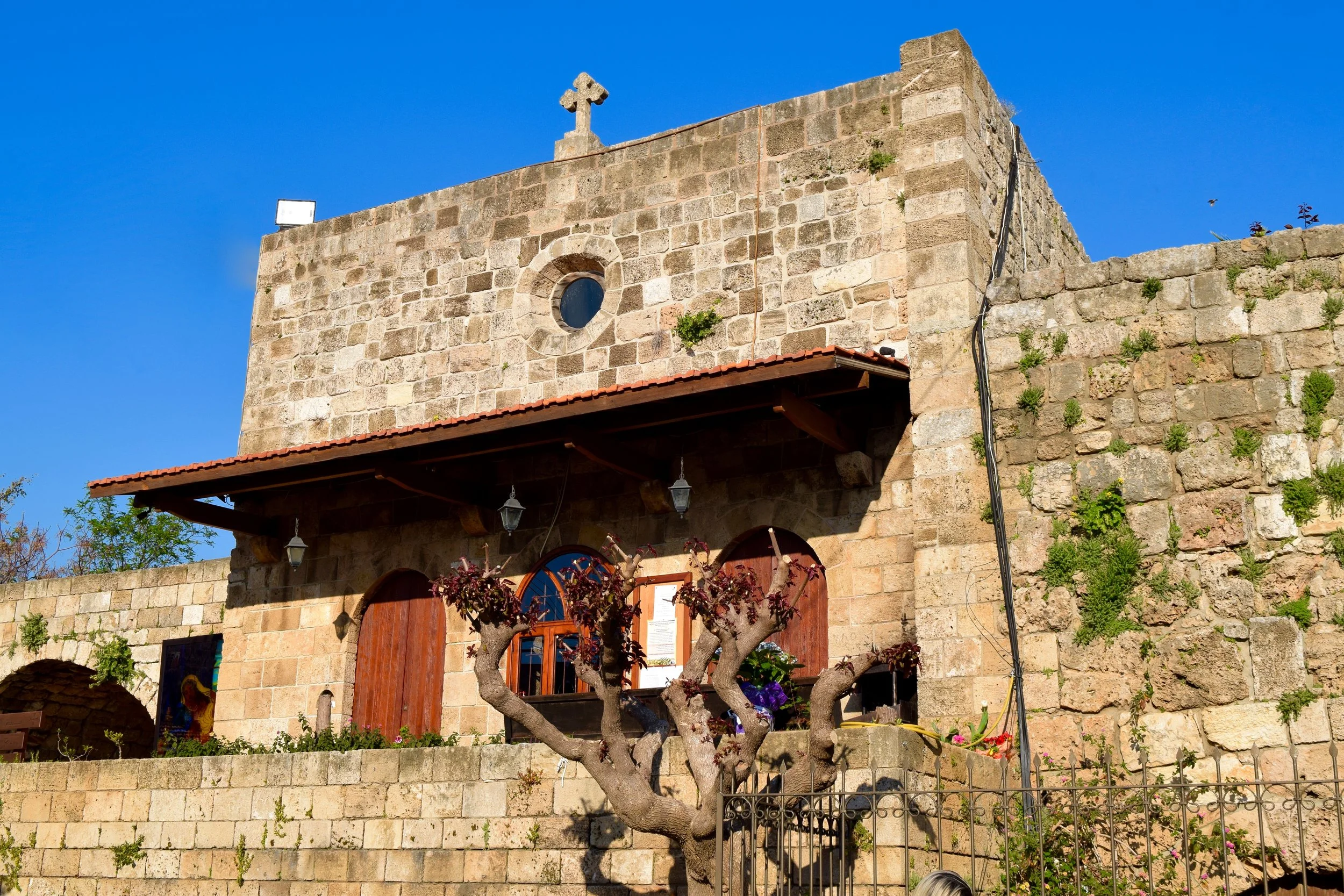
Our Lady of the Gate Church
Byblos is well known for its souks, the famous Arab markets. The old souks have always been an important part of the commercial history of the city.
The entire area is incredibly charming with its cobblestone streets and local shops, where you can find all kinds of souvenirs and antiques, as well as restaurants and cafes to relax after some shopping. We had some amazing food in the Rif Grill Restaurant!
I was actually quite surprised at how busy all the streets were considering that Byblos is quite small. It was the first and only time during my visit to Lebanon that I felt like in a touristic place!
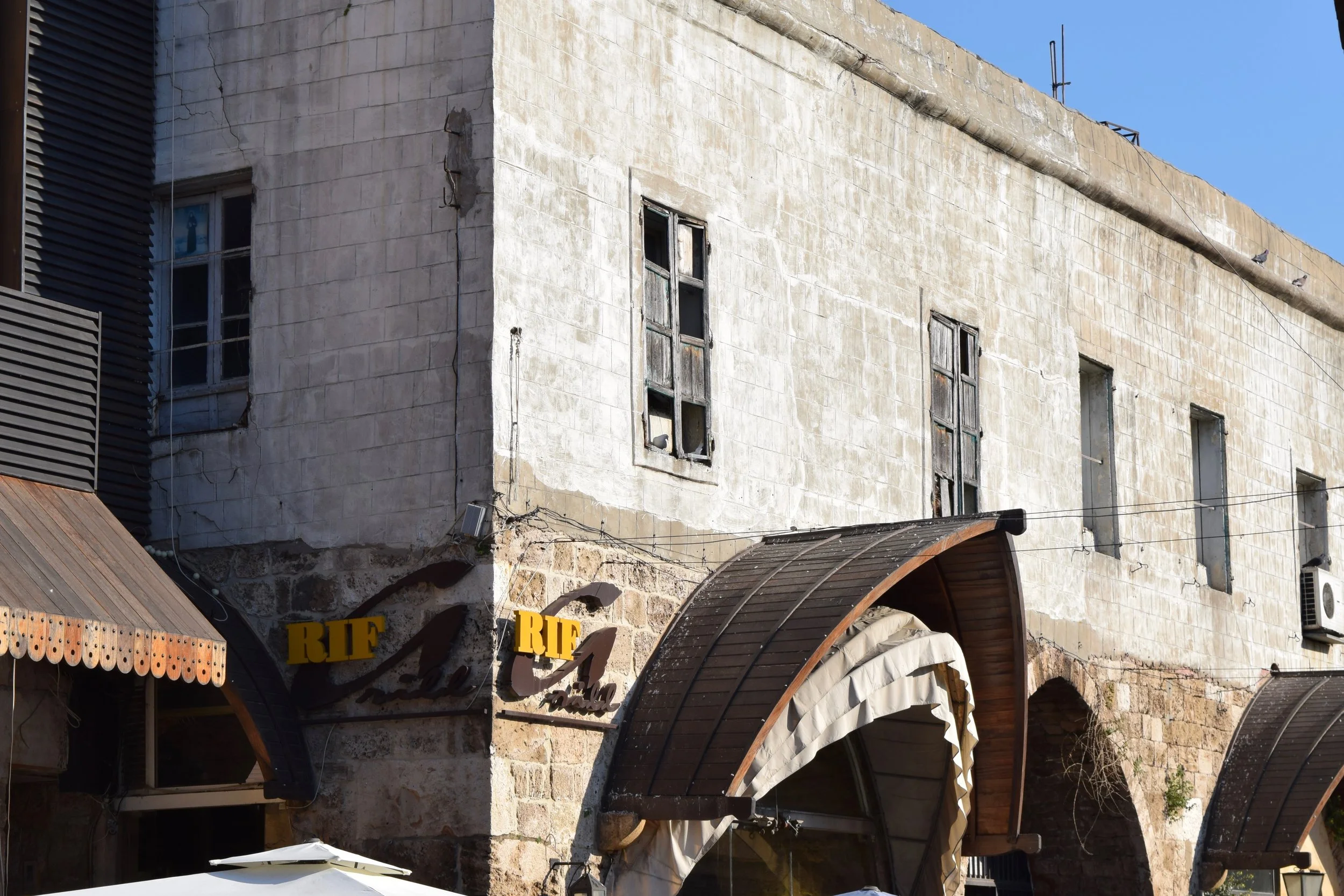
Rif Grill Restaurant
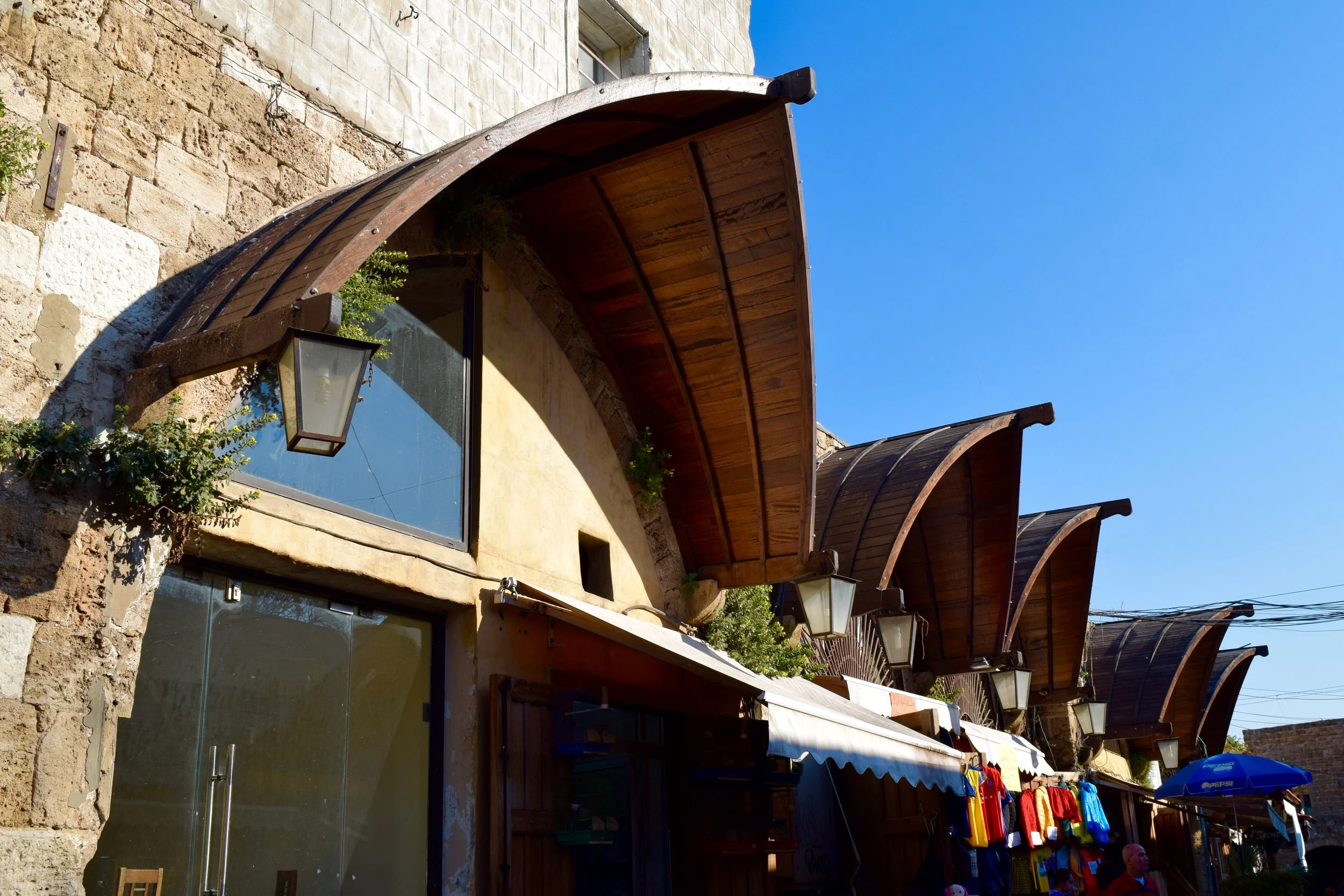
Souk of Byblos
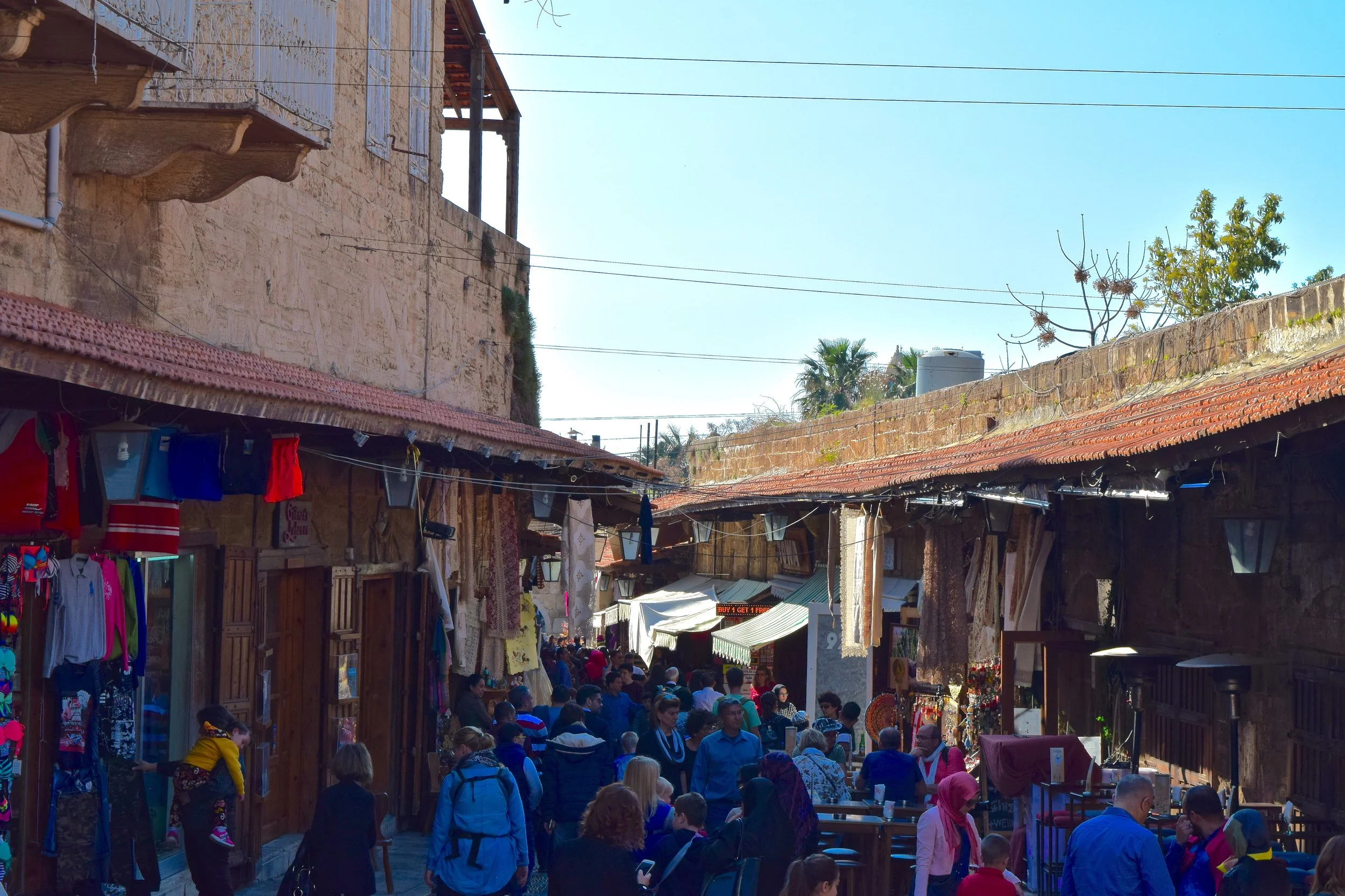
Main street of the souk
The Crusaders conquered Byblos in 1104, fortifying the entire city. This is the period when Byblos Castle was built, the undeniable highlight of the city.
The castle is surrounded by a 10-meter wide ditch accessible by a bridge that leads to the main gate. The second line of defence is constituted of four towers connected by walls, with a fifth tower in between the northern towers. The latter served as a residence to the lord and a refuge to the besieged in case of an attack.
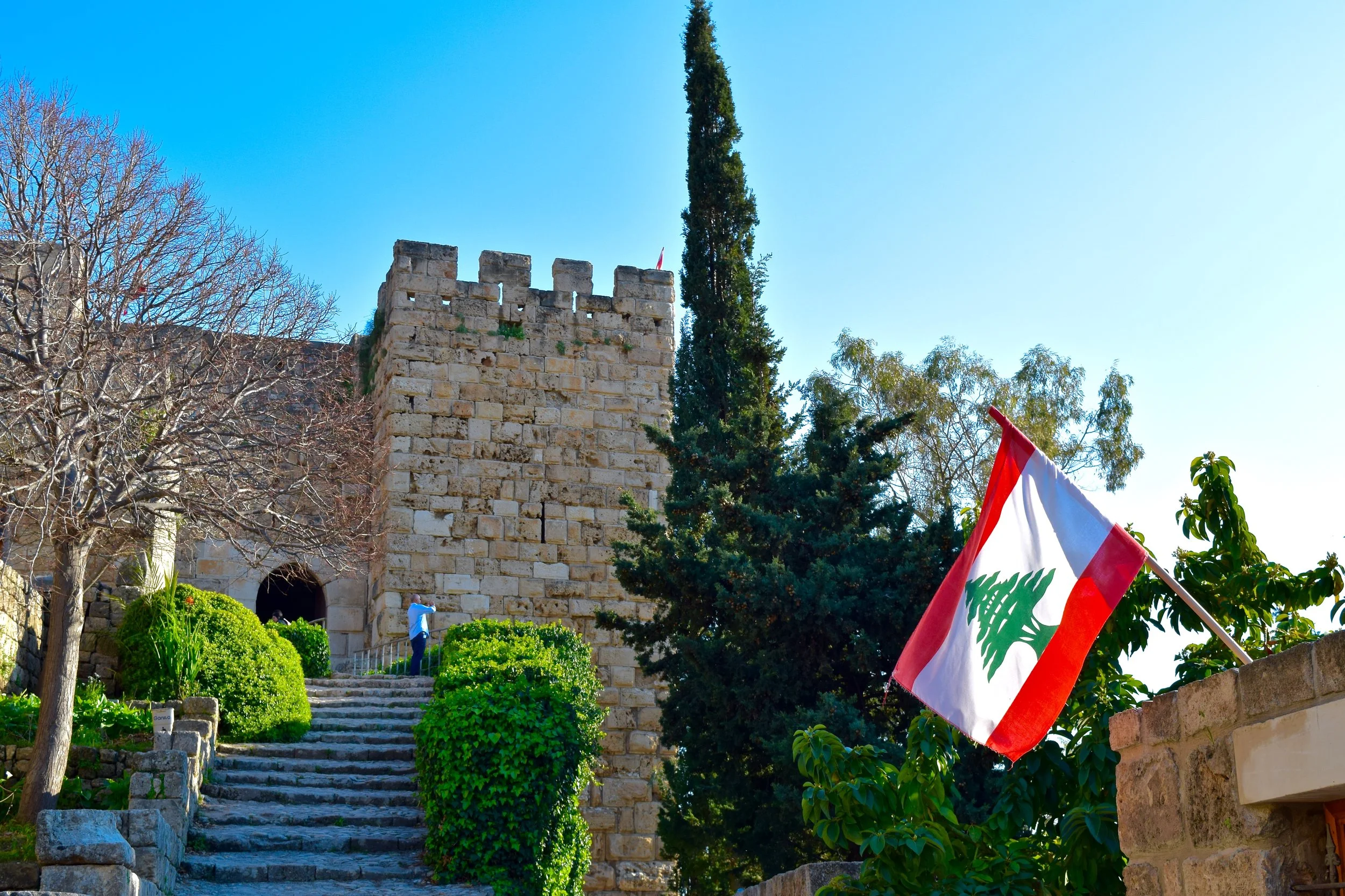
Byblos Castle
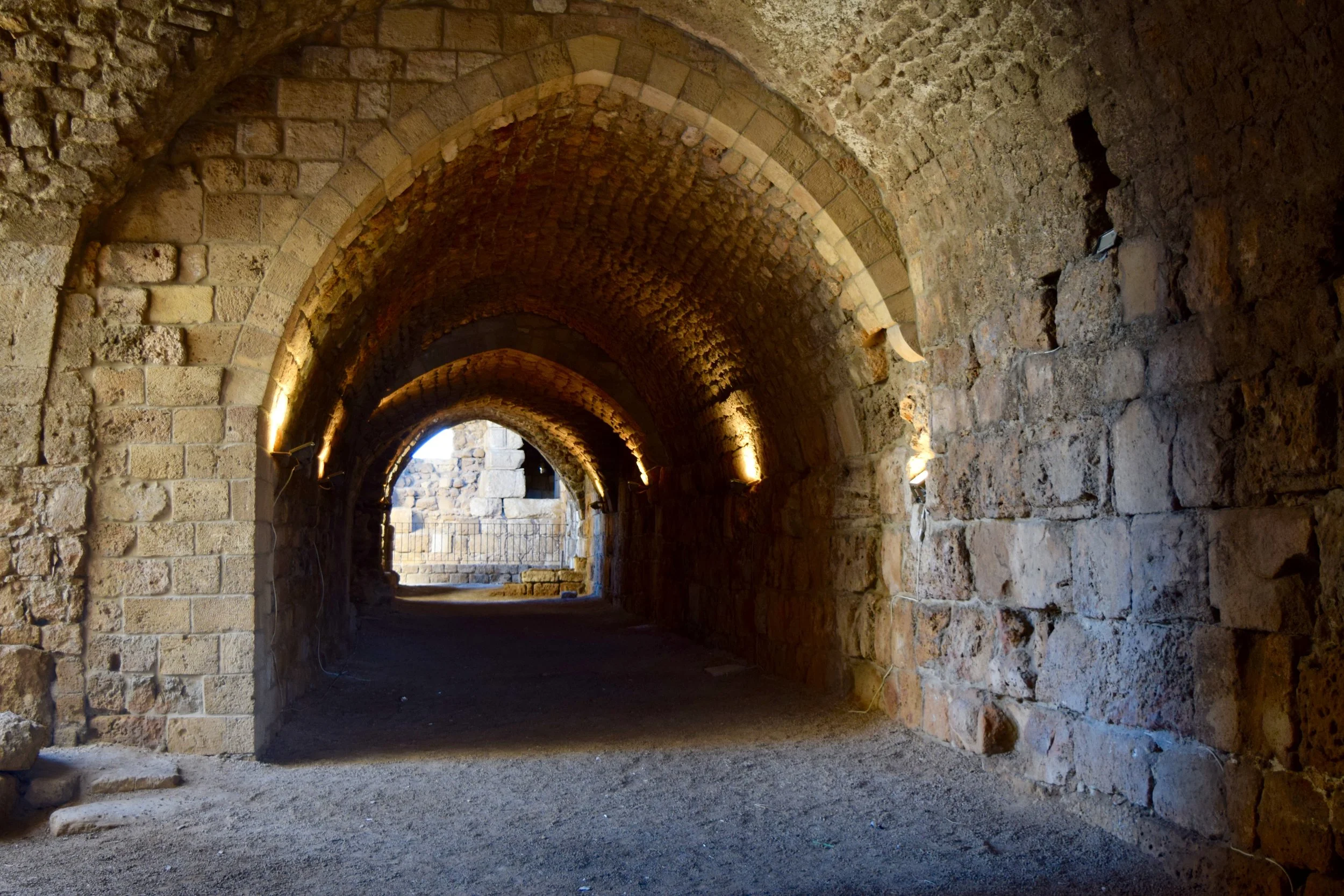
Lower level of the castle
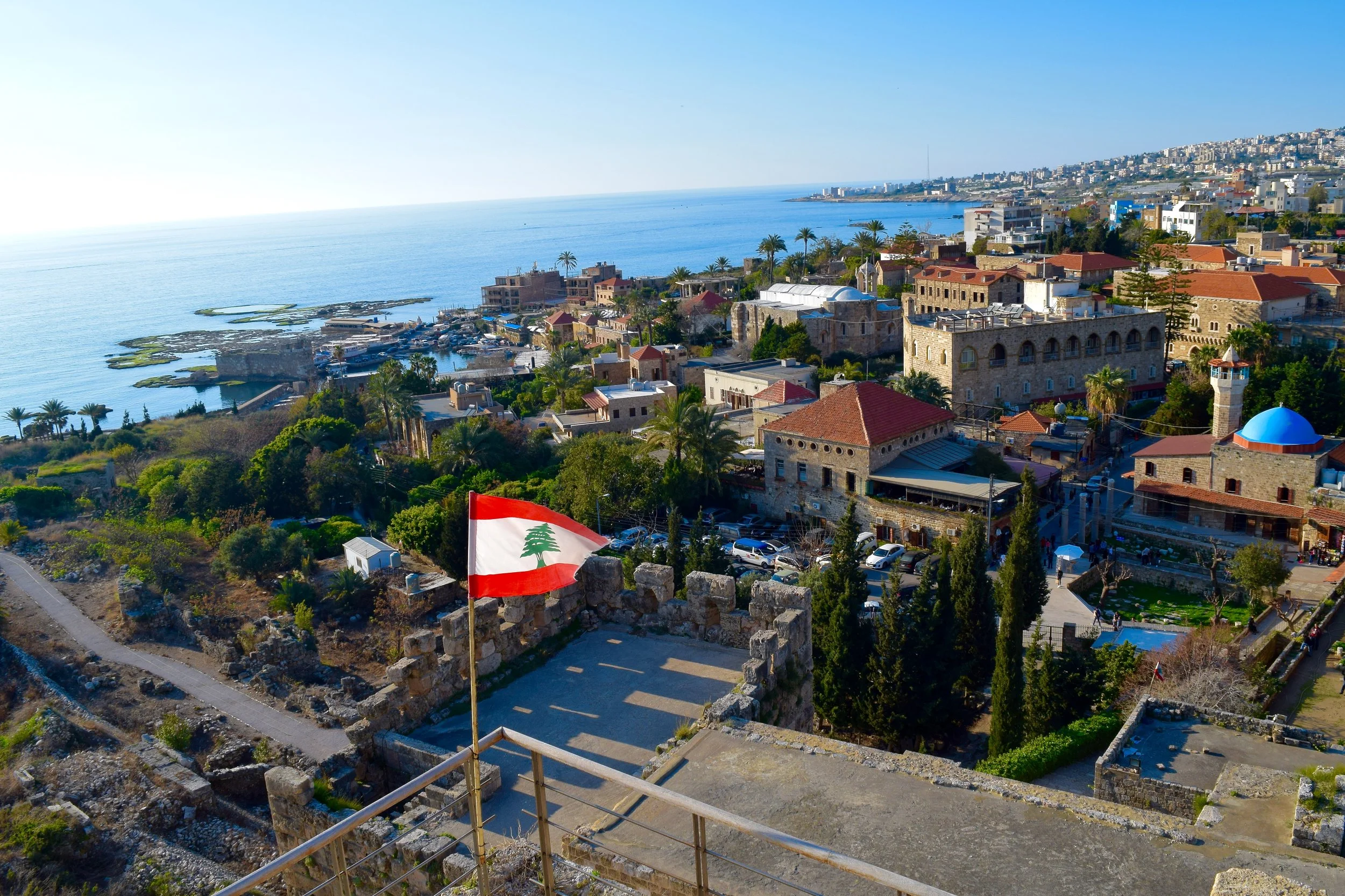
Views of Byblos from the castle
Thanks to its location on the coast, Byblos was in constant relation with the Eastern Mediterranean. Through the Akkar Valley, also known as Homs Pass, the city had access to the Syrian hinterland, and from there, to Mesopotamia and Anatolia.
This helped Byblos become one of the main cities of the Levantine coast, influenced by multiple cultures over the centuries.
In the fields of the castle, you can admire this diverse ancient history of Byblos, where you can find a Phoenician royal necropolis, Egyptian temples, and even a Roman amphitheatre.
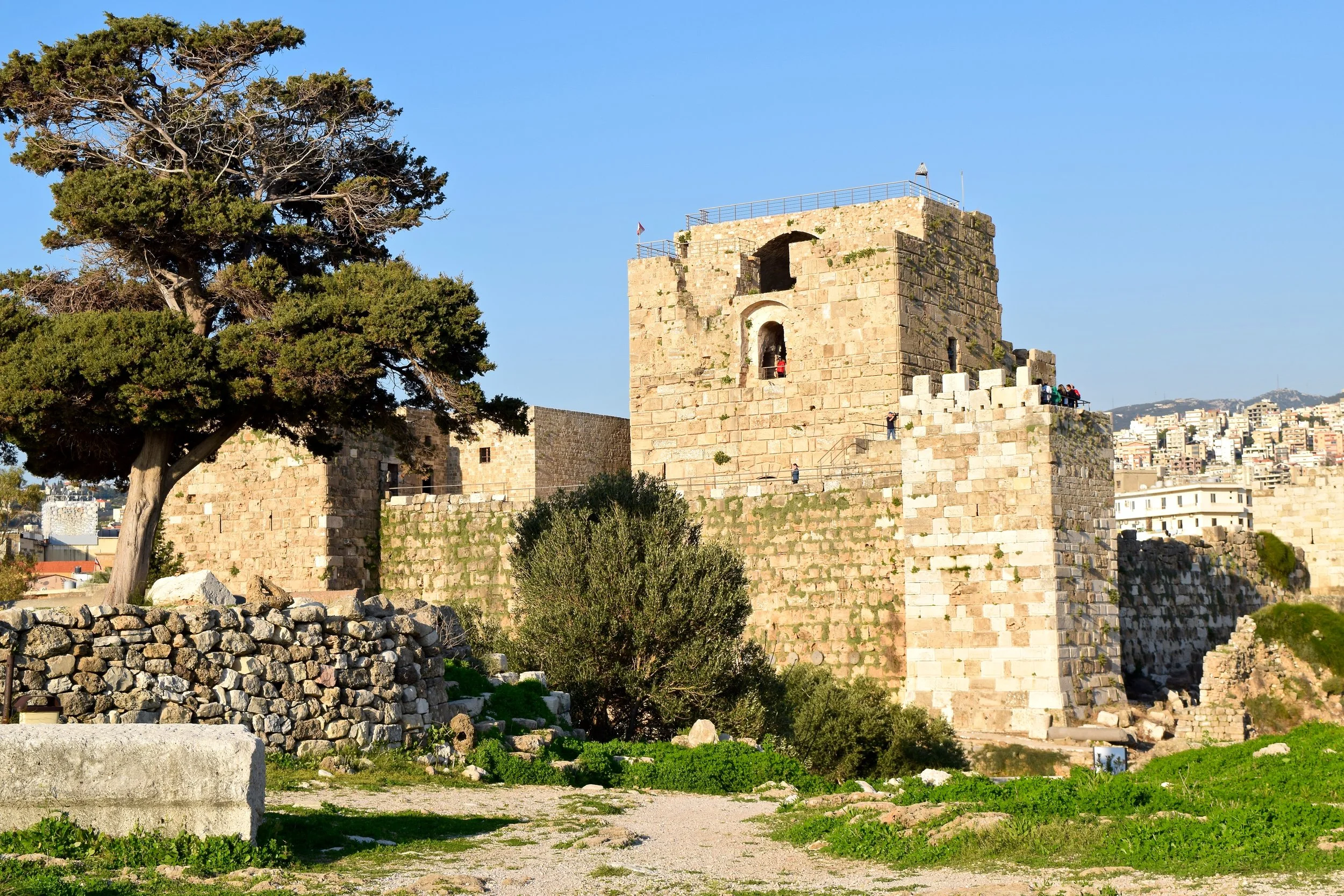
Byblos Castle
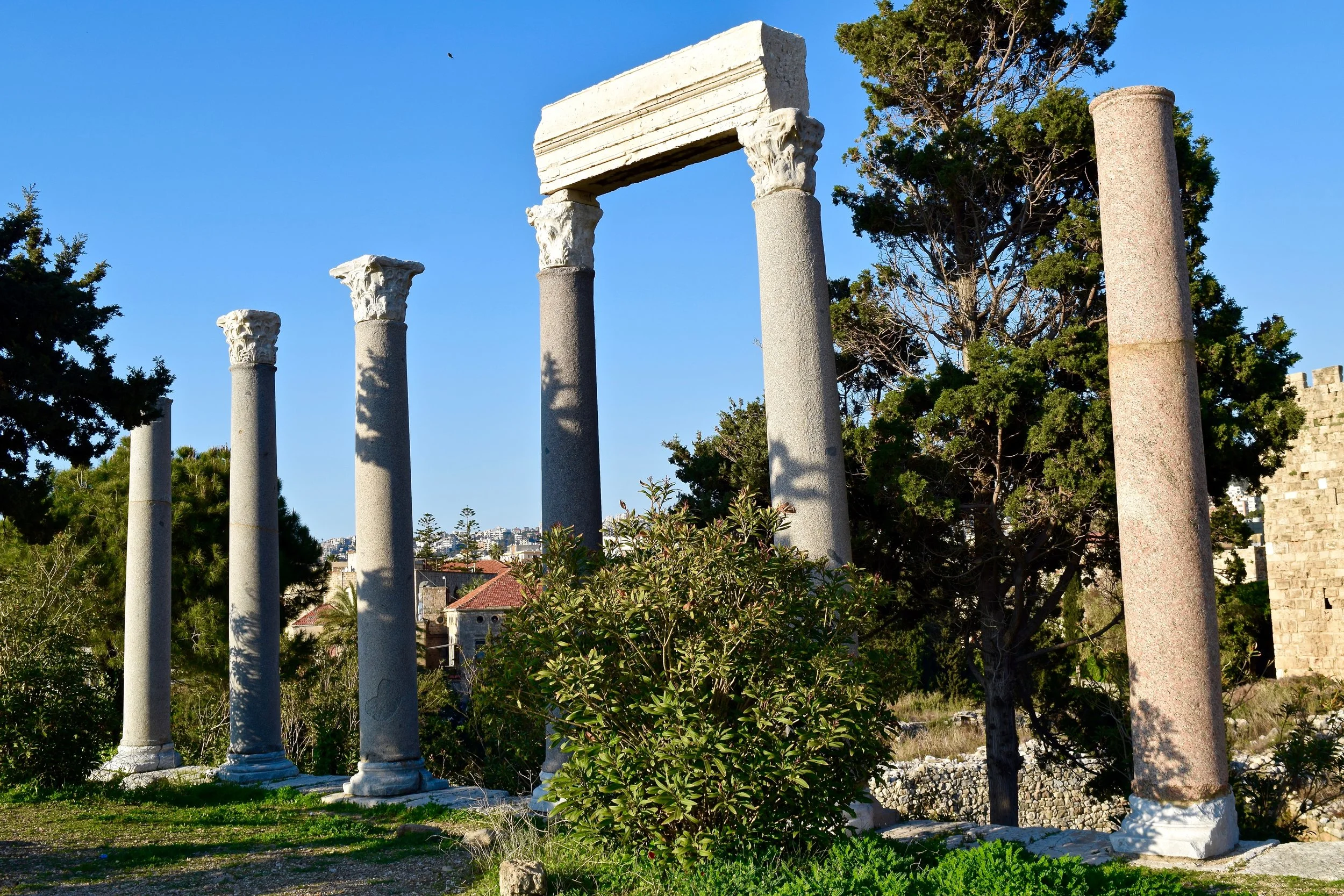
Roman ruins
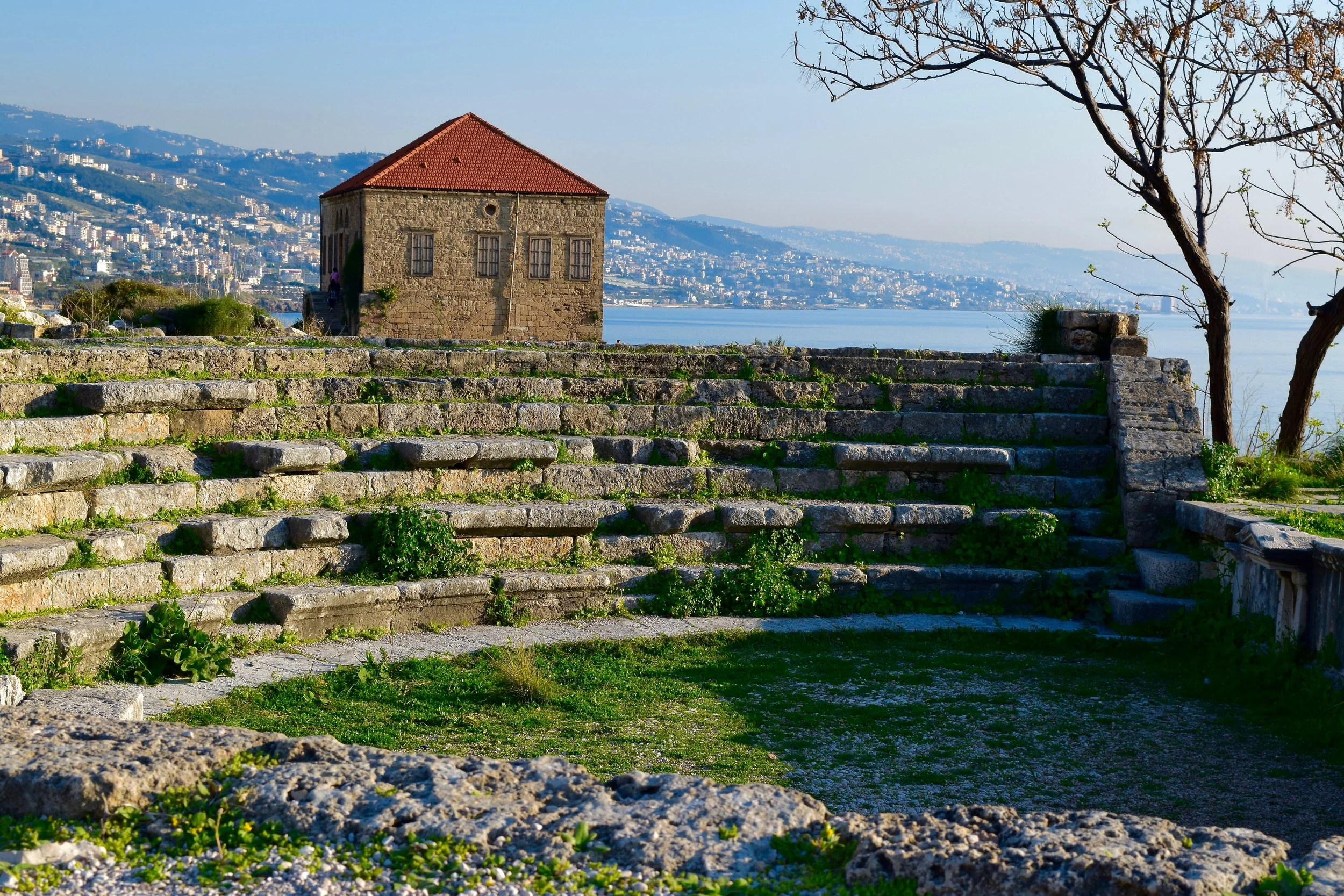
Roman amphitheatre
My last stop in Byblos was St. John the Baptist Church. Its construction started in the 12th century, and multiple structures were added over time. The main additions were an Italian-style cupola with an open baptistery, as well as a bell tower dating from the 20th century
The church was offered to the Maronites during the 18th century and is still actively used today.
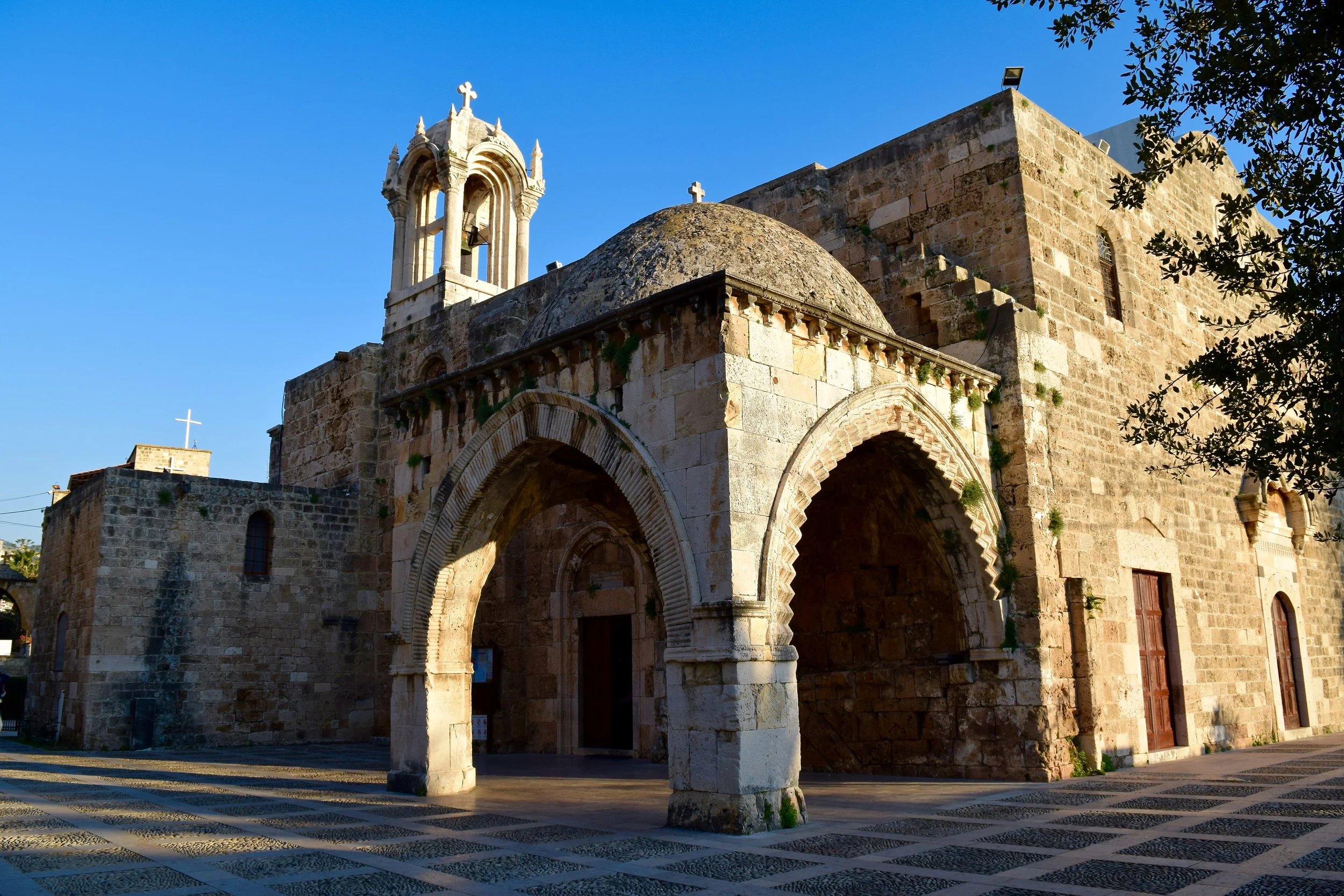
St. John the Baptist Church
I absolutely loved my time in Byblos, and it actually was one of my favourite places during my visit to Lebanon.
The city is an incredible place full of history and gorgeous architecture, and it just has everything you may be looking for: beaches with crystal clear water, a beautiful harbour filled with incredible restaurant; mosques, churches and of course, great shopping options in the famous souks.
If you're spending a few days in Lebanon, Byblos is a must in your itinerary!
Some links in this post are affiliate links, which means that if you buy through them, we’ll receive a small commission. This will never cost you more and in many cases you will receive a special discount.
As always, all opinions are mine. We appreciate your support!


Up in the mountainous region of Lebanon hides the Qadisha Valley, a UNESCO heritage site filled with caves carved in the rocks and once inhabited by Christian monks. During my last day in Lebanon, I went hiking in this surprising part of the country and also took the opportunity to visit the Tannourine Cedars Forest Nature Reserve and the striking Baatara Gorge!