
8 isolated places that you can't miss in Ireland
If you’re starting to plan your next holidays once the world goes back to normal and you’re looking for a quiet but charming destination where social distancing is possible, Ireland is your place!
With one of the most striking natural landscapes of Europe, Ireland offers many somewhat isolated natural and historical sites where you can avoid the herds of tourists that usually stay in the city. Have a look at this post to discover 8 places in Ireland that you can’t miss in your next trip!
Newgrange
Newgrange
Brú na Bóinne is the only UNESCO World Heritage Site in the Republic of Ireland, containing some of the world's most important landscapes from the Neolithic period.
The best-known constructions are Newgrange and Knowth, two megalithic passage graves built around 3200 BC, which makes them even older than the pyramids of Egypt! To learn more, read here my post about Newgrange & Knowth: unearthing the neolithic past of Ireland.
Newgrange is located in County Meath, about 40 kilometres north of Dublin. There are no direct buses to Newgrange, so you’ll need to drive through the M1 towards the city of Drogheda and then turn left on exit 9.
Alternatively, you can take one of the daily tours that leave from Dublin, some of them including the Hill of Tara.
2. Rock of Cashel
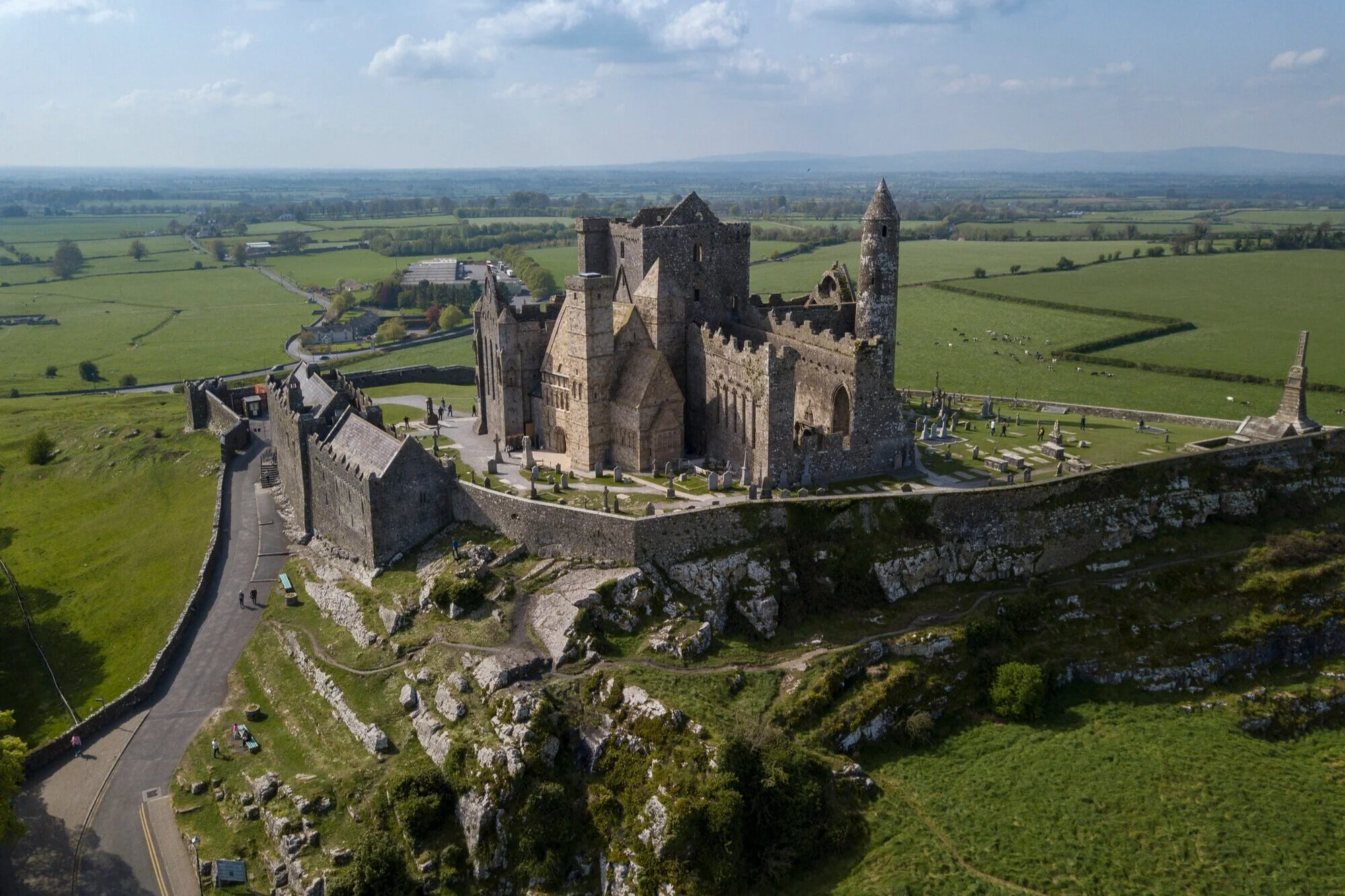
Rock of Cashel
The Rock of Cashel is one of the most impressive and unknown historical sites of Ireland.
Located on top of a hill right next to the town centre of Cashel, Co. Tipperary, the Rock of Cashel is an ensemble of ancient fortifications dating to the 13th century.
Once the main centre of power of the Irish clans, the remains that we see today are what’s left of the religious buildings that survived Oliver Cromwell’s army in the mid 17th century.
Some of the places of interest include one of the best-preserved round towers of Ireland from the 12th century, a 13th-century Gothic cathedral and the surrounding cemetery where you can find the traditional High Cross.
You also shouldn’t miss the undeniable highlight of the Rock: the 12th century Cormac’s Chapel with its jaw-dropping Romanesque architecture and vivid wall paintings.
Your best option to get there by public transport is getting the Bus Eirean x8 bus, leaving from Dublin’s Busaras station with destination Cork. Alternatively, you can book one of the many day tours leaving from Dublin. Cashel is located only 1h 50m from Dublin, so you can easily visit in a day and even combine it with the impressive Cahir Castle.
3. Wicklow Mountains
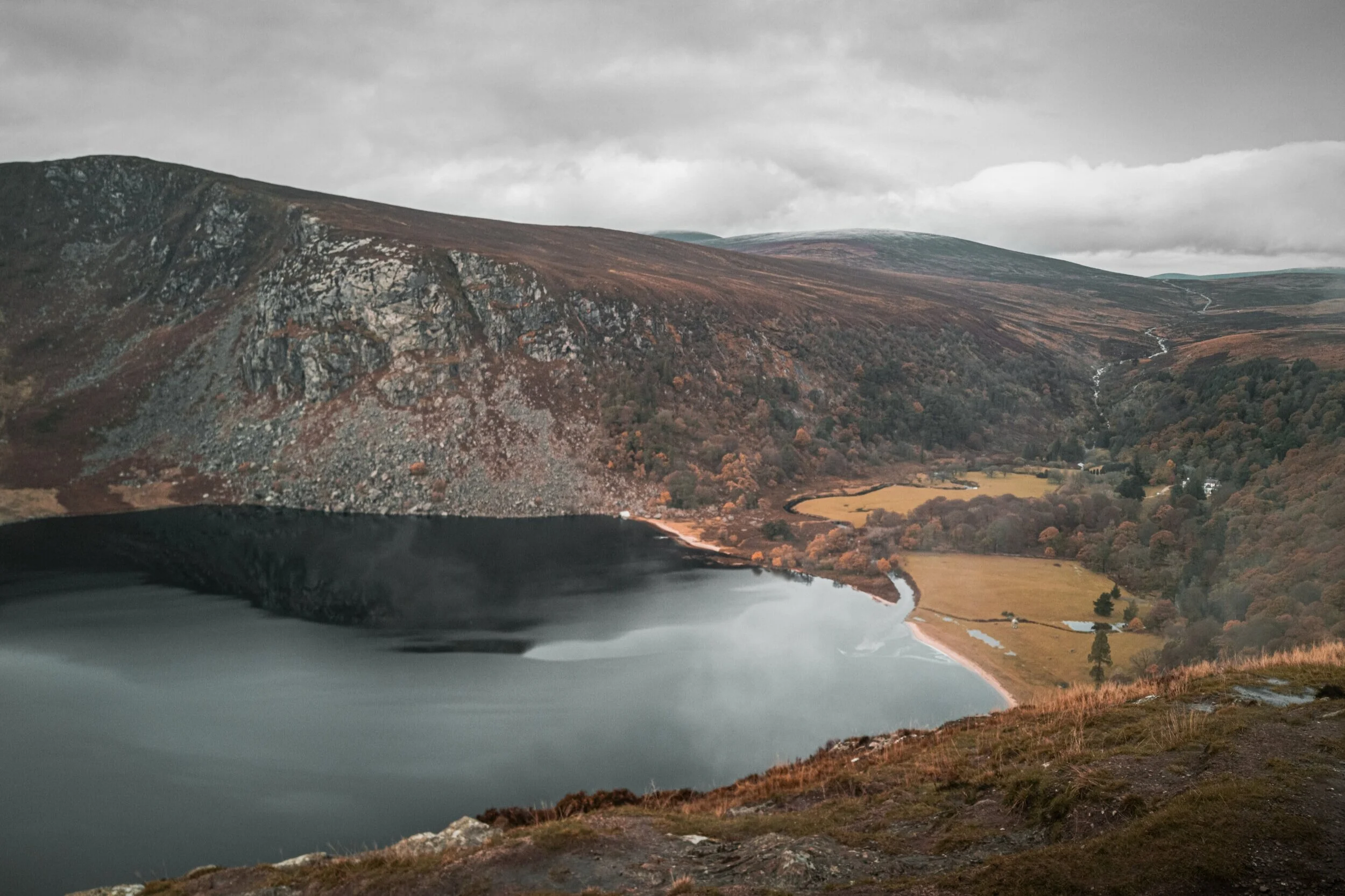
Guinness lake, Wicklow Mountains
If you’d like to enjoy nature on a day trip from Dublin without having to go too far, Wicklow Mountains is by far the most popular option.
Wicklow Mountains are located only 40km south from Dublin. Due to its outstanding natural beauty, ranging from hills to lakes, it has earned the nickname 'the garden of Ireland’
Your visit should include the famous Lough Tay, known as the Guinness Lake. Despite its dark waters and white sand that does make it look like a huge pond of Guinness, the truth is that its name comes from the adjacent estate owned by Arthur Guinness and his family, founders of the famous beer.
While enjoying the mountains and glacial valleys, stop at some of the filming locations of the Hollywood movies ‘P.S. I love you’ and ‘Brave Heart’ before continuing with a visit to Glendalough, a surprisingly well-preserved monastic settlement founded in the 6th century by St. Kevin.
Since most points of interest are located in the middle of the mountains, you can book one of the daily day trips leaving from Dublin:
4. Giant’s Causeway

Giant’s Causeway
Time to hit the road in Northern Ireland to experience one of the most jaw-dropping natural formations of the world, the Giant’s Causeway.
The Giant’s Causeway is a rock formation consisting of hundreds of hexagonal rock columns that fit together as if they were some sort of puzzle. For a reason is the only UNESCO World Heritage Site that can be found in Northern Ireland!
According to the legend, the causeway was formed when the Irish giant Fionn MacCool was challenged to a fight by the Scottish giant Benandonner, who lived on the other side of the sea.
When Benandonner crossed the causeway looking for MacCool, his wife had the idea to dress him as a baby. When Benandonner saw the huge baby, amazed by its size and terrified of how big the father would be, he ran back to Scotland, destroying the causeway behind him.
Some may believe this tale as the same rock formations can be found just across the sea in Scotland, but the truth is that this unusual formation was formed over 50 million years ago due to the intense volcanic activity of the area.
To visit Antrim Coast, you can take one of the daily tours departing from Dublin and Belfast that will include the Giant’s Causeway. They usually drive up Antrim Coast, stopping at Carrick-a-Rede Rope Bridge, the Old Bushmills Distillery or even some of the filming locations of Game of Thrones.
I personally recommend departing from Belfast, even if that requires an overnight stay the day before, as distances are shorter and you’ll have much more time to enjoy all the hidden gems that Northern Ireland has to offer!
5. Cliffs of Moher
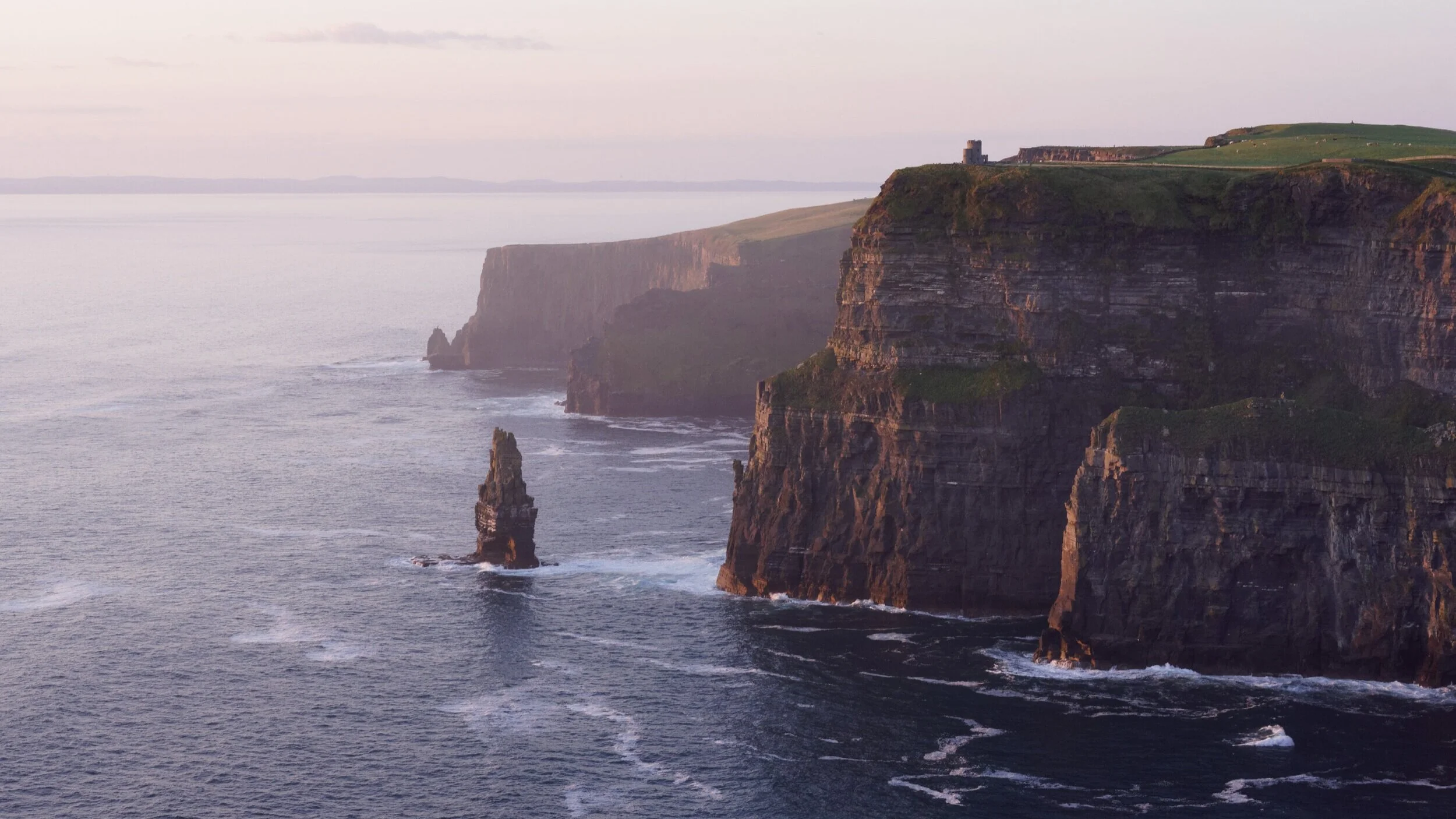
Cliffs of Moher
No visit to Ireland would be complete without a trip to the Cliffs of Moher.
Located in the famous Wild Atlantic Way and reaching 214 meters in height, the Cliffs of Moher offer one of the most dramatic views in the entire island.
There are different trails that you can follow to enjoy the beautiful panorama, or if you prefer, you can even take a boat cruise to get a different view from the sea!
While you can visit the Cliffs of Moher on a day trip from Dublin, I recommend spending the night in Galway, one of the most charming towns in Ireland, and take one of the full-day tours that include the Barren, Dunguaire Castle and Ailwee Cave.
6. Hill of Tara
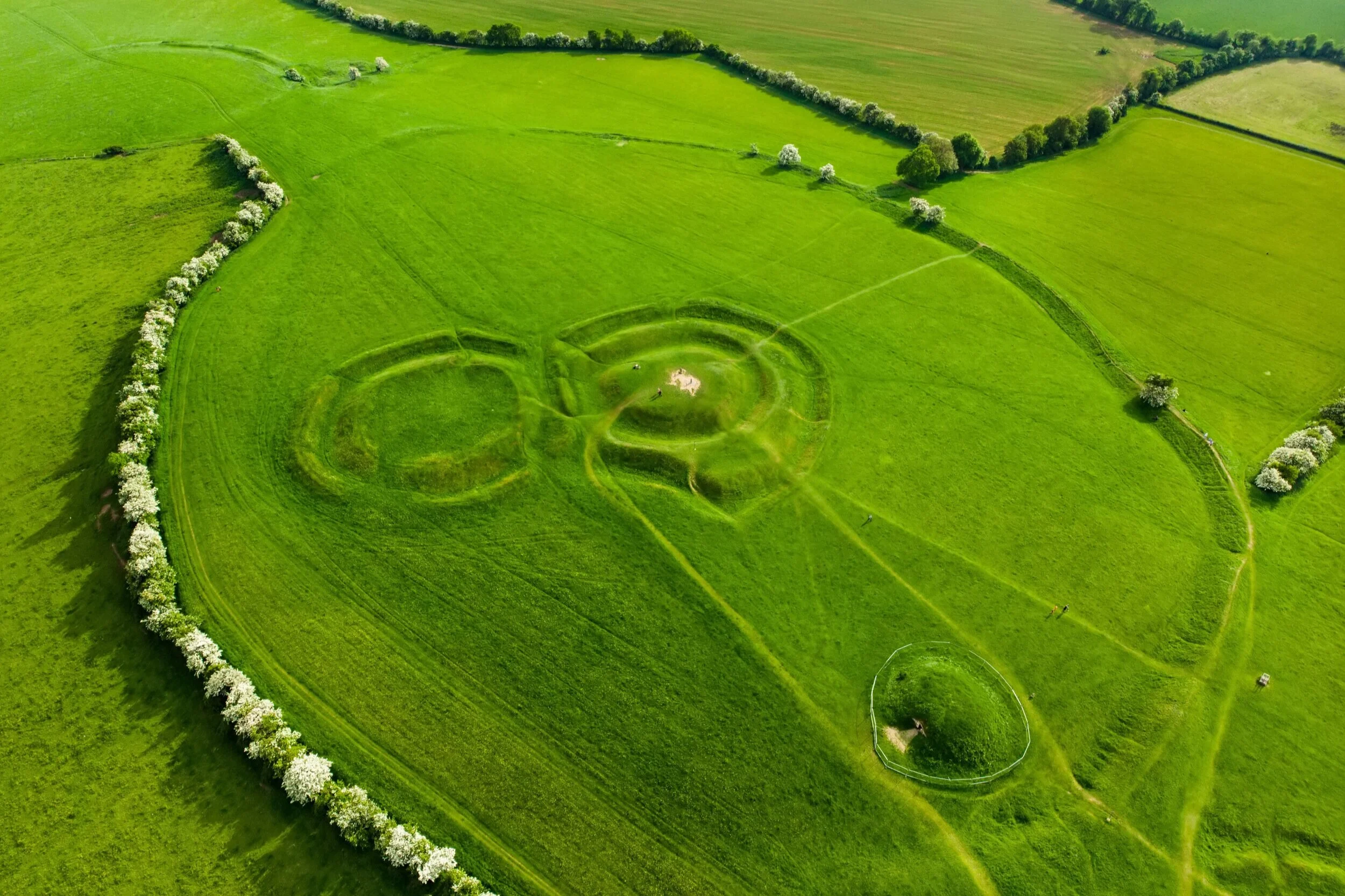
Hill of Tara
Often overshadowed by Newgrange, the Hill of Tara is an ancient burial site located in County Meath, 43km north from Dublin.
The Hill of Tara was for centuries the seat of the High Kings of Ireland, who ruled the country before Christianity arrived in the 5th century. Having formed an essential part of Irish history, the Hill of Tara is one of the most relevant archaeological sites of the country.
The site includes a passage tomb and multiple burial sites from the Stone Age, over 5,000 years ago. Entrance is free of charge.
The best option to visit the Hill of Tara is to book a day tour. Many of them will include Newgrange, the Hill of Uisneach or the popular Trim Castle.
7. Connemara
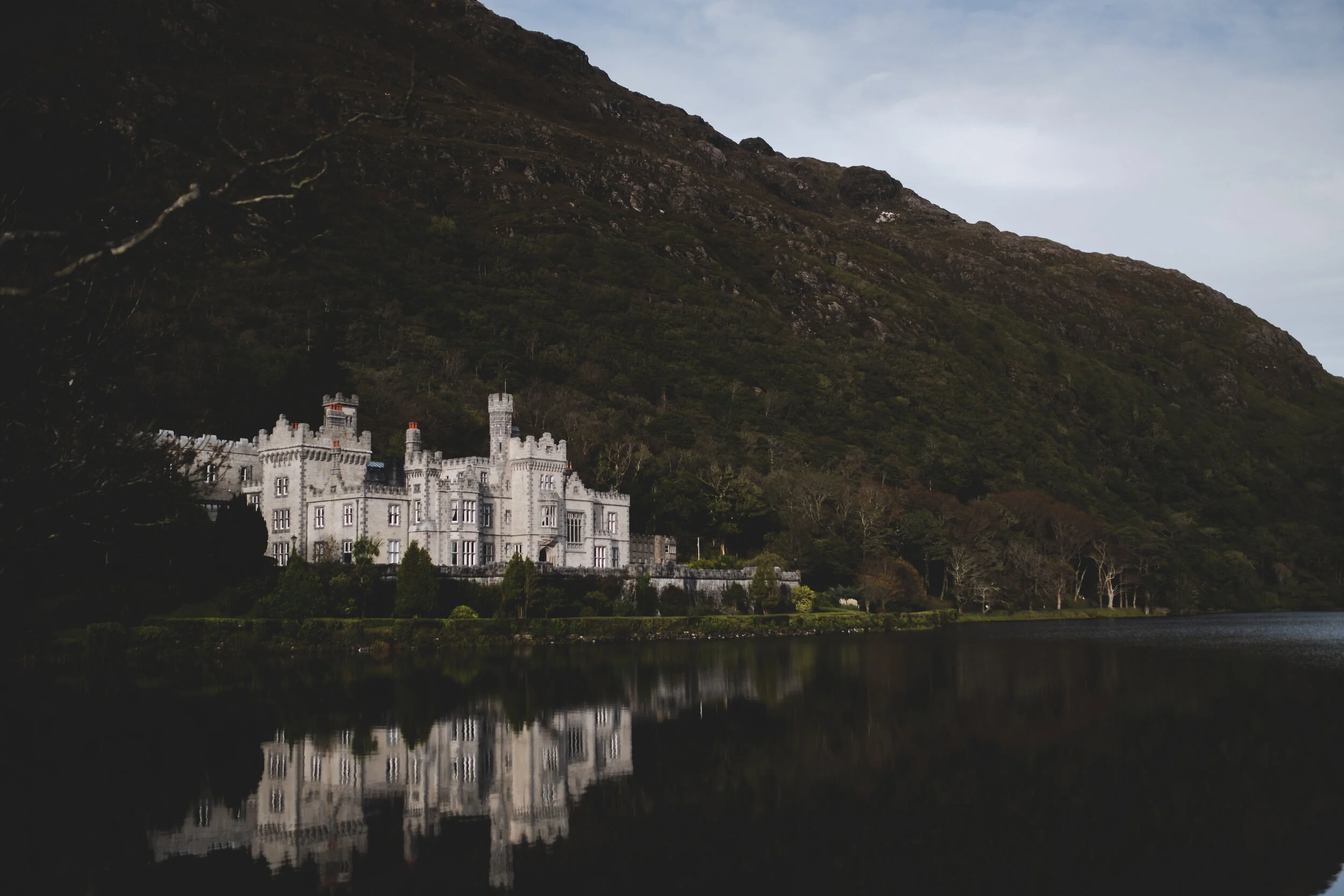
Kylemore Abbey, Connemara
Unknown to many foreign visitors, Connemara is one of the few Gaeltacht regions in the country, where Irish is the primary language used in daily life.
Located 64km west from Galway, the Connemara National Park is nature at its best: hidden beaches, rugged hills, and of course, Ireland’s famous bogs. Connemara is known for being a very rural area, so you’ll be surrounded by nothing but sheep!
Don’t forget to visit Kylemore Abbey, a 19th-century monastery that once belonged to the English crown. The abbey is open to visitors who’d like to enjoy the original interiors.
You can join one of the daily day tours that depart from Galway, which will give you the most time to fully enjoy Connemara. You can also departure from other Irish cities, including Dublin or Limerick.
8. Dingle Peninsula
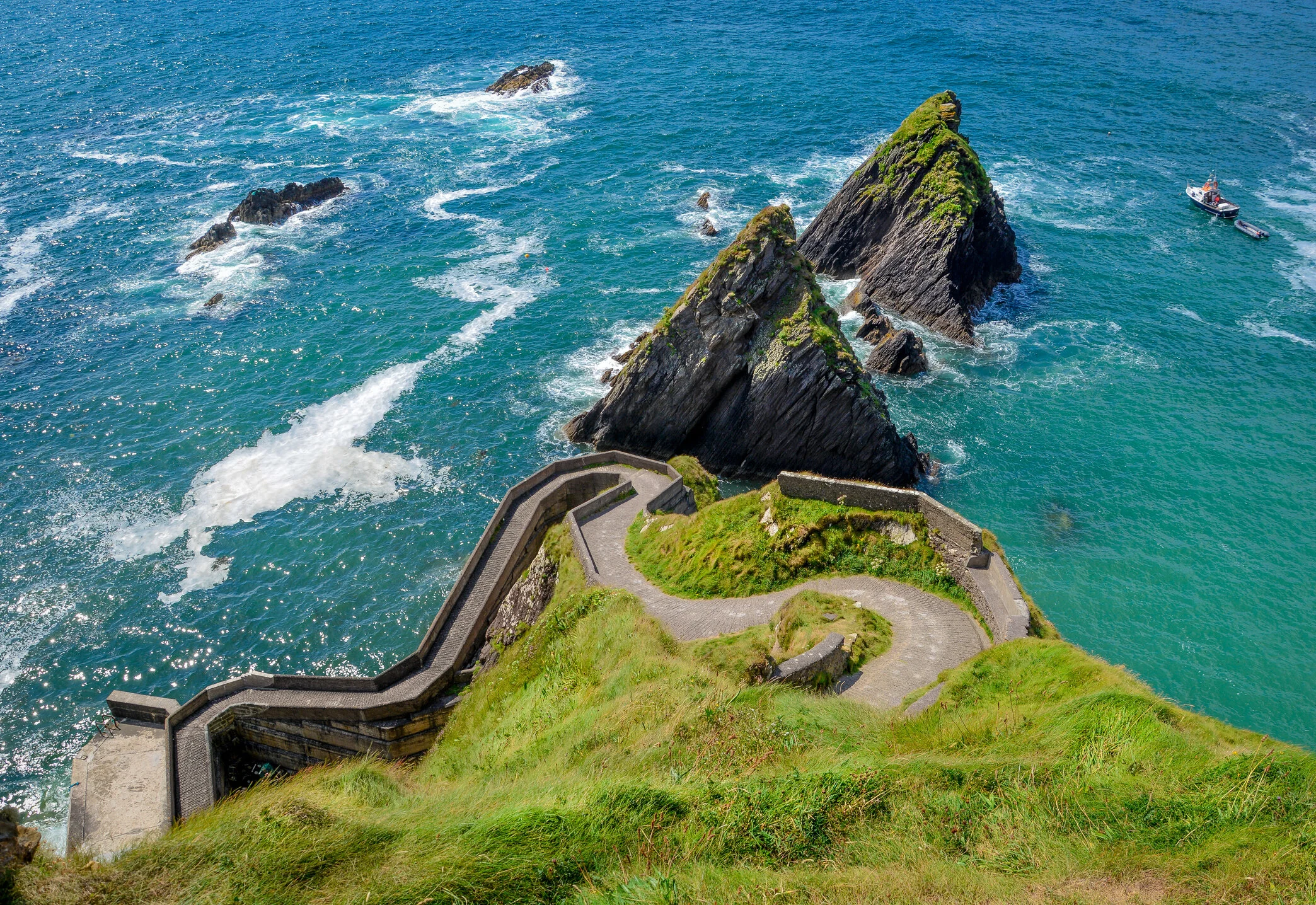
Slea Head, Dingle Peninsula
By far my favourite place in Ireland, Dingle Peninsula is the highlight of the Wild Atlantic Way and another of the few Gaeltacht regions in Ireland.
Here the land meets the ocean and nature unfolds before your eyes: immaculate beaches, striking mountains and lakes, Christian chapels and charming villages…. there’s no better place to experience what Ireland really is all about!
No visit to Dingle would be complete without enjoying the unbeatable views from Slea Head, a set of ring forts from the early Christian overlooking the ocean.
The total length of the loop trip is about 47km, which must be driven in a clockwise direction.
I recommend starting your visit to the Dingle Peninsula from the charming town of Killarney, where you can also visit the vast Killarney National Park to try to spot the native red deers.
Unless you decide to rent a car, a day tour will be your best option. You can find daily departures from most Irish cities, including Killarney, Galway, Cork or even Dublin.
Some links in this article are affiliate links, which means that if you buy through them, we’ll receive a small commission. This will never cost you more and in many cases you will receive a special discount.
As always, all opinions are mine. We appreciate your support!

Brú na Bóinne is a UNESCO site in Ireland containing some of the world's most important landscapes from the Neolithic period. The best-known constructions are Newgrange and Knowth, two megalithic passage graves built around 3200 BC, which makes them even older than the pyramids of Egypt.
Surrounded by mystery, a visit to one of the only two heritage sites in Ireland is a must. But, what is the real story behind these impressive constructions?